Library
Browse and search books
1,508 novels found
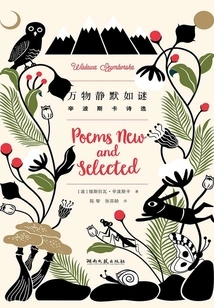
Everything is Silent as a Mystery
Literature万物静默如谜
(bo) Wislawa Szymborska
I prefer the absurdity of writing poetry to the absurdity of not writing poetry. --Szymborska, winner of the 1996 Nobel Prize for Literature, is one of the most charming contemporary poets and enjoys the reputation of "Mozart in poetry". Her poems are unique. They often draw joy from daily life, convey profound thoughts in simple language, open up a vast imagination space with small metaphors, and combine seriousness with humor and wit. She is a master of language and has many fans all over the world. Published in paperback in 2012, "Everything Is Silent as a Mystery" became a favorite among domestic readers that year. It was successively selected as one of the top ten best books of the year in "Sina China" and "Shenzhen Reading Month" and became a best-seller. Its publication indirectly promoted the upsurge in the publication of poetry collections in China. In this hardcover edition of "Everything Is Silent as a Mystery", the translator not only made new revisions to the text, but also added five new translations, including "Memorial" and "Train Station". The text is printed in full color and includes 10 exquisite illustrations.
I prefer the absurdity of writing poetry to the absurdity of not writing poetry. --Szymborska, winner of the 1996 Nobel Prize for Literature, is one of the most charming contemporary poets and enjoys the reputation of "Mozart in poetry". Her poems are unique. They often draw joy from daily life, convey profound thoughts in simple language, open up a vast imagination space with small metaphors, and combine seriousness with humor and wit. She is a master of language and has many fans all over the world. Published in paperback in 2012, "Everything Is Silent as a Mystery" became a favorite among domestic readers that year. It was successively selected as one of the top ten best books of the year in "Sina China" and "Shenzhen Reading Month" and became a best-seller. Its publication indirectly promoted the upsurge in the publication of poetry collections in China. In this hardcover edition of "Everything Is Silent as a Mystery", the translator not only made new revisions to the text, but also added five new translations, including "Memorial" and "Train Station". The text is printed in full color and includes 10 exquisite illustrations.
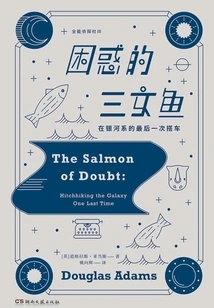
D
LiteratureD
I
In 2001, the talented science fiction writer Douglas Adams left us forever at the age of 49. His friends and editors rescued files from Adams' personal computer, carefully selected and edited them, and the collection was born. This book reveals the creation story of series such as "The Hitchhiker's Guide to the Galaxy" and "The Almighty Detective Agency" for readers who love Adams; while a series of short articles, interviews and letters show us countless details of the writer's life - his embarrassing big nose, the psychological damage caused to him by being forced to wear shorts when he was a student, saving rhinos, making movies, being obsessed with music, studying technology, thinking about philosophical issues, etc. Of course, detective Dirk Gentry also continues to pursue his new case in this book, although it is a case he is extremely reluctant to take on: the search for half a cat... Open this book and learn everything about Douglas Adams.
In 2001, the talented science fiction writer Douglas Adams left us forever at the age of 49. His friends and editors rescued files from Adams' personal computer, carefully selected and edited them, and the collection was born. This book reveals the creation story of series such as "The Hitchhiker's Guide to the Galaxy" and "The Almighty Detective Agency" for readers who love Adams; while a series of short articles, interviews and letters show us countless details of the writer's life - his embarrassing big nose, the psychological damage caused to him by being forced to wear shorts when he was a student, saving rhinos, making movies, being obsessed with music, studying technology, thinking about philosophical issues, etc. Of course, detective Dirk Gentry also continues to pursue his new case in this book, although it is a case he is extremely reluctant to take on: the search for half a cat... Open this book and learn everything about Douglas Adams.
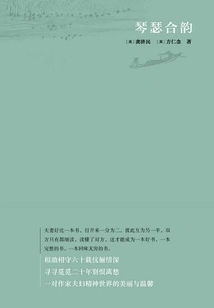
The Rhyme of Harp and Harp
Literature琴瑟合韵
(u. S.) Gong Jimin Fang Rennian
This book is a collection of life essays co-authored by Gong Jimin and Fang Rennian. The content is divided into four chapters. The first chapter is the author's recollection of the people and events he experienced when growing up as a child, and looks at the customs and customs of his hometown from a child's perspective; the second chapter is about recalling old classmates and teachers; the third chapter is the author's casual notes about poetry and history reading; the fourth chapter is about the author's recent visits to famous cities and resorts in various countries with his family. The text is transparent and perceptual, expressing a cultural scholar's deep feelings for his hometown and country, as well as his thoughts and compassion for the fate of the characters. Reminiscing about my childhood and lamenting about my elders, I draw lessons from the past and the present, unforgettable family and friendship, and my love for the mountains and rivers to enjoy the joys and sorrows of life.
This book is a collection of life essays co-authored by Gong Jimin and Fang Rennian. The content is divided into four chapters. The first chapter is the author's recollection of the people and events he experienced when growing up as a child, and looks at the customs and customs of his hometown from a child's perspective; the second chapter is about recalling old classmates and teachers; the third chapter is the author's casual notes about poetry and history reading; the fourth chapter is about the author's recent visits to famous cities and resorts in various countries with his family. The text is transparent and perceptual, expressing a cultural scholar's deep feelings for his hometown and country, as well as his thoughts and compassion for the fate of the characters. Reminiscing about my childhood and lamenting about my elders, I draw lessons from the past and the present, unforgettable family and friendship, and my love for the mountains and rivers to enjoy the joys and sorrows of life.
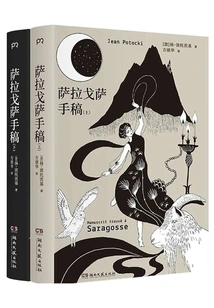
Saragossa Manuscript
Literature萨拉戈萨手稿
(bo) Jan Potocki
Dear Alfonso, we are not here by chance... We are waiting for you. Alfonso, a young officer of the Walloon Guards, went to Madrid to join his army. But he soon discovers that he is trapped in a mysterious roadside inn, staying with all kinds of weirdos: thieves, robbers, nobles, prostitutes and gypsies. He recorded their stories over sixty-six days. Some forty years later, the manuscript was discovered in a locked box. This book about disguise, magic, fantasy, honor and cowardice, obsession and temptation, vividly depicts various characters. The novel uses various genres such as Gothic, picaresque, comedy, adventure, philosophy, and love. The stories are contained within stories, and it is hailed as a masterpiece comparable to "The Decameron" and "One Thousand and One Nights."
Dear Alfonso, we are not here by chance... We are waiting for you. Alfonso, a young officer of the Walloon Guards, went to Madrid to join his army. But he soon discovers that he is trapped in a mysterious roadside inn, staying with all kinds of weirdos: thieves, robbers, nobles, prostitutes and gypsies. He recorded their stories over sixty-six days. Some forty years later, the manuscript was discovered in a locked box. This book about disguise, magic, fantasy, honor and cowardice, obsession and temptation, vividly depicts various characters. The novel uses various genres such as Gothic, picaresque, comedy, adventure, philosophy, and love. The stories are contained within stories, and it is hailed as a masterpiece comparable to "The Decameron" and "One Thousand and One Nights."
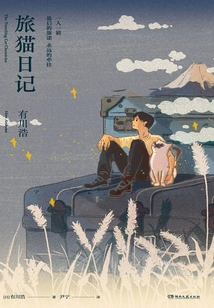
Traveling Cat Diary
Literature旅猫日记
(japan) Arikawa Hiroshi
Hiroshi Arikawa, the most popular writer voted by Japanese readers: "I can only write one story like this in my life." Please bring your own tissues when reading, because you may be moved to tears at any time! Since childhood, Satoru has been accustomed to moving frequently across the country. By chance, he met the wild cat "Nana" and adopted it. But later, for some reason, he had to find a new owner for his cat. So, a man and a cat began a touching journey. Along the way, they depended on each other, and successively visited an elementary school classmate who inherited the photo studio in his hometown and his wife ran away from home; a junior high school classmate with a rough and bold personality who is now a farmer; and a high school friend who runs a pet hotel at the foot of Mount Fuji. As the journey progresses, the truth about Satoru's miserable and strong past life and the fact that he had to be separated from Nana slowly emerges...
Hiroshi Arikawa, the most popular writer voted by Japanese readers: "I can only write one story like this in my life." Please bring your own tissues when reading, because you may be moved to tears at any time! Since childhood, Satoru has been accustomed to moving frequently across the country. By chance, he met the wild cat "Nana" and adopted it. But later, for some reason, he had to find a new owner for his cat. So, a man and a cat began a touching journey. Along the way, they depended on each other, and successively visited an elementary school classmate who inherited the photo studio in his hometown and his wife ran away from home; a junior high school classmate with a rough and bold personality who is now a farmer; and a high school friend who runs a pet hotel at the foot of Mount Fuji. As the journey progresses, the truth about Satoru's miserable and strong past life and the fact that he had to be separated from Nana slowly emerges...
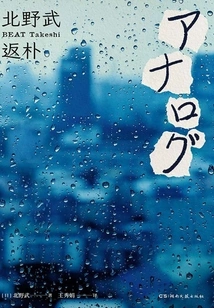
Return to Basics
Literature返朴
(japan) Takeshi Kitano
I want to fall in love like this, even if it only happens once in my life. -- Kitano Takeshi. The "ultimate love" realized by Takeshi Kitano, who is over seventy years old. A classic novel that depicts the rare pure relationship between men and women today and explores what "loving someone" means. "Back to Basics" is a pure love novel created by Japanese film master Takeshi Kitano. Takeshi Kitano, who is over seventy years old, wrote the "ultimate love" he realized in this pure and somewhat "violent" fictional love novel. Mizushima Satoru, who is in his thirties, is an interior designer. He insists on making models with his own hands, is skeptical about the convenience brought by the digital age, and feels uncomfortable with an environment where communication can be made anytime and anywhere. One day, he met Miyuki in a cafe. They don't know each other's identities, but they are strongly attracted to each other. The two did not exchange contact information, but only made a naive agreement - if each other is free, they will meet at the same place every Thursday evening. "As long as we both want to see each other, we will definitely meet." A return-to-basics relationship begins...
I want to fall in love like this, even if it only happens once in my life. -- Kitano Takeshi. The "ultimate love" realized by Takeshi Kitano, who is over seventy years old. A classic novel that depicts the rare pure relationship between men and women today and explores what "loving someone" means. "Back to Basics" is a pure love novel created by Japanese film master Takeshi Kitano. Takeshi Kitano, who is over seventy years old, wrote the "ultimate love" he realized in this pure and somewhat "violent" fictional love novel. Mizushima Satoru, who is in his thirties, is an interior designer. He insists on making models with his own hands, is skeptical about the convenience brought by the digital age, and feels uncomfortable with an environment where communication can be made anytime and anywhere. One day, he met Miyuki in a cafe. They don't know each other's identities, but they are strongly attracted to each other. The two did not exchange contact information, but only made a naive agreement - if each other is free, they will meet at the same place every Thursday evening. "As long as we both want to see each other, we will definitely meet." A return-to-basics relationship begins...
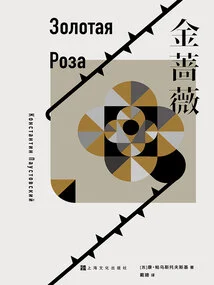
Golden Rose
Literature金蔷薇
(soviet) Kon Paustovsky
This book uses a unique aesthetic vision to carefully observe the creative life of writers and artists, and uses smart prose language to integrate novel-like narrative and weave elegant and beautiful articles. This book is not just a creative theory that condenses the writer's lifelong creative experience and explores the mysteries of literary creation. It also starts from the origin of life and art, uses ingenious conception, meaningful language, and exquisite style to teach readers to understand what the beauty of humanities, art, and even nature is, and how to feel and appreciate this beauty. The author uses warm, accurate and beautiful words to show us the colorfulness, vastness and richness of this world, arousing people's love for life, curiosity about the world, and unremitting pursuit of beauty.
This book uses a unique aesthetic vision to carefully observe the creative life of writers and artists, and uses smart prose language to integrate novel-like narrative and weave elegant and beautiful articles. This book is not just a creative theory that condenses the writer's lifelong creative experience and explores the mysteries of literary creation. It also starts from the origin of life and art, uses ingenious conception, meaningful language, and exquisite style to teach readers to understand what the beauty of humanities, art, and even nature is, and how to feel and appreciate this beauty. The author uses warm, accurate and beautiful words to show us the colorfulness, vastness and richness of this world, arousing people's love for life, curiosity about the world, and unremitting pursuit of beauty.

那些渐渐喜欢上人的日子
(japan) Hiroo Onami
"Those Days When You Gradually Fall in Love with People" is a collection of classic video and text works by the Japanese portrait photographer Hiroo Onami. On a sunny day, he went to Asakusa with his camera and struck up conversations with strangers. He likes to take pictures of them under the red walls of Sensoji Temple. I have persisted in this way for more than 40 years and captured portraits of nearly a thousand people to record the changes of this era. On a rainy day, while working at home, he explored the stories about his hometown and journey in his memory. He feels the visible and invisible things with the eyes of a photographer, captures the tiny eternity hidden in daily life, and reflects on the scenery reflected in his heart. Whispered words and silent black-and-white photography make up this delicate and beautiful collection of pictures and texts.
"Those Days When You Gradually Fall in Love with People" is a collection of classic video and text works by the Japanese portrait photographer Hiroo Onami. On a sunny day, he went to Asakusa with his camera and struck up conversations with strangers. He likes to take pictures of them under the red walls of Sensoji Temple. I have persisted in this way for more than 40 years and captured portraits of nearly a thousand people to record the changes of this era. On a rainy day, while working at home, he explored the stories about his hometown and journey in his memory. He feels the visible and invisible things with the eyes of a photographer, captures the tiny eternity hidden in daily life, and reflects on the scenery reflected in his heart. Whispered words and silent black-and-white photography make up this delicate and beautiful collection of pictures and texts.
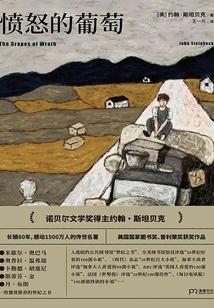
N
Literaturen
H
I don't know whether it is heaven or hell, but there is our hope, and we must live... This is a touching legendary story. A sandstorm destroyed the Joad family's land and forced them to leave their home. They assembled a trailer out of scrap metal, piled all their belongings on it, and headed west along Route 66 to the legendary paradise of grape-filled mountains-California. During this long journey of three thousand kilometers, they experienced many incredible things. Some things are cruel and painful, but there are also some encounters that touch them so much that they regain their confidence in living.
I don't know whether it is heaven or hell, but there is our hope, and we must live... This is a touching legendary story. A sandstorm destroyed the Joad family's land and forced them to leave their home. They assembled a trailer out of scrap metal, piled all their belongings on it, and headed west along Route 66 to the legendary paradise of grape-filled mountains-California. During this long journey of three thousand kilometers, they experienced many incredible things. Some things are cruel and painful, but there are also some encounters that touch them so much that they regain their confidence in living.
Natural History of Fantasy
Literature奇想博物志
H
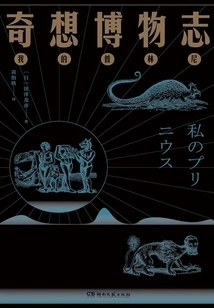
There is a monster in Ethiopia with a human face, human ears and blue eyes. The body is like a lion and red like blood. The tail is like a scorpion and can sting the enemy. Its cry is like an ensemble of reed flutes and trumpets. There is a poisonous animal in the Indian sea called sea hare. When a pregnant woman sees a female sea hare, she will immediately feel nauseated just by looking at it, which may lead to miscarriage. In the area near the source of the Ganges River in eastern India, there lives a race called the Astomi. They have no mouths and live by inhaling air and fragrance through their nostrils... In "Natural History of Imaginations", Japanese dark aesthetic master Shibusawa Tatsuhiko uses "Natural History" written by Pliny, known as "the classic among classics", as the entrance, and selects a labyrinth and a sundial. , Ethiopian monsters, sex and the diaphragm, sea hares and sea animals, miracles in the world and other 22 themes. With its unique quotations and witty remarks, it not only vividly presents Pliny and his philosophy of life, but also brings us into a strange world where it is difficult to distinguish between true and false, and weird and imaginary.
There is a monster in Ethiopia with a human face, human ears and blue eyes. The body is like a lion and red like blood. The tail is like a scorpion and can sting the enemy. Its cry is like an ensemble of reed flutes and trumpets. There is a poisonous animal in the Indian sea called sea hare. When a pregnant woman sees a female sea hare, she will immediately feel nauseated just by looking at it, which may lead to miscarriage. In the area near the source of the Ganges River in eastern India, there lives a race called the Astomi. They have no mouths and live by inhaling air and fragrance through their nostrils... In "Natural History of Imaginations", Japanese dark aesthetic master Shibusawa Tatsuhiko uses "Natural History" written by Pliny, known as "the classic among classics", as the entrance, and selects a labyrinth and a sundial. , Ethiopian monsters, sex and the diaphragm, sea hares and sea animals, miracles in the world and other 22 themes. With its unique quotations and witty remarks, it not only vividly presents Pliny and his philosophy of life, but also brings us into a strange world where it is difficult to distinguish between true and false, and weird and imaginary.

Jaguar under the Sun
Literature美洲豹阳光下
G
A book I'm writing is about the five senses, to illustrate that modern people no longer know how to use them. This is the ultimate collection of short stories that Calvino was still writing when he died, the final song of his creative career. Because of his sudden death, he only finished writing about the three senses of smell, taste and hearing, leaving irreparable regrets. In "Puma Sunshine," a troubled couple travels to Mexico to deduce the nature of love through dishes made with exotic ingredients and spices. The enthroned tyrant in "The King Is Listening" is a prisoner of both his power and his ears, as the echoes of his vast palace bring conflicting messages of judgment, love, and intrigue. In "Name, Nose," a playboy, a prehistoric man, and a stoner rocker embark on a frantic search for a woman's scent.
A book I'm writing is about the five senses, to illustrate that modern people no longer know how to use them. This is the ultimate collection of short stories that Calvino was still writing when he died, the final song of his creative career. Because of his sudden death, he only finished writing about the three senses of smell, taste and hearing, leaving irreparable regrets. In "Puma Sunshine," a troubled couple travels to Mexico to deduce the nature of love through dishes made with exotic ingredients and spices. The enthroned tyrant in "The King Is Listening" is a prisoner of both his power and his ears, as the echoes of his vast palace bring conflicting messages of judgment, love, and intrigue. In "Name, Nose," a playboy, a prehistoric man, and a stoner rocker embark on a frantic search for a woman's scent.

I Am in Love with Chinese
Literature我和中文谈恋爱
I
Japanese writers who write in Chinese fall in love with the Chinese world. What Ichiji Arai wrote in "I Fall in Love with Chinese" can be said to be a very personal story: how a Japanese fell in love with Chinese. In the first year of falling in love with Chinese, it all depends on your ears and mouth. Chinese sounds very pleasant, and speaking it is as comfortable as singing. It also secretes the happy hormone dopamine in the brain, which makes people particularly happy. I never thought that there are such interesting languages in the world! Arai Yijisan regards Chinese as another passport besides the Japanese passport, or Doraemon's random door, and boldly travels around the world. She has traveled by train in China; entered the Chinese art scene in Canada; filmed documentaries in Chinatown, New York; opened a column and served as a special interviewer in Hong Kong. At the same time, because she comes from outside the Chinese world and is always on the edge of the Central Plains, who would have expected that her position would occasionally give her a clear view. On the way from learning Chinese to becoming a writer, there have been unforgettable, interesting, tragic, and unfortunate experiences. But if there is no Chinese in life, Arai Yijisan will not recognize himself at all. How can there be Japanese people who write in Chinese?
Japanese writers who write in Chinese fall in love with the Chinese world. What Ichiji Arai wrote in "I Fall in Love with Chinese" can be said to be a very personal story: how a Japanese fell in love with Chinese. In the first year of falling in love with Chinese, it all depends on your ears and mouth. Chinese sounds very pleasant, and speaking it is as comfortable as singing. It also secretes the happy hormone dopamine in the brain, which makes people particularly happy. I never thought that there are such interesting languages in the world! Arai Yijisan regards Chinese as another passport besides the Japanese passport, or Doraemon's random door, and boldly travels around the world. She has traveled by train in China; entered the Chinese art scene in Canada; filmed documentaries in Chinatown, New York; opened a column and served as a special interviewer in Hong Kong. At the same time, because she comes from outside the Chinese world and is always on the edge of the Central Plains, who would have expected that her position would occasionally give her a clear view. On the way from learning Chinese to becoming a writer, there have been unforgettable, interesting, tragic, and unfortunate experiences. But if there is no Chinese in life, Arai Yijisan will not recognize himself at all. How can there be Japanese people who write in Chinese?
Taste of Cherry: Abbas Talks Movies
Literature樱桃的滋味:阿巴斯谈电影
O
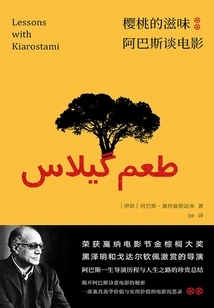
Abbas was the founder of Iran's new wave of cinema and a master of poetic cinema. He made 22 films in his life and was unanimously praised by film giants such as Akira Kurosawa and Godard. In 1997, Abbas won the Palme d'Or at the Cannes Film Festival for "Taste of Cherry". Later, his works such as "Where is My Friend's House", "Lover Under the Olive Tree" and "Gone with the Wind" won international awards. Abbas's movies use the lens to gaze at the ordinary world, and the pure and simple stories give people the simplest touch. The image style is concise and poetic, full of humanistic feelings and philosophical thinking. "The Taste of Cherry" is a precious summary of Abbas's life as a director. It presents Abbas's artistic and life views in detail and profoundly. It is a film meditation with both practical and aesthetic values.
Abbas was the founder of Iran's new wave of cinema and a master of poetic cinema. He made 22 films in his life and was unanimously praised by film giants such as Akira Kurosawa and Godard. In 1997, Abbas won the Palme d'Or at the Cannes Film Festival for "Taste of Cherry". Later, his works such as "Where is My Friend's House", "Lover Under the Olive Tree" and "Gone with the Wind" won international awards. Abbas's movies use the lens to gaze at the ordinary world, and the pure and simple stories give people the simplest touch. The image style is concise and poetic, full of humanistic feelings and philosophical thinking. "The Taste of Cherry" is a precious summary of Abbas's life as a director. It presents Abbas's artistic and life views in detail and profoundly. It is a film meditation with both practical and aesthetic values.

扔掉书本上街去
(japan) Shuji Terayama
Shuji Terayama is a cross-border weirdo. He is not only an excellent film director and actor, but also an outstanding poet, critic and dramatist. His films "Goodbye Hakobune" and "Pastoral Festival of the Dead" were listed as the top ten films of the year in the film festival, and were nominated for the Palme d'Or at the Cannes Film Festival; his creations such as "Grass Labyrinth" and "The Education of Madmen" have become representative works of Japanese avant-garde dramas. In this book, Shuji Terayama captures every fragment of life and infuses his strong personal style and unconstrained ideas into the lines. With his unbridled talent and alternative style of works, he has captured countless people including Shunji Iwai, Daido Moriyama, Tadao Ando, etc.
Shuji Terayama is a cross-border weirdo. He is not only an excellent film director and actor, but also an outstanding poet, critic and dramatist. His films "Goodbye Hakobune" and "Pastoral Festival of the Dead" were listed as the top ten films of the year in the film festival, and were nominated for the Palme d'Or at the Cannes Film Festival; his creations such as "Grass Labyrinth" and "The Education of Madmen" have become representative works of Japanese avant-garde dramas. In this book, Shuji Terayama captures every fragment of life and infuses his strong personal style and unconstrained ideas into the lines. With his unbridled talent and alternative style of works, he has captured countless people including Shunji Iwai, Daido Moriyama, Tadao Ando, etc.
Jane Austen's England
Literature简·奥斯汀的英格兰
(uk) Roy Adkins Leslie Adkins
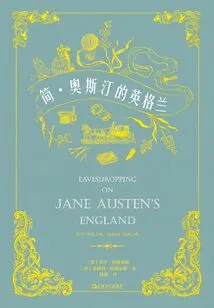
"Jane Austen's England" shows the true British social scene in Jane Austen's era. It was a turbulent era, with unsettling rapid changes in agriculture and industry, and people constantly suffering from the fear of revolution and invasion: very different from the quiet and comfortable fictional world created by Jane Austen. From arranged marriages and wife selling to the abuse of child labor in mines and chimneys, this fascinating social history reveals how people in Britain worked, played and struggled for survival two centuries ago. This is a must-read for any reader who wants to explore the genius of Jane Austen and the background knowledge of her novels. If you mention a very long time in history, such as Rome or the Middle Ages, people may think that it is a completely unfamiliar world, but the Georgian era in which Jane Austen lived is also very different from the England of the 21st century. The lifestyle we take for granted today might have seemed like a dream to our ancestors two hundred years ago. The authors of this book are well-known British historians and archaeologists. They used Jane Austen's creation as a time coordinate, collected letters, diaries, travel logs from different groups of people, including priests, governesses, foreign visitors, businessmen, etc., And consulted a large number of criminal records, newspapers, and documentary materials. Using life development as the order of writing, the book restores the real situation of English people in weddings, childbirth, growth, going out, entertainment, medical treatment, and death in the 18th and 19th centuries, allowing readers to experience the specific life that an ordinary English person might have encountered two hundred years ago. Everyone plays their own role in shaping and changing history. History is constructed from individual lives. Without the details of life, there would be no history. If you want to truly understand the works of famous writers such as Jane Austen, Scott, George Eliot, the Brontë sisters, Thackeray, Hardy, etc., This is a must-have life background reference book.
"Jane Austen's England" shows the true British social scene in Jane Austen's era. It was a turbulent era, with unsettling rapid changes in agriculture and industry, and people constantly suffering from the fear of revolution and invasion: very different from the quiet and comfortable fictional world created by Jane Austen. From arranged marriages and wife selling to the abuse of child labor in mines and chimneys, this fascinating social history reveals how people in Britain worked, played and struggled for survival two centuries ago. This is a must-read for any reader who wants to explore the genius of Jane Austen and the background knowledge of her novels. If you mention a very long time in history, such as Rome or the Middle Ages, people may think that it is a completely unfamiliar world, but the Georgian era in which Jane Austen lived is also very different from the England of the 21st century. The lifestyle we take for granted today might have seemed like a dream to our ancestors two hundred years ago. The authors of this book are well-known British historians and archaeologists. They used Jane Austen's creation as a time coordinate, collected letters, diaries, travel logs from different groups of people, including priests, governesses, foreign visitors, businessmen, etc., And consulted a large number of criminal records, newspapers, and documentary materials. Using life development as the order of writing, the book restores the real situation of English people in weddings, childbirth, growth, going out, entertainment, medical treatment, and death in the 18th and 19th centuries, allowing readers to experience the specific life that an ordinary English person might have encountered two hundred years ago. Everyone plays their own role in shaping and changing history. History is constructed from individual lives. Without the details of life, there would be no history. If you want to truly understand the works of famous writers such as Jane Austen, Scott, George Eliot, the Brontë sisters, Thackeray, Hardy, etc., This is a must-have life background reference book.

Sydney
Literature悉尼
G
The gentle Murakami made sharp criticism for the first time! Do you think you can see everything about the Olympics just by watching TV? "Sports are cruel things. To fight against this cruel sport, we can only treat sports cruelly. If you get beaten, fight back immediately!" Because of his passion for running marathons, in 2000, Haruki Murakami was invited by "Number" magazine to go to Sydney to cover the Olympic Games. Taking the Sydney Olympics as the starting point, this book candidly expresses Murakami's reflections on the Olympics and competitive sports, and humorously writes about Australian humanities and interesting observations about koalas and wombats.
The gentle Murakami made sharp criticism for the first time! Do you think you can see everything about the Olympics just by watching TV? "Sports are cruel things. To fight against this cruel sport, we can only treat sports cruelly. If you get beaten, fight back immediately!" Because of his passion for running marathons, in 2000, Haruki Murakami was invited by "Number" magazine to go to Sydney to cover the Olympic Games. Taking the Sydney Olympics as the starting point, this book candidly expresses Murakami's reflections on the Olympics and competitive sports, and humorously writes about Australian humanities and interesting observations about koalas and wombats.

Paris for You
Literature属于你的巴黎
(us) Eleanor Brown
What kind of city is Paris? Berets, cafes, romance, the shining lights on the Eiffel Tower, the boulevards, the clusters of flowers in the flower boxes outside the window, "Les Misérables", Picasso, Chanel... Paris means many things - wonderful things. The 18 female writers who co-authored this book are all inextricably linked to Paris. Their stories in this city are different, showing us a real and vivid picture of Parisian life. Meg Waite Clayton and M. J. Ross share the romantic secrets that have drawn couples to Paris for centuries; Susan Freeland and J. Courtney Sullivan break down stereotypes about Parisian power and show us just how warm and friendly Parisians really are. Good; Paula Maclean, Therese Anne Fowler and Eleanor Brown, to mystery writer Cara Black, historical writer Lauren Willich, biographer Julie Powell, their Paris-related memoirs have humor that makes you laugh, melancholy romance, and thought-provoking melancholy.
What kind of city is Paris? Berets, cafes, romance, the shining lights on the Eiffel Tower, the boulevards, the clusters of flowers in the flower boxes outside the window, "Les Misérables", Picasso, Chanel... Paris means many things - wonderful things. The 18 female writers who co-authored this book are all inextricably linked to Paris. Their stories in this city are different, showing us a real and vivid picture of Parisian life. Meg Waite Clayton and M. J. Ross share the romantic secrets that have drawn couples to Paris for centuries; Susan Freeland and J. Courtney Sullivan break down stereotypes about Parisian power and show us just how warm and friendly Parisians really are. Good; Paula Maclean, Therese Anne Fowler and Eleanor Brown, to mystery writer Cara Black, historical writer Lauren Willich, biographer Julie Powell, their Paris-related memoirs have humor that makes you laugh, melancholy romance, and thought-provoking melancholy.
Beautiful Little Days (full Collection)
Literature美好小日子(全集)
(japan) Ryunosuke Akutagawa, Osamu Dazai, Soseki Natsume, Etc.
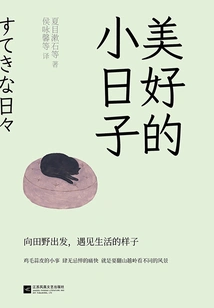
Shopping around town, watching competitions, climbing mountains, doing flowers and plants, and appreciating people's feelings. The simpler the day, the more delicious it is. This book contains the five themes mentioned above, each theme has a single book, namely: "Nostalgic Slow Time", "Holiday Fun Competition", "Longing for the Mountain Style", "Just Love to Make Flowers and Plants", and "The Flavor of Life".
Shopping around town, watching competitions, climbing mountains, doing flowers and plants, and appreciating people's feelings. The simpler the day, the more delicious it is. This book contains the five themes mentioned above, each theme has a single book, namely: "Nostalgic Slow Time", "Holiday Fun Competition", "Longing for the Mountain Style", "Just Love to Make Flowers and Plants", and "The Flavor of Life".
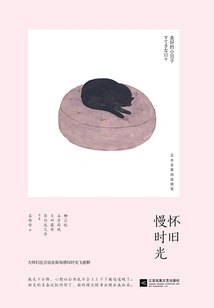
怀旧慢时光(美好的小日子)
(japan) Ryunosuke Akutagawa, Sakunosuke Oda, Kaoru Koyamauchi, Etc.
Masters will also stand on the street corner and lament how time flies! It records the three major cities described by writers: Tokyo, Kyoto, and Osaka. They have seen Tokyo promoted to a first-tier city and gradually integrating with international standards; Osaka has become a logistics and commercial center; Kyoto has become less prosperous than these two metropolises and its role has become more and more important. While they lamented the rapid development of Xinshi Street, they couldn't help but recall the old customs and leisurely slow times.
Masters will also stand on the street corner and lament how time flies! It records the three major cities described by writers: Tokyo, Kyoto, and Osaka. They have seen Tokyo promoted to a first-tier city and gradually integrating with international standards; Osaka has become a logistics and commercial center; Kyoto has become less prosperous than these two metropolises and its role has become more and more important. While they lamented the rapid development of Xinshi Street, they couldn't help but recall the old customs and leisurely slow times.
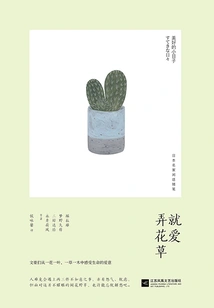
就爱弄花草(美好的小日子)
(japan) Hori Tatsuo, Natsume Soseki, Akutagawa Ryunosuke, Etc.
Writers feel the love of life from every flower, leaf, plant and tree. The masters focused on the beauty of flowers and trees, the chirping of insects and birds, the deep forests, and the gardens. Through their works and brushstrokes, they savored the four seasons of Japan, as well as the natural beauty of blooming flowers and chirping birds in small gardens. They feel the love of life from every flower, leaf, plant and tree.
Writers feel the love of life from every flower, leaf, plant and tree. The masters focused on the beauty of flowers and trees, the chirping of insects and birds, the deep forests, and the gardens. Through their works and brushstrokes, they savored the four seasons of Japan, as well as the natural beauty of blooming flowers and chirping birds in small gardens. They feel the love of life from every flower, leaf, plant and tree.
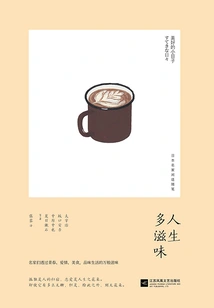
人生多滋味(美好的小日子)
(japan) Natsume Soseki, Sakaguchi Ango, Miyamoto Yuriko, Etc.
It is a pleasure for celebrities to taste the various tastes of life through youth, love, and food, and to have a glimpse of the daily love lives of writers. See how literary giants appreciate the various flavors of life through youth, love, sadness, marriage, aging, food, etc. They also have insecurities, doubts, guilt, persistence and bravery. The life experiences of literary giants give us a glimpse of the transformed beauty on the journey of life, whether it is gorgeous or dull!
It is a pleasure for celebrities to taste the various tastes of life through youth, love, and food, and to have a glimpse of the daily love lives of writers. See how literary giants appreciate the various flavors of life through youth, love, sadness, marriage, aging, food, etc. They also have insecurities, doubts, guilt, persistence and bravery. The life experiences of literary giants give us a glimpse of the transformed beauty on the journey of life, whether it is gorgeous or dull!
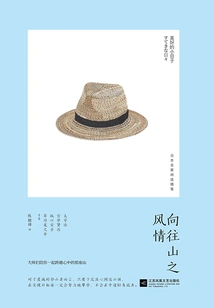
向往山之风情(美好的小日子)
(japan) Dazai Osamu, Sakaguchi Ango, Hayakawa Ayuko, Etc.
The masters will accompany you to cross the mountain in your heart. Mountain belief is a type of nature worship. People who are closely related to mountains, in particular, will be in awe of the rugged natural environment. They firmly believe that mountainous places have spiritual power. The more severe the mountains are that are inaccessible to people, the more profound their admiration will be. This book contains works by well-known writers who like mountain climbing and famous professional mountaineers.
The masters will accompany you to cross the mountain in your heart. Mountain belief is a type of nature worship. People who are closely related to mountains, in particular, will be in awe of the rugged natural environment. They firmly believe that mountainous places have spiritual power. The more severe the mountains are that are inaccessible to people, the more profound their admiration will be. This book contains works by well-known writers who like mountain climbing and famous professional mountaineers.
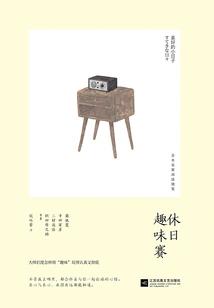
休日趣味赛(美好的小日子)
(japan) Kikuchi Hiroshi, Tomita Tsuneo, Nogami Akira, Etc.
How the masters take "fun" seriously and thoroughly is the spirit of taking "fun" seriously, which allows the Japanese to develop in various "fun" fields more colorfully. Writers use pens to record various "interests". Some record watching games, some record history, some write about personal experiences, and some write novels. Let us see how the masters take "interest" seriously and thoroughly. They use leisurely writing to tell us that "fun" is not just entertainment or leisure, but another manifestation of life.
How the masters take "fun" seriously and thoroughly is the spirit of taking "fun" seriously, which allows the Japanese to develop in various "fun" fields more colorfully. Writers use pens to record various "interests". Some record watching games, some record history, some write about personal experiences, and some write novels. Let us see how the masters take "interest" seriously and thoroughly. They use leisurely writing to tell us that "fun" is not just entertainment or leisure, but another manifestation of life.
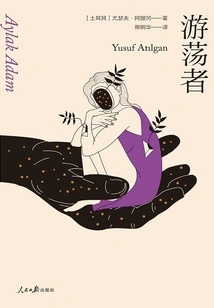
Wanderer
Literature游荡者
(türkiye) Yusef Atigan
This book tells the story of a young man searching for the possibility of love and the meaning of life in loneliness. The "she" he is looking for sometimes appears in front of him to advance the plot, but then retreats into mystery. His own character and life story are gradually peeling off, with moments of violence and moments of injury. The nature of the "wanderer" in this book follows the Western modernist tradition since Baudelaire. The novel's scenes and character relationships are consistent with the lives of modern youth, and the detailed psychological description truly reflects the emotional state of modern people. The novel has such rich levels and themes, bringing readers an immersive reading experience.
This book tells the story of a young man searching for the possibility of love and the meaning of life in loneliness. The "she" he is looking for sometimes appears in front of him to advance the plot, but then retreats into mystery. His own character and life story are gradually peeling off, with moments of violence and moments of injury. The nature of the "wanderer" in this book follows the Western modernist tradition since Baudelaire. The novel's scenes and character relationships are consistent with the lives of modern youth, and the detailed psychological description truly reflects the emotional state of modern people. The novel has such rich levels and themes, bringing readers an immersive reading experience.
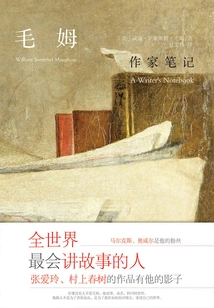
Writer's Notes
Literature作家笔记
H
This book is filled with keen observations, autobiographical notes, and the seeds of many of Maugham's best works. A Writer's Notebook is our special window into the active mind of a great writer.
This book is filled with keen observations, autobiographical notes, and the seeds of many of Maugham's best works. A Writer's Notebook is our special window into the active mind of a great writer.
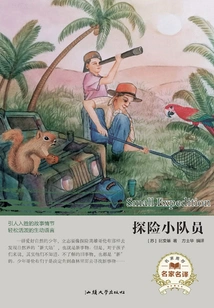
Expedition Team
Literature探险小队员
H
The book "The Adventure Crew" describes a group of nature-loving teenagers who are determined to discover the "New World" of nature, that is, new things, just like Columbus. For children, in fact, the old things they don't know or understand are also "new". The young Columbuss decided to go to the forest to find it first. The author is particularly good at describing the life and habits of animals and plants, so he uses fascinating storylines in the book to introduce the characteristics of many birds and animals, forests and their interdependence, etc. The language is light and lively, and the descriptions are vivid and delicate.
The book "The Adventure Crew" describes a group of nature-loving teenagers who are determined to discover the "New World" of nature, that is, new things, just like Columbus. For children, in fact, the old things they don't know or understand are also "new". The young Columbuss decided to go to the forest to find it first. The author is particularly good at describing the life and habits of animals and plants, so he uses fascinating storylines in the book to introduce the characteristics of many birds and animals, forests and their interdependence, etc. The language is light and lively, and the descriptions are vivid and delicate.

P
LiteratureP
Q
It is a healing illustrated book that pays tribute to "Anne of Green Gables" and is dedicated to every older child. It resonates strongly with 2 million people and has sold over 100,000 copies in South Korea. Every innocent and kind-hearted child will grow up and face the troubles and complexities of this world. It's not that we don't have our own true feelings, but that no one listens to our expressions. The red-haired girl Anne was once our comfort, who can speak for us now? "Red-Headed N" brings the lovely Annie into reality and tells her sweet but crisis-ridden life. The colorful scenery that decorates life such as workplace, love, dreams, family, and interpersonal relationships are happily intertwined, reflecting the romance and reality of older children in this era.
It is a healing illustrated book that pays tribute to "Anne of Green Gables" and is dedicated to every older child. It resonates strongly with 2 million people and has sold over 100,000 copies in South Korea. Every innocent and kind-hearted child will grow up and face the troubles and complexities of this world. It's not that we don't have our own true feelings, but that no one listens to our expressions. The red-haired girl Anne was once our comfort, who can speak for us now? "Red-Headed N" brings the lovely Annie into reality and tells her sweet but crisis-ridden life. The colorful scenery that decorates life such as workplace, love, dreams, family, and interpersonal relationships are happily intertwined, reflecting the romance and reality of older children in this era.

Traveling is to Find the Way Home
Literature旅行,是为了找到回家的路
I
No matter how far you go, you will eventually come home. Following "Independence, Start by Traveling Alone", Arai Kazusan's travel confession; the true meaning of travel lies not in where you go, but in finding your own path in life; after you have the spirit of a traveler, you can live a lifelong traveler's life, and only travelers can truly find their hometown and embrace it tightly with both hands. Originally, my world was just an alley in Shinjuku District, Tokyo. It was not only very small, but also very short. Crossing a small road on Okubo Street was the biggest adventure. In the summer when I was twenty, I discovered the entrance to the world on the international train platform of Beijing Railway Station. From there, I could go to Moscow, then to Berlin, Paris, Rome, London, Amsterdam... This was a coming-of-age ceremony to find the entrance to the world, but in order to enter the world, you first have to leave home alone. The true meaning of travel is not where you go, but finding your own path in life. People travel in order to come back. I believe that only travelers can truly find their hometown and embrace it with both hands. No matter how far we go, we must eventually return home. Otherwise, we are not traveling, but self-exile...
No matter how far you go, you will eventually come home. Following "Independence, Start by Traveling Alone", Arai Kazusan's travel confession; the true meaning of travel lies not in where you go, but in finding your own path in life; after you have the spirit of a traveler, you can live a lifelong traveler's life, and only travelers can truly find their hometown and embrace it tightly with both hands. Originally, my world was just an alley in Shinjuku District, Tokyo. It was not only very small, but also very short. Crossing a small road on Okubo Street was the biggest adventure. In the summer when I was twenty, I discovered the entrance to the world on the international train platform of Beijing Railway Station. From there, I could go to Moscow, then to Berlin, Paris, Rome, London, Amsterdam... This was a coming-of-age ceremony to find the entrance to the world, but in order to enter the world, you first have to leave home alone. The true meaning of travel is not where you go, but finding your own path in life. People travel in order to come back. I believe that only travelers can truly find their hometown and embrace it with both hands. No matter how far we go, we must eventually return home. Otherwise, we are not traveling, but self-exile...
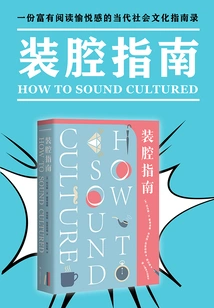
装腔指南:如何显得有文化
(uk) Thomas W. Hodgkinson Hubert Vandenberg
Do you want to win in the circle of friends in one move? Want to sound cultured when chatting? Want to easily remember the highlight moments of great people? "Guide to Pretending" will help you break down social barriers in the cultural world in one fell swoop. It can be called a practical and alternative "celebrity guide". Shocking anecdotes about literature and history, unexpected life changes; a guide to contemporary society and culture that is full of reading pleasure; and exquisite translation by young translator Chen Yikan, winner of the "One-Way Street Bookstore Literary Criticism of the Year" award. Which philosopher has the craziest hair? Which novelist drinks 50 cups of espresso a day? What kind of existence is Sartre to Beauvoir? After reading this interesting little book on popularizing high culture, "A Guide to Pretending", you will know everything! This book introduces readers to Heidegger, Montaigne, Karl Popper, Claude Lévi-Strauss (obviously not the jeans designer!), Andy Warhol and other cultural figures that more than 200 intellectuals like to mention when chatting, and also provides creative "how to use". After reading this book, you will no longer worry about confusing Hegel with Engels, and you will also be able to fully understand how to insert the name Foucault in a conversation at the right time, and how to pronounce the name of Nobel Prize-winning writer Coetzee in an authentic way. In addition, when introducing each cultural celebrity, the author does not forget to add interesting gossip, which is witty and humorous, making people smile and never forget it. It was this book that made Stephen Fry blurt out: "Damn, all my tricks have been exposed by this book!"
Do you want to win in the circle of friends in one move? Want to sound cultured when chatting? Want to easily remember the highlight moments of great people? "Guide to Pretending" will help you break down social barriers in the cultural world in one fell swoop. It can be called a practical and alternative "celebrity guide". Shocking anecdotes about literature and history, unexpected life changes; a guide to contemporary society and culture that is full of reading pleasure; and exquisite translation by young translator Chen Yikan, winner of the "One-Way Street Bookstore Literary Criticism of the Year" award. Which philosopher has the craziest hair? Which novelist drinks 50 cups of espresso a day? What kind of existence is Sartre to Beauvoir? After reading this interesting little book on popularizing high culture, "A Guide to Pretending", you will know everything! This book introduces readers to Heidegger, Montaigne, Karl Popper, Claude Lévi-Strauss (obviously not the jeans designer!), Andy Warhol and other cultural figures that more than 200 intellectuals like to mention when chatting, and also provides creative "how to use". After reading this book, you will no longer worry about confusing Hegel with Engels, and you will also be able to fully understand how to insert the name Foucault in a conversation at the right time, and how to pronounce the name of Nobel Prize-winning writer Coetzee in an authentic way. In addition, when introducing each cultural celebrity, the author does not forget to add interesting gossip, which is witty and humorous, making people smile and never forget it. It was this book that made Stephen Fry blurt out: "Damn, all my tricks have been exposed by this book!"

Walden
Literature瓦尔登湖
(u. S.) Henry David Thoreau
"Walden" is not only a quiet, tranquil, and wise book, but also a fresh, healthy, and inspiring book. The book starts with spring, goes through summer, autumn and winter, and ends with spring, which seems to indicate the cycle of life. The end is the starting point, and the starting point is also the end. This is the case with all things, starting over and over again. The book is full of the author's thoughts on nature, life, human nature and many other issues, as well as his unremitting efforts to reshape himself and explore the true meaning of life in the process of close contact with nature. The words shine with the light of tranquility, tranquility and wisdom, inspiring generations of readers.
"Walden" is not only a quiet, tranquil, and wise book, but also a fresh, healthy, and inspiring book. The book starts with spring, goes through summer, autumn and winter, and ends with spring, which seems to indicate the cycle of life. The end is the starting point, and the starting point is also the end. This is the case with all things, starting over and over again. The book is full of the author's thoughts on nature, life, human nature and many other issues, as well as his unremitting efforts to reshape himself and explore the true meaning of life in the process of close contact with nature. The words shine with the light of tranquility, tranquility and wisdom, inspiring generations of readers.

凤凰项目:一个IT运维的传奇故事(修订版)
(u. S.) Gene King Kevin Bell George Spafford
This book tells the story of an IT manager who was appointed in a critical situation. With the help of future directors and the support of his own "three-step working method" concept, he finally saved an auto parts manufacturer with a long history. The novel reveals the commonalities between managing a modern IT organization and managing a traditional factory, allowing readers not only to understand how to manage an IT organization, but more importantly, to view their own work environment from a completely different perspective than before.
This book tells the story of an IT manager who was appointed in a critical situation. With the help of future directors and the support of his own "three-step working method" concept, he finally saved an auto parts manufacturer with a long history. The novel reveals the commonalities between managing a modern IT organization and managing a traditional factory, allowing readers not only to understand how to manage an IT organization, but more importantly, to view their own work environment from a completely different perspective than before.
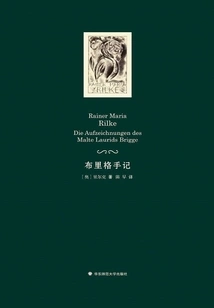
Brig's Notes
Literature布里格手记
Rilke
This book is the first direct translation of Rilke's classic novel from German in mainland China. "Notes of Brig" is the only novel written by the poet Rilke in his life. It took six years to write. There is no plot throughout the book, just fragmentary random thoughts. Many fragments of the novel are taken directly from Rilke's letters and diaries. In Rilke's original manuscript, other versions of the first and last sections exist. There is still no translation of these original materials in China. Therefore, in the Chinese version, these precious materials will also be added after the main text.
This book is the first direct translation of Rilke's classic novel from German in mainland China. "Notes of Brig" is the only novel written by the poet Rilke in his life. It took six years to write. There is no plot throughout the book, just fragmentary random thoughts. Many fragments of the novel are taken directly from Rilke's letters and diaries. In Rilke's original manuscript, other versions of the first and last sections exist. There is still no translation of these original materials in China. Therefore, in the Chinese version, these precious materials will also be added after the main text.
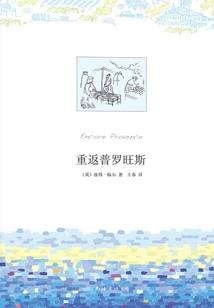
Return to Provence
Literature重返普罗旺斯
(uk) Peter Meyer
The third book in the series after "A Year in Provence" and "Forever Provence". Provence, a magical place on the Mediterranean coast, gave birth to French troubadours, gave birth to Cézanne and Van Gogh, and nourished Picasso... It was not until the arrival of Peter Mayer that it took off its veil and became a name that is sweet in the mouth and fragrant in the nose. "Return to Provence" records the joyful moments of Peter Mayer and his wife returning to their hometown. So many beautiful places in the world have become the same, but Provence still retains its unique style and character. It makes people happy and annoyed, like an old friend with a full personality and his own way of doing things. But its spirit of enjoying life and its ability to seek happiness from simplicity are like the olive groves on the sunny slopes, always full and green.
The third book in the series after "A Year in Provence" and "Forever Provence". Provence, a magical place on the Mediterranean coast, gave birth to French troubadours, gave birth to Cézanne and Van Gogh, and nourished Picasso... It was not until the arrival of Peter Mayer that it took off its veil and became a name that is sweet in the mouth and fragrant in the nose. "Return to Provence" records the joyful moments of Peter Mayer and his wife returning to their hometown. So many beautiful places in the world have become the same, but Provence still retains its unique style and character. It makes people happy and annoyed, like an old friend with a full personality and his own way of doing things. But its spirit of enjoying life and its ability to seek happiness from simplicity are like the olive groves on the sunny slopes, always full and green.

Provence Forever
Literature永远的普罗旺斯
(uk) Peter Meyer
Zhu Yilong recommends, following "A Year in Provence", another Provence series by Peter Mayle! A chair, a ray of time, a heart free from anxiety, follow Mel to stay in peace in Provence. That year, Mel moved to Provence, France. Unable to suppress his love for the local customs and customs, he wrote "A Year in Provence", which became a classic and set off a global trend of pursuing quality life. A few years later, Mel, immersed in the life in Provence, filtered out the freshness of his first visit, and wrote down the most ordinary life interests and human stories in this land with simple and strong words, showing the unique feelings of the Provence people under the unique scenery, which is "Forever Provence".
Zhu Yilong recommends, following "A Year in Provence", another Provence series by Peter Mayle! A chair, a ray of time, a heart free from anxiety, follow Mel to stay in peace in Provence. That year, Mel moved to Provence, France. Unable to suppress his love for the local customs and customs, he wrote "A Year in Provence", which became a classic and set off a global trend of pursuing quality life. A few years later, Mel, immersed in the life in Provence, filtered out the freshness of his first visit, and wrote down the most ordinary life interests and human stories in this land with simple and strong words, showing the unique feelings of the Provence people under the unique scenery, which is "Forever Provence".
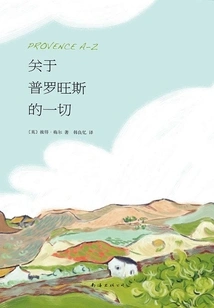
All About Provence
Literature关于普罗旺斯的一切
(uk) Peter Meyer
A leisurely and interesting dictionary of slow life in Provence. In "All About Provence", Peter Meyer talks about it in his usual humorous and playful style, taking us to appreciate the "slight drunkenness of the wine estate" and appreciate the "indulgence". You can enjoy the grand occasion of "Festival of Prayers of Song and Dance", witness the "Provence Speedster", examine the "Hannibal's Footsteps", listen to the "Vase of Grape Sonata", enjoy the subtle fragrance of the "Fragrant Paradise", and taste various "French delicacies". While we follow Peter Meyer to enjoy the lazy and comfortable life in Provence, we also laugh at his humor from time to time.
A leisurely and interesting dictionary of slow life in Provence. In "All About Provence", Peter Meyer talks about it in his usual humorous and playful style, taking us to appreciate the "slight drunkenness of the wine estate" and appreciate the "indulgence". You can enjoy the grand occasion of "Festival of Prayers of Song and Dance", witness the "Provence Speedster", examine the "Hannibal's Footsteps", listen to the "Vase of Grape Sonata", enjoy the subtle fragrance of the "Fragrant Paradise", and taste various "French delicacies". While we follow Peter Meyer to enjoy the lazy and comfortable life in Provence, we also laugh at his humor from time to time.
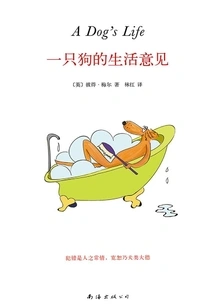
A Dog's Opinion on Life
Literature一只狗的生活意见
(uk) Peter Meyer
It is human to make mistakes, but forgiveness is the great virtue of dogs. A maverick dog smiles at the kindness and small things in the world. "A Dog's Opinions on Life" is the most humorous work by Peter Mayle, author of "A Year in Provence". The maverick little dog Zai Zai thinks he has something in common with the literary giant Proust. They are both French, like to think, and love biscuits. Zaizai also has unique insights into the passing years in this world. For example, in its view, humans always have to find a high-sounding excuse for drinking; domestic cats are just a bunch of self-righteous and unsociable furballs, and women holding photos of domestic cats are really hopeless; thinking about mysterious events is harmful to health, and don't most philosophers end up crazy and buy drunkenness with wine? ... How about it, do you want to take a walk with Zaizai?
It is human to make mistakes, but forgiveness is the great virtue of dogs. A maverick dog smiles at the kindness and small things in the world. "A Dog's Opinions on Life" is the most humorous work by Peter Mayle, author of "A Year in Provence". The maverick little dog Zai Zai thinks he has something in common with the literary giant Proust. They are both French, like to think, and love biscuits. Zaizai also has unique insights into the passing years in this world. For example, in its view, humans always have to find a high-sounding excuse for drinking; domestic cats are just a bunch of self-righteous and unsociable furballs, and women holding photos of domestic cats are really hopeless; thinking about mysterious events is harmful to health, and don't most philosophers end up crazy and buy drunkenness with wine? ... How about it, do you want to take a walk with Zaizai?

Thumbelina
Literature拇指姑娘
Earl Book Studio
Once upon a time, there was a woman who wanted to have a small and cute child, so she went to consult a witch.
Once upon a time, there was a woman who wanted to have a small and cute child, so she went to consult a witch.

Emperor's New Clothes
Literature皇帝的新装
Earl Book Studio
The children's stories selected in this set of books are not just simple fairy tales, they can also convey some noble qualities to children, such as friendship, honesty, persistence, etc. In the child's enlightenment stage, talents are important, but some precious qualities cannot be ignored. However, it is not easy to achieve the desired effect just by preaching in daily life. Fairy tales, a method that children are very willing to accept, can leave a subtle influence in the hearts of children. With the guidance of parents, it is easy to form their own views of beauty and ugliness, right and wrong, etc. These concepts formed in childhood will affect children throughout their lives.
The children's stories selected in this set of books are not just simple fairy tales, they can also convey some noble qualities to children, such as friendship, honesty, persistence, etc. In the child's enlightenment stage, talents are important, but some precious qualities cannot be ignored. However, it is not easy to achieve the desired effect just by preaching in daily life. Fairy tales, a method that children are very willing to accept, can leave a subtle influence in the hearts of children. With the guidance of parents, it is easy to form their own views of beauty and ugliness, right and wrong, etc. These concepts formed in childhood will affect children throughout their lives.

Little Tin Soldier
Literature小锡兵
Earl Book Studio
The main content of The Little Tin Soldier: Once upon a time there were twenty-five tin soldiers, and they were all cast from the same old tin spoon.
The main content of The Little Tin Soldier: Once upon a time there were twenty-five tin soldiers, and they were all cast from the same old tin spoon.

Wild Swan
Literature野天鹅
Earl Book Studio
"Andersen's Classic Fairy Tales: The Wild Swan" is one of the volumes of "Andersen's Classic Fairy Tales Season 1". Each volume contains two or three fairy tales. Some of Andersen's fairy tales are very familiar to us, but there are also some unfamiliar ones, such as the fir tree and the small chrysanthemum. We have compiled these fairy tales into a book, which can not only bring young parents back to their childhood, but also allow the babies to have a different kind of colorful childhood. "Andersen's Classic Fairy Tales Season 1" has been rewritten by the author. On the basis of respecting the original text, some long fairy tales have been deleted and adapted. This not only achieves the purpose of pleasing the baby's body and mind, but also allows the baby to exercise his patience while listening to the story.
"Andersen's Classic Fairy Tales: The Wild Swan" is one of the volumes of "Andersen's Classic Fairy Tales Season 1". Each volume contains two or three fairy tales. Some of Andersen's fairy tales are very familiar to us, but there are also some unfamiliar ones, such as the fir tree and the small chrysanthemum. We have compiled these fairy tales into a book, which can not only bring young parents back to their childhood, but also allow the babies to have a different kind of colorful childhood. "Andersen's Classic Fairy Tales Season 1" has been rewritten by the author. On the basis of respecting the original text, some long fairy tales have been deleted and adapted. This not only achieves the purpose of pleasing the baby's body and mind, but also allows the baby to exercise his patience while listening to the story.
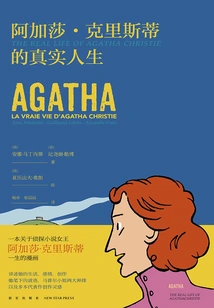
The Real Life of Agatha Christie
Literature阿加莎·克里斯蒂的真实人生
(france) Anna Martinetti Guillaume Lebeau Alexandre Fran
A picture book about the life of Agatha Christie. Starting from the missing week, Agatha in life and Agatha in creation is shown through pictures and interesting text. Childhood education, the shyness of first love, confusion during divorce, experiences during the journey, and the sweetness of remarriage. This book integrates these unknown life details into Agatha's novel creation story, presenting the life of the queen of detective novels in a three-dimensional and full way. Poirot is also made into a real person, allowing this fictional character to chat with his creator. The two have differences and understandings, which is very touching. This is a rare graphic biography of Agatha.
A picture book about the life of Agatha Christie. Starting from the missing week, Agatha in life and Agatha in creation is shown through pictures and interesting text. Childhood education, the shyness of first love, confusion during divorce, experiences during the journey, and the sweetness of remarriage. This book integrates these unknown life details into Agatha's novel creation story, presenting the life of the queen of detective novels in a three-dimensional and full way. Poirot is also made into a real person, allowing this fictional character to chat with his creator. The two have differences and understandings, which is very touching. This is a rare graphic biography of Agatha.
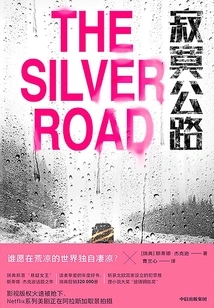
Lonely Highway
Literature寂寞公路
(sweden) Stina Jackson
For the past three years, Lehrer has been driving all summer. He drove along Highway 95, heading northwest along the isolated terrain of northern Sweden until he reached the Norwegian border. Three years ago, his 17-year-old daughter Lina disappeared on this highway. It is a colorless road, but when the midnight moonlight illuminates the road in front of him, it will reveal silver, and people call it the Silver Road. The days in Northern Europe are long, but for Lehrer, his world is all night. The happy family of three fell apart overnight, and Leler silently endured his wife's accusations and the police's suspicion. For more than 730 sleepless nights, he drove on unknown branch roads one after another and passed signboards one after another. The silver road was as familiar as the lines on his palm. Alone, in a car, in the lonely white night, there was only one thought that supported him: No matter what, he must bring his daughter home! Hope, loss and redemption are all on this lonely road from the mountains to the sea.
For the past three years, Lehrer has been driving all summer. He drove along Highway 95, heading northwest along the isolated terrain of northern Sweden until he reached the Norwegian border. Three years ago, his 17-year-old daughter Lina disappeared on this highway. It is a colorless road, but when the midnight moonlight illuminates the road in front of him, it will reveal silver, and people call it the Silver Road. The days in Northern Europe are long, but for Lehrer, his world is all night. The happy family of three fell apart overnight, and Leler silently endured his wife's accusations and the police's suspicion. For more than 730 sleepless nights, he drove on unknown branch roads one after another and passed signboards one after another. The silver road was as familiar as the lines on his palm. Alone, in a car, in the lonely white night, there was only one thought that supported him: No matter what, he must bring his daughter home! Hope, loss and redemption are all on this lonely road from the mountains to the sea.
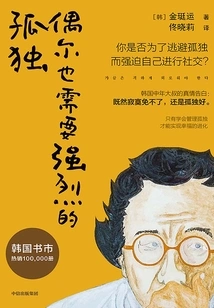
偶尔也需要强烈的孤独
(korean) Kim Hye-yun
This book is a book that interprets loneliness from the perspective of psychology and sociology. The author Jin Jueyun resigned from his job as a university professor at the age of 50 and went to Japan to study painting alone. When he arrived in Japan, he discovered that dying alone was a popular phenomenon in this country. Many people separated from their family and friends, lived alone, grew old alone, and welcomed death alone. They were not discovered until a long time after their death. How do these people lose their interpersonal relationships step by step? How did you lose your desire for social interaction little by little? This book includes the author's thoughts on life and art during his four years of studying abroad in Japan. During these four years, he first deeply experienced loneliness, being alone in a foreign country, but he also gradually discovered the benefits of complete loneliness: he obtained an art degree, published four books, wrote columns in newspapers, drew illustrations, and translated Japanese books. The publication of this book is also the culmination of his four years of loneliness. So he began to use artistic thinking to dialectically view loneliness, and derived a series of insights, involving the relationship between husband and wife, father-son relationship, mid-life crisis, spiritual emptiness after retirement, lifelong learning, self-examination and other aspects. The book also includes many artistic paintings and photographs created by the author himself.
This book is a book that interprets loneliness from the perspective of psychology and sociology. The author Jin Jueyun resigned from his job as a university professor at the age of 50 and went to Japan to study painting alone. When he arrived in Japan, he discovered that dying alone was a popular phenomenon in this country. Many people separated from their family and friends, lived alone, grew old alone, and welcomed death alone. They were not discovered until a long time after their death. How do these people lose their interpersonal relationships step by step? How did you lose your desire for social interaction little by little? This book includes the author's thoughts on life and art during his four years of studying abroad in Japan. During these four years, he first deeply experienced loneliness, being alone in a foreign country, but he also gradually discovered the benefits of complete loneliness: he obtained an art degree, published four books, wrote columns in newspapers, drew illustrations, and translated Japanese books. The publication of this book is also the culmination of his four years of loneliness. So he began to use artistic thinking to dialectically view loneliness, and derived a series of insights, involving the relationship between husband and wife, father-son relationship, mid-life crisis, spiritual emptiness after retirement, lifelong learning, self-examination and other aspects. The book also includes many artistic paintings and photographs created by the author himself.
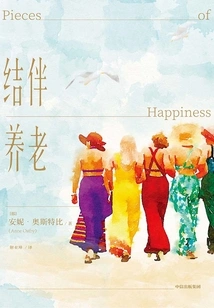
Retirement Care Together
Literature结伴养老
(mobile) Anne Osterby
After her husband passed away, 66-year-old Kate wrote to old friends who had been away for many years, inviting them to live with her and face loneliness and aging together. The four sisters who received the invitation are stuck in the quagmire of their own lives: the single mother is burdened by her son and is on the verge of bankruptcy; the once beautiful and charming girl is troubled by her age and silently endures her husband's cheating; she lives a stable and peaceful life, but there is a wild passion in her heart that has no place to release; the knowledgeable woman is suffering from Alzheimer's disease, and the precious memories in her life are being lost little by little... With different hopes and secrets, the five people started a new life on the island with the fragrance of coconut. What challenges will they face, and can they regain happiness?
After her husband passed away, 66-year-old Kate wrote to old friends who had been away for many years, inviting them to live with her and face loneliness and aging together. The four sisters who received the invitation are stuck in the quagmire of their own lives: the single mother is burdened by her son and is on the verge of bankruptcy; the once beautiful and charming girl is troubled by her age and silently endures her husband's cheating; she lives a stable and peaceful life, but there is a wild passion in her heart that has no place to release; the knowledgeable woman is suffering from Alzheimer's disease, and the precious memories in her life are being lost little by little... With different hopes and secrets, the five people started a new life on the island with the fragrance of coconut. What challenges will they face, and can they regain happiness?
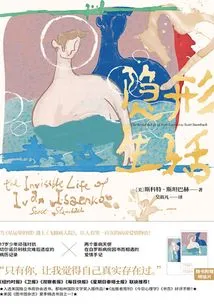
Invisible Life
Literature隐形生活
(us) Scott Steinbach
This is a story whose ending has already been determined, and the author wrote it with tears. One of them is an angel who fell into the world due to an accident, and the other is an uninvited guest at the airborne hospital. 17-Year-old Ivan is a seriously ill child at Mozyr Hospital in Belarus (which houses orphans seriously ill due to the Chernobyl nuclear accident). He is talented and loves to read, but his body was severely deformed when he was born and he can only rely on a wheelchair to live. Until Paulina, also 17 years old and suffering from leukemia, came to the hospital, everything became different. The arrival of love makes the pale ward instantly become colorful! However, Polina was about to die... Ivan used his own blood and all his strength to accompany Polina to face death. Three years later, Ivan died in the home of the only nurse who loved him. --This is a story whose ending has already been determined, but it is the most beautiful story in the world.
This is a story whose ending has already been determined, and the author wrote it with tears. One of them is an angel who fell into the world due to an accident, and the other is an uninvited guest at the airborne hospital. 17-Year-old Ivan is a seriously ill child at Mozyr Hospital in Belarus (which houses orphans seriously ill due to the Chernobyl nuclear accident). He is talented and loves to read, but his body was severely deformed when he was born and he can only rely on a wheelchair to live. Until Paulina, also 17 years old and suffering from leukemia, came to the hospital, everything became different. The arrival of love makes the pale ward instantly become colorful! However, Polina was about to die... Ivan used his own blood and all his strength to accompany Polina to face death. Three years later, Ivan died in the home of the only nurse who loved him. --This is a story whose ending has already been determined, but it is the most beautiful story in the world.

绝对笑喷之弃业医生日志
(uk) Adam Kay
--Welcome to the hilarious daily routine of intern doctor Adam Kay! --◆ Dr. Kai's Sucks at Work·Want to know what it's like to work 97 hours a week? --The pitiful hourly wage that cannot afford to buy a house, the high workload of being suspected of cheating, the daily life of saving people without praise, and the psychological problems that are easy to occur... ◆ Dr. Kai's Hehehe Chapter · Have you ever imagined the "weird things" that male gynecologists face every day? --He is so ignorant of gynecological knowledge that it drives people crazy, he staged all kinds of farce of "small holes stuffing big things", and announced before giving birth that he would eat his placenta... ◆ Dr. Kai's Heart-Evisceration Chapter·A doctor is the one who holds the power of life and death for the mother and baby - a great doctor must have a hypertrophied heart and an expanded aorta, so that he can continuously pump out overflowing compassion and kindness to the world. You have nowhere to escape, you try your best, but you still have to accept an irreversible sad ending...
--Welcome to the hilarious daily routine of intern doctor Adam Kay! --◆ Dr. Kai's Sucks at Work·Want to know what it's like to work 97 hours a week? --The pitiful hourly wage that cannot afford to buy a house, the high workload of being suspected of cheating, the daily life of saving people without praise, and the psychological problems that are easy to occur... ◆ Dr. Kai's Hehehe Chapter · Have you ever imagined the "weird things" that male gynecologists face every day? --He is so ignorant of gynecological knowledge that it drives people crazy, he staged all kinds of farce of "small holes stuffing big things", and announced before giving birth that he would eat his placenta... ◆ Dr. Kai's Heart-Evisceration Chapter·A doctor is the one who holds the power of life and death for the mother and baby - a great doctor must have a hypertrophied heart and an expanded aorta, so that he can continuously pump out overflowing compassion and kindness to the world. You have nowhere to escape, you try your best, but you still have to accept an irreversible sad ending...
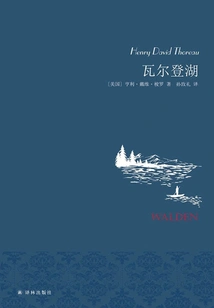
瓦尔登湖(名家名译)
H
At the end of March 1845, Thoreau came to Walden Pond, started to build a cabin, and moved in on July 4, the American Independence Day. He also planted a small piece of land by the lake to maintain a minimum life. While observing the animals and plants in the forest, listening to the revelations of nature, he was engaged in reading and writing. Thoreau wrote "Walden" based on what he saw, heard and thought at Walden Pond. The manuscript was revised seven times in seven years. The first edition of the book was titled "Walden, or Life in the Woods." However, from the second edition onwards, the author only retained the title "Walden." "Walden" not only vividly describes the author's independent and leisurely life in the forest, but also contains introspection and criticism of the human value system at every turn, making people feel as if they have found a pure land of the soul after reading it, and their spirit has been sublimated. This book has been called one of the "Ten Wonderful Books That Shape the American Character."
At the end of March 1845, Thoreau came to Walden Pond, started to build a cabin, and moved in on July 4, the American Independence Day. He also planted a small piece of land by the lake to maintain a minimum life. While observing the animals and plants in the forest, listening to the revelations of nature, he was engaged in reading and writing. Thoreau wrote "Walden" based on what he saw, heard and thought at Walden Pond. The manuscript was revised seven times in seven years. The first edition of the book was titled "Walden, or Life in the Woods." However, from the second edition onwards, the author only retained the title "Walden." "Walden" not only vividly describes the author's independent and leisurely life in the forest, but also contains introspection and criticism of the human value system at every turn, making people feel as if they have found a pure land of the soul after reading it, and their spirit has been sublimated. This book has been called one of the "Ten Wonderful Books That Shape the American Character."
牛津通识读本:俄罗斯文学(中文版)
(uk) Catriona Kelly
This book introduces the place and importance of various forms of literature in Russian culture. How did Russian national literature develop and form? How do Russians view their own language and culture? The author does not use the traditional writing method of literary history, but takes a different approach, taking Pushkin, the central figure of Russian literature, as the starting point, and extends the exploration of all aspects of Russian literary culture, including the worship of Russian writers, the interpretation of Russian writers at home and abroad, gender issues in Russian literature, and the influence of folk tale traditions on Russian literature, etc.
This book introduces the place and importance of various forms of literature in Russian culture. How did Russian national literature develop and form? How do Russians view their own language and culture? The author does not use the traditional writing method of literary history, but takes a different approach, taking Pushkin, the central figure of Russian literature, as the starting point, and extends the exploration of all aspects of Russian literary culture, including the worship of Russian writers, the interpretation of Russian writers at home and abroad, gender issues in Russian literature, and the influence of folk tale traditions on Russian literature, etc.
I
LiteratureI
G
Selected as one of the "100 Greatest Nonfiction Works" by the British "Guardian", Wilde's heartfelt work; Brand new translation: Completely translated based on the original English version, proofread from other editions, more consistent with the original work; Up to 200 detailed translation annotations, making it easier to understand the text; Exclusively included two reviews of "The Human Soul", "The Decline of Lies" and Nobel Prize winner Gide's "Wilde in My Eyes", providing an in-depth interpretation of the original text.
Selected as one of the "100 Greatest Nonfiction Works" by the British "Guardian", Wilde's heartfelt work; Brand new translation: Completely translated based on the original English version, proofread from other editions, more consistent with the original work; Up to 200 detailed translation annotations, making it easier to understand the text; Exclusively included two reviews of "The Human Soul", "The Decline of Lies" and Nobel Prize winner Gide's "Wilde in My Eyes", providing an in-depth interpretation of the original text.