Library
Browse and search books
17,591 novels found
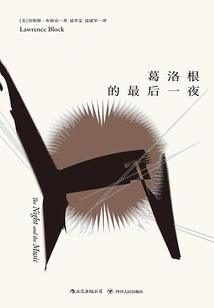
Matthew Scudder Series: Grogan's Last Night
General Fiction马修·斯卡德系列:葛洛根的最后一夜
H
This book contains eleven short stories featuring Matthew Scudder. In "The Dreamer," Matthew Scudder, who has yet to leave the NYPD, investigates a card-game murder case. By "Outside the Window", he has become an unlicensed private detective, investigating the real cause of death of a waitress who fell from the 17th floor. "Night and Music", "Grogan's Last Night", etc. Seem to be tender songs written by Bullock for Matthew Scudder. Let's say goodbye to Grogan's Bar and embrace New York tonight.
This book contains eleven short stories featuring Matthew Scudder. In "The Dreamer," Matthew Scudder, who has yet to leave the NYPD, investigates a card-game murder case. By "Outside the Window", he has become an unlicensed private detective, investigating the real cause of death of a waitress who fell from the 17th floor. "Night and Music", "Grogan's Last Night", etc. Seem to be tender songs written by Bullock for Matthew Scudder. Let's say goodbye to Grogan's Bar and embrace New York tonight.
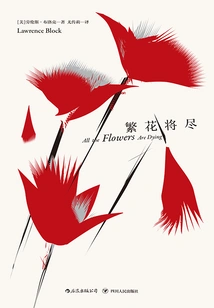
Matthew Scudder Series: the Flowers Will End
General Fiction马修·斯卡德系列:繁花将尽
I
"The Flower Will End" tells the final chapter of Matthew Scudder's career. As with all stories, Matthew, who decided to retire, agreed to take on his last case. The client, Louise, met a man she liked, but she always suspected that he was hiding something from her. As Matthew investigates the truth for him, danger is approaching... Matthew's wife Elena is threatened! In this last case, can Matthew successfully avert danger? Can he live a life of leisure with Elena? ...
"The Flower Will End" tells the final chapter of Matthew Scudder's career. As with all stories, Matthew, who decided to retire, agreed to take on his last case. The client, Louise, met a man she liked, but she always suspected that he was hiding something from her. As Matthew investigates the truth for him, danger is approaching... Matthew's wife Elena is threatened! In this last case, can Matthew successfully avert danger? Can he live a life of leisure with Elena? ...
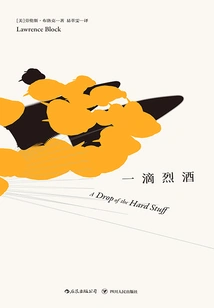
Matthew Scudder Series: a Drop of Spirits
General Fiction马修·斯卡德系列:一滴烈酒
I
Matthew finally decided to quit drinking. He put his full glass on the bar and walked into an Alcoholics Anonymous meeting. In Alcoholics Anonymous, he met his childhood friend Jack. The two of them had been on different paths. Soon, Jack was shot to death, one bullet in his mouth and one between his eyes. Participating in alcohol abstinence and atonement seemed to be the direct cause of his shooting. Matthew launched an investigation into this, but his own life was also threatened... How can a guilty person truly atone for his sins?
Matthew finally decided to quit drinking. He put his full glass on the bar and walked into an Alcoholics Anonymous meeting. In Alcoholics Anonymous, he met his childhood friend Jack. The two of them had been on different paths. Soon, Jack was shot to death, one bullet in his mouth and one between his eyes. Participating in alcohol abstinence and atonement seemed to be the direct cause of his shooting. Matthew launched an investigation into this, but his own life was also threatened... How can a guilty person truly atone for his sins?

Doomsday Game: Dad is Very Violent
Science Fiction末日游戏之奶爸很暴力
Go Home And Build A Villa
I'm not afraid of my dad's force, but I'm afraid of my dad's schemes. The star core of a super life planet fell into the earth star, and the journey of evolution began. This is the story of a military counselor and healing mage, commonly known as Dad, and his teammates.
I'm not afraid of my dad's force, but I'm afraid of my dad's schemes. The star core of a super life planet fell into the earth star, and the journey of evolution began. This is the story of a military counselor and healing mage, commonly known as Dad, and his teammates.
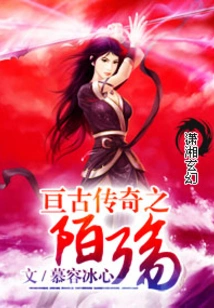
The Eternal Legend of Strange Sorrow
Modern Romance亘古传奇之陌殇
Y
Ups and downs of the earth, long-lasting grievances and grievances, many brilliance have become a thing of the past; The world was created, justice was awe-inspiring, and countless wars destroyed countless heroes; The weeping, singing, and dancing are completely natural, and can be seen by all the children in the world. The land of China has experienced the greatest disaster since the founding of Nuwa. However, at this time, humans have no help from the gods and rely entirely on their own abilities to fight against evil spirits. What magic weapon do humans have? She is the last descendant of a god, with a noble birth and honor, but she has not been tied down by the world, but firmly walks her own path, strengthens herself, and improves her cultivation; sometimes lively, sometimes playful, and sometimes gentle. She feels that living in the beautiful and rich land of China is the happiest thing. At the same time, with the growth of evil spirits, she will protect the beautiful and lovely land to the death. Everything is because of love. He is one of the ancient gods in the God Realm, and he is also the god with the highest spiritual qualifications, the deepest cultivation, and the strongest power. However, despite the natural laws of all things in the world, he, who has the strongest power, cannot save his beloved. However, he found someone who can transcend the laws of nature, and he completely cultivated her, because she can save the beloved without violating the laws of nature. He is one of the three kings of the demon clan, a wolf king who is indifferent to fame and wealth, and is leisurely and contented; however, life does not want him to be dull, and gives him many tests, causing him to encounter the biggest trouble in his life, which is her, the girl who only has eyes for the earth, the girl who has been watching other people's lives; even if the girl looks at other people, he does not care, because the most difficult thing in life is not making a choice, but the hesitation and racking of brains before making a choice.
Ups and downs of the earth, long-lasting grievances and grievances, many brilliance have become a thing of the past; The world was created, justice was awe-inspiring, and countless wars destroyed countless heroes; The weeping, singing, and dancing are completely natural, and can be seen by all the children in the world. The land of China has experienced the greatest disaster since the founding of Nuwa. However, at this time, humans have no help from the gods and rely entirely on their own abilities to fight against evil spirits. What magic weapon do humans have? She is the last descendant of a god, with a noble birth and honor, but she has not been tied down by the world, but firmly walks her own path, strengthens herself, and improves her cultivation; sometimes lively, sometimes playful, and sometimes gentle. She feels that living in the beautiful and rich land of China is the happiest thing. At the same time, with the growth of evil spirits, she will protect the beautiful and lovely land to the death. Everything is because of love. He is one of the ancient gods in the God Realm, and he is also the god with the highest spiritual qualifications, the deepest cultivation, and the strongest power. However, despite the natural laws of all things in the world, he, who has the strongest power, cannot save his beloved. However, he found someone who can transcend the laws of nature, and he completely cultivated her, because she can save the beloved without violating the laws of nature. He is one of the three kings of the demon clan, a wolf king who is indifferent to fame and wealth, and is leisurely and contented; however, life does not want him to be dull, and gives him many tests, causing him to encounter the biggest trouble in his life, which is her, the girl who only has eyes for the earth, the girl who has been watching other people's lives; even if the girl looks at other people, he does not care, because the most difficult thing in life is not making a choice, but the hesitation and racking of brains before making a choice.

Ellery Quinn's Masterpiece Collection of Detective Novels "the Names of the Country Series
General Fiction埃勒里·奎因“国名系列”侦探小说杰作集
(us) Ellery Quinn
The work consists of "The Mystery of the Greek Coffin", "The Mystery of the French Powder", "The Mystery of the Chinese Orange", "The Mystery of the Siamese Siamese Man", "The Mystery of the Roman Hat", "The Mystery of the Dutch Shoes", "The Mystery of the Spanish Shawl", and "The Mystery of the Egyptian Cross".
The work consists of "The Mystery of the Greek Coffin", "The Mystery of the French Powder", "The Mystery of the Chinese Orange", "The Mystery of the Siamese Siamese Man", "The Mystery of the Roman Hat", "The Mystery of the Dutch Shoes", "The Mystery of the Spanish Shawl", and "The Mystery of the Egyptian Cross".

Sparkling Life
General Fiction闪闪发光的人生
H
As the 11th generation descendant, Hatoko Amamiya inherited the Shancha Stationery Store and conveyed the unspeakable words hidden in the heart to customers. Letters written by an invisible boy to his mother, letters written by a deceased husband to his wife, letters written by parents who lost their young son to relatives and friends... Hatoko always uses the most complicated but also most sincere way to help guests solve their doubts. Everyone has a different story in their life, and everyone is trying to make the story complete.
As the 11th generation descendant, Hatoko Amamiya inherited the Shancha Stationery Store and conveyed the unspeakable words hidden in the heart to customers. Letters written by an invisible boy to his mother, letters written by a deceased husband to his wife, letters written by parents who lost their young son to relatives and friends... Hatoko always uses the most complicated but also most sincere way to help guests solve their doubts. Everyone has a different story in their life, and everyone is trying to make the story complete.

U
General Fictionu
H
Twenty-eight-year-old Kawai Joeji adopted the fifteen-year-old girl Naomi with the intention of training her into a "great" and "amazing" woman. However, Naomi is vain, arrogant and romantic, and hides scheming under her innocent appearance. Kawai is bewitched by her charming appearance and meets her needs at all costs. In the end, he swears to become her slave and let her control her... Because of love, you will endure a lot of humiliation that you could not imagine before.
Twenty-eight-year-old Kawai Joeji adopted the fifteen-year-old girl Naomi with the intention of training her into a "great" and "amazing" woman. However, Naomi is vain, arrogant and romantic, and hides scheming under her innocent appearance. Kawai is bewitched by her charming appearance and meets her needs at all costs. In the end, he swears to become her slave and let her control her... Because of love, you will endure a lot of humiliation that you could not imagine before.
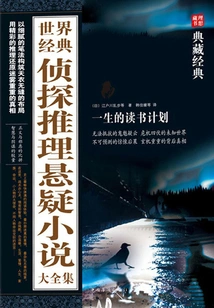
世界经典侦探推理悬疑小说大全集
H
After nightfall, some people enjoy a sound sleep in peace and tranquility, some party all night long under the flickering neon lights, some endure the fatigue and work overtime in the office, and some start to put their plots into practice under the cover of darkness...
After nightfall, some people enjoy a sound sleep in peace and tranquility, some party all night long under the flickering neon lights, some endure the fatigue and work overtime in the office, and some start to put their plots into practice under the cover of darkness...

Yong Zheng and His Concubine Nian
Ancient Romance江山风雨情之雍正与年妃
I Borrow The Moon From The Sky
He, Aixinjueluo Yinzhen, fought for the throne in Kowloon and finally ruled the world; she was a lady from a famous family, both talented and beautiful. They were originally a match made in heaven, but unexpectedly, they missed love. One wrong move will turn your heart into ashes, one wrong step, every step will pass, you will miss this life and the next life. When will you be able to love truly and sincerely? The love between sisters is deep, the love between brother and sister is as deep as the sea, and love and hatred are endless. A God-given match, a match made in heaven, a thousand-mile marriage tied by a thin thread, what a mistake it is for a couple to miss the mark. Aixinjueluo Yinzhen and Nian Binning; Aixinjueluo Yinzhen and Nian Yuying, two brothers and two sisters, they met you by chance, and they will never be separated in every life. This article tells the love story between Emperor Yongzheng and his concubine Nian. It basically respects history, does not fight in the palace, is not sentimental, and does not sadomasochism. The digital army is on the sidelines. Kangxi only plays soy sauce, occasionally funny, basically passionate, unswerving, no regrets, just to write about the fourth master in my mind and the love in my mind.
He, Aixinjueluo Yinzhen, fought for the throne in Kowloon and finally ruled the world; she was a lady from a famous family, both talented and beautiful. They were originally a match made in heaven, but unexpectedly, they missed love. One wrong move will turn your heart into ashes, one wrong step, every step will pass, you will miss this life and the next life. When will you be able to love truly and sincerely? The love between sisters is deep, the love between brother and sister is as deep as the sea, and love and hatred are endless. A God-given match, a match made in heaven, a thousand-mile marriage tied by a thin thread, what a mistake it is for a couple to miss the mark. Aixinjueluo Yinzhen and Nian Binning; Aixinjueluo Yinzhen and Nian Yuying, two brothers and two sisters, they met you by chance, and they will never be separated in every life. This article tells the love story between Emperor Yongzheng and his concubine Nian. It basically respects history, does not fight in the palace, is not sentimental, and does not sadomasochism. The digital army is on the sidelines. Kangxi only plays soy sauce, occasionally funny, basically passionate, unswerving, no regrets, just to write about the fourth master in my mind and the love in my mind.
L
Literaturel
G
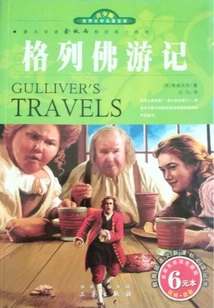
"Gulliver's Travels" created the tradition of satire in British literature. The book is divided into four volumes. Through the adventures of the protagonist, the British surgeon Gulliver, as he travels around the "Lilliputian Country", "Big People Country", "Flying Island Country" and "Houyi Country", the novel comprehensively satirizes and criticizes Britain in the first half of the 18th century. It has distinctive democratic ideological characteristics. After the book came out in 1726, it immediately shocked the world's literary world. Within a week of publication, all copies in stock were sold out. Voltaire, Byron, Gorky, and Lu Xun all highly praised this work. "Gulliver's Travels" has its footprints all over the world. Blooming eternal glory in the ranks of world progressive literature.
"Gulliver's Travels" created the tradition of satire in British literature. The book is divided into four volumes. Through the adventures of the protagonist, the British surgeon Gulliver, as he travels around the "Lilliputian Country", "Big People Country", "Flying Island Country" and "Houyi Country", the novel comprehensively satirizes and criticizes Britain in the first half of the 18th century. It has distinctive democratic ideological characteristics. After the book came out in 1726, it immediately shocked the world's literary world. Within a week of publication, all copies in stock were sold out. Voltaire, Byron, Gorky, and Lu Xun all highly praised this work. "Gulliver's Travels" has its footprints all over the world. Blooming eternal glory in the ranks of world progressive literature.

豪门隐婚:高冷债主独家爱
F
When she woke up, she owed a huge debt for no reason, and Shen Shu felt very sad. "Chen Shu... The deadline for you to repay your debt is coming soon, what do you think?" The man's magnetic and cold voice rang in his ears without emotion, and Shen Shu suddenly felt that snowflakes were falling on the June sky. What should I do if I have no money to pay off my debt? As a result, she was directly promoted the next day and became Mrs. Gu. Looking at the two red books, she really wanted to raise her head and sigh: I was forced, God can testify... QQ group 476963157
When she woke up, she owed a huge debt for no reason, and Shen Shu felt very sad. "Chen Shu... The deadline for you to repay your debt is coming soon, what do you think?" The man's magnetic and cold voice rang in his ears without emotion, and Shen Shu suddenly felt that snowflakes were falling on the June sky. What should I do if I have no money to pay off my debt? As a result, she was directly promoted the next day and became Mrs. Gu. Looking at the two red books, she really wanted to raise her head and sigh: I was forced, God can testify... QQ group 476963157
O
General Fictiono
I
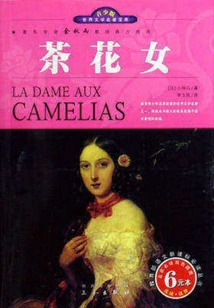
The novel takes the life experience of the protagonist Margaret as the main line, and truly and vividly describes the tragic story of a prostitute who is as holy and beautiful as a camellia in appearance and heart. The novel is based on a personal experience of Xiao Zhongma. It is a confession of Xiao Zhongma's emotional experience. The protagonist Margaret is a very beautiful rural girl who came to Paris alone to make a living, but unfortunately became a prostitute. The crazy love for her by Armand, a young man from a well-off family, inspired her yearning for love life, but this raging love affair ended due to the opposition of Armand's father. Armand did not know the truth and thought that Margaret had betrayed him deliberately, so he looked for opportunities to humiliate her, and eventually he died of resentment in poverty and illness.
The novel takes the life experience of the protagonist Margaret as the main line, and truly and vividly describes the tragic story of a prostitute who is as holy and beautiful as a camellia in appearance and heart. The novel is based on a personal experience of Xiao Zhongma. It is a confession of Xiao Zhongma's emotional experience. The protagonist Margaret is a very beautiful rural girl who came to Paris alone to make a living, but unfortunately became a prostitute. The crazy love for her by Armand, a young man from a well-off family, inspired her yearning for love life, but this raging love affair ended due to the opposition of Armand's father. Armand did not know the truth and thought that Margaret had betrayed him deliberately, so he looked for opportunities to humiliate her, and eventually he died of resentment in poverty and illness.
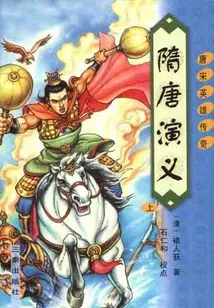
Romance of the Sui and Tang Dynasties (part 1)
General Fiction隋唐演义(上篇)
(qing Dynasty) Chu Renhuo
"The Romance of the Sui and Tang Dynasties" is a long vernacular historical romance novel of the Qing Dynasty. It is a novel with the dual nature of heroic legend and historical romance. Taking the peasant uprising at the end of the Sui Dynasty as the background of the story, it tells a historical romance about the fall of the Sui Dynasty and the establishment of the Tang Dynasty. The characters in the novel have distinctive personalities and the storyline is popular. The classic passages in it are timeless.
"The Romance of the Sui and Tang Dynasties" is a long vernacular historical romance novel of the Qing Dynasty. It is a novel with the dual nature of heroic legend and historical romance. Taking the peasant uprising at the end of the Sui Dynasty as the background of the story, it tells a historical romance about the fall of the Sui Dynasty and the establishment of the Tang Dynasty. The characters in the novel have distinctive personalities and the storyline is popular. The classic passages in it are timeless.
M
Literaturem
H
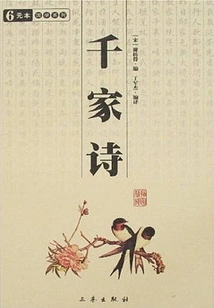
"Poems of a Thousand Families" is a merger of "Poems of a Thousand Families" compiled by Xie Fangde of the Song Dynasty (all seven-character rhymed poems) and "Poems of a Thousand Families in Five Characters" selected by Wang Xiang of the Ming Dynasty. It is an anthology of enlightenment poems in the old days of our country. Most of the poems selected in it are famous poems from the Tang and Song Dynasties, which are easy to learn and understand, with diverse themes. The content involves various aspects such as landscapes and pastoral, farewell to friends, homesickness and nostalgia, mourning the past and regretting the present, chanting objects and paintings, serving banquets, etc. It broadly reflects the social reality of the Tang and Song Dynasties, so it is widely circulated among the people and has a profound influence. It has the greatest influence among the selected readings of Chinese classical poetry, and has benefited as many people as the sand in the Ganges River. It and "Three Hundred Tang Poems" compiled and selected by Hengtang retired scholars are called the "double treasures" of the Poetry Garden.
"Poems of a Thousand Families" is a merger of "Poems of a Thousand Families" compiled by Xie Fangde of the Song Dynasty (all seven-character rhymed poems) and "Poems of a Thousand Families in Five Characters" selected by Wang Xiang of the Ming Dynasty. It is an anthology of enlightenment poems in the old days of our country. Most of the poems selected in it are famous poems from the Tang and Song Dynasties, which are easy to learn and understand, with diverse themes. The content involves various aspects such as landscapes and pastoral, farewell to friends, homesickness and nostalgia, mourning the past and regretting the present, chanting objects and paintings, serving banquets, etc. It broadly reflects the social reality of the Tang and Song Dynasties, so it is widely circulated among the people and has a profound influence. It has the greatest influence among the selected readings of Chinese classical poetry, and has benefited as many people as the sand in the Ganges River. It and "Three Hundred Tang Poems" compiled and selected by Hengtang retired scholars are called the "double treasures" of the Poetry Garden.
P
General Fictionp
J
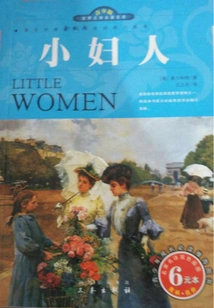
"Little Women" is a moral and ethical novel that integrates family, friendship, and love. It is like a novelized family diary. The author uses his unique keen observation and delicate writing style to describe the years when the four innocent girls of the March family grow into mature young women, reflecting their diligent pursuit of sweet love, innocent friendship and perfect character. Since its publication, the book has been translated into more than 100 languages and screened many times, touching the hearts of countless people, especially female readers. Therefore, it is also considered to be a "Little Women" specially written for girls. The novel "March" written by Australian female writer Geraldine Brooks based on "Little Women" won the 2006 Pulitzer Prize for Fiction.
"Little Women" is a moral and ethical novel that integrates family, friendship, and love. It is like a novelized family diary. The author uses his unique keen observation and delicate writing style to describe the years when the four innocent girls of the March family grow into mature young women, reflecting their diligent pursuit of sweet love, innocent friendship and perfect character. Since its publication, the book has been translated into more than 100 languages and screened many times, touching the hearts of countless people, especially female readers. Therefore, it is also considered to be a "Little Women" specially written for girls. The novel "March" written by Australian female writer Geraldine Brooks based on "Little Women" won the 2006 Pulitzer Prize for Fiction.
N
General Fictionn
I
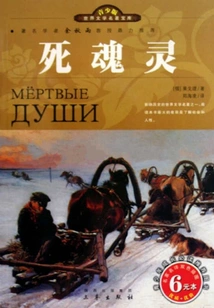
"Dead Souls" tells the story of a speculative liar Chichikov who buys and sells dead souls. He first went to a certain city to clear up relations with officials, and then went to the outskirts of the city to buy dead serfs from landlords who had not yet canceled their household registrations. He wanted to mortgage them as living serfs to the supervisory committee in order to defraud a large deposit. He visited many landowners and bought a large number of dead serfs. When he went through the legal transaction procedures with the help of his long-established relationship, his dirty deeds were exposed. The prosecutor was frightened to death by the rumors, and Chichikov had to escape in a hurry. This novel depicts an ugly and decadent picture of autocratic serfdom, and bitterly satirizes the greed and cruelty of human nature.
"Dead Souls" tells the story of a speculative liar Chichikov who buys and sells dead souls. He first went to a certain city to clear up relations with officials, and then went to the outskirts of the city to buy dead serfs from landlords who had not yet canceled their household registrations. He wanted to mortgage them as living serfs to the supervisory committee in order to defraud a large deposit. He visited many landowners and bought a large number of dead serfs. When he went through the legal transaction procedures with the help of his long-established relationship, his dirty deeds were exposed. The prosecutor was frightened to death by the rumors, and Chichikov had to escape in a hurry. This novel depicts an ugly and decadent picture of autocratic serfdom, and bitterly satirizes the greed and cruelty of human nature.
Selected Short Stories by Mark Twain
General Fiction马克·吐温短篇小说精选
(us) Mark Twain
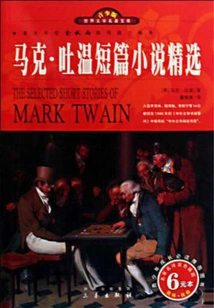
Mark Twain's short stories are like shining pearls, reflecting the rich spiritual world of the American people of his time as well as their material life. This book collects dozens of his short stories, some of which satirize the hypocrisy of religion and the reversal of people's values, some of which discuss social development and environmental protection, some of which explore the relationship between humans and animals, and of course, some of which reflect on the world at the beginning of chaos from the perspective of human ignorance. These novels allow readers to think deeply about the world we live in, our lives, our politics, our religion, our life values, etc., While laughing. Mark Twain's novels usually revolve around a specific plot. He uses his free and easy writing power to exaggerate things to the best of his ability, making readers gradually get better and believe it when they know it is impossible. When they close the book and think deeply, they finally realize that there is great truth in this impossibility. The people and things written by the writer may exist around you, or even in your body.
Mark Twain's short stories are like shining pearls, reflecting the rich spiritual world of the American people of his time as well as their material life. This book collects dozens of his short stories, some of which satirize the hypocrisy of religion and the reversal of people's values, some of which discuss social development and environmental protection, some of which explore the relationship between humans and animals, and of course, some of which reflect on the world at the beginning of chaos from the perspective of human ignorance. These novels allow readers to think deeply about the world we live in, our lives, our politics, our religion, our life values, etc., While laughing. Mark Twain's novels usually revolve around a specific plot. He uses his free and easy writing power to exaggerate things to the best of his ability, making readers gradually get better and believe it when they know it is impossible. When they close the book and think deeply, they finally realize that there is great truth in this impossibility. The people and things written by the writer may exist around you, or even in your body.
R
General FictionR
H
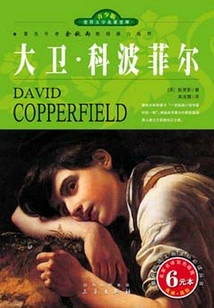
The protagonist of the novel, David Copperfield, is an orphan. He is smart and diligent. He studies hard and overcomes many difficulties with the help of kind-hearted people around him. Finally achieved career success and became a famous writer. The lines of the novel reveal Dickens's ideal of a life filled with kindness, justice, humanity, and fraternity, which he called his "most beloved child." The character "Micawber" has now been included in the common English dictionary as a word.
The protagonist of the novel, David Copperfield, is an orphan. He is smart and diligent. He studies hard and overcomes many difficulties with the help of kind-hearted people around him. Finally achieved career success and became a famous writer. The lines of the novel reveal Dickens's ideal of a life filled with kindness, justice, humanity, and fraternity, which he called his "most beloved child." The character "Micawber" has now been included in the common English dictionary as a word.
G
General FictionG
G
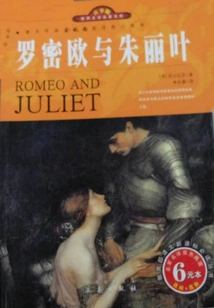
"Romeo and Juliet" is a classic work by the world-famous dramatist Shakespeare, created in 1595. The work depicts a thrilling love tragedy through ups and downs of dramatic conflicts, numerous distinctive characters, and beautiful and lyrical character language. The play begins with the conflict between two aristocratic families and ends with the death of the protagonist in exchange for the reconciliation of the two families. It reflects the humanist views on love, marriage and family ideals as a whole, and has become the most familiar love classic among Shakespeare's plays.
"Romeo and Juliet" is a classic work by the world-famous dramatist Shakespeare, created in 1595. The work depicts a thrilling love tragedy through ups and downs of dramatic conflicts, numerous distinctive characters, and beautiful and lyrical character language. The play begins with the conflict between two aristocratic families and ends with the death of the protagonist in exchange for the reconciliation of the two families. It reflects the humanist views on love, marriage and family ideals as a whole, and has become the most familiar love classic among Shakespeare's plays.
O
General Fictiono
H
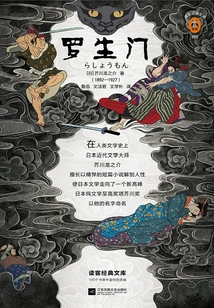
The human nature that you have struggled to see clearly all your life is finally revealed in "Rashomon"! A complete collection of representative short stories by the master of modern Japanese literature Akutagawa Ryunosuke! Akutagawa × Lu Xun, a literary collision between Chinese and Japanese masters! A diverse presentation of Akutagawa's literary world! A masterpiece of modern literature praised by Natsume Soseki, Osamu Dazai, and Haruki Murakami! The Akutagawa Prize, Japan's highest award for pure literature, is named after him! The film of the same name directed by the movie emperor Akira Kurosawa won the Academy Award and the Golden Lion Award at the Venice Film Festival! This book selects 18 short stories by Ryunosuke Akutagawa, including well-known masterpieces such as "Rashomon", "The Nose" and "Hell Transformation".
The human nature that you have struggled to see clearly all your life is finally revealed in "Rashomon"! A complete collection of representative short stories by the master of modern Japanese literature Akutagawa Ryunosuke! Akutagawa × Lu Xun, a literary collision between Chinese and Japanese masters! A diverse presentation of Akutagawa's literary world! A masterpiece of modern literature praised by Natsume Soseki, Osamu Dazai, and Haruki Murakami! The Akutagawa Prize, Japan's highest award for pure literature, is named after him! The film of the same name directed by the movie emperor Akira Kurosawa won the Academy Award and the Golden Lion Award at the Venice Film Festival! This book selects 18 short stories by Ryunosuke Akutagawa, including well-known masterpieces such as "Rashomon", "The Nose" and "Hell Transformation".
Niels' Travels Riding a Goose
General Fiction尼尔斯骑鹅旅行记
J
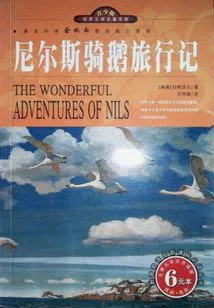
It tells the story of Niels, a 14-year-old boy who doesn't like studying and loves to play tricks on small animals. Because he teased an elf at home, he was magically transformed into a little man the size of a thumb by the elf. He was then carried into the sky by the domestic goose Morton. He rode on the goose's back and traveled north and south with a group of geese. He traveled around the country and returned to his hometown after eight months. On the way, he visited the natural scenery in various places, encountered various risks and difficulties, gradually corrected his shortcomings, and grew into an outstanding young man with noble moral character.
It tells the story of Niels, a 14-year-old boy who doesn't like studying and loves to play tricks on small animals. Because he teased an elf at home, he was magically transformed into a little man the size of a thumb by the elf. He was then carried into the sky by the domestic goose Morton. He rode on the goose's back and traveled north and south with a group of geese. He traveled around the country and returned to his hometown after eight months. On the way, he visited the natural scenery in various places, encountered various risks and difficulties, gradually corrected his shortcomings, and grew into an outstanding young man with noble moral character.

R
General Fictionr
I
"Captain Grant's Children" is the first part of Verne's famous science fiction trilogy. During a voyage to catch sharks, Sir Glenarvan found a champagne bottle hidden in the belly of the fish, and got clues about the missing Scottish navigator Captain Grant two years ago. After being refused by the British government to go to the rescue, Jazz and his party decided to go to sea to search for themselves. Along the way, they passed through Chile, Argentina, Australia and New Zealand, overcoming numerous difficulties and dangers, and finally found Captain Grant on a desert island in the Pacific. The novel contains a distinct sense of justice, which can not only inspire people's indomitable spirit of adventure and cultivate their strong will, but also enrich their scientific knowledge. For more than 100 years, this book has been welcomed by readers around the world.
"Captain Grant's Children" is the first part of Verne's famous science fiction trilogy. During a voyage to catch sharks, Sir Glenarvan found a champagne bottle hidden in the belly of the fish, and got clues about the missing Scottish navigator Captain Grant two years ago. After being refused by the British government to go to the rescue, Jazz and his party decided to go to sea to search for themselves. Along the way, they passed through Chile, Argentina, Australia and New Zealand, overcoming numerous difficulties and dangers, and finally found Captain Grant on a desert island in the Pacific. The novel contains a distinct sense of justice, which can not only inspire people's indomitable spirit of adventure and cultivate their strong will, but also enrich their scientific knowledge. For more than 100 years, this book has been welcomed by readers around the world.
I
General FictionI
G
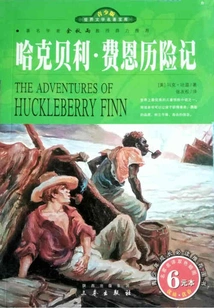
Through the eyes of a child, the novel uses a humorous approach to describe the protagonist Huckleberry Finn's various experiences of running away from home and rafting along the Mississippi River with the black slave Jim in order to pursue a free life. It creates an image of an American naughty boy who is unwilling to be constrained by "civilized" society and wants to return to nature. He is smart and yet compassionate. "The Adventures of Huckleberry Finn (Two-Color Illustrated Youth Edition)" can be said to be an outstanding picture of American social life and is regarded as an epoch-making realist work in the history of American literature.
Through the eyes of a child, the novel uses a humorous approach to describe the protagonist Huckleberry Finn's various experiences of running away from home and rafting along the Mississippi River with the black slave Jim in order to pursue a free life. It creates an image of an American naughty boy who is unwilling to be constrained by "civilized" society and wants to return to nature. He is smart and yet compassionate. "The Adventures of Huckleberry Finn (Two-Color Illustrated Youth Edition)" can be said to be an outstanding picture of American social life and is regarded as an epoch-making realist work in the history of American literature.
Andersen's Fairy Tales
General Fiction安徒生童话
J
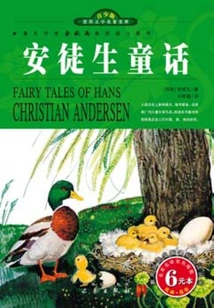
Although Andersen's fairy tales are based on a wide range of materials, their themes are relatively concentrated and simple, which is to express truth, goodness and beauty, to pursue the ideal state of mankind with romantic fantasies, such as kindness, sympathy, tolerance, fraternity, etc., And to preach that "truth, goodness and beauty will eventually win."
Although Andersen's fairy tales are based on a wide range of materials, their themes are relatively concentrated and simple, which is to express truth, goodness and beauty, to pursue the ideal state of mankind with romantic fantasies, such as kindness, sympathy, tolerance, fraternity, etc., And to preach that "truth, goodness and beauty will eventually win."
X
General Fictionx
G
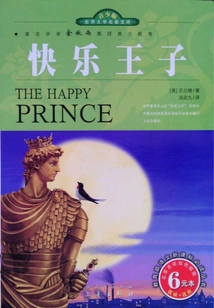
"The Happy Prince" is a fairy tale written by British aestheticist writer Oscar Wilde, which is included in "The Happy Prince and Other Stories". The story tells the story of the Happy Prince, who did not know what sorrow was when he was alive, and witnessed all kinds of suffering in the world after his death, and the story of the swallow who sacrificed himself to help others. The city outlined in "The Happy Prince" is a microcosm of British society during the Victorian period. Wilde incorporated various ugly phenomena that occurred in real society into the story, ruthlessly lashing and exposing the cold society at that time. He expressed deep sympathy for the compassionate Happy Prince and Swallow's charity relief activities for the people at the bottom of society and their ultimate failure. At the same time, the story itself also hinted at the author's ideal social system tendency and fundamentally questioned the moral principles of the society at that time.
"The Happy Prince" is a fairy tale written by British aestheticist writer Oscar Wilde, which is included in "The Happy Prince and Other Stories". The story tells the story of the Happy Prince, who did not know what sorrow was when he was alive, and witnessed all kinds of suffering in the world after his death, and the story of the swallow who sacrificed himself to help others. The city outlined in "The Happy Prince" is a microcosm of British society during the Victorian period. Wilde incorporated various ugly phenomena that occurred in real society into the story, ruthlessly lashing and exposing the cold society at that time. He expressed deep sympathy for the compassionate Happy Prince and Swallow's charity relief activities for the people at the bottom of society and their ultimate failure. At the same time, the story itself also hinted at the author's ideal social system tendency and fundamentally questioned the moral principles of the society at that time.
Uncle Tom's Cabin
General Fiction汤姆叔叔的小屋
(us) Mrs. Stowe
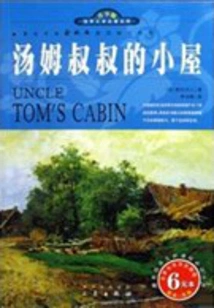
The novel focuses on depicting the life trajectories of the protagonist Tom and another black slave George Harris and their different fates. Tom, who was submissive and obeyed the slave masters, served three slave masters in his life, but finally died tragically under the whip of the third slave master. George, who dared to resist and fight, fled to Canada and finally gained a new life. This novel is not only a classic in the history of world literature, but also has a profound impact on American history and the process of world civilization. In the first year alone, the novel printed more than 100 editions in China and sold more than 300,000 copies. It was later translated into more than 20 languages and published around the world.
The novel focuses on depicting the life trajectories of the protagonist Tom and another black slave George Harris and their different fates. Tom, who was submissive and obeyed the slave masters, served three slave masters in his life, but finally died tragically under the whip of the third slave master. George, who dared to resist and fight, fled to Canada and finally gained a new life. This novel is not only a classic in the history of world literature, but also has a profound impact on American history and the process of world civilization. In the first year alone, the novel printed more than 100 editions in China and sold more than 300,000 copies. It was later translated into more than 20 languages and published around the world.
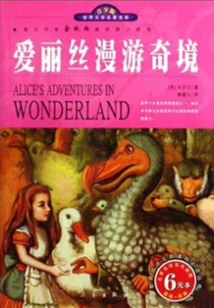
Alice in Wonderland
General Fiction爱丽丝漫游奇境
K
It contains two of the most famous fairy tales by British writer Carroll, "Alice's Adventures in Wonderland" and "Alice Through the Looking Glass", telling two magical, wonderful and weird dream stories: the little girl Alice entered the wonderful underground world and the mirror world in her dream, met many strange people and animals, and experienced two magical and illusory journeys: it is known as the pioneer of magic and absurd novels, and it is a magical story book suitable for children to read by themselves. The fairy tale became popular all over the world after its publication, winning the favor of almost all readers. It has been translated into most of the world's major languages, even Esperanto and indigenous languages, and has been adapted into plays, movies, etc.
It contains two of the most famous fairy tales by British writer Carroll, "Alice's Adventures in Wonderland" and "Alice Through the Looking Glass", telling two magical, wonderful and weird dream stories: the little girl Alice entered the wonderful underground world and the mirror world in her dream, met many strange people and animals, and experienced two magical and illusory journeys: it is known as the pioneer of magic and absurd novels, and it is a magical story book suitable for children to read by themselves. The fairy tale became popular all over the world after its publication, winning the favor of almost all readers. It has been translated into most of the world's major languages, even Esperanto and indigenous languages, and has been adapted into plays, movies, etc.
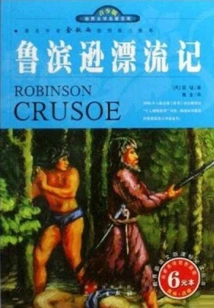
P
General Fictionp
I
"Robinson Crusoe" is the representative work of the famous British writer Defoe in the 18th century. It is also the first true novel in the literary history of Britain and even Europe. The protagonist of the novel, Robinson Crusoe, was born in a middle-class family and aspired to travel around the world throughout his life. Once while sailing to Africa, he encountered a storm and drifted alone to an uninhabited desert island, where he began to live an isolated life. With his extraordinary will and unremitting efforts, he survived tenaciously on the desert island and returned to his hometown after twenty-eight years, two months and nineteen days. In this work, Defoe successfully created all the characteristics that a person should possess - bravery, wisdom, rationality, diligence, and strength. He also told people to survive tenaciously no matter what difficulties they encounter!
"Robinson Crusoe" is the representative work of the famous British writer Defoe in the 18th century. It is also the first true novel in the literary history of Britain and even Europe. The protagonist of the novel, Robinson Crusoe, was born in a middle-class family and aspired to travel around the world throughout his life. Once while sailing to Africa, he encountered a storm and drifted alone to an uninhabited desert island, where he began to live an isolated life. With his extraordinary will and unremitting efforts, he survived tenaciously on the desert island and returned to his hometown after twenty-eight years, two months and nineteen days. In this work, Defoe successfully created all the characteristics that a person should possess - bravery, wisdom, rationality, diligence, and strength. He also told people to survive tenaciously no matter what difficulties they encounter!
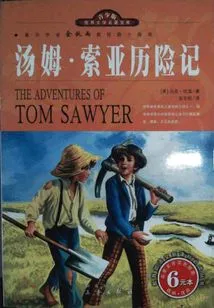
The Adventures of Tom Sawyer
General Fiction汤姆·索亚历险记
(us) Mark Twain
"The Adventures of Tom Sawyer" is one of Mark Twain's most popular and beloved novels. Published in 1876, the book describes the innocent life of a group of children led by Tom Sawyer in a small town in the southern United States before the Civil War. In order to get rid of boring homework, hypocritical teachings and rigid living environment, they tried various adventure experiences and did many hilarious things. It is a companion piece to Mark Twain's most important masterpiece, "The Adventures of Huckleberry Finn". It is not only a great children's work, but also a pastoral hymn from the "Golden Age" of America.
"The Adventures of Tom Sawyer" is one of Mark Twain's most popular and beloved novels. Published in 1876, the book describes the innocent life of a group of children led by Tom Sawyer in a small town in the southern United States before the Civil War. In order to get rid of boring homework, hypocritical teachings and rigid living environment, they tried various adventure experiences and did many hilarious things. It is a companion piece to Mark Twain's most important masterpiece, "The Adventures of Huckleberry Finn". It is not only a great children's work, but also a pastoral hymn from the "Golden Age" of America.
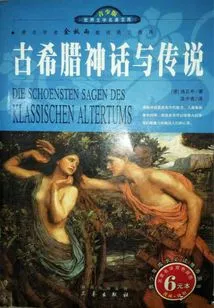
Ancient Greek Myths and Legends
General Fiction古希腊神话与传说
H
"Ancient Greek Myths and Legends" introduces: Ancient Greece is one of the ancient civilizations in the world. During its survival and development, the ancient Greeks created a brilliant and colorful culture and left a rich heritage, among which myths and legends are one of them. Ancient Greek mythology is world-famous for its beauty and movingness. It is the crystallization of the wisdom of the ancient Greeks who lived in the ancient Aegean Basin and were called "normal children" by historians. As a product of human childhood, Greek mythology has shown eternal charm. It is the earliest literary form in Europe, gave birth to European literature and art, and has become an inexhaustible source of inspiration for Western literary and artistic works, aesthetic theories and social science monographs. Among the many Greek mythology books, "Ancient Greek Myths and Legends" by Schwab, a famous German writer in the 19th century, is the most popular version in the world. Selling well in countries all over the world.
"Ancient Greek Myths and Legends" introduces: Ancient Greece is one of the ancient civilizations in the world. During its survival and development, the ancient Greeks created a brilliant and colorful culture and left a rich heritage, among which myths and legends are one of them. Ancient Greek mythology is world-famous for its beauty and movingness. It is the crystallization of the wisdom of the ancient Greeks who lived in the ancient Aegean Basin and were called "normal children" by historians. As a product of human childhood, Greek mythology has shown eternal charm. It is the earliest literary form in Europe, gave birth to European literature and art, and has become an inexhaustible source of inspiration for Western literary and artistic works, aesthetic theories and social science monographs. Among the many Greek mythology books, "Ancient Greek Myths and Legends" by Schwab, a famous German writer in the 19th century, is the most popular version in the world. Selling well in countries all over the world.
G
General FictionG
G
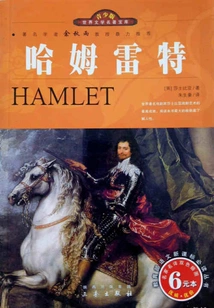
With its exquisite artistic form and broad ideological content, it has become an unreachable peak in the history of world drama. This tragedy describes the story of Prince Hamlet of Denmark avenging his father. It is based on 1,200 years of Danish history. It has been adapted and re-created by many people, but Shakespeare used his own genius to inject the flavor and philosophy of the times into this ancient story. The play also contributed an unprecedented image to the history of world literature - Hamlet. The profound development of this image in the spiritual world is the most fruitful harvest of the entire European literature.
With its exquisite artistic form and broad ideological content, it has become an unreachable peak in the history of world drama. This tragedy describes the story of Prince Hamlet of Denmark avenging his father. It is based on 1,200 years of Danish history. It has been adapted and re-created by many people, but Shakespeare used his own genius to inject the flavor and philosophy of the times into this ancient story. The play also contributed an unprecedented image to the history of world literature - Hamlet. The profound development of this image in the spiritual world is the most fruitful harvest of the entire European literature.
O
General Fictiono
H
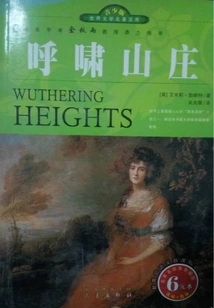
"Wuthering Heights" is known as "the Sphinx in literature" and "the most magnificent epic of human love" in the history of British literature. It is "an outstanding work whose brilliance has not been obscured by the dust of time." "Wuthering Heights" is Emily Bronte's masterpiece. The protagonist of the story, Heathcliff, is an abandoned child who was adopted by the old Mr. Earnshaw of Wuthering Heights. Here he was jealous of and enmity with the young master Hendry because of his favor, but he had a deep relationship with his sister Catherine and fell deeply in love with him. After the death of old Earnshaw, Hendry demoted Heathcliff to a slave and persecuted him. Catherine was influenced by the concept of family status and married Edgar of Thrushcross Grange. Heathcliff was hit by this and ran away from home. Three years later, he returned to Wuthering Heights as a wealthy gentleman and began his revenge plan...
"Wuthering Heights" is known as "the Sphinx in literature" and "the most magnificent epic of human love" in the history of British literature. It is "an outstanding work whose brilliance has not been obscured by the dust of time." "Wuthering Heights" is Emily Bronte's masterpiece. The protagonist of the story, Heathcliff, is an abandoned child who was adopted by the old Mr. Earnshaw of Wuthering Heights. Here he was jealous of and enmity with the young master Hendry because of his favor, but he had a deep relationship with his sister Catherine and fell deeply in love with him. After the death of old Earnshaw, Hendry demoted Heathcliff to a slave and persecuted him. Catherine was influenced by the concept of family status and married Edgar of Thrushcross Grange. Heathcliff was hit by this and ran away from home. Three years later, he returned to Wuthering Heights as a wealthy gentleman and began his revenge plan...
Dragon Tooth
General Fiction龙牙
J
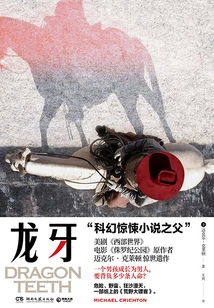
In 1876, lawless gold diggers entered the war-torn American West, and Indians who were hostile to whites were ready to scalp them at any time. In a bad land full of yellow sand, two paranoid paleontologists came here to search for dinosaur fossils. They deceive each other, undermine each other, and want to find out before the other. Johnson, an ignorant Yale University student, stumbled into this melee for a stupid bet. He joined the expedition of paleontologist Marsh. But the suspicious Marsh suspected that Johnson was a spy sent by his old enemy Professor Cope and abandoned him in Cheyenne, Wyoming. After Johnson was forced to join the popular science camp, he made an astonishing discovery by accident. This put him in many crises and suffered enemies from both sides. In the town of Deadwood, which is difficult to leave safely, Johnson must fight to the death to protect his discovery.
In 1876, lawless gold diggers entered the war-torn American West, and Indians who were hostile to whites were ready to scalp them at any time. In a bad land full of yellow sand, two paranoid paleontologists came here to search for dinosaur fossils. They deceive each other, undermine each other, and want to find out before the other. Johnson, an ignorant Yale University student, stumbled into this melee for a stupid bet. He joined the expedition of paleontologist Marsh. But the suspicious Marsh suspected that Johnson was a spy sent by his old enemy Professor Cope and abandoned him in Cheyenne, Wyoming. After Johnson was forced to join the popular science camp, he made an astonishing discovery by accident. This put him in many crises and suffered enemies from both sides. In the town of Deadwood, which is difficult to leave safely, Johnson must fight to the death to protect his discovery.
Suet Balls
General Fiction羊脂球
(french) Maupassant
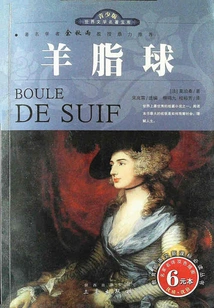
The novel depicts that during the Franco-Prussian War in 1870, a French carriage was detained by a Prussian officer when it was leaving the enemy's war zone. The officer must have a prostitute named Ball of Suif in the car stay with him for the night, otherwise the carriage will not be able to pass. Ball de Suif flatly refused out of patriotism, but the distinguished passengers in the car with him forced her to sacrifice herself for everyone for their own selfish interests. Ball de Suif had no choice but to make concessions. But when the carriage set off the next morning, the passengers who had been pleading yesterday suddenly changed their faces. They all distanced themselves from her and disdained to talk to her. She felt overwhelmed by the scorn of these reputation-conscious bastards, who had sacrificed her and then thrown her away like a filthy piece of trash.
The novel depicts that during the Franco-Prussian War in 1870, a French carriage was detained by a Prussian officer when it was leaving the enemy's war zone. The officer must have a prostitute named Ball of Suif in the car stay with him for the night, otherwise the carriage will not be able to pass. Ball de Suif flatly refused out of patriotism, but the distinguished passengers in the car with him forced her to sacrifice herself for everyone for their own selfish interests. Ball de Suif had no choice but to make concessions. But when the carriage set off the next morning, the passengers who had been pleading yesterday suddenly changed their faces. They all distanced themselves from her and disdained to talk to her. She felt overwhelmed by the scorn of these reputation-conscious bastards, who had sacrificed her and then thrown her away like a filthy piece of trash.
P
General Fictionp
J
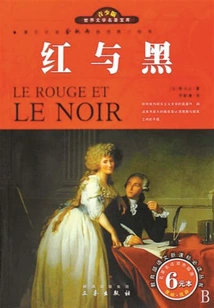
"The Red and the Black" is Stendhal's masterpiece. It is the foundation work of European critical realist literature. Julien, the protagonist of the novel, is the son of a carpenter, smart, studious, and rebellious. He came to Paris because of his ambiguous relationship with the mayor's wife and party fighting. Appreciated by the Marquis. Just when Julien was dreaming of a successful career, an exposé letter from the mayor's wife shattered his ideals. Finally went to the guillotine. Through the personal struggle and ultimate failure experience of Julien, a protagonist full of desire and passion, the novel extensively displays "the social atmosphere brought about by successive governments that weighed on the French people in the first 30 years of the 19th century" and reflects some essential issues in the political and social life of France in the early 19th century.
"The Red and the Black" is Stendhal's masterpiece. It is the foundation work of European critical realist literature. Julien, the protagonist of the novel, is the son of a carpenter, smart, studious, and rebellious. He came to Paris because of his ambiguous relationship with the mayor's wife and party fighting. Appreciated by the Marquis. Just when Julien was dreaming of a successful career, an exposé letter from the mayor's wife shattered his ideals. Finally went to the guillotine. Through the personal struggle and ultimate failure experience of Julien, a protagonist full of desire and passion, the novel extensively displays "the social atmosphere brought about by successive governments that weighed on the French people in the first 30 years of the 19th century" and reflects some essential issues in the political and social life of France in the early 19th century.
A
General FictionA
I
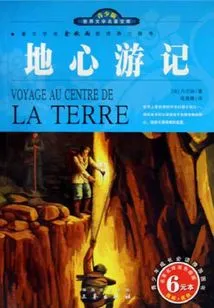
"Journey to the Center of the Earth" was published in 1864 and is one of Verne's early famous science fiction novels. The novel tells the story of an adventure trip through the center of the earth, inspired by a coded letter from the predecessor of German scientist Professor Lidenbrock, together with his nephew Axel and guide Hans. They descended from the Snæfellsjökull crater in Iceland and experienced three months of arduous trek in the center of the earth. They overcame difficulties such as lack of water, getting lost, and storms, and finally returned to the ground from the crater in Sicily. In the novel, Verne cleverly interspersed his knowledge with the plot and character descriptions of the novel. While describing a magical underground world to readers, showing a twists and turns, vivid and interesting plot, he also allowed readers to learn a wealth of scientific knowledge and feel the strong will of mankind to conquer nature.
"Journey to the Center of the Earth" was published in 1864 and is one of Verne's early famous science fiction novels. The novel tells the story of an adventure trip through the center of the earth, inspired by a coded letter from the predecessor of German scientist Professor Lidenbrock, together with his nephew Axel and guide Hans. They descended from the Snæfellsjökull crater in Iceland and experienced three months of arduous trek in the center of the earth. They overcame difficulties such as lack of water, getting lost, and storms, and finally returned to the ground from the crater in Sicily. In the novel, Verne cleverly interspersed his knowledge with the plot and character descriptions of the novel. While describing a magical underground world to readers, showing a twists and turns, vivid and interesting plot, he also allowed readers to learn a wealth of scientific knowledge and feel the strong will of mankind to conquer nature.
The Painted Bird (original Movie of the Same Name)
General Fiction被涂污的鸟(同名电影原著)
L
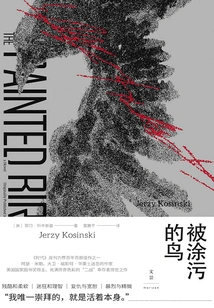
"Tainted Bird" describes the tragic scenes of Eastern Europe during World War II from the perspective of a little boy. The little boy's parents sent him to the countryside to seek refuge, but lost contact with him. The boy began to wander from village to village. Because of his black hair and eyes, the villagers thought he was a gypsy and would bring bad luck to the village, and tortured him in various ways. He was once buried in the soil, with only his head exposed, and crows pecked him with scars. He sees people devouring each other in strong chains of violence, depravity and ignorance. When he lay on the railroad tracks and let the train roar past him, all he experienced was the joy of surviving despite being humiliated. The title of the book, "The Painted Bird," symbolizes people who are considered alien. The author believes that the discrimination against "others" is imposed and artificial, and that the entire war is an extension of the disaster caused by this discrimination.
"Tainted Bird" describes the tragic scenes of Eastern Europe during World War II from the perspective of a little boy. The little boy's parents sent him to the countryside to seek refuge, but lost contact with him. The boy began to wander from village to village. Because of his black hair and eyes, the villagers thought he was a gypsy and would bring bad luck to the village, and tortured him in various ways. He was once buried in the soil, with only his head exposed, and crows pecked him with scars. He sees people devouring each other in strong chains of violence, depravity and ignorance. When he lay on the railroad tracks and let the train roar past him, all he experienced was the joy of surviving despite being humiliated. The title of the book, "The Painted Bird," symbolizes people who are considered alien. The author believes that the discrimination against "others" is imposed and artificial, and that the entire war is an extension of the disaster caused by this discrimination.
The Great Gatsby
General Fiction了不起的盖茨比
(u. S.) Francis Scott Fitzgerald
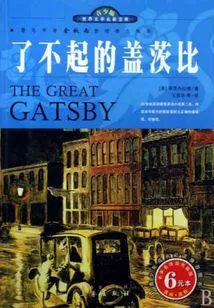
It includes two novels "The Great Gatsby" and "Return to Babylon" by Fitzgerald, the famous American novelist in the 20th century. Among them, "The Great Gatsby" is Fitzgerald's most famous work. It tells the story of the reunion of Gatsby, a rich man who was originally a soldier, and his first love, Daisy, many years later, as well as the subsequent life tragedies that occurred. It depicts various corruptions in the "Jazz Age" society and reflects the loss of traditional American beliefs and the disillusionment of the "American Dream". The famous British literary critic T. S. Eliot highly praised "The Great Gatsby" and said, "This is the first step taken by American novels since Henry James."
It includes two novels "The Great Gatsby" and "Return to Babylon" by Fitzgerald, the famous American novelist in the 20th century. Among them, "The Great Gatsby" is Fitzgerald's most famous work. It tells the story of the reunion of Gatsby, a rich man who was originally a soldier, and his first love, Daisy, many years later, as well as the subsequent life tragedies that occurred. It depicts various corruptions in the "Jazz Age" society and reflects the loss of traditional American beliefs and the disillusionment of the "American Dream". The famous British literary critic T. S. Eliot highly praised "The Great Gatsby" and said, "This is the first step taken by American novels since Henry James."
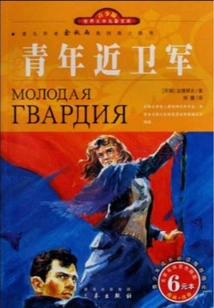
Young Guards
General Fiction青年近卫军
L
The novel is based on the historical facts of the underground struggle in Krasnorton in 1940. It artistically reproduces the history of that year and creates the glorious image of a large number of young people represented by the leaders of the Guards Headquarters Oleg, Vanya, Seryosa, and Liu Boka; it describes the arduous struggle of the older generation leaders such as Underground State Party Secretary Prokhenko and District Party Secretary Liu Dikov, and praises their incomparable loyalty to the socialist cause and communist ideals.
The novel is based on the historical facts of the underground struggle in Krasnorton in 1940. It artistically reproduces the history of that year and creates the glorious image of a large number of young people represented by the leaders of the Guards Headquarters Oleg, Vanya, Seryosa, and Liu Boka; it describes the arduous struggle of the older generation leaders such as Underground State Party Secretary Prokhenko and District Party Secretary Liu Dikov, and praises their incomparable loyalty to the socialist cause and communist ideals.
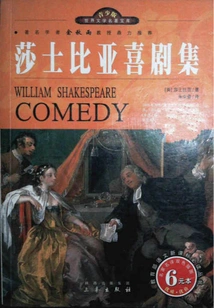
Shakespeare's Comedies
Literature莎士比亚喜剧集
G
This collection includes two of the "Four Comedies" - "A Midsummer Night's Dream", "The Merchant of Venice", "Nothing to Worry" and "As You Like It" - which represent the highest achievement of Shakespeare's comedy creation: "A Midsummer Night's Dream" and "As You Like It". "A Midsummer Night's Dream" is a bizarre and pleasant "dream". In the lush forest in midsummer, fairies dance among the flowers under the soft and romantic moonlight. Hermia and Lysander, Helena and Demetrius both came here because of unsatisfactory marriages and loves. After many twists and turns, they finally got married with the help of the Immortal King. "As You Like It" tells the story of Rosaline, the daughter of an exiled duke, and Orlando, who is abused by his eldest brother Oliver. Orlando repays kindness with kindness and saves his brother, causing him to discover his conscience and fall in love with Celia. In the end, a total of four pairs of lovers got married, and everyone was happy.
This collection includes two of the "Four Comedies" - "A Midsummer Night's Dream", "The Merchant of Venice", "Nothing to Worry" and "As You Like It" - which represent the highest achievement of Shakespeare's comedy creation: "A Midsummer Night's Dream" and "As You Like It". "A Midsummer Night's Dream" is a bizarre and pleasant "dream". In the lush forest in midsummer, fairies dance among the flowers under the soft and romantic moonlight. Hermia and Lysander, Helena and Demetrius both came here because of unsatisfactory marriages and loves. After many twists and turns, they finally got married with the help of the Immortal King. "As You Like It" tells the story of Rosaline, the daughter of an exiled duke, and Orlando, who is abused by his eldest brother Oliver. Orlando repays kindness with kindness and saves his brother, causing him to discover his conscience and fall in love with Celia. In the end, a total of four pairs of lovers got married, and everyone was happy.
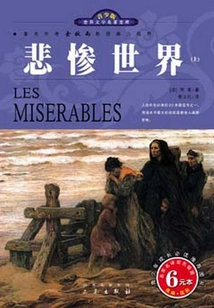
Les Misérables
General Fiction悲惨世界
(french) Victor Hugo
"Les Misérables" is a magnificent masterpiece by the famous French writer Hugo. It took more than thirty years to complete. It is a novel that can represent Hugo's thoughts and artistic style. With outstanding artistic charm, the book reveals the tragic fate and painful situation of the poor people by describing the tragic life history of the protagonist Jean Valjean, and presents a brilliant picture of modern French social and political life from the French Revolution in 1793 to the Paris People's Uprising in 1832. It reflects Hugo's extraordinary talent in narrative to the greatest extent and is a model of the combination of realism and romanticism in the history of world literature.
"Les Misérables" is a magnificent masterpiece by the famous French writer Hugo. It took more than thirty years to complete. It is a novel that can represent Hugo's thoughts and artistic style. With outstanding artistic charm, the book reveals the tragic fate and painful situation of the poor people by describing the tragic life history of the protagonist Jean Valjean, and presents a brilliant picture of modern French social and political life from the French Revolution in 1793 to the Paris People's Uprising in 1832. It reflects Hugo's extraordinary talent in narrative to the greatest extent and is a model of the combination of realism and romanticism in the history of world literature.

17 Years Old, the Season to Become a Star or a Beast
General Fiction17岁,成为星或兽的季节
(day) The Most Fruitful Evening
Yamashiro, a high school boy, learned that his idol was arrested for murder. He was confused and uneasy. How could a pure and shining star fall? To find out, he sneaked into the vicinity of his idol's house to eavesdrop, and met Morishita, a boy who was also a stalker. The two started an operation, tracking, burglarizing, and even fabricating evidence to help their idol get rid of the suspicion. Morishita's increasingly violent deviant behavior confused Yamashiro, and he gradually became afraid - is Morishita's feelings for his idol really love?
Yamashiro, a high school boy, learned that his idol was arrested for murder. He was confused and uneasy. How could a pure and shining star fall? To find out, he sneaked into the vicinity of his idol's house to eavesdrop, and met Morishita, a boy who was also a stalker. The two started an operation, tracking, burglarizing, and even fabricating evidence to help their idol get rid of the suspicion. Morishita's increasingly violent deviant behavior confused Yamashiro, and he gradually became afraid - is Morishita's feelings for his idol really love?
X
General Fictionx
G
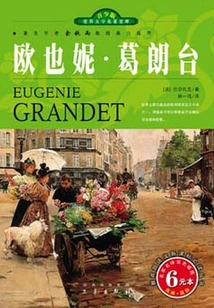
"Eugénie Grandet" is the most important work in Balzac's "Comedy Humane" and one of the most outstanding drawings in "Comédie Humane". The novel describes the family conflicts between the Grandet couple, father and daughter, uncles and nephews, profoundly reveals the money relationship in bourgeois families, extensively unfolds the customs of the French provinces in the first half of the 19th century, and creates a typical artistic image of Grandet, one of the four misers in the gallery of world literary figures. It is known as an ordinary tragedy without poison, no sharp knives, and no bloodshed. The novel integrates psychological analysis, custom description, detailed characterization, and philosophical discussion, and has achieved high artistic achievements.
"Eugénie Grandet" is the most important work in Balzac's "Comedy Humane" and one of the most outstanding drawings in "Comédie Humane". The novel describes the family conflicts between the Grandet couple, father and daughter, uncles and nephews, profoundly reveals the money relationship in bourgeois families, extensively unfolds the customs of the French provinces in the first half of the 19th century, and creates a typical artistic image of Grandet, one of the four misers in the gallery of world literary figures. It is known as an ordinary tragedy without poison, no sharp knives, and no bloodshed. The novel integrates psychological analysis, custom description, detailed characterization, and philosophical discussion, and has achieved high artistic achievements.
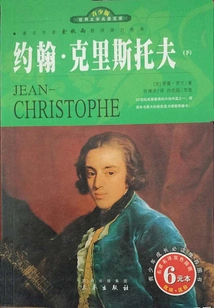
John Christoph
General Fiction约翰·克里斯托夫
H
This book tells the story of how a sincere musician rebelled against the hypocritical and frivolous society, thereby sublimating and perfecting himself in the struggle against social reactionary forces. It is the adventures of the protagonist Christophe, and it is a meticulous record of the artistic development process of a musical genius.
This book tells the story of how a sincere musician rebelled against the hypocritical and frivolous society, thereby sublimating and perfecting himself in the struggle against social reactionary forces. It is the adventures of the protagonist Christophe, and it is a meticulous record of the artistic development process of a musical genius.
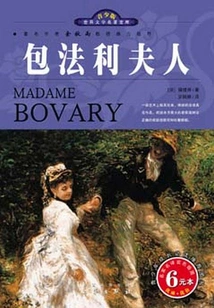
Madame Bovary
General Fiction包法利夫人
(french) Flaubert
The novel depicts the history of French social customs in the 19th century through the description of the tragic emotional life of Emma, a petty bourgeois woman. Emma, a vain farm girl, married Bovary, a country doctor, full of yearning for love. However, her husband's mediocrity and the dullness of her married life shattered her ideals of love, and she became depressed. Bovary moved to Yonville for her health, but the town was still unbearable for her. At the agricultural exhibition, she was seduced by the landowner Rodolfo and was soon abandoned. Later, Emma hooked up with Leon again and was abandoned again. Emma was deeply in debt during her affair, and finally committed suicide by swallowing arsenic in despair.
The novel depicts the history of French social customs in the 19th century through the description of the tragic emotional life of Emma, a petty bourgeois woman. Emma, a vain farm girl, married Bovary, a country doctor, full of yearning for love. However, her husband's mediocrity and the dullness of her married life shattered her ideals of love, and she became depressed. Bovary moved to Yonville for her health, but the town was still unbearable for her. At the agricultural exhibition, she was seduced by the landowner Rodolfo and was soon abandoned. Later, Emma hooked up with Leon again and was abandoned again. Emma was deeply in debt during her affair, and finally committed suicide by swallowing arsenic in despair.
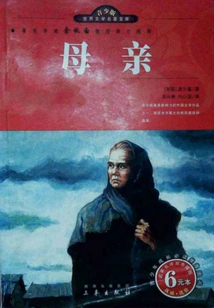
Mother
General Fiction母亲
(soviet) Gorky
The novel describes the development of the Russian proletarian revolutionary movement and the awakening process of the masses. The novel is divided into two parts. The first part focuses on the growth process of the Marxist workers' group led by the young worker Pavel under the leadership of the Social Democratic Labor Party; the second part focuses on describing the role of the Marxist workers' group among the masses and the awakening of the people. It eulogizes the revolutionary spirit and heroism of the proletariat represented by the great mother Nilovna.
The novel describes the development of the Russian proletarian revolutionary movement and the awakening process of the masses. The novel is divided into two parts. The first part focuses on the growth process of the Marxist workers' group led by the young worker Pavel under the leadership of the Social Democratic Labor Party; the second part focuses on describing the role of the Marxist workers' group among the masses and the awakening of the people. It eulogizes the revolutionary spirit and heroism of the proletariat represented by the great mother Nilovna.
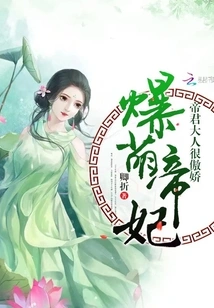
爆萌帝妃,帝君大人很傲娇
Qing Zhe
Sang Ling felt that the position of the emperor and empress was really uncomfortable, so he went to the emperor to argue, and then left a letter: Desire is harmful to the body. She regretted it that night. Rong Yuan told her what happiness and joy were in life. "What are you looking at me for?" "How can you not look at me when you are not wearing clothes." "..." The outside world said that he was devoid of desire, so Sang Ling picked up a stool and said, "Which one is blind? I'm afraid my brain was screwed by a pig!" His Majesty the Emperor comforted her calmly, "Didn't you think so before?" "..." His Majesty the Emperor was ridiculed for not having a wife. As his caring little cotton-padded jacket, Sang Ling She said: "If there is no, there will be no... There will always be in the future." However, when she caught the Emperor's gaze, she remembered the scene where she was tortured to death last night, and immediately changed her mind and said to the man: "Do you know who he is? He is your ancestor." Of course this was not enough, she added, "I am your ancestor's fucking daughter-in-law." The Emperor rubbed her head, "Be good."
Sang Ling felt that the position of the emperor and empress was really uncomfortable, so he went to the emperor to argue, and then left a letter: Desire is harmful to the body. She regretted it that night. Rong Yuan told her what happiness and joy were in life. "What are you looking at me for?" "How can you not look at me when you are not wearing clothes." "..." The outside world said that he was devoid of desire, so Sang Ling picked up a stool and said, "Which one is blind? I'm afraid my brain was screwed by a pig!" His Majesty the Emperor comforted her calmly, "Didn't you think so before?" "..." His Majesty the Emperor was ridiculed for not having a wife. As his caring little cotton-padded jacket, Sang Ling She said: "If there is no, there will be no... There will always be in the future." However, when she caught the Emperor's gaze, she remembered the scene where she was tortured to death last night, and immediately changed her mind and said to the man: "Do you know who he is? He is your ancestor." Of course this was not enough, she added, "I am your ancestor's fucking daughter-in-law." The Emperor rubbed her head, "Be good."
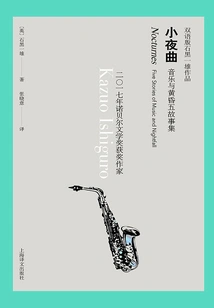
Serenade (bilingual Version of Kazuo Ishiguro's Works)
General Fiction小夜曲(双语版石黑一雄作品)
G
"Serenade" is Kazuo Ishiguro's only collection of short stories. Using music as a clue, it consists of five seemingly independent but interrelated stories. The main characters in the story are all related to music: a frustrated restaurant musician, a faded singer, a self-admired cellist, a saxophonist who was forced to undergo plastic surgery for success, etc. Most of them are passionate about music but full of complaints about life. The plots may be absurd or lamentable. Using the theme of music and life, they express the author's consistent reflection on the living conditions of modern people. The bilingual version of "Serenade" is accompanied by the original text of the work, allowing readers to appreciate Ishiguro's exquisite and beautiful original English text at the same time, and enjoy double beauty.
"Serenade" is Kazuo Ishiguro's only collection of short stories. Using music as a clue, it consists of five seemingly independent but interrelated stories. The main characters in the story are all related to music: a frustrated restaurant musician, a faded singer, a self-admired cellist, a saxophonist who was forced to undergo plastic surgery for success, etc. Most of them are passionate about music but full of complaints about life. The plots may be absurd or lamentable. Using the theme of music and life, they express the author's consistent reflection on the living conditions of modern people. The bilingual version of "Serenade" is accompanied by the original text of the work, allowing readers to appreciate Ishiguro's exquisite and beautiful original English text at the same time, and enjoy double beauty.