Library
Browse and search books
17,591 novels found

So You Like Me
Short Fiction所以你喜欢我
Pumpkin Dong
Introduction: Childhood sweethearts, childhood sweethearts. How many childhood sweethearts in the world have become adults? "I want to be your bride when I grow up, will you marry me?" "Okay." It was precisely because of these childish words that Lu Yuan took them seriously. The first time Lu Yuan lied, the first time he fought, the first time he skipped class... Many of the first times were because of her, Xia Youyou. After four years of separation, they reunited again because of Xia Youyou's words, "Lu Yuanyuan, I like you."
Introduction: Childhood sweethearts, childhood sweethearts. How many childhood sweethearts in the world have become adults? "I want to be your bride when I grow up, will you marry me?" "Okay." It was precisely because of these childish words that Lu Yuan took them seriously. The first time Lu Yuan lied, the first time he fought, the first time he skipped class... Many of the first times were because of her, Xia Youyou. After four years of separation, they reunited again because of Xia Youyou's words, "Lu Yuanyuan, I like you."
幻境历险初体验
Helan
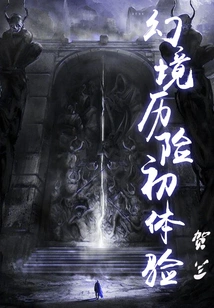
He inexplicably entered a magical illusion, in which he experienced the great joys and sorrows of life. How can he escape from the illusion?
He inexplicably entered a magical illusion, in which he experienced the great joys and sorrows of life. How can he escape from the illusion?

Q
General Fictionq
I
K. Was a land surveyor employed by the castle. When he arrived at the village below the castle and wanted to stay overnight in the village, he was given a cold reception because he did not have a stay permit from the castle. In order to confirm his appointment by the castle, K. Tried every means to get close to the castle. But facing the castle with strict management system and the villagers who abide by the rules, K. Felt very helpless. It seemed that every step forward would block a road to the castle. Although the castle is close at hand, it is beyond K.'S reach...
K. Was a land surveyor employed by the castle. When he arrived at the village below the castle and wanted to stay overnight in the village, he was given a cold reception because he did not have a stay permit from the castle. In order to confirm his appointment by the castle, K. Tried every means to get close to the castle. But facing the castle with strict management system and the villagers who abide by the rules, K. Felt very helpless. It seemed that every step forward would block a road to the castle. Although the castle is close at hand, it is beyond K.'S reach...
Z
General Fictionz
H
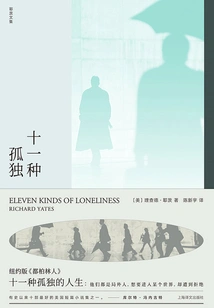
The representative work of Richard Yates, "the writer among writers", "the great writer in the age of anxiety" and the author of "Revolutionary Road". "Eleven Kinds of Loneliness" describes the lives of ordinary New Yorkers in the 1950s and 1960s after World War II in a cold way. It writes about eleven kinds of lonely lives. The protagonists are all people who lack security and live unsatisfactory lives: fired white-collar workers in Manhattan office buildings, people with outstanding imaginations A taxi driver, a young man who has been frustrated many times but wants to be a writer, a man and a woman who are about to get married but are extremely confused, an eccentric old teacher, a newly transferred primary school student, a tuberculosis patient, an old and sick wife, a jazz pianist, a depressed military officer and a retired soldier, etc. Yates writes about the ordinary lives of ordinary people, describing their loneliness, loss and despair. He himself once said: "If there is any theme in my works, I think there is only one simple one: people are lonely, no one can escape, and this is their tragedy."
The representative work of Richard Yates, "the writer among writers", "the great writer in the age of anxiety" and the author of "Revolutionary Road". "Eleven Kinds of Loneliness" describes the lives of ordinary New Yorkers in the 1950s and 1960s after World War II in a cold way. It writes about eleven kinds of lonely lives. The protagonists are all people who lack security and live unsatisfactory lives: fired white-collar workers in Manhattan office buildings, people with outstanding imaginations A taxi driver, a young man who has been frustrated many times but wants to be a writer, a man and a woman who are about to get married but are extremely confused, an eccentric old teacher, a newly transferred primary school student, a tuberculosis patient, an old and sick wife, a jazz pianist, a depressed military officer and a retired soldier, etc. Yates writes about the ordinary lives of ordinary people, describing their loneliness, loss and despair. He himself once said: "If there is any theme in my works, I think there is only one simple one: people are lonely, no one can escape, and this is their tragedy."
Young Heart is Crying
General Fiction年轻的心在哭泣
(us) Richard Yates
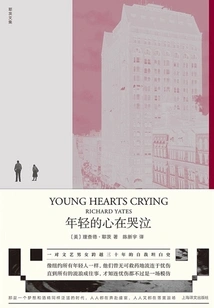
The representative work of Richard Yates, "the writer among writers", "the great writer in the age of anxiety" and the author of "Revolutionary Road". Michael Davenport was a young man who retired from the European battlefields of World War II. He was ambitious and dreamed of becoming a poet and playwright. He is aloof, lives for art, and does not want to get involved with his wife's money, but he still has to write articles for a business magazine to maintain his hobby of writing poetry. His wife Lucy is extremely rich, but she never knows what she wants. She just feels that others seem to be happier than her. As time went by, the couple's anxiety grew as they watched others achieve success while they themselves remained unknown. Their once happy lives are being swallowed up by adultery and isolation, and the monotony they thought they had escaped lingers like a nightmare. In this novel, Yates once again chose the broken American dream, which he is best at, as his theme. He used the heavy hammer of reality to smash the innocence of the dream, bringing an incomparable dull pain, making people feel the sentimentality of the times and personal difficulties when reading.
The representative work of Richard Yates, "the writer among writers", "the great writer in the age of anxiety" and the author of "Revolutionary Road". Michael Davenport was a young man who retired from the European battlefields of World War II. He was ambitious and dreamed of becoming a poet and playwright. He is aloof, lives for art, and does not want to get involved with his wife's money, but he still has to write articles for a business magazine to maintain his hobby of writing poetry. His wife Lucy is extremely rich, but she never knows what she wants. She just feels that others seem to be happier than her. As time went by, the couple's anxiety grew as they watched others achieve success while they themselves remained unknown. Their once happy lives are being swallowed up by adultery and isolation, and the monotony they thought they had escaped lingers like a nightmare. In this novel, Yates once again chose the broken American dream, which he is best at, as his theme. He used the heavy hammer of reality to smash the innocence of the dream, bringing an incomparable dull pain, making people feel the sentimentality of the times and personal difficulties when reading.
I Am in Love with Chinese
Literature我和中文谈恋爱
I
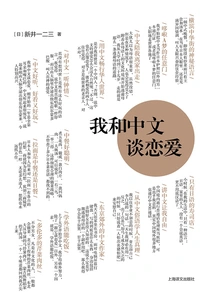
Japanese writers who write in Chinese fall in love with the Chinese world. What Ichiji Arai wrote in "I Fall in Love with Chinese" can be said to be a very personal story: how a Japanese fell in love with Chinese. In the first year of falling in love with Chinese, it all depends on your ears and mouth. Chinese sounds very pleasant, and speaking it is as comfortable as singing. It also secretes the happy hormone dopamine in the brain, which makes people particularly happy. I never thought that there are such interesting languages in the world! Arai Yijisan regards Chinese as another passport besides the Japanese passport, or Doraemon's random door, and boldly travels around the world. She has traveled by train in China; entered the Chinese art scene in Canada; filmed documentaries in Chinatown, New York; opened a column and served as a special interviewer in Hong Kong. At the same time, because she comes from outside the Chinese world and is always on the edge of the Central Plains, who would have expected that her position would occasionally give her a clear view. On the way from learning Chinese to becoming a writer, there have been unforgettable, interesting, tragic, and unfortunate experiences. But if there is no Chinese in life, Arai Yijisan will not recognize himself at all. How can there be Japanese people who write in Chinese?
Japanese writers who write in Chinese fall in love with the Chinese world. What Ichiji Arai wrote in "I Fall in Love with Chinese" can be said to be a very personal story: how a Japanese fell in love with Chinese. In the first year of falling in love with Chinese, it all depends on your ears and mouth. Chinese sounds very pleasant, and speaking it is as comfortable as singing. It also secretes the happy hormone dopamine in the brain, which makes people particularly happy. I never thought that there are such interesting languages in the world! Arai Yijisan regards Chinese as another passport besides the Japanese passport, or Doraemon's random door, and boldly travels around the world. She has traveled by train in China; entered the Chinese art scene in Canada; filmed documentaries in Chinatown, New York; opened a column and served as a special interviewer in Hong Kong. At the same time, because she comes from outside the Chinese world and is always on the edge of the Central Plains, who would have expected that her position would occasionally give her a clear view. On the way from learning Chinese to becoming a writer, there have been unforgettable, interesting, tragic, and unfortunate experiences. But if there is no Chinese in life, Arai Yijisan will not recognize himself at all. How can there be Japanese people who write in Chinese?
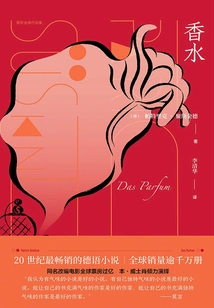
Perfume
General Fiction香水
J
Mo Yan, the winner of the Nobel Prize for Literature, highly recommends it; it was a super best-seller in German in the 20th century, with sales of more than 10 million copies worldwide; the film adaptation of the same name has a global box office of over 100 million, and Ben Whishaw performed it with all his heart. In eighteenth-century Paris, Grenouille was born in the dirtiest and smelliest fish stall in the city. He was born without body odor, but he is an amazing olfactory genius, able to distinguish and remember all the smells in the world. In order to pursue the most perfect fragrance and preserve it, the young Grenouille underwent many hardships and gradually grew from an apprentice in a perfume shop to a master of perfume making. After countless attempts and disappointments, he finally discovered that only certain red-haired girls exuded the perfect scent he was looking for. For this reason, he did not hesitate to commit crimes repeatedly, extracting their body fragrance to make a mysterious "perfume", and playing with the world at his fingertips. However, people's endless pursuit and obsession could not bring him satisfaction. In the end, he chose to disappear into the short-lived kingdom of smell in his own unique way... The novel's wild imagination, bizarre and magical plot, and superb capture and description of smell have all been repeatedly praised and quoted. The author uses the tragic life of the protagonist Grenouille, an olfactory genius, to reflect on the survival dilemma of individuals falling into emptiness and alienation in the rationally driven modern society.
Mo Yan, the winner of the Nobel Prize for Literature, highly recommends it; it was a super best-seller in German in the 20th century, with sales of more than 10 million copies worldwide; the film adaptation of the same name has a global box office of over 100 million, and Ben Whishaw performed it with all his heart. In eighteenth-century Paris, Grenouille was born in the dirtiest and smelliest fish stall in the city. He was born without body odor, but he is an amazing olfactory genius, able to distinguish and remember all the smells in the world. In order to pursue the most perfect fragrance and preserve it, the young Grenouille underwent many hardships and gradually grew from an apprentice in a perfume shop to a master of perfume making. After countless attempts and disappointments, he finally discovered that only certain red-haired girls exuded the perfect scent he was looking for. For this reason, he did not hesitate to commit crimes repeatedly, extracting their body fragrance to make a mysterious "perfume", and playing with the world at his fingertips. However, people's endless pursuit and obsession could not bring him satisfaction. In the end, he chose to disappear into the short-lived kingdom of smell in his own unique way... The novel's wild imagination, bizarre and magical plot, and superb capture and description of smell have all been repeatedly praised and quoted. The author uses the tragic life of the protagonist Grenouille, an olfactory genius, to reflect on the survival dilemma of individuals falling into emptiness and alienation in the rationally driven modern society.
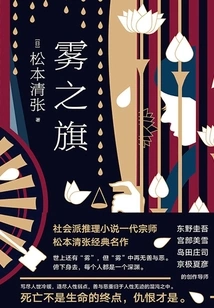
Flag of Mist
General Fiction雾之旗
I
An old loan shark in the countryside of Kyushu was killed. The police determined that the murderer was Masao Yanagita and was sentenced to death by the court. However, Masao Yanagita's sister Kiriko believed that her brother did not commit the murder and asked Japan's leading lawyer Otsuka Kinzo to defend her. When the lawyer refused, her brother died in prison. Shortly after his brother's death, another murder occurred in Tokyo. The murder scene was exactly the same as that of the old woman's murder. A chill gradually arose in Kiriko's mind... Matsumoto Seicho, who cares about crime and human nature, breaks the gap between ordinary people and successful celebrities this time, and directly attacks the similar weakness and cruelty in human nature. It writes about the darkness of human nature, exposes the dark side hidden in society, and ruthlessly reveals the desperate reality, inspiring readers to think and explore the deeper nature. Our human nature, which we think cannot be changed, will actually be subverted in an unpredictable way due to endless loneliness at the moment of losing a loved one!
An old loan shark in the countryside of Kyushu was killed. The police determined that the murderer was Masao Yanagita and was sentenced to death by the court. However, Masao Yanagita's sister Kiriko believed that her brother did not commit the murder and asked Japan's leading lawyer Otsuka Kinzo to defend her. When the lawyer refused, her brother died in prison. Shortly after his brother's death, another murder occurred in Tokyo. The murder scene was exactly the same as that of the old woman's murder. A chill gradually arose in Kiriko's mind... Matsumoto Seicho, who cares about crime and human nature, breaks the gap between ordinary people and successful celebrities this time, and directly attacks the similar weakness and cruelty in human nature. It writes about the darkness of human nature, exposes the dark side hidden in society, and ruthlessly reveals the desperate reality, inspiring readers to think and explore the deeper nature. Our human nature, which we think cannot be changed, will actually be subverted in an unpredictable way due to endless loneliness at the moment of losing a loved one!
S
General Fictions
I
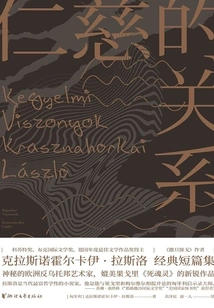
"Kindness" is a collection of short stories and short stories by the Hungarian writer Krasnohorkaj Laszlo, which includes eight stories including his masterpieces "The Trap of Ruz" and "The Barber's Hands". His works are obscure and have gloomy themes, and are often classified as postmodern novels. The sentence structure in the story is weird, the location is ambiguous, the meaning is elusive, the plot is extremely jumpy, the structure is often radioactive, the narrator is always unclear, and the ending is full of mystery. In addition, the preface written by teacher Yu Zemin for the work is also very exciting. It not only details the author's creative process, but also analyzes Laszlo's almost crazy "Chinese complex" with first-hand information based on his own experience. There is no doubt that this will shorten the distance between readers and the work.
"Kindness" is a collection of short stories and short stories by the Hungarian writer Krasnohorkaj Laszlo, which includes eight stories including his masterpieces "The Trap of Ruz" and "The Barber's Hands". His works are obscure and have gloomy themes, and are often classified as postmodern novels. The sentence structure in the story is weird, the location is ambiguous, the meaning is elusive, the plot is extremely jumpy, the structure is often radioactive, the narrator is always unclear, and the ending is full of mystery. In addition, the preface written by teacher Yu Zemin for the work is also very exciting. It not only details the author's creative process, but also analyzes Laszlo's almost crazy "Chinese complex" with first-hand information based on his own experience. There is no doubt that this will shorten the distance between readers and the work.
Red Makeup Sheds Tears and Zhu Yanci
Ancient Romance红妆泪下朱颜辞
Pipi Qian Wants To Get Rich
Childhood sweetheart, he once personally made a wooden hairpin for her, saying that if she took the hairpin, she would be your and his Shen Peizhou's first wife. The hairpin was not pretty, but she was happy about it. On the night of his wedding with the young lady from Taishi Mansion, she finally realized that the young man who gave her the hairpin had gone with the hairpin a long time ago. All these years of love and time were ultimately wasted.
Childhood sweetheart, he once personally made a wooden hairpin for her, saying that if she took the hairpin, she would be your and his Shen Peizhou's first wife. The hairpin was not pretty, but she was happy about it. On the night of his wedding with the young lady from Taishi Mansion, she finally realized that the young man who gave her the hairpin had gone with the hairpin a long time ago. All these years of love and time were ultimately wasted.

综漫之我要变优秀
Big Bad Wolf
Hearing that there was a man called the "God of Strategy" who had conquered 10,000 girls, Higashiyama Noro looked at Misaka Mikoto and her 20,000 sisters behind him, and then at Kurumi Tokisaki in countless different timelines. In the end, he did not compete for the title of "God of Strategy". He still held the gentle and considerate Asuna, watched μ's dance, listened to Luo Tianyi and Hatsune Miku singing, and enjoyed the massage of the dragon maid Thor! Mai Sakurajima, Shiu Kasumigaoka, Yukinoshita Yukino... Don't be impatient, line up and come one by one!
Hearing that there was a man called the "God of Strategy" who had conquered 10,000 girls, Higashiyama Noro looked at Misaka Mikoto and her 20,000 sisters behind him, and then at Kurumi Tokisaki in countless different timelines. In the end, he did not compete for the title of "God of Strategy". He still held the gentle and considerate Asuna, watched μ's dance, listened to Luo Tianyi and Hatsune Miku singing, and enjoyed the massage of the dragon maid Thor! Mai Sakurajima, Shiu Kasumigaoka, Yukinoshita Yukino... Don't be impatient, line up and come one by one!

The World Owes You
Modern Romance世界欠一个你
S
"Cheng Hanye, let's get a divorce!" He didn't speak, and after a few seconds of silence, he responded coldly: "I won't divorce you." Yu Xinxin: I leave the rest of my life to you, you must cherish it! Cheng Han also said: "For the rest of my life, I will only love you." The happiest thing is to be married to love! Doting + Abuse
"Cheng Hanye, let's get a divorce!" He didn't speak, and after a few seconds of silence, he responded coldly: "I won't divorce you." Yu Xinxin: I leave the rest of my life to you, you must cherish it! Cheng Han also said: "For the rest of my life, I will only love you." The happiest thing is to be married to love! Doting + Abuse

主神他又作死了
Feng Wangqing.
Yu Qing spent tens of thousands of years in the divine realm, and was suddenly sent by the old master god to help the next master god feel the pain of seven emotions and six desires. Yu Qing said that even if the next chief god is chosen, she will hold back the pieces before talking about it. "Put that piece down and let me do it." Unexpectedly, before the fragments were captured, the fragments were delivered to the door by themselves, with a caring look on their face, "Zai Zai..." She wanted to run away after flirting with her, but when she returned to God's Realm, the Lord God himself came to the door and stopped her, "Still want to run?" This is a story about being teased instead of being teased.
Yu Qing spent tens of thousands of years in the divine realm, and was suddenly sent by the old master god to help the next master god feel the pain of seven emotions and six desires. Yu Qing said that even if the next chief god is chosen, she will hold back the pieces before talking about it. "Put that piece down and let me do it." Unexpectedly, before the fragments were captured, the fragments were delivered to the door by themselves, with a caring look on their face, "Zai Zai..." She wanted to run away after flirting with her, but when she returned to God's Realm, the Lord God himself came to the door and stopped her, "Still want to run?" This is a story about being teased instead of being teased.
Paranoid Heartbeat
Modern Romance偏执心动
Pan Siniang
In the room, a man was sitting in front of the bathtub, holding a scalpel in his left hand. There were several deep cuts on his right hand, and the flesh and blood in the skin could be clearly seen. Xu Qi walked in barefoot. She doesn't like to wear shoes at home, so the floor heating at home is turned on all year round. Because Xu Qi looks thin and tall, but is actually very weak. Lin Yi is most afraid of her getting sick, and is also the most reluctant to let anything happen to her... He looked at Xu Qi who had just woken up and said softly: "Qi Qi, please stay away from me. I'm afraid of hurting you." He was irritable, and in order not to hurt her, he resorted to self-harm for the first time to calm himself down. Xu Qi walked up to him and put one arm around his waist, lying on him gently. She took away the knife in his hand and threw it aside. Her voice was cold but gentle: "Husband, I'm so sleepy, shall we go to bed?" He held her in his arms, and the warmth in his heart made him forget the pain in his body: "Okay..."
In the room, a man was sitting in front of the bathtub, holding a scalpel in his left hand. There were several deep cuts on his right hand, and the flesh and blood in the skin could be clearly seen. Xu Qi walked in barefoot. She doesn't like to wear shoes at home, so the floor heating at home is turned on all year round. Because Xu Qi looks thin and tall, but is actually very weak. Lin Yi is most afraid of her getting sick, and is also the most reluctant to let anything happen to her... He looked at Xu Qi who had just woken up and said softly: "Qi Qi, please stay away from me. I'm afraid of hurting you." He was irritable, and in order not to hurt her, he resorted to self-harm for the first time to calm himself down. Xu Qi walked up to him and put one arm around his waist, lying on him gently. She took away the knife in his hand and threw it aside. Her voice was cold but gentle: "Husband, I'm so sleepy, shall we go to bed?" He held her in his arms, and the warmth in his heart made him forget the pain in his body: "Okay..."
Last Nightmare
Sci-Fi最后的噩梦
Hometown Has Been Flattened
On April 1, 3019, a zombie crisis broke out in the world. People discovered a large number of biological changes and frightening terrorist events. In the early morning of April 4, 3019, people awakened to new powers. And in 3019, on April 10, Jiang Qu died. It was very unfortunate that she died when people's powers were awakening. However, the very unfortunate Jiang Qu was also reborn. When she woke up again, the zombie crisis had not yet broken out in the world. After she was reborn, she discovered many doubts. She discovered that many things were quietly changing. Can she transform the world and change the future?
On April 1, 3019, a zombie crisis broke out in the world. People discovered a large number of biological changes and frightening terrorist events. In the early morning of April 4, 3019, people awakened to new powers. And in 3019, on April 10, Jiang Qu died. It was very unfortunate that she died when people's powers were awakening. However, the very unfortunate Jiang Qu was also reborn. When she woke up again, the zombie crisis had not yet broken out in the world. After she was reborn, she discovered many doubts. She discovered that many things were quietly changing. Can she transform the world and change the future?

埃勒里奎因侦探小说全集(共13册)
H
The complete collection of Ellery Quinn's detective novels includes 13 volumes, including: The Roman Hat Mystery, The French Powder Mystery, The Dutch Shoe Mystery, The Greek Coffin Mystery, The Egyptian Cross Mystery, The American Gun Mystery, The Siamese Siamese Man Mystery, The Chinese Orange Mystery, The Spanish Shawl Mystery, The Tragedy of X, The Tragedy of Y, The Tragedy of Z, and The Last Case of Jerry Wren. Magical criminal techniques and a coherent reasoning process fully demonstrate the beauty of logic!
The complete collection of Ellery Quinn's detective novels includes 13 volumes, including: The Roman Hat Mystery, The French Powder Mystery, The Dutch Shoe Mystery, The Greek Coffin Mystery, The Egyptian Cross Mystery, The American Gun Mystery, The Siamese Siamese Man Mystery, The Chinese Orange Mystery, The Spanish Shawl Mystery, The Tragedy of X, The Tragedy of Y, The Tragedy of Z, and The Last Case of Jerry Wren. Magical criminal techniques and a coherent reasoning process fully demonstrate the beauty of logic!
N
General Fictionn
H
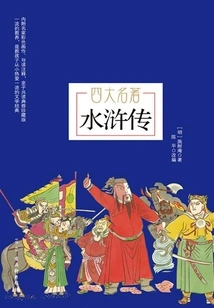
"Water Margin" is one of China's four famous novels. It is a novel describing an ancient peasant uprising. The novel originated from the story of the peasant uprising of 36 people including Song Jiang in the late Northern Song Dynasty. It gradually developed and matured through storytelling, opera and other performance forms in the Jin and Yuan Dynasties; and through the artistic processing of these artists, it was compiled into scripts and dramas and was widely sung among the people. At the end of the Yuan Dynasty and the beginning of the Ming Dynasty, Shi Naian and his student Luo Guanzhong carried out artistic re-creation on the basis of folk tales, scripts and operas, and thus wrote the first Chinese vernacular article novel "Water Margin". The book depicts a number of well-known heroes represented by Song Jiang, Wu Yong, Lu Zhishen, Lin Chong, Wu Song, Li Kui, Sun Erniang, etc. The 108 Liangshan heroes have different origins, experiences and encounters, representing people from different levels of society. They also highlight the general theme of the chaotic government forcing the people to rebel, and reflect the citizens' pursuit of life to resist tyranny and yearn for freedom.
"Water Margin" is one of China's four famous novels. It is a novel describing an ancient peasant uprising. The novel originated from the story of the peasant uprising of 36 people including Song Jiang in the late Northern Song Dynasty. It gradually developed and matured through storytelling, opera and other performance forms in the Jin and Yuan Dynasties; and through the artistic processing of these artists, it was compiled into scripts and dramas and was widely sung among the people. At the end of the Yuan Dynasty and the beginning of the Ming Dynasty, Shi Naian and his student Luo Guanzhong carried out artistic re-creation on the basis of folk tales, scripts and operas, and thus wrote the first Chinese vernacular article novel "Water Margin". The book depicts a number of well-known heroes represented by Song Jiang, Wu Yong, Lu Zhishen, Lin Chong, Wu Song, Li Kui, Sun Erniang, etc. The 108 Liangshan heroes have different origins, experiences and encounters, representing people from different levels of society. They also highlight the general theme of the chaotic government forcing the people to rebel, and reflect the citizens' pursuit of life to resist tyranny and yearn for freedom.
A
General FictionA
G
This book selects 10 works from Osamu Dazai's works that are narrated from a female first-person perspective, and takes the famous one "Girl Disciple" as the title. It also sorts out the order of each article by comparing the life trajectories of women in each story - boyhood, youth, adulthood, and old age, recalling their youthful days.
This book selects 10 works from Osamu Dazai's works that are narrated from a female first-person perspective, and takes the famous one "Girl Disciple" as the title. It also sorts out the order of each article by comparing the life trajectories of women in each story - boyhood, youth, adulthood, and old age, recalling their youthful days.
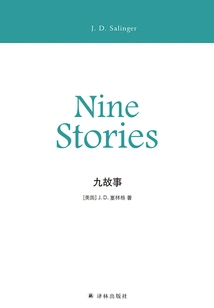
Nine Stories
General Fiction九故事
(u. S.) J. D. Salinger
"Nine Stories" collects nine short stories Salinger published in The New Yorker. Each story is self-contained and interconnected, describing the "love and filth" of the postwar generation of young people in Salinger's eyes. In the story, there are innocent and desperate young people, there are precocious and confused children, and there are mothers who struggle to integrate into their children's hearts... Salinger allows the young people, children and immature adults in his novels to experience or see love, desire for love, death, despair and madness, showing the flashes and dilemmas of love and beauty in reality, revealing the fetters and drags of worldly interpersonal relationships on people, telling the importance of understanding life, and exploring and pursuing the liberation of the soul. Salinger, the master of literature, told the truth of life in dense words that were plain, calm, calm, but containing huge energy.
"Nine Stories" collects nine short stories Salinger published in The New Yorker. Each story is self-contained and interconnected, describing the "love and filth" of the postwar generation of young people in Salinger's eyes. In the story, there are innocent and desperate young people, there are precocious and confused children, and there are mothers who struggle to integrate into their children's hearts... Salinger allows the young people, children and immature adults in his novels to experience or see love, desire for love, death, despair and madness, showing the flashes and dilemmas of love and beauty in reality, revealing the fetters and drags of worldly interpersonal relationships on people, telling the importance of understanding life, and exploring and pursuing the liberation of the soul. Salinger, the master of literature, told the truth of life in dense words that were plain, calm, calm, but containing huge energy.
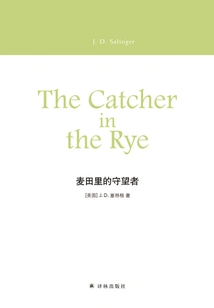
Catcher in the Rye
General Fiction麦田里的守望者
(u. S.) J. D. Salinger
The protagonist of "The Catcher in the Rye" is Holden, a sixteen-year-old middle school student who was born in a middle-class family in New York. His parents and teachers wanted him to study hard so that he could stand out in the future, but all he did in school all day long was talk about alcohol and women. He couldn't understand everything around him, had no intention of studying, and was always punished. When he was expelled for the fourth time, Holden did not go home and wandered alone in New York for a day and two nights. He finally collapsed completely and lay down in a mental hospital.
The protagonist of "The Catcher in the Rye" is Holden, a sixteen-year-old middle school student who was born in a middle-class family in New York. His parents and teachers wanted him to study hard so that he could stand out in the future, but all he did in school all day long was talk about alcohol and women. He couldn't understand everything around him, had no intention of studying, and was always punished. When he was expelled for the fourth time, Holden did not go home and wandered alone in New York for a day and two nights. He finally collapsed completely and lay down in a mental hospital.
How to Change the World
Light Novel如何改变世界
What Other Novels Are You Writing?
In the beginning, God created the heavens and the earth. God created man in his own image, in the image of God he created him; male and female he created them. God saw everything he had made, and behold, it was very good. There was evening and there was morning, which was the sixth day. All things in heaven and earth were created. By the seventh day, God's work in creating creation was completed, so He rested from all His work on the seventh day. He wanted to rest. Ye Shu visited the abode of God on the seventh day. He said to God: "I feel bad for the men and women you created in your own likeness on the sixth day." God wants to rest. He doesn't want to talk anymore. Ye Shu said: "You should put in something called 'love'." (Note: None of the above plots will appear in the text)
In the beginning, God created the heavens and the earth. God created man in his own image, in the image of God he created him; male and female he created them. God saw everything he had made, and behold, it was very good. There was evening and there was morning, which was the sixth day. All things in heaven and earth were created. By the seventh day, God's work in creating creation was completed, so He rested from all His work on the seventh day. He wanted to rest. Ye Shu visited the abode of God on the seventh day. He said to God: "I feel bad for the men and women you created in your own likeness on the sixth day." God wants to rest. He doesn't want to talk anymore. Ye Shu said: "You should put in something called 'love'." (Note: None of the above plots will appear in the text)
Zui Asked
Xianxia醉问道
Meow Who Can Cultivate Immortality
The Immortal Bridge, the road to immortality, take one step and your soul will return! Who can carry it to the Immortal Killing Platform? There are so many bones and no one to bury them! The fairy mountain is destroyed, the Taoist fruit is shattered, who will kneel under the soul-suppressing monument? The River of Forgetfulness, the place of reincarnation, the end of cause and effect, who am I?
The Immortal Bridge, the road to immortality, take one step and your soul will return! Who can carry it to the Immortal Killing Platform? There are so many bones and no one to bury them! The fairy mountain is destroyed, the Taoist fruit is shattered, who will kneel under the soul-suppressing monument? The River of Forgetfulness, the place of reincarnation, the end of cause and effect, who am I?

Sydney
Literature悉尼
G
The gentle Murakami made sharp criticism for the first time! Do you think you can see everything about the Olympics just by watching TV? "Sports are cruel things. To fight against this cruel sport, we can only treat sports cruelly. If you get beaten, fight back immediately!" Because of his passion for running marathons, in 2000, Haruki Murakami was invited by "Number" magazine to go to Sydney to cover the Olympic Games. Taking the Sydney Olympics as the starting point, this book candidly expresses Murakami's reflections on the Olympics and competitive sports, and humorously writes about Australian humanities and interesting observations about koalas and wombats.
The gentle Murakami made sharp criticism for the first time! Do you think you can see everything about the Olympics just by watching TV? "Sports are cruel things. To fight against this cruel sport, we can only treat sports cruelly. If you get beaten, fight back immediately!" Because of his passion for running marathons, in 2000, Haruki Murakami was invited by "Number" magazine to go to Sydney to cover the Olympic Games. Taking the Sydney Olympics as the starting point, this book candidly expresses Murakami's reflections on the Olympics and competitive sports, and humorously writes about Australian humanities and interesting observations about koalas and wombats.

Zhixingcangyang·zhiqing Nalan
Literature至性仓央·至情纳兰
O
Tsangyang Gyatso sang love songs on the snow-covered plateau with his Buddha nature and secular sentiments, and played sentimental songs in the Potala Palace with sorrow and pain; Nalan Rongruo's clear words are like the first buds on the night tree, like the red bean on the acacia tree, implanted in the hearts and lungs of the world, awakening the emotions of the world. The manuscript provides a relatively comprehensive introduction to the lives of two talented men, Tsangyang Gyatso and Nalan Rongruo, and expresses his thoughts on their poetry, emotions, and destiny.
Tsangyang Gyatso sang love songs on the snow-covered plateau with his Buddha nature and secular sentiments, and played sentimental songs in the Potala Palace with sorrow and pain; Nalan Rongruo's clear words are like the first buds on the night tree, like the red bean on the acacia tree, implanted in the hearts and lungs of the world, awakening the emotions of the world. The manuscript provides a relatively comprehensive introduction to the lives of two talented men, Tsangyang Gyatso and Nalan Rongruo, and expresses his thoughts on their poetry, emotions, and destiny.
从无到有的可能
Why
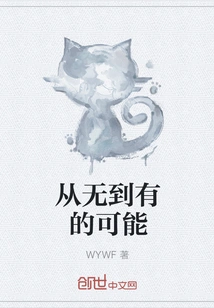
The process of a so-called monster acquiring personality, experiencing the hard journey from scratch, writing a story from beginning to end, and experiencing a fantasy life. Who is the real monster? No matter whether the outcome is good or bad, it cannot be changed? The process is often only known to those in the game, and no matter what you have done, it will be forgotten. Seemingly simple words, can you really understand them?
The process of a so-called monster acquiring personality, experiencing the hard journey from scratch, writing a story from beginning to end, and experiencing a fantasy life. Who is the real monster? No matter whether the outcome is good or bad, it cannot be changed? The process is often only known to those in the game, and no matter what you have done, it will be forgotten. Seemingly simple words, can you really understand them?
网游之就是这么无敌
W
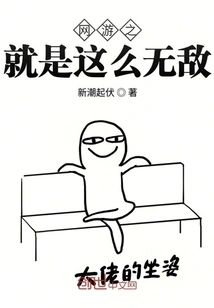
When Ling Feng woke up, he found that he had traveled to this world, and got a daily lottery system. Not only could he draw urban heroes like Iron Man and Spider-Man to protect his empire, but he could also draw super nuclear power plants, super tanks, meteor ships, etc... From then on, Ling Feng was invincible!
When Ling Feng woke up, he found that he had traveled to this world, and got a daily lottery system. Not only could he draw urban heroes like Iron Man and Spider-Man to protect his empire, but he could also draw super nuclear power plants, super tanks, meteor ships, etc... From then on, Ling Feng was invincible!
Ab
Literatureab
H
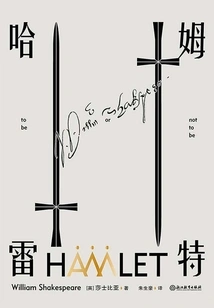
"Hamlet" is one of the four tragedies of the great dramatist and poet William Shakespeare. The story tells that the father of Prince Hamlet of Denmark suddenly died mysteriously while taking a nap in the garden. His uncle Claudius succeeded as king and married Hamlet's mother. Prince Hamlet met his father's ghost in pain. The ghost told the prince that his life, throne and wife were taken away by his uncle Claudius in his sleep, and told Hamlet to avenge him. So Hamlet begins a tortuous journey of revenge... There are a thousand Hamlets for a thousand readers, and everyone will see their own inner struggle in this story. When your faith collapses in the face of reality, what choice will you make? To live or not to live, that is the question.
"Hamlet" is one of the four tragedies of the great dramatist and poet William Shakespeare. The story tells that the father of Prince Hamlet of Denmark suddenly died mysteriously while taking a nap in the garden. His uncle Claudius succeeded as king and married Hamlet's mother. Prince Hamlet met his father's ghost in pain. The ghost told the prince that his life, throne and wife were taken away by his uncle Claudius in his sleep, and told Hamlet to avenge him. So Hamlet begins a tortuous journey of revenge... There are a thousand Hamlets for a thousand readers, and everyone will see their own inner struggle in this story. When your faith collapses in the face of reality, what choice will you make? To live or not to live, that is the question.
After Time Travel, I Became a Queen
Ancient Romance穿越后我成了皇后
Half A Lifetime
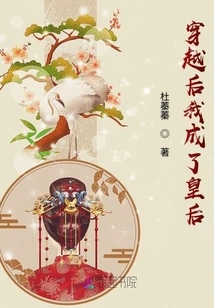
What should I do if the powerful minister is always clinging to me? Could it be true as the rumors in the capital say...
What should I do if the powerful minister is always clinging to me? Could it be true as the rumors in the capital say...
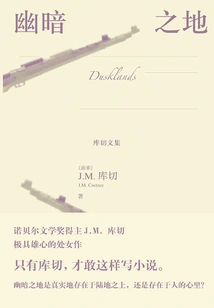
Dark Place
General Fiction幽暗之地
I
This book is Coetzee's debut novel. The novel describes a figure who served the U. S. Government during the Vietnam War and worked hard to invent an invincible psychological warfare system. At the same time, his personal life was terrible. The man's whims are juxtaposed with an eighteenth-century Boer expedition report in the heart of Africa, showing two different ways of escaping from the world - one is intellectual exaggeration and psychological arrogance, the other is a life process full of vitality and wildness. The two reflect each other, thus providing readers with a feast of coldly poetic imagination and allegory.
This book is Coetzee's debut novel. The novel describes a figure who served the U. S. Government during the Vietnam War and worked hard to invent an invincible psychological warfare system. At the same time, his personal life was terrible. The man's whims are juxtaposed with an eighteenth-century Boer expedition report in the heart of Africa, showing two different ways of escaping from the world - one is intellectual exaggeration and psychological arrogance, the other is a life process full of vitality and wildness. The two reflect each other, thus providing readers with a feast of coldly poetic imagination and allegory.
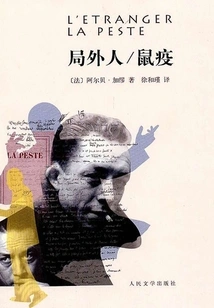
Outsider\u002f Plague
General Fiction局外人\u002F鼠疫
H
This book is a collection of two of the most representative novels by the famous French writer Camus. "The Outsider" reveals the paradoxes in the modern judicial process through the true feelings of a clerk. The social significance of "The Outsider" lies in its profound revelation of absurd reality. "The Plague" is a symbolic novel. In the novel, the story of the people of Ahlan City uniting to fight and defeat the plague fully explains how people should face absurd philosophy. These two works are the shining gems of Camus's literary creation and have become immortal classics in world literature in the twentieth century.
This book is a collection of two of the most representative novels by the famous French writer Camus. "The Outsider" reveals the paradoxes in the modern judicial process through the true feelings of a clerk. The social significance of "The Outsider" lies in its profound revelation of absurd reality. "The Plague" is a symbolic novel. In the novel, the story of the people of Ahlan City uniting to fight and defeat the plague fully explains how people should face absurd philosophy. These two works are the shining gems of Camus's literary creation and have become immortal classics in world literature in the twentieth century.
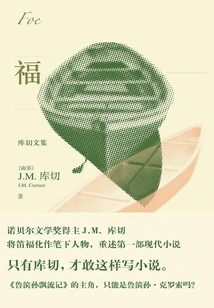
Blessing
General Fiction福
H
"Fu" is a bold counterattack and subversion of the traditional British classic novel "Robinson Crusoe", and has a strong intertextuality with "Robinson Crusoe". Some see it as an allegory for the "South African condition". The novel uses Susan's personal experience of the event as an individual, using a small history to counter the grand history that has become an ideology. This not only helps us understand the multifaceted nature and complexity of history itself, but also shows a path to deconstruct history.
"Fu" is a bold counterattack and subversion of the traditional British classic novel "Robinson Crusoe", and has a strong intertextuality with "Robinson Crusoe". Some see it as an allegory for the "South African condition". The novel uses Susan's personal experience of the event as an individual, using a small history to counter the grand history that has become an ideology. This not only helps us understand the multifaceted nature and complexity of history itself, but also shows a path to deconstruct history.

Interstellar Love
Sci-Fi星际情缘
Jiang Shan
25 years ago, the Queen of the Eternal Star decided to restart the plan to explore the Earth. In order not to alarm the people on Earth, they hijacked a private plane...
25 years ago, the Queen of the Eternal Star decided to restart the plan to explore the Earth. In order not to alarm the people on Earth, they hijacked a private plane...
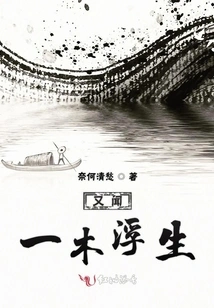
I Heard a Tree Floating Again
Fantasy Romance又闻一木浮生
How Can I Clear My Sorrow?
As an undead soul who had been dead for a thousand years, she brought her family and her family with her and came back to the world to collect debts, the debts of exterminating the family. Originally, I just wanted to focus on collecting debts, but then a second young master appeared. They encountered a shipwreck together and actually involved thousands of years of sewer past. It is not that simple to destroy the family. Soiled and fresh, there are still so many shameful things... I miss the big tree and will never thank you for thousands of years. The old man and the person in front of me merge into the same shadow. After lifting the gray sky, there was still bright wind and bright moon, the water was soft and the mountains were warm.
As an undead soul who had been dead for a thousand years, she brought her family and her family with her and came back to the world to collect debts, the debts of exterminating the family. Originally, I just wanted to focus on collecting debts, but then a second young master appeared. They encountered a shipwreck together and actually involved thousands of years of sewer past. It is not that simple to destroy the family. Soiled and fresh, there are still so many shameful things... I miss the big tree and will never thank you for thousands of years. The old man and the person in front of me merge into the same shadow. After lifting the gray sky, there was still bright wind and bright moon, the water was soft and the mountains were warm.

Light Years Away from You
Modern Romance你的光年以外
T
What I love is you who loves me. Even if it hurts, at least I understand the meaning of love. --He Shilian The rest of my life with you will be full of meaning. What I love is you who loves me. --Shen Luo
What I love is you who loves me. Even if it hurts, at least I understand the meaning of love. --He Shilian The rest of my life with you will be full of meaning. What I love is you who loves me. --Shen Luo
High Dimensional Games
Science Fiction高维次元游戏
Billions Of Weak Chickens
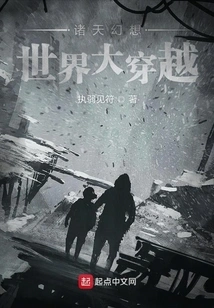
"Hey, Alessa, you're actually pretty good-looking, but you're a little dark, and you smell like barbecue for no reason." "Come on, clown, let's change the method this time, and we will definitely let Batman kill you." "⊙?⊙! Wow, why does this person have no skin? He won't bleed without skin covering you. Come here and let me study what kind of strange species he is." "Is this Sakata, one of the Four Big Bosses?" "When it comes to showing off, I'm better off." "Dad, what did you do with my clothes again!" The clear voice of a little girl "Yin'er, listen to my explanation." "Listen to the explanation!" ..................
"Hey, Alessa, you're actually pretty good-looking, but you're a little dark, and you smell like barbecue for no reason." "Come on, clown, let's change the method this time, and we will definitely let Batman kill you." "⊙?⊙! Wow, why does this person have no skin? He won't bleed without skin covering you. Come here and let me study what kind of strange species he is." "Is this Sakata, one of the Four Big Bosses?" "When it comes to showing off, I'm better off." "Dad, what did you do with my clothes again!" The clear voice of a little girl "Yin'er, listen to my explanation." "Listen to the explanation!" ..................

Bamboo Horse is Sweet and Warm
Short Fiction竹马甜又暖
Pear
Sweet bamboo horse, sweet Yiyi, let's take a look at the story of the stars and Yiyi.
Sweet bamboo horse, sweet Yiyi, let's take a look at the story of the stars and Yiyi.

快穿之时空维修者
Rain Flute Floating In The World Of Mortals
This is a story about a cute little girl and the master of time and space traveling through time and space to repair loopholes and fall in love.
This is a story about a cute little girl and the master of time and space traveling through time and space to repair loopholes and fall in love.
I Promise You Will Be Me from Now On
Short Fiction许你往后都是我
There Is Charm In The Words
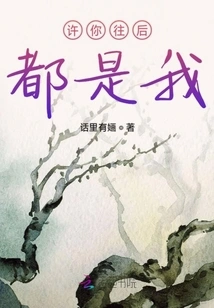
This kind of gangster is common, but this female gangster... Meng Yunxi sighed and looked at the lady who was "sharpening her sword" coming towards him. He smiled helplessly and said, "The general I married has to be pampered by myself." Then he picked her up and headed towards his "destination"! Then, Su Moyu, who was arrogant just a second ago, suddenly panicked, hey, what if I agreed to take the initiative?
This kind of gangster is common, but this female gangster... Meng Yunxi sighed and looked at the lady who was "sharpening her sword" coming towards him. He smiled helplessly and said, "The general I married has to be pampered by myself." Then he picked her up and headed towards his "destination"! Then, Su Moyu, who was arrogant just a second ago, suddenly panicked, hey, what if I agreed to take the initiative?
王者荣耀之扇舞九霄
What Joy Without Snow
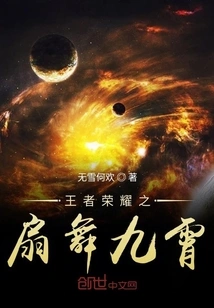
In 2080, the earth is already the continent of glory of kings. The arrival of Mega Man made mankind regard the King of Glory StarCraft Tournament as the most important event, but mankind has repeatedly failed. Hundreds of millions of players were not discouraged and rushed to the Haige Sky Station, the holy land of StarCraft competition... Jiang Ming is one of them.
In 2080, the earth is already the continent of glory of kings. The arrival of Mega Man made mankind regard the King of Glory StarCraft Tournament as the most important event, but mankind has repeatedly failed. Hundreds of millions of players were not discouraged and rushed to the Haige Sky Station, the holy land of StarCraft competition... Jiang Ming is one of them.

Echo of Dawn
Sci-Fi黎明回响
Q
Wu Miqian, interstellar wanderer. Since being bound to the system, the mission of traveling through various time and space has begun. System: My host relies on cheats every day. It seems that he lacks social beatings! Wu Miqian: It's boring to open cheats every day. It's so boring to stay alone in the void world. Wait until I kidnap someone back. A certain boss was abducted home for no apparent reason. Instead of being angry, he smiled: Ha. The male protagonist's name is Gu Zizi. That's where the title of the book comes from! Welcome to the pit (Don't mind if the writing is not good.)
Wu Miqian, interstellar wanderer. Since being bound to the system, the mission of traveling through various time and space has begun. System: My host relies on cheats every day. It seems that he lacks social beatings! Wu Miqian: It's boring to open cheats every day. It's so boring to stay alone in the void world. Wait until I kidnap someone back. A certain boss was abducted home for no apparent reason. Instead of being angry, he smiled: Ha. The male protagonist's name is Gu Zizi. That's where the title of the book comes from! Welcome to the pit (Don't mind if the writing is not good.)

M
General Fictionm
N
"Home" is the second part of the Gilead trilogy. It uses Ames' old friends the Boughton family as clues to reproduce the family story of the old pastor Boughton and his two sons and daughters, who are lonely but comfort each other. Thirty-eight-year-old Glory returned to his hometown of Gilead due to a failed engagement. While taking care of his elderly father, he also took care of the declining home. Soon, his brother Jack, who had not heard from him for twenty years, unexpectedly returned home. Jack had once cast a shadow of scandal on the entire family because of his naughty and dissolute behavior, but the old Boughton never gave up waiting and forgiving the prodigal son in twenty years. The three people are under the same roof, enjoying the belated family affection, but the past full of sadness and regret is gradually swallowing them up. Unable to shake off the exhaustion of his soul, Jack bid farewell to his unbearable home, leaving Glory alone to wait. Until one day, the man Jack had been waiting for stepped onto the land of Gilead...
"Home" is the second part of the Gilead trilogy. It uses Ames' old friends the Boughton family as clues to reproduce the family story of the old pastor Boughton and his two sons and daughters, who are lonely but comfort each other. Thirty-eight-year-old Glory returned to his hometown of Gilead due to a failed engagement. While taking care of his elderly father, he also took care of the declining home. Soon, his brother Jack, who had not heard from him for twenty years, unexpectedly returned home. Jack had once cast a shadow of scandal on the entire family because of his naughty and dissolute behavior, but the old Boughton never gave up waiting and forgiving the prodigal son in twenty years. The three people are under the same roof, enjoying the belated family affection, but the past full of sadness and regret is gradually swallowing them up. Unable to shake off the exhaustion of his soul, Jack bid farewell to his unbearable home, leaving Glory alone to wait. Until one day, the man Jack had been waiting for stepped onto the land of Gilead...

V
Literaturev
H
"Tao'an Dream Memories" is Zhang Dai's masterpiece handed down from generation to generation. The book consists of eight volumes. It recalls the prosperous scene of the late Ming Dynasty from various aspects such as architecture, flowers and trees, opera and folk customs, tea, wine and food. It is known as "a historical picture that profoundly depicts the social life style of the late Ming Dynasty". This edition of "Tao'an Dream Memories" is newly translated and annotated by the popular writer Wu Ge and includes comments and prefaces recommended by Zhou Zuoren, Li Jingze and others. It is rich in content and worth collecting.
"Tao'an Dream Memories" is Zhang Dai's masterpiece handed down from generation to generation. The book consists of eight volumes. It recalls the prosperous scene of the late Ming Dynasty from various aspects such as architecture, flowers and trees, opera and folk customs, tea, wine and food. It is known as "a historical picture that profoundly depicts the social life style of the late Ming Dynasty". This edition of "Tao'an Dream Memories" is newly translated and annotated by the popular writer Wu Ge and includes comments and prefaces recommended by Zhou Zuoren, Li Jingze and others. It is rich in content and worth collecting.

N
General Fictionn
H
When Goethe was 25 years old, based on his own emotional experience, he spent four weeks writing the epistolary novel "The Sorrows of Young Werther" that shocked the world. More than two hundred years later, this work is still thundering in the hearts of readers. The young Werther fell in love with a girl named Lotte, who was already engaged to someone else. The frustration in love made Werther grief-stricken. In addition, he was incompatible with the feudal society at that time, which made Werther feel hopeless in life. After losing his love and suffering a setback in his career, the young Werther, who was not understood by the world, came to the side of his beloved Lotte for the last time and ended his life with a bullet.
When Goethe was 25 years old, based on his own emotional experience, he spent four weeks writing the epistolary novel "The Sorrows of Young Werther" that shocked the world. More than two hundred years later, this work is still thundering in the hearts of readers. The young Werther fell in love with a girl named Lotte, who was already engaged to someone else. The frustration in love made Werther grief-stricken. In addition, he was incompatible with the feudal society at that time, which made Werther feel hopeless in life. After losing his love and suffering a setback in his career, the young Werther, who was not understood by the world, came to the side of his beloved Lotte for the last time and ended his life with a bullet.

Walden Pond
General Fiction瓦尔登湖
(u. S.) Henry David Thoreau
The 28-year-old Thoreau walked into Walden Pond alone with an ax in his hand, built a cabin, opened up wasteland, and cultivated land to become self-sufficient. He lived alone by the lake for two years, two months and two days, with the sun rising and the moon setting, and the four seasons returning. This experience of living alone was written by him into the world-famous masterpiece of nature prose "Walden". "Walden" is a classic not only because it allows people to see the possibility of a real life, but also because it encourages young people of every generation to constantly question themselves and find true inner peace and the essence of life. Those who choose to be lonely may not be lonely. Thoreau used his own practice to prove to people that people can still live happily without needing a lot of material things. Walden Pond is not far away, it is in everyone's heart.
The 28-year-old Thoreau walked into Walden Pond alone with an ax in his hand, built a cabin, opened up wasteland, and cultivated land to become self-sufficient. He lived alone by the lake for two years, two months and two days, with the sun rising and the moon setting, and the four seasons returning. This experience of living alone was written by him into the world-famous masterpiece of nature prose "Walden". "Walden" is a classic not only because it allows people to see the possibility of a real life, but also because it encourages young people of every generation to constantly question themselves and find true inner peace and the essence of life. Those who choose to be lonely may not be lonely. Thoreau used his own practice to prove to people that people can still live happily without needing a lot of material things. Walden Pond is not far away, it is in everyone's heart.
Shishuoxinyu (complete Works)
Literature世说新语(全集)
I
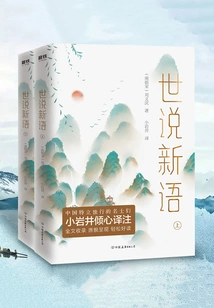
"Shishuoxinyu" was compiled by Liu Yiqing, King of Linchuan in the Southern Song Dynasty, who organized his disciples. It is the earliest notebook-style novel in my country that records the anecdotes of people in the Wei and Jin Dynasties. The book contains 36 chapters and more than 1,000 articles, reflecting the Wei and Jin Dynasties, especially the style of celebrities at that time. Since its birth, the "Wei and Jin Dynasties style" with its unrestrained, frank and detached style has profoundly influenced Chinese literati and cultural history, making it a must-read classic for Chinese people. This edition of "Shishuoxinyu" has been carefully translated by the popular writer Koiwai. In addition to the translation, he has written more than 1,700 annotations and more than 500 brief reviews to help us explore the charm of classic ancient books.
"Shishuoxinyu" was compiled by Liu Yiqing, King of Linchuan in the Southern Song Dynasty, who organized his disciples. It is the earliest notebook-style novel in my country that records the anecdotes of people in the Wei and Jin Dynasties. The book contains 36 chapters and more than 1,000 articles, reflecting the Wei and Jin Dynasties, especially the style of celebrities at that time. Since its birth, the "Wei and Jin Dynasties style" with its unrestrained, frank and detached style has profoundly influenced Chinese literati and cultural history, making it a must-read classic for Chinese people. This edition of "Shishuoxinyu" has been carefully translated by the popular writer Koiwai. In addition to the translation, he has written more than 1,700 annotations and more than 500 brief reviews to help us explore the charm of classic ancient books.
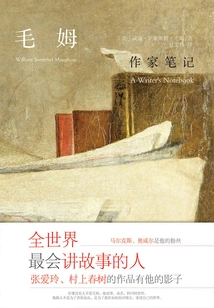
Writer's Notes
Literature作家笔记
H
This book is filled with keen observations, autobiographical notes, and the seeds of many of Maugham's best works. A Writer's Notebook is our special window into the active mind of a great writer.
This book is filled with keen observations, autobiographical notes, and the seeds of many of Maugham's best works. A Writer's Notebook is our special window into the active mind of a great writer.

Daily Love with Kajiang
Light Novel与咔酱恋爱日常
Yazaki.
[Wo Ying Fan] There will be original plot mixed with it. I just finished watching "Woying" and Xiaoshi is already crazy about it, especially Bakugou, he is so handsome! Maybe God knows, so he "specially" allowed her to experience it! ! ! ! Xiao Shios: Actually, I was very panicked inside.
[Wo Ying Fan] There will be original plot mixed with it. I just finished watching "Woying" and Xiaoshi is already crazy about it, especially Bakugou, he is so handsome! Maybe God knows, so he "specially" allowed her to experience it! ! ! ! Xiao Shios: Actually, I was very panicked inside.
\

Return Home
General Fiction还乡
(uk) Thomas Hardy
Clem Yeobright was tired of life in the luxurious capital of Paris and returned to his hometown of Egdon Heath, hoping to realize his ideals by educating the villagers. Eustacia hopes to escape from the wasteland and go to the city through her union with Climb. After her ideals were shattered, Eustacia and her lover Wade eloped on a rainy night and both died in the water. Thomasin is Clem's cousin, and the red clay dealer Wayne has always been in love with her. After Wade's death, Wayne continued to take care of Thomasin and her children as a widow, and the two became partners. After experiencing tragedy, Clem stayed in the wilderness and became a missionary.
Clem Yeobright was tired of life in the luxurious capital of Paris and returned to his hometown of Egdon Heath, hoping to realize his ideals by educating the villagers. Eustacia hopes to escape from the wasteland and go to the city through her union with Climb. After her ideals were shattered, Eustacia and her lover Wade eloped on a rainy night and both died in the water. Thomasin is Clem's cousin, and the red clay dealer Wayne has always been in love with her. After Wade's death, Wayne continued to take care of Thomasin and her children as a widow, and the two became partners. After experiencing tragedy, Clem stayed in the wilderness and became a missionary.