Library
Browse and search books
895 novels found
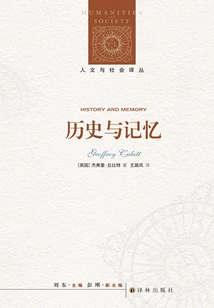
History and Memory
History历史与记忆
(uk)geoffrey Cupid
In recent years, "memory" has become a core concept in the field of historical research. The term "memory" represents both a new and unique field of study and a new way through which history can be conceptualized as a more general field of inquiry. This book provides an accessible and thought-provoking introduction to various discussions and theories about memory, covering topics that embody the common concerns of historians. The book focuses on the role of memory in so-called historical processes, examining the connections between the individual and the collective, between memory as survival and memory as reconstruction, and between memory and history as various forms of retrospective knowledge.
In recent years, "memory" has become a core concept in the field of historical research. The term "memory" represents both a new and unique field of study and a new way through which history can be conceptualized as a more general field of inquiry. This book provides an accessible and thought-provoking introduction to various discussions and theories about memory, covering topics that embody the common concerns of historians. The book focuses on the role of memory in so-called historical processes, examining the connections between the individual and the collective, between memory as survival and memory as reconstruction, and between memory and history as various forms of retrospective knowledge.
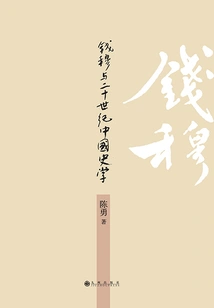
钱穆与二十世纪中国史学
Chen Yong
This book mainly studies and discusses Qian Mu's historical thoughts, historical achievements and methods, and his position in Chinese historiography in the 20th century. The author places Qian Mu's historical thoughts in the context of the development and changes of Chinese historiography in the 20th century for dynamic investigation, clarifies the formation and development process of his historical system and its academic connection with other historical trends and schools in modern times, and explores the interactive relationship between historians and society, and historians and the times. Through the analysis of the similarities, differences, and separations between Qian Mu, the ancient history school, and the new textual criticism school, the two different development paths of "scientific history" and "humanities history" are highlighted, thereby showing the change process and colorful appearance of Chinese history in the 20th century, which developed in parallel and in separate directions. It is hoped that it can provide some reference and choice for the creation of a new contemporary Chinese history that bridges "science" and "humanities."
This book mainly studies and discusses Qian Mu's historical thoughts, historical achievements and methods, and his position in Chinese historiography in the 20th century. The author places Qian Mu's historical thoughts in the context of the development and changes of Chinese historiography in the 20th century for dynamic investigation, clarifies the formation and development process of his historical system and its academic connection with other historical trends and schools in modern times, and explores the interactive relationship between historians and society, and historians and the times. Through the analysis of the similarities, differences, and separations between Qian Mu, the ancient history school, and the new textual criticism school, the two different development paths of "scientific history" and "humanities history" are highlighted, thereby showing the change process and colorful appearance of Chinese history in the 20th century, which developed in parallel and in separate directions. It is hoped that it can provide some reference and choice for the creation of a new contemporary Chinese history that bridges "science" and "humanities."
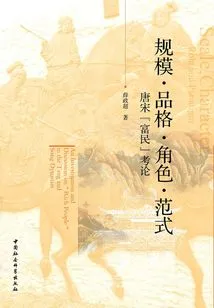
规模·品格·角色·范式:唐宋“富民”考论
Xue Zhengchao
The ten papers included in this book are the staged presentation of the author's exploratory research on the "rich people" class in ancient China in the past ten years. These papers mainly cover the size, character, and behavioral patterns of the rich people class in the Tang and Song Dynasties, the reshaping of social and economic relations in the Tang and Song Dynasties by rich people, the role of rich people in the transformation of the national functional system, and the characteristics of the first-level "rich people society" theory as a research paradigm.
The ten papers included in this book are the staged presentation of the author's exploratory research on the "rich people" class in ancient China in the past ten years. These papers mainly cover the size, character, and behavioral patterns of the rich people class in the Tang and Song Dynasties, the reshaping of social and economic relations in the Tang and Song Dynasties by rich people, the role of rich people in the transformation of the national functional system, and the characteristics of the first-level "rich people society" theory as a research paradigm.
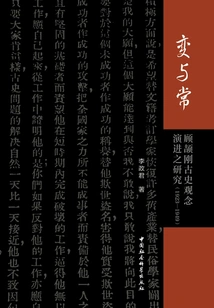
变与常:顾颉刚古史观念演进之研究(1923—1949)
Li Zhengjun
This book mainly discusses whether Gu Jiegang's concept of ancient history has changed at various stages of his academic development since he proposed the theory of "Chinese ancient history layered upon layers" in 1923. If so, what has changed and what has remained unchanged. Based on this, this book first clarifies Gu Jiegang's concept of ancient history when he proposed the theory of "layer accumulation", and then follows his academic development process to examine the motivations and purposes of his various explorations in the fields of folklore, historical geography, borderland and ethnology, as well as the academic connection between these explorations and his examination of ancient history. On this basis, it is necessary to examine the "changes" and "unchanges" in the characteristics of Gu Jiegang's ancient history research from 1923 to 1949, and whether there are fundamental changes in his concept of ancient history.
This book mainly discusses whether Gu Jiegang's concept of ancient history has changed at various stages of his academic development since he proposed the theory of "Chinese ancient history layered upon layers" in 1923. If so, what has changed and what has remained unchanged. Based on this, this book first clarifies Gu Jiegang's concept of ancient history when he proposed the theory of "layer accumulation", and then follows his academic development process to examine the motivations and purposes of his various explorations in the fields of folklore, historical geography, borderland and ethnology, as well as the academic connection between these explorations and his examination of ancient history. On this basis, it is necessary to examine the "changes" and "unchanges" in the characteristics of Gu Jiegang's ancient history research from 1923 to 1949, and whether there are fundamental changes in his concept of ancient history.
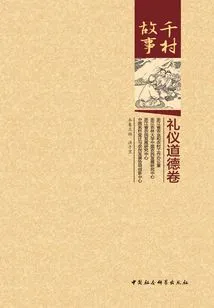
千村故事·礼仪道德卷
Hong Qianli
Starting from describing the moral ideals rooted in rural society, this book searches for more than a hundred etiquette and moral stories spread in the historical and cultural villages of Zhejiang. It introduces them from five aspects: benevolence and filial piety, three virtues and nine heroes, harmony and auspiciousness, seeing benefits and thinking about righteousness, and being charitable and charitable.
Starting from describing the moral ideals rooted in rural society, this book searches for more than a hundred etiquette and moral stories spread in the historical and cultural villages of Zhejiang. It introduces them from five aspects: benevolence and filial piety, three virtues and nine heroes, harmony and auspiciousness, seeing benefits and thinking about righteousness, and being charitable and charitable.
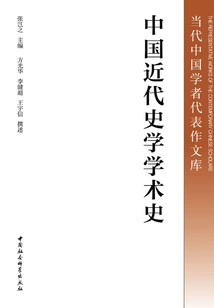
中国近代史学学术史
Editor-in-chief Zhang Qizhi
This book is a unique historical academic monograph hosted and edited by Professor Zhang Qizhi, a famous expert on the history of Chinese thought. The book is divided into four parts: the first part is the philosophy of modern history, the second part is the method of modern history, the third part is the academic achievements of modern history: research on Chinese and foreign history and historical geography, and the fourth part is the academic achievements of modern history: archaeology. This book grasps the changes and development patterns of historical scholarship at a macro level, and displays the rich content of historical scholarship at a micro level. It has high academic value and plays a positive role in promoting research on cultural history and academic history.
This book is a unique historical academic monograph hosted and edited by Professor Zhang Qizhi, a famous expert on the history of Chinese thought. The book is divided into four parts: the first part is the philosophy of modern history, the second part is the method of modern history, the third part is the academic achievements of modern history: research on Chinese and foreign history and historical geography, and the fourth part is the academic achievements of modern history: archaeology. This book grasps the changes and development patterns of historical scholarship at a macro level, and displays the rich content of historical scholarship at a micro level. It has high academic value and plays a positive role in promoting research on cultural history and academic history.
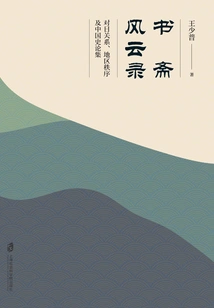
书斋风云录:对日关系、地区秩序及中国史论集
Wang Shaopu
This book is a collection of the author's papers and commentaries on China's modern history and international relations published in domestic academic journals and mainstream media from the 1980s to the present. Such as "The Formation, Nature and Function of Zeng Guofan's Westernization Thought", "The Dangerous Consequences of Wrong Words and Actions - On Postwar Japan's Understanding of World War II", etc.
This book is a collection of the author's papers and commentaries on China's modern history and international relations published in domestic academic journals and mainstream media from the 1980s to the present. Such as "The Formation, Nature and Function of Zeng Guofan's Westernization Thought", "The Dangerous Consequences of Wrong Words and Actions - On Postwar Japan's Understanding of World War II", etc.
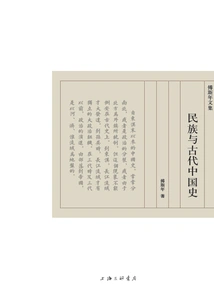
民族与古代中国史(傅斯年文集)
Fu Sinian
"Nation and the History of Ancient China" is a collection of Mr. Fu Sinian's research papers on the history of ancient pre-Qin China. It contains five representative works: "The Theory of East and West of Yixia", "Jiang Yuan", "Zhou Dongfeng and the Survivors of the Yin Dynasty", "The Theory of Dadong Xiaodong", and "On the So-called Five Ranks". The chapters are connected and systematic, and the discussion involves the origin, early development, orthodox inheritance of Chinese culture and other issues that have long been of concern to the historians. These articles were extremely innovative at the time of publication and had breakthrough and pioneering significance in the study of ancient history. The findings in them gave the historians a systematic understanding of ancient Chinese history.
"Nation and the History of Ancient China" is a collection of Mr. Fu Sinian's research papers on the history of ancient pre-Qin China. It contains five representative works: "The Theory of East and West of Yixia", "Jiang Yuan", "Zhou Dongfeng and the Survivors of the Yin Dynasty", "The Theory of Dadong Xiaodong", and "On the So-called Five Ranks". The chapters are connected and systematic, and the discussion involves the origin, early development, orthodox inheritance of Chinese culture and other issues that have long been of concern to the historians. These articles were extremely innovative at the time of publication and had breakthrough and pioneering significance in the study of ancient history. The findings in them gave the historians a systematic understanding of ancient Chinese history.
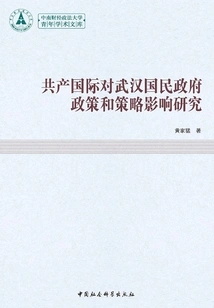
共产国际对武汉国民政府政策和策略影响研究
Huang Jiameng
This book starts from the relationship between the Comintern and the Wuhan National Government, and analyzes the relationship between the Comintern, the Communist Party of China (Bolsheviks), the Communist Party of China, and the Wuhan National Government. It then analyzes the influence of the Comintern on several political, economic, military, diplomatic, worker and peasant movement and other policies and strategies of the Wuhan National Government one by one, thereby forming a complete system for analyzing the influence of the Comintern on the internal and external policies of the Wuhan National Government.
This book starts from the relationship between the Comintern and the Wuhan National Government, and analyzes the relationship between the Comintern, the Communist Party of China (Bolsheviks), the Communist Party of China, and the Wuhan National Government. It then analyzes the influence of the Comintern on several political, economic, military, diplomatic, worker and peasant movement and other policies and strategies of the Wuhan National Government one by one, thereby forming a complete system for analyzing the influence of the Comintern on the internal and external policies of the Wuhan National Government.
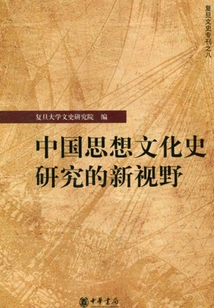
中国思想文化史研究的新视野(复旦文史专刊)
Fudan University Institute Of Literature And History
Research on the history of ideas in the global academic community has generally declined, but only in mainland China, the history of ideas has always attracted great attention, because the connection between ideas and society, history and the present is too deep. In the review of ancient ideas, modern values have gained historical legitimacy. In recent years, the changes in the field of Chinese historical research of "going beyond doubting the past", "returning to the lower class", and "discovering foreigners" have given opportunities for change in the study of China's intellectual history. The Institute of Literature and History of Fudan University can jointly organize a seminar on "New Horizons in the Study of Chinese Intellectual and Cultural History" with the Chinese Department of the National University of Singapore to try to explore the possibility of rewriting the history of ideas.
Research on the history of ideas in the global academic community has generally declined, but only in mainland China, the history of ideas has always attracted great attention, because the connection between ideas and society, history and the present is too deep. In the review of ancient ideas, modern values have gained historical legitimacy. In recent years, the changes in the field of Chinese historical research of "going beyond doubting the past", "returning to the lower class", and "discovering foreigners" have given opportunities for change in the study of China's intellectual history. The Institute of Literature and History of Fudan University can jointly organize a seminar on "New Horizons in the Study of Chinese Intellectual and Cultural History" with the Chinese Department of the National University of Singapore to try to explore the possibility of rewriting the history of ideas.
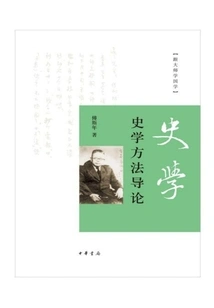
史学方法导论(跟大师学国学)
Fu Sinian
"Introduction to Historical Methods" is Mr. Fu Sinian's representative exposition on historical theory, and it is also the lecture notes he gave when he taught at Peking University. There are seven lectures in the original book, and only the fourth lecture, "A Brief Introduction to Historical Materials," remains. This lecture is also the essence of the author's thoughts, elaborating in detail the value of historical materials, how to identify historical materials, and methods of organizing historical materials. This compilation and publication also includes five articles including "The Theory of Yixia East and West" and "On the So-called Five Nobles", which provide readers with a deeper understanding of Mr. Fu Sinian's historical thoughts and research methods through case studies.
"Introduction to Historical Methods" is Mr. Fu Sinian's representative exposition on historical theory, and it is also the lecture notes he gave when he taught at Peking University. There are seven lectures in the original book, and only the fourth lecture, "A Brief Introduction to Historical Materials," remains. This lecture is also the essence of the author's thoughts, elaborating in detail the value of historical materials, how to identify historical materials, and methods of organizing historical materials. This compilation and publication also includes five articles including "The Theory of Yixia East and West" and "On the So-called Five Nobles", which provide readers with a deeper understanding of Mr. Fu Sinian's historical thoughts and research methods through case studies.
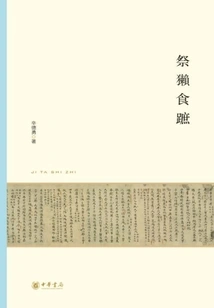
祭獭食蹠
Xin Deyong
This collection of essays includes Professor Xin Deyong's articles on the research and appreciation of historical documents in recent years. The classics involved range in age from the pre-Qin Dynasty to the late Qing Dynasty, and their nature ranges from splendid official histories to the playful pen and ink of boring literati on the beach in Shanghai. Although most of the articles start from small issues, they do not avoid complexity. They cite a large number of parallel historical events and historical materials, develop rigorous arguments, consider the reading and meaning of sentences, pay attention to more details, and strive to reduce the gap between modern research and ancient history.
This collection of essays includes Professor Xin Deyong's articles on the research and appreciation of historical documents in recent years. The classics involved range in age from the pre-Qin Dynasty to the late Qing Dynasty, and their nature ranges from splendid official histories to the playful pen and ink of boring literati on the beach in Shanghai. Although most of the articles start from small issues, they do not avoid complexity. They cite a large number of parallel historical events and historical materials, develop rigorous arguments, consider the reading and meaning of sentences, pay attention to more details, and strive to reduce the gap between modern research and ancient history.
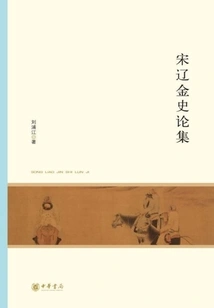
宋辽金史论集
Liu Pujiang
This book is a collection of essays by Professor Liu Pujiang on the history of the Liao and Jin Dynasties and the history of the Song Dynasty. This book makes extensive use of Liao and Jin stone carving materials and Khitan and Jurchen language materials, closely integrating history with archaeology, linguistics, and cultural anthropology, and solving many major unresolved problems. The whole book has an overall awareness of issues, an interdisciplinary research vision and profound academic concern, and represents an unprecedented height in the study of Song, Liao and Jin history. Most of the papers collected in this book are scattered in various academic journals and have not been collected, making it inconvenient for readers to read them in one place. This time, Professor Liu Pujiang's papers on Song, Liao, and Jin history are selected and arranged according to themes, so that you can see his academic pattern.
This book is a collection of essays by Professor Liu Pujiang on the history of the Liao and Jin Dynasties and the history of the Song Dynasty. This book makes extensive use of Liao and Jin stone carving materials and Khitan and Jurchen language materials, closely integrating history with archaeology, linguistics, and cultural anthropology, and solving many major unresolved problems. The whole book has an overall awareness of issues, an interdisciplinary research vision and profound academic concern, and represents an unprecedented height in the study of Song, Liao and Jin history. Most of the papers collected in this book are scattered in various academic journals and have not been collected, making it inconvenient for readers to read them in one place. This time, Professor Liu Pujiang's papers on Song, Liao, and Jin history are selected and arranged according to themes, so that you can see his academic pattern.
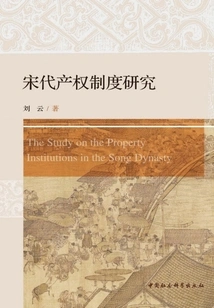
宋代产权制度研究
Liu Yun
This book focuses on the property rights system of the Song Dynasty, draws on the property rights theory of Western new institutional economics, examines the structure of the property rights system of the Song Dynasty, the property rights analysis of charitable properties, and property rights documents, and points out that as a social tool, property rights in the Song Dynasty stimulated social and economic development, improved people's living standards, and at the same time carried out secondary distribution for relief and social welfare, and maintained social stability. Since the property rights system includes the distribution and redistribution of social resources, in order to maintain social order, the Song Dynasty officials formulated a strict property rights management system and formulated policies to clarify issues such as property rights ownership, management, trading, division, tax deduction, and income. This was conducive to promoting social and economic development and improving social welfare, and was conducive to the court's strengthening of control over rural ethnic groups and local society. However, due to factors such as the destruction of local forces, official governance, and national finance, the property rights system of the Song Dynasty was inevitably destroyed.
This book focuses on the property rights system of the Song Dynasty, draws on the property rights theory of Western new institutional economics, examines the structure of the property rights system of the Song Dynasty, the property rights analysis of charitable properties, and property rights documents, and points out that as a social tool, property rights in the Song Dynasty stimulated social and economic development, improved people's living standards, and at the same time carried out secondary distribution for relief and social welfare, and maintained social stability. Since the property rights system includes the distribution and redistribution of social resources, in order to maintain social order, the Song Dynasty officials formulated a strict property rights management system and formulated policies to clarify issues such as property rights ownership, management, trading, division, tax deduction, and income. This was conducive to promoting social and economic development and improving social welfare, and was conducive to the court's strengthening of control over rural ethnic groups and local society. However, due to factors such as the destruction of local forces, official governance, and national finance, the property rights system of the Song Dynasty was inevitably destroyed.
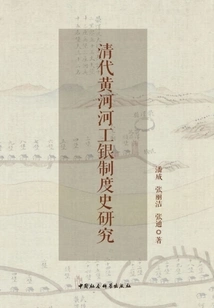
A Study on the History of the Industrial Silver System of the Yellow River in the Qing Dynasty
History清代黄河河工银制度史研究
Pan Wei Zhang Lijie Zhang Tong
This book uses a large number of first-hand financial archives of Hegong in the Qing Dynasty to restore the emergence, development, vacillation and collapse of the fixed-amount Hegong silver system from Shunzhi to Xuantong. On this basis, this book starts with the operation of the river engineering financial system and re-explores the formation process and causes of river disasters in the Qing Dynasty. It reveals the decisive factors of the Qing Dynasty's financial situation on the governance of the Yellow River, and objectively evaluates and analyzes the role of commercialization factors in the governance of the Yellow River.
This book uses a large number of first-hand financial archives of Hegong in the Qing Dynasty to restore the emergence, development, vacillation and collapse of the fixed-amount Hegong silver system from Shunzhi to Xuantong. On this basis, this book starts with the operation of the river engineering financial system and re-explores the formation process and causes of river disasters in the Qing Dynasty. It reveals the decisive factors of the Qing Dynasty's financial situation on the governance of the Yellow River, and objectively evaluates and analyzes the role of commercialization factors in the governance of the Yellow River.
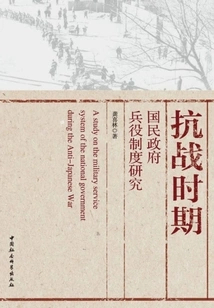
抗战时期国民政府兵役制度研究
Gong Xilin
How to solve the problem of troop sources during the Anti-Japanese War was a matter of life and death for the Chinese nation. In order to implement the mobilization of soldiers, before the outbreak of the all-out Anti-Japanese War, the Nationalist Government promulgated the "Military Service Law" and established a compulsory military service system; after the outbreak of the All-out Anti-Japanese War, the Nationalist Government conducted large-scale conscription until the end of the Anti-Japanese War. This book mainly uses first-hand historical materials to conduct a relatively systematic investigation of the establishment of the National Government's military service system during the War of Resistance, the administrative system of military service areas, the National Military Service system, the standing military service system, the recruitment and recruitment of wartime soldiers, etc. It also explores the dilemmas and drawbacks in the implementation of the military service system, and the reform of the National Government. Finally, this book objectively evaluates the positive role of the National Government's military service system from the modernization of the military service system and its contribution to the war of resistance. It also states the shortcomings of the National Government's military service system from aspects such as the mobilization rate of soldiers and the impact of military service on society and the authority of the National Government. This book is a useful supplement to the study of the military service system in modern China and enriches the study of the history of the military service system in modern China.
How to solve the problem of troop sources during the Anti-Japanese War was a matter of life and death for the Chinese nation. In order to implement the mobilization of soldiers, before the outbreak of the all-out Anti-Japanese War, the Nationalist Government promulgated the "Military Service Law" and established a compulsory military service system; after the outbreak of the All-out Anti-Japanese War, the Nationalist Government conducted large-scale conscription until the end of the Anti-Japanese War. This book mainly uses first-hand historical materials to conduct a relatively systematic investigation of the establishment of the National Government's military service system during the War of Resistance, the administrative system of military service areas, the National Military Service system, the standing military service system, the recruitment and recruitment of wartime soldiers, etc. It also explores the dilemmas and drawbacks in the implementation of the military service system, and the reform of the National Government. Finally, this book objectively evaluates the positive role of the National Government's military service system from the modernization of the military service system and its contribution to the war of resistance. It also states the shortcomings of the National Government's military service system from aspects such as the mobilization rate of soldiers and the impact of military service on society and the authority of the National Government. This book is a useful supplement to the study of the military service system in modern China and enriches the study of the history of the military service system in modern China.
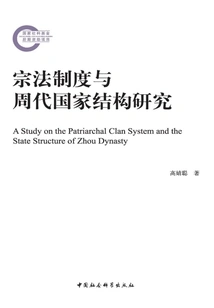
宗法制度与周代国家结构研究
Gao Jingcong
The patriarchal system of the Zhou Dynasty was a system established when the Western Zhou Dynasty was established. It was based on patriarchal principles such as the distinction between concubines and concubines, and the relationship between large and small clans, masters and subordinates. It was applied to the construction of the national structure. It formed a political hierarchical structure from the emperor down to the emperor within the scope of the Zhou royal power, and strengthened the clan-based social organizational structure. This book combines handed down documents and unearthed documents to conduct research on the basic content, development and social impact of the patriarchal system in the Zhou Dynasty, as well as the role of the patriarchal system in constructing and maintaining the state structure of the Zhou Dynasty in the early national context. It summarizes in detail the academic history of the study of the patriarchal system in the Zhou Dynasty since the Han and Tang Dynasties, and explores on the basis of previous research. The reason why the patriarchal system got its name in the Song Dynasty, the establishment process of the patriarchal system in the Zhou Dynasty, the relationship between the patriarchal system and the state structure of the Zhou Dynasty, the clan hierarchy in the Zhou Dynasty based on the relationship between concubines and concubines, the patriarchal social thought of the Zhou Dynasty, and especially the use of bronze inscription materials to examine issues such as the eldest son, mother, brother, and patriarchal wife under the patriarchal system of the Zhou Dynasty, as well as the construction model of the clan in the Zhou Dynasty.
The patriarchal system of the Zhou Dynasty was a system established when the Western Zhou Dynasty was established. It was based on patriarchal principles such as the distinction between concubines and concubines, and the relationship between large and small clans, masters and subordinates. It was applied to the construction of the national structure. It formed a political hierarchical structure from the emperor down to the emperor within the scope of the Zhou royal power, and strengthened the clan-based social organizational structure. This book combines handed down documents and unearthed documents to conduct research on the basic content, development and social impact of the patriarchal system in the Zhou Dynasty, as well as the role of the patriarchal system in constructing and maintaining the state structure of the Zhou Dynasty in the early national context. It summarizes in detail the academic history of the study of the patriarchal system in the Zhou Dynasty since the Han and Tang Dynasties, and explores on the basis of previous research. The reason why the patriarchal system got its name in the Song Dynasty, the establishment process of the patriarchal system in the Zhou Dynasty, the relationship between the patriarchal system and the state structure of the Zhou Dynasty, the clan hierarchy in the Zhou Dynasty based on the relationship between concubines and concubines, the patriarchal social thought of the Zhou Dynasty, and especially the use of bronze inscription materials to examine issues such as the eldest son, mother, brother, and patriarchal wife under the patriarchal system of the Zhou Dynasty, as well as the construction model of the clan in the Zhou Dynasty.
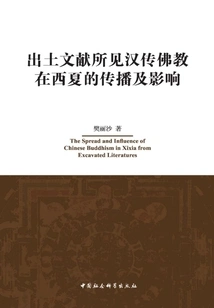
出土文献所见汉传佛教在西夏的传播及影响
Fan Lisa
Han Buddhism had a profound influence on the development and prosperity of Xixia Buddhism. Xixia obtained the Tripitaka from the Song Dynasty six times and translated it into a foreign version. Buddhist sects such as Zen, Pure Land, Huayan, and Tiantai, which were formed during the Sui and Tang Dynasties, coexisted in Xixia. These sects are unique to Indian Buddhism and are an important symbol of the completion of the Sinicization process of Buddhism. In addition, the Guanyin belief, Maitreya belief, Yezang belief and Confucian filial piety thought formed in the Central Plains are also very popular. Xixia Buddhist culture incorporates many elements of Chinese culture. Buddhist believers are proficient in Chinese, and common terms used in Buddhist classics from the Central Plains have also been widely absorbed. Traditional historical and archaeological data show that early Xixia Buddhism, like Uighur Buddhism, was a copy of Han Buddhism in the Xixia region, and was an example of Han culture influencing Xixia national culture. Despite the long-term hostility between the Central Plains Dynasty and the Xixia regime, the war did not sever the cultural ties between the various ethnic groups.
Han Buddhism had a profound influence on the development and prosperity of Xixia Buddhism. Xixia obtained the Tripitaka from the Song Dynasty six times and translated it into a foreign version. Buddhist sects such as Zen, Pure Land, Huayan, and Tiantai, which were formed during the Sui and Tang Dynasties, coexisted in Xixia. These sects are unique to Indian Buddhism and are an important symbol of the completion of the Sinicization process of Buddhism. In addition, the Guanyin belief, Maitreya belief, Yezang belief and Confucian filial piety thought formed in the Central Plains are also very popular. Xixia Buddhist culture incorporates many elements of Chinese culture. Buddhist believers are proficient in Chinese, and common terms used in Buddhist classics from the Central Plains have also been widely absorbed. Traditional historical and archaeological data show that early Xixia Buddhism, like Uighur Buddhism, was a copy of Han Buddhism in the Xixia region, and was an example of Han culture influencing Xixia national culture. Despite the long-term hostility between the Central Plains Dynasty and the Xixia regime, the war did not sever the cultural ties between the various ethnic groups.
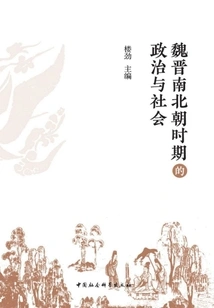
魏晋南北朝时期的政治与社会
Editor-in-chief Lou Jin
From August 16 to 18, 2017, the 12th Annual Conference and International Academic Symposium of the China Wei, Jin, Southern and Northern Dynasties History Society was held in Zhanghe Economic Development Zone, Hebei Province. This book is a selection of papers from this conference. The whole book discusses topics such as "Yecheng from the 3rd to 6th centuries", "Politics and Economy of the Wei, Jin, Southern and Northern Dynasties", "Ethnic and Regional Relations of the Wei, Jin, Southern and Northern Dynasties", "Religion, Society and Culture of the Wei, Jin, Southern and Northern Dynasties", "Materials and Methods for the Study of the History of the Wei, Jin, Southern and Northern Dynasties", etc. It has positive academic significance in promoting the study of the history of the Wei, Jin, Southern and Northern Dynasties.
From August 16 to 18, 2017, the 12th Annual Conference and International Academic Symposium of the China Wei, Jin, Southern and Northern Dynasties History Society was held in Zhanghe Economic Development Zone, Hebei Province. This book is a selection of papers from this conference. The whole book discusses topics such as "Yecheng from the 3rd to 6th centuries", "Politics and Economy of the Wei, Jin, Southern and Northern Dynasties", "Ethnic and Regional Relations of the Wei, Jin, Southern and Northern Dynasties", "Religion, Society and Culture of the Wei, Jin, Southern and Northern Dynasties", "Materials and Methods for the Study of the History of the Wei, Jin, Southern and Northern Dynasties", etc. It has positive academic significance in promoting the study of the history of the Wei, Jin, Southern and Northern Dynasties.
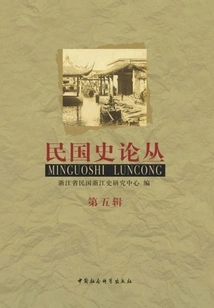
民国史论丛(第五辑)
Zhejiang Provincial Research Center For Zhejiang History In The Republic Of China
This book is the fifth volume of the "Research Series on Zhejiang History in the Republic of China" compiled by the Zhejiang History Research Center in the Republic of China - a special album on economic issues in Zhejiang in the Republic of China. The Jiangsu-Zhejiang Consortium was an important economic foundation for the establishment of the Nanjing National Government. Zhejiang's social and economic construction also achieved significant results from 1927 to 1937, as shown by the relatively developed industry and commerce in various places, the relatively complete organization of chambers of commerce, and the gradual strengthening of the role of new transportation. This volume has conducted varying degrees of research on many of the above aspects during the Republic of China period.
This book is the fifth volume of the "Research Series on Zhejiang History in the Republic of China" compiled by the Zhejiang History Research Center in the Republic of China - a special album on economic issues in Zhejiang in the Republic of China. The Jiangsu-Zhejiang Consortium was an important economic foundation for the establishment of the Nanjing National Government. Zhejiang's social and economic construction also achieved significant results from 1927 to 1937, as shown by the relatively developed industry and commerce in various places, the relatively complete organization of chambers of commerce, and the gradual strengthening of the role of new transportation. This volume has conducted varying degrees of research on many of the above aspects during the Republic of China period.
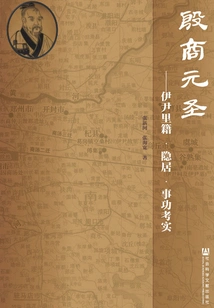
殷商元圣:伊尹里籍·隐居·事功考实
Zhang Xinhe Zhang Haikuan
This book not only uses a large amount of detailed information about Yi Yin's residence, seclusion, and achievements in literature, archaeology, and folklore to support the noble image of Yi Yin Kuang, the "Yuan Sheng", "Cooking Sage", and "Soup Sage" of the Shang Dynasty, who helped the four Shang kings to govern the country with virtue, but also focuses on research and discussion of several major unresolved academic issues in the history of the Shang Dynasty in my country, such as Yi Yin's birthplace and hermitage. For the first time, it provides a comprehensive, systematic and profound interpretation of Yi Yin in the Shang Dynasty, from a slave to a prime minister, his wisdom and lofty views on governance and governance.
This book not only uses a large amount of detailed information about Yi Yin's residence, seclusion, and achievements in literature, archaeology, and folklore to support the noble image of Yi Yin Kuang, the "Yuan Sheng", "Cooking Sage", and "Soup Sage" of the Shang Dynasty, who helped the four Shang kings to govern the country with virtue, but also focuses on research and discussion of several major unresolved academic issues in the history of the Shang Dynasty in my country, such as Yi Yin's birthplace and hermitage. For the first time, it provides a comprehensive, systematic and profound interpretation of Yi Yin in the Shang Dynasty, from a slave to a prime minister, his wisdom and lofty views on governance and governance.
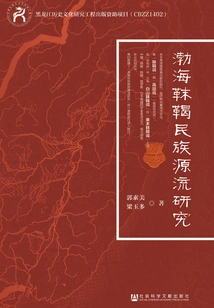
渤海靺鞨民族源流研究
Guo Sumei Liang Yuduo
The study of the history of the Bohai Sea has been a hot topic in the field of history in recent years. In particular, the issue of Bohai ethnic origin in the study of the history of the Bohai Sea has always been a sensitive issue and a focus of research. This book aims to sort out the ins and outs of the Bohai Nation. The first part explores the origin of the "Bohai Mohe", the argument for the "Mohe theory" of the Bohai nationality and the discussion of the formation of the "Bohai Nation"; the second part explores the several stories of the Bohai survivors. The general direction; the appendix contains previous research results and content that has not been fully developed, in order to supplement the discussion on the origin of the Bohai people and further show the specific life picture of the Bohai survivors in the Liao and Jin Dynasties.
The study of the history of the Bohai Sea has been a hot topic in the field of history in recent years. In particular, the issue of Bohai ethnic origin in the study of the history of the Bohai Sea has always been a sensitive issue and a focus of research. This book aims to sort out the ins and outs of the Bohai Nation. The first part explores the origin of the "Bohai Mohe", the argument for the "Mohe theory" of the Bohai nationality and the discussion of the formation of the "Bohai Nation"; the second part explores the several stories of the Bohai survivors. The general direction; the appendix contains previous research results and content that has not been fully developed, in order to supplement the discussion on the origin of the Bohai people and further show the specific life picture of the Bohai survivors in the Liao and Jin Dynasties.
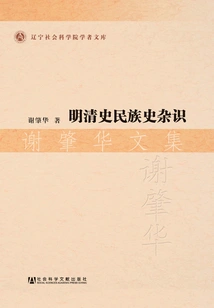
明清史民族史杂识:谢肇华文集
Xie Zhaohua
One of the most notable features of this book is the newness and detail of the materials. The text extensively cites the Liaodong archives of the Ming Dynasty, the Criminal Division archives of the Qing Dynasty, the incomplete old Chinese documents of the early Qing Dynasty copied from Japan, the inscriptions on the Jurchens in the early Ming Dynasty, the Manchu family tree, the Xibo family tree, etc. These are all disclosed for the first time in papers related to this collection. These original materials have been cited by many colleagues since then.
One of the most notable features of this book is the newness and detail of the materials. The text extensively cites the Liaodong archives of the Ming Dynasty, the Criminal Division archives of the Qing Dynasty, the incomplete old Chinese documents of the early Qing Dynasty copied from Japan, the inscriptions on the Jurchens in the early Ming Dynasty, the Manchu family tree, the Xibo family tree, etc. These are all disclosed for the first time in papers related to this collection. These original materials have been cited by many colleagues since then.
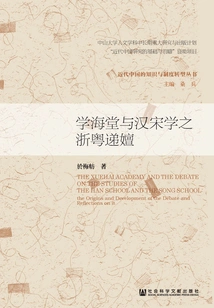
学海堂与汉宋学之浙粤递嬗
Yu Meifang
The division between Han and Song Dynasty was the crux of the academic problem in the Qing Dynasty, and also restricted the evolution of academic research in the Republic of China. The purpose of this book is to reorganize the relationship between the Han and Song Dynasties in the Qing Dynasty, and change the research ideas on the basis of occupying as much literature as possible. It regards the views that have been widely circulated since the Qing Dynasty, especially in the masterpieces of scholars in the Republic of China, as the insights of previous sages rather than the abilities of Qing Dynasty scholars. Then, under the overall view, it selects the narrative form of the Han and Song Dynasties. The key link in the success of this work is the relationship between Ruan Yuan - Xuehaitang - Chen Li. We put aside prejudices and make the organizational personnel relationship and the original meaning of the interpretation of documents complement each other, reveal the historical process of the evolution of historical events and concepts, reproduce the true nature of the so-called Han-Song conflict in the middle Qing Dynasty, and integrate deconstruction into reconstruction.
The division between Han and Song Dynasty was the crux of the academic problem in the Qing Dynasty, and also restricted the evolution of academic research in the Republic of China. The purpose of this book is to reorganize the relationship between the Han and Song Dynasties in the Qing Dynasty, and change the research ideas on the basis of occupying as much literature as possible. It regards the views that have been widely circulated since the Qing Dynasty, especially in the masterpieces of scholars in the Republic of China, as the insights of previous sages rather than the abilities of Qing Dynasty scholars. Then, under the overall view, it selects the narrative form of the Han and Song Dynasties. The key link in the success of this work is the relationship between Ruan Yuan - Xuehaitang - Chen Li. We put aside prejudices and make the organizational personnel relationship and the original meaning of the interpretation of documents complement each other, reveal the historical process of the evolution of historical events and concepts, reproduce the true nature of the so-called Han-Song conflict in the middle Qing Dynasty, and integrate deconstruction into reconstruction.
姓氏与宗社考证
Zhang Zhaolin
This book is part of Mr. Zhang Zhaolin's posthumous works. It mainly studies the surnames, clans and marriage systems in ancient my country. These systems are the basic systems of ancient Chinese society and have had a huge impact on Chinese society. In the collection of papers, the author revised many previous views, explained the original meaning of surnames and surnames, analyzed the basic characteristics of clans, studied several marriage and family system issues related to group marriage and monogamy, and gradually formed his own systematic views on ancient China.
This book is part of Mr. Zhang Zhaolin's posthumous works. It mainly studies the surnames, clans and marriage systems in ancient my country. These systems are the basic systems of ancient Chinese society and have had a huge impact on Chinese society. In the collection of papers, the author revised many previous views, explained the original meaning of surnames and surnames, analyzed the basic characteristics of clans, studied several marriage and family system issues related to group marriage and monogamy, and gradually formed his own systematic views on ancient China.
Research on the Changes of Local Fiscal Structure in Zhejiang Province During the Ming Dynasty
History明代浙直地方财政结构变迁研究
Ding Liang
This book studies the changing trajectory of the fiscal structure of Zhejiang and southern Zhili regions in the Ming Dynasty. The revenue and expenditure structure and payment methods of local finance in the Ming Dynasty were examined from the aspects of land tax, supply of materials, Lijia service, equal service service and post service service. The whole book always focuses on "corvee labor and its accompanying financial responsibilities", pointing out that the monetization of local finance has appeared since Chenghua and Hongzhi, and various financial resources have successively realized accounting in units of silver, but local finance has still not got rid of the corvee-centered management method. Although various places have tried repeatedly to reform the corvee system in an all-round way, they have been abandoned due to various difficulties. After the Jiajing and Longqing periods, the central government's massive demand for silver gave rise to the "One Whip Law" reform, which ultimately promoted the shift toward monetization of local finances.
This book studies the changing trajectory of the fiscal structure of Zhejiang and southern Zhili regions in the Ming Dynasty. The revenue and expenditure structure and payment methods of local finance in the Ming Dynasty were examined from the aspects of land tax, supply of materials, Lijia service, equal service service and post service service. The whole book always focuses on "corvee labor and its accompanying financial responsibilities", pointing out that the monetization of local finance has appeared since Chenghua and Hongzhi, and various financial resources have successively realized accounting in units of silver, but local finance has still not got rid of the corvee-centered management method. Although various places have tried repeatedly to reform the corvee system in an all-round way, they have been abandoned due to various difficulties. After the Jiajing and Longqing periods, the central government's massive demand for silver gave rise to the "One Whip Law" reform, which ultimately promoted the shift toward monetization of local finances.
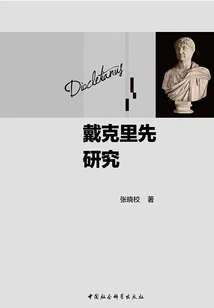
Diocletian Studies
History戴克里先研究
Zhang Xiaoxiao
Diocletian was both the "terminator" of the crisis of the third century and the initiator of the later history of the Roman Empire. Diocletian implemented the co-rule of the Four Emperors, appeased the provinces, pacified the borders, reformed currency and taxes, restructured the army and provinces, carried out the last major persecution of Christianity, and restored stability, thus allowing the Roman Empire to continue to survive for nearly two hundred years.
Diocletian was both the "terminator" of the crisis of the third century and the initiator of the later history of the Roman Empire. Diocletian implemented the co-rule of the Four Emperors, appeased the provinces, pacified the borders, reformed currency and taxes, restructured the army and provinces, carried out the last major persecution of Christianity, and restored stability, thus allowing the Roman Empire to continue to survive for nearly two hundred years.
唐诗镜像中的丝绸之路
Shi Yuntao
There is a large amount of research material on the Silk Road in Tang poetry. The Silk Road Oasis Road, Prairie Road, Maritime Silk Road, and Southern Silk Road all have vivid and vivid expressions in Tang poetry. The focus of this book's research is to use Tang poetry as historical data to explore the rise and fall of the Silk Road in the Tang Dynasty as reflected in Tang poetry. It also reveals the role that the development of the Silk Road and Sino-foreign exchanges played in promoting the prosperity of Tang poetry. This book shows Chang'an, the starting point of the Silk Road in the Tang poetry scroll, the Silk Road's Longyou Road, Hexi Road, South and North Western Roads, Grassland Road, Tuyuhun Road, Tang-Tibet Ancient Road, Southern Silk Road's Annan Road, Wuchi Road, Lingguan Road and Yunnan-Burma Road, and the magnificent picture of the Maritime Silk Road. Tang poetry has witnessed the rise and fall of various routes on the Silk Road. From the descriptions of Tang poetry, we can feel the rich and complex emotional mentality of the Tang people.
There is a large amount of research material on the Silk Road in Tang poetry. The Silk Road Oasis Road, Prairie Road, Maritime Silk Road, and Southern Silk Road all have vivid and vivid expressions in Tang poetry. The focus of this book's research is to use Tang poetry as historical data to explore the rise and fall of the Silk Road in the Tang Dynasty as reflected in Tang poetry. It also reveals the role that the development of the Silk Road and Sino-foreign exchanges played in promoting the prosperity of Tang poetry. This book shows Chang'an, the starting point of the Silk Road in the Tang poetry scroll, the Silk Road's Longyou Road, Hexi Road, South and North Western Roads, Grassland Road, Tuyuhun Road, Tang-Tibet Ancient Road, Southern Silk Road's Annan Road, Wuchi Road, Lingguan Road and Yunnan-Burma Road, and the magnificent picture of the Maritime Silk Road. Tang poetry has witnessed the rise and fall of various routes on the Silk Road. From the descriptions of Tang poetry, we can feel the rich and complex emotional mentality of the Tang people.
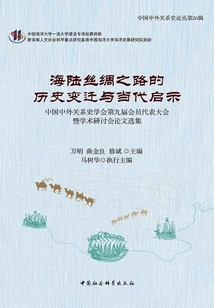
海陆丝绸之路的历史变迁与当代启示:中国中外关系史学会第九届会员代表大会暨学术研讨会论文选集
Editor-in-chief Wan Ming Qu Jinliang Xiu Bin
This book is a collection of papers on "Historical Changes and Contemporary Enlightenment of the Maritime and Continental Silk Road: The Ninth Member Congress and Academic Seminar of the China Society for the History of Chinese-Foreign Relations." Experts and scholars wrote papers focusing on the historical changes and contemporary construction of the "Maritime and Continental Silk Road", ancient Chinese foreign relations concepts and policies, the relationship between China and East Asia, changes in shipping routes and the symbiosis of economic and social exchanges between China and foreign countries, religious and cultural exchanges, and young scholars' forums, including "A brief discussion of the relationship between the art form of ancient Shu and ancient civilizations in the Near East", "The prosperity of the Silk Road in the Tang Dynasty inspired the construction of contemporary "roads - taking the Eastern Maritime Silk Road as an example" and other papers.
This book is a collection of papers on "Historical Changes and Contemporary Enlightenment of the Maritime and Continental Silk Road: The Ninth Member Congress and Academic Seminar of the China Society for the History of Chinese-Foreign Relations." Experts and scholars wrote papers focusing on the historical changes and contemporary construction of the "Maritime and Continental Silk Road", ancient Chinese foreign relations concepts and policies, the relationship between China and East Asia, changes in shipping routes and the symbiosis of economic and social exchanges between China and foreign countries, religious and cultural exchanges, and young scholars' forums, including "A brief discussion of the relationship between the art form of ancient Shu and ancient civilizations in the Near East", "The prosperity of the Silk Road in the Tang Dynasty inspired the construction of contemporary "roads - taking the Eastern Maritime Silk Road as an example" and other papers.
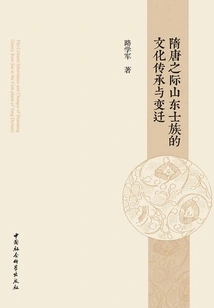
隋唐之际山东士族的文化传承与变迁
Lu Xuejun
Based on the historical background of social transformation during the Sui and Tang Dynasties, this book starts from the perspective of Shandong gentry culture. On the basis of sorting out its cultural origins and cultural circumstances, it analyzes the intertwined characteristics of Shandong gentry culture changes and persistence from multiple levels such as Confucian reshaping and historical practice, and reveals the Shandong gentry's family style and academic style. , Political style and other aspects of the evolution, cultural connotation and relevance; in the scene where the rationality of the times and group consciousness blend, it reveals the cultural realm of Shandong gentry who ultimately maintained their own uniqueness through cultural contact and cultural adaptation, and shows the unique aspects and significance of the cultural structure and social value system of this period.
Based on the historical background of social transformation during the Sui and Tang Dynasties, this book starts from the perspective of Shandong gentry culture. On the basis of sorting out its cultural origins and cultural circumstances, it analyzes the intertwined characteristics of Shandong gentry culture changes and persistence from multiple levels such as Confucian reshaping and historical practice, and reveals the Shandong gentry's family style and academic style. , Political style and other aspects of the evolution, cultural connotation and relevance; in the scene where the rationality of the times and group consciousness blend, it reveals the cultural realm of Shandong gentry who ultimately maintained their own uniqueness through cultural contact and cultural adaptation, and shows the unique aspects and significance of the cultural structure and social value system of this period.
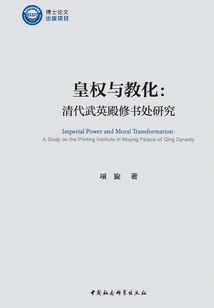
皇权与教化:清代武英殿修书处研究
Xiang Xuan
Wuyingdian Book Repair Office (1680-1912) was a royal publishing organization of the Qing Dynasty that specialized in the printing, collation and decoration of imperial books. It printed six to seven hundred kinds of imperial books and was famous for its "fine editions and fine editions". This book takes the "Wuying Palace Book Repair Office" as the research object. Through extensive excavation and use of archives, official books, political codes, notes and other documents, this book systematically explores basic issues such as the establishment, establishment of officials, division of labor, book engraving activities, logistics support and other basic issues. It pays attention to the "living" institutional history, dynamically examines the system's profits and losses and daily operating mechanisms. It also examines the formation process, engraving characteristics and sales and circulation of the palace books from the perspectives of edition studies and book history, thus deeply revealing the political and cultural connotation of the Wuying Palace Book Repair Office. As the "Royal Publishing House" of the Qing Dynasty, the Wuyingdian Book Review Office has systematically and comprehensively clarified its historical origin, development process, institutional operation, movable type printing and other details. It is of great significance to many fields such as Chinese publishing history, book collection history, and cultural history. It provides useful reference and inspiration for today's book publishing and management, and will further highlight the status and value of the Wuyingdian Book Review Office in the academic and cultural context of the Qing Dynasty.
Wuyingdian Book Repair Office (1680-1912) was a royal publishing organization of the Qing Dynasty that specialized in the printing, collation and decoration of imperial books. It printed six to seven hundred kinds of imperial books and was famous for its "fine editions and fine editions". This book takes the "Wuying Palace Book Repair Office" as the research object. Through extensive excavation and use of archives, official books, political codes, notes and other documents, this book systematically explores basic issues such as the establishment, establishment of officials, division of labor, book engraving activities, logistics support and other basic issues. It pays attention to the "living" institutional history, dynamically examines the system's profits and losses and daily operating mechanisms. It also examines the formation process, engraving characteristics and sales and circulation of the palace books from the perspectives of edition studies and book history, thus deeply revealing the political and cultural connotation of the Wuying Palace Book Repair Office. As the "Royal Publishing House" of the Qing Dynasty, the Wuyingdian Book Review Office has systematically and comprehensively clarified its historical origin, development process, institutional operation, movable type printing and other details. It is of great significance to many fields such as Chinese publishing history, book collection history, and cultural history. It provides useful reference and inspiration for today's book publishing and management, and will further highlight the status and value of the Wuyingdian Book Review Office in the academic and cultural context of the Qing Dynasty.
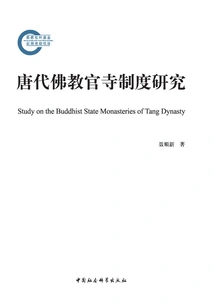
唐代佛教官寺制度研究
Nie Shunxin
Buddhist official temples are government-run Buddhist temples that were established uniformly in all states across the country through imperial edicts in the Tang Dynasty, with a unified system and a number of special functions. Buddhist official temples were not only an important part of the national religious policy and religious system in the Tang Dynasty, but also a core component of the national Buddhist temple network in the Tang Dynasty. On the basis of systematically sorting out relevant results, this book analyzes the three main views on the origin of the Buddhist official temple system in the Tang Dynasty in view of the gaps and shortcomings in the existing research; it studies the content, implementation and significance of the Buddhist official temple system in the first year of Qianfeng reign of Emperor Gaozong of the Tang Dynasty; on the basis of compilation, dating and spatial positioning, it analyzes the content and establishment time of Dayun Official Temple of Wuzhou, Longxing Official Temple of Tang Zhongzong and Kaiyuan Official Temple of Emperor Xuanzong of Tang Dynasty. The time, establishment method, execution strength of the imperial edict, changes in the spatio-temporal distribution of official temples and their causes were discussed; the four main special functions of Buddhist official temples in the Tang Dynasty were summarized and sorted out, as well as their emergence and development process; the relationship between Buddhist official temples and the construction of political legitimacy of semi-independent vassal towns in the middle and late Tang Dynasty was revealed; the impact of the official temple official system in the Tang Dynasty on China in the Northern Song Dynasty, the Nara Dynasty of Japan, and the Koryo Dynasty of the Korean Peninsula was sorted out.
Buddhist official temples are government-run Buddhist temples that were established uniformly in all states across the country through imperial edicts in the Tang Dynasty, with a unified system and a number of special functions. Buddhist official temples were not only an important part of the national religious policy and religious system in the Tang Dynasty, but also a core component of the national Buddhist temple network in the Tang Dynasty. On the basis of systematically sorting out relevant results, this book analyzes the three main views on the origin of the Buddhist official temple system in the Tang Dynasty in view of the gaps and shortcomings in the existing research; it studies the content, implementation and significance of the Buddhist official temple system in the first year of Qianfeng reign of Emperor Gaozong of the Tang Dynasty; on the basis of compilation, dating and spatial positioning, it analyzes the content and establishment time of Dayun Official Temple of Wuzhou, Longxing Official Temple of Tang Zhongzong and Kaiyuan Official Temple of Emperor Xuanzong of Tang Dynasty. The time, establishment method, execution strength of the imperial edict, changes in the spatio-temporal distribution of official temples and their causes were discussed; the four main special functions of Buddhist official temples in the Tang Dynasty were summarized and sorted out, as well as their emergence and development process; the relationship between Buddhist official temples and the construction of political legitimacy of semi-independent vassal towns in the middle and late Tang Dynasty was revealed; the impact of the official temple official system in the Tang Dynasty on China in the Northern Song Dynasty, the Nara Dynasty of Japan, and the Koryo Dynasty of the Korean Peninsula was sorted out.
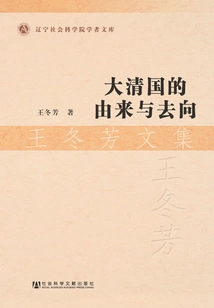
大清国的由来与去向
Wang Dongfang
This book is divided into three parts. The "Research on the Pre-History of the Qing Dynasty" explores the growth and rise of the Jurchen-Manchu people from different angles; the "Research on Women in the Qing Dynasty" part studies the status of early Jurchen women in the great social changes. The great changes made them completely different in both their families and society. While enjoying the happiness brought by social progress, they became losers in conflicts with men. The "Qing Dynasty Cultural Studies" section focuses on the discussion of Qing Dynasty culture.
This book is divided into three parts. The "Research on the Pre-History of the Qing Dynasty" explores the growth and rise of the Jurchen-Manchu people from different angles; the "Research on Women in the Qing Dynasty" part studies the status of early Jurchen women in the great social changes. The great changes made them completely different in both their families and society. While enjoying the happiness brought by social progress, they became losers in conflicts with men. The "Qing Dynasty Cultural Studies" section focuses on the discussion of Qing Dynasty culture.
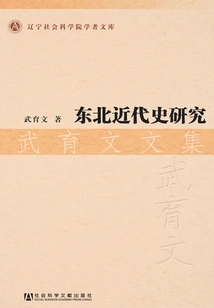
东北近代史研究(武育文文集)
Wu Yuwen
This book is a work published by the author in core journals across the country from 1979 to 2003. Among them, "General Zhang Xueliang and the Rebellion of Northeast China" was published in the first issue of "Social Science Series" in 1979. At that time, the Cultural Revolution had just ended, and there was still no research on Zhang Xueliang and the Northeastern flag change. The article affirmatively commented that Zhang Xueliang's change of flag in Northeast China was patriotic, safeguarded national unity, and progressive. It was a patriotic feat to withstand the pressure of Japan and resolutely decide to surrender to the Nanjing National Government and implement the change of flag. After the article was published, it caused quite a stir in the academic world, with various opinions arguing, and the ups and downs lasting for many years.
This book is a work published by the author in core journals across the country from 1979 to 2003. Among them, "General Zhang Xueliang and the Rebellion of Northeast China" was published in the first issue of "Social Science Series" in 1979. At that time, the Cultural Revolution had just ended, and there was still no research on Zhang Xueliang and the Northeastern flag change. The article affirmatively commented that Zhang Xueliang's change of flag in Northeast China was patriotic, safeguarded national unity, and progressive. It was a patriotic feat to withstand the pressure of Japan and resolutely decide to surrender to the Nanjing National Government and implement the change of flag. After the article was published, it caused quite a stir in the academic world, with various opinions arguing, and the ups and downs lasting for many years.
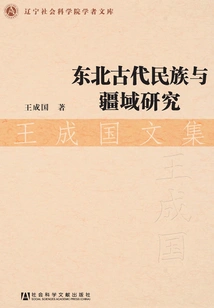
东北古代民族与疆域研究
Wang Chengguo
This collection includes the author's research results on the history of ancient Northeastern peoples and the Northeastern territory since 1982, all of which were published in national and provincial newspapers. This book outlines the relationship between ancient Northeastern peoples and the Central Plains dynasties by analyzing the national history and territorial evolution of the Mohe tribe in the history of the Bohai State, the Khitan tribe in the Liao Dynasty, and the Jurchen tribe in the Jin Dynasty.
This collection includes the author's research results on the history of ancient Northeastern peoples and the Northeastern territory since 1982, all of which were published in national and provincial newspapers. This book outlines the relationship between ancient Northeastern peoples and the Central Plains dynasties by analyzing the national history and territorial evolution of the Mohe tribe in the history of the Bohai State, the Khitan tribe in the Liao Dynasty, and the Jurchen tribe in the Jin Dynasty.
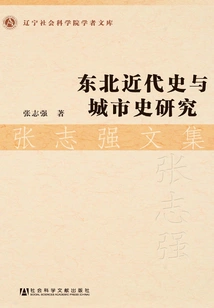
东北近代史与城市史研究
Zhang Zhiqiang
This book presents the modern history and urban development history of the Northeast through five parts: the modern history of the Northeast, the history of the Fengxi Group, the history of the fall of the Northeast, the urban history, and culture and other chapters. The book contains many innovative ideas, unique insights, broad vision, solid historical materials, strong arguments, and fair arguments, which are its academic value. It is an important reference book for studying the modern history of Northeast China and the history of the Republic of China.
This book presents the modern history and urban development history of the Northeast through five parts: the modern history of the Northeast, the history of the Fengxi Group, the history of the fall of the Northeast, the urban history, and culture and other chapters. The book contains many innovative ideas, unique insights, broad vision, solid historical materials, strong arguments, and fair arguments, which are its academic value. It is an important reference book for studying the modern history of Northeast China and the history of the Republic of China.
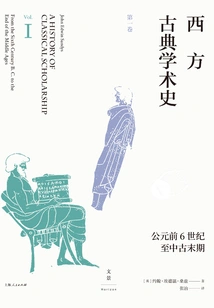
西方古典学术史(第一卷)
Z
"History of Western Classical Scholarship" is the most important work of the British classical scholar John Edwin Sands. The book consists of three volumes. It comprehensively and systematically explains the development of classical scholarship from the 6th century BC to the 19th century BC. It details the development of Greek and Roman scholarship and involves literature, history, philosophy and other fields in various periods. It is especially good at philology, editions, etymology, and grammar. The writing is extremely detailed and profound, and can be regarded as a comprehensive record of the classical academic achievements of various eras in the past. The first volume of this book covers the period from about 600 BC to about 1350 AD. It mainly tells the occurrence and evolution of Greek and Latin scholarship, as well as the spread and evolution of Greek and Latin scholarship in the Byzantine period and the Western Middle Ages. The book first involves the study of Homer's epics, dramas and other poetic works, oratory and rhetoric, grammar and etymology, the Alexandrian school, the Stoic school, the Pergamon school, literary criticism in the first century of the empire, and Greek and Latin scholarship in late antiquity. It has a broad vision and covers many aspects. In the second half of the book, the author sets his sights on Constantinople, carefully organizing and in-depth elaborating on the inheritance, copying and collation of documents from ancient times to the Middle Ages, and carefully combing through Byzantine scholarship, 9th-century classics, early scholastics and their classic works, and textual research in the medieval period, making the academic development of the medieval period clear at a glance.
"History of Western Classical Scholarship" is the most important work of the British classical scholar John Edwin Sands. The book consists of three volumes. It comprehensively and systematically explains the development of classical scholarship from the 6th century BC to the 19th century BC. It details the development of Greek and Roman scholarship and involves literature, history, philosophy and other fields in various periods. It is especially good at philology, editions, etymology, and grammar. The writing is extremely detailed and profound, and can be regarded as a comprehensive record of the classical academic achievements of various eras in the past. The first volume of this book covers the period from about 600 BC to about 1350 AD. It mainly tells the occurrence and evolution of Greek and Latin scholarship, as well as the spread and evolution of Greek and Latin scholarship in the Byzantine period and the Western Middle Ages. The book first involves the study of Homer's epics, dramas and other poetic works, oratory and rhetoric, grammar and etymology, the Alexandrian school, the Stoic school, the Pergamon school, literary criticism in the first century of the empire, and Greek and Latin scholarship in late antiquity. It has a broad vision and covers many aspects. In the second half of the book, the author sets his sights on Constantinople, carefully organizing and in-depth elaborating on the inheritance, copying and collation of documents from ancient times to the Middle Ages, and carefully combing through Byzantine scholarship, 9th-century classics, early scholastics and their classic works, and textual research in the medieval period, making the academic development of the medieval period clear at a glance.
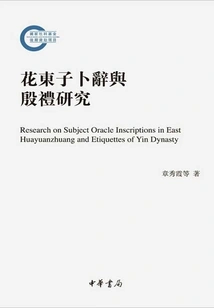
花东子卜辞与殷礼研究
Zhang Xiuxia Et Al.
Yin rites are an important part of the study of ancient Chinese rites and an important part of the study of Shang history. However, since ancient times, there has been a lack of materials and it is difficult to fully study them. The exploration of Yin Li in modern times began with the discovery of oracle bone inscriptions in the Shang Dynasty, and most of them focused on the inscriptions of kings, and were discussed from the perspective of Shang kings. This study focuses on the Xinchu Hua Dongzi inscriptions, and from the unique perspective of non-king nobles, conducts classified research and exploration on the Yin ritual information reflected in them. The whole book is divided into upper and lower parts. On the basis of absorbing the results of academic review of Hua Dongzi's inscriptions and interpretations, the previous section verified and analyzed these inscriptions materials one by one, and systematically classified and organized them. The second part is based on the previous part and combines the relevant research results of the academic circles to elaborate and discuss the Yinli information reflected in Huadongzi's inscriptions.
Yin rites are an important part of the study of ancient Chinese rites and an important part of the study of Shang history. However, since ancient times, there has been a lack of materials and it is difficult to fully study them. The exploration of Yin Li in modern times began with the discovery of oracle bone inscriptions in the Shang Dynasty, and most of them focused on the inscriptions of kings, and were discussed from the perspective of Shang kings. This study focuses on the Xinchu Hua Dongzi inscriptions, and from the unique perspective of non-king nobles, conducts classified research and exploration on the Yin ritual information reflected in them. The whole book is divided into upper and lower parts. On the basis of absorbing the results of academic review of Hua Dongzi's inscriptions and interpretations, the previous section verified and analyzed these inscriptions materials one by one, and systematically classified and organized them. The second part is based on the previous part and combines the relevant research results of the academic circles to elaborate and discuss the Yinli information reflected in Huadongzi's inscriptions.
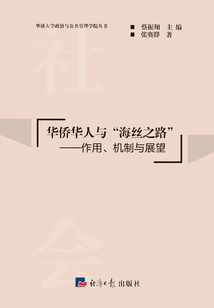
华侨华人与“海丝之路”:作用、机制与展望
Zhang Saiqun
Historically, the Maritime Silk Road was a maritime channel for economic and cultural exchanges between ancient China and other parts of the world. It connected China with the world and had a profound impact on the development of China and the world.
Historically, the Maritime Silk Road was a maritime channel for economic and cultural exchanges between ancient China and other parts of the world. It connected China with the world and had a profound impact on the development of China and the world.
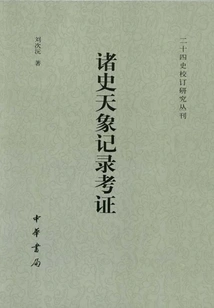
诸史天象记录考证(二十四史校订研究丛刊)
Liu Ciyuan
This book takes as its research object the astronomical phenomena recorded in the "Twenty-Four Histories" and "Manuscript of Qing History" compiled by Zhonghua Book Company. By using modern astronomical calculation methods, the relevant celestial phenomena records in historical records, tables and astronomical records were examined one by one, mainly involving solar eclipses, lunar eclipses, lunar star alignments and other celestial phenomena. It begins with "Historical Records" and ends with "Manuscripts of Qing History", covering all periods since the beginning of historical records. Through the use of modern astronomical calculation methods, erroneous records in various histories have been discovered, and more than half of them can be verified to have their original appearance. This book contains these "testable" records and verification results. Since solar eclipses received special attention in ancient times, some chronological errors were not examined. Even correct records of solar eclipses (such as the Spring and Autumn Period) are included in this book. In addition, the book includes a small number of annotated entries.
This book takes as its research object the astronomical phenomena recorded in the "Twenty-Four Histories" and "Manuscript of Qing History" compiled by Zhonghua Book Company. By using modern astronomical calculation methods, the relevant celestial phenomena records in historical records, tables and astronomical records were examined one by one, mainly involving solar eclipses, lunar eclipses, lunar star alignments and other celestial phenomena. It begins with "Historical Records" and ends with "Manuscripts of Qing History", covering all periods since the beginning of historical records. Through the use of modern astronomical calculation methods, erroneous records in various histories have been discovered, and more than half of them can be verified to have their original appearance. This book contains these "testable" records and verification results. Since solar eclipses received special attention in ancient times, some chronological errors were not examined. Even correct records of solar eclipses (such as the Spring and Autumn Period) are included in this book. In addition, the book includes a small number of annotated entries.
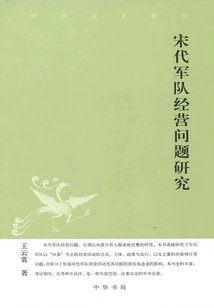
宋代军队经营问题研究(中华文史新刊)
Wang Yunshang
Due to the lack of historical materials on the military management of the Song Dynasty, which are quite scattered, it takes a lot of effort to collect, and examination requires even more skill. Therefore, few people have done systematic and complete research for a long time. This book systematically studies the methods, subjects, policies and implementation of the Song Dynasty's army's business activities focusing on "Hui Yi", as well as the main business projects and other issues. It also discusses the reasons for the particularly active military business activities in the Song Dynasty and its impact. This book is rich in historical materials, detailed in textual research, critiques in textual research, derived from history, and well analyzed. It is a solid academic work that does not rely on empty talk but pays attention to empirical evidence.
Due to the lack of historical materials on the military management of the Song Dynasty, which are quite scattered, it takes a lot of effort to collect, and examination requires even more skill. Therefore, few people have done systematic and complete research for a long time. This book systematically studies the methods, subjects, policies and implementation of the Song Dynasty's army's business activities focusing on "Hui Yi", as well as the main business projects and other issues. It also discusses the reasons for the particularly active military business activities in the Song Dynasty and its impact. This book is rich in historical materials, detailed in textual research, critiques in textual research, derived from history, and well analyzed. It is a solid academic work that does not rely on empty talk but pays attention to empirical evidence.
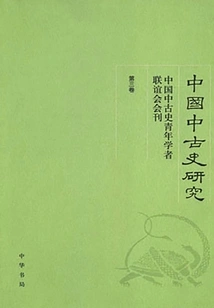
中国中古史研究(第三卷):中国中古史青年学者联谊会会刊
Peking University Center For Ancient Chinese History Editorial Board Of "research On Medieval Chinese History: Journal Of The Young Scholars Association On Medieval Chinese History"
This book collects the latest academic achievements of young academic elites in the field of medieval Chinese history from mainland China, Japan, Taiwan and other places, including 8 papers, 3 research reviews, 4 book reviews, and reports on the latest research trends in the academic community. This book is an important platform for academic exchange and innovation among young scholars from the three parties.
This book collects the latest academic achievements of young academic elites in the field of medieval Chinese history from mainland China, Japan, Taiwan and other places, including 8 papers, 3 research reviews, 4 book reviews, and reports on the latest research trends in the academic community. This book is an important platform for academic exchange and innovation among young scholars from the three parties.
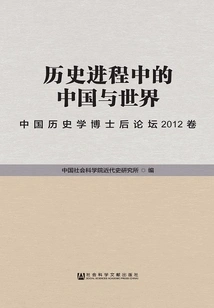
历史进程中的中国与世界:中国历史学博士后论坛2012卷(全3卷)
Institute Of Modern History, Chinese Academy Of Social Sciences
This book is a collection of the results of the "First Chinese History Postdoctoral Forum" co-sponsored by the Chinese Academy of Social Sciences, the National Postdoctoral Management Committee, the China Postdoctoral Science Foundation, and the Chinese Historical Society. The content covers archaeology, ancient Chinese history, modern Chinese history, contemporary Chinese studies, and world history. It highlights new developments and results at the forefront of relevant fields in various disciplines, as well as current hot and focus issues in historical research. Many papers focus on my country's political, economic, diplomatic, and people's livelihood development issues, providing useful reference from the perspective of historical research and reflecting the author's strong sense of social responsibility.
This book is a collection of the results of the "First Chinese History Postdoctoral Forum" co-sponsored by the Chinese Academy of Social Sciences, the National Postdoctoral Management Committee, the China Postdoctoral Science Foundation, and the Chinese Historical Society. The content covers archaeology, ancient Chinese history, modern Chinese history, contemporary Chinese studies, and world history. It highlights new developments and results at the forefront of relevant fields in various disciplines, as well as current hot and focus issues in historical research. Many papers focus on my country's political, economic, diplomatic, and people's livelihood development issues, providing useful reference from the perspective of historical research and reflecting the author's strong sense of social responsibility.
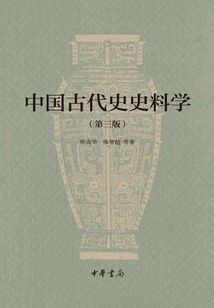
中国古代史史料学(第三版)
Chen Gaohua Chen Zhichao Et Al.
This book is a historical materials textbook, teaching reference book, and postgraduate entrance examination reference book for university history departments. It can also be read by history enthusiasts. The content starts from the Shang Dynasty, which has written historical materials, and goes down to the early Qing Dynasty before the Opium War. It introduces the basic knowledge of ancient Chinese historical materials in detail. The first edition was published in 1981, making it the first historical materials textbook in China; the second edition was published in 2006. It is an authoritative textbook with great influence in the field of history.
This book is a historical materials textbook, teaching reference book, and postgraduate entrance examination reference book for university history departments. It can also be read by history enthusiasts. The content starts from the Shang Dynasty, which has written historical materials, and goes down to the early Qing Dynasty before the Opium War. It introduces the basic knowledge of ancient Chinese historical materials in detail. The first edition was published in 1981, making it the first historical materials textbook in China; the second edition was published in 2006. It is an authoritative textbook with great influence in the field of history.
洪廷彦史学文存
Hong Tingyan
This book contains 34 historical papers by Mr. Hong Tingyan, followed by four replies from Meng Wentong, Tan Qixiang, and Joseph Needham to Mr. Hong Tingyan. The 34 papers are arranged in order of publication time, reflecting Mr. Hong's lifelong achievements and experience in history, and are worth reading.
This book contains 34 historical papers by Mr. Hong Tingyan, followed by four replies from Meng Wentong, Tan Qixiang, and Joseph Needham to Mr. Hong Tingyan. The 34 papers are arranged in order of publication time, reflecting Mr. Hong's lifelong achievements and experience in history, and are worth reading.
史学理论与史学史学刊(2012年卷\u002F总第10卷)
Editor-in-chief Yang Gongle
"Journal of Historical Theory and Historiography" is a continuous disciplinary publication sponsored by the Research Center for Historical Theory and Historiography of Beijing Normal University. As Chinese historiography has entered a period of excellent development and is moving towards the world on a larger scale and at a faster speed, the viewpoints analyzed and the questions raised by the papers collected in this book are very useful for how Chinese historiography can maintain its own characteristics and style, accurately observe and analyze the development trend of today's world historiography, and integrate into this trend. Since its establishment in 2002, one volume has been published every year. In the past few years, it has been published by our publisher and has had a great influence in the field of history. This volume is the 2012 volume, which is the 10th volume in total.
"Journal of Historical Theory and Historiography" is a continuous disciplinary publication sponsored by the Research Center for Historical Theory and Historiography of Beijing Normal University. As Chinese historiography has entered a period of excellent development and is moving towards the world on a larger scale and at a faster speed, the viewpoints analyzed and the questions raised by the papers collected in this book are very useful for how Chinese historiography can maintain its own characteristics and style, accurately observe and analyze the development trend of today's world historiography, and integrate into this trend. Since its establishment in 2002, one volume has been published every year. In the past few years, it has been published by our publisher and has had a great influence in the field of history. This volume is the 2012 volume, which is the 10th volume in total.
历史动力学:国家为何兴衰
(us) Peter Turchin
Why can some countries successfully initiate territorial expansion plans and become empires? Why do empires fall sooner or later? This is a long-standing and controversial issue in historical research. Peter Turchin applies modeling and quantitative methods to the study of the rise and fall of states. Starting from the interaction between geopolitics, sense of community, national assimilation and religious conversion, as well as population dynamics and social stability, he constructs different quantitative models to explain the expansion and decline of empires. This book provides a unique and new perspective for us to understand the rise and fall of countries and the dynamic changes of human history.
Why can some countries successfully initiate territorial expansion plans and become empires? Why do empires fall sooner or later? This is a long-standing and controversial issue in historical research. Peter Turchin applies modeling and quantitative methods to the study of the rise and fall of states. Starting from the interaction between geopolitics, sense of community, national assimilation and religious conversion, as well as population dynamics and social stability, he constructs different quantitative models to explain the expansion and decline of empires. This book provides a unique and new perspective for us to understand the rise and fall of countries and the dynamic changes of human history.
一张图表看懂避暑山庄
Li Jianhong Yan Chunsheng
The Summer Resort is an ancient Chinese imperial palace, where emperors of the Qing Dynasty used to escape the summer heat and handle government affairs. It is located in the north of Chengde City, Hebei Province. In 1994, the Summer Resort and surrounding temples were included in the World Cultural Heritage List. This book is compiled into a volume in the form of illustrations, that is, mainly pictures, supplemented by explanatory texts. It mainly includes three parts: 1. A brief overview of the Summer Resort and the surrounding temples; 2. An introduction to the overall layout and functions of the Summer Resort by scenic area, as well as important historical facts, allusions, etc.; 3. An introduction to the history and main buildings of the royal temples. And present relevant knowledge in tabular form. The author strives to integrate landscape, architecture and historical facts, while focusing on explaining the cultural connotation of architecture. By reading this book, you can not only learn about the summer resort and surrounding temples, but also gain an understanding of traditional culture while appreciating history.
The Summer Resort is an ancient Chinese imperial palace, where emperors of the Qing Dynasty used to escape the summer heat and handle government affairs. It is located in the north of Chengde City, Hebei Province. In 1994, the Summer Resort and surrounding temples were included in the World Cultural Heritage List. This book is compiled into a volume in the form of illustrations, that is, mainly pictures, supplemented by explanatory texts. It mainly includes three parts: 1. A brief overview of the Summer Resort and the surrounding temples; 2. An introduction to the overall layout and functions of the Summer Resort by scenic area, as well as important historical facts, allusions, etc.; 3. An introduction to the history and main buildings of the royal temples. And present relevant knowledge in tabular form. The author strives to integrate landscape, architecture and historical facts, while focusing on explaining the cultural connotation of architecture. By reading this book, you can not only learn about the summer resort and surrounding temples, but also gain an understanding of traditional culture while appreciating history.
春秋穀梁学史研究
Wen Tinghai
This book uses historical philology, hermeneutics and other historical and intellectual history (history of philosophy) methods to study "Spring and Autumn", "Gu Liang Zhuan" and its previous commentaries from multiple perspectives. From the pre-Qin and Han dynasties to the early years of the Republic of China, Spring and Autumn Guliang studies developed through pre-Qin exegesis, early Han immersion, Han Xuan's great rise, Eastern Han dynasty Wei Jue, Wei and Jin dynasties, the rise of Yishu studies, the Tang Dynasty's exclusive commentaries on Yang Shu, the Song, Yuan and Ming dynasties, the revival of Sinology in the Qing Dynasty, and the Republic of China's return to the roots and a new era. Over the course of more than 2,000 years, the Spring and Autumn Period and Guliang Studies embody the historical characteristics of "good interpretation of the Spring and Autumn Annals, and understanding of the three transmissions" and "spanning ancient and modern times, and twists and turns of evolution", highlighting the historical status of "supporting the weak and repairing the weak, returning to the roots and creating new ones", and "continuing the academic tradition, and the three transmissions share the same glory".
This book uses historical philology, hermeneutics and other historical and intellectual history (history of philosophy) methods to study "Spring and Autumn", "Gu Liang Zhuan" and its previous commentaries from multiple perspectives. From the pre-Qin and Han dynasties to the early years of the Republic of China, Spring and Autumn Guliang studies developed through pre-Qin exegesis, early Han immersion, Han Xuan's great rise, Eastern Han dynasty Wei Jue, Wei and Jin dynasties, the rise of Yishu studies, the Tang Dynasty's exclusive commentaries on Yang Shu, the Song, Yuan and Ming dynasties, the revival of Sinology in the Qing Dynasty, and the Republic of China's return to the roots and a new era. Over the course of more than 2,000 years, the Spring and Autumn Period and Guliang Studies embody the historical characteristics of "good interpretation of the Spring and Autumn Annals, and understanding of the three transmissions" and "spanning ancient and modern times, and twists and turns of evolution", highlighting the historical status of "supporting the weak and repairing the weak, returning to the roots and creating new ones", and "continuing the academic tradition, and the three transmissions share the same glory".