Library
Browse and search novels
25,832 novels found
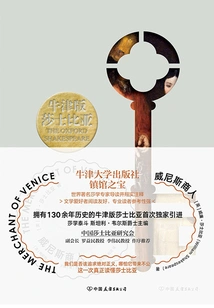
牛津版莎士比亚:威尼斯商人
(english) Shakespeare
The righteous judgment caused by a pound of flesh and the moral dilemma of human law. In order to help his friend woo, Antonio borrows money from the Jew Shylock overdue, but the Jew insists on killing him by cutting off his flesh as agreed. The judge allowed him to cut off a pound of flesh as promised, but he could not shed a drop of blood, otherwise he would lose the money he borrowed, be sentenced to death, and have his property confiscated. Who can bear justice without mercy?
The righteous judgment caused by a pound of flesh and the moral dilemma of human law. In order to help his friend woo, Antonio borrows money from the Jew Shylock overdue, but the Jew insists on killing him by cutting off his flesh as agreed. The judge allowed him to cut off a pound of flesh as promised, but he could not shed a drop of blood, otherwise he would lose the money he borrowed, be sentenced to death, and have his property confiscated. Who can bear justice without mercy?
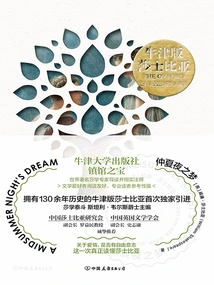
牛津版莎士比亚:仲夏夜之梦
(english) Shakespeare
"A Midsummer Night's Dream" is one of Shakespeare's most popular works. This is a romantic comedy that depicts a series of stories centered on the wedding of the Grand Duke of Athens. The naughty elf Puck ordered the wrong love flower juice, triggering a love farce in which the fairy king and queen in the forest, four Athenian lovers and six amateur actors were involved. The lovers who were originally in love suddenly broke their vows and fell in love with someone else. The noble fairy queen actually fell in love with a mortal wearing a donkey head hood. Fortunately, in the end, the lovers finally got married. The introduction and annotations of this book are compiled by Professor Peter Holland, President of the International Shakespeare Society. It comprehensively interprets the dramatic connotation of the play from the perspectives of dream theory, female characters' resistance to patriarchal principles, etc., And deeply dissects this dream story suitable for all ages.
"A Midsummer Night's Dream" is one of Shakespeare's most popular works. This is a romantic comedy that depicts a series of stories centered on the wedding of the Grand Duke of Athens. The naughty elf Puck ordered the wrong love flower juice, triggering a love farce in which the fairy king and queen in the forest, four Athenian lovers and six amateur actors were involved. The lovers who were originally in love suddenly broke their vows and fell in love with someone else. The noble fairy queen actually fell in love with a mortal wearing a donkey head hood. Fortunately, in the end, the lovers finally got married. The introduction and annotations of this book are compiled by Professor Peter Holland, President of the International Shakespeare Society. It comprehensively interprets the dramatic connotation of the play from the perspectives of dream theory, female characters' resistance to patriarchal principles, etc., And deeply dissects this dream story suitable for all ages.
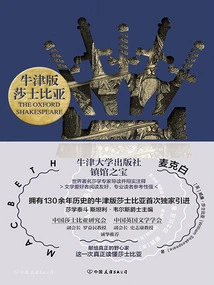
Oxford Edition of Shakespeare: Macbeth
Literature牛津版莎士比亚:麦克白
G
Scottish general Macbeth learns from the three fateful sisters that he is about to become the new king. On the night when the old king Duncan stayed overnight, Macbeth was encouraged by his wife to kill Duncan with a knife. When the prophecy finally came true, Macbeth was backlashed by ambition and sin, became suspicious and insane, and was eventually beheaded by his rebellious subordinates. "Macbeth" is one of the works with the strongest dramatic conflict among Shakespeare's plays. It is the smallest in size, but has multiple climaxes and layered reversals, and is as complex as the protagonist Macbeth in Hamlet. The subtlety of this play lies in its exploration and exposure of the deepest parts of the human heart. In Macbeth's long monologue, we get a glimpse of the intertwining and confrontation between ambition and conscience, desire and cowardice, and good and evil in the individual soul. Many illusions wander around, adding to the romanticism. The introduction and annotations of this book are compiled by Professor Nicholas Brooke of the University of East Anglia. It analyzes this Shakespeare classic tragedy from novel perspectives such as diverse dramatic illusions, outstanding language effects, Baroque aesthetics of "Macbeth", and more than 400 years of performance history.
Scottish general Macbeth learns from the three fateful sisters that he is about to become the new king. On the night when the old king Duncan stayed overnight, Macbeth was encouraged by his wife to kill Duncan with a knife. When the prophecy finally came true, Macbeth was backlashed by ambition and sin, became suspicious and insane, and was eventually beheaded by his rebellious subordinates. "Macbeth" is one of the works with the strongest dramatic conflict among Shakespeare's plays. It is the smallest in size, but has multiple climaxes and layered reversals, and is as complex as the protagonist Macbeth in Hamlet. The subtlety of this play lies in its exploration and exposure of the deepest parts of the human heart. In Macbeth's long monologue, we get a glimpse of the intertwining and confrontation between ambition and conscience, desire and cowardice, and good and evil in the individual soul. Many illusions wander around, adding to the romanticism. The introduction and annotations of this book are compiled by Professor Nicholas Brooke of the University of East Anglia. It analyzes this Shakespeare classic tragedy from novel perspectives such as diverse dramatic illusions, outstanding language effects, Baroque aesthetics of "Macbeth", and more than 400 years of performance history.
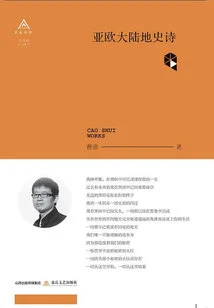
亚欧大陆地史诗(北岳诗库)
Cao Who
"The Epic of Eurasia" is an epic work created by the poet Cao Hehe. This collection of poems is the culmination of Cao Who's ten years of sharpening his sword. It contains selected works from 2007 to 2017 and is Cao Who's representative work. The preface to the collection of poems, "Towards a Distance Without Distance," was written by the famous critic Huo Junming. This collection of poems will also take readers to a different kind of "distance", a distant "human home" that combines history and geography. In the past, mankind only had national epics, and never had a common epic for mankind. After observing the history of various nations, Cao He found the common homeland of mankind: the Eurasian continent. This collection of poems is the "epic of mankind" created by Cao He.
"The Epic of Eurasia" is an epic work created by the poet Cao Hehe. This collection of poems is the culmination of Cao Who's ten years of sharpening his sword. It contains selected works from 2007 to 2017 and is Cao Who's representative work. The preface to the collection of poems, "Towards a Distance Without Distance," was written by the famous critic Huo Junming. This collection of poems will also take readers to a different kind of "distance", a distant "human home" that combines history and geography. In the past, mankind only had national epics, and never had a common epic for mankind. After observing the history of various nations, Cao He found the common homeland of mankind: the Eurasian continent. This collection of poems is the "epic of mankind" created by Cao He.
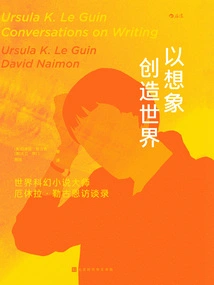
Create the World with Imagination
Literature以想象创造世界
(u. S.) Ursula Leguin Et Al.
In her later years, Ursula Le Guin and David Naimen collaborated to bring readers this wonderful interview. In three special dialogues on novels, poetry, essays, and literary criticism, this book clearly demonstrates Le Guin's creative ideas and literary perspectives. In the interview, Ursula Le Guin was sincere and candid. She praised the works of writers such as Woolf, Tolstoy, Saramago, and Tolkien. She also did not shy away from talking about her differences with Margaret Atwood and some serious literary writers. She offered writing advice to young writers and criticized literary and social issues such as the suppression of imagination and the neglect of works by female writers. The co-production with the interviewer allows this interview to reflect the light of Le Guin's thoughts and illuminate the path to ideal writing for future generations.
In her later years, Ursula Le Guin and David Naimen collaborated to bring readers this wonderful interview. In three special dialogues on novels, poetry, essays, and literary criticism, this book clearly demonstrates Le Guin's creative ideas and literary perspectives. In the interview, Ursula Le Guin was sincere and candid. She praised the works of writers such as Woolf, Tolstoy, Saramago, and Tolkien. She also did not shy away from talking about her differences with Margaret Atwood and some serious literary writers. She offered writing advice to young writers and criticized literary and social issues such as the suppression of imagination and the neglect of works by female writers. The co-production with the interviewer allows this interview to reflect the light of Le Guin's thoughts and illuminate the path to ideal writing for future generations.
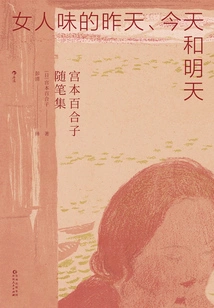
女人味的昨天今天和明天:宫本百合子随笔集
J
The precious and precise advice greatly promotes the ideological reform of Asian women. "Feminine Yesterday, Today and Tomorrow: Essays of Yuriko Miyamoto" belongs to the "Yuriko Miyamoto Works Series" produced by Houlang. The progressive Japanese female writer Yuriko Miyamoto had a profound female awakening after the baptism of marriage. On the one hand, she wrote her life experiences in "The Escaped Nobuko" and "The Courtyard of Forked Paths". On the other hand, she advocated equal rights for men and women and equality for everyone. In articles such as "The Fall of History - A Brief Discussion on Ogai, Soseki and Kafu's Views on Women", "Women's History - Based on Literature", "Human Marriage - The Morality of Marriage", "Clothes and Women's Life - For Whom", through the analysis of ancient and modern literary and artistic works and social development backgrounds, we deeply examine the changes in women's status, and urge women to step out of the family, join society and create their own future. Even now in the twenty-first century, these ideas ring true. Yuriko Miyamoto's passionate life of rejecting decadence is a history of modern Japanese women's struggle. She promoted women's liberation, encouraged rural women to participate in literary creation and social movements, and truly spent her whole life practicing what kind of person they wanted to be, not just what kind of woman they were.
The precious and precise advice greatly promotes the ideological reform of Asian women. "Feminine Yesterday, Today and Tomorrow: Essays of Yuriko Miyamoto" belongs to the "Yuriko Miyamoto Works Series" produced by Houlang. The progressive Japanese female writer Yuriko Miyamoto had a profound female awakening after the baptism of marriage. On the one hand, she wrote her life experiences in "The Escaped Nobuko" and "The Courtyard of Forked Paths". On the other hand, she advocated equal rights for men and women and equality for everyone. In articles such as "The Fall of History - A Brief Discussion on Ogai, Soseki and Kafu's Views on Women", "Women's History - Based on Literature", "Human Marriage - The Morality of Marriage", "Clothes and Women's Life - For Whom", through the analysis of ancient and modern literary and artistic works and social development backgrounds, we deeply examine the changes in women's status, and urge women to step out of the family, join society and create their own future. Even now in the twenty-first century, these ideas ring true. Yuriko Miyamoto's passionate life of rejecting decadence is a history of modern Japanese women's struggle. She promoted women's liberation, encouraged rural women to participate in literary creation and social movements, and truly spent her whole life practicing what kind of person they wanted to be, not just what kind of woman they were.
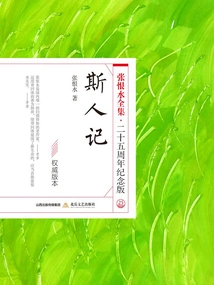
斯人记(张恨水全集·25周年纪念版)
Zhang Henshui
"Si Ren Ji" tells the story of Liang Hanshan, a scholar, and Zhang Meixian, a female poet, who exchanged poems and got to know each other through poems. According to the meaning of "the capital is full of crowns, but the lady is only haggard", it describes the decadent life of the "shi" class in Beijing, the so-called best district during the Beiyang government period, "holding actors, visiting brothels, expelling them with wine and meat", and "playing with romantic literature and art".
"Si Ren Ji" tells the story of Liang Hanshan, a scholar, and Zhang Meixian, a female poet, who exchanged poems and got to know each other through poems. According to the meaning of "the capital is full of crowns, but the lady is only haggard", it describes the decadent life of the "shi" class in Beijing, the so-called best district during the Beiyang government period, "holding actors, visiting brothels, expelling them with wine and meat", and "playing with romantic literature and art".
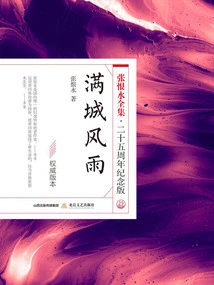
满城风雨(张恨水全集·25周年纪念版)
Zhang Henshui
This book tells the tragedy of Zeng Bojian, a college student in the Republic of China. He was captured as a young man in a city where warlords were fighting, but accidentally became the secretary of the division commander. He witnessed their ugly behavior of killing, robbing, and raping women in the warlords' troops. Until the Japanese army invaded the city, he escaped from a devil's cave and fell into the public opinion of being a traitor. Finally, he left his hometown and organized a guerrilla group to fight to the death with the Japanese army.
This book tells the tragedy of Zeng Bojian, a college student in the Republic of China. He was captured as a young man in a city where warlords were fighting, but accidentally became the secretary of the division commander. He witnessed their ugly behavior of killing, robbing, and raping women in the warlords' troops. Until the Japanese army invaded the city, he escaped from a devil's cave and fell into the public opinion of being a traitor. Finally, he left his hometown and organized a guerrilla group to fight to the death with the Japanese army.
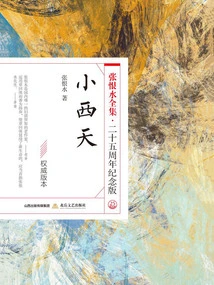
小西天(张恨水全集·25周年纪念版)
Zhang Henshui
During the Republic of China, intellectual Cheng Zhiqian and job seekers Li Shilian, Zhang Jiefu and others took a German car to Xi'an and settled in the city's hotel "Little West Sky". In Xiaoxitian, Li Shilian and Zhang Jiefu learned that Cheng Zhiqian had relationships with many senior officials in Shaanxi, so they fawned over Zhiqian and were despised by Zhiqian. Jia Duocai, a banker living in "Xiaoxitian", fell in love with Hu Yueying, a woman who had fled from Gansu, and wanted to buy it. Wang Beihai, a student of Cheng Zhiqian, also fell in love with Hu Yueying, which led to various troubles. Li Shilian, Zhang Jiefu and the down-and-out girl Yang Huanhua all wanted Jia Duocai, so they worked together to accomplish this for Jia Duocai. However, Jia Duocai was not at peace after buying Hu Yueying, and thus got into trouble with the commissioner's wife. At the same time, he asked Wang Beihai for bank business, and finally let Yueying go. Yueying and Beihai finally got married, while Cheng Zhiqian left Xiaoxitian and continued his inspection trip to the northwest. The hotel "Xiao Xitian" in Xi'an is still hosting all kinds of people, and stories of joys and sorrows are happening there.
During the Republic of China, intellectual Cheng Zhiqian and job seekers Li Shilian, Zhang Jiefu and others took a German car to Xi'an and settled in the city's hotel "Little West Sky". In Xiaoxitian, Li Shilian and Zhang Jiefu learned that Cheng Zhiqian had relationships with many senior officials in Shaanxi, so they fawned over Zhiqian and were despised by Zhiqian. Jia Duocai, a banker living in "Xiaoxitian", fell in love with Hu Yueying, a woman who had fled from Gansu, and wanted to buy it. Wang Beihai, a student of Cheng Zhiqian, also fell in love with Hu Yueying, which led to various troubles. Li Shilian, Zhang Jiefu and the down-and-out girl Yang Huanhua all wanted Jia Duocai, so they worked together to accomplish this for Jia Duocai. However, Jia Duocai was not at peace after buying Hu Yueying, and thus got into trouble with the commissioner's wife. At the same time, he asked Wang Beihai for bank business, and finally let Yueying go. Yueying and Beihai finally got married, while Cheng Zhiqian left Xiaoxitian and continued his inspection trip to the northwest. The hotel "Xiao Xitian" in Xi'an is still hosting all kinds of people, and stories of joys and sorrows are happening there.
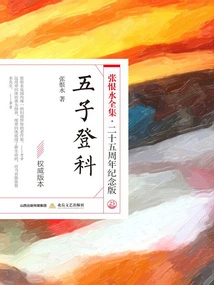
Five Sons Passed the College (the Complete Works of Zhang Henshui·25th Anniversary Edition)
Literature五子登科(张恨水全集·25周年纪念版)
Zhang Henshui
This book uses the allusion that all five sons of Dou Yanshan were admitted to the imperial examination during the Five Dynasties, and takes the family history of Jin Ziyuan, the reception commissioner in Peking, as a clue. It makes a bitter mockery of a series of shameless and shameless behaviors of Kuomintang reception officials who frantically demanded and possessed "gold, houses, cars, women, and money." It is a "record of the officialdom on the eve of the collapse of the Kuomintang regime."
This book uses the allusion that all five sons of Dou Yanshan were admitted to the imperial examination during the Five Dynasties, and takes the family history of Jin Ziyuan, the reception commissioner in Peking, as a clue. It makes a bitter mockery of a series of shameless and shameless behaviors of Kuomintang reception officials who frantically demanded and possessed "gold, houses, cars, women, and money." It is a "record of the officialdom on the eve of the collapse of the Kuomintang regime."
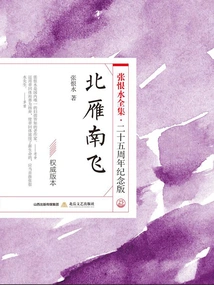
北雁南飞(张恨水全集·25周年纪念版)
Zhang Henshui
This book tells the story of a pair of young men and women in the transitional era who fought against feudalism, but the feudal victory was not complete. Li Xiaoqiu, the son of the magistrate of Qingjiang County, was sent to a private school in the countryside. He fell in love with Chunhua, the daughter of his husband, at first sight. Unfortunately, Chunhua had already been married to someone else. They both wanted to be together, but in the end they could not resist the oppression of feudal forces, and they broke up in pain to settle down with each other. Many years later, Chunhua, who has given birth to two sons, meets Xiaoqiu again at her parents' home, and is now the leader of the revolutionary army. Things have changed, and even the tide of reform and equality cannot liberate the years that have passed. Chunhua has mixed feelings, but she can only watch the wild geese flying north and south, unable to do anything.
This book tells the story of a pair of young men and women in the transitional era who fought against feudalism, but the feudal victory was not complete. Li Xiaoqiu, the son of the magistrate of Qingjiang County, was sent to a private school in the countryside. He fell in love with Chunhua, the daughter of his husband, at first sight. Unfortunately, Chunhua had already been married to someone else. They both wanted to be together, but in the end they could not resist the oppression of feudal forces, and they broke up in pain to settle down with each other. Many years later, Chunhua, who has given birth to two sons, meets Xiaoqiu again at her parents' home, and is now the leader of the revolutionary army. Things have changed, and even the tide of reform and equality cannot liberate the years that have passed. Chunhua has mixed feelings, but she can only watch the wild geese flying north and south, unable to do anything.
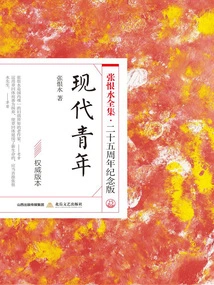
现代青年(张恨水全集·25周年纪念版)
Zhang Henshui
This book describes the ups and downs of young Zhou Jichun's life. When Zhou Jichun was a boy, his family was poor. His mother died young and his father made a living by farming alone, unable to support Ji Chun's studies. Because Ji Chun was smart and hard-working, Principal Liu of the school helped him and persuaded his father to support his studies. His father Zhou Shiliang learned that his son was talented and could achieve great things in life through learning, so he decided to support him with all his strength. When Zhou Jichun went to middle school in the provincial capital, Zhou Shiliang sold his land, opened a tofu shop in the provincial capital, and took care of his son's studies. At this time, he also met Hong and Jufen, and Jufen became the prospective daughter-in-law of the Zhou family. However, with the closure of the middle school, Ji Chun also moved to Beijing to study with the principal Feng Ziyun. However, while studying, without the care of his father, Ji Chun met Kong Lingyi, the daughter of the original tofu shop tenant, and his friend Yuan Peizhu. Later, he met the dancer Lu Qingmei, and gradually abandoned his studies and indulged in fun and vanity. In the end, his father Zhou Shiliang and his intended wife Ju Fen both died because of it.
This book describes the ups and downs of young Zhou Jichun's life. When Zhou Jichun was a boy, his family was poor. His mother died young and his father made a living by farming alone, unable to support Ji Chun's studies. Because Ji Chun was smart and hard-working, Principal Liu of the school helped him and persuaded his father to support his studies. His father Zhou Shiliang learned that his son was talented and could achieve great things in life through learning, so he decided to support him with all his strength. When Zhou Jichun went to middle school in the provincial capital, Zhou Shiliang sold his land, opened a tofu shop in the provincial capital, and took care of his son's studies. At this time, he also met Hong and Jufen, and Jufen became the prospective daughter-in-law of the Zhou family. However, with the closure of the middle school, Ji Chun also moved to Beijing to study with the principal Feng Ziyun. However, while studying, without the care of his father, Ji Chun met Kong Lingyi, the daughter of the original tofu shop tenant, and his friend Yuan Peizhu. Later, he met the dancer Lu Qingmei, and gradually abandoned his studies and indulged in fun and vanity. In the end, his father Zhou Shiliang and his intended wife Ju Fen both died because of it.
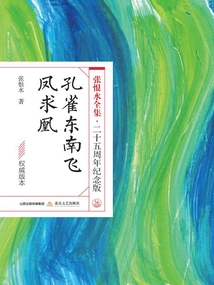
孔雀东南飞·凤求凰(张恨水全集·25周年纪念版)
Zhang Henshui
"Peacock Flying Southeast" is adapted from the long narrative poem "Peacock Flying Southeast" of the same name, based on a marriage tragedy that occurred in Lujiang County (now Huaining and Qianshan, Anhui) during the reign of Emperor Xian of the Eastern Han Dynasty. It mainly tells the story of Jiao Zhongqing and Liu Lanzhi who were forced to separate and commit suicide. It accuses the cruelty and ruthlessness of feudal ethics and praises the sincere feelings and resistance spirit of Jiao and Liu. "Phoenix Seeking Phoenix" tells the story of Sima Xiangru's visit to Zhuo's family. He played and sang "Phoenix Seeking Phoenix" in the lobby of Zhuo's family, which made Zhuo Wenjun, who was listening behind the curtain, excited. After meeting Sima Xiangru, they fell in love at first sight and they both agreed to elope. After Zhuo Wenjun and Sima Xiangru returned to Chengdu, facing the situation where their family was living in poverty, they generously returned to their hometown in Linqiong to open a wine shop and sold wine as a bartender, which finally made their father, who wanted to save face, admit their love.
"Peacock Flying Southeast" is adapted from the long narrative poem "Peacock Flying Southeast" of the same name, based on a marriage tragedy that occurred in Lujiang County (now Huaining and Qianshan, Anhui) during the reign of Emperor Xian of the Eastern Han Dynasty. It mainly tells the story of Jiao Zhongqing and Liu Lanzhi who were forced to separate and commit suicide. It accuses the cruelty and ruthlessness of feudal ethics and praises the sincere feelings and resistance spirit of Jiao and Liu. "Phoenix Seeking Phoenix" tells the story of Sima Xiangru's visit to Zhuo's family. He played and sang "Phoenix Seeking Phoenix" in the lobby of Zhuo's family, which made Zhuo Wenjun, who was listening behind the curtain, excited. After meeting Sima Xiangru, they fell in love at first sight and they both agreed to elope. After Zhuo Wenjun and Sima Xiangru returned to Chengdu, facing the situation where their family was living in poverty, they generously returned to their hometown in Linqiong to open a wine shop and sold wine as a bartender, which finally made their father, who wanted to save face, admit their love.
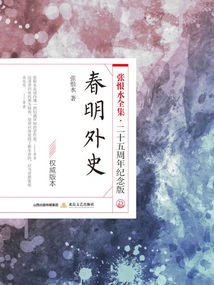
Foreign History of Chunming (the Complete Works of Zhang Henshui·25th Anniversary Edition)
Literature春明外史(张恨水全集·25周年纪念版)
Zhang Henshui
When Yang Xingyuan, a talented man from Anhui Province, lived in Beijing, he fell in love at first sight with Liyun, a young prostitute. When Li Yun was seriously ill, he guarded her day and night and vowed to live forever. However, the beauty's fate was poor. Not long after they met, Li Yun passed away. Yang Xingyuan was so depressed that she vomited blood and buried her photo in the soil, accompanying Li Yun. Later, Yang Xingyuan met the talented girl Li Dongqing. After spending time with each other and singing poetry, Yang Xingyuan fell deeply in love with Li Dongqing, but Li Dongqing had a congenital disease and had no chance of marriage. Li Dongqing tried every means to make the good relationship between Shi Kelian and Yang Xingyuan possible. However, Yang Xingyuan gave up her deep relationship with Li Dongqing and fell in love with Li Dongqing even more. In order to fulfill Yang and Li's love, Shi Kelian wisely retreated. After many twists and turns, Yang Xingyuan became disheartened about marriage and turned to Buddhism.
When Yang Xingyuan, a talented man from Anhui Province, lived in Beijing, he fell in love at first sight with Liyun, a young prostitute. When Li Yun was seriously ill, he guarded her day and night and vowed to live forever. However, the beauty's fate was poor. Not long after they met, Li Yun passed away. Yang Xingyuan was so depressed that she vomited blood and buried her photo in the soil, accompanying Li Yun. Later, Yang Xingyuan met the talented girl Li Dongqing. After spending time with each other and singing poetry, Yang Xingyuan fell deeply in love with Li Dongqing, but Li Dongqing had a congenital disease and had no chance of marriage. Li Dongqing tried every means to make the good relationship between Shi Kelian and Yang Xingyuan possible. However, Yang Xingyuan gave up her deep relationship with Li Dongqing and fell in love with Li Dongqing even more. In order to fulfill Yang and Li's love, Shi Kelian wisely retreated. After many twists and turns, Yang Xingyuan became disheartened about marriage and turned to Buddhism.
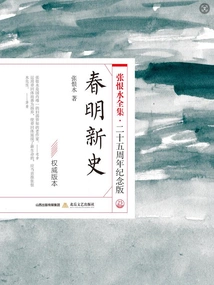
春明新史(张恨水全集·25周年纪念版)
Zhang Henshui
Beijing Qiantai flower farmer Liu Desheng, because of the opportunity to sell flowers, worked under the manager Wang of the bookstore and became a gardener. Because he offended the manager's distinguished guests, he changed his job to become a third-class soldier in the automobile team of the commander Xue Youpan. Once, because of his storytelling, he was highly appreciated by the commander-in-chief and was promoted to the commander of the advancing battalion. After fighting a few bad battles and appeasing a few bandits, he was promoted from regiment commander and brigade commander to division commander. He was powerful and wealthy. He rode in cars, lived in a western-style mansion, smoked big cigarettes, had sex with women, drank and drank, had fun and did whatever he wanted. Unexpectedly, there was a mutiny, betrayal and separation, and he became a mere commander. So with 800,000 silver dollars in savings, he returned to Beijing to find his concubine, the famous actor Wu Yueqing, and agreed to get married on an auspicious day. Unexpectedly, during the preparations for the wedding, he suddenly saw his immediate boss, Brigadier Bao, living on the street. Sun Dujun cut him to death with a sharp knife. He also learned that Wu Yueqing had an affair with someone else and did not love him. She felt disheartened. On the wedding day, she actually cut off her green hair and walked out with a flick of her sleeves...
Beijing Qiantai flower farmer Liu Desheng, because of the opportunity to sell flowers, worked under the manager Wang of the bookstore and became a gardener. Because he offended the manager's distinguished guests, he changed his job to become a third-class soldier in the automobile team of the commander Xue Youpan. Once, because of his storytelling, he was highly appreciated by the commander-in-chief and was promoted to the commander of the advancing battalion. After fighting a few bad battles and appeasing a few bandits, he was promoted from regiment commander and brigade commander to division commander. He was powerful and wealthy. He rode in cars, lived in a western-style mansion, smoked big cigarettes, had sex with women, drank and drank, had fun and did whatever he wanted. Unexpectedly, there was a mutiny, betrayal and separation, and he became a mere commander. So with 800,000 silver dollars in savings, he returned to Beijing to find his concubine, the famous actor Wu Yueqing, and agreed to get married on an auspicious day. Unexpectedly, during the preparations for the wedding, he suddenly saw his immediate boss, Brigadier Bao, living on the street. Sun Dujun cut him to death with a sharp knife. He also learned that Wu Yueqing had an affair with someone else and did not love him. She felt disheartened. On the wedding day, she actually cut off her green hair and walked out with a flick of her sleeves...
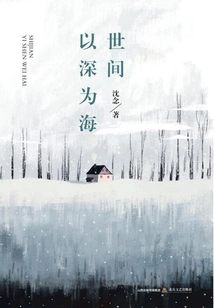
The Depth of the World is the Sea
Literature世间以深为海
Shen Nian
"The Deepness of the World Is the Sea" is a collection of Shen Nian's new prose works in recent years. His works have been published or reprinted in journals such as "October", "Tianya", "Prose", "Xinhua Digest", "Prose Overseas Edition", "Selected Prose" and other journals, and have been included in China's annual prose selections for three consecutive years. The theme of the work focuses on the painful memory and life. With tense and full language, controlled and refined narrative, it observes "the thousands of ways people live in time" and strives to touch more of those "secrets that have never changed" in earthly life. Joys and sorrows, death, and pain are the themes of his writing. The author not only makes calm observations close to muddy water and wounds, but also places his trust in the flight of birds and transcends the carving of "flowers of time." In his freely retractable writing, it is the ubiquitous spiritual writing that talks to you.
"The Deepness of the World Is the Sea" is a collection of Shen Nian's new prose works in recent years. His works have been published or reprinted in journals such as "October", "Tianya", "Prose", "Xinhua Digest", "Prose Overseas Edition", "Selected Prose" and other journals, and have been included in China's annual prose selections for three consecutive years. The theme of the work focuses on the painful memory and life. With tense and full language, controlled and refined narrative, it observes "the thousands of ways people live in time" and strives to touch more of those "secrets that have never changed" in earthly life. Joys and sorrows, death, and pain are the themes of his writing. The author not only makes calm observations close to muddy water and wounds, but also places his trust in the flight of birds and transcends the carving of "flowers of time." In his freely retractable writing, it is the ubiquitous spiritual writing that talks to you.
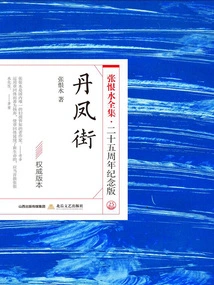
丹凤街(张恨水全集·25周年纪念版)
Zhang Henshui
"Danfeng Street" is a long masterpiece written by Zhang Henshui during the Anti-Japanese War. It was originally called "Biographies of Negative Vendors". From the title of the book, it can be seen that the author wanted to write biographies for the lower class hawkers. The novel tells the story of a group of self-reliant vegetable vendors and bartenders on Danfeng Street headed by Tong Laowu. They are not afraid of power and are willing to go bankrupt and run around just to rescue the poor girl Chen Xiujie who was sold by her uncle to Deputy Chief Zhao as his concubine. Underneath the poor and rough appearance of the protagonists, there is a chivalrous spirit of magnanimity, sincerity, and promise. Although the novel is not about martial arts, it uses folk ideas of "chivalry" throughout. From the title to the story content and the spoken dialect in the book, "Danfeng Street" is full of pure Nanjing flavor. In the long corridor of Chinese new literature, there is no novel that can vividly depict the urban culture and customs of Nanjing, the capital of the Republic of China, like Zhang Henshui's "Danfeng Street". Although "Danfeng Street" is not Zhang Henshui's particularly famous masterpiece, it shows his skill in the description of genre paintings, style paintings and landscape paintings. It is the "Along the River During Qingming Festival" in Nanjing during the Republic of China.
"Danfeng Street" is a long masterpiece written by Zhang Henshui during the Anti-Japanese War. It was originally called "Biographies of Negative Vendors". From the title of the book, it can be seen that the author wanted to write biographies for the lower class hawkers. The novel tells the story of a group of self-reliant vegetable vendors and bartenders on Danfeng Street headed by Tong Laowu. They are not afraid of power and are willing to go bankrupt and run around just to rescue the poor girl Chen Xiujie who was sold by her uncle to Deputy Chief Zhao as his concubine. Underneath the poor and rough appearance of the protagonists, there is a chivalrous spirit of magnanimity, sincerity, and promise. Although the novel is not about martial arts, it uses folk ideas of "chivalry" throughout. From the title to the story content and the spoken dialect in the book, "Danfeng Street" is full of pure Nanjing flavor. In the long corridor of Chinese new literature, there is no novel that can vividly depict the urban culture and customs of Nanjing, the capital of the Republic of China, like Zhang Henshui's "Danfeng Street". Although "Danfeng Street" is not Zhang Henshui's particularly famous masterpiece, it shows his skill in the description of genre paintings, style paintings and landscape paintings. It is the "Along the River During Qingming Festival" in Nanjing during the Republic of China.
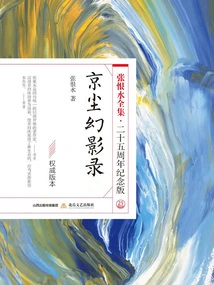
Beijing Chen Phantom Record (the Complete Works of Zhang Henshui·25th Anniversary Edition)
Literature京尘幻影录(张恨水全集·25周年纪念版)
Zhang Henshui
Brothels, literary prostitutes, government politicians, wealthy dignitaries, and the three religions and nine streams all merged into a chaotic society, and a huge shady curtain opened up - Li Fengji, a down-and-out scholar, was introduced to Beijing to seek a job. However, it is so difficult to find a job. I encounter obstacles everywhere and live without a stable life. In the turbulent life, he gradually discovered the secret to becoming an official and making a fortune, so he used despicable tricks to join the family of Tang Yan, a high-ranking official, and obtained an official position. Tang Yanlao suddenly suffered a political defeat, and the mob around him also fell into disarray.
Brothels, literary prostitutes, government politicians, wealthy dignitaries, and the three religions and nine streams all merged into a chaotic society, and a huge shady curtain opened up - Li Fengji, a down-and-out scholar, was introduced to Beijing to seek a job. However, it is so difficult to find a job. I encounter obstacles everywhere and live without a stable life. In the turbulent life, he gradually discovered the secret to becoming an official and making a fortune, so he used despicable tricks to join the family of Tang Yan, a high-ranking official, and obtained an official position. Tang Yanlao suddenly suffered a political defeat, and the mob around him also fell into disarray.
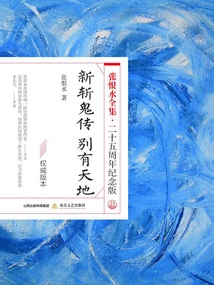
New Ghost Slayer: a Different World (the Complete Works of Zhang Henshui, 25th Anniversary Edition)
Literature新斩鬼传·别有天地(张恨水全集·25周年纪念版)
Zhang Henshui
In "The New Legend of Ghost Slayer", Sun Wukong caused a revolution and the heaven became a republic. Despite the change of dynasties, Zhong Kui still performed his duty of exorcising ghosts. Because the previous plaque of the temple was replaced, Zhong Kui and his subordinates began to investigate the lower world, and thus launched a different kind of ghost exorcism operation. Opium ghosts, metaphysical ghosts, hollow ghosts, cruel ghosts, faceless ghosts, etc. All appear on the stage, each showing their true colors and magical powers. After a battle with all the ghosts, the number of ghosts in the world has decreased, but Zhong Kui still has a long way to go in exorcising ghosts. "A Different World" tells the story of Song Yangquan, a rich man who wanted to be an official, but he didn't know that there was a different world in officialdom and was deceived twice. Song Yangquan, a wealthy local man, came to the city to seek an official position. Through the introduction of the clan brothers in the provincial capital, I met the fake Director Zhao, Section Chief Hao, Director Zhang and others, and I was intoxicated in the social officialdom and gentle countryside arranged by these people. Little did I know that everything was a scam.
In "The New Legend of Ghost Slayer", Sun Wukong caused a revolution and the heaven became a republic. Despite the change of dynasties, Zhong Kui still performed his duty of exorcising ghosts. Because the previous plaque of the temple was replaced, Zhong Kui and his subordinates began to investigate the lower world, and thus launched a different kind of ghost exorcism operation. Opium ghosts, metaphysical ghosts, hollow ghosts, cruel ghosts, faceless ghosts, etc. All appear on the stage, each showing their true colors and magical powers. After a battle with all the ghosts, the number of ghosts in the world has decreased, but Zhong Kui still has a long way to go in exorcising ghosts. "A Different World" tells the story of Song Yangquan, a rich man who wanted to be an official, but he didn't know that there was a different world in officialdom and was deceived twice. Song Yangquan, a wealthy local man, came to the city to seek an official position. Through the introduction of the clan brothers in the provincial capital, I met the fake Director Zhao, Section Chief Hao, Director Zhang and others, and I was intoxicated in the social officialdom and gentle countryside arranged by these people. Little did I know that everything was a scam.
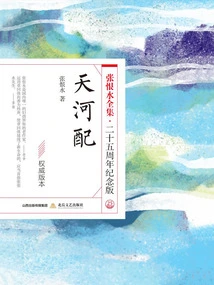
天河配(张恨水全集·25周年纪念版)
Zhang Henshui
Popular actress Bai Guiying was tired of her life as a performer and decided to leave the stage. Depressed, Guiying met Wang Yuhe, a young civil servant, and married him despite the pressure of her mother. Yu He unfortunately lost his job and could not find a way out. He took Guiying back to his hometown in the countryside. Although the couple was cautious, they were still picked on by the Wang brothers and sister-in-law. The couple had to return to Peiping with their newborn daughter and temporarily stay at the Bai family. Forced by her livelihood, Guiying decided to return to the stage, and she had to socialize with the male guests. Yuhe ran away from home after a misunderstanding...
Popular actress Bai Guiying was tired of her life as a performer and decided to leave the stage. Depressed, Guiying met Wang Yuhe, a young civil servant, and married him despite the pressure of her mother. Yu He unfortunately lost his job and could not find a way out. He took Guiying back to his hometown in the countryside. Although the couple was cautious, they were still picked on by the Wang brothers and sister-in-law. The couple had to return to Peiping with their newborn daughter and temporarily stay at the Bai family. Forced by her livelihood, Guiying decided to return to the stage, and she had to socialize with the male guests. Yuhe ran away from home after a misunderstanding...
偶像·锦片前程(张恨水全集·25周年纪念版)
Zhang Henshui
The work "Idol" bitterly satirizes the hypocrisy and depravity of a small number of intellectuals in the rear areas during the Anti-Japanese War. Ding Guyun was a great painter who was obsessed with women and embezzled huge sums of money from the Anti-Japanese War. He had to fake his death in a fire to escape the blame. The ending of the story is that he witnessed his son, who has become an anti-Japanese hero, hold an exhibition and purchase of Ding Guyun's "posthumous works" in memory of the artist's father. What made him most unbearable was that the female liar who took away his embezzled money turned out to be a generous patriot. He could only face his idol, listen to his son's praise, secretly curse his hypocrisy and run away. "The Future" is based on the main plot of Shao Baozhu, a rich girl who was dissatisfied with the marriage arranged by her family and eventually ran away from home. It shows the desire of women in the new era to get rid of the prison of the family and yearn for a new life. Shao Baozhu did not hesitate to make a fuss with his family and ran away from home, hoping to stay with his lover Zhu Changqing. College student Zhu Changqing finally chose to leave his lover Shao Baozhu to join the revolution in the face of his friend Mao Zhengyi's revolutionary righteousness. Mao Zhengyi accidentally met Shao Baozhu while he was busy with the revolution and developed an admiration for him. He wanted to deepen their understanding of each other through the relationship between his sister Mao Zhengfang and Shao Baozhu's classmates. Although Shao Baozhu left his family and his future is unknown, but through his relationship network with Zhu Changqing, Mao Zhengyi, and Mao Zhengfang, we can know that his future is a bright one.
The work "Idol" bitterly satirizes the hypocrisy and depravity of a small number of intellectuals in the rear areas during the Anti-Japanese War. Ding Guyun was a great painter who was obsessed with women and embezzled huge sums of money from the Anti-Japanese War. He had to fake his death in a fire to escape the blame. The ending of the story is that he witnessed his son, who has become an anti-Japanese hero, hold an exhibition and purchase of Ding Guyun's "posthumous works" in memory of the artist's father. What made him most unbearable was that the female liar who took away his embezzled money turned out to be a generous patriot. He could only face his idol, listen to his son's praise, secretly curse his hypocrisy and run away. "The Future" is based on the main plot of Shao Baozhu, a rich girl who was dissatisfied with the marriage arranged by her family and eventually ran away from home. It shows the desire of women in the new era to get rid of the prison of the family and yearn for a new life. Shao Baozhu did not hesitate to make a fuss with his family and ran away from home, hoping to stay with his lover Zhu Changqing. College student Zhu Changqing finally chose to leave his lover Shao Baozhu to join the revolution in the face of his friend Mao Zhengyi's revolutionary righteousness. Mao Zhengyi accidentally met Shao Baozhu while he was busy with the revolution and developed an admiration for him. He wanted to deepen their understanding of each other through the relationship between his sister Mao Zhengfang and Shao Baozhu's classmates. Although Shao Baozhu left his family and his future is unknown, but through his relationship network with Zhu Changqing, Mao Zhengyi, and Mao Zhengfang, we can know that his future is a bright one.
似水流年(张恨水全集·25周年纪念版)
Zhang Henshui
This book describes Huang Xishi, a young student from Anhui Province who went to Peking to attend university. He met Bai Xingsu, a young woman, on the train and fell in love at first sight. After arriving in Peiping, Huang met socialite Mi Jinhua. Huang actually abandoned his girlfriend and lived with Mi, squandering half of his father's life savings... Huang's father went to Peking to demand money, but Huang did not recognize his father in front of Mi. Later, Mi found out and left Huang. Huang lived on the streets, suffered from poverty and illness, and felt ashamed and resentful, so he decided to become a hiker.
This book describes Huang Xishi, a young student from Anhui Province who went to Peking to attend university. He met Bai Xingsu, a young woman, on the train and fell in love at first sight. After arriving in Peiping, Huang met socialite Mi Jinhua. Huang actually abandoned his girlfriend and lived with Mi, squandering half of his father's life savings... Huang's father went to Peking to demand money, but Huang did not recognize his father in front of Mi. Later, Mi found out and left Huang. Huang lived on the streets, suffered from poverty and illness, and felt ashamed and resentful, so he decided to become a hiker.
秦淮世家(张恨水全集·25周年纪念版)
Zhang Henshui
This book describes the story of the singing girl Tang Dasao who had two daughters by the Qinhuai River in Nanjing, one was Erchun and the other was Xiaochun, both of whom were beautiful and lovely. Xiaochun has an outstanding singing voice and becomes a singer. She is very popular. Yang Yuquan, a Shanghai money merchant, took a liking to Xiaochun and molested her many times. After being rejected, he harbored a grudge. He kidnapped and raped Erchun in a poisonous plan, and then gave Erchun to his bodyguard Wei Laoba. Erchun waited for an opportunity to take revenge and finally killed Wei Laoba and injured Yang Yuquan. Unfortunately, he was also shot to death. Yang Yuquan intensified his efforts and exerted all his lustful force on Mrs. Tang and Xiaochun, forcing the mother and daughter to suffer unspeakably.
This book describes the story of the singing girl Tang Dasao who had two daughters by the Qinhuai River in Nanjing, one was Erchun and the other was Xiaochun, both of whom were beautiful and lovely. Xiaochun has an outstanding singing voice and becomes a singer. She is very popular. Yang Yuquan, a Shanghai money merchant, took a liking to Xiaochun and molested her many times. After being rejected, he harbored a grudge. He kidnapped and raped Erchun in a poisonous plan, and then gave Erchun to his bodyguard Wei Laoba. Erchun waited for an opportunity to take revenge and finally killed Wei Laoba and injured Yang Yuquan. Unfortunately, he was also shot to death. Yang Yuquan intensified his efforts and exerted all his lustful force on Mrs. Tang and Xiaochun, forcing the mother and daughter to suffer unspeakably.
艺术之宫(张恨水全集·25周年纪念版)
Zhang Henshui
This book tells the story of the young girl Li Xiuer. Li Xiuer comes from a poor family, and her father Li Sansheng used to make a living by performing "ghost fighting" on the streets, but unexpectedly fell ill. Introduced by several neighbor girls, Li Xiuer went to an art school to work as a nude female model without telling her father. She also worked as a model in the Art Palace organized by the school teacher, and her life improved. But when Li Sansheng learned about Li Xiuer's work, he was very angry and abandoned his home. He picked up his old business of "ghost fighting", but died of exhaustion on the street. Li Xiuer met Duan Tiande, a student at school. Duan Tiande fell in love with her at first, but was abandoned by him and eventually went crazy.
This book tells the story of the young girl Li Xiuer. Li Xiuer comes from a poor family, and her father Li Sansheng used to make a living by performing "ghost fighting" on the streets, but unexpectedly fell ill. Introduced by several neighbor girls, Li Xiuer went to an art school to work as a nude female model without telling her father. She also worked as a model in the Art Palace organized by the school teacher, and her life improved. But when Li Sansheng learned about Li Xiuer's work, he was very angry and abandoned his home. He picked up his old business of "ghost fighting", but died of exhaustion on the street. Li Xiuer met Duan Tiande, a student at school. Duan Tiande fell in love with her at first, but was abandoned by him and eventually went crazy.
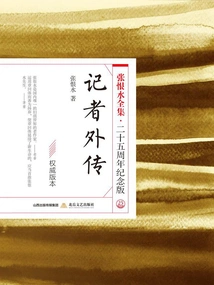
记者外传(张恨水全集·25周年纪念版)
Zhang Henshui
"Reporter's Biography" was originally published in the supplement "People's Square" of Shanghai's "News Daily", with a total of thirty chapters. The whole book looks at society from the perspective of a newspaper reporter, from the big current situation to the small social phenomena and characters. It describes the situation in detail and criticizes the current ills. It is a novel that combines literature and readability.
"Reporter's Biography" was originally published in the supplement "People's Square" of Shanghai's "News Daily", with a total of thirty chapters. The whole book looks at society from the perspective of a newspaper reporter, from the big current situation to the small social phenomena and characters. It describes the situation in detail and criticizes the current ills. It is a novel that combines literature and readability.
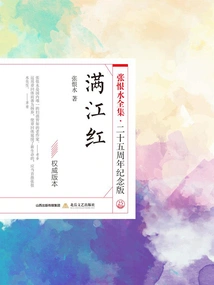
满江红(张恨水全集·25周年纪念版)
Zhang Henshui
This book describes a young and promising painter in Yushui Village during the Republic of China, who lived a life devoted to landscapes. By chance, he met the singer Taozhi, and the two fell in love, but later broke up due to misunderstanding. Taozhi angrily agreed to a certain boss's proposal and married him. At their wedding banquet, the boss's wife made a big fuss, but thanks to Mizumura's confession, the situation was resolved. Unable to forget his feelings, Taozhi followed the seriously ill Shuicun to the boat. Just as the ferry caught fire, Taozhi exchanged clothes with Shuicun, causing Shuicun to be taken away by the boat that rescued the women and children, but he was burned to death in the fire. After being rescued, Shuicun was immersed in pain and couldn't extricate himself. I accidentally saw a play called "The River is Red", which told the story of a woman and her lover who cross-dressed to save others. I couldn't help myself, so I watched it night after night, remembering my relationship with Taozhi, and finally died of depression due to excessive pain.
This book describes a young and promising painter in Yushui Village during the Republic of China, who lived a life devoted to landscapes. By chance, he met the singer Taozhi, and the two fell in love, but later broke up due to misunderstanding. Taozhi angrily agreed to a certain boss's proposal and married him. At their wedding banquet, the boss's wife made a big fuss, but thanks to Mizumura's confession, the situation was resolved. Unable to forget his feelings, Taozhi followed the seriously ill Shuicun to the boat. Just as the ferry caught fire, Taozhi exchanged clothes with Shuicun, causing Shuicun to be taken away by the boat that rescued the women and children, but he was burned to death in the fire. After being rescued, Shuicun was immersed in pain and couldn't extricate himself. I accidentally saw a play called "The River is Red", which told the story of a woman and her lover who cross-dressed to save others. I couldn't help myself, so I watched it night after night, remembering my relationship with Taozhi, and finally died of depression due to excessive pain.
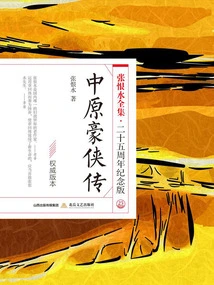
The Heroes of the Central Plains (the Complete Works of Zhang Henshui·25th Anniversary Edition)
Literature中原豪侠传(张恨水全集·25周年纪念版)
Zhang Henshui
"The Heroes of the Central Plains" is a martial arts novel written by Zhang Henshui. This book has a total of twenty-four chapters. The novel uses the story of Wang Tianzong, a righteous man from Henan, who resolutely participated in the Revolution of 1911 with the encouragement of his wife who understood righteousness. It depicts a group of "righteous men" who love the country and the people. It strongly embodies national patriotism and elevates the vendetta and killing in martial arts novels to the theme of patriotic revolution.
"The Heroes of the Central Plains" is a martial arts novel written by Zhang Henshui. This book has a total of twenty-four chapters. The novel uses the story of Wang Tianzong, a righteous man from Henan, who resolutely participated in the Revolution of 1911 with the encouragement of his wife who understood righteousness. It depicts a group of "righteous men" who love the country and the people. It strongly embodies national patriotism and elevates the vendetta and killing in martial arts novels to the theme of patriotic revolution.
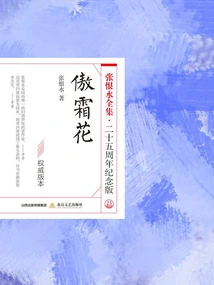
傲霜花(张恨水全集·25周年纪念版)
Zhang Henshui
This book is set in Chongqing during the Anti-Japanese War and describes the difficult life in the education sector during the Anti-Japanese War. The professors in the cultural village had different choices and fates in the midst of hardships: Tang Zian continued to live a poor life as a teacher, Tan Boping passed away quietly amidst the struggle of illness and loneliness, Su Banyun Qingyun became an official, Professor Liang and Hong Andong gave up their writing and went into business, and Hua Aoshuang married entrepreneur Xia Shanqing after a pursuit of love.
This book is set in Chongqing during the Anti-Japanese War and describes the difficult life in the education sector during the Anti-Japanese War. The professors in the cultural village had different choices and fates in the midst of hardships: Tang Zian continued to live a poor life as a teacher, Tan Boping passed away quietly amidst the struggle of illness and loneliness, Su Banyun Qingyun became an official, Professor Liang and Hong Andong gave up their writing and went into business, and Hua Aoshuang married entrepreneur Xia Shanqing after a pursuit of love.
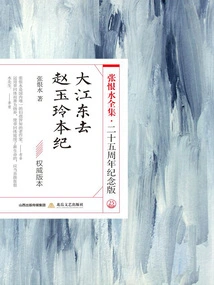
大江东去·赵玉玲本纪(张恨水全集·25周年纪念版)
Zhang Henshui
The novel "The Great River Goes East" describes a young soldier whose wife left him and his family was destroyed due to the war. The book also vividly describes the bloody atrocities of the battle to defend China Gate and the massacre of civilians in Nanjing by the Japanese army; it provides a vivid record of the bloodthirsty crimes of the invaders. "River East" may be the earliest literary and artistic work to reflect the Nanjing Massacre. "The Chronicles of Zhao Yuling" mainly tells the story of Zhao Yuling, Fengba's grandmother. On an early autumn night, journalist Liu Boxun and poet Chen Zihe were walking outside the Forbidden City Park and discovered Zhao Yuling, the eighth grandma of General Feng's family, in ragged clothes and disheveled hair. In the fifth year of the Republic of China, General Feng arrived in Tianjin with his family. Among them was the son of his wife, known as Feng Baye. Feng Baye's wife is mediocre in appearance. Baye met and fell in love with the famous Kun Ling Zhao Yuling under the introduction of his adjutant. From then on, Zhao Yuling began a life of reveling in life and life, with ups and downs as a young mistress.
The novel "The Great River Goes East" describes a young soldier whose wife left him and his family was destroyed due to the war. The book also vividly describes the bloody atrocities of the battle to defend China Gate and the massacre of civilians in Nanjing by the Japanese army; it provides a vivid record of the bloodthirsty crimes of the invaders. "River East" may be the earliest literary and artistic work to reflect the Nanjing Massacre. "The Chronicles of Zhao Yuling" mainly tells the story of Zhao Yuling, Fengba's grandmother. On an early autumn night, journalist Liu Boxun and poet Chen Zihe were walking outside the Forbidden City Park and discovered Zhao Yuling, the eighth grandma of General Feng's family, in ragged clothes and disheveled hair. In the fifth year of the Republic of China, General Feng arrived in Tianjin with his family. Among them was the son of his wife, known as Feng Baye. Feng Baye's wife is mediocre in appearance. Baye met and fell in love with the famous Kun Ling Zhao Yuling under the introduction of his adjutant. From then on, Zhao Yuling began a life of reveling in life and life, with ups and downs as a young mistress.
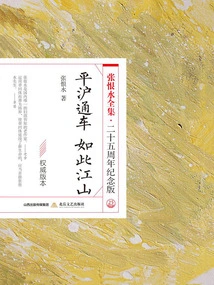
平沪通车·如此江山(张恨水全集·25周年纪念版)
Zhang Henshui
The protagonist of "Pinghu Opens to Traffic", the banker Hu Xing, takes a direct train from Peking back to Shanghai with a huge sum of more than 100,000 yuan. Unexpectedly, I met a young and beautiful woman in the dining car who had not bought a sleeper ticket. During the conversation, he learned that her name was Liu Xuchun, and that she was a friend of his distant relative. Beard was intrigued and thought of her, and he kindly invited her to rest in his box, and the two spent a romantic night. The next night, the two rekindled their old relationship. However, when Hu Xing woke up and approached Shanghai Station, he found that the huge sum of money in the suitcase was missing, and the woman named Liu Xuchun had already gotten off at Suzhou Station. A few years later, when the impoverished Huxing passed through Suzhou by train again, he saw a woman who looked very much like Liu Xuchun rushing past with a leather bag. He was moved by the scene and chased after her... The story of "Such a Country" took place on a hot summer day during the Republic of China. Chen Junren, a young talent from Peking, came to Nanjing to visit his fiancée Zhu Xuefu. Zhu Junren couldn't stand the hot weather in Nanjing, so he invited Zhu Xuefu to go to Mount Lushan to escape the summer heat. On the way, she met barrister Fang Mengxu. Because Chen Tan fell in love with the outstanding appearance and calm temperament of Mr. Fang's niece Fang Jingyi, she invited them to go to Lushan together. However, Zhu Xuefu vaguely noticed Chen Junren's admiration for Fang Jingyi. On Lushan Mountain, Zhu Xuefu was jealous and often quarreled fiercely with Chen Junren. Chen Junren couldn't stand Zhu Xuefu, so he hurried down the mountain and left without saying goodbye. However, the love affair between the three people, which was constantly being resolved and messed up, continued.
The protagonist of "Pinghu Opens to Traffic", the banker Hu Xing, takes a direct train from Peking back to Shanghai with a huge sum of more than 100,000 yuan. Unexpectedly, I met a young and beautiful woman in the dining car who had not bought a sleeper ticket. During the conversation, he learned that her name was Liu Xuchun, and that she was a friend of his distant relative. Beard was intrigued and thought of her, and he kindly invited her to rest in his box, and the two spent a romantic night. The next night, the two rekindled their old relationship. However, when Hu Xing woke up and approached Shanghai Station, he found that the huge sum of money in the suitcase was missing, and the woman named Liu Xuchun had already gotten off at Suzhou Station. A few years later, when the impoverished Huxing passed through Suzhou by train again, he saw a woman who looked very much like Liu Xuchun rushing past with a leather bag. He was moved by the scene and chased after her... The story of "Such a Country" took place on a hot summer day during the Republic of China. Chen Junren, a young talent from Peking, came to Nanjing to visit his fiancée Zhu Xuefu. Zhu Junren couldn't stand the hot weather in Nanjing, so he invited Zhu Xuefu to go to Mount Lushan to escape the summer heat. On the way, she met barrister Fang Mengxu. Because Chen Tan fell in love with the outstanding appearance and calm temperament of Mr. Fang's niece Fang Jingyi, she invited them to go to Lushan together. However, Zhu Xuefu vaguely noticed Chen Junren's admiration for Fang Jingyi. On Lushan Mountain, Zhu Xuefu was jealous and often quarreled fiercely with Chen Junren. Chen Junren couldn't stand Zhu Xuefu, so he hurried down the mountain and left without saying goodbye. However, the love affair between the three people, which was constantly being resolved and messed up, continued.
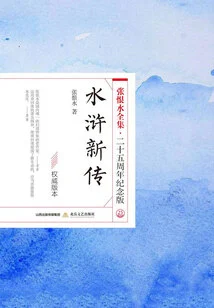
The New Story of Water Margin (the Complete Works of Zhang Henshui·25th Anniversary Edition)
Literature水浒新传(张恨水全集·25周年纪念版)
Zhang Henshui
Written by Zhang Henshui, it is the sequel to Jin Shengtan's cut-down version of "Water Margin" (seventy chapters). It tells the story of the Liangshan heroes who gathered together to help the imperial court fight against the Jin Kingdom.
Written by Zhang Henshui, it is the sequel to Jin Shengtan's cut-down version of "Water Margin" (seventy chapters). It tells the story of the Liangshan heroes who gathered together to help the imperial court fight against the Jin Kingdom.
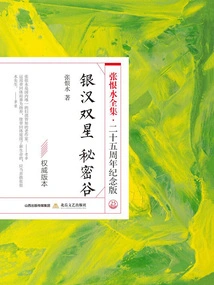
Yinhan Double Star·secret Valley (the Complete Works of Zhang Henshui·25th Anniversary Edition)
Literature银汉双星·秘密谷(张恨水全集·25周年纪念版)
Zhang Henshui
"Yinhan Double Star" mainly tells the story of the innocent and beautiful "Fairy Wushou" Li Yueying, who fell in love with Yang Yiyun under the pursuit of "prodigal son" Yang Yiyun. However, Yang Yiyun later found a new love. After this relationship, Yueying left the film industry and lived a peaceful life with her father again. "Secret Valley" tells the adventure story of the protagonist Kang Baichuan, biologist Dr. Xu Kanran, geologist Dr. Ouyang Pu and poet Xu Binru in the mysterious valley under Tianzhu Mountain. The four people had a clear division of labor, actively planned, went through hardships, and discovered the Ming Dynasty survivors living in the Secret Valley. The local people live a self-sufficient life, men and women are equal, they are simple and hard-working, and they receive warm hospitality. At the same time, they were also involved in local regional struggles, helping to resolve disputes and capture the enemy emperor Pu Zuwang and his queen. The four of them took Emperor Pu Zuwang and the Queen out of the valley and returned to Nanjing. Along the way, they attracted attention from all walks of life and became popular. However, soon Pu Zuwang and the Queen were no longer cared about and lived on the streets. Pu Zuwang was hit by a car and died. At the Queen's strong request, the four people discussed that Kang Baichuan would eventually send him back to the Secret Valley to live a safe and self-sufficient life.
"Yinhan Double Star" mainly tells the story of the innocent and beautiful "Fairy Wushou" Li Yueying, who fell in love with Yang Yiyun under the pursuit of "prodigal son" Yang Yiyun. However, Yang Yiyun later found a new love. After this relationship, Yueying left the film industry and lived a peaceful life with her father again. "Secret Valley" tells the adventure story of the protagonist Kang Baichuan, biologist Dr. Xu Kanran, geologist Dr. Ouyang Pu and poet Xu Binru in the mysterious valley under Tianzhu Mountain. The four people had a clear division of labor, actively planned, went through hardships, and discovered the Ming Dynasty survivors living in the Secret Valley. The local people live a self-sufficient life, men and women are equal, they are simple and hard-working, and they receive warm hospitality. At the same time, they were also involved in local regional struggles, helping to resolve disputes and capture the enemy emperor Pu Zuwang and his queen. The four of them took Emperor Pu Zuwang and the Queen out of the valley and returned to Nanjing. Along the way, they attracted attention from all walks of life and became popular. However, soon Pu Zuwang and the Queen were no longer cared about and lived on the streets. Pu Zuwang was hit by a car and died. At the Queen's strong request, the four people discussed that Kang Baichuan would eventually send him back to the Secret Valley to live a safe and self-sufficient life.
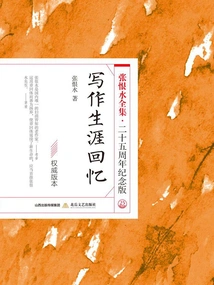
写作生涯回忆(张恨水全集·25周年纪念版)
Zhang Henshui
"Memories of Writing Career" is the autobiography of Zhang Henshui, a modern cultural celebrity. The main contents include: childhood memories, when I was a child, looking at the lanterns to remember my childhood, nostalgia for old years, family treasures, drummers, my three ancient gentlemen, my family does not exchange Spring Festival couplets, my second brother cries during the Qingming Festival, the New Year in my hometown, Peach Blossom Fan, miscellaneous feelings of my life, nostalgia for the old years, Dan Weng and I, "Jing Bao" and me, Qingliang Ancient Road, etc.
"Memories of Writing Career" is the autobiography of Zhang Henshui, a modern cultural celebrity. The main contents include: childhood memories, when I was a child, looking at the lanterns to remember my childhood, nostalgia for old years, family treasures, drummers, my three ancient gentlemen, my family does not exchange Spring Festival couplets, my second brother cries during the Qingming Festival, the New Year in my hometown, Peach Blossom Fan, miscellaneous feelings of my life, nostalgia for the old years, Dan Weng and I, "Jing Bao" and me, Qingliang Ancient Road, etc.
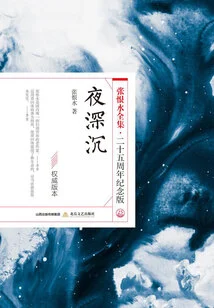
夜深沉(张恨水全集·25周年纪念版)
Zhang Henshui
This book describes the emotional entanglement between the coachman Ding Erhe and the singing queen Yuerong. The plot is twists and turns and exciting. It explores human nature deeply and thoroughly. The psychological portrayal of the hero and heroine is particularly delicate. It should be particularly pointed out that "Deep Night" was originally the title of a piece of "Yu Ji Dance" in the opera "Farewell My Concubine". Zhang Henshui ingeniously integrated this erhu music throughout the novel, becoming a link between the joys and sorrows of the hero and heroine and a clue to the development of the plot. Not only do most of the scenes in the novel take place in the deep night, but the tone of the novel is dark, cold and desolate. The "deep night" symbolizes the tragic fate of Ding Erhe and Wang Yuerong, revealing the cold darkness of society. In terms of the novel's ingenious conception, complete structure and rich characterization, this book is superior to "The Cause of Laughter".
This book describes the emotional entanglement between the coachman Ding Erhe and the singing queen Yuerong. The plot is twists and turns and exciting. It explores human nature deeply and thoroughly. The psychological portrayal of the hero and heroine is particularly delicate. It should be particularly pointed out that "Deep Night" was originally the title of a piece of "Yu Ji Dance" in the opera "Farewell My Concubine". Zhang Henshui ingeniously integrated this erhu music throughout the novel, becoming a link between the joys and sorrows of the hero and heroine and a clue to the development of the plot. Not only do most of the scenes in the novel take place in the deep night, but the tone of the novel is dark, cold and desolate. The "deep night" symbolizes the tragic fate of Ding Erhe and Wang Yuerong, revealing the cold darkness of society. In terms of the novel's ingenious conception, complete structure and rich characterization, this book is superior to "The Cause of Laughter".
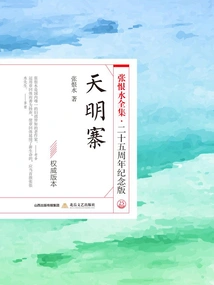
天明寨(张恨水全集·25周年纪念版)
Zhang Henshui
The story of "Tianming Village" takes place in the winter of the second year of Xianfeng in the Qing Dynasty. The Taiping Rebellion invaded a village in Qianshan County, Anhui Province without any obstruction along the way. The local officials were busy collecting money, running away, and smoking cigarettes. However, the squire headed by Li Fengchi stood up to defend his hometown and moved all the old and young women into Tianming Village. The men guarded the dangerous place, and were eventually forced to surrender under the siege of the "Long-haired Army". The article reveals the reality that the Tianping Heavenly Kingdom's army is hierarchical and murderous. It also reflects the corrupt and mediocre officialdom of the Qing Dynasty. Caught between the government and the war, civilians can only take up arms to defend their own interests.
The story of "Tianming Village" takes place in the winter of the second year of Xianfeng in the Qing Dynasty. The Taiping Rebellion invaded a village in Qianshan County, Anhui Province without any obstruction along the way. The local officials were busy collecting money, running away, and smoking cigarettes. However, the squire headed by Li Fengchi stood up to defend his hometown and moved all the old and young women into Tianming Village. The men guarded the dangerous place, and were eventually forced to surrender under the siege of the "Long-haired Army". The article reveals the reality that the Tianping Heavenly Kingdom's army is hierarchical and murderous. It also reflects the corrupt and mediocre officialdom of the Qing Dynasty. Caught between the government and the war, civilians can only take up arms to defend their own interests.
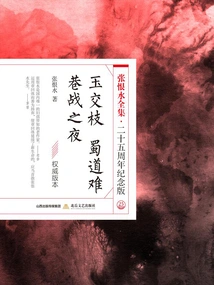
玉交枝·蜀道难·巷战之夜(张恨水全集·25周年纪念版)
Zhang Henshui
The book "Night of Street Fighting" tells the story of the bloody battle between the people of Tianjin and Qianshan and the invaders during the Japanese invasion of China. It writes about an ordinary teacher who grew into a guerrilla captain during a brave struggle against the Japanese army and led the people to severely attack the invading enemies. The protagonist of the novel is the ideal figure in the author's mind for the Anti-Japanese War, and expresses the author's strong desire to unite in the Anti-Japanese War. "The Road to Shu is Difficult" tells the story of people from Jiangdong who fled to Shu one after another during the Anti-Japanese War. On the way, young employee Feng Zian met Miss Bai Yuzhen. Feng Diabai fell in love at first sight and was attentive in every possible way. The ship arrived in Chongqing, and when Feng Zian was preparing to marry Miss Bai, Bai Yuzhen had already "lost her tail"... A dream of love finally came to nothing. "Jade Crossing Branches" tells the adventure story of the protagonist Kang Baichuan, biologist Dr. Xu Kanran, geologist Dr. Ouyang Pu and poet Xu Binru in the mysterious valley under Tianzhu Mountain. The four people had a clear division of labor, actively planned, went through hardships, and discovered the Ming Dynasty survivors living in the Secret Valley. The local people live a self-sufficient life, men and women are equal, they are simple and hard-working, and they receive warm hospitality. At the same time, they were also involved in local regional struggles, helping to resolve disputes and capture the enemy emperor Pu Zuwang and his queen. The four of them took Emperor Pu Zuwang and the Queen out of the valley and returned to Nanjing. Along the way, they attracted attention from all walks of life and became popular. However, soon Pu Zuwang and the Queen were no longer cared about and lived on the streets. Pu Zuwang was hit by a car and died. At the Queen's strong request, the four people discussed that Kang Baichuan would eventually send him back to the Secret Valley to live a safe and self-sufficient life.
The book "Night of Street Fighting" tells the story of the bloody battle between the people of Tianjin and Qianshan and the invaders during the Japanese invasion of China. It writes about an ordinary teacher who grew into a guerrilla captain during a brave struggle against the Japanese army and led the people to severely attack the invading enemies. The protagonist of the novel is the ideal figure in the author's mind for the Anti-Japanese War, and expresses the author's strong desire to unite in the Anti-Japanese War. "The Road to Shu is Difficult" tells the story of people from Jiangdong who fled to Shu one after another during the Anti-Japanese War. On the way, young employee Feng Zian met Miss Bai Yuzhen. Feng Diabai fell in love at first sight and was attentive in every possible way. The ship arrived in Chongqing, and when Feng Zian was preparing to marry Miss Bai, Bai Yuzhen had already "lost her tail"... A dream of love finally came to nothing. "Jade Crossing Branches" tells the adventure story of the protagonist Kang Baichuan, biologist Dr. Xu Kanran, geologist Dr. Ouyang Pu and poet Xu Binru in the mysterious valley under Tianzhu Mountain. The four people had a clear division of labor, actively planned, went through hardships, and discovered the Ming Dynasty survivors living in the Secret Valley. The local people live a self-sufficient life, men and women are equal, they are simple and hard-working, and they receive warm hospitality. At the same time, they were also involved in local regional struggles, helping to resolve disputes and capture the enemy emperor Pu Zuwang and his queen. The four of them took Emperor Pu Zuwang and the Queen out of the valley and returned to Nanjing. Along the way, they attracted attention from all walks of life and became popular. However, soon Pu Zuwang and the Queen were no longer cared about and lived on the streets. Pu Zuwang was hit by a car and died. At the Queen's strong request, the four people discussed that Kang Baichuan would eventually send him back to the Secret Valley to live a safe and self-sufficient life.
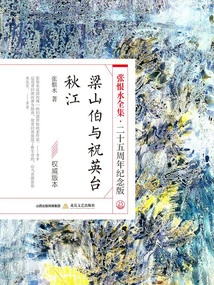
Liang Shanbo and Zhu Yingtai·qiujiang (the Complete Works of Zhang Henshui·25th Anniversary Edition)
Literature梁山伯与祝英台·秋江(张恨水全集·25周年纪念版)
Zhang Henshui
"Liang Shanbo and Zhu Yingtai" is adapted from one of the four major love stories in ancient China: Liang Shanbo and Zhu Yingtai. It was created by Mr. Zhang Henshui after the founding of the People's Republic of China. "Autumn River" tells the story of Pan Bizheng, a scholar who lives in the Privet Temple where his aunt lives. He meets Taoist nun Chen Miaochang and falls deeply in love with her. One night, I heard the quiet melody of the piano and followed the sound, which was played by Miao Chang. Pan then borrowed the music to pick it up. Although Miaochang also has intentions, he pretends to be angry and refuses because of the precepts. But the feelings have connected, and we are in love with each other from now on...
"Liang Shanbo and Zhu Yingtai" is adapted from one of the four major love stories in ancient China: Liang Shanbo and Zhu Yingtai. It was created by Mr. Zhang Henshui after the founding of the People's Republic of China. "Autumn River" tells the story of Pan Bizheng, a scholar who lives in the Privet Temple where his aunt lives. He meets Taoist nun Chen Miaochang and falls deeply in love with her. One night, I heard the quiet melody of the piano and followed the sound, which was played by Miao Chang. Pan then borrowed the music to pick it up. Although Miaochang also has intentions, he pretends to be angry and refuses because of the precepts. But the feelings have connected, and we are in love with each other from now on...
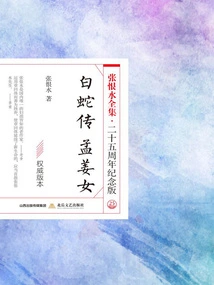
白蛇传·孟姜女(张恨水全集·25周年纪念版)
Zhang Henshui
"The Legend of White Snake" describes the tortuous love story between a snake spirit who cultivated into human form and a human being. The story includes plots such as borrowing an umbrella from a tented boat, the white lady stealing Ganoderma lucidum, flooding the Jinshan Mountain, broken bridges, Leifeng Pagoda, Xu Xian's son Shilin worshiping the Pagoda, etc. It expresses the people's praise and yearning for the free love between men and women and their hatred for the unreasonable restraint of feudal forces. "Meng Jiangnu" is a character in the Chinese folk tale "Meng Jiangnu Cries the Great Wall". Her story is one of the four major Chinese folk love stories. It has been widely circulated among the people through oral inheritance for thousands of years. The earliest legend can be traced back to "Zuo Zhuan".
"The Legend of White Snake" describes the tortuous love story between a snake spirit who cultivated into human form and a human being. The story includes plots such as borrowing an umbrella from a tented boat, the white lady stealing Ganoderma lucidum, flooding the Jinshan Mountain, broken bridges, Leifeng Pagoda, Xu Xian's son Shilin worshiping the Pagoda, etc. It expresses the people's praise and yearning for the free love between men and women and their hatred for the unreasonable restraint of feudal forces. "Meng Jiangnu" is a character in the Chinese folk tale "Meng Jiangnu Cries the Great Wall". Her story is one of the four major Chinese folk love stories. It has been widely circulated among the people through oral inheritance for thousands of years. The earliest legend can be traced back to "Zuo Zhuan".
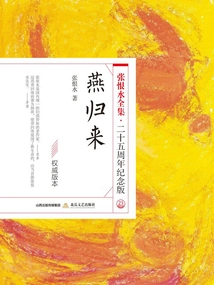
燕归来(张恨水全集·25周年纪念版)
Zhang Henshui
This book describes the story of four male students who accompanied a female student, Yang Yanqiu, back to the northwest to find relatives. It records the customs, customs and emotional entanglements between the characters during the journey. The portrayal of the character's psychology is excellent. Female college student Yang Yanqiu was originally a refugee from Gansu, but she was adopted after her family moved to Nanjing when she was a child, and she became a young lady from a wealthy family. But the good times did not last long. After her adoptive parents passed away, she could not tolerate her brothers and sister-in-law and decided to return to her hometown to find relatives and make some contributions to the northwest. However, due to the circumstances at the time, she could only invite four male classmates to escort her back all the way. In the eyes of these four male classmates, this also became a test of love, and they didn't know who would make it to the end. The work uses this clue to actually introduce the scenery and backward conditions along the northwest, and to show the suffering and tenacity of the people in the northwest.
This book describes the story of four male students who accompanied a female student, Yang Yanqiu, back to the northwest to find relatives. It records the customs, customs and emotional entanglements between the characters during the journey. The portrayal of the character's psychology is excellent. Female college student Yang Yanqiu was originally a refugee from Gansu, but she was adopted after her family moved to Nanjing when she was a child, and she became a young lady from a wealthy family. But the good times did not last long. After her adoptive parents passed away, she could not tolerate her brothers and sister-in-law and decided to return to her hometown to find relatives and make some contributions to the northwest. However, due to the circumstances at the time, she could only invite four male classmates to escort her back all the way. In the eyes of these four male classmates, this also became a test of love, and they didn't know who would make it to the end. The work uses this clue to actually introduce the scenery and backward conditions along the northwest, and to show the suffering and tenacity of the people in the northwest.
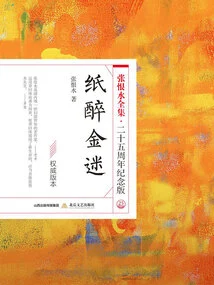
纸醉金迷(张恨水全集·25周年纪念版)
Zhang Henshui
The story takes place in Chongqing, the capital of the Nationalist Government in 1945. Here gathered a group of people who were feasting, feasting, and living in intoxication. Everything revolves around money. Corruption of officials, speculation by businessmen and bankers, and women being swindlers have become a common trend. The novel uses the clues of Wei Duanben, a young civil servant, and his beautiful but vain wife Tian Peizhi as they live together and break up. It takes the opportunity of many characters to rush to buy gold savings certificates to make the country's hard-earned wealth, and unfolds a complicated story. When the Anti-Japanese War was won, everything for the speculators was in vain. The work directs criticism towards the ugly, humble world in the Kuomintang-controlled areas on the eve of the victory of the Anti-Japanese War. It reveals the loss and struggle in the face of human nature and money in a special era.
The story takes place in Chongqing, the capital of the Nationalist Government in 1945. Here gathered a group of people who were feasting, feasting, and living in intoxication. Everything revolves around money. Corruption of officials, speculation by businessmen and bankers, and women being swindlers have become a common trend. The novel uses the clues of Wei Duanben, a young civil servant, and his beautiful but vain wife Tian Peizhi as they live together and break up. It takes the opportunity of many characters to rush to buy gold savings certificates to make the country's hard-earned wealth, and unfolds a complicated story. When the Anti-Japanese War was won, everything for the speculators was in vain. The work directs criticism towards the ugly, humble world in the Kuomintang-controlled areas on the eve of the victory of the Anti-Japanese War. It reveals the loss and struggle in the face of human nature and money in a special era.
金粉世家(张恨水全集·25周年纪念版)
Zhang Henshui
"The Golden Fen Family" is a novel written by the modern novelist Zhang Henshui. The novel is based on the feudal family of Beiyang warlord Jin Quan, Prime Minister, and takes the marriage between Jin Quan's son Jin Yanxi and the commoner woman Leng Qingqiu from love, marriage to estrangement and divorce as the main line. It reveals the empty, degenerate spiritual world and declining and decadent life of the feudal bureaucrats and their wives and children, and describes a living history of the rise and fall of the wealthy aristocrats. The novel has 112 chapters, interspersed with the life stories of more than 20 characters in the Jin family, with magnificent colors, scattered but not chaotic. The story of the novel is lively and lively, the mood is sad, and it has a strong sense of leisure. After being published, it was deeply loved by citizen readers.
"The Golden Fen Family" is a novel written by the modern novelist Zhang Henshui. The novel is based on the feudal family of Beiyang warlord Jin Quan, Prime Minister, and takes the marriage between Jin Quan's son Jin Yanxi and the commoner woman Leng Qingqiu from love, marriage to estrangement and divorce as the main line. It reveals the empty, degenerate spiritual world and declining and decadent life of the feudal bureaucrats and their wives and children, and describes a living history of the rise and fall of the wealthy aristocrats. The novel has 112 chapters, interspersed with the life stories of more than 20 characters in the Jin family, with magnificent colors, scattered but not chaotic. The story of the novel is lively and lively, the mood is sad, and it has a strong sense of leisure. After being published, it was deeply loved by citizen readers.
真假宝玉(张恨水全集·25周年纪念版)
Zhang Henshui
Zhang Henshui has been very fond of literature since he was a child. When he was 17 years old, he wrote under the pen name "Henshui". "True and False Baoyu" was his first short story, which started his career as a writer during the Republic of China.
Zhang Henshui has been very fond of literature since he was a child. When he was 17 years old, he wrote under the pen name "Henshui". "True and False Baoyu" was his first short story, which started his career as a writer during the Republic of China.
Mountain Window Sketch and Others (the Complete Works of Zhang Henshui·25th Anniversary Edition)
Literature山窗小品及其它(张恨水全集·25周年纪念版)
Zhang Henshui
"Mountain Window Essays and Others" is a collection of essays written by Zhang Henshui in modern times. It contains 43 essays and has an appendix of 13 essays in classical Chinese, for a total of 56 essays.
"Mountain Window Essays and Others" is a collection of essays written by Zhang Henshui in modern times. It contains 43 essays and has an appendix of 13 essays in classical Chinese, for a total of 56 essays.
最后关头(张恨水全集·25周年纪念版)
Zhang Henshui
Zhang Henshui is a representative writer of the "Mandarin Duck and Butterfly School". He has always been overshadowed by his great reputation as a novelist. Not many prose has been published in the world, and few people in the world know about it. This is the first time that Zhang Henshui's prose works have been published in a complete collection. The "Complete Collection" is divided into seven volumes, namely "The Last Moment", "Little Moon Day", "Shanchuang Sketch", "Essays of Beijingers", "Shang Xia Ancient and Modern Talk", "Pearl" and "Memories of Writing Career". The lines of these works are filled with the beauty of poetry and painting, revealing a light, elegant and leisurely style. Reading these daily conversation-style works, one can clearly feel Zhang Henshui's deep sense of the vicissitudes of his family and country that resides in the ordinary alleys of the old city.
Zhang Henshui is a representative writer of the "Mandarin Duck and Butterfly School". He has always been overshadowed by his great reputation as a novelist. Not many prose has been published in the world, and few people in the world know about it. This is the first time that Zhang Henshui's prose works have been published in a complete collection. The "Complete Collection" is divided into seven volumes, namely "The Last Moment", "Little Moon Day", "Shanchuang Sketch", "Essays of Beijingers", "Shang Xia Ancient and Modern Talk", "Pearl" and "Memories of Writing Career". The lines of these works are filled with the beauty of poetry and painting, revealing a light, elegant and leisurely style. Reading these daily conversation-style works, one can clearly feel Zhang Henshui's deep sense of the vicissitudes of his family and country that resides in the ordinary alleys of the old city.
上下古今谈(张恨水全集·25周年纪念版)
Zhang Henshui
"Shang Xia Ancient and Modern Talk", the whole book has a unique style, the writing is diluted to the level of proficiency, the humor is humorous, and the solemnity is mixed with humor. It is really full of laughter and curses, making the readers laugh and laugh, but also feel the heartfelt pleasure.
"Shang Xia Ancient and Modern Talk", the whole book has a unique style, the writing is diluted to the level of proficiency, the humor is humorous, and the solemnity is mixed with humor. It is really full of laughter and curses, making the readers laugh and laugh, but also feel the heartfelt pleasure.
剪愁集(张恨水全集·25周年纪念版)
Zhang Henshui
"Jianchou Collection" is a collection of Zhang Henshui's poems, which include antique style and limerick-like works. You can appreciate Zhang Henshui's talent in poetry and comprehensive literary attainments.
"Jianchou Collection" is a collection of Zhang Henshui's poems, which include antique style and limerick-like works. You can appreciate Zhang Henshui's talent in poetry and comprehensive literary attainments.
唐诗之路研究(第2辑):中国唐诗之路研究会首届年会暨第二次学术研讨会论文集
Editor-in-chief Lu Shengjiang
This book is the second volume of the series "Research on the Road of Tang Poetry". It selects more than 50 papers from the first annual meeting and the second academic symposium of the Chinese Tang Poetry Road Research Association held in Taizhou, Zhejiang in 2020. These papers discuss various poetry roads across the country, including the Eastern Zhejiang Poetry Road, the Western Region Poetry Road, the Longyou Poetry Road, the Bashu Poetry Road, the Liangjing Poetry Road, the Xiangli Poetry Road, the Dayuling Poetry Road, etc., And also discuss the overseas Tang Poetry Road. ; Discusses many important writers on the path of poetry as well as Buddhist and Taoist figures who influenced the development of the path of poetry, such as Han Shanzi, Sima Chengzhen, Song Zhiwen, Li Bai, Du Fu, Liu Yuxi, Liu Zongyuan, etc.; Discusses various issues related to the path of poetry, such as Buddhist and Taoist issues that affect the development of the path of poetry, some issues that require examination and analysis, issues of travel and friendship on the path of poetry, regional cultural issues, theoretical framework issues and academic history issues. It can be said that the second series better reflects the latest research progress of the new academic growth point of the study of Tang poetry.
This book is the second volume of the series "Research on the Road of Tang Poetry". It selects more than 50 papers from the first annual meeting and the second academic symposium of the Chinese Tang Poetry Road Research Association held in Taizhou, Zhejiang in 2020. These papers discuss various poetry roads across the country, including the Eastern Zhejiang Poetry Road, the Western Region Poetry Road, the Longyou Poetry Road, the Bashu Poetry Road, the Liangjing Poetry Road, the Xiangli Poetry Road, the Dayuling Poetry Road, etc., And also discuss the overseas Tang Poetry Road. ; Discusses many important writers on the path of poetry as well as Buddhist and Taoist figures who influenced the development of the path of poetry, such as Han Shanzi, Sima Chengzhen, Song Zhiwen, Li Bai, Du Fu, Liu Yuxi, Liu Zongyuan, etc.; Discusses various issues related to the path of poetry, such as Buddhist and Taoist issues that affect the development of the path of poetry, some issues that require examination and analysis, issues of travel and friendship on the path of poetry, regional cultural issues, theoretical framework issues and academic history issues. It can be said that the second series better reflects the latest research progress of the new academic growth point of the study of Tang poetry.
浙东唐诗之路的会通与嬗变(唐诗之路研究丛书)
Yang Qiong Editor-in-chief Hu Qiuyan
The "Road of Tang Poetry in Eastern Zhejiang" is a cultural road that poets of the Tang Dynasty frequently traveled to and from Eastern Zhejiang due to their wanderings, official careers, seclusion, and relegation. It is also a cultural treasure house that integrates Confucianism, Buddhism, poetry, calligraphy, tea ceremony, pottery, folk customs, dialects, legends, etc. Over the past thirty years, whether in the academic circles of universities or in local literary and historical circles, there has been an upsurge in research on the path of Tang poetry in eastern Zhejiang, and fruitful results have been achieved. It has also driven research on various poetry paths across the country. From these results, this book selects 24 papers by famous scholars such as Fu Xuancong, Chen Shangjun, Yu Xianhao and others, organized into seven topics, revealing the trajectory of the development and evolution of research on Tang poetry in eastern Zhejiang.
The "Road of Tang Poetry in Eastern Zhejiang" is a cultural road that poets of the Tang Dynasty frequently traveled to and from Eastern Zhejiang due to their wanderings, official careers, seclusion, and relegation. It is also a cultural treasure house that integrates Confucianism, Buddhism, poetry, calligraphy, tea ceremony, pottery, folk customs, dialects, legends, etc. Over the past thirty years, whether in the academic circles of universities or in local literary and historical circles, there has been an upsurge in research on the path of Tang poetry in eastern Zhejiang, and fruitful results have been achieved. It has also driven research on various poetry paths across the country. From these results, this book selects 24 papers by famous scholars such as Fu Xuancong, Chen Shangjun, Yu Xianhao and others, organized into seven topics, revealing the trajectory of the development and evolution of research on Tang poetry in eastern Zhejiang.
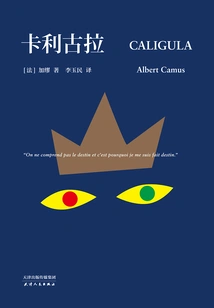
Caligula
Literature卡利古拉
(french) Camus
"Other people always think that a person is in so much pain because the person he loves passed away in one day. In fact, the value of his pain is higher: that is, he discovered that sadness cannot last, and even pain has lost its meaning." After the death of his lover, the Roman monarch Caligula discovered that personality, dignity, and even pain are meaningless in the face of death. He began to use his power to extremes, wantonly destroying and trampling on all the original human systems, good and evil, and emotions, and became a tyrant that everyone feared... He wanted to know what truth is, what eternity is, and wanted to expose all the hypocrisy in the world...
"Other people always think that a person is in so much pain because the person he loves passed away in one day. In fact, the value of his pain is higher: that is, he discovered that sadness cannot last, and even pain has lost its meaning." After the death of his lover, the Roman monarch Caligula discovered that personality, dignity, and even pain are meaningless in the face of death. He began to use his power to extremes, wantonly destroying and trampling on all the original human systems, good and evil, and emotions, and became a tyrant that everyone feared... He wanted to know what truth is, what eternity is, and wanted to expose all the hypocrisy in the world...
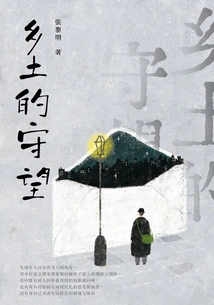
Hometown Watch
Literature乡土的守望
Zhang Liming
This book mainly collects dozens of prose works written by the author in different periods, as well as a small number of novels and critical works. Judging from the subject matter and content, the prose mainly recalls the author's experience of living in the countryside during his childhood and adolescence. At the same time, it also makes in-depth observations and analyzes of many phenomena and problems in rural society from the perspective of adults and scholars. It includes not only the eulogy or aftertaste of the simple and true feelings of the world, but also the thinking and prospect of how the countryside can move toward modernization, as well as the description and experience of his own study life. The novels and reviews in the collection can be regarded as two other literary landscapes besides prose. Although the novels are fictional and the reviews must be realistic, if you look carefully, you will find that these novels and reviews are closely connected with the prose in spiritual connotation, and they mainly point to the central word of the book, "country". Countryside is the spiritual background of everyone born in the countryside, and its importance to a person is not limited to itself.
This book mainly collects dozens of prose works written by the author in different periods, as well as a small number of novels and critical works. Judging from the subject matter and content, the prose mainly recalls the author's experience of living in the countryside during his childhood and adolescence. At the same time, it also makes in-depth observations and analyzes of many phenomena and problems in rural society from the perspective of adults and scholars. It includes not only the eulogy or aftertaste of the simple and true feelings of the world, but also the thinking and prospect of how the countryside can move toward modernization, as well as the description and experience of his own study life. The novels and reviews in the collection can be regarded as two other literary landscapes besides prose. Although the novels are fictional and the reviews must be realistic, if you look carefully, you will find that these novels and reviews are closely connected with the prose in spiritual connotation, and they mainly point to the central word of the book, "country". Countryside is the spiritual background of everyone born in the countryside, and its importance to a person is not limited to itself.