Library
Browse and search novels
25,832 novels found
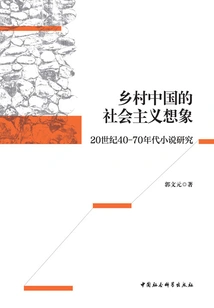
乡村中国的社会主义想象:20世纪40—70年代小说研究
Guo Wenyuan
The imagination of the socialist modernization process in rural China in novels from the 1940s to the 1970s was full of richness and complexity. They either reconstructed the ethical order of rural people in the way of rural modern local imagination, or used rural class and revolutionary consciousness to think about the subjectivity of cadres and urban youth, or used narratives of virtue to advertise the future society, which made the imagination of future society lose the possibility of practice. The emergence and concealment of discourse and the gaps in narrative make the discourses that characterize modernity such as literacy, hygiene, efficiency, and technology become ambiguous. As a kind of literature that imagines a new social order, the identification, love and imagination of rural socialism make this literature full of youthful atmosphere, bright color and romantic passion. In the "Short Twentieth Century", the appearance of this piece of literature highlights the efforts of socialist country literature to confirm its own cultural identity in the context of globalization.
The imagination of the socialist modernization process in rural China in novels from the 1940s to the 1970s was full of richness and complexity. They either reconstructed the ethical order of rural people in the way of rural modern local imagination, or used rural class and revolutionary consciousness to think about the subjectivity of cadres and urban youth, or used narratives of virtue to advertise the future society, which made the imagination of future society lose the possibility of practice. The emergence and concealment of discourse and the gaps in narrative make the discourses that characterize modernity such as literacy, hygiene, efficiency, and technology become ambiguous. As a kind of literature that imagines a new social order, the identification, love and imagination of rural socialism make this literature full of youthful atmosphere, bright color and romantic passion. In the "Short Twentieth Century", the appearance of this piece of literature highlights the efforts of socialist country literature to confirm its own cultural identity in the context of globalization.
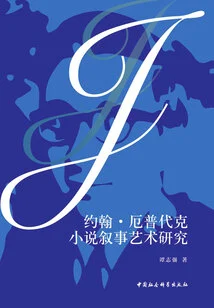
约翰·厄普代克小说叙事艺术研究
Tan Zhiqiang
From the perspective of ethical narrative, this book focuses on the academic controversy over the "nothing to say" and "moral ambiguity" in Updike's novels, and deeply analyzes the characteristics and formation process of ethical narratives in Updike's novels. It pays special attention to the profound influence of thinkers such as Søren Kierkegaard and Karl Barth on his novel creation. It innovatively constructs three narrative dimensions: contextualized narrative, tragic narrative, and non-authoritative narrative, and combines it with modern narratology theory to deeply analyze the constituent elements and functional mechanisms of this deep narrative model, and then explore how Updike's novels artistically transform ethical intentions into the creative art of novel narrative.
From the perspective of ethical narrative, this book focuses on the academic controversy over the "nothing to say" and "moral ambiguity" in Updike's novels, and deeply analyzes the characteristics and formation process of ethical narratives in Updike's novels. It pays special attention to the profound influence of thinkers such as Søren Kierkegaard and Karl Barth on his novel creation. It innovatively constructs three narrative dimensions: contextualized narrative, tragic narrative, and non-authoritative narrative, and combines it with modern narratology theory to deeply analyze the constituent elements and functional mechanisms of this deep narrative model, and then explore how Updike's novels artistically transform ethical intentions into the creative art of novel narrative.
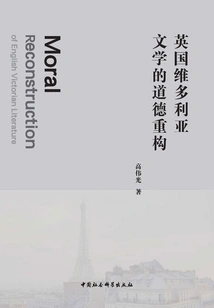
英国维多利亚文学的道德重构
Gao Weiguang
This book takes the literature of the British Victorian era as the research object, and takes the "gentrification" phenomenon as the entry point for research. It rethinks the moral discourse that literature of this era paid attention to, and deepens the moral discourse into the context of British intellectual history, trying to explore the inner connection between moral issues and the decline of the British aristocracy and the rise of the middle class. Although the moral reconstruction of the Victorian era alleviated class conflicts to a certain extent and created a seemingly harmonious social state, the moral concepts of the aristocratic class did not provide spiritual vitality to modern British industrial society, but instead strangled the inherent moral traditions of the middle class.
This book takes the literature of the British Victorian era as the research object, and takes the "gentrification" phenomenon as the entry point for research. It rethinks the moral discourse that literature of this era paid attention to, and deepens the moral discourse into the context of British intellectual history, trying to explore the inner connection between moral issues and the decline of the British aristocracy and the rise of the middle class. Although the moral reconstruction of the Victorian era alleviated class conflicts to a certain extent and created a seemingly harmonious social state, the moral concepts of the aristocratic class did not provide spiritual vitality to modern British industrial society, but instead strangled the inherent moral traditions of the middle class.
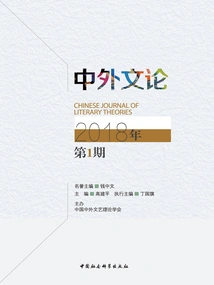
中外文论(2018年第1期)
Editor-in-chief Gao Jianping
"Chinese and Foreign Literary Theory (Issue 2018)" is divided into six columns. "Research on Chinese Literary Theory" focuses on the discussion of literary and artistic theories of famous modern and contemporary Chinese literary and artistic theorists. The column "Research on Western Literary Theory" has a balanced focus: it includes special studies on characters, as well as an overview of issues in the history of literary theory and a review of literary theory research. "Research on Ancient Literary Theory" displays and discusses specific and detailed issues in ancient literary theory from multiple perspectives such as taking people as the guideline and problem as the guideline. "Selected Translations" contains a full selection of the translations of the lectures on Aristotle's poetry by the famous aesthetic and art theorist Carroll, to demonstrate the importance that contemporary art researchers attach to and carry forward the tradition of classical poetry.
"Chinese and Foreign Literary Theory (Issue 2018)" is divided into six columns. "Research on Chinese Literary Theory" focuses on the discussion of literary and artistic theories of famous modern and contemporary Chinese literary and artistic theorists. The column "Research on Western Literary Theory" has a balanced focus: it includes special studies on characters, as well as an overview of issues in the history of literary theory and a review of literary theory research. "Research on Ancient Literary Theory" displays and discusses specific and detailed issues in ancient literary theory from multiple perspectives such as taking people as the guideline and problem as the guideline. "Selected Translations" contains a full selection of the translations of the lectures on Aristotle's poetry by the famous aesthetic and art theorist Carroll, to demonstrate the importance that contemporary art researchers attach to and carry forward the tradition of classical poetry.
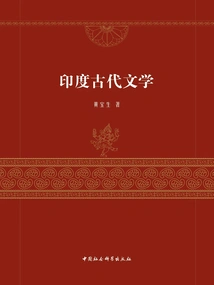
Ancient Indian Literature
Literature印度古代文学
Huang Baosheng
In the ancient civilized world, India, like China, was a well-deserved literary power. It produced the oldest collection of poetry in the Indo-European language family, two magnificent epics, rich myths, legends and fables, exquisite lyric poems, narrative poems, dramas and novels, as well as a unique system of literary theory. This book provides an overview of ancient Indian literature from the fifteenth century BC to the twelfth century AD, that is, the literature of the Vedic period, the epic period and the classical Sanskrit literature period. Among them, Sanskrit literature is the mainstream, including Pali and vulgar literature.
In the ancient civilized world, India, like China, was a well-deserved literary power. It produced the oldest collection of poetry in the Indo-European language family, two magnificent epics, rich myths, legends and fables, exquisite lyric poems, narrative poems, dramas and novels, as well as a unique system of literary theory. This book provides an overview of ancient Indian literature from the fifteenth century BC to the twelfth century AD, that is, the literature of the Vedic period, the epic period and the classical Sanskrit literature period. Among them, Sanskrit literature is the mainstream, including Pali and vulgar literature.
百年中国佛道文学研究史论
Wu Guangzheng
The book is divided into upper and lower parts, comprehensively sorting out the historical process and research interface of Buddhist literature research and Taoist literature research at home and abroad over the past century, integrating macroscopic understanding and thematic review. The appendix is three introductions to the 12-volume, 25-volume "History of Chinese Religious Literature", a major bidding project of the National Social Science Fund. It is a theoretical construction based on a review of academic history and special research, and systematically explains the compilation concept of "History of Chinese Religious Literature."
The book is divided into upper and lower parts, comprehensively sorting out the historical process and research interface of Buddhist literature research and Taoist literature research at home and abroad over the past century, integrating macroscopic understanding and thematic review. The appendix is three introductions to the 12-volume, 25-volume "History of Chinese Religious Literature", a major bidding project of the National Social Science Fund. It is a theoretical construction based on a review of academic history and special research, and systematically explains the compilation concept of "History of Chinese Religious Literature."
比翼双飞在人间:波兰文学和汉学研究文集
Zhang Zhenhui
This book collects some of the author's major papers on Polish literature and Polish Chinese studies published in various domestic journals and anthologies since the reform and opening up, as well as the author's prefaces to several translated works of Polish literature. In terms of Polish literature research, these articles include research and introduction to some major literary periods, genres, important writers and works in Polish classical and modern literature, comparisons of Polish literature and Chinese literature, and research on modern Polish literary theory. These articles fully reflect the author's unique insights. This book is an indispensable reference book for understanding the achievements of Polish literary creation, and provides useful reference for domestic research on Polish and Central and Eastern European literature. In terms of Polish Sinology research, the collected articles mainly focus on the introduction of the achievements of ancient Chinese civilization to the West by the Polish Jesuit missionary Boymig who came to China in the mid-17th century. In addition, there are friendly exchanges between Polish people from all walks of life and China since ancient times, as well as the introduction of Edward Kajdanski, a famous contemporary Polish sinologist and Boymig's research expert. These are all conducive to enhancing cultural exchanges and traditional friendship between China and Poland.
This book collects some of the author's major papers on Polish literature and Polish Chinese studies published in various domestic journals and anthologies since the reform and opening up, as well as the author's prefaces to several translated works of Polish literature. In terms of Polish literature research, these articles include research and introduction to some major literary periods, genres, important writers and works in Polish classical and modern literature, comparisons of Polish literature and Chinese literature, and research on modern Polish literary theory. These articles fully reflect the author's unique insights. This book is an indispensable reference book for understanding the achievements of Polish literary creation, and provides useful reference for domestic research on Polish and Central and Eastern European literature. In terms of Polish Sinology research, the collected articles mainly focus on the introduction of the achievements of ancient Chinese civilization to the West by the Polish Jesuit missionary Boymig who came to China in the mid-17th century. In addition, there are friendly exchanges between Polish people from all walks of life and China since ancient times, as well as the introduction of Edward Kajdanski, a famous contemporary Polish sinologist and Boymig's research expert. These are all conducive to enhancing cultural exchanges and traditional friendship between China and Poland.
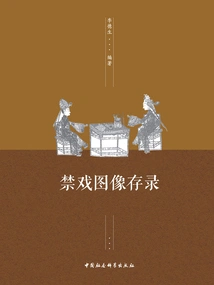
Recording of Banned Images
Literature禁戏图像存录
Compiled By Li Desheng
"Reading pictures is like reading history" is an important proposition in modern historical research. The author of this book has collected more than 2,000 frames of dramas, legends, some drama illustrations in operas, palace dramas, old drama photos, woodblock opera New Year pictures, cigarette pictures, and drama paintings on folk handicrafts published in the market since the Yuan Dynasty, and compiled them into one volume. From the perspective of visual images, the general appearance of the so-called "forbidden opera" in the prohibition and management of theater in the Qing Dynasty is described. At the same time, it also tried to explain that the reason why the official "banned opera" in the Qing Dynasty was "forbidden and difficult to stop" and "repeatedly banned again and again" just shows that this kind of folk drama has unique artistic charm and tenacious vitality.
"Reading pictures is like reading history" is an important proposition in modern historical research. The author of this book has collected more than 2,000 frames of dramas, legends, some drama illustrations in operas, palace dramas, old drama photos, woodblock opera New Year pictures, cigarette pictures, and drama paintings on folk handicrafts published in the market since the Yuan Dynasty, and compiled them into one volume. From the perspective of visual images, the general appearance of the so-called "forbidden opera" in the prohibition and management of theater in the Qing Dynasty is described. At the same time, it also tried to explain that the reason why the official "banned opera" in the Qing Dynasty was "forbidden and difficult to stop" and "repeatedly banned again and again" just shows that this kind of folk drama has unique artistic charm and tenacious vitality.
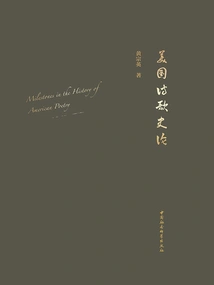
A History of American Poetry
Literature美国诗歌史论
Huang Zongying
"A History of American Poetry" is a monograph on the study of American poetry prepared for the "History of American Poetry" (multi-volume), a major national social science project cultivated by Beijing Union University. The content includes five parts: "Early American Puritan Poetry," "American Romantic Poetry," "American Modernist Poetry," "American Postmodernist Poetry," and "Contemporary American Poetry." Each part is an independent chapter, with its own Important poets and their representative poetic works in each historical period are the focus of research and discussion. It uses the perspective of historical materialism and through in-depth and detailed text interpretation to excavate and summarize the core poetic theory innovations of core poets and their poetry creation techniques and style innovations. At the same time, it focuses on sorting out and revealing the historical and cultural memories, characteristics and themes in poetry theory and poetry creation in each historical period, and outlines the history of American poetry.
"A History of American Poetry" is a monograph on the study of American poetry prepared for the "History of American Poetry" (multi-volume), a major national social science project cultivated by Beijing Union University. The content includes five parts: "Early American Puritan Poetry," "American Romantic Poetry," "American Modernist Poetry," "American Postmodernist Poetry," and "Contemporary American Poetry." Each part is an independent chapter, with its own Important poets and their representative poetic works in each historical period are the focus of research and discussion. It uses the perspective of historical materialism and through in-depth and detailed text interpretation to excavate and summarize the core poetic theory innovations of core poets and their poetry creation techniques and style innovations. At the same time, it focuses on sorting out and revealing the historical and cultural memories, characteristics and themes in poetry theory and poetry creation in each historical period, and outlines the history of American poetry.
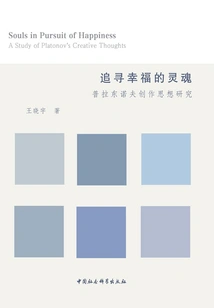
追寻幸福的灵魂:普拉东诺夫创作思想研究
Wang Xiaoyu
This book systematically sorts out the representative works of the 20th century Russian-Soviet classic writer Platonov (1899-1951), clearly presenting the landscape and common aspirations of the writer in different periods, and explaining the ideological source of the writer's creation and the trajectory of the changes in his worldview. Platonov's creations reflect the complex interaction between utopian thought and dystopia. He cares about human destiny and seriously reflects on social reality in a literary way, searches for truth arduously in the world, and spreads happy souls.
This book systematically sorts out the representative works of the 20th century Russian-Soviet classic writer Platonov (1899-1951), clearly presenting the landscape and common aspirations of the writer in different periods, and explaining the ideological source of the writer's creation and the trajectory of the changes in his worldview. Platonov's creations reflect the complex interaction between utopian thought and dystopia. He cares about human destiny and seriously reflects on social reality in a literary way, searches for truth arduously in the world, and spreads happy souls.
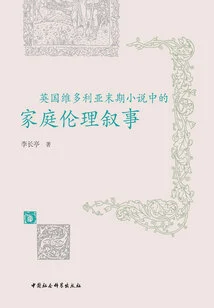
英国维多利亚末期小说中的家庭伦理叙事
Li Changting
At the end of Victoria, the British generally paid attention to the topic of family, and family ethics also became the theme of many novels during this period. This book systematically analyzes the family ethics narratives in the representative works of Hardy, Conrad, Kipling, Forster, Lawrence and other writers, trying to outline the impact of the development of British industrial society and its colonial expansion on family ethics and interpersonal relationships at that time, thereby providing a useful reference for the study of British Victorian literature.
At the end of Victoria, the British generally paid attention to the topic of family, and family ethics also became the theme of many novels during this period. This book systematically analyzes the family ethics narratives in the representative works of Hardy, Conrad, Kipling, Forster, Lawrence and other writers, trying to outline the impact of the development of British industrial society and its colonial expansion on family ethics and interpersonal relationships at that time, thereby providing a useful reference for the study of British Victorian literature.
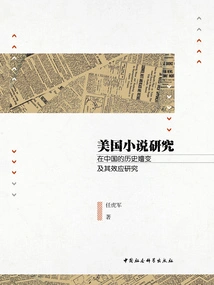
美国小说研究在中国的历史嬗变及其效应研究
Ren Hujun
This book is based on the current status and existing problems of research on American novels at home and abroad, using literary reception criticism and New Historicist literary criticism as theoretical references. By carefully reading American novel research papers published in important domestic academic journals since the early 20th century and American novel research treatises and related research academic papers and treatises published by important publishing houses, this book conducts an in-depth study of three different historical periods (1901-1978, 1979-1999, 2 000-2015) hot spots, angles, methods and overall trends in the study of American novels in China. From an overall perspective, it diachronically and systematically explores the historical evolution of the study of American novels in China from ideological criticism to non-ideological criticism and multi-literary and cultural criticism in the course of a century, as well as its cultural and literary effects. It summarizes the successful experiences and failures in the study of American novels in China over the past century, and looks forward to the future development trend of the study of American novels in China.
This book is based on the current status and existing problems of research on American novels at home and abroad, using literary reception criticism and New Historicist literary criticism as theoretical references. By carefully reading American novel research papers published in important domestic academic journals since the early 20th century and American novel research treatises and related research academic papers and treatises published by important publishing houses, this book conducts an in-depth study of three different historical periods (1901-1978, 1979-1999, 2 000-2015) hot spots, angles, methods and overall trends in the study of American novels in China. From an overall perspective, it diachronically and systematically explores the historical evolution of the study of American novels in China from ideological criticism to non-ideological criticism and multi-literary and cultural criticism in the course of a century, as well as its cultural and literary effects. It summarizes the successful experiences and failures in the study of American novels in China over the past century, and looks forward to the future development trend of the study of American novels in China.
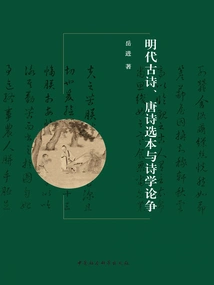
明代古诗、唐诗选本与诗学论争
Yue Jin
In the Ming Dynasty, there was fierce sectarian rivalry in the poetry world, and each school used anthologies to set examples, highlight ideas, and attack dissidents. This book takes Ming Dynasty ancient poems and Tang poetry anthologies as the object, and takes the poetic genre differentiation concepts of each school as the core to explore the hot issues about poetic style and poets in the poetic debate in the Ming Dynasty. It emphasizes that anthologies are an important field for Ming Dynasty poets to criticize and attack each other, as well as absorb and transform each other. It not only contains the confrontation and assimilation between different schools, but also carries the criticism and integration within the same school. The anthology is a comprehensive carrier with dialectical quality and a representation of the social culture of that time. The research in this book hopes to enrich the understanding and imagination of Ming Dynasty scholarship and culture through analysis and comparison of reviews and selections of ancient poems and Tang poems, as well as intertextuality with poetic criticism methods such as poetry talks, prefaces and postscripts, etc., Between poetic criticism and cultural analysis.
In the Ming Dynasty, there was fierce sectarian rivalry in the poetry world, and each school used anthologies to set examples, highlight ideas, and attack dissidents. This book takes Ming Dynasty ancient poems and Tang poetry anthologies as the object, and takes the poetic genre differentiation concepts of each school as the core to explore the hot issues about poetic style and poets in the poetic debate in the Ming Dynasty. It emphasizes that anthologies are an important field for Ming Dynasty poets to criticize and attack each other, as well as absorb and transform each other. It not only contains the confrontation and assimilation between different schools, but also carries the criticism and integration within the same school. The anthology is a comprehensive carrier with dialectical quality and a representation of the social culture of that time. The research in this book hopes to enrich the understanding and imagination of Ming Dynasty scholarship and culture through analysis and comparison of reviews and selections of ancient poems and Tang poems, as well as intertextuality with poetic criticism methods such as poetry talks, prefaces and postscripts, etc., Between poetic criticism and cultural analysis.
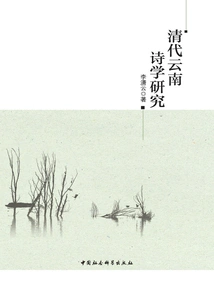
清代云南诗学研究
Li Xiaoyun
Yunnan poetic criticism in the Qing Dynasty was about reflection and return to originality. The former was related to logic, and the latter was related to experience. As methods, both are self-evident like sunlight and air; as beings, they are like sea water and fire waiting to be revealed. Starting from the dual perspective of self-evident existence, Yunnan poetics in the Qing Dynasty implies two propositions: what is poetry - the artistic expression of the subject's temperament; what is poetry - an aesthetic creation based on foundation and interest. From a modern academic perspective, the poetic discourse of Yunnan in the Qing Dynasty is more of a theoretical and intellectual existence; for the regional subject of Yunnan poetics in the Qing Dynasty, its poetic discourse is based on the self-constructed feelings of the poet himself and his family and country, aesthetics and morality.
Yunnan poetic criticism in the Qing Dynasty was about reflection and return to originality. The former was related to logic, and the latter was related to experience. As methods, both are self-evident like sunlight and air; as beings, they are like sea water and fire waiting to be revealed. Starting from the dual perspective of self-evident existence, Yunnan poetics in the Qing Dynasty implies two propositions: what is poetry - the artistic expression of the subject's temperament; what is poetry - an aesthetic creation based on foundation and interest. From a modern academic perspective, the poetic discourse of Yunnan in the Qing Dynasty is more of a theoretical and intellectual existence; for the regional subject of Yunnan poetics in the Qing Dynasty, its poetic discourse is based on the self-constructed feelings of the poet himself and his family and country, aesthetics and morality.
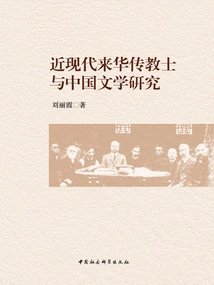
近现代来华传教士与中国文学研究
Liu Lixia
In the history of cultural exchanges between China and the West, missionaries to China played an extremely important role, and their influence has increasingly attracted academic attention. This book provides historical materials and academic analysis of the special significance of modern missionaries to China in the history of cultural exchanges between China and the West from a literary perspective. The specific content is mainly developed from three aspects: the first is the study of Catholic missionaries to China in modern times and Chinese literature; the second is the study of Protestant missionaries to China in modern times and Chinese literature; the third is a case study of three missionaries to China, including Ming Xingli, Pearl Buck and Bao Guisi. Although the translation and introduction research of Chinese literature by missionaries in China inevitably has religious overtones, as "people between" Chinese and Western cultures and researchers with profound "on-the-ground" experience, their work has preserved a wealth of first-hand information for the study of Chinese literature today and provided a unique research perspective, which can undoubtedly enrich our research space and expand our research horizons.
In the history of cultural exchanges between China and the West, missionaries to China played an extremely important role, and their influence has increasingly attracted academic attention. This book provides historical materials and academic analysis of the special significance of modern missionaries to China in the history of cultural exchanges between China and the West from a literary perspective. The specific content is mainly developed from three aspects: the first is the study of Catholic missionaries to China in modern times and Chinese literature; the second is the study of Protestant missionaries to China in modern times and Chinese literature; the third is a case study of three missionaries to China, including Ming Xingli, Pearl Buck and Bao Guisi. Although the translation and introduction research of Chinese literature by missionaries in China inevitably has religious overtones, as "people between" Chinese and Western cultures and researchers with profound "on-the-ground" experience, their work has preserved a wealth of first-hand information for the study of Chinese literature today and provided a unique research perspective, which can undoubtedly enrich our research space and expand our research horizons.
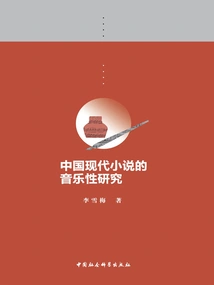
中国现代小说的音乐性研究
Li Xuemei
This book takes some modern Chinese novels with musicality as the object of investigation. From the perspective of implicit musicality and explicit musicality, this book attempts to open up the subtle relationship between novels and music from a cross-art perspective, understand the overlap and gap between the two arts when they serve as reference for creation and criticism, and thus intervene in the deep interpretation of human nature, culture and art behind the gaps of these overlaps and gaps. The musicality of the novel in the book is both a means and an end. It is a way to grasp and understand the work and even the world. It can even be said to be an inner deep structure of any organic life form.
This book takes some modern Chinese novels with musicality as the object of investigation. From the perspective of implicit musicality and explicit musicality, this book attempts to open up the subtle relationship between novels and music from a cross-art perspective, understand the overlap and gap between the two arts when they serve as reference for creation and criticism, and thus intervene in the deep interpretation of human nature, culture and art behind the gaps of these overlaps and gaps. The musicality of the novel in the book is both a means and an end. It is a way to grasp and understand the work and even the world. It can even be said to be an inner deep structure of any organic life form.
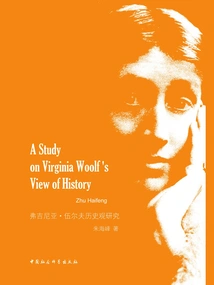
弗吉尼亚·伍尔夫历史观研究(英文)
Zhu Haifeng
Virginia Woolf (1882-1941), a master of British modernist literature in the 20th century, devoted her life to the innovation of novel creation and promoted the development of modernist literature. She also wrote about historical events such as war, the feminist movement, homosexuality, and the decline of the British Empire in her era. Woolf's modernist works seem to be divorced from historical background, but in fact they are rooted in the historical reality of modernity, and they are also an effective means of narrating history. This monograph comprehensively studies Woolf's diaries, autobiographies, letters, speeches, literary reviews, and historical documents such as Woolf's biography, notes, archival materials, and manuscripts, and reorganizes the family history, social history, and British Empire history that Woolf experienced in the real world. At the same time, this monograph adopts the New Historicist perspectives of Greenblatt, Hayden White, and Montrose to examine Woolf's modernist novels in the historical and cultural context. It examines Woolf's historical writing on the family history of her parents, siblings, the social history of the feminist movement, homosexuality, and class conflict, as well as the history of colonial independence and the British Empire in the two world wars, thereby exploring Woolf's historical views, historical narrative views, and historical writing strategies.
Virginia Woolf (1882-1941), a master of British modernist literature in the 20th century, devoted her life to the innovation of novel creation and promoted the development of modernist literature. She also wrote about historical events such as war, the feminist movement, homosexuality, and the decline of the British Empire in her era. Woolf's modernist works seem to be divorced from historical background, but in fact they are rooted in the historical reality of modernity, and they are also an effective means of narrating history. This monograph comprehensively studies Woolf's diaries, autobiographies, letters, speeches, literary reviews, and historical documents such as Woolf's biography, notes, archival materials, and manuscripts, and reorganizes the family history, social history, and British Empire history that Woolf experienced in the real world. At the same time, this monograph adopts the New Historicist perspectives of Greenblatt, Hayden White, and Montrose to examine Woolf's modernist novels in the historical and cultural context. It examines Woolf's historical writing on the family history of her parents, siblings, the social history of the feminist movement, homosexuality, and class conflict, as well as the history of colonial independence and the British Empire in the two world wars, thereby exploring Woolf's historical views, historical narrative views, and historical writing strategies.
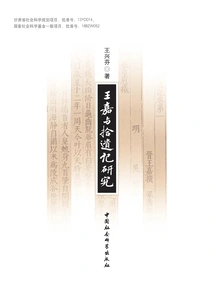
Research on Wang Jia and "shi Yi Ji
Literature王嘉与《拾遗记》研究
Wang Xingfen
This book conducts a comprehensive investigation of Wang Jia and his "Supplementary Notes" from a religious perspective and a literary perspective. Specifically, the book conducts textual research on Wang Jia's place of origin and year of death, conducts in-depth exploration of his friendships and writings, and conducts a comprehensive examination of Wang Jia's thoughts from the four aspects of Confucianism, Buddhism, Taoism and prophecy. The study of "Supplementary Records" first sorted out the official and private bibliographic records of "Supplementary Records" in the past dynasties, and conducted a detailed study of the version and style of "Supplementary Records"; secondly, there was a special study on the textual content and artistic features of "Supplementary Records", which involved five aspects: the women and myths in "Supplementary Records", the language characteristics of "Shiyi Records", the intentional supernatural novel "Shiyi Records", and Xiao Qi and her "Records of Supplementary Relics".
This book conducts a comprehensive investigation of Wang Jia and his "Supplementary Notes" from a religious perspective and a literary perspective. Specifically, the book conducts textual research on Wang Jia's place of origin and year of death, conducts in-depth exploration of his friendships and writings, and conducts a comprehensive examination of Wang Jia's thoughts from the four aspects of Confucianism, Buddhism, Taoism and prophecy. The study of "Supplementary Records" first sorted out the official and private bibliographic records of "Supplementary Records" in the past dynasties, and conducted a detailed study of the version and style of "Supplementary Records"; secondly, there was a special study on the textual content and artistic features of "Supplementary Records", which involved five aspects: the women and myths in "Supplementary Records", the language characteristics of "Shiyi Records", the intentional supernatural novel "Shiyi Records", and Xiao Qi and her "Records of Supplementary Relics".
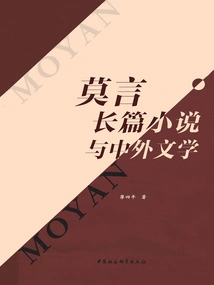
莫言长篇小说与中外文学
Liao Siping
"Mo Yan's Novels and Chinese and Foreign Literature" comparatively studies the similarities, similarities and differences between Mo Yan's novels and Chinese and foreign literature. It objectively, plainly, comprehensively and accurately reveals the inheritance and transcendence of Mo Yan's novels on Chinese and foreign literature as well as the unique value of Mo Yan's novels. It can be regarded as a reference book for Mo Yan research and readers' reading and understanding of Mo Yan's novels.
"Mo Yan's Novels and Chinese and Foreign Literature" comparatively studies the similarities, similarities and differences between Mo Yan's novels and Chinese and foreign literature. It objectively, plainly, comprehensively and accurately reveals the inheritance and transcendence of Mo Yan's novels on Chinese and foreign literature as well as the unique value of Mo Yan's novels. It can be regarded as a reference book for Mo Yan research and readers' reading and understanding of Mo Yan's novels.
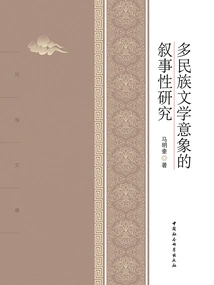
多民族文学意象的叙事性研究
Ma Mingkui
This book uses archetypal images as the logical starting point to construct a narrative theoretical system of Chinese ethnic minority literature, and uses it to interpret the texts of four writers and poets, Mandu Mai, Nan Yongqian, Zhang Zezhong and Akuwu Wu. It not only summarizes the creative experience of multi-ethnic writers, but also extends into the meaning of regional cultural interpretation and cultural personality construction, referring to the integration and interpenetration of Chinese classical literary theory, literary theory, narratology and literary psychology, and attempts to combine Chinese and Western cultures in a localized sense. The theoretical value of this book: (1) describes the philosophical process from ontology to subject, to object and even cultural text; (2) deconstructs the narrative paradigm that promotes conflicts, constructs plot logic, and shapes typical characters; (3) dismantles the gap between lyricism and narrative; (4) eliminates the gap between narrative and history.
This book uses archetypal images as the logical starting point to construct a narrative theoretical system of Chinese ethnic minority literature, and uses it to interpret the texts of four writers and poets, Mandu Mai, Nan Yongqian, Zhang Zezhong and Akuwu Wu. It not only summarizes the creative experience of multi-ethnic writers, but also extends into the meaning of regional cultural interpretation and cultural personality construction, referring to the integration and interpenetration of Chinese classical literary theory, literary theory, narratology and literary psychology, and attempts to combine Chinese and Western cultures in a localized sense. The theoretical value of this book: (1) describes the philosophical process from ontology to subject, to object and even cultural text; (2) deconstructs the narrative paradigm that promotes conflicts, constructs plot logic, and shapes typical characters; (3) dismantles the gap between lyricism and narrative; (4) eliminates the gap between narrative and history.
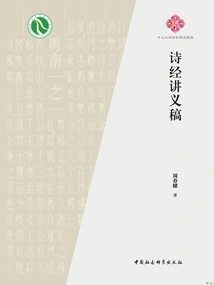
Book of Songs Lecture Notes
Literature诗经讲义稿
Zhou Chunjian
This book is a collection of the author's lectures on the Book of Songs at Sun Yat-sen University for ten years. The title "Lecture Notes on the Book of Songs" is modeled after the work of the same name that Mr. Fu Sinian used to teach the Book of Songs at Sun Yat-sen University. However, it is not for clinging to others. Firstly, it is to continue the "Book of Songs" class at Sun Yat-sen University, and secondly, it shows the difference in intention of the two drafts: one is from a modern standpoint, and the other is from a classical standpoint. The manuscript is divided into two parts. The first part discusses several basic issues in the study of "The Book of Songs", and the second part selects the key points of the "Book of Songs" for lectures. The purpose of the book is from the perspective of classical studies, focusing on elucidating the educational significance of the Book of Songs in classical Chinese society.
This book is a collection of the author's lectures on the Book of Songs at Sun Yat-sen University for ten years. The title "Lecture Notes on the Book of Songs" is modeled after the work of the same name that Mr. Fu Sinian used to teach the Book of Songs at Sun Yat-sen University. However, it is not for clinging to others. Firstly, it is to continue the "Book of Songs" class at Sun Yat-sen University, and secondly, it shows the difference in intention of the two drafts: one is from a modern standpoint, and the other is from a classical standpoint. The manuscript is divided into two parts. The first part discusses several basic issues in the study of "The Book of Songs", and the second part selects the key points of the "Book of Songs" for lectures. The purpose of the book is from the perspective of classical studies, focusing on elucidating the educational significance of the Book of Songs in classical Chinese society.
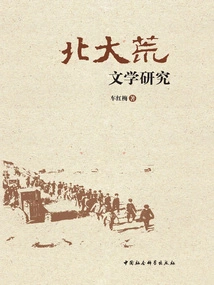
Beidahuang Literature Research
Literature北大荒文学研究
Che Hongmei
Beidahuang literature mainly refers to the local literature of Heilongjiang as a whole. The literary image of Beidahuang ranges from Xiao Hong's traditional wilderness to the home consciousness of pioneers, and then to the folk hope of Beidahuang in the second entrepreneurship. Beidahuang's literary creation reflects the revolutionary discourse under the control of ideology. Entering the historical scene with a historian's attitude highlights the spirit of Beidahuang with dedication and sacrifice as its basic connotation, and reveals the difficult growth of people's degeneration under ideological discourse. Writers use reportage to touch the pulse of new life, demonstrate the beauty of the spirit of the times, and extract the passion of life. Sticking to the writing of daily life becomes the writer's spiritual stance. The writings of Beidahuang writers show a realistic attitude, and the concentrated appearance of "main theme" works and the recognition of local culture have become their common choices. The writing is devoted to dignity, and the poetic moments flow out in the ordinary life, listening to the redemption and self-redemption of "the sound of nature". The "bearded" culture and traditional virtues reflected in pastoral writing present images of rural life in the Great Northern Wilderness. It is the unique cultural aesthetic character of Beidahuang to enter the national soul from local writing, showing a cultural form of diverse symbiosis.
Beidahuang literature mainly refers to the local literature of Heilongjiang as a whole. The literary image of Beidahuang ranges from Xiao Hong's traditional wilderness to the home consciousness of pioneers, and then to the folk hope of Beidahuang in the second entrepreneurship. Beidahuang's literary creation reflects the revolutionary discourse under the control of ideology. Entering the historical scene with a historian's attitude highlights the spirit of Beidahuang with dedication and sacrifice as its basic connotation, and reveals the difficult growth of people's degeneration under ideological discourse. Writers use reportage to touch the pulse of new life, demonstrate the beauty of the spirit of the times, and extract the passion of life. Sticking to the writing of daily life becomes the writer's spiritual stance. The writings of Beidahuang writers show a realistic attitude, and the concentrated appearance of "main theme" works and the recognition of local culture have become their common choices. The writing is devoted to dignity, and the poetic moments flow out in the ordinary life, listening to the redemption and self-redemption of "the sound of nature". The "bearded" culture and traditional virtues reflected in pastoral writing present images of rural life in the Great Northern Wilderness. It is the unique cultural aesthetic character of Beidahuang to enter the national soul from local writing, showing a cultural form of diverse symbiosis.
金圣叹形式批评研究
Fan Baoying
As a master of literary criticism, Jin Shengtan is concerned about the textual quality of a work and explores the nature of literary form. He mainly adopts the method of literary appreciation to analyze the beauty, ugliness, pros and cons of literary works, reveal the author's intention in writing, and guide readers on how to appreciate the text, thereby demonstrating the beauty of literary heart, diction, composition and analysis. This book attempts to summarize the characteristics of Jin Shengtan's formal criticism, explore how he grasps the meaning of text through form, and how he seeks the tension between emotion and rationality between art and science.
As a master of literary criticism, Jin Shengtan is concerned about the textual quality of a work and explores the nature of literary form. He mainly adopts the method of literary appreciation to analyze the beauty, ugliness, pros and cons of literary works, reveal the author's intention in writing, and guide readers on how to appreciate the text, thereby demonstrating the beauty of literary heart, diction, composition and analysis. This book attempts to summarize the characteristics of Jin Shengtan's formal criticism, explore how he grasps the meaning of text through form, and how he seeks the tension between emotion and rationality between art and science.
新维多利亚小说历史叙事研究
Du Lili
Neo-Victorian novels refer to the postmodern historical novels that emerged in the 1960s with the historical turn of contemporary British novels, with the Victorian period as the background and reconstruction object. Based on the conceptual definition and characteristics of neo-Victorian novels, this book explores the historical imagination and narrative reconstruction of the Victorian period by contemporary writers from three levels: metahistorical romance narrative mode, spatialized narrative time, and polyphonic narrative voice. The spatiality and hybridity in the narrative form of the neo-Victorian novel, the contradiction and uncertainty in the ideology, and the grotesqueness of ghost writing in the aesthetic style make it the most representative literary style of British postmodernism.
Neo-Victorian novels refer to the postmodern historical novels that emerged in the 1960s with the historical turn of contemporary British novels, with the Victorian period as the background and reconstruction object. Based on the conceptual definition and characteristics of neo-Victorian novels, this book explores the historical imagination and narrative reconstruction of the Victorian period by contemporary writers from three levels: metahistorical romance narrative mode, spatialized narrative time, and polyphonic narrative voice. The spatiality and hybridity in the narrative form of the neo-Victorian novel, the contradiction and uncertainty in the ideology, and the grotesqueness of ghost writing in the aesthetic style make it the most representative literary style of British postmodernism.
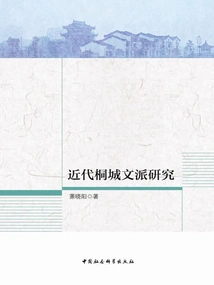
近代桐城文派研究
Xiao Xiaoyang
This book is the first academic treatise on the study of the Tongcheng Literary School in modern times. The article conducts a systematic and in-depth exploration of the modern Tongcheng School of Literature from the perspective of research on modernity and regional culture. The modern school of literature is divided into main branches according to region: Lingxi School, Shangyuan School, Xiangxiang School, Lianchi School, Xincheng School, Wuyi School, and Hou Tongcheng School. It conducts a groundbreaking discussion on the development and origin of this school, and uses the Tongcheng School as a case study to demonstrate the evolution trend of modern literature into modern literature. This work established the status of the modern Tongcheng School of Literature in the history of Chinese literature. It has important academic value for re-understanding the Tongcheng School and the evolution of modern literature. It is a rare academic work in the field of Chinese literary school research in recent years.
This book is the first academic treatise on the study of the Tongcheng Literary School in modern times. The article conducts a systematic and in-depth exploration of the modern Tongcheng School of Literature from the perspective of research on modernity and regional culture. The modern school of literature is divided into main branches according to region: Lingxi School, Shangyuan School, Xiangxiang School, Lianchi School, Xincheng School, Wuyi School, and Hou Tongcheng School. It conducts a groundbreaking discussion on the development and origin of this school, and uses the Tongcheng School as a case study to demonstrate the evolution trend of modern literature into modern literature. This work established the status of the modern Tongcheng School of Literature in the history of Chinese literature. It has important academic value for re-understanding the Tongcheng School and the evolution of modern literature. It is a rare academic work in the field of Chinese literary school research in recent years.
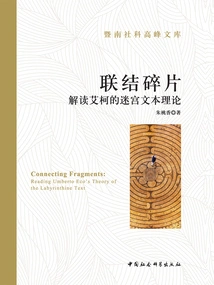
联结碎片:解读艾柯的迷宫文本理论
Zhu Taoxiang
Based on extensive reading and in-depth understanding of Eco's writings, this book finds that his thinking on the labyrinth text ran through his entire academic and creative career, and fragments of his thoughts were scattered and submerged in every corner of his theoretical books, essays and novels. In his representative work "The Name of the Rose", he put the theory into practice, and added narration to what was unclear in the theory. This book puts forward a proposition - Eco has actually discussed the labyrinth text theory intermittently and scatteredly, but only in fragmentary form, which needs to be connected. This book attempts to discover, sort out and connect relevant theoretical fragments to outline the basic outline of its labyrinth text theory.
Based on extensive reading and in-depth understanding of Eco's writings, this book finds that his thinking on the labyrinth text ran through his entire academic and creative career, and fragments of his thoughts were scattered and submerged in every corner of his theoretical books, essays and novels. In his representative work "The Name of the Rose", he put the theory into practice, and added narration to what was unclear in the theory. This book puts forward a proposition - Eco has actually discussed the labyrinth text theory intermittently and scatteredly, but only in fragmentary form, which needs to be connected. This book attempts to discover, sort out and connect relevant theoretical fragments to outline the basic outline of its labyrinth text theory.
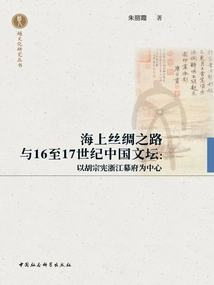
海上丝绸之路与16至17世纪中国文坛:以胡宗宪浙江幕府为中心
Zhu Lixia
The mid-to-late 16th century was a historical period when China was "globalized". Closely related to naval warfare and maritime trade, the maritime situation provided opportunities for literati to display their talents. The maritime shogunate greatly attracted young scribes from the mainland. The anti-Japanese governor Hu Zongxian and the Zhejiang shogunate gathered a large number of elites from all walks of life. During the turbulent period of history, staff and scribes assisted the rulers in consolidating coastal defense and border areas and stabilizing the situation in the Ming Dynasty. The literary and cultural activities of the shogunate that were always associated with the naval war directly led the literary trend of the times. The needs of the cultural life of the shogunate and the singing and exchanges between the staff and scribes resulted in the production of a large amount of shogunate literature at this time. Operas, parallel prose, and novels competed with each other, and military literature also flourished. The most influential among them was Xu Wei, a famous scholar from Shaoxing. Xu Wei's creations represent the achievements of Hu Zongxian's shogunate literature and the development trend of the literary world of the times. After Xu Wei, many talented scribes joined the new coastal border shogunate after Hu Zongxian was killed and continued to engage in military and cultural activities. The Haijiang shogunate directly drew the literary map of China in the mid-to-late 16th century to a large extent, and since then changed the ecology of China's literary world.
The mid-to-late 16th century was a historical period when China was "globalized". Closely related to naval warfare and maritime trade, the maritime situation provided opportunities for literati to display their talents. The maritime shogunate greatly attracted young scribes from the mainland. The anti-Japanese governor Hu Zongxian and the Zhejiang shogunate gathered a large number of elites from all walks of life. During the turbulent period of history, staff and scribes assisted the rulers in consolidating coastal defense and border areas and stabilizing the situation in the Ming Dynasty. The literary and cultural activities of the shogunate that were always associated with the naval war directly led the literary trend of the times. The needs of the cultural life of the shogunate and the singing and exchanges between the staff and scribes resulted in the production of a large amount of shogunate literature at this time. Operas, parallel prose, and novels competed with each other, and military literature also flourished. The most influential among them was Xu Wei, a famous scholar from Shaoxing. Xu Wei's creations represent the achievements of Hu Zongxian's shogunate literature and the development trend of the literary world of the times. After Xu Wei, many talented scribes joined the new coastal border shogunate after Hu Zongxian was killed and continued to engage in military and cultural activities. The Haijiang shogunate directly drew the literary map of China in the mid-to-late 16th century to a large extent, and since then changed the ecology of China's literary world.
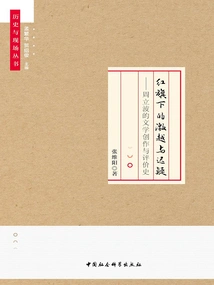
Excitement and Hesitation under the Red Flag: Zhou Libo's Literary Creation and Evaluation History
Literature红旗下的激越与迟疑:周立波的文学创作与评价史
Zhang Weiyang
Zhou Libo is a writer with fertile creations and far-reaching influence. However, Chinese literary criticism has not given him due historical evaluation for a long historical period. In the era of passion, Zhou Libo's works were suppressed because they were "not ideal enough" and "not pure enough". In the "new era", his works were ignored because of the trend of "farewell to the revolution". Zhou Libo has been portrayed as a hesitant hesitant or a passionate follower in different historical periods. He has long been underestimated and under-explained by critics. This book reinterprets Zhou Libo's literary creation, carefully sorts out the relationship between his works and the "May Fourth Movement" tradition and the "Speeches" tradition, analyzes his fate in the history of Chinese literary criticism, and thus reflects on the internal mechanism of contemporary Chinese literary criticism.
Zhou Libo is a writer with fertile creations and far-reaching influence. However, Chinese literary criticism has not given him due historical evaluation for a long historical period. In the era of passion, Zhou Libo's works were suppressed because they were "not ideal enough" and "not pure enough". In the "new era", his works were ignored because of the trend of "farewell to the revolution". Zhou Libo has been portrayed as a hesitant hesitant or a passionate follower in different historical periods. He has long been underestimated and under-explained by critics. This book reinterprets Zhou Libo's literary creation, carefully sorts out the relationship between his works and the "May Fourth Movement" tradition and the "Speeches" tradition, analyzes his fate in the history of Chinese literary criticism, and thus reflects on the internal mechanism of contemporary Chinese literary criticism.
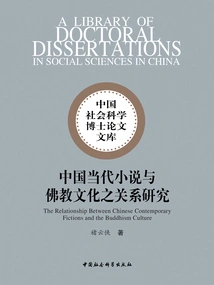
中国当代小说与佛教文化之关系研究
Chu Yunxia
With "the relationship between contemporary Chinese novels and Buddhist culture" as the core, this book aims to place Chinese novel texts since 1949 in the context of the development of the relationship with Buddhist culture, and examine how Buddhist story prototypes, basic concepts, and discourse expressions shape the ontology of the story and the spiritual connotation of the novel; its significance in the creation of the narrative style, time and space structure of contemporary Chinese novels; and the generation and exploration of specific images, artistic conceptions, and language expressions. By sorting out the relationship between contemporary Chinese novels and Buddhist culture in diachronic and synchronic dimensions, it breaks through previous evidence-based research and case studies of writers' works, and deepens and expands this research dimension that has not yet been fully developed. It not only explores the opening up of the aesthetic paradigm of contemporary Chinese novels by Buddhist culture as a part of traditional Chinese culture, but also further considers anthropological propositions such as the sacred and secular, the ultimate concern of literature, and the possibility of Chinese literature dialogue with the world on a metaphysical level.
With "the relationship between contemporary Chinese novels and Buddhist culture" as the core, this book aims to place Chinese novel texts since 1949 in the context of the development of the relationship with Buddhist culture, and examine how Buddhist story prototypes, basic concepts, and discourse expressions shape the ontology of the story and the spiritual connotation of the novel; its significance in the creation of the narrative style, time and space structure of contemporary Chinese novels; and the generation and exploration of specific images, artistic conceptions, and language expressions. By sorting out the relationship between contemporary Chinese novels and Buddhist culture in diachronic and synchronic dimensions, it breaks through previous evidence-based research and case studies of writers' works, and deepens and expands this research dimension that has not yet been fully developed. It not only explores the opening up of the aesthetic paradigm of contemporary Chinese novels by Buddhist culture as a part of traditional Chinese culture, but also further considers anthropological propositions such as the sacred and secular, the ultimate concern of literature, and the possibility of Chinese literature dialogue with the world on a metaphysical level.
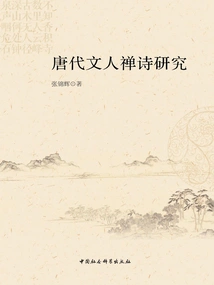
唐代文人禅诗研究
Zhang Jinhui
Zen Buddhism belongs to religion and poetry belongs to literature. The combination of the two finally blooms into the beautiful flower of Chinese poetry - Zen poetry. Zen poetry has the dual attributes of religion (Zen) and literature (poetry). It is a special creation that integrates religion (Zen) and literature (poetry). It is "literature" and "Zen". This book places the literati Zen poetry of the Tang Dynasty in the broad background of the development of literature and Zen Buddhism in the Tang Dynasty. From a macro perspective, it conducts a relatively concentrated, systematic and comprehensive study of the development and value of the literati Zen poetry of the Tang Dynasty from the aspects of its classification, typical imagery, unique artistic conception, aesthetic qualities, and the acceptance and absorption of Buddhist Zen classics, in order to be beneficial to the study of Tang Dynasty poetry and Chinese literature.
Zen Buddhism belongs to religion and poetry belongs to literature. The combination of the two finally blooms into the beautiful flower of Chinese poetry - Zen poetry. Zen poetry has the dual attributes of religion (Zen) and literature (poetry). It is a special creation that integrates religion (Zen) and literature (poetry). It is "literature" and "Zen". This book places the literati Zen poetry of the Tang Dynasty in the broad background of the development of literature and Zen Buddhism in the Tang Dynasty. From a macro perspective, it conducts a relatively concentrated, systematic and comprehensive study of the development and value of the literati Zen poetry of the Tang Dynasty from the aspects of its classification, typical imagery, unique artistic conception, aesthetic qualities, and the acceptance and absorption of Buddhist Zen classics, in order to be beneficial to the study of Tang Dynasty poetry and Chinese literature.
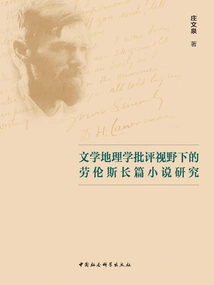
文学地理学批评视野下的劳伦斯长篇小说研究
Zhuang Wenquan
Based on research on Lawrence at home and abroad, this book relies on literary geography criticism methods, takes Lawrence's short life course as its longitude, and uses the geographical environment where he lived as its latitude. It examines the profound impact of the geographical factors that the writer experienced on his creations. Starting from a close reading of the text, we studied the geographical spaces such as mining areas, villages, cities, lakes and islands constructed in Lawrence's novels, and explored many profound natural images in these spaces, demonstrating the unique artistic style and charm of his novels.
Based on research on Lawrence at home and abroad, this book relies on literary geography criticism methods, takes Lawrence's short life course as its longitude, and uses the geographical environment where he lived as its latitude. It examines the profound impact of the geographical factors that the writer experienced on his creations. Starting from a close reading of the text, we studied the geographical spaces such as mining areas, villages, cities, lakes and islands constructed in Lawrence's novels, and explored many profound natural images in these spaces, demonstrating the unique artistic style and charm of his novels.
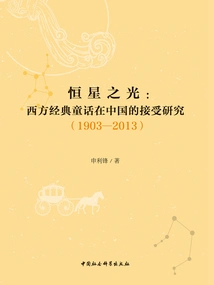
The Light of the Stars: a Study on the Reception of Classic Western Fairy Tales in China (1903-2013)
Literature恒星之光:西方经典童话在中国的接受研究(1903—2013)
Shen Lifeng
At the beginning of the 20th century, under the background of "Western wind spreading eastward", Western fairy tales began to enter China. The development of Chinese fairy tales is inseparably related to Western fairy tales. This book mainly discusses the diachronic acceptance process of Western classic fairy tales in China and its multiple influences on Chinese fairy tales from the perspective of reception research. It specifically analyzes the independence of Western fairy tale genres and the generation of classic works, China's choice of Western fairy tales before and after the "May Fourth Movement", the spread and acceptance of Western fairy tales in China in the 1930s and 1940s, and the integration and development of Chinese and Western fairy tales in the new era.
At the beginning of the 20th century, under the background of "Western wind spreading eastward", Western fairy tales began to enter China. The development of Chinese fairy tales is inseparably related to Western fairy tales. This book mainly discusses the diachronic acceptance process of Western classic fairy tales in China and its multiple influences on Chinese fairy tales from the perspective of reception research. It specifically analyzes the independence of Western fairy tale genres and the generation of classic works, China's choice of Western fairy tales before and after the "May Fourth Movement", the spread and acceptance of Western fairy tales in China in the 1930s and 1940s, and the integration and development of Chinese and Western fairy tales in the new era.
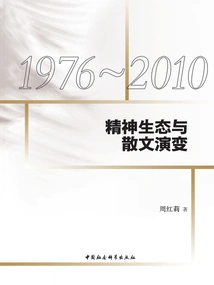
精神生态与散文演变(1976—2010)
Zhou Hongli
Research is a value presupposition. Tracking and investigating the evolution of Chinese prose in the past thirty years, the deeper meaning is an in-depth investigation of the people's life, mental state, national soul, and personality thoughts during the transformation of China's society in the past thirty years. It is also a correction of the relative marginalization and limitation of contemporary Chinese prose research. "Spiritual ecology" is the field of prose evolution confirmed by the author, and he explores the ideological state of the creative subject, that is, the intellectual group, the related social existence and the fission of cultural thoughts from the six dimensions of "spiritual dimension", "spiritual expression", "spiritual return", "spiritual diversity", "spiritual watch" and "spiritual fragments". During the research process, the author organically integrated the history of contemporary thought and the history of prose genres in the form of a study of period genre history, and extracted specific prose forms relevant to this study, such as "New Enlightenment" prose and "witness" prose, old writers' prose, "multiple" prose period and cultural prose, Jiangnan garden prose, and little woman prose. , "Non-fiction" prose and presenceist prose, ideological essays, new rural prose, etc.; In addition, attention is also paid to "new" creative prose (such as new prose), regional prose, and women's prose, effectively constructing the logic of the relationship between the evolution of prose and the spiritual ecology of intellectuals, which constitutes the main content of the research.
Research is a value presupposition. Tracking and investigating the evolution of Chinese prose in the past thirty years, the deeper meaning is an in-depth investigation of the people's life, mental state, national soul, and personality thoughts during the transformation of China's society in the past thirty years. It is also a correction of the relative marginalization and limitation of contemporary Chinese prose research. "Spiritual ecology" is the field of prose evolution confirmed by the author, and he explores the ideological state of the creative subject, that is, the intellectual group, the related social existence and the fission of cultural thoughts from the six dimensions of "spiritual dimension", "spiritual expression", "spiritual return", "spiritual diversity", "spiritual watch" and "spiritual fragments". During the research process, the author organically integrated the history of contemporary thought and the history of prose genres in the form of a study of period genre history, and extracted specific prose forms relevant to this study, such as "New Enlightenment" prose and "witness" prose, old writers' prose, "multiple" prose period and cultural prose, Jiangnan garden prose, and little woman prose. , "Non-fiction" prose and presenceist prose, ideological essays, new rural prose, etc.; In addition, attention is also paid to "new" creative prose (such as new prose), regional prose, and women's prose, effectively constructing the logic of the relationship between the evolution of prose and the spiritual ecology of intellectuals, which constitutes the main content of the research.
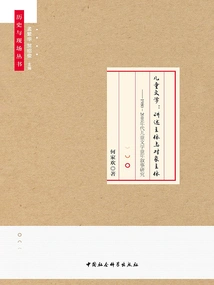
儿童文学:讲述主体与对象主体
He Jiahuan
The 1980s to 2010s were 30 years of rapid growth and development for children's literature in China. During this period, children's literature became richer and more mature in content and form, and a huge conceptual change occurred in creation. This book's investigation of childhood narratives in children's literature is placed in the historical and cultural context of Chinese society from the 1980s to the 2010s. It takes the different development stages of childhood narratives in children's literature as clues, focuses on the spiritual vision of writers at different stages and the construction of children's subjects and the construction of literary dialogue relationships, and examines it from the perspectives of history, culture and aesthetics. He examines the creation of Chinese children's literature in four periods: the early 1980s, the mid-to-late 1980s, the 1990s, and the beginning of the new century to the present. It presents the differences in childhood narratives in children's literature in different periods, analyzes the impact of different discourses on writers' construction of children's subjects, and looks for clues and trajectories of the changes in dialogue relationships in children's literature in different periods.
The 1980s to 2010s were 30 years of rapid growth and development for children's literature in China. During this period, children's literature became richer and more mature in content and form, and a huge conceptual change occurred in creation. This book's investigation of childhood narratives in children's literature is placed in the historical and cultural context of Chinese society from the 1980s to the 2010s. It takes the different development stages of childhood narratives in children's literature as clues, focuses on the spiritual vision of writers at different stages and the construction of children's subjects and the construction of literary dialogue relationships, and examines it from the perspectives of history, culture and aesthetics. He examines the creation of Chinese children's literature in four periods: the early 1980s, the mid-to-late 1980s, the 1990s, and the beginning of the new century to the present. It presents the differences in childhood narratives in children's literature in different periods, analyzes the impact of different discourses on writers' construction of children's subjects, and looks for clues and trajectories of the changes in dialogue relationships in children's literature in different periods.
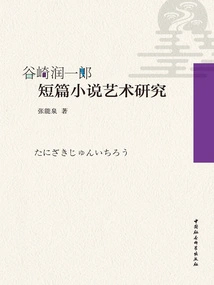
谷崎润一郎短篇小说艺术研究
Zhang Nengquan
This book is based on Tanizaki's short stories, takes the artistic research of his short stories as the object, and uses text close reading as the basic method. From six aspects, the artistic characteristics of Tanizaki's short stories are deeply and systematically explained, the dominant artistic style of Tanizaki's short stories is revealed, and his artistic creation path of "combining East and West with the East as the main focus" is presented, thereby presenting the unique artistic charm of Tanizaki's short stories.
This book is based on Tanizaki's short stories, takes the artistic research of his short stories as the object, and uses text close reading as the basic method. From six aspects, the artistic characteristics of Tanizaki's short stories are deeply and systematically explained, the dominant artistic style of Tanizaki's short stories is revealed, and his artistic creation path of "combining East and West with the East as the main focus" is presented, thereby presenting the unique artistic charm of Tanizaki's short stories.
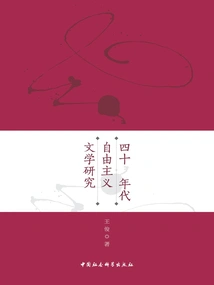
四十年代自由主义文学研究
Wang Jun
In the 1940s, Chinese liberal literature entered a new stage of development. This book attempts to place liberal literature in a specific historical context, examining the pressures and challenges it faced in the 1940s, how it positioned itself in different political environments, and how it adjusted the relationship between writers, literature, society, eras, and even nations. This book attempts to transcend the binary opposition between literature and politics, clarify the literary thoughts and political ideals of liberal writers in the 1940s from a historical and aesthetic standpoint, analyze the complex relationship between liberal literature and left-wing literature, and reveal the complexity of liberal literature in the 1940s.
In the 1940s, Chinese liberal literature entered a new stage of development. This book attempts to place liberal literature in a specific historical context, examining the pressures and challenges it faced in the 1940s, how it positioned itself in different political environments, and how it adjusted the relationship between writers, literature, society, eras, and even nations. This book attempts to transcend the binary opposition between literature and politics, clarify the literary thoughts and political ideals of liberal writers in the 1940s from a historical and aesthetic standpoint, analyze the complex relationship between liberal literature and left-wing literature, and reveal the complexity of liberal literature in the 1940s.
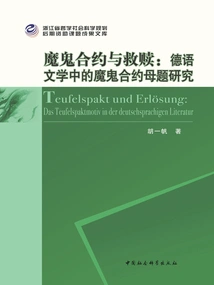
Devil's Contract and Redemption: a Study of the Devil's Contract Motif in German Literature
Literature魔鬼合约与救赎:德语文学中的魔鬼合约母题研究
Hu Yifan
The devil's contract as a literary motif has existed before the Middle Ages and can be traced back to certain chapters of the Bible. The devil's contract motif keeps pace with the times and remains timeless. It is active in literary creation in Germany and other countries around the world across time and space. On the basis of referring to existing literature, this book conducts a comprehensive study on the Devil's Contract motif: on the one hand, it looks at the changes of the motif itself from the origin and development of the Devil's Contract, and makes a horizontal comparison of Devil's Contract texts in the same literary period, exploring the diversity of the same motif under the interpretation of different writers; on the other hand, This book takes Goethe's "Faust", Chamiso's "The Adventures of Peter Schlemiel" and Gotthelf's "The Black Spider" as examples to analyze and interpret the basic elements of the devil's contract: the image of the devil, the signer, the content of the contract, the form of the contract, the ending of the contract, etc., Focusing on the topic of redemption in the story of the devil's contract.
The devil's contract as a literary motif has existed before the Middle Ages and can be traced back to certain chapters of the Bible. The devil's contract motif keeps pace with the times and remains timeless. It is active in literary creation in Germany and other countries around the world across time and space. On the basis of referring to existing literature, this book conducts a comprehensive study on the Devil's Contract motif: on the one hand, it looks at the changes of the motif itself from the origin and development of the Devil's Contract, and makes a horizontal comparison of Devil's Contract texts in the same literary period, exploring the diversity of the same motif under the interpretation of different writers; on the other hand, This book takes Goethe's "Faust", Chamiso's "The Adventures of Peter Schlemiel" and Gotthelf's "The Black Spider" as examples to analyze and interpret the basic elements of the devil's contract: the image of the devil, the signer, the content of the contract, the form of the contract, the ending of the contract, etc., Focusing on the topic of redemption in the story of the devil's contract.
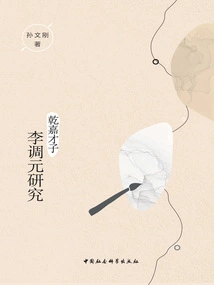
乾嘉才子李调元研究
Sun Wengang
As a famous Sichuan poet, literary theorist, and folklorist Li Tiaoyuan who lived roughly in the same era as Yuan Mei, Zhao Yi, Jiang Shiquan, Wang Wenzhi, Yao Nai and other famous Qianjia figures, academic research on him has not been sufficient. Based on this consideration, this book conducts a relatively comprehensive study and evaluation of Li Tiaoyuan from the aspects of his life story, poetry creation, poetic theory, opera aesthetics, folklore, etc., And classifies the relevant materials and documents related to his study at that time and in later generations. The content of this book has certain reference value for contemporary scholars engaged in research on Qing Dynasty academic culture, literature and art.
As a famous Sichuan poet, literary theorist, and folklorist Li Tiaoyuan who lived roughly in the same era as Yuan Mei, Zhao Yi, Jiang Shiquan, Wang Wenzhi, Yao Nai and other famous Qianjia figures, academic research on him has not been sufficient. Based on this consideration, this book conducts a relatively comprehensive study and evaluation of Li Tiaoyuan from the aspects of his life story, poetry creation, poetic theory, opera aesthetics, folklore, etc., And classifies the relevant materials and documents related to his study at that time and in later generations. The content of this book has certain reference value for contemporary scholars engaged in research on Qing Dynasty academic culture, literature and art.
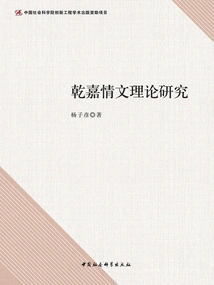
乾嘉情文理论研究
Yang Ziyan
"The person who writes the text is moved by emotion and then quits writing, and the person who reads the text writes the text to be emotional." The relationship between emotion and text is the most basic and core issue in literary research, and exists in all aspects of literary activities. Important theories such as poetry expressing ambition, innocent thoughts, observing people's resentment, gentleness and sincerity, "motivating from emotion, stopping from etiquette and justice", writing books with great enthusiasm, Yuanqingqiluxi, theory of human nature, etc. Are all elucidation of the relationship between love and literature from various angles. As the final period of Chinese traditional culture, the Qianjia period systematically summarized and developed the theory of love literature. This book conducts in-depth research on the Qianjia love literature theory from multiple perspectives such as sex and reason, emotion and illusion, temperament and style, emotion and fiction.
"The person who writes the text is moved by emotion and then quits writing, and the person who reads the text writes the text to be emotional." The relationship between emotion and text is the most basic and core issue in literary research, and exists in all aspects of literary activities. Important theories such as poetry expressing ambition, innocent thoughts, observing people's resentment, gentleness and sincerity, "motivating from emotion, stopping from etiquette and justice", writing books with great enthusiasm, Yuanqingqiluxi, theory of human nature, etc. Are all elucidation of the relationship between love and literature from various angles. As the final period of Chinese traditional culture, the Qianjia period systematically summarized and developed the theory of love literature. This book conducts in-depth research on the Qianjia love literature theory from multiple perspectives such as sex and reason, emotion and illusion, temperament and style, emotion and fiction.
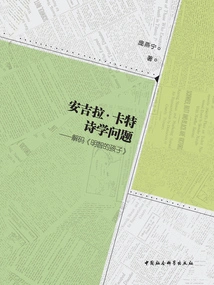
安吉拉·卡特诗学问题:解码《明智的孩子》
Pang Yanning
This book is produced based on the revision of my doctoral thesis "The "Anti-Logocentrism" Poetics of "The Wise Child"". This book is the first monograph in China that conducts a poetic study of Angela Carter's "The Wise Child" and explains its anti-logocentrism connotation, which has the value of filling in the gaps. The innovation of this work is also reflected in: 1. The new style of "The Wise Child" was investigated, and based on a large number of materials, it was identified as a classical Zhuangxiong style, and its anti-logocentrism spiritual essence was further revealed. 2. Using the method of cultural poetics, based on the examination of cultural history, this paper summarizes the new non-blood kinship family view in the novel, and conducts an in-depth discussion of its constructive role in anti-logos poetics.
This book is produced based on the revision of my doctoral thesis "The "Anti-Logocentrism" Poetics of "The Wise Child"". This book is the first monograph in China that conducts a poetic study of Angela Carter's "The Wise Child" and explains its anti-logocentrism connotation, which has the value of filling in the gaps. The innovation of this work is also reflected in: 1. The new style of "The Wise Child" was investigated, and based on a large number of materials, it was identified as a classical Zhuangxiong style, and its anti-logocentrism spiritual essence was further revealed. 2. Using the method of cultural poetics, based on the examination of cultural history, this paper summarizes the new non-blood kinship family view in the novel, and conducts an in-depth discussion of its constructive role in anti-logos poetics.
明代诗声理论研究
Li Guoxin
The theoretical study of poetic sound is an important dimension in the interpretation of Chinese poetics. It is a microscopic, deep and precise study. It is closely related to the evolution and development of the joy and separation of traditional Chinese poetry. The sound of poetry is the sound of poetry, mainly rhythm. It is mainly formed at six levels: rhyme, rhythm, calligraphy, syntax, composition, and style, and is mainly presented as natural sounds and man-made sounds. The theory of poetic sound in the Ming Dynasty was rich. The Ming Dynasty connected poetics with philosophy, aesthetics, etc., And discussed it from several aspects such as the relationship between sound and breath, the relationship between sound and meaning, the relationship between sound and emotion, and the relationship between sound and shape. The theory of poetic sound in the Ming Dynasty not only tended to return to traditional poetics, but also further developed to the highest realm of poetics - Shen Yun. In short, the theory of poetic sound in the Ming Dynasty and the corresponding practice of poetry creation are quite distinctive and valuable. The author first carefully examines the prosperity of poetic voice in the Ming Dynasty and its reasons from a diachronic perspective, then extracts some main propositions from the scattered and complicated poetic materials of the Ming Dynasty to explore the general appearance of the poetic voice theory in the Ming Dynasty in a case-by-case manner, and finally discusses the main issues concerned by the poetic voice theory in the Ming Dynasty and its poetic achievements.
The theoretical study of poetic sound is an important dimension in the interpretation of Chinese poetics. It is a microscopic, deep and precise study. It is closely related to the evolution and development of the joy and separation of traditional Chinese poetry. The sound of poetry is the sound of poetry, mainly rhythm. It is mainly formed at six levels: rhyme, rhythm, calligraphy, syntax, composition, and style, and is mainly presented as natural sounds and man-made sounds. The theory of poetic sound in the Ming Dynasty was rich. The Ming Dynasty connected poetics with philosophy, aesthetics, etc., And discussed it from several aspects such as the relationship between sound and breath, the relationship between sound and meaning, the relationship between sound and emotion, and the relationship between sound and shape. The theory of poetic sound in the Ming Dynasty not only tended to return to traditional poetics, but also further developed to the highest realm of poetics - Shen Yun. In short, the theory of poetic sound in the Ming Dynasty and the corresponding practice of poetry creation are quite distinctive and valuable. The author first carefully examines the prosperity of poetic voice in the Ming Dynasty and its reasons from a diachronic perspective, then extracts some main propositions from the scattered and complicated poetic materials of the Ming Dynasty to explore the general appearance of the poetic voice theory in the Ming Dynasty in a case-by-case manner, and finally discusses the main issues concerned by the poetic voice theory in the Ming Dynasty and its poetic achievements.
明代戏剧唱词常用颜色词研究
Wu Jian
This book takes the eight commonly used color words "white, black, red, purple, green, green, yellow, and green" in Ming Dynasty drama libretto as the main research object. It describes their semantic system, calculates their semantic significance and generality, examines their pragmatic characteristics, and on this basis shows the unique value of commonly used color words in Ming Dynasty drama libretto.
This book takes the eight commonly used color words "white, black, red, purple, green, green, yellow, and green" in Ming Dynasty drama libretto as the main research object. It describes their semantic system, calculates their semantic significance and generality, examines their pragmatic characteristics, and on this basis shows the unique value of commonly used color words in Ming Dynasty drama libretto.
长安文化视野下的杜甫研究
Zhang Qian
This book mainly examines the relationship between Du's poetry and Chang'an culture. The first chapter outlines the significance of Chang'an culture in the development of Tang poetry, the second chapter summarizes the relationship between Chang'an culture and Du's poetry, and the third to fifth chapters specifically discuss the connotation of Chang'an culture in different periods and its impact on Du's poetry to show the significance of the Chang'an cultural spirit in the development of Du's poetry.
This book mainly examines the relationship between Du's poetry and Chang'an culture. The first chapter outlines the significance of Chang'an culture in the development of Tang poetry, the second chapter summarizes the relationship between Chang'an culture and Du's poetry, and the third to fifth chapters specifically discuss the connotation of Chang'an culture in different periods and its impact on Du's poetry to show the significance of the Chang'an cultural spirit in the development of Du's poetry.
里卡多·皮格利亚侦探小说研究:以长篇小说《人工呼吸》为例
Building
Argentinian writer Ricardo Piglia has won important awards such as the Spanish "Literary Criticism Award", the "Romulo Gallegos International Novel Award" and the "Argentine Writers Association Highest Honor Award", and occupies an important position in the contemporary Argentine literary world and even the Spanish literary world. The novel "Artificial Respiration" was published in 1980. It is Piglia's most representative work and is known as one of the 10 most outstanding novels in contemporary Argentina. For more than 30 years, literary critics have conducted multi-dimensional interpretations of the novel, mainly focusing on historical perspectives, postmodern literature, and metafiction. After carefully studying previous research results, we tried to find a unique way to interpret "Artificial Respiration" from the perspective of postmodern detective novels. Through text analysis of this work, we explained the creative characteristics of Piglia's detective novels. We believe that "Artificial Respiration" subverts the traditional detective novel model in terms of mystery setting, images of detectives and criminals, and narrative structure. It is a work with the characteristics of postmodern detective novels. In addition, "Artificial Respiration" is also a literary vehicle for Piglia to display his creative concepts such as "two stories", "literary detective" and "detective reader", focusing on the unique charm of the author's detective novel creation.
Argentinian writer Ricardo Piglia has won important awards such as the Spanish "Literary Criticism Award", the "Romulo Gallegos International Novel Award" and the "Argentine Writers Association Highest Honor Award", and occupies an important position in the contemporary Argentine literary world and even the Spanish literary world. The novel "Artificial Respiration" was published in 1980. It is Piglia's most representative work and is known as one of the 10 most outstanding novels in contemporary Argentina. For more than 30 years, literary critics have conducted multi-dimensional interpretations of the novel, mainly focusing on historical perspectives, postmodern literature, and metafiction. After carefully studying previous research results, we tried to find a unique way to interpret "Artificial Respiration" from the perspective of postmodern detective novels. Through text analysis of this work, we explained the creative characteristics of Piglia's detective novels. We believe that "Artificial Respiration" subverts the traditional detective novel model in terms of mystery setting, images of detectives and criminals, and narrative structure. It is a work with the characteristics of postmodern detective novels. In addition, "Artificial Respiration" is also a literary vehicle for Piglia to display his creative concepts such as "two stories", "literary detective" and "detective reader", focusing on the unique charm of the author's detective novel creation.
Dugu and Research
Literature独孤及研究
Jin Jing
This book discusses Dugu Ji's ideological and literary status from five aspects, and points out that Dugu Ji is the epitome of a practical scholar in his era who promoted Confucianism and focused the Confucian ideas on paper into specific affairs. Dugu Ji's reasoned and energetic memorial writing style, his exquisite narrative writing skills in his prefaces and narratives, his realistic features of deposed epigraphs, his theme of resentment and the lyrical feature of "taking place due to circumstances" all make him a "major" writer of Tang literary works. The characteristics of some of his poems "using text as poetry" show that the poet's interest in recording life far exceeds the pursuit of poetic taste, while the characteristics of some of his poems as "high ancient style" reflect his efforts to consciously transcend the "Chinese customs" of the Dali period and seek a balance between quality and text. Finally, the book discusses Dugu and his relationship with the "Ancient Prose Movement" and questions the popular notion in academic circles that he is regarded as "one of the pioneers of the Ancient Prose Movement". He pointed out that the parallel prose he criticized, which only has the beauty of sound and form but no real content, is by no means synonymous with the commonly known parallel prose. It is true that compared to the writers of the Six Dynasties and his contemporaries, he did create a certain number of essays that narrate people and express his personality. However, this is actually closely related to the awakening of "humanity" and the rise of "humanity" at the turn of the prosperous Tang Dynasty.
This book discusses Dugu Ji's ideological and literary status from five aspects, and points out that Dugu Ji is the epitome of a practical scholar in his era who promoted Confucianism and focused the Confucian ideas on paper into specific affairs. Dugu Ji's reasoned and energetic memorial writing style, his exquisite narrative writing skills in his prefaces and narratives, his realistic features of deposed epigraphs, his theme of resentment and the lyrical feature of "taking place due to circumstances" all make him a "major" writer of Tang literary works. The characteristics of some of his poems "using text as poetry" show that the poet's interest in recording life far exceeds the pursuit of poetic taste, while the characteristics of some of his poems as "high ancient style" reflect his efforts to consciously transcend the "Chinese customs" of the Dali period and seek a balance between quality and text. Finally, the book discusses Dugu and his relationship with the "Ancient Prose Movement" and questions the popular notion in academic circles that he is regarded as "one of the pioneers of the Ancient Prose Movement". He pointed out that the parallel prose he criticized, which only has the beauty of sound and form but no real content, is by no means synonymous with the commonly known parallel prose. It is true that compared to the writers of the Six Dynasties and his contemporaries, he did create a certain number of essays that narrate people and express his personality. However, this is actually closely related to the awakening of "humanity" and the rise of "humanity" at the turn of the prosperous Tang Dynasty.
金代家族与金代文学关系研究
Yang Zhongqian
This book chooses to enter from the perspective of family research, and examines the fate and achievements of Jin Dynasty literary families in the process of social life changes, national cultural integration and cultural transformation in the Jin Dynasty. It explains the changes in the status of family literature caused by the exchanges and interactions between northern nomadic culture and Confucian farming culture, the changes in Han family literary concepts and literary styles, and the contributions of literary families of different nationalities to the formation of the overall pattern and cultural construction of Jin Dynasty literature.
This book chooses to enter from the perspective of family research, and examines the fate and achievements of Jin Dynasty literary families in the process of social life changes, national cultural integration and cultural transformation in the Jin Dynasty. It explains the changes in the status of family literature caused by the exchanges and interactions between northern nomadic culture and Confucian farming culture, the changes in Han family literary concepts and literary styles, and the contributions of literary families of different nationalities to the formation of the overall pattern and cultural construction of Jin Dynasty literature.
可笑的思想:古希腊“百家争鸣”中的阿里斯托芬
Chen Guoqiang
When interpreting the ancient Greek "political comedy" poet Aristophanes, this book attempts to go beyond the usual "micro-historical determinism" interpretation method used by classical scholars - using the historical conditions before and after the performance of each comedy as the decisive guiding clue for understanding each of Aristophanes' comedies. It is believed that the schism between Aristophanes and Socrates was the schism between wisdom and philosophy. Just as Mozi was an outlier among the thinkers of the pre-Qin period in China, Aristophanes was also an outlier among the thinkers of the classical Greek period. The essence of "a hundred schools of thought contending" lies in the cultural transformation and the ideological relationship between the interlocutors. Based on relevant ancient Greek texts, this book mainly discusses Aristophanes' responses to topics such as education, war and peace, Panhellenism, and theodicy from the perspective of "intellectual history", and preliminarily discusses the basic situation of "nomenclature" reflected in Aristophanes' plays.
When interpreting the ancient Greek "political comedy" poet Aristophanes, this book attempts to go beyond the usual "micro-historical determinism" interpretation method used by classical scholars - using the historical conditions before and after the performance of each comedy as the decisive guiding clue for understanding each of Aristophanes' comedies. It is believed that the schism between Aristophanes and Socrates was the schism between wisdom and philosophy. Just as Mozi was an outlier among the thinkers of the pre-Qin period in China, Aristophanes was also an outlier among the thinkers of the classical Greek period. The essence of "a hundred schools of thought contending" lies in the cultural transformation and the ideological relationship between the interlocutors. Based on relevant ancient Greek texts, this book mainly discusses Aristophanes' responses to topics such as education, war and peace, Panhellenism, and theodicy from the perspective of "intellectual history", and preliminarily discusses the basic situation of "nomenclature" reflected in Aristophanes' plays.
从民族主义走向世界主义:多维视野下的叶芝研究
Hu Zeyuan
People are all familiar with Yeats's touching love poem "When You Are Old," but when Yeats first became known to the Chinese in the 1920s, he was a member of the Irish National Renaissance Movement and deeply influenced China's modern drama movement and poetry creation. The multifaceted Yeats requires multi-dimensional perspectives to examine. This book interprets and studies Yeats's poetry, drama and literary theory from multi-dimensional perspectives such as postcolonial cultural theory, postcolonial translation theory, postcolonial ecocriticism, postcolonial feminism, Orientalism, cosmopolitanism and comparative literature, presenting to readers Yeats who is a poet, dramatist and cultural nationalism fighter. Through this investigation, Yeats's diverse creations have a unified point of observation, and his well-known works also take on new meanings.
People are all familiar with Yeats's touching love poem "When You Are Old," but when Yeats first became known to the Chinese in the 1920s, he was a member of the Irish National Renaissance Movement and deeply influenced China's modern drama movement and poetry creation. The multifaceted Yeats requires multi-dimensional perspectives to examine. This book interprets and studies Yeats's poetry, drama and literary theory from multi-dimensional perspectives such as postcolonial cultural theory, postcolonial translation theory, postcolonial ecocriticism, postcolonial feminism, Orientalism, cosmopolitanism and comparative literature, presenting to readers Yeats who is a poet, dramatist and cultural nationalism fighter. Through this investigation, Yeats's diverse creations have a unified point of observation, and his well-known works also take on new meanings.
Construction and Metaphor in Travel: a Study of the Spread and Reception of Edgar Allan Poe in China
Literature行旅中的建构与喻辞:埃德加·爱伦·坡在中国的传播与接受研究
Wang Tao
As one of the earliest American writers translated into my country, Edgar Allan Poe's spread and acceptance in China involves rich and complex research content. His influence on China is part of his global influence. The study of Edgar Allan Poe's spread and acceptance in China is one of the important contents of international "Poe studies". However, research related to this topic at home and abroad began in the late 1980s, and was not fully developed, with not many scholars participating. This book is the first comprehensive and systematic study of this topic at home and abroad. It is a cutting-edge academic topic and is groundbreaking.
As one of the earliest American writers translated into my country, Edgar Allan Poe's spread and acceptance in China involves rich and complex research content. His influence on China is part of his global influence. The study of Edgar Allan Poe's spread and acceptance in China is one of the important contents of international "Poe studies". However, research related to this topic at home and abroad began in the late 1980s, and was not fully developed, with not many scholars participating. This book is the first comprehensive and systematic study of this topic at home and abroad. It is a cutting-edge academic topic and is groundbreaking.
叙事学研究:多重视角
Tan Junqiang
Since the new century, narrative research at home and abroad has shown a diversified development situation, with some eye-catching developments and changes in research objects, research scope, and research paradigms. This book covers the author's latest concerns in narratology research in recent years, including discussions on aesthetic cultural narratology, comparative narratology, poetic narratology, etc. Relevant discussions strive to carry out cross-research, comparative research, cross-genre and cross-disciplinary research in different disciplines under the multiple perspectives of narratology, and conduct theoretical discussions based on textual practice, in order to provide a reasonable explanation of the discussed issues based on the combination of theory and practice.
Since the new century, narrative research at home and abroad has shown a diversified development situation, with some eye-catching developments and changes in research objects, research scope, and research paradigms. This book covers the author's latest concerns in narratology research in recent years, including discussions on aesthetic cultural narratology, comparative narratology, poetic narratology, etc. Relevant discussions strive to carry out cross-research, comparative research, cross-genre and cross-disciplinary research in different disciplines under the multiple perspectives of narratology, and conduct theoretical discussions based on textual practice, in order to provide a reasonable explanation of the discussed issues based on the combination of theory and practice.