Library
Browse and search books
13,360 novels found
O
General Fictiono
H
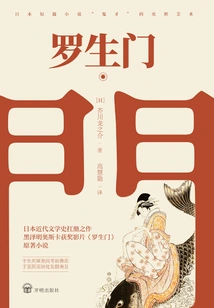
The masterpiece of Japanese short story "genius" Ryunosuke Akutagawa, and the original novel of Akira Kurosawa's Oscar-winning film "Rashomon". Akutagawa literature research expert and translator Gao Hui diligently translated and proofread the book, making it readable and durable. Lu Xun, Osamu Dazai, Haruki Murakami and many other famous figures unanimously praised it.
The masterpiece of Japanese short story "genius" Ryunosuke Akutagawa, and the original novel of Akira Kurosawa's Oscar-winning film "Rashomon". Akutagawa literature research expert and translator Gao Hui diligently translated and proofread the book, making it readable and durable. Lu Xun, Osamu Dazai, Haruki Murakami and many other famous figures unanimously praised it.
Kappa
General Fiction河童
I
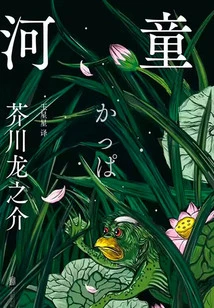
In this absurd world, you can only survive by turning yourself into a madman. "Kappa" is the masterpiece of the Japanese genius writer Akutagawa Ryunosuke, and it is also the suicide note he wrote to the world with all his efforts. The story uses the country of kappa to reflect the real human society, showing the author's worries and unspeakable confusion about human social life. The book includes six representative works of Akutagawa Ryunosuke's gloomy old age, including "Kappa", "A Fool's Life" and "Genkaku Sanbo", leading readers to face the fierce conflict between human nature and realistic choices, and to find the destination of their souls in the gap of despair.
In this absurd world, you can only survive by turning yourself into a madman. "Kappa" is the masterpiece of the Japanese genius writer Akutagawa Ryunosuke, and it is also the suicide note he wrote to the world with all his efforts. The story uses the country of kappa to reflect the real human society, showing the author's worries and unspeakable confusion about human social life. The book includes six representative works of Akutagawa Ryunosuke's gloomy old age, including "Kappa", "A Fool's Life" and "Genkaku Sanbo", leading readers to face the fierce conflict between human nature and realistic choices, and to find the destination of their souls in the gap of despair.
M
Literaturem
H
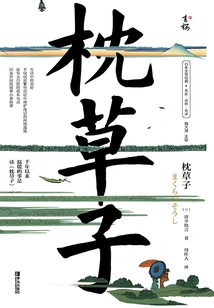
This book narrates what the author Seishonagon saw and heard in the palace. It is full of the subtle beauty of the changing seasons that the author personally feels, as well as the mottled customs and world of the Heian period, the complex world of human relationships and the momentary beauty of the trivial things in daily life. This book has a total of 305 paragraphs, divided into three major contents: clustering, diary, and random thoughts. Clustering is a list of things of different natures and categories in life, involving geographical features, vegetation, flowers and birds, inner emotions, life interests, etc., Which very richly reflects the author's delicate observation and aesthetic taste; the diary records the author's life in the palace, and there are reflections in it. Her experience of a deep relationship with Empress Fujiwara Tadako and the fragments of her life in the palace, from which we can understand the living conditions and tastes of the royal family and nobles in Japan's Heian period. Random thoughts are random reflections on nature and life, which show the author's bright and free attitude towards life. The author was born in a middle-class aristocracy. Although this work reflects the inequality between social classes and worries about the times, it focuses on praising the queen's stature and affirming Japan's aristocratic society. Before "Pillow", monogatari literature and diary literature had appeared in Japan. "Pillow" opened up a new field and laid the foundation for Japanese prose.
This book narrates what the author Seishonagon saw and heard in the palace. It is full of the subtle beauty of the changing seasons that the author personally feels, as well as the mottled customs and world of the Heian period, the complex world of human relationships and the momentary beauty of the trivial things in daily life. This book has a total of 305 paragraphs, divided into three major contents: clustering, diary, and random thoughts. Clustering is a list of things of different natures and categories in life, involving geographical features, vegetation, flowers and birds, inner emotions, life interests, etc., Which very richly reflects the author's delicate observation and aesthetic taste; the diary records the author's life in the palace, and there are reflections in it. Her experience of a deep relationship with Empress Fujiwara Tadako and the fragments of her life in the palace, from which we can understand the living conditions and tastes of the royal family and nobles in Japan's Heian period. Random thoughts are random reflections on nature and life, which show the author's bright and free attitude towards life. The author was born in a middle-class aristocracy. Although this work reflects the inequality between social classes and worries about the times, it focuses on praising the queen's stature and affirming Japan's aristocratic society. Before "Pillow", monogatari literature and diary literature had appeared in Japan. "Pillow" opened up a new field and laid the foundation for Japanese prose.
Z

The Nun (collected Works of Diderot)
General Fiction修女(狄德罗文集)
H
One of the greatest and most controversial works of Diderot, the founder of contemporary European novels, is a masterpiece of Diderot's fantasy art and the forerunner of romantic literary works. "The Nun" is the third volume of "The Collection of Diderot's Works". In the form of an epistolary novel, it tells the story of a girl Susan who was forced to become a nun due to family prejudice and lived in several monasteries. It shows the unfair situation she suffered. This is not a simple anti-church and anti-clerical novel. It opposes It is moral prejudice, inhumanity, and the outdated and solidified social order... The multi-layered connotations make this novel a complex and readable work. It is written in a touching tone and is known as "the most intense and courageous book". It is also a representative work in Diderot's creative career.
One of the greatest and most controversial works of Diderot, the founder of contemporary European novels, is a masterpiece of Diderot's fantasy art and the forerunner of romantic literary works. "The Nun" is the third volume of "The Collection of Diderot's Works". In the form of an epistolary novel, it tells the story of a girl Susan who was forced to become a nun due to family prejudice and lived in several monasteries. It shows the unfair situation she suffered. This is not a simple anti-church and anti-clerical novel. It opposes It is moral prejudice, inhumanity, and the outdated and solidified social order... The multi-layered connotations make this novel a complex and readable work. It is written in a touching tone and is known as "the most intense and courageous book". It is also a representative work in Diderot's creative career.

Nirvana and Rebirth: Encountering a Difficult Person
Modern Romance涅槃重生:遇上难缠的他
Fan
After rebirth, like a phoenix in nirvana, I thought I knew everything and could control the wind and rain, but I met him. Director, there seems to be something wrong with the script...
After rebirth, like a phoenix in nirvana, I thought I knew everything and could control the wind and rain, but I met him. Director, there seems to be something wrong with the script...
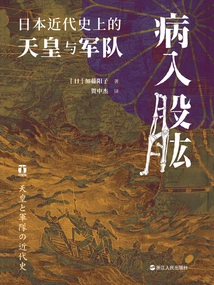
病入股肱:日本近代史上的天皇与军队
K
Japan's modern emperor system is supported by the concept of the emperor personally leading the army, emphasizing the emperor's absolute leadership of the army and the absolute loyalty of soldiers to the emperor. However, after World War I, the emperor's authority as the supreme commander was greatly shaken, and the military, which was regarded as a "gut-armed minister", also underwent a qualitative change. As Pandora's box of military interference in politics was opened, Japan stepped into the abyss of war. This book is the culmination of decades of "war" research by Yoko Kato, the "first person to study Japanese wars" and a professor at the University of Tokyo. It explores the development history of the relationship between the emperor and the military in modern times, traces the historical roots of Japan's founding of the army and constitution in the Meiji period, extends to the issues of disarmament and repatriation of the Japanese army, and covers the entire period of the existence of the "Japanese army". She analyzed the facts with clear logic and bright writing style, put forward a new perspective to capture history, analyzed the characteristics of modern Japanese political-military relations, and elaborated on the background of Japan's national decision-making. By exploring the relationship between the emperor and the military, we answer a long-standing question: "Why didn't the emperor stop the war?"
Japan's modern emperor system is supported by the concept of the emperor personally leading the army, emphasizing the emperor's absolute leadership of the army and the absolute loyalty of soldiers to the emperor. However, after World War I, the emperor's authority as the supreme commander was greatly shaken, and the military, which was regarded as a "gut-armed minister", also underwent a qualitative change. As Pandora's box of military interference in politics was opened, Japan stepped into the abyss of war. This book is the culmination of decades of "war" research by Yoko Kato, the "first person to study Japanese wars" and a professor at the University of Tokyo. It explores the development history of the relationship between the emperor and the military in modern times, traces the historical roots of Japan's founding of the army and constitution in the Meiji period, extends to the issues of disarmament and repatriation of the Japanese army, and covers the entire period of the existence of the "Japanese army". She analyzed the facts with clear logic and bright writing style, put forward a new perspective to capture history, analyzed the characteristics of modern Japanese political-military relations, and elaborated on the background of Japan's national decision-making. By exploring the relationship between the emperor and the military, we answer a long-standing question: "Why didn't the emperor stop the war?"
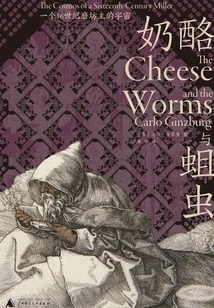
Cheese and Maggots
History奶酪与蛆虫
X
Domenico Scandella, an ordinary miller, lived in the Friuli region of northeastern Italy in the 16th century. He could read and write, and had read books such as the Decameron, the Bible in the Italian vernacular, and Mandeville's Travels, and could retell them in his own language. He faced his neighbors, priests and judges of the Inquisition one after another to express his emotions and explain his views on the church and the world. If he had the opportunity to meet with the Pope or the King, he would also want to make an impassioned speech. Ginzburg weaves a deftly structured and captivating story by moving between the intricate trial archives and elite and lower-class culture. Through the eyes of miller Domenico, we see not only the life and thought world of ordinary people, but also his whims, joys, sorrows, and determination to challenge authority. The magnificent picture of European popular culture in the 16th century and even the grand historical picture of Europe are also slowly unfolding.
Domenico Scandella, an ordinary miller, lived in the Friuli region of northeastern Italy in the 16th century. He could read and write, and had read books such as the Decameron, the Bible in the Italian vernacular, and Mandeville's Travels, and could retell them in his own language. He faced his neighbors, priests and judges of the Inquisition one after another to express his emotions and explain his views on the church and the world. If he had the opportunity to meet with the Pope or the King, he would also want to make an impassioned speech. Ginzburg weaves a deftly structured and captivating story by moving between the intricate trial archives and elite and lower-class culture. Through the eyes of miller Domenico, we see not only the life and thought world of ordinary people, but also his whims, joys, sorrows, and determination to challenge authority. The magnificent picture of European popular culture in the 16th century and even the grand historical picture of Europe are also slowly unfolding.
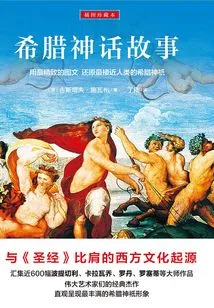
Greek Mythology (illustrated Collection)
Literature希腊神话故事(插图珍藏本)
I
Greek mythology has been circulating for more than 3,000 years. Its glorious and grand scenes, distinctive characters and beautiful and tortuous storylines have made it popular among readers all over the world. As one of the two pillars of Western civilization, Greek mythology continues to influence the development of Western society, culture, literature and art, and is one of the most convenient ways for us to truly understand the West. Due to the passage of time, Greek myths were chaotically included in various versions. In the 19th century, the German romantic poet Schwab, who had been committed to sorting out and preserving classical culture, used his vivid words of great literary value and rigorous and sophisticated national characteristics to change the original story's complexity and chaos, and completed "Greek Myth Stories" with a relatively clear genealogy of the gods and a relatively concentrated storyline. Since the book came out, it has been translated into various languages and is a best-seller to this day.
Greek mythology has been circulating for more than 3,000 years. Its glorious and grand scenes, distinctive characters and beautiful and tortuous storylines have made it popular among readers all over the world. As one of the two pillars of Western civilization, Greek mythology continues to influence the development of Western society, culture, literature and art, and is one of the most convenient ways for us to truly understand the West. Due to the passage of time, Greek myths were chaotically included in various versions. In the 19th century, the German romantic poet Schwab, who had been committed to sorting out and preserving classical culture, used his vivid words of great literary value and rigorous and sophisticated national characteristics to change the original story's complexity and chaos, and completed "Greek Myth Stories" with a relatively clear genealogy of the gods and a relatively concentrated storyline. Since the book came out, it has been translated into various languages and is a best-seller to this day.
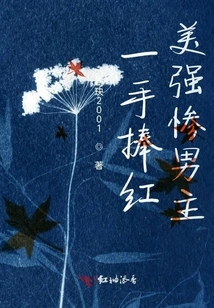
一手捧红美强惨男主
U
The laid-back and noble lady Strong, cp, 1v1, two-way rush In the dark little room, he sat leaning against the wall, eyes lowered. I don't mind the noisy noise outside. Suddenly, the door was opened. The man was wearing a flaming red dress, and he walked over with the skirt swaying, just like when he first saw him. As he got closer, he squatted in front of him and covered him with his suit. The slightly cool fingertips touched the corners of the eyes. Jiang Du suppressed the emotions in his eyes and looked up at her unkindly. But I heard her chuckle softly. "Jiang Du, don't let the light fall from your eyes. No one will be able to bear it after seeing it." Later, Jiang Du went from being scolded by the whole network to becoming a star, from being slandered and quitting to becoming a talented singer, all because of this sentence: "Jiang Du, don't let the light fall from your eyes."
The laid-back and noble lady Strong, cp, 1v1, two-way rush In the dark little room, he sat leaning against the wall, eyes lowered. I don't mind the noisy noise outside. Suddenly, the door was opened. The man was wearing a flaming red dress, and he walked over with the skirt swaying, just like when he first saw him. As he got closer, he squatted in front of him and covered him with his suit. The slightly cool fingertips touched the corners of the eyes. Jiang Du suppressed the emotions in his eyes and looked up at her unkindly. But I heard her chuckle softly. "Jiang Du, don't let the light fall from your eyes. No one will be able to bear it after seeing it." Later, Jiang Du went from being scolded by the whole network to becoming a star, from being slandered and quitting to becoming a talented singer, all because of this sentence: "Jiang Du, don't let the light fall from your eyes."
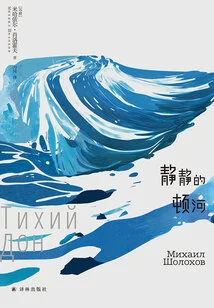
Quiet Don River
General Fiction静静的顿河
L
The fictional character has walked through the real history of war and peace, and only he dares to write the cruel truth on the battlefield. From the 1910s to the 1920s, Russia experienced World War I, the February Revolution, and the October Revolution, leading to social turmoil and dramatic changes. The young Grigory has the character of Meng Lang, who is naive and straightforward. He just wants to live a comfortable and self-sufficient life, but he eventually becomes a Cossack militia like his father and brother. Even though Gregory was unruly by nature, traditional family values and the numerous factions in society did not allow him to do as he pleased: his wife and lover wanted him to make a choice, and the Red Army and the White Army wanted him to be loyal... He was brave and upright, but he was always motivated and jumped repeatedly, and ultimately lost both sides. He fought tirelessly for freedom in confusion, but could only move towards despair step by step. The novel tells the tragedy of an authentic and innocent person being crushed step by step in a troubled world full of contradictions and opposition.
The fictional character has walked through the real history of war and peace, and only he dares to write the cruel truth on the battlefield. From the 1910s to the 1920s, Russia experienced World War I, the February Revolution, and the October Revolution, leading to social turmoil and dramatic changes. The young Grigory has the character of Meng Lang, who is naive and straightforward. He just wants to live a comfortable and self-sufficient life, but he eventually becomes a Cossack militia like his father and brother. Even though Gregory was unruly by nature, traditional family values and the numerous factions in society did not allow him to do as he pleased: his wife and lover wanted him to make a choice, and the Red Army and the White Army wanted him to be loyal... He was brave and upright, but he was always motivated and jumped repeatedly, and ultimately lost both sides. He fought tirelessly for freedom in confusion, but could only move towards despair step by step. The novel tells the tragedy of an authentic and innocent person being crushed step by step in a troubled world full of contradictions and opposition.
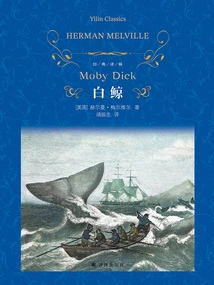
Beluga (classic Translation)
General Fiction白鲸(经典译林)
I
Captain Ahab is obsessed with hunting down Moby Dick, the white whale who bit off one of his legs. His paranoia is not only the epitome of human desire for conquest, but also a crazy allegory of industrial civilization's declaration of war on nature. From the ports of New England to the vast Pacific Ocean, the whaling ship "Pecod" has become a floating laboratory of civilization: the crew members with different skin colors, beliefs, and traumas collided in the closed cabin with the undercurrent of colonization, belief, and class. Whale oil, as the "black gold" of the industrial age, quietly connected human greed with ecological catastrophe. With a prophetic touch, Melville shaped the white whale into multiple metaphors - it is the divine incarnation of nature, the abyss projection of unknown destiny, and the ultimate mirror image of human arrogance. When Ahab and the white whale died together, this tragedy was not only the decline of individual destiny, but also foreshadowed the eternal dilemma of the relationship between modern civilization and nature.
Captain Ahab is obsessed with hunting down Moby Dick, the white whale who bit off one of his legs. His paranoia is not only the epitome of human desire for conquest, but also a crazy allegory of industrial civilization's declaration of war on nature. From the ports of New England to the vast Pacific Ocean, the whaling ship "Pecod" has become a floating laboratory of civilization: the crew members with different skin colors, beliefs, and traumas collided in the closed cabin with the undercurrent of colonization, belief, and class. Whale oil, as the "black gold" of the industrial age, quietly connected human greed with ecological catastrophe. With a prophetic touch, Melville shaped the white whale into multiple metaphors - it is the divine incarnation of nature, the abyss projection of unknown destiny, and the ultimate mirror image of human arrogance. When Ahab and the white whale died together, this tragedy was not only the decline of individual destiny, but also foreshadowed the eternal dilemma of the relationship between modern civilization and nature.
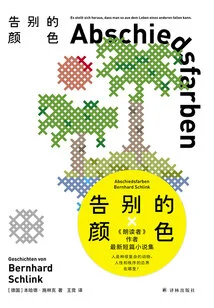
The Color of Farewell (work by Schlink)
General Fiction告别的颜色(施林克作品)
L
"The Reader" author Schlink's latest collection of short stories contains nine stories that surprise, unsettle and delight, dealing with those dramatic farewells in life - about the encounters of people at different stages of life, about successful and failed love, trust and betrayal, hope and entanglement, and the power and hurt of memory. Right things often exist in wrong lives, and right lives often involve wrong choices. Love is not the secret to a happy ending.
"The Reader" author Schlink's latest collection of short stories contains nine stories that surprise, unsettle and delight, dealing with those dramatic farewells in life - about the encounters of people at different stages of life, about successful and failed love, trust and betrayal, hope and entanglement, and the power and hurt of memory. Right things often exist in wrong lives, and right lives often involve wrong choices. Love is not the secret to a happy ending.
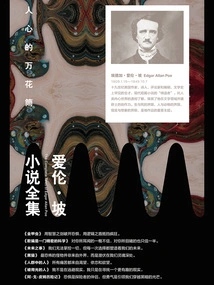
爱伦·坡小说全集(套装全七册)
G
The first Chinese version of Edgar Allan Poe's complete novels, seven volumes in total. Mysteries, deceptions, fantasies, inner demons, love, adventure, dark humor, what else could Poe not write about? ! Enter the world created by this "bright and tragic dreamer".
The first Chinese version of Edgar Allan Poe's complete novels, seven volumes in total. Mysteries, deceptions, fantasies, inner demons, love, adventure, dark humor, what else could Poe not write about? ! Enter the world created by this "bright and tragic dreamer".
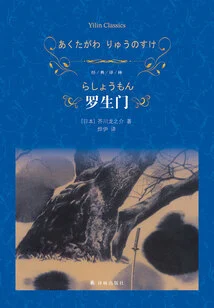
Rashomon (classic Translation)
General Fiction罗生门(经典译林)
H
A hundred people have a hundred different opinions about the same thing. Who should you believe? People are naturally self-interested and are used to saying things that are beneficial to themselves, which makes the truth often confusing and difficult to recognize. "Rashomon" contains nineteen stories by the "genius" novelist Ryunosuke Akutagawa. Each story is an ultimate description of a kind of human nature. Times are changing and people's hearts are unpredictable, but human nature remains unchanged. Understanding human nature is the only way to understand the world. Natsume Soseki commented on Akutagawa's works: "The brushwork is solemn, without gimmicks, simple and natural, humorous, and elegant. Moreover, the subject matter is novel, the concept is insightful, the structure is rigorous, and the writing is very essential, which is admirable."
A hundred people have a hundred different opinions about the same thing. Who should you believe? People are naturally self-interested and are used to saying things that are beneficial to themselves, which makes the truth often confusing and difficult to recognize. "Rashomon" contains nineteen stories by the "genius" novelist Ryunosuke Akutagawa. Each story is an ultimate description of a kind of human nature. Times are changing and people's hearts are unpredictable, but human nature remains unchanged. Understanding human nature is the only way to understand the world. Natsume Soseki commented on Akutagawa's works: "The brushwork is solemn, without gimmicks, simple and natural, humorous, and elegant. Moreover, the subject matter is novel, the concept is insightful, the structure is rigorous, and the writing is very essential, which is admirable."

Love, Death and Robots (set of Four Volumes)
General Fiction爱,死亡和机器人(套装全四册)
L
The "Love, Death and Robots Series" consists of short and concise novels with independent stories, different styles, covering suspense, horror, comedy, science fiction, fantasy and other styles, including doomsday wasteland, cyberpunk, steampunk and other science fiction elements. It spans time and space as well as history, culture and tradition. Through the three keywords of love, death, and robots, the book explores human culture, emotions, spirit, and identity, as well as explores philosophical propositions such as existence, free will, and technological rationality.
The "Love, Death and Robots Series" consists of short and concise novels with independent stories, different styles, covering suspense, horror, comedy, science fiction, fantasy and other styles, including doomsday wasteland, cyberpunk, steampunk and other science fiction elements. It spans time and space as well as history, culture and tradition. Through the three keywords of love, death, and robots, the book explores human culture, emotions, spirit, and identity, as well as explores philosophical propositions such as existence, free will, and technological rationality.
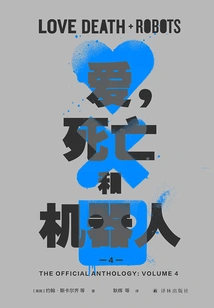
Love, Death and Robots 4 (translated by Lin Fantasy Series)
General Fiction爱,死亡和机器人4(译林幻系列)
L
This book is the original work of the fourth season of "Love, Death and Robots" and contains eight original novels and one original script. In this book, the Splinter Matrix series "Spider-Ross" by Bruce Sterling, the author of the third season of "The Swarm" returns with explosive force; John Scalzi's "Robots and Cats" series makes a humorous appearance again; the novel "The 400" by Mark Laidlaw, the former chief screenwriter of Valve's "Half-Life" is in full swing... Through the three keywords of love, death, and robots, this book cuts into the discussion of human culture, emotions, spirit and identity, as well as the exploration of philosophical propositions such as existence, free will, and technological rationality.
This book is the original work of the fourth season of "Love, Death and Robots" and contains eight original novels and one original script. In this book, the Splinter Matrix series "Spider-Ross" by Bruce Sterling, the author of the third season of "The Swarm" returns with explosive force; John Scalzi's "Robots and Cats" series makes a humorous appearance again; the novel "The 400" by Mark Laidlaw, the former chief screenwriter of Valve's "Half-Life" is in full swing... Through the three keywords of love, death, and robots, this book cuts into the discussion of human culture, emotions, spirit and identity, as well as the exploration of philosophical propositions such as existence, free will, and technological rationality.
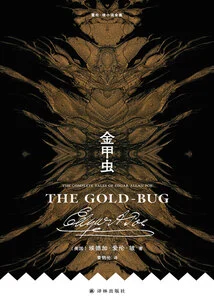
The Golden Beetle (the Complete Novels of Edgar Allan Poe)
General Fiction金甲虫(爱伦·坡小说全集)
G
In just five short stories, Edgar Allan Poe established all the modes of reasoning: the locked room murder mode, the easy-chair detective mode, the code-breaking mode, the impossible murderer mode, and the psychological blind spot mode. The detectives in his works have also become the predecessors of famous detectives such as Sherlock Holmes, Poirot, and Akechi Kogoro, and he is the well-deserved "father of mystery novels."
In just five short stories, Edgar Allan Poe established all the modes of reasoning: the locked room murder mode, the easy-chair detective mode, the code-breaking mode, the impossible murderer mode, and the psychological blind spot mode. The detectives in his works have also become the predecessors of famous detectives such as Sherlock Holmes, Poirot, and Akechi Kogoro, and he is the well-deserved "father of mystery novels."
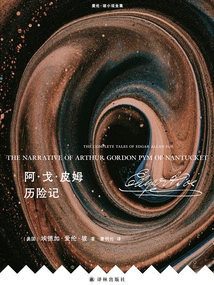
阿·戈·皮姆历险记(爱伦·坡小说全集)
G
An unknown accident occurred on the way to the southern hemisphere waters of the "Orca". The protagonist Pim was trapped in the bottom cabin. He was tortured by lack of water, hunger, and darkness. When he finally escaped from the current predicament, new dangers followed one after another...
An unknown accident occurred on the way to the southern hemisphere waters of the "Orca". The protagonist Pim was trapped in the bottom cabin. He was tortured by lack of water, hunger, and darkness. When he finally escaped from the current predicament, new dangers followed one after another...
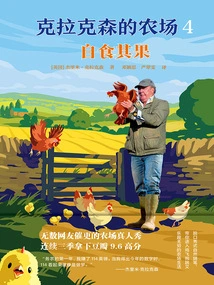
Clarkson's Farm 4: Reap Your Own Fruit
Literature克拉克森的农场4:自食其果
J
Welcome back to Clarkson's Farm. The spring barley harvest failed, and the oats turned from green to yellow-and died-during Clarkson's trip to the bar. Slaughterhouses are closed. There is no place to raise pigs but no place to kill them. Costs have soared. The cows and sheep were still running around all day long, and he was so angry that he almost wanted to raise ostriches! Don't worry, at Clarkson's Farm, ideas come as fast as beer. In the new year, the "British Idea King" will use wood to make cricket bats and walking sticks, and he is planning to enter the wood processing industry. He was brave enough to have a lot of money, and even when more than a thousand bars closed down every year, he bought one to satisfy himself. Milk and beef are unprofitable, so how about using healing as a gimmick and setting up a fee-based program for city dwellers to embrace cows? ... "The first year I farmed, I made 114 pounds. When I came up with this year's numbers, 114 looked like a dream." Faced with land that is dryer than granite, outrageous new regulations that only care about zero-emission targets regardless of farmers' lives, and bastards who secretly dump mountains of garbage into the fields at night, Clarkson complained with all his strength while swearing and persisting in farming. After all, no man can resist the temptation of a tractor, let alone a Lamborghini!
Welcome back to Clarkson's Farm. The spring barley harvest failed, and the oats turned from green to yellow-and died-during Clarkson's trip to the bar. Slaughterhouses are closed. There is no place to raise pigs but no place to kill them. Costs have soared. The cows and sheep were still running around all day long, and he was so angry that he almost wanted to raise ostriches! Don't worry, at Clarkson's Farm, ideas come as fast as beer. In the new year, the "British Idea King" will use wood to make cricket bats and walking sticks, and he is planning to enter the wood processing industry. He was brave enough to have a lot of money, and even when more than a thousand bars closed down every year, he bought one to satisfy himself. Milk and beef are unprofitable, so how about using healing as a gimmick and setting up a fee-based program for city dwellers to embrace cows? ... "The first year I farmed, I made 114 pounds. When I came up with this year's numbers, 114 looked like a dream." Faced with land that is dryer than granite, outrageous new regulations that only care about zero-emission targets regardless of farmers' lives, and bastards who secretly dump mountains of garbage into the fields at night, Clarkson complained with all his strength while swearing and persisting in farming. After all, no man can resist the temptation of a tractor, let alone a Lamborghini!
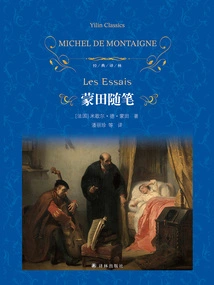
Montaigne's Essays (classic Translation)
Literature蒙田随笔(经典译林)
H
The chapters in "Montaigne's Essays" vary in length and have a clear and natural structure. With his special keen perception, Montaigne recorded his intellectual and spiritual development, leaving extremely precious spiritual wealth for future generations. For more than four hundred years, history has proven that Montaigne is an immortal figure like Bacon, Shakespeare and other great writers. His works are an analysis of various ideological trends and knowledge in the sixteenth century. They are known as the "philosophy of life". They occupy an important position in the history of French prose and are the first of essay-type works.
The chapters in "Montaigne's Essays" vary in length and have a clear and natural structure. With his special keen perception, Montaigne recorded his intellectual and spiritual development, leaving extremely precious spiritual wealth for future generations. For more than four hundred years, history has proven that Montaigne is an immortal figure like Bacon, Shakespeare and other great writers. His works are an analysis of various ideological trends and knowledge in the sixteenth century. They are known as the "philosophy of life". They occupy an important position in the history of French prose and are the first of essay-type works.
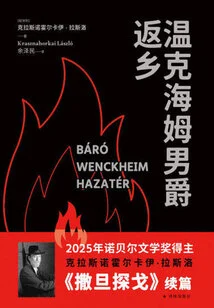
Baron Winkheim Returns Home
General Fiction温克海姆男爵返乡
J
The sixty-five-year-old Baron Winkheim owed a large gambling debt in his exile in Buenos Aires. In the twilight years of his life, he decided to return to the small provincial town in Hungary where he was born, hoping to reunite with his childhood sweetheart Marika. The residents of the city heard that the baron was about to return home, thinking that he had huge wealth, and planned to donate this wealth to the small town. Endless rumors, liars and disturbances among local politicians outline a monotonous and absurd life scene in the small town. At the same time, the professor, an internationally renowned and knowledgeable scientist in the field of moss research, lived in seclusion in a shack in a deserted area on the outskirts of the city, trying to protect himself against aggression through ideological immunity training. Spectacular scenes continue to unfold, with death and the abyss looming, until finally doom befalls the unsuspecting residents of the small town...
The sixty-five-year-old Baron Winkheim owed a large gambling debt in his exile in Buenos Aires. In the twilight years of his life, he decided to return to the small provincial town in Hungary where he was born, hoping to reunite with his childhood sweetheart Marika. The residents of the city heard that the baron was about to return home, thinking that he had huge wealth, and planned to donate this wealth to the small town. Endless rumors, liars and disturbances among local politicians outline a monotonous and absurd life scene in the small town. At the same time, the professor, an internationally renowned and knowledgeable scientist in the field of moss research, lived in seclusion in a shack in a deserted area on the outskirts of the city, trying to protect himself against aggression through ideological immunity training. Spectacular scenes continue to unfold, with death and the abyss looming, until finally doom befalls the unsuspecting residents of the small town...
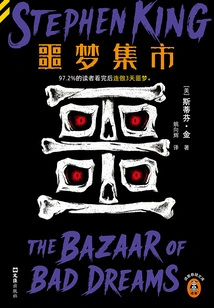
Nightmare Bazaar
General Fiction噩梦集市
I
97.2% Of readers had nightmares for three days in a row after reading it. New edition of Stephen King's short story collection, author of "The Shawshank Redemption"! The new chapter "Biscuit Cone" is introduced for the first time in the Chinese world! This book contains 21 selected short stories by Stephen King. The evil supernatural forces and terrifying moments that penetrate into daily life will together provide you with nightmare material for a month. If you write obituaries for living people, you can kill them without leaving any trace; if Kindle allows you to read classics written by literary masters in parallel worlds; if the handsome boys and girls who tempt you are actually the God of Death; if the cookie tube left by your grandfather can lead to another world; if the car that breaks down on the roadside is a man-eating monster waiting for you to take the bait...
97.2% Of readers had nightmares for three days in a row after reading it. New edition of Stephen King's short story collection, author of "The Shawshank Redemption"! The new chapter "Biscuit Cone" is introduced for the first time in the Chinese world! This book contains 21 selected short stories by Stephen King. The evil supernatural forces and terrifying moments that penetrate into daily life will together provide you with nightmare material for a month. If you write obituaries for living people, you can kill them without leaving any trace; if Kindle allows you to read classics written by literary masters in parallel worlds; if the handsome boys and girls who tempt you are actually the God of Death; if the cookie tube left by your grandfather can lead to another world; if the car that breaks down on the roadside is a man-eating monster waiting for you to take the bait...
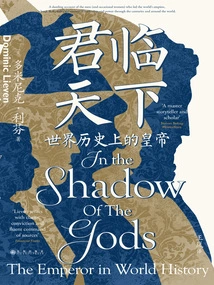
君临天下:世界历史上的皇帝
L
Professor Dominic Liffin's new book explores the qualities required of monarchs across many dynasties throughout history. A monarch needs qualities such as tenacity, abundant energy, accurate judgment and moderate self-confidence. Of course, he also needs qualities such as ambition, courage and kindness. These qualities are partly innate, but they are also created by education and experience. Marriage strategies and inheritance systems also had a significant impact on dynasties and their rulers. The author traces the changes in these elements through different historical periods. Although the imperial system has basically died out today, this does not mean that it has no relevance to today's world. The author's discussion shows us how people today live with its political and cultural heritage.
Professor Dominic Liffin's new book explores the qualities required of monarchs across many dynasties throughout history. A monarch needs qualities such as tenacity, abundant energy, accurate judgment and moderate self-confidence. Of course, he also needs qualities such as ambition, courage and kindness. These qualities are partly innate, but they are also created by education and experience. Marriage strategies and inheritance systems also had a significant impact on dynasties and their rulers. The author traces the changes in these elements through different historical periods. Although the imperial system has basically died out today, this does not mean that it has no relevance to today's world. The author's discussion shows us how people today live with its political and cultural heritage.
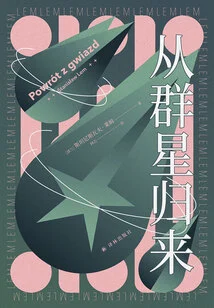
Return from the Stars (translated by Lin Huan Series)
General Fiction从群星归来(译林幻系列)
I
When astronaut Hal Bregg returned to Earth, it was already a hundred years later. The earth has become an absolutely safe utopia, without war, violence, or even accidents. People are no longer willing to take risks, but are immersed in the virtual world created by technology... "Return from the Stars" predicts the invention of virtual reality, e-books, audio books, and chat robots, and deeply explores the development of science and technology and the philosophical significance of space exploration.
When astronaut Hal Bregg returned to Earth, it was already a hundred years later. The earth has become an absolutely safe utopia, without war, violence, or even accidents. People are no longer willing to take risks, but are immersed in the virtual world created by technology... "Return from the Stars" predicts the invention of virtual reality, e-books, audio books, and chat robots, and deeply explores the development of science and technology and the philosophical significance of space exploration.
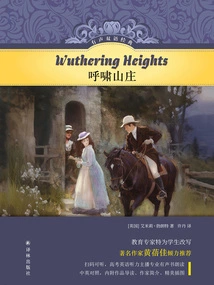
Wuthering Heights (audio Bilingual Classic)
General Fiction呼啸山庄(有声双语经典)
H
Heathcliff is an orphan adopted by his adoptive parents. He falls in love with his adoptive father's biological daughter Catherine. Due to the gap in class and wealth, Catherine eventually marries the wealthy Linton. Heathcliff was deeply affected and began a journey of revenge, trying to destroy the happiness of Catherine and her family. By telling the grudges of two generations, the novel reveals the cost of Heathcliff's revenge and the complexity of human nature, and explores the themes of love, hatred, loneliness and destiny. "Wuthering Heights" is not only a tragedy of love and revenge, but also a profound reflection on social class, morality and human weakness.
Heathcliff is an orphan adopted by his adoptive parents. He falls in love with his adoptive father's biological daughter Catherine. Due to the gap in class and wealth, Catherine eventually marries the wealthy Linton. Heathcliff was deeply affected and began a journey of revenge, trying to destroy the happiness of Catherine and her family. By telling the grudges of two generations, the novel reveals the cost of Heathcliff's revenge and the complexity of human nature, and explores the themes of love, hatred, loneliness and destiny. "Wuthering Heights" is not only a tragedy of love and revenge, but also a profound reflection on social class, morality and human weakness.
O
General Fictiono
P
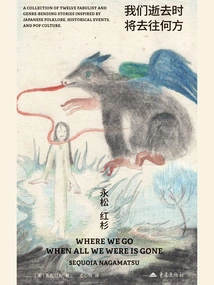
"Where We Go When We Die" is a collection of short stories that integrates mythology, folklore, and pop culture. It explores topics such as death, memory, and rebirth through surreal narratives. The book is composed of twelve stories, including "Return to Monster Island", "The Windlass Head", "Girl Zero", "Induction Training at the Hotel of the Dead" and "Source Co., Ltd.". Each story is like a prism, reflecting the struggle and redemption of human beings in loss and obsession. Nagamatsu Sequoia depicts the tenderness in trauma with poetic touches: a mother swallows the afterbirth to connect with her dead baby, a snow baby experiences a short life in melting, and dancers fight against institutional oblivion in a collective carnival... These characters are not heroes, but ordinary people torn apart by fate, but persistently searching for meaning in bizarre situations. This book is not only an allegorical reflection on Japan's disaster culture, but also a mourning and tribute to "lost things" - how we coexist with loss, how to rebuild connections after destruction, and how to re-understand our own humanity in the face of monsters, ghosts and aliens.
"Where We Go When We Die" is a collection of short stories that integrates mythology, folklore, and pop culture. It explores topics such as death, memory, and rebirth through surreal narratives. The book is composed of twelve stories, including "Return to Monster Island", "The Windlass Head", "Girl Zero", "Induction Training at the Hotel of the Dead" and "Source Co., Ltd.". Each story is like a prism, reflecting the struggle and redemption of human beings in loss and obsession. Nagamatsu Sequoia depicts the tenderness in trauma with poetic touches: a mother swallows the afterbirth to connect with her dead baby, a snow baby experiences a short life in melting, and dancers fight against institutional oblivion in a collective carnival... These characters are not heroes, but ordinary people torn apart by fate, but persistently searching for meaning in bizarre situations. This book is not only an allegorical reflection on Japan's disaster culture, but also a mourning and tribute to "lost things" - how we coexist with loss, how to rebuild connections after destruction, and how to re-understand our own humanity in the face of monsters, ghosts and aliens.
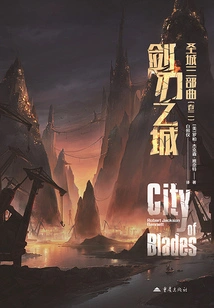
Holy City Trilogy (volume 2): City of Blades
General Fiction圣城三部曲(卷二):剑刃之城
L
"The Holy City Trilogy (Volume 2): The City of Blades" is the second volume of the "Holy City" trilogy created by Robb Jackson Bennett. This book continues the tense atmosphere and complex plot of the previous work, centering around Turine Mulaghesh, a general in the Sepur army, who is involved in a life-and-death adventure. The book not only explores the themes of power, betrayal and sacrifice, but also profoundly reveals the light and darkness in human nature. Mulaghesh not only has to fight against external enemies, but also faces inner struggles. She gradually realizes that the real enemy may not come from the outside world, but from her own understanding of war and peace. "Holy City Trilogy (Volume 2): City of Swords" presents readers with a magnificent historical picture with its gripping plot, rich characterization and profound philosophical thinking. This book is not only an exploration of personal destiny, but also a reflection on the entire social structure and values.
"The Holy City Trilogy (Volume 2): The City of Blades" is the second volume of the "Holy City" trilogy created by Robb Jackson Bennett. This book continues the tense atmosphere and complex plot of the previous work, centering around Turine Mulaghesh, a general in the Sepur army, who is involved in a life-and-death adventure. The book not only explores the themes of power, betrayal and sacrifice, but also profoundly reveals the light and darkness in human nature. Mulaghesh not only has to fight against external enemies, but also faces inner struggles. She gradually realizes that the real enemy may not come from the outside world, but from her own understanding of war and peace. "Holy City Trilogy (Volume 2): City of Swords" presents readers with a magnificent historical picture with its gripping plot, rich characterization and profound philosophical thinking. This book is not only an exploration of personal destiny, but also a reflection on the entire social structure and values.
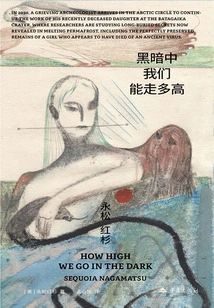
How High Can We Go in the Dark?
General Fiction黑暗中我们能走多高
L
"How High Can We Go in the Dark" is a literary masterpiece that deeply explores how humans find meaning and rebuild connections in extreme environments and emotional dilemmas. Through multiple intertwined story lines, this book shows the struggles and hopes of individuals under global issues such as plague, climate change, technology ethics, and family trauma. From the remains of a 30,000-year-old girl found in the Siberian permafrost, to the staff who provide "gentle farewells" to sick children in the City of Laughter; from the research on human organs grown in pigs, to the light-year immigration journey on the starship "Yamato" - each chapter is like a mirror, reflecting the heights we can still climb in the dark. Nagamatsu Sequoia uses delicate brushwork to depict the resilience and poetry of human beings in desperate situations, allowing readers to see that even if the world collapses, we can still find stars in each other's eyes and hear "I love you" in silence. This is a book about loss and rebirth, and also a letter to the future - telling us that even if we are in the abyss, we can still look up to the stars and keep moving forward.
"How High Can We Go in the Dark" is a literary masterpiece that deeply explores how humans find meaning and rebuild connections in extreme environments and emotional dilemmas. Through multiple intertwined story lines, this book shows the struggles and hopes of individuals under global issues such as plague, climate change, technology ethics, and family trauma. From the remains of a 30,000-year-old girl found in the Siberian permafrost, to the staff who provide "gentle farewells" to sick children in the City of Laughter; from the research on human organs grown in pigs, to the light-year immigration journey on the starship "Yamato" - each chapter is like a mirror, reflecting the heights we can still climb in the dark. Nagamatsu Sequoia uses delicate brushwork to depict the resilience and poetry of human beings in desperate situations, allowing readers to see that even if the world collapses, we can still find stars in each other's eyes and hear "I love you" in silence. This is a book about loss and rebirth, and also a letter to the future - telling us that even if we are in the abyss, we can still look up to the stars and keep moving forward.
A
General FictionA
G
On this day, I started writing as usual, but as soon as I wrote the words "Political economy is the foundation of all good governance...", My work was interrupted. It was said that there was a stranger at the gate downstairs who wanted to see me. I came downstairs and asked him what he wanted, trying not to let my thoughts of political economy run away. Although I was extremely anxious, he remained calm. He said he was passing by and noticed that some lightning rods needed to be installed on my house, so he took the liberty of disturbing me.
On this day, I started writing as usual, but as soon as I wrote the words "Political economy is the foundation of all good governance...", My work was interrupted. It was said that there was a stranger at the gate downstairs who wanted to see me. I came downstairs and asked him what he wanted, trying not to let my thoughts of political economy run away. Although I was extremely anxious, he remained calm. He said he was passing by and noticed that some lightning rods needed to be installed on my house, so he took the liberty of disturbing me.
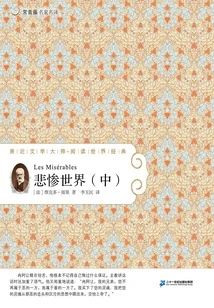
Les Misérables (part 2)
General Fiction悲惨世界(中)
G
Jean Valjean, the protagonist of "Les Misérables", is a hard labor prisoner serving a nineteen-year sentence. After he was released from prison, he was inspired by the bishop and determined to do good. He went away to a different place, changed his name to Madeleine, and after becoming a wealthy man, he extended his benevolence and was later appointed mayor. He helps the female worker Fantine and the orphan Cosette. Throughout his life, Jean Valjean struggled in suffering, but he had the sentiment of self-sacrifice for others. Hugo used the image of Jean Valjean to point out a way out for the predicament of human existence. The novel reflects Hugo's humanitarian thoughts and is full of Hugo's concern for the suffering and destiny of mankind and his unswerving belief in the future. It has a shocking artistic appeal.
Jean Valjean, the protagonist of "Les Misérables", is a hard labor prisoner serving a nineteen-year sentence. After he was released from prison, he was inspired by the bishop and determined to do good. He went away to a different place, changed his name to Madeleine, and after becoming a wealthy man, he extended his benevolence and was later appointed mayor. He helps the female worker Fantine and the orphan Cosette. Throughout his life, Jean Valjean struggled in suffering, but he had the sentiment of self-sacrifice for others. Hugo used the image of Jean Valjean to point out a way out for the predicament of human existence. The novel reflects Hugo's humanitarian thoughts and is full of Hugo's concern for the suffering and destiny of mankind and his unswerving belief in the future. It has a shocking artistic appeal.
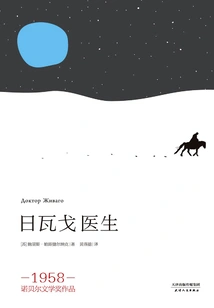
Doctor Zhivago
General Fiction日瓦戈医生
R
"Doctor Zhivago" is a novel by the Russian poet Pasternak, which records the extraordinary experience of an ordinary Moscow doctor during the historical changes in Russia in the first half of the twentieth century. "Doctor Zhivago" truly restored the appearance of Soviet society and the true thoughts of the people - this made the Soviet authorities particularly frightened, and Pasternak's award touched their sensitive nerves even more. The government spared no effort to retaliate, but the author finally became unbearable and "voluntarily" gave up receiving the award. Pasternak also became the first writer to give up accepting the Nobel Prize for Literature since its establishment. Although he was oppressed by power, he was not afraid. Just like Doctor Zhivago in his novel, he stayed true to his sincerity and conscience until death. He said: "We owe a huge debt to our contemporaries. For many years, I only wrote lyric poems or engaged in translation. After that, I felt it was my responsibility to tell our times with novels."
"Doctor Zhivago" is a novel by the Russian poet Pasternak, which records the extraordinary experience of an ordinary Moscow doctor during the historical changes in Russia in the first half of the twentieth century. "Doctor Zhivago" truly restored the appearance of Soviet society and the true thoughts of the people - this made the Soviet authorities particularly frightened, and Pasternak's award touched their sensitive nerves even more. The government spared no effort to retaliate, but the author finally became unbearable and "voluntarily" gave up receiving the award. Pasternak also became the first writer to give up accepting the Nobel Prize for Literature since its establishment. Although he was oppressed by power, he was not afraid. Just like Doctor Zhivago in his novel, he stayed true to his sincerity and conscience until death. He said: "We owe a huge debt to our contemporaries. For many years, I only wrote lyric poems or engaged in translation. After that, I felt it was my responsibility to tell our times with novels."
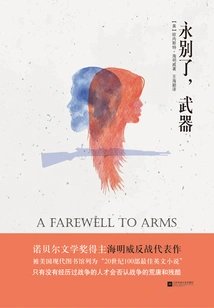
Farewell, Weapons
General Fiction永别了,武器
H
This book tells the story of Frederick Henry, an American young man who volunteered for the Red Cross to drive an ambulance and rescue the wounded on the northern Italian front in the late World War I. During a mission, Henry was hit by a cannonball and injured. While recovering from his injuries in a Milan hospital, he was cared for by British nurse Catherine, and the two fell in love. After recovering from his injuries, Henry returned to the front line. When he retreated with the Italian troops, he witnessed the cruel scenes of the war. He resolutely left the army, joined Catherine and fled to Switzerland. As a result, Catherine died in childbirth. By describing the love between the two, this book reveals the absurd and cruel nature of war, reflecting the mutual killing between people in war and the destruction of human spirit and emotions by war.
This book tells the story of Frederick Henry, an American young man who volunteered for the Red Cross to drive an ambulance and rescue the wounded on the northern Italian front in the late World War I. During a mission, Henry was hit by a cannonball and injured. While recovering from his injuries in a Milan hospital, he was cared for by British nurse Catherine, and the two fell in love. After recovering from his injuries, Henry returned to the front line. When he retreated with the Italian troops, he witnessed the cruel scenes of the war. He resolutely left the army, joined Catherine and fled to Switzerland. As a result, Catherine died in childbirth. By describing the love between the two, this book reveals the absurd and cruel nature of war, reflecting the mutual killing between people in war and the destruction of human spirit and emotions by war.

P
Literaturep
H
"Walden" is a collection of essays written by the American writer Henry David Thoreau. It records the author's strange journey of living in seclusion on the shores of Walden Pond, blending in with nature, perceiving nature and reinventing himself in pastoral life.
"Walden" is a collection of essays written by the American writer Henry David Thoreau. It records the author's strange journey of living in seclusion on the shores of Walden Pond, blending in with nature, perceiving nature and reinventing himself in pastoral life.
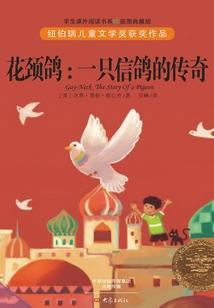
花颈鸽:一只信鸽的传奇
I
"The Newbery Medal for Children's Literature: The Colored-Necked Pigeon: The Legend of a Homing Pigeon" is a legendary story about pigeons. Because of the rainbow-like color on its neck, this pigeon, known as the "Flower-necked Pigeon", has been destined to fight to the death with nature's heavy rain, strong winds, and evil crows such as hawks and falcons since its birth. Later, as a carrier pigeon, the flower-necked pigeon was recruited to the battlefield of the World War. It became extremely depressed because it was seriously injured after running through a hail of bullets to deliver information to the Allied forces. Can the flower-necked pigeon return to the sky again...
"The Newbery Medal for Children's Literature: The Colored-Necked Pigeon: The Legend of a Homing Pigeon" is a legendary story about pigeons. Because of the rainbow-like color on its neck, this pigeon, known as the "Flower-necked Pigeon", has been destined to fight to the death with nature's heavy rain, strong winds, and evil crows such as hawks and falcons since its birth. Later, as a carrier pigeon, the flower-necked pigeon was recruited to the battlefield of the World War. It became extremely depressed because it was seriously injured after running through a hail of bullets to deliver information to the Allied forces. Can the flower-necked pigeon return to the sky again...
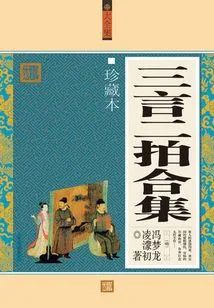
A Collection of Three Words and Two Beats
General Fiction三言二拍合集
K
The late Ming Dynasty was an era of bright colors. Transcendence of etiquette and publicity of individuality were the most distinctive characteristics of that era. This world style inevitably affected literary creation, so the collection of short stories in vernacular "Sanyan Erpai" that described the colorful urban life and human emotions was born. "Three words" refers to "Essays to enlighten the world", "Words to warn the world", and "Essential words to awaken the world"; "Erpai" refers to "Surprise at the first moment" and "Surprise at the second moment". "San Yan" and "Er Pai" were compiled at similar times and have similar contents and forms, so later generations often refer to them as "San Yan Er Pai".
The late Ming Dynasty was an era of bright colors. Transcendence of etiquette and publicity of individuality were the most distinctive characteristics of that era. This world style inevitably affected literary creation, so the collection of short stories in vernacular "Sanyan Erpai" that described the colorful urban life and human emotions was born. "Three words" refers to "Essays to enlighten the world", "Words to warn the world", and "Essential words to awaken the world"; "Erpai" refers to "Surprise at the first moment" and "Surprise at the second moment". "San Yan" and "Er Pai" were compiled at similar times and have similar contents and forms, so later generations often refer to them as "San Yan Er Pai".
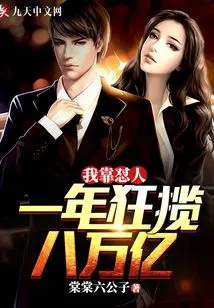
我靠怼人一年狂揽八万亿
T
Do you believe it? I earn 8 trillion yuan a year by criticizing people! Bite! Congratulations on winning the title of King of Air Combat by fighting people] [Ding! Congratulations on winning the title of King of Games by blaming others] [Ding! Congratulations on becoming the ancestor of language by criticizing people] [Ding! Congratulations on obtaining the domineering Qi Kung Fu method by blaming others] [Ding! Congratulations on earning 8 trillion yuan a year by hating people] A reporter asked: How did Mr. Zhang gain a net worth of 8 trillion yuan in one year? Protagonist Zhang Yun: Does this have anything to do with you? [Ding: The reward is five million yuan! Reporter: It was you who invited us to visit! Protagonist Zhang Yun: Yes, that's how I got eight trillion! Reporter: "..." Zhang Yun said leisurely: "If God had not given birth to me as a cannon man with a mouth, my spouting would last forever like a long night! Come on!" Readers can join the group: 930505340 There is also a new book "My Years of Making Coffins in Caoxian County"
Do you believe it? I earn 8 trillion yuan a year by criticizing people! Bite! Congratulations on winning the title of King of Air Combat by fighting people] [Ding! Congratulations on winning the title of King of Games by blaming others] [Ding! Congratulations on becoming the ancestor of language by criticizing people] [Ding! Congratulations on obtaining the domineering Qi Kung Fu method by blaming others] [Ding! Congratulations on earning 8 trillion yuan a year by hating people] A reporter asked: How did Mr. Zhang gain a net worth of 8 trillion yuan in one year? Protagonist Zhang Yun: Does this have anything to do with you? [Ding: The reward is five million yuan! Reporter: It was you who invited us to visit! Protagonist Zhang Yun: Yes, that's how I got eight trillion! Reporter: "..." Zhang Yun said leisurely: "If God had not given birth to me as a cannon man with a mouth, my spouting would last forever like a long night! Come on!" Readers can join the group: 930505340 There is also a new book "My Years of Making Coffins in Caoxian County"

我能提取御兽属性词条
B
Lin Chen woke up and traveled to the world of beast control. He awakened the talent of [Sage of All Spirits], mastered the knowledge of all spirits, and was able to educate all sentient beings who pet beasts. He joined the prison and became an ideological teacher. He worked tirelessly to educate prisoners on their pets and beasts, and at the same time extracted their attributes as tuition fees. [Ghost Prison Shura Flower, attribute: Wood Element·Hell·Asura], [Magic Doll, attribute: Telekinesis·Illusion·Bionic Ingenuity], [Ember Spirit, attribute: Ash·Sun·Wraith], [Xuanjing Ice Dragon, attribute: Dragon·Ice Element·Mirror·Time], [Tian Yuan Succubus, attribute: Demon·Shadow·Charm·Space]... Intercepting the extraordinary spirituality and adding entries to strengthen his pet beast, Lin Chen lived a happy and troubled teaching life from then on. Warden: "We would like to thank Teacher Lin, who has made great contributions to social security," A pet or a beast: "Teacher Lin is a lighthouse, so that we are no longer confused." Miss Succubus: "Teacher Lin is a very nice person." Lin Chen's pet beast: "Master, master, please strengthen my attributes quickly." So Lin Chen could only keep working overtime...
Lin Chen woke up and traveled to the world of beast control. He awakened the talent of [Sage of All Spirits], mastered the knowledge of all spirits, and was able to educate all sentient beings who pet beasts. He joined the prison and became an ideological teacher. He worked tirelessly to educate prisoners on their pets and beasts, and at the same time extracted their attributes as tuition fees. [Ghost Prison Shura Flower, attribute: Wood Element·Hell·Asura], [Magic Doll, attribute: Telekinesis·Illusion·Bionic Ingenuity], [Ember Spirit, attribute: Ash·Sun·Wraith], [Xuanjing Ice Dragon, attribute: Dragon·Ice Element·Mirror·Time], [Tian Yuan Succubus, attribute: Demon·Shadow·Charm·Space]... Intercepting the extraordinary spirituality and adding entries to strengthen his pet beast, Lin Chen lived a happy and troubled teaching life from then on. Warden: "We would like to thank Teacher Lin, who has made great contributions to social security," A pet or a beast: "Teacher Lin is a lighthouse, so that we are no longer confused." Miss Succubus: "Teacher Lin is a very nice person." Lin Chen's pet beast: "Master, master, please strengthen my attributes quickly." So Lin Chen could only keep working overtime...
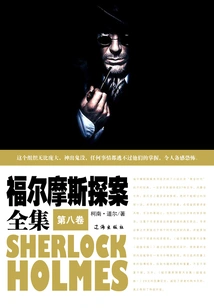
The Complete Works of Sherlock Holmes (volume 8)
General Fiction福尔摩斯探案全集(第八卷)
J
Conan Doyle died in 1937. His main literary achievement is the creation of the literary image of Sherlock Holmes. Although his works lack profound and real social significance, due to their logical logic, thrilling and fascinating plots, ups and downs of structure, and vivid characters, they involved the social reality of Britain at that time, and even became popular in Europe and had a wide influence in the world. Regarding his artistic achievements, the famous British novelist Somerset Maugham once said: "Compared with "The Complete Works of Sherlock Holmes" written by Conan Doyle, no detective novel has ever enjoyed such a high reputation."
Conan Doyle died in 1937. His main literary achievement is the creation of the literary image of Sherlock Holmes. Although his works lack profound and real social significance, due to their logical logic, thrilling and fascinating plots, ups and downs of structure, and vivid characters, they involved the social reality of Britain at that time, and even became popular in Europe and had a wide influence in the world. Regarding his artistic achievements, the famous British novelist Somerset Maugham once said: "Compared with "The Complete Works of Sherlock Holmes" written by Conan Doyle, no detective novel has ever enjoyed such a high reputation."
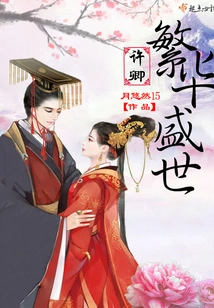
Xu Qing's Prosperous Times
Ancient Romance许卿繁华盛世
T
Everyone said that the marriage between the daughter Yunxiao and the prince was a good match. However, the Yun family rejected the prince's marriage proposal and made a marriage arrangement with King Ding. The prince suddenly hanged himself in the palace, and the East Palace changed its owner to King Ding. All the fingers pointed at the Yun family who had refused to marry in advance. Could it be that the Yun family has extraordinary abilities and already knew that Prince Ding would take over the East Palace? Yunxiao tried to turn the tide, but still stood at the forefront of public opinion. According to rumors, Yunxiao was sent to the mountains by her parents to change her life when she was nine years old. She returned to the mansion at the age of fifteen. She was a good strategist and eloquent, had a photographic memory, was invulnerable to all poisons, and was almost a demon. Her life was full of legends! But she said: There are no legends in life, there are just carefully laid plans! PS: The completed articles "Planning for the Emperor's Favor" and "Entertaining the Empress" have been completed. Welcome to join in. General group:572526177 VIP group:1053651458
Everyone said that the marriage between the daughter Yunxiao and the prince was a good match. However, the Yun family rejected the prince's marriage proposal and made a marriage arrangement with King Ding. The prince suddenly hanged himself in the palace, and the East Palace changed its owner to King Ding. All the fingers pointed at the Yun family who had refused to marry in advance. Could it be that the Yun family has extraordinary abilities and already knew that Prince Ding would take over the East Palace? Yunxiao tried to turn the tide, but still stood at the forefront of public opinion. According to rumors, Yunxiao was sent to the mountains by her parents to change her life when she was nine years old. She returned to the mansion at the age of fifteen. She was a good strategist and eloquent, had a photographic memory, was invulnerable to all poisons, and was almost a demon. Her life was full of legends! But she said: There are no legends in life, there are just carefully laid plans! PS: The completed articles "Planning for the Emperor's Favor" and "Entertaining the Empress" have been completed. Welcome to join in. General group:572526177 VIP group:1053651458

Makeup (full Collection)
General Fiction化妆(全集)
I
"Make Up (Complete Collection)" tells the story of Suzuko, a geisha who committed suicide after being abandoned by her boyfriend. The middle sister Raiko, who was also a geisha, couldn't let go of her sister's death. She gave up the inheritance rights of a high-end restaurant in Kyoto and went to Tokyo to open a restaurant, waiting for an opportunity to take revenge. The third sister Riko obeyed her mother and inherited the family business. She was busy with the restaurant business all day long. Her mechanical life and false marriage forced her to fall into a false love. The younger sister Makiko, who is studying in college, finally chose a traditional marriage after she was tired of her indulgent life. The four golden flowers in a long-established restaurant in Kyoto bloom in their own unique ways, blooming with their gorgeous youth like cherry blossoms...
"Make Up (Complete Collection)" tells the story of Suzuko, a geisha who committed suicide after being abandoned by her boyfriend. The middle sister Raiko, who was also a geisha, couldn't let go of her sister's death. She gave up the inheritance rights of a high-end restaurant in Kyoto and went to Tokyo to open a restaurant, waiting for an opportunity to take revenge. The third sister Riko obeyed her mother and inherited the family business. She was busy with the restaurant business all day long. Her mechanical life and false marriage forced her to fall into a false love. The younger sister Makiko, who is studying in college, finally chose a traditional marriage after she was tired of her indulgent life. The four golden flowers in a long-established restaurant in Kyoto bloom in their own unique ways, blooming with their gorgeous youth like cherry blossoms...
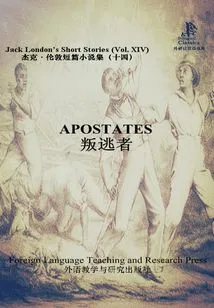
The Defector (jack London Short Stories 14)
General Fiction叛逃者(杰克·伦敦短篇小说集14)
H
"Moki" describes the bizarre experience of the leader's son Moki after he was stolen by jungle dwellers. First a slave, and then a laborer, Moki tried to escape several times, but was captured all the time. The plot of the whole novel has ups and downs, and the characters are described in detail. In "Beauty Li Wan", Li Wan wants to get rid of her husband's control and find happiness, but her plan is blocked again and again; when she seeks help from the outside world, she is met with cold treatment by the world; in "Rebel", Johnny, a child laborer, has been working in various factories since he was seven years old. After more than ten years, Johnny was finally unwilling to work like a machine anymore and decided to escape from the factory and find a new life. This novel records the tragic life of workers in the context of the American machine industry at the beginning of the twentieth century, criticizes the cruel reality, and expresses expectations for the future through Johnny's awakening and defection. ... All of this is performed in a poignant and vivid way under the pen of Jack London.
"Moki" describes the bizarre experience of the leader's son Moki after he was stolen by jungle dwellers. First a slave, and then a laborer, Moki tried to escape several times, but was captured all the time. The plot of the whole novel has ups and downs, and the characters are described in detail. In "Beauty Li Wan", Li Wan wants to get rid of her husband's control and find happiness, but her plan is blocked again and again; when she seeks help from the outside world, she is met with cold treatment by the world; in "Rebel", Johnny, a child laborer, has been working in various factories since he was seven years old. After more than ten years, Johnny was finally unwilling to work like a machine anymore and decided to escape from the factory and find a new life. This novel records the tragic life of workers in the context of the American machine industry at the beginning of the twentieth century, criticizes the cruel reality, and expresses expectations for the future through Johnny's awakening and defection. ... All of this is performed in a poignant and vivid way under the pen of Jack London.
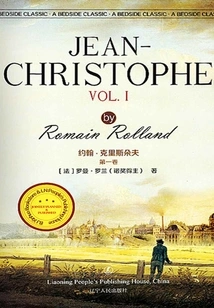
John-christopher (volume 1)
General Fiction约翰-克里斯朵夫(第一卷)
H
The novel describes the ups and downs but constant struggle of a talented musician of German descent, John Christoph. Creates a character full of unyielding spirit. This is a hero who belongs to the world, not a certain nation - Christophe constantly resists the decadent art and the vulgar social environment. After hitting the wall, he becomes more and more courageous, and constantly surpasses himself and pursues a higher spiritual realm. This is Beethoven's spirit and Roland's own spirit.
The novel describes the ups and downs but constant struggle of a talented musician of German descent, John Christoph. Creates a character full of unyielding spirit. This is a hero who belongs to the world, not a certain nation - Christophe constantly resists the decadent art and the vulgar social environment. After hitting the wall, he becomes more and more courageous, and constantly surpasses himself and pursues a higher spiritual realm. This is Beethoven's spirit and Roland's own spirit.
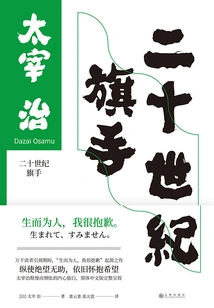
Q
General FictionQ
G
The astonishing work of Osamu Dazai, the master of Japanese "rogue" literature, is presented in its simplified Chinese version without any abridgements.
The astonishing work of Osamu Dazai, the master of Japanese "rogue" literature, is presented in its simplified Chinese version without any abridgements.
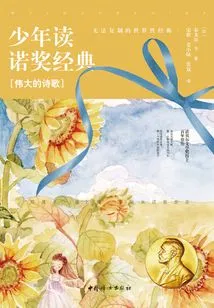
少年读诺奖经典:伟大的诗歌
J
"Youth Reading Nobel Prize Classics" is a set of Nobel Prize-winning reading materials customized for young people in China. It selects the masterpieces of hundreds of Nobel-winning writers and is recommended by dozens of special teachers. It allows children to understand and grow through reading and accumulate strength to face the future. Domestic Nobel Prize-winning works are basically adult books, and there are very few juvenile editions. This set of books "Youth Reading Nobel Prize Classics" is a customized book for teenagers. Taking into account children's receptive ability, reading habits and interests, as well as the cultural differences between China and the West, this set of books has specifically selected works by dozens of writers, taking into account both classics and interest, to build a vast literary palace for children. This set of books is divided into "Great Novels", "Great Poems" and "Great Prose", many of which are required extracurricular readings for primary and secondary school students designated by the Ministry of Education, and meet the reading aesthetics and reading needs of primary and secondary school students.
"Youth Reading Nobel Prize Classics" is a set of Nobel Prize-winning reading materials customized for young people in China. It selects the masterpieces of hundreds of Nobel-winning writers and is recommended by dozens of special teachers. It allows children to understand and grow through reading and accumulate strength to face the future. Domestic Nobel Prize-winning works are basically adult books, and there are very few juvenile editions. This set of books "Youth Reading Nobel Prize Classics" is a customized book for teenagers. Taking into account children's receptive ability, reading habits and interests, as well as the cultural differences between China and the West, this set of books has specifically selected works by dozens of writers, taking into account both classics and interest, to build a vast literary palace for children. This set of books is divided into "Great Novels", "Great Poems" and "Great Prose", many of which are required extracurricular readings for primary and secondary school students designated by the Ministry of Education, and meet the reading aesthetics and reading needs of primary and secondary school students.

P
General Fictionp
I
On the long afternoon of August, in a dreary southern town, people drinking cold beer in midnight cafes, a girl who likes Mozart, an observant tavern owner, a homeless man who is proficient in maintenance, a depressed black doctor... This is a story of extreme loneliness. Under those gray skies, a gentle deaf-mute used his loneliness to foreshadow the changes in such a crazy era. The contradiction between freedom and tolerance, crazy despair but still firm determination to move forward, no one can get rid of the shadow of loneliness until death.
On the long afternoon of August, in a dreary southern town, people drinking cold beer in midnight cafes, a girl who likes Mozart, an observant tavern owner, a homeless man who is proficient in maintenance, a depressed black doctor... This is a story of extreme loneliness. Under those gray skies, a gentle deaf-mute used his loneliness to foreshadow the changes in such a crazy era. The contradiction between freedom and tolerance, crazy despair but still firm determination to move forward, no one can get rid of the shadow of loneliness until death.
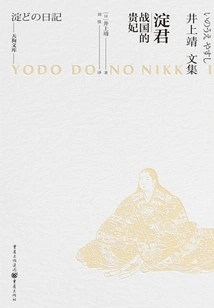
Yodo-kun: the Noble Concubine of the Warring States Period
General Fiction淀君:战国的贵妃
H
This book tells the story of the life of Toyotomi Hideyoshi's wife Chacha (Yodo-kun). The protagonist of this book, Chacha, is the daughter of Oda Nobunaga's sister, Mrs. Aichi. When she was young, she experienced tragic events where the city was captured and her family was destroyed several times. When Xiaogucheng fell, his mother, Ashi, took Chacha and her two younger sisters, Achu and Xiaodu, to escape from the city. Soon after, her mother Aichi remarried, but she and her stepfather died at the hands of Toyotomi Hideyoshi. Later, she was favored by Toyotomi Hideyoshi and became the concubine of the enemy who killed her mother. She became the concubine of Toyotomi Hideyoshi, the most powerful man in Japan, and gave birth to his heir Hideyori. However, Hideyoshi died of illness soon after, and the Toyotomi family lost the battle with the Tokugawa family for the world. Finally, Chacha and Hideyori committed suicide on the day of the fall of Osaka Castle.
This book tells the story of the life of Toyotomi Hideyoshi's wife Chacha (Yodo-kun). The protagonist of this book, Chacha, is the daughter of Oda Nobunaga's sister, Mrs. Aichi. When she was young, she experienced tragic events where the city was captured and her family was destroyed several times. When Xiaogucheng fell, his mother, Ashi, took Chacha and her two younger sisters, Achu and Xiaodu, to escape from the city. Soon after, her mother Aichi remarried, but she and her stepfather died at the hands of Toyotomi Hideyoshi. Later, she was favored by Toyotomi Hideyoshi and became the concubine of the enemy who killed her mother. She became the concubine of Toyotomi Hideyoshi, the most powerful man in Japan, and gave birth to his heir Hideyori. However, Hideyoshi died of illness soon after, and the Toyotomi family lost the battle with the Tokugawa family for the world. Finally, Chacha and Hideyori committed suicide on the day of the fall of Osaka Castle.

Have Nothing but Have Everything
Literature一无所有,却拥有一切
I
A long and lingering song "Nostalgia" made Mr. Yu famous on both sides of the Taiwan Strait, but this great writer who spans the four-dimensional writing space of poetry, prose, translation, and commentary is, as he joked, an "artistic polygamist." This book can be said to be the complete collection of Mr. Yu Guangzhong's love letters to art. It contains the cross-dimensional masterpieces written by him as a poet, translator, critic, and essayist. It can be divided into three parts: literary memory, art criticism, and essays. With a lot of words, it leads readers to smell the fragrance of hardness and softness in "Tiger and Rose", and in "The Moon Sees the Clouds". "The Mysteries of New School Chinese Painting" are revealed, "Lilting and Chattering" cuts through the confusion of tongues, and "Rampant Foreign Language" laughs at the "eccentricities" of foreign languages... Strolling along the way, through the ups and downs of the art world for half a century, in the diverse and profound cultural world in the eyes of a generation of literary giants, I meet those incomparably beautiful muses.
A long and lingering song "Nostalgia" made Mr. Yu famous on both sides of the Taiwan Strait, but this great writer who spans the four-dimensional writing space of poetry, prose, translation, and commentary is, as he joked, an "artistic polygamist." This book can be said to be the complete collection of Mr. Yu Guangzhong's love letters to art. It contains the cross-dimensional masterpieces written by him as a poet, translator, critic, and essayist. It can be divided into three parts: literary memory, art criticism, and essays. With a lot of words, it leads readers to smell the fragrance of hardness and softness in "Tiger and Rose", and in "The Moon Sees the Clouds". "The Mysteries of New School Chinese Painting" are revealed, "Lilting and Chattering" cuts through the confusion of tongues, and "Rampant Foreign Language" laughs at the "eccentricities" of foreign languages... Strolling along the way, through the ups and downs of the art world for half a century, in the diverse and profound cultural world in the eyes of a generation of literary giants, I meet those incomparably beautiful muses.
A Moveable Feast
Literature流动的飨宴
I
"A Moveable Feast\u002F The Complete Works of Hemingway" is the last work written by Hemingway during his lifetime and revised by him personally. In the book, Hemingway recalled a difficult but joyful life he and his wife lived in Paris from 1921 to 1926: starting out as a writer, writing in cafes, chatting with literary friends, betting on horses, enduring hunger, visiting old book stalls along the Seine, borrowing books from Shakespeare's Bookstore, meeting Fitzgerald and passing by Joyce, Pound and others...
"A Moveable Feast\u002F The Complete Works of Hemingway" is the last work written by Hemingway during his lifetime and revised by him personally. In the book, Hemingway recalled a difficult but joyful life he and his wife lived in Paris from 1921 to 1926: starting out as a writer, writing in cafes, chatting with literary friends, betting on horses, enduring hunger, visiting old book stalls along the Seine, borrowing books from Shakespeare's Bookstore, meeting Fitzgerald and passing by Joyce, Pound and others...