Library
Browse and search books
358 novels found
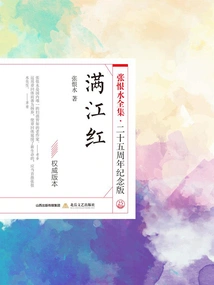
满江红(张恨水全集·25周年纪念版)
Zhang Henshui
This book describes a young and promising painter in Yushui Village during the Republic of China, who lived a life devoted to landscapes. By chance, he met the singer Taozhi, and the two fell in love, but later broke up due to misunderstanding. Taozhi angrily agreed to a certain boss's proposal and married him. At their wedding banquet, the boss's wife made a big fuss, but thanks to Mizumura's confession, the situation was resolved. Unable to forget his feelings, Taozhi followed the seriously ill Shuicun to the boat. Just as the ferry caught fire, Taozhi exchanged clothes with Shuicun, causing Shuicun to be taken away by the boat that rescued the women and children, but he was burned to death in the fire. After being rescued, Shuicun was immersed in pain and couldn't extricate himself. I accidentally saw a play called "The River is Red", which told the story of a woman and her lover who cross-dressed to save others. I couldn't help myself, so I watched it night after night, remembering my relationship with Taozhi, and finally died of depression due to excessive pain.
This book describes a young and promising painter in Yushui Village during the Republic of China, who lived a life devoted to landscapes. By chance, he met the singer Taozhi, and the two fell in love, but later broke up due to misunderstanding. Taozhi angrily agreed to a certain boss's proposal and married him. At their wedding banquet, the boss's wife made a big fuss, but thanks to Mizumura's confession, the situation was resolved. Unable to forget his feelings, Taozhi followed the seriously ill Shuicun to the boat. Just as the ferry caught fire, Taozhi exchanged clothes with Shuicun, causing Shuicun to be taken away by the boat that rescued the women and children, but he was burned to death in the fire. After being rescued, Shuicun was immersed in pain and couldn't extricate himself. I accidentally saw a play called "The River is Red", which told the story of a woman and her lover who cross-dressed to save others. I couldn't help myself, so I watched it night after night, remembering my relationship with Taozhi, and finally died of depression due to excessive pain.
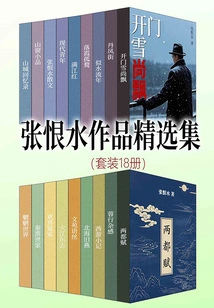
张恨水作品精选集(套装18册)
Zhang Henshui
"Selected Works of Zhang Henshui (set of 18 volumes)" brings together the classic works of Zhang Henshui, a master of popular literature in the Republic of China. "Danfeng Street" tells the story of Nanjing hawkers rescuing a poor girl, showing the chivalry of the city; "The Snow is Falling at the Open Door" tells the story of the struggle of a young couple in complex interpersonal relationships after the victory of the Anti-Japanese War; in addition, "Man Jiang Hong" depicts the love tragedy of a poor painter and a singer, and "Qinhuai Family" and others show social customs. "The Lonely Bird in the Falling Clouds" tells the story of the love entanglement between a man and two women. "Time flies" depicts the depravity and repentance of young student Huang Xishi; the set also includes short prose notes such as "Zhang Henshui's Prose" and "Mountain Window Essay", as well as novels such as "The River Goes East" and "Happy Enemies". These works have twists and turns in their plots and rigorous structures. They combine traditional chapter style with Western novel techniques. They not only show the humanities and customs of the world, but also reflect the social reality. They are a good choice for understanding the social landscape of the Republic of China and Zhang Henshui's literary achievements.
"Selected Works of Zhang Henshui (set of 18 volumes)" brings together the classic works of Zhang Henshui, a master of popular literature in the Republic of China. "Danfeng Street" tells the story of Nanjing hawkers rescuing a poor girl, showing the chivalry of the city; "The Snow is Falling at the Open Door" tells the story of the struggle of a young couple in complex interpersonal relationships after the victory of the Anti-Japanese War; in addition, "Man Jiang Hong" depicts the love tragedy of a poor painter and a singer, and "Qinhuai Family" and others show social customs. "The Lonely Bird in the Falling Clouds" tells the story of the love entanglement between a man and two women. "Time flies" depicts the depravity and repentance of young student Huang Xishi; the set also includes short prose notes such as "Zhang Henshui's Prose" and "Mountain Window Essay", as well as novels such as "The River Goes East" and "Happy Enemies". These works have twists and turns in their plots and rigorous structures. They combine traditional chapter style with Western novel techniques. They not only show the humanities and customs of the world, but also reflect the social reality. They are a good choice for understanding the social landscape of the Republic of China and Zhang Henshui's literary achievements.
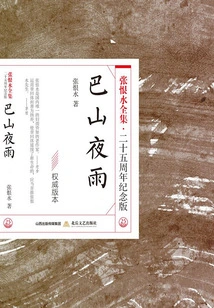
巴山夜雨(张恨水全集·25周年纪念版)
Zhang Henshui
The scholar paused and shouted loudly, "If the country can use me, why don't I die?" This is a true portrayal of Mr. Zhang Henshui's mentality of persisting in resisting Japan and serving the country to the death during the Anti-Japanese War. After the Nanjing Massacre, Zhang Henshui submitted a petition to the government, requesting to go to the mountains to fight guerrillas at his own expense, but there was no way out. He put his strong patriotic enthusiasm and loneliness on paper, and created a large number of anti-Japanese novels based on real people and true stories, leaving many precious histories of the Chinese nation's resistance to foreign invaders. "Bashan Night Rain" is a "painful lesson" from the Anti-Japanese War, and is called the "peak work" of Zhang Henshui's works.
The scholar paused and shouted loudly, "If the country can use me, why don't I die?" This is a true portrayal of Mr. Zhang Henshui's mentality of persisting in resisting Japan and serving the country to the death during the Anti-Japanese War. After the Nanjing Massacre, Zhang Henshui submitted a petition to the government, requesting to go to the mountains to fight guerrillas at his own expense, but there was no way out. He put his strong patriotic enthusiasm and loneliness on paper, and created a large number of anti-Japanese novels based on real people and true stories, leaving many precious histories of the Chinese nation's resistance to foreign invaders. "Bashan Night Rain" is a "painful lesson" from the Anti-Japanese War, and is called the "peak work" of Zhang Henshui's works.
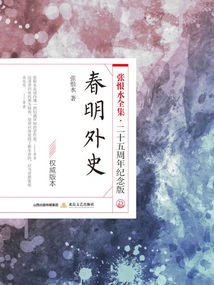
Foreign History of Chunming (the Complete Works of Zhang Henshui·25th Anniversary Edition)
Literature春明外史(张恨水全集·25周年纪念版)
Zhang Henshui
When Yang Xingyuan, a talented man from Anhui Province, lived in Beijing, he fell in love at first sight with Liyun, a young prostitute. When Li Yun was seriously ill, he guarded her day and night and vowed to live forever. However, the beauty's fate was poor. Not long after they met, Li Yun passed away. Yang Xingyuan was so depressed that she vomited blood and buried her photo in the soil, accompanying Li Yun. Later, Yang Xingyuan met the talented girl Li Dongqing. After spending time with each other and singing poetry, Yang Xingyuan fell deeply in love with Li Dongqing, but Li Dongqing had a congenital disease and had no chance of marriage. Li Dongqing tried every means to make the good relationship between Shi Kelian and Yang Xingyuan possible. However, Yang Xingyuan gave up her deep relationship with Li Dongqing and fell in love with Li Dongqing even more. In order to fulfill Yang and Li's love, Shi Kelian wisely retreated. After many twists and turns, Yang Xingyuan became disheartened about marriage and turned to Buddhism.
When Yang Xingyuan, a talented man from Anhui Province, lived in Beijing, he fell in love at first sight with Liyun, a young prostitute. When Li Yun was seriously ill, he guarded her day and night and vowed to live forever. However, the beauty's fate was poor. Not long after they met, Li Yun passed away. Yang Xingyuan was so depressed that she vomited blood and buried her photo in the soil, accompanying Li Yun. Later, Yang Xingyuan met the talented girl Li Dongqing. After spending time with each other and singing poetry, Yang Xingyuan fell deeply in love with Li Dongqing, but Li Dongqing had a congenital disease and had no chance of marriage. Li Dongqing tried every means to make the good relationship between Shi Kelian and Yang Xingyuan possible. However, Yang Xingyuan gave up her deep relationship with Li Dongqing and fell in love with Li Dongqing even more. In order to fulfill Yang and Li's love, Shi Kelian wisely retreated. After many twists and turns, Yang Xingyuan became disheartened about marriage and turned to Buddhism.
Heaven and Earth (collection of Popular Novels of the Republic of China·zhang Henshui Volume)
General Fiction天上人间(民国通俗小说典藏文库·张恨水卷)
Zhang Henshui
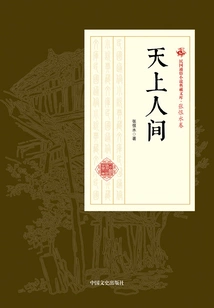
University teacher Zhou Xiufeng lives alone in a boarding dormitory. He is very anxious because all his friends are in couples. On this spring day, he met Miss Huang Lihua through a friend's introduction. Huang Lihua's beauty impressed Zhou Xiufeng, but at the same time, he felt that her wealthy behavior was unacceptable to him. At the same time, his long-loved neighbor, Yuzi, a poor girl, also expressed her affection for him. He has been hesitating between the two women, but Huang Lihua's superior conditions have been occupying his heart bit by bit...
University teacher Zhou Xiufeng lives alone in a boarding dormitory. He is very anxious because all his friends are in couples. On this spring day, he met Miss Huang Lihua through a friend's introduction. Huang Lihua's beauty impressed Zhou Xiufeng, but at the same time, he felt that her wealthy behavior was unacceptable to him. At the same time, his long-loved neighbor, Yuzi, a poor girl, also expressed her affection for him. He has been hesitating between the two women, but Huang Lihua's superior conditions have been occupying his heart bit by bit...
啼笑因缘·第四部分(张恨水经典言情)
Zhang Henshui
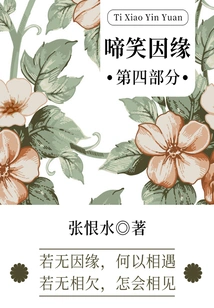
"The Cause of Laughter" mainly describes the love tragedy between Fan Jiashu, a Jiangnan college student living in Peiping, and Shen Fengxi, a girl who sings drums in Tianqiao. It also intersperses the story of the noble lady He Lina's unremitting pursuit of Fan Jiashu, the secret love of Guan Shoufeng's daughter Xiugu who makes a living for Fan Jiashu, the warlord Liu Dezhu's dominance of civilian girls, and the heroic and righteous Guan father and daughter hoeing the strong and supporting the weak. It reflects the dark and turbulent social aspect of the Beiyang warlord period. It not only caused a strong response among old readers of the old school chapter novels; it also surprised the new literary and art circles at that time, and even discussed why "The Cause of Laughter" has such great charm and how widespread it is. Zhang Henshui (May 18, 1895 - February 17, 1967), whose original name is Xinyuan, and Henshui is his pen, takes the meaning of the poem "Meeting Happily" by Li Yu of the Southern Tang Dynasty, "Since life grows, I hate water and grow eastward". Zhang Henshui is a famous chapter novelist and a representative writer of the Mandarin Duck and Butterfly School. He is honored as the first "master of chapter novels" and "master of popular literature" in the history of modern literature. The plot of the work is tortuous and complex, and the structure is rigorous and complete. It integrates traditional Chinese chapter novels with new techniques in Western novels. He is also famous for his prolific output. In his fifty-year writing career, he created more than 100 popular novels, most of which are medium and long chapter novels with a total of 30 million words, which can be regarded as a book in his lifetime.
"The Cause of Laughter" mainly describes the love tragedy between Fan Jiashu, a Jiangnan college student living in Peiping, and Shen Fengxi, a girl who sings drums in Tianqiao. It also intersperses the story of the noble lady He Lina's unremitting pursuit of Fan Jiashu, the secret love of Guan Shoufeng's daughter Xiugu who makes a living for Fan Jiashu, the warlord Liu Dezhu's dominance of civilian girls, and the heroic and righteous Guan father and daughter hoeing the strong and supporting the weak. It reflects the dark and turbulent social aspect of the Beiyang warlord period. It not only caused a strong response among old readers of the old school chapter novels; it also surprised the new literary and art circles at that time, and even discussed why "The Cause of Laughter" has such great charm and how widespread it is. Zhang Henshui (May 18, 1895 - February 17, 1967), whose original name is Xinyuan, and Henshui is his pen, takes the meaning of the poem "Meeting Happily" by Li Yu of the Southern Tang Dynasty, "Since life grows, I hate water and grow eastward". Zhang Henshui is a famous chapter novelist and a representative writer of the Mandarin Duck and Butterfly School. He is honored as the first "master of chapter novels" and "master of popular literature" in the history of modern literature. The plot of the work is tortuous and complex, and the structure is rigorous and complete. It integrates traditional Chinese chapter novels with new techniques in Western novels. He is also famous for his prolific output. In his fifty-year writing career, he created more than 100 popular novels, most of which are medium and long chapter novels with a total of 30 million words, which can be regarded as a book in his lifetime.
Yangliuqingqing
General Fiction杨柳青青
Zhang Henshui
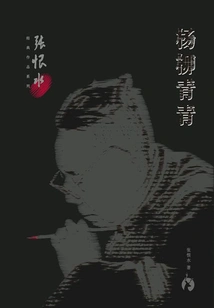
This book depicts a tragedy and comedy based on the love entanglement between Yang Guizhi, a girl from Haidian in Beijing during the Republic of China, Zhao Ziqiang, a young officer, and Gan Jizhi, a son of an official. It praised the loyalty and patriotism of lower-level officers and ordinary people, and criticized the selfishness and hypocrisy of some middle- and upper-level officers and scholar-bureaucrats.
This book depicts a tragedy and comedy based on the love entanglement between Yang Guizhi, a girl from Haidian in Beijing during the Republic of China, Zhao Ziqiang, a young officer, and Gan Jizhi, a son of an official. It praised the loyalty and patriotism of lower-level officers and ordinary people, and criticized the selfishness and hypocrisy of some middle- and upper-level officers and scholar-bureaucrats.
Zhang Henshui's Classic Works Series: Modern Youth
General Fiction张恨水经典作品系列:现代青年
Zhang Henshui
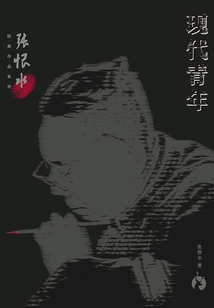
This book describes the love and hatred between a fisherman's son, a rich girl and his fiancée in the 1930s when they were studying and working in the business, as well as the ups and downs of the three of them in a foreign market ten miles away. Zhou Jichun, a boy from a farm family, was known as a child prodigy when he was young. His father gave everything he had and his teachers supported him to study in Peking. However, not long after his father left Peiping, he fell into wealth and vanity. First, he was engaged to a rich girl Kong Lingyi, and then got into a fight with a group of dancers. As a result, he was defrauded of Lingyi's diamond ring. In desperation, he fled in fear of crime. In order to save his son, his father went north again, bankrupting his fortune and passing away in bitter disappointment. Ji Chun, who took refuge in a famous writer, became a star by chance and reunited with Kong Lingyi again. When I went back to my hometown to visit my relatives, my halo was revealed, and I suddenly realized that I was determined to continue my studies...
This book describes the love and hatred between a fisherman's son, a rich girl and his fiancée in the 1930s when they were studying and working in the business, as well as the ups and downs of the three of them in a foreign market ten miles away. Zhou Jichun, a boy from a farm family, was known as a child prodigy when he was young. His father gave everything he had and his teachers supported him to study in Peking. However, not long after his father left Peiping, he fell into wealth and vanity. First, he was engaged to a rich girl Kong Lingyi, and then got into a fight with a group of dancers. As a result, he was defrauded of Lingyi's diamond ring. In desperation, he fled in fear of crime. In order to save his son, his father went north again, bankrupting his fortune and passing away in bitter disappointment. Ji Chun, who took refuge in a famous writer, became a star by chance and reunited with Kong Lingyi again. When I went back to my hometown to visit my relatives, my halo was revealed, and I suddenly realized that I was determined to continue my studies...
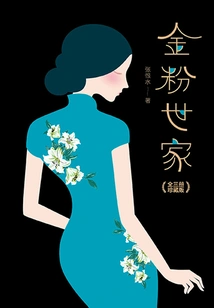
Jinfenshijia (all Three Volumes)
General Fiction金粉世家(全三册)
Zhang Henshui
Love at first sight is beautiful, but how can it last forever? Jin Yanxi, a second-generation rich man, met female student Leng Qingqiu by chance and started a crazy pursuit. Finally, he got what he wanted and they got married in a flash marriage. Just one year after their marriage, their beautiful dreams were completely shattered. What awaited them was a cruel and real life...
Love at first sight is beautiful, but how can it last forever? Jin Yanxi, a second-generation rich man, met female student Leng Qingqiu by chance and started a crazy pursuit. Finally, he got what he wanted and they got married in a flash marriage. Just one year after their marriage, their beautiful dreams were completely shattered. What awaited them was a cruel and real life...
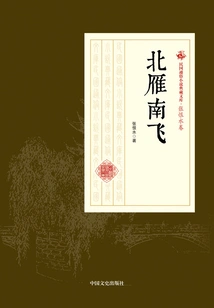
Wild Geese Flying from the North to the South (collection of Popular Novels of the Republic of China·zhang Henshui Volume)
General Fiction北雁南飞(民国通俗小说典藏文库·张恨水卷)
Zhang Henshui
The background of the story is the transition from the late Qing Dynasty to the Republic of China. In a small town called Sanhu on the Ganjiang River, Xiaoqiu is the son of the county magistrate Li Qiupu. Because he likes romantic poems, he was taught by his father not to do a serious job, and was later sent to a private school to study. In the private school, he met Chunhua, the daughter of his teacher, whom he fell in love with, but Chunhua was already engaged. Even though the two loved each other, they failed because they could not completely resist, and it became a "wild goose flying south" ending.
The background of the story is the transition from the late Qing Dynasty to the Republic of China. In a small town called Sanhu on the Ganjiang River, Xiaoqiu is the son of the county magistrate Li Qiupu. Because he likes romantic poems, he was taught by his father not to do a serious job, and was later sent to a private school to study. In the private school, he met Chunhua, the daughter of his teacher, whom he fell in love with, but Chunhua was already engaged. Even though the two loved each other, they failed because they could not completely resist, and it became a "wild goose flying south" ending.
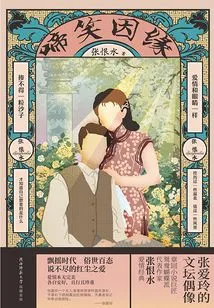
Cause of Laughter
General Fiction啼笑因缘
Zhang Henshui
He, Fan Jiashu, a young man from Hangzhou studying in Beijing, met Feng Xi, an innocent and intelligent girl who plays drums, and fell in love with her at first sight. Feng Xi also fell in love with him. However, Feng Xi's native family regarded him as a "money bag". Soon, he met the upright and chivalrous Guan Xiugu. She liked him, but because she knew the person he liked. , Never confessed to him; later, He Lina, who looked exactly like Feng Xi, appeared. She was the daughter of a wealthy family, and her father was the minister of finance. She was beautiful and kind. She said she liked him, but he was rejected... Later, Feng Xi broke up with him, and a new situation emerged in this four-cornered love. After all, who is his destiny?
He, Fan Jiashu, a young man from Hangzhou studying in Beijing, met Feng Xi, an innocent and intelligent girl who plays drums, and fell in love with her at first sight. Feng Xi also fell in love with him. However, Feng Xi's native family regarded him as a "money bag". Soon, he met the upright and chivalrous Guan Xiugu. She liked him, but because she knew the person he liked. , Never confessed to him; later, He Lina, who looked exactly like Feng Xi, appeared. She was the daughter of a wealthy family, and her father was the minister of finance. She was beautiful and kind. She said she liked him, but he was rejected... Later, Feng Xi broke up with him, and a new situation emerged in this four-cornered love. After all, who is his destiny?
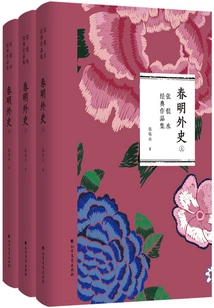
Foreign History of Chunming
General Fiction春明外史
Zhang Henshui
When Yang Xingyuan, a talented man from Anhui Province, lived in Beijing, he fell in love at first sight with Liyun, a young prostitute. When Li Yun was seriously ill, he guarded her day and night and vowed to live forever. However, the beauty's fate was poor. Not long after they met, Li Yun passed away. Yang Xingyuan was so depressed that she vomited blood and buried her photo in the earth with Li Yun. Later, Yang Xingyuan met the talented girl Li Dongqing. After spending time with each other and singing poetry, Yang Xingyuan fell deeply in love with Li Dongqing, but Li Dongqing had a congenital disease and had no chance of marriage. Li Dongqing tried every means to make the girl Shi Kelian and Yang Xingyuan happy. However, Yang Xingyuan gave up her deep relationship with Li Dongqing and fell in love with Li Dongqing even more. In order to fulfill Yang and Li's love, Shi Kelian wisely retreated. After many twists and turns, Yang Xingyuan became disheartened about marriage and turned to Buddhism.
When Yang Xingyuan, a talented man from Anhui Province, lived in Beijing, he fell in love at first sight with Liyun, a young prostitute. When Li Yun was seriously ill, he guarded her day and night and vowed to live forever. However, the beauty's fate was poor. Not long after they met, Li Yun passed away. Yang Xingyuan was so depressed that she vomited blood and buried her photo in the earth with Li Yun. Later, Yang Xingyuan met the talented girl Li Dongqing. After spending time with each other and singing poetry, Yang Xingyuan fell deeply in love with Li Dongqing, but Li Dongqing had a congenital disease and had no chance of marriage. Li Dongqing tried every means to make the girl Shi Kelian and Yang Xingyuan happy. However, Yang Xingyuan gave up her deep relationship with Li Dongqing and fell in love with Li Dongqing even more. In order to fulfill Yang and Li's love, Shi Kelian wisely retreated. After many twists and turns, Yang Xingyuan became disheartened about marriage and turned to Buddhism.
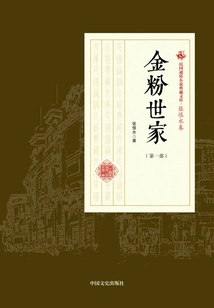
The Golden Fen Family (part 1) (collection of Popular Novels of the Republic of China·zhang Henshui Volume)
General Fiction金粉世家(第一部)(民国通俗小说典藏文库·张恨水卷)
Zhang Henshui
The novel is based on the feudal family of Beiyang warlord Jin Quan, Prime Minister, and takes the marriage between Jin Quan's son Jin Yanxi and the commoner woman Leng Qingqiu from love, marriage to estrangement and divorce as the main line. It reveals the empty, degenerate spiritual world and declining and decadent life of the feudal bureaucrats and their wives and children, and describes a living history of the rise and fall of the wealthy aristocrats. The novel has 112 chapters, interspersed with the life stories of more than 20 characters in the Jin family, with magnificent colors, scattered but not chaotic. The story of the novel is lively and lively, the mood is sad, and the meaning of leisure is strong. It combines readability and literary quality.
The novel is based on the feudal family of Beiyang warlord Jin Quan, Prime Minister, and takes the marriage between Jin Quan's son Jin Yanxi and the commoner woman Leng Qingqiu from love, marriage to estrangement and divorce as the main line. It reveals the empty, degenerate spiritual world and declining and decadent life of the feudal bureaucrats and their wives and children, and describes a living history of the rise and fall of the wealthy aristocrats. The novel has 112 chapters, interspersed with the life stories of more than 20 characters in the Jin family, with magnificent colors, scattered but not chaotic. The story of the novel is lively and lively, the mood is sad, and the meaning of leisure is strong. It combines readability and literary quality.
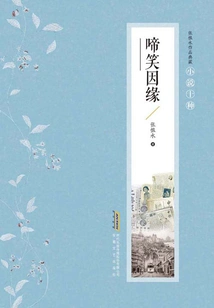
Collection of Zhang Henshui's Works·ten Types of Novels: the Cause of Crying and Laughing
General Fiction张恨水作品典藏·小说十种:啼笑因缘
Zhang Henshui
This book is part of the collection of Zhang Henshui's works. It mainly describes the love tragedy between Fan Jiashu, a college student from Jiangnan who lives in Peiping, and Shen Fengxi, a girl who sings drums in Tianqiao. Na's unremitting pursuit of Fan Jiashu, Xiugu, the daughter of Guan Shoufeng who makes a living as an entertainer, has a secret love for Fan Jiashu, the warlord Liu Dezhu uses his power to dominate the women of the people, and the heroic and righteous Guan family father and daughter hoe the strong and support the weak. The book has a twists and turns, distinctive characters, and a strong flavor of Beijing. After its publication, the book became very expensive in Luoyang.
This book is part of the collection of Zhang Henshui's works. It mainly describes the love tragedy between Fan Jiashu, a college student from Jiangnan who lives in Peiping, and Shen Fengxi, a girl who sings drums in Tianqiao. Na's unremitting pursuit of Fan Jiashu, Xiugu, the daughter of Guan Shoufeng who makes a living as an entertainer, has a secret love for Fan Jiashu, the warlord Liu Dezhu uses his power to dominate the women of the people, and the heroic and righteous Guan family father and daughter hoe the strong and support the weak. The book has a twists and turns, distinctive characters, and a strong flavor of Beijing. After its publication, the book became very expensive in Luoyang.
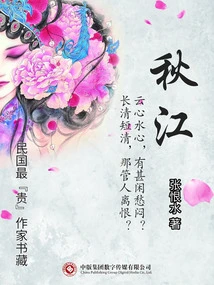
民国最“贵”作家书藏:秋江
Zhang Henshui
The story of "Autumn River" takes place during the Shaoxing period of Emperor Gaozong of the Southern Song Dynasty. It tells the story of Chen Miaochang, a nun in a privy nunnery in the suburbs of Qingshi Town, Linjiang. She was originally the daughter of an official in Linjiang. She was beautiful and affectionate. However, because she was frail and sick since childhood, her parents abandoned her to Buddhism, became a nun, and chanted sutras and worshiped Buddha in the privy nunnery. With too much time to spare, she fell in love with Pan Bizheng, a scholar who passed by the nunnery. After the scholar left, Chen Miaochang eagerly chased her lover, but in front of her were the rushing river and the old boatman.
The story of "Autumn River" takes place during the Shaoxing period of Emperor Gaozong of the Southern Song Dynasty. It tells the story of Chen Miaochang, a nun in a privy nunnery in the suburbs of Qingshi Town, Linjiang. She was originally the daughter of an official in Linjiang. She was beautiful and affectionate. However, because she was frail and sick since childhood, her parents abandoned her to Buddhism, became a nun, and chanted sutras and worshiped Buddha in the privy nunnery. With too much time to spare, she fell in love with Pan Bizheng, a scholar who passed by the nunnery. After the scholar left, Chen Miaochang eagerly chased her lover, but in front of her were the rushing river and the old boatman.
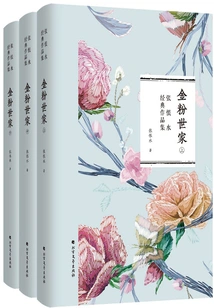
Jinfenshijia
General Fiction金粉世家
Zhang Henshui
This book, a total of three volumes, is a classic of modern Chinese novels. It is one of Mr. Zhang Henshui's masterpieces and is known as the modern "Dream of Red Mansions". It is an eruption of the life materials accumulated by Zhang Henshui in his early journalism career. Jin Yanxi, the son of Beiyang warlord Jin Quan and Prime Minister Jin Quan, is Leng Qingqiu, an orphan born in a poor family. The seeds of love once sprouted and took root in their hearts. The spirit of love and rebellion connected them. They were united because of their love. However, the cruel feudal consciousness destroyed their love, and they finally chose to abandon and separate. Based on the fate of an abandoned wife of a wealthy family, the story depicts the decline of a wealthy noble family, which in turn brings about the ups and downs of the entire society.
This book, a total of three volumes, is a classic of modern Chinese novels. It is one of Mr. Zhang Henshui's masterpieces and is known as the modern "Dream of Red Mansions". It is an eruption of the life materials accumulated by Zhang Henshui in his early journalism career. Jin Yanxi, the son of Beiyang warlord Jin Quan and Prime Minister Jin Quan, is Leng Qingqiu, an orphan born in a poor family. The seeds of love once sprouted and took root in their hearts. The spirit of love and rebellion connected them. They were united because of their love. However, the cruel feudal consciousness destroyed their love, and they finally chose to abandon and separate. Based on the fate of an abandoned wife of a wealthy family, the story depicts the decline of a wealthy noble family, which in turn brings about the ups and downs of the entire society.
春明外史·第十部分(张恨水经典爱情故事)
Zhang Henshui
"Chunming Foreign History" takes the love story of newspaper reporter Yang Xingyuan, prostitute Liyun, and poetess Li Dongqing as the running thread. The background is grand and the narrative is calm, including wealthy families, brothels, theaters, apartments, guild halls, schools, high-end hotels, clubs, temples, scenic spots, three religions and nine streams, including the president, prime minister, prostitutes, actors, and all kinds of famous people. "Chunming Foreign History" is a picture of Beijing customs in the 1920s. It can be called a classic and still has immortal artistic charm when read today. Zhang Henshui (May 18, 1895 - February 15, 1967), whose original name was Xinyuan, Henshui was his pen name, which was taken from the poem "Meeting Happily" written by Li Yu in the Southern Tang Dynasty, which means "I will grow up in life and hate the water in the east". Zhang Henshui is a famous chapter novelist and a representative writer of the Mandarin Duck and Butterfly School. He is honored as the first "master of chapter novels" and "master of popular literature" in the history of modern literature. The plot of the work is tortuous and complex, and the structure is rigorous and complete. It integrates traditional Chinese chapter novels with new techniques in Western novels. He is also famous for his prolific output. In his fifty-year writing career, he created more than 100 popular novels, most of which are medium and long chapter novels with a total of 30 million words, which can be regarded as a book in his lifetime.
"Chunming Foreign History" takes the love story of newspaper reporter Yang Xingyuan, prostitute Liyun, and poetess Li Dongqing as the running thread. The background is grand and the narrative is calm, including wealthy families, brothels, theaters, apartments, guild halls, schools, high-end hotels, clubs, temples, scenic spots, three religions and nine streams, including the president, prime minister, prostitutes, actors, and all kinds of famous people. "Chunming Foreign History" is a picture of Beijing customs in the 1920s. It can be called a classic and still has immortal artistic charm when read today. Zhang Henshui (May 18, 1895 - February 15, 1967), whose original name was Xinyuan, Henshui was his pen name, which was taken from the poem "Meeting Happily" written by Li Yu in the Southern Tang Dynasty, which means "I will grow up in life and hate the water in the east". Zhang Henshui is a famous chapter novelist and a representative writer of the Mandarin Duck and Butterfly School. He is honored as the first "master of chapter novels" and "master of popular literature" in the history of modern literature. The plot of the work is tortuous and complex, and the structure is rigorous and complete. It integrates traditional Chinese chapter novels with new techniques in Western novels. He is also famous for his prolific output. In his fifty-year writing career, he created more than 100 popular novels, most of which are medium and long chapter novels with a total of 30 million words, which can be regarded as a book in his lifetime.
Golden Powder Family (middle)
General Fiction金粉世家(中)
Zhang Henshui
This book is one of Zhang Henshui's masterpieces and was serialized in "World Journal" in 1932. The novel is based on the feudal family of Beiyang warlord Jin Quan, Prime Minister, and takes the marriage between Jin Quan's son Jin Yanxi and the commoner woman Leng Qingqiu from love, marriage to estrangement and divorce as the main line. It reveals the empty, degenerate spiritual world and declining and decadent life of the feudal bureaucrats and their wives and children, and describes a living history of the rise and fall of the wealthy aristocrats.
This book is one of Zhang Henshui's masterpieces and was serialized in "World Journal" in 1932. The novel is based on the feudal family of Beiyang warlord Jin Quan, Prime Minister, and takes the marriage between Jin Quan's son Jin Yanxi and the commoner woman Leng Qingqiu from love, marriage to estrangement and divorce as the main line. It reveals the empty, degenerate spiritual world and declining and decadent life of the feudal bureaucrats and their wives and children, and describes a living history of the rise and fall of the wealthy aristocrats.
Xiao Xitian
General Fiction小西天
Zhang Henshui
During the Republic of China, intellectual Cheng Zhiqian and job seekers Li Shilian, Zhang Jiefu and others took a German car to Xi'an and settled in the city's hotel "Little West Sky". In Xiaoxitian, Li Shilian and Zhang Jiefu learned that Cheng Zhiqian had relationships with many senior officials in Shaanxi, so they fawned over Zhiqian and were despised by Zhiqian. Jia Duocai, a banker living in "Xiaoxitian", fell in love with Hu Yueying, a woman who had fled from Gansu, and wanted to buy it. Wang Beihai, a student of Cheng Zhiqian, also fell in love with Hu Yueying, which led to various troubles. Li Shilian, Zhang Jiefu and the down-and-out girl Yang Huanhua all wanted Jia Duocai, so they worked together to accomplish this for Jia Duocai. However, Jia Duocai was not at peace after buying Hu Yueying, and thus got into trouble with the commissioner's wife. At the same time, he asked Wang Beihai for bank business, and finally let Yueying go. Yueying and Beihai finally got married, while Cheng Zhiqian left Xiaoxitian and continued his inspection trip to the northwest. The hotel "Xiao Xitian" in Xi'an is still hosting all kinds of people, and stories of joys and sorrows are happening there.
During the Republic of China, intellectual Cheng Zhiqian and job seekers Li Shilian, Zhang Jiefu and others took a German car to Xi'an and settled in the city's hotel "Little West Sky". In Xiaoxitian, Li Shilian and Zhang Jiefu learned that Cheng Zhiqian had relationships with many senior officials in Shaanxi, so they fawned over Zhiqian and were despised by Zhiqian. Jia Duocai, a banker living in "Xiaoxitian", fell in love with Hu Yueying, a woman who had fled from Gansu, and wanted to buy it. Wang Beihai, a student of Cheng Zhiqian, also fell in love with Hu Yueying, which led to various troubles. Li Shilian, Zhang Jiefu and the down-and-out girl Yang Huanhua all wanted Jia Duocai, so they worked together to accomplish this for Jia Duocai. However, Jia Duocai was not at peace after buying Hu Yueying, and thus got into trouble with the commissioner's wife. At the same time, he asked Wang Beihai for bank business, and finally let Yueying go. Yueying and Beihai finally got married, while Cheng Zhiqian left Xiaoxitian and continued his inspection trip to the northwest. The hotel "Xiao Xitian" in Xi'an is still hosting all kinds of people, and stories of joys and sorrows are happening there.
The Collection of the Most "expensive" Writers of the Republic of China: the Peacock Flying Southeast
General Fiction民国最“贵”作家书藏:孔雀东南飞
Zhang Henshui
"The Peacock Flying Southeast" is a long narrative poem in the Yuefu folk songs of the Han Dynasty. It is the pinnacle of the development history of Yuefu poetry. It is based on a marriage tragedy that occurred in Lujiang County during the reign of Emperor Xian of the Eastern Han Dynasty. The original title was "Ancient Poetry Written by Jiao Zhongqing's Wife". Because the first line of the poem is "The peacock flies southeast", it is also named this. "The Peacock Flying Southeast" written by Zhang Henshui is a love novel based on this poem, narrating the vivid and touching love story of Jiao Zhongqing and his wife Liu Lanzhi.
"The Peacock Flying Southeast" is a long narrative poem in the Yuefu folk songs of the Han Dynasty. It is the pinnacle of the development history of Yuefu poetry. It is based on a marriage tragedy that occurred in Lujiang County during the reign of Emperor Xian of the Eastern Han Dynasty. The original title was "Ancient Poetry Written by Jiao Zhongqing's Wife". Because the first line of the poem is "The peacock flies southeast", it is also named this. "The Peacock Flying Southeast" written by Zhang Henshui is a love novel based on this poem, narrating the vivid and touching love story of Jiao Zhongqing and his wife Liu Lanzhi.
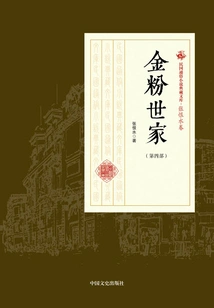
The Golden Fen Family (part 4) (collection of Popular Novels of the Republic of China·zhang Henshui Volume)
General Fiction金粉世家(第四部)(民国通俗小说典藏文库·张恨水卷)
Zhang Henshui
The novel is based on the feudal family of Beiyang warlord Jin Quan, Prime Minister, and takes the marriage between Jin Quan's son Jin Yanxi and the commoner woman Leng Qingqiu from love, marriage to estrangement and divorce as the main line. It reveals the empty, degenerate spiritual world and declining and decadent life of the feudal bureaucrats and their wives and children, and describes a living history of the rise and fall of the wealthy aristocrats. The novel has 112 chapters, interspersed with the life stories of more than 20 characters in the Jin family, with magnificent colors, scattered but not chaotic. The story of the novel is lively and lively, the mood is sad, and the meaning of leisure is strong. It combines readability and literary quality.
The novel is based on the feudal family of Beiyang warlord Jin Quan, Prime Minister, and takes the marriage between Jin Quan's son Jin Yanxi and the commoner woman Leng Qingqiu from love, marriage to estrangement and divorce as the main line. It reveals the empty, degenerate spiritual world and declining and decadent life of the feudal bureaucrats and their wives and children, and describes a living history of the rise and fall of the wealthy aristocrats. The novel has 112 chapters, interspersed with the life stories of more than 20 characters in the Jin family, with magnificent colors, scattered but not chaotic. The story of the novel is lively and lively, the mood is sad, and the meaning of leisure is strong. It combines readability and literary quality.
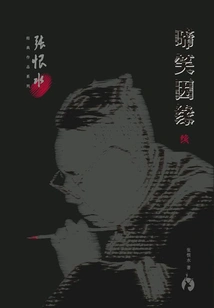
The Cause of Crying and Laughing·continued
General Fiction啼笑因缘·续
Zhang Henshui
This book is the sequel to "The Cause of Laughter". After "The Cause of Laughter" was published, some readers were dissatisfied with the tragic ending and asked the author to continue writing. The author believes that writing novels "has a place where it is enough" and "cannot be continued indiscriminately". However, due to various reasons, Zhang Henshui finally abandoned his previous opinions and wrote ten more chapters in 1933. Because the sequel is "looking for a way outside the original work", it is bound to create a new situation, and it becomes two different patterns, one before and after the renewal.
This book is the sequel to "The Cause of Laughter". After "The Cause of Laughter" was published, some readers were dissatisfied with the tragic ending and asked the author to continue writing. The author believes that writing novels "has a place where it is enough" and "cannot be continued indiscriminately". However, due to various reasons, Zhang Henshui finally abandoned his previous opinions and wrote ten more chapters in 1933. Because the sequel is "looking for a way outside the original work", it is bound to create a new situation, and it becomes two different patterns, one before and after the renewal.
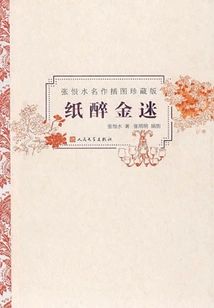
Lively and Luxurious
General Fiction纸醉金迷
Zhang Henshui
This book is a classic of modern Chinese novels and one of Mr. Zhang Henshui's masterpieces. Set in Chongqing, the work shows the harm caused to society by the Kuomintang government's gold scam on the eve of the victory of the Anti-Japanese War. It reveals the plunder and plunder of the people by the four major families. It also outlines how a group of speculators and white-splitting party members took advantage of these climatic powers to make a fortune.
This book is a classic of modern Chinese novels and one of Mr. Zhang Henshui's masterpieces. Set in Chongqing, the work shows the harm caused to society by the Kuomintang government's gold scam on the eve of the victory of the Anti-Japanese War. It reveals the plunder and plunder of the people by the four major families. It also outlines how a group of speculators and white-splitting party members took advantage of these climatic powers to make a fortune.
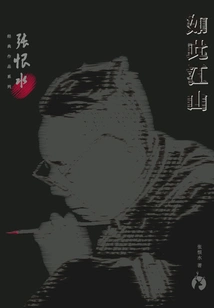
Zhang Henshui's Classic Works Series: Such a Country
General Fiction张恨水经典作品系列:如此江山
Zhang Henshui
"Such a Country" is a very interesting story. The description of the love journey of three young people is very vivid and interesting. In the end, the male protagonist temporarily put aside his love affair and went to study abroad in order to serve the motherland, leaving his fiancée to wait for his return, which left a good foreshadowing. I never thought that writers in the past could write love themes so well. The country is picturesque, and we should contribute more to the country in our youth. This was the wish of writers who were decades ahead of us. So what should we do?
"Such a Country" is a very interesting story. The description of the love journey of three young people is very vivid and interesting. In the end, the male protagonist temporarily put aside his love affair and went to study abroad in order to serve the motherland, leaving his fiancée to wait for his return, which left a good foreshadowing. I never thought that writers in the past could write love themes so well. The country is picturesque, and we should contribute more to the country in our youth. This was the wish of writers who were decades ahead of us. So what should we do?
Jinfenshijia
General Fiction金粉世家
Zhang Henshui
In the turbulent 1920s, Jin Yanxi, the son of Beiyang Warlord Jin Quan, the Prime Minister of the Beiyang Warlord Cabinet, fell in love at first sight with Leng Qingqiu, an orphan girl born in a poor family during an outing, and then launched a fanatical pursuit. The novel takes the marriage tragedy of two people from falling in love, getting married to falling out and divorcing as the main line. It tells a living history of the rise and fall of the wealthy aristocrats, and reveals the empty, degenerate spiritual world and decayed life of the feudal bureaucrats and their wives, concubines and children.
In the turbulent 1920s, Jin Yanxi, the son of Beiyang Warlord Jin Quan, the Prime Minister of the Beiyang Warlord Cabinet, fell in love at first sight with Leng Qingqiu, an orphan girl born in a poor family during an outing, and then launched a fanatical pursuit. The novel takes the marriage tragedy of two people from falling in love, getting married to falling out and divorcing as the main line. It tells a living history of the rise and fall of the wealthy aristocrats, and reveals the empty, degenerate spiritual world and decayed life of the feudal bureaucrats and their wives, concubines and children.
张恨水爱情小说:梁山伯与祝英台(1)
Zhang Henshui
"Liang Shanbo and Zhu Yingtai" is China's most charming oral heritage art and national intangible cultural heritage. It is also the only Chinese folklore that has had a wide impact in the world. This book was written by Zhang Henshui in August 1953 and serialized in Hong Kong's "Ta Kung Pao" on January 1, 1954. Beautiful girl Zhu Yingtai pretends to be a man. Arrive at Hanshan Temple. I met Liang Shanbo, whom I had been my classmate for three years, and had a deep relationship with him. Because her father is ill, Zhu Yingtai wants to go home. Liang Shanbo saw each other off at eighteen miles. Liang Shanbo was surprised when Yingtai revealed her daughter's body and expressed their love for each other. Yingtai was married to Ma Wencai, but Yingtai refused, and had a secret meeting with Liang Shanbo, where they confided their true feelings. When the Ma family welcomes the bride. Yingtai came to Liang Shanbo's grave, grief-stricken, and unexpected things happened...
"Liang Shanbo and Zhu Yingtai" is China's most charming oral heritage art and national intangible cultural heritage. It is also the only Chinese folklore that has had a wide impact in the world. This book was written by Zhang Henshui in August 1953 and serialized in Hong Kong's "Ta Kung Pao" on January 1, 1954. Beautiful girl Zhu Yingtai pretends to be a man. Arrive at Hanshan Temple. I met Liang Shanbo, whom I had been my classmate for three years, and had a deep relationship with him. Because her father is ill, Zhu Yingtai wants to go home. Liang Shanbo saw each other off at eighteen miles. Liang Shanbo was surprised when Yingtai revealed her daughter's body and expressed their love for each other. Yingtai was married to Ma Wencai, but Yingtai refused, and had a secret meeting with Liang Shanbo, where they confided their true feelings. When the Ma family welcomes the bride. Yingtai came to Liang Shanbo's grave, grief-stricken, and unexpected things happened...
北雁南飞·第五部分(张恨水经典小说)
Zhang Henshui
"Northern Wild Geese Flying to the South" is a chapter novel by Zhang Henshui. It is based on the author's study experience in a private school in Sanhu Town, Jiangxi Province when he was a boy. It describes the love tragedy of the girl Yao Chunhua and the boy Li Xiaoqiu. With sincere feelings and delicate writing style, it makes people sigh. The plot, as well as the vivid outline of the folk customs, sentiments and customs of Sanhu Town, provide us with the social scene and school life records of Xiaoqing Jiangnan Town. From these descriptions, it is not difficult to find the footprints of the writer Zhang Henshui, which is a relatively typical old-style novel of talents and beauties. Zhang Henshui (May 18, 1895 - February 20, 1967), whose original name was Xinyuan, Henshui was his pen name, which was taken from the poem "Meeting Happily" written by Li Yu in the Southern Tang Dynasty, which means "I will grow up in life and hate the water in the east". Zhang Henshui is a famous chapter novelist and a representative writer of the Mandarin Duck and Butterfly School. He is honored as the first "master of chapter novels" and "master of popular literature" in the history of modern literature. The plot of the work is tortuous and complex, and the structure is rigorous and complete. It integrates traditional Chinese chapter novels with new techniques in Western novels. He is also famous for his prolific output. In his fifty-year writing career, he created more than 100 popular novels, most of which are medium and long chapter novels with a total of 30 million words, which can be regarded as a book in his lifetime.
"Northern Wild Geese Flying to the South" is a chapter novel by Zhang Henshui. It is based on the author's study experience in a private school in Sanhu Town, Jiangxi Province when he was a boy. It describes the love tragedy of the girl Yao Chunhua and the boy Li Xiaoqiu. With sincere feelings and delicate writing style, it makes people sigh. The plot, as well as the vivid outline of the folk customs, sentiments and customs of Sanhu Town, provide us with the social scene and school life records of Xiaoqing Jiangnan Town. From these descriptions, it is not difficult to find the footprints of the writer Zhang Henshui, which is a relatively typical old-style novel of talents and beauties. Zhang Henshui (May 18, 1895 - February 20, 1967), whose original name was Xinyuan, Henshui was his pen name, which was taken from the poem "Meeting Happily" written by Li Yu in the Southern Tang Dynasty, which means "I will grow up in life and hate the water in the east". Zhang Henshui is a famous chapter novelist and a representative writer of the Mandarin Duck and Butterfly School. He is honored as the first "master of chapter novels" and "master of popular literature" in the history of modern literature. The plot of the work is tortuous and complex, and the structure is rigorous and complete. It integrates traditional Chinese chapter novels with new techniques in Western novels. He is also famous for his prolific output. In his fifty-year writing career, he created more than 100 popular novels, most of which are medium and long chapter novels with a total of 30 million words, which can be regarded as a book in his lifetime.
Collection of Zhang Henshui's Novels: Collection of Bashan Night Rain (set of 10 Volumes in Total)
General Fiction张恨水小说典藏:巴山夜雨合集(套装共10册)
Zhang Henshui
"Bashan Night Rain" was written in 1946 after the victory of the Anti-Japanese War and began to be serialized in 1946. It took more than three years to complete at the end of 1948. It is Zhang Henshui's "painful lesson" work. With a cold and rational writing style, the author takes the lead in exploring the national psychology while accusing the Japanese invaders of war atrocities. The novel takes the protagonist Li Nanquan as the axis and shows readers a picture of all living beings in the mountain village of eastern Shu. The characters are lifelike, the language is humorous and sharp, and the novel's descriptive skills have reached a level of proficiency.
"Bashan Night Rain" was written in 1946 after the victory of the Anti-Japanese War and began to be serialized in 1946. It took more than three years to complete at the end of 1948. It is Zhang Henshui's "painful lesson" work. With a cold and rational writing style, the author takes the lead in exploring the national psychology while accusing the Japanese invaders of war atrocities. The novel takes the protagonist Li Nanquan as the axis and shows readers a picture of all living beings in the mountain village of eastern Shu. The characters are lifelike, the language is humorous and sharp, and the novel's descriptive skills have reached a level of proficiency.
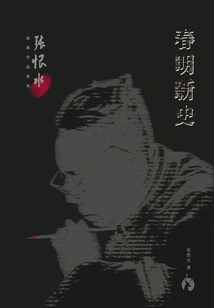
New History of Chunming
General Fiction春明新史
Zhang Henshui
This book is the sequel to "Chunming Foreign History". It describes Liu Desheng's journey from being a flower farmer to a teacher and finally seeing through the world of mortals and becoming a monk.
This book is the sequel to "Chunming Foreign History". It describes Liu Desheng's journey from being a flower farmer to a teacher and finally seeing through the world of mortals and becoming a monk.
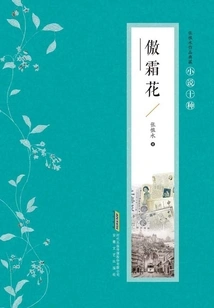
张恨水作品典藏·小说十种:傲霜花
Zhang Henshui
This book is one of the collections of Zhang Henshui's works. It is a novel that reflects the life of intellectuals. The novel fully demonstrates the various forms and mentalities of literati wandering on different paths, as well as the weaknesses of human nature in a deformed society where absurdity reigns, corruption is rampant, and moral decay, and exposes the dark reality of the Kuomintang-controlled areas.
This book is one of the collections of Zhang Henshui's works. It is a novel that reflects the life of intellectuals. The novel fully demonstrates the various forms and mentalities of literati wandering on different paths, as well as the weaknesses of human nature in a deformed society where absurdity reigns, corruption is rampant, and moral decay, and exposes the dark reality of the Kuomintang-controlled areas.
北雁南飞·第六部分(张恨水经典小说)
Zhang Henshui
"Northern Wild Geese Flying to the South" is a chapter novel by Zhang Henshui. It is based on the author's study experience in a private school in Sanhu Town, Jiangxi Province when he was a boy. It describes the love tragedy of the girl Yao Chunhua and the boy Li Xiaoqiu. With sincere feelings and delicate writing style, it makes people sigh. The plot, as well as the vivid outline of the folk customs, sentiments and customs of Sanhu Town, provide us with the social scene and school life records of Xiaoqing Jiangnan Town. From these descriptions, it is not difficult to find the footprints of the writer Zhang Henshui, which is a relatively typical old-style novel of talents and beauties. Zhang Henshui (May 18, 1895 - February 16, 1967), whose original name was Xinyuan, Henshui was his pseudonym, which was taken from the poem "Meeting Happily" written by Li Yu in the Southern Tang Dynasty, which means "I will grow up in life and hate the water in the east". Zhang Henshui is a famous chapter novelist and a representative writer of the Mandarin Duck and Butterfly School. He is honored as the first "master of chapter novels" and "master of popular literature" in the history of modern literature. The plot of the work is tortuous and complex, and the structure is rigorous and complete. It integrates traditional Chinese chapter novels with new techniques in Western novels. He is also famous for his prolific output. In his fifty-year writing career, he created more than 100 popular novels, most of which are medium and long chapter novels with a total of 30 million words, which can be regarded as a book in his lifetime.
"Northern Wild Geese Flying to the South" is a chapter novel by Zhang Henshui. It is based on the author's study experience in a private school in Sanhu Town, Jiangxi Province when he was a boy. It describes the love tragedy of the girl Yao Chunhua and the boy Li Xiaoqiu. With sincere feelings and delicate writing style, it makes people sigh. The plot, as well as the vivid outline of the folk customs, sentiments and customs of Sanhu Town, provide us with the social scene and school life records of Xiaoqing Jiangnan Town. From these descriptions, it is not difficult to find the footprints of the writer Zhang Henshui, which is a relatively typical old-style novel of talents and beauties. Zhang Henshui (May 18, 1895 - February 16, 1967), whose original name was Xinyuan, Henshui was his pseudonym, which was taken from the poem "Meeting Happily" written by Li Yu in the Southern Tang Dynasty, which means "I will grow up in life and hate the water in the east". Zhang Henshui is a famous chapter novelist and a representative writer of the Mandarin Duck and Butterfly School. He is honored as the first "master of chapter novels" and "master of popular literature" in the history of modern literature. The plot of the work is tortuous and complex, and the structure is rigorous and complete. It integrates traditional Chinese chapter novels with new techniques in Western novels. He is also famous for his prolific output. In his fifty-year writing career, he created more than 100 popular novels, most of which are medium and long chapter novels with a total of 30 million words, which can be regarded as a book in his lifetime.
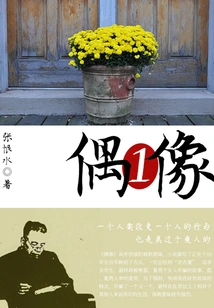
Idol(1)
General Fiction偶像(1)
Zhang Henshui
"Idol" has a strong sense of irony. The novel describes the story of Ding Guyun, a serious "old antique" who is about 50 years old, who pursues female students, but is eventually defrauded by two women, Lan and Xia. Lan and Xia assessed the situation, and for the sake of money, they took advantage of men's lustful and weak characteristics to defraud one after another, and finally lived a acceptable life compared to other people in troubled times. The irony is extremely strong. The details of the story are vividly depicted, especially the psychological changes of the characters, which is consistent with Zhang Henshui's style.
"Idol" has a strong sense of irony. The novel describes the story of Ding Guyun, a serious "old antique" who is about 50 years old, who pursues female students, but is eventually defrauded by two women, Lan and Xia. Lan and Xia assessed the situation, and for the sake of money, they took advantage of men's lustful and weak characteristics to defraud one after another, and finally lived a acceptable life compared to other people in troubled times. The irony is extremely strong. The details of the story are vividly depicted, especially the psychological changes of the characters, which is consistent with Zhang Henshui's style.
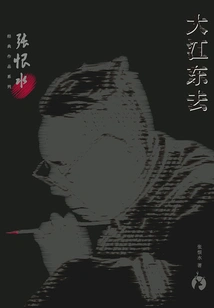
张恨水经典作品系列:大江东去
Zhang Henshui
"The Great River Goes East" was serialized in Hong Kong's "National Daily" in 1940, and was rewritten in 1943 when it was published as a single volume. The novel describes a young soldier whose wife left him and his family was destroyed due to the war. The book also vividly describes the bloody atrocities of the battle to defend China Gate and the massacre of civilians in Nanjing by the Japanese army; it provides a vivid record of the bloodthirsty crimes of the invaders. "River East" may be the earliest literary and artistic work to reflect the Nanjing Massacre.
"The Great River Goes East" was serialized in Hong Kong's "National Daily" in 1940, and was rewritten in 1943 when it was published as a single volume. The novel describes a young soldier whose wife left him and his family was destroyed due to the war. The book also vividly describes the bloody atrocities of the battle to defend China Gate and the massacre of civilians in Nanjing by the Japanese army; it provides a vivid record of the bloodthirsty crimes of the invaders. "River East" may be the earliest literary and artistic work to reflect the Nanjing Massacre.
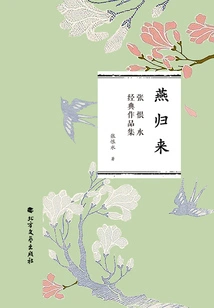
Return of Yan (collection of Zhang Henshui's Classic Works)
General Fiction燕归来(张恨水经典作品集)
Zhang Henshui
"The Return of Swallows" is a novel. The novel describes Yang Yanqiu, a girl from the northwest who sells herself to Nanjing to save her parents who are about to starve to death. She is adopted by a wealthy man as an adopted daughter and makes a name for herself in the sports world. Later, she resolutely returns to the northwest, determined to change the poverty and backwardness of the northwest and strives for 10 years. The novel accuses the corruption of the society at that time, reflects the suffering of people's livelihood, and shows deep sympathy for the working people.
"The Return of Swallows" is a novel. The novel describes Yang Yanqiu, a girl from the northwest who sells herself to Nanjing to save her parents who are about to starve to death. She is adopted by a wealthy man as an adopted daughter and makes a name for herself in the sports world. Later, she resolutely returns to the northwest, determined to change the poverty and backwardness of the northwest and strives for 10 years. The novel accuses the corruption of the society at that time, reflects the suffering of people's livelihood, and shows deep sympathy for the working people.
Street Fighting Night
Literature巷战之夜
Zhang Henshui
"Night of Street Fighting" is a novella anti-Japanese war military novel written by Zhang Henshui. It is set in Tianjin and Qianshan under the Japanese attack. It tells the story of an ordinary teacher who grew up to be a guerrilla captain in the struggle against the Japanese army and led the people to rise up in resistance. The novel depicts the heroic struggle of the people during the war with real and delicate writing, and shows the awakening and resistance of the people at the bottom under the iron heel of the invaders. The protagonist's growth trajectory reflects the author's strong desire to unite in the war of resistance, and highlights the durability of the war of resistance and the unyielding spirit of the people with a sense of historical depth.
"Night of Street Fighting" is a novella anti-Japanese war military novel written by Zhang Henshui. It is set in Tianjin and Qianshan under the Japanese attack. It tells the story of an ordinary teacher who grew up to be a guerrilla captain in the struggle against the Japanese army and led the people to rise up in resistance. The novel depicts the heroic struggle of the people during the war with real and delicate writing, and shows the awakening and resistance of the people at the bottom under the iron heel of the invaders. The protagonist's growth trajectory reflects the author's strong desire to unite in the war of resistance, and highlights the durability of the war of resistance and the unyielding spirit of the people with a sense of historical depth.
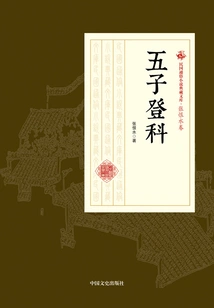
Five Sons Admitted to College (collection of Popular Novels of the Republic of China·zhang Henshui Volume)
General Fiction五子登科(民国通俗小说典藏文库·张恨水卷)
Zhang Henshui
This book describes how after Japan surrendered, officials were sent to Peiping, where they engaged in corruption, fraud, and lived a life of debauchery. The secret behind the "robbing" of "five sons admitted to the imperial examination" was revealed. The so-called "five sons" are: gold, women, cars, houses, and restaurants.
This book describes how after Japan surrendered, officials were sent to Peiping, where they engaged in corruption, fraud, and lived a life of debauchery. The secret behind the "robbing" of "five sons admitted to the imperial examination" was revealed. The so-called "five sons" are: gold, women, cars, houses, and restaurants.
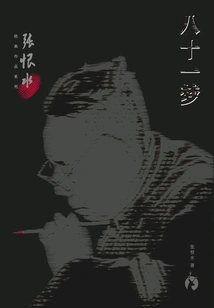
Zhang Henshui's Classic Works Series: Eighty-one Dreams
General Fiction张恨水经典作品系列:八十一梦
Zhang Henshui
This book was Mr. Zhang Henshui's most influential and popular novel during the Anti-Japanese War, and was also the best-selling novel in the rear area. The literary world praised the book as a "wonderful book"! The author uses the technique of "nineteen fables based on dreams", and the writing is smooth and free. The whole book is full of strange and mysterious suspense, covering the ancient and modern times, vertically and horizontally, and illuminates those issues that are indirectly helpful to the victory of the Anti-Japanese War and those that are directly harmful to the Anti-Japanese War.
This book was Mr. Zhang Henshui's most influential and popular novel during the Anti-Japanese War, and was also the best-selling novel in the rear area. The literary world praised the book as a "wonderful book"! The author uses the technique of "nineteen fables based on dreams", and the writing is smooth and free. The whole book is full of strange and mysterious suspense, covering the ancient and modern times, vertically and horizontally, and illuminates those issues that are indirectly helpful to the victory of the Anti-Japanese War and those that are directly harmful to the Anti-Japanese War.
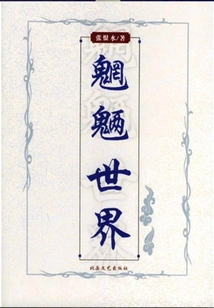
The World of Monsters
General Fiction魍魉世界
Zhang Henshui
During the Anti-Japanese War. Accompany the capital Chongqing. Dark and chaotic, ghosts are rampant. Mr. Ou has been studying all his life and has taught his four children to study hard and make a living using the knowledge they have learned. However, prices in Chongqing have skyrocketed, supplies are in short supply, and people are in dire straits, making it difficult to live on wages. As a result, Mr. Ou's third son abandoned Wen and drove a truck and made a fortune; his second son abandoned medicine and went into business and lived a well-off life; and his eldest son was still a civil servant and was in poverty. The friends, colleagues, neighbors, and relatives around him are all speculative and profit-seeking, working hard day and night to make money. It is truly "tight ahead, tight behind"!
During the Anti-Japanese War. Accompany the capital Chongqing. Dark and chaotic, ghosts are rampant. Mr. Ou has been studying all his life and has taught his four children to study hard and make a living using the knowledge they have learned. However, prices in Chongqing have skyrocketed, supplies are in short supply, and people are in dire straits, making it difficult to live on wages. As a result, Mr. Ou's third son abandoned Wen and drove a truck and made a fortune; his second son abandoned medicine and went into business and lived a well-off life; and his eldest son was still a civil servant and was in poverty. The friends, colleagues, neighbors, and relatives around him are all speculative and profit-seeking, working hard day and night to make money. It is truly "tight ahead, tight behind"!
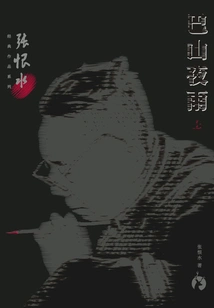
张恨水经典作品系列:巴山夜雨(上)
Zhang Henshui
This book is set in the suburbs of Chongqing during the Anti-Japanese War, and uses the writer's trip to Nanquan as the axis. It shows a picture of the customs of eastern Sichuan. Civil servants, teachers, and intellectuals who make a living by selling literature live in poverty, while wealthy businessmen and high-ranking officials live in luxury and corruption.
This book is set in the suburbs of Chongqing during the Anti-Japanese War, and uses the writer's trip to Nanquan as the axis. It shows a picture of the customs of eastern Sichuan. Civil servants, teachers, and intellectuals who make a living by selling literature live in poverty, while wealthy businessmen and high-ranking officials live in luxury and corruption.
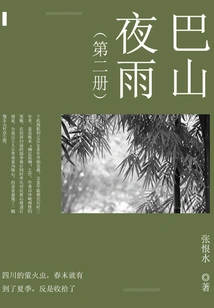
Bashan Night Rain (2)
General Fiction巴山夜雨(2)
Zhang Henshui
"Bashan Night Rain" was written in 1946 after the victory of the Anti-Japanese War and began to be serialized in 1946. It took more than three years to complete at the end of 1948. It is Zhang Henshui's "painful lesson" work. With a cold and rational writing style, the author takes the lead in exploring the national psychology while accusing the war atrocities of the Japanese invaders. The novel takes the protagonist Li Nanquan as the axis and shows readers a picture of all living beings in the mountain village of eastern Shu. The characters are lifelike, the language is humorous and sharp, and the novel's descriptive skills have reached a level of proficiency.
"Bashan Night Rain" was written in 1946 after the victory of the Anti-Japanese War and began to be serialized in 1946. It took more than three years to complete at the end of 1948. It is Zhang Henshui's "painful lesson" work. With a cold and rational writing style, the author takes the lead in exploring the national psychology while accusing the war atrocities of the Japanese invaders. The novel takes the protagonist Li Nanquan as the axis and shows readers a picture of all living beings in the mountain village of eastern Shu. The characters are lifelike, the language is humorous and sharp, and the novel's descriptive skills have reached a level of proficiency.
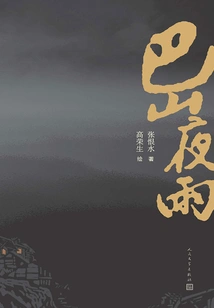
Bashan Night Rain
General Fiction巴山夜雨
Zhang Henshui
The book was written after the victory of the Anti-Japanese War. It began serialization in 1946 and was completed at the end of 1948. It lasted for more than three years. It was Zhang Henshui's "painful experience". With a cold and rational writing style, while accusing the Japanese atrocities of the war, the author also explored the national psychology and analyzed the "evil character" displayed by the Chinese people in the war of resistance. The novel takes the protagonist Li Nanquan as the axis, showing readers a picture of all living beings in the mountain village of eastern Shu. The characters are lifelike, the language is humorous and sharp, and the novel's descriptive skills have reached a level of proficiency. Some scholars call this book "Zhang Henshui's most important masterpiece and the highest pinnacle of his creative life."
The book was written after the victory of the Anti-Japanese War. It began serialization in 1946 and was completed at the end of 1948. It lasted for more than three years. It was Zhang Henshui's "painful experience". With a cold and rational writing style, while accusing the Japanese atrocities of the war, the author also explored the national psychology and analyzed the "evil character" displayed by the Chinese people in the war of resistance. The novel takes the protagonist Li Nanquan as the axis, showing readers a picture of all living beings in the mountain village of eastern Shu. The characters are lifelike, the language is humorous and sharp, and the novel's descriptive skills have reached a level of proficiency. Some scholars call this book "Zhang Henshui's most important masterpiece and the highest pinnacle of his creative life."
Bashan Night Rain (5)
General Fiction巴山夜雨(5)
Zhang Henshui
"Bashan Night Rain" was written in 1946 after the victory of the Anti-Japanese War and began to be serialized in 1946. It took more than three years to complete at the end of 1948. It is Zhang Henshui's "painful lesson" work. With a cold and rational writing style, the author takes the lead in exploring the national psychology while accusing the war atrocities of the Japanese invaders. The novel takes the protagonist Li Nanquan as the axis and shows readers a picture of all living beings in the mountain village of eastern Shu. The characters are lifelike, the language is humorous and sharp, and the novel's descriptive skills have reached a level of proficiency.
"Bashan Night Rain" was written in 1946 after the victory of the Anti-Japanese War and began to be serialized in 1946. It took more than three years to complete at the end of 1948. It is Zhang Henshui's "painful lesson" work. With a cold and rational writing style, the author takes the lead in exploring the national psychology while accusing the war atrocities of the Japanese invaders. The novel takes the protagonist Li Nanquan as the axis and shows readers a picture of all living beings in the mountain village of eastern Shu. The characters are lifelike, the language is humorous and sharp, and the novel's descriptive skills have reached a level of proficiency.
Bashan Night Rain (1)
General Fiction巴山夜雨(1)
Zhang Henshui
"Bashan Night Rain" was written in 1946 after the victory of the Anti-Japanese War and began to be serialized in 1946. It took more than three years to complete at the end of 1948. It is Zhang Henshui's "painful lesson" work. With a cold and rational writing style, the author takes the lead in exploring the national psychology while accusing the war atrocities of the Japanese invaders. The novel takes the protagonist Li Nanquan as the axis and shows readers a picture of all living beings in the mountain village of eastern Shu. The characters are lifelike, the language is humorous and sharp, and the novel's descriptive skills have reached a level of proficiency.
"Bashan Night Rain" was written in 1946 after the victory of the Anti-Japanese War and began to be serialized in 1946. It took more than three years to complete at the end of 1948. It is Zhang Henshui's "painful lesson" work. With a cold and rational writing style, the author takes the lead in exploring the national psychology while accusing the war atrocities of the Japanese invaders. The novel takes the protagonist Li Nanquan as the axis and shows readers a picture of all living beings in the mountain village of eastern Shu. The characters are lifelike, the language is humorous and sharp, and the novel's descriptive skills have reached a level of proficiency.
张恨水经典作品系列:巴山夜雨(下)
Zhang Henshui
This book is set in the suburbs of Chongqing during the Anti-Japanese War, and uses the writer's trip to Nanquan as the axis. It shows a picture of the customs of eastern Sichuan. Civil servants, teachers, and intellectuals who make a living by selling literature live in poverty, while wealthy businessmen and high-ranking officials live in luxury and corruption.
This book is set in the suburbs of Chongqing during the Anti-Japanese War, and uses the writer's trip to Nanquan as the axis. It shows a picture of the customs of eastern Sichuan. Civil servants, teachers, and intellectuals who make a living by selling literature live in poverty, while wealthy businessmen and high-ranking officials live in luxury and corruption.
张恨水经典抗战小说系列三部曲
Zhang Henshui
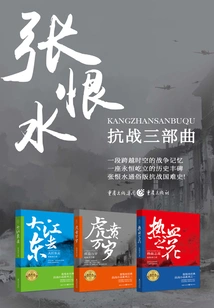
This series of anti-Japanese war books includes three volumes: "Flower of Blood", "The River Goes East" and "Long Live the Tiger". This book "Flowers of Passion" contains two novels: "Flowers of Passion" and "Eighty-One Dreams". "Flower of Blood" was written in Peiping after the "January 28th Incident" in 1932, pioneering the patriotic spy war theme. "Flowers of Blood" describes a touching story of two young men and women who sacrificed their love and even their lives to resist Japan and save the country. "Eighty-One Dreams" was Mr. Zhang Henshui's most influential and popular novel during the Anti-Japanese War, and was also the best-selling novel in the rear area. The author uses the technique of "nineteen fables based on dreams", and the whole book is full of weird and mysterious suspense. "The Journey to the East" was written in 1939 and is the first novel to describe the Nanjing Massacre. Mr. Zhang Henshui exposed the bloody atrocities of the Japanese army in massacre of soldiers and civilians in Nanjing with his angry writing, which should be cherished by the Chinese people forever. "Long Live the Tiger Ben" is one of the few novels in the history of modern Chinese literature that describes the frontal battlefield of the Kuomintang's war of resistance. As the first military documentary novel in the history of Chinese literature, this book is also a rare work among Zhang Henshui's many novels that is completely based on real historical materials. From the teacher to the cook, all the stories are real, and the time and place are completely consistent with the history of the war. The teacher wrote a glorious page in the history of the Anti-Japanese War with thick ink and a calm and exciting mood. He meticulously described the personnel, attack and defense, equipment, casualties and casualties in each sporadic battle. From the numerous details, he constructed a brave and heroic image of the 57th Army. The description of many tragic but plain scenes made people unable to help but be moved by it.
This series of anti-Japanese war books includes three volumes: "Flower of Blood", "The River Goes East" and "Long Live the Tiger". This book "Flowers of Passion" contains two novels: "Flowers of Passion" and "Eighty-One Dreams". "Flower of Blood" was written in Peiping after the "January 28th Incident" in 1932, pioneering the patriotic spy war theme. "Flowers of Blood" describes a touching story of two young men and women who sacrificed their love and even their lives to resist Japan and save the country. "Eighty-One Dreams" was Mr. Zhang Henshui's most influential and popular novel during the Anti-Japanese War, and was also the best-selling novel in the rear area. The author uses the technique of "nineteen fables based on dreams", and the whole book is full of weird and mysterious suspense. "The Journey to the East" was written in 1939 and is the first novel to describe the Nanjing Massacre. Mr. Zhang Henshui exposed the bloody atrocities of the Japanese army in massacre of soldiers and civilians in Nanjing with his angry writing, which should be cherished by the Chinese people forever. "Long Live the Tiger Ben" is one of the few novels in the history of modern Chinese literature that describes the frontal battlefield of the Kuomintang's war of resistance. As the first military documentary novel in the history of Chinese literature, this book is also a rare work among Zhang Henshui's many novels that is completely based on real historical materials. From the teacher to the cook, all the stories are real, and the time and place are completely consistent with the history of the war. The teacher wrote a glorious page in the history of the Anti-Japanese War with thick ink and a calm and exciting mood. He meticulously described the personnel, attack and defense, equipment, casualties and casualties in each sporadic battle. From the numerous details, he constructed a brave and heroic image of the 57th Army. The description of many tragic but plain scenes made people unable to help but be moved by it.
Jinfenshijia
General Fiction金粉世家
Zhang Henshui
[Sadomasochism in the Republic of China + The rise and fall of aristocratic families + BE aesthetics] The Republic of China version of "A Dream of Red Mansions", starring Chen Kun, Dong Jie, and Liu Yifei in the film and television drama of the same name! Prosperity is a dream, gold dust falls, their stories bloom brightly and end silently. "The Jinfen Family" is based on the rise and fall of the family of Jin Quan, Prime Minister of the Peking Cabinet in the early years of the Republic of China, and tells the story of a love tragedy. Jin Yanxi, a young man with a prominent family background, fell in love with Leng Qingqiu, a poor female student, at first sight. He pursued her passionately through romantic means, and finally the two broke through the concept of family status and got married. However, Qi Dafei accidentally changed Jin Yanxi's dissolute nature after marriage, and their relationship collapsed due to internal strife and external temptation. Leng Qingqiu was disheartened by Jin Yanxi and decided to run away after a fire. The once-prominent Jin family also fell apart in the torrent of time...
[Sadomasochism in the Republic of China + The rise and fall of aristocratic families + BE aesthetics] The Republic of China version of "A Dream of Red Mansions", starring Chen Kun, Dong Jie, and Liu Yifei in the film and television drama of the same name! Prosperity is a dream, gold dust falls, their stories bloom brightly and end silently. "The Jinfen Family" is based on the rise and fall of the family of Jin Quan, Prime Minister of the Peking Cabinet in the early years of the Republic of China, and tells the story of a love tragedy. Jin Yanxi, a young man with a prominent family background, fell in love with Leng Qingqiu, a poor female student, at first sight. He pursued her passionately through romantic means, and finally the two broke through the concept of family status and got married. However, Qi Dafei accidentally changed Jin Yanxi's dissolute nature after marriage, and their relationship collapsed due to internal strife and external temptation. Leng Qingqiu was disheartened by Jin Yanxi and decided to run away after a fire. The once-prominent Jin family also fell apart in the torrent of time...
The New Story of Water Margin (part 1)
General Fiction水浒新传(上)
Zhang Henshui
This book is the continuation of the 70-chapter version of "Water Margin" written by Jin Shengtan. It was created during the Anti-Japanese War and was published as a single volume by Chongqing Jianzhong Publishing House in 1943. The book tells the story of the Liangshan heroes who gathered together to help the Song Dynasty resist the Jin invasion. The book has sixty-eight chapters in total.
This book is the continuation of the 70-chapter version of "Water Margin" written by Jin Shengtan. It was created during the Anti-Japanese War and was published as a single volume by Chongqing Jianzhong Publishing House in 1943. The book tells the story of the Liangshan heroes who gathered together to help the Song Dynasty resist the Jin invasion. The book has sixty-eight chapters in total.
Youjian Library: Foreign History of Chunming
General Fiction有间文库:春明外史
Zhang Henshui
"Chunming Foreign History" is Zhang Henshui's famous work. It began to be serialized in "World Evening News" on April 16, 1924, and was not completely serialized until January 24, 1929, which lasted for five years. The novel had thirty-nine chapters when it was serialized, and was later divided into eighty-six chapters when it was published, with nearly a million words. The protagonist Yang Xingyuan lives in Peking and makes a living by selling literature. He falls in love with Li Yun, a brothel girl, at first sight. However, the beauty's fate was poor, and Li Yun died soon after they met. Later, Yang Xingyuan met Li Dongqing, a down-and-out talented girl, and they exchanged poems and poems, and their relationship became deeper and deeper. However, due to a hidden illness, Li Dongqing finally had a hard time getting married, so he wanted to make the marriage between Shi Kelian and Yang Xingyuan possible. Shi Kelian knew that Yang Xingyuan had been deeply in love with Li Dongqing for a long time, so she wisely stayed away. After many twists and turns, Yang Xingyuan became disheartened about marriage and turned to Buddhism. The so-called "Chunming" was originally a city gate in Chang'an in the Tang Dynasty. Later generations used it to refer to the capital in general, so "Chunming Foreign History" means "A Grand View of Beijing's Strange Current Situation". The author takes society as the warp and romance as the weft, "using the method of "A Dream of Red Mansions" to write "The Scholars"". It has a broad background and touches all walks of life, showing the various human emotions of the three religions and nine streams in Beijing. It is a genre painting and shady picture of Beijing in the 1920s.
"Chunming Foreign History" is Zhang Henshui's famous work. It began to be serialized in "World Evening News" on April 16, 1924, and was not completely serialized until January 24, 1929, which lasted for five years. The novel had thirty-nine chapters when it was serialized, and was later divided into eighty-six chapters when it was published, with nearly a million words. The protagonist Yang Xingyuan lives in Peking and makes a living by selling literature. He falls in love with Li Yun, a brothel girl, at first sight. However, the beauty's fate was poor, and Li Yun died soon after they met. Later, Yang Xingyuan met Li Dongqing, a down-and-out talented girl, and they exchanged poems and poems, and their relationship became deeper and deeper. However, due to a hidden illness, Li Dongqing finally had a hard time getting married, so he wanted to make the marriage between Shi Kelian and Yang Xingyuan possible. Shi Kelian knew that Yang Xingyuan had been deeply in love with Li Dongqing for a long time, so she wisely stayed away. After many twists and turns, Yang Xingyuan became disheartened about marriage and turned to Buddhism. The so-called "Chunming" was originally a city gate in Chang'an in the Tang Dynasty. Later generations used it to refer to the capital in general, so "Chunming Foreign History" means "A Grand View of Beijing's Strange Current Situation". The author takes society as the warp and romance as the weft, "using the method of "A Dream of Red Mansions" to write "The Scholars"". It has a broad background and touches all walks of life, showing the various human emotions of the three religions and nine streams in Beijing. It is a genre painting and shady picture of Beijing in the 1920s.
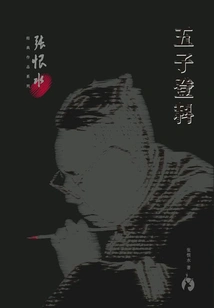
Five Sons Passed the Exam
General Fiction五子登科
Zhang Henshui
This book uses the allusion that all five sons of Dou Yanshan were admitted to the imperial examination during the Five Dynasties, and takes the family history of Jin Ziyuan, the reception commissioner in Peking, as a clue. It makes a bitter mockery of a series of shameless and shameless behaviors of Kuomintang reception officials who frantically demanded and possessed "gold, houses, cars, women, and money." It is a "record of the officialdom on the eve of the collapse of the Kuomintang regime."
This book uses the allusion that all five sons of Dou Yanshan were admitted to the imperial examination during the Five Dynasties, and takes the family history of Jin Ziyuan, the reception commissioner in Peking, as a clue. It makes a bitter mockery of a series of shameless and shameless behaviors of Kuomintang reception officials who frantically demanded and possessed "gold, houses, cars, women, and money." It is a "record of the officialdom on the eve of the collapse of the Kuomintang regime."