Library
Browse and search books
358 novels found
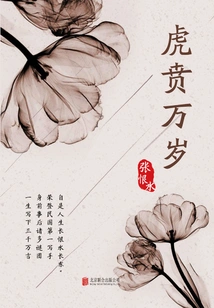
Youjian Library: Long Live Tiger Ben
General Fiction有间文库:虎贲万岁
Zhang Henshui
"Long Live the Tiger" was written in 1945 and is China's first modern war history novel. The book directly describes the famous battle - the Battle of Changde. The 57th Division of the 74th Army, code-named "Hu Ben", fought hard for more than ten days and fought bloody battles with the Japanese aggressors for more than ten days, code-named "Hu Ben". Only 83 of the division's 8,000 people survived in the end. The tone of the book is tragic, generous and majestic.
"Long Live the Tiger" was written in 1945 and is China's first modern war history novel. The book directly describes the famous battle - the Battle of Changde. The 57th Division of the 74th Army, code-named "Hu Ben", fought hard for more than ten days and fought bloody battles with the Japanese aggressors for more than ten days, code-named "Hu Ben". Only 83 of the division's 8,000 people survived in the end. The tone of the book is tragic, generous and majestic.
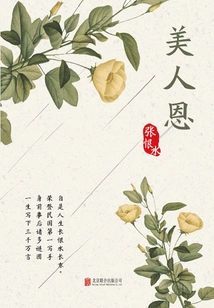
Youjian Bunko: Beauty's Grace
General Fiction有间文库:美人恩
Zhang Henshui
The story of "Beauty's Grace" takes place in Beijing in the 1920s. The heroine Chang Xiaonan was born in a poor family at the bottom of the class and made a living by collecting coal cores. Once, he met the unemployed and down-and-out Hong Shiyi. He deeply sympathized with her fate and used his meager income from working as a substitute at a charity to support the Chang family. The two began to fall in love. The beautiful Chang Xiaonan was later spotted by the foreman of the Yangliu Song and Dance Ensemble. From then on, she changed her mind in love. She successively dumped Hong Shiyi and musician Wang Sun, and finally fell into the hands of the playboy Chen Siye, causing the Chang family to be ruined.
The story of "Beauty's Grace" takes place in Beijing in the 1920s. The heroine Chang Xiaonan was born in a poor family at the bottom of the class and made a living by collecting coal cores. Once, he met the unemployed and down-and-out Hong Shiyi. He deeply sympathized with her fate and used his meager income from working as a substitute at a charity to support the Chang family. The two began to fall in love. The beautiful Chang Xiaonan was later spotted by the foreman of the Yangliu Song and Dance Ensemble. From then on, she changed her mind in love. She successively dumped Hong Shiyi and musician Wang Sun, and finally fell into the hands of the playboy Chen Siye, causing the Chang family to be ruined.
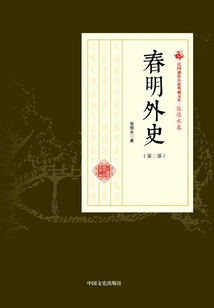
Foreign History of Chunming (part 3) (collection of Popular Novels of the Republic of China·zhang Henshui Volume)
General Fiction春明外史(第三部)(民国通俗小说典藏文库·张恨水卷)
Zhang Henshui
"Chunming Foreign History" is a novel written by Zhang Henshui. The novel centers on journalist Yang Xingyuan, narrating his love experience with Li Yun and his emotional entanglement with Li Dongqing, so as to reflect the broad social life at that time. The large number of poems and letters in the novel have become a powerful way to show the inner world of the characters. It not only has the appearance of traditional literature, but also has the performance function beyond traditional literature. The background is grand, which is better than ordinary chapter novels.
"Chunming Foreign History" is a novel written by Zhang Henshui. The novel centers on journalist Yang Xingyuan, narrating his love experience with Li Yun and his emotional entanglement with Li Dongqing, so as to reflect the broad social life at that time. The large number of poems and letters in the novel have become a powerful way to show the inner world of the characters. It not only has the appearance of traditional literature, but also has the performance function beyond traditional literature. The background is grand, which is better than ordinary chapter novels.
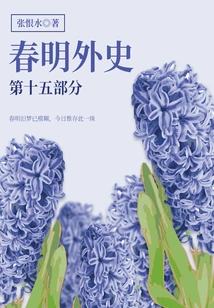
春明外史·第十五部分(张恨水经典爱情故事)
Zhang Henshui
"Chunming Foreign History" takes the love story of newspaper reporter Yang Xingyuan, prostitute Liyun, and poetess Li Dongqing as the running thread. The background is grand and the narrative is calm, including wealthy families, brothels, theaters, apartments, guild halls, schools, high-end hotels, clubs, temples, scenic spots, three religions and nine streams, including the president, prime minister, prostitutes, actors, and all kinds of famous people. "Chunming Foreign History" is a picture of Beijing customs in the 1920s. It can be called a classic and still has immortal artistic charm when read today. Zhang Henshui (May 18, 1895 - February 15, 1967), whose original name was Xinyuan, Henshui was his pen name, which was taken from the poem "Meeting Happily" written by Li Yu in the Southern Tang Dynasty, which means "I will grow up in life and hate the water in the east". Zhang Henshui is a famous chapter novelist and a representative writer of the Mandarin Duck and Butterfly School. He is honored as the "master of chapter novels" and the first "master of popular literature" in the history of contemporary literature. The plot of the work is tortuous and complex, and the structure is rigorous and complete. It integrates traditional Chinese chapter novels with new techniques in Western novels. He is also famous for his prolific output. In his fifty-year writing career, he created more than 100 popular novels, most of which are medium and long chapter novels with a total of 30 million words, which can be regarded as a book in his lifetime.
"Chunming Foreign History" takes the love story of newspaper reporter Yang Xingyuan, prostitute Liyun, and poetess Li Dongqing as the running thread. The background is grand and the narrative is calm, including wealthy families, brothels, theaters, apartments, guild halls, schools, high-end hotels, clubs, temples, scenic spots, three religions and nine streams, including the president, prime minister, prostitutes, actors, and all kinds of famous people. "Chunming Foreign History" is a picture of Beijing customs in the 1920s. It can be called a classic and still has immortal artistic charm when read today. Zhang Henshui (May 18, 1895 - February 15, 1967), whose original name was Xinyuan, Henshui was his pen name, which was taken from the poem "Meeting Happily" written by Li Yu in the Southern Tang Dynasty, which means "I will grow up in life and hate the water in the east". Zhang Henshui is a famous chapter novelist and a representative writer of the Mandarin Duck and Butterfly School. He is honored as the "master of chapter novels" and the first "master of popular literature" in the history of contemporary literature. The plot of the work is tortuous and complex, and the structure is rigorous and complete. It integrates traditional Chinese chapter novels with new techniques in Western novels. He is also famous for his prolific output. In his fifty-year writing career, he created more than 100 popular novels, most of which are medium and long chapter novels with a total of 30 million words, which can be regarded as a book in his lifetime.
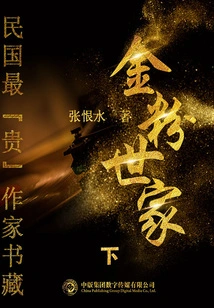
The Jinfen Family: Part 2 (the Collection of Books by the Most "expensive" Writers in the Republic of China)
General Fiction金粉世家:下(民国最“贵”作家书藏)
Zhang Henshui
"The Golden Fen Family" is a novel written by the modern novelist Zhang Henshui. The novel is based on the feudal family of Beiyang warlord Jin Quan, Prime Minister, and takes the marriage between Jin Quan's son Jin Yanxi and the commoner woman Leng Qingqiu from love, marriage to estrangement and divorce as the main line. It reveals the empty, degenerate spiritual world and declining and decadent life of the feudal bureaucrats and their wives and children, and describes a living history of the rise and fall of the wealthy aristocrats. The novel has 112 chapters. This book is the second volume, with a total of 37 chapters.
"The Golden Fen Family" is a novel written by the modern novelist Zhang Henshui. The novel is based on the feudal family of Beiyang warlord Jin Quan, Prime Minister, and takes the marriage between Jin Quan's son Jin Yanxi and the commoner woman Leng Qingqiu from love, marriage to estrangement and divorce as the main line. It reveals the empty, degenerate spiritual world and declining and decadent life of the feudal bureaucrats and their wives and children, and describes a living history of the rise and fall of the wealthy aristocrats. The novel has 112 chapters. This book is the second volume, with a total of 37 chapters.
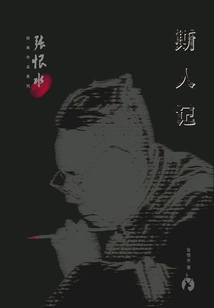
Records of Si People
General Fiction斯人记
Zhang Henshui
This book tells the story of Liang Hanshan, a scholar, and Zhang Meixian, a female poet, who fell in love with each other through poetry and got to know each other through poetry. According to the meaning of "the capital is full of crowns, but the people here are haggard", it describes the decadent life of the "scholar" class in Beijing, the so-called most virtuous area during the Beiyang government period, who "supported actors, visited brothels, fought with wine and meat" and "engaged in romantic literature and art".
This book tells the story of Liang Hanshan, a scholar, and Zhang Meixian, a female poet, who fell in love with each other through poetry and got to know each other through poetry. According to the meaning of "the capital is full of crowns, but the people here are haggard", it describes the decadent life of the "scholar" class in Beijing, the so-called most virtuous area during the Beiyang government period, who "supported actors, visited brothels, fought with wine and meat" and "engaged in romantic literature and art".
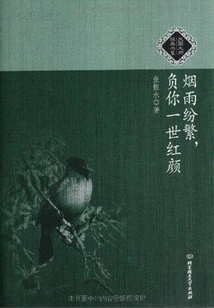
烟雨纷繁,负你一世红颜
Zhang Henshui
There are ten volumes in the series of classic works by masters of the Republic of China. This volume is a selected collection of works by Zhang Henshui, a master of the Republic of China. Zhang Henshui was the most popular popular novelist during the Republic of China, and his prose is also very beautiful. This book selects Zhang Henshui's "Essays on Two Capitals" and other exquisite essays. Readers can learn about the society and the master's thoughts at that time through these articles, and learn about the master's life in the articles.
There are ten volumes in the series of classic works by masters of the Republic of China. This volume is a selected collection of works by Zhang Henshui, a master of the Republic of China. Zhang Henshui was the most popular popular novelist during the Republic of China, and his prose is also very beautiful. This book selects Zhang Henshui's "Essays on Two Capitals" and other exquisite essays. Readers can learn about the society and the master's thoughts at that time through these articles, and learn about the master's life in the articles.
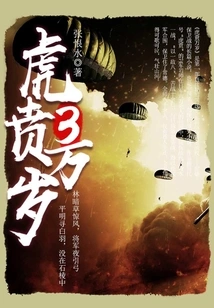
Long Live Huben (3)
General Fiction虎贲万岁(3)
Zhang Henshui
"Long Live Tiger Ben" is the first full-length novel to directly describe the famous frontal battlefield battle of the Kuomintang - the Battle of Changde. It is also China's first modern war history novel. The work describes how the 57th Division of the 74th Army, code-named "Hu Ben", was surrounded by more than 60,000 Japanese troops. They shared the same hatred and fought tooth and nail, "one against eight". They fought hard for more than ten days and fought bloody street battles with the Japanese aggressors. They were able to encircle the reinforcements and defend Changde. There were more than 8,000 people in the division, but only 83 survived. The whole story is so evocative and majestic.
"Long Live Tiger Ben" is the first full-length novel to directly describe the famous frontal battlefield battle of the Kuomintang - the Battle of Changde. It is also China's first modern war history novel. The work describes how the 57th Division of the 74th Army, code-named "Hu Ben", was surrounded by more than 60,000 Japanese troops. They shared the same hatred and fought tooth and nail, "one against eight". They fought hard for more than ten days and fought bloody street battles with the Japanese aggressors. They were able to encircle the reinforcements and defend Changde. There were more than 8,000 people in the division, but only 83 survived. The whole story is so evocative and majestic.
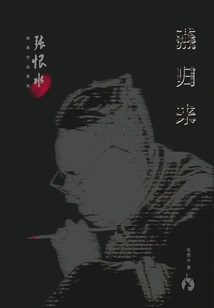
Yan Returns
General Fiction燕归来
Zhang Henshui
This book describes the story of four male students who accompanied a female student, Yang Yanqiu, back to the northwest to find relatives. It records the customs, customs and emotional entanglements between the characters during the journey. The portrayal of the character's psychology is excellent. Female college student Yang Yanqiu was originally a refugee from Gansu, but she was adopted after her family moved to Nanjing when she was a child, and she suddenly became a young lady from a wealthy family. But the good times did not last long. After her adoptive parents passed away, she could not tolerate her brothers and sister-in-law and decided to return to her hometown to find relatives and make some contributions to the northwest. However, due to the circumstances at the time, she could only invite four male classmates to escort her back all the way. In the eyes of these four male classmates, this also became a test of love, and they didn't know who would make it to the end. The work uses this clue to actually introduce the scenery and backward conditions along the northwest, and to show the suffering and tenacity of the people in the northwest.
This book describes the story of four male students who accompanied a female student, Yang Yanqiu, back to the northwest to find relatives. It records the customs, customs and emotional entanglements between the characters during the journey. The portrayal of the character's psychology is excellent. Female college student Yang Yanqiu was originally a refugee from Gansu, but she was adopted after her family moved to Nanjing when she was a child, and she suddenly became a young lady from a wealthy family. But the good times did not last long. After her adoptive parents passed away, she could not tolerate her brothers and sister-in-law and decided to return to her hometown to find relatives and make some contributions to the northwest. However, due to the circumstances at the time, she could only invite four male classmates to escort her back all the way. In the eyes of these four male classmates, this also became a test of love, and they didn't know who would make it to the end. The work uses this clue to actually introduce the scenery and backward conditions along the northwest, and to show the suffering and tenacity of the people in the northwest.
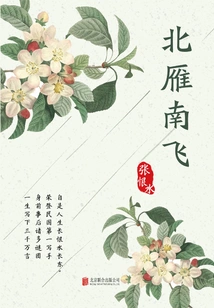
有间文库:北雁南飞
Zhang Henshui
"Northern Wild Geese Flying South" tells the story of a young man and woman in the transitional era who fought against feudalism, but the feudal victory was not complete. Li Xiaoqiu, the son of the magistrate of Qingjiang County, was sent to a private school in the countryside. He fell in love with Chunhua, the daughter of his husband, at first sight. Unfortunately, Chunhua had already been married to someone else. They both wanted to be together, but in the end they could not resist the oppression of the feudal forces, and they finally broke up in pain to settle down with each other. Many years later, Chunhua, who had given birth to two sons, reunited with Xiaoqiu, who was now the leader of the revolutionary army, at her parents' home. Things had changed, and even the tide of reform and equality could not liberate the years that had passed. Chunhua had mixed feelings, but she could only watch the wild geese flying north and south, unable to do anything...
"Northern Wild Geese Flying South" tells the story of a young man and woman in the transitional era who fought against feudalism, but the feudal victory was not complete. Li Xiaoqiu, the son of the magistrate of Qingjiang County, was sent to a private school in the countryside. He fell in love with Chunhua, the daughter of his husband, at first sight. Unfortunately, Chunhua had already been married to someone else. They both wanted to be together, but in the end they could not resist the oppression of the feudal forces, and they finally broke up in pain to settle down with each other. Many years later, Chunhua, who had given birth to two sons, reunited with Xiaoqiu, who was now the leader of the revolutionary army, at her parents' home. Things had changed, and even the tide of reform and equality could not liberate the years that had passed. Chunhua had mixed feelings, but she could only watch the wild geese flying north and south, unable to do anything...
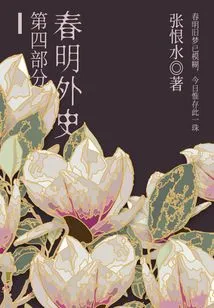
春明外史·第四部分(张恨水经典爱情故事)
Zhang Henshui
"Chunming Foreign History" takes the love story of newspaper reporter Yang Xingyuan, prostitute Liyun, and poetess Li Dongqing as the running thread. The background is grand and the narrative is calm, including wealthy families, brothels, theaters, apartments, guild halls, schools, high-end hotels, clubs, temples, scenic spots, three religions and nine streams, including the president, prime minister, prostitutes, actors, and all kinds of famous people. "Chunming Foreign History" is a picture of Beijing customs in the 1920s. It can be called a classic and still has immortal artistic charm when read today. Zhang Henshui (May 18, 1895 - February 15, 1967), whose original name was Xinyuan, Henshui was his pen name, which was taken from the poem "Meeting Happily" written by Li Yu in the Southern Tang Dynasty, which means "I will grow up in life and hate the water in the east". Zhang Henshui is a famous chapter novelist and a representative writer of the Mandarin Duck and Butterfly School. He is honored as the "master of chapter novels" and the first "master of popular literature" in the history of contemporary literature. The plot of the work is tortuous and complex, and the structure is rigorous and complete. It integrates traditional Chinese chapter novels with new techniques in Western novels. He is also famous for his prolific output. In his fifty-year writing career, he created more than 100 popular novels, most of which are medium and long chapter novels with a total of 30 million words, which can be regarded as a book in his lifetime.
"Chunming Foreign History" takes the love story of newspaper reporter Yang Xingyuan, prostitute Liyun, and poetess Li Dongqing as the running thread. The background is grand and the narrative is calm, including wealthy families, brothels, theaters, apartments, guild halls, schools, high-end hotels, clubs, temples, scenic spots, three religions and nine streams, including the president, prime minister, prostitutes, actors, and all kinds of famous people. "Chunming Foreign History" is a picture of Beijing customs in the 1920s. It can be called a classic and still has immortal artistic charm when read today. Zhang Henshui (May 18, 1895 - February 15, 1967), whose original name was Xinyuan, Henshui was his pen name, which was taken from the poem "Meeting Happily" written by Li Yu in the Southern Tang Dynasty, which means "I will grow up in life and hate the water in the east". Zhang Henshui is a famous chapter novelist and a representative writer of the Mandarin Duck and Butterfly School. He is honored as the "master of chapter novels" and the first "master of popular literature" in the history of contemporary literature. The plot of the work is tortuous and complex, and the structure is rigorous and complete. It integrates traditional Chinese chapter novels with new techniques in Western novels. He is also famous for his prolific output. In his fifty-year writing career, he created more than 100 popular novels, most of which are medium and long chapter novels with a total of 30 million words, which can be regarded as a book in his lifetime.
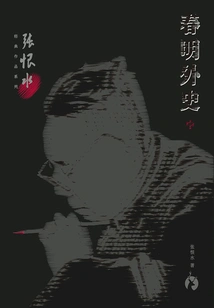
张恨水经典作品系列:春明外史(中)
Zhang Henshui
When Yang Xingyuan, a talented man from Anhui Province, lived in Beijing, he fell in love at first sight with Liyun, a young prostitute. When Li Yun was seriously ill, he guarded her day and night and vowed to live forever. However, the beauty's fate was poor. Not long after they met, Li Yun passed away. Yang Xingyuan was so depressed that she vomited blood and buried her photo in the soil, accompanying Li Yun. Later, Yang Xingyuan met the talented girl Li Dongqing. After spending time with each other and singing poetry, Yang Xingyuan fell deeply in love with Li Dongqing, but Li Dongqing had a congenital disease and had no chance of marriage. Li Dongqing tried every means to make the good relationship between Shi Kelian and Yang Xingyuan possible. However, Yang Xingyuan gave up her deep relationship with Li Dongqing and fell in love with Li Dongqing even more. In order to fulfill Yang and Li's love, Shi Kelian wisely retreated. After many twists and turns, Yang Xingyuan became disheartened about marriage and turned to Buddhism.
When Yang Xingyuan, a talented man from Anhui Province, lived in Beijing, he fell in love at first sight with Liyun, a young prostitute. When Li Yun was seriously ill, he guarded her day and night and vowed to live forever. However, the beauty's fate was poor. Not long after they met, Li Yun passed away. Yang Xingyuan was so depressed that she vomited blood and buried her photo in the soil, accompanying Li Yun. Later, Yang Xingyuan met the talented girl Li Dongqing. After spending time with each other and singing poetry, Yang Xingyuan fell deeply in love with Li Dongqing, but Li Dongqing had a congenital disease and had no chance of marriage. Li Dongqing tried every means to make the good relationship between Shi Kelian and Yang Xingyuan possible. However, Yang Xingyuan gave up her deep relationship with Li Dongqing and fell in love with Li Dongqing even more. In order to fulfill Yang and Li's love, Shi Kelian wisely retreated. After many twists and turns, Yang Xingyuan became disheartened about marriage and turned to Buddhism.
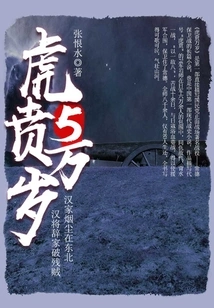
Long Live Huben (5)
General Fiction虎贲万岁(5)
Zhang Henshui
"Long Live Tiger Ben" is the first full-length novel to directly describe the famous frontal battlefield battle of the Kuomintang - the Battle of Changde. It is also China's first modern war history novel. The work describes how the 57th Division of the 74th Army, code-named "Hu Ben", was surrounded by more than 60,000 Japanese troops. They shared the same hatred and fought tooth and nail, "one against eight". They fought hard for more than ten days and fought bloody street battles with the Japanese aggressors. They were able to encircle the reinforcements and defend Changde. There were more than 8,000 people in the division, but only 83 survived. The whole story is so evocative and majestic.
"Long Live Tiger Ben" is the first full-length novel to directly describe the famous frontal battlefield battle of the Kuomintang - the Battle of Changde. It is also China's first modern war history novel. The work describes how the 57th Division of the 74th Army, code-named "Hu Ben", was surrounded by more than 60,000 Japanese troops. They shared the same hatred and fought tooth and nail, "one against eight". They fought hard for more than ten days and fought bloody street battles with the Japanese aggressors. They were able to encircle the reinforcements and defend Changde. There were more than 8,000 people in the division, but only 83 survived. The whole story is so evocative and majestic.
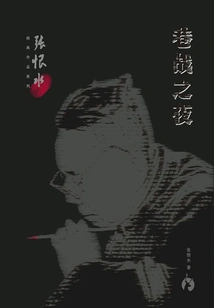
Street Fighting Night
General Fiction巷战之夜
Zhang Henshui
This book tells the story of the bloody battle between the people of Tianjin and Qianshan and the invaders during the Japanese invasion of China. It writes about an ordinary teacher who grew into a guerrilla captain during a brave struggle against the Japanese army and led the people to severely attack the invading enemies. The protagonist of the novel is the ideal figure in the author's mind for the Anti-Japanese War, and expresses the author's strong desire to unite in the Anti-Japanese War.
This book tells the story of the bloody battle between the people of Tianjin and Qianshan and the invaders during the Japanese invasion of China. It writes about an ordinary teacher who grew into a guerrilla captain during a brave struggle against the Japanese army and led the people to severely attack the invading enemies. The protagonist of the novel is the ideal figure in the author's mind for the Anti-Japanese War, and expresses the author's strong desire to unite in the Anti-Japanese War.
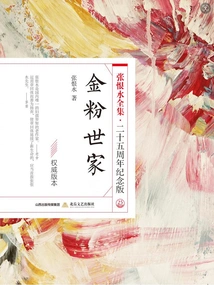
金粉世家(张恨水全集·25周年纪念版)
Zhang Henshui
"The Golden Fen Family" is a novel written by the modern novelist Zhang Henshui. The novel is based on the feudal family of Beiyang warlord Jin Quan, Prime Minister, and takes the marriage between Jin Quan's son Jin Yanxi and the commoner woman Leng Qingqiu from love, marriage to estrangement and divorce as the main line. It reveals the empty, degenerate spiritual world and declining and decadent life of the feudal bureaucrats and their wives and children, and describes a living history of the rise and fall of the wealthy aristocrats. The novel has 112 chapters, interspersed with the life stories of more than 20 characters in the Jin family, with magnificent colors, scattered but not chaotic. The story of the novel is lively and lively, the mood is sad, and it has a strong sense of leisure. After being published, it was deeply loved by citizen readers.
"The Golden Fen Family" is a novel written by the modern novelist Zhang Henshui. The novel is based on the feudal family of Beiyang warlord Jin Quan, Prime Minister, and takes the marriage between Jin Quan's son Jin Yanxi and the commoner woman Leng Qingqiu from love, marriage to estrangement and divorce as the main line. It reveals the empty, degenerate spiritual world and declining and decadent life of the feudal bureaucrats and their wives and children, and describes a living history of the rise and fall of the wealthy aristocrats. The novel has 112 chapters, interspersed with the life stories of more than 20 characters in the Jin family, with magnificent colors, scattered but not chaotic. The story of the novel is lively and lively, the mood is sad, and it has a strong sense of leisure. After being published, it was deeply loved by citizen readers.
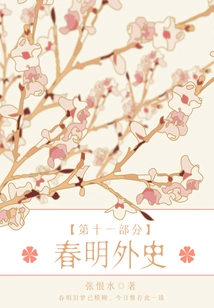
春明外史·第十一部分(张恨水经典爱情故事)
Zhang Henshui
"Chunming Foreign History" takes the love story of newspaper reporter Yang Xingyuan, prostitute Liyun, and poetess Li Dongqing as the running thread. The background is grand and the narrative is calm, including wealthy families, brothels, theaters, apartments, guild halls, schools, high-end hotels, clubs, temples, scenic spots, three religions and nine streams, including the president, prime minister, prostitutes, actors, and all kinds of famous people. "Chunming Foreign History" is a picture of Beijing customs in the 1920s. It can be called a classic and still has immortal artistic charm when read today. Zhang Henshui (May 18, 1895 - February 15, 1967), whose original name was Xinyuan, Henshui was his pen name, which was taken from the poem "Meeting Happily" written by Li Yu in the Southern Tang Dynasty, which means "I will grow up in life and hate the water in the east". Zhang Henshui is a famous chapter novelist and a representative writer of the Mandarin Duck and Butterfly School. He is honored as the "master of chapter novels" and the first "master of popular literature" in the history of contemporary literature. The plot of the work is tortuous and complex, and the structure is rigorous and complete. It integrates traditional Chinese chapter novels with new techniques in Western novels. He is also famous for his prolific output. In his fifty-year writing career, he created more than 100 popular novels, most of which are medium and long chapter novels with a total of 30 million words, which can be regarded as a book in his lifetime.
"Chunming Foreign History" takes the love story of newspaper reporter Yang Xingyuan, prostitute Liyun, and poetess Li Dongqing as the running thread. The background is grand and the narrative is calm, including wealthy families, brothels, theaters, apartments, guild halls, schools, high-end hotels, clubs, temples, scenic spots, three religions and nine streams, including the president, prime minister, prostitutes, actors, and all kinds of famous people. "Chunming Foreign History" is a picture of Beijing customs in the 1920s. It can be called a classic and still has immortal artistic charm when read today. Zhang Henshui (May 18, 1895 - February 15, 1967), whose original name was Xinyuan, Henshui was his pen name, which was taken from the poem "Meeting Happily" written by Li Yu in the Southern Tang Dynasty, which means "I will grow up in life and hate the water in the east". Zhang Henshui is a famous chapter novelist and a representative writer of the Mandarin Duck and Butterfly School. He is honored as the "master of chapter novels" and the first "master of popular literature" in the history of contemporary literature. The plot of the work is tortuous and complex, and the structure is rigorous and complete. It integrates traditional Chinese chapter novels with new techniques in Western novels. He is also famous for his prolific output. In his fifty-year writing career, he created more than 100 popular novels, most of which are medium and long chapter novels with a total of 30 million words, which can be regarded as a book in his lifetime.
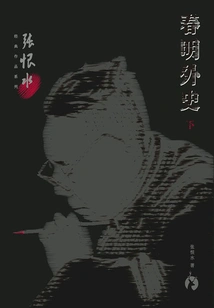
张恨水经典作品系列:春明外史(下)
Zhang Henshui
When Yang Xingyuan, a talented man from Anhui Province, lived in Beijing, he fell in love at first sight with Liyun, a young prostitute. When Li Yun was seriously ill, he guarded her day and night and vowed to live forever. However, the beauty's fate was poor. Not long after they met, Li Yun passed away. Yang Xingyuan was so depressed that she vomited blood and buried her photo in the soil, accompanying Li Yun. Later, Yang Xingyuan met the talented girl Li Dongqing. After spending time with each other and singing poetry, Yang Xingyuan fell deeply in love with Li Dongqing, but Li Dongqing had a congenital disease and had no chance of marriage. Li Dongqing tried every means to make the good relationship between Shi Kelian and Yang Xingyuan possible. However, Yang Xingyuan gave up her deep relationship with Li Dongqing and fell in love with Li Dongqing even more. In order to fulfill Yang and Li's love, Shi Kelian wisely retreated. After many twists and turns, Yang Xingyuan became disheartened about marriage and turned to Buddhism.
When Yang Xingyuan, a talented man from Anhui Province, lived in Beijing, he fell in love at first sight with Liyun, a young prostitute. When Li Yun was seriously ill, he guarded her day and night and vowed to live forever. However, the beauty's fate was poor. Not long after they met, Li Yun passed away. Yang Xingyuan was so depressed that she vomited blood and buried her photo in the soil, accompanying Li Yun. Later, Yang Xingyuan met the talented girl Li Dongqing. After spending time with each other and singing poetry, Yang Xingyuan fell deeply in love with Li Dongqing, but Li Dongqing had a congenital disease and had no chance of marriage. Li Dongqing tried every means to make the good relationship between Shi Kelian and Yang Xingyuan possible. However, Yang Xingyuan gave up her deep relationship with Li Dongqing and fell in love with Li Dongqing even more. In order to fulfill Yang and Li's love, Shi Kelian wisely retreated. After many twists and turns, Yang Xingyuan became disheartened about marriage and turned to Buddhism.
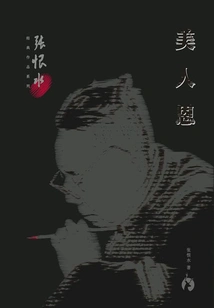
Beauty Grace
General Fiction美人恩
Zhang Henshui
The story of this book takes place in Beijing in the 1920s. The heroine Chang Xiaonan was born in a poor family at the bottom of the class and made a living by collecting coal cores. Once, he met the unemployed and down-and-out Hong Shiyi. He deeply sympathized with her fate and used his meager income from working as a substitute at a charity to support the Chang family. The two began to fall in love. The beautiful Chang Xiaonan was later spotted by the foreman of the Yangliu Song and Dance Ensemble. From then on, she changed her mind in love. She successively dumped Hong Shiyi and musician Wang Sun, and finally fell into the hands of the playboy Chen Siye, causing the Chang family to be ruined.
The story of this book takes place in Beijing in the 1920s. The heroine Chang Xiaonan was born in a poor family at the bottom of the class and made a living by collecting coal cores. Once, he met the unemployed and down-and-out Hong Shiyi. He deeply sympathized with her fate and used his meager income from working as a substitute at a charity to support the Chang family. The two began to fall in love. The beautiful Chang Xiaonan was later spotted by the foreman of the Yangliu Song and Dance Ensemble. From then on, she changed her mind in love. She successively dumped Hong Shiyi and musician Wang Sun, and finally fell into the hands of the playboy Chen Siye, causing the Chang family to be ruined.
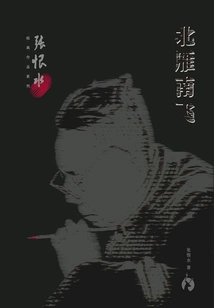
Northern Geese Flying South
General Fiction北雁南飞
Zhang Henshui
This book tells the story of a pair of young men and women in the transitional era who fought against feudalism, but the feudal victory was not complete. Li Xiaoqiu, the son of the magistrate of Qingjiang County, was sent to a private school in the countryside. He fell in love with Chunhua, the daughter of his husband, at first sight. Unfortunately, Chunhua had already been married to someone else. They both wanted to be together, but in the end they could not resist the oppression of feudal forces, and they broke up in pain to settle down with each other. Many years later, Chunhua, who has given birth to two sons, meets Xiaoqiu again at her parents' home, and is now the leader of the revolutionary army. Things have changed, and even the tide of reform and equality cannot liberate the years that have passed. Chunhua has mixed feelings, but she can only watch the wild geese flying north and south, unable to do anything.
This book tells the story of a pair of young men and women in the transitional era who fought against feudalism, but the feudal victory was not complete. Li Xiaoqiu, the son of the magistrate of Qingjiang County, was sent to a private school in the countryside. He fell in love with Chunhua, the daughter of his husband, at first sight. Unfortunately, Chunhua had already been married to someone else. They both wanted to be together, but in the end they could not resist the oppression of feudal forces, and they broke up in pain to settle down with each other. Many years later, Chunhua, who has given birth to two sons, meets Xiaoqiu again at her parents' home, and is now the leader of the revolutionary army. Things have changed, and even the tide of reform and equality cannot liberate the years that have passed. Chunhua has mixed feelings, but she can only watch the wild geese flying north and south, unable to do anything.
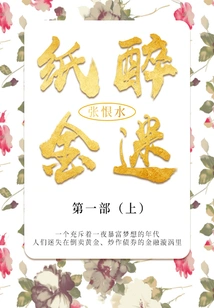
纸醉金迷·第一部·上(张恨水经典文学)
Zhang Henshui
As a satirical work that exposes reality, "Intoxication" directly criticizes the ugly and despicable world conditions in the Kuomintang-controlled areas on the eve of the victory of the Anti-Japanese War. On the eve of the victory of the Anti-Japanese War, the fate of Wei Duanben, a young civil servant, and his "anti-war wife" Tian Peizhi in Chongqing, the capital of the Anti-Japanese War, are used as clues to describe the twisted human nature and the bleakness of the world lost in the "golden dream" of vanity and corruption. Tian Peizhi, a most beautiful but extremely vain woman, sent her husband to prison and was almost sentenced to death for money and good food and clothing. In order to escape from a life without money, she did not need her husband and disowned her children. She finally hooked up with a rich and prestigious gentleman. The wife who was about to become the center of attention suddenly became the fiancée and mistress of a traitor after the war of resistance against Japan was suddenly won. It reveals the loss and struggle in the face of human nature and money in a special era. Zhang Henshui (May 18, 1895 - February 15, 1967), whose original name was Xinyuan, Henshui was his pen name, which was taken from the poem "Meeting Happily" written by Li Yu in the Southern Tang Dynasty, which means "I will grow up in life and hate the water in the east". Zhang Henshui is a famous chapter novelist and a representative writer of the Mandarin Duck and Butterfly School. He is honored as the first "master of chapter novels" and "master of popular literature" in the history of modern literature. The plot of the work is tortuous and complex, and the structure is rigorous and complete. It integrates traditional Chinese chapter novels with new techniques in Western novels. He is also famous for his prolific output. In his fifty-year writing career, he created more than 100 popular novels, most of which are medium and long chapter novels with a total of 30 million words, which can be regarded as a book in his lifetime.
As a satirical work that exposes reality, "Intoxication" directly criticizes the ugly and despicable world conditions in the Kuomintang-controlled areas on the eve of the victory of the Anti-Japanese War. On the eve of the victory of the Anti-Japanese War, the fate of Wei Duanben, a young civil servant, and his "anti-war wife" Tian Peizhi in Chongqing, the capital of the Anti-Japanese War, are used as clues to describe the twisted human nature and the bleakness of the world lost in the "golden dream" of vanity and corruption. Tian Peizhi, a most beautiful but extremely vain woman, sent her husband to prison and was almost sentenced to death for money and good food and clothing. In order to escape from a life without money, she did not need her husband and disowned her children. She finally hooked up with a rich and prestigious gentleman. The wife who was about to become the center of attention suddenly became the fiancée and mistress of a traitor after the war of resistance against Japan was suddenly won. It reveals the loss and struggle in the face of human nature and money in a special era. Zhang Henshui (May 18, 1895 - February 15, 1967), whose original name was Xinyuan, Henshui was his pen name, which was taken from the poem "Meeting Happily" written by Li Yu in the Southern Tang Dynasty, which means "I will grow up in life and hate the water in the east". Zhang Henshui is a famous chapter novelist and a representative writer of the Mandarin Duck and Butterfly School. He is honored as the first "master of chapter novels" and "master of popular literature" in the history of modern literature. The plot of the work is tortuous and complex, and the structure is rigorous and complete. It integrates traditional Chinese chapter novels with new techniques in Western novels. He is also famous for his prolific output. In his fifty-year writing career, he created more than 100 popular novels, most of which are medium and long chapter novels with a total of 30 million words, which can be regarded as a book in his lifetime.
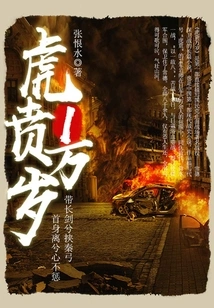
Long Live Huben (1)
General Fiction虎贲万岁(1)
Zhang Henshui
"Long Live Tiger Ben" is the first full-length novel to directly describe the famous frontal battlefield battle of the Kuomintang - the Battle of Changde. It is also China's first modern war history novel. The work describes how the 57th Division of the 74th Army, code-named "Hu Ben", was surrounded by more than 60,000 Japanese troops. They shared the same hatred and fought tooth and nail, "one against eight". They fought hard for more than ten days and fought bloody street battles with the Japanese aggressors. They were able to encircle the reinforcements and defend Changde. There were more than 8,000 people in the division, but only 83 survived. The whole story is so evocative and majestic.
"Long Live Tiger Ben" is the first full-length novel to directly describe the famous frontal battlefield battle of the Kuomintang - the Battle of Changde. It is also China's first modern war history novel. The work describes how the 57th Division of the 74th Army, code-named "Hu Ben", was surrounded by more than 60,000 Japanese troops. They shared the same hatred and fought tooth and nail, "one against eight". They fought hard for more than ten days and fought bloody street battles with the Japanese aggressors. They were able to encircle the reinforcements and defend Changde. There were more than 8,000 people in the division, but only 83 survived. The whole story is so evocative and majestic.
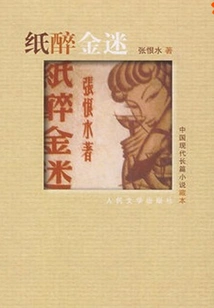
Lively and Luxurious
General Fiction纸醉金迷
Zhang Henshui
This book is Zhang Henshui's most influential masterpiece in his later period. A generation of literary masters will analyze the deep darkness of the national character for you. In an era filled with dreams of getting rich overnight, people are lost in the financial whirlpool of reselling gold and speculating on bonds. Officials are corrupt, businessmen are speculating, women are suing white gangsters, and the entire society is going crazy around money. Materialism abounds in officialdom and shopping malls, and gold bonds are spent lavishly. The social status quo of the past sixty years has once again reincarnated, facing the golden path of Chinese society.
This book is Zhang Henshui's most influential masterpiece in his later period. A generation of literary masters will analyze the deep darkness of the national character for you. In an era filled with dreams of getting rich overnight, people are lost in the financial whirlpool of reselling gold and speculating on bonds. Officials are corrupt, businessmen are speculating, women are suing white gangsters, and the entire society is going crazy around money. Materialism abounds in officialdom and shopping malls, and gold bonds are spent lavishly. The social status quo of the past sixty years has once again reincarnated, facing the golden path of Chinese society.
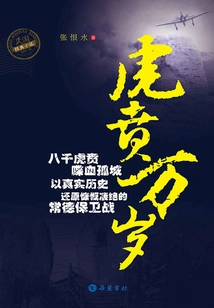
Long Live Huben
General Fiction虎贲万岁
Zhang Henshui
"Long Live Tiger Ben" is the first full-length novel that directly describes the famous battle of the Kuomintang's frontal battlefield - the Battle of Changde. Work description code\
"Long Live Tiger Ben" is the first full-length novel that directly describes the famous battle of the Kuomintang's frontal battlefield - the Battle of Changde. Work description code\
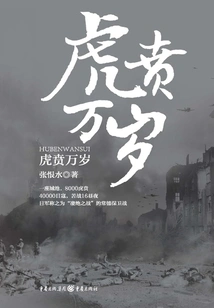
张恨水经典抗战小说系列:虎贲万岁
Zhang Henshui
This book is the third part of Zhang Henshui's "Anti-Japanese War Trilogy". It tells the story of the Japanese army in the autumn of 1943, in order to plunder strategic materials and contain the Chinese army from counterattacking Yunnan and Burma. They dispatched a large number of troops in North China and invaded Changde. The 57th Division of the 74th Army of the Kuomintang, codenamed "Hu Ben", vowed to defend Changde to the death. 8,000 Warriors "one against eight" fought bloody street battles with the Japanese invaders for 16 days and nights, and suffered all casualties. The entire division, from the division commander down to the ordinary soldiers, share the same hatred for the enemy, regardless of life and death, and many heroic figures and heroic deeds have emerged. From peripheral operations to dismantling the enemy's offensive section by section, the officers and soldiers of the entire division have a will to die, making the Japanese invaders pay a bloody price for every step forward. This battle was tragic and tragic. The Japanese army described it as "terrible" after the war and admitted that the resistance of the Chinese army "can be regarded as one of the most fierce since the battle to defend Shanghai." Mr. Zhang Henshui's bold and heroic work was written as a "pleasure for the fallen soldiers of the 57th Division". It is completely based on real historical materials and oral accounts of those who witnessed the war. The names of all the teachers and firemen in the book are real, and the time and place are completely consistent with the history of the war.
This book is the third part of Zhang Henshui's "Anti-Japanese War Trilogy". It tells the story of the Japanese army in the autumn of 1943, in order to plunder strategic materials and contain the Chinese army from counterattacking Yunnan and Burma. They dispatched a large number of troops in North China and invaded Changde. The 57th Division of the 74th Army of the Kuomintang, codenamed "Hu Ben", vowed to defend Changde to the death. 8,000 Warriors "one against eight" fought bloody street battles with the Japanese invaders for 16 days and nights, and suffered all casualties. The entire division, from the division commander down to the ordinary soldiers, share the same hatred for the enemy, regardless of life and death, and many heroic figures and heroic deeds have emerged. From peripheral operations to dismantling the enemy's offensive section by section, the officers and soldiers of the entire division have a will to die, making the Japanese invaders pay a bloody price for every step forward. This battle was tragic and tragic. The Japanese army described it as "terrible" after the war and admitted that the resistance of the Chinese army "can be regarded as one of the most fierce since the battle to defend Shanghai." Mr. Zhang Henshui's bold and heroic work was written as a "pleasure for the fallen soldiers of the 57th Division". It is completely based on real historical materials and oral accounts of those who witnessed the war. The names of all the teachers and firemen in the book are real, and the time and place are completely consistent with the history of the war.
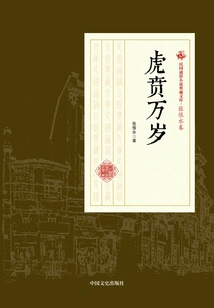
Long Live Huben (collection of Popular Novels of the Republic of China·zhang Henshui Volume)
General Fiction虎贲万岁(民国通俗小说典藏文库·张恨水卷)
Zhang Henshui
This book is a work written by Zhang Henshui in 1945. It describes that the 57th Division of the 74th Army, codenamed "Hu Ben", was surrounded by more than 60,000 Japanese troops. They shared the same hatred and fought against the odds. "One against eight", they fought hard for more than ten days, fought bloody street battles with the Japanese invaders, and were able to encircle the reinforcements and defend Changde. There were more than 8,000 people in the division, but only 83 people survived. The whole story is evocative and majestic.
This book is a work written by Zhang Henshui in 1945. It describes that the 57th Division of the 74th Army, codenamed "Hu Ben", was surrounded by more than 60,000 Japanese troops. They shared the same hatred and fought against the odds. "One against eight", they fought hard for more than ten days, fought bloody street battles with the Japanese invaders, and were able to encircle the reinforcements and defend Changde. There were more than 8,000 people in the division, but only 83 people survived. The whole story is evocative and majestic.
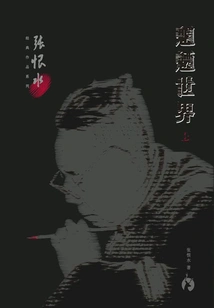
The World of Monsters (part 1)
General Fiction魍魉世界(上)
Zhang Henshui
This book describes the situation of an old man's family in Chongqing District, the capital of China during the Anti-Japanese War, and reflects the dark, chaotic and ghost-ridden social status quo. During the Anti-Japanese War. Accompany the capital Chongqing. Dark and chaotic, ghosts are rampant. Mr. Ou has been studying all his life and has taught his four children to study hard and make a living using the knowledge they have learned. However, prices in Chongqing have skyrocketed, supplies are in short supply, and people are in dire straits, making it difficult to live on wages. As a result, Mr. Ou's third son abandoned Wen and drove a truck and made a fortune; his second son abandoned medicine and went into business and lived a well-off life; and his eldest son was still a civil servant and was in poverty. The friends, colleagues, neighbors, and relatives around him are all speculative and profit-seeking, working hard day and night to make money. It is truly "tight ahead, tight behind"!
This book describes the situation of an old man's family in Chongqing District, the capital of China during the Anti-Japanese War, and reflects the dark, chaotic and ghost-ridden social status quo. During the Anti-Japanese War. Accompany the capital Chongqing. Dark and chaotic, ghosts are rampant. Mr. Ou has been studying all his life and has taught his four children to study hard and make a living using the knowledge they have learned. However, prices in Chongqing have skyrocketed, supplies are in short supply, and people are in dire straits, making it difficult to live on wages. As a result, Mr. Ou's third son abandoned Wen and drove a truck and made a fortune; his second son abandoned medicine and went into business and lived a well-off life; and his eldest son was still a civil servant and was in poverty. The friends, colleagues, neighbors, and relatives around him are all speculative and profit-seeking, working hard day and night to make money. It is truly "tight ahead, tight behind"!
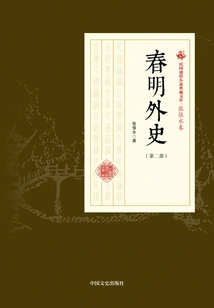
Foreign History of Chunming (part 2) (collection of Popular Novels of the Republic of China·zhang Henshui Volume)
General Fiction春明外史(第二部)(民国通俗小说典藏文库·张恨水卷)
Zhang Henshui
"Chunming Foreign History" is a novel written by Zhang Henshui. The novel centers on journalist Yang Xingyuan, narrating his love experience with Li Yun and his emotional entanglement with Li Dongqing, so as to reflect the broad social life at that time. The large number of poems and letters in the novel have become a powerful way to show the inner world of the characters. It not only has the appearance of traditional literature, but also has the performance function beyond traditional literature. The background is grand, which is better than ordinary chapter novels.
"Chunming Foreign History" is a novel written by Zhang Henshui. The novel centers on journalist Yang Xingyuan, narrating his love experience with Li Yun and his emotional entanglement with Li Dongqing, so as to reflect the broad social life at that time. The large number of poems and letters in the novel have become a powerful way to show the inner world of the characters. It not only has the appearance of traditional literature, but also has the performance function beyond traditional literature. The background is grand, which is better than ordinary chapter novels.
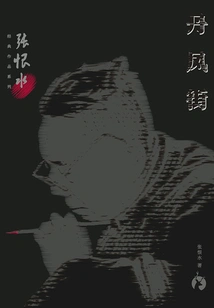
Zhang Henshui's Classic Works Series: Danfeng Street
General Fiction张恨水经典作品系列:丹凤街
Zhang Henshui
The novel tells the story of a group of self-reliant vegetable vendors and bartenders on Danfeng Street headed by Tong Laowu. They were not afraid of power, endured pain and hunger, and even went bankrupt, running around just to rescue the poor girl Chen Xiu who was sold by her uncle to Deputy Chief Zhao as his concubine. Underneath the poor and rough appearance of the protagonists, they all contain the spirit of a chivalrous man who is magnanimous, sincere, and committed to his work. These people live an ordinary life and live a vigorous life.
The novel tells the story of a group of self-reliant vegetable vendors and bartenders on Danfeng Street headed by Tong Laowu. They were not afraid of power, endured pain and hunger, and even went bankrupt, running around just to rescue the poor girl Chen Xiu who was sold by her uncle to Deputy Chief Zhao as his concubine. Underneath the poor and rough appearance of the protagonists, they all contain the spirit of a chivalrous man who is magnanimous, sincere, and committed to his work. These people live an ordinary life and live a vigorous life.
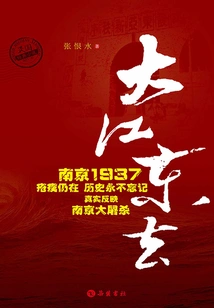
Go Eastward
History大江东去
Zhang Henshui
This book is adapted from real people and true stories. It details the bloody atrocities of the battle to defend China Gate and the massacre of soldiers and civilians in Nanjing by the Japanese army. It is a vivid record of the bloodthirsty crimes of the invaders. The description of the love, marriage and righteousness of young soldiers is a true portrayal of the author's mentality of persisting in resisting Japan and serving the country to the death.
This book is adapted from real people and true stories. It details the bloody atrocities of the battle to defend China Gate and the massacre of soldiers and civilians in Nanjing by the Japanese army. It is a vivid record of the bloodthirsty crimes of the invaders. The description of the love, marriage and righteousness of young soldiers is a true portrayal of the author's mentality of persisting in resisting Japan and serving the country to the death.
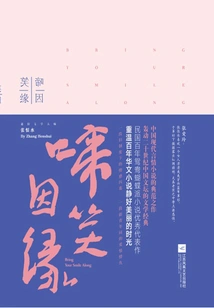
Cause of Laughter
General Fiction啼笑因缘
Zhang Henshui
"The Cause of Laughter" mainly describes the love tragedy between Fan Jiashu, a Jiangnan college student living in Peiping, and Shen Fengxi, a girl who sings drums in Tianqiao. It also intersperses the story of the noble lady He Lina's unremitting pursuit of Fan Jiashu, the secret love of Guan Shoufeng's daughter Xiugu who makes a living for Fan Jiashu, the warlord Liu Dezhu's dominance of civilian girls, and the heroic and righteous Guan father and daughter hoeing the strong and supporting the weak. The book uses the love model of one man and three women as the core structure of the story, reflecting the dark and turbulent side of society during the rule of the Beiyang warlords. With its twists and turns, distinctive characters and strong Beijing flavor, it inherits the essence of Chinese classical novels and has strong characteristics of the times. It not only caused a strong response among the old readers of the old school chapter novels, but also amazed the new literary and art circles at that time, and spread widely and far-reachingly.
"The Cause of Laughter" mainly describes the love tragedy between Fan Jiashu, a Jiangnan college student living in Peiping, and Shen Fengxi, a girl who sings drums in Tianqiao. It also intersperses the story of the noble lady He Lina's unremitting pursuit of Fan Jiashu, the secret love of Guan Shoufeng's daughter Xiugu who makes a living for Fan Jiashu, the warlord Liu Dezhu's dominance of civilian girls, and the heroic and righteous Guan father and daughter hoeing the strong and supporting the weak. The book uses the love model of one man and three women as the core structure of the story, reflecting the dark and turbulent side of society during the rule of the Beiyang warlords. With its twists and turns, distinctive characters and strong Beijing flavor, it inherits the essence of Chinese classical novels and has strong characteristics of the times. It not only caused a strong response among the old readers of the old school chapter novels, but also amazed the new literary and art circles at that time, and spread widely and far-reachingly.
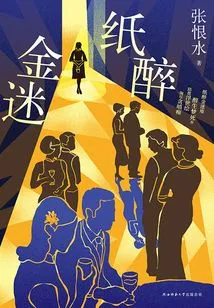
Lively and Luxurious
General Fiction纸醉金迷
Zhang Henshui
The novel is set in Chongqing, the capital city on the eve of the victory of the Anti-Japanese War. It describes that from the political arena to the shopping malls, from the upper class to the lower class, bankers, civil servants, small businessmen, socialites, old ladies, and even coolie workers all dreamed of getting rich overnight, and everyone was trapped in the financial vortex of gold reselling and bond speculation. Human nature, emotions, soul, and body have all become the weights of speculation and gambling. Tian Peizhi, a beautiful and high-spirited female student, was deceived by her husband and entered the world of flowers. She was also addicted to vanity and money. She indulged in gambling and gold trading day and night. She not only lost her family and love, but also her own conscience and dignity. "The Lost Lady" takes her story of decline as the main line and tells the story of the changing world in such a big era, as well as the loss and struggle of human nature in the face of money. It is the epitome of an era and the tragedy of an era.
The novel is set in Chongqing, the capital city on the eve of the victory of the Anti-Japanese War. It describes that from the political arena to the shopping malls, from the upper class to the lower class, bankers, civil servants, small businessmen, socialites, old ladies, and even coolie workers all dreamed of getting rich overnight, and everyone was trapped in the financial vortex of gold reselling and bond speculation. Human nature, emotions, soul, and body have all become the weights of speculation and gambling. Tian Peizhi, a beautiful and high-spirited female student, was deceived by her husband and entered the world of flowers. She was also addicted to vanity and money. She indulged in gambling and gold trading day and night. She not only lost her family and love, but also her own conscience and dignity. "The Lost Lady" takes her story of decline as the main line and tells the story of the changing world in such a big era, as well as the loss and struggle of human nature in the face of money. It is the epitome of an era and the tragedy of an era.
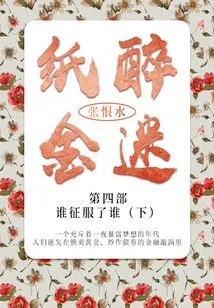
纸醉金迷·第四部:谁征服了谁·下(张恨水经典文学)
Zhang Henshui
As a satirical work that exposes reality, "Intoxication" directly criticizes the ugly and despicable world conditions in the Kuomintang-controlled areas on the eve of the victory of the Anti-Japanese War. On the eve of the victory of the Anti-Japanese War, the fate of Wei Duanben, a young civil servant, and his "anti-war wife" Tian Peizhi in Chongqing, the capital of the Anti-Japanese War, are used as clues to describe the twisted human nature and the bleakness of the world lost in the "golden dream" of vanity and corruption. Tian Peizhi, a most beautiful but extremely vain woman, sent her husband to prison and was almost sentenced to death for money and good food and clothing. In order to escape from a life without money, she did not need her husband and disowned her children. She finally hooked up with a rich and prestigious gentleman. The wife who was about to become the center of attention suddenly became the fiancée and mistress of a traitor after the war of resistance against Japan was suddenly won. It reveals the loss and struggle in the face of human nature and money in a special era. Zhang Henshui (May 18, 1895 - February 15, 1967), whose original name was Xinyuan, Henshui was his pen name, which was taken from the poem "Meeting Happily" written by Li Yu in the Southern Tang Dynasty, which means "I will grow up in life and hate the water in the east". Zhang Henshui is a famous chapter novelist and a representative writer of the Mandarin Duck and Butterfly School. He is honored as the first "master of chapter novels" and "master of popular literature" in the history of modern literature. The plot of the work is tortuous and complex, and the structure is rigorous and complete. It integrates traditional Chinese chapter novels with new techniques in Western novels. He is also famous for his prolific output. In his fifty-year writing career, he created more than 100 popular novels, most of which are medium and long chapter novels with a total of 30 million words, which can be regarded as a book in his lifetime.
As a satirical work that exposes reality, "Intoxication" directly criticizes the ugly and despicable world conditions in the Kuomintang-controlled areas on the eve of the victory of the Anti-Japanese War. On the eve of the victory of the Anti-Japanese War, the fate of Wei Duanben, a young civil servant, and his "anti-war wife" Tian Peizhi in Chongqing, the capital of the Anti-Japanese War, are used as clues to describe the twisted human nature and the bleakness of the world lost in the "golden dream" of vanity and corruption. Tian Peizhi, a most beautiful but extremely vain woman, sent her husband to prison and was almost sentenced to death for money and good food and clothing. In order to escape from a life without money, she did not need her husband and disowned her children. She finally hooked up with a rich and prestigious gentleman. The wife who was about to become the center of attention suddenly became the fiancée and mistress of a traitor after the war of resistance against Japan was suddenly won. It reveals the loss and struggle in the face of human nature and money in a special era. Zhang Henshui (May 18, 1895 - February 15, 1967), whose original name was Xinyuan, Henshui was his pen name, which was taken from the poem "Meeting Happily" written by Li Yu in the Southern Tang Dynasty, which means "I will grow up in life and hate the water in the east". Zhang Henshui is a famous chapter novelist and a representative writer of the Mandarin Duck and Butterfly School. He is honored as the first "master of chapter novels" and "master of popular literature" in the history of modern literature. The plot of the work is tortuous and complex, and the structure is rigorous and complete. It integrates traditional Chinese chapter novels with new techniques in Western novels. He is also famous for his prolific output. In his fifty-year writing career, he created more than 100 popular novels, most of which are medium and long chapter novels with a total of 30 million words, which can be regarded as a book in his lifetime.
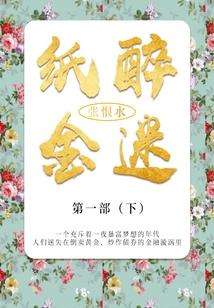
纸醉金迷·第一部·下(张恨水经典文学)
Zhang Henshui
As a satirical work that exposes reality, "Intoxication" directly criticizes the ugly and despicable world conditions in the Kuomintang-controlled areas on the eve of the victory of the Anti-Japanese War. On the eve of the victory of the Anti-Japanese War, the fate of Wei Duanben, a young civil servant, and his "anti-war wife" Tian Peizhi in Chongqing, the capital of the Anti-Japanese War, are used as clues to describe the twisted human nature and the bleakness of the world lost in the "golden dream" of vanity and corruption. Tian Peizhi, a most beautiful but extremely vain woman, sent her husband to prison and was almost sentenced to death for money and good food and clothing. In order to escape from a life without money, she did not need her husband and disowned her children. She finally hooked up with a rich and prestigious gentleman. The wife who was about to become the center of attention suddenly became the fiancée and mistress of a traitor after the war of resistance against Japan was suddenly won. It reveals the loss and struggle in the face of human nature and money in a special era. Zhang Henshui (May 18, 1895 - February 15, 1967), whose original name was Xinyuan, Henshui was his pen name, which was taken from the poem "Meeting Happily" written by Li Yu in the Southern Tang Dynasty, which means "I will grow up in life and hate the water in the east". Zhang Henshui is a famous chapter novelist and a representative writer of the Mandarin Duck and Butterfly School. He is honored as the first "master of chapter novels" and "master of popular literature" in the history of modern literature. The plot of the work is tortuous and complex, and the structure is rigorous and complete. It integrates traditional Chinese chapter novels with new techniques in Western novels. He is also famous for his prolific output. In his fifty-year writing career, he created more than 100 popular novels, most of which are medium and long chapter novels with a total of 30 million words, which can be regarded as a book in his lifetime.
As a satirical work that exposes reality, "Intoxication" directly criticizes the ugly and despicable world conditions in the Kuomintang-controlled areas on the eve of the victory of the Anti-Japanese War. On the eve of the victory of the Anti-Japanese War, the fate of Wei Duanben, a young civil servant, and his "anti-war wife" Tian Peizhi in Chongqing, the capital of the Anti-Japanese War, are used as clues to describe the twisted human nature and the bleakness of the world lost in the "golden dream" of vanity and corruption. Tian Peizhi, a most beautiful but extremely vain woman, sent her husband to prison and was almost sentenced to death for money and good food and clothing. In order to escape from a life without money, she did not need her husband and disowned her children. She finally hooked up with a rich and prestigious gentleman. The wife who was about to become the center of attention suddenly became the fiancée and mistress of a traitor after the war of resistance against Japan was suddenly won. It reveals the loss and struggle in the face of human nature and money in a special era. Zhang Henshui (May 18, 1895 - February 15, 1967), whose original name was Xinyuan, Henshui was his pen name, which was taken from the poem "Meeting Happily" written by Li Yu in the Southern Tang Dynasty, which means "I will grow up in life and hate the water in the east". Zhang Henshui is a famous chapter novelist and a representative writer of the Mandarin Duck and Butterfly School. He is honored as the first "master of chapter novels" and "master of popular literature" in the history of modern literature. The plot of the work is tortuous and complex, and the structure is rigorous and complete. It integrates traditional Chinese chapter novels with new techniques in Western novels. He is also famous for his prolific output. In his fifty-year writing career, he created more than 100 popular novels, most of which are medium and long chapter novels with a total of 30 million words, which can be regarded as a book in his lifetime.
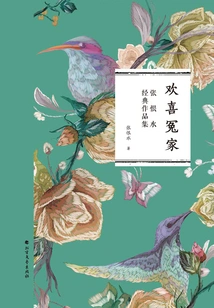
Rejoice in Enemies
General Fiction欢喜冤家
Zhang Henshui
Popular actress Bai Guiying was tired of her life as a performer and left the stage regardless of her mother's objections. Guiying gets to know Wang Yuhe and marries him despite the pressure from her mother. Yuhe lost his job and took Guiying back to his hometown in the countryside. Although the couple was cautious, they were still picked on by their brother and sister-in-law, so the couple had to return to Peiping with their newborn daughter and live temporarily in their own home. Bai Mu's contempt and disdain are evident in her words, which makes Yu He feel aggrieved and distressed. Forced by her livelihood, Guiying decided to return to the stage. Guiying returns to the world and has to socialize with the male guests who are favoring her. Misunderstandings between the couple are inevitable. Coupled with Bai Mu's constant sarcasm, Yuhe finally ran away from home, leaving Guiying devastated.
Popular actress Bai Guiying was tired of her life as a performer and left the stage regardless of her mother's objections. Guiying gets to know Wang Yuhe and marries him despite the pressure from her mother. Yuhe lost his job and took Guiying back to his hometown in the countryside. Although the couple was cautious, they were still picked on by their brother and sister-in-law, so the couple had to return to Peiping with their newborn daughter and live temporarily in their own home. Bai Mu's contempt and disdain are evident in her words, which makes Yu He feel aggrieved and distressed. Forced by her livelihood, Guiying decided to return to the stage. Guiying returns to the world and has to socialize with the male guests who are favoring her. Misunderstandings between the couple are inevitable. Coupled with Bai Mu's constant sarcasm, Yuhe finally ran away from home, leaving Guiying devastated.
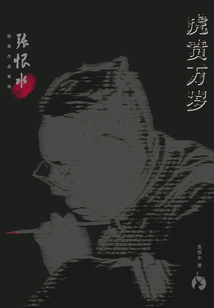
Zhang Henshui's Classic Works Series: Long Live Tiger Ben
General Fiction张恨水经典作品系列:虎贲万岁
Zhang Henshui
This book was written in 1945. It is the first full-length novel that directly describes the famous battle of the Kuomintang on the front battlefield - the Battle of Changde. It is also China's first modern war history novel. The work describes how the 57th Division of the 74th Army, code-named "Hu Ben", was surrounded by more than 60,000 Japanese troops. They shared the same hatred and fought tooth and nail, "one against eight". They fought hard for more than ten days and fought bloody street battles with the Japanese aggressors. They were able to encircle the reinforcements and defend Changde. There were more than 8,000 people in the division, but only 83 survived. The whole story is so evocative and majestic.
This book was written in 1945. It is the first full-length novel that directly describes the famous battle of the Kuomintang on the front battlefield - the Battle of Changde. It is also China's first modern war history novel. The work describes how the 57th Division of the 74th Army, code-named "Hu Ben", was surrounded by more than 60,000 Japanese troops. They shared the same hatred and fought tooth and nail, "one against eight". They fought hard for more than ten days and fought bloody street battles with the Japanese aggressors. They were able to encircle the reinforcements and defend Changde. There were more than 8,000 people in the division, but only 83 survived. The whole story is so evocative and majestic.
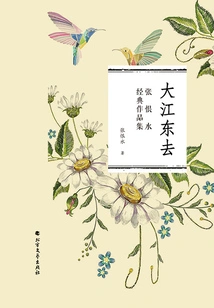
大江东去(张恨水经典作品集)
Zhang Henshui
"The Great River Goes East" tells the story of the Japanese army's order to attack Nanjing on December 1, 1937. After the Battle of Nanjing began, the soldiers who defended the city fought bloody battles to defend the China Gate, as well as the Japanese army's bloody atrocities of massacre of Nanjing civilians. It was an early literary and artistic work that reflected the atrocities of the Nanjing Massacre. The book is full of passion, sorrow and indignation, restoring this period of national tragedy that can never be forgotten.
"The Great River Goes East" tells the story of the Japanese army's order to attack Nanjing on December 1, 1937. After the Battle of Nanjing began, the soldiers who defended the city fought bloody battles to defend the China Gate, as well as the Japanese army's bloody atrocities of massacre of Nanjing civilians. It was an early literary and artistic work that reflected the atrocities of the Nanjing Massacre. The book is full of passion, sorrow and indignation, restoring this period of national tragedy that can never be forgotten.
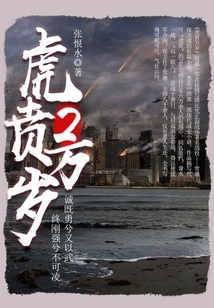
Long Live Huben (2)
General Fiction虎贲万岁(2)
Zhang Henshui
"Long Live Tiger Ben" is the first full-length novel to directly describe the famous frontal battlefield battle of the Kuomintang - the Battle of Changde. It is also China's first modern war history novel. The work describes how the 57th Division of the 74th Army, code-named "Hu Ben", was surrounded by more than 60,000 Japanese troops. They shared the same hatred and fought tooth and nail, "one against eight". They fought hard for more than ten days and fought bloody street battles with the Japanese aggressors. They were able to encircle the reinforcements and defend Changde. There were more than 8,000 people in the division, but only 83 survived. The whole story is so evocative and majestic.
"Long Live Tiger Ben" is the first full-length novel to directly describe the famous frontal battlefield battle of the Kuomintang - the Battle of Changde. It is also China's first modern war history novel. The work describes how the 57th Division of the 74th Army, code-named "Hu Ben", was surrounded by more than 60,000 Japanese troops. They shared the same hatred and fought tooth and nail, "one against eight". They fought hard for more than ten days and fought bloody street battles with the Japanese aggressors. They were able to encircle the reinforcements and defend Changde. There were more than 8,000 people in the division, but only 83 survived. The whole story is so evocative and majestic.
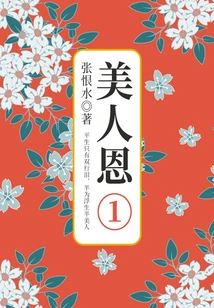
Beauty's Grace·part One (zhang Henshui's Literature Classic)
General Fiction美人恩·第一部分(张恨水文学经典)
Zhang Henshui
The story of "Beauty's Grace" takes place in Beijing in the 1920s. The heroine Chang Xiaonan was born in a poor family at the bottom of the class and made a living by collecting coal cores. Once, he met the unemployed and down-and-out Hong Shiyi. He deeply sympathized with her fate and used his meager income from working as a substitute at a charity to support the Chang family. The two began to fall in love. The beautiful Chang Xiaonan was later spotted by the foreman of the Yangliu Song and Dance Ensemble. From then on, she changed her mind in love. She successively dumped Hong Shiyi and musician Wang Sun, and finally fell into the hands of the playboy Chen Siye, causing the Chang family to be ruined. Zhang Henshui (May 18, 1895 - February 15, 1967), whose original name was Xinyuan, Henshui was his pen name, which was taken from the poem "Meeting Happily" written by Li Yu in the Southern Tang Dynasty, which means "I will grow up in life and hate the water in the east". Zhang Henshui is a famous chapter novelist and a representative writer of the Mandarin Duck and Butterfly School. He is honored as the first "master of chapter novels" and "master of popular literature" in the history of modern literature. The plot of the work is tortuous and complex, and the structure is rigorous and complete. It integrates traditional Chinese chapter novels with new techniques in Western novels. He is also famous for his prolific output. In his fifty-year writing career, he created more than 100 popular novels, most of which are medium and long chapter novels with a total of 30 million words, which can be regarded as a book in his lifetime.
The story of "Beauty's Grace" takes place in Beijing in the 1920s. The heroine Chang Xiaonan was born in a poor family at the bottom of the class and made a living by collecting coal cores. Once, he met the unemployed and down-and-out Hong Shiyi. He deeply sympathized with her fate and used his meager income from working as a substitute at a charity to support the Chang family. The two began to fall in love. The beautiful Chang Xiaonan was later spotted by the foreman of the Yangliu Song and Dance Ensemble. From then on, she changed her mind in love. She successively dumped Hong Shiyi and musician Wang Sun, and finally fell into the hands of the playboy Chen Siye, causing the Chang family to be ruined. Zhang Henshui (May 18, 1895 - February 15, 1967), whose original name was Xinyuan, Henshui was his pen name, which was taken from the poem "Meeting Happily" written by Li Yu in the Southern Tang Dynasty, which means "I will grow up in life and hate the water in the east". Zhang Henshui is a famous chapter novelist and a representative writer of the Mandarin Duck and Butterfly School. He is honored as the first "master of chapter novels" and "master of popular literature" in the history of modern literature. The plot of the work is tortuous and complex, and the structure is rigorous and complete. It integrates traditional Chinese chapter novels with new techniques in Western novels. He is also famous for his prolific output. In his fifty-year writing career, he created more than 100 popular novels, most of which are medium and long chapter novels with a total of 30 million words, which can be regarded as a book in his lifetime.
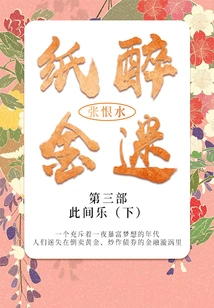
纸醉金迷·第三部:此间乐·下(张恨水经典文学)
Zhang Henshui
As a satirical work that exposes reality, "Intoxication" directly criticizes the ugly and despicable world conditions in the Kuomintang-controlled areas on the eve of the victory of the Anti-Japanese War. On the eve of the victory of the Anti-Japanese War, the fate of Wei Duanben, a young civil servant, and his "anti-war wife" Tian Peizhi in Chongqing, the capital of the Anti-Japanese War, are used as clues to describe the twisted human nature and the bleakness of the world lost in the "golden dream" of vanity and corruption. Tian Peizhi, a most beautiful but extremely vain woman, sent her husband to prison and was almost sentenced to death for money and good food and clothing. In order to escape from a life without money, she did not need her husband and disowned her children. She finally hooked up with a rich and prestigious gentleman. The wife who was about to become the center of attention suddenly became the fiancée and mistress of a traitor after the war of resistance against Japan was suddenly won. It reveals the loss and struggle in the face of human nature and money in a special era. Zhang Henshui (May 18, 1895 - February 15, 1967), whose original name was Xinyuan, Henshui was his pen name, which was taken from the poem "Meeting Happily" written by Li Yu in the Southern Tang Dynasty, which means "I will grow up in life and hate the water in the east". Zhang Henshui is a famous chapter novelist and a representative writer of the Mandarin Duck and Butterfly School. He is honored as the first "master of chapter novels" and "master of popular literature" in the history of modern literature. The plot of the work is tortuous and complex, and the structure is rigorous and complete. It integrates traditional Chinese chapter novels with new techniques in Western novels. He is also famous for his prolific output. In his fifty-year writing career, he created more than 100 popular novels, most of which are medium and long chapter novels with a total of 30 million words, which can be regarded as a book in his lifetime.
As a satirical work that exposes reality, "Intoxication" directly criticizes the ugly and despicable world conditions in the Kuomintang-controlled areas on the eve of the victory of the Anti-Japanese War. On the eve of the victory of the Anti-Japanese War, the fate of Wei Duanben, a young civil servant, and his "anti-war wife" Tian Peizhi in Chongqing, the capital of the Anti-Japanese War, are used as clues to describe the twisted human nature and the bleakness of the world lost in the "golden dream" of vanity and corruption. Tian Peizhi, a most beautiful but extremely vain woman, sent her husband to prison and was almost sentenced to death for money and good food and clothing. In order to escape from a life without money, she did not need her husband and disowned her children. She finally hooked up with a rich and prestigious gentleman. The wife who was about to become the center of attention suddenly became the fiancée and mistress of a traitor after the war of resistance against Japan was suddenly won. It reveals the loss and struggle in the face of human nature and money in a special era. Zhang Henshui (May 18, 1895 - February 15, 1967), whose original name was Xinyuan, Henshui was his pen name, which was taken from the poem "Meeting Happily" written by Li Yu in the Southern Tang Dynasty, which means "I will grow up in life and hate the water in the east". Zhang Henshui is a famous chapter novelist and a representative writer of the Mandarin Duck and Butterfly School. He is honored as the first "master of chapter novels" and "master of popular literature" in the history of modern literature. The plot of the work is tortuous and complex, and the structure is rigorous and complete. It integrates traditional Chinese chapter novels with new techniques in Western novels. He is also famous for his prolific output. In his fifty-year writing career, he created more than 100 popular novels, most of which are medium and long chapter novels with a total of 30 million words, which can be regarded as a book in his lifetime.
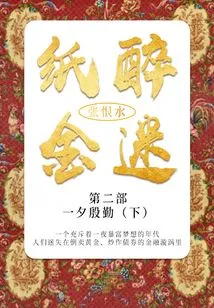
The Second Part of a Decadent Life: a Night of Diligence, Part 2 (zhang Henshui's Classic Literature)
General Fiction纸醉金迷·第二部:一夕殷勤·下(张恨水经典文学)
Zhang Henshui
As a satirical work that exposes reality, "Intoxication" directly criticizes the ugly and despicable world conditions in the Kuomintang-controlled areas on the eve of the victory of the Anti-Japanese War. On the eve of the victory of the Anti-Japanese War, the fate of Wei Duanben, a young civil servant, and his "anti-war wife" Tian Peizhi in Chongqing, the capital of the Anti-Japanese War, are used as clues to describe the twisted human nature and the bleakness of the world lost in the "golden dream" of vanity and corruption. Tian Peizhi, a most beautiful but extremely vain woman, sent her husband to prison and was almost sentenced to death for money and good food and clothing. In order to escape from a life without money, she did not need her husband and disowned her children. She finally hooked up with a rich and prestigious gentleman. The wife who was about to become the center of attention suddenly became the fiancée and mistress of a traitor after the war of resistance against Japan was suddenly won. It reveals the loss and struggle in the face of human nature and money in a special era. Zhang Henshui (May 18, 1895 - February 15, 1967), whose original name was Xinyuan, Henshui was his pen name, which was taken from the poem "Meeting Happily" written by Li Yu in the Southern Tang Dynasty, which means "I will grow up in life and hate the water in the east". Zhang Henshui is a famous chapter novelist and a representative writer of the Mandarin Duck and Butterfly School. He is honored as the first "master of chapter novels" and "master of popular literature" in the history of modern literature. The plot of the work is tortuous and complex, and the structure is rigorous and complete. It integrates traditional Chinese chapter novels with new techniques in Western novels. He is also famous for his prolific output. In his fifty-year writing career, he created more than 100 popular novels, most of which are medium and long chapter novels with a total of 30 million words, which can be regarded as a book in his lifetime.
As a satirical work that exposes reality, "Intoxication" directly criticizes the ugly and despicable world conditions in the Kuomintang-controlled areas on the eve of the victory of the Anti-Japanese War. On the eve of the victory of the Anti-Japanese War, the fate of Wei Duanben, a young civil servant, and his "anti-war wife" Tian Peizhi in Chongqing, the capital of the Anti-Japanese War, are used as clues to describe the twisted human nature and the bleakness of the world lost in the "golden dream" of vanity and corruption. Tian Peizhi, a most beautiful but extremely vain woman, sent her husband to prison and was almost sentenced to death for money and good food and clothing. In order to escape from a life without money, she did not need her husband and disowned her children. She finally hooked up with a rich and prestigious gentleman. The wife who was about to become the center of attention suddenly became the fiancée and mistress of a traitor after the war of resistance against Japan was suddenly won. It reveals the loss and struggle in the face of human nature and money in a special era. Zhang Henshui (May 18, 1895 - February 15, 1967), whose original name was Xinyuan, Henshui was his pen name, which was taken from the poem "Meeting Happily" written by Li Yu in the Southern Tang Dynasty, which means "I will grow up in life and hate the water in the east". Zhang Henshui is a famous chapter novelist and a representative writer of the Mandarin Duck and Butterfly School. He is honored as the first "master of chapter novels" and "master of popular literature" in the history of modern literature. The plot of the work is tortuous and complex, and the structure is rigorous and complete. It integrates traditional Chinese chapter novels with new techniques in Western novels. He is also famous for his prolific output. In his fifty-year writing career, he created more than 100 popular novels, most of which are medium and long chapter novels with a total of 30 million words, which can be regarded as a book in his lifetime.
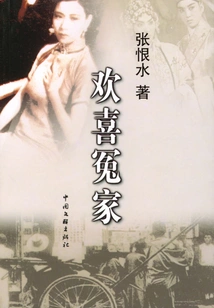
Rejoice in Enemies
General Fiction欢喜冤家
Zhang Henshui
The book describes the story of a female Peking Opera performer. Although she went through all kinds of hardships and wanted to escape her fate... She still found it difficult to escape from the discriminatory entertainment industry. Zhang Henshui wrote: "After it was published, it received quite a lot of criticism from people in the society... I can't say that it will be beneficial for readers to read it, at least it will be harmless for others to read it."
The book describes the story of a female Peking Opera performer. Although she went through all kinds of hardships and wanted to escape her fate... She still found it difficult to escape from the discriminatory entertainment industry. Zhang Henshui wrote: "After it was published, it received quite a lot of criticism from people in the society... I can't say that it will be beneficial for readers to read it, at least it will be harmless for others to read it."
Flowers in the Mist (collection of Popular Novels of the Republic of China·zhang Henshui Volume)
General Fiction雾中花(民国通俗小说典藏文库·张恨水卷)
Zhang Henshui
"Flowers in the Mist" is a collection of short stories and short stories by Zhang Henshui. This book contains twenty-three novels, including "The Novel: Journey to the Underworld", "The Unspeakable Hidden" and "Flowers in the Mist", with diverse themes and popular and fluent language. Among them, "Three Era" and "Sympathizer" are the first works released after the founding of New China.
"Flowers in the Mist" is a collection of short stories and short stories by Zhang Henshui. This book contains twenty-three novels, including "The Novel: Journey to the Underworld", "The Unspeakable Hidden" and "Flowers in the Mist", with diverse themes and popular and fluent language. Among them, "Three Era" and "Sympathizer" are the first works released after the founding of New China.
现代青年(张恨水全集·25周年纪念版)
Zhang Henshui
This book describes the ups and downs of young Zhou Jichun's life. When Zhou Jichun was a boy, his family was poor. His mother died young and his father made a living by farming alone, unable to support Ji Chun's studies. Because Ji Chun was smart and hard-working, Principal Liu of the school helped him and persuaded his father to support his studies. His father Zhou Shiliang learned that his son was talented and could achieve great things in life through learning, so he decided to support him with all his strength. When Zhou Jichun went to middle school in the provincial capital, Zhou Shiliang sold his land, opened a tofu shop in the provincial capital, and took care of his son's studies. At this time, he also met Hong and Jufen, and Jufen became the prospective daughter-in-law of the Zhou family. However, with the closure of the middle school, Ji Chun also moved to Beijing to study with the principal Feng Ziyun. However, while studying, without the care of his father, Ji Chun met Kong Lingyi, the daughter of the original tofu shop tenant, and his friend Yuan Peizhu. Later, he met the dancer Lu Qingmei, and gradually abandoned his studies and indulged in fun and vanity. In the end, his father Zhou Shiliang and his intended wife Ju Fen both died because of it.
This book describes the ups and downs of young Zhou Jichun's life. When Zhou Jichun was a boy, his family was poor. His mother died young and his father made a living by farming alone, unable to support Ji Chun's studies. Because Ji Chun was smart and hard-working, Principal Liu of the school helped him and persuaded his father to support his studies. His father Zhou Shiliang learned that his son was talented and could achieve great things in life through learning, so he decided to support him with all his strength. When Zhou Jichun went to middle school in the provincial capital, Zhou Shiliang sold his land, opened a tofu shop in the provincial capital, and took care of his son's studies. At this time, he also met Hong and Jufen, and Jufen became the prospective daughter-in-law of the Zhou family. However, with the closure of the middle school, Ji Chun also moved to Beijing to study with the principal Feng Ziyun. However, while studying, without the care of his father, Ji Chun met Kong Lingyi, the daughter of the original tofu shop tenant, and his friend Yuan Peizhu. Later, he met the dancer Lu Qingmei, and gradually abandoned his studies and indulged in fun and vanity. In the end, his father Zhou Shiliang and his intended wife Ju Fen both died because of it.
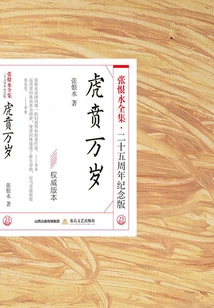
虎贲万岁(张恨水全集·25周年纪念版)
Zhang Henshui
This book was written in 1945 and is China's first modern war history novel. The book directly describes the famous battle - the Battle of Changde. The 57th Division of the 74th Army, codenamed "Hu Ben", was surrounded by more than 60,000 Japanese troops and fought hard for more than ten days, fighting bloody battles with the Japanese invaders before they defended Changde. There were more than 8,000 people in the army, but only 83 survived in the end. The tone of the book is tragic, generous and majestic.
This book was written in 1945 and is China's first modern war history novel. The book directly describes the famous battle - the Battle of Changde. The 57th Division of the 74th Army, codenamed "Hu Ben", was surrounded by more than 60,000 Japanese troops and fought hard for more than ten days, fighting bloody battles with the Japanese invaders before they defended Changde. There were more than 8,000 people in the army, but only 83 survived in the end. The tone of the book is tragic, generous and majestic.
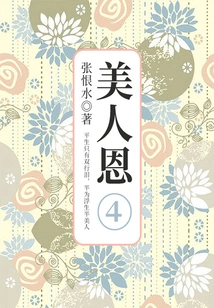
Beauty's Grace Part 4 (zhang Henshui's Literary Classic)
General Fiction美人恩·第四部分(张恨水文学经典)
Zhang Henshui
The story of "Beauty's Grace" takes place in Beijing in the 1920s. The heroine Chang Xiaonan was born in a poor family at the bottom of the class and made a living by collecting coal cores. Once, he met the unemployed and down-and-out Hong Shiyi. He deeply sympathized with her fate and used his meager income from working as a substitute at a charity to support the Chang family. The two began to fall in love. The beautiful Chang Xiaonan was later spotted by the foreman of the Yangliu Song and Dance Ensemble. From then on, she changed her mind in love. She successively dumped Hong Shiyi and musician Wang Sun, and finally fell into the hands of the playboy Chen Siye, causing the Chang family to be ruined. Zhang Henshui (May 18, 1895 - February 15, 1967), whose original name was Xinyuan, Henshui was his pen name, which was taken from the poem "Meeting Happily" written by Li Yu in the Southern Tang Dynasty, which means "I will grow up in life and hate the water in the east". Zhang Henshui is a famous chapter novelist and a representative writer of the Mandarin Duck and Butterfly School. He is honored as the first "master of chapter novels" and "master of popular literature" in the history of modern literature. The plot of the work is tortuous and complex, and the structure is rigorous and complete. It integrates traditional Chinese chapter novels with new techniques in Western novels. He is also famous for his prolific output. In his fifty-year writing career, he created more than 100 popular novels, most of which are medium and long chapter novels with a total of 30 million words, which can be regarded as a book in his lifetime.
The story of "Beauty's Grace" takes place in Beijing in the 1920s. The heroine Chang Xiaonan was born in a poor family at the bottom of the class and made a living by collecting coal cores. Once, he met the unemployed and down-and-out Hong Shiyi. He deeply sympathized with her fate and used his meager income from working as a substitute at a charity to support the Chang family. The two began to fall in love. The beautiful Chang Xiaonan was later spotted by the foreman of the Yangliu Song and Dance Ensemble. From then on, she changed her mind in love. She successively dumped Hong Shiyi and musician Wang Sun, and finally fell into the hands of the playboy Chen Siye, causing the Chang family to be ruined. Zhang Henshui (May 18, 1895 - February 15, 1967), whose original name was Xinyuan, Henshui was his pen name, which was taken from the poem "Meeting Happily" written by Li Yu in the Southern Tang Dynasty, which means "I will grow up in life and hate the water in the east". Zhang Henshui is a famous chapter novelist and a representative writer of the Mandarin Duck and Butterfly School. He is honored as the first "master of chapter novels" and "master of popular literature" in the history of modern literature. The plot of the work is tortuous and complex, and the structure is rigorous and complete. It integrates traditional Chinese chapter novels with new techniques in Western novels. He is also famous for his prolific output. In his fifty-year writing career, he created more than 100 popular novels, most of which are medium and long chapter novels with a total of 30 million words, which can be regarded as a book in his lifetime.
Deep in the Night (collection of Popular Novels of the Republic of China·zhang Henshui Volume)
General Fiction夜深沉(民国通俗小说典藏文库·张恨水卷)
Zhang Henshui
The novel describes the emotional entanglement between the coachman Ding Erhe and the singing queen Yuerong. The plot is twists and turns and exciting. It explores human nature deeply and thoroughly. The psychological portrayal of the hero and heroine is particularly delicate. It should be particularly pointed out that "Deep Night" was originally the title of a piece of "Yu Ji Dance" in the opera "Farewell My Concubine". Zhang Henshui ingeniously integrated this erhu music throughout the novel, becoming a link between the joys and sorrows of the hero and heroine and a clue to the development of the plot. Not only do most of the scenes in the novel take place in the deep night, but the tone of the novel is dark, cold and desolate. The "deep night" symbolizes the tragic fate of Ding Erhe and Wang Yuerong, revealing the cold darkness of society. In terms of the novel's ingenious conception, complete structure and rich characterization, "Deep Night" is superior to "The Cause of Laughter".
The novel describes the emotional entanglement between the coachman Ding Erhe and the singing queen Yuerong. The plot is twists and turns and exciting. It explores human nature deeply and thoroughly. The psychological portrayal of the hero and heroine is particularly delicate. It should be particularly pointed out that "Deep Night" was originally the title of a piece of "Yu Ji Dance" in the opera "Farewell My Concubine". Zhang Henshui ingeniously integrated this erhu music throughout the novel, becoming a link between the joys and sorrows of the hero and heroine and a clue to the development of the plot. Not only do most of the scenes in the novel take place in the deep night, but the tone of the novel is dark, cold and desolate. The "deep night" symbolizes the tragic fate of Ding Erhe and Wang Yuerong, revealing the cold darkness of society. In terms of the novel's ingenious conception, complete structure and rich characterization, "Deep Night" is superior to "The Cause of Laughter".
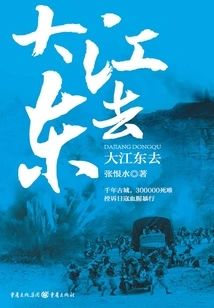
张恨水经典抗战小说系列:大江东去
Zhang Henshui
This book tells that on December 1, 1937, the Japanese army issued a combat order to attack Nanjing, and the Nanjing Defense War began. Tang Shengzhi was appointed as the commander-in-chief of the Nanjing Garrison. Our city defenders resisted desperately at Guanghua Gate, Yuhuatai, Zhonghua Gate and other places, and the battles were extremely fierce. Because the Kuomintang authorities made major mistakes in the organization and command of the campaign, they did not make thorough arrangements before the war, and they did not draw up a thorough retreat plan when they finally decided to break out. As a result, the defenders suffered heavy losses during the breakout, and the resistance collapsed. On December 13, Nanjing fell, and the Japanese army massacred the city, killing more than 300,000 compatriots. "The Journey to the East" was written in 1939 and is the first novel to describe the Nanjing Massacre. Mr. Zhang Henshui exposed the bloody atrocities of the Japanese army in massacre of soldiers and civilians in Nanjing with his angry writing, which should be cherished by the Chinese people forever. Mr. Zhang Henshui was brave and heroic. After the Nanjing Massacre, he put his strong patriotic enthusiasm and loneliness on paper.
This book tells that on December 1, 1937, the Japanese army issued a combat order to attack Nanjing, and the Nanjing Defense War began. Tang Shengzhi was appointed as the commander-in-chief of the Nanjing Garrison. Our city defenders resisted desperately at Guanghua Gate, Yuhuatai, Zhonghua Gate and other places, and the battles were extremely fierce. Because the Kuomintang authorities made major mistakes in the organization and command of the campaign, they did not make thorough arrangements before the war, and they did not draw up a thorough retreat plan when they finally decided to break out. As a result, the defenders suffered heavy losses during the breakout, and the resistance collapsed. On December 13, Nanjing fell, and the Japanese army massacred the city, killing more than 300,000 compatriots. "The Journey to the East" was written in 1939 and is the first novel to describe the Nanjing Massacre. Mr. Zhang Henshui exposed the bloody atrocities of the Japanese army in massacre of soldiers and civilians in Nanjing with his angry writing, which should be cherished by the Chinese people forever. Mr. Zhang Henshui was brave and heroic. After the Nanjing Massacre, he put his strong patriotic enthusiasm and loneliness on paper.
Zhang Henshui's Classic Series: Flower of Blood
General Fiction张恨水经典作品系列:热血之花
Zhang Henshui
Flowers of Blood was set in Peiping after the "January 28th Incident" in 1932. It pioneered the patriotic spy theme. It describes the story of Tianjin citizens working together to resist the Japanese invaders and defend Tianjin under the leadership of teacher Zhang Jingcun. It more truly reflects the indiscriminate bombing and bloody killings when the Japanese invaders invaded Tianjin.
Flowers of Blood was set in Peiping after the "January 28th Incident" in 1932. It pioneered the patriotic spy theme. It describes the story of Tianjin citizens working together to resist the Japanese invaders and defend Tianjin under the leadership of teacher Zhang Jingcun. It more truly reflects the indiscriminate bombing and bloody killings when the Japanese invaders invaded Tianjin.
Azolla
General Fiction满江红
Zhang Henshui
This book describes a young and promising painter in Yushui Village during the Republic of China, who lived a life devoted to landscapes. By chance, he met the singer Taozhi, and the two fell in love, but later broke up due to misunderstanding. Taozhi angrily agreed to a certain boss's proposal and married him. At their wedding banquet, the boss's wife made a big fuss, but thanks to Mizumura's confession, the situation was resolved. Unable to forget his feelings, Taozhi followed the seriously ill Shuicun to the boat. Just as the ferry caught fire, Taozhi exchanged clothes with Shuicun, causing Shuicun to be taken away by the boat that rescued the women and children, but he was burned to death in the fire. After being rescued, Shuicun was immersed in pain and couldn't extricate himself. I accidentally saw a play called "The River is Red", which told the story of a woman and her lover who cross-dressed to save others. I couldn't help myself, so I watched it night after night, remembering my relationship with Taozhi, and finally died of depression due to excessive pain. It is the original work of "The Family" starring Tong Dawei, Sun Li, Zhou Xianxin, Yang Mi, Pan Hong and others.
This book describes a young and promising painter in Yushui Village during the Republic of China, who lived a life devoted to landscapes. By chance, he met the singer Taozhi, and the two fell in love, but later broke up due to misunderstanding. Taozhi angrily agreed to a certain boss's proposal and married him. At their wedding banquet, the boss's wife made a big fuss, but thanks to Mizumura's confession, the situation was resolved. Unable to forget his feelings, Taozhi followed the seriously ill Shuicun to the boat. Just as the ferry caught fire, Taozhi exchanged clothes with Shuicun, causing Shuicun to be taken away by the boat that rescued the women and children, but he was burned to death in the fire. After being rescued, Shuicun was immersed in pain and couldn't extricate himself. I accidentally saw a play called "The River is Red", which told the story of a woman and her lover who cross-dressed to save others. I couldn't help myself, so I watched it night after night, remembering my relationship with Taozhi, and finally died of depression due to excessive pain. It is the original work of "The Family" starring Tong Dawei, Sun Li, Zhou Xianxin, Yang Mi, Pan Hong and others.