Library
Browse and search books
58 novels found
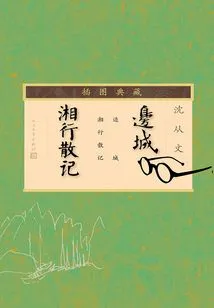
边城·湘行散记:插图典藏
Shen Congwen
"Journey to Hunan" and "Border Town" are the author's representative works describing the natural scenery and folk customs of western Hunan in the form of essays and novels respectively. There, people do not talk about hierarchy or utilitarianism. People treat each other sincerely and are friendly to each other, which represents the traditional virtues of unpolluted agricultural civilization. The author strives to describe the purity of the natural scenery in western Hunan and the purity of the psychology of the people in western Hunan, which forms a sharp contrast with the real society filled with materialistic desires and money. The work embodies Shen Congwen's ideal pursuit of love and beauty.
"Journey to Hunan" and "Border Town" are the author's representative works describing the natural scenery and folk customs of western Hunan in the form of essays and novels respectively. There, people do not talk about hierarchy or utilitarianism. People treat each other sincerely and are friendly to each other, which represents the traditional virtues of unpolluted agricultural civilization. The author strives to describe the purity of the natural scenery in western Hunan and the purity of the psychology of the people in western Hunan, which forms a sharp contrast with the real society filled with materialistic desires and money. The work embodies Shen Congwen's ideal pursuit of love and beauty.
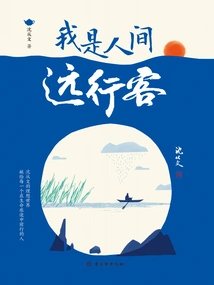
I Am a Human Traveler
Literature我是人间远行客
Shen Congwen
This book contains 21 of the author's travel notes about Western Hunan, Beijing, and Yunnan, including "Taoyuan and Yuanzhou", "Ships in Changde", "Phoenix", "Spring Tour to the Summer Palace", "Kunming Winter Scenery" and other famous articles. It not only describes the beautiful and strange mountains and rivers, but also expresses the lyrical narrative of people, things and objects, vividly, vividly and vividly showing what the author saw and heard during the journey. Finally, it ends with the author's article "Talking about Writing Travel Notes", explaining to readers how to create travel notes.
This book contains 21 of the author's travel notes about Western Hunan, Beijing, and Yunnan, including "Taoyuan and Yuanzhou", "Ships in Changde", "Phoenix", "Spring Tour to the Summer Palace", "Kunming Winter Scenery" and other famous articles. It not only describes the beautiful and strange mountains and rivers, but also expresses the lyrical narrative of people, things and objects, vividly, vividly and vividly showing what the author saw and heard during the journey. Finally, it ends with the author's article "Talking about Writing Travel Notes", explaining to readers how to create travel notes.
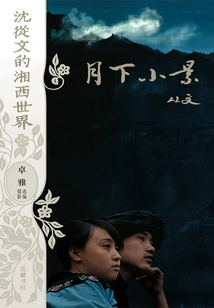
Shen Congwen's Xiangxi World: Scenery under the Moon
General Fiction沈从文的湘西世界:月下小景
Shen Congwen
"Small Scenery under the Moon" is a collection of short stories written by Shen Congwen from 1932 to 1933. It includes nine stories including "Small Scenery under the Moon" and "Shan Tuo", plus 10 "Inscriptions". It was published as a single volume by Shanghai Modern Book Company in November 1933. In May 1936, the whole book was compiled into "Selected Works of Congwen's Novels". The articles included in this collection were all written by Shen Congwen in his own opinion.
"Small Scenery under the Moon" is a collection of short stories written by Shen Congwen from 1932 to 1933. It includes nine stories including "Small Scenery under the Moon" and "Shan Tuo", plus 10 "Inscriptions". It was published as a single volume by Shanghai Modern Book Company in November 1933. In May 1936, the whole book was compiled into "Selected Works of Congwen's Novels". The articles included in this collection were all written by Shen Congwen in his own opinion.
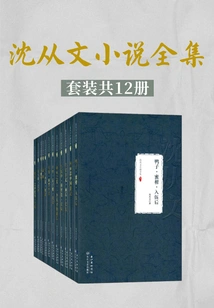
沈从文小说全集(套装共12册)
Shen Congwen
"Collected Works of Shen Congwen (12 volumes in total)" has a total of 12 volumes, including 8 volumes of novels, 2 volumes of essays, and 2 volumes of literary theory. It contains more than 100 of his works such as "Border Town" and "The Long River". These works depict a colorful world in western Hunan that has never been described before, greatly enriching the local literary creation pioneered by Lu Xun in the 1920s, and greatly advancing the creation of modern lyrical novels. Shen Congwen's works are full of hidden worries and philosophical reflections on life. Just like his real and tenacious life, they teach and inspire people.
"Collected Works of Shen Congwen (12 volumes in total)" has a total of 12 volumes, including 8 volumes of novels, 2 volumes of essays, and 2 volumes of literary theory. It contains more than 100 of his works such as "Border Town" and "The Long River". These works depict a colorful world in western Hunan that has never been described before, greatly enriching the local literary creation pioneered by Lu Xun in the 1920s, and greatly advancing the creation of modern lyrical novels. Shen Congwen's works are full of hidden worries and philosophical reflections on life. Just like his real and tenacious life, they teach and inspire people.
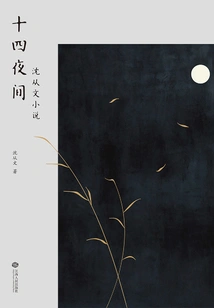
Fourteen Nights: Shen Congwen's Novel
General Fiction十四夜间:沈从文小说
Shen Congwen
It contains 14 representative works of Shen Congwen's novels, including famous works such as "Border Town", "Xiao Xiao" and "Dragon Zhu", as well as relatively rare but equally high artistic achievements such as "Fireside", "Quiet" and "Mountain Ghost". Completely construct Shen Congwen's Xiangxi world: an ignorant and innocent city, a gentle hometown for people to escape forever, and a peach blossom garden in the modern sense.
It contains 14 representative works of Shen Congwen's novels, including famous works such as "Border Town", "Xiao Xiao" and "Dragon Zhu", as well as relatively rare but equally high artistic achievements such as "Fireside", "Quiet" and "Mountain Ghost". Completely construct Shen Congwen's Xiangxi world: an ignorant and innocent city, a gentle hometown for people to escape forever, and a peach blossom garden in the modern sense.
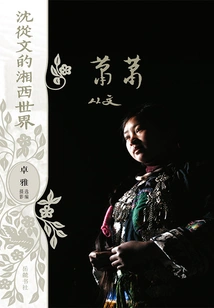
Shen Congwen's Xiangxi World: Xiao Xiao
General Fiction沈从文的湘西世界:萧萧
Shen Congwen
"Xiao Xiao" is a short story written by Shen Congwen in 1929 based on rural life in western Hunan. It describes the experience and tragic fate of a child bride in the countryside. The novel expresses the simplicity of the folk customs in western Hunan and demonstrates the theme of "not contrary to human nature", that is, conforming to natural human nature. At the same time, it also condemns the ignorance and barbarism of the old Chinese rural child bride system and provides in-depth reflections on history, culture and nationality. The language of the novel is fresh and natural, the scenery is beautiful and elegant, and it has strong local characteristics; the plot is soothing, and the details are rich and subtle.
"Xiao Xiao" is a short story written by Shen Congwen in 1929 based on rural life in western Hunan. It describes the experience and tragic fate of a child bride in the countryside. The novel expresses the simplicity of the folk customs in western Hunan and demonstrates the theme of "not contrary to human nature", that is, conforming to natural human nature. At the same time, it also condemns the ignorance and barbarism of the old Chinese rural child bride system and provides in-depth reflections on history, culture and nationality. The language of the novel is fresh and natural, the scenery is beautiful and elegant, and it has strong local characteristics; the plot is soothing, and the details are rich and subtle.
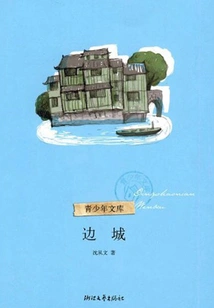
Border Town
General Fiction边城
Shen Congwen
"Border Town" is set in Chadong, a small border town at the junction of Sichuan and Hunan in the 1930s. It depicts the unique customs and customs of western Hunan with the graceful writing style of lyric poems and essays. Through the love tragedy of the boatman girl Cuicui, it highlights the kindness and beauty of human nature and the clarity and purity of the soul. Its unique artistic charm and vivid local customs have attracted many readers at home and abroad. "Border Town" contains five novels, including "Border Town", "Bo Zi", "Xiao Xiao", "Husband" and "San San".
"Border Town" is set in Chadong, a small border town at the junction of Sichuan and Hunan in the 1930s. It depicts the unique customs and customs of western Hunan with the graceful writing style of lyric poems and essays. Through the love tragedy of the boatman girl Cuicui, it highlights the kindness and beauty of human nature and the clarity and purity of the soul. Its unique artistic charm and vivid local customs have attracted many readers at home and abroad. "Border Town" contains five novels, including "Border Town", "Bo Zi", "Xiao Xiao", "Husband" and "San San".
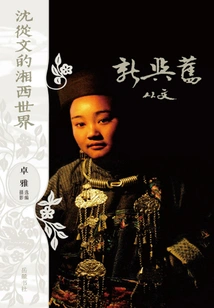
Shen Congwen's World in Western Hunan: Old and New
General Fiction沈从文的湘西世界:新与旧
Shen Congwen
"New and Old" tells the story of an executioner's misplaced value in two different historical periods. Beheading is his profession and career, and in the end, it strangely becomes the only support for the value of his life. When the method of punishment evolved from "barbaric" beheading to modern shooting, the executioner inevitably lost the sense of beauty and even sanctity gained from beheading.
"New and Old" tells the story of an executioner's misplaced value in two different historical periods. Beheading is his profession and career, and in the end, it strangely becomes the only support for the value of his life. When the method of punishment evolved from "barbaric" beheading to modern shooting, the executioner inevitably lost the sense of beauty and even sanctity gained from beheading.
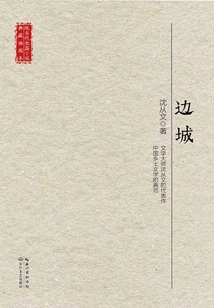
边城(现当代长篇小说典藏插图本)
Shen Congwen
This work is the representative work of Shen Congwen's novels and an excellent novel expressing local feelings in the history of Chinese literature. It is set in Chadong, a border town at the junction of Sichuan and Hunan in the 1930s, and depicts the unique customs and customs of western Hunan with beautiful brushstrokes. It uses the love tragedy of Cuicui, a boatman girl, to highlight the kindness and beauty of human nature and the clarity and purity of the soul. "Border Town" has attracted many readers at home and abroad with its unique artistic charm and vivid local customs, and has established the special status of "Border Town" in the history of modern Chinese literature.
This work is the representative work of Shen Congwen's novels and an excellent novel expressing local feelings in the history of Chinese literature. It is set in Chadong, a border town at the junction of Sichuan and Hunan in the 1930s, and depicts the unique customs and customs of western Hunan with beautiful brushstrokes. It uses the love tragedy of Cuicui, a boatman girl, to highlight the kindness and beauty of human nature and the clarity and purity of the soul. "Border Town" has attracted many readers at home and abroad with its unique artistic charm and vivid local customs, and has established the special status of "Border Town" in the history of modern Chinese literature.
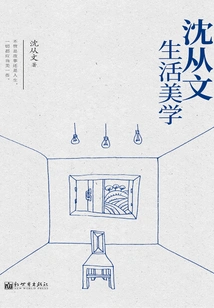
Shen Congwen's Life Aesthetics
Literature沈从文生活美学
Shen Congwen
Mr. Shen Congwen is not an esthetician, but as a writer, his works can give people a sense of aesthetics. The word "writer" contains too many meanings. The influence of his works has become more and more prominent in contemporary literature as the weight of literature of the times has deteriorated. The language of Mr. Shen Congwen's literary works is beautiful and profound. To use an inappropriate word to describe it, it is "one scene per step". "Shen Congwen's Life Aesthetics" is a book compiled from 19 of Shen Congwen's most representative works. In "Beauty and Love", Mr. Shen Congwen talks about the encounter and recognition of "beauty", which is a kind of tolerant "love" and piety that is close to abstraction, and an extension of emotional development; in "January 18, 1934", he also talks about the beautiful collision of "love" and "life", but it is another kind of humble touching and unpretentious magnanimous state of mind. Shen Congwen once said: "Beauty is a term that is not fixed and has no boundaries. Everything that can arouse emotions, arouse surprise, and make a person feel comfortable is beauty." His works throughout his life can make people feel the simple beauty of nature and the pure beauty of human nature. This book selects 19 excellent works by Shen Congwen on his understanding and attitude towards "the beauty of life" and "the beauty of human nature", as well as the words that reflect the aesthetic conception of Shen Congwen's aesthetic concepts, and compiles them into a book called "Shen Congwen's Life Aesthetics". Through vivid brushwork and beautiful and profound words, the "beauty" and "love" in Shen Congwen's eyes are vividly and vividly presented to readers.
Mr. Shen Congwen is not an esthetician, but as a writer, his works can give people a sense of aesthetics. The word "writer" contains too many meanings. The influence of his works has become more and more prominent in contemporary literature as the weight of literature of the times has deteriorated. The language of Mr. Shen Congwen's literary works is beautiful and profound. To use an inappropriate word to describe it, it is "one scene per step". "Shen Congwen's Life Aesthetics" is a book compiled from 19 of Shen Congwen's most representative works. In "Beauty and Love", Mr. Shen Congwen talks about the encounter and recognition of "beauty", which is a kind of tolerant "love" and piety that is close to abstraction, and an extension of emotional development; in "January 18, 1934", he also talks about the beautiful collision of "love" and "life", but it is another kind of humble touching and unpretentious magnanimous state of mind. Shen Congwen once said: "Beauty is a term that is not fixed and has no boundaries. Everything that can arouse emotions, arouse surprise, and make a person feel comfortable is beauty." His works throughout his life can make people feel the simple beauty of nature and the pure beauty of human nature. This book selects 19 excellent works by Shen Congwen on his understanding and attitude towards "the beauty of life" and "the beauty of human nature", as well as the words that reflect the aesthetic conception of Shen Congwen's aesthetic concepts, and compiles them into a book called "Shen Congwen's Life Aesthetics". Through vivid brushwork and beautiful and profound words, the "beauty" and "love" in Shen Congwen's eyes are vividly and vividly presented to readers.
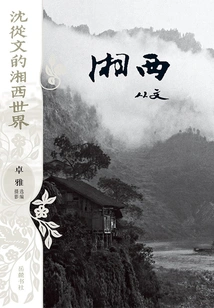
Shen Congwen's Xiangxi World: Xiangxi
General Fiction沈从文的湘西世界:湘西
Shen Congwen
"Xiangxi" describes the normal life of ordinary people in Xiangxi society, their lifestyles, their sorrows and joys, as well as the beauty of human nature and human feelings embodied in it. Sailors and prostitutes are the most common characters in Shen Congwen's works. They all live at the bottom of society, in a dangerous environment, difficult conditions, and lack of life protection.
"Xiangxi" describes the normal life of ordinary people in Xiangxi society, their lifestyles, their sorrows and joys, as well as the beauty of human nature and human feelings embodied in it. Sailors and prostitutes are the most common characters in Shen Congwen's works. They all live at the bottom of society, in a dangerous environment, difficult conditions, and lack of life protection.
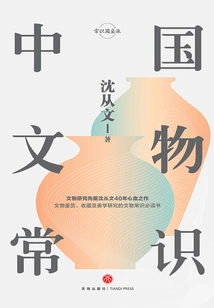
中国文物常识
Shen Congwen
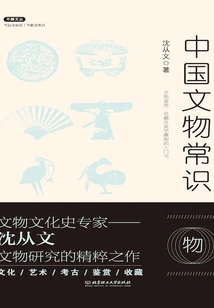
This book covers ancient people's daily necessities, transportation, cultural life, arts and crafts, etc., And is more specific to the evolution and development of ancient jade, ceramics, glass, mirrors, lacquerware, chariots, carriages, fans, embroidery, clothing, lions, dragons, phoenixes, and fish patterns. Mr. Shen Congwen used the attitude of a writer to sort out the common sense related to cultural relics, and talked about various cultural relics from the perspective of appreciation, filling the gaps in the history of cultural relics in my country.
This book covers ancient people's daily necessities, transportation, cultural life, arts and crafts, etc., And is more specific to the evolution and development of ancient jade, ceramics, glass, mirrors, lacquerware, chariots, carriages, fans, embroidery, clothing, lions, dragons, phoenixes, and fish patterns. Mr. Shen Congwen used the attitude of a writer to sort out the common sense related to cultural relics, and talked about various cultural relics from the perspective of appreciation, filling the gaps in the history of cultural relics in my country.
中国文物常识
Shen Congwen
Shen Congwen used the attitude of a writer to sort out the common sense related to cultural relics, and talked about various cultural relics from the perspective of appreciation. His writing was rigorous and vivid, and the content was rich and systematic, filling a gap in the cultural history of our country. "Chinese Cultural Relics Knowledge" covers ancient people's clothing, daily necessities, transportation, cultural life, arts and crafts, etc., And is more specific to the evolution and development of ancient jade, ceramics, glass, mirrors, lacquerware, chariots, carriages, fans, embroidery, clothing, lions, dragons, phoenixes, and fish patterns. "Common Knowledge on Chinese Cultural Relics" is an ideal book to enrich cultural relics knowledge and improve humanistic accomplishment.
Shen Congwen used the attitude of a writer to sort out the common sense related to cultural relics, and talked about various cultural relics from the perspective of appreciation. His writing was rigorous and vivid, and the content was rich and systematic, filling a gap in the cultural history of our country. "Chinese Cultural Relics Knowledge" covers ancient people's clothing, daily necessities, transportation, cultural life, arts and crafts, etc., And is more specific to the evolution and development of ancient jade, ceramics, glass, mirrors, lacquerware, chariots, carriages, fans, embroidery, clothing, lions, dragons, phoenixes, and fish patterns. "Common Knowledge on Chinese Cultural Relics" is an ideal book to enrich cultural relics knowledge and improve humanistic accomplishment.
沈从文的湘西世界:湘行散记
Shen Congwen
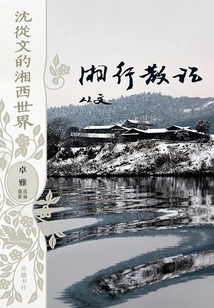
"Prose Notes on a Journey to Hunan" is a set of essays written by Mr. Shen Congwen based on the people he met and the stories that happened during his journey to Hunan. There are 11 essays in total: "Taoyuan and Yuanzhou", "Night at Yahuwei", "A Passionate Sailor and a Passionate Mistress", etc. The text is simple and vivid, and the style is natural. It is accompanied by more than 100 Zoya photography photos, with pictures and text mixed together.
"Prose Notes on a Journey to Hunan" is a set of essays written by Mr. Shen Congwen based on the people he met and the stories that happened during his journey to Hunan. There are 11 essays in total: "Taoyuan and Yuanzhou", "Night at Yahuwei", "A Passionate Sailor and a Passionate Mistress", etc. The text is simple and vivid, and the style is natural. It is accompanied by more than 100 Zoya photography photos, with pictures and text mixed together.
Yunnan Looks at Yunji
Literature云南看云集
Shen Congwen
This is one of the "New Collections of Shen Congwen's Prose" book series, which includes four booklets: "Kunming Winter Scenery", "Yunnan Cloud Collection", "New Wasted Postal Collection" and "New Wasted Postal Collection Continuation" written by Shen Congwen in Yunnan in the rear area during the Anti-Japanese War. In addition to several essays such as "Winter Scenery in Kunming" and "Looking at the Clouds in Yunnan". Many of them are in the form of letters, but the content is to express one's own views on literature and human affairs.
This is one of the "New Collections of Shen Congwen's Prose" book series, which includes four booklets: "Kunming Winter Scenery", "Yunnan Cloud Collection", "New Wasted Postal Collection" and "New Wasted Postal Collection Continuation" written by Shen Congwen in Yunnan in the rear area during the Anti-Japanese War. In addition to several essays such as "Winter Scenery in Kunming" and "Looking at the Clouds in Yunnan". Many of them are in the form of letters, but the content is to express one's own views on literature and human affairs.
Shen Congwen's Xiangxi World: Mrs. Yazhai
General Fiction沈从文的湘西世界:押寨夫人
Shen Congwen
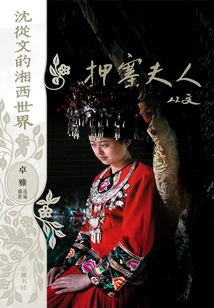
"Mrs. Ozhai" is suitable for readers and literature lovers who are interested in Xiangxi culture. The contents include: the relationship between my writing and water, the eternal Xiangxi and Shen Congwen, Mrs. Yazhai, the consultant, Huiming, the day before escape, three men and a woman, dusk, a boat, etc.
"Mrs. Ozhai" is suitable for readers and literature lovers who are interested in Xiangxi culture. The contents include: the relationship between my writing and water, the eternal Xiangxi and Shen Congwen, Mrs. Yazhai, the consultant, Huiming, the day before escape, three men and a woman, dusk, a boat, etc.
Shen Congwen's World in Western Hunan: Past Events
General Fiction沈从文的湘西世界:往事
Shen Congwen
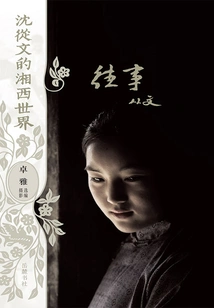
"Past Events" is a selection of Mr. Shen Congwen's memoir novels about the small town of Phoenix, which are mainly about family, childhood life and stories. There are 9 articles in total: "Past Events", "Fireside", "Rose and Nine Sisters", "My Primary Education", "In Private School", "Fu Sheng", "Yunlu Chronicles", "Movements" and "The Past and Past of Teng Huishengtang". The text is fresh and vivid, the style is natural, and it contains the author's many thoughts on society and life.
"Past Events" is a selection of Mr. Shen Congwen's memoir novels about the small town of Phoenix, which are mainly about family, childhood life and stories. There are 9 articles in total: "Past Events", "Fireside", "Rose and Nine Sisters", "My Primary Education", "In Private School", "Fu Sheng", "Yunlu Chronicles", "Movements" and "The Past and Past of Teng Huishengtang". The text is fresh and vivid, the style is natural, and it contains the author's many thoughts on society and life.
Border Town
General Fiction边城
Shen Congwen
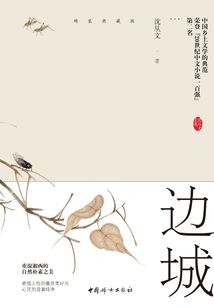
"Border Town" is Shen Congwen's novel. It is the one that expresses the beauty of human nature among all his works. It is also an excellent novel expressing local feelings in the history of Chinese literature. The novel is set in Chadong, a border town in the 1930s at the junction of Sichuan and Hunan. It takes the love tragedy of daughter Cuicui and her lover Nuosu as the main line. With a beautiful style that combines lyric poetry and essays, it depicts the simple folk customs and natural living conditions of the border town in western Hunan, and bitterly tells the painful fact that the people of western Hunan cannot control their own destiny in the face of "nature" and "human affairs". The language of the novel is simple and fresh, the writing is pure and clear, and the author's most beautiful and beloved aesthetic ideals are placed in every line of the words. Its unique artistic charm and unique customs have attracted a large number of readers at home and abroad, and also established the lofty status of "Border Town" in the history of modern Chinese literature.
"Border Town" is Shen Congwen's novel. It is the one that expresses the beauty of human nature among all his works. It is also an excellent novel expressing local feelings in the history of Chinese literature. The novel is set in Chadong, a border town in the 1930s at the junction of Sichuan and Hunan. It takes the love tragedy of daughter Cuicui and her lover Nuosu as the main line. With a beautiful style that combines lyric poetry and essays, it depicts the simple folk customs and natural living conditions of the border town in western Hunan, and bitterly tells the painful fact that the people of western Hunan cannot control their own destiny in the face of "nature" and "human affairs". The language of the novel is simple and fresh, the writing is pure and clear, and the author's most beautiful and beloved aesthetic ideals are placed in every line of the words. Its unique artistic charm and unique customs have attracted a large number of readers at home and abroad, and also established the lofty status of "Border Town" in the history of modern Chinese literature.
沈从文讲文物
Shen Congwen
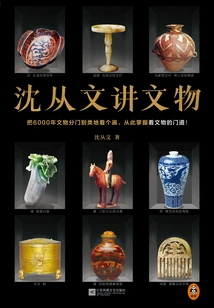
Shen Congwen is a pioneer in the study of cultural relics in China. He has made pioneering achievements in many fields of cultural relics research, which condensed Shen Congwen's efforts throughout the second half of his life. "Shen Congwen Lectures on Cultural Relics" selects 30 articles on cultural relics by Shen Congwen. It introduces the appreciation knowledge, processing techniques, historical allusions, and research methods of jade, ceramics, lacquerware, colored glaze and other cultural relics by category. It allows you to read through 6,000 years of cultural relics in different categories, and then master the art of viewing cultural relics! "Shen Congwen Lectures on Cultural Relics" contains nearly 200 full-color pictures of cultural relics. Not only does it include Shen Congwen's speech "I am a very superstitious person about cultural relics", and Mr. Shen talks about how he studies cultural relics; it also includes an introduction by Professor Zhang Xinxin, the author of "The Second Half of Shen Congwen's Life" to help readers better understand the secrets behind cultural relics. Open this book and understand the secrets behind jade, ceramics, lacquerware, colored glaze and other cultural relics!
Shen Congwen is a pioneer in the study of cultural relics in China. He has made pioneering achievements in many fields of cultural relics research, which condensed Shen Congwen's efforts throughout the second half of his life. "Shen Congwen Lectures on Cultural Relics" selects 30 articles on cultural relics by Shen Congwen. It introduces the appreciation knowledge, processing techniques, historical allusions, and research methods of jade, ceramics, lacquerware, colored glaze and other cultural relics by category. It allows you to read through 6,000 years of cultural relics in different categories, and then master the art of viewing cultural relics! "Shen Congwen Lectures on Cultural Relics" contains nearly 200 full-color pictures of cultural relics. Not only does it include Shen Congwen's speech "I am a very superstitious person about cultural relics", and Mr. Shen talks about how he studies cultural relics; it also includes an introduction by Professor Zhang Xinxin, the author of "The Second Half of Shen Congwen's Life" to help readers better understand the secrets behind cultural relics. Open this book and understand the secrets behind jade, ceramics, lacquerware, colored glaze and other cultural relics!
Shen Congwen's World in Western Hunan: a Hei's Short History
General Fiction沈从文的湘西世界:阿黑小史
Shen Congwen
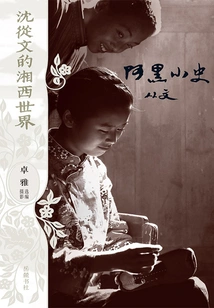
"A Brief History of Ah Hei" is one of Mr. Shen Congwen's novels. The combination of the divinity of nature and the divinity of man constitutes the connotation of goodness in "Ahei Xiaoshi", and beauty is the form of goodness. The whole text is as beautiful as a reed flute in the mountains, clear and simple, which is intoxicating.
"A Brief History of Ah Hei" is one of Mr. Shen Congwen's novels. The combination of the divinity of nature and the divinity of man constitutes the connotation of goodness in "Ahei Xiaoshi", and beauty is the form of goodness. The whole text is as beautiful as a reed flute in the mountains, clear and simple, which is intoxicating.
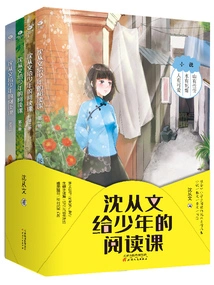
沈从文给少年的阅读课(全四册)
Shen Congwen
This set of books selects a total of 68 Shen Congwen's novels, essays, essays and letters, showing Shen Congwen's customs and customs of Xiangxi, the innocence of girls, his praise of simple people, his satire of commercial cities, as well as his life experiences and pursuits. Let the teenagers increase their knowledge, broaden their horizons, experience the literary master's skill in choosing words and sentences, and improve their literary appreciation and writing skills. Volume 1·Novel: This volume selects Shen Congwen's character-themed novels, including "Rose and Nine Sisters", "Father", "Fengzi", "Sansan" and "Xueqing". Some are full of wonderful descriptions of characters, some are full of poetic and calm spiritual world, and some are satires of society. Volume 2·Novel: This volume selects Shen Congwen's novels with scenery as the theme, including "Boat on the Shore", "Stone Boat", "Winter Space" and "Quiet". Some of the novels are full of beautiful scenery, some are full of deep nostalgia, and some are satires of society and criticism of human indifference. Volume Three: Prose and Essays: This volume carefully selects Shen Congwen's prose and essays, and compiles them into a collection of scenes, a collection of characters, a collection of Yuanshui and a collection of expressions. Some of these essays and essays are about the scenery, such as "Spring Tour to the Summer Palace" and "Viewing Phoenix Mountain"; some are about the customs, people and scenery of western Hunan, such as "Ships in Changde", "Celebrating the Festival and Turning Out the Lights"; some are speculations on the philosophy of life, such as "Life", "Hidden Abyss" and "White Nightmare". Some of the contents of the selected articles are rhythmic, and some are like flowing clouds and flowing water, which can make us read. Volume 4: Letters: This volume collects selected letters written by Shen Congwen to his eldest brother Shen Yunlu, sixth brother Shen Quan, wife Zhang Zhaohe, eldest son Shen Longzhu, second son Shen Huchu, niece Shen Chaohui and other family members between 1927 and 1982. The time span covers almost the author's life, recording the author's decades of pain and joy, pursuit, displacement, and longing for his relatives and hometown. In these letters, there is no lack of the author's insights on literature, thoughts on literary and art policies, and active guidance for children. At the same time, you can appreciate the poetic and picturesque way in which the author describes scenes and objects, and discover his rich inner world and his hidden delicate emotions.
This set of books selects a total of 68 Shen Congwen's novels, essays, essays and letters, showing Shen Congwen's customs and customs of Xiangxi, the innocence of girls, his praise of simple people, his satire of commercial cities, as well as his life experiences and pursuits. Let the teenagers increase their knowledge, broaden their horizons, experience the literary master's skill in choosing words and sentences, and improve their literary appreciation and writing skills. Volume 1·Novel: This volume selects Shen Congwen's character-themed novels, including "Rose and Nine Sisters", "Father", "Fengzi", "Sansan" and "Xueqing". Some are full of wonderful descriptions of characters, some are full of poetic and calm spiritual world, and some are satires of society. Volume 2·Novel: This volume selects Shen Congwen's novels with scenery as the theme, including "Boat on the Shore", "Stone Boat", "Winter Space" and "Quiet". Some of the novels are full of beautiful scenery, some are full of deep nostalgia, and some are satires of society and criticism of human indifference. Volume Three: Prose and Essays: This volume carefully selects Shen Congwen's prose and essays, and compiles them into a collection of scenes, a collection of characters, a collection of Yuanshui and a collection of expressions. Some of these essays and essays are about the scenery, such as "Spring Tour to the Summer Palace" and "Viewing Phoenix Mountain"; some are about the customs, people and scenery of western Hunan, such as "Ships in Changde", "Celebrating the Festival and Turning Out the Lights"; some are speculations on the philosophy of life, such as "Life", "Hidden Abyss" and "White Nightmare". Some of the contents of the selected articles are rhythmic, and some are like flowing clouds and flowing water, which can make us read. Volume 4: Letters: This volume collects selected letters written by Shen Congwen to his eldest brother Shen Yunlu, sixth brother Shen Quan, wife Zhang Zhaohe, eldest son Shen Longzhu, second son Shen Huchu, niece Shen Chaohui and other family members between 1927 and 1982. The time span covers almost the author's life, recording the author's decades of pain and joy, pursuit, displacement, and longing for his relatives and hometown. In these letters, there is no lack of the author's insights on literature, thoughts on literary and art policies, and active guidance for children. At the same time, you can appreciate the poetic and picturesque way in which the author describes scenes and objects, and discover his rich inner world and his hidden delicate emotions.
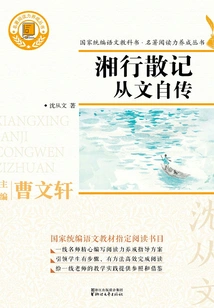
湘行散记·从文自传
Shen Congwen
This is the first time in China that "Records of a Travel to Hunan" and "Cong Wen's Autobiography" have been published together; it depicts the peach blossom garden in the hearts of modern people, shows the pure and natural human nature, and shows the simple and wild style of western Hunan. With beautiful and vivid hand-drawn illustrations, "Xiang Xing Xian Ji Cong Wen's Autobiography" is a collection of works by the famous writer Shen Congwen. Researchers such as Qian Liqun and Wen Rumin believe that "Xiang Xing Xing Ji" is "equal to his autobiography", while "Cong Wen Autobiography" is an autobiographical prose. "Xiang Xing Xing Ji" includes 12 essays including "Sailors on the Boat on the Chen River", which follows the journey back home from the lower reaches to the upper reaches, depicts the pure and beautiful landscape of the Yuanshui River Basin, and records the human affairs, sorrows and joys of the counties in western Hunan. "Congwen's Autobiography" narrates Shen Congwen's life experience for nearly twenty years from his birth to his departure from western Hunan. It is a literary record of his difficult journey and dreams. Both "Song Notes of a Journey to Hunan" and "Autobiography of Congwen" express a more direct historical feeling than novels, propose a philosophy of harmonious coexistence between man and nature, and praise a "beautiful, healthy, natural form of life that is not contrary to human nature." The two collections of essays mirror each other, and when read together, there is a wonderful feeling of intertextuality. This book includes reading guidance programs and beautiful illustrations written by famous teachers in Zhejiang.
This is the first time in China that "Records of a Travel to Hunan" and "Cong Wen's Autobiography" have been published together; it depicts the peach blossom garden in the hearts of modern people, shows the pure and natural human nature, and shows the simple and wild style of western Hunan. With beautiful and vivid hand-drawn illustrations, "Xiang Xing Xian Ji Cong Wen's Autobiography" is a collection of works by the famous writer Shen Congwen. Researchers such as Qian Liqun and Wen Rumin believe that "Xiang Xing Xing Ji" is "equal to his autobiography", while "Cong Wen Autobiography" is an autobiographical prose. "Xiang Xing Xing Ji" includes 12 essays including "Sailors on the Boat on the Chen River", which follows the journey back home from the lower reaches to the upper reaches, depicts the pure and beautiful landscape of the Yuanshui River Basin, and records the human affairs, sorrows and joys of the counties in western Hunan. "Congwen's Autobiography" narrates Shen Congwen's life experience for nearly twenty years from his birth to his departure from western Hunan. It is a literary record of his difficult journey and dreams. Both "Song Notes of a Journey to Hunan" and "Autobiography of Congwen" express a more direct historical feeling than novels, propose a philosophy of harmonious coexistence between man and nature, and praise a "beautiful, healthy, natural form of life that is not contrary to human nature." The two collections of essays mirror each other, and when read together, there is a wonderful feeling of intertextuality. This book includes reading guidance programs and beautiful illustrations written by famous teachers in Zhejiang.
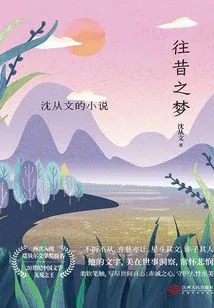
Dream of the Past
Literature往昔之梦
Shen Congwen
Shen Congwen is one of the important writers of Chinese literature in the 20th century, and his novels have received high praise all over the world. He is a novelist among modern Chinese writers who consciously extends his artistic tentacles to the two major social areas and cultural sectors of China's urban and rural areas. He uses gorgeous and delicate language to introduce readers into a bizarre, mysterious, romantic and primitive mythical art world.
Shen Congwen is one of the important writers of Chinese literature in the 20th century, and his novels have received high praise all over the world. He is a novelist among modern Chinese writers who consciously extends his artistic tentacles to the two major social areas and cultural sectors of China's urban and rural areas. He uses gorgeous and delicate language to introduce readers into a bizarre, mysterious, romantic and primitive mythical art world.
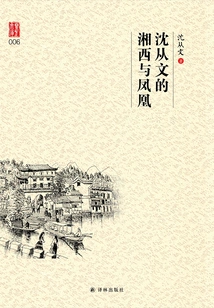
沈从文的湘西与凤凰(壹力文库)
Shen Congwen
"Shen Congwen's Xiangxi and Phoenix" selects some representative essays about western Hunan and Phoenix by the modern writer Shen Congwen, covering some wonderful passages in his "Xiang Travels", and also selects a small number of his excellent prose works in other periods, in order to comprehensively present Shen Congwen's prose creation achievements.
"Shen Congwen's Xiangxi and Phoenix" selects some representative essays about western Hunan and Phoenix by the modern writer Shen Congwen, covering some wonderful passages in his "Xiang Travels", and also selects a small number of his excellent prose works in other periods, in order to comprehensively present Shen Congwen's prose creation achievements.
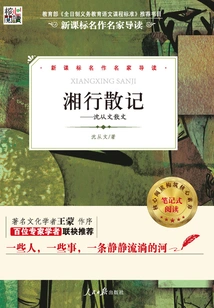
湘行散记:沈从文散文
Shen Congwen
"Xiang Travel Slips" is one of the most beautiful prose classics in modern China. It is included in "Xiang Xing Slips" and "Xiang Xing Slips". The former is the correspondence between Shen Congwen and his wife Zhang Zhaohe in 1934, and is also the original copy of the latter.
"Xiang Travel Slips" is one of the most beautiful prose classics in modern China. It is included in "Xiang Xing Slips" and "Xiang Xing Slips". The former is the correspondence between Shen Congwen and his wife Zhang Zhaohe in 1934, and is also the original copy of the latter.
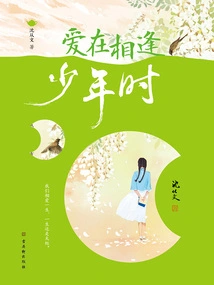
Love is When We Meet as Teenagers
Literature爱在相逢少年时
Shen Congwen
This book collects Shen Congwen's letters, novels, essays, and poems about love. The letters include love letters written by the author to his wife Zhang Zhaohe, whose passionate emotions are touching; and letters written by the author to his family and friends, whose words are full of attachment to his wife. The novels, essays and poems include "San San", "After the Rain", "Under the Moon", "I Like You", "Reading Mengwei's Poems and Thinking of the Word "Love"" and other emotional masterpieces. Although everyone knows the word "love", few people really understand its meaning. Let us look for the eternal love in short life in Shen Congwen's extremely romantic words.
This book collects Shen Congwen's letters, novels, essays, and poems about love. The letters include love letters written by the author to his wife Zhang Zhaohe, whose passionate emotions are touching; and letters written by the author to his family and friends, whose words are full of attachment to his wife. The novels, essays and poems include "San San", "After the Rain", "Under the Moon", "I Like You", "Reading Mengwei's Poems and Thinking of the Word "Love"" and other emotional masterpieces. Although everyone knows the word "love", few people really understand its meaning. Let us look for the eternal love in short life in Shen Congwen's extremely romantic words.
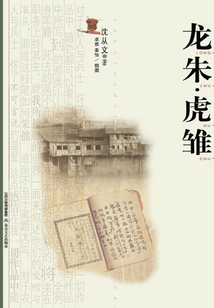
Dragon Zhu·tiger Chick
General Fiction龙朱·虎雏
Shen Congwen
Some of the stories in "Dragon, Zhu, Tiger and Young" are set in cities and some in rural areas. In the city, dancers have the love of dancers, professors have the love of professors, and students have the love of students. Similarly, at the wharves and cottages in western Hunan, sailors have the love of sailors, and the cottage owners have the love of the cottage owners. Ma Yueran would strongly recommend Shen Congwen to win the Nobel Prize in Literature, and he would also recommend Cao Naiqian's works - the words are as thick as they can be. The reason is that they all talk about the common things of human nature. Only these can transcend cultural barriers and be accepted by more people.
Some of the stories in "Dragon, Zhu, Tiger and Young" are set in cities and some in rural areas. In the city, dancers have the love of dancers, professors have the love of professors, and students have the love of students. Similarly, at the wharves and cottages in western Hunan, sailors have the love of sailors, and the cottage owners have the love of the cottage owners. Ma Yueran would strongly recommend Shen Congwen to win the Nobel Prize in Literature, and he would also recommend Cao Naiqian's works - the words are as thick as they can be. The reason is that they all talk about the common things of human nature. Only these can transcend cultural barriers and be accepted by more people.
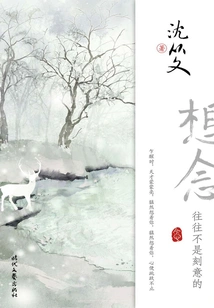
Missing You is Often Not Intentional
Literature想念,往往不是刻意的
Shen Congwen
Missing is the continuation of life and the eternity of memory. Missing is another form of possession. Missing is often not intentional, it appears in many moments that we cannot control. When watching a movie, listening to a song, looking at a photo, or just when you close your eyes. This book selects 33 representative beautiful articles from Mr. Wang's many works, divided into four themes: lifelong love, stories of mountains and rivers, unforgettable love in Hunan, and past memories. This book contains Shen Congwen's deep love for his wife Zhang Zhaohe, "For your sake, I wish I was a poet;" It also contains Shen Congwen's happy memories of commemorating Xiangxi, "The hardest part in my heart is the longing for my hometown; and there is also Congwen's autobiography of feeling for friends and self-examination." That year, that person, that scene, that feeling, inadvertently touched my heart. The beauty in longing always appears inadvertently.
Missing is the continuation of life and the eternity of memory. Missing is another form of possession. Missing is often not intentional, it appears in many moments that we cannot control. When watching a movie, listening to a song, looking at a photo, or just when you close your eyes. This book selects 33 representative beautiful articles from Mr. Wang's many works, divided into four themes: lifelong love, stories of mountains and rivers, unforgettable love in Hunan, and past memories. This book contains Shen Congwen's deep love for his wife Zhang Zhaohe, "For your sake, I wish I was a poet;" It also contains Shen Congwen's happy memories of commemorating Xiangxi, "The hardest part in my heart is the longing for my hometown; and there is also Congwen's autobiography of feeling for friends and self-examination." That year, that person, that scene, that feeling, inadvertently touched my heart. The beauty in longing always appears inadvertently.
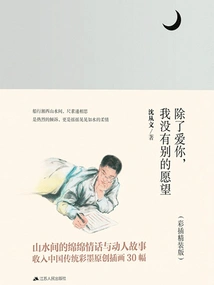
I Have No Other Wish Except Loving You
Literature除了爱你,我没有别的愿望
Shen Congwen
This book is divided into two parts: "Xiang Travel Slips" and "Besides loving you, I have no other wish". Shortly after Shen Congwen married his wife Zhang Zhaohe, his mother was ill and had to return to western Hunan. He wrote letters to her every day on the way to meet his wife. He wrote about the beautiful landscapes, what he saw along the way, and the customs and customs in a rocking boat on the river. But what he wrote was more about unbearable lovesickness. The letters in "Xiang Travel Slips" are the writer's own touching love. The "I have no other wish except loving you" section includes five emotional novels written by Shen Congwen, including "San San" and "Ru Rui". They describe young men and women in the countryside and the city, and talk about the taste of love, which is ignorant, implicit, long, bitter, and passionate...
This book is divided into two parts: "Xiang Travel Slips" and "Besides loving you, I have no other wish". Shortly after Shen Congwen married his wife Zhang Zhaohe, his mother was ill and had to return to western Hunan. He wrote letters to her every day on the way to meet his wife. He wrote about the beautiful landscapes, what he saw along the way, and the customs and customs in a rocking boat on the river. But what he wrote was more about unbearable lovesickness. The letters in "Xiang Travel Slips" are the writer's own touching love. The "I have no other wish except loving you" section includes five emotional novels written by Shen Congwen, including "San San" and "Ru Rui". They describe young men and women in the countryside and the city, and talk about the taste of love, which is ignorant, implicit, long, bitter, and passionate...
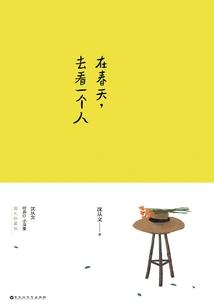
In Spring, Go See Someone
General Fiction在春天,去看一个人
Shen Congwen
"In Spring, Going to See Someone" is a classic of Shen Congwen's beautiful and innocent novels, with the latest illustrations in a hardcover collector's edition. Exclusively includes Shen Congwen's sketches of Xiangxi and Lin Tian's full-color illustrations with the theme of "Spring Meeting", which has a unique youthful and modern flavor. 12 Novels, 12 innocent and kind people. A life form that is healthy, natural, and not contrary to human nature. Read this book and learn about beauty and love, thereby opening the door to your own life, letting deep feelings enter your heart, and moving forward.
"In Spring, Going to See Someone" is a classic of Shen Congwen's beautiful and innocent novels, with the latest illustrations in a hardcover collector's edition. Exclusively includes Shen Congwen's sketches of Xiangxi and Lin Tian's full-color illustrations with the theme of "Spring Meeting", which has a unique youthful and modern flavor. 12 Novels, 12 innocent and kind people. A life form that is healthy, natural, and not contrary to human nature. Read this book and learn about beauty and love, thereby opening the door to your own life, letting deep feelings enter your heart, and moving forward.
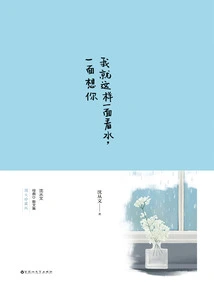
I Just Look at the Water and Miss You
Literature我就这样一面看水,一面想你
Shen Congwen
"I Just Looked at the Water and Missed You" carefully collects 33 classic essays by Shen Congwen, including "Letter on the Boat", "From Da Yuan to Zhang Zhaohe" and the famous essays in "Xiang Travel", "Night at Duck Nest", "A Passionate Sailor and a Passionate Mistress". The elegant and beautiful words are supplemented by Mr.'S precious sketches, which complement each other. One boat, one river, one scholar, your name is this long waterway.
"I Just Looked at the Water and Missed You" carefully collects 33 classic essays by Shen Congwen, including "Letter on the Boat", "From Da Yuan to Zhang Zhaohe" and the famous essays in "Xiang Travel", "Night at Duck Nest", "A Passionate Sailor and a Passionate Mistress". The elegant and beautiful words are supplemented by Mr.'S precious sketches, which complement each other. One boat, one river, one scholar, your name is this long waterway.
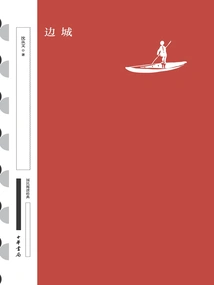
Border Town (national Reading Classic·collection Edition)
General Fiction边城(国民阅读经典·典藏版)
Shen Congwen
"Border Town" is a novella written by Shen Congwen and first published in 1934. This is a novel with Shen Congwen's temperament, pure and poetic, and a classic work of modern literature. Shen Congwen used his unique "beautiful, healthy, natural and not contrary to human nature" writing style to describe the ordinary life of an old man, a girl and a yellow dog living in a family in Chadong, a small town. Shen Congwen has been engaged in the research of ancient cultural relics since he stopped literary creation in 1949. He is a literary master with a unique temperament, combining the poetry of a writer and the rigor of an cultural relicist.
"Border Town" is a novella written by Shen Congwen and first published in 1934. This is a novel with Shen Congwen's temperament, pure and poetic, and a classic work of modern literature. Shen Congwen used his unique "beautiful, healthy, natural and not contrary to human nature" writing style to describe the ordinary life of an old man, a girl and a yellow dog living in a family in Chadong, a small town. Shen Congwen has been engaged in the research of ancient cultural relics since he stopped literary creation in 1949. He is a literary master with a unique temperament, combining the poetry of a writer and the rigor of an cultural relicist.
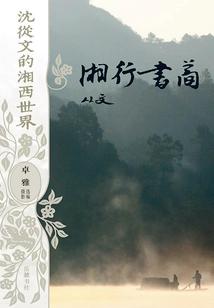
沈从文的湘西世界:湘行书简
Shen Congwen
"Xiang Travel Slips" is a collection of a large number of letters written by Mr. Shen Congwen to his wife Zhang Zhaohe on his newlywed return home to visit relatives in 1934. These letters and the illustrations attached to them were not published publicly during Shen Congwen's lifetime. They were compiled and edited into a book by Shen Huchu in 1991, and were first published by our publisher in May 1995. This time, it is accompanied by more than 100 photographs by Zhuo Ya and hand-drawn illustrations by Mr. Shen Congwen, with pictures and texts mixed together. It is one of the series of books "Shen Congwen's World in Western Hunan".
"Xiang Travel Slips" is a collection of a large number of letters written by Mr. Shen Congwen to his wife Zhang Zhaohe on his newlywed return home to visit relatives in 1934. These letters and the illustrations attached to them were not published publicly during Shen Congwen's lifetime. They were compiled and edited into a book by Shen Huchu in 1991, and were first published by our publisher in May 1995. This time, it is accompanied by more than 100 photographs by Zhuo Ya and hand-drawn illustrations by Mr. Shen Congwen, with pictures and texts mixed together. It is one of the series of books "Shen Congwen's World in Western Hunan".
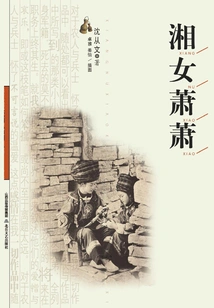
Hunan Girl Xiao Xiao
General Fiction湘女萧萧
Shen Congwen
In Shen Congwen's novel world, women are the most important artistic images, and the women in western Hunan are the most successfully portrayed. The women in Xiangxi described by Shen Congwen have several different temperaments or destinies: one is the beautiful Xiangxi girl who absorbs the aura of the mountains and rivers, is intelligent, clean and simple, thus forming the "softest core" of Xiangxi described by Shen Congwen. Cuicui, who is as clear as water in "Border Town", and Yaoyao, who is smart and capable in "The Long River", both fall into this category. In this chapter, the naughty and clever San San and Jiumei, Ah Hei in "Youfang", the bold and brave childhood Song Ma in "The Story of Wild Boar Hunting", and the quiet and melancholy Yue Min in "Quiet" also fall into this category.
In Shen Congwen's novel world, women are the most important artistic images, and the women in western Hunan are the most successfully portrayed. The women in Xiangxi described by Shen Congwen have several different temperaments or destinies: one is the beautiful Xiangxi girl who absorbs the aura of the mountains and rivers, is intelligent, clean and simple, thus forming the "softest core" of Xiangxi described by Shen Congwen. Cuicui, who is as clear as water in "Border Town", and Yaoyao, who is smart and capable in "The Long River", both fall into this category. In this chapter, the naughty and clever San San and Jiumei, Ah Hei in "Youfang", the bold and brave childhood Song Ma in "The Story of Wild Boar Hunting", and the quiet and melancholy Yue Min in "Quiet" also fall into this category.
Border Town
General Fiction边城
Shen Congwen
This work is the representative work of Shen Congwen's novels and an excellent novel expressing local feelings in the history of Chinese literature. It is set in Chadong, a border town at the junction of Sichuan and Hunan in the 1930s, and depicts the unique customs and customs of western Hunan with beautiful brushstrokes. It uses the love tragedy of Cuicui, a boatman girl, to highlight the kindness and beauty of human nature and the clarity and purity of the soul. "Border Town" has attracted many readers at home and abroad with its unique artistic charm and vivid local customs, and has established the special status of "Border Town" in the history of modern Chinese literature.
This work is the representative work of Shen Congwen's novels and an excellent novel expressing local feelings in the history of Chinese literature. It is set in Chadong, a border town at the junction of Sichuan and Hunan in the 1930s, and depicts the unique customs and customs of western Hunan with beautiful brushstrokes. It uses the love tragedy of Cuicui, a boatman girl, to highlight the kindness and beauty of human nature and the clarity and purity of the soul. "Border Town" has attracted many readers at home and abroad with its unique artistic charm and vivid local customs, and has established the special status of "Border Town" in the history of modern Chinese literature.
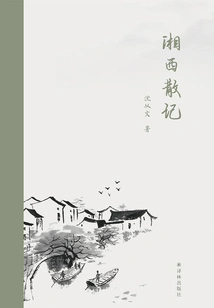
湘西散记(汉英对照)
Shen Congwen
The eleven works in "Xiangxi Xiangji" include four parts. The first part is two articles from "Congwen's Autobiography", describing the author's growth and transformation from childhood to adolescence. His experiences as a teenager playing truant, addicted to gambling, serving as a soldier, and the environment in western Hunan provided material for his later creations. The four essays in the second part are selected from "Song Notes of a Journey to Hunan". "Although they only write about trivial and ordinary human affairs such as the joys and sorrows of various docks in the Yuanshui River Basin and the trackers and sailors on a small boat, in fact, they all have deep sorrow and hidden worries about their past and present that cannot be easily expressed in words...". The four articles in the third part are selected from "Western Hunan", "which provides a general introduction to the 'personnel' and 'production' of the Yuanshui River Basin and its five local tributaries." The fourth part comes from "The Remaining Manuscripts after the Disaster", which records the grudges and grudges that the author witnessed between a wealthy Manchu family and the Tian family in a neighboring village when he returned to Phoenix in the winter of 1920. It is full of legend.
The eleven works in "Xiangxi Xiangji" include four parts. The first part is two articles from "Congwen's Autobiography", describing the author's growth and transformation from childhood to adolescence. His experiences as a teenager playing truant, addicted to gambling, serving as a soldier, and the environment in western Hunan provided material for his later creations. The four essays in the second part are selected from "Song Notes of a Journey to Hunan". "Although they only write about trivial and ordinary human affairs such as the joys and sorrows of various docks in the Yuanshui River Basin and the trackers and sailors on a small boat, in fact, they all have deep sorrow and hidden worries about their past and present that cannot be easily expressed in words...". The four articles in the third part are selected from "Western Hunan", "which provides a general introduction to the 'personnel' and 'production' of the Yuanshui River Basin and its five local tributaries." The fourth part comes from "The Remaining Manuscripts after the Disaster", which records the grudges and grudges that the author witnessed between a wealthy Manchu family and the Tian family in a neighboring village when he returned to Phoenix in the winter of 1920. It is full of legend.
记丁玲 记丁玲续集
Shen Congwen
This is one of the "New Prose Collections by Shen Congwen" series, which includes Shen Congwen's two collections about Ding Ling, "Remembering Ding Ling" and "Remembering Ding Ling: The Continuation". The author uses simple emotions and simple language to describe the story of Hu Yepin and Ding Ling, as well as Ding Ling's early opportunity to enter the literary world. Now I have also recorded the extraordinary friendship between the three friends in that era.
This is one of the "New Prose Collections by Shen Congwen" series, which includes Shen Congwen's two collections about Ding Ling, "Remembering Ding Ling" and "Remembering Ding Ling: The Continuation". The author uses simple emotions and simple language to describe the story of Hu Yepin and Ding Ling, as well as Ding Ling's early opportunity to enter the literary world. Now I have also recorded the extraordinary friendship between the three friends in that era.
A Legendary Skill
Literature一个传奇的本事
Shen Congwen
This is one of the book series "Newly Compiled by Shen Congwen's Prose", which includes Shen Congwen's writings about people's feelings. The first volume is mainly composed of two articles: "Remembering Hu Yepin" and "A Legendary Skill" (about his nephew Huang Yongyu). The other two articles are mostly about people in the literary circle such as Sun Dayu, Jin Yi, Situ Qiao, Chen Xianghe, etc.; The second volume is about essays. The texts describing the literary creations of Feng Wenbing, Wen Yiduo, Xu Dishan, etc. Are combined with writing about people and writing about people. The texts are very emotional, so they are collected together. From them, we can see the author's views on personnel and literature.
This is one of the book series "Newly Compiled by Shen Congwen's Prose", which includes Shen Congwen's writings about people's feelings. The first volume is mainly composed of two articles: "Remembering Hu Yepin" and "A Legendary Skill" (about his nephew Huang Yongyu). The other two articles are mostly about people in the literary circle such as Sun Dayu, Jin Yi, Situ Qiao, Chen Xianghe, etc.; The second volume is about essays. The texts describing the literary creations of Feng Wenbing, Wen Yiduo, Xu Dishan, etc. Are combined with writing about people and writing about people. The texts are very emotional, so they are collected together. From them, we can see the author's views on personnel and literature.
Letters from Hunan Travel
Literature湘行书简
Shen Congwen
This is one of the "New Collections of Shen Congwen's Prose" and is also a collection of Shen Congwen's letters about western Hunan. In early 1934, Shen Congwen returned home due to his mother's illness. Before leaving, he and his wife Zhang Zhaohe agreed to write letters every day to report what they saw along the way. These letters and the illustrations drawn by the author had never been published publicly during the author's lifetime. It was not until 1991 that his son Shen Huchu compiled them into a volume and named them "Xiangxing Letters". The version is based on "The Complete Works of Shen Congwen" provided by the author's son.
This is one of the "New Collections of Shen Congwen's Prose" and is also a collection of Shen Congwen's letters about western Hunan. In early 1934, Shen Congwen returned home due to his mother's illness. Before leaving, he and his wife Zhang Zhaohe agreed to write letters every day to report what they saw along the way. These letters and the illustrations drawn by the author had never been published publicly during the author's lifetime. It was not until 1991 that his son Shen Huchu compiled them into a volume and named them "Xiangxing Letters". The version is based on "The Complete Works of Shen Congwen" provided by the author's son.
阿丽思中国游记(沈从文小说全集)
Shen Congwen
This volume includes Shen Congwen's novels "Alice's Travels in China" and "Alice's Travels in China II" and short story collection "The Nosy". The "Alice's Travels in China" series is a creative attempt by the author. Shen Congwen is an innovative writing imitating British writer Lewis Carroll's Alice's Adventures series of fairy tales. He travels to China in the name of Alice and uses fables and other fables to write about China's reality, which has a certain ironic meaning. "The Nosy" continues the original creative style.
This volume includes Shen Congwen's novels "Alice's Travels in China" and "Alice's Travels in China II" and short story collection "The Nosy". The "Alice's Travels in China" series is a creative attempt by the author. Shen Congwen is an innovative writing imitating British writer Lewis Carroll's Alice's Adventures series of fairy tales. He travels to China in the name of Alice and uses fables and other fables to write about China's reality, which has a certain ironic meaning. "The Nosy" continues the original creative style.
Records of Shen Congwen's Life
Literature沈从文生之记录
Shen Congwen
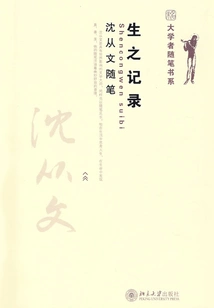
Shen Congwen is a literary master with worldwide influence and is also known for his essays. He thinks about life in life and discovers truth, goodness and beauty in life. His essays are full of subtle and relaxing artistic conception. This book is a collection of his works. "The Record of Life" collects Shen Congwen's many works and organizes them into three parts: life waves, legendary skills, and learning reality.
Shen Congwen is a literary master with worldwide influence and is also known for his essays. He thinks about life in life and discovers truth, goodness and beauty in life. His essays are full of subtle and relaxing artistic conception. This book is a collection of his works. "The Record of Life" collects Shen Congwen's many works and organizes them into three parts: life waves, legendary skills, and learning reality.
湘行散记 湘西
Shen Congwen
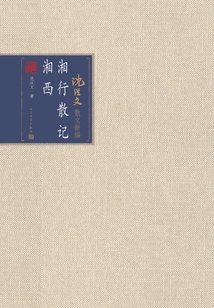
"Xiang Xing Xiang Xiangxi" is one of the series of books "Shen Congwen's New Prose Compilation". It contains two separate volumes of Shen Congwen's "Xiang Xing Xian Ji" and "Xiang Xi". They are both the author's writings about his hometown after returning to Xiangxi twice. The writing style of this book is natural and simple, showing the bright and wild scenery of western Hunan. It is also full of the author's hidden worries and philosophical thinking about life.
"Xiang Xing Xiang Xiangxi" is one of the series of books "Shen Congwen's New Prose Compilation". It contains two separate volumes of Shen Congwen's "Xiang Xing Xian Ji" and "Xiang Xi". They are both the author's writings about his hometown after returning to Xiangxi twice. The writing style of this book is natural and simple, showing the bright and wild scenery of western Hunan. It is also full of the author's hidden worries and philosophical thinking about life.
Notes on a Trip to Hunan
Literature湘行散记
Shen Congwen
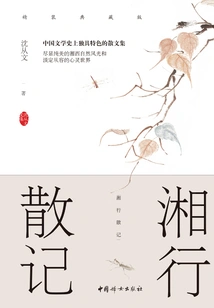
"Xiang Xing Xing Ji" is one of Shen Congwen's representative works of prose collection, revealing the author's strong local sentiment in every aspect. In 1934, Shen Congwen returned to his hometown to visit his mother. He witnessed the local customs and customs along the way, and witnessed the withering, decline and sudden desolation of his once picturesque and beautiful home. He then poured out the scenery, people and events he encountered along the way and wrote "Short Notes of a Journey to Hunan". The author uses a natural and simple writing style to immerse the ancient atmosphere accumulated in the history of Xiangxi, the simplicity and solidity of Xiangxi people, as well as his own hidden worries and philosophical thinking about life into the lines, and composes a sad and beautiful pastoral song, which is long-lasting and memorable to read.
"Xiang Xing Xing Ji" is one of Shen Congwen's representative works of prose collection, revealing the author's strong local sentiment in every aspect. In 1934, Shen Congwen returned to his hometown to visit his mother. He witnessed the local customs and customs along the way, and witnessed the withering, decline and sudden desolation of his once picturesque and beautiful home. He then poured out the scenery, people and events he encountered along the way and wrote "Short Notes of a Journey to Hunan". The author uses a natural and simple writing style to immerse the ancient atmosphere accumulated in the history of Xiangxi, the simplicity and solidity of Xiangxi people, as well as his own hidden worries and philosophical thinking about life into the lines, and composes a sad and beautiful pastoral song, which is long-lasting and memorable to read.
Shen Congwen's Prose (2nd Edition)
Literature沈从文散文(第2版)
Shen Congwen
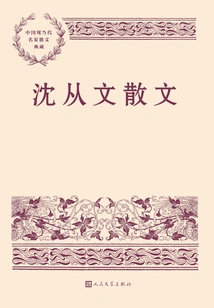
Among the hundreds of scholars of modern literature, Shen Congwen's literary path is full of legend: he entered the local army in his youth, was familiar with the big book of society, and was familiar with the rural customs and folk customs of the thousands-mile-long Yuan River Basin; later, he was inspired by the May Fourth New Literature, went to Beijing to study writing, and taught at a university, using a series of essays and novels to build his own unique "Western Hunan World." His prose is mainly composed of two collections, "Xiang Travels" and "Western Hunan", as well as the prose-style "Autobiography of Congwen" and other autobiographies. Compared with novels, his prose can better express the personal path he, a "countryman", has taken since entering the literary world, as well as his personal emotions and historical feelings. It enriches the diversity of modern prose and is worthy of being included in this series. This edition has been supplemented by Professor Li Yang, a research scholar of Shen Congwen from the School of Liberal Arts of Nankai University, including "Hidden Abyss", "Memories of Peiping", "Reminiscences of Kunming", "Impressions and Thoughts of Peiping", "My Writing and the Story of Water", "Inscriptions", "Preface to Selected Works" and "Abstract Lyrics", and has written an introduction.
Among the hundreds of scholars of modern literature, Shen Congwen's literary path is full of legend: he entered the local army in his youth, was familiar with the big book of society, and was familiar with the rural customs and folk customs of the thousands-mile-long Yuan River Basin; later, he was inspired by the May Fourth New Literature, went to Beijing to study writing, and taught at a university, using a series of essays and novels to build his own unique "Western Hunan World." His prose is mainly composed of two collections, "Xiang Travels" and "Western Hunan", as well as the prose-style "Autobiography of Congwen" and other autobiographies. Compared with novels, his prose can better express the personal path he, a "countryman", has taken since entering the literary world, as well as his personal emotions and historical feelings. It enriches the diversity of modern prose and is worthy of being included in this series. This edition has been supplemented by Professor Li Yang, a research scholar of Shen Congwen from the School of Liberal Arts of Nankai University, including "Hidden Abyss", "Memories of Peiping", "Reminiscences of Kunming", "Impressions and Thoughts of Peiping", "My Writing and the Story of Water", "Inscriptions", "Preface to Selected Works" and "Abstract Lyrics", and has written an introduction.
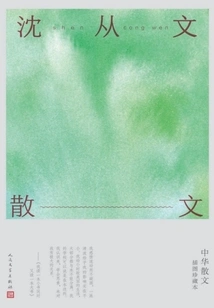
Shen Congwen's Prose
Literature沈从文散文
Shen Congwen
The "Chinese Prose Illustrated Collector's Edition" series is a long-selling prose series of our publisher. It has become a trustworthy prose classic in the hearts of readers and is also a standing book list in the publisher. At the same time, this series of books has been changed several times since its release in the 1990s, and new famous artists have been added each time. The current cover is from 2008. It is time to refresh it as a whole and promote it to new and old readers with a new look. This volume selects several essays by Shen Congwen, including "Where I grew up", "I read a small book and a big book at the same time", "Changde", "The King", "A Friend Wearing an Otter Skin Hat", "Night at Duck Nest", "One Day" A Passionate Sailor and a Passionate Mistress", "A Friend Who Cherishes the Nose", "Changde's Ship", "Phoenix", "Looking at Clouds in Yunnan", "Water Clouds", "Green Nightmare", "White Nightmare", "Black Nightmare" and "A Legendary Skill". There are also more than twenty exquisite illustrations.
The "Chinese Prose Illustrated Collector's Edition" series is a long-selling prose series of our publisher. It has become a trustworthy prose classic in the hearts of readers and is also a standing book list in the publisher. At the same time, this series of books has been changed several times since its release in the 1990s, and new famous artists have been added each time. The current cover is from 2008. It is time to refresh it as a whole and promote it to new and old readers with a new look. This volume selects several essays by Shen Congwen, including "Where I grew up", "I read a small book and a big book at the same time", "Changde", "The King", "A Friend Wearing an Otter Skin Hat", "Night at Duck Nest", "One Day" A Passionate Sailor and a Passionate Mistress", "A Friend Who Cherishes the Nose", "Changde's Ship", "Phoenix", "Looking at Clouds in Yunnan", "Water Clouds", "Green Nightmare", "White Nightmare", "Black Nightmare" and "A Legendary Skill". There are also more than twenty exquisite illustrations.
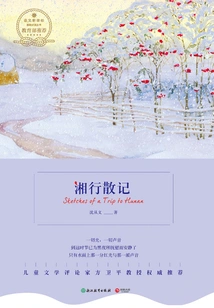
Notes on a Trip to Hunan
Literature湘行散记
Shen Congwen
Shen Congwen is a famous writer in the history of modern Chinese literature. His works are pure, beautiful and evocative. Shen Congwen has many classic proses, which mainly describe stories that happened in western Hunan, full of true feelings and beauty. This book selects Shen Congwen's representative prose works, focuses on the rural lyrical atmosphere, highlights the beautiful writing style, and presents a quiet, leisurely, simple and comfortable "Western Hunan World". In his writing, the natural life is vivid and the natural scenery is beautiful and full of poetry, allowing readers to be immersed in it and gain a wonderful reading experience.
Shen Congwen is a famous writer in the history of modern Chinese literature. His works are pure, beautiful and evocative. Shen Congwen has many classic proses, which mainly describe stories that happened in western Hunan, full of true feelings and beauty. This book selects Shen Congwen's representative prose works, focuses on the rural lyrical atmosphere, highlights the beautiful writing style, and presents a quiet, leisurely, simple and comfortable "Western Hunan World". In his writing, the natural life is vivid and the natural scenery is beautiful and full of poetry, allowing readers to be immersed in it and gain a wonderful reading experience.
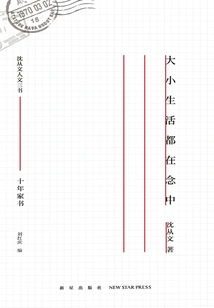
大小生活都在念中:十年家书
Shen Congwen
Introduction: This is a letter from home written by Mr. Wang during the turbulent years (1966-1976). These preserved words are precious because they convey the author's true emotions and thoughts. They are not only a good read to understand the author's emotions and thoughts, but also a reliable history for understanding that difficult era. There are deep worries about family and country, sincere and delicate love between children, and confusion and melancholy of wandering on the wrong road. It should be noted that in order to remind the theme, the editor has created a new title for each article and letter.
Introduction: This is a letter from home written by Mr. Wang during the turbulent years (1966-1976). These preserved words are precious because they convey the author's true emotions and thoughts. They are not only a good read to understand the author's emotions and thoughts, but also a reliable history for understanding that difficult era. There are deep worries about family and country, sincere and delicate love between children, and confusion and melancholy of wandering on the wrong road. It should be noted that in order to remind the theme, the editor has created a new title for each article and letter.
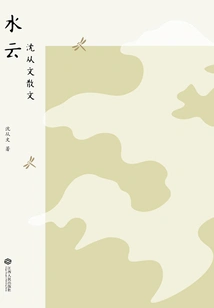
Shuiyun: Prose by Shen Congwen
Literature水云: 沈从文散文
Shen Congwen
This book is a collection of Shen Congwen's essays, and the selected articles are all based on Shen Congwen's life trajectory and hometown complex. Shen Congwen graduated from Yuanshui River and walked and stopped several times on Yuanshui River, writing down what he saw and felt along the way. The selected prose includes the author's memories in "Past Events in Western Hunan" and freehand writing in "Records of a Travel to Hunan", as well as the scenery of flowing water and clouds and Congwen's life insights after living in the city for a long time. Through these prose, we can clearly feel the author's attachment to the aesthetic image of water, and we can also understand that although he has been away from his hometown for many years, he is deeply rooted in the author's blood and cannot let go of his homeland.
This book is a collection of Shen Congwen's essays, and the selected articles are all based on Shen Congwen's life trajectory and hometown complex. Shen Congwen graduated from Yuanshui River and walked and stopped several times on Yuanshui River, writing down what he saw and felt along the way. The selected prose includes the author's memories in "Past Events in Western Hunan" and freehand writing in "Records of a Travel to Hunan", as well as the scenery of flowing water and clouds and Congwen's life insights after living in the city for a long time. Through these prose, we can clearly feel the author's attachment to the aesthetic image of water, and we can also understand that although he has been away from his hometown for many years, he is deeply rooted in the author's blood and cannot let go of his homeland.
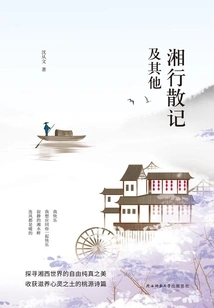
Essays on Hunan Travel and Others
Literature湘行散记及其他
Shen Congwen
This book is divided into three parts, including Shen Congwen's classic prose "Xiang Xing Xian Ji", Shen Congwen and his wife Zhang Zhaohe's correspondence "Hunan Xing Xing Biao", and some articles describing his hometown in Shen Congwen's prose. "Journey to Hunan" is known as a classic of modern Chinese prose. The article is based on life in western Hunan and shows Shen Congwen's indescribable sympathy and tenderness for the people in his hometown. "Xiangxing Slips" is the mother version of "Hunan Xingshu", which was not published publicly during the author's lifetime. It was compiled and edited by Shen Huchu in 1991.
This book is divided into three parts, including Shen Congwen's classic prose "Xiang Xing Xian Ji", Shen Congwen and his wife Zhang Zhaohe's correspondence "Hunan Xing Xing Biao", and some articles describing his hometown in Shen Congwen's prose. "Journey to Hunan" is known as a classic of modern Chinese prose. The article is based on life in western Hunan and shows Shen Congwen's indescribable sympathy and tenderness for the people in his hometown. "Xiangxing Slips" is the mother version of "Hunan Xingshu", which was not published publicly during the author's lifetime. It was compiled and edited by Shen Huchu in 1991.