Library
Browse and search books
45 novels found
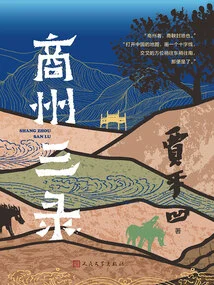
Shangzhou Sanlu
Literature商州三录
Jia Pingwa
Against the background of the rise of cities, the ancient Shangzhou deep in the Qinling Mountains is a forgotten land that "cannot keep up with the pace of the times." Jia Pingwa said, "What Shangzhou was like in the past, what it has been like over the years, and what it is like now has become an issue that needs to be disclosed to the outside world. Therefore, this is the purpose of writing this short book." "The First Record of Shangzhou" was written in 1983 and contains a total of 14 essays, describing people's events and describing scenes and scenes, each with its own emphasis, trying to depict a relatively complete "Shangzhou world" to readers. "Shangzhou Youlu" is the sequel to "Shangzhou Chulu". It uses eleven paragraphs of prose-like notes to connect Shangzhou's four seasons, customs and anecdotes in spring, summer, autumn and winter into a chapter, forming a school of Shangzhou local landscape painting. "Records of Shangzhou" is the final chapter of "Three Records of Shangzhou". The writing style is similar to "The First Records of Shangzhou", but it pays more attention to the historical and legendary nature of people and events. Although the number of articles included in it is smaller than that of "Shangzhou Chulu", the length and capacity of each article is greatly increased. As the spokesperson of his hometown, the author eulogizes the paradise-like beauty and simplicity of his hometown, Shangzhou, and expresses his praise and commemoration of the pastoral life in his hometown.
Against the background of the rise of cities, the ancient Shangzhou deep in the Qinling Mountains is a forgotten land that "cannot keep up with the pace of the times." Jia Pingwa said, "What Shangzhou was like in the past, what it has been like over the years, and what it is like now has become an issue that needs to be disclosed to the outside world. Therefore, this is the purpose of writing this short book." "The First Record of Shangzhou" was written in 1983 and contains a total of 14 essays, describing people's events and describing scenes and scenes, each with its own emphasis, trying to depict a relatively complete "Shangzhou world" to readers. "Shangzhou Youlu" is the sequel to "Shangzhou Chulu". It uses eleven paragraphs of prose-like notes to connect Shangzhou's four seasons, customs and anecdotes in spring, summer, autumn and winter into a chapter, forming a school of Shangzhou local landscape painting. "Records of Shangzhou" is the final chapter of "Three Records of Shangzhou". The writing style is similar to "The First Records of Shangzhou", but it pays more attention to the historical and legendary nature of people and events. Although the number of articles included in it is smaller than that of "Shangzhou Chulu", the length and capacity of each article is greatly increased. As the spokesperson of his hometown, the author eulogizes the paradise-like beauty and simplicity of his hometown, Shangzhou, and expresses his praise and commemoration of the pastoral life in his hometown.
Miss the Wolf
General Fiction怀念狼
Jia Pingwa
"Remembering the Wolf" is Jia Pingwa's masterpiece at the end of the last century. It is rich in meaning and is known as the Shangzhou version of "Hunter's Notes" in China. The novel adopts a unique perspective and tells the bizarre experience of hunters, reporters, and bad guys taking photos and archiving the remaining fifteen wolves in Shangzhou. The bloody disaster, the golden China, the whereabouts of the wolf, the horror of the ancient battlefield, the reporter's hallucination, the wandering animal souls, the fleshy Ganoderma lucidum and other events make readers unimaginable, showing the author's uninhibited writing style and rich imagination.
"Remembering the Wolf" is Jia Pingwa's masterpiece at the end of the last century. It is rich in meaning and is known as the Shangzhou version of "Hunter's Notes" in China. The novel adopts a unique perspective and tells the bizarre experience of hunters, reporters, and bad guys taking photos and archiving the remaining fifteen wolves in Shangzhou. The bloody disaster, the golden China, the whereabouts of the wolf, the horror of the ancient battlefield, the reporter's hallucination, the wandering animal souls, the fleshy Ganoderma lucidum and other events make readers unimaginable, showing the author's uninhibited writing style and rich imagination.
White Night
General Fiction白夜
Jia Pingwa
The protagonist Yelang is one of Jia Pingwa's flesh-and-blood but sympathetic characters. He did not have a noble background, but came to Xijing alone to make a living with his drive for constant pursuit. At the beginning of the novel, it is written that Yelang met and followed Zhu Yihe through Nanding Mountain, but this experience soon disappeared when Zhu Yihe collapsed. Frustrated in his career, Yelang had no choice but to focus on love. He likes the elegant-minded Yu Bai, but he is an ordinary person. The difference in status and the troubles of fatalism make Yelang miserable. He can only get the comfort of love from Yan Ming, who has the same status as him and is beautiful. A soul that is unwilling to be at the mercy of fate finally returns to its "original position" under the torture of the world. This is the tragedy of Yelang and the tragedy of life. It is impossible for everything to go smoothly in a person's life. In the process of struggling, one always has to face choices of one kind or another. Left or right? People are always in such a contradiction, because no matter what they choose, it means betrayal or giving up on something else. It is a self-evident truth to choose the good and give up the bad, but in real life, there are some things that we have no way of distinguishing between true and false and good or bad, and Yelang's choice in love is exactly like this.
The protagonist Yelang is one of Jia Pingwa's flesh-and-blood but sympathetic characters. He did not have a noble background, but came to Xijing alone to make a living with his drive for constant pursuit. At the beginning of the novel, it is written that Yelang met and followed Zhu Yihe through Nanding Mountain, but this experience soon disappeared when Zhu Yihe collapsed. Frustrated in his career, Yelang had no choice but to focus on love. He likes the elegant-minded Yu Bai, but he is an ordinary person. The difference in status and the troubles of fatalism make Yelang miserable. He can only get the comfort of love from Yan Ming, who has the same status as him and is beautiful. A soul that is unwilling to be at the mercy of fate finally returns to its "original position" under the torture of the world. This is the tragedy of Yelang and the tragedy of life. It is impossible for everything to go smoothly in a person's life. In the process of struggling, one always has to face choices of one kind or another. Left or right? People are always in such a contradiction, because no matter what they choose, it means betrayal or giving up on something else. It is a self-evident truth to choose the good and give up the bad, but in real life, there are some things that we have no way of distinguishing between true and false and good or bad, and Yelang's choice in love is exactly like this.
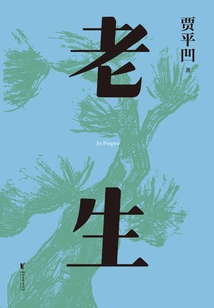
Laosheng
General Fiction老生
Jia Pingwa
"Laosheng" records the century-old history of modern China in a clichéd narrative. The old man who sings sinister songs at funerals is the soul of the book. He wanders around the mountain villages in southern Shaanxi, witnessing and recording the changes of several local eras and the fate of several generations, reflecting the growth history of China for hundreds of years, which is magnificent and far-reaching.
"Laosheng" records the century-old history of modern China in a clichéd narrative. The old man who sings sinister songs at funerals is the soul of the book. He wanders around the mountain villages in southern Shaanxi, witnessing and recording the changes of several local eras and the fate of several generations, reflecting the growth history of China for hundreds of years, which is magnificent and far-reaching.
Wukui
General Fiction五魁
Jia Pingwa
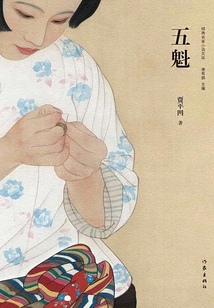
The eldest young master of the Liu family got married, and the wedding team encountered bandits on their way home. In order to protect the beautiful bride, the porter Wu Kui ran away with the bride on his back, but in the end he failed to escape the pursuit of the bandits and the bride was snatched away. That night Wu Kui risked his life and went deep into the bandit's stronghold, and designed to rescue the bride from the bandit leader. The two of them returned to the Liu family after all kinds of hardships, but the eldest young master of the Liu family had his legs blown off due to a shotgun misfire, and became a disabled person. The bride did not become the enviable young mistress of the Liu family as Wu Kui wished, but instead became a tool for the young master to vent. Wu Kui could not bear the inhuman torture and humiliation the woman suffered, so he took the woman and fled into the mountains and forests. In the end, the woman committed suicide in shame and anger because Wu Kui killed the dog she was intimate with, and Wu Kui changed from a man who insisted not to touch a finger of the woman to a violent bandit with eleven wives.
The eldest young master of the Liu family got married, and the wedding team encountered bandits on their way home. In order to protect the beautiful bride, the porter Wu Kui ran away with the bride on his back, but in the end he failed to escape the pursuit of the bandits and the bride was snatched away. That night Wu Kui risked his life and went deep into the bandit's stronghold, and designed to rescue the bride from the bandit leader. The two of them returned to the Liu family after all kinds of hardships, but the eldest young master of the Liu family had his legs blown off due to a shotgun misfire, and became a disabled person. The bride did not become the enviable young mistress of the Liu family as Wu Kui wished, but instead became a tool for the young master to vent. Wu Kui could not bear the inhuman torture and humiliation the woman suffered, so he took the woman and fled into the mountains and forests. In the end, the woman committed suicide in shame and anger because Wu Kui killed the dog she was intimate with, and Wu Kui changed from a man who insisted not to touch a finger of the woman to a violent bandit with eleven wives.
Jia Pingwa's Travels
Literature贾平凹游记
Jia Pingwa
"Jia Pingwa's Travels" is a fine collection of Mr. Jia Pingwa's 40 years of travel prose writing - vegetation, mountains, rocks, wasteland gardens, encounters or pursuits, admiration or regret, loneliness or freedom; the panorama reproduces the living conditions and mental state of people in one era, and perfectly explains the beauty of a "traveler"'s self and the world.
"Jia Pingwa's Travels" is a fine collection of Mr. Jia Pingwa's 40 years of travel prose writing - vegetation, mountains, rocks, wasteland gardens, encounters or pursuits, admiration or regret, loneliness or freedom; the panorama reproduces the living conditions and mental state of people in one era, and perfectly explains the beauty of a "traveler"'s self and the world.
Flowering in Silence
Literature静中开花
Jia Pingwa
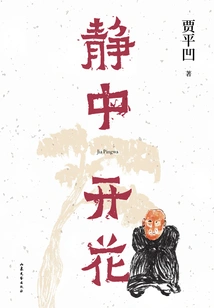
"Blooming in Silence" is a new collection of essays by Jia Pingwa in 2022. The author personally painted the cover and 16 illustrations, and selected 56 classic works. The book writes about emotions, talks about hometown, flowers and plants, and life. It embodies Jia Pingwa's wisdom of meditation and tells us how to gain inner peace in this impetuous and anxious era, and how to resolve the troubles in life one by one with a humorous attitude. We have been so eager to experience prosperity, and finally discovered that only peace of mind can bloom the flower of happiness.
"Blooming in Silence" is a new collection of essays by Jia Pingwa in 2022. The author personally painted the cover and 16 illustrations, and selected 56 classic works. The book writes about emotions, talks about hometown, flowers and plants, and life. It embodies Jia Pingwa's wisdom of meditation and tells us how to gain inner peace in this impetuous and anxious era, and how to resolve the troubles in life one by one with a humorous attitude. We have been so eager to experience prosperity, and finally discovered that only peace of mind can bloom the flower of happiness.
Gods Are Full Of
Literature诸神充满
Jia Pingwa
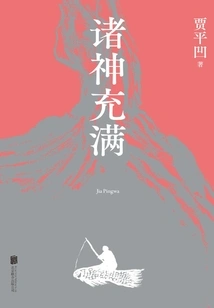
This book is Jia Pingwa's new prose collection in 2021. With the theme of everything in the world and the fireworks of the world, 68 pieces of Jia Pingwa's prose works are selected, including "Wind and Rain", "Ugly Stone", "A Shell", "A Little Peach Tree" and many other classics selected as Chinese textbooks for primary and secondary schools. For the first time, 3 new works including "Frog Story", "Eye" and "Hezhou News" are included; 17 excellent paintings of Jia Pingwa are carefully selected to complement the beautiful articles. In Jia Ping's eyes, everything in the world is beautiful, fireworks and the world are warm, and ordinary life contains the passion for life. Don't live carelessly, only with full concentration can you meet God; poetry is not far away, but right next to you and at your feet.
This book is Jia Pingwa's new prose collection in 2021. With the theme of everything in the world and the fireworks of the world, 68 pieces of Jia Pingwa's prose works are selected, including "Wind and Rain", "Ugly Stone", "A Shell", "A Little Peach Tree" and many other classics selected as Chinese textbooks for primary and secondary schools. For the first time, 3 new works including "Frog Story", "Eye" and "Hezhou News" are included; 17 excellent paintings of Jia Pingwa are carefully selected to complement the beautiful articles. In Jia Ping's eyes, everything in the world is beautiful, fireworks and the world are warm, and ordinary life contains the passion for life. Don't live carelessly, only with full concentration can you meet God; poetry is not far away, but right next to you and at your feet.
Write to Mother
General Fiction写给母亲
Jia Pingwa
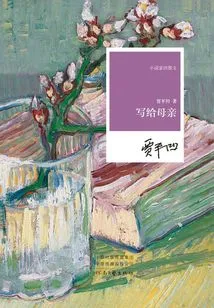
This book is divided into 6 series, with a total of 36 works. The book is called "Written to Mother", and this article became well-known because it was recited live by the famous actor Siqin Gaowa in CCTV's "The Reader". This book focuses on the family card. This compilation is a collection of articles written by writers to their parents, aunts, younger sisters, and daughters that can be seen so far. Those outpourings and revelations of affection and tenderness are moving. The second chapter can be described as the author's autobiography. From elementary school to university, from innocent childhood to sixty-something, the author's life trajectory in the storm of the times is clearly visible. The third and fourth volumes select the postscripts of Jia Pingwa's classic prose articles and important works in the 1980s, which not only revisits the classics, but also gives a glimpse of the writer's creative thinking. The fifth volume is about writers. Jia Pingwa interprets Zhang Ailing, Shen Congwen, Sun Li, as well as Lu Yao, Chen Zhongshi, and Mo Yan, either from literary creation or from life experience, which is extraordinary. The six chapters in this collection show Jia Pingwa outside literature. His paintings, calligraphy, and collections are all interesting words about people, events, and things.
This book is divided into 6 series, with a total of 36 works. The book is called "Written to Mother", and this article became well-known because it was recited live by the famous actor Siqin Gaowa in CCTV's "The Reader". This book focuses on the family card. This compilation is a collection of articles written by writers to their parents, aunts, younger sisters, and daughters that can be seen so far. Those outpourings and revelations of affection and tenderness are moving. The second chapter can be described as the author's autobiography. From elementary school to university, from innocent childhood to sixty-something, the author's life trajectory in the storm of the times is clearly visible. The third and fourth volumes select the postscripts of Jia Pingwa's classic prose articles and important works in the 1980s, which not only revisits the classics, but also gives a glimpse of the writer's creative thinking. The fifth volume is about writers. Jia Pingwa interprets Zhang Ailing, Shen Congwen, Sun Li, as well as Lu Yao, Chen Zhongshi, and Mo Yan, either from literary creation or from life experience, which is extraordinary. The six chapters in this collection show Jia Pingwa outside literature. His paintings, calligraphy, and collections are all interesting words about people, events, and things.
贾平凹经典小说集(套装共4册)
Jia Pingwa
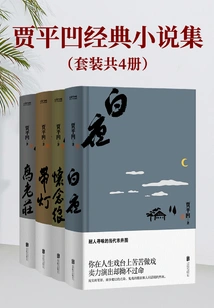
"White Night" resists and struggles against "fate" and is unwilling to accept mediocrity. The book describes all the sorrows and joys of the world. On the stage, the protagonist as an actor can run freely; socially, he can also be successful. However, behind the seemingly beautiful scenery, the protagonist is struggling with his love and destiny. "Bring a Lamp" Light a lamp for yourself to illuminate the emptiness and reality of life. All truly grand themes must be closely connected with personal destiny. "Bringing the Lamp" tells the story of a woman's suffering, and it is also the responsibility of this era. "With Light" is a gift for every lonely traveler struggling in reality. "Gao Laozhuang" To live, you can not only be contented, but you can also choose to be upright. As soon as the protagonist comes into contact with the stereotypes and old customs from the source of life, he begins to become as cowardly, conservative, greedy, and selfish as the people in Gaolaozhuang Village. Gao Laozhuang seemed to be a mirror that could reflect human nature, immediately revealing his true colors in neat clothes.
"White Night" resists and struggles against "fate" and is unwilling to accept mediocrity. The book describes all the sorrows and joys of the world. On the stage, the protagonist as an actor can run freely; socially, he can also be successful. However, behind the seemingly beautiful scenery, the protagonist is struggling with his love and destiny. "Bring a Lamp" Light a lamp for yourself to illuminate the emptiness and reality of life. All truly grand themes must be closely connected with personal destiny. "Bringing the Lamp" tells the story of a woman's suffering, and it is also the responsibility of this era. "With Light" is a gift for every lonely traveler struggling in reality. "Gao Laozhuang" To live, you can not only be contented, but you can also choose to be upright. As soon as the protagonist comes into contact with the stereotypes and old customs from the source of life, he begins to become as cowardly, conservative, greedy, and selfish as the people in Gaolaozhuang Village. Gao Laozhuang seemed to be a mirror that could reflect human nature, immediately revealing his true colors in neat clothes.
自在独行(百万册精装纪念版)
Jia Pingwa
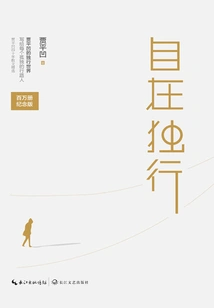
Mr. Pingwa always likes to be quiet, and he is most afraid of someone knocking on his door. What makes him feel comfortable is either walking on the land of the northwest, or reclusive in his study. In fact, my husband also likes the excitement, but his excitement is not the bright lights, but the inner peace and the freedom of walking alone. This book talks about emotions, hobbies, society and life. There is worldly wisdom and the joy of life. To the hurried passer-by, Mr. Pingwa's collection of essays is just an arty plaything. But this book is written for walkers of life. I hope they can understand the true meaning of loneliness and be more calm and relaxed in life.
Mr. Pingwa always likes to be quiet, and he is most afraid of someone knocking on his door. What makes him feel comfortable is either walking on the land of the northwest, or reclusive in his study. In fact, my husband also likes the excitement, but his excitement is not the bright lights, but the inner peace and the freedom of walking alone. This book talks about emotions, hobbies, society and life. There is worldly wisdom and the joy of life. To the hurried passer-by, Mr. Pingwa's collection of essays is just an arty plaything. But this book is written for walkers of life. I hope they can understand the true meaning of loneliness and be more calm and relaxed in life.
Dingxi Notes (updated Edition)
Literature定西笔记(增订本)
Jia Pingwa
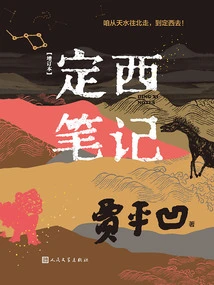
This book is a work written by the writer Jia Pingwa who went out of his study and personally visited Dingxi, which is still one of the poor areas in China, and paid close attention to and observed the local living environment, customs and customs with his eyes. Issues related to the national economy and people's livelihood, such as the grassroots, people's livelihood, land, etc., Emerge vividly in this "Dingxi Notes". The author said at the beginning: "In my opinion, there are three places in China that are worth traveling to. One is the Yuncheng and Linfen area in Shanxi, the other is the Hancheng and Heyang Chaoyi area in Shaanxi, and the third is Gansu Longyou. These three places have a long history and rich culture. They are all areas of the country's great virtues. Their virtues are strong and civilized, but they share the same fate. It is because they have been ignored or even forgotten by Chinese people for a long time. Modern economic development has obscured their former glory, and people are infinitely yearning for the prosperity of the southeastern coastal areas; chasing the wonders of those emerging tourist attractions, few people are willing to visit these three places to understand the different geographical environments and the living conditions of different people. "
This book is a work written by the writer Jia Pingwa who went out of his study and personally visited Dingxi, which is still one of the poor areas in China, and paid close attention to and observed the local living environment, customs and customs with his eyes. Issues related to the national economy and people's livelihood, such as the grassroots, people's livelihood, land, etc., Emerge vividly in this "Dingxi Notes". The author said at the beginning: "In my opinion, there are three places in China that are worth traveling to. One is the Yuncheng and Linfen area in Shanxi, the other is the Hancheng and Heyang Chaoyi area in Shaanxi, and the third is Gansu Longyou. These three places have a long history and rich culture. They are all areas of the country's great virtues. Their virtues are strong and civilized, but they share the same fate. It is because they have been ignored or even forgotten by Chinese people for a long time. Modern economic development has obscured their former glory, and people are infinitely yearning for the prosperity of the southeastern coastal areas; chasing the wonders of those emerging tourist attractions, few people are willing to visit these three places to understand the different geographical environments and the living conditions of different people. "
Jia Pingwa's Prose
Literature贾平凹散文
Jia Pingwa
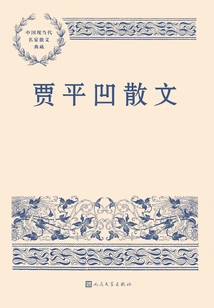
Jia Pingwa's prose creation began in the 1980s. His prose is rooted in life, close to reality, with friendly and lively language, and rich and colorful content. It not only contains profound observations of the land under his feet, but also personal inner spiritual exploration, as well as insights and philosophical thoughts on social life. It has a strong regional color and a highly recognizable unique style. It is unique in the field of prose creation in the new era and is deeply loved by readers. This book selects 80 pieces of Jia Pingwa's prose, including the author's early masterpieces such as "The Ugly Stone", "Jingxu Village", "Reading to Show Little Sister's Birthday Letter", etc., As well as "Crying for San Mao", "Sacrifice to the Father", "Sun Li Lun", etc. In memory of teachers, friends and relatives, as well as excellent works describing life in the northwest. "Shangzhou Youlu", "Tongwei Renjia", etc., As well as "Speaking of Sickness", "Speaking of Willingness", "Fifty Great Stories", "Friendship" and so on, which reflect life, can cover the entirety of the author's prose creation, and are accompanied by 15 illustrations, both pictures and texts, giving readers a new reading experience.
Jia Pingwa's prose creation began in the 1980s. His prose is rooted in life, close to reality, with friendly and lively language, and rich and colorful content. It not only contains profound observations of the land under his feet, but also personal inner spiritual exploration, as well as insights and philosophical thoughts on social life. It has a strong regional color and a highly recognizable unique style. It is unique in the field of prose creation in the new era and is deeply loved by readers. This book selects 80 pieces of Jia Pingwa's prose, including the author's early masterpieces such as "The Ugly Stone", "Jingxu Village", "Reading to Show Little Sister's Birthday Letter", etc., As well as "Crying for San Mao", "Sacrifice to the Father", "Sun Li Lun", etc. In memory of teachers, friends and relatives, as well as excellent works describing life in the northwest. "Shangzhou Youlu", "Tongwei Renjia", etc., As well as "Speaking of Sickness", "Speaking of Willingness", "Fifty Great Stories", "Friendship" and so on, which reflect life, can cover the entirety of the author's prose creation, and are accompanied by 15 illustrations, both pictures and texts, giving readers a new reading experience.
Extremely Flower
General Fiction极花
Jia Pingwa
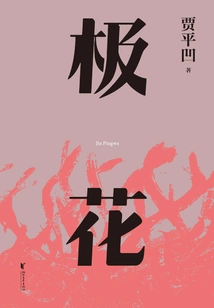
"Ji Hua" tells the story of Hu Die, a rural girl who followed her mother to the city to seek life. However, in an accident, she was abducted to a poor place in the northwest called Geliang Village, where she experienced physical torture and inner suffering. The work pays close attention to the damaged female group, and also pours out the author's thoughts and worries about traditional rural ecology.
"Ji Hua" tells the story of Hu Die, a rural girl who followed her mother to the city to seek life. However, in an accident, she was abducted to a poor place in the northwest called Geliang Village, where she experienced physical torture and inner suffering. The work pays close attention to the damaged female group, and also pours out the author's thoughts and worries about traditional rural ecology.
Qin Opera
General Fiction秦腔
Jia Pingwa
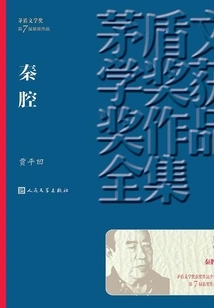
The novel won the 7th Mao Prize. Through the evolution of a place called Qingfeng Street in the past twenty years and the life, old age, illness, death, joys and sorrows of all the people on the street, it vividly shows the shocks and changes that the historical transformation of Chinese society has brought to the countryside. The novel tells the story of the ups and downs of the two major families in Qingfeng Street, the Bai family and the Xia family, from the perspective of a madman. The Bai family has long declined, and the changes of the Xia family have evolved into a symbol of Qingfeng Street, Shaanxi and even rural China...
The novel won the 7th Mao Prize. Through the evolution of a place called Qingfeng Street in the past twenty years and the life, old age, illness, death, joys and sorrows of all the people on the street, it vividly shows the shocks and changes that the historical transformation of Chinese society has brought to the countryside. The novel tells the story of the ups and downs of the two major families in Qingfeng Street, the Bai family and the Xia family, from the perspective of a madman. The Bai family has long declined, and the changes of the Xia family have evolved into a symbol of Qingfeng Street, Shaanxi and even rural China...
With Light
General Fiction带灯
Jia Pingwa
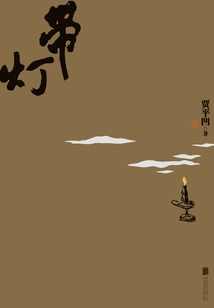
A beautiful but narcissistic female college student Ying came to work in the town government of Ying Town in the Qinling Mountains. She was dissatisfied with the saying that "the grass turned into a firefly", so she changed her name to "Dai Deng", which means carrying a lamp to patrol at night. With Deng, she is mainly responsible for handling disputes and petitions at the grassroots level in rural areas. She faces trivial entanglements every day. Although Dai Deng faces endless disputes in life every day and endures the dryness of her spiritual world, she never gives up her inner pursuit. Even in the most desperate moments, she would bring a book and sit on the hillside outside the town, looking at the mountains and thinking about the people in the book. However, she could not change the loneliness and pain that came from her fate. The personal suffering of the lamp contains the author's sympathy for the embarrassing current situation of the township cadres; it also reflects the various problems and dilemmas faced by my country's urbanization process; at the same time, it is also a lament and reflection on the times.
A beautiful but narcissistic female college student Ying came to work in the town government of Ying Town in the Qinling Mountains. She was dissatisfied with the saying that "the grass turned into a firefly", so she changed her name to "Dai Deng", which means carrying a lamp to patrol at night. With Deng, she is mainly responsible for handling disputes and petitions at the grassroots level in rural areas. She faces trivial entanglements every day. Although Dai Deng faces endless disputes in life every day and endures the dryness of her spiritual world, she never gives up her inner pursuit. Even in the most desperate moments, she would bring a book and sit on the hillside outside the town, looking at the mountains and thinking about the people in the book. However, she could not change the loneliness and pain that came from her fate. The personal suffering of the lamp contains the author's sympathy for the embarrassing current situation of the township cadres; it also reflects the various problems and dilemmas faced by my country's urbanization process; at the same time, it is also a lament and reflection on the times.
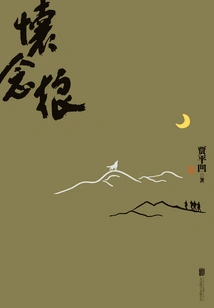
Miss the Wolf
General Fiction怀念狼
Jia Pingwa
Many years later, Shangzhou, where wolves were infested, wanted to protect the murderous wolves. In order to take pictures of the last 15 wolves in Shangzhou, Gao Ziming, a reporter from the provincial capital, recruited a hunter as a guide. Killing wolves is the nature and mission of hunters. But protecting wolves is Gao Ziming's job and mission. So for the sake of mission and survival, the hunter, the reporter and the wolf launched an evenly matched three-way contest. During the journey of searching for the wolf, a series of weird and strange things happened one after another: the wolf actually committed suicide, the injured wolf sought medical treatment from an old Taoist priest in the mountains, and after being cured, the wolf actually took a piece of fine jade in its mouth to repay the favor. In the desperate situation of life and death, the wolf turned into a human being... On the surface, this story tells the story of "looking for the wolf", an event full of blood and magic, but in essence it is torturing the meaning of human existence and spiritual belonging. The author describes the conflict between man and nature with compassion for heaven and earth, and attempts to express the pursuit of the way of heaven with a cultural poetry with oriental charm.
Many years later, Shangzhou, where wolves were infested, wanted to protect the murderous wolves. In order to take pictures of the last 15 wolves in Shangzhou, Gao Ziming, a reporter from the provincial capital, recruited a hunter as a guide. Killing wolves is the nature and mission of hunters. But protecting wolves is Gao Ziming's job and mission. So for the sake of mission and survival, the hunter, the reporter and the wolf launched an evenly matched three-way contest. During the journey of searching for the wolf, a series of weird and strange things happened one after another: the wolf actually committed suicide, the injured wolf sought medical treatment from an old Taoist priest in the mountains, and after being cured, the wolf actually took a piece of fine jade in its mouth to repay the favor. In the desperate situation of life and death, the wolf turned into a human being... On the surface, this story tells the story of "looking for the wolf", an event full of blood and magic, but in essence it is torturing the meaning of human existence and spiritual belonging. The author describes the conflict between man and nature with compassion for heaven and earth, and attempts to express the pursuit of the way of heaven with a cultural poetry with oriental charm.
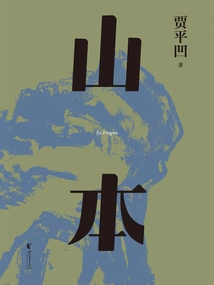
Yamamoto
General Fiction山本
Jia Pingwa
"Yamamoto" is Jia Pingwa's new work in 2018. It took nearly three years from conception to completion. Yamamoto, the origin of the mountain, is intended to be a biography of the Qinling Mountains and to outline the memory of modern China. The novel tells the legendary story of a place called Whirlpool Town deep in the Qinling Mountains during the troubled times of the Republic of China. In the 1920s, the Qinling Mountains were surrounded by powerful forces and frequent wars. The town tried to protect itself but was eventually destroyed. However, the Qinling Mountains were still the Qinling Mountains, and the vastness remained the same. The fate of the people of the great era was lamentable. In addition to telling the ups and downs of Whirlpool Town, "Yamamoto" is also an encyclopedia describing the vegetation and animals in the Qinling Mountains.
"Yamamoto" is Jia Pingwa's new work in 2018. It took nearly three years from conception to completion. Yamamoto, the origin of the mountain, is intended to be a biography of the Qinling Mountains and to outline the memory of modern China. The novel tells the legendary story of a place called Whirlpool Town deep in the Qinling Mountains during the troubled times of the Republic of China. In the 1920s, the Qinling Mountains were surrounded by powerful forces and frequent wars. The town tried to protect itself but was eventually destroyed. However, the Qinling Mountains were still the Qinling Mountains, and the vastness remained the same. The fate of the people of the great era was lamentable. In addition to telling the ups and downs of Whirlpool Town, "Yamamoto" is also an encyclopedia describing the vegetation and animals in the Qinling Mountains.
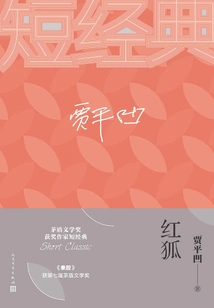
Red Fox (mao Prize Short Classic)
General Fiction红狐(茅奖短经典)
Jia Pingwa
It has been more than thirty years since the Mao Dun Literature Award was established, and nearly forty writers have participated in the award-winning works. Most of these writers have been working in the literary world for many years. In addition to novels, they have also made outstanding achievements in the fields of "short" genres such as novellas, short stories and essays. This time, from an artistic perspective, we first selected some of the classic works of novellas, short stories and essays by award-winning writers, compiled them into a collection of about 200,000 words, and assembled them into this set of "Short Classics of Mao Dun Literature Award-winning writers. "Red Fox" is a collection of Jia Pingwa's works. The main works selected in this book include "Beautiful Cave Place", "Artist Han Qixiang", "Red Fox", "Shangzhou Chulu", etc.
It has been more than thirty years since the Mao Dun Literature Award was established, and nearly forty writers have participated in the award-winning works. Most of these writers have been working in the literary world for many years. In addition to novels, they have also made outstanding achievements in the fields of "short" genres such as novellas, short stories and essays. This time, from an artistic perspective, we first selected some of the classic works of novellas, short stories and essays by award-winning writers, compiled them into a collection of about 200,000 words, and assembled them into this set of "Short Classics of Mao Dun Literature Award-winning writers. "Red Fox" is a collection of Jia Pingwa's works. The main works selected in this book include "Beautiful Cave Place", "Artist Han Qixiang", "Red Fox", "Shangzhou Chulu", etc.
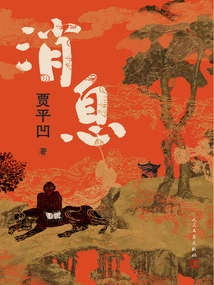
Information
General Fiction消息
Jia Pingwa
This book is Jia Pingwa's twenty-first work after "The Story of the Qinling Mountains" and "The Biography of Rivers and Mountains". This new novel is written by Jia Pingwa who walked out of his study, stepped on the earth, and used real materials. During the collecting period, he returned to Shangzhou again and walked through more than a dozen counties and towns, more than 30 villages, and went to the Yellow River, Weihe River, Jinghe River, Tianzhu Mountain, Canglong Ridge and other places. On the hard and bumpy road of collecting wind, he saw the prosperity of everything, and felt more clearly the spirit of loyalty of the ancients. The book is divided into four parts and ninety-three chapters, from the vastness of the Yellow River at the beginning to the detailed stories of the human world at the end, showing the author's ultimate control of macro and micro. Jia Pingwa's paintings are very personal. He painted several works specially for this book. The charm of words and art will be jointly displayed in this new work.
This book is Jia Pingwa's twenty-first work after "The Story of the Qinling Mountains" and "The Biography of Rivers and Mountains". This new novel is written by Jia Pingwa who walked out of his study, stepped on the earth, and used real materials. During the collecting period, he returned to Shangzhou again and walked through more than a dozen counties and towns, more than 30 villages, and went to the Yellow River, Weihe River, Jinghe River, Tianzhu Mountain, Canglong Ridge and other places. On the hard and bumpy road of collecting wind, he saw the prosperity of everything, and felt more clearly the spirit of loyalty of the ancients. The book is divided into four parts and ninety-three chapters, from the vastness of the Yellow River at the beginning to the detailed stories of the human world at the end, showing the author's ultimate control of macro and micro. Jia Pingwa's paintings are very personal. He painted several works specially for this book. The charm of words and art will be jointly displayed in this new work.
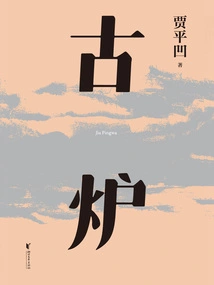
Ancient Furnace
General Fiction古炉
Jia Pingwa
"The Ancient Furnace" is Jia Pingwa's longest novel so far, with more than 600,000 words written by more than 300 pens. Jia Pingwa said in the postscript: "I am grateful for the more than 300 signature pens. Their blood was black water, and they died quietly in that big basket." The novel tells the story of an ancient furnace village where porcelain has been fired since ancient times, from the winter of 1965 to the spring of 1967. Gulu Village has clear scenery and prosperous livestock, but it is also very poor and closed. The originally peaceful Gulu Village quickly brewed up a mighty collective movement. The villagers relied on and criticized each other, and resorted to violence because of some petty grudges. In just over a year, the entire village seemed to have become a human Shura field.
"The Ancient Furnace" is Jia Pingwa's longest novel so far, with more than 600,000 words written by more than 300 pens. Jia Pingwa said in the postscript: "I am grateful for the more than 300 signature pens. Their blood was black water, and they died quietly in that big basket." The novel tells the story of an ancient furnace village where porcelain has been fired since ancient times, from the winter of 1965 to the spring of 1967. Gulu Village has clear scenery and prosperous livestock, but it is also very poor and closed. The originally peaceful Gulu Village quickly brewed up a mighty collective movement. The villagers relied on and criticized each other, and resorted to violence because of some petty grudges. In just over a year, the entire village seemed to have become a human Shura field.
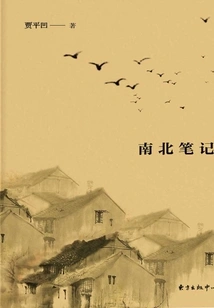
North and South Notes
Literature南北笔记
Jia Pingwa
This book selects 22 works by the well-known writer Mr. Jia Pingwa, divided into three parts: "Passing Doushaguan", "Visiting Several Towns" and "Notes on Dingxi". These works are themed on travel notes, showing the customs, geography and culture of various places, while also reproducing the living conditions and spiritual outlook of modern people. This book is selected and compiled by the famous scholar Mr. Zhou Limin.
This book selects 22 works by the well-known writer Mr. Jia Pingwa, divided into three parts: "Passing Doushaguan", "Visiting Several Towns" and "Notes on Dingxi". These works are themed on travel notes, showing the customs, geography and culture of various places, while also reproducing the living conditions and spiritual outlook of modern people. This book is selected and compiled by the famous scholar Mr. Zhou Limin.
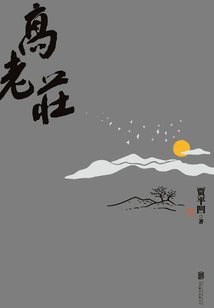
Gaolaozhuang
General Fiction高老庄
Jia Pingwa
University professor Gao Zilu returned to his hometown of Gaolaozhuang with his remarried wife in order to commemorate the third anniversary of his late father. The former farm boy now returns home in rich clothes. Gaolaozhuang is a pure-blooded Han village. Most of the ancestors of the Gao family were outstanding warriors. However, over the past few generations, most of the villagers have become poor and conservative, and even their stature has become smaller with each generation. After returning to his hometown, Gao Zilu began to become as cowardly, conservative, greedy, and selfish as the villagers in Gao Laozhuang when he came into contact with the stereotypes and old customs from the source of life. Gao Laozhuang seems to be a mirror that can reflect human nature, and the well-dressed Gao Zilu immediately reveals his true colors. In the story, the author uses the method of judging ugliness to create characters and unfold the plot. The decline of Gao Laozhuang expresses the author's lament for the degradation and demise of traditional culture. In the novel, ugliness wins the victory in reality, and the victory of ugliness ultimately expresses the desire for beauty.
University professor Gao Zilu returned to his hometown of Gaolaozhuang with his remarried wife in order to commemorate the third anniversary of his late father. The former farm boy now returns home in rich clothes. Gaolaozhuang is a pure-blooded Han village. Most of the ancestors of the Gao family were outstanding warriors. However, over the past few generations, most of the villagers have become poor and conservative, and even their stature has become smaller with each generation. After returning to his hometown, Gao Zilu began to become as cowardly, conservative, greedy, and selfish as the villagers in Gao Laozhuang when he came into contact with the stereotypes and old customs from the source of life. Gao Laozhuang seems to be a mirror that can reflect human nature, and the well-dressed Gao Zilu immediately reveals his true colors. In the story, the author uses the method of judging ugliness to create characters and unfold the plot. The decline of Gao Laozhuang expresses the author's lament for the degradation and demise of traditional culture. In the novel, ugliness wins the victory in reality, and the victory of ugliness ultimately expresses the desire for beauty.
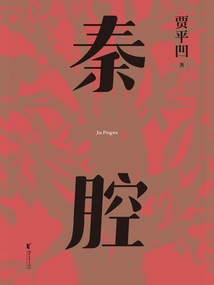
Qin Opera
General Fiction秦腔
Jia Pingwa
"Qin Opera" is undoubtedly one of Jia Pingwa's most beloved works. It won the 7th Mao Dun Literature Award and was selected into the "70 Novels Collection in the 70 Years of New China". "Qin Opera" is a work about hometown. Jia Pingwa said: "The novel "Qin Opera" is about something that I am most familiar with and has a direct life connection with me." Jia Pingwa used Dihua Street in his hometown as a model to write about the villagers and village affairs that he was most emotional about, and to write about the contradictions and confusion faced by rural China under the changes of the great era. In terms of literary style, "Qin Opera" is Jia Pingwa's milestone work, and he has become proficient in writing about daily life.
"Qin Opera" is undoubtedly one of Jia Pingwa's most beloved works. It won the 7th Mao Dun Literature Award and was selected into the "70 Novels Collection in the 70 Years of New China". "Qin Opera" is a work about hometown. Jia Pingwa said: "The novel "Qin Opera" is about something that I am most familiar with and has a direct life connection with me." Jia Pingwa used Dihua Street in his hometown as a model to write about the villagers and village affairs that he was most emotional about, and to write about the contradictions and confusion faced by rural China under the changes of the great era. In terms of literary style, "Qin Opera" is Jia Pingwa's milestone work, and he has become proficient in writing about daily life.
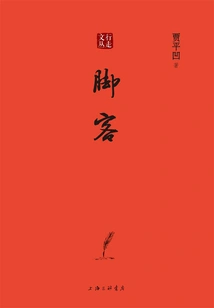
Biker (walking Literature Collection)
Literature脚客(行走文丛)
Jia Pingwa
Jia Ping's concave "walking". The author starts from his hometown Shangluo, including "Yunta Mountain", "Songyun Temple", and "A Ferry with the Moon". Talking about other cities in Shaanxi, there are the prosperous and prosperous "Hibiscus of the Tang Dynasty" and a taste of old Xi'an, and the desolate and solemn "Loess Plateau". The author headed west against the wind and sand, to Dunhuang, to Tarim, to the Flame Mountain, and then headed south and east wrapped in wetness, entering the ancient city of Lijiang, visiting Guilin, meeting girls of the Wa ethnic group, and admiring the vast Taihu Lake... Every plant, tree, mountain, and river can be seen as the reflection of the human soul, which is full of emotion, personality, and philosophy.
Jia Ping's concave "walking". The author starts from his hometown Shangluo, including "Yunta Mountain", "Songyun Temple", and "A Ferry with the Moon". Talking about other cities in Shaanxi, there are the prosperous and prosperous "Hibiscus of the Tang Dynasty" and a taste of old Xi'an, and the desolate and solemn "Loess Plateau". The author headed west against the wind and sand, to Dunhuang, to Tarim, to the Flame Mountain, and then headed south and east wrapped in wetness, entering the ancient city of Lijiang, visiting Guilin, meeting girls of the Wa ethnic group, and admiring the vast Taihu Lake... Every plant, tree, mountain, and river can be seen as the reflection of the human soul, which is full of emotion, personality, and philosophy.
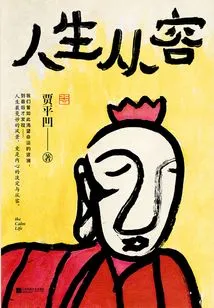
人生从容:在众声喧哗中保持从容
Jia Pingwa
This book contains nearly fifty articles by Jia Pingwa expressing his feelings. The author recorded what he saw and felt with sincere and simple writing. These articles all reflect the calmness and open-mindedness of a wise man, and the richness of emotions. The naturalness of the writing style has reached the state of perfection. The reading is cordial, touching and thought-provoking.
This book contains nearly fifty articles by Jia Pingwa expressing his feelings. The author recorded what he saw and felt with sincere and simple writing. These articles all reflect the calmness and open-mindedness of a wise man, and the richness of emotions. The naturalness of the writing style has reached the state of perfection. The reading is cordial, touching and thought-provoking.
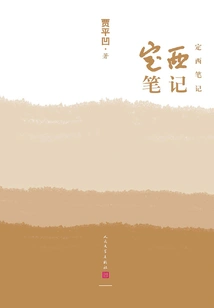
Dingxi Notes
Literature定西笔记
Jia Pingwa
The book is an essay written by the famous writer Jia Pingwa while traveling in the Dingxi area of Gansu Province. It uses literary form to show his concern for China's poorest areas and people, and to show the deepest wounds of this era.
The book is an essay written by the famous writer Jia Pingwa while traveling in the Dingxi area of Gansu Province. It uses literary form to show his concern for China's poorest areas and people, and to show the deepest wounds of this era.
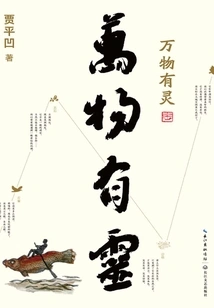
Animism
Literature万物有灵
Jia Pingwa
A new selection of Mr. Jia Pingwa's forty years of prose creation, including 66 essays from 1981 to 2019, totaling 200,000 words. Focusing on the natural flowers in the forest and the sand in the river, through affectionate descriptions of nature, it restores the purity and authenticity of life, as well as thoughts on all living things. This is a sincere passion and curiosity for all things, a pursuit of life, and a strong personal style in the pursuit. What's even more rare is that, across forty years, we have always respected the aura of life and maintained simplicity and purity. This kind of text is worth reading again and again.
A new selection of Mr. Jia Pingwa's forty years of prose creation, including 66 essays from 1981 to 2019, totaling 200,000 words. Focusing on the natural flowers in the forest and the sand in the river, through affectionate descriptions of nature, it restores the purity and authenticity of life, as well as thoughts on all living things. This is a sincere passion and curiosity for all things, a pursuit of life, and a strong personal style in the pursuit. What's even more rare is that, across forty years, we have always respected the aura of life and maintained simplicity and purity. This kind of text is worth reading again and again.
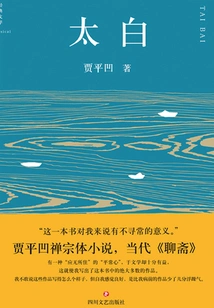
Taibai
Literature太白
Jia Pingwa
"Taibai" is a collection of short stories and short stories by Jia Pingwa. The 15 works are all wonderful and classic. This collection is not only rooted in the fertile historical and cultural soil of Taibai in the Western Region, but also shrouded in an atmosphere of mysticism. Its outstanding feature is that it has a "Liao Zhai" temperament and is full of Zen philosophy. "Taibai Mountain Chronicles" uses absurd techniques to reflect reality and give people a "Liao Zhai" feeling. This feeling is unanimously recognized by the literary world at home and abroad. And this feeling hangs over the entire collection of novels. Or from another perspective, this is a typical manifestation of magical realism in contemporary Chinese literature.
"Taibai" is a collection of short stories and short stories by Jia Pingwa. The 15 works are all wonderful and classic. This collection is not only rooted in the fertile historical and cultural soil of Taibai in the Western Region, but also shrouded in an atmosphere of mysticism. Its outstanding feature is that it has a "Liao Zhai" temperament and is full of Zen philosophy. "Taibai Mountain Chronicles" uses absurd techniques to reflect reality and give people a "Liao Zhai" feeling. This feeling is unanimously recognized by the literary world at home and abroad. And this feeling hangs over the entire collection of novels. Or from another perspective, this is a typical manifestation of magical realism in contemporary Chinese literature.
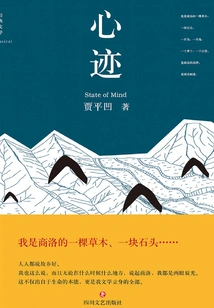
Thoughts
Literature心迹
Jia Pingwa
"Heart Traces" is a collection of essays by Jia Pingwa that records his original aspirations and describes his hometown. It contains four parts: "First Records of Shangzhou", "Records of Shangzhou Again", "Speaking of the East and the West" and "Four Notes of the First Man". "Four Records of a First Man" narrates the joys, sorrows and joys that Jia Pingwa encountered in his teenage life, and records the social situation at that time from the perspective of a young man; "First Records of Shangzhou" and "Records of Shangzhou" record the mountains and rivers of Jia Pingwa's hometown of Shangzhou; "Speaking of the East and the West" records the customs and customs of the northwest region from a larger scope. But no matter what is narrated, it all records Jia Pingwa's true inner world, and this is also his "entire literary foundation."
"Heart Traces" is a collection of essays by Jia Pingwa that records his original aspirations and describes his hometown. It contains four parts: "First Records of Shangzhou", "Records of Shangzhou Again", "Speaking of the East and the West" and "Four Notes of the First Man". "Four Records of a First Man" narrates the joys, sorrows and joys that Jia Pingwa encountered in his teenage life, and records the social situation at that time from the perspective of a young man; "First Records of Shangzhou" and "Records of Shangzhou" record the mountains and rivers of Jia Pingwa's hometown of Shangzhou; "Speaking of the East and the West" records the customs and customs of the northwest region from a larger scope. But no matter what is narrated, it all records Jia Pingwa's true inner world, and this is also his "entire literary foundation."
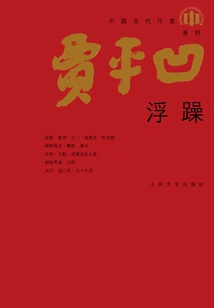
Impetuous
General Fiction浮躁
Jia Pingwa
Long novel. Jia Pingwa is one of the most famous contemporary writers. It can be said that his novels are the most impactful and influential among today's literary circles and readers.
Long novel. Jia Pingwa is one of the most famous contemporary writers. It can be said that his novels are the most impactful and influential among today's literary circles and readers.
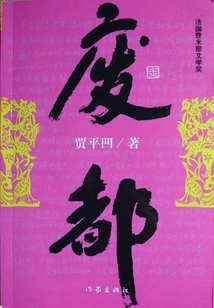
Abandoned Capital
General Fiction废都
Jia Pingwa
The most controversial work in the contemporary literary world, a strange book with mixed reviews. When the book came out in 1993, Mr. Ji Xianlin predicted that "Abandoned Capital" would shine brightly in 20 years. In 1997, he won the French Femina Literary Prize, the first time for an Asian writer to win this honor. In 2003, he won the Honorary Award for Literature and Art of the French Republic. This is a history of Chinese social customs in the 1980s, a worldly novel describing the life of contemporary intellectuals. The novel is based on the contemporary life of Xi'an, an ancient capital with a long history and culture. It describes the daily lives of the "four celebrities": the "idle scholar" writer Zhuang Zhidie, the calligrapher Gong Jingyuan, the painter Wang Ximian and the artist Ruan Zhifei, and shows a condensed and diverse "abandoned capital" landscape of Xijing. The author uses the emotional entanglement between Zhuang Zhidie and several women as the main line, and uses Ruan Zhifei and other celebrities to intersperse the narratives as the auxiliary line. Among the many women, Tang Wan'er, Liu Yue, and Niu Yueqing have created the most successful and lovable characters for him. These characters, who are full of spirituality, emotional intelligence and classical tragedy, embody the author's highest aesthetic ideal.
The most controversial work in the contemporary literary world, a strange book with mixed reviews. When the book came out in 1993, Mr. Ji Xianlin predicted that "Abandoned Capital" would shine brightly in 20 years. In 1997, he won the French Femina Literary Prize, the first time for an Asian writer to win this honor. In 2003, he won the Honorary Award for Literature and Art of the French Republic. This is a history of Chinese social customs in the 1980s, a worldly novel describing the life of contemporary intellectuals. The novel is based on the contemporary life of Xi'an, an ancient capital with a long history and culture. It describes the daily lives of the "four celebrities": the "idle scholar" writer Zhuang Zhidie, the calligrapher Gong Jingyuan, the painter Wang Ximian and the artist Ruan Zhifei, and shows a condensed and diverse "abandoned capital" landscape of Xijing. The author uses the emotional entanglement between Zhuang Zhidie and several women as the main line, and uses Ruan Zhifei and other celebrities to intersperse the narratives as the auxiliary line. Among the many women, Tang Wan'er, Liu Yue, and Niu Yueqing have created the most successful and lovable characters for him. These characters, who are full of spirituality, emotional intelligence and classical tragedy, embody the author's highest aesthetic ideal.
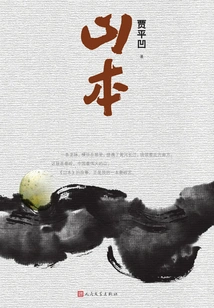
Yamamoto
General Fiction山本
Jia Pingwa
Jia Pingwa's latest novel is about the early revolution in southern Shaanxi. It can be said to be a big book that establishes a biography of modern China. Jia Pingwa has published four original novels in our publisher. Each of them won various literary awards of the year and attracted the attention of the literary world and readers. The sales volume of each book is very objective. "Ancient Furnace", "With Lamp" and "Lao Sheng" have nearly 400,000 copies, and "Ji Hua" has 200,000 copies. They are all works with good social and economic benefits.
Jia Pingwa's latest novel is about the early revolution in southern Shaanxi. It can be said to be a big book that establishes a biography of modern China. Jia Pingwa has published four original novels in our publisher. Each of them won various literary awards of the year and attracted the attention of the literary world and readers. The sales volume of each book is very objective. "Ancient Furnace", "With Lamp" and "Lao Sheng" have nearly 400,000 copies, and "Ji Hua" has 200,000 copies. They are all works with good social and economic benefits.
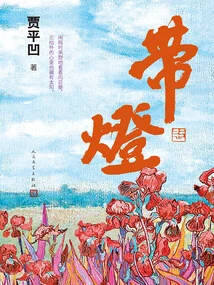
With Light
General Fiction带灯
Jia Pingwa
This book is another surprise that Jia Pingwa has brought to the literary world and readers. The work not only maintains the author's previous artistic characteristics, but also reaches a new literary height. The protagonist of the novel is a female township cadre named "Dai Deng". Her original name is "Ying", which means firefly, and she looks like carrying a lamp patrolling in the dark night. This name also shows the fate of the lamp, which burns and illuminates desperately, but is destined to be weak and powerless and eventually return to dust. Dai Deng is the director of the town's Comprehensive Management Office. She is beautiful, solitary and a bit out of place. She is mainly responsible for handling all disputes and petitions in the countryside. Every day, she faces trivial matters and troubles from farmers. The trivial matters in the countryside are both annoying and sympathetic. Dai Deng fulfills her duties as a township cadre amidst contradictions. She is unwilling to harm the people but also wants to maintain the stability of the grassroots society. From the moment she appeared on the stage, Dai Deng showed a unique detachment. She has a rich heart and rich emotions. She prefers to find peace in the mountains, wind, trees and valleys in the countryside. In 2014, "With Lamp" was awarded "2013 Chinese Good Book".
This book is another surprise that Jia Pingwa has brought to the literary world and readers. The work not only maintains the author's previous artistic characteristics, but also reaches a new literary height. The protagonist of the novel is a female township cadre named "Dai Deng". Her original name is "Ying", which means firefly, and she looks like carrying a lamp patrolling in the dark night. This name also shows the fate of the lamp, which burns and illuminates desperately, but is destined to be weak and powerless and eventually return to dust. Dai Deng is the director of the town's Comprehensive Management Office. She is beautiful, solitary and a bit out of place. She is mainly responsible for handling all disputes and petitions in the countryside. Every day, she faces trivial matters and troubles from farmers. The trivial matters in the countryside are both annoying and sympathetic. Dai Deng fulfills her duties as a township cadre amidst contradictions. She is unwilling to harm the people but also wants to maintain the stability of the grassroots society. From the moment she appeared on the stage, Dai Deng showed a unique detachment. She has a rich heart and rich emotions. She prefers to find peace in the mountains, wind, trees and valleys in the countryside. In 2014, "With Lamp" was awarded "2013 Chinese Good Book".
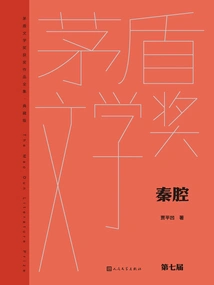
Qin Opera
General Fiction秦腔
Jia Pingwa
"Qinqiang" focuses on a village in southern Shaanxi and tells the story of the relationship between farmers and their land and the living conditions of farmers. Through the eyes of a "madman" named Yinsheng, it writes about the deep worries and deep sympathy for the heavy burden on farmers and the loss of rural culture. The work interprets the 20-year history of China's rural areas with solemn brushstrokes, focusing on the huge and profound changes in rural values and traditional patterns, as well as the profound changes in interpersonal relationships in the traditional patterns. It is "an epic volume of contemporary Chinese rural areas." This book took nearly two years to complete and the draft was revised four times. It is the work that the author took the longest, revised the most, and took the most painstaking efforts. Won the 7th Mao Dun Literature Award.
"Qinqiang" focuses on a village in southern Shaanxi and tells the story of the relationship between farmers and their land and the living conditions of farmers. Through the eyes of a "madman" named Yinsheng, it writes about the deep worries and deep sympathy for the heavy burden on farmers and the loss of rural culture. The work interprets the 20-year history of China's rural areas with solemn brushstrokes, focusing on the huge and profound changes in rural values and traditional patterns, as well as the profound changes in interpersonal relationships in the traditional patterns. It is "an epic volume of contemporary Chinese rural areas." This book took nearly two years to complete and the draft was revised four times. It is the work that the author took the longest, revised the most, and took the most painstaking efforts. Won the 7th Mao Dun Literature Award.
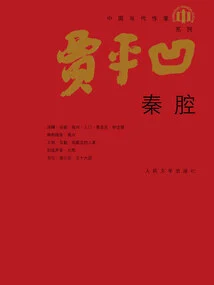
Qin Opera
General Fiction秦腔
Jia Pingwa
Long novel. This series of Jia Pingwa's works includes novels from different periods since he started literary creation. Its completeness is unprecedented. It not only provides readers with the opportunity to read the complete collection, but also provides convenience for researchers.
Long novel. This series of Jia Pingwa's works includes novels from different periods since he started literary creation. Its completeness is unprecedented. It not only provides readers with the opportunity to read the complete collection, but also provides convenience for researchers.
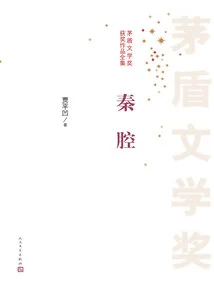
Qin Opera
General Fiction秦腔
Jia Pingwa
"Qinqiang" focuses on a village in southern Shaanxi and tells the story of the relationship between farmers and the land and the living conditions of farmers. Through the eyes of a "madman", he writes about his worries and sympathy for the heavy burden on farmers, the loss of farmland in rural areas, and the loss of rural culture. The author interprets the 20-year history of China's rural areas with dignified writing, focusing on the huge and profound changes in rural values, interpersonal relationships and traditional patterns. It is "an epic volume of contemporary Chinese rural areas".
"Qinqiang" focuses on a village in southern Shaanxi and tells the story of the relationship between farmers and the land and the living conditions of farmers. Through the eyes of a "madman", he writes about his worries and sympathy for the heavy burden on farmers, the loss of farmland in rural areas, and the loss of rural culture. The author interprets the 20-year history of China's rural areas with dignified writing, focusing on the huge and profound changes in rural values, interpersonal relationships and traditional patterns. It is "an epic volume of contemporary Chinese rural areas".
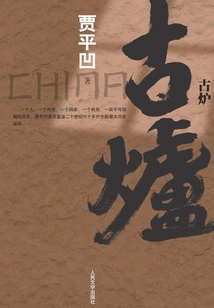
Ancient Furnace
General Fiction古炉
Jia Pingwa
The content of the work "Ancient Furnace" is mainly about Jia Pingwa's experiences in his boyhood, which is of a reminiscence nature. The story takes place in a village called "Gulu" in Shaanxi. This is a remote, closed place that maintains its traditional charm, but this tranquility began to be shaken in the winter of 1965. Almost everyone in Gulu Village was forced to be involved in a massive movement, catalyzed by various factors. Time progressed until the spring of 1967, when a peaceful village with clear mountains and rivers evolved into a ruins of humanistic spirit full of suspicion, confrontation, and fighting amid the illusory and concrete interests of "politics." The ancient furnace village where the porcelain was made was remote. The landscape there was clear and clear, there were many kinds of trees, the wild animals were active, and the livestock were prosperous. However, although the people were hardworking and good at craftsmanship, they were extremely poor. When I set the novel on the ancient furnace, I thought of many things that Jia Pingwa experienced when he was a child, because most of this book is his memories.
The content of the work "Ancient Furnace" is mainly about Jia Pingwa's experiences in his boyhood, which is of a reminiscence nature. The story takes place in a village called "Gulu" in Shaanxi. This is a remote, closed place that maintains its traditional charm, but this tranquility began to be shaken in the winter of 1965. Almost everyone in Gulu Village was forced to be involved in a massive movement, catalyzed by various factors. Time progressed until the spring of 1967, when a peaceful village with clear mountains and rivers evolved into a ruins of humanistic spirit full of suspicion, confrontation, and fighting amid the illusory and concrete interests of "politics." The ancient furnace village where the porcelain was made was remote. The landscape there was clear and clear, there were many kinds of trees, the wild animals were active, and the livestock were prosperous. However, although the people were hardworking and good at craftsmanship, they were extremely poor. When I set the novel on the ancient furnace, I thought of many things that Jia Pingwa experienced when he was a child, because most of this book is his memories.
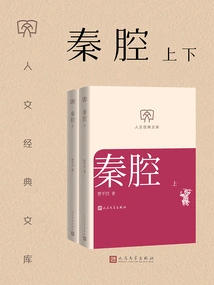
秦腔全二册(人文经典文库)
Jia Pingwa
"Qin Opera" is Jia Pingwa's 12th novel. It was first published in April 2005 and won the 7th Mao Dun Literature Award. The work is based on his hometown of Dihua Town, uses delicate and plain language, and adopts a "dense fleeting writing style". It writes about various issues that have changed in China's rural life over the past 20 years, such as why a large number of farmers have left the countryside, how farmers have disappeared from the land step by step, etc. It focuses on the profound changes in rural values and interpersonal relationships in the traditional pattern during the reform and opening up era. The words are filled with deep affection for the hometown and thoughts on the current situation of the countryside during the social transformation period. Most of the people and things in the book have prototypes. Jia Pingwa said, "I want to erect a monument based on it as my hometown." It has been called "an epic volume of contemporary Chinese rural areas."
"Qin Opera" is Jia Pingwa's 12th novel. It was first published in April 2005 and won the 7th Mao Dun Literature Award. The work is based on his hometown of Dihua Town, uses delicate and plain language, and adopts a "dense fleeting writing style". It writes about various issues that have changed in China's rural life over the past 20 years, such as why a large number of farmers have left the countryside, how farmers have disappeared from the land step by step, etc. It focuses on the profound changes in rural values and interpersonal relationships in the traditional pattern during the reform and opening up era. The words are filled with deep affection for the hometown and thoughts on the current situation of the countryside during the social transformation period. Most of the people and things in the book have prototypes. Jia Pingwa said, "I want to erect a monument based on it as my hometown." It has been called "an epic volume of contemporary Chinese rural areas."

Pingwa Four Books
General Fiction平凹四书
Jia Pingwa
"Pingwa Four Books" is a series of four novels by the famous writer Jia Pingwa. The writer has been in the literary world for forty years and is famous in this era for his rich literary achievements. Among his many works, four full-length works are the most dazzling. These four novels and their characteristics are: "Impotence": Jia Pingwa's first novel; "Desolated Capital": the most controversial novel; "Qin Opera": won the 8th Mao Dun Literature Award; "Ancient Furnace": the novel that Jia Pingwa values most and has the best market response.
"Pingwa Four Books" is a series of four novels by the famous writer Jia Pingwa. The writer has been in the literary world for forty years and is famous in this era for his rich literary achievements. Among his many works, four full-length works are the most dazzling. These four novels and their characteristics are: "Impotence": Jia Pingwa's first novel; "Desolated Capital": the most controversial novel; "Qin Opera": won the 8th Mao Dun Literature Award; "Ancient Furnace": the novel that Jia Pingwa values most and has the best market response.
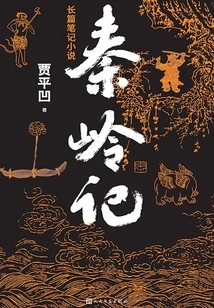
Qinling Chronicles
General Fiction秦岭记
Jia Pingwa
"Records of the Qinling Mountains" is Jia Pingwa's new work. Different from the long-form "Shanben", "Records of the Qinling Mountains" adopts the form of short notes. It starts from ancient times and focuses on small details. It records the mountains, rivers, people and events of the Qinling Mountains in a micro-historical way, and writes about its chaotic majesty. , Grand and subtle, written about its birds and beasts, and realistic worries. It has the two free and mixed attributes of "ambitious people" and "ambitious monsters" in notebook novels. At the same time, it has a distinctive Jia style. It can be said to be Jia's Classic of Mountains and Seas, Jia's Strange Tales from a Liaozhai Studio, and even more so, Jia's "Historical Records of the Qinling Mountains". In addition to the main body of "Qinling Records", there are 17 new chapters of "Taibai Mountain" written by the author in 1990, and six essays written around 2000 as "external compilations". These two parts are intrinsically related to the main body of "Qinling Records". As a writer rooted in the rich soil of Shaanxi and even the northwest, the author has been writing about the Qinling Mountains for decades, first focusing on Shangzhou in the Qinling Mountains, and then zooming in on the entire Qinling Mountains. This 150,000-word Qinling Chronicles can be said to be the author's accumulated years of life experience, and he has written "the details of life and the flavor of life deep in the mountains."
"Records of the Qinling Mountains" is Jia Pingwa's new work. Different from the long-form "Shanben", "Records of the Qinling Mountains" adopts the form of short notes. It starts from ancient times and focuses on small details. It records the mountains, rivers, people and events of the Qinling Mountains in a micro-historical way, and writes about its chaotic majesty. , Grand and subtle, written about its birds and beasts, and realistic worries. It has the two free and mixed attributes of "ambitious people" and "ambitious monsters" in notebook novels. At the same time, it has a distinctive Jia style. It can be said to be Jia's Classic of Mountains and Seas, Jia's Strange Tales from a Liaozhai Studio, and even more so, Jia's "Historical Records of the Qinling Mountains". In addition to the main body of "Qinling Records", there are 17 new chapters of "Taibai Mountain" written by the author in 1990, and six essays written around 2000 as "external compilations". These two parts are intrinsically related to the main body of "Qinling Records". As a writer rooted in the rich soil of Shaanxi and even the northwest, the author has been writing about the Qinling Mountains for decades, first focusing on Shangzhou in the Qinling Mountains, and then zooming in on the entire Qinling Mountains. This 150,000-word Qinling Chronicles can be said to be the author's accumulated years of life experience, and he has written "the details of life and the flavor of life deep in the mountains."
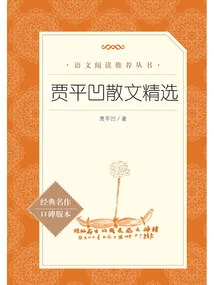
Selected Prose by Jia Pingwa
Literature贾平凹散文精选
Jia Pingwa
Jia Pingwa is a famous contemporary writer. In addition to a large number of novels, his literary achievements are also good at prose writing. He is famous in the literary world for his natural, simple and ethereal writing style, and has a strong and large readership. It should be said that each article is an essential summary of the writer's thoughts on life. The language is calm and natural, and it has played a practical role in promoting Chinese writing.
Jia Pingwa is a famous contemporary writer. In addition to a large number of novels, his literary achievements are also good at prose writing. He is famous in the literary world for his natural, simple and ethereal writing style, and has a strong and large readership. It should be said that each article is an essential summary of the writer's thoughts on life. The language is calm and natural, and it has played a practical role in promoting Chinese writing.
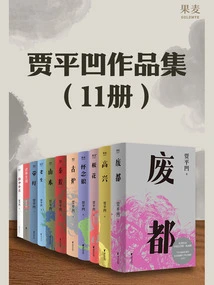
贾平凹作品集(11册)
Jia Pingwa
Jia Pingwa's eleven works span local magic, era fissures and soul questioning, building the "Qinling Mountains" of contemporary Chinese literature. From "Abandoned Capital" to "Qinqiang Opera" which won the Mao Dun Literature Award, from the wild burst of "Missing the Wolf" to the bloody and romantic "Extreme Flower", Jia Pingwa dissects reality with magical brushstrokes and interrogates eternity from a compassionate perspective - here, he encounters the tremors and echoes of a nation's soul.
Jia Pingwa's eleven works span local magic, era fissures and soul questioning, building the "Qinling Mountains" of contemporary Chinese literature. From "Abandoned Capital" to "Qinqiang Opera" which won the Mao Dun Literature Award, from the wild burst of "Missing the Wolf" to the bloody and romantic "Extreme Flower", Jia Pingwa dissects reality with magical brushstrokes and interrogates eternity from a compassionate perspective - here, he encounters the tremors and echoes of a nation's soul.
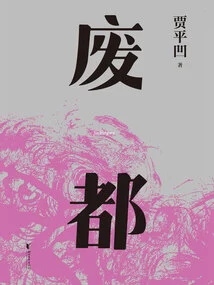
Abandoned Capital
General Fiction废都
Jia Pingwa
"The Wasted City" came out in 1993 and caused a sensation in the Chinese literary world. While receiving rave reviews, it also caused controversy. In 1997, "The Wasted City" won the Femina Prize, France's three major literary awards, and won international reputation. The novel fictionalizes a city in Xijing in the 1980s, and describes the love affairs of writer Zhuang Zhidie, one of the four major cultural celebrities in Xijing, and his depression, boredom, decadence, and ultimately destruction. In addition to depicting the characters' spiritual dilemma, the novel also has a meaningful depiction of social life, and there is a profound resonance between the two.
"The Wasted City" came out in 1993 and caused a sensation in the Chinese literary world. While receiving rave reviews, it also caused controversy. In 1997, "The Wasted City" won the Femina Prize, France's three major literary awards, and won international reputation. The novel fictionalizes a city in Xijing in the 1980s, and describes the love affairs of writer Zhuang Zhidie, one of the four major cultural celebrities in Xijing, and his depression, boredom, decadence, and ultimately destruction. In addition to depicting the characters' spiritual dilemma, the novel also has a meaningful depiction of social life, and there is a profound resonance between the two.
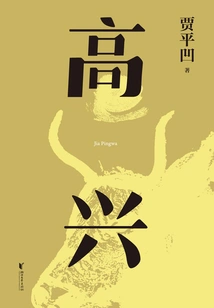
高兴(白宇帆、于文文、罗康主演《高兴》原著)
Jia Pingwa
"Happiness" continues the author's consistent focus on farmers and writes about the fate of farmers in the city - waste pickers in the city. It mainly tells the story of Liu Gaoxing, a farmer who goes to the city to scavenge waste, and several of his partners to survive in the city. It also involves various people at the bottom of the city, including beggars, migrant workers, prostitutes, etc. These people all have a common characteristic, struggling to survive in the city. The work not only sincerely writes about the living conditions of these marginalized groups in society, but also shows their spiritual world, their intertwined fates and spiritual changes through these poignant stories.
"Happiness" continues the author's consistent focus on farmers and writes about the fate of farmers in the city - waste pickers in the city. It mainly tells the story of Liu Gaoxing, a farmer who goes to the city to scavenge waste, and several of his partners to survive in the city. It also involves various people at the bottom of the city, including beggars, migrant workers, prostitutes, etc. These people all have a common characteristic, struggling to survive in the city. The work not only sincerely writes about the living conditions of these marginalized groups in society, but also shows their spiritual world, their intertwined fates and spiritual changes through these poignant stories.