Library
Browse and search books
2,470 novels found

V
Literaturev
I
The classic masterpiece of contemporary American poet Plath: Death is an Art. An important representative collection of poems by the famous American poet Plath. When she committed suicide on February 11, 1963, she left a black spring binder on her desk, which contained a manuscript collection of forty poems. The collection was originally titled "Ariel and Other Poems." Later, her husband Hughes organized and deleted the manuscript according to the order, and published two different versions of the "Ariel" poetry collection in 1965 and 1966, respectively, the British version and the American version. This revised version of "Ariel" is completely different from the previous two editions - it contains a complete set of forty poems and is arranged in strict accordance with the order of Plath's last manuscript, presenting the author's state of mind at that time more authentically.
The classic masterpiece of contemporary American poet Plath: Death is an Art. An important representative collection of poems by the famous American poet Plath. When she committed suicide on February 11, 1963, she left a black spring binder on her desk, which contained a manuscript collection of forty poems. The collection was originally titled "Ariel and Other Poems." Later, her husband Hughes organized and deleted the manuscript according to the order, and published two different versions of the "Ariel" poetry collection in 1965 and 1966, respectively, the British version and the American version. This revised version of "Ariel" is completely different from the previous two editions - it contains a complete set of forty poems and is arranged in strict accordance with the order of Plath's last manuscript, presenting the author's state of mind at that time more authentically.

S
Literatures
I
"Flowers of Evil" is the representative work of French poet Baudelaire and one of the most influential literary works of the 19th century. The theme of the poem revolves around the melancholy and ideals of young people, using depressive and gloomy images to express the anxious and uneasy state of people's hearts. Baudelaire changed the definition of beauty from the past advocates of classicism and advocated discovering a different kind of beauty in the ugliness and evil of urban life. The innovations in language and aesthetic ideas of "Flowers of Evil" influenced later poets and became the foundation of modernist literature.
"Flowers of Evil" is the representative work of French poet Baudelaire and one of the most influential literary works of the 19th century. The theme of the poem revolves around the melancholy and ideals of young people, using depressive and gloomy images to express the anxious and uneasy state of people's hearts. Baudelaire changed the definition of beauty from the past advocates of classicism and advocated discovering a different kind of beauty in the ugliness and evil of urban life. The innovations in language and aesthetic ideas of "Flowers of Evil" influenced later poets and became the foundation of modernist literature.
Selected Novels of Pushkin
General Fiction普希金小说选
I
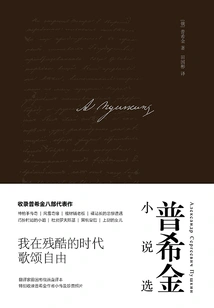
"Selected Novels of Pushkin" contains 8 representative works of Pushkin. "Belkin's Novels" includes "Legend of the Sharpshooter", "Snow Romance", "The Coffin Shop Owner", "The Tragedy of the Postmaster" and "The Lady Who Pretended to Be a Village Girl". It expresses deep sympathy for the misfortunes of little people and starts the tradition of shaping "little people". "Dubrovsky" expresses the darkness of tyranny, the corruption of the nobility and the hypocrisy of the church. "The Queen of Spades" shows the life of aristocrats and criticizes the corruption of upper class society and the darkness of Tsarist Russian society. "The Captain's Daughter" seems to describe a love story, but in fact it praises Pugachev's heroic spirit of opposing tyranny and having the courage to resist.
"Selected Novels of Pushkin" contains 8 representative works of Pushkin. "Belkin's Novels" includes "Legend of the Sharpshooter", "Snow Romance", "The Coffin Shop Owner", "The Tragedy of the Postmaster" and "The Lady Who Pretended to Be a Village Girl". It expresses deep sympathy for the misfortunes of little people and starts the tradition of shaping "little people". "Dubrovsky" expresses the darkness of tyranny, the corruption of the nobility and the hypocrisy of the church. "The Queen of Spades" shows the life of aristocrats and criticizes the corruption of upper class society and the darkness of Tsarist Russian society. "The Captain's Daughter" seems to describe a love story, but in fact it praises Pugachev's heroic spirit of opposing tyranny and having the courage to resist.
Selected Classic Novels by Pushkin
General Fiction普希金经典小说选
I
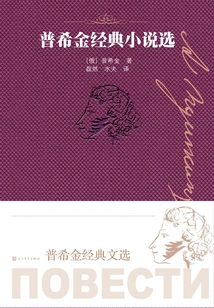
2019 is the 220th anniversary of the birth of Pushkin, the originator of modern Russian literature. Works that represent Pushkin's literary creation have been specially selected to form the "Pushkin Classics" series, which are novels, love poems and children's literature. This anthology is a series of Pushkin's classic novels, including "Belkin's Novels" and "The Queen of Spades". These short and medium-sized novels reflect Pushkin's superb skills in novel creation, including psychological description and character creation, and vividly reflect the social reality and social psychology of nineteenth-century Russia. The length of short and medium stories is also suitable for current reading needs.
2019 is the 220th anniversary of the birth of Pushkin, the originator of modern Russian literature. Works that represent Pushkin's literary creation have been specially selected to form the "Pushkin Classics" series, which are novels, love poems and children's literature. This anthology is a series of Pushkin's classic novels, including "Belkin's Novels" and "The Queen of Spades". These short and medium-sized novels reflect Pushkin's superb skills in novel creation, including psychological description and character creation, and vividly reflect the social reality and social psychology of nineteenth-century Russia. The length of short and medium stories is also suitable for current reading needs.
S
Literatures
I
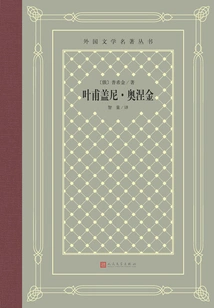
"Eugene Onegin" is a long verse novel created by the Russian writer Pushkin. It was written from 1823 to 1831 and published in 1831. This work occupies an important position in the history of Russian literature and has had a profound impact on subsequent Russian literature in terms of genre, language, and content. "Eugene Onegin" revolves around the story of the Petersburg aristocratic young man Onegin and the country girl Tatiana. It depicts the lives of urban aristocrats and rural landowners at that time, outlines the undercurrent historical background, tells the troubles of progressive youth, and praises innocent emotions and values.
"Eugene Onegin" is a long verse novel created by the Russian writer Pushkin. It was written from 1823 to 1831 and published in 1831. This work occupies an important position in the history of Russian literature and has had a profound impact on subsequent Russian literature in terms of genre, language, and content. "Eugene Onegin" revolves around the story of the Petersburg aristocratic young man Onegin and the country girl Tatiana. It depicts the lives of urban aristocrats and rural landowners at that time, outlines the undercurrent historical background, tells the troubles of progressive youth, and praises innocent emotions and values.
Sing for the Season When Lilacs Bloom
Literature为紫丁香开放的时节歌唱
I
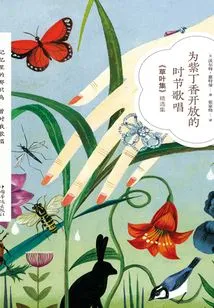
"Singing for the Season of Lilacs Blooming" is a selection of 28 songs from "Leaves of Grass". It contains a eulogy for freedom, democracy, and equality, as well as the belief that all things have animism and the immortal soul; it has the wild natural scenery of the United States and the magnificent and boiling city scenes, it has the praise of the body and sex, and it has the fearlessness of death... It shows a strong personality and is filled with unrestrained enthusiasm.
"Singing for the Season of Lilacs Blooming" is a selection of 28 songs from "Leaves of Grass". It contains a eulogy for freedom, democracy, and equality, as well as the belief that all things have animism and the immortal soul; it has the wild natural scenery of the United States and the magnificent and boiling city scenes, it has the praise of the body and sex, and it has the fearlessness of death... It shows a strong personality and is filled with unrestrained enthusiasm.
Atlas
Literature地图册
I
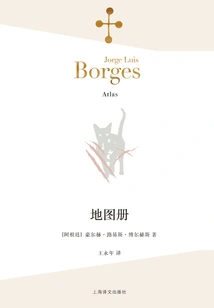
The collection of poems written by Borges in 1984 is one of his late mature works. The author writes poems about what he saw and felt when he and Maria Kodama visited various places together. Each topic is an independent chapter, full of interesting things.
The collection of poems written by Borges in 1984 is one of his late mature works. The author writes poems about what he saw and felt when he and Maria Kodama visited various places together. Each topic is an independent chapter, full of interesting things.

Unknown University (complete Collection)
Literature未知大学(全集)
I
Writing poetry is the most beautiful thing anyone can do in this God-forsaken world. Bolaño, who took literature as his career, wrote a love letter to a generation of literary youth. The Chinese version of Bolaño's poetry collection includes the main poetry collection "Unknown University" and three other poetry collections "Antwerp", "Romantic Dog" and "Three".
Writing poetry is the most beautiful thing anyone can do in this God-forsaken world. Bolaño, who took literature as his career, wrote a love letter to a generation of literary youth. The Chinese version of Bolaño's poetry collection includes the main poetry collection "Unknown University" and three other poetry collections "Antwerp", "Romantic Dog" and "Three".
Days
Literature天数
I
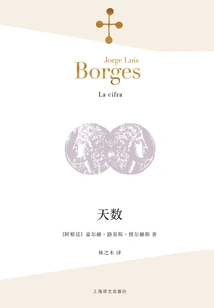
The collection of poems written by Borges in 1981 is one of his late mature works. The opening chapter of "The Numbers of Days" emphasizes that "intelligence (the mind) thinks through abstract concepts, poetry (dreams) is composed of images, myths or fables", and Borges claimed that he was pursuing an intermediate form in the book.
The collection of poems written by Borges in 1981 is one of his late mature works. The opening chapter of "The Numbers of Days" emphasizes that "intelligence (the mind) thinks through abstract concepts, poetry (dreams) is composed of images, myths or fables", and Borges claimed that he was pursuing an intermediate form in the book.
Ishikawa Takuboku Tanka
Literature石川啄木短歌
I
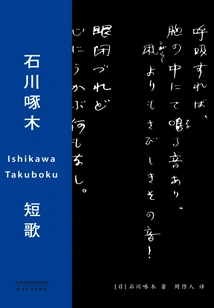
Shi Hang said in an interview: "Although you think I recommended Ishikawa Takuboku many times, I want to say that most of the time I suppressed the recommendation and did not recommend it." Ishikawa Takuboku, a Japanese poet, once worked as a teacher and journalist. He was only 26 years old when he died due to poverty and illness. "Ishikawa Takuboku Tanka" contains 551 tanks of Ishikawa Takuboku's "A Grip of Sand". Based on the 1962 translation of "Ishikawa Takuboku's Poetry Collection" by Zhou Zuoren and the 1962 bilingual compilation of "Ishikawa Takuboku's Song Collection" by Iwanami Bunko, Ishikawa Takuboku's translation is completely restored. Ishikawa Takuboku's tanka has unique descriptions of daily life, seasonal changes, political situations, relatives, friends and children, and records the gains and losses in life with delicate and sensitive thoughts. As a poet who died of illness at a young age and made a brief appearance in the literary world, Ishikawa Takuboku's poems show irreplaceable value in terms of both his creative level and his understanding of life beyond the times. Compared with most collections of Ishikawa Takuboku's poems on the market, this book uniquely adopts a Chinese-Japanese bilingual version and uses the classic Zhou Zuoren translation to restore Ishikawa Takuboku's sensitive and compassionate soul and outstanding literary talent with the most simple and factual translation.
Shi Hang said in an interview: "Although you think I recommended Ishikawa Takuboku many times, I want to say that most of the time I suppressed the recommendation and did not recommend it." Ishikawa Takuboku, a Japanese poet, once worked as a teacher and journalist. He was only 26 years old when he died due to poverty and illness. "Ishikawa Takuboku Tanka" contains 551 tanks of Ishikawa Takuboku's "A Grip of Sand". Based on the 1962 translation of "Ishikawa Takuboku's Poetry Collection" by Zhou Zuoren and the 1962 bilingual compilation of "Ishikawa Takuboku's Song Collection" by Iwanami Bunko, Ishikawa Takuboku's translation is completely restored. Ishikawa Takuboku's tanka has unique descriptions of daily life, seasonal changes, political situations, relatives, friends and children, and records the gains and losses in life with delicate and sensitive thoughts. As a poet who died of illness at a young age and made a brief appearance in the literary world, Ishikawa Takuboku's poems show irreplaceable value in terms of both his creative level and his understanding of life beyond the times. Compared with most collections of Ishikawa Takuboku's poems on the market, this book uniquely adopts a Chinese-Japanese bilingual version and uses the classic Zhou Zuoren translation to restore Ishikawa Takuboku's sensitive and compassionate soul and outstanding literary talent with the most simple and factual translation.
Selected Lyric Poems of Pushkin
Literature普希金抒情诗选
I
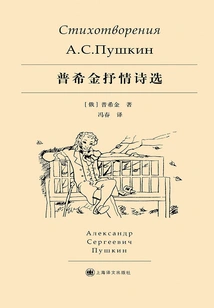
Pushkin is known as the "Sun of Russian Poetry" and he opened the door to Russian literature. He fully reflected his pursuit, emotion, character and style in his poetry. His poems are full of passion, and he always pursues unremittingly for freedom. He dreams of one day breaking away from the shackles of the Tsarist autocratic system and soaring under the unfettered blue sky. There are also a large number of love poems in his works, in which the poet expresses thousands of passionate and sincere feelings and eulogizes the women he admires. They are full of true feelings, popular and refreshing. This book contains the most important lyric poems that Pushkin created throughout his life, and was translated by Feng Chun, a famous translator who independently translated the ten-volume "Collected Works of Pushkin".
Pushkin is known as the "Sun of Russian Poetry" and he opened the door to Russian literature. He fully reflected his pursuit, emotion, character and style in his poetry. His poems are full of passion, and he always pursues unremittingly for freedom. He dreams of one day breaking away from the shackles of the Tsarist autocratic system and soaring under the unfettered blue sky. There are also a large number of love poems in his works, in which the poet expresses thousands of passionate and sincere feelings and eulogizes the women he admires. They are full of true feelings, popular and refreshing. This book contains the most important lyric poems that Pushkin created throughout his life, and was translated by Feng Chun, a famous translator who independently translated the ten-volume "Collected Works of Pushkin".
Selected Works of Yeats
General Fiction叶芝精选作品
I
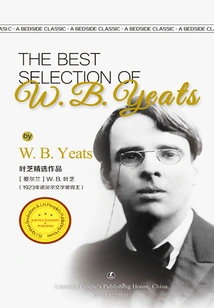
Yeats's most widely read poem in China is "When You Are Old". This time we publish it together and attach a Chinese translation for the convenience of readers.
Yeats's most widely read poem in China is "When You Are Old". This time we publish it together and attach a Chinese translation for the convenience of readers.
S
Literatures
I
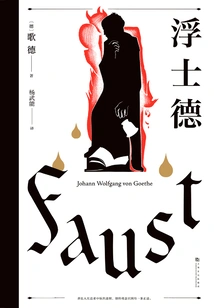
This brilliant poetic drama took sixty years to create and is the fruit of Goethe's lifelong artistic efforts. He composed a surging hymn for mankind's immortal pursuit spirit. The protagonist Faust is a scholar who is unwilling to accept the status quo. He is tired of knowledge. At this time, the devil appears and tempts him to sell his soul so that he can gain all earthly experiences. In pursuit of the truth, he went through many hardships and dangers, traveled the entire journey that humans have pursued, and often failed and perished, but he did not give up the search and finally obtained salvation.
This brilliant poetic drama took sixty years to create and is the fruit of Goethe's lifelong artistic efforts. He composed a surging hymn for mankind's immortal pursuit spirit. The protagonist Faust is a scholar who is unwilling to accept the status quo. He is tired of knowledge. At this time, the devil appears and tempts him to sell his soul so that he can gain all earthly experiences. In pursuit of the truth, he went through many hardships and dangers, traveled the entire journey that humans have pursued, and often failed and perished, but he did not give up the search and finally obtained salvation.
故土追忆:米沃什诗集Ⅲ
I
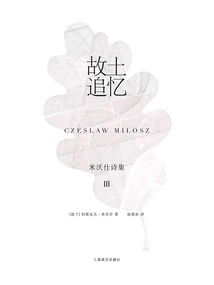
"One sentence is home, and this sentence seems to be forged from steel." "Memories of Homeland: Miłosz Poetry Collection III" contains 87 poems by Miłosz, from "Memories of Homeland" (1986), "Chronicle" (1985-1987) and "The Other Shore" (1991). The poet recalls the people who have passed away and the homeland that is difficult to enter, and ponders our common destiny, but "still cannot learn to narrate properly and be calm". Czeslaw Milosz, one of the greatest poets of the 20th century, defined the tragedy and beauty of his era with unparalleled precision and elegance. His poems, whether they describe his boyhood in Poland, his grief in war-torn Warsaw, or his pursuit of faith, are all astonishing and awe-inspiring, and they convey a strong sense of life and the individuality of ordinary life. The poem's exploration of death, war, love and faith is gripping, shocking and thought-provoking: "The existence of this land itself is far beyond the description of any language." "Miłosz's Collected Poems" contains 335 of the poet's poems from 1931 to 2001. This poem chapter, according to the year of creation and publication, is divided into four volumes: "Poems of the Frozen Period", "Enchanted Guqiao", "Reminiscences of Homeland" and "Facing the River". It was directly translated from Polish by Polish literature experts. It is the first time that the complete picture of Miłosz's poetry is presented in the Chinese world.
"One sentence is home, and this sentence seems to be forged from steel." "Memories of Homeland: Miłosz Poetry Collection III" contains 87 poems by Miłosz, from "Memories of Homeland" (1986), "Chronicle" (1985-1987) and "The Other Shore" (1991). The poet recalls the people who have passed away and the homeland that is difficult to enter, and ponders our common destiny, but "still cannot learn to narrate properly and be calm". Czeslaw Milosz, one of the greatest poets of the 20th century, defined the tragedy and beauty of his era with unparalleled precision and elegance. His poems, whether they describe his boyhood in Poland, his grief in war-torn Warsaw, or his pursuit of faith, are all astonishing and awe-inspiring, and they convey a strong sense of life and the individuality of ordinary life. The poem's exploration of death, war, love and faith is gripping, shocking and thought-provoking: "The existence of this land itself is far beyond the description of any language." "Miłosz's Collected Poems" contains 335 of the poet's poems from 1931 to 2001. This poem chapter, according to the year of creation and publication, is divided into four volumes: "Poems of the Frozen Period", "Enchanted Guqiao", "Reminiscences of Homeland" and "Facing the River". It was directly translated from Polish by Polish literature experts. It is the first time that the complete picture of Miłosz's poetry is presented in the Chinese world.
T
Literaturet
I
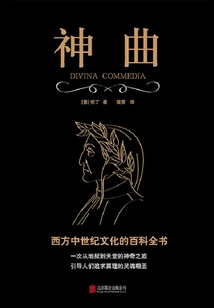
"The Divine Comedy" tells the story of the Italian poet Dante who strayed into a dark and dangerous forest one night when he was "halfway through his life journey". When the sun rose, three ferocious beasts-a lion, a leopard, and a wolf-blocked Dante's way. At this time, the great ancient Roman poet Virgil appeared. Virgil was entrusted by Dante's beloved woman, the Saint Beatrice, to help Dante out of danger and take him to visit hell and purgatory. When arriving at the paradise on earth, Beatrice appeared and took over Virgil's guide job, leading Dante to travel to paradise, allowing him to finally see the truth, goodness and beauty, and feel true love and joy.
"The Divine Comedy" tells the story of the Italian poet Dante who strayed into a dark and dangerous forest one night when he was "halfway through his life journey". When the sun rose, three ferocious beasts-a lion, a leopard, and a wolf-blocked Dante's way. At this time, the great ancient Roman poet Virgil appeared. Virgil was entrusted by Dante's beloved woman, the Saint Beatrice, to help Dante out of danger and take him to visit hell and purgatory. When arriving at the paradise on earth, Beatrice appeared and took over Virgil's guide job, leading Dante to travel to paradise, allowing him to finally see the truth, goodness and beauty, and feel true love and joy.
Divine Comedy: Inferno (english Version)
Literature神曲:地狱篇(英文版)
I
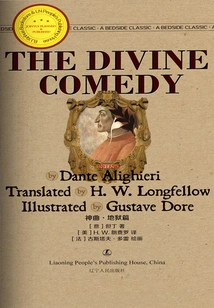
Dante's "Divine Comedy" is the most influential book in the Western world besides the Bible. Dante himself has become one of the three most famous poets in the West, known as the father of the Italian language and one of the three spiritual sources of literature. Recently, Dan Brown, the most influential best-selling author in the United States and the author of "The Da Vinci Code", has released a new book "Inferno", with a first edition of 2 million copies. The book is based on the first part of "Inferno" in Dante's "Divine Comedy" to unfold the plot. The book is expected to be adapted for screen next year (2014), which will usher in an enthusiastic response to "The Divine Comedy". This English translation is the most authoritative translation in the English-speaking world. It was translated by the famous 19th-century American poet Longfellow, and immediately became a classic translation in the English-speaking world after its publication.
Dante's "Divine Comedy" is the most influential book in the Western world besides the Bible. Dante himself has become one of the three most famous poets in the West, known as the father of the Italian language and one of the three spiritual sources of literature. Recently, Dan Brown, the most influential best-selling author in the United States and the author of "The Da Vinci Code", has released a new book "Inferno", with a first edition of 2 million copies. The book is based on the first part of "Inferno" in Dante's "Divine Comedy" to unfold the plot. The book is expected to be adapted for screen next year (2014), which will usher in an enthusiastic response to "The Divine Comedy". This English translation is the most authoritative translation in the English-speaking world. It was translated by the famous 19th-century American poet Longfellow, and immediately became a classic translation in the English-speaking world after its publication.

Tears and Laughter
Literature泪与笑
I
This book is a collection of Gibran's philosophical prose poems, including "Tears and Laughter", "Madman" and "Pioneer". It is short and concise, full of life philosophy, and has helped countless readers get out of the trough of life. Open this book and find the meaning of life when you are confused and confused, and get out of your spiritual dilemma! Seeing you, I understand why I came to this world. --Excerpted from page 9 of this book. There are two me in a person, one is awake in the dark and the other is asleep in the light. --Excerpted from page 129 of this book. I am looking for a road leading to a more brilliant tomorrow. --Excerpted from page 295 of this book.
This book is a collection of Gibran's philosophical prose poems, including "Tears and Laughter", "Madman" and "Pioneer". It is short and concise, full of life philosophy, and has helped countless readers get out of the trough of life. Open this book and find the meaning of life when you are confused and confused, and get out of your spiritual dilemma! Seeing you, I understand why I came to this world. --Excerpted from page 9 of this book. There are two me in a person, one is awake in the dark and the other is asleep in the light. --Excerpted from page 129 of this book. I am looking for a road leading to a more brilliant tomorrow. --Excerpted from page 295 of this book.
Q
Literatureq
I
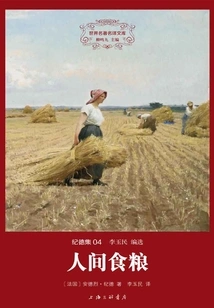
"The Food of the World" is a collection of two prose works by Gide, "The Food of the World" (1897) and "The New Food" (1935). "The Food of the World" is known as "the Bible of the restless generation". The author uses his wanderings in Africa as a clue and a virtual goddess as his object of confiding, describing exotic customs and expressing his feelings about life. It is Gide's manifesto to vent his youthful passion and pursue happiness. It is filled with a kind of primitive and instinctive impulse, recording the original state of impulse when the instinct pursues happiness; and this original state of impulse gives people a primitive texture, with rough, natural, innocent and lively characteristics, and is recognized by the younger generation. "New Food" once again promotes the power of "emotion" and praises the passion for life as sacred as religion.
"The Food of the World" is a collection of two prose works by Gide, "The Food of the World" (1897) and "The New Food" (1935). "The Food of the World" is known as "the Bible of the restless generation". The author uses his wanderings in Africa as a clue and a virtual goddess as his object of confiding, describing exotic customs and expressing his feelings about life. It is Gide's manifesto to vent his youthful passion and pursue happiness. It is filled with a kind of primitive and instinctive impulse, recording the original state of impulse when the instinct pursues happiness; and this original state of impulse gives people a primitive texture, with rough, natural, innocent and lively characteristics, and is recognized by the younger generation. "New Food" once again promotes the power of "emotion" and praises the passion for life as sacred as religion.
Vatican Crypt
General Fiction梵蒂冈的地窖
I
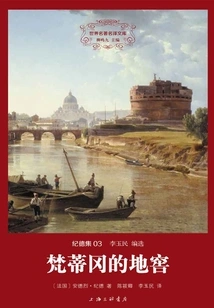
"The Crypt of the Vatican" is a collection of Gide's four novels from different periods: "Palude", "Return of the Prodigal Son", "The Cellar of the Vatican" and "Theseus". "Palude" is a story about Gide's pursuit of "change", being uneasy about the status quo, hoping to change himself, and also eager to awaken the people around him. It is regarded as the pioneering work of modernist literature. The unique humor throughout the book satirizes various aspects of life and literary phenomena at that time. "The Return of the Prodigal Son" is a short story by Gide, which has been adapted into a play and performed on the stage. The prodigal son returned to his parents not because he regretted what he had done, but he also encouraged and helped his younger brother to run away from home, which had a profound meaning. "Crypts of the Vatican" is a satirical novel, a "silly play".
"The Crypt of the Vatican" is a collection of Gide's four novels from different periods: "Palude", "Return of the Prodigal Son", "The Cellar of the Vatican" and "Theseus". "Palude" is a story about Gide's pursuit of "change", being uneasy about the status quo, hoping to change himself, and also eager to awaken the people around him. It is regarded as the pioneering work of modernist literature. The unique humor throughout the book satirizes various aspects of life and literary phenomena at that time. "The Return of the Prodigal Son" is a short story by Gide, which has been adapted into a play and performed on the stage. The prodigal son returned to his parents not because he regretted what he had done, but he also encouraged and helped his younger brother to run away from home, which had a profound meaning. "Crypts of the Vatican" is a satirical novel, a "silly play".
The Counterfeiter (selected Translations of Masterpieces)
General Fiction伪币制造者(译文名著精选)
I
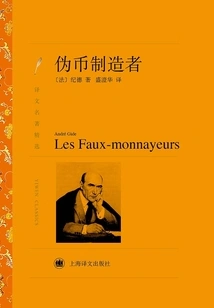
André Gide (1869-1951) was one of the most important French writers of the 20th century and one of the most important figures in the history of French and even modern Western literature and thought. He won the 1947 Nobel Prize in Literature for his "extensive and artistically profound works that express human problems and situations with a fearless love for truth and keen psychological insights." "The Counterfeiter" occupies a very special position in Gide's oeuvre: it is Gide's last and only novel, and is the product of his most mature period of thought and art. Gide admitted in his diary that he spent his entire life accumulating his efforts to write this work. It was the most important mission of his life. After writing it, he would die without regrets. Therefore, it can be said that it represents the highest and most comprehensive achievement of Gide as a thinker and artist. The works are profound and delicate in thought, clear and exquisite in writing, broad in vision and rich in content. It is not only a coming-of-age novel, an ethical novel, but also a psychological novel, and even a "meta-novel" that shows how to refine life and create art. It has a milestone significance in the history of literature.
André Gide (1869-1951) was one of the most important French writers of the 20th century and one of the most important figures in the history of French and even modern Western literature and thought. He won the 1947 Nobel Prize in Literature for his "extensive and artistically profound works that express human problems and situations with a fearless love for truth and keen psychological insights." "The Counterfeiter" occupies a very special position in Gide's oeuvre: it is Gide's last and only novel, and is the product of his most mature period of thought and art. Gide admitted in his diary that he spent his entire life accumulating his efforts to write this work. It was the most important mission of his life. After writing it, he would die without regrets. Therefore, it can be said that it represents the highest and most comprehensive achievement of Gide as a thinker and artist. The works are profound and delicate in thought, clear and exquisite in writing, broad in vision and rich in content. It is not only a coming-of-age novel, an ethical novel, but also a psychological novel, and even a "meta-novel" that shows how to refine life and create art. It has a milestone significance in the history of literature.
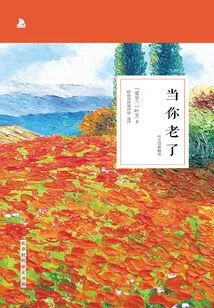
当你老了(叶芝诗歌精选)
I
This book is a collection of poems written by the famous Irish poet, playwright and essayist William Butler Yeats. This book selects representative works from various periods of Yeats's poetry creation, including "When You Are Old", "The White Bird", "Leda and the Swan", "Sailing to Byzantium", "The Foothills of Ben Bulben", etc., To display Yeats's creative process in a relatively comprehensive manner, and to give readers a comprehensive understanding of the poet. Yeats' early poetry style was naturalistic. During this period, he created a large number of lyric poems, which were sincere and touching, and were widely circulated. In his later years, due to the influence of politics and metaphysics, Yeats's poetic style turned to contemplation and conciseness, focusing on philosophical and historical themes. Yeats was in Ireland at the turn of the century. He used poetry to integrate his personal history with the history of Ireland at that stage, showing deep patriotism.
This book is a collection of poems written by the famous Irish poet, playwright and essayist William Butler Yeats. This book selects representative works from various periods of Yeats's poetry creation, including "When You Are Old", "The White Bird", "Leda and the Swan", "Sailing to Byzantium", "The Foothills of Ben Bulben", etc., To display Yeats's creative process in a relatively comprehensive manner, and to give readers a comprehensive understanding of the poet. Yeats' early poetry style was naturalistic. During this period, he created a large number of lyric poems, which were sincere and touching, and were widely circulated. In his later years, due to the influence of politics and metaphysics, Yeats's poetic style turned to contemplation and conciseness, focusing on philosophical and historical themes. Yeats was in Ireland at the turn of the century. He used poetry to integrate his personal history with the history of Ireland at that stage, showing deep patriotism.
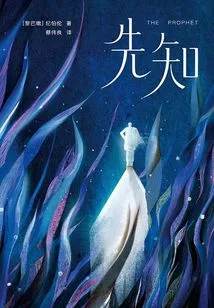
Prophet
Literature先知
I
"The Prophet" is Gibran's world-renowned masterpiece. It caused a sensation once it was published. Through the mouth of a wise Eastern philosopher, Gibran narrated the crystallization of more than 40 years of wisdom and told the world the secrets of 26 issues such as love, marriage, children, work, education, pain, joy, good and evil, life and death. Since its publication, this book has been translated into hundreds of languages and widely circulated, influencing generations of readers. Open this book and reap the energy and wisdom from Gibran, making you feel strong and calm, and get rid of negative emotions such as anxiety and irritation. Love only knows its depth when we are apart. --Excerpted from page 12 of this book. Love one another, but do not put chains on your love. --Excerpted from page 30 of this book. Your children are actually not your children, they are children born of life's desire for itself. They came to this world through you, but not because of you. You can give your children your love instead of importing your thoughts. --Excerpted from page 32 of this book.
"The Prophet" is Gibran's world-renowned masterpiece. It caused a sensation once it was published. Through the mouth of a wise Eastern philosopher, Gibran narrated the crystallization of more than 40 years of wisdom and told the world the secrets of 26 issues such as love, marriage, children, work, education, pain, joy, good and evil, life and death. Since its publication, this book has been translated into hundreds of languages and widely circulated, influencing generations of readers. Open this book and reap the energy and wisdom from Gibran, making you feel strong and calm, and get rid of negative emotions such as anxiety and irritation. Love only knows its depth when we are apart. --Excerpted from page 12 of this book. Love one another, but do not put chains on your love. --Excerpted from page 30 of this book. Your children are actually not your children, they are children born of life's desire for itself. They came to this world through you, but not because of you. You can give your children your love instead of importing your thoughts. --Excerpted from page 32 of this book.

T
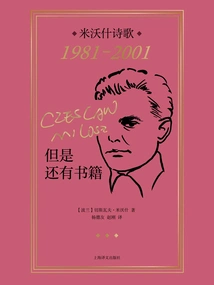
但是还有书籍:米沃什诗歌1981-2001
I
This book collects the poems of Polish poet and Nobel Prize winner Czeslaw Miłosz from 1981 to 2001. According to the year of creation and publication, 207 of Miłosz's poems are included, including "Memories of Homeland" (1986), "Chronicle" (1985-1987), "The Other Side" (1991), "Facing the River" (1995), "The Puppy on the Road" (1998) and "This" (2000). In the poetry of the 1980s, poets recalled the people who had passed away and the inaccessible homeland, and pondered our common destiny, but "still could not learn to narrate appropriately and calmly." After entering the 1990s, poetry included conversations with other people, describing the world coldly, and the passion between the lines remained, continuing the discussion of good and evil, truth and freedom. The poet blends personal experience with historical perspective to reveal a revelatory insight.
This book collects the poems of Polish poet and Nobel Prize winner Czeslaw Miłosz from 1981 to 2001. According to the year of creation and publication, 207 of Miłosz's poems are included, including "Memories of Homeland" (1986), "Chronicle" (1985-1987), "The Other Side" (1991), "Facing the River" (1995), "The Puppy on the Road" (1998) and "This" (2000). In the poetry of the 1980s, poets recalled the people who had passed away and the inaccessible homeland, and pondered our common destiny, but "still could not learn to narrate appropriately and calmly." After entering the 1990s, poetry included conversations with other people, describing the world coldly, and the passion between the lines remained, continuing the discussion of good and evil, truth and freedom. The poet blends personal experience with historical perspective to reveal a revelatory insight.
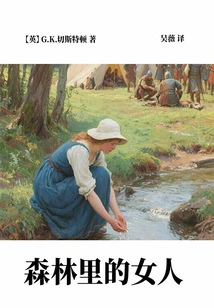
Woman in Forest
Literature森林里的女人
I
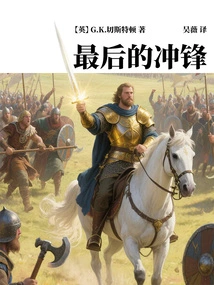
G. K. Chesterton is an important figure in the history of British literature. He can be called a rare erudite master. He is a famous British writer, literary critic, theologian and poet. This book is a selection of his classic poems. Set against the backdrop of Alfred the Great's battle against the Danish invasion, the work explores themes of faith, struggle and national identity. Through rich imagery and allegorical references, it elevates Alfred from a mere historical figure to a symbol of Christian virtue and resilience.
G. K. Chesterton is an important figure in the history of British literature. He can be called a rare erudite master. He is a famous British writer, literary critic, theologian and poet. This book is a selection of his classic poems. Set against the backdrop of Alfred the Great's battle against the Danish invasion, the work explores themes of faith, struggle and national identity. Through rich imagery and allegorical references, it elevates Alfred from a mere historical figure to a symbol of Christian virtue and resilience.
W
Literaturew
I
G. K. Chesterton is an important figure in the history of British literature. He can be called a rare erudite master. He is a famous British writer, literary critic, theologian and poet. This book is a selection of his classic poems. Chesterton outlines how Alfred's story - from his famous encounter with cake to the Berkshires' symbolic white horse - captured the collective imagination. It emphasizes the struggle between Christianity and paganism, ultimately seeking to unify the disparate cultural elements of the time.
G. K. Chesterton is an important figure in the history of British literature. He can be called a rare erudite master. He is a famous British writer, literary critic, theologian and poet. This book is a selection of his classic poems. Chesterton outlines how Alfred's story - from his famous encounter with cake to the Berkshires' symbolic white horse - captured the collective imagination. It emphasizes the struggle between Christianity and paganism, ultimately seeking to unify the disparate cultural elements of the time.
Poems That Can Make You Happy
Literature可以让你快乐的诗
I
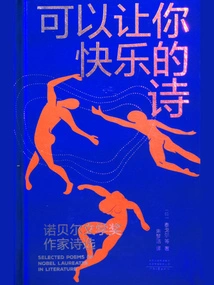
It selects 166 classic poems by 9 Nobel Prize winners in literature, weaving a poetic galaxy with "happiness" as the context. From the world-renowned literary giant Rabindranath Tagore to Maeterlinck, known as the "Shakespeare of Belgium"; from Karl Felt to Kipling; from the romantic and symbolist Yeats to Hesse, the last knight of the German Romantics; from the modernist master Eliot to Mistral who sang about maternal tenderness; and the hermit poet Quasimodo. After hundreds of years, these great works of poetry are still shining brightly. With the translator's background introduction, slow down, have a conversation with the poet, and experience and feel the world instead of being obsessed with meaning. In this era of eagerness to express happiness, we learn to express sadness honestly, and you can make yourself happier.
It selects 166 classic poems by 9 Nobel Prize winners in literature, weaving a poetic galaxy with "happiness" as the context. From the world-renowned literary giant Rabindranath Tagore to Maeterlinck, known as the "Shakespeare of Belgium"; from Karl Felt to Kipling; from the romantic and symbolist Yeats to Hesse, the last knight of the German Romantics; from the modernist master Eliot to Mistral who sang about maternal tenderness; and the hermit poet Quasimodo. After hundreds of years, these great works of poetry are still shining brightly. With the translator's background introduction, slow down, have a conversation with the poet, and experience and feel the world instead of being obsessed with meaning. In this era of eagerness to express happiness, we learn to express sadness honestly, and you can make yourself happier.
爱你如诗美丽(纪伯伦全集)
I
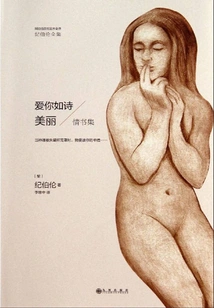
This book contains a large number of Gibran's unknown essays, essays, speeches, translations, proverbs, etc. Gibran's poetic talent conceals his identity as a peerless essayist. This is the most comprehensive collection of Gibran's essays and miscellaneous articles in the world. From this book, you can see an impassioned and cold-hearted Gibran. Perhaps this is the side that he should have as the most famous thinker in the 20th century. The article is full of Gibran's worries about the times, nation, family and country. Because of this book, he is enough to leave his name in history together with Lu Xun.
This book contains a large number of Gibran's unknown essays, essays, speeches, translations, proverbs, etc. Gibran's poetic talent conceals his identity as a peerless essayist. This is the most comprehensive collection of Gibran's essays and miscellaneous articles in the world. From this book, you can see an impassioned and cold-hearted Gibran. Perhaps this is the side that he should have as the most famous thinker in the 20th century. The article is full of Gibran's worries about the times, nation, family and country. Because of this book, he is enough to leave his name in history together with Lu Xun.
泪与笑(纪伯伦全集)
I
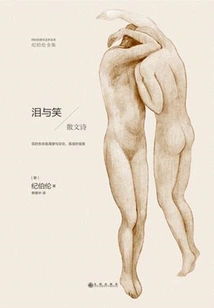
"The Complete Works of Gibran: Tears and Laughter (Prose Poems)" collects three of Kahlil Gibran's classic works "Tears and Laughter", "The Storm" and "Treasures". Tears and laughter, life and death, spirit and flesh are all opposites. Life is spent in this world full of opposites. Gibran wrote answers to all phenomena in the world with profound thinking that surpasses that of a philosopher, and with the compassion of a writer. This is Gibran's own question of heaven and a question for the common people. Reading this book is no longer limited by its words. Although the words are still beautiful, what attracts you must be the philosophical thoughts in it that are full of answers to life's questions. I dare not say that this book is a life mentor, but it will definitely give you a warm heart light unexpectedly when you are in trouble in life.
"The Complete Works of Gibran: Tears and Laughter (Prose Poems)" collects three of Kahlil Gibran's classic works "Tears and Laughter", "The Storm" and "Treasures". Tears and laughter, life and death, spirit and flesh are all opposites. Life is spent in this world full of opposites. Gibran wrote answers to all phenomena in the world with profound thinking that surpasses that of a philosopher, and with the compassion of a writer. This is Gibran's own question of heaven and a question for the common people. Reading this book is no longer limited by its words. Although the words are still beautiful, what attracts you must be the philosophical thoughts in it that are full of answers to life's questions. I dare not say that this book is a life mentor, but it will definitely give you a warm heart light unexpectedly when you are in trouble in life.
Soul Fountain: Sand and Foam
Literature心灵甘泉:沙与沫
I
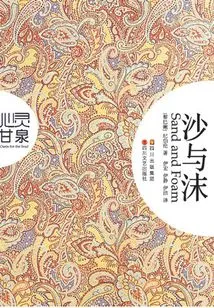
Sand and Foam is a book of aphorisms about life, art, love, and human nature, which is worth reading again and again. In addition to philosophy, the collection of poems is also rich in the beauty of music, just like the sound of nature, conveying the love and true meaning of life, so that those who are troubled and hesitant can be comforted and inspired! Poetry transcends the limitations of time, space and national boundaries. The words and sentences contain profound philosophy, embody the common emotions of mankind, and meet the different needs of different hearts.
Sand and Foam is a book of aphorisms about life, art, love, and human nature, which is worth reading again and again. In addition to philosophy, the collection of poems is also rich in the beauty of music, just like the sound of nature, conveying the love and true meaning of life, so that those who are troubled and hesitant can be comforted and inspired! Poetry transcends the limitations of time, space and national boundaries. The words and sentences contain profound philosophy, embody the common emotions of mankind, and meet the different needs of different hearts.
W
纪伯伦散文诗经典(经典译林)
I
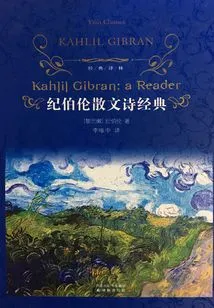
"Kahlil Gibran's Prose Poems" selects 14 of Gibran's prose poems, including "Prophet", "Prophet's Garden", "Sand and Foam", "Love and Thoughts", "Music Short Chapters", "Tears and Laughter", "Madman", "Storm Collection", "Pioneer", "Treasures", "Son of Man Jesus", "God of the Earth", "Wanderer" and "Unknown Essays". These classic poems represent Gibran's highest literary achievements. Gibran can be called the most outstanding Lebanese writer with world-renowned reputation. He is one of the pioneers of the modern Arab literary renaissance movement and the main founder of modern Arab novels and essays. He is a master of oriental literature comparable to Rabindranath Tagore.
"Kahlil Gibran's Prose Poems" selects 14 of Gibran's prose poems, including "Prophet", "Prophet's Garden", "Sand and Foam", "Love and Thoughts", "Music Short Chapters", "Tears and Laughter", "Madman", "Storm Collection", "Pioneer", "Treasures", "Son of Man Jesus", "God of the Earth", "Wanderer" and "Unknown Essays". These classic poems represent Gibran's highest literary achievements. Gibran can be called the most outstanding Lebanese writer with world-renowned reputation. He is one of the pioneers of the modern Arab literary renaissance movement and the main founder of modern Arab novels and essays. He is a master of oriental literature comparable to Rabindranath Tagore.
Y
Literaturey
I
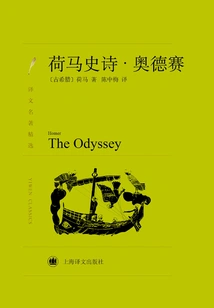
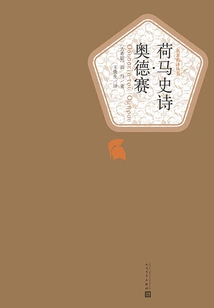
"Homer's Epic" is the earliest epic in Greece, including the "Iliad" and "Odyssey". It is said to have been written by the blind poet Homer. In fact, it originated from folk oral literature. "The Odyssey" is the only "returning epic" handed down from the "series of epics" based on the legend of the Trojan War. After the resourceful Odysseus captured the city of Troy with the Trojan horse trick, he led his army across the sea and returned home. He encountered various difficulties and obstacles on the way. After ten years of wandering, all his companions died. Only with the help of the goddess Athena, he persevered and returned to his long-lost hometown alone.
"Homer's Epic" is the earliest epic in Greece, including the "Iliad" and "Odyssey". It is said to have been written by the blind poet Homer. In fact, it originated from folk oral literature. "The Odyssey" is the only "returning epic" handed down from the "series of epics" based on the legend of the Trojan War. After the resourceful Odysseus captured the city of Troy with the Trojan horse trick, he led his army across the sea and returned home. He encountered various difficulties and obstacles on the way. After ten years of wandering, all his companions died. Only with the help of the goddess Athena, he persevered and returned to his long-lost hometown alone.
神曲(译文名著典藏)
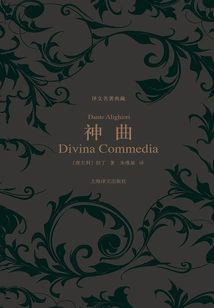
I
"The Divine Comedy" adopts the form of fantasy literature popular in the Middle Ages, and describes a story about traveling through the three realms of hell, purgatory and heaven. There are three volumes of poems, namely "Hell", "Purgatory" and "Paradise", with thirty-three chapters in each volume, and a total of one hundred chapters including the preface. The poet described how he lost his way in a dark forest in the early morning before Easter in 1300. Leopards, lions and wolves, which symbolized lust, power and greed, blocked the way. At the critical moment, the ancient Roman poet Virgil appeared. He was entrusted by the woman Dante loved in his youth, Bidelice, to come to his aid. Virgil guided Dante through Hell, which punishes sinful souls, and through Purgatory, which accommodates repentant souls. Finally, Biedlitze guided him through the nine heavens that constitute heaven, and finally reached the presence of God. At this time, Dante realized that his thoughts were in harmony with God's thoughts, and the whole poem came to an abrupt end. When Dante traveled through hell and purgatory, many of the souls he encountered were famous figures in history or at that time. The lines of the poem are full of meaning and have strong theological and religious overtones.
"The Divine Comedy" adopts the form of fantasy literature popular in the Middle Ages, and describes a story about traveling through the three realms of hell, purgatory and heaven. There are three volumes of poems, namely "Hell", "Purgatory" and "Paradise", with thirty-three chapters in each volume, and a total of one hundred chapters including the preface. The poet described how he lost his way in a dark forest in the early morning before Easter in 1300. Leopards, lions and wolves, which symbolized lust, power and greed, blocked the way. At the critical moment, the ancient Roman poet Virgil appeared. He was entrusted by the woman Dante loved in his youth, Bidelice, to come to his aid. Virgil guided Dante through Hell, which punishes sinful souls, and through Purgatory, which accommodates repentant souls. Finally, Biedlitze guided him through the nine heavens that constitute heaven, and finally reached the presence of God. At this time, Dante realized that his thoughts were in harmony with God's thoughts, and the whole poem came to an abrupt end. When Dante traveled through hell and purgatory, many of the souls he encountered were famous figures in history or at that time. The lines of the poem are full of meaning and have strong theological and religious overtones.
Aesop's Fables (japanese Classics)
Literature伊索寓言(日知古典)
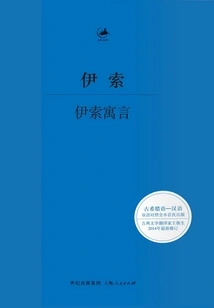
I
"Aesop's Fables" is the oldest and most influential collection of fables in the history of European fables. "Aesop's Fables" is an ancient Greek-Chinese bilingual version and belongs to the "Rizhi Classics Series". The Greek text of this book is based on Aesop's "Aesop's Fables" in the Teubner series in Germany, which collects various materials on Aesop's fables from ancient times to the Middle Ages, and contains 346 fables. It is an authoritative revised version recognized by the academic community. The translation in this book was directly translated from the original ancient Greek text by Mr. Wang Huansheng, a classical literature translator, and revised word for word. The translation is accurate and unpretentious, making it the most authoritative and credible full translation of "Aesop's Fables" in China. The stories in "Aesop's Fables" are short, exciting and vivid, with profound meanings, rich content and thought-provoking teachings that enable its spread to last forever and become a widely circulated classic literary work in the world.
"Aesop's Fables" is the oldest and most influential collection of fables in the history of European fables. "Aesop's Fables" is an ancient Greek-Chinese bilingual version and belongs to the "Rizhi Classics Series". The Greek text of this book is based on Aesop's "Aesop's Fables" in the Teubner series in Germany, which collects various materials on Aesop's fables from ancient times to the Middle Ages, and contains 346 fables. It is an authoritative revised version recognized by the academic community. The translation in this book was directly translated from the original ancient Greek text by Mr. Wang Huansheng, a classical literature translator, and revised word for word. The translation is accurate and unpretentious, making it the most authoritative and credible full translation of "Aesop's Fables" in China. The stories in "Aesop's Fables" are short, exciting and vivid, with profound meanings, rich content and thought-provoking teachings that enable its spread to last forever and become a widely circulated classic literary work in the world.
东大教授世界文学讲义5
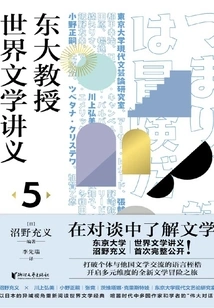
I
"Tokyo University Professor's Lecture Notes on World Literature 5" is the fourth volume in the "Tokyo University Professor's Lecture Note on World Literature" series. This book is the world literature course handout of Mitsuki Numano, a professor of literature at the University of Tokyo and a famous Japanese literary critic. The content consists of a literary dialogue between the author Mitsuki Numano and 23 well-known contemporary writers and scholars (from Japan, the United States, China, Poland, Bulgaria and other countries). This series of books is required reading for undergraduates and graduate students majoring in literary theory at the University of Tokyo, and is also a basic reading for students majoring in literature at the University of Tokyo. This volume contains dialogues between popular Japanese writers Kawakami Hiromi and Ono Masatsugu, Bulgarian writer Tsvetana, Ukrainian translator Uyacheslavi, and Czech translator Elusi Pieta. The topic revolves around the two themes of "From the World to Japan" and "From Japan to the World", exploring how to introduce Japanese literature to countries around the world, and how to read literature from different countries in the world.
"Tokyo University Professor's Lecture Notes on World Literature 5" is the fourth volume in the "Tokyo University Professor's Lecture Note on World Literature" series. This book is the world literature course handout of Mitsuki Numano, a professor of literature at the University of Tokyo and a famous Japanese literary critic. The content consists of a literary dialogue between the author Mitsuki Numano and 23 well-known contemporary writers and scholars (from Japan, the United States, China, Poland, Bulgaria and other countries). This series of books is required reading for undergraduates and graduate students majoring in literary theory at the University of Tokyo, and is also a basic reading for students majoring in literature at the University of Tokyo. This volume contains dialogues between popular Japanese writers Kawakami Hiromi and Ono Masatsugu, Bulgarian writer Tsvetana, Ukrainian translator Uyacheslavi, and Czech translator Elusi Pieta. The topic revolves around the two themes of "From the World to Japan" and "From Japan to the World", exploring how to introduce Japanese literature to countries around the world, and how to read literature from different countries in the world.
Selected Poems of Whitman
Literature惠特曼诗选
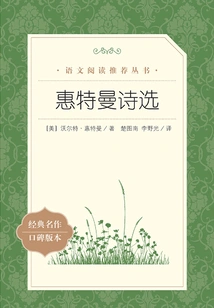
I
"Leaves of Grass" is a romantic poetry collection by the 19th-century American writer Walt Whitman. It contains more than 300 poems. The collection of poems is named after a poem in the collection: "Wherever there is soil, wherever there is water, wherever grass grows." The poems in the collection are like the grass that grows all over the American land, full of vitality and exuding an alluring fragrance. They are world-famous masterpieces and ushered in a new era of American national poetry. The author made bold innovations in the form of poetry, creating a "free style" poetry form and breaking the traditional poetry rhythm. "Selected Poems of Whitman" is carefully compiled and selected based on the 1994 edition of "Leaves of Grass" published by People's Literature Publishing House. It selects Whitman's familiar masterpieces and also considers that the readers are primary and secondary school students, so it is suitable for primary and secondary school students to read.
"Leaves of Grass" is a romantic poetry collection by the 19th-century American writer Walt Whitman. It contains more than 300 poems. The collection of poems is named after a poem in the collection: "Wherever there is soil, wherever there is water, wherever grass grows." The poems in the collection are like the grass that grows all over the American land, full of vitality and exuding an alluring fragrance. They are world-famous masterpieces and ushered in a new era of American national poetry. The author made bold innovations in the form of poetry, creating a "free style" poetry form and breaking the traditional poetry rhythm. "Selected Poems of Whitman" is carefully compiled and selected based on the 1994 edition of "Leaves of Grass" published by People's Literature Publishing House. It selects Whitman's familiar masterpieces and also considers that the readers are primary and secondary school students, so it is suitable for primary and secondary school students to read.
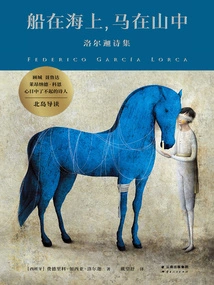
船在海上,马在山中:洛尔迦诗集
I
In the world of poetry, America has Whitman, Chile has Neruda, Britain has Yeats, and Spain has Lorca. For the Spaniards, Lorca is the eternal "Son of Andalusia". With a pure and passionate heart, he sang the praises of Andalusia's clear springs, fragrant orange flowers, vast sea, and brilliant starry sky. His poems contain the soul of Spain. On August 19, 1936, Lorca, who was only 38 years old, was shot dead for opposing fascist rebels. Lorca's death is a wound that is difficult to heal in modern Spanish history.
In the world of poetry, America has Whitman, Chile has Neruda, Britain has Yeats, and Spain has Lorca. For the Spaniards, Lorca is the eternal "Son of Andalusia". With a pure and passionate heart, he sang the praises of Andalusia's clear springs, fragrant orange flowers, vast sea, and brilliant starry sky. His poems contain the soul of Spain. On August 19, 1936, Lorca, who was only 38 years old, was shot dead for opposing fascist rebels. Lorca's death is a wound that is difficult to heal in modern Spanish history.
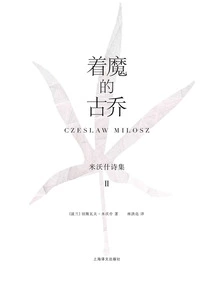
着魔的古乔:米沃什诗集Ⅱ
I
"There are no flowers in the garden because they have been trampled." "The Enchanted Guccio: Miłosz's Poems II" contains 73 poems by Miłosz, from "The Enchanted Guccio" (1965), "The City without a Name" (1969), "Prose Poems" (1954-1969), "Where the Sun Rises and Sets" (1974) and "Ode to the Pearl" (1981). Most of them were created by the poet after he immigrated to the United States. Some of his works reveal his happiness in settling in the New World, but there is still some inner struggle and pain. Czeslaw Milosz, one of the greatest poets of the 20th century, defined the tragedy and beauty of his era with unparalleled precision and elegance. His poems, whether they describe his boyhood in Poland, his grief in war-torn Warsaw, or his pursuit of faith, are all astonishing and awe-inspiring, and they convey a strong sense of life and the individuality of ordinary life. The poem's exploration of death, war, love and faith is gripping, shocking and thought-provoking: "The existence of this land itself is far beyond the description of any language." "Miłosz's Collected Poems" contains 335 of the poet's poems from 1931 to 2001. This poem chapter, according to the year of creation and publication, is divided into four volumes: "Poems of the Frozen Period", "Enchanted Guqiao", "Reminiscences of Homeland" and "Facing the River". It was directly translated from Polish by Polish literature experts. It is the first time that the complete picture of Miłosz's poetry is presented in the Chinese world.
"There are no flowers in the garden because they have been trampled." "The Enchanted Guccio: Miłosz's Poems II" contains 73 poems by Miłosz, from "The Enchanted Guccio" (1965), "The City without a Name" (1969), "Prose Poems" (1954-1969), "Where the Sun Rises and Sets" (1974) and "Ode to the Pearl" (1981). Most of them were created by the poet after he immigrated to the United States. Some of his works reveal his happiness in settling in the New World, but there is still some inner struggle and pain. Czeslaw Milosz, one of the greatest poets of the 20th century, defined the tragedy and beauty of his era with unparalleled precision and elegance. His poems, whether they describe his boyhood in Poland, his grief in war-torn Warsaw, or his pursuit of faith, are all astonishing and awe-inspiring, and they convey a strong sense of life and the individuality of ordinary life. The poem's exploration of death, war, love and faith is gripping, shocking and thought-provoking: "The existence of this land itself is far beyond the description of any language." "Miłosz's Collected Poems" contains 335 of the poet's poems from 1931 to 2001. This poem chapter, according to the year of creation and publication, is divided into four volumes: "Poems of the Frozen Period", "Enchanted Guqiao", "Reminiscences of Homeland" and "Facing the River". It was directly translated from Polish by Polish literature experts. It is the first time that the complete picture of Miłosz's poetry is presented in the Chinese world.
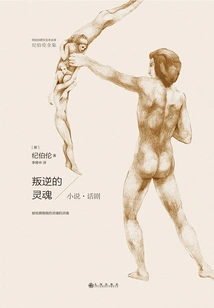
叛逆的灵魂(纪伯伦全集)
I
This book is the first complete collection of Gibran's novels and plays, and is accompanied by exquisite illustrations specially drawn by Gibran for the book. Gibran's novels and plays are full of rebellious spirit. As he said: they are the call to the God of freedom in the deepest part of the abyss. "The Rebellious Soul" calls on the people to break the shackles of servility, and Gibran angered the government and was expelled; "The Prairie Bride" praises the purity of love and accuses the destruction of love by public opinion and ethics; "Broken Wings" is a poignant love story based on the author's own experience. The grief and despair in the article are gripping. This book does not have Gibran's consistent tolerance and gentleness in other works such as "The Prophet", but is full of anger and injustice. He uses the protagonist's mouth to shout out all the helplessness and despair in his life, which is shocking.
This book is the first complete collection of Gibran's novels and plays, and is accompanied by exquisite illustrations specially drawn by Gibran for the book. Gibran's novels and plays are full of rebellious spirit. As he said: they are the call to the God of freedom in the deepest part of the abyss. "The Rebellious Soul" calls on the people to break the shackles of servility, and Gibran angered the government and was expelled; "The Prairie Bride" praises the purity of love and accuses the destruction of love by public opinion and ethics; "Broken Wings" is a poignant love story based on the author's own experience. The grief and despair in the article are gripping. This book does not have Gibran's consistent tolerance and gentleness in other works such as "The Prophet", but is full of anger and injustice. He uses the protagonist's mouth to shout out all the helplessness and despair in his life, which is shocking.
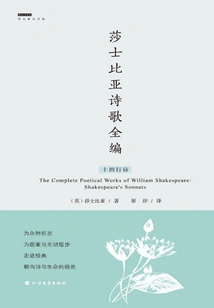
Complete Poems of Shakespeare: Sonnets
Literature莎士比亚诗歌全编:十四行诗
I
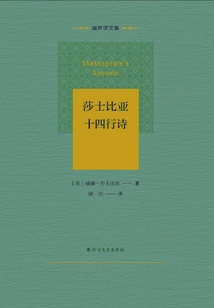
"Sonnets" is Shakespeare's most important collection of poems. Since the end of the 18th century, Shakespeare's sonnets have aroused great interest and various debates. According to widely popular interpretations, these sonnets from the 1st to the 126th are written to or about a beautiful aristocratic young man; from the 127th to the 152nd, they are written to or about a dark-skinned girl; the last two and a few in between have nothing to do with the story. At first glance, this collection of poems will give people a monotonous feeling. Shakespeare repeats the same themes over and over again - time, friendship or love, art (poetry). However, if you taste them carefully, you will find that they are by no means the same thing.
"Sonnets" is Shakespeare's most important collection of poems. Since the end of the 18th century, Shakespeare's sonnets have aroused great interest and various debates. According to widely popular interpretations, these sonnets from the 1st to the 126th are written to or about a beautiful aristocratic young man; from the 127th to the 152nd, they are written to or about a dark-skinned girl; the last two and a few in between have nothing to do with the story. At first glance, this collection of poems will give people a monotonous feeling. Shakespeare repeats the same themes over and over again - time, friendship or love, art (poetry). However, if you taste them carefully, you will find that they are by no means the same thing.
Shakespeare Sonnets
Literature莎士比亚十四行诗
I
This book was written approximately between 1590 and 1598. The structural and language skills of its poems are extremely high, and each poem has its own independent aesthetic value. All 154 of his poems focus on praising love, friendship and truth, goodness and beauty. In the creation of sonnets in Britain and even the world, Shakespeare's sonnets are a peak and deserve an unprecedented reputation. As Britain's greatest playwright and poet, Shakespeare is known as "the soul of the era" and "humanity's greatest dramatic genius" who "belongs not only to one era but to the entire century." His sonnets occupy a very important place in his oeuvre.
This book was written approximately between 1590 and 1598. The structural and language skills of its poems are extremely high, and each poem has its own independent aesthetic value. All 154 of his poems focus on praising love, friendship and truth, goodness and beauty. In the creation of sonnets in Britain and even the world, Shakespeare's sonnets are a peak and deserve an unprecedented reputation. As Britain's greatest playwright and poet, Shakespeare is known as "the soul of the era" and "humanity's greatest dramatic genius" who "belongs not only to one era but to the entire century." His sonnets occupy a very important place in his oeuvre.
草叶集:惠特曼诗选(经典译林)
I
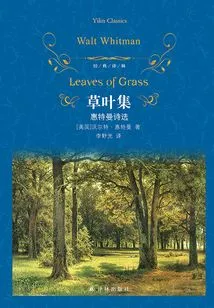
"Leaves of Grass" is the representative work of the American poet Whitman. It is the first collection of poems with American national style and style in the history of American literature. It created a generation of poetry style, which subverted the European poetry creation model that American poets followed before, from content to form, and had a great influence on the American poetry world. "Leaves of Grass: Selected Poems by Whitman" is written by Li Yeguang, a Whitman research expert and poetry translator, who selects the essence of the poems and translates them vividly. The bold, unrestrained, simple and rough language reproduces the vitality of the United States of that era. The language of poetry is close to spoken language, vivid and easy to understand, and has a distinctive rhythm.
"Leaves of Grass" is the representative work of the American poet Whitman. It is the first collection of poems with American national style and style in the history of American literature. It created a generation of poetry style, which subverted the European poetry creation model that American poets followed before, from content to form, and had a great influence on the American poetry world. "Leaves of Grass: Selected Poems by Whitman" is written by Li Yeguang, a Whitman research expert and poetry translator, who selects the essence of the poems and translates them vividly. The bold, unrestrained, simple and rough language reproduces the vitality of the United States of that era. The language of poetry is close to spoken language, vivid and easy to understand, and has a distinctive rhythm.
我的夜晚是对你的狂想:阿赫玛托娃诗选
I
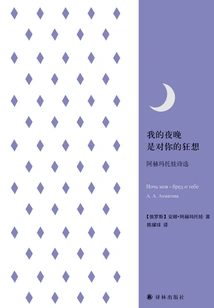
Akhmatova is a great poet who is good at lyrical poetry and love poetry. "My Nights Are Rhapsody About You: Selected Poems of Akhmatova" selects most of her important lyric poetry collections "Evening", "Rosary", "The White Bunch", "Plantain", "Era of Christ" and "Episode 7", as well as the entire epic poem "Requiem". In her works, there are girls who fall in love for the first time, lovers who are passionately in love, and frustrated people who are abandoned by love, and there are many philosophies of life in them. Nature is a talking elf in her works and the protagonist's closest friend.
Akhmatova is a great poet who is good at lyrical poetry and love poetry. "My Nights Are Rhapsody About You: Selected Poems of Akhmatova" selects most of her important lyric poetry collections "Evening", "Rosary", "The White Bunch", "Plantain", "Era of Christ" and "Episode 7", as well as the entire epic poem "Requiem". In her works, there are girls who fall in love for the first time, lovers who are passionately in love, and frustrated people who are abandoned by love, and there are many philosophies of life in them. Nature is a talking elf in her works and the protagonist's closest friend.

M
Gift: Milosz Poetry 1931-1981
Literature礼物:米沃什诗歌1931-1981
I
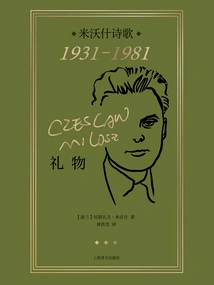
This book collects the poems of Polish poet and Nobel Prize winner Czeslaw Miłosz from 1931 to 1981. According to the year of creation and publication, it includes "Poems of the Frozen Period" (1933), "Salvation" (1945) and " "The Light of Day" (1953), "The Enchanted Guqiao" (1965), "The City without a Name" (1969), "Where the Sun Rises and Where It Sets" (1974) and "Ode to the Pearl" (1981) and other 129 poems. There are long poems with rich lyricism and description, as well as fierce and indignant ridicule and criticism. During this period, Milosz witnessed many historical events and experienced life experiences such as moving to France and settling in the United States. He wrote famous works such as "The Gift", "Piazza Fiore" and "The World".
This book collects the poems of Polish poet and Nobel Prize winner Czeslaw Miłosz from 1931 to 1981. According to the year of creation and publication, it includes "Poems of the Frozen Period" (1933), "Salvation" (1945) and " "The Light of Day" (1953), "The Enchanted Guqiao" (1965), "The City without a Name" (1969), "Where the Sun Rises and Where It Sets" (1974) and "Ode to the Pearl" (1981) and other 129 poems. There are long poems with rich lyricism and description, as well as fierce and indignant ridicule and criticism. During this period, Milosz witnessed many historical events and experienced life experiences such as moving to France and settling in the United States. He wrote famous works such as "The Gift", "Piazza Fiore" and "The World".
事物的味道,我尝的太早了:石川啄木诗歌集
I
V
V
未来是一只灰色海鸥(普拉斯作品)
I
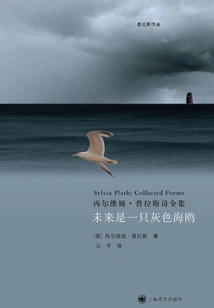
This book collects all the famous poems written by Plath from 1956 to his death. It was personally edited, annotated and prefaced by her husband, British Poet Laureate Ted Hughes. It won the 1981 Pulitzer Prize for Poetry and is also the author's most comprehensive poetry collection. Plath's poems are full of strong imagery, and almost every poem contains enough elements to outline a distinct postmodernist painting. Some of the images Plath depicts in her poems are grand and desolate, some are grotesque and playful, but almost all of them contain a restrained sadness. For these flow freely from a grieving soul.
This book collects all the famous poems written by Plath from 1956 to his death. It was personally edited, annotated and prefaced by her husband, British Poet Laureate Ted Hughes. It won the 1981 Pulitzer Prize for Poetry and is also the author's most comprehensive poetry collection. Plath's poems are full of strong imagery, and almost every poem contains enough elements to outline a distinct postmodernist painting. Some of the images Plath depicts in her poems are grand and desolate, some are grotesque and playful, but almost all of them contain a restrained sadness. For these flow freely from a grieving soul.
事物的味道,我尝得太早了
I
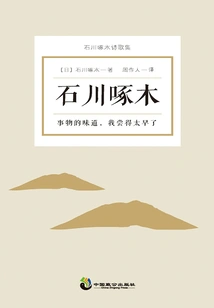
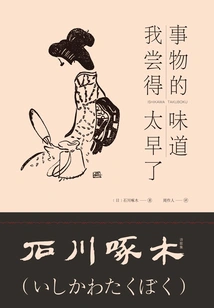
"I Taste the Flavor of Things Too Soon" is a collection of poems by "Japanese national poet" Ishikawa Takuboku. Zhou Zuoren's translation is simple and elegant, which makes Ishikawa Takuboku's lonely, hot and sensitive heart happy to read on the page. These crystal-clear poems by Ishikawa Takuboku are sketches of moods, with both joyful leaps and bitter tremblings. He turns the things we have left behind in life into beautiful and sad existences, reaching people's lonely and fragile hearts.
"I Taste the Flavor of Things Too Soon" is a collection of poems by "Japanese national poet" Ishikawa Takuboku. Zhou Zuoren's translation is simple and elegant, which makes Ishikawa Takuboku's lonely, hot and sensitive heart happy to read on the page. These crystal-clear poems by Ishikawa Takuboku are sketches of moods, with both joyful leaps and bitter tremblings. He turns the things we have left behind in life into beautiful and sad existences, reaching people's lonely and fragile hearts.