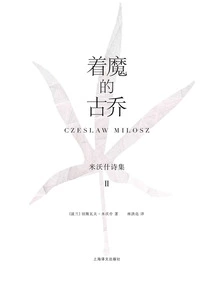
The Enchanted Guccio: Miłosz's Collected Poems Ii
by I
About This Novel
"There are no flowers in the garden because they have been trampled." "The Enchanted Guccio: Miłosz's Poems II" contains 73 poems by Miłosz, from "The Enchanted Guccio" (1965), "The City without a Name" (1969), "Prose Poems" (1954-1969), "Where the Sun Rises and Sets" (1974) and "Ode to the Pearl" (1981). Most of them were created by the poet after he immigrated to the United States. Some of his works reveal his happiness in settling in the New World, but there is still some inner struggle and pain. Czeslaw Milosz, one of the greatest poets of the 20th century, defined the tragedy and beauty of his era with unparalleled precision and elegance. His poems, whether they describe his boyhood in Poland, his grief in war-torn Warsaw, or his pursuit of faith, are all astonishing and awe-inspiring, and they convey a strong sense of life and the individuality of ordinary life. The poem's exploration of death, war, love and faith is gripping, shocking and thought-provoking: "The existence of this land itself is far beyond the description of any language." "Miłosz's Collected Poems" contains 335 of the poet's poems from 1931 to 2001. This poem chapter, according to the year of creation and publication, is divided into four volumes: "Poems of the Frozen Period", "Enchanted Guqiao", "Reminiscences of Homeland" and "Facing the River". It was directly translated from Polish by Polish literature experts. It is the first time that the complete picture of Miłosz's poetry is presented in the Chinese world.
Official Sources
What Readers Think
Rating
Community(0)
Rating
Community(0)