Library
Browse and search books
2,470 novels found
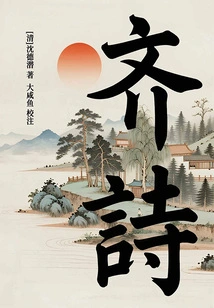
Qi Shi
Literature齐诗
I
Qi Poems mainly includes poems from the Qi Dynasty in the Southern Dynasties. For Qi poetry, Shen Deqian's criterion for selecting poems is still to implement his "style theory". He believes that compared with the previous dynasties, the style of Qi Dynasty poetry gradually tends to be "Qiyi" (gorgeous and complex) and "Qingyan" (frivolous and showy). Despite this, he still believes that these poems are one of the sources of Tang poetry and an indispensable part of understanding the development of poetry. In the Qi poetry selection, the most prominent and famous poet, who was considered by Shen Deqian to be "unique in his generation", was Xie Tiao. His poetry style was fresh and beautiful, and he was especially good at describing landscapes, which had a profound influence on the development of landscape poetry in later generations. When reading this article, you can focus on Xie Gong's poems.
Qi Poems mainly includes poems from the Qi Dynasty in the Southern Dynasties. For Qi poetry, Shen Deqian's criterion for selecting poems is still to implement his "style theory". He believes that compared with the previous dynasties, the style of Qi Dynasty poetry gradually tends to be "Qiyi" (gorgeous and complex) and "Qingyan" (frivolous and showy). Despite this, he still believes that these poems are one of the sources of Tang poetry and an indispensable part of understanding the development of poetry. In the Qi poetry selection, the most prominent and famous poet, who was considered by Shen Deqian to be "unique in his generation", was Xie Tiao. His poetry style was fresh and beautiful, and he was especially good at describing landscapes, which had a profound influence on the development of landscape poetry in later generations. When reading this article, you can focus on Xie Gong's poems.
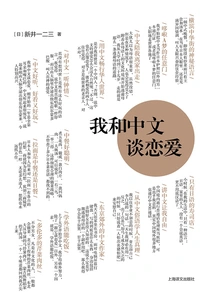
I Am in Love with Chinese
Literature我和中文谈恋爱
I
Japanese writers who write in Chinese fall in love with the Chinese world. What Ichiji Arai wrote in "I Fall in Love with Chinese" can be said to be a very personal story: how a Japanese fell in love with Chinese. In the first year of falling in love with Chinese, it all depends on your ears and mouth. Chinese sounds very pleasant, and speaking it is as comfortable as singing. It also secretes the happy hormone dopamine in the brain, which makes people particularly happy. I never thought that there are such interesting languages in the world! Arai Yijisan regards Chinese as another passport besides the Japanese passport, or Doraemon's random door, and boldly travels around the world. She has traveled by train in China; entered the Chinese art scene in Canada; filmed documentaries in Chinatown, New York; opened a column and served as a special interviewer in Hong Kong. At the same time, because she comes from outside the Chinese world and is always on the edge of the Central Plains, who would have expected that her position would occasionally give her a clear view. On the way from learning Chinese to becoming a writer, there have been unforgettable, interesting, tragic, and unfortunate experiences. But if there is no Chinese in life, Arai Yijisan will not recognize himself at all. How can there be Japanese people who write in Chinese?
Japanese writers who write in Chinese fall in love with the Chinese world. What Ichiji Arai wrote in "I Fall in Love with Chinese" can be said to be a very personal story: how a Japanese fell in love with Chinese. In the first year of falling in love with Chinese, it all depends on your ears and mouth. Chinese sounds very pleasant, and speaking it is as comfortable as singing. It also secretes the happy hormone dopamine in the brain, which makes people particularly happy. I never thought that there are such interesting languages in the world! Arai Yijisan regards Chinese as another passport besides the Japanese passport, or Doraemon's random door, and boldly travels around the world. She has traveled by train in China; entered the Chinese art scene in Canada; filmed documentaries in Chinatown, New York; opened a column and served as a special interviewer in Hong Kong. At the same time, because she comes from outside the Chinese world and is always on the edge of the Central Plains, who would have expected that her position would occasionally give her a clear view. On the way from learning Chinese to becoming a writer, there have been unforgettable, interesting, tragic, and unfortunate experiences. But if there is no Chinese in life, Arai Yijisan will not recognize himself at all. How can there be Japanese people who write in Chinese?
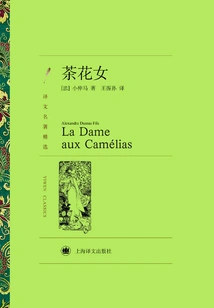
La Traviata (selected Translations of Famous Works)
General Fiction茶花女(译文名著精选)
I
"La Traviata" has created some vivid and distinctive artistic images for us, and the most prominent and unforgettable among them is naturally the heroine Margaret. Readers must not confuse Margaret with Miss Alphonsina Plessy. Although Alphonsina's life experience is worthy of sympathy, she is indeed a fallen woman. In the words of Dumas, she is "both a pure and flawless virgin and a complete whore." But Margaret is different. She is beautiful, smart and kind. Although she has fallen into the world, she still maintains a pure and noble heart. She pursues a true love life with passion and hope, and when this hope is shattered, she is willing to sacrifice herself to help others. All this makes the image of this despised fireworks woman shine with a holy light.
"La Traviata" has created some vivid and distinctive artistic images for us, and the most prominent and unforgettable among them is naturally the heroine Margaret. Readers must not confuse Margaret with Miss Alphonsina Plessy. Although Alphonsina's life experience is worthy of sympathy, she is indeed a fallen woman. In the words of Dumas, she is "both a pure and flawless virgin and a complete whore." But Margaret is different. She is beautiful, smart and kind. Although she has fallen into the world, she still maintains a pure and noble heart. She pursues a true love life with passion and hope, and when this hope is shattered, she is willing to sacrifice herself to help others. All this makes the image of this despised fireworks woman shine with a holy light.
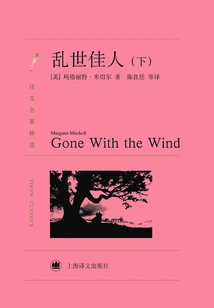
乱世佳人(下)(译文名著精选)
I
"Gone with the Wind (Part 2)" is set against the backdrop of the American Civil War. The main plot of "Gone with the Wind (Part 2)" is the love-hate relationship between the strong and willful manor lady Scarlett and the entanglement between several men. Along with this are major changes in society and history, and the disappearance of everything familiar in the past... "Gone with the Wind" is not only a swan song of human love, but also a grand historical picture that reflects the huge and profound changes in many aspects of social politics, economy, and morality.
"Gone with the Wind (Part 2)" is set against the backdrop of the American Civil War. The main plot of "Gone with the Wind (Part 2)" is the love-hate relationship between the strong and willful manor lady Scarlett and the entanglement between several men. Along with this are major changes in society and history, and the disappearance of everything familiar in the past... "Gone with the Wind" is not only a swan song of human love, but also a grand historical picture that reflects the huge and profound changes in many aspects of social politics, economy, and morality.
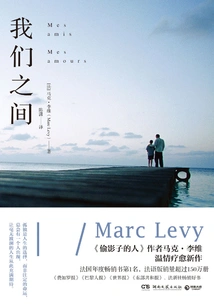
Between Us
General Fiction我们之间
I
Matthias, who lives alone in Paris, moves to London with the help of his friend Antoine and begins to take over a French bookstore. He also hopes to take this opportunity to return to life as a family with his ex-wife Valentina and daughter Emily. However, due to an unexpected combination of circumstances, Valentina, who worked in the diplomatic service, had to return to Paris, leaving Matthias alone to take care of his daughter Emily, who was studying in London. Architect Antoine lives alone in London with his son Louis. He is considerate of every friend around him, but he has never paid attention to his own inner loneliness. Two single fathers live next to each other in the same building with their children, and they plan to be single for the rest of their lives. However, life is always moving forward. Matthias gradually fell in love with life in London and his friends here, but he could no longer live in London. Antoine finally found the courage to face his heart, and his life finally had a new beginning.
Matthias, who lives alone in Paris, moves to London with the help of his friend Antoine and begins to take over a French bookstore. He also hopes to take this opportunity to return to life as a family with his ex-wife Valentina and daughter Emily. However, due to an unexpected combination of circumstances, Valentina, who worked in the diplomatic service, had to return to Paris, leaving Matthias alone to take care of his daughter Emily, who was studying in London. Architect Antoine lives alone in London with his son Louis. He is considerate of every friend around him, but he has never paid attention to his own inner loneliness. Two single fathers live next to each other in the same building with their children, and they plan to be single for the rest of their lives. However, life is always moving forward. Matthias gradually fell in love with life in London and his friends here, but he could no longer live in London. Antoine finally found the courage to face his heart, and his life finally had a new beginning.
P
General Fictionp
I
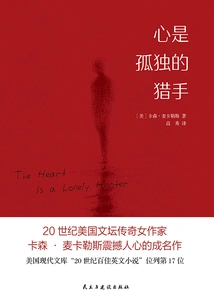
This is a story of extreme loneliness. The protagonists of the story are two mutes-Singer and Antonapoulos. Although they cannot speak, they have the same mind and they depend on each other in the small town. Until one day Antonapoulos was sent to a mental hospital due to alcoholism and overeating, and Singer began a lonely journey. Being good at listening, he became a window for others to vent their loneliness, but Singer's own loneliness was always unknown. Everyone is looking for an exit from loneliness, but no one can escape the fate of loneliness, not even love.
This is a story of extreme loneliness. The protagonists of the story are two mutes-Singer and Antonapoulos. Although they cannot speak, they have the same mind and they depend on each other in the small town. Until one day Antonapoulos was sent to a mental hospital due to alcoholism and overeating, and Singer began a lonely journey. Being good at listening, he became a window for others to vent their loneliness, but Singer's own loneliness was always unknown. Everyone is looking for an exit from loneliness, but no one can escape the fate of loneliness, not even love.
拉辛与莎士比亚(译文经典)
I
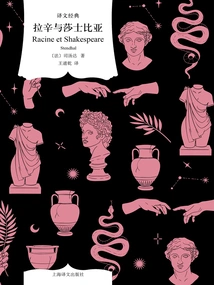
Stendhal's classic drama course, interpretation of Shakespeare's plays and Racine's tragedies. Understanding Racine and Shakespeare is the cornerstone of understanding European literature. Wang Daoqian's classic translation is highly praised by Wang Xiaobo and has been published again after being out of print for many years. "Racine and Shakespeare" is a collection of two pamphlets published in 1823 and 1825 on the polemic against academic classicism. It is an important theoretical work of Stendhal and one of the French realist documents. As representatives of romanticism and classicism respectively, Shakespeare and Racine symbolized the opposition between the aesthetic views of the rising bourgeoisie and the old art of the feudal aristocracy in the rising period. What Stendhal proposed in this work was the artistic principle of realism, which paved the way for the development of realist literature in France in the nineteenth century. This book also includes Stendhal's "A Traveler's Notes" (selected), the introduction to "History of Italian Painting", the preface to "Armans", and the preface to Stendhal's unfinished novel "Lucien Levan", etc.
Stendhal's classic drama course, interpretation of Shakespeare's plays and Racine's tragedies. Understanding Racine and Shakespeare is the cornerstone of understanding European literature. Wang Daoqian's classic translation is highly praised by Wang Xiaobo and has been published again after being out of print for many years. "Racine and Shakespeare" is a collection of two pamphlets published in 1823 and 1825 on the polemic against academic classicism. It is an important theoretical work of Stendhal and one of the French realist documents. As representatives of romanticism and classicism respectively, Shakespeare and Racine symbolized the opposition between the aesthetic views of the rising bourgeoisie and the old art of the feudal aristocracy in the rising period. What Stendhal proposed in this work was the artistic principle of realism, which paved the way for the development of realist literature in France in the nineteenth century. This book also includes Stendhal's "A Traveler's Notes" (selected), the introduction to "History of Italian Painting", the preface to "Armans", and the preface to Stendhal's unfinished novel "Lucien Levan", etc.

First-grade Female Emperor Master
Ancient Romance一品女帝师
I
The Zhu family in the capital had a hereditary imperial master, but when she arrived, she was a woman. She was twenty years old and was studying thaumaturgy in Kunshan. However, when she was about to succeed, she was recalled by her father. Not only did she have to sneak into the palace, but she was also asked to disguise herself as a man and accompany the king. He was seventeen years old and had just ascended the throne, but the power was seized by the regent, and he was banned from having fun all day long. He heard that the regent was going to offer him a glass of poisoned wine as part of his crowning ceremony. The government and the public were overthrown, and treacherous ministers were in power; the young emperor pretended to be a pig to eat the tiger, and when he was about to make a desperate move, he got a young emperor with a graceful demeanor and a thin body. # A woman disguised herself as a man and became the emperor's master. The first time she saw him, he was fighting crickets with the eunuchs. She felt that he would never become a great person, and he felt that she was a spy sent by the Prince Regent; She thinks he is a pitiful young emperor, and he thinks she is a sick medicine jar. Until she used her weak body to block the flying sword for him, and her gentle words and sincere instructions fell into his heart, and the seeds of love sprouted in his heart. He fell in love with the Imperial Master! The young emperor looked at the pink face of his master and was troubled in his heart. She tried her best to teach him and watched him grow into a powerful king step by step, but she found that the way he looked at her became extremely ambiguous. She wanted to tell her that she was a woman, but it was too late. Until one day, he said to her: Master, I seem to have fallen in love with you. Her:...... *************************** [The emperor is dedicated to one-on-one love, the male and female protagonists are clean physically and mentally, they are a little sadistic and happy, and they mainly focus on pampering] Recommended by friend Wenwen: "Charming Pet, Cute Wife Supreme" http:\u002F\u002Fwww. Xxsy. Net\u002Finfo\u002F531503. Html Text\u002FHuajuaner "A daughter in my family is afraid of marrying a man" http:\u002F\u002Fwww. Xxsy. Net\u002Finfo\u002F541713. Html Text\u002F Mo Aixia They are all very beautiful~Hurry and collect them!
The Zhu family in the capital had a hereditary imperial master, but when she arrived, she was a woman. She was twenty years old and was studying thaumaturgy in Kunshan. However, when she was about to succeed, she was recalled by her father. Not only did she have to sneak into the palace, but she was also asked to disguise herself as a man and accompany the king. He was seventeen years old and had just ascended the throne, but the power was seized by the regent, and he was banned from having fun all day long. He heard that the regent was going to offer him a glass of poisoned wine as part of his crowning ceremony. The government and the public were overthrown, and treacherous ministers were in power; the young emperor pretended to be a pig to eat the tiger, and when he was about to make a desperate move, he got a young emperor with a graceful demeanor and a thin body. # A woman disguised herself as a man and became the emperor's master. The first time she saw him, he was fighting crickets with the eunuchs. She felt that he would never become a great person, and he felt that she was a spy sent by the Prince Regent; She thinks he is a pitiful young emperor, and he thinks she is a sick medicine jar. Until she used her weak body to block the flying sword for him, and her gentle words and sincere instructions fell into his heart, and the seeds of love sprouted in his heart. He fell in love with the Imperial Master! The young emperor looked at the pink face of his master and was troubled in his heart. She tried her best to teach him and watched him grow into a powerful king step by step, but she found that the way he looked at her became extremely ambiguous. She wanted to tell her that she was a woman, but it was too late. Until one day, he said to her: Master, I seem to have fallen in love with you. Her:...... *************************** [The emperor is dedicated to one-on-one love, the male and female protagonists are clean physically and mentally, they are a little sadistic and happy, and they mainly focus on pampering] Recommended by friend Wenwen: "Charming Pet, Cute Wife Supreme" http:\u002F\u002Fwww. Xxsy. Net\u002Finfo\u002F531503. Html Text\u002FHuajuaner "A daughter in my family is afraid of marrying a man" http:\u002F\u002Fwww. Xxsy. Net\u002Finfo\u002F541713. Html Text\u002F Mo Aixia They are all very beautiful~Hurry and collect them!
O
General Fictiono
I
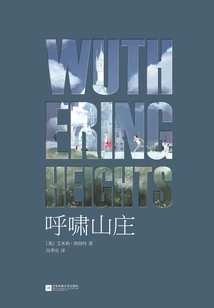
Over a time span of more than thirty years, the novel tells an intricate and thrilling story of the emotional entanglement between two generations of the Earnshaw and Linton families...
Over a time span of more than thirty years, the novel tells an intricate and thrilling story of the emotional entanglement between two generations of the Earnshaw and Linton families...
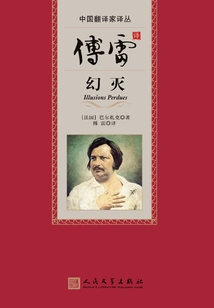
Disillusionment Translated by Fu Lei
General Fiction傅雷译幻灭
I
This is a novel that reflects the commercialization of literature and art and the shady story of the press. It is also one of the most profound masterpieces in "The Human Comedy" and the one that best reflects the spirit of the times. Through the encounters of two talented and ambitious young people, the novel reflects the situation and mental state of an entire generation of young people after the French Revolution. It points out that with the disintegration of the feudal system and the victory of capitalism, there will inevitably be competition between people, which will inevitably produce poems of personal struggle and tragedies of shattered ideals.
This is a novel that reflects the commercialization of literature and art and the shady story of the press. It is also one of the most profound masterpieces in "The Human Comedy" and the one that best reflects the spirit of the times. Through the encounters of two talented and ambitious young people, the novel reflects the situation and mental state of an entire generation of young people after the French Revolution. It points out that with the disintegration of the feudal system and the victory of capitalism, there will inevitably be competition between people, which will inevitably produce poems of personal struggle and tragedies of shattered ideals.
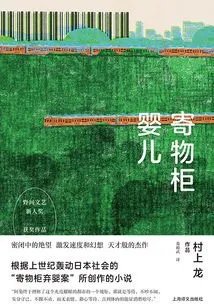
Locker Babies (collection of Works by Ryu Murakami)
General Fiction寄物柜婴儿(村上龙作品集)
I
Japanese literary talent Ryu Murakami created a novel based on the "Baby Locker Abandoned Case" that shocked Japanese society. His advanced ideas and keen insight into society make the work still have social significance to this day. Forty years after the work was published (2016), Japan's national treasure musical director Nobuji Kimura put the story on the stage of a musical again. Despair in confinement inspires speed and fantasy, a masterpiece of genius! Aqiao and Aju are two baby boys who were abandoned by their biological mothers in a locker. They spent their childhood in an orphanage, and were later adopted by a poor couple. They spent their teenage years in the ruins of a coal mine, and successively entered the deformed Tokyo society at that time. With his heavenly voice, Ah Qiao was packaged as a pop star and completely lost himself. Aju tried to stop the record company owner from hyping up Aqiao's life experience, but accidentally killed his biological mother in the chaos created by the media. He escaped from prison in a labor camp and went to the Pacific islands with his girlfriend and fellow inmates to search for the poison on the bottom of the sea - Datura flowers that destroyed this dirty city.
Japanese literary talent Ryu Murakami created a novel based on the "Baby Locker Abandoned Case" that shocked Japanese society. His advanced ideas and keen insight into society make the work still have social significance to this day. Forty years after the work was published (2016), Japan's national treasure musical director Nobuji Kimura put the story on the stage of a musical again. Despair in confinement inspires speed and fantasy, a masterpiece of genius! Aqiao and Aju are two baby boys who were abandoned by their biological mothers in a locker. They spent their childhood in an orphanage, and were later adopted by a poor couple. They spent their teenage years in the ruins of a coal mine, and successively entered the deformed Tokyo society at that time. With his heavenly voice, Ah Qiao was packaged as a pop star and completely lost himself. Aju tried to stop the record company owner from hyping up Aqiao's life experience, but accidentally killed his biological mother in the chaos created by the media. He escaped from prison in a labor camp and went to the Pacific islands with his girlfriend and fellow inmates to search for the poison on the bottom of the sea - Datura flowers that destroyed this dirty city.
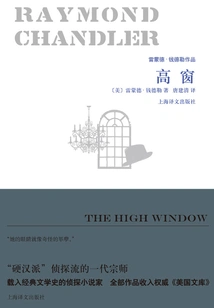
High Window
General Fiction高窗
I
The great detective Philip Marlowe is at work again. This time his patron is a rich widow with a fat body, a gloomy face, and an alcoholism. Marlowe's task is to recover a stolen precious coin from the widow's house - the Brash gold coin. The widow insisted that the thief was the daughter-in-law who had always been a thorn in her side. The case seems very simple, but the only problem is that every insider who receives a visit from Marlowe will be greeted by death... And for Marlowe, this is also very unfortunate, because a private spy who leaves a string of corpses behind him will sooner or later attract the attention of the police. If Marlowe cannot find the answer from the maze as soon as possible, then he may be the next person to lie in the "big wooden box"...
The great detective Philip Marlowe is at work again. This time his patron is a rich widow with a fat body, a gloomy face, and an alcoholism. Marlowe's task is to recover a stolen precious coin from the widow's house - the Brash gold coin. The widow insisted that the thief was the daughter-in-law who had always been a thorn in her side. The case seems very simple, but the only problem is that every insider who receives a visit from Marlowe will be greeted by death... And for Marlowe, this is also very unfortunate, because a private spy who leaves a string of corpses behind him will sooner or later attract the attention of the police. If Marlowe cannot find the answer from the maze as soon as possible, then he may be the next person to lie in the "big wooden box"...
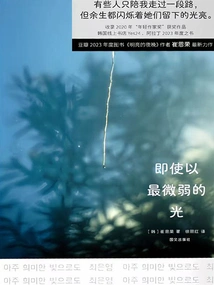
I
General FictionI
I
"Even with the Weakest Light" is Cui Enrong's latest collection of novels, including a total of seven works. The work takes women as the center and focuses on the intense, long-lasting and tough complex relationships between women. With gentle and fresh words, he captures the violence and resistance that are ignored under the calm water. The women in the story fight against similar fates and become each other's support. In the many cages that want to oppress and imprison them, they resolutely carry out mutual rescue and support - the female teacher who uses her own clothes to help the female students during their menstruation in "Even with the Weakest Light", the company female employees who silently listen to each other's concerns in the cold and unfair workplace in "One Year" Seniors and interns, the sister in "Reply" who chooses to protect her sister from domestic violence even though she is in jail, and the aunt in "Letter to My Aunt" who has lost her fertility and endures the glare of her family but still devotes herself to raising her niece... They are close and distant, relying on each other and independent of each other, like small light spots flickering face to face, telling the trembling and touch of finding the same kind in the dark night. They were infinitely close and then suddenly drove to different distances. In the end, they could only reconcile each other with light across a long distance. Even if they never met each other, even if they were extremely weak, as long as they knew that the other party existed somewhere, they could keep walking.
"Even with the Weakest Light" is Cui Enrong's latest collection of novels, including a total of seven works. The work takes women as the center and focuses on the intense, long-lasting and tough complex relationships between women. With gentle and fresh words, he captures the violence and resistance that are ignored under the calm water. The women in the story fight against similar fates and become each other's support. In the many cages that want to oppress and imprison them, they resolutely carry out mutual rescue and support - the female teacher who uses her own clothes to help the female students during their menstruation in "Even with the Weakest Light", the company female employees who silently listen to each other's concerns in the cold and unfair workplace in "One Year" Seniors and interns, the sister in "Reply" who chooses to protect her sister from domestic violence even though she is in jail, and the aunt in "Letter to My Aunt" who has lost her fertility and endures the glare of her family but still devotes herself to raising her niece... They are close and distant, relying on each other and independent of each other, like small light spots flickering face to face, telling the trembling and touch of finding the same kind in the dark night. They were infinitely close and then suddenly drove to different distances. In the end, they could only reconcile each other with light across a long distance. Even if they never met each other, even if they were extremely weak, as long as they knew that the other party existed somewhere, they could keep walking.
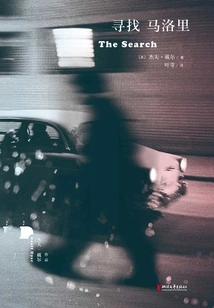
Looking for Mallory
General Fiction寻找马洛里
I
Walker met Rachel at a party. Two days later, she showed up at his apartment asking for Walker's help in finding her missing husband, Mallory. The story begins from here. The novel begins with a strange and beautiful road movie-like plot, telling the story of the protagonist traveling across the vast land of central America to track down a man he has never met. As Walker's search deepens, it seems that someone else is following him and looking for him...
Walker met Rachel at a party. Two days later, she showed up at his apartment asking for Walker's help in finding her missing husband, Mallory. The story begins from here. The novel begins with a strange and beautiful road movie-like plot, telling the story of the protagonist traveling across the vast land of central America to track down a man he has never met. As Walker's search deepens, it seems that someone else is following him and looking for him...
Sparkling
Short Fiction波光粼粼
I
This article is purely made up. Han Minming is a swimmer, and her father Han Yihong is a selfish person... Xia Tian is a painter, and my father Xia Tian and Han Yihong are very good friends. The two were forced to get married. After getting along, the two slowly accepted each other. In the following days, Han Mingming and Xia Tian lived a good life. They had three sons and a daughter. They watched their children grow up. When they were gray-haired, they passed away...
This article is purely made up. Han Minming is a swimmer, and her father Han Yihong is a selfish person... Xia Tian is a painter, and my father Xia Tian and Han Yihong are very good friends. The two were forced to get married. After getting along, the two slowly accepted each other. In the following days, Han Mingming and Xia Tian lived a good life. They had three sons and a daughter. They watched their children grow up. When they were gray-haired, they passed away...
Absurdist Story
Short Fiction荒诞派故事
I
Absurdist style, and the beginning of an unfinished novel. To be honest, writing short stories is more comfortable...
Absurdist style, and the beginning of an unfinished novel. To be honest, writing short stories is more comfortable...
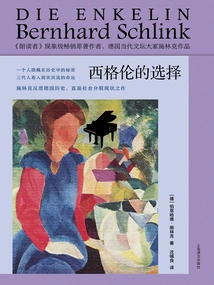
Seagren's Choice
General Fiction西格伦的选择
I
This book is a new novel by the famous contemporary German writer Bernhard Schlink. It tells the story of Birgitte, a female college student in East Germany who ran away from home with the help of her boyfriend Kaspar in the 1960s for the sake of love and freedom. She later married Kaspar... It was not until Birgitte passed away suddenly that Kaspar discovered how much his wife had paid to hide her secrets. He read the diaries and novel manuscripts left by his wife, tracked down her secrets, and searched for her relatives and friends in what is now eastern Germany. There he finally found the daughter's family that his wife had hidden for many years, and he and his "granddaughter" Siglen began a new life. The novel tells the fate of small people in the torrent of history, the dialogue between people who live in a world where they are strangers to each other, the current ideological differences in Germany and Europe, and the path of young people.
This book is a new novel by the famous contemporary German writer Bernhard Schlink. It tells the story of Birgitte, a female college student in East Germany who ran away from home with the help of her boyfriend Kaspar in the 1960s for the sake of love and freedom. She later married Kaspar... It was not until Birgitte passed away suddenly that Kaspar discovered how much his wife had paid to hide her secrets. He read the diaries and novel manuscripts left by his wife, tracked down her secrets, and searched for her relatives and friends in what is now eastern Germany. There he finally found the daughter's family that his wife had hidden for many years, and he and his "granddaughter" Siglen began a new life. The novel tells the fate of small people in the torrent of history, the dialogue between people who live in a world where they are strangers to each other, the current ideological differences in Germany and Europe, and the path of young people.
Tales from the Alley (complete Collection)
General Fiction巷说百物语(全集)
I
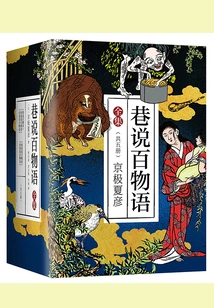
The well-known Japanese writer Natsuhiko Kyogoku is a masterpiece of monster novels, among which "A Hundred Monogatari in the Back Alley" won the 130th Naoki Award, and "A Hundred Monogatari in the West Alley" won the 24th Shibata Renzaburo Award. The texts in the series of "Hundred Stories of Stories from Alleys" are elegant, tactful, delicate and enchanting. They appear to be about monsters and chaos, but in fact they are about ghosts and ghosts. On summer nights, people dressed in green clothes gathered in a dark room, lit a hundred candles, and took turns telling scary stories, blowing out one candle after each story. According to legend, when all the candles are extinguished, a vision will be triggered and monsters will be awakened. The scholar Bai Jie traveled to various feudal states and collected monster legends. During the journey, he encounters three strange people: Youchi is a charming and well-mannered person, known as the "trickster"; Ayin, a geisha who is charming and graceful, is good at dancing with long sleeves and is good at operating puppets; Zhiping is a pirate who is sophisticated and good at disguise. Bai Jie began to get involved in a series of strange and ghostly things. He vaguely realized that these strange things were closely related to his three new friends...
The well-known Japanese writer Natsuhiko Kyogoku is a masterpiece of monster novels, among which "A Hundred Monogatari in the Back Alley" won the 130th Naoki Award, and "A Hundred Monogatari in the West Alley" won the 24th Shibata Renzaburo Award. The texts in the series of "Hundred Stories of Stories from Alleys" are elegant, tactful, delicate and enchanting. They appear to be about monsters and chaos, but in fact they are about ghosts and ghosts. On summer nights, people dressed in green clothes gathered in a dark room, lit a hundred candles, and took turns telling scary stories, blowing out one candle after each story. According to legend, when all the candles are extinguished, a vision will be triggered and monsters will be awakened. The scholar Bai Jie traveled to various feudal states and collected monster legends. During the journey, he encounters three strange people: Youchi is a charming and well-mannered person, known as the "trickster"; Ayin, a geisha who is charming and graceful, is good at dancing with long sleeves and is good at operating puppets; Zhiping is a pirate who is sophisticated and good at disguise. Bai Jie began to get involved in a series of strange and ghostly things. He vaguely realized that these strange things were closely related to his three new friends...
P
General Fictionp
I
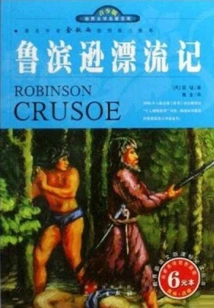
"Robinson Crusoe" is the representative work of the famous British writer Defoe in the 18th century. It is also the first true novel in the literary history of Britain and even Europe. The protagonist of the novel, Robinson Crusoe, was born in a middle-class family and aspired to travel around the world throughout his life. Once while sailing to Africa, he encountered a storm and drifted alone to an uninhabited desert island, where he began to live an isolated life. With his extraordinary will and unremitting efforts, he survived tenaciously on the desert island and returned to his hometown after twenty-eight years, two months and nineteen days. In this work, Defoe successfully created all the characteristics that a person should possess - bravery, wisdom, rationality, diligence, and strength. He also told people to survive tenaciously no matter what difficulties they encounter!
"Robinson Crusoe" is the representative work of the famous British writer Defoe in the 18th century. It is also the first true novel in the literary history of Britain and even Europe. The protagonist of the novel, Robinson Crusoe, was born in a middle-class family and aspired to travel around the world throughout his life. Once while sailing to Africa, he encountered a storm and drifted alone to an uninhabited desert island, where he began to live an isolated life. With his extraordinary will and unremitting efforts, he survived tenaciously on the desert island and returned to his hometown after twenty-eight years, two months and nineteen days. In this work, Defoe successfully created all the characteristics that a person should possess - bravery, wisdom, rationality, diligence, and strength. He also told people to survive tenaciously no matter what difficulties they encounter!
伟大的历史:中华民族五千年的兴盛与辉煌
I
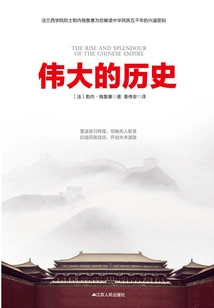
"Great History" takes the historical development time of Chinese civilization as a clue and collects the major historical events and deeds of outstanding figures in the past dynasties starting from the Three Sovereigns and Five Emperors. It comprehensively introduces the major events, important figures, and outstanding achievements of science and technology and culture in the past dynasties. The content covers politics, economy, military, culture, diplomacy, science and technology and other fields. Let readers have a real and intuitive feeling about the development of the Chinese nation.
"Great History" takes the historical development time of Chinese civilization as a clue and collects the major historical events and deeds of outstanding figures in the past dynasties starting from the Three Sovereigns and Five Emperors. It comprehensively introduces the major events, important figures, and outstanding achievements of science and technology and culture in the past dynasties. The content covers politics, economy, military, culture, diplomacy, science and technology and other fields. Let readers have a real and intuitive feeling about the development of the Chinese nation.
I
General FictionI
I
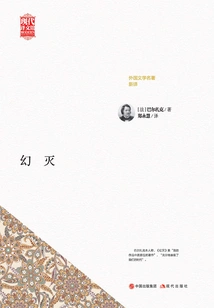
"Disillusionment" is one of Balzac's masterpieces and is included in "Human Comedy·Provincial Scenes". The novel is set in Paris during the Restoration Dynasty, and creates two images of young people from the provinces - Lucien, an ambitious and vain young poet, who tried to enter the upper class of Paris with his intelligence and talent, but was ruined and returned to his hometown in despair; The novel shows a broad picture from the provinces to Paris after the French Revolution, depicts various phenomena with characteristic significance during the Restoration period, and reflects in the cruel and complex real society how the talents of young people were destroyed, how their fantasies were destroyed, and how the temple of literature was used as a place for shameless transactions and became filthy. Balzac himself called "Disillusionment" "the first work among my works" and "fully expresses our times."
"Disillusionment" is one of Balzac's masterpieces and is included in "Human Comedy·Provincial Scenes". The novel is set in Paris during the Restoration Dynasty, and creates two images of young people from the provinces - Lucien, an ambitious and vain young poet, who tried to enter the upper class of Paris with his intelligence and talent, but was ruined and returned to his hometown in despair; The novel shows a broad picture from the provinces to Paris after the French Revolution, depicts various phenomena with characteristic significance during the Restoration period, and reflects in the cruel and complex real society how the talents of young people were destroyed, how their fantasies were destroyed, and how the temple of literature was used as a place for shameless transactions and became filthy. Balzac himself called "Disillusionment" "the first work among my works" and "fully expresses our times."

How Steel is Made (selected Translations of Famous Works)
General Fiction钢铁是怎样炼成的(译文名著精选)
I
"How the Steel Was Tempered" is an excellent novel that describes the growth process of new people and reveals their excellent qualities, written by the author based on his personal experience. It reflects the broad picture of struggle before and after the October Revolution, the period of civil war, the period of national economic recovery and the early stage of socialist construction. It creates the noble character of the protagonist Paul Korchagin who is persistent in his beliefs and perseveres. Paul Korchagin was seriously injured in the war, and later contracted typhoid fever and pneumonia, and finally became blind and paralyzed. With a high degree of political awareness and tenacious revolutionary will, he overcame the unbearable pain for ordinary people, persisted in self-study, engaged in literary creation, and made valuable contributions to the cause of socialism. The novel tells people that revolutionaries are made into steel through struggle, and one's life should be spent like Paul Korchagin. Paul Korchagin's famous saying, "The most precious thing for man is life..." Has inspired generations of readers to strive for the cause of human progress.
"How the Steel Was Tempered" is an excellent novel that describes the growth process of new people and reveals their excellent qualities, written by the author based on his personal experience. It reflects the broad picture of struggle before and after the October Revolution, the period of civil war, the period of national economic recovery and the early stage of socialist construction. It creates the noble character of the protagonist Paul Korchagin who is persistent in his beliefs and perseveres. Paul Korchagin was seriously injured in the war, and later contracted typhoid fever and pneumonia, and finally became blind and paralyzed. With a high degree of political awareness and tenacious revolutionary will, he overcame the unbearable pain for ordinary people, persisted in self-study, engaged in literary creation, and made valuable contributions to the cause of socialism. The novel tells people that revolutionaries are made into steel through struggle, and one's life should be spent like Paul Korchagin. Paul Korchagin's famous saying, "The most precious thing for man is life..." Has inspired generations of readers to strive for the cause of human progress.
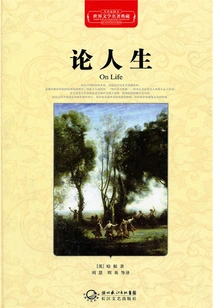
On Life (collection of Masterpieces of World Literature)
General Fiction论人生(世界文学名著典藏)
I
Bacon was born into an official family in London on January 22, 1561. A good family education made Bacon mature earlier, and he showed unusual intelligence in all aspects. While studying at Trinity College, Cambridge University, he had doubts about traditional concepts and beliefs, and began to think independently about society and life. This book "On Life" is a collection of Bacon's essays. It is divided into the first volume "On Life" and the second volume "The Wisdom of the Ancients", and is named after the first volume. It is true that Bacon, who was rich and profound, had outstanding achievements in the world of science, nature, and philosophy. We cannot read his works in isolation of his social thoughts and philosophical thoughts. However, the master's accomplishments lie in integrating the humanities and natural sciences, and in condensing the charm of his personality and thoughts into beautiful and gorgeous words for later generations to understand.
Bacon was born into an official family in London on January 22, 1561. A good family education made Bacon mature earlier, and he showed unusual intelligence in all aspects. While studying at Trinity College, Cambridge University, he had doubts about traditional concepts and beliefs, and began to think independently about society and life. This book "On Life" is a collection of Bacon's essays. It is divided into the first volume "On Life" and the second volume "The Wisdom of the Ancients", and is named after the first volume. It is true that Bacon, who was rich and profound, had outstanding achievements in the world of science, nature, and philosophy. We cannot read his works in isolation of his social thoughts and philosophical thoughts. However, the master's accomplishments lie in integrating the humanities and natural sciences, and in condensing the charm of his personality and thoughts into beautiful and gorgeous words for later generations to understand.
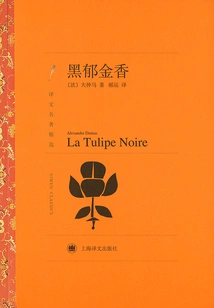
Black Tulip (selected Translations of Famous Works)
General Fiction黑郁金香(译文名著精选)
I
"Black Tulip" is based on the fierce political struggle and turbulent life during the Dutch bourgeois revolution in the seventeenth century. The protagonist, Cornelius Van Belle, is a young doctor who is completely apolitical. He likes to cultivate tulips, and is trying to cultivate a large black tulip without any variegation, because the first person to cultivate a black tulip will receive a considerable bonus. Van Belle's neighbor Boxtel also wanted to cultivate black tulips in order to get the bonus. He was very jealous of Van Belle and was afraid that Van Belle would get the first advantage. He unscrupulously monitored Norm Bailey's actions and secretly destroyed the tulips he cultivated. Later, he falsely accused Van Belle of hiding letters that were detrimental to the Dutch governorship, which resulted in him being imprisoned innocently and almost being guillotined. The whole book depicts thrilling and tear-jerking scenes around Black Tulip.
"Black Tulip" is based on the fierce political struggle and turbulent life during the Dutch bourgeois revolution in the seventeenth century. The protagonist, Cornelius Van Belle, is a young doctor who is completely apolitical. He likes to cultivate tulips, and is trying to cultivate a large black tulip without any variegation, because the first person to cultivate a black tulip will receive a considerable bonus. Van Belle's neighbor Boxtel also wanted to cultivate black tulips in order to get the bonus. He was very jealous of Van Belle and was afraid that Van Belle would get the first advantage. He unscrupulously monitored Norm Bailey's actions and secretly destroyed the tulips he cultivated. Later, he falsely accused Van Belle of hiding letters that were detrimental to the Dutch governorship, which resulted in him being imprisoned innocently and almost being guillotined. The whole book depicts thrilling and tear-jerking scenes around Black Tulip.
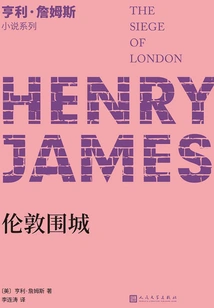
Henry James Novel Series: the Siege of London
General Fiction亨利·詹姆斯小说系列:伦敦围城
I
Nancy is an ambitious and decisive American woman living in Europe. Although she has experienced many failed marriages, she is still graceful, sexy and charming. She tried her best to cover up her past experience, and used various means to launch attacks on the British aristocracy, and finally captured Arthur Demesnay, a young aristocratic who had no experience in the world. However, Arthur's mother always suspected that her future daughter-in-law was an "irregular woman" and tried every means to find out her origins. Just at this moment, the person who knows Nancy's secret best appears... Translation description: The novella "The Siege of London" was first published in serial form in the American "Century Magazine" from January to February 1883. In the same year, it was included in the anthology "And" by the American publisher James R. Osgood and published in Boston. Almost at the same time, the novel was included in the novel anthology "" by Macmillan, a British publishing company, and published in London. Henry James lived in London for a long time during this period, and was able to personally guide and supervise the editing and publishing process of most of the British editions of his works at that time. Therefore, compared with the American editions, the British editions of his works often more faithfully reflect James' revisions. Based on the above considerations, the "American Library" edition of The Complete Works of Henry James adopts the British version when including this novel. This translation is from the "American Library" edition.
Nancy is an ambitious and decisive American woman living in Europe. Although she has experienced many failed marriages, she is still graceful, sexy and charming. She tried her best to cover up her past experience, and used various means to launch attacks on the British aristocracy, and finally captured Arthur Demesnay, a young aristocratic who had no experience in the world. However, Arthur's mother always suspected that her future daughter-in-law was an "irregular woman" and tried every means to find out her origins. Just at this moment, the person who knows Nancy's secret best appears... Translation description: The novella "The Siege of London" was first published in serial form in the American "Century Magazine" from January to February 1883. In the same year, it was included in the anthology "And" by the American publisher James R. Osgood and published in Boston. Almost at the same time, the novel was included in the novel anthology "" by Macmillan, a British publishing company, and published in London. Henry James lived in London for a long time during this period, and was able to personally guide and supervise the editing and publishing process of most of the British editions of his works at that time. Therefore, compared with the American editions, the British editions of his works often more faithfully reflect James' revisions. Based on the above considerations, the "American Library" edition of The Complete Works of Henry James adopts the British version when including this novel. This translation is from the "American Library" edition.
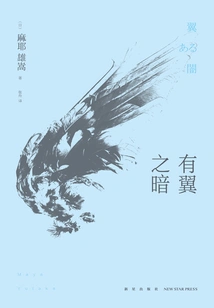
Winged Darkness
General Fiction有翼之暗
I
A letter of authorization and a threatening letter were sent to the private detective Yuya Kisarazu at the same time. He and his assistant Xiangyue arrived at Imakagami's house and stepped into the murderous world of Crow City. Each member of the Im mirror family has their heads missing, and no one can figure out the murderer's intentions and layout; in this predicament, people finally meet another detective - Mercator...
A letter of authorization and a threatening letter were sent to the private detective Yuya Kisarazu at the same time. He and his assistant Xiangyue arrived at Imakagami's house and stepped into the murderous world of Crow City. Each member of the Im mirror family has their heads missing, and no one can figure out the murderer's intentions and layout; in this predicament, people finally meet another detective - Mercator...
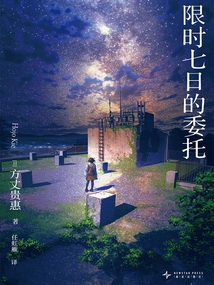
A Seven-day Limited Time Order
General Fiction限时七日的委托
I
Abbot Guihui's new work. Basic reasoning + multiple solutions + setting superposition. Yuu Kuroba fell from a high building. When he was about to die, he found that he had become a ghost, leaving his body and able to move freely. He hurried to an empty house where he had arranged to meet a couple the night he fell. Kuroba met a girl in an empty house. When he first met the girl, he threatened her with an axe, hoping that Kuroba would help him complete his revenge. The girl's parents both died in the empty house, leaving unexplained footprints at the scene. A ghost that can only exist for seven days joins forces with an elementary school student, determined to find out the real murderer, but why did Kuroba fall from the building? "Do you believe there are multiple answers?" Are there so many truths? The seemingly unrelated descriptions turned out to be hidden clues when answering. Voltage line, Voltage line, Voltage line! In the last 50 pages, logic is used to connect all the clues, bringing a dizzying answer.
Abbot Guihui's new work. Basic reasoning + multiple solutions + setting superposition. Yuu Kuroba fell from a high building. When he was about to die, he found that he had become a ghost, leaving his body and able to move freely. He hurried to an empty house where he had arranged to meet a couple the night he fell. Kuroba met a girl in an empty house. When he first met the girl, he threatened her with an axe, hoping that Kuroba would help him complete his revenge. The girl's parents both died in the empty house, leaving unexplained footprints at the scene. A ghost that can only exist for seven days joins forces with an elementary school student, determined to find out the real murderer, but why did Kuroba fall from the building? "Do you believe there are multiple answers?" Are there so many truths? The seemingly unrelated descriptions turned out to be hidden clues when answering. Voltage line, Voltage line, Voltage line! In the last 50 pages, logic is used to connect all the clues, bringing a dizzying answer.
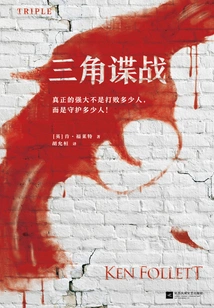
Triangle Espionage
General Fiction三角谍战
I
Readers from all over the world spend an average of one night reading it! Ken Follett's classic suspense work. Adapted from real historical events. As soon as "Triangle" was published, the Mossad Intelligence Agency asked "How do you know the inside story of this incident?" Real strength is not how many people you defeat, but how many people you protect! In a dangerous race to prepare a nuclear bomb, Israel's Mossad's top agent (nicknamed "The Pirate") was assigned to find and steal 200 tons of nuclear material - enriched uranium ore. However, the long-coveted KGB spy chief and Egyptian double agent secretly began a secret tracking operation. At this point, the three parties have launched a "nuclear battle" in a race against time...
Readers from all over the world spend an average of one night reading it! Ken Follett's classic suspense work. Adapted from real historical events. As soon as "Triangle" was published, the Mossad Intelligence Agency asked "How do you know the inside story of this incident?" Real strength is not how many people you defeat, but how many people you protect! In a dangerous race to prepare a nuclear bomb, Israel's Mossad's top agent (nicknamed "The Pirate") was assigned to find and steal 200 tons of nuclear material - enriched uranium ore. However, the long-coveted KGB spy chief and Egyptian double agent secretly began a secret tracking operation. At this point, the three parties have launched a "nuclear battle" in a race against time...
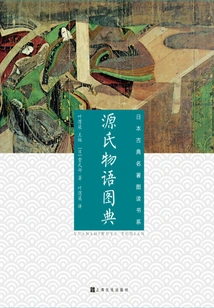
The Tale of Genji Illustrated Dictionary (japanese Classics Illustrated Reading Department)
General Fiction源氏物语图典(日本古典名著图读书系)
I
"The Tale of Genji" is a classic Japanese literary masterpiece that has had a huge impact on the development of Japanese literature and is known as the peak of Japanese classical literature. It narrates the life of a dreamy and handsome character "Genji", shows the various aspects of court life in the Heian period, and leaves an informative and rich sketch of the aristocratic life in the prosperous Heian era.
"The Tale of Genji" is a classic Japanese literary masterpiece that has had a huge impact on the development of Japanese literature and is known as the peak of Japanese classical literature. It narrates the life of a dreamy and handsome character "Genji", shows the various aspects of court life in the Heian period, and leaves an informative and rich sketch of the aristocratic life in the prosperous Heian era.
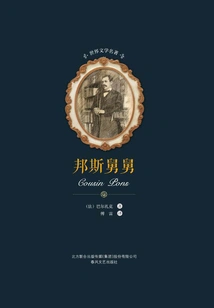
Uncle Bangs
General Fiction邦斯舅舅
I
Uncle Bangs was a musician, an honest and noble self-reliant man. He loved the art of painting very much. In order to enrich his collection of famous paintings, he devoted all his energy and thought. When people did not know that he had all these treasures in his house, no one took him seriously. When they learned the value of these famous paintings, in order to seize the inheritance of the lonely old man Bangs, some people from the upper class headed by Camusot tried every means to obtain his wealth.
Uncle Bangs was a musician, an honest and noble self-reliant man. He loved the art of painting very much. In order to enrich his collection of famous paintings, he devoted all his energy and thought. When people did not know that he had all these treasures in his house, no one took him seriously. When they learned the value of these famous paintings, in order to seize the inheritance of the lonely old man Bangs, some people from the upper class headed by Camusot tried every means to obtain his wealth.
R
General Fictionr
I
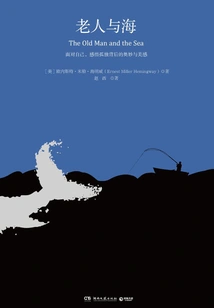
This book collects several short stories and short stories by Hemingway, the "tough guy in the literary world" in the United States, among which "The Old Man and the Sea" is the representative one. The old man Santiago subdued the big fish alone at sea. After being exhausted, he took turns fighting the sharks that came to prey on the big fish. Hemingway praised the old man's bravery, perseverance, and tenacious fighting spirit, which still inspires readers to face life bravely.
This book collects several short stories and short stories by Hemingway, the "tough guy in the literary world" in the United States, among which "The Old Man and the Sea" is the representative one. The old man Santiago subdued the big fish alone at sea. After being exhausted, he took turns fighting the sharks that came to prey on the big fish. Hemingway praised the old man's bravery, perseverance, and tenacious fighting spirit, which still inspires readers to face life bravely.

M
General Fictionm
I
This biographical novel based on his own real experience tells the story of Paul Korchagin who grew from an ignorant boy to a Bolshevik soldier loyal to the revolution. Even though he was paralyzed and blind, he had to re-enter the charging ranks.
This biographical novel based on his own real experience tells the story of Paul Korchagin who grew from an ignorant boy to a Bolshevik soldier loyal to the revolution. Even though he was paralyzed and blind, he had to re-enter the charging ranks.

Yuewei Cottage Notes (5)
General Fiction阅微草堂笔记(五)
I
"Yuewei Thatched Cottage Notes" is a short story in classical Chinese written in the form of notes by Ji Yun, who was born as a scholar in the Hanlin Academy of the Qing Dynasty between the fifty-fourth year of Qianlong (1789 AD) and the third year of Jiaqing (AD 1798). It mainly collects and compiles various folk tales about foxes, ghosts and gods, karma and retribution, admonishing good and punishing evil, etc. That were circulated around the time, or strange anecdotes heard personally. Although the book is full of sermons about karma and retribution, it reflects the decadence and darkness of the last days of feudal society through various descriptions. "Yuewei Thatched Cottage Notes" retains a wealth of official and folk anecdotes, folklore anecdotes and anecdotes. Naturally, there are many absurd things and superstitious dross in it, but through these complex contents. This book is the fifth volume.
"Yuewei Thatched Cottage Notes" is a short story in classical Chinese written in the form of notes by Ji Yun, who was born as a scholar in the Hanlin Academy of the Qing Dynasty between the fifty-fourth year of Qianlong (1789 AD) and the third year of Jiaqing (AD 1798). It mainly collects and compiles various folk tales about foxes, ghosts and gods, karma and retribution, admonishing good and punishing evil, etc. That were circulated around the time, or strange anecdotes heard personally. Although the book is full of sermons about karma and retribution, it reflects the decadence and darkness of the last days of feudal society through various descriptions. "Yuewei Thatched Cottage Notes" retains a wealth of official and folk anecdotes, folklore anecdotes and anecdotes. Naturally, there are many absurd things and superstitious dross in it, but through these complex contents. This book is the fifth volume.
O
General Fictiono
I
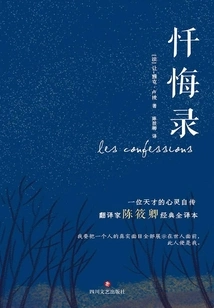
The representative work of Rousseau, "the representative figure of the Enlightenment" and "the founder of French romantic literature", is an immortal masterpiece that has been handed down for 200 years. A brave and frank spiritual autobiography that dares to reveal oneself, a biography of a celebrity that teenagers cannot miss as they grow up. "Confessions" is known as "the most famous autobiographical work in the entire history of Western literature or even culture." It is a century-old literary classic that has been highly praised by Ba Jin, Goethe, Romain Rolland and Maugham. Literal translation from French, an unabridged version with detailed annotations, a classic translation by the famous translator Mr. Chen Xiaoqing.
The representative work of Rousseau, "the representative figure of the Enlightenment" and "the founder of French romantic literature", is an immortal masterpiece that has been handed down for 200 years. A brave and frank spiritual autobiography that dares to reveal oneself, a biography of a celebrity that teenagers cannot miss as they grow up. "Confessions" is known as "the most famous autobiographical work in the entire history of Western literature or even culture." It is a century-old literary classic that has been highly praised by Ba Jin, Goethe, Romain Rolland and Maugham. Literal translation from French, an unabridged version with detailed annotations, a classic translation by the famous translator Mr. Chen Xiaoqing.
Summer of Backlight
General Fiction逆光之夏
I
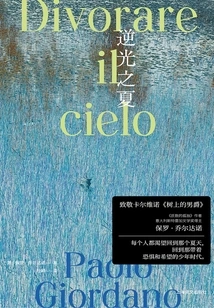
Everyone longs to go back to that summer, to that boyhood filled with fear and hope. "Backlight Summer" is a novel published in 2018 by Paolo Giordano, an Italian best-selling author and winner of the Strega Literary Award. The novel is full of Italian natural style and tells the story of the growth of Teresa and the three boys she met when they were young. Their entanglement in love and friendship over the next twenty years. The core plot is the love between Teresa and Bain, as well as Bain's unruly life.
Everyone longs to go back to that summer, to that boyhood filled with fear and hope. "Backlight Summer" is a novel published in 2018 by Paolo Giordano, an Italian best-selling author and winner of the Strega Literary Award. The novel is full of Italian natural style and tells the story of the growth of Teresa and the three boys she met when they were young. Their entanglement in love and friendship over the next twenty years. The core plot is the love between Teresa and Bain, as well as Bain's unruly life.
崩盘:小冰期与大明王朝的衰落
I
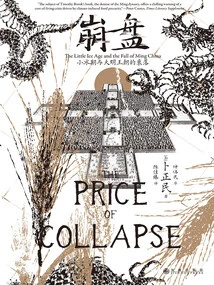
Why did the Ming Dynasty collapse in the mid-17th century after lasting for 276 years? From the unique perspective of climate history, Sinologist Professor Bu Zhengmin demonstrated how the extreme environment of the Little Ice Age broke through the empire's survival threshold, providing a new perspective in addition to the traditional narrative of "Chongzhen's lack of ability and the Manchus' southward movement leading to the collapse of the Ming Dynasty". Around the 14th century, the climate in the northern hemisphere began to turn colder, reaching its peak in the 17th century. In these three centuries, intermittent dry and cold weather and the persistent dry and cold climate around the 1640s gradually destroyed the agricultural foundation of the Ming Dynasty, causing it to slide from local famine in the Yongle period to the collapse of the national food system in the Chongzhen period. Professor Bu Zhengmin used a large number of private account books, local chronicles, notes and other materials to quantitatively analyze the soaring food prices and the soaring cost of survival, fully presenting the Ming people's feelings about the living environment, commodity prices (especially food prices), etc., As well as the difficulties of people's lives under climate change. The book is logically rigorous and advances layer by layer, demonstrating the impact of climate change on the Ming Dynasty regime. The author believes that climate often sets the limits of people's lives. If there is not enough food to feed everyone, it will at least trigger an economic and social crisis, and probably a political crisis. This understanding has far-reaching implications for understanding the fragility of pre-modern countries and the impact of climate fluctuations on countries.
Why did the Ming Dynasty collapse in the mid-17th century after lasting for 276 years? From the unique perspective of climate history, Sinologist Professor Bu Zhengmin demonstrated how the extreme environment of the Little Ice Age broke through the empire's survival threshold, providing a new perspective in addition to the traditional narrative of "Chongzhen's lack of ability and the Manchus' southward movement leading to the collapse of the Ming Dynasty". Around the 14th century, the climate in the northern hemisphere began to turn colder, reaching its peak in the 17th century. In these three centuries, intermittent dry and cold weather and the persistent dry and cold climate around the 1640s gradually destroyed the agricultural foundation of the Ming Dynasty, causing it to slide from local famine in the Yongle period to the collapse of the national food system in the Chongzhen period. Professor Bu Zhengmin used a large number of private account books, local chronicles, notes and other materials to quantitatively analyze the soaring food prices and the soaring cost of survival, fully presenting the Ming people's feelings about the living environment, commodity prices (especially food prices), etc., As well as the difficulties of people's lives under climate change. The book is logically rigorous and advances layer by layer, demonstrating the impact of climate change on the Ming Dynasty regime. The author believes that climate often sets the limits of people's lives. If there is not enough food to feed everyone, it will at least trigger an economic and social crisis, and probably a political crisis. This understanding has far-reaching implications for understanding the fragility of pre-modern countries and the impact of climate fluctuations on countries.
B

Grass Harp (by Capote)
General Fiction草竖琴(卡波蒂作品)
I
The novel "Grass Harp" (1951) is one of the writer's representative short novels. It describes three strange protagonists - one is an orphan, and the other two are eccentric old ladies - who are troubled by the cruel real life in the American South. They tried all kinds of begging methods but were unable to survive. They had no choice but to leave the real world with fierce competition and endless places for people to live in seclusion in a tree house. This is a work in which the author creates early dreams and reality, fiction and truth, which embodies the tradition and color of early American southern literature.
The novel "Grass Harp" (1951) is one of the writer's representative short novels. It describes three strange protagonists - one is an orphan, and the other two are eccentric old ladies - who are troubled by the cruel real life in the American South. They tried all kinds of begging methods but were unable to survive. They had no choice but to leave the real world with fierce competition and endless places for people to live in seclusion in a tree house. This is a work in which the author creates early dreams and reality, fiction and truth, which embodies the tradition and color of early American southern literature.

Contemporary Hero
General Fiction当代英雄
I
"Contemporary Heroes" consists of five relatively independent but mutually echoing short and medium-length stories: "Bella", "Maxim Maximich", "Taman", "Princess Merry" and "The Fatalist". It is the culmination of Lermontov's literary creation and pioneered Russian social psychological novels. The novel outlines a group portrait of the elite of an era through the experience of the protagonist Bi Qiaolin, reflecting the writer's thinking on the philosophical proposition of "individual existence" that is closest to the present and most oriented to eternity. It is an epoch-making work with exquisite artistic structure and profound ideological connotation. Guided by Professor Zhang Jianhua. Zhang Jianhua: Professor of the History Department of Beijing Normal University. His main research fields are Russian (Soviet Union) ideological and cultural history, Russian (Soviet Union) diplomatic history, Sino-Russian relations history, Russian Sinology history, and modern and contemporary world history.
"Contemporary Heroes" consists of five relatively independent but mutually echoing short and medium-length stories: "Bella", "Maxim Maximich", "Taman", "Princess Merry" and "The Fatalist". It is the culmination of Lermontov's literary creation and pioneered Russian social psychological novels. The novel outlines a group portrait of the elite of an era through the experience of the protagonist Bi Qiaolin, reflecting the writer's thinking on the philosophical proposition of "individual existence" that is closest to the present and most oriented to eternity. It is an epoch-making work with exquisite artistic structure and profound ideological connotation. Guided by Professor Zhang Jianhua. Zhang Jianhua: Professor of the History Department of Beijing Normal University. His main research fields are Russian (Soviet Union) ideological and cultural history, Russian (Soviet Union) diplomatic history, Sino-Russian relations history, Russian Sinology history, and modern and contemporary world history.
M
General Fictionm
I
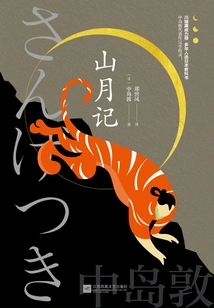
This book is a collection of short stories by Japanese writer Atsushi Nakajima. Each chapter in the book is based on Chinese classics, such as "The Analects of Confucius", "Lieh Tzu", "Historical Records", "Journey to the West" and Tang Dynasty Legends. Atsushi Nakajima borrows the shell of Chinese classics and injects modern ideology. He opens up his imagination in the blank spaces and gaps of Chinese classics to create strange worlds that are both true and illusory, presenting the human nature and modernity in classical stories. Atsushi Nakajima focuses on expressing the loneliness and nihilism of modern people. The protagonists in his works usually fall into self-pulling situations. However, while expressing the plight of the human spirit, they also provide a way out, gradually establishing the order of their own inner world, defeating nihility in action, and re-establishing their complete self. "Mountain Moon", with its sincerity, thoroughness, profoundness and sharpness, has become a book of warning, a book of answers and a book of life for countless literary and artistic young people.
This book is a collection of short stories by Japanese writer Atsushi Nakajima. Each chapter in the book is based on Chinese classics, such as "The Analects of Confucius", "Lieh Tzu", "Historical Records", "Journey to the West" and Tang Dynasty Legends. Atsushi Nakajima borrows the shell of Chinese classics and injects modern ideology. He opens up his imagination in the blank spaces and gaps of Chinese classics to create strange worlds that are both true and illusory, presenting the human nature and modernity in classical stories. Atsushi Nakajima focuses on expressing the loneliness and nihilism of modern people. The protagonists in his works usually fall into self-pulling situations. However, while expressing the plight of the human spirit, they also provide a way out, gradually establishing the order of their own inner world, defeating nihility in action, and re-establishing their complete self. "Mountain Moon", with its sincerity, thoroughness, profoundness and sharpness, has become a book of warning, a book of answers and a book of life for countless literary and artistic young people.
W
General Fictionw
I
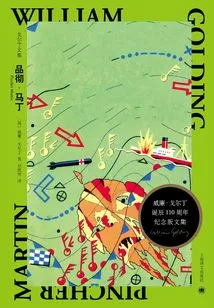
A controversial work by Nobel Prize winner William Golding, a "dark version" of desert island literature, was selected into the "Western Canon" by the famous 20th century literary critic Harold Bloom. A profound novel that explores the evil of human nature and whether the soul can ultimately be redeemed. "Pincher Martin" is an important masterpiece by William Golding. It is a masterpiece that deeply explores the evil of human nature and whether the soul can ultimately be redeemed. The book tells the story of a low-ranking officer named Christopher Hadley Martin on a British naval escort fleet during the Second World War. His warship was hit by a torpedo, and he was washed up on a rock in the ocean by the waves. He fought desperately for survival alone in the harsh environment, and eventually died. However, it is not until the end of the story that the author reveals to the readers in an unexpected way: Martin's torture on the rocks is actually just the suffering of a sinful soul in purgatory. The author wants to use this to warn mankind that if you persist in your own greed and sin, you will eventually fall into hell and never recover; and only by destroying the human nature of greed can your soul be expected to undergo the baptism of purgatory and be finally saved.
A controversial work by Nobel Prize winner William Golding, a "dark version" of desert island literature, was selected into the "Western Canon" by the famous 20th century literary critic Harold Bloom. A profound novel that explores the evil of human nature and whether the soul can ultimately be redeemed. "Pincher Martin" is an important masterpiece by William Golding. It is a masterpiece that deeply explores the evil of human nature and whether the soul can ultimately be redeemed. The book tells the story of a low-ranking officer named Christopher Hadley Martin on a British naval escort fleet during the Second World War. His warship was hit by a torpedo, and he was washed up on a rock in the ocean by the waves. He fought desperately for survival alone in the harsh environment, and eventually died. However, it is not until the end of the story that the author reveals to the readers in an unexpected way: Martin's torture on the rocks is actually just the suffering of a sinful soul in purgatory. The author wants to use this to warn mankind that if you persist in your own greed and sin, you will eventually fall into hell and never recover; and only by destroying the human nature of greed can your soul be expected to undergo the baptism of purgatory and be finally saved.
Garden of Eden
General Fiction伊甸园
I
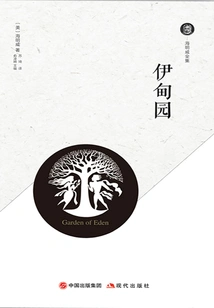
In the mid-1920s, David, a young American writer, and his wife Catherine went from Paris to the Mediterranean seaside in southern France for their honeymoon, indulging in a romantic sex life. David wanted to continue writing, but his wife just wanted to have fun in time. She asked a hairstylist to shorten her hair. She even encouraged her husband to fall in love with Marita, a foreign girl, and the three of them got involved in a dangerous sex game. But the "good times" didn't last long. Because Marita supported David's writing, Catherine became jealous and resentful. She burned his manuscript and left a letter to leave. Under Marita's care, David's literary thoughts surged, and he rewrote one of his favorite short stories word for word, and returned to the "Garden of Eden".
In the mid-1920s, David, a young American writer, and his wife Catherine went from Paris to the Mediterranean seaside in southern France for their honeymoon, indulging in a romantic sex life. David wanted to continue writing, but his wife just wanted to have fun in time. She asked a hairstylist to shorten her hair. She even encouraged her husband to fall in love with Marita, a foreign girl, and the three of them got involved in a dangerous sex game. But the "good times" didn't last long. Because Marita supported David's writing, Catherine became jealous and resentful. She burned his manuscript and left a letter to leave. Under Marita's care, David's literary thoughts surged, and he rewrote one of his favorite short stories word for word, and returned to the "Garden of Eden".

马洛伊·山多尔经典作品集(全六册)
I
Malloy Sandor wrote 6 beloved works throughout his life. Among them, "Confessions of a Citizen" is comparable to Proust's masterpiece "In Search of Lost Time" and is the first Chinese translation from Hungarian.
Malloy Sandor wrote 6 beloved works throughout his life. Among them, "Confessions of a Citizen" is comparable to Proust's masterpiece "In Search of Lost Time" and is the first Chinese translation from Hungarian.

蒙田随笔(做生命的旁观者)
I
Montaigne is world-famous for his rich ideological connotation and is known as the "treasure house of ideas". "Being a Spectator of Life (Essays of Montaigne) (Essence)" collects Montaigne's essays, mainly philosophical essays. "Being a Bystander of Life (Essays of Montaigne) (Essence)" contains all aspects of life, is full of the author's wise thinking, and fully demonstrates the essence of Montaigne's thoughts.
Montaigne is world-famous for his rich ideological connotation and is known as the "treasure house of ideas". "Being a Spectator of Life (Essays of Montaigne) (Essence)" collects Montaigne's essays, mainly philosophical essays. "Being a Bystander of Life (Essays of Montaigne) (Essence)" contains all aspects of life, is full of the author's wise thinking, and fully demonstrates the essence of Montaigne's thoughts.
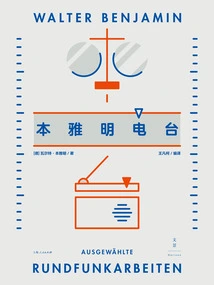
Radio Benjamin
Literature本雅明电台
I
A small literary book by a great thinker, the business hours of Benjamin, the pioneer of podcasting. From witch trials to legendary thieves in German history, from the ancient city of Pompeii in Italy buried in volcanic ash to the fire in a theater in Guangzhou, China, from how workers get promotions and raises to the reading orientation of Germans, what will Benjamin say when he picks up the microphone? Wandering between history and reality, weaving daily life and urban weird stories, how does a talented thinker create his own "kingdom of sound"? Ten children's radio stories, a children's radio drama, and the exploration of various radio talks open up the strange world of radio that has been dusty for nearly a hundred years, and appreciate the most fascinating corner of the maze of Benjamin's thoughts. This book was compiled and translated by Wang Fanke, associate professor of Xiamen University, from the radio works in "The Complete Works of Benjamin", and Wang Pu, translator of "The Biography of Benjamin" and associate professor of Brandeis University in the United States, was invited to write the introduction.
A small literary book by a great thinker, the business hours of Benjamin, the pioneer of podcasting. From witch trials to legendary thieves in German history, from the ancient city of Pompeii in Italy buried in volcanic ash to the fire in a theater in Guangzhou, China, from how workers get promotions and raises to the reading orientation of Germans, what will Benjamin say when he picks up the microphone? Wandering between history and reality, weaving daily life and urban weird stories, how does a talented thinker create his own "kingdom of sound"? Ten children's radio stories, a children's radio drama, and the exploration of various radio talks open up the strange world of radio that has been dusty for nearly a hundred years, and appreciate the most fascinating corner of the maze of Benjamin's thoughts. This book was compiled and translated by Wang Fanke, associate professor of Xiamen University, from the radio works in "The Complete Works of Benjamin", and Wang Pu, translator of "The Biography of Benjamin" and associate professor of Brandeis University in the United States, was invited to write the introduction.
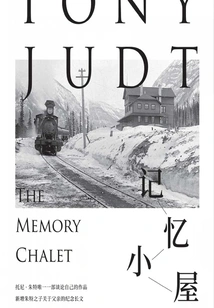
Memory House
Literature记忆小屋
I
This book is Tony Judt's oral memoir after he suffered from ALS. It is also the only work in which Judt talks about himself. In the silent nights where he could not move, Judt used space as a clue to search and organize past memories, and built a "memory house". He admitted that his writing during his illness basically came from his night visits to the memory cabin. He sometimes focuses on small things, describing his grandmother's Jewish cuisine, London's Green Line buses, and Swiss trains. Sometimes he looks at the wider world and talks about the farcical movements of the post-war generation in Western Europe, the ideological constraints of the era, and his own observations and participation in society. These words shuttle between the moving and the sharp, the private and the public, the specific history and the individual feelings of being involved in it. They trace not only the life course of a historian, but also the complex history of the 20th century. The "Works of Tony Judt" series also includes "Postwar European History", "Sickness Everywhere", "On Europe", "Thinking about the 20th Century: The Thoughtful Autobiography of Tony Judt", "The Burden of Responsibility: Bloom, Camus, Aron and France in the 20th Century", "The Unfinished Past: French Intellectuals, 1944-1956", "After Facts Changed", "Revaluing Values" (new edition to be released), etc.
This book is Tony Judt's oral memoir after he suffered from ALS. It is also the only work in which Judt talks about himself. In the silent nights where he could not move, Judt used space as a clue to search and organize past memories, and built a "memory house". He admitted that his writing during his illness basically came from his night visits to the memory cabin. He sometimes focuses on small things, describing his grandmother's Jewish cuisine, London's Green Line buses, and Swiss trains. Sometimes he looks at the wider world and talks about the farcical movements of the post-war generation in Western Europe, the ideological constraints of the era, and his own observations and participation in society. These words shuttle between the moving and the sharp, the private and the public, the specific history and the individual feelings of being involved in it. They trace not only the life course of a historian, but also the complex history of the 20th century. The "Works of Tony Judt" series also includes "Postwar European History", "Sickness Everywhere", "On Europe", "Thinking about the 20th Century: The Thoughtful Autobiography of Tony Judt", "The Burden of Responsibility: Bloom, Camus, Aron and France in the 20th Century", "The Unfinished Past: French Intellectuals, 1944-1956", "After Facts Changed", "Revaluing Values" (new edition to be released), etc.
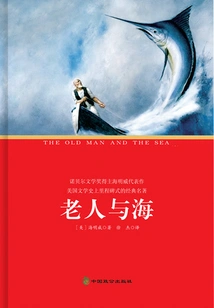
Q
General Fictionq
I
"The Old Man and the Sea" tells the story of an old Cuban fisherman's desperate struggle with a formidable marlin in the sea. "The Old Man and the Sea" is fluently written, concise and capable, vividly expressing the fighting spirit of human beings in the face of danger, and the strong character image created is a classic. The author won the "Pulitzer Prize" and the most important "Nobel Prize for Literature" in one fell swoop.
"The Old Man and the Sea" tells the story of an old Cuban fisherman's desperate struggle with a formidable marlin in the sea. "The Old Man and the Sea" is fluently written, concise and capable, vividly expressing the fighting spirit of human beings in the face of danger, and the strong character image created is a classic. The author won the "Pulitzer Prize" and the most important "Nobel Prize for Literature" in one fell swoop.
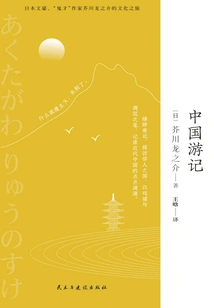
China Travel Notes
Literature中国游记
I
"Travel Notes on China" is a record of what the Japanese writer Ryunosuke Akutagawa wrote after his visit to China. In 1921, Ryunosuke Akutagawa, then 29 years old, visited China as a reporter. After returning to China, he recorded the social customs and sentiments of China at that time. In addition, he also left records of his conversations with historical celebrities such as Zhang Binglin and Li Renjie, which are precious materials that show the style of modern China and understand the history of Sino-Japanese exchanges.
"Travel Notes on China" is a record of what the Japanese writer Ryunosuke Akutagawa wrote after his visit to China. In 1921, Ryunosuke Akutagawa, then 29 years old, visited China as a reporter. After returning to China, he recorded the social customs and sentiments of China at that time. In addition, he also left records of his conversations with historical celebrities such as Zhang Binglin and Li Renjie, which are precious materials that show the style of modern China and understand the history of Sino-Japanese exchanges.
Archpriest Quixote
General Fiction吉诃德大神父
I
On the hot plains of central Spain, a priest who had just been accidentally promoted to a high priest and a former mayor who believed in communism drove a rusty Seat 600 car, heading towards Madrid... General Franco, the Inquisition, Marx and "Das Kapital", pornographic movies, Malaga wine, the Holy Trinity... In Green's modern parody of "Don Quixote", Father Quixote and Mayor "Sancho" debate various issues. With their beliefs being questioned and doubts secretly growing, where will their troubled journey ultimately go?
On the hot plains of central Spain, a priest who had just been accidentally promoted to a high priest and a former mayor who believed in communism drove a rusty Seat 600 car, heading towards Madrid... General Franco, the Inquisition, Marx and "Das Kapital", pornographic movies, Malaga wine, the Holy Trinity... In Green's modern parody of "Don Quixote", Father Quixote and Mayor "Sancho" debate various issues. With their beliefs being questioned and doubts secretly growing, where will their troubled journey ultimately go?