Library
Browse and search books
3,533 novels found
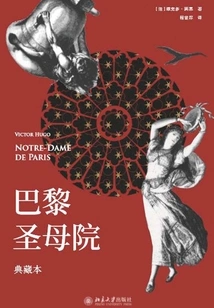
Notre Dame De Paris (collection Edition)
General Fiction巴黎圣母院(典藏本)
H
"Notre Dame de Paris" is the representative work of French writer Victor Hugo. It is a historical novel rich in romanticism. The book takes the twists and turns of the beautiful and kind-hearted street performer Esmeralda and the ugly Notre Dame bell-ringer Quasimodo as the main line. It panoramically displays the customs, beliefs, ethics, law, art and other aspects of medieval Paris, with exciting plots and rich scenes. With his certain philosophical cultivation and profound historical knowledge, the writer's profound insight into the society at that time and the rich presentation of the tragic situation of the people at the bottom triggered readers to think about what is truth, goodness and beauty, and what is false, evil and ugly. This made the novel a world literary classic that transcends time and space, and its influence continues to this day. The translator, Mr. Cheng Zenghou, had a lifelong love and accumulation of Hugo. When he was nearly 60 years old, he began to translate "Notre Dame de Paris" and regarded it as an academic project. In addition to careful consideration of the translation, it also provides contemporary Chinese readers with more than a thousand annotations and more than a hundred exquisite pictures that are rare in other Chinese translations, so as to help readers better experience the full picture of Paris in medieval France while reading the classics.
"Notre Dame de Paris" is the representative work of French writer Victor Hugo. It is a historical novel rich in romanticism. The book takes the twists and turns of the beautiful and kind-hearted street performer Esmeralda and the ugly Notre Dame bell-ringer Quasimodo as the main line. It panoramically displays the customs, beliefs, ethics, law, art and other aspects of medieval Paris, with exciting plots and rich scenes. With his certain philosophical cultivation and profound historical knowledge, the writer's profound insight into the society at that time and the rich presentation of the tragic situation of the people at the bottom triggered readers to think about what is truth, goodness and beauty, and what is false, evil and ugly. This made the novel a world literary classic that transcends time and space, and its influence continues to this day. The translator, Mr. Cheng Zenghou, had a lifelong love and accumulation of Hugo. When he was nearly 60 years old, he began to translate "Notre Dame de Paris" and regarded it as an academic project. In addition to careful consideration of the translation, it also provides contemporary Chinese readers with more than a thousand annotations and more than a hundred exquisite pictures that are rare in other Chinese translations, so as to help readers better experience the full picture of Paris in medieval France while reading the classics.

O
General Fictiono
H
The plot of this work is bizarre, the characters are grotesque, and it is full of coincidences and exaggerations. Especially the use of the principle of contrast between beauty and ugliness adds to the romantic atmosphere. For example, Esmeralda was abducted sixteen years ago, and the day when mother and daughter reunited was the time of farewell; Quasimodo alone withstood the attack of hundreds of people on the top floor of Notre Dame; when the bones of Esmeralda and Quasimodo hugging each other in the cemetery were separated, they immediately weathered. Another example is the contrast between two "dynasties", two "kings", and two "tribunals". One is filled with the kindness and friendship of the common people, while the other is filled with cruelty, stupidity, and hypocrisy; the contrast between the goodness of Esmeralda and Quasimodo and the evil of the archdeacon and Phoebus, as well as the contrast between the light and darkness, the noble and the humble of the characters themselves, etc. The author's presentation of the colorful scenery of the Middle Ages and his praise of the medieval Gothic building of Notre Dame de Paris also make the work more romantic.
The plot of this work is bizarre, the characters are grotesque, and it is full of coincidences and exaggerations. Especially the use of the principle of contrast between beauty and ugliness adds to the romantic atmosphere. For example, Esmeralda was abducted sixteen years ago, and the day when mother and daughter reunited was the time of farewell; Quasimodo alone withstood the attack of hundreds of people on the top floor of Notre Dame; when the bones of Esmeralda and Quasimodo hugging each other in the cemetery were separated, they immediately weathered. Another example is the contrast between two "dynasties", two "kings", and two "tribunals". One is filled with the kindness and friendship of the common people, while the other is filled with cruelty, stupidity, and hypocrisy; the contrast between the goodness of Esmeralda and Quasimodo and the evil of the archdeacon and Phoebus, as well as the contrast between the light and darkness, the noble and the humble of the characters themselves, etc. The author's presentation of the colorful scenery of the Middle Ages and his praise of the medieval Gothic building of Notre Dame de Paris also make the work more romantic.
O
General Fictiono
H
This book is the first large-scale romantic novel by French writer Hugo. It uses bizarre and contrasting techniques to tell a story that took place in France in the 15th century: Claude, the vice-president of Notre Dame de Paris, was sanctimonious and vicious, loved first and then hated, and persecuted the Gypsy girl Esmeralda. The ugly but kind-hearted bell ringer Quasimodo sacrificed his life to save the girl. The novel exposes the hypocrisy of religion, declares the bankruptcy of asceticism, praises the kindness, friendship and self-sacrifice of the lower working people, and reflects Hugo's humanitarian thoughts.
This book is the first large-scale romantic novel by French writer Hugo. It uses bizarre and contrasting techniques to tell a story that took place in France in the 15th century: Claude, the vice-president of Notre Dame de Paris, was sanctimonious and vicious, loved first and then hated, and persecuted the Gypsy girl Esmeralda. The ugly but kind-hearted bell ringer Quasimodo sacrificed his life to save the girl. The novel exposes the hypocrisy of religion, declares the bankruptcy of asceticism, praises the kindness, friendship and self-sacrifice of the lower working people, and reflects Hugo's humanitarian thoughts.
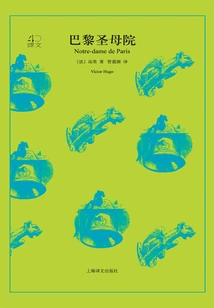
Notre Dame De Paris (translation 40)
General Fiction巴黎圣母院(译文40)
H
"Notre Dame de Paris" is a masterpiece of the novel by the famous French novelist and poet Victor Hugo. The gypsy girl Esmeralda is a street performer, and Froed, the deputy bishop of Notre Dame Church, wants to take possession of her. Later, it was discovered that she had another lover, and she assassinated her lover and framed the blame on her, resulting in her being sentenced to death. Quasimodo, the ugly bell ringer who was full of love and humility for her, rescued her and took refuge in Notre Dame. Froed kidnapped her and forced her to give in to his bestial desires. After being refused, Froude handed her over to the officers and soldiers and watched her being hanged upstairs in Notre Dame. In despair, Quasimodo angrily pushed Froude, who had raised him, off the attic and fell to death. He went to the Eagle Mountain Crypt to hug Esmeralda's body and died with her, completing the "wedding".
"Notre Dame de Paris" is a masterpiece of the novel by the famous French novelist and poet Victor Hugo. The gypsy girl Esmeralda is a street performer, and Froed, the deputy bishop of Notre Dame Church, wants to take possession of her. Later, it was discovered that she had another lover, and she assassinated her lover and framed the blame on her, resulting in her being sentenced to death. Quasimodo, the ugly bell ringer who was full of love and humility for her, rescued her and took refuge in Notre Dame. Froed kidnapped her and forced her to give in to his bestial desires. After being refused, Froude handed her over to the officers and soldiers and watched her being hanged upstairs in Notre Dame. In despair, Quasimodo angrily pushed Froude, who had raised him, off the attic and fell to death. He went to the Eagle Mountain Crypt to hug Esmeralda's body and died with her, completing the "wedding".
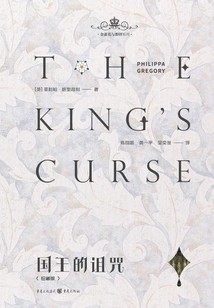
The King's Curse (collector's Edition)
General Fiction国王的诅咒(珍藏版)
H
Power and love are always difficult to have at the same time, but truth and death go hand in hand - in the spring of 1502, Arthur Tudor, who was only sixteen years old, died unexpectedly. The young crown prince who had the same name as the ancient British king passed away before he could realize his ideals of governing the country. The king and his wife lost their beloved son, and his young widow Catherine had to wait for the king's brother to come of age to remarry him... In the autumn of 1514, a newborn baby stopped breathing in his infancy. Queen Catherine suffered the loss of another son, and the Tudor dynasty still had not yet welcomed the expected heir. Only the last of the Plantagenets, Margaret Pole, might know why. That was a curse, derived from the power of the water goddess Melusina-those who murder the princes in the tower will also be cut off from their own escape. The book "The King's Curse" tells the story of the troubled life of Margaret Pole, a descendant of Plantagenet. Her noble birth was the reason why she was deposed by the Tudor family. She fell into abject poverty and lived in hardship for a time. After Henry VIII succeeded to the throne, she regained the favor of the royal family and her status rose. She was even later named Countess of Salisbury. Queen Catherine's inability to give birth to an heir becomes a dark cloud hanging over the Tudor royal family. Margaret remembers a secret curse passed down in the family: the descendants of anyone who murders the Plantagenet Prince in the Tower will suffer the same fate. As Henry fell out with the queen, Margaret, who sided with Catherine, once again lost the king's trust, and her fate became precarious... Readers who want to understand the history of the Tudor Dynasty can feel the intensity of the various struggles surrounding the throne of England at that time from the book.
Power and love are always difficult to have at the same time, but truth and death go hand in hand - in the spring of 1502, Arthur Tudor, who was only sixteen years old, died unexpectedly. The young crown prince who had the same name as the ancient British king passed away before he could realize his ideals of governing the country. The king and his wife lost their beloved son, and his young widow Catherine had to wait for the king's brother to come of age to remarry him... In the autumn of 1514, a newborn baby stopped breathing in his infancy. Queen Catherine suffered the loss of another son, and the Tudor dynasty still had not yet welcomed the expected heir. Only the last of the Plantagenets, Margaret Pole, might know why. That was a curse, derived from the power of the water goddess Melusina-those who murder the princes in the tower will also be cut off from their own escape. The book "The King's Curse" tells the story of the troubled life of Margaret Pole, a descendant of Plantagenet. Her noble birth was the reason why she was deposed by the Tudor family. She fell into abject poverty and lived in hardship for a time. After Henry VIII succeeded to the throne, she regained the favor of the royal family and her status rose. She was even later named Countess of Salisbury. Queen Catherine's inability to give birth to an heir becomes a dark cloud hanging over the Tudor royal family. Margaret remembers a secret curse passed down in the family: the descendants of anyone who murders the Plantagenet Prince in the Tower will suffer the same fate. As Henry fell out with the queen, Margaret, who sided with Catherine, once again lost the king's trust, and her fate became precarious... Readers who want to understand the history of the Tudor Dynasty can feel the intensity of the various struggles surrounding the throne of England at that time from the book.
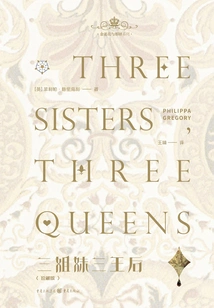
Three Sisters and Three Queens (collector's Edition)
General Fiction三姐妹三王后(珍藏版)
H
Power and love are always difficult to have at the same time, but truth and death go hand in hand - In the hot summer of 1503, Margaret of the Tudor family held a grand ceremony with the King of Scotland. The marriage and coronation simultaneously gave the Tudor princess happiness and power. She was very satisfied with the marriage: she was marrying a mature monarch, while Catherine, who was married to her brother Arthur, was just a princess. However, thousands of miles away and alone, she could only confide in endless letters with Catherine and her sister Mary, who was married to France. The three aristocratic women were like sisters, but they also had hidden jealousies. They had no choice about the future. Giving birth to a precious heir was the only meaning of becoming a queen. Conspiracy and lust for power separate their emotions. How will they finally make a choice? "Three Sisters and Three Queens" focuses on the three women around Henry VIII: his biological sisters and his first queen. Margaret and Mary married in Scotland and France respectively, while Catherine, who became his queen, came from Spain. Although the three of them were royal ladies, they essentially still had to rely on male dignitaries to make a living. The meaning of life was just to give birth to children, but under the harsh medical conditions at the time, every birth was like a trip to hell. Whichever of them gives birth to a prince first, may become the mother of the Tudor heir. The emotions of the three people are interdependent and undercurrent... The book shows the reality of the low social status of women at that time from the side many times, and can also see the budding self-awareness of women who are bound by traditional education.
Power and love are always difficult to have at the same time, but truth and death go hand in hand - In the hot summer of 1503, Margaret of the Tudor family held a grand ceremony with the King of Scotland. The marriage and coronation simultaneously gave the Tudor princess happiness and power. She was very satisfied with the marriage: she was marrying a mature monarch, while Catherine, who was married to her brother Arthur, was just a princess. However, thousands of miles away and alone, she could only confide in endless letters with Catherine and her sister Mary, who was married to France. The three aristocratic women were like sisters, but they also had hidden jealousies. They had no choice about the future. Giving birth to a precious heir was the only meaning of becoming a queen. Conspiracy and lust for power separate their emotions. How will they finally make a choice? "Three Sisters and Three Queens" focuses on the three women around Henry VIII: his biological sisters and his first queen. Margaret and Mary married in Scotland and France respectively, while Catherine, who became his queen, came from Spain. Although the three of them were royal ladies, they essentially still had to rely on male dignitaries to make a living. The meaning of life was just to give birth to children, but under the harsh medical conditions at the time, every birth was like a trip to hell. Whichever of them gives birth to a prince first, may become the mother of the Tudor heir. The emotions of the three people are interdependent and undercurrent... The book shows the reality of the low social status of women at that time from the side many times, and can also see the budding self-awareness of women who are bound by traditional education.
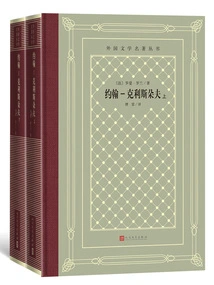
John-christophe (top and Bottom)
General Fiction约翰-克利斯朵夫(上下)
H
"John-Christophe" is Romain Rolland's masterpiece novel. It reflects a series of contradictions and conflicts in real society through the life experience of John-Christophe, and promotes humanitarianism and heroism. The novel describes the struggling life of John-Christophe, from the awakening of his musical talent as a child, to his contempt and resistance to the powerful in his youth, to his career pursuit and success as an adult, and finally to the lofty state of spiritual tranquility. In 1915 Romain Rolland won the Nobel Prize for Literature for "Johan-Christophe". The translator of this book is Fu Lei, a famous Chinese translator, writer, educator, and art critic. The translation is beautiful and fluent. It accurately translates the author's descriptions of various types of music, and uses a vivid translation to present the author's high morale revealed between the lines.
"John-Christophe" is Romain Rolland's masterpiece novel. It reflects a series of contradictions and conflicts in real society through the life experience of John-Christophe, and promotes humanitarianism and heroism. The novel describes the struggling life of John-Christophe, from the awakening of his musical talent as a child, to his contempt and resistance to the powerful in his youth, to his career pursuit and success as an adult, and finally to the lofty state of spiritual tranquility. In 1915 Romain Rolland won the Nobel Prize for Literature for "Johan-Christophe". The translator of this book is Fu Lei, a famous Chinese translator, writer, educator, and art critic. The translation is beautiful and fluent. It accurately translates the author's descriptions of various types of music, and uses a vivid translation to present the author's high morale revealed between the lines.
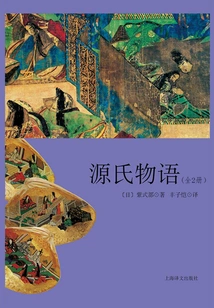
The Tale of Genji (2 Volumes in Total)
General Fiction源氏物语(全2册)
H
"The Tale of Genji" is the world's earliest full-length realistic novel and Japan's immortal "national literature". It ushered in the era of "mono-sorrow" and had a profound impact on the development of Japanese literature in later generations. It is known as the source of inspiration for Japanese literature and the highest peak of Japanese classical realism literature. The work was written between approximately 1001 and 1008 AD. The novel is set in the heyday of the Heian Dynasty in Japan, with the Genji family as the center. The first two parts describe the tragic or beautiful love lives of the Genji family and the women. The third part uses the son of the Genji family, Kaoru-kun, as the protagonist, and lays out the complicated love entanglements between men and women. The original text of the book is nearly a million words, and the 400-word manuscript uses about 2,400 sheets of paper. It has a total of fifty-four chapters, covering the lives of three generations, four generations of emperors, a period of more than seventy years, and nearly 500 characters. It shows the various aspects of court life in the Heian period (equivalent to the Northern Song Dynasty in my country), leaving a detailed and rich sketch of the aristocratic life in the Heian and prosperous times. The story is outstandingly elegant, the psychological description is ingenious, the structure is exquisite and meticulous, the beauty of the writing and the avant-garde aesthetic consciousness can be called "the classic among the classics", and it is the highest masterpiece in the history of Japanese literature. "The Tale of Genji" is known as Japan's "Dream of Red Mansions" and is listed among the top ten ideal collections of Asian literature along with "Dream of Red Mansions" and "Selected Poems of the Tang Dynasty".
"The Tale of Genji" is the world's earliest full-length realistic novel and Japan's immortal "national literature". It ushered in the era of "mono-sorrow" and had a profound impact on the development of Japanese literature in later generations. It is known as the source of inspiration for Japanese literature and the highest peak of Japanese classical realism literature. The work was written between approximately 1001 and 1008 AD. The novel is set in the heyday of the Heian Dynasty in Japan, with the Genji family as the center. The first two parts describe the tragic or beautiful love lives of the Genji family and the women. The third part uses the son of the Genji family, Kaoru-kun, as the protagonist, and lays out the complicated love entanglements between men and women. The original text of the book is nearly a million words, and the 400-word manuscript uses about 2,400 sheets of paper. It has a total of fifty-four chapters, covering the lives of three generations, four generations of emperors, a period of more than seventy years, and nearly 500 characters. It shows the various aspects of court life in the Heian period (equivalent to the Northern Song Dynasty in my country), leaving a detailed and rich sketch of the aristocratic life in the Heian and prosperous times. The story is outstandingly elegant, the psychological description is ingenious, the structure is exquisite and meticulous, the beauty of the writing and the avant-garde aesthetic consciousness can be called "the classic among the classics", and it is the highest masterpiece in the history of Japanese literature. "The Tale of Genji" is known as Japan's "Dream of Red Mansions" and is listed among the top ten ideal collections of Asian literature along with "Dream of Red Mansions" and "Selected Poems of the Tang Dynasty".
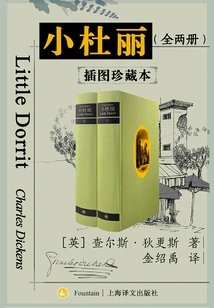
小杜丽(全两册)(插图珍藏本)
H
A dark family history full of revenge and deceit, repression and sadness, a dense forest intertwined with countless plots; a classic translation that has been out of print for many years, and precious original illustrations to reproduce Dickens's great classic. "The Little Society," published in 1857, is one of Dickens's greatest late works. The novel is set in Marshall West Gaol, a famous debtor's prison in London during the Victorian period. It tells the bitter and bumpy growth process of the "prison daughter" Little Dolly, and reveals the dark family history of Clennan, the hero, full of revenge and deceit, oppression and sadness. The story and characters are so complex that critics call it a "dense forest intertwined with countless plots". Reading it is like peeling off a cocoon, making readers sigh and find it difficult to put down the book. The book's broad depiction of British society in the Victorian era, its profound exposure of the greedy nature and filthy souls of capitalists hidden under the cloak of hypocrisy, and its ruthless mockery of the corrupt officialdom embody the characteristics of Dickens' later works: his ideological content tends to be more profound and rich, and his ability to control characters and plots tends to be more mature.
A dark family history full of revenge and deceit, repression and sadness, a dense forest intertwined with countless plots; a classic translation that has been out of print for many years, and precious original illustrations to reproduce Dickens's great classic. "The Little Society," published in 1857, is one of Dickens's greatest late works. The novel is set in Marshall West Gaol, a famous debtor's prison in London during the Victorian period. It tells the bitter and bumpy growth process of the "prison daughter" Little Dolly, and reveals the dark family history of Clennan, the hero, full of revenge and deceit, oppression and sadness. The story and characters are so complex that critics call it a "dense forest intertwined with countless plots". Reading it is like peeling off a cocoon, making readers sigh and find it difficult to put down the book. The book's broad depiction of British society in the Victorian era, its profound exposure of the greedy nature and filthy souls of capitalists hidden under the cloak of hypocrisy, and its ruthless mockery of the corrupt officialdom embody the characteristics of Dickens' later works: his ideological content tends to be more profound and rich, and his ability to control characters and plots tends to be more mature.
Ac
General Fictionac
H
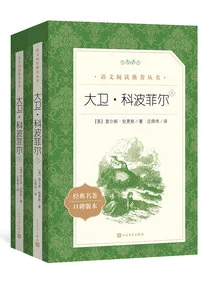
"David Copperfield" is a novel written by the British novelist Charles Dickens. The book adopts a first-person narrative and incorporates many of the author's own life experiences, integrating the sincerity and darkness of friends, the childishness and impulsiveness of love, the sweetness and triviality of marriage, and the conflicts and harmony of family members into a stream. The language is witty and interesting, showing a broad picture of Britain in the mid-19th century, reflecting Dickens's ideal that the world is full of kindness and justice.
"David Copperfield" is a novel written by the British novelist Charles Dickens. The book adopts a first-person narrative and incorporates many of the author's own life experiences, integrating the sincerity and darkness of friends, the childishness and impulsiveness of love, the sweetness and triviality of marriage, and the conflicts and harmony of family members into a stream. The language is witty and interesting, showing a broad picture of Britain in the mid-19th century, reflecting Dickens's ideal that the world is full of kindness and justice.
Trial Issue
General Fiction试刊号
H
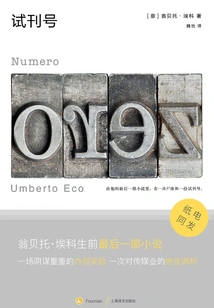
"Trial Issue" is the last novel written by Italian writer Umberto Eco before his death. Through a conspiracy-laden experiment in running a newspaper, it conducts a profound analysis and criticism of modern journalism. In Milan in 1992, several reporters joined a daily newspaper that was being prepared, "Tomorrow Daily", ambitious to show off their skills in new positions...
"Trial Issue" is the last novel written by Italian writer Umberto Eco before his death. Through a conspiracy-laden experiment in running a newspaper, it conducts a profound analysis and criticism of modern journalism. In Milan in 1992, several reporters joined a daily newspaper that was being prepared, "Tomorrow Daily", ambitious to show off their skills in new positions...
P
General Fictionp
H
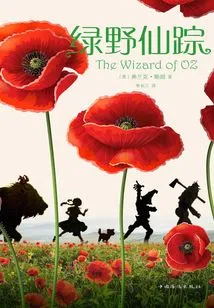
"The Wizard of Oz" was published in 1900. It is one of the "Ten Great American Children's Literature Works" selected by the American Children's Literature Association and one of the children's books recommended by the American Education Association. "The Wizard of Oz", with its fantastic scenes, gripping plot and endless imagination, has been translated into more than 20 languages since its publication and is a well-deserved fairy tale classic. After "The Wizard of Oz", Baum continued to create a series of Oz series, a total of 14 books. "The Wizard of Oz" was adapted into a popular film in 1939 and has since become one of the most famous stories in the history of American pop culture.
"The Wizard of Oz" was published in 1900. It is one of the "Ten Great American Children's Literature Works" selected by the American Children's Literature Association and one of the children's books recommended by the American Education Association. "The Wizard of Oz", with its fantastic scenes, gripping plot and endless imagination, has been translated into more than 20 languages since its publication and is a well-deserved fairy tale classic. After "The Wizard of Oz", Baum continued to create a series of Oz series, a total of 14 books. "The Wizard of Oz" was adapted into a popular film in 1939 and has since become one of the most famous stories in the history of American pop culture.
Dear Enemy: the Daddy-long-legs Sequel
General Fiction亲爱的敌人:长腿叔叔续集
H
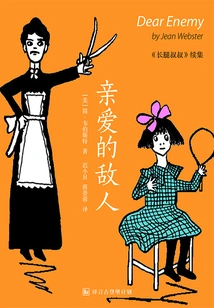
"Dear Enemy" is the sequel to "Daddy-Long-Legs". This is also an epistolary novel, but the protagonist is replaced by Judy's college classmate and best friend-Sally. After Judy married "Daddy Long Legs" Jervis, the two lived a happy and sweet life. Judy wanted to improve the John Greer Orphanage where she once lived. When they saw that the optimistic Sally was still living a willful and muddled life, with "no progress" in their words, the couple decided to invite Sally to be the director of the John Greer Orphanage. Sally was reluctant at first, but after Judy's repeated persuasion and politician Gordon's cynicism (Sally believed that the latter had a greater driving force), this red-haired Irish descendant came to the orphanage resolutely...
"Dear Enemy" is the sequel to "Daddy-Long-Legs". This is also an epistolary novel, but the protagonist is replaced by Judy's college classmate and best friend-Sally. After Judy married "Daddy Long Legs" Jervis, the two lived a happy and sweet life. Judy wanted to improve the John Greer Orphanage where she once lived. When they saw that the optimistic Sally was still living a willful and muddled life, with "no progress" in their words, the couple decided to invite Sally to be the director of the John Greer Orphanage. Sally was reluctant at first, but after Judy's repeated persuasion and politician Gordon's cynicism (Sally believed that the latter had a greater driving force), this red-haired Irish descendant came to the orphanage resolutely...

K
General Fictionk
H
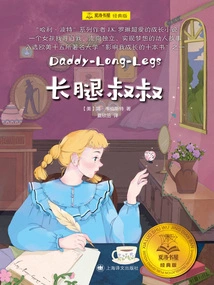
Judy, a little orphan girl who grew up in an orphanage, unexpectedly received the help of a kind-hearted director and entered the university of her dreams. Since Judy had never met this director, but accidentally saw his slender figure cast against the wall like a long-legged spider, she nicknamed him "Daddy-Long-Legs." When "Daddy-Long-Legs" sponsored her, he asked her to write to him every month to report every detail of her life, and declared that she would not reply to his letters. So, Judy began to write letters to her "daddy-long-legs" in a funny and sincere style. Suddenly one day, the mysterious "Daddy-Long-Legs" finally appeared...
Judy, a little orphan girl who grew up in an orphanage, unexpectedly received the help of a kind-hearted director and entered the university of her dreams. Since Judy had never met this director, but accidentally saw his slender figure cast against the wall like a long-legged spider, she nicknamed him "Daddy-Long-Legs." When "Daddy-Long-Legs" sponsored her, he asked her to write to him every month to report every detail of her life, and declared that she would not reply to his letters. So, Judy began to write letters to her "daddy-long-legs" in a funny and sincere style. Suddenly one day, the mysterious "Daddy-Long-Legs" finally appeared...
K
General Fictionk
H
The protagonist of "Daddy-Long-Legs", Joshua Albert (later renamed Judy), is a little girl who grew up in an orphanage. She is an excellent writer and was sponsored by an anonymous director of the orphanage to go to college. Judy had never met this director, but saw him by chance, so she called him "Daddy-Long-Legs." As a requirement for funding, the director asked Judy to write him a letter every month, reporting every detail of her life in order to practice her writing skills. This book is composed of letters written by Judy to Daddy-Long-Legs. From it, we can see a girl's growth path of studying hard, finding herself, becoming independent, and finally realizing her dream as a writer.
The protagonist of "Daddy-Long-Legs", Joshua Albert (later renamed Judy), is a little girl who grew up in an orphanage. She is an excellent writer and was sponsored by an anonymous director of the orphanage to go to college. Judy had never met this director, but saw him by chance, so she called him "Daddy-Long-Legs." As a requirement for funding, the director asked Judy to write him a letter every month, reporting every detail of her life in order to practice her writing skills. This book is composed of letters written by Judy to Daddy-Long-Legs. From it, we can see a girl's growth path of studying hard, finding herself, becoming independent, and finally realizing her dream as a writer.
K
General Fictionk
H
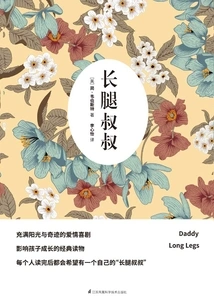
"Daddy Long Legs" is a novel written by American writer Jane Webster in 1912. The main story of this novel is that Judy grew up in an orphanage. When she was 18 years old, luck came to her. An anonymous director of the orphanage named "Daddy-Long-Legs" was willing to sponsor her to go to college. But there is one condition, that is, Judy must write a letter every month to report on her study and life situation, and there will be no reply to her. In the next four years, Judy, who was independent and self-respecting, kept writing letters to this uncle she had never met as a spiritual sustenance. Although she received help, she did not rely on it. Instead, she studied hard, obtained a scholarship, and used her vacations to tutor, determined to become a writer. But the letters she wrote were like nothing. When she knew she would never get a reply, she also complained to "Daddy-Long-Legs". And when she was about to confess her love to the excellent and outstanding Master Jiewei, "Daddy Long Legs" finally showed up - Master Jiewei was the "Daddy Long Legs" who supported her.
"Daddy Long Legs" is a novel written by American writer Jane Webster in 1912. The main story of this novel is that Judy grew up in an orphanage. When she was 18 years old, luck came to her. An anonymous director of the orphanage named "Daddy-Long-Legs" was willing to sponsor her to go to college. But there is one condition, that is, Judy must write a letter every month to report on her study and life situation, and there will be no reply to her. In the next four years, Judy, who was independent and self-respecting, kept writing letters to this uncle she had never met as a spiritual sustenance. Although she received help, she did not rely on it. Instead, she studied hard, obtained a scholarship, and used her vacations to tutor, determined to become a writer. But the letters she wrote were like nothing. When she knew she would never get a reply, she also complained to "Daddy-Long-Legs". And when she was about to confess her love to the excellent and outstanding Master Jiewei, "Daddy Long Legs" finally showed up - Master Jiewei was the "Daddy Long Legs" who supported her.
B
General FictionB
H
This book describes the story of Carrie, a rural girl who came to the big city of Chicago to find happiness. In order to get rid of poverty, she chose to sell herself in desperation. The writer, represented by Carrie, profoundly exposed the cruelty of the American capitalist system's oppression of poor people and the corrosiveness of the bourgeois lifestyle on petty bourgeois elements.
This book describes the story of Carrie, a rural girl who came to the big city of Chicago to find happiness. In order to get rid of poverty, she chose to sell herself in desperation. The writer, represented by Carrie, profoundly exposed the cruelty of the American capitalist system's oppression of poor people and the corrosiveness of the bourgeois lifestyle on petty bourgeois elements.

Donkey Skin
General Fiction驴皮记
H
"The Story of Donkey Skin" is one of Balzac's top ten classics. Human desires are like a piece of donkey skin. The more desires we have, the less life we have! Observe the various aspects of life with a smile and read all the customs of the world! "Donkey Skin" is Balzac's first full-length philosophical novel. The novel ingeniously uses a donkey skin to symbolize the contradiction between human desires and life, and uses this to summarize his life experience and philosophical thinking. It tells the story of Valentine, a young man from an aristocratic background who went bankrupt and threw himself into the social scene. When he was desperate, he was about to commit suicide by drowning when an antique dealer gave him a magical donkey skin. This donkey skin can fulfill any of his wishes, whether they are good or evil thoughts, but once the wish is realized, the donkey skin will immediately shrink and his life span will be shortened.
"The Story of Donkey Skin" is one of Balzac's top ten classics. Human desires are like a piece of donkey skin. The more desires we have, the less life we have! Observe the various aspects of life with a smile and read all the customs of the world! "Donkey Skin" is Balzac's first full-length philosophical novel. The novel ingeniously uses a donkey skin to symbolize the contradiction between human desires and life, and uses this to summarize his life experience and philosophical thinking. It tells the story of Valentine, a young man from an aristocratic background who went bankrupt and threw himself into the social scene. When he was desperate, he was about to commit suicide by drowning when an antique dealer gave him a magical donkey skin. This donkey skin can fulfill any of his wishes, whether they are good or evil thoughts, but once the wish is realized, the donkey skin will immediately shrink and his life span will be shortened.
O
General Fictiono
H
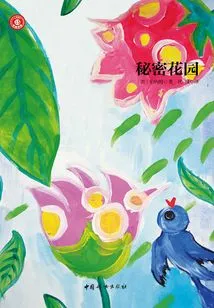
In a manor, there is an abandoned secret garden. A little girl named Maria accidentally gets the key to the garden and finds the hidden door. This originally willful and violent girl fell in love with the garden. She played in the garden with the two boys. As the flowers and plants grew, they also changed their bad habits and became beautiful girls and strong boys. All thanks to the magic of nature...
In a manor, there is an abandoned secret garden. A little girl named Maria accidentally gets the key to the garden and finds the hidden door. This originally willful and violent girl fell in love with the garden. She played in the garden with the two boys. As the flowers and plants grew, they also changed their bad habits and became beautiful girls and strong boys. All thanks to the magic of nature...

Good Weather Alone
General Fiction一个人的好天气
H
"One Person's Good Weather" describes the story of a part-time job girl getting along with her older relatives while pursuing herself and independence. The various encounters and emotions of a girl who is on her way to independence in work, life and love are heart-wrenching. The novel fully describes the bitterness of being a freelancer ("freeter"). The author Nanae Aoyama said in an interview with reporters: "I want to tell them that as long as you are willing to take the first step, there will be a way out." She hopes that her work can help them "take the first step."
"One Person's Good Weather" describes the story of a part-time job girl getting along with her older relatives while pursuing herself and independence. The various encounters and emotions of a girl who is on her way to independence in work, life and love are heart-wrenching. The novel fully describes the bitterness of being a freelancer ("freeter"). The author Nanae Aoyama said in an interview with reporters: "I want to tell them that as long as you are willing to take the first step, there will be a way out." She hopes that her work can help them "take the first step."
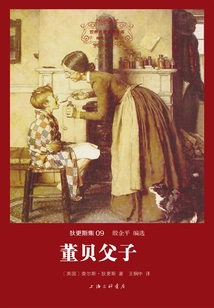
Dong Bei and Son (complete Works)
General Fiction董贝父子(全集)
H
"Dombey and Son" is one of Dickens's most important works, published in 1848. The novel describes the rise and fall of Dong Bei and Sons. Dong Bei is a greedy big capitalist, and his wife and children have become tools and furnishings for him to pursue profits. The company manager Kaker is a treacherous villain. After defrauding Dong Bei's trust, he single-handedly caused his bankruptcy. In the lessons of reality, Dong Bei's thinking changed. In the end, although he was unable to rebuild the family business, he achieved real family happiness.
"Dombey and Son" is one of Dickens's most important works, published in 1848. The novel describes the rise and fall of Dong Bei and Sons. Dong Bei is a greedy big capitalist, and his wife and children have become tools and furnishings for him to pursue profits. The company manager Kaker is a treacherous villain. After defrauding Dong Bei's trust, he single-handedly caused his bankruptcy. In the lessons of reality, Dong Bei's thinking changed. In the end, although he was unable to rebuild the family business, he achieved real family happiness.
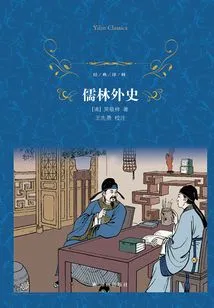
The Scholars (classic Translation)
General Fiction儒林外史(经典译林)
H
"The Scholars" is a novel written by Wu Jingzi in the Qing Dynasty. It uses realism to depict the different expressions of fame and wealth of various people, and represents the peak of ancient Chinese satirical novels. The use of vernacular in the novel has become more proficient, and the characterization of the characters is also quite in-depth and delicate, especially the use of superb satirical techniques, making the book a masterpiece of Chinese classical satirical literature.
"The Scholars" is a novel written by Wu Jingzi in the Qing Dynasty. It uses realism to depict the different expressions of fame and wealth of various people, and represents the peak of ancient Chinese satirical novels. The use of vernacular in the novel has become more proficient, and the characterization of the characters is also quite in-depth and delicate, especially the use of superb satirical techniques, making the book a masterpiece of Chinese classical satirical literature.
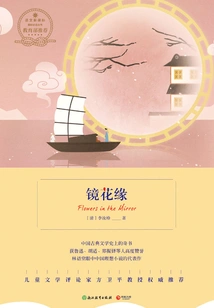
M
General FictionM
H
"Flowers in the Mirror" is a novel written by Li Ruzhen, a literati in the Qing Dynasty. The first half of the book describes the story of Tang Ao, Duo Jiugong and others traveling overseas by boat, including their experiences in the Daughter's Country, the Gentleman's Country and other countries. The second half tells the story of Wu Zetian's imperial examination to select talented girls, Tang Xiaoshan, who was entrusted by Baihua Fairy, and one hundred talented girls entrusted by other flower fairies who passed the exam and made a difference in the court. His magical and humorous creative techniques are based on classics, and he cleverly outlines a gorgeous color picture of the heavenly wheel.
"Flowers in the Mirror" is a novel written by Li Ruzhen, a literati in the Qing Dynasty. The first half of the book describes the story of Tang Ao, Duo Jiugong and others traveling overseas by boat, including their experiences in the Daughter's Country, the Gentleman's Country and other countries. The second half tells the story of Wu Zetian's imperial examination to select talented girls, Tang Xiaoshan, who was entrusted by Baihua Fairy, and one hundred talented girls entrusted by other flower fairies who passed the exam and made a difference in the court. His magical and humorous creative techniques are based on classics, and he cleverly outlines a gorgeous color picture of the heavenly wheel.
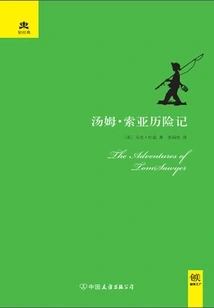
R
General Fictionr
H
"The Adventures of Tom Sawyer" is a novel full of children's interest and a very representative work of the American humor master Mark Twain. The story takes place in a small town along the Mississippi River. The young protagonist Tom Sawyer is innocent, lively, unfettered, and pursues freedom. He hates boring homework and a rigid and vulgar living environment, and dreams of living a pirate-style adventure life. In an accident, he and his good friend Huckleberry witnessed a murder case, and overcame their fear, bravely stood up to expose the brutal criminal, and protected the innocent townspeople. In the process, they used their cleverness and wit to solve the mystery of the robbers' treasure and found the treasure, winning the appreciation and admiration of the townspeople.
"The Adventures of Tom Sawyer" is a novel full of children's interest and a very representative work of the American humor master Mark Twain. The story takes place in a small town along the Mississippi River. The young protagonist Tom Sawyer is innocent, lively, unfettered, and pursues freedom. He hates boring homework and a rigid and vulgar living environment, and dreams of living a pirate-style adventure life. In an accident, he and his good friend Huckleberry witnessed a murder case, and overcame their fear, bravely stood up to expose the brutal criminal, and protected the innocent townspeople. In the process, they used their cleverness and wit to solve the mystery of the robbers' treasure and found the treasure, winning the appreciation and admiration of the townspeople.
L
General FictionL
H
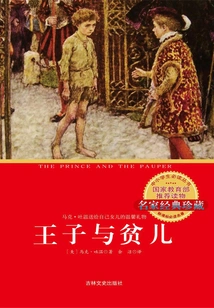
This book is set in England in the 16th century, and describes a fairy-tale story in which a prince and a pauper exchange identities. By chance, the identical-looking prince Edward and the pauper Tom exchange clothes, which leads to a reversal of fate. The former little beggar became the prince's "stand-in", and the real prince lived abroad, suffering bullying and ridicule. Later, the prince finally returned to the palace after experiencing various disasters; and Tom also returned the throne that did not belong to him to the prince. After this "exchange of identities", both teenagers learned a lot...
This book is set in England in the 16th century, and describes a fairy-tale story in which a prince and a pauper exchange identities. By chance, the identical-looking prince Edward and the pauper Tom exchange clothes, which leads to a reversal of fate. The former little beggar became the prince's "stand-in", and the real prince lived abroad, suffering bullying and ridicule. Later, the prince finally returned to the palace after experiencing various disasters; and Tom also returned the throne that did not belong to him to the prince. After this "exchange of identities", both teenagers learned a lot...
M
General FictionM
H
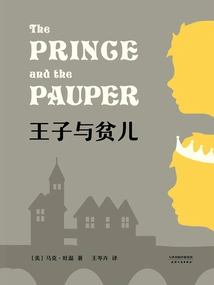
"The Prince and the Pauper" is Mark Twain's attempt at a historical fantasy novel. The story is set in England in the mid-16th century. The protagonists are Prince Edward, the son of King Henry VIII, and Tom, a poor boy who is often abused by his father. Not only were they born on the same day, they even have the same appearance. After a chance encounter, the two exchanged clothes out of curiosity about each other's lives. From then on, Tom cautiously began his dream palace life, while Edward went through many hardships and embarked on a tortuous road back to the palace...
"The Prince and the Pauper" is Mark Twain's attempt at a historical fantasy novel. The story is set in England in the mid-16th century. The protagonists are Prince Edward, the son of King Henry VIII, and Tom, a poor boy who is often abused by his father. Not only were they born on the same day, they even have the same appearance. After a chance encounter, the two exchanged clothes out of curiosity about each other's lives. From then on, Tom cautiously began his dream palace life, while Edward went through many hardships and embarked on a tortuous road back to the palace...
Q
General FictionQ
H
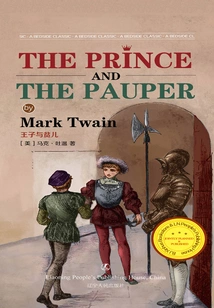
"The Prince and the Pauper (English Edition)/Classic English Library" is a satirical novel. The story is based on the social conditions of England in the 16th century. It describes in the form of a fairy tale that Tom, a poor boy in the slums, dramatically changes his identity with Prince Edward by chance and becomes the King of England. After the kind-hearted Tom became the king, he implemented some benevolent policies, abolished some cruel punishments, and pardoned some innocent prisoners, thus gaining the love and support of the people. The real prince Edward experienced various social conditions under the autocratic rule of the feudal monarchy, which enabled him to witness the suffering and shortcomings of the people with his own eyes, which made him deeply aware of the cruelty of British law and the contradictions of social classes. The writing style of the work is light, but the meaning is profound. Every line reveals the author's dissatisfaction with the rulers and sympathy for the suffering people.
"The Prince and the Pauper (English Edition)/Classic English Library" is a satirical novel. The story is based on the social conditions of England in the 16th century. It describes in the form of a fairy tale that Tom, a poor boy in the slums, dramatically changes his identity with Prince Edward by chance and becomes the King of England. After the kind-hearted Tom became the king, he implemented some benevolent policies, abolished some cruel punishments, and pardoned some innocent prisoners, thus gaining the love and support of the people. The real prince Edward experienced various social conditions under the autocratic rule of the feudal monarchy, which enabled him to witness the suffering and shortcomings of the people with his own eyes, which made him deeply aware of the cruelty of British law and the contradictions of social classes. The writing style of the work is light, but the meaning is profound. Every line reveals the author's dissatisfaction with the rulers and sympathy for the suffering people.
N
General Fictionn
H
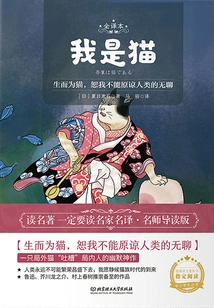
"I am a Cat" is the masterpiece of Japanese writer Natsume Soseki. In a humorous, sarcastic and comical way, this book uses the vision, hearing and feeling of a cat to describe the mediocre and trivial life of its owner, the poor teacher Kusha Mi, and his family, as well as the boring and elegant life of his friends Mi Ting, Han Yue, Dong Feng, Du Xian and others. The whole book is based on the daily life of the protagonist, a middle school teacher, Kushaya. It is interspersed with the conflicts of the neighbor capitalist Kaneda who tries to marry his daughter and plots to take revenge on Kushaya. It mocks the empty spiritual life of the intellectuals in the Meiji era and ridicules them for claiming to be noble but doing nothing. Dissatisfied with reality, but unable to resist; mediocre and boring, but denouncing the secular contradictory character, lashing out at the snobbish, vulgar, and cruel nature of bourgeois figures such as Kaneda and their accomplices, and criticizing the money-oriented society and the social habits of blind worship of Western lifestyles.
"I am a Cat" is the masterpiece of Japanese writer Natsume Soseki. In a humorous, sarcastic and comical way, this book uses the vision, hearing and feeling of a cat to describe the mediocre and trivial life of its owner, the poor teacher Kusha Mi, and his family, as well as the boring and elegant life of his friends Mi Ting, Han Yue, Dong Feng, Du Xian and others. The whole book is based on the daily life of the protagonist, a middle school teacher, Kushaya. It is interspersed with the conflicts of the neighbor capitalist Kaneda who tries to marry his daughter and plots to take revenge on Kushaya. It mocks the empty spiritual life of the intellectuals in the Meiji era and ridicules them for claiming to be noble but doing nothing. Dissatisfied with reality, but unable to resist; mediocre and boring, but denouncing the secular contradictory character, lashing out at the snobbish, vulgar, and cruel nature of bourgeois figures such as Kaneda and their accomplices, and criticizing the money-oriented society and the social habits of blind worship of Western lifestyles.
Q
R
R
S
T
R
S
初刻拍案惊奇(古典文库)
H
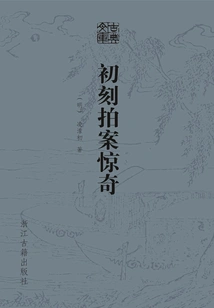
This book is a collection of short vernacular novels compiled by Ling Shuchu in the late Ming Dynasty. Together with another collection of short vernacular novels he compiled, "The Surprise at the Second Moment", they are collectively referred to as "Er Pai". Later generations often refer to it together with "Three Words" ("Yu Shi Ming Yan", "Awakening Words", and "Warning Words") compiled by Feng Menglong. They are both the most famous collection of short vernacular novels in ancient my country. The forty chapters of "The Surprise at the First Moment" show a diverse and colorful society. Here, traditional scholars, dignitaries, and heroes have been relegated to a relatively secondary position, while ordinary people such as businessmen, craftsmen, prostitutes, monks, nuns, squires, subordinates, bandits, and swindlers have occupied the main stage of literature. Driven by various desires, they have performed scenes of surprising tragedies and comedies of life.
This book is a collection of short vernacular novels compiled by Ling Shuchu in the late Ming Dynasty. Together with another collection of short vernacular novels he compiled, "The Surprise at the Second Moment", they are collectively referred to as "Er Pai". Later generations often refer to it together with "Three Words" ("Yu Shi Ming Yan", "Awakening Words", and "Warning Words") compiled by Feng Menglong. They are both the most famous collection of short vernacular novels in ancient my country. The forty chapters of "The Surprise at the First Moment" show a diverse and colorful society. Here, traditional scholars, dignitaries, and heroes have been relegated to a relatively secondary position, while ordinary people such as businessmen, craftsmen, prostitutes, monks, nuns, squires, subordinates, bandits, and swindlers have occupied the main stage of literature. Driven by various desires, they have performed scenes of surprising tragedies and comedies of life.
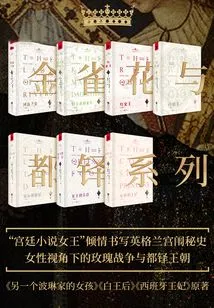
Plantagenet and Tudor Series (set of 7 Volumes)
General Fiction金雀花与都铎系列(套装7册)
H
This set of books is part of the Plantagenet and Tudor series, including: "The River Daughter", "The Kingmaker's Daughter", "The Red Queen", "The White Princess", "The Eternal Princess", "The Queen's Fool" and "The Last Tudor", a total of 7 volumes. Focusing on the British royal women in the late Middle Ages, writing "her history" from a first-person perspective, and comprehensively showing the disputes behind the "War of the Roses" and "Tudor Dynasty".
This set of books is part of the Plantagenet and Tudor series, including: "The River Daughter", "The Kingmaker's Daughter", "The Red Queen", "The White Princess", "The Eternal Princess", "The Queen's Fool" and "The Last Tudor", a total of 7 volumes. Focusing on the British royal women in the late Middle Ages, writing "her history" from a first-person perspective, and comprehensively showing the disputes behind the "War of the Roses" and "Tudor Dynasty".
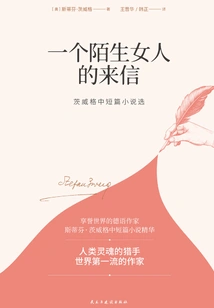
一个陌生女人的来信:茨威格中短篇小说选
H
This book is a collection of novels by the Austrian writer Zweig, including "Letter from an Unknown Woman" and five other masterpieces. The author's writing style is clear and delicate, with passionate emotion in the silence and pathos in the writing. "Letter from an Unknown Woman" was even evaluated by Gorky as "an astonishing masterpiece".
This book is a collection of novels by the Austrian writer Zweig, including "Letter from an Unknown Woman" and five other masterpieces. The author's writing style is clear and delicate, with passionate emotion in the silence and pathos in the writing. "Letter from an Unknown Woman" was even evaluated by Gorky as "an astonishing masterpiece".
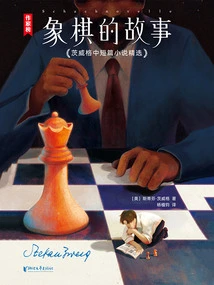
象棋的故事:茨威格中短篇小说精选
H
When you are in adversity and your life is at a loss, you must read "The Story of Chess"! On the large passenger ship sailing from New York, USA to the capital of Argentina, the world chess masters champion Centovic stole the show. He is a god in the minds of many chess enthusiasts - all passengers who play chess with him are mercilessly crushed by his three moves and two moves. However, when the figure of "Dr. B" appeared among the onlookers, the situation suddenly reversed. He thoughtfully and quietly gave instructions to his players until he succeeded in killing Centovic every step of the way. Witnessing all this, I became extremely curious about "Dr. When the pressure was so great that he was about to collapse, he accidentally obtained a compilation of chess games, memorized 150 chess games by heart, and began to play the game with himself in his mind. This honed his superb chess skills, and also made him often fall into anxiety and madness...
When you are in adversity and your life is at a loss, you must read "The Story of Chess"! On the large passenger ship sailing from New York, USA to the capital of Argentina, the world chess masters champion Centovic stole the show. He is a god in the minds of many chess enthusiasts - all passengers who play chess with him are mercilessly crushed by his three moves and two moves. However, when the figure of "Dr. B" appeared among the onlookers, the situation suddenly reversed. He thoughtfully and quietly gave instructions to his players until he succeeded in killing Centovic every step of the way. Witnessing all this, I became extremely curious about "Dr. When the pressure was so great that he was about to collapse, he accidentally obtained a compilation of chess games, memorized 150 chess games by heart, and began to play the game with himself in his mind. This honed his superb chess skills, and also made him often fall into anxiety and madness...
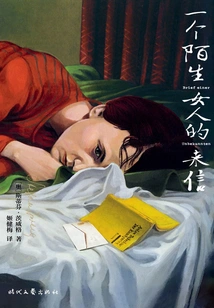
F
General FictionF
H
"The feelings that I once thought could only be understood and indescribable are now held in my own hands." Zweig's amazing talent and dual attainments in literature and psychology make his works unique. Gorky praised him as "no writer who understands women better than him", and Romain Rolland called him a "soul hunter". Freud, the master of psychoanalysis, marveled at his psychological description ability. This book includes famous "deep psychological" novels such as Zweig's "The Burning Secret", "Letter from a Strange Woman", "Emotional Confusion", "Twenty-Four Hours in a Woman's Life", "The Story of Chess", etc. It comprehensively and profoundly reveals the deep truth about desire, emotion and love. Each article is a research document regarded as a treasure by psychologists; each article is an excellent reading book for ordinary people to enjoy the charm of literature and understand their own emotions.
"The feelings that I once thought could only be understood and indescribable are now held in my own hands." Zweig's amazing talent and dual attainments in literature and psychology make his works unique. Gorky praised him as "no writer who understands women better than him", and Romain Rolland called him a "soul hunter". Freud, the master of psychoanalysis, marveled at his psychological description ability. This book includes famous "deep psychological" novels such as Zweig's "The Burning Secret", "Letter from a Strange Woman", "Emotional Confusion", "Twenty-Four Hours in a Woman's Life", "The Story of Chess", etc. It comprehensively and profoundly reveals the deep truth about desire, emotion and love. Each article is a research document regarded as a treasure by psychologists; each article is an excellent reading book for ordinary people to enjoy the charm of literature and understand their own emotions.
N
General Fictionn
H
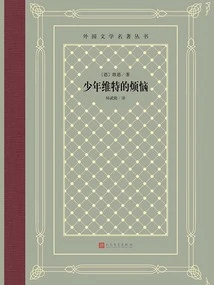
"The Sorrows of Young Werther" (1774) is a representative work of the "Sturm und Drang" movement. It is an epistolary novel written by Goethe based on his own experience. It depicts Werther's love tragedy and expresses the depression of a generation of European youth. After the novel came out, it became popular in Europe, setting off a wave of "Werther fever". When Napoleon was at war, he had this little book with him. For more than two hundred years, Werther's fate has touched generations of young people.
"The Sorrows of Young Werther" (1774) is a representative work of the "Sturm und Drang" movement. It is an epistolary novel written by Goethe based on his own experience. It depicts Werther's love tragedy and expresses the depression of a generation of European youth. After the novel came out, it became popular in Europe, setting off a wave of "Werther fever". When Napoleon was at war, he had this little book with him. For more than two hundred years, Werther's fate has touched generations of young people.
战国策(中国古代经典集粹)
H
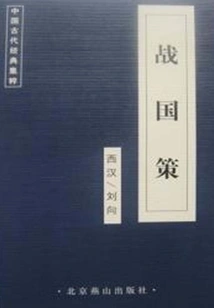
Chinese classical literature is a shining classic or excellent work in the history of Chinese literature. It is an eye-catching treasure in the treasure house of world literature. For thousands of years, Chinese traditional culture has nurtured Chinese classical literature, and Chinese classical literature has greatly enriched Chinese traditional culture, making traditional culture more profoundly influential.
Chinese classical literature is a shining classic or excellent work in the history of Chinese literature. It is an eye-catching treasure in the treasure house of world literature. For thousands of years, Chinese traditional culture has nurtured Chinese classical literature, and Chinese classical literature has greatly enriched Chinese traditional culture, making traditional culture more profoundly influential.
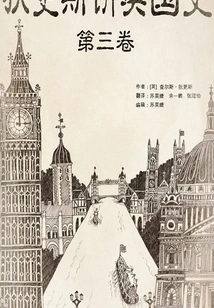
狄更斯讲英国史3
H
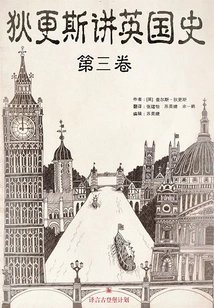
"Dickens Tells the History of England" is a set of history books written by the famous British writer Charles Dickens for his children. It was first serialized in the English weekly "Household Words" from January 1851 to December 1853; Dickens was also the editor of this magazine at that time. Divided into three volumes, this book tells the history of England from 50 BC to 1689 AD, when Queen Victoria ascended the throne, and also covers some major historical events in Scotland, Ireland and France. Although it is a history book, Dickens used a more interesting and story-telling literary writing technique, and created it on the basis of historical facts. He created the dialogue and characters' emotions in the text vividly, giving readers an immersive feeling...
"Dickens Tells the History of England" is a set of history books written by the famous British writer Charles Dickens for his children. It was first serialized in the English weekly "Household Words" from January 1851 to December 1853; Dickens was also the editor of this magazine at that time. Divided into three volumes, this book tells the history of England from 50 BC to 1689 AD, when Queen Victoria ascended the throne, and also covers some major historical events in Scotland, Ireland and France. Although it is a history book, Dickens used a more interesting and story-telling literary writing technique, and created it on the basis of historical facts. He created the dialogue and characters' emotions in the text vividly, giving readers an immersive feeling...

汤因比著作集(套装全七册)
H
The collection of Toynbee's works (set of 7 volumes) includes "Historical Studies (Part 1 and 2)", "Man and Mother Earth: A Narrative World History", "A Historian's View of Religion", "Civilizations Tested", "Customs and Change: Challenges of Our Times", and "From East to West: A Global Travel Note". \U003Cp\u003E\u003C\u002Fp\u003E "Man and Mother Earth" was written in 1973. It is Toynbee's last work. It is a panoramic survey of world history from a global perspective and a highly readable chronological historical work. In a lyrical and graceful style, Toynbee demonstrated the interrelationship between human beings and their living environment, described the entire process of the origin, development, interaction and integration of human civilization, and systematically introduced the types of civilizations in various periods and regions of the world from 500,000 years ago to the 1970s. \U003Cp\u003E\u003C\u002Fp\u003E In "Historical Research", Toynbee listed more than twenty living or dead civilization forms in world history, and made a comprehensive comparison of their respective developments. Toynbee believed that culture suffered through the "challenge" of the environment. The growth of culture is determined by the historical activities of a few great figures who "retired" and "reappeared"; the decline of culture comes from the loss of creative ability by a few creators, and the majority of people accordingly no longer support and imitate, and the entire society loses its ability to challenge new challenges; the disintegration of civilization lies in the split of the social system and soul. "Historical Research" breaks away from Western centralism and the historical view of linear development of a single history, and has a lofty status in Western historical and philosophical works. \U003Cbr\u002F\u003E\u003Cp\u003E\u003C\u002Fp\u003EFebruary 1956 to August 1957 After retiring, Toynbee and his wife undertook a 17-month global trip to three continents and nearly 20 countries and regions. "From East to West: Toynbee's Global Travels" is his travel diary of this trip. Different from ordinary travel notes, this book is not a continuous account of this trip, but a series of scanned accounts worthy of attention based on Toynbee's unique insights and his profound understanding of world history, geography and religious life. For readers of Toynbee's other series of works, this book provides a fascinating supplement, not only reflecting Toynbee's unique historical wisdom at every turn, but also a precious account of a part of the world in the 1950s. \U003Cp\u003E\u003C\u002Fp\u003EIn Toynbee's view of history, religion occupies a special position. He believed that religion was essential for understanding human nature and correcting human self-centeredness. "A Historian's View of Religion" is Toynbee's work on the relationship between religion and society. It can be said to include all of his religious thoughts. The book is divided into two parts, namely "The Germination of Advanced Religion" and "Religion in the Westernized World". It reveals the important role of religion in world history and the history of civilization from a cultural perspective, and explores the origin, essence and relationship between religion and other ideologies. At the same time, it focuses on reflection on Western culture and believes that the revitalization of "advanced religion" can be used to solve the crisis of Western society. \U003Cp\u003E\u003C\u002Fp\u003E "Change and Custom: Challenges Facing Our Times" is Toynbee's work with a strong sense of mission, written in the 1960s. In response to the problems existing in the world at that time, such as the threat of human destruction caused by the arms race, global population surge, religious disputes, and environmental damage caused by over-development, Toynbee started from whether human habits can be changed. Through the analysis and research of past history, he pointed out that, unlike nature, human habits can be changed when faced with inescapable choices. Although the analysis in this book deals with the world of the 1960s, most of the issues mentioned still exist or are even more pressing today. \U003Cp\u003E\u003C\u002Fp\u003E "Civilization Stands the Test" is a collection of Toynbee's series of articles about the relationship between civilization and reality in the mid-20th century, which shows his consistent strong concern for the destiny of mankind. If Toynbee believes that human history as a whole, an irreversible movement in time and space, can be understood within a certain limit, then the real world after World War II has become the background for his view of the history of civilization at this moment. In this book, Toynbee's realistic concern and historical philosophy met after World War II, and the result of the challenge and response was the "world government" and "higher religion" that he repeatedly emphasized. He hoped that different human civilizations could shake hands and realize that the future and destiny of mankind must find a suitable way to live in peace, maintain vitality, and continue to develop. His feelings of compassion for mankind are vividly displayed on the page.
The collection of Toynbee's works (set of 7 volumes) includes "Historical Studies (Part 1 and 2)", "Man and Mother Earth: A Narrative World History", "A Historian's View of Religion", "Civilizations Tested", "Customs and Change: Challenges of Our Times", and "From East to West: A Global Travel Note". \U003Cp\u003E\u003C\u002Fp\u003E "Man and Mother Earth" was written in 1973. It is Toynbee's last work. It is a panoramic survey of world history from a global perspective and a highly readable chronological historical work. In a lyrical and graceful style, Toynbee demonstrated the interrelationship between human beings and their living environment, described the entire process of the origin, development, interaction and integration of human civilization, and systematically introduced the types of civilizations in various periods and regions of the world from 500,000 years ago to the 1970s. \U003Cp\u003E\u003C\u002Fp\u003E In "Historical Research", Toynbee listed more than twenty living or dead civilization forms in world history, and made a comprehensive comparison of their respective developments. Toynbee believed that culture suffered through the "challenge" of the environment. The growth of culture is determined by the historical activities of a few great figures who "retired" and "reappeared"; the decline of culture comes from the loss of creative ability by a few creators, and the majority of people accordingly no longer support and imitate, and the entire society loses its ability to challenge new challenges; the disintegration of civilization lies in the split of the social system and soul. "Historical Research" breaks away from Western centralism and the historical view of linear development of a single history, and has a lofty status in Western historical and philosophical works. \U003Cbr\u002F\u003E\u003Cp\u003E\u003C\u002Fp\u003EFebruary 1956 to August 1957 After retiring, Toynbee and his wife undertook a 17-month global trip to three continents and nearly 20 countries and regions. "From East to West: Toynbee's Global Travels" is his travel diary of this trip. Different from ordinary travel notes, this book is not a continuous account of this trip, but a series of scanned accounts worthy of attention based on Toynbee's unique insights and his profound understanding of world history, geography and religious life. For readers of Toynbee's other series of works, this book provides a fascinating supplement, not only reflecting Toynbee's unique historical wisdom at every turn, but also a precious account of a part of the world in the 1950s. \U003Cp\u003E\u003C\u002Fp\u003EIn Toynbee's view of history, religion occupies a special position. He believed that religion was essential for understanding human nature and correcting human self-centeredness. "A Historian's View of Religion" is Toynbee's work on the relationship between religion and society. It can be said to include all of his religious thoughts. The book is divided into two parts, namely "The Germination of Advanced Religion" and "Religion in the Westernized World". It reveals the important role of religion in world history and the history of civilization from a cultural perspective, and explores the origin, essence and relationship between religion and other ideologies. At the same time, it focuses on reflection on Western culture and believes that the revitalization of "advanced religion" can be used to solve the crisis of Western society. \U003Cp\u003E\u003C\u002Fp\u003E "Change and Custom: Challenges Facing Our Times" is Toynbee's work with a strong sense of mission, written in the 1960s. In response to the problems existing in the world at that time, such as the threat of human destruction caused by the arms race, global population surge, religious disputes, and environmental damage caused by over-development, Toynbee started from whether human habits can be changed. Through the analysis and research of past history, he pointed out that, unlike nature, human habits can be changed when faced with inescapable choices. Although the analysis in this book deals with the world of the 1960s, most of the issues mentioned still exist or are even more pressing today. \U003Cp\u003E\u003C\u002Fp\u003E "Civilization Stands the Test" is a collection of Toynbee's series of articles about the relationship between civilization and reality in the mid-20th century, which shows his consistent strong concern for the destiny of mankind. If Toynbee believes that human history as a whole, an irreversible movement in time and space, can be understood within a certain limit, then the real world after World War II has become the background for his view of the history of civilization at this moment. In this book, Toynbee's realistic concern and historical philosophy met after World War II, and the result of the challenge and response was the "world government" and "higher religion" that he repeatedly emphasized. He hoped that different human civilizations could shake hands and realize that the future and destiny of mankind must find a suitable way to live in peace, maintain vitality, and continue to develop. His feelings of compassion for mankind are vividly displayed on the page.
写给大家的英国简史
H
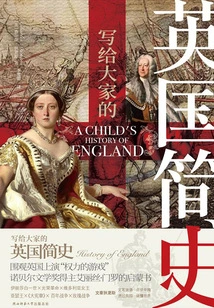
"A Brief History of Britain for Everyone" is written in humorous and easy-to-understand language. It narrates the long history and is both story-telling and literary. The book spans from 50 BC to 1689 AD, telling the story of King Arthur, the Hundred Years' War, the Tudor Dynasty, Bloody Mary, Elizabeth I, Henry VIII and other important eras and figures. Through the rise and fall of dynasties and the ups and downs of monarchs, Dickens conveys profound thoughts on history and inspires readers to think about larger life issues through history.
"A Brief History of Britain for Everyone" is written in humorous and easy-to-understand language. It narrates the long history and is both story-telling and literary. The book spans from 50 BC to 1689 AD, telling the story of King Arthur, the Hundred Years' War, the Tudor Dynasty, Bloody Mary, Elizabeth I, Henry VIII and other important eras and figures. Through the rise and fall of dynasties and the ups and downs of monarchs, Dickens conveys profound thoughts on history and inspires readers to think about larger life issues through history.
狄更斯讲英国史(第三卷)
H
The third volume of this book (chapters 26 to 37) first narrates the establishment, development, peak and termination of the Tudor dynasty after the English Civil War and the "War of the Roses"; it includes the religious reform during the reign of Henry VIII and the curious private life of this king, the bloody reign of Queen Mary and the "golden age" during the reign of Elizabeth I. This period also provided countless materials for ancient and modern writers, film and television producers. The most noteworthy related works include Mark Twain's "The Prince and the Pauper", the American Sh·wtime TV series "The Tudors", countless movies, TV series and biographies of Elizabeth I, etc.
The third volume of this book (chapters 26 to 37) first narrates the establishment, development, peak and termination of the Tudor dynasty after the English Civil War and the "War of the Roses"; it includes the religious reform during the reign of Henry VIII and the curious private life of this king, the bloody reign of Queen Mary and the "golden age" during the reign of Elizabeth I. This period also provided countless materials for ancient and modern writers, film and television producers. The most noteworthy related works include Mark Twain's "The Prince and the Pauper", the American Sh·wtime TV series "The Tudors", countless movies, TV series and biographies of Elizabeth I, etc.
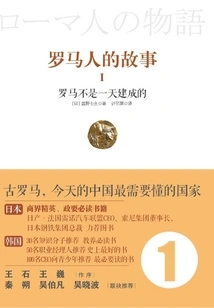
罗马人的故事1:罗马不是一天建成的
H
As the first in a series of works, it tells the history of Rome during the five hundred years from its founding to the First and Second Punic Wars. It's a story over a long period of suffering, and even in its heyday it was often a step forward and a half step back. The important reason why Rome was able to achieve great success was basically germinated during these five hundred years. Just as a person begins to understand the true value of the strength he accumulated in his teenage years until he is thirty years old.
As the first in a series of works, it tells the history of Rome during the five hundred years from its founding to the First and Second Punic Wars. It's a story over a long period of suffering, and even in its heyday it was often a step forward and a half step back. The important reason why Rome was able to achieve great success was basically germinated during these five hundred years. Just as a person begins to understand the true value of the strength he accumulated in his teenage years until he is thirty years old.
S
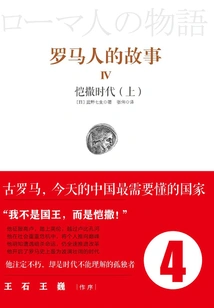
罗马人的故事4:恺撒时代(上)
H
In 100 BC, Caesar was born. The young Caesar experienced the murders of Marius and the dictatorship of Sulla, and was committed to establishing a new order integrating power and authority. The situation was favorable, and then Caesar conquered Gaul, expedition to Britain, defeated the Germans, and decided to cross the Rubicon River to fight Pompey. The reason why a genius is a genius is that he can transcend the barriers of the times; but the reason why a genius can transcend the times is because of the current situation at that time. This volume tells the story of how Caesar, from his birth to before he crossed the Rubicon River, skillfully took advantage of the many crises in the Roman state, political situation, and society to push himself to the top and create the glory of Roman history.
In 100 BC, Caesar was born. The young Caesar experienced the murders of Marius and the dictatorship of Sulla, and was committed to establishing a new order integrating power and authority. The situation was favorable, and then Caesar conquered Gaul, expedition to Britain, defeated the Germans, and decided to cross the Rubicon River to fight Pompey. The reason why a genius is a genius is that he can transcend the barriers of the times; but the reason why a genius can transcend the times is because of the current situation at that time. This volume tells the story of how Caesar, from his birth to before he crossed the Rubicon River, skillfully took advantage of the many crises in the Roman state, political situation, and society to push himself to the top and create the glory of Roman history.