Library
Browse and search books
374 novels found
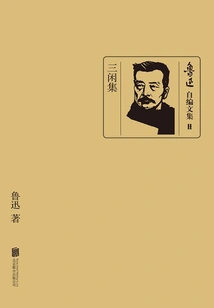
Sanxianji
Literature三闲集
Lu Xun
"Sanxian Ji" is a collection of essays by Lu Xun, which contains thirty-four essays written by Lu Xun between 1927 and 1929. Including "Silent China", "On the Bell Tower (Night Notes Part 2)", "An Account of Hong Kong's Christmas Wishes", "Short Introduction to "February" by Rou Shi", "The Changes of Hooligans", etc.
"Sanxian Ji" is a collection of essays by Lu Xun, which contains thirty-four essays written by Lu Xun between 1927 and 1929. Including "Silent China", "On the Bell Tower (Night Notes Part 2)", "An Account of Hong Kong's Christmas Wishes", "Short Introduction to "February" by Rou Shi", "The Changes of Hooligans", etc.
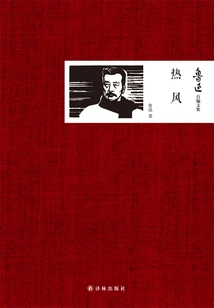
热风(鲁迅自编文集)
Lu Xun
"Hot Wind" contains forty-one essays written by the author from 1918 to 1924. Lu Xun made some short comments in the "Reflections" of "New Youth" in the previous year. Because most of the comments he made were minor issues, they were insignificant and the reasons were mostly forgotten. But as far as the current text appears, apart from a few general comments, some of them are about supporting the si, sitting quietly, and boxing; some are about the so-called "preserving the national essence"; some are about the old bureaucrats at that time who were proud of their experience; some are about the caricatures of the Shanghai Times. I remember that at that time, "New Youth" was under attack from all sides, and Lu Xun could only deal with a small part of it.
"Hot Wind" contains forty-one essays written by the author from 1918 to 1924. Lu Xun made some short comments in the "Reflections" of "New Youth" in the previous year. Because most of the comments he made were minor issues, they were insignificant and the reasons were mostly forgotten. But as far as the current text appears, apart from a few general comments, some of them are about supporting the si, sitting quietly, and boxing; some are about the so-called "preserving the national essence"; some are about the old bureaucrats at that time who were proud of their experience; some are about the caricatures of the Shanghai Times. I remember that at that time, "New Youth" was under attack from all sides, and Lu Xun could only deal with a small part of it.
Youjian Library: Only Collection
Literature有间文库:而已集
Lu Xun
"Ji Ji Ji" is a collection of essays written by Lu Xun in 1927 and published in 1928. Faced with the reactionary warlords' massacre of revolutionaries and progressives, Mr. Lu Xun was both resentful and powerless. "In the past six months, I have seen a lot of blood and a lot of tears, but I only have mixed feelings. The tears have dried, the blood has disappeared, and the butchers are free and easy again, some with steel knives, some with soft knives. But I only have 'mixed feelings'. When even the 'mixed feelings' have been 'put where they should go,' I can only say 'nothing more.'"
"Ji Ji Ji" is a collection of essays written by Lu Xun in 1927 and published in 1928. Faced with the reactionary warlords' massacre of revolutionaries and progressives, Mr. Lu Xun was both resentful and powerless. "In the past six months, I have seen a lot of blood and a lot of tears, but I only have mixed feelings. The tears have dried, the blood has disappeared, and the butchers are free and easy again, some with steel knives, some with soft knives. But I only have 'mixed feelings'. When even the 'mixed feelings' have been 'put where they should go,' I can only say 'nothing more.'"
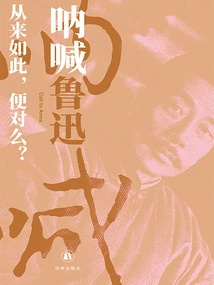
呐喊(鲁迅作品:他和他的觉醒年代)
Lu Xun
"The Scream" contains 14 novels written by Lu Xun and 1 preface. First published in 1923. Chapters include: Preface, Diary of a Madman, Kong Yiji, Medicine, Tomorrow, A Little Thing, Hair Story, Troubles, Hometown, The True Story of Ah Q, Dragon Boat Festival, White Light, Rabbit and Cat and Duck Comedy, and Social Drama.
"The Scream" contains 14 novels written by Lu Xun and 1 preface. First published in 1923. Chapters include: Preface, Diary of a Madman, Kong Yiji, Medicine, Tomorrow, A Little Thing, Hair Story, Troubles, Hometown, The True Story of Ah Q, Dragon Boat Festival, White Light, Rabbit and Cat and Duck Comedy, and Social Drama.
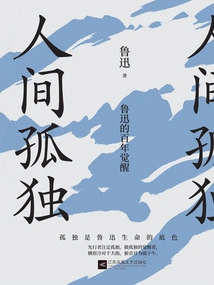
人间孤独:鲁迅的百年觉醒
Lu Xun
See the world and write about people's hearts; read life and appreciate human nature. Everyone has been "wandering" and everyone should "scream". Literary masters respected by Cai Yuanpei, Liang Shiqiu and Hu Shi. Lu Xun is lonely and sober. Every Chinese should read Lu Xun again. The pioneers are doomed to be lonely, and to be lonely awakeners, they can look down at thousands of people with cold eyebrows and bow their heads willingly to be like a bully. Mr. Lu Xun is the backbone of China. He has a profound insight into Chinese society, human nature, and culture. His spirit is called the soul of the Chinese nation. He wrote more than ten million words in his life, and his works are of extremely high literary value. This book selects many of Mr. Lu Xun's essays, novels, and essays. The sentences are profound and the chapters are sober. They depict the Chinese society a hundred years ago and have extremely high reading value. His views still have the power to alert the world today. Perhaps we can understand our own philosophy of life from Mr. Lu Xun's words.
See the world and write about people's hearts; read life and appreciate human nature. Everyone has been "wandering" and everyone should "scream". Literary masters respected by Cai Yuanpei, Liang Shiqiu and Hu Shi. Lu Xun is lonely and sober. Every Chinese should read Lu Xun again. The pioneers are doomed to be lonely, and to be lonely awakeners, they can look down at thousands of people with cold eyebrows and bow their heads willingly to be like a bully. Mr. Lu Xun is the backbone of China. He has a profound insight into Chinese society, human nature, and culture. His spirit is called the soul of the Chinese nation. He wrote more than ten million words in his life, and his works are of extremely high literary value. This book selects many of Mr. Lu Xun's essays, novels, and essays. The sentences are profound and the chapters are sober. They depict the Chinese society a hundred years ago and have extremely high reading value. His views still have the power to alert the world today. Perhaps we can understand our own philosophy of life from Mr. Lu Xun's words.
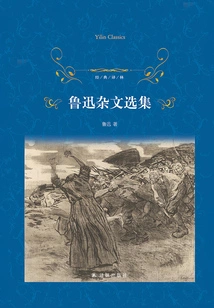
鲁迅杂文选集(经典译林)
Lu Xun
"Selected Essays of Lu Xun" includes 72 classic essays written by Mr. Lu Xun in the 19 years from 1918 to his death in 1936, from 15 important essay collections such as "Refeng", "Grave", "Huagai Collection", "Nanqianbei Diao Collection" and "Qiejieting Essays". These 72 essays include masterpieces such as "How We Become Fathers Now", "What Happened to Nora After She Left", "Rediscussing the Fall of Leifeng Pagoda", and "For the Memory of Forgotten". They analyze people's hearts and criticize worldly affairs. The light of Mr. Lu Xun's keen insight and thoughts shines between the lines. A century later, Mr. Lu Xun's inspiring words are still as sharp as ever, and they still contain the power to make people alert day and night.
"Selected Essays of Lu Xun" includes 72 classic essays written by Mr. Lu Xun in the 19 years from 1918 to his death in 1936, from 15 important essay collections such as "Refeng", "Grave", "Huagai Collection", "Nanqianbei Diao Collection" and "Qiejieting Essays". These 72 essays include masterpieces such as "How We Become Fathers Now", "What Happened to Nora After She Left", "Rediscussing the Fall of Leifeng Pagoda", and "For the Memory of Forgotten". They analyze people's hearts and criticize worldly affairs. The light of Mr. Lu Xun's keen insight and thoughts shines between the lines. A century later, Mr. Lu Xun's inspiring words are still as sharp as ever, and they still contain the power to make people alert day and night.
译文序跋集
Lu Xun
"Collection of Prefaces and Postscripts to Translations" contains the prefaces and postscripts written by Lu Xun for the books he translated or co-translated with others, as well as the "Translator's Notes" written when a single translation was published in newspapers and periodicals. The stand-alone version is a popularized reading version based on the compilation of "The Complete Works of Lu Xun". Lu Xun's works include essays, short stories, reviews, essays, and translations, which have had a profound impact on Chinese literature after the "May Fourth Movement."
"Collection of Prefaces and Postscripts to Translations" contains the prefaces and postscripts written by Lu Xun for the books he translated or co-translated with others, as well as the "Translator's Notes" written when a single translation was published in newspapers and periodicals. The stand-alone version is a popularized reading version based on the compilation of "The Complete Works of Lu Xun". Lu Xun's works include essays, short stories, reviews, essays, and translations, which have had a profound impact on Chinese literature after the "May Fourth Movement."
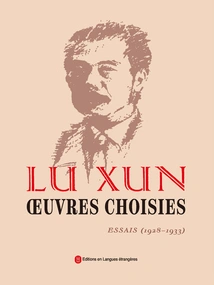
鲁迅选集·第三卷:杂文1928—1933(法文)
Lu Xun
"Selected Works of Lu Xun" (French version), a total of four volumes, selects Lu Xun's representative novels, essays, prose poems (Volume 1) and essays (Volume 2, 3, and 4) in chronological order. Essays are an important part of Lu Xun's works and have very high literary and artistic value. His essays integrate poetry and political criticism, reflecting Lu Xun's profound thoughts. The language is rich in connotation and the style is pungent and satirical, revealing the Chinese society at that time. The novels included in this book include "Diary of a Madman", "The True Story of Ah Q", the prose "Mr. Fujino", the prose poems "Autumn Night", "Passenger", etc. The collection of essays includes the famous articles "On the Fall of Leifeng Pagoda" and "In Memory of Liu Hezhen" from "Huagai Collection", "Huagai Collection Sequel" and "The Complete Collection". "Selected Works of Lu Xun" (Volume 3) collects Lu Xun's essays from 1928 to 1933.
"Selected Works of Lu Xun" (French version), a total of four volumes, selects Lu Xun's representative novels, essays, prose poems (Volume 1) and essays (Volume 2, 3, and 4) in chronological order. Essays are an important part of Lu Xun's works and have very high literary and artistic value. His essays integrate poetry and political criticism, reflecting Lu Xun's profound thoughts. The language is rich in connotation and the style is pungent and satirical, revealing the Chinese society at that time. The novels included in this book include "Diary of a Madman", "The True Story of Ah Q", the prose "Mr. Fujino", the prose poems "Autumn Night", "Passenger", etc. The collection of essays includes the famous articles "On the Fall of Leifeng Pagoda" and "In Memory of Liu Hezhen" from "Huagai Collection", "Huagai Collection Sequel" and "The Complete Collection". "Selected Works of Lu Xun" (Volume 3) collects Lu Xun's essays from 1928 to 1933.
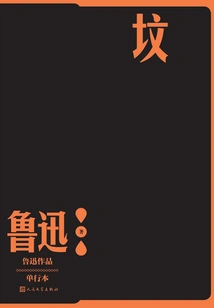
Grave
Literature坟
Lu Xun
This book contains twenty-three papers written by the author from 1907 to 1925, and is one of the single volumes of Lu Xun's works. The single volume of "The Complete Works of Lu Xun" is a popularized reading version based on the compilation of "The Complete Works of Lu Xun". Lu Xun's works include essays, short stories, reviews, essays, and translations, which have had a profound impact on Chinese literature after the "May Fourth Movement."
This book contains twenty-three papers written by the author from 1907 to 1925, and is one of the single volumes of Lu Xun's works. The single volume of "The Complete Works of Lu Xun" is a popularized reading version based on the compilation of "The Complete Works of Lu Xun". Lu Xun's works include essays, short stories, reviews, essays, and translations, which have had a profound impact on Chinese literature after the "May Fourth Movement."
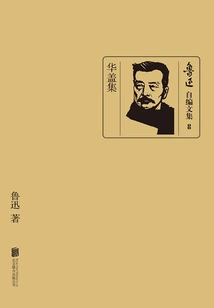
Huagaiji
Literature华盖集
Lu Xun
"Huagai Collection" is a collection of essays by Lu Xun, published by Beixin Book Company in 1926. This book contains thirty-one essays written by Lu Xun in 1925. Including "Words and Words", "Youth Must Read", "The Soul of Debate", "Three Insects in Summer", "Sudden Thoughts", "My View of Peking University", "Fragments", etc.
"Huagai Collection" is a collection of essays by Lu Xun, published by Beixin Book Company in 1926. This book contains thirty-one essays written by Lu Xun in 1925. Including "Words and Words", "Youth Must Read", "The Soul of Debate", "Three Insects in Summer", "Sudden Thoughts", "My View of Peking University", "Fragments", etc.
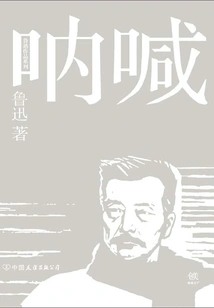
Scream (2017)
Literature呐喊(2017)
Lu Xun
"The Scream" is a collection of Lu Xun's short stories, including 14 novels written by Lu Xun from 1918 to 1922, including "Diary of a Madman", "Kong Yiji", "Medicine", "The True Story of Ah Q" and "Hometown". "The Scream" depicts the reality of Chinese society from before and after the Revolution of 1911 to the "May 4th" period, profoundly exposes the cannibalistic nature and hypocrisy of the feudal patriarchal system and feudal ethics, painfully dissects the silent soul of China's people, and criticizes the bad nature of the people.
"The Scream" is a collection of Lu Xun's short stories, including 14 novels written by Lu Xun from 1918 to 1922, including "Diary of a Madman", "Kong Yiji", "Medicine", "The True Story of Ah Q" and "Hometown". "The Scream" depicts the reality of Chinese society from before and after the Revolution of 1911 to the "May 4th" period, profoundly exposes the cannibalistic nature and hypocrisy of the feudal patriarchal system and feudal ethics, painfully dissects the silent soul of China's people, and criticizes the bad nature of the people.
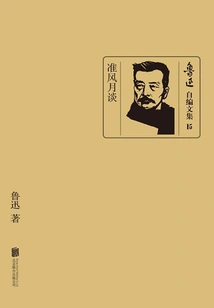
Quasi Romantic Talk
Literature准风月谈
Lu Xun
"Quan Feng Yue Tan" is a collection of essays by Lu Xun, which contains sixty-four essays written by Lu Xun in 1933. Including "Song of the Night", "Eating White Prime Minister's Rice", "Morning Cool Chronicles", "Autumn Night Journey", "Sikuquanshu Rare Books", "The Evolution of Men", "Lessons from Movies", "About Translation (Part 1)", "Drinking Tea", "Also in Foreign Countries", etc.
"Quan Feng Yue Tan" is a collection of essays by Lu Xun, which contains sixty-four essays written by Lu Xun in 1933. Including "Song of the Night", "Eating White Prime Minister's Rice", "Morning Cool Chronicles", "Autumn Night Journey", "Sikuquanshu Rare Books", "The Evolution of Men", "Lessons from Movies", "About Translation (Part 1)", "Drinking Tea", "Also in Foreign Countries", etc.
朝花夕拾
Lu Xun
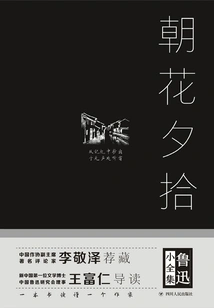
I often want to find some peace and quiet among the hustle and bustle, but it is not easy. It's so bizarre right now, and my heart is so confused. When a person has only memories left, life may be considered boring, but sometimes there are no memories at all. China's affairs are regulated, and world affairs are still in a spiral. When I left Sun Yat-sen University a few days ago, I remembered leaving Xiamen University four months ago. When I heard the planes blaring overhead, I actually remembered the planes that circled Beijing every day a year ago. I also wrote a short article at that time called "A Sleep". Now, even this "sleep" is gone.
I often want to find some peace and quiet among the hustle and bustle, but it is not easy. It's so bizarre right now, and my heart is so confused. When a person has only memories left, life may be considered boring, but sometimes there are no memories at all. China's affairs are regulated, and world affairs are still in a spiral. When I left Sun Yat-sen University a few days ago, I remembered leaving Xiamen University four months ago. When I heard the planes blaring overhead, I actually remembered the planes that circled Beijing every day a year ago. I also wrote a short article at that time called "A Sleep". Now, even this "sleep" is gone.
朝花夕拾
Lu Xun
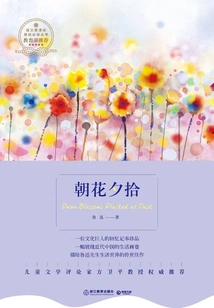
This book includes three works of Lu Xun: "Morning Flowers Picked at Dusk", a collection of 10 memoir essays written in 1926; "New Stories", a collection of short stories based on ancient myths and historical legends created between 1922 and 1935; and "Sorrow", a novel reflecting the love between young men and women written in 1925.
This book includes three works of Lu Xun: "Morning Flowers Picked at Dusk", a collection of 10 memoir essays written in 1926; "New Stories", a collection of short stories based on ancient myths and historical legends created between 1922 and 1935; and "Sorrow", a novel reflecting the love between young men and women written in 1925.
二心集(鲁迅自编文集)
Lu Xun
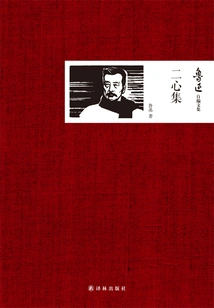
"Two Hearts Collection" is a collection of Lu Xun's essays, including thirty-seven essays written by Lu Xun from 1930 to 1931. Including "Good Governmentism", "On the Surprise of Friendships", "Bereaved" and "Capitalist's Lame Dog", "The Story of Rou Shi", "Serving the Country with Feet", etc. At the end is a translation of "Modern Film and the Property-owning Stage".
"Two Hearts Collection" is a collection of Lu Xun's essays, including thirty-seven essays written by Lu Xun from 1930 to 1931. Including "Good Governmentism", "On the Surprise of Friendships", "Bereaved" and "Capitalist's Lame Dog", "The Story of Rou Shi", "Serving the Country with Feet", etc. At the end is a translation of "Modern Film and the Property-owning Stage".
Scream (classic Translation)
Literature呐喊(经典译林)
Lu Xun
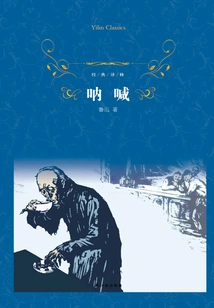
"The Scream" is a collection of short stories written by Lu Xun from 1918 to 1922, and is one of Lu Xun's masterpieces. It contains 14 works including "Diary of a Madman" and "Kong Yiji". The work truly depicts social life from the Revolution of 1911 to the May 4th Movement. Starting from revolutionary democracy, with the purpose of Enlightenment and the spirit of humanitarianism, it reveals various deep-seated social contradictions, deeply analyzes and relatively completely negates China's old system and outdated traditional concepts, and shows a strong sense of worry for national survival and a strong desire for social change.
"The Scream" is a collection of short stories written by Lu Xun from 1918 to 1922, and is one of Lu Xun's masterpieces. It contains 14 works including "Diary of a Madman" and "Kong Yiji". The work truly depicts social life from the Revolution of 1911 to the May 4th Movement. Starting from revolutionary democracy, with the purpose of Enlightenment and the spirit of humanitarianism, it reveals various deep-seated social contradictions, deeply analyzes and relatively completely negates China's old system and outdated traditional concepts, and shows a strong sense of worry for national survival and a strong desire for social change.
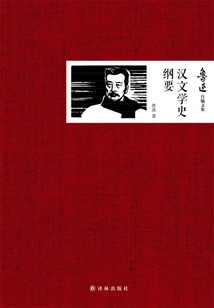
汉文学史纲要(鲁迅自编文集)
Lu Xun
The book was originally a handout compiled by Lu Xun when he was teaching a course on the history of Chinese literature at Xiamen University in 1923, titled "A Brief History of Chinese Literature"; it was used again the following year when he was teaching the same course at Sun Yat-sen University in Guangzhou, and was retitled "An Outline of the History of Ancient Chinese Literature". It was not officially published during the author's lifetime, but was renamed when it was compiled into "The Complete Works of Lu Xun" in 1938. Although the book only writes about the two Sima of the Western Han Dynasty, in this short ten-section lecture notes, it has its own characteristics in terms of material selection, style and viewpoints, so it plays an important role in the field of Chinese literary history research.
The book was originally a handout compiled by Lu Xun when he was teaching a course on the history of Chinese literature at Xiamen University in 1923, titled "A Brief History of Chinese Literature"; it was used again the following year when he was teaching the same course at Sun Yat-sen University in Guangzhou, and was retitled "An Outline of the History of Ancient Chinese Literature". It was not officially published during the author's lifetime, but was renamed when it was compiled into "The Complete Works of Lu Xun" in 1938. Although the book only writes about the two Sima of the Western Han Dynasty, in this short ten-section lecture notes, it has its own characteristics in terms of material selection, style and viewpoints, so it plays an important role in the field of Chinese literary history research.
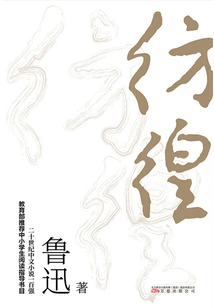
Hesitant
Literature彷徨
Lu Xun
"Wandering" is Lu Xun's second collection of short stories, which includes eleven short stories written between 1924 and 1925, including "Blessings", "At the Restaurant", "Big Happy Family", "Old Master Gao", "Brothers", "Sad Death", etc. The work created the modern characteristics of the novel with its "profound expression" and "special format". At that time, the May 4th movement was ebbing, and there were divisions within the New Culture Movement camp. Mr. Lu Xun's state of mind had changed, and he was in a situation where "there are two people left but one pawn, and the halberd is alone and hesitant." He stopped shouting and instead focused on the peasants and intellectuals who were under the heavy pressure of feudal forces. He mourned their misfortune and was angry about them. In the profound and broad historical picture, he embodied his persistent exploration of life and future. His works can be regarded as a mirror of the development and transformation of Chinese society and a model of modern literature.
"Wandering" is Lu Xun's second collection of short stories, which includes eleven short stories written between 1924 and 1925, including "Blessings", "At the Restaurant", "Big Happy Family", "Old Master Gao", "Brothers", "Sad Death", etc. The work created the modern characteristics of the novel with its "profound expression" and "special format". At that time, the May 4th movement was ebbing, and there were divisions within the New Culture Movement camp. Mr. Lu Xun's state of mind had changed, and he was in a situation where "there are two people left but one pawn, and the halberd is alone and hesitant." He stopped shouting and instead focused on the peasants and intellectuals who were under the heavy pressure of feudal forces. He mourned their misfortune and was angry about them. In the profound and broad historical picture, he embodied his persistent exploration of life and future. His works can be regarded as a mirror of the development and transformation of Chinese society and a model of modern literature.
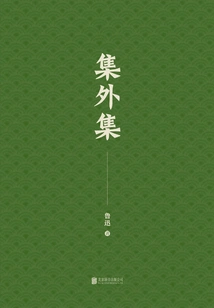
Youjian Library: Jiwaiji
Literature有间文库:集外集
Lu Xun
This book is a collection of poems and essays that were not included in the author's collection of essays published before 1933. It was published by Shanghai Qunzhong Book Company in May 1935. Only one edition was printed during the author's lifetime. This time, only two articles, "Small Quotations from [Collection of Short Stories from the Modern World]" and the translated version "Poems of Petofisandor", which have been compiled into "Sanxian Collection", have been removed. The "preparations" for the three chapters "Beyond Chewing", "Being Chewy Before Beginning", and "Pastoral Thoughts" were copied out by the author himself after the book was published. Those originally intended to be printed in "Collection Collection Collection" have now been moved to the relevant chapters of this collection. After the article; the letters in "Communication (Fu Miaojiang)" were copied this time; the last one was omitted in the first edition of "[Benliu] Editing and Editing Postscript", which is also added now; the order of the collected old-style poems has been adjusted according to the time of writing.
This book is a collection of poems and essays that were not included in the author's collection of essays published before 1933. It was published by Shanghai Qunzhong Book Company in May 1935. Only one edition was printed during the author's lifetime. This time, only two articles, "Small Quotations from [Collection of Short Stories from the Modern World]" and the translated version "Poems of Petofisandor", which have been compiled into "Sanxian Collection", have been removed. The "preparations" for the three chapters "Beyond Chewing", "Being Chewy Before Beginning", and "Pastoral Thoughts" were copied out by the author himself after the book was published. Those originally intended to be printed in "Collection Collection Collection" have now been moved to the relevant chapters of this collection. After the article; the letters in "Communication (Fu Miaojiang)" were copied this time; the last one was omitted in the first edition of "[Benliu] Editing and Editing Postscript", which is also added now; the order of the collected old-style poems has been adjusted according to the time of writing.
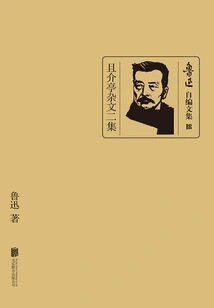
且介亭杂文二集
Lu Xun
This book contains forty-eight essays written by the author in 1935. It was not written by the author personally in 1935. It was first published by Shanghai Sanxian Bookstore in July 1937.
This book contains forty-eight essays written by the author in 1935. It was not written by the author personally in 1935. It was first published by Shanghai Sanxian Bookstore in July 1937.
Scream (illustrated Book)
Literature呐喊(插图本)
Lu Xun
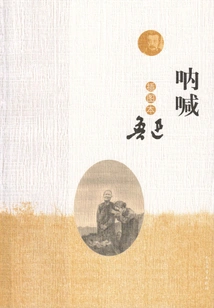
"The Scream" is one of Lu Xun's most famous novel collections, including fourteen novels written from 1918 to 1922. The main ones include "Diary of a Madman", "Kong Yiji", "Medicine", "The True Story of Ah Q", "Hometown", etc. It shows the social and ideological conditions before and after the Revolution of 1911, and criticizes feudalism and national character. This edition is included in the "Reading Action Guide for Middle School Students" and comes with an "Introduction".
"The Scream" is one of Lu Xun's most famous novel collections, including fourteen novels written from 1918 to 1922. The main ones include "Diary of a Madman", "Kong Yiji", "Medicine", "The True Story of Ah Q", "Hometown", etc. It shows the social and ideological conditions before and after the Revolution of 1911, and criticizes feudalism and national character. This edition is included in the "Reading Action Guide for Middle School Students" and comes with an "Introduction".
鲁迅作品:他和他的觉醒年代(共5册)
Lu Xun
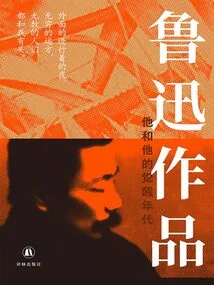
On the 100th anniversary of the first publication of "The Scream", Lu Xun's collection of novels that pioneered modern literature, Yilin Publishing House launched "Lu Xun's Works: He and His Age of Awakening", interpreting "A Centenary of "The Scream", Today's New Voice" in the form of a beautifully commemorative letter cover. The series includes five categories: "Scream", "Wandering", "New Stories", "Morning Blossoms and Dusk Picking Weeds", and "Selected Essays of Lu Xun". Each volume contains photos of Lu Xun authorized by the Beijing Lu Xun Museum, a total of twelve photos, printed in high definition on pure wood pulp paper, restoring the image of Lu Xun in different periods. The antique double spot color letter sleeve and the novel pixel style cover jointly create a multi-faceted Lu Xun. Selected items and refined annotations to reduce reading difficulties. Small format that fits your hand, soft and easy to carry. "Scream": "It's always been like this, is it right?" Contains 14 novels written by Lu Xun and 1 preface. First published in 1923. Chapters include: Preface, Diary of a Madman, Kong Yiji, Medicine, Tomorrow, A Little Thing, Hair Story, Troubles, Hometown, The True Story of Ah Q, Dragon Boat Festival, White Light, Rabbit and Cat and Duck Comedy, and Social Drama. "Wandering": "People must live, and only love can be attached." It contains 11 novels written by Lu Xun. First published in 1926. Chapters include: Blessings, In Restaurants, Happy Family, Soap, Ever-Bright Lamp, Public Display, Old Master Gao, Lonely Man, Sad Death, Brothers, and Divorce. "New Stories": "He is also right and wrong, this is also right and wrong." It contains 8 novels written by Lu Xun and 1 preface. First published in 1936. The chapters include: Preface, Mending the Sky, Flying to the Moon, Managing Water, Picking Weeds, Forging Swords, Leaving Seclusion, Non-Attack, and Raising Death. "Morning Blossoms Gathered at Dusk and Wild Grasses": "Despair is vain, just like hope." "Morning Blossoms Gleaned at Dusk" was originally called "Revisiting Old Things", which contains 10 retrospective essays written by Lu Xun, as well as a short introduction and a postscript. First published in 1928. The chapters include: Xiao Yin, Dog·Cat·Mouse, A Chang and "The Classic of Mountains and Seas", "Twenty-Four Pictures of Filial Piety", Wuchang Meeting, Impermanence, From Baicao Garden to Sanwei Bookstore, Father's Illness, Trivial Notes, Mr. Fujino, Fan Ainong, and Postscript. "Wild Grass" contains 23 prose poems written by Lu Xun and one inscription. First published in 1927. Chapters include: inscription, autumn night, shadow's farewell, beggar, my lovelorn, revenge, revenge (Part 2), hope, snow, kite, good story, passerby, dead fire, dog's rebuttal, lost good hell, tombstone inscription, trembling of the line of decay, argument, after death, such warriors, wise men and fools and slaves, wax leaves, faint traces of blood, and a sleep. "Selected Essays of Lu Xun": "Angrily looking for small poems among the swords." This selection of 65 essays by Lu Xun is the essence of Lu Xun's essay creation. The main topics include: The soul of debate, warriors and flies, how we are fathers now, what happened after Nora left, on the collapse of Leifeng Pagoda, on "Fair play" should be slowed down, in memory of Liu Hezhen, some miscellaneous thoughts, in order to forget the memory, how I started a novel, "Beijing school" and "Shanghai school", Northerners and Southerners, scolding and praising, appropriationism, have the Chinese lost their self-confidence...
On the 100th anniversary of the first publication of "The Scream", Lu Xun's collection of novels that pioneered modern literature, Yilin Publishing House launched "Lu Xun's Works: He and His Age of Awakening", interpreting "A Centenary of "The Scream", Today's New Voice" in the form of a beautifully commemorative letter cover. The series includes five categories: "Scream", "Wandering", "New Stories", "Morning Blossoms and Dusk Picking Weeds", and "Selected Essays of Lu Xun". Each volume contains photos of Lu Xun authorized by the Beijing Lu Xun Museum, a total of twelve photos, printed in high definition on pure wood pulp paper, restoring the image of Lu Xun in different periods. The antique double spot color letter sleeve and the novel pixel style cover jointly create a multi-faceted Lu Xun. Selected items and refined annotations to reduce reading difficulties. Small format that fits your hand, soft and easy to carry. "Scream": "It's always been like this, is it right?" Contains 14 novels written by Lu Xun and 1 preface. First published in 1923. Chapters include: Preface, Diary of a Madman, Kong Yiji, Medicine, Tomorrow, A Little Thing, Hair Story, Troubles, Hometown, The True Story of Ah Q, Dragon Boat Festival, White Light, Rabbit and Cat and Duck Comedy, and Social Drama. "Wandering": "People must live, and only love can be attached." It contains 11 novels written by Lu Xun. First published in 1926. Chapters include: Blessings, In Restaurants, Happy Family, Soap, Ever-Bright Lamp, Public Display, Old Master Gao, Lonely Man, Sad Death, Brothers, and Divorce. "New Stories": "He is also right and wrong, this is also right and wrong." It contains 8 novels written by Lu Xun and 1 preface. First published in 1936. The chapters include: Preface, Mending the Sky, Flying to the Moon, Managing Water, Picking Weeds, Forging Swords, Leaving Seclusion, Non-Attack, and Raising Death. "Morning Blossoms Gathered at Dusk and Wild Grasses": "Despair is vain, just like hope." "Morning Blossoms Gleaned at Dusk" was originally called "Revisiting Old Things", which contains 10 retrospective essays written by Lu Xun, as well as a short introduction and a postscript. First published in 1928. The chapters include: Xiao Yin, Dog·Cat·Mouse, A Chang and "The Classic of Mountains and Seas", "Twenty-Four Pictures of Filial Piety", Wuchang Meeting, Impermanence, From Baicao Garden to Sanwei Bookstore, Father's Illness, Trivial Notes, Mr. Fujino, Fan Ainong, and Postscript. "Wild Grass" contains 23 prose poems written by Lu Xun and one inscription. First published in 1927. Chapters include: inscription, autumn night, shadow's farewell, beggar, my lovelorn, revenge, revenge (Part 2), hope, snow, kite, good story, passerby, dead fire, dog's rebuttal, lost good hell, tombstone inscription, trembling of the line of decay, argument, after death, such warriors, wise men and fools and slaves, wax leaves, faint traces of blood, and a sleep. "Selected Essays of Lu Xun": "Angrily looking for small poems among the swords." This selection of 65 essays by Lu Xun is the essence of Lu Xun's essay creation. The main topics include: The soul of debate, warriors and flies, how we are fathers now, what happened after Nora left, on the collapse of Leifeng Pagoda, on "Fair play" should be slowed down, in memory of Liu Hezhen, some miscellaneous thoughts, in order to forget the memory, how I started a novel, "Beijing school" and "Shanghai school", Northerners and Southerners, scolding and praising, appropriationism, have the Chinese lost their self-confidence...
Weed
Literature野草
Lu Xun
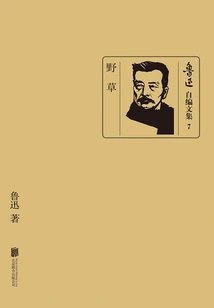
This book includes 23 prose poems written by Mr. Lu Xun in Beijing from September 1924 to April 1926 and one "Inscription" written when compiling the collection in 1927. "Weeds" runs through serious self-dissection and unremitting ideological exploration. Its artistic features are distinctive - symbolic and metaphorical techniques, rich imagination and strange conception. Two artists, Qiu Sha and Wang Weiqun, spent their entire lives "revealing Lu Xun's ideological system" with their brushes, persisting in their exploration, painstakingly conceiving, and boldly creating. They reproduced Lu Xun's world with "accuracy in reasoning, profoundness in expression, and exquisiteness in art."
This book includes 23 prose poems written by Mr. Lu Xun in Beijing from September 1924 to April 1926 and one "Inscription" written when compiling the collection in 1927. "Weeds" runs through serious self-dissection and unremitting ideological exploration. Its artistic features are distinctive - symbolic and metaphorical techniques, rich imagination and strange conception. Two artists, Qiu Sha and Wang Weiqun, spent their entire lives "revealing Lu Xun's ideological system" with their brushes, persisting in their exploration, painstakingly conceiving, and boldly creating. They reproduced Lu Xun's world with "accuracy in reasoning, profoundness in expression, and exquisiteness in art."
Pseudo Free Book
Literature伪自由书
Lu Xun
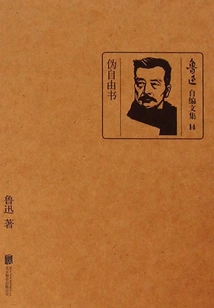
"Pseudo-Freedom" is a collection of Lu Xun's essays. It contains forty-three essays written by Lu Xun in 1933. It is a record of Lu Xun's political struggle and ideological criticism using essays as weapons at a specific historical period, including "Watching the Fight", "Talents in the Grand View Garden", "From Satire to Humor", "The Secret of Selling Your Soul", "Circle of Life of the Chinese", etc.
"Pseudo-Freedom" is a collection of Lu Xun's essays. It contains forty-three essays written by Lu Xun in 1933. It is a record of Lu Xun's political struggle and ideological criticism using essays as weapons at a specific historical period, including "Watching the Fight", "Talents in the Grand View Garden", "From Satire to Humor", "The Secret of Selling Your Soul", "Circle of Life of the Chinese", etc.
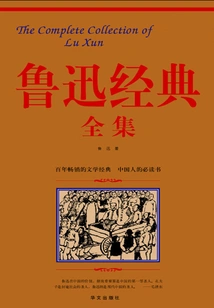
Complete Works of Lu Xun's Classics
Literature鲁迅经典全集
Lu Xun
If British literature cannot be without Shakespeare, then our nation cannot be without Lu Xun - he is the national soul of modern China.
If British literature cannot be without Shakespeare, then our nation cannot be without Lu Xun - he is the national soul of modern China.
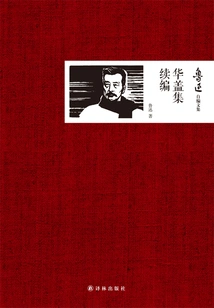
华盖集续编(鲁迅自编文集)
Lu Xun
"The Sequel to the Huagai Collection" is a collection of essays by Lu Xun, which contains thirty-two essays written by Lu Xun in 1926. Including "Miscellaneous Comments on Nosy, Learning, Gray, etc.", "Three Souls of Academics", "Ancient Books and Vernacular", "In Memory of Mr. Liu Hezhen", "Ma Zhi's Diary", "Shanghai Correspondence", etc.
"The Sequel to the Huagai Collection" is a collection of essays by Lu Xun, which contains thirty-two essays written by Lu Xun in 1926. Including "Miscellaneous Comments on Nosy, Learning, Gray, etc.", "Three Souls of Academics", "Ancient Books and Vernacular", "In Memory of Mr. Liu Hezhen", "Ma Zhi's Diary", "Shanghai Correspondence", etc.
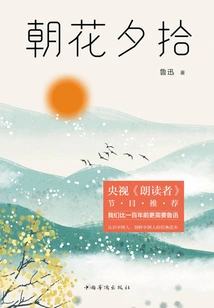
朝花夕拾
Lu Xun
"Morning Blossoms Plucked at Dusk" is a collection of essays by the modern writer Lu Xun, which includes a total of 10 memoir essays written by Lu Xun in 1926. Among them, the first five were written in Beijing and the last five were written in Xiamen. Initially, "Revisiting Old Things" was published successively in the bimonthly magazine "Wangyuan". In July 1927, Lu Xun added "Xiaoyin" and "Postscript", compiled and published them, and renamed them "Morning Blossoms Plucked at Dusk". "Morning Blossoms Plucked at Dusk" is Lu Xun's work of recalling the past. It uses life experiences in his youth as clues and combines narration and discussion, memories and reflections, lyricism and satire. It narrates a set of his life experiences from rural to urban, from family to society, and from domestic to foreign countries. It expresses his nostalgia for his past relatives, friends and teachers, and at the same time mocks and criticizes the old forces and culture.
"Morning Blossoms Plucked at Dusk" is a collection of essays by the modern writer Lu Xun, which includes a total of 10 memoir essays written by Lu Xun in 1926. Among them, the first five were written in Beijing and the last five were written in Xiamen. Initially, "Revisiting Old Things" was published successively in the bimonthly magazine "Wangyuan". In July 1927, Lu Xun added "Xiaoyin" and "Postscript", compiled and published them, and renamed them "Morning Blossoms Plucked at Dusk". "Morning Blossoms Plucked at Dusk" is Lu Xun's work of recalling the past. It uses life experiences in his youth as clues and combines narration and discussion, memories and reflections, lyricism and satire. It narrates a set of his life experiences from rural to urban, from family to society, and from domestic to foreign countries. It expresses his nostalgia for his past relatives, friends and teachers, and at the same time mocks and criticizes the old forces and culture.
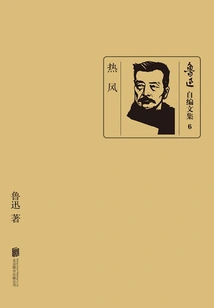
Hot Air
Literature热风
Lu Xun
"Hot Wind" contains forty-one essays written by the author from 1918 to 1924. First published by Beijing Beixin Book Company in November 1925. A total of ten editions were printed during the author's lifetime. Lu Xun made some short comments in the "Reflections" of "New Youth" in the previous year. Because most of the comments he made were minor issues, they were insignificant and the reasons were mostly forgotten. But as far as the current text appears, apart from a few general comments, some of them are about supporting the si, sitting quietly, and boxing; some are about the so-called "preserving the national essence"; some are about the old bureaucrats at that time who were proud of their experience; some are about the caricatures of the Shanghai Times. I remember that at that time, "New Youth" was under attack from all sides, and Lu Xun could only deal with a small part of it.
"Hot Wind" contains forty-one essays written by the author from 1918 to 1924. First published by Beijing Beixin Book Company in November 1925. A total of ten editions were printed during the author's lifetime. Lu Xun made some short comments in the "Reflections" of "New Youth" in the previous year. Because most of the comments he made were minor issues, they were insignificant and the reasons were mostly forgotten. But as far as the current text appears, apart from a few general comments, some of them are about supporting the si, sitting quietly, and boxing; some are about the so-called "preserving the national essence"; some are about the old bureaucrats at that time who were proud of their experience; some are about the caricatures of the Shanghai Times. I remember that at that time, "New Youth" was under attack from all sides, and Lu Xun could only deal with a small part of it.
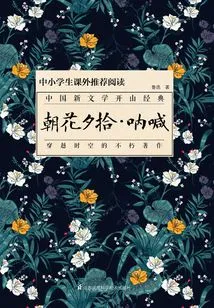
朝花夕拾·呐喊
Lu Xun
"Picking Up Morning Blossoms at Dusk·The Scream" is a collection of two important works by Lu Xun, "Picking Up the Morning Blossoms at Dusk" and "The Scream". "Morning Blossoms Plucked at Dusk" is Mr. Lu Xun's well-known collection of retrospective essays, while "The Scream" contains 14 short stories written by Lu Xun from 1918 to 1922. This book contains all famous Chinese prose works by Lu Xun such as "Diary of a Madman", "The True Story of Ah Q", "Kong Yiji" and "Hometown", which are of great literary creation value. It also provides detailed annotations for many rare quotations and difficult-to-check words, so that young readers can have a better reading experience.
"Picking Up Morning Blossoms at Dusk·The Scream" is a collection of two important works by Lu Xun, "Picking Up the Morning Blossoms at Dusk" and "The Scream". "Morning Blossoms Plucked at Dusk" is Mr. Lu Xun's well-known collection of retrospective essays, while "The Scream" contains 14 short stories written by Lu Xun from 1918 to 1922. This book contains all famous Chinese prose works by Lu Xun such as "Diary of a Madman", "The True Story of Ah Q", "Kong Yiji" and "Hometown", which are of great literary creation value. It also provides detailed annotations for many rare quotations and difficult-to-check words, so that young readers can have a better reading experience.
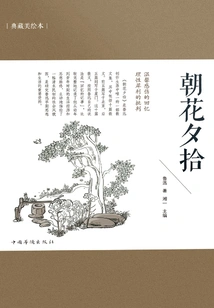
朝花夕拾(典藏美绘本)
Lu Xun
"Morning Blossoms Plucked at Dusk (Collection of Beautiful Picture Books)" selects representative works of Lu Xun's prose and essays. These works not only have high literary value, but also convey Lu Xun's deep thinking on life and profound analysis of Chinese human nature, influencing several generations of Chinese people. Lu Xun's essays. It has a strong criticism of reality and is regarded as a "dagger and a spear", giving readers a lasting artistic enjoyment.
"Morning Blossoms Plucked at Dusk (Collection of Beautiful Picture Books)" selects representative works of Lu Xun's prose and essays. These works not only have high literary value, but also convey Lu Xun's deep thinking on life and profound analysis of Chinese human nature, influencing several generations of Chinese people. Lu Xun's essays. It has a strong criticism of reality and is regarded as a "dagger and a spear", giving readers a lasting artistic enjoyment.
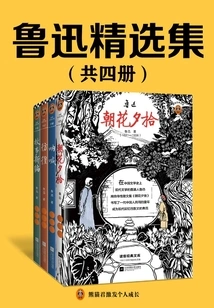
鲁迅精选集(共四册)
Lu Xun
The new Chinese curriculum standard recommends reading. To learn Chinese, study Lu Xun! "The Scream" and "Wandering" were both listed among the top 100 Chinese novels of the 20th century selected by Asia Weekly, with "The Scream" ranking first and "Wandering" ranking 12th. In 1985, in the 50-volume "The World's Highest Masterpieces" published by Japan, only "The Scream" and "The Analects of Confucius" were included in China. Lu Xun's works are the pioneers of modern Chinese literature, pioneering modern realist literature and setting a model for subsequent new literature. In China's new literary world, Lu Xun is often the pioneer in creating "new forms"; almost one of the more than ten novels in "The Scream" has a new form, and these new forms have a great influence on young authors, so many people will inevitably follow suit and experiment. --Mao Dun (famous modern writer) Reader's Classic Library's new "Selected Collection of Lu Xun": 1. Complete selections! Based on Lu Xun's classic masterpieces "Morning Blossoms Gathered at Dusk", "Weeds", "Scream", "Wandering" and "New Stories", it includes "Lu Xun's Autobiography", "Self-titled Portrait", "Inscribed on "Scream"", "Inscribed on "Wandering"" and "Memories of Mr. Lu Xun". To read Lu Xun, start with this set! 2. Comes with a special "Lu Xun Knowledge Handbook" to sort out the writing background, reasons for creation, thoughts and emotions, all one by one! 3. Specially selected Zhou Zuoren's "Characters in Lu Xun's Novels" and the original stories of "New Stories" to gain an in-depth understanding of the novel's characters and origins of creation. 4. Original and beautiful illustrations! Visually presents Lu Xun's superb writing skills. The combination of pictures and text makes it more suitable for teenagers to read! 5. Includes Lu Xun's precious photos and materials, this time you can get closer to the real Lu Xun!
The new Chinese curriculum standard recommends reading. To learn Chinese, study Lu Xun! "The Scream" and "Wandering" were both listed among the top 100 Chinese novels of the 20th century selected by Asia Weekly, with "The Scream" ranking first and "Wandering" ranking 12th. In 1985, in the 50-volume "The World's Highest Masterpieces" published by Japan, only "The Scream" and "The Analects of Confucius" were included in China. Lu Xun's works are the pioneers of modern Chinese literature, pioneering modern realist literature and setting a model for subsequent new literature. In China's new literary world, Lu Xun is often the pioneer in creating "new forms"; almost one of the more than ten novels in "The Scream" has a new form, and these new forms have a great influence on young authors, so many people will inevitably follow suit and experiment. --Mao Dun (famous modern writer) Reader's Classic Library's new "Selected Collection of Lu Xun": 1. Complete selections! Based on Lu Xun's classic masterpieces "Morning Blossoms Gathered at Dusk", "Weeds", "Scream", "Wandering" and "New Stories", it includes "Lu Xun's Autobiography", "Self-titled Portrait", "Inscribed on "Scream"", "Inscribed on "Wandering"" and "Memories of Mr. Lu Xun". To read Lu Xun, start with this set! 2. Comes with a special "Lu Xun Knowledge Handbook" to sort out the writing background, reasons for creation, thoughts and emotions, all one by one! 3. Specially selected Zhou Zuoren's "Characters in Lu Xun's Novels" and the original stories of "New Stories" to gain an in-depth understanding of the novel's characters and origins of creation. 4. Original and beautiful illustrations! Visually presents Lu Xun's superb writing skills. The combination of pictures and text makes it more suitable for teenagers to read! 5. Includes Lu Xun's precious photos and materials, this time you can get closer to the real Lu Xun!
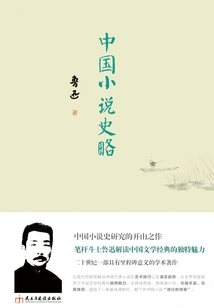
A Brief History of Chinese Novels
Literature中国小说史略
Lu Xun
"A Brief History of Chinese Novels" is the first monograph on the history of Chinese novels compiled by Mr. Lu Xun. The book has a total of twenty-eight chapters, describing the occurrence, development, and evolution of ancient Chinese novels, starting from myths and legends and ending with condemnation novels in the late Qing Dynasty. This book collects rich materials, carefully collects and compiles, analyzes the thought and art of novels in the past dynasties, is concise and comprehensive, and makes appropriate judgments. Lu Xun uses materialist viewpoints and scientific comparative methods to summarize and summarize the emergence, development and changes of novels, the historical background and ideological and cultural reasons for the rise and fall of novels in the past dynasties, the analysis and evaluation of the works of representative writers, and the ideological and artistic characteristics of various types of novels. It is a landmark classic work in the twentieth century.
"A Brief History of Chinese Novels" is the first monograph on the history of Chinese novels compiled by Mr. Lu Xun. The book has a total of twenty-eight chapters, describing the occurrence, development, and evolution of ancient Chinese novels, starting from myths and legends and ending with condemnation novels in the late Qing Dynasty. This book collects rich materials, carefully collects and compiles, analyzes the thought and art of novels in the past dynasties, is concise and comprehensive, and makes appropriate judgments. Lu Xun uses materialist viewpoints and scientific comparative methods to summarize and summarize the emergence, development and changes of novels, the historical background and ideological and cultural reasons for the rise and fall of novels in the past dynasties, the analysis and evaluation of the works of representative writers, and the ideological and artistic characteristics of various types of novels. It is a landmark classic work in the twentieth century.
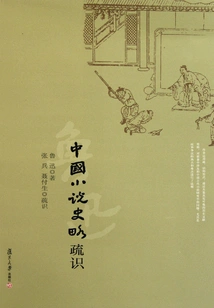
中国小说史略疏识
Lu Xun
This thesis carefully combs and studies Lu Xun's "A Brief History of Chinese Novels", which is well-known in the academic circles and has great influence on the history of ancient Chinese novels.
This thesis carefully combs and studies Lu Xun's "A Brief History of Chinese Novels", which is well-known in the academic circles and has great influence on the history of ancient Chinese novels.
The Complete Works of Lu Xun (volume 6)
Literature鲁迅全集(第六卷)
Lu Xun
This book is the sixth volume compiled based on the collection of Chinese writer, thinker and revolutionary Mr. Lu Xun, including "Qiejieting's Essays", "Qiejieting's Essays in Two Collections", "Qiejieting's Essays - The Final Collection" and other works.
This book is the sixth volume compiled based on the collection of Chinese writer, thinker and revolutionary Mr. Lu Xun, including "Qiejieting's Essays", "Qiejieting's Essays in Two Collections", "Qiejieting's Essays - The Final Collection" and other works.
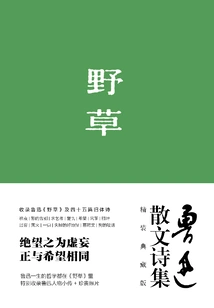
野草(精装典藏版)
Lu Xun
"Wild Grass" is a collection of prose poems created by the modern writer Lu Xun. It contains 23 prose poems written between 1924 and 1926. There is an "Inscription" at the front of the book. It was first published by Beijing Beixin Book Company in July 1927. This collection of poems truly describes Lu Xun's thoughts and feelings as he continued to fight after the New Culture United Front split, but felt lonely and lonely, and explored and moved forward in hesitation. The collection of poems has diverse content, unique conception, vivid language, lyricism and musicality, successful use of symbolic techniques, and strong artistic appeal.
"Wild Grass" is a collection of prose poems created by the modern writer Lu Xun. It contains 23 prose poems written between 1924 and 1926. There is an "Inscription" at the front of the book. It was first published by Beijing Beixin Book Company in July 1927. This collection of poems truly describes Lu Xun's thoughts and feelings as he continued to fight after the New Culture United Front split, but felt lonely and lonely, and explored and moved forward in hesitation. The collection of poems has diverse content, unique conception, vivid language, lyricism and musicality, successful use of symbolic techniques, and strong artistic appeal.
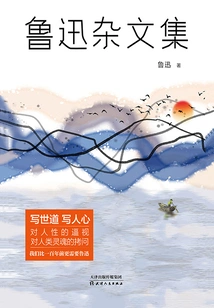
Lu Xun's Essays
Literature鲁迅杂文集
Lu Xun
Rereading Lu Xun's words awakens the self who has forgotten the battle. Lu Xun was a fighter. He shouted with words, analyzed human nature with a critical attitude, and wrote words that struck the soul. Essays accounted for 80% of Lu Xun's life creation. Essays are the main body of Lu Xun's creation. If you ignore essays, you will ignore the understanding and evaluation of Lu Xun. Lu Xun's essays can be called the psychological biography of the author himself. Lu Xun had a special vision. Where ordinary people thought there were no problems, he could see the inside story at a glance and reveal the problems, which surprised everyone. In Lu Xun's essays, you can see not only a powerful and invincible Lu Xun, but also a Lu Xun who tortures himself and struggles with himself, and at the same time, you can also see a Lu Xun who heals himself and overcomes despair. This series of must-read books for the new Chinese language curriculum for primary and secondary schools includes all famous essays by Lu Xun. Some of Lu Xun's essays are sharp, sharp, humorous, or melancholy, expressing profound life experiences in the form of literature. This book contains 58 famous essays by Lu Xun, including "Miscellaneous Feelings" and "How Are We Being Fathers Now".
Rereading Lu Xun's words awakens the self who has forgotten the battle. Lu Xun was a fighter. He shouted with words, analyzed human nature with a critical attitude, and wrote words that struck the soul. Essays accounted for 80% of Lu Xun's life creation. Essays are the main body of Lu Xun's creation. If you ignore essays, you will ignore the understanding and evaluation of Lu Xun. Lu Xun's essays can be called the psychological biography of the author himself. Lu Xun had a special vision. Where ordinary people thought there were no problems, he could see the inside story at a glance and reveal the problems, which surprised everyone. In Lu Xun's essays, you can see not only a powerful and invincible Lu Xun, but also a Lu Xun who tortures himself and struggles with himself, and at the same time, you can also see a Lu Xun who heals himself and overcomes despair. This series of must-read books for the new Chinese language curriculum for primary and secondary schools includes all famous essays by Lu Xun. Some of Lu Xun's essays are sharp, sharp, humorous, or melancholy, expressing profound life experiences in the form of literature. This book contains 58 famous essays by Lu Xun, including "Miscellaneous Feelings" and "How Are We Being Fathers Now".
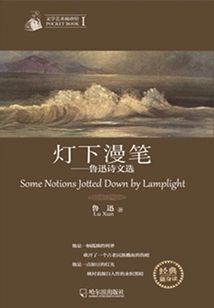
灯下漫笔:鲁迅诗文选(文学艺术袖珍馆)
Lu Xun
The prose of Lu Xun selected in this book is slightly far away from his main tone of being upright, sharp, and rebuking the dark reality. It records Lu Xun's thinking and reflection on life.
The prose of Lu Xun selected in this book is slightly far away from his main tone of being upright, sharp, and rebuking the dark reality. It records Lu Xun's thinking and reflection on life.
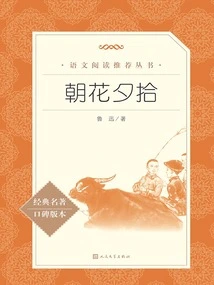
朝花夕拾
Lu Xun
This book is one of the most important collections of prose by Mr. Lu Xun and enjoys a high reputation in the history of modern Chinese prose. It contains a total of twelve works including "From Baicao Garden to Sanwei Bookstore", which describes the author's childhood life and study process in his youth, expresses his nostalgia for his former relatives, friends and teachers, and mocks the reactionary and conservative forces in the narration and discussion. This book is a beautiful prose treasure based on memories and written with skillful literary techniques. It has been loved by generations of readers, especially young readers and young readers. This time, a new edition of the new curriculum standard is published, with many illustrations by Feng Zikai and others.
This book is one of the most important collections of prose by Mr. Lu Xun and enjoys a high reputation in the history of modern Chinese prose. It contains a total of twelve works including "From Baicao Garden to Sanwei Bookstore", which describes the author's childhood life and study process in his youth, expresses his nostalgia for his former relatives, friends and teachers, and mocks the reactionary and conservative forces in the narration and discussion. This book is a beautiful prose treasure based on memories and written with skillful literary techniques. It has been loved by generations of readers, especially young readers and young readers. This time, a new edition of the new curriculum standard is published, with many illustrations by Feng Zikai and others.
The Complete Works of Lu Xun (volume 3)
Literature鲁迅全集(第三卷)
Lu Xun
In October 1936, Mr. Lu Xun passed away in Shanghai. Mr. Lu Xun Memorial Committee is\
In October 1936, Mr. Lu Xun passed away in Shanghai. Mr. Lu Xun Memorial Committee is\
Books from Two Places
Literature两地书
Lu Xun
This book is a collection of letters between the author and Jing Song (Xu Guangping) from March 1925 to June 1929. A total of 135 letters were received (including 67 and a half letters from Lu Xun). It was edited and revised by Lu Xun and divided into three volumes. It was first published by Shanghai Qingguang Book Company in April 1933. The first part of "Book of Two Places" is about the Women's Normal University, without any love; the second part is the correspondence between Xiamen and Guangzhou, which is mostly about trivial matters of life, and the love is beyond words; the third part is about the correspondence between Beijing and Shanghai, which is also about trivial matters of life, and the care is beyond words.
This book is a collection of letters between the author and Jing Song (Xu Guangping) from March 1925 to June 1929. A total of 135 letters were received (including 67 and a half letters from Lu Xun). It was edited and revised by Lu Xun and divided into three volumes. It was first published by Shanghai Qingguang Book Company in April 1933. The first part of "Book of Two Places" is about the Women's Normal University, without any love; the second part is the correspondence between Xiamen and Guangzhou, which is mostly about trivial matters of life, and the love is beyond words; the third part is about the correspondence between Beijing and Shanghai, which is also about trivial matters of life, and the care is beyond words.
且介亭杂文末编(鲁迅自编文集)
Lu Xun
"The Final Collection of Qiejieting Essays" is a collection of essays by Lu Xun, which contains thirty-five essays written by Lu Xun in 1936. Including "Memory of the Soviet Printmaking Exhibition", "I Want to Lie", "Written in the Late Night", "Two or Three Things About Mr. Taiyan", etc. Attached volumes include "Comparative Studies of Literati", "Small Collection of Pinellia Pinellia", "Death", etc.
"The Final Collection of Qiejieting Essays" is a collection of essays by Lu Xun, which contains thirty-five essays written by Lu Xun in 1936. Including "Memory of the Soviet Printmaking Exhibition", "I Want to Lie", "Written in the Late Night", "Two or Three Things About Mr. Taiyan", etc. Attached volumes include "Comparative Studies of Literati", "Small Collection of Pinellia Pinellia", "Death", etc.
The Final Edition of Qiejieting's Essays
Literature且介亭杂文末编
Lu Xun
This book contains thirty-five essays written by the author in 1936. It was compiled during the author's lifetime and later compiled by Xu Guangping. It was first published by Shanghai Sanxian Bookstore in July 1937.
This book contains thirty-five essays written by the author in 1936. It was compiled during the author's lifetime and later compiled by Xu Guangping. It was first published by Shanghai Sanxian Bookstore in July 1937.
朝花夕拾
Lu Xun
"Morning Blossoms Plucked at Dusk" is Lu Xun's only collection of retrospective essays. "Chao" means morning, here refers to the early years, "Xi" means evening, here refers to the old age. The title of the book means flowers that bloom in the morning and collected in the evening. This refers to Mr. Lu Xun's memories of the people and events in his childhood, boyhood, and youth in his later years.
"Morning Blossoms Plucked at Dusk" is Lu Xun's only collection of retrospective essays. "Chao" means morning, here refers to the early years, "Xi" means evening, here refers to the old age. The title of the book means flowers that bloom in the morning and collected in the evening. This refers to Mr. Lu Xun's memories of the people and events in his childhood, boyhood, and youth in his later years.
南腔北调集(鲁迅自编文集)
Lu Xun
"Collection of Nanqiangbei Diao" is a collection of essays by Lu Xun, which contains fifty-one essays written by Lu Xun between 1927 and 1929. At that time, a scholar in Shanghai signed "Meizi" attacked Lu Xun in an article "Writer's Sketches": "Lu Xun likes to speak very much, but he has a stutter, and he has a 'Southern accent and a Northern accent.'" In response, Lu Xun counterattacked: "I can't say that Su Bai is soft, I can't. "To play a loud Beijing tune, if it is not in tune or popular, it is really a southern tune and a northern tune." It shows that he is unwilling to follow the trend and despise boring literati. The title of this collection is humorous and expresses his contempt for the enemy and his uncompromising attitude. Therefore, my husband named this collection published in March 1934 "Collection of Nanqiangbei Diao", which was a kind of self-deprecation and a mockery of Meiko.
"Collection of Nanqiangbei Diao" is a collection of essays by Lu Xun, which contains fifty-one essays written by Lu Xun between 1927 and 1929. At that time, a scholar in Shanghai signed "Meizi" attacked Lu Xun in an article "Writer's Sketches": "Lu Xun likes to speak very much, but he has a stutter, and he has a 'Southern accent and a Northern accent.'" In response, Lu Xun counterattacked: "I can't say that Su Bai is soft, I can't. "To play a loud Beijing tune, if it is not in tune or popular, it is really a southern tune and a northern tune." It shows that he is unwilling to follow the trend and despise boring literati. The title of this collection is humorous and expresses his contempt for the enemy and his uncompromising attitude. Therefore, my husband named this collection published in March 1934 "Collection of Nanqiangbei Diao", which was a kind of self-deprecation and a mockery of Meiko.
狂人日记:鲁迅经典小说集
Lu Xun
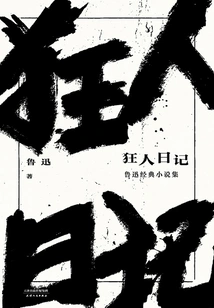
The stories in this book are still being repeated today, a hundred years later. Lu Xun's classic novel collection "Diary of a Madman" includes a total of 13 classic novels from three collections of Lu Xun's self-written novels: "The Scream", "Wandering" and "New Story", including "Diary of a Madman", "Kong Yiji", "The True Story of Ah Q", etc. In this book, there are the madman who is afraid of being eaten, the poor and pedantic Kong Yiji, the absent-minded and gibbering Sister-in-law Xianglin, Ah Q, a collection of the bad qualities of the people... There are also a group of insensitive onlookers, and all the people who are bound by the ignorant feudal ethics and make Lu Xun "sorrow his misfortune and anger him for not fighting". You can see the stern Lu Xun in this collection of novels, as well as the Lu Xun who is full of compassion and care for the people at the bottom. From those classic images that never fade, you can also see the miniature of China a hundred years ago, and you can also see yourself a hundred years from now. Because reading Lu Xun is to understand ourselves.
The stories in this book are still being repeated today, a hundred years later. Lu Xun's classic novel collection "Diary of a Madman" includes a total of 13 classic novels from three collections of Lu Xun's self-written novels: "The Scream", "Wandering" and "New Story", including "Diary of a Madman", "Kong Yiji", "The True Story of Ah Q", etc. In this book, there are the madman who is afraid of being eaten, the poor and pedantic Kong Yiji, the absent-minded and gibbering Sister-in-law Xianglin, Ah Q, a collection of the bad qualities of the people... There are also a group of insensitive onlookers, and all the people who are bound by the ignorant feudal ethics and make Lu Xun "sorrow his misfortune and anger him for not fighting". You can see the stern Lu Xun in this collection of novels, as well as the Lu Xun who is full of compassion and care for the people at the bottom. From those classic images that never fade, you can also see the miniature of China a hundred years ago, and you can also see yourself a hundred years from now. Because reading Lu Xun is to understand ourselves.
Quasi Romantic Talk
Literature准风月谈
Lu Xun
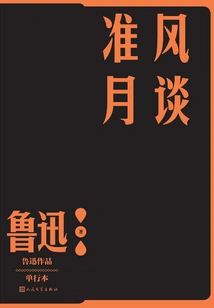
"Zhun Feng Yue Tan" contains 64 essays written by the author between June and November 1933. The title of the book comes from an announcement issued by the editor of "Free Talk" in the last century: "I urge domestic literary figures to talk more about romance and complain less." Including "Song of the Night", "Eating Bai Xiang's Rice", "Morning Cool Chronicles", "Autumn Night Journey", etc. The original book is now a treasure. It's not even a hundred years ago, but it's full of vicissitudes of life when I read it.
"Zhun Feng Yue Tan" contains 64 essays written by the author between June and November 1933. The title of the book comes from an announcement issued by the editor of "Free Talk" in the last century: "I urge domestic literary figures to talk more about romance and complain less." Including "Song of the Night", "Eating Bai Xiang's Rice", "Morning Cool Chronicles", "Autumn Night Journey", etc. The original book is now a treasure. It's not even a hundred years ago, but it's full of vicissitudes of life when I read it.
The True Story of Ah Q
Literature阿Q正传
Lu Xun
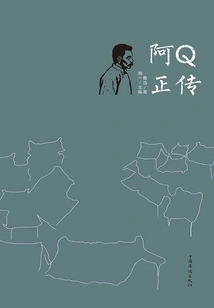
"The True Story of Ah Q" is the masterpiece of Lu Xun's novels and a medium-sized novel written by Lu Xun in his life. It takes the countryside before and after the Revolution of 1911 as the background, creating a typical image of Ah Q, an immortal wandering farmhand. In addition to "The True Story of Ah Q", this book also selects 22 representative works of Lu Xun's novels, with exquisite illustrations.
"The True Story of Ah Q" is the masterpiece of Lu Xun's novels and a medium-sized novel written by Lu Xun in his life. It takes the countryside before and after the Revolution of 1911 as the background, creating a typical image of Ah Q, an immortal wandering farmhand. In addition to "The True Story of Ah Q", this book also selects 22 representative works of Lu Xun's novels, with exquisite illustrations.
9 Volumes of Lu Xun's Selections
Literature鲁迅精选9册
Lu Xun
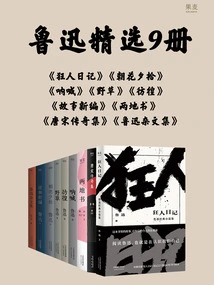
He is a "dagger-throwing gun" in the textbook, and a loner under the late night light; he is the standard-bearer of the New Culture Movement and a rebel who reconstructs myths. From novels to essays, from essays to letters - reading Lu Xun is not about reading history, but about reading the present; not about reading answers, but about reading questions. Reading Lu Xun is to use literature as a mirror to reflect the century-old storm of modern Chinese thought.
He is a "dagger-throwing gun" in the textbook, and a loner under the late night light; he is the standard-bearer of the New Culture Movement and a rebel who reconstructs myths. From novels to essays, from essays to letters - reading Lu Xun is not about reading history, but about reading the present; not about reading answers, but about reading questions. Reading Lu Xun is to use literature as a mirror to reflect the century-old storm of modern Chinese thought.
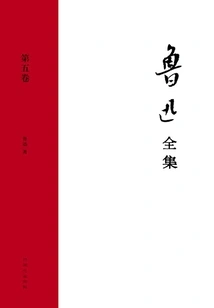
The Complete Works of Lu Xun (volume 5)
Literature鲁迅全集(第五卷)
Lu Xun
In October 1936, Mr. Lu Xun passed away in Shanghai. Mr. Lu Xun Memorial Committee is\
In October 1936, Mr. Lu Xun passed away in Shanghai. Mr. Lu Xun Memorial Committee is\