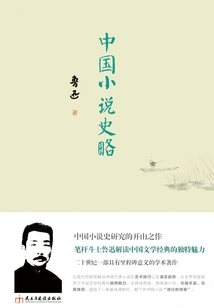
A Brief History of Chinese Novels
by Lu Xun
About This Novel
"A Brief History of Chinese Novels" is the first monograph on the history of Chinese novels compiled by Mr. Lu Xun. The book has a total of twenty-eight chapters, describing the occurrence, development, and evolution of ancient Chinese novels, starting from myths and legends and ending with condemnation novels in the late Qing Dynasty. This book collects rich materials, carefully collects and compiles, analyzes the thought and art of novels in the past dynasties, is concise and comprehensive, and makes appropriate judgments. Lu Xun uses materialist viewpoints and scientific comparative methods to summarize and summarize the emergence, development and changes of novels, the historical background and ideological and cultural reasons for the rise and fall of novels in the past dynasties, the analysis and evaluation of the works of representative writers, and the ideological and artistic characteristics of various types of novels. It is a landmark classic work in the twentieth century.
Official Sources
What Readers Think
Rating
Community(0)
Official(6)Scraped 1mo ago
"Fine rice is barnyard grass. Talking in the streets and alleys is very trivial. The king wants to know the customs of the lanes, so he appoints barnyard officials to tell them."
"... There are three schools of traces: one is about describing miscellaneous things, the other is recording anecdotes, and the other is about collecting trivial remarks."
"The novelist combined Can Cong's short stories and used recent metaphors to write a short book with valuable words for managing one's life and family."
Bright and concise, with sharp contrast and powerful...
The language is simple, the attitude is sincere, the organization is clear, and the discussion is strictly prohibited...
The theme is ambitious, far-sighted, majestic and inspiring...
Rating
Community(0)
Official(6)Scraped 1mo ago
"Fine rice is barnyard grass. Talking in the streets and alleys is very trivial. The king wants to know the customs of the lanes, so he appoints barnyard officials to tell them."
"... There are three schools of traces: one is about describing miscellaneous things, the other is recording anecdotes, and the other is about collecting trivial remarks."
"The novelist combined Can Cong's short stories and used recent metaphors to write a short book with valuable words for managing one's life and family."
Bright and concise, with sharp contrast and powerful...
The language is simple, the attitude is sincere, the organization is clear, and the discussion is strictly prohibited...
The theme is ambitious, far-sighted, majestic and inspiring...
