Fanqie library
Browse
- Titles
- 837
Every Fanqie book we index, searchable by title, author or tag.
-
 Compilation of Pulse Meridians (Classic Edition of Ancient Traditional Chinese Medicine Books)
The foundational work of pulse theory in traditional Chinese medicine was compiled by Wang Shuhe. The annotations in this book are rigorous and meticulous, and the theory and clinical experience of pulse theory of the past dynasties are systematically organized. The book records in detail the characteristics, identification methods and clinical significance of 24 types of pulse conditions, constructs a complete system of pulse diagnosis in traditional Chinese medicine, and lays the foundation fo
—Reads8.6Score—Shelves
Compilation of Pulse Meridians (Classic Edition of Ancient Traditional Chinese Medicine Books)
The foundational work of pulse theory in traditional Chinese medicine was compiled by Wang Shuhe. The annotations in this book are rigorous and meticulous, and the theory and clinical experience of pulse theory of the past dynasties are systematically organized. The book records in detail the characteristics, identification methods and clinical significance of 24 types of pulse conditions, constructs a complete system of pulse diagnosis in traditional Chinese medicine, and lays the foundation fo
—Reads8.6Score—Shelves
-
 Collection of Legends of Tang and Song Dynasties
The so-called legends refer to the short stories created by literati in the Tang Dynasty, and their content is mainly about describing anecdotes and strange events. Compared with the myths of the Pre-Qin Dynasty and the Legends and Monsters of the Six Dynasties, Tang legends appeared for the first time as conscious artistic fictions. Since then, ancient novels have truly matured as a literary genre. In the late Tang Dynasty, Pei Kai took "Legend" as the title of his collection of novels. After t
—Reads8.9Score—Shelves
Collection of Legends of Tang and Song Dynasties
The so-called legends refer to the short stories created by literati in the Tang Dynasty, and their content is mainly about describing anecdotes and strange events. Compared with the myths of the Pre-Qin Dynasty and the Legends and Monsters of the Six Dynasties, Tang legends appeared for the first time as conscious artistic fictions. Since then, ancient novels have truly matured as a literary genre. In the late Tang Dynasty, Pei Kai took "Legend" as the title of his collection of novels. After t
—Reads8.9Score—Shelves
-
 Sima Fa
The military writings of the Pre-Qin Dynasty are the oldest existing military thoughts in our country. They preserve some very classical combat principles of the early Spring and Autumn Period and have a strong aristocratic flavor. According to "Historical Records: Biography of Sima Rangju": "King Wei of Qi sent his officials to discuss the ancient Sima's art of war, and attached Rangju to it, so it was called Sima Rangju's art of war." The Sima mentioned here Ranju was a native of the Qi State
—Reads8.5Score—Shelves
Sima Fa
The military writings of the Pre-Qin Dynasty are the oldest existing military thoughts in our country. They preserve some very classical combat principles of the early Spring and Autumn Period and have a strong aristocratic flavor. According to "Historical Records: Biography of Sima Rangju": "King Wei of Qi sent his officials to discuss the ancient Sima's art of war, and attached Rangju to it, so it was called Sima Rangju's art of war." The Sima mentioned here Ranju was a native of the Qi State
—Reads8.5Score—Shelves
-
 Life-Saving Book (Free Public Edition Book)
The book of war. The author felt that in the late Ming Dynasty, there were continuous wars and the city defenses were derelict and weak, so he wrote this book in the 35th year of Wanli (1607), hoping that the soldiers could use it to defend the city and protect the people from military harm. The content is mainly focused on city defense, with more than 30 items including city defense matters, matters in case of change, and prevention matters. Including defensive tactics, management of residents'
—Reads8.5Score—Shelves
Life-Saving Book (Free Public Edition Book)
The book of war. The author felt that in the late Ming Dynasty, there were continuous wars and the city defenses were derelict and weak, so he wrote this book in the 35th year of Wanli (1607), hoping that the soldiers could use it to defend the city and protect the people from military harm. The content is mainly focused on city defense, with more than 30 items including city defense matters, matters in case of change, and prevention matters. Including defensive tactics, management of residents'
—Reads8.5Score—Shelves
-
 Plum Blossom Poems (Free Public Edition Book)
The prophetic poems of Shao Yong, a Neo-Confucian scholar in the Northern Song Dynasty, used symbolic techniques to allude to historical changes. They were full of metaphysical color and were interpreted differently by later generations.
—Reads8.5Score—Shelves
Plum Blossom Poems (Free Public Edition Book)
The prophetic poems of Shao Yong, a Neo-Confucian scholar in the Northern Song Dynasty, used symbolic techniques to allude to historical changes. They were full of metaphysical color and were interpreted differently by later generations.
—Reads8.5Score—Shelves
-
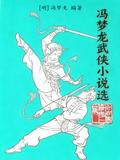 Selected Martial Arts Novels by Feng Menglong
[Collection of Martial Arts Novels + Feng Menglong + Acting Chivalrously + Sacrificing Life for Righteousness] "Three Words", namely "Essays to Tell the World", "Words to Warn the World" and "Essential Words to Awaken the World" are three collections of short stories in vernacular compiled by Feng Menglong, a writer and publisher in the late Ming Dynasty. They focus on shaping four to five hundred characters. Although some of the novels about chivalrous people account for a very small number,
—Reads8.5Score—Shelves
Selected Martial Arts Novels by Feng Menglong
[Collection of Martial Arts Novels + Feng Menglong + Acting Chivalrously + Sacrificing Life for Righteousness] "Three Words", namely "Essays to Tell the World", "Words to Warn the World" and "Essential Words to Awaken the World" are three collections of short stories in vernacular compiled by Feng Menglong, a writer and publisher in the late Ming Dynasty. They focus on shaping four to five hundred characters. Although some of the novels about chivalrous people account for a very small number,
—Reads8.5Score—Shelves
-
 The Historical Changes of Chinese Novels
"The Historical Changes of Chinese Novels" is a lecture notes given by Lu Xun on the history of Chinese novels at Xi'an University in 1924, with a total of six lectures.
—Reads8.9Score—Shelves
The Historical Changes of Chinese Novels
"The Historical Changes of Chinese Novels" is a lecture notes given by Lu Xun on the history of Chinese novels at Xi'an University in 1924, with a total of six lectures.
—Reads8.9Score—Shelves
-
 Liu Juanzi's Ghost Recipe (Free Public Edition Book)
This book is a collection of surgical prescriptions from the Southern and Northern Dynasties, focusing on the treatment of sores and carbuncles. It is an important classic of surgical medicine in ancient China.
—Reads8.6Score—Shelves
Liu Juanzi's Ghost Recipe (Free Public Edition Book)
This book is a collection of surgical prescriptions from the Southern and Northern Dynasties, focusing on the treatment of sores and carbuncles. It is an important classic of surgical medicine in ancient China.
—Reads8.6Score—Shelves
-
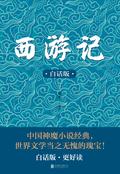 Journey to the West (Vernacular Version)
This book rewrites "Journey to the West" in modern vernacular language. It focuses on clearly explaining the relationship between characters and the sequence of events. At the same time, it retains the splendor and expressiveness of the original text in key language and dialogue. At the same time, in terms of narration and description, it has relatively harmonious text features of modern languages. It has the author's special sense of language, which is different from simple and boring translati
—Reads9.6Score—Shelves
Journey to the West (Vernacular Version)
This book rewrites "Journey to the West" in modern vernacular language. It focuses on clearly explaining the relationship between characters and the sequence of events. At the same time, it retains the splendor and expressiveness of the original text in key language and dialogue. At the same time, in terms of narration and description, it has relatively harmonious text features of modern languages. It has the author's special sense of language, which is different from simple and boring translati
—Reads9.6Score—Shelves
-
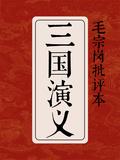 Mao Zonggang Criticized the Romance of the Three Kingdoms
This is not the "Romance of the Three Kingdoms" you have in mind! This is a classic version carefully reviewed by Mao Zonggang, a literary critic from the Qing Dynasty. It deeply analyzes the troubled times written by Luo Guanzhong from a sharp perspective. The book has 850,000 words, from the loyalty oath of "Three Brothers in Taoyuan", to the cruelty and cruelty of "Dong Zhuo's Burning of Beijing", to the shocking layout of "Wang Situ's serial conspiracy" - every episode contains a hidden stru
—Reads8.6Score—Shelves
Mao Zonggang Criticized the Romance of the Three Kingdoms
This is not the "Romance of the Three Kingdoms" you have in mind! This is a classic version carefully reviewed by Mao Zonggang, a literary critic from the Qing Dynasty. It deeply analyzes the troubled times written by Luo Guanzhong from a sharp perspective. The book has 850,000 words, from the loyalty oath of "Three Brothers in Taoyuan", to the cruelty and cruelty of "Dong Zhuo's Burning of Beijing", to the shocking layout of "Wang Situ's serial conspiracy" - every episode contains a hidden stru
—Reads8.6Score—Shelves
-
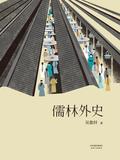 The Scholars (Guomai Classics)
After Fan Jin passed the imperial examination, he actually went crazy and was slapped awake by his father-in-law Hu Tutu. This was the shock of the imperial examination success to a scholar. Wang Yuhui watched his daughter starve to death in the house, just to die for her husband and get a chastity memorial monument, but he turned around and shed tears of sadness. This is the cruelty of ethics and the subtlety of human nature. Shen Qiongzhi escaped from marriage and went to Nanjing. She was a si
—Reads9.3Score—Shelves
The Scholars (Guomai Classics)
After Fan Jin passed the imperial examination, he actually went crazy and was slapped awake by his father-in-law Hu Tutu. This was the shock of the imperial examination success to a scholar. Wang Yuhui watched his daughter starve to death in the house, just to die for her husband and get a chastity memorial monument, but he turned around and shed tears of sadness. This is the cruelty of ethics and the subtlety of human nature. Shen Qiongzhi escaped from marriage and went to Nanjing. She was a si
—Reads9.3Score—Shelves
-
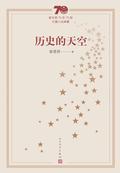 The Sky of History (Collection of 70 Novels in the 70 Years of New China)
The work takes the Anti-Japanese War as the main background, depicts the images of Liang Bida, Chen Mohan, Zhu Yudao and other anti-Japanese soldiers, and displays a magnificent and heroic picture of the national war. Rural youth Liang Bida and others fled to the Kuomintang army in Aotu Mountain to escape the pursuit of the Japanese army. They accidentally broke into the base of the Eighth Route Army.
—Reads9.4Score—Shelves
The Sky of History (Collection of 70 Novels in the 70 Years of New China)
The work takes the Anti-Japanese War as the main background, depicts the images of Liang Bida, Chen Mohan, Zhu Yudao and other anti-Japanese soldiers, and displays a magnificent and heroic picture of the national war. Rural youth Liang Bida and others fled to the Kuomintang army in Aotu Mountain to escape the pursuit of the Japanese army. They accidentally broke into the base of the Eighth Route Army.
—Reads9.4Score—Shelves
-
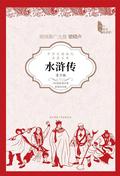 Water Margin (Youth Edition)
"Water Margin" is a long chapter novel in my country with the theme of peasant uprising, and it is also a monument in the history of Chinese literature. The book concretely and vividly describes the entire process of the peasant uprising headed by Song Jiang, exposes the darkness and decadence of feudal society and the various crimes of the ruling class, enthusiastically praises the resistance spirit of the uprising heroes, and creates a large number of Liangshan hero images, which contains rich
—Reads9.5Score—Shelves
Water Margin (Youth Edition)
"Water Margin" is a long chapter novel in my country with the theme of peasant uprising, and it is also a monument in the history of Chinese literature. The book concretely and vividly describes the entire process of the peasant uprising headed by Song Jiang, exposes the darkness and decadence of feudal society and the various crimes of the ruling class, enthusiastically praises the resistance spirit of the uprising heroes, and creates a large number of Liangshan hero images, which contains rich
—Reads9.5Score—Shelves
-
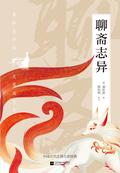 Strange Tales from a Chinese Studio
"Strange Stories from a Chinese Studio" is a collection of short stories in classical Chinese written by the novelist Pu Songling. It is also a classic of ancient Chinese fantasy novels. His thoughts include exposing the darkness of feudal rule, criticizing the corruption of the imperial examination system, or resisting the constraints of feudal ethics. The work expresses the author's yearning for ideal love by telling the love between flower demons, foxes, spirits, and humans. The works describ
—Reads8.9Score—Shelves
Strange Tales from a Chinese Studio
"Strange Stories from a Chinese Studio" is a collection of short stories in classical Chinese written by the novelist Pu Songling. It is also a classic of ancient Chinese fantasy novels. His thoughts include exposing the darkness of feudal rule, criticizing the corruption of the imperial examination system, or resisting the constraints of feudal ethics. The work expresses the author's yearning for ideal love by telling the love between flower demons, foxes, spirits, and humans. The works describ
—Reads8.9Score—Shelves
-
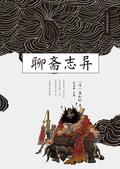 Strange Tales from a Chinese Studio
"Strange Stories from a Chinese Studio" is a collection of short stories written in the early Qing Dynasty. It contains nearly 500 stories in total. They talk about folk customs and customs, strange stories and strange stories, or about the strange changes of all things in the world, with a wide range of themes. "Strange Stories from a Chinese Studio" depicts a strange and fantastic world for readers. It depicts fox fairies, ghosts and ghosts, reflecting all kinds of situations in the world, and
—Reads8.6Score—Shelves
Strange Tales from a Chinese Studio
"Strange Stories from a Chinese Studio" is a collection of short stories written in the early Qing Dynasty. It contains nearly 500 stories in total. They talk about folk customs and customs, strange stories and strange stories, or about the strange changes of all things in the world, with a wide range of themes. "Strange Stories from a Chinese Studio" depicts a strange and fantastic world for readers. It depicts fox fairies, ghosts and ghosts, reflecting all kinds of situations in the world, and
—Reads8.6Score—Shelves
-
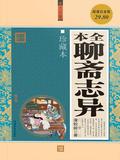 The Complete Version of Strange Stories from a Chinese Studio
"Strange Stories from a Chinese Studio", commonly known as "The Legend of the Ghost Fox", is an excellent collection of short stories in classical Chinese in ancient China. It is the representative work of Pu Songling in the early Qing Dynasty. "Liao Zhai" is the name of Pu Songling's study, "Zhi" means description, and "Yi" refers to strange stories. This book was completed around the 19th year of Kangxi's reign in the Qing Dynasty (1680), and has been continuously added and revised since then.
—Reads9.3Score—Shelves
The Complete Version of Strange Stories from a Chinese Studio
"Strange Stories from a Chinese Studio", commonly known as "The Legend of the Ghost Fox", is an excellent collection of short stories in classical Chinese in ancient China. It is the representative work of Pu Songling in the early Qing Dynasty. "Liao Zhai" is the name of Pu Songling's study, "Zhi" means description, and "Yi" refers to strange stories. This book was completed around the 19th year of Kangxi's reign in the Qing Dynasty (1680), and has been continuously added and revised since then.
—Reads9.3Score—Shelves
-
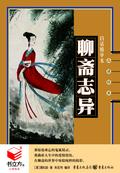 Strange Tales from a Chinese Studio
"Strange Stories from a Chinese Studio" is a collection of short stories in classical Chinese written by Pu Songling, a famous novelist of the Qing Dynasty in China. Through the love between flower demons and foxes and people, the author's ideal love is expressed.
—Reads8.5Score—Shelves
Strange Tales from a Chinese Studio
"Strange Stories from a Chinese Studio" is a collection of short stories in classical Chinese written by Pu Songling, a famous novelist of the Qing Dynasty in China. Through the love between flower demons and foxes and people, the author's ideal love is expressed.
—Reads8.5Score—Shelves
-
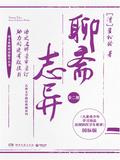 Strange Stories from a Chinese Studio (Two Volumes in Total)
"Strange Stories from a Chinese Studio", abbreviated as "Liao Zhai" and commonly known as "The Legend of the Ghost Fox", is a collection of short stories in classical Chinese written by Pu Songling, a novelist of the Qing Dynasty in China. These short stories either reveal the darkness of feudal rule, criticize the corruption of the imperial examination system, or resist the constraints of feudal ethics. They have rich and profound ideological content. There are many works describing the theme o
—Reads9.5Score—Shelves
Strange Stories from a Chinese Studio (Two Volumes in Total)
"Strange Stories from a Chinese Studio", abbreviated as "Liao Zhai" and commonly known as "The Legend of the Ghost Fox", is a collection of short stories in classical Chinese written by Pu Songling, a novelist of the Qing Dynasty in China. These short stories either reveal the darkness of feudal rule, criticize the corruption of the imperial examination system, or resist the constraints of feudal ethics. They have rich and profound ideological content. There are many works describing the theme o
—Reads9.5Score—Shelves
-
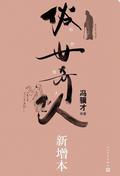 Strange People in the World: New Edition
Tianjin Wei is originally a land and water dock, with residents from all over the place with very different personalities. However, in the hometown of Yanzhao, the blood is strong; the water is salty, the soil is alkaline, and the wind is strong. In the past hundred years or so, China has been the first to bear the brunt of all major disasters, as a result of which all kinds of weird characters have emerged, not only to show off the upper class, but also among the people. Therefore, I started wr
—Reads9.4Score—Shelves
Strange People in the World: New Edition
Tianjin Wei is originally a land and water dock, with residents from all over the place with very different personalities. However, in the hometown of Yanzhao, the blood is strong; the water is salty, the soil is alkaline, and the wind is strong. In the past hundred years or so, China has been the first to bear the brunt of all major disasters, as a result of which all kinds of weird characters have emerged, not only to show off the upper class, but also among the people. Therefore, I started wr
—Reads9.4Score—Shelves
-
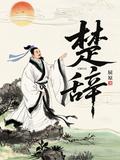 Songs of Chu
A collection of poems based on the works of Qu Yuan, a poet of the Chu State during the Warring States Period. It includes Qu Yuan's masterpieces such as "Li Sao", "Nine Songs", "Heavenly Questions" and "Nine Chapters", as well as works by Song Yu, Jing Cha and others. Using Chu dialect and scenery, with magnificent imagination and unrestrained emotions, it pioneered Chinese romantic literature and expressed the pursuit of ideals, worries about the country and resentment of personal encounters.
—Reads8.7Score—Shelves
Songs of Chu
A collection of poems based on the works of Qu Yuan, a poet of the Chu State during the Warring States Period. It includes Qu Yuan's masterpieces such as "Li Sao", "Nine Songs", "Heavenly Questions" and "Nine Chapters", as well as works by Song Yu, Jing Cha and others. Using Chu dialect and scenery, with magnificent imagination and unrestrained emotions, it pioneered Chinese romantic literature and expressed the pursuit of ideals, worries about the country and resentment of personal encounters.
—Reads8.7Score—Shelves
-
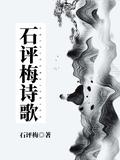 Shi Pingmei's Poems
Shi Pingmei's poems are full of romance and passion for life. They have the charm of classical poetry and the spirit of the new era. Her poetry is a direct expression of her sensitive soul, with passionate emotions dancing between the lines.
—Reads—Score—Shelves
Shi Pingmei's Poems
Shi Pingmei's poems are full of romance and passion for life. They have the charm of classical poetry and the spirit of the new era. Her poetry is a direct expression of her sensitive soul, with passionate emotions dancing between the lines.
—Reads—Score—Shelves
-
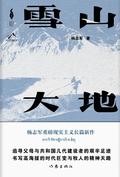 Snow Mountain Land
The snow-capped mountains have always nourished the creatures on the earth with the great power of motherhood. Writer Yang Zhijun, who was born and raised here, looks back fondly on the arduous explorations of his father, mother and generations of grassland builders, and writes about the great changes of the times in high-altitude areas and the spiritual path of grassland herders. The novel not only has a strong sense of urgency in facing grassland problems, but also the unconcealed passion and
—Reads9.5Score—Shelves
Snow Mountain Land
The snow-capped mountains have always nourished the creatures on the earth with the great power of motherhood. Writer Yang Zhijun, who was born and raised here, looks back fondly on the arduous explorations of his father, mother and generations of grassland builders, and writes about the great changes of the times in high-altitude areas and the spiritual path of grassland herders. The novel not only has a strong sense of urgency in facing grassland problems, but also the unconcealed passion and
—Reads9.5Score—Shelves
-
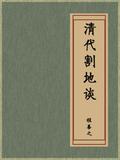 Talks About the Ceding of Territories in the Qing Dynasty (Free Public Edition Book)
The prosperity of the Qing Dynasty was due to the (Nine Tigers) Wu Pingling's energy that shook all directions, and his ability to control distant vassals with his manipulation skills. Therefore, the territory was so vast that the Han and Tang Dynasties could not reach it. And its decline can move thousands of miles with one frown. Such as the cession of the Wulianghai Twenty-five Assistant Leaders and the cession of the North Horgos River in Heilongjiang. What is especially strange is that the
—Reads8.0Score—Shelves
Talks About the Ceding of Territories in the Qing Dynasty (Free Public Edition Book)
The prosperity of the Qing Dynasty was due to the (Nine Tigers) Wu Pingling's energy that shook all directions, and his ability to control distant vassals with his manipulation skills. Therefore, the territory was so vast that the Han and Tang Dynasties could not reach it. And its decline can move thousands of miles with one frown. Such as the cession of the Wulianghai Twenty-five Assistant Leaders and the cession of the North Horgos River in Heilongjiang. What is especially strange is that the
—Reads8.0Score—Shelves
-
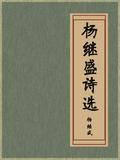 Selected Poems of Yang Jisheng
Yang Jisheng (1516-1555) was a famous remonstrator in the Ming Dynasty. The courtesy name was Zhongfang, and his nickname was Jiaoshan. He was a native of Rongcheng (now Beihezhao Village, Rongcheng County, Hebei Province) under the direct control of the Communist Party of China. In the 26th year of Jiajing's reign, he was a Jinshi and a member of the military and military affairs department. Sitting on the horse market, he demoted the history of Di Daodian. When the matter was white, he became
—Reads—Score—Shelves
Selected Poems of Yang Jisheng
Yang Jisheng (1516-1555) was a famous remonstrator in the Ming Dynasty. The courtesy name was Zhongfang, and his nickname was Jiaoshan. He was a native of Rongcheng (now Beihezhao Village, Rongcheng County, Hebei Province) under the direct control of the Communist Party of China. In the 26th year of Jiajing's reign, he was a Jinshi and a member of the military and military affairs department. Sitting on the horse market, he demoted the history of Di Daodian. When the matter was white, he became
—Reads—Score—Shelves
-
 Collected Works of Yang Jisheng
Yang Jisheng (1516-1555) was a famous remonstrator in the Ming Dynasty. The courtesy name was Zhongfang, and his nickname was Jiaoshan. He was a native of Rongcheng (now Beihezhao Village, Rongcheng County, Hebei Province) under the direct control of the Communist Party of China. In the 26th year of Jiajing's reign, he was a Jinshi and a member of the military and military affairs department. Sitting on the horse market, he demoted the history of Di Daodian. When the matter was white, he became
—Reads8.7Score—Shelves
Collected Works of Yang Jisheng
Yang Jisheng (1516-1555) was a famous remonstrator in the Ming Dynasty. The courtesy name was Zhongfang, and his nickname was Jiaoshan. He was a native of Rongcheng (now Beihezhao Village, Rongcheng County, Hebei Province) under the direct control of the Communist Party of China. In the 26th year of Jiajing's reign, he was a Jinshi and a member of the military and military affairs department. Sitting on the horse market, he demoted the history of Di Daodian. When the matter was white, he became
—Reads8.7Score—Shelves
-
 Collected Works of Xu Wei
Xu Wei (1521-1593), Han nationality, was born in Shanyin, Shaoxing Prefecture (now Shaoxing, Zhejiang). The original name was Wenqing, later changed to Wenchang, and his nicknames were Tianchishanren, Tianshuiyue, Tiandanshui, Qingteng Laoren, Qingteng Taoist, Qingteng layman, Tianchi Yuyin, Jinlei, Jinhuishanren, Shanyin Buyi, Baiyushanren, Elbishannon and other nicknames. Chinese writer, calligrapher, painter, and military strategist in the Ming Dynasty. Stories and legends about him are also
—Reads8.7Score—Shelves
Collected Works of Xu Wei
Xu Wei (1521-1593), Han nationality, was born in Shanyin, Shaoxing Prefecture (now Shaoxing, Zhejiang). The original name was Wenqing, later changed to Wenchang, and his nicknames were Tianchishanren, Tianshuiyue, Tiandanshui, Qingteng Laoren, Qingteng Taoist, Qingteng layman, Tianchi Yuyin, Jinlei, Jinhuishanren, Shanyin Buyi, Baiyushanren, Elbishannon and other nicknames. Chinese writer, calligrapher, painter, and military strategist in the Ming Dynasty. Stories and legends about him are also
—Reads8.7Score—Shelves
-
 The Deeds of an Lushan (Free Public Edition Book)
The whole book uses the historian's writing style to record the plots of major historical events, and lists them in outline, as well as discussions, detailed in the official history. The first volume records An Lushan's birth to his favor; the middle volume records An Lushan's rebellion; the second volume records An Lushan's proclaimed emperor to his death, as well as An Qingxu, Shi Siming, and Shi Chaoyi. More than 40,000 words.
—Reads8.5Score—Shelves
The Deeds of an Lushan (Free Public Edition Book)
The whole book uses the historian's writing style to record the plots of major historical events, and lists them in outline, as well as discussions, detailed in the official history. The first volume records An Lushan's birth to his favor; the middle volume records An Lushan's rebellion; the second volume records An Lushan's proclaimed emperor to his death, as well as An Qingxu, Shi Siming, and Shi Chaoyi. More than 40,000 words.
—Reads8.5Score—Shelves
-
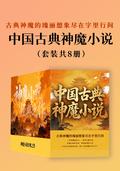 Classical Chinese Novels About Gods and Demons (Set of Eight Volumes)
"Chinese Classical Novels on Gods and Demons (Set of Eight Volumes)" selects eight representative works on ancient Chinese gods and demons by authors including Li Ruzhen, Xu Zhonglin, Li Baichuan, etc. The content spans the Ming and Qing dynasties and covers a variety of literary styles such as fantasy, cultivation, satire, and legend. The book includes "The Romance of the Gods" written by Xu Zhonglin, which depicts the magnificent myth of Jiang Ziya assisting the Zhou Dynasty in defeating Zhou
—Reads9.5Score—Shelves
Classical Chinese Novels About Gods and Demons (Set of Eight Volumes)
"Chinese Classical Novels on Gods and Demons (Set of Eight Volumes)" selects eight representative works on ancient Chinese gods and demons by authors including Li Ruzhen, Xu Zhonglin, Li Baichuan, etc. The content spans the Ming and Qing dynasties and covers a variety of literary styles such as fantasy, cultivation, satire, and legend. The book includes "The Romance of the Gods" written by Xu Zhonglin, which depicts the magnificent myth of Jiang Ziya assisting the Zhou Dynasty in defeating Zhou
—Reads9.5Score—Shelves
-
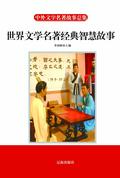 A Collection of Stories from Chinese and Foreign Literary Masterpieces: Classic Wisdom Stories from World Literary Masterpieces
This book mainly includes Chinese and foreign literary masterpieces about myths, detectives, wars, science fiction, characters, dramas, love, movies, adventures, wisdom and other plot stories. The text strives to be popular, vivid, and clear, and is highly literary, readable, and interesting. It is a good reading material for our readers to understand world literary works and improve their literary quality. It is also the best version for libraries at all levels to collect.
—Reads8.7Score—Shelves
A Collection of Stories from Chinese and Foreign Literary Masterpieces: Classic Wisdom Stories from World Literary Masterpieces
This book mainly includes Chinese and foreign literary masterpieces about myths, detectives, wars, science fiction, characters, dramas, love, movies, adventures, wisdom and other plot stories. The text strives to be popular, vivid, and clear, and is highly literary, readable, and interesting. It is a good reading material for our readers to understand world literary works and improve their literary quality. It is also the best version for libraries at all levels to collect.
—Reads8.7Score—Shelves
-
 Mirror Flowers
"Flowers in the Mirror" is a novel written by the Qing Dynasty writer Li Ruzhen. The first 50 chapters of the novel describe the story of Tang Ao, Duo Jiugong and others traveling overseas by boat. The last 50 chapters tell the story of Wu Zetian selecting talented women through the imperial examination, Tang Xiaoshan, who was entrusted by the Baihua Fairy, and a hundred talented women entrusted by other flower fairies to make a difference in the court. The author uses imaginary overseas stories
—Reads9.2Score—Shelves
Mirror Flowers
"Flowers in the Mirror" is a novel written by the Qing Dynasty writer Li Ruzhen. The first 50 chapters of the novel describe the story of Tang Ao, Duo Jiugong and others traveling overseas by boat. The last 50 chapters tell the story of Wu Zetian selecting talented women through the imperial examination, Tang Xiaoshan, who was entrusted by the Baihua Fairy, and a hundred talented women entrusted by other flower fairies to make a difference in the court. The author uses imaginary overseas stories
—Reads9.2Score—Shelves
-
 The Book of Military Affairs (Free Public Edition Book)
Chao Cuo submitted a military memorial to Emperor Wen of the Han Dynasty, which deeply analyzed the military situation at that time and put forward a series of military strategies and suggestions. The article may include insights into border defense, army construction, tactical application, etc. It aims to enhance the military power of the Western Han Dynasty and consolidate border defense. It is of great value to the study of the Western Han Dynasty's military system and Chao Cuo's military tho
—Reads8.7Score—Shelves
The Book of Military Affairs (Free Public Edition Book)
Chao Cuo submitted a military memorial to Emperor Wen of the Han Dynasty, which deeply analyzed the military situation at that time and put forward a series of military strategies and suggestions. The article may include insights into border defense, army construction, tactical application, etc. It aims to enhance the military power of the Western Han Dynasty and consolidate border defense. It is of great value to the study of the Western Han Dynasty's military system and Chao Cuo's military tho
—Reads8.7Score—Shelves
-
 Han Feizi
"Han Feizi" was written by Han Fei at the end of the Warring States Period. It is a masterpiece of Legalist thought. This book systematically expounds the Legalist ideas of rule by law, rule by technique, and rule by force. It advocates governing the country by law, emphasizing the centralization of monarchy, and governing the country through a combination of magic and force. The book also contains a large number of fables, such as waiting for the rabbit, self-contradiction, etc., Which not only
—Reads9.0Score—Shelves
Han Feizi
"Han Feizi" was written by Han Fei at the end of the Warring States Period. It is a masterpiece of Legalist thought. This book systematically expounds the Legalist ideas of rule by law, rule by technique, and rule by force. It advocates governing the country by law, emphasizing the centralization of monarchy, and governing the country through a combination of magic and force. The book also contains a large number of fables, such as waiting for the rabbit, self-contradiction, etc., Which not only
—Reads9.0Score—Shelves
-
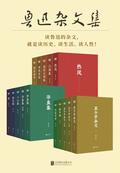 Lu Xun's Essays
The collection of Lu Xun's essays includes: Hot Wind, Sanxian Collection, Nanqianbei Diao Collection, Pseudo Free Letters, Quan Feng Yue Tan, Qie Jie Ting's Essays, Two Collections of Qie Jie Ting's Essays, The Last Collection of Qie Jie Ting's Essays, Collection Outside Collection, Tomb, Huagai Collection, Huagai Collection Sequel, Erxin Collection, Already Collection, and 15 volumes of lace literature.
—Reads9.4Score—Shelves
Lu Xun's Essays
The collection of Lu Xun's essays includes: Hot Wind, Sanxian Collection, Nanqianbei Diao Collection, Pseudo Free Letters, Quan Feng Yue Tan, Qie Jie Ting's Essays, Two Collections of Qie Jie Ting's Essays, The Last Collection of Qie Jie Ting's Essays, Collection Outside Collection, Tomb, Huagai Collection, Huagai Collection Sequel, Erxin Collection, Already Collection, and 15 volumes of lace literature.
—Reads9.4Score—Shelves
-
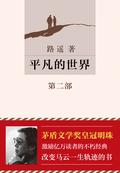 Ordinary World: Part 2
The crown jewel of the Mao Dun Literature Award An immortal classic that inspires hundreds of millions of readers Selected into reading guide catalog for primary and secondary school students Lu Yao has gained the respect and admiration of hundreds of millions of ordinary people in this world. He has connected the emotions of people in this world and humans on earth. ——Chen Zhongshi He was a brilliant writer, he was a brilliant politician, he was a magnificent man. But he was a proud man and fel
—Reads9.5Score—Shelves
Ordinary World: Part 2
The crown jewel of the Mao Dun Literature Award An immortal classic that inspires hundreds of millions of readers Selected into reading guide catalog for primary and secondary school students Lu Yao has gained the respect and admiration of hundreds of millions of ordinary people in this world. He has connected the emotions of people in this world and humans on earth. ——Chen Zhongshi He was a brilliant writer, he was a brilliant politician, he was a magnificent man. But he was a proud man and fel
—Reads9.5Score—Shelves
-
 Xijing Fu
One of Zhang Heng's "Essays on Two Capitals" of the Eastern Han Dynasty describes the prosperous scene of Chang'an, the capital of the Western Han Dynasty, with emphatic elaboration and implicit satire.
—Reads8.5Score—Shelves
Xijing Fu
One of Zhang Heng's "Essays on Two Capitals" of the Eastern Han Dynasty describes the prosperous scene of Chang'an, the capital of the Western Han Dynasty, with emphatic elaboration and implicit satire.
—Reads8.5Score—Shelves
-
 Beauty Book (Free Public Edition Book)
Xu Zhen believes that beauty has ten standards and moods, namely appearance, charm, skills, conduct, residence, hospitality, decoration, assistance, food, and interest.
—Reads8.5Score—Shelves
Beauty Book (Free Public Edition Book)
Xu Zhen believes that beauty has ten standards and moods, namely appearance, charm, skills, conduct, residence, hospitality, decoration, assistance, food, and interest.
—Reads8.5Score—Shelves
-
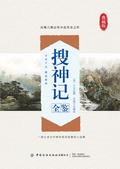 Sou Shen Ji Quan Jian
"Sou Shen Ji" was written by Qian Bao, a famous historian in the early Eastern Jin Dynasty. It has twenty volumes in existence and contains more than 400 stories, large and small. It mainly compiles stories about ghosts and gods, as well as some trivia and many folklores. Most of them are short in length, simple in plot, fantasy in conception, and full of romanticism. They are directly influenced by "The Biography of Emperor Mu" and "The Classic of Mountains and Seas". It represents the highest
—Reads8.7Score—Shelves
Sou Shen Ji Quan Jian
"Sou Shen Ji" was written by Qian Bao, a famous historian in the early Eastern Jin Dynasty. It has twenty volumes in existence and contains more than 400 stories, large and small. It mainly compiles stories about ghosts and gods, as well as some trivia and many folklores. Most of them are short in length, simple in plot, fantasy in conception, and full of romanticism. They are directly influenced by "The Biography of Emperor Mu" and "The Classic of Mountains and Seas". It represents the highest
—Reads8.7Score—Shelves
-
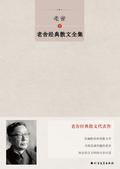 The Complete Collection of Lao She's Classic Prose
This book collects Lao She's representative prose works from various periods. Lao She's prose has delicate writing techniques, smooth structure, clear organization, rich and colorful content, and smooth and beautiful language. The prose is permeated with the author's rich social life and complex inner world. Lao She is an outstanding language master. Most of the works are based on citizens' lives, opening up important subject areas for modern Chinese literature. The natural scenery, human condit
—Reads9.3Score—Shelves
The Complete Collection of Lao She's Classic Prose
This book collects Lao She's representative prose works from various periods. Lao She's prose has delicate writing techniques, smooth structure, clear organization, rich and colorful content, and smooth and beautiful language. The prose is permeated with the author's rich social life and complex inner world. Lao She is an outstanding language master. Most of the works are based on citizens' lives, opening up important subject areas for modern Chinese literature. The natural scenery, human condit
—Reads9.3Score—Shelves
-
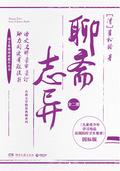 Strange Tales from a Chinese Studio: Complete Two Volumes
"Strange Stories from a Chinese Studio", abbreviated as "Liao Zhai" and commonly known as "The Legend of the Ghost Fox", is a collection of short stories in classical Chinese written by Pu Songling, a novelist of the Qing Dynasty in China. These short stories either reveal the darkness of feudal rule, criticize the corruption of the imperial examination system, or resist the constraints of feudal ethics. They have rich and profound ideological content. There are many works describing the theme o
—Reads8.8Score—Shelves
Strange Tales from a Chinese Studio: Complete Two Volumes
"Strange Stories from a Chinese Studio", abbreviated as "Liao Zhai" and commonly known as "The Legend of the Ghost Fox", is a collection of short stories in classical Chinese written by Pu Songling, a novelist of the Qing Dynasty in China. These short stories either reveal the darkness of feudal rule, criticize the corruption of the imperial examination system, or resist the constraints of feudal ethics. They have rich and profound ideological content. There are many works describing the theme o
—Reads8.8Score—Shelves
-
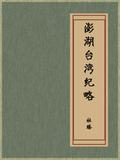 Penghu Taiwan Chronicle (Free Public Edition Book)
It records in detail the geographical environment, historical evolution, customs, politics and military of Penghu and Taiwan. Through on-the-spot investigation and data collection, the author systematically elaborates on the mountains, rivers, landforms, product resources, ethnic distribution, social systems, etc. Of the two places, providing important historical data for future generations to understand the conditions of Penghu and Taiwan at that time, and is an important document for the study
—Reads8.7Score—Shelves
Penghu Taiwan Chronicle (Free Public Edition Book)
It records in detail the geographical environment, historical evolution, customs, politics and military of Penghu and Taiwan. Through on-the-spot investigation and data collection, the author systematically elaborates on the mountains, rivers, landforms, product resources, ethnic distribution, social systems, etc. Of the two places, providing important historical data for future generations to understand the conditions of Penghu and Taiwan at that time, and is an important document for the study
—Reads8.7Score—Shelves
-
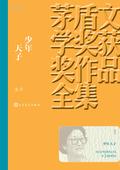 The Young Emperor (Complete Collection of Mao Dun Literature Award-Winning Works) (2019 Edition)
This is a long historical novel describing the political career and love life of Shunzhi, the first emperor after the Qing Dynasty entered the customs. During the Ming and Qing dynasties, social turmoil and conflicts intertwined, making Shunzhi's reform difficult. Shunzhi, who was extremely majestic in the Dragon Court, was actually a sentimental emperor. Regardless of the opposition of his mother and courtiers, he fell in love with Wu Yunzhu, who had become his sister-in-law. Two hearts promise
—Reads9.4Score—Shelves
The Young Emperor (Complete Collection of Mao Dun Literature Award-Winning Works) (2019 Edition)
This is a long historical novel describing the political career and love life of Shunzhi, the first emperor after the Qing Dynasty entered the customs. During the Ming and Qing dynasties, social turmoil and conflicts intertwined, making Shunzhi's reform difficult. Shunzhi, who was extremely majestic in the Dragon Court, was actually a sentimental emperor. Regardless of the opposition of his mother and courtiers, he fell in love with Wu Yunzhu, who had become his sister-in-law. Two hearts promise
—Reads9.4Score—Shelves
-
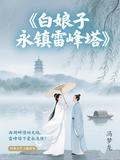 White Snake Yongzhen Leifeng Pagoda
Xu Xuan, the manager of Lin'an Prefecture's herbal medicine shop, went to Baoshu Pagoda to recommend his ancestors. On his way home, he met the master and servant of the White Snake. The white lady took the initiative to pledge herself to him. Later, because the silver ingots, clothes and fans presented by White Snake were all obtained from the official treasury, Xu Xuan was sued twice in succession. Later, the White Snake was suppressed by Fahai under the Lei Feng Tower. Xu Xuan became a monk.
—Reads8.9Score—Shelves
White Snake Yongzhen Leifeng Pagoda
Xu Xuan, the manager of Lin'an Prefecture's herbal medicine shop, went to Baoshu Pagoda to recommend his ancestors. On his way home, he met the master and servant of the White Snake. The white lady took the initiative to pledge herself to him. Later, because the silver ingots, clothes and fans presented by White Snake were all obtained from the official treasury, Xu Xuan was sued twice in succession. Later, the White Snake was suppressed by Fahai under the Lei Feng Tower. Xu Xuan became a monk.
—Reads8.9Score—Shelves
-
 Chronicles of the Ming Dynasty (Free Public Edition)
Ni Zaitian, also named Zixin and Tianfu, nicknamed Tiaocun, was from Jiangdu (now Jiangdu County, Jiangsu Province). Zhu Sheng paid attention to the historical events of the Southern Ming Dynasty and wrote "Yangzhou Imperial Bandits" and so on. "The Chronicles of the Ming Dynasty" is a continuation of "The Chronicles of the Ming Dynasty" and has the same style. Extensive search for historical materials and detailed research. A chronicle of the history of the Southern Ming Dynasty. It is believed
—Reads8.7Score—Shelves
Chronicles of the Ming Dynasty (Free Public Edition)
Ni Zaitian, also named Zixin and Tianfu, nicknamed Tiaocun, was from Jiangdu (now Jiangdu County, Jiangsu Province). Zhu Sheng paid attention to the historical events of the Southern Ming Dynasty and wrote "Yangzhou Imperial Bandits" and so on. "The Chronicles of the Ming Dynasty" is a continuation of "The Chronicles of the Ming Dynasty" and has the same style. Extensive search for historical materials and detailed research. A chronicle of the history of the Southern Ming Dynasty. It is believed
—Reads8.7Score—Shelves
-
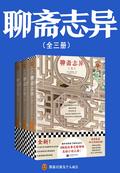 Strange Stories from a Chinese Studio (All Three Volumes)
Open the reader version of "Strange Stories from a Chinese Studio", and you will find 498 stories to fully appreciate the beauty of strange novels! Based on the photocopy of the 1955 manuscript, the four important Liaozhai editions are comprehensively reviewed! Specially included are the Records of Liaozhai, edition circulation diagrams, 533 comments by Qing people, as well as Lu Xun's Comments on Liaozhai and Feng Zhenluan's "Reading Miscellaneous Stories from Liaozhai". "Strange Stories from a
—Reads9.4Score—Shelves
Strange Stories from a Chinese Studio (All Three Volumes)
Open the reader version of "Strange Stories from a Chinese Studio", and you will find 498 stories to fully appreciate the beauty of strange novels! Based on the photocopy of the 1955 manuscript, the four important Liaozhai editions are comprehensively reviewed! Specially included are the Records of Liaozhai, edition circulation diagrams, 533 comments by Qing people, as well as Lu Xun's Comments on Liaozhai and Feng Zhenluan's "Reading Miscellaneous Stories from Liaozhai". "Strange Stories from a
—Reads9.4Score—Shelves
-
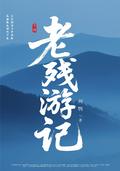 Lao Can's Travels (Original Complete Works)
One of the four major condemnation novels of the late Qing Dynasty, it is recognized as a masterpiece of world literature by UNESCO. It takes the travels of Lao Can, a doctor from Zou Fang, as the main clue, and records the people he met and the things he encountered during his travels. The book describes the hidden rules of officialdom in the late Qing Dynasty and sharply puts forward the view that "upright officials harm the people". At the same time, the work also explains the exquisite princ
—Reads9.3Score—Shelves
Lao Can's Travels (Original Complete Works)
One of the four major condemnation novels of the late Qing Dynasty, it is recognized as a masterpiece of world literature by UNESCO. It takes the travels of Lao Can, a doctor from Zou Fang, as the main clue, and records the people he met and the things he encountered during his travels. The book describes the hidden rules of officialdom in the late Qing Dynasty and sharply puts forward the view that "upright officials harm the people". At the same time, the work also explains the exquisite princ
—Reads9.3Score—Shelves
-
 Collected Works of Wang Rong
Wang Rong (467-493) was a native of Linyi, Qi Langxie in the Southern Dynasties, with a long character. Wang Sengda Sun. Bo She has literary talent. When a scholar is promoted, he is moved to a prince and sacrifices others. Xiao Ziliang, the king of Jingling, was very friendly with him and was one of the "Eight Friends of the West Palace". In order to start a family business, he wrote to Emperor Wu to ask for a self-examination and moved to Secretary Cheng. The emperor was blessed with a fragran
—Reads8.6Score—Shelves
Collected Works of Wang Rong
Wang Rong (467-493) was a native of Linyi, Qi Langxie in the Southern Dynasties, with a long character. Wang Sengda Sun. Bo She has literary talent. When a scholar is promoted, he is moved to a prince and sacrifices others. Xiao Ziliang, the king of Jingling, was very friendly with him and was one of the "Eight Friends of the West Palace". In order to start a family business, he wrote to Emperor Wu to ask for a self-examination and moved to Secretary Cheng. The emperor was blessed with a fragran
—Reads8.6Score—Shelves
-
 Wang Rong's Selected Poems
Wang Rong (467-493) was a native of Linyi, Qi Langxie in the Southern Dynasties, with a long character. Wang Sengda Sun. Bo She has literary talent. When a scholar is promoted, he is moved to a prince and sacrifices others. Xiao Ziliang, the king of Jingling, was very friendly with him and was one of the "Eight Friends of the West Palace". In order to start a family business, he wrote to Emperor Wu to ask for a self-examination and moved to Secretary Cheng. The emperor was blessed with a fragran
—Reads—Score—Shelves
Wang Rong's Selected Poems
Wang Rong (467-493) was a native of Linyi, Qi Langxie in the Southern Dynasties, with a long character. Wang Sengda Sun. Bo She has literary talent. When a scholar is promoted, he is moved to a prince and sacrifices others. Xiao Ziliang, the king of Jingling, was very friendly with him and was one of the "Eight Friends of the West Palace". In order to start a family business, he wrote to Emperor Wu to ask for a self-examination and moved to Secretary Cheng. The emperor was blessed with a fragran
—Reads—Score—Shelves
-
 The Legend of Sansui Pingyao (Original Version by Luo Guanzhong)
The content of this book is against the people's uprising movement and praises the Song Dynasty's suppression of the uprising. However, the narrative also reflects the ferocious greed of the feudal rulers and the corruption in the army at that time from certain angles.
—Reads8.6Score—Shelves
The Legend of Sansui Pingyao (Original Version by Luo Guanzhong)
The content of this book is against the people's uprising movement and praises the Song Dynasty's suppression of the uprising. However, the narrative also reflects the ferocious greed of the feudal rulers and the corruption in the army at that time from certain angles.
—Reads8.6Score—Shelves
-
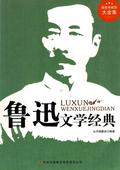 Lu Xun Literary Classics
Mr. Lu Xun was a great proletarian writer, thinker, revolutionary, and the leader of China's cultural revolution. It is also called the "national soul" by the people. Mr. Lu Xun worked hard throughout his life and created a large number of excellent works, which profoundly reflected the national characteristics of the Chinese nation, tried to awaken the sleeping people, and contributed to the rejuvenation of the Chinese nation.
—Reads9.4Score—Shelves
Lu Xun Literary Classics
Mr. Lu Xun was a great proletarian writer, thinker, revolutionary, and the leader of China's cultural revolution. It is also called the "national soul" by the people. Mr. Lu Xun worked hard throughout his life and created a large number of excellent works, which profoundly reflected the national characteristics of the Chinese nation, tried to awaken the sleeping people, and contributed to the rejuvenation of the Chinese nation.
—Reads9.4Score—Shelves
-
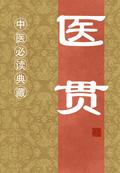 Yi Guan (A Must-Read Collection of Traditional Chinese Medicine)
This book is the representative work of Zhao Xianke, a physician in the Ming Dynasty. It consists of six volumes. It takes the "Mingmen Theory" as the core and runs through the academic thought of "kidney is the foundation of innateness". The book begins with "Picture Wings of the Nei Jing" and "Yin Yang Theory" to lay the theoretical foundation. Subsequent chapters discuss stroke, typhoid fever, miscellaneous diseases, gynecological diseases and other diseases. It advocates that "the treatment
—Reads8.6Score—Shelves
Yi Guan (A Must-Read Collection of Traditional Chinese Medicine)
This book is the representative work of Zhao Xianke, a physician in the Ming Dynasty. It consists of six volumes. It takes the "Mingmen Theory" as the core and runs through the academic thought of "kidney is the foundation of innateness". The book begins with "Picture Wings of the Nei Jing" and "Yin Yang Theory" to lay the theoretical foundation. Subsequent chapters discuss stroke, typhoid fever, miscellaneous diseases, gynecological diseases and other diseases. It advocates that "the treatment
—Reads8.6Score—Shelves