Fanqie library
Browse
- Titles
- 1.3k
Every Fanqie book we index, searchable by title, author or tag.
-
 Buddhist Names and Interpretations
[In February 1937, this book was first published and distributed by Peking University] [Popular work by Xiong Shili, a modern philosopher, thinker, and master of Chinese studies] A work explaining the Buddhist terminology of consciousness-only Dharma and Phantasm, "Buddhist Names and Phrases" takes the names and phases of Buddhism as items and the overall order of Buddhism as the program. It expounds the system of Mahayana Buddhism from the perspective of consciousness-only theory, explores the
—Reads8.7Score—Shelves
Buddhist Names and Interpretations
[In February 1937, this book was first published and distributed by Peking University] [Popular work by Xiong Shili, a modern philosopher, thinker, and master of Chinese studies] A work explaining the Buddhist terminology of consciousness-only Dharma and Phantasm, "Buddhist Names and Phrases" takes the names and phases of Buddhism as items and the overall order of Buddhism as the program. It expounds the system of Mahayana Buddhism from the perspective of consciousness-only theory, explores the
—Reads8.7Score—Shelves
-
 Book of Songs
Sinology is the study of China, which is based on the mother tongue Chinese and expresses the spiritual values and attitudes of the Chinese nation. It is conducive to gathering the cultural centripetal force of the Chinese nation and conducive to the great unity of the Chinese nation. It is the torch of life for the descendants of Yan and Huang. We must pass it on from generation to generation and carry it forward forever. The excellent traditional Chinese culture has great wisdom in thought,
—Reads8.9Score—Shelves
Book of Songs
Sinology is the study of China, which is based on the mother tongue Chinese and expresses the spiritual values and attitudes of the Chinese nation. It is conducive to gathering the cultural centripetal force of the Chinese nation and conducive to the great unity of the Chinese nation. It is the torch of life for the descendants of Yan and Huang. We must pass it on from generation to generation and carry it forward forever. The excellent traditional Chinese culture has great wisdom in thought,
—Reads8.9Score—Shelves
-
 Imitation Guide Book (Free Public Edition Book)
In the third year of Shunzhi (1646), the Qing army entered Jiangxi and Ji'an fell. Fan Kangsheng followed the governor Wan Yuanji to retreat to Zaokou and entered Ganzhou. Wan Yuanji mobilized Ming troops from all over the city and soldiers and civilians in the city to stand firm and repel the Qing troops. Shaozong was in Fujian and could not send troops to rescue him, so he was only named Zhongyi Mansion. Later, the Qing army broke through the city. Wan Yuanji, Yang Tinglin and others died in t
—Reads—Score—Shelves
Imitation Guide Book (Free Public Edition Book)
In the third year of Shunzhi (1646), the Qing army entered Jiangxi and Ji'an fell. Fan Kangsheng followed the governor Wan Yuanji to retreat to Zaokou and entered Ganzhou. Wan Yuanji mobilized Ming troops from all over the city and soldiers and civilians in the city to stand firm and repel the Qing troops. Shaozong was in Fujian and could not send troops to rescue him, so he was only named Zhongyi Mansion. Later, the Qing army broke through the city. Wan Yuanji, Yang Tinglin and others died in t
—Reads—Score—Shelves
-
 Essentials of Danxi's Treatment
"The Essentials of Danxi's Treatment", originally titled "Zhu Danxi Shu", was edited and compiled by his disciples and private scholars. Corrected and reengraved by Gaobin (Shuyuan) of Ming Dynasty. This book has a total of 8 volumes, covering 154 types of internal, external, women's and children's diseases. The explanation of the cause, syndrome and treatment is concise, the text is subtle and profound, and many cases are not yet understood by previous sages. It can be regarded as a masterpiece
—Reads8.4Score—Shelves
Essentials of Danxi's Treatment
"The Essentials of Danxi's Treatment", originally titled "Zhu Danxi Shu", was edited and compiled by his disciples and private scholars. Corrected and reengraved by Gaobin (Shuyuan) of Ming Dynasty. This book has a total of 8 volumes, covering 154 types of internal, external, women's and children's diseases. The explanation of the cause, syndrome and treatment is concise, the text is subtle and profound, and many cases are not yet understood by previous sages. It can be regarded as a masterpiece
—Reads8.4Score—Shelves
-
 Chronicles of the Later Zhou Dynasty (Free Public Edition Book)
It mainly records the history of the Later Zhou Dynasty during the Five Dynasties and Ten Kingdoms period, including the reforms and military actions during the establishment of the Later Zhou Dynasty by Guo Wei and the reign of Chai Rong. Chai Rong's reforms played an important role in promoting the economic and military development of the Later Zhou Dynasty. The development of the Later Zhou Dynasty laid the foundation for the unification of the Northern Song Dynasty. This part of the content
—Reads8.7Score—Shelves
Chronicles of the Later Zhou Dynasty (Free Public Edition Book)
It mainly records the history of the Later Zhou Dynasty during the Five Dynasties and Ten Kingdoms period, including the reforms and military actions during the establishment of the Later Zhou Dynasty by Guo Wei and the reign of Chai Rong. Chai Rong's reforms played an important role in promoting the economic and military development of the Later Zhou Dynasty. The development of the Later Zhou Dynasty laid the foundation for the unification of the Northern Song Dynasty. This part of the content
—Reads8.7Score—Shelves
-
 Book of Changes
The Book of Changes talks about human plans, not divine plans or ghost plans. The whole work is always permeated with the idea that human factors play a decisive role. It is believed that people's moral cultivation and subjective efforts can turn disaster into good luck and promote changes in things. I believe in the role of human resources in transforming the environment and promoting the transformation of things. Some people think that the "Book of Changes" is a book about fortune-telling and
—Reads8.4Score—Shelves
Book of Changes
The Book of Changes talks about human plans, not divine plans or ghost plans. The whole work is always permeated with the idea that human factors play a decisive role. It is believed that people's moral cultivation and subjective efforts can turn disaster into good luck and promote changes in things. I believe in the role of human resources in transforming the environment and promoting the transformation of things. Some people think that the "Book of Changes" is a book about fortune-telling and
—Reads8.4Score—Shelves
-
 Insights from the Book of Changes
The "Book of Changes" seems unfathomable, but in fact, the "Book of Changes" is derived from reality, and it must also be able to guide reality. The Book of Changes is an exploration of the mysteries of the universe, a summary of the philosophy of life, and a summary of the relationship between heaven, earth, and man. If a thousand people read the "Book of Changes", they will have a thousand different interpretations, but they will also get a thousand different gains.
—Reads9.4Score—Shelves
Insights from the Book of Changes
The "Book of Changes" seems unfathomable, but in fact, the "Book of Changes" is derived from reality, and it must also be able to guide reality. The Book of Changes is an exploration of the mysteries of the universe, a summary of the philosophy of life, and a summary of the relationship between heaven, earth, and man. If a thousand people read the "Book of Changes", they will have a thousand different interpretations, but they will also get a thousand different gains.
—Reads9.4Score—Shelves
-
 Zhouyi
"The Book of Changes" occupies an extremely important position in the history of Chinese culture. Confucianism respects it as "the first of the group of scriptures", and Taoism respects it as "one of the three mysteries". Its esoteric philosophy and image-number schema of exploring the hidden and mysterious universe are also unique in the history of world culture. From the Book of Changes, philosophers can see dialectical thinking, historians can see the rise and fall of history, politicians can
—Reads8.6Score—Shelves
Zhouyi
"The Book of Changes" occupies an extremely important position in the history of Chinese culture. Confucianism respects it as "the first of the group of scriptures", and Taoism respects it as "one of the three mysteries". Its esoteric philosophy and image-number schema of exploring the hidden and mysterious universe are also unique in the history of world culture. From the Book of Changes, philosophers can see dialectical thinking, historians can see the rise and fall of history, politicians can
—Reads8.6Score—Shelves
-
 Wang Guowei: Miscellaneous Notes on Dongshan
[Chinese Studies Master Wang Guowei's Classical Works on Chinese Studies] "Dongshan Miscellaneous Notes" mainly tells about the etiquette, architecture and cultural heritage of ancient China. By describing the ancient etiquette system, architecture and cultural heritage, it shows the rich diversity of social life and cultural heritage in ancient China, as well as the historical significance and cultural value behind these cultures and etiquette.
—Reads8.3Score—Shelves
Wang Guowei: Miscellaneous Notes on Dongshan
[Chinese Studies Master Wang Guowei's Classical Works on Chinese Studies] "Dongshan Miscellaneous Notes" mainly tells about the etiquette, architecture and cultural heritage of ancient China. By describing the ancient etiquette system, architecture and cultural heritage, it shows the rich diversity of social life and cultural heritage in ancient China, as well as the historical significance and cultural value behind these cultures and etiquette.
—Reads8.3Score—Shelves
-
 Zhengmeng
"Zhengmeng", also known as "Zhang Zizhengmeng", Zhang Zai is one of the five sons of the Northern Song Dynasty and an unavoidable figure in the history of Neo-Confucianism in the Song and Ming Dynasties. Most of his works have been lost. Fortunately, "Zheng Meng", as his most important work, has been preserved, which is a blessing to future generations. It was written in the ninth year of Xining (1076). "Meng" is the name of a hexagram in the "Book of Changes". The hexagram contains the phrase "
—Reads9.4Score—Shelves
Zhengmeng
"Zhengmeng", also known as "Zhang Zizhengmeng", Zhang Zai is one of the five sons of the Northern Song Dynasty and an unavoidable figure in the history of Neo-Confucianism in the Song and Ming Dynasties. Most of his works have been lost. Fortunately, "Zheng Meng", as his most important work, has been preserved, which is a blessing to future generations. It was written in the ninth year of Xining (1076). "Meng" is the name of a hexagram in the "Book of Changes". The hexagram contains the phrase "
—Reads9.4Score—Shelves
-
 Book of the Northern Qi Dynasty
"Book of Northern Qi" was written by Li Baiyao, a historian of the Tang Dynasty. It is a chronological history with a total of 50 volumes, 8 volumes of chronicles, and 42 volumes of biographies. It records the beginning about ten years before the split of the Northern Wei Dynasty, followed by the split of the Northern Wei Dynasty, the founding of the Eastern Wei Dynasty, the replacement of the Eastern Wei Dynasty by the Northern Qi Dynasty, and the end of the Northern Qi Dynasty. It covers about
—Reads8.9Score—Shelves
Book of the Northern Qi Dynasty
"Book of Northern Qi" was written by Li Baiyao, a historian of the Tang Dynasty. It is a chronological history with a total of 50 volumes, 8 volumes of chronicles, and 42 volumes of biographies. It records the beginning about ten years before the split of the Northern Wei Dynasty, followed by the split of the Northern Wei Dynasty, the founding of the Eastern Wei Dynasty, the replacement of the Eastern Wei Dynasty by the Northern Qi Dynasty, and the end of the Northern Qi Dynasty. It covers about
—Reads8.9Score—Shelves
-
 Return to Origin (Free Public Edition Book)
An important classic of the Southern Taoist sect of the Song Dynasty, it explains the basic principles of inner alchemy cultivation and the cultivation method of "double cultivation of life and life".
—Reads8.5Score—Shelves
Return to Origin (Free Public Edition Book)
An important classic of the Southern Taoist sect of the Song Dynasty, it explains the basic principles of inner alchemy cultivation and the cultivation method of "double cultivation of life and life".
—Reads8.5Score—Shelves
-
 Western Ascension Meridian
The Western Sheng Jing is a Taoist classic. Its full name is "The Western Sheng Jing of Laozi" and it is one of the five works of Laozi. "Taoist Teachings" says: "Yin Sheng received only five volumes including "Daode", "Miaozhen", and "Xisheng"." According to the Southern Song Dynasty Zhao Xibi's "Mr. Zhaode's Reading Notes", this sutra was compiled by Yin happy, the order of Hangu Pass, according to Laozi. This sutra was first recorded and later written down. It is an important classic of early
—Reads8.5Score—Shelves
Western Ascension Meridian
The Western Sheng Jing is a Taoist classic. Its full name is "The Western Sheng Jing of Laozi" and it is one of the five works of Laozi. "Taoist Teachings" says: "Yin Sheng received only five volumes including "Daode", "Miaozhen", and "Xisheng"." According to the Southern Song Dynasty Zhao Xibi's "Mr. Zhaode's Reading Notes", this sutra was compiled by Yin happy, the order of Hangu Pass, according to Laozi. This sutra was first recorded and later written down. It is an important classic of early
—Reads8.5Score—Shelves
-
 A Study on the Eight Extraordinary Meridians
"A Study of the Eight Extraordinary Meridians", a special book on meridians. One roll. Written by Li Shizhen of Ming Dynasty. Published in 1578. This book discusses the Eight Extraordinary Meridians, examines relevant literature from past dynasties, systematically summarizes and organizes the circulation and disease of each Extraordinary Meridian, and puts forward the author's personal opinions. It is an important work on the study of the Eight Extraordinary Meridians. There are now Qing Dynasty
—Reads9.2Score—Shelves
A Study on the Eight Extraordinary Meridians
"A Study of the Eight Extraordinary Meridians", a special book on meridians. One roll. Written by Li Shizhen of Ming Dynasty. Published in 1578. This book discusses the Eight Extraordinary Meridians, examines relevant literature from past dynasties, systematically summarizes and organizes the circulation and disease of each Extraordinary Meridian, and puts forward the author's personal opinions. It is an important work on the study of the Eight Extraordinary Meridians. There are now Qing Dynasty
—Reads9.2Score—Shelves
-
 Ge Zhi Yu Lun
"Ge Zhi Yu Lun" is a collection of Zhu's medical treatises, with 1 volume and a total of 42 medical treatises. The content is quite extensive, and the order of the chapters is irregular. It has the charm of essays. If we do not stick to the order of the original book and classify it according to the content of the discussion, it can be roughly divided into: those on rejuvenation, such as "Eating and Drinking, Lust and Desire", "On Elderly Care", etc.; Those on physiology and pathology, such as "
—Reads8.8Score—Shelves
Ge Zhi Yu Lun
"Ge Zhi Yu Lun" is a collection of Zhu's medical treatises, with 1 volume and a total of 42 medical treatises. The content is quite extensive, and the order of the chapters is irregular. It has the charm of essays. If we do not stick to the order of the original book and classify it according to the content of the discussion, it can be roughly divided into: those on rejuvenation, such as "Eating and Drinking, Lust and Desire", "On Elderly Care", etc.; Those on physiology and pathology, such as "
—Reads8.8Score—Shelves
-
 Zizhi Tongjian
This book covers the epitome of China's 1362 years of history, culture, politics, economy, and characters. It is a historical masterpiece that is sufficient to understand China's political operations and power games. It is also a history book that ancient emperors can use to govern in light of the past. The thousand-year history of such a huge country is condensed into three million words. It is very difficult to understand it clearly. Only in this way can we truly have a deep understanding of t
—Reads9.3Score—Shelves
Zizhi Tongjian
This book covers the epitome of China's 1362 years of history, culture, politics, economy, and characters. It is a historical masterpiece that is sufficient to understand China's political operations and power games. It is also a history book that ancient emperors can use to govern in light of the past. The thousand-year history of such a huge country is condensed into three million words. It is very difficult to understand it clearly. Only in this way can we truly have a deep understanding of t
—Reads9.3Score—Shelves
-
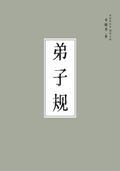 Disciple Rules
"Disciples' Regulations" is a Confucian enlightenment classic with only more than a thousand words. In the form of three characters, one sentence, two sentences and one rhyme, it comprehensively explains the etiquette and norms that disciples should have at home, going out, dealing with others, and studying. It has concise language and profound meaning. It is a must-read for educating children and developing good moral character.
—Reads9.3Score—Shelves
Disciple Rules
"Disciples' Regulations" is a Confucian enlightenment classic with only more than a thousand words. In the form of three characters, one sentence, two sentences and one rhyme, it comprehensively explains the etiquette and norms that disciples should have at home, going out, dealing with others, and studying. It has concise language and profound meaning. It is a must-read for educating children and developing good moral character.
—Reads9.3Score—Shelves
-
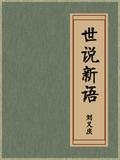 Shishuoxinyu
"Shishuoxinyu" is a representative work of "note novels" during the Wei, Jin, Southern and Northern Dynasties in China. It mainly records the words, deeds, anecdotes and anecdotes of the gentry class as well as the situation of the ruling class at that time. The book contains a total of 36 chapters and 1,000 items, covering politics, economy, society, literature, thought and many other aspects. Therefore, it is also an important material for studying the history of this period. It not only truly
—Reads9.4Score—Shelves
Shishuoxinyu
"Shishuoxinyu" is a representative work of "note novels" during the Wei, Jin, Southern and Northern Dynasties in China. It mainly records the words, deeds, anecdotes and anecdotes of the gentry class as well as the situation of the ruling class at that time. The book contains a total of 36 chapters and 1,000 items, covering politics, economy, society, literature, thought and many other aspects. Therefore, it is also an important material for studying the history of this period. It not only truly
—Reads9.4Score—Shelves
-
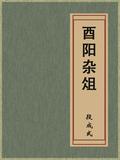 Youyang Zazu (Free Public Edition Book)
This book records certain folklore stories for the first time, and they are the earliest basis for studying certain types of legends. The "Summary of the General Catalog of Sikuquanshu" believes that it specializes in "weird and unfounded talk, absurd and nonsensical things". In addition to recording a lot of natural science knowledge and customs, it also records some alchemy content.
—Reads9.2Score—Shelves
Youyang Zazu (Free Public Edition Book)
This book records certain folklore stories for the first time, and they are the earliest basis for studying certain types of legends. The "Summary of the General Catalog of Sikuquanshu" believes that it specializes in "weird and unfounded talk, absurd and nonsensical things". In addition to recording a lot of natural science knowledge and customs, it also records some alchemy content.
—Reads9.2Score—Shelves
-
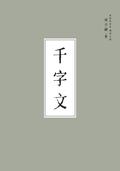 Thousand-Character Essay
"The Thousand Character Classic" was compiled by Xingsi of Liang Zhou in the Southern Dynasty. The full text consists of a thousand non-repeated Chinese characters, four characters per sentence, and the sentences rhyme. The content covers astronomy, nature, self-cultivation, history, etc. This children's enlightenment book has simple sentences, is easy to recite and remember, and has far-reaching influence. It is an important work in the history of ancient Chinese education.
—Reads9.2Score—Shelves
Thousand-Character Essay
"The Thousand Character Classic" was compiled by Xingsi of Liang Zhou in the Southern Dynasty. The full text consists of a thousand non-repeated Chinese characters, four characters per sentence, and the sentences rhyme. The content covers astronomy, nature, self-cultivation, history, etc. This children's enlightenment book has simple sentences, is easy to recite and remember, and has far-reaching influence. It is an important work in the history of ancient Chinese education.
—Reads9.2Score—Shelves
-
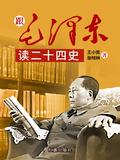 Read the Twenty-Four Histories with Mao Zedong
"Twenty-Four Histories" is a voluminous Chinese historical classic. It begins with the "Historical Records" written by Sima Qian of the Western Han Dynasty and has been carefully compiled by famous historians from all dynasties over more than 2,000 years. It is a collection of biographical history books, with a total of 3,259 volumes and about 40 million words. It describes the politics, economy, culture, astronomy, geography and other aspects of the Chinese nation for more than 4,000 years from
—Reads8.4Score—Shelves
Read the Twenty-Four Histories with Mao Zedong
"Twenty-Four Histories" is a voluminous Chinese historical classic. It begins with the "Historical Records" written by Sima Qian of the Western Han Dynasty and has been carefully compiled by famous historians from all dynasties over more than 2,000 years. It is a collection of biographical history books, with a total of 3,259 volumes and about 40 million words. It describes the politics, economy, culture, astronomy, geography and other aspects of the Chinese nation for more than 4,000 years from
—Reads8.4Score—Shelves
-
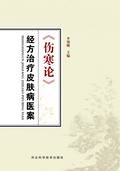 "Treatise on Febrile Diseases" Classical Prescriptions for Treating Skin Diseases
This book divides the prescriptions used to treat skin diseases in Treatise on Febrile Diseases into seven chapters according to the "Six Meridians Syndrome Differentiation": Taiyang Disease, Yangming Disease, Shaoyang Disease, Taiyin Disease, Shaoyin Disease, Jueyin Disease, and Cholera Disease. Each prescription is described in detail from the original text of Treatise on Febrile Diseases, prescription explanation and clinical application, and the symptoms, syndrome types, syndrome differentia
—Reads9.3Score—Shelves
"Treatise on Febrile Diseases" Classical Prescriptions for Treating Skin Diseases
This book divides the prescriptions used to treat skin diseases in Treatise on Febrile Diseases into seven chapters according to the "Six Meridians Syndrome Differentiation": Taiyang Disease, Yangming Disease, Shaoyang Disease, Taiyin Disease, Shaoyin Disease, Jueyin Disease, and Cholera Disease. Each prescription is described in detail from the original text of Treatise on Febrile Diseases, prescription explanation and clinical application, and the symptoms, syndrome types, syndrome differentia
—Reads9.3Score—Shelves
-
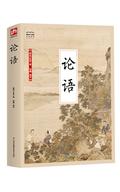 The Analects of Confucius (National Academy of Chinese Studies)
The Analects of Confucius records the words and deeds of Confucius and his disciples in the form of quotations. It is the origin of Chinese Confucian culture and is respected as the standard by the Confucian school. Since the Western Han Dynasty, Confucius' theory expressed in the Analects has been rapidly spread, and its influence has spread across various fields such as politics, economy, thought, culture, education, ethics and morality, and has become a major symbol of traditional Chinese cul
—Reads9.4Score—Shelves
The Analects of Confucius (National Academy of Chinese Studies)
The Analects of Confucius records the words and deeds of Confucius and his disciples in the form of quotations. It is the origin of Chinese Confucian culture and is respected as the standard by the Confucian school. Since the Western Han Dynasty, Confucius' theory expressed in the Analects has been rapidly spread, and its influence has spread across various fields such as politics, economy, thought, culture, education, ethics and morality, and has become a major symbol of traditional Chinese cul
—Reads9.4Score—Shelves
-
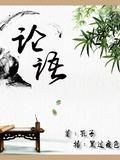 The Analects of Confucius
"The Analects of Confucius" is a collection of quotations from Confucius and his disciples. It was compiled by Confucius's disciples and his disciples and was written in the early Warring States period.
—Reads8.4Score—Shelves
The Analects of Confucius
"The Analects of Confucius" is a collection of quotations from Confucius and his disciples. It was compiled by Confucius's disciples and his disciples and was written in the early Warring States period.
—Reads8.4Score—Shelves
-
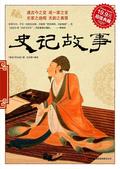 Historical Stories (Super Value Collection)
"Historical Records" was written by Sima Qian, a famous historian and writer during the Western Han Dynasty. It records the historical changes of more than 3,000 years from Xuanyuan to the Taichu reign of Emperor Wu of the Han Dynasty. It is large in scale and has a complete system. It involves philosophy, politics, economics, literature, aesthetics, astronomy, geography and even medical divination. It covers almost all the contents of social activities in various historical periods. It can be c
—Reads9.3Score—Shelves
Historical Stories (Super Value Collection)
"Historical Records" was written by Sima Qian, a famous historian and writer during the Western Han Dynasty. It records the historical changes of more than 3,000 years from Xuanyuan to the Taichu reign of Emperor Wu of the Han Dynasty. It is large in scale and has a complete system. It involves philosophy, politics, economics, literature, aesthetics, astronomy, geography and even medical divination. It covers almost all the contents of social activities in various historical periods. It can be c
—Reads9.3Score—Shelves
-
 Urging Officials (Free Public Edition Book)
The Feng Shui classics of the Song Dynasty use the sand and water of dragon caves to discuss geographical good and bad luck, and focus on the relationship between the location of the Yangzhai and the official fortune.
—Reads8.6Score—Shelves
Urging Officials (Free Public Edition Book)
The Feng Shui classics of the Song Dynasty use the sand and water of dragon caves to discuss geographical good and bad luck, and focus on the relationship between the location of the Yangzhai and the official fortune.
—Reads8.6Score—Shelves
-
 Six Types of Han Officials (Free Public Edition Book)
10 Volumes. Edited and edited by Sun Xingyan, a native of the Qing Dynasty. It includes 1 volume of "Han Guan", written by Wang Long of the Eastern Han Dynasty; 1 volume of "Han Guan Jiexe", annotated by Hu Guang of the Eastern Han Dynasty; 2 volumes of "Han Guan Jiu Yi" (also known as "Han Guan Jiu Yi"), written by Wei Hong of the Eastern Han Dynasty; 2 volumes of "Han Guan Yi", Written by Ying Shao of the Eastern Han Dynasty; "Selection of Ceremonies for the Ceremony of Officials of the Han Dy
—Reads8.6Score—Shelves
Six Types of Han Officials (Free Public Edition Book)
10 Volumes. Edited and edited by Sun Xingyan, a native of the Qing Dynasty. It includes 1 volume of "Han Guan", written by Wang Long of the Eastern Han Dynasty; 1 volume of "Han Guan Jiexe", annotated by Hu Guang of the Eastern Han Dynasty; 2 volumes of "Han Guan Jiu Yi" (also known as "Han Guan Jiu Yi"), written by Wei Hong of the Eastern Han Dynasty; 2 volumes of "Han Guan Yi", Written by Ying Shao of the Eastern Han Dynasty; "Selection of Ceremonies for the Ceremony of Officials of the Han Dy
—Reads8.6Score—Shelves
-
 Ancient Pulse Method Secretly Taught by Alchemy Doctors (Free Public Edition Book)
Books on religious philosophy. The Origin of Dividing Meridians and Waiting for Pulses There is a big difference between the ancient method of dividing and waiting for pulses and the current method of using Cunkou to cut pulses alone. Meridian division not only has many advantages, but is also well-founded in the theory of traditional Chinese medicine. Wang Shuhe's "Mai Jing" and Gao Yangsheng's "Mai Jue" are two earlier monographs on pulse science in my country. Prior to this, records about pul
—Reads8.6Score—Shelves
Ancient Pulse Method Secretly Taught by Alchemy Doctors (Free Public Edition Book)
Books on religious philosophy. The Origin of Dividing Meridians and Waiting for Pulses There is a big difference between the ancient method of dividing and waiting for pulses and the current method of using Cunkou to cut pulses alone. Meridian division not only has many advantages, but is also well-founded in the theory of traditional Chinese medicine. Wang Shuhe's "Mai Jing" and Gao Yangsheng's "Mai Jue" are two earlier monographs on pulse science in my country. Prior to this, records about pul
—Reads8.6Score—Shelves
-
 A Brief Introduction to Zhouyi (Free Public Edition Book)
Eight volumes, written by Chen Menglei of the Qing Dynasty. The book was written in the Jiashu Year of Kangxi (1694). Written by Chen Menglei (1650-1741) of the Qing Dynasty. Chen Menglei's courtesy name is Zezhen, and his later nickname is Songhe Laoren. A native of Min County, Fujian Province. Shunzhi Ji Chou became a Jinshi. From official to Hanlin, he edited and edited. In the 21st year of Kangxi's reign (1682), he was banished to Shangyang Fort in Shenyang. More than 18 years later, he was
—Reads8.6Score—Shelves
A Brief Introduction to Zhouyi (Free Public Edition Book)
Eight volumes, written by Chen Menglei of the Qing Dynasty. The book was written in the Jiashu Year of Kangxi (1694). Written by Chen Menglei (1650-1741) of the Qing Dynasty. Chen Menglei's courtesy name is Zezhen, and his later nickname is Songhe Laoren. A native of Min County, Fujian Province. Shunzhi Ji Chou became a Jinshi. From official to Hanlin, he edited and edited. In the 21st year of Kangxi's reign (1682), he was banished to Shangyang Fort in Shenyang. More than 18 years later, he was
—Reads8.6Score—Shelves
-
 Materia Medica Mengquan (Free Public Edition Book)
An introductory book that introduces the properties, taste, and efficacy of medicines in the form of verses.
—Reads8.7Score—Shelves
Materia Medica Mengquan (Free Public Edition Book)
An introductory book that introduces the properties, taste, and efficacy of medicines in the form of verses.
—Reads8.7Score—Shelves
-
 Complete Book of Changes
This work "The Complete Book of Changes" is written by Hu Guang
—Reads8.2Score—Shelves
Complete Book of Changes
This work "The Complete Book of Changes" is written by Hu Guang
—Reads8.2Score—Shelves
-
 Complete Collection of Books and Biographies
This work "Collection of Biography" is written by Hu Guang
—Reads7.9Score—Shelves
Complete Collection of Books and Biographies
This work "Collection of Biography" is written by Hu Guang
—Reads7.9Score—Shelves
-
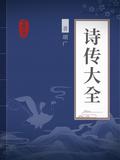 Complete Poems
This work "The Complete Collection of Poems" was written by Hu Guang, Ming Dynasty. The "Collection of Poems" is a cultural relic of the Ming Dynasty and is now in the Nanjing Museum.
—Reads7.7Score—Shelves
Complete Poems
This work "The Complete Collection of Poems" was written by Hu Guang, Ming Dynasty. The "Collection of Poems" is a cultural relic of the Ming Dynasty and is now in the Nanjing Museum.
—Reads7.7Score—Shelves
-
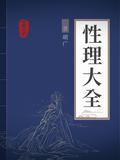 Encyclopedia of Sexual Theory
"The Encyclopedia of Xingli" is a compilation of Song Confucian Xingli theories compiled by Hu Guang and others at the order of Chengzu in the 13th year of Yongle. "Xingli" comes from "Xingli Ziyi" written by Chen Chun, a disciple of Zhu Xi. Seventy volumes in total. There are 120 miscellaneous copies of Song Confucianism. The first twenty-six volumes are compiled into nine volumes, including "Tai Chi Illustrations", "Tong Shu", "Xi Ming", "Zheng Meng", "Huang Ji Jing Shi", "Yixue Enlightenment"
—Reads9.2Score—Shelves
Encyclopedia of Sexual Theory
"The Encyclopedia of Xingli" is a compilation of Song Confucian Xingli theories compiled by Hu Guang and others at the order of Chengzu in the 13th year of Yongle. "Xingli" comes from "Xingli Ziyi" written by Chen Chun, a disciple of Zhu Xi. Seventy volumes in total. There are 120 miscellaneous copies of Song Confucianism. The first twenty-six volumes are compiled into nine volumes, including "Tai Chi Illustrations", "Tong Shu", "Xi Ming", "Zheng Meng", "Huang Ji Jing Shi", "Yixue Enlightenment"
—Reads9.2Score—Shelves
-
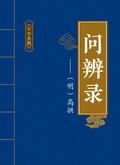 Ask and Identify Records
Vernacular version of "Wenbianlu": a classic of Confucian speculation on names and appearances in the Ming Dynasty "Wenbianlu" written by Gao Gong is an important Confucian treatise in the middle and late Ming Dynasty. The vernacular version makes the classic speculation easily accessible to readers. As an important political official during the Jiajing and Longqing years, Gao Gong examined Confucian classics from a pragmatic perspective and put forward many unique "questions and interpretations
—Reads7.9Score—Shelves
Ask and Identify Records
Vernacular version of "Wenbianlu": a classic of Confucian speculation on names and appearances in the Ming Dynasty "Wenbianlu" written by Gao Gong is an important Confucian treatise in the middle and late Ming Dynasty. The vernacular version makes the classic speculation easily accessible to readers. As an important political official during the Jiajing and Longqing years, Gao Gong examined Confucian classics from a pragmatic perspective and put forward many unique "questions and interpretations
—Reads7.9Score—Shelves
-
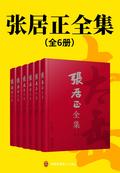 The Complete Works of Zhang Juzheng (Six Volumes in Total)
"The Complete Works of Zhang Juzheng" contains a total of 6 kinds of Zhang Juzheng's writings, 2 kinds of doubtful works signed by Zhang Juzheng in the appendix, and an appendix of selected materials of Zhang Juzheng. This publication has carried out new punctuation and collation, and classified it according to the classics and history subsets. For the first time, almost all the existing texts of Zhang Juzheng have been compiled and compiled. It is of great value to the study of Zhang Juzheng hi
—Reads8.9Score—Shelves
The Complete Works of Zhang Juzheng (Six Volumes in Total)
"The Complete Works of Zhang Juzheng" contains a total of 6 kinds of Zhang Juzheng's writings, 2 kinds of doubtful works signed by Zhang Juzheng in the appendix, and an appendix of selected materials of Zhang Juzheng. This publication has carried out new punctuation and collation, and classified it according to the classics and history subsets. For the first time, almost all the existing texts of Zhang Juzheng have been compiled and compiled. It is of great value to the study of Zhang Juzheng hi
—Reads8.9Score—Shelves
-
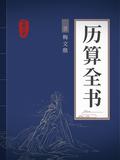 Complete Calendar Book
This work "Calendar Complete Book" is written by Mei Wending
—Reads8.2Score—Shelves
Complete Calendar Book
This work "Calendar Complete Book" is written by Mei Wending
—Reads8.2Score—Shelves
-
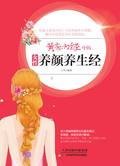 Women's Beauty and Health Care in the Huangdi Neijing
"The Yellow Emperor's Inner Canon" has been circulated for thousands of years and is the foundation work of traditional Chinese medicine. This book interprets traditional Chinese medicine's thousand-year-old masterpiece of health and beauty with modern means, comprehensively determines personal physique, and tailors a secret personalized beauty and health regimen for female friends. The systems are different, and the beauty plans vary widely. Only by taking care of yourself correctly can you be
—Reads9.5Score—Shelves
Women's Beauty and Health Care in the Huangdi Neijing
"The Yellow Emperor's Inner Canon" has been circulated for thousands of years and is the foundation work of traditional Chinese medicine. This book interprets traditional Chinese medicine's thousand-year-old masterpiece of health and beauty with modern means, comprehensively determines personal physique, and tailors a secret personalized beauty and health regimen for female friends. The systems are different, and the beauty plans vary widely. Only by taking care of yourself correctly can you be
—Reads9.5Score—Shelves
-
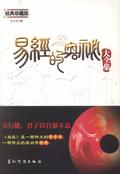 The Complete Collection of Mysteries of the I Ching
The Book of Changes is a classic of ancient Chinese philosophical thought and has had a profound impact on later generations. This precious spirit of constant self-improvement and pursuit of change is the source of wisdom for the Chinese people to achieve continuous success.
—Reads9.3Score—Shelves
The Complete Collection of Mysteries of the I Ching
The Book of Changes is a classic of ancient Chinese philosophical thought and has had a profound impact on later generations. This precious spirit of constant self-improvement and pursuit of change is the source of wisdom for the Chinese people to achieve continuous success.
—Reads9.3Score—Shelves
-
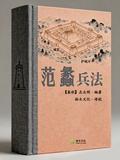 Fan Li's Art of War
"Fan Li's Art of War" (excerpted from "Guoyu") is a record of practical wisdom by Fan Li, a strategist in the Spring and Autumn Period. It takes Wu and Yue's struggle for hegemony as the background and records Fan Li's core strategy of assisting Gou Jian in restoring the country and destroying Wu. The whole book focuses on the core idea of "the one who maintains profit is related to heaven, the one who is determined is related to people, the one who is in trouble is related to the earth", and
—Reads8.1Score—Shelves
Fan Li's Art of War
"Fan Li's Art of War" (excerpted from "Guoyu") is a record of practical wisdom by Fan Li, a strategist in the Spring and Autumn Period. It takes Wu and Yue's struggle for hegemony as the background and records Fan Li's core strategy of assisting Gou Jian in restoring the country and destroying Wu. The whole book focuses on the core idea of "the one who maintains profit is related to heaven, the one who is determined is related to people, the one who is in trouble is related to the earth", and
—Reads8.1Score—Shelves
-
 Si Xuan Fu
The lyrical poems created by Zhang Heng of the Eastern Han Dynasty express his dissatisfaction with real politics and his desire to avoid harm through his imagination of traveling to heaven.
—Reads8.6Score—Shelves
Si Xuan Fu
The lyrical poems created by Zhang Heng of the Eastern Han Dynasty express his dissatisfaction with real politics and his desire to avoid harm through his imagination of traveling to heaven.
—Reads8.6Score—Shelves
-
 Tea Classic
This book is a comprehensive treatise on the history, origin, current situation, production technology, tea drinking techniques, and tea ceremony principles of tea production. It is an epoch-making monograph on tea science, an incisive agricultural work, and a book that explains tea culture. Elevating the ordinary tea ceremony into a wonderful cultural art has promoted the development of Chinese tea culture.
—Reads8.5Score—Shelves
Tea Classic
This book is a comprehensive treatise on the history, origin, current situation, production technology, tea drinking techniques, and tea ceremony principles of tea production. It is an epoch-making monograph on tea science, an incisive agricultural work, and a book that explains tea culture. Elevating the ordinary tea ceremony into a wonderful cultural art has promoted the development of Chinese tea culture.
—Reads8.5Score—Shelves
-
 Essays on Calligraphy (Free Public Edition Book)
The calligraphy notes of Fu Shan, a calligrapher in the late Ming and early Qing dynasties, advocated "it is better to be clumsy than skillful", reflecting his unique aesthetics.
—Reads8.7Score—Shelves
Essays on Calligraphy (Free Public Edition Book)
The calligraphy notes of Fu Shan, a calligrapher in the late Ming and early Qing dynasties, advocated "it is better to be clumsy than skillful", reflecting his unique aesthetics.
—Reads8.7Score—Shelves
-
 Fragrance Spectrum
There are two volumes of "Xiang Pu". The original author's name is not mentioned in the old version. Zuo Gui's "Baichuan Xuehai" was written by Song Hongchu. Chu, courtesy name Jufu, was born in Nanchang. In the first year of Shaosheng's reign, he became a Jinshi, a middle-ranking official in Jingkang, and admonished the officials. He was banished to Salmon Island and died. He wrote "Xiangpu" and recorded it in "Song History, Art and Literature". Zhou Zizhi's "Taicang Fanmi Collection" contains
—Reads8.3Score—Shelves
Fragrance Spectrum
There are two volumes of "Xiang Pu". The original author's name is not mentioned in the old version. Zuo Gui's "Baichuan Xuehai" was written by Song Hongchu. Chu, courtesy name Jufu, was born in Nanchang. In the first year of Shaosheng's reign, he became a Jinshi, a middle-ranking official in Jingkang, and admonished the officials. He was banished to Salmon Island and died. He wrote "Xiangpu" and recorded it in "Song History, Art and Literature". Zhou Zizhi's "Taicang Fanmi Collection" contains
—Reads8.3Score—Shelves
-
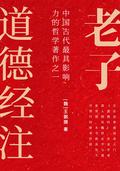 Notes on Laozi's Tao Te Ching
The Tao Te Ching is one of the most influential philosophical works in ancient China, and has profoundly shaped the development of later generations of thought and culture. The Commentary on Laozi written by Wang Bi not only provides an important way to understand the original text of the Tao Te Ching, but is also an indispensable document for studying Wang Bi's own philosophical system. Whether it is for ordinary readers to get started with the Tao Te Ching, or for scholars to delve into metaph
—Reads9.2Score—Shelves
Notes on Laozi's Tao Te Ching
The Tao Te Ching is one of the most influential philosophical works in ancient China, and has profoundly shaped the development of later generations of thought and culture. The Commentary on Laozi written by Wang Bi not only provides an important way to understand the original text of the Tao Te Ching, but is also an indispensable document for studying Wang Bi's own philosophical system. Whether it is for ordinary readers to get started with the Tao Te Ching, or for scholars to delve into metaph
—Reads9.2Score—Shelves
-
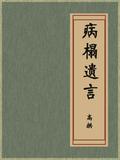 Last Words on the Sickbed (Free Public Edition Book)
This book is divided into three parts, titled "Notes on Fate", "Causes of Contradictions", and "Poisonous Plots". "Gu Ming Ji Shi" records that when Mu Zong was dying, he ordered Gao Gong, Zhang Juzheng, and Feng Baofu to take charge of Biyou. "Cause of Contradiction" records the whole reason why Zhang Juzheng had a grudge against Gao Gong, cultivated private parties, and rejected Gao Gong. "The Poisonous Plot" is written in the first year of Wanli. Zhang Juzheng used the case of the king's mini
—Reads8.5Score—Shelves
Last Words on the Sickbed (Free Public Edition Book)
This book is divided into three parts, titled "Notes on Fate", "Causes of Contradictions", and "Poisonous Plots". "Gu Ming Ji Shi" records that when Mu Zong was dying, he ordered Gao Gong, Zhang Juzheng, and Feng Baofu to take charge of Biyou. "Cause of Contradiction" records the whole reason why Zhang Juzheng had a grudge against Gao Gong, cultivated private parties, and rejected Gao Gong. "The Poisonous Plot" is written in the first year of Wanli. Zhang Juzheng used the case of the king's mini
—Reads8.5Score—Shelves
-
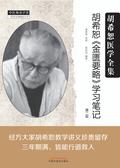 Hu Xishu's "Synopsis of the Golden Chamber" Study Notes
Synopsis of the Golden Chamber was written by Zhang Zhongjing in the late Han Dynasty. It is a must-read book for traditional Chinese medicine practitioners to study classics and practice clinical practice. It has always been annotators of many famous works. However, researchers who have developed a unique theoretical system like Mr. Hu Xishu are quite rare. This book is the inheritance of his academic thoughts. Because it is recorded and compiled in the form of study notes, you can see the word
—Reads8.7Score—Shelves
Hu Xishu's "Synopsis of the Golden Chamber" Study Notes
Synopsis of the Golden Chamber was written by Zhang Zhongjing in the late Han Dynasty. It is a must-read book for traditional Chinese medicine practitioners to study classics and practice clinical practice. It has always been annotators of many famous works. However, researchers who have developed a unique theoretical system like Mr. Hu Xishu are quite rare. This book is the inheritance of his academic thoughts. Because it is recorded and compiled in the form of study notes, you can see the word
—Reads8.7Score—Shelves
-
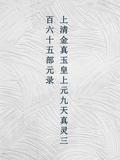 Shangqing Jinzhenyu Emperor Shangyuan Jiutian Ling 365 Yuan Lu
The gold and jade emperor of the Shangqing Dynasty and the nine heavenly spirits of the Yuan Dynasty have three hundred and sixty-five Yuanlu. It is called "Shangyuan Jiu Tian Ling Xuan Lu" for short. The author is unknown, probably at the end of the Northern and Southern period or during the Qingtang period. Pretending to be entrusted to the Supreme Lord Yuchen to teach the Seven Truths of Jin Ming. One roll. Original source: the first part of "Orthodox Taoist Canon".
—Reads8.3Score—Shelves
Shangqing Jinzhenyu Emperor Shangyuan Jiutian Ling 365 Yuan Lu
The gold and jade emperor of the Shangqing Dynasty and the nine heavenly spirits of the Yuan Dynasty have three hundred and sixty-five Yuanlu. It is called "Shangyuan Jiu Tian Ling Xuan Lu" for short. The author is unknown, probably at the end of the Northern and Southern period or during the Qingtang period. Pretending to be entrusted to the Supreme Lord Yuchen to teach the Seven Truths of Jin Ming. One roll. Original source: the first part of "Orthodox Taoist Canon".
—Reads8.3Score—Shelves
-
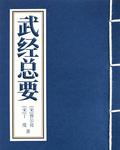 Martial Arts General Essentials
"Wu Jing Zong Yao" is a military work written by Zeng Gongliang and Ding Du in the Northern Song Dynasty. China's first military book edited under the official leadership. It is divided into two parts: first and last, each with 20 volumes. The 20 volumes in the first collection reflect the military system of the Song Dynasty in detail, including the selection of generals and troops, formation of troops, marching and camping, ancient and modern formations, communication reconnaissance, fire and w
—Reads9.3Score—Shelves
Martial Arts General Essentials
"Wu Jing Zong Yao" is a military work written by Zeng Gongliang and Ding Du in the Northern Song Dynasty. China's first military book edited under the official leadership. It is divided into two parts: first and last, each with 20 volumes. The 20 volumes in the first collection reflect the military system of the Song Dynasty in detail, including the selection of generals and troops, formation of troops, marching and camping, ancient and modern formations, communication reconnaissance, fire and w
—Reads9.3Score—Shelves
-
 Notes on Huandan Jinye Song
Song Notes on Huanjinye. The song was written by Yuanyangzi (Yang Shenwei) of the Tang Dynasty and annotated by Mr. Tongxuan (account recommended by the Five Dynasties Taoist priests). Guanwai Dan Street. One roll. Original source: Method Class of Dongzhen Department of "Orthodox Taoist Canon".
—Reads8.3Score—Shelves
Notes on Huandan Jinye Song
Song Notes on Huanjinye. The song was written by Yuanyangzi (Yang Shenwei) of the Tang Dynasty and annotated by Mr. Tongxuan (account recommended by the Five Dynasties Taoist priests). Guanwai Dan Street. One roll. Original source: Method Class of Dongzhen Department of "Orthodox Taoist Canon".
—Reads8.3Score—Shelves