Fanqie library
Browse
- Titles
- 1.6k
Every Fanqie book we index, searchable by title, author or tag.
-
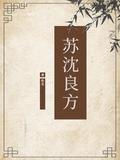 Su Chenliangfang
"Su Chen Liang Prescription", also known as "Nei Han Liang Prescription" or "Su Chen Nei Han Liang Prescription", is a joint edition of "Liang Prescription" written by Shen Kuo of the Northern Song Dynasty and "Su Xueshi Prescription" written by Su Shi. It was published in the eighth year of Xining in the Northern Song Dynasty (1075). The original book has fifteen volumes. The current version has ten volumes and eight volumes, which are quite different. In addition to recording some single presc
—Reads8.2Score—Shelves
Su Chenliangfang
"Su Chen Liang Prescription", also known as "Nei Han Liang Prescription" or "Su Chen Nei Han Liang Prescription", is a joint edition of "Liang Prescription" written by Shen Kuo of the Northern Song Dynasty and "Su Xueshi Prescription" written by Su Shi. It was published in the eighth year of Xining in the Northern Song Dynasty (1075). The original book has fifteen volumes. The current version has ten volumes and eight volumes, which are quite different. In addition to recording some single presc
—Reads8.2Score—Shelves
-
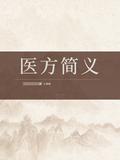 Medical Prescriptions in Brief
Ancient Chinese medicine books are a shining pearl in the treasure house of Chinese medicine. They have high guiding significance and practical value, and have made significant contributions and far-reaching influences on the development of medicine in later generations.
—Reads8.3Score—Shelves
Medical Prescriptions in Brief
Ancient Chinese medicine books are a shining pearl in the treasure house of Chinese medicine. They have high guiding significance and practical value, and have made significant contributions and far-reaching influences on the development of medicine in later generations.
—Reads8.3Score—Shelves
-
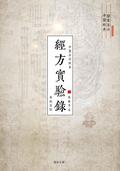 Experimental Records of Classic Prescriptions
"Jingfang Experimental Record" contains 100 verified cases. The first volume contains 35 examination cases of classic prescriptions such as Guizhi Decoction, Mahuang Decoction, and Dachengqi Decoction; the middle volume covers 40 examination cases of Guizhi Ermahuang One Decoction, Baihu plus Guizhi Decoction, Xiaoqinglong Decoction, etc.; The second volume focuses on 25 examination cases of various internal and external gynecological diseases such as lung abscess, Lijie, and postpartum Yangming
—Reads9.2Score—Shelves
Experimental Records of Classic Prescriptions
"Jingfang Experimental Record" contains 100 verified cases. The first volume contains 35 examination cases of classic prescriptions such as Guizhi Decoction, Mahuang Decoction, and Dachengqi Decoction; the middle volume covers 40 examination cases of Guizhi Ermahuang One Decoction, Baihu plus Guizhi Decoction, Xiaoqinglong Decoction, etc.; The second volume focuses on 25 examination cases of various internal and external gynecological diseases such as lung abscess, Lijie, and postpartum Yangming
—Reads9.2Score—Shelves
-
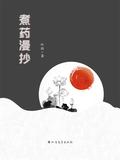 Cooking Medicine Comics
Chinese traditional cultural thoughts have a long history and are highly original, original and literary. The early ideological forms were very distinctive, with extensive and profound contents such as religious theology, Chinese medicine classics, ancient military art, Confucianism, Taoism, Buddhism and hundreds of schools of thought, Feng Shui metaphysics, Twenty-Four Histories, customs and geography, etc. This series of "Original Books on Classic Chinese Studies and Essence Culture" retains t
—Reads7.7Score—Shelves
Cooking Medicine Comics
Chinese traditional cultural thoughts have a long history and are highly original, original and literary. The early ideological forms were very distinctive, with extensive and profound contents such as religious theology, Chinese medicine classics, ancient military art, Confucianism, Taoism, Buddhism and hundreds of schools of thought, Feng Shui metaphysics, Twenty-Four Histories, customs and geography, etc. This series of "Original Books on Classic Chinese Studies and Essence Culture" retains t
—Reads7.7Score—Shelves
-
 Ancestral Agent
Since the changes of diseases cannot be studied in detail, in treatment, we can neither stick to one method and cure all diseases, nor can we treat one syndrome and use many prescriptions indiscriminately. Doctors in the past dynasties have paid attention to flexible prescriptions and symptomatic treatment based on certain prescriptions. In this way, treatises on "ancestral prescriptions" and "similar prescriptions" of prescriptions were produced. The book "Zuji" written by Shi Pei (also known a
—Reads8.4Score—Shelves
Ancestral Agent
Since the changes of diseases cannot be studied in detail, in treatment, we can neither stick to one method and cure all diseases, nor can we treat one syndrome and use many prescriptions indiscriminately. Doctors in the past dynasties have paid attention to flexible prescriptions and symptomatic treatment based on certain prescriptions. In this way, treatises on "ancestral prescriptions" and "similar prescriptions" of prescriptions were produced. The book "Zuji" written by Shi Pei (also known a
—Reads8.4Score—Shelves
-
 True Medical Science
Ancient Chinese medicine books are a shining pearl in the treasure house of Chinese medicine. They have high guiding significance and practical value, and have made significant contributions and far-reaching influences on the development of medicine in later generations.
—Reads9.2Score—Shelves
True Medical Science
Ancient Chinese medicine books are a shining pearl in the treasure house of Chinese medicine. They have high guiding significance and practical value, and have made significant contributions and far-reaching influences on the development of medicine in later generations.
—Reads9.2Score—Shelves
-
 Warm Latitude and Longitude
"Wenre Jingwei" is a five-volume general treatise on febrile diseases. It was compiled by Wang Shixiong (Meng Ying) of the Qing Dynasty in the second year of Xianfeng (1852). This book "takes the writings of Xuanqi Zhongjing as the classics, and the opinions of Ye and Xue as the latitudes", so it is named "Jingwei". The book selects the discussions on febrile diseases in the Nei Jing, Treatise on Febrile Diseases, and Synopsis of the Golden Chamber, as well as the articles on febrile diseases by
—Reads8.9Score—Shelves
Warm Latitude and Longitude
"Wenre Jingwei" is a five-volume general treatise on febrile diseases. It was compiled by Wang Shixiong (Meng Ying) of the Qing Dynasty in the second year of Xianfeng (1852). This book "takes the writings of Xuanqi Zhongjing as the classics, and the opinions of Ye and Xue as the latitudes", so it is named "Jingwei". The book selects the discussions on febrile diseases in the Nei Jing, Treatise on Febrile Diseases, and Synopsis of the Golden Chamber, as well as the articles on febrile diseases by
—Reads8.9Score—Shelves
-
 Traditional Chinese Medicine Meng Qiu
Chinese traditional cultural thoughts have a long history and are highly original, original and literary. The early ideological forms were very distinctive, with extensive and profound contents such as religious theology, Chinese medicine classics, ancient military art, Confucianism, Taoism, Buddhism and hundreds of schools of thought, Feng Shui metaphysics, Twenty-Four Histories, customs and geography, etc. This series of "Original Books on Classic Chinese Studies and Essence Culture" retains t
—Reads8.5Score—Shelves
Traditional Chinese Medicine Meng Qiu
Chinese traditional cultural thoughts have a long history and are highly original, original and literary. The early ideological forms were very distinctive, with extensive and profound contents such as religious theology, Chinese medicine classics, ancient military art, Confucianism, Taoism, Buddhism and hundreds of schools of thought, Feng Shui metaphysics, Twenty-Four Histories, customs and geography, etc. This series of "Original Books on Classic Chinese Studies and Essence Culture" retains t
—Reads8.5Score—Shelves
-
 Han's Medical Treatment
Two volumes of comprehensive medical books. Han Mao, a native of the Ming Dynasty, wrote it in 1522. The first volume is divided into five chapters: introduction, combined treatment of six methods, pulse formula, prescription, and family medical records; the second volume is divided into four chapters: hanging pot medical records, tailoring of medicinal properties, formulas without hidden formulas, and strategies for not using similar medicines. Han developed Chun Yuyi's medical records program,
—Reads8.3Score—Shelves
Han's Medical Treatment
Two volumes of comprehensive medical books. Han Mao, a native of the Ming Dynasty, wrote it in 1522. The first volume is divided into five chapters: introduction, combined treatment of six methods, pulse formula, prescription, and family medical records; the second volume is divided into four chapters: hanging pot medical records, tailoring of medicinal properties, formulas without hidden formulas, and strategies for not using similar medicines. Han developed Chun Yuyi's medical records program,
—Reads8.3Score—Shelves
-
 Hong's Collection of Prescriptions
"Hong's Collection of Prescriptions", five volumes. Written by Hong Zun (alias Jingyan, pseudonym Wen'an) in the Song Dynasty. It was written in the sixth year of Qiandao in the Southern Song Dynasty (1170). This book collects a total of 167 ancient medical prescriptions and effective prescriptions, which are divided into typhoid, stroke, dysentery, cholera, asthenia, ulcers, hemorrhoids, ringworm, scabies, obstetrics and gynecology, children, and various diseases of the mouth, eyes, and throat.
—Reads8.4Score—Shelves
Hong's Collection of Prescriptions
"Hong's Collection of Prescriptions", five volumes. Written by Hong Zun (alias Jingyan, pseudonym Wen'an) in the Song Dynasty. It was written in the sixth year of Qiandao in the Southern Song Dynasty (1170). This book collects a total of 167 ancient medical prescriptions and effective prescriptions, which are divided into typhoid, stroke, dysentery, cholera, asthenia, ulcers, hemorrhoids, ringworm, scabies, obstetrics and gynecology, children, and various diseases of the mouth, eyes, and throat.
—Reads8.4Score—Shelves
-
 Magical Use of Time
"The Miraculous Uses of Time", a comprehensive medical book. Four volumes. Written and published in 1803 by Chen Xiuyuan of the Qing Dynasty. The author lists mainly miscellaneous internal diseases, but also covers many common diseases such as gynecology and ophthalmology, focusing on the commonly used prescriptions for these diseases. The book begins with a discussion of the four diagnoses, and then divides them into categories, each focusing on disease and syndrome, together with the main trea
—Reads8.5Score—Shelves
Magical Use of Time
"The Miraculous Uses of Time", a comprehensive medical book. Four volumes. Written and published in 1803 by Chen Xiuyuan of the Qing Dynasty. The author lists mainly miscellaneous internal diseases, but also covers many common diseases such as gynecology and ophthalmology, focusing on the commonly used prescriptions for these diseases. The book begins with a discussion of the four diagnoses, and then divides them into categories, each focusing on disease and syndrome, together with the main trea
—Reads8.5Score—Shelves
-
 Kangcangzi
This work "Kangcangzi" is written by Kangcangzi
—Reads8.2Score—Shelves
Kangcangzi
This work "Kangcangzi" is written by Kangcangzi
—Reads8.2Score—Shelves
-
 Chapter 49 Sutra of Taishang Xuhuang Tianzun
Forty-nine chapters of the Sutra of Taishang Xuhuang Tianzun. The author is unknown, but it seems to have been written during the Sui and Tang Dynasties. The false deity preached teachings for Miaoxing Zhenren and others. One roll. Original source: "Orthodox Taoist Canon" Dongzhenbu text genre.
—Reads8.3Score—Shelves
Chapter 49 Sutra of Taishang Xuhuang Tianzun
Forty-nine chapters of the Sutra of Taishang Xuhuang Tianzun. The author is unknown, but it seems to have been written during the Sui and Tang Dynasties. The false deity preached teachings for Miaoxing Zhenren and others. One roll. Original source: "Orthodox Taoist Canon" Dongzhenbu text genre.
—Reads8.3Score—Shelves
-
 Records of the Western Regions of the Tang Dynasty
"Records of the Western Regions of the Tang Dynasty", a geographical history book, also known as "Records of the Western Regions", 12 volumes. Xuanzang narrates and Bianji writes. This book was written by Xuanzang under the orders of Emperor Taizong of the Tang Dynasty and was completed in the 20th year of Zhenguan (646). The book comprehensively narrates Xuanzang's westward journey from the first year of Zhenguan (some say the third year of Zhenguan) to the nineteenth year of Zhenguan. It recor
—Reads8.5Score—Shelves
Records of the Western Regions of the Tang Dynasty
"Records of the Western Regions of the Tang Dynasty", a geographical history book, also known as "Records of the Western Regions", 12 volumes. Xuanzang narrates and Bianji writes. This book was written by Xuanzang under the orders of Emperor Taizong of the Tang Dynasty and was completed in the 20th year of Zhenguan (646). The book comprehensively narrates Xuanzang's westward journey from the first year of Zhenguan (some say the third year of Zhenguan) to the nineteenth year of Zhenguan. It recor
—Reads8.5Score—Shelves
-
 Huangdi Asked Xuannv About the Art of War
Chinese traditional cultural thoughts have a long history and are highly original, original and literary. The early ideological forms were very distinctive, with extensive and profound contents such as religious theology, Chinese medicine classics, ancient military art, Confucianism, Taoism, Buddhism and hundreds of schools of thought, Feng Shui metaphysics, Twenty-Four Histories, customs and geography, etc. This series of "Original Books on Classic Chinese Studies and Essence Culture" retains t
—Reads7.9Score—Shelves
Huangdi Asked Xuannv About the Art of War
Chinese traditional cultural thoughts have a long history and are highly original, original and literary. The early ideological forms were very distinctive, with extensive and profound contents such as religious theology, Chinese medicine classics, ancient military art, Confucianism, Taoism, Buddhism and hundreds of schools of thought, Feng Shui metaphysics, Twenty-Four Histories, customs and geography, etc. This series of "Original Books on Classic Chinese Studies and Essence Culture" retains t
—Reads7.9Score—Shelves
-
 Poems About Tripitaka of the Tang Dynasty
Chinese traditional cultural thoughts have a long history and are highly original, original and literary. The early ideological forms were very distinctive, with extensive and profound contents such as religious theology, Chinese medicine classics, ancient military art, Confucianism, Taoism, Buddhism and hundreds of schools of thought, Feng Shui metaphysics, Twenty-Four Histories, customs and geography, etc. This series of "Original Books on Classic Chinese Studies and Essence Culture" retains t
—Reads8.5Score—Shelves
Poems About Tripitaka of the Tang Dynasty
Chinese traditional cultural thoughts have a long history and are highly original, original and literary. The early ideological forms were very distinctive, with extensive and profound contents such as religious theology, Chinese medicine classics, ancient military art, Confucianism, Taoism, Buddhism and hundreds of schools of thought, Feng Shui metaphysics, Twenty-Four Histories, customs and geography, etc. This series of "Original Books on Classic Chinese Studies and Essence Culture" retains t
—Reads8.5Score—Shelves
-
 Xuantian God's Enlightenment Record
There are eight volumes of "Xuan Tian Sheng Sheng Lu". The author and the year of revision are not mentioned in the original book. Various documents from later generations have different opinions on this. Zhu Shijia's "Comprehensive Records of Chinese Series" states that this book was written by a person from the Song Dynasty. Ren Jiyu's "Tao Zang Synopsis" believes that "the book's notes quote Liu Daoming's "Wudang Zongzhenji", which means that the book was compiled at the end of the Yuan Dynas
—Reads8.4Score—Shelves
Xuantian God's Enlightenment Record
There are eight volumes of "Xuan Tian Sheng Sheng Lu". The author and the year of revision are not mentioned in the original book. Various documents from later generations have different opinions on this. Zhu Shijia's "Comprehensive Records of Chinese Series" states that this book was written by a person from the Song Dynasty. Ren Jiyu's "Tao Zang Synopsis" believes that "the book's notes quote Liu Daoming's "Wudang Zongzhenji", which means that the book was compiled at the end of the Yuan Dynas
—Reads8.4Score—Shelves
-
 Bodhicitta Contemplation and Interpretation
As Buddha said. All dharma arises from the mind. Now I am going to discuss that bodhicitta. What is the nature of the cloud? Answer away from all nature. No matter what nature it is. It is said that the aggregates are equal in boundary. That's why Bodhicitta is free from choice and renunciation. Then the Dharma has no self and is equal in nature. It does not originate from the emptiness of its own nature. All things said. It's me. Those who say that all living beings like us have longevity are t
—Reads7.7Score—Shelves
Bodhicitta Contemplation and Interpretation
As Buddha said. All dharma arises from the mind. Now I am going to discuss that bodhicitta. What is the nature of the cloud? Answer away from all nature. No matter what nature it is. It is said that the aggregates are equal in boundary. That's why Bodhicitta is free from choice and renunciation. Then the Dharma has no self and is equal in nature. It does not originate from the emptiness of its own nature. All things said. It's me. Those who say that all living beings like us have longevity are t
—Reads7.7Score—Shelves
-
 The Buddha's Sutra on the Ten Dreams of King Savatti
Chinese classical religious classics are shining classics and outstanding works in the treasure house of Chinese traditional culture. They are expressed in various forms and reflect the glorious picture of Chinese classical literary works.
—Reads—Score—Shelves
The Buddha's Sutra on the Ten Dreams of King Savatti
Chinese classical religious classics are shining classics and outstanding works in the treasure house of Chinese traditional culture. They are expressed in various forms and reflect the glorious picture of Chinese classical literary works.
—Reads—Score—Shelves
-
 The Buddha Said That Demons Are Against the Law
It sounds like this. At that time, the Buddha only had a solitary garden in Savatthi State. Together with the great monks, there are one thousand two hundred and fifty. Maha Bodhisattva is incalculable. And people who want to perform the various colors in the heavens and live in the pure and pure heavens. At that time, the World Honored One and countless members of the Wuyang family gathered together. Zhou Za surrounded him and preached the Dharma. One day. It's called Great Light. In the seat.
—Reads8.4Score—Shelves
The Buddha Said That Demons Are Against the Law
It sounds like this. At that time, the Buddha only had a solitary garden in Savatthi State. Together with the great monks, there are one thousand two hundred and fifty. Maha Bodhisattva is incalculable. And people who want to perform the various colors in the heavens and live in the pure and pure heavens. At that time, the World Honored One and countless members of the Wuyang family gathered together. Zhou Za surrounded him and preached the Dharma. One day. It's called Great Light. In the seat.
—Reads8.4Score—Shelves
-
 The Buddha Said Manjusri's Repentance Sutra
It sounds like this. At that time, the Buddha was in Luoyuejijue Mountain. Together with the great monks. One thousand two hundred and fifty monks. There are countless Bodhisattvas. All great saints. The magical power has reached the level of being able to hold it. Embrace the wisdom of ten directions and set up three gates. After knowing for three lifetimes, I have nothing to worry about. The Three Treasures are promulgated to save the three realms. The beginning of the Three Vehicles makes Xia
—Reads8.0Score—Shelves
The Buddha Said Manjusri's Repentance Sutra
It sounds like this. At that time, the Buddha was in Luoyuejijue Mountain. Together with the great monks. One thousand two hundred and fifty monks. There are countless Bodhisattvas. All great saints. The magical power has reached the level of being able to hold it. Embrace the wisdom of ten directions and set up three gates. After knowing for three lifetimes, I have nothing to worry about. The Three Treasures are promulgated to save the three realms. The beginning of the Three Vehicles makes Xia
—Reads8.0Score—Shelves
-
 Buddha Says No Hope Sutra
It sounds like this. At one time, the Buddha traveled to Vulture Mountain in Rajagaha. Together with five hundred other great monks. Sixty thousand Bodhisattvas. All the great sage's supernatural powers have been achieved. If you are caught, you will always maintain your eloquence without any worries. There are always no two words in preaching the scriptures. The changes in God's feet are incredible. Everyone knows everything. Its name is the Bodhisattva of Indestructible Advancement. The Bodhis
—Reads8.1Score—Shelves
Buddha Says No Hope Sutra
It sounds like this. At one time, the Buddha traveled to Vulture Mountain in Rajagaha. Together with five hundred other great monks. Sixty thousand Bodhisattvas. All the great sage's supernatural powers have been achieved. If you are caught, you will always maintain your eloquence without any worries. There are always no two words in preaching the scriptures. The changes in God's feet are incredible. Everyone knows everything. Its name is the Bodhisattva of Indestructible Advancement. The Bodhis
—Reads8.1Score—Shelves
-
 The Buddha Said the Pu Yao Sutra
The Buddha said the Pu Yao Sutra
—Reads8.3Score—Shelves
The Buddha Said the Pu Yao Sutra
The Buddha said the Pu Yao Sutra
—Reads8.3Score—Shelves
-
 The Buddha Said the Dafang Dingding King Sutra
Hearing this, the Buddha was wandering in the Veyali Naisu Arboretum. Together with the great monks. Eight hundred monks and ten thousand bodhisattvas. All the great sages can reach it. It's okay to always argue. Photograph the wisdom of the three generations to the wisdom of the three times. There is no hope and no evidence. Act in great mercy and offer no cover for sorrow. Don't worry about me and I will get to the other side. Through the three generations, there is no past or present. Know th
—Reads8.4Score—Shelves
The Buddha Said the Dafang Dingding King Sutra
Hearing this, the Buddha was wandering in the Veyali Naisu Arboretum. Together with the great monks. Eight hundred monks and ten thousand bodhisattvas. All the great sages can reach it. It's okay to always argue. Photograph the wisdom of the three generations to the wisdom of the three times. There is no hope and no evidence. Act in great mercy and offer no cover for sorrow. Don't worry about me and I will get to the other side. Through the three generations, there is no past or present. Know th
—Reads8.4Score—Shelves
-
 The Buddha Said That After the Death of the Buddha, He Divided Himself into Guardians.
Translation by Zhu Fahu, the Tripitaka of the Yuezhi Kingdom in the Western Jin Dynasty
—Reads—Score—Shelves
The Buddha Said That After the Death of the Buddha, He Divided Himself into Guardians.
Translation by Zhu Fahu, the Tripitaka of the Yuezhi Kingdom in the Western Jin Dynasty
—Reads—Score—Shelves
-
 The Sutra of the Immaculate Virtues Spoken by the Buddha
It sounds like this. At that time, the Buddha was in Luoyuejijue Mountain. With all the great disciples of Bodhisattvas, scholars and women. The people of the heavens, Ashulun, ghosts, gods, dragons, and Wuyang gathered together. At that time the Buddha was preaching. Will hit the target soon. There is an elder named Brahma. The name is Xutan. There is a woman named Jie Louyan. Together with 97.5 Billion women. Listen to the scriptures with your hands crossed. At that time, Yanlou Yan was pregna
—Reads—Score—Shelves
The Sutra of the Immaculate Virtues Spoken by the Buddha
It sounds like this. At that time, the Buddha was in Luoyuejijue Mountain. With all the great disciples of Bodhisattvas, scholars and women. The people of the heavens, Ashulun, ghosts, gods, dragons, and Wuyang gathered together. At that time the Buddha was preaching. Will hit the target soon. There is an elder named Brahma. The name is Xutan. There is a woman named Jie Louyan. Together with 97.5 Billion women. Listen to the scriptures with your hands crossed. At that time, Yanlou Yan was pregna
—Reads—Score—Shelves
-
 Imitation Guide Book (Free Public Edition Book)
In the third year of Shunzhi (1646), the Qing army entered Jiangxi and Ji'an fell. Fan Kangsheng followed the governor Wan Yuanji to retreat to Zaokou and entered Ganzhou. Wan Yuanji mobilized Ming troops from all over the city and soldiers and civilians in the city to stand firm and repel the Qing troops. Shaozong was in Fujian and could not send troops to rescue him, so he was only named Zhongyi Mansion. Later, the Qing army broke through the city. Wan Yuanji, Yang Tinglin and others died in t
—Reads—Score—Shelves
Imitation Guide Book (Free Public Edition Book)
In the third year of Shunzhi (1646), the Qing army entered Jiangxi and Ji'an fell. Fan Kangsheng followed the governor Wan Yuanji to retreat to Zaokou and entered Ganzhou. Wan Yuanji mobilized Ming troops from all over the city and soldiers and civilians in the city to stand firm and repel the Qing troops. Shaozong was in Fujian and could not send troops to rescue him, so he was only named Zhongyi Mansion. Later, the Qing army broke through the city. Wan Yuanji, Yang Tinglin and others died in t
—Reads—Score—Shelves
-
 Miscellaneous Works of Ming Medicine
"Miscellaneous Works of Ming Medicine", written by Wang Lun of the Ming Dynasty. Six volumes. The content includes medical theory, syndromes, pediatric syndromes and treatments, etc.
—Reads8.2Score—Shelves
Miscellaneous Works of Ming Medicine
"Miscellaneous Works of Ming Medicine", written by Wang Lun of the Ming Dynasty. Six volumes. The content includes medical theory, syndromes, pediatric syndromes and treatments, etc.
—Reads8.2Score—Shelves
-
 Secrets of the Three Emperors' Internal Culture
The author is ominous. It is adapted from the remaining texts of the "Three Emperors Neiwen", "Huang Shen Yue Zhang", "True Shape Map of the Five Mountains" and other books compiled by Taoist priests in the Tang and Song Dynasties. One roll. The original source comes from the method category of the Dongshen Department of "Orthodox Taoist Canon".
—Reads8.2Score—Shelves
Secrets of the Three Emperors' Internal Culture
The author is ominous. It is adapted from the remaining texts of the "Three Emperors Neiwen", "Huang Shen Yue Zhang", "True Shape Map of the Five Mountains" and other books compiled by Taoist priests in the Tang and Song Dynasties. One roll. The original source comes from the method category of the Dongshen Department of "Orthodox Taoist Canon".
—Reads8.2Score—Shelves
-
 Huashu
"Hua Shu", a Taoist work, was written by Tan Qiao in the late Tang and Five Dynasties. It contains physics, chemistry, biology, medicine and other sciences, with a total of six volumes, divided into six aspects: Dao, art, virtue, benevolence, food and frugality, with 110 articles.
—Reads9.1Score—Shelves
Huashu
"Hua Shu", a Taoist work, was written by Tan Qiao in the late Tang and Five Dynasties. It contains physics, chemistry, biology, medicine and other sciences, with a total of six volumes, divided into six aspects: Dao, art, virtue, benevolence, food and frugality, with 110 articles.
—Reads9.1Score—Shelves
-
 Dong Zhen Tai Shang Dan Jing Tao Jing Sutra
Dongzhen Taishang Danjing Dao Jingjing. The author is unknown, probably from the Northern and Southern Dynasties. It is said to be the biography of Kiko Itani. The method of reciting "Qu Su Jue Ci Yu Jing Nei Zhen Jin Zhang". One roll. Original source: the first part of "Orthodox Taoist Canon".
—Reads8.1Score—Shelves
Dong Zhen Tai Shang Dan Jing Tao Jing Sutra
Dongzhen Taishang Danjing Dao Jingjing. The author is unknown, probably from the Northern and Southern Dynasties. It is said to be the biography of Kiko Itani. The method of reciting "Qu Su Jue Ci Yu Jing Nei Zhen Jin Zhang". One roll. Original source: the first part of "Orthodox Taoist Canon".
—Reads8.1Score—Shelves
-
 Examination of the Eight Extraordinary Meridians (Li Shizhen)
This book is a monograph on the study of the Eight Extraordinary Meridians. With reference to relevant literature from past dynasties, Li compiled and explained the circulation routes and main treatment syndromes of the eight meridians of Yin Wei, Yang Wei, Yin Qiao, Yang Qiao, Ren, Du, Dai and Chong besides the twelve main meridians, and also put forward his personal opinions. Its elucidation of the theory of strange meridians provides a basis for clinical treatment based on strange meridians.
—Reads8.6Score—Shelves
Examination of the Eight Extraordinary Meridians (Li Shizhen)
This book is a monograph on the study of the Eight Extraordinary Meridians. With reference to relevant literature from past dynasties, Li compiled and explained the circulation routes and main treatment syndromes of the eight meridians of Yin Wei, Yang Wei, Yin Qiao, Yang Qiao, Ren, Du, Dai and Chong besides the twelve main meridians, and also put forward his personal opinions. Its elucidation of the theory of strange meridians provides a basis for clinical treatment based on strange meridians.
—Reads8.6Score—Shelves
-
 Secrets of Medical Efficacy
Ancient Chinese medicine books are a shining pearl in the treasure house of Chinese medicine. They have high guiding significance and practical value, and have made significant contributions and far-reaching influences on the development of medicine in later generations.
—Reads8.6Score—Shelves
Secrets of Medical Efficacy
Ancient Chinese medicine books are a shining pearl in the treasure house of Chinese medicine. They have high guiding significance and practical value, and have made significant contributions and far-reaching influences on the development of medicine in later generations.
—Reads8.6Score—Shelves
-
 Cheating the Scriptures
"The Classic of Deception" is also known as "The New Book of Du cheat" (its full name is "The New Book of Du cheat" (Full name is "The New Book of Du cheat") and "The Classic of Preventing Deception", with a total of four volumes, 24 categories and 88 chapters. Notebook novel, a small encyclopedia-style collection of liar stories, the first ancient work with the theme of liars and deception. The author uses the analysis of the principles and techniques of charlatanism as the entry point, with th
—Reads8.3Score—Shelves
Cheating the Scriptures
"The Classic of Deception" is also known as "The New Book of Du cheat" (its full name is "The New Book of Du cheat" (Full name is "The New Book of Du cheat") and "The Classic of Preventing Deception", with a total of four volumes, 24 categories and 88 chapters. Notebook novel, a small encyclopedia-style collection of liar stories, the first ancient work with the theme of liars and deception. The author uses the analysis of the principles and techniques of charlatanism as the entry point, with th
—Reads8.3Score—Shelves
-
 Gynecology Tips
Ancient Chinese medicine books are a shining pearl in the treasure house of Chinese medicine. They have high guiding significance and practical value, and have made significant contributions and far-reaching influences on the development of medicine in later generations.
—Reads8.5Score—Shelves
Gynecology Tips
Ancient Chinese medicine books are a shining pearl in the treasure house of Chinese medicine. They have high guiding significance and practical value, and have made significant contributions and far-reaching influences on the development of medicine in later generations.
—Reads8.5Score—Shelves
-
 A Must-Read for Medical Practitioners
"Yi Zong Must Read" is a medical masterpiece written by Li Zhongzi, a famous physician in the late Ming Dynasty. The book has ten volumes and systematically introduces the origin of medicine, pulse diagnosis methods, Materia Medica essentials, and the syndrome and treatment of miscellaneous internal diseases. The text is concise, the content is concise, and it explains the theory of traditional Chinese medicine and clinical practical knowledge in a simple and easy-to-understand way. It is a must
—Reads9.2Score—Shelves
A Must-Read for Medical Practitioners
"Yi Zong Must Read" is a medical masterpiece written by Li Zhongzi, a famous physician in the late Ming Dynasty. The book has ten volumes and systematically introduces the origin of medicine, pulse diagnosis methods, Materia Medica essentials, and the syndrome and treatment of miscellaneous internal diseases. The text is concise, the content is concise, and it explains the theory of traditional Chinese medicine and clinical practical knowledge in a simple and easy-to-understand way. It is a must
—Reads9.2Score—Shelves
-
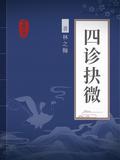 Four Diagnostic Decisions
"Four Diagnosis and Judgments" is a monograph on traditional Chinese medicine diagnosis and is the representative work of Lin Zhihan in the Qing Dynasty. Lin collected extensively the theories from classical medical books such as "Nei Jing", "Difficult Classics", "Treatise on Febrile and Miscellaneous Diseases", "Mai Jing" and other classical medical books and the essence of sages, and added detailed annotations to write eight volumes of "Four Diagnosis and Juewei", plus one volume of "Guangui F
—Reads8.3Score—Shelves
Four Diagnostic Decisions
"Four Diagnosis and Judgments" is a monograph on traditional Chinese medicine diagnosis and is the representative work of Lin Zhihan in the Qing Dynasty. Lin collected extensively the theories from classical medical books such as "Nei Jing", "Difficult Classics", "Treatise on Febrile and Miscellaneous Diseases", "Mai Jing" and other classical medical books and the essence of sages, and added detailed annotations to write eight volumes of "Four Diagnosis and Juewei", plus one volume of "Guangui F
—Reads8.3Score—Shelves
-
 The Key to the Clinician
"Diagnostic Keys" is a work on pulse theory. It was written by Hua Shou of the Yuan Dynasty in 1359. This book has an annotated edition by Zhou Xuehai of the Qing Dynasty. Zhou has included various pulse analysis articles (from Cheng Zhang's "Yishu") and a general theory of pulse maintenance (from Li Zhongzi's "Three Books on Scholars") at the back of the volume. This book specializes in pulse diagnosis. Hua has rich clinical experience and specializes in pulse theory. He has understood the puls
—Reads9.2Score—Shelves
The Key to the Clinician
"Diagnostic Keys" is a work on pulse theory. It was written by Hua Shou of the Yuan Dynasty in 1359. This book has an annotated edition by Zhou Xuehai of the Qing Dynasty. Zhou has included various pulse analysis articles (from Cheng Zhang's "Yishu") and a general theory of pulse maintenance (from Li Zhongzi's "Three Books on Scholars") at the back of the volume. This book specializes in pulse diagnosis. Hua has rich clinical experience and specializes in pulse theory. He has understood the puls
—Reads9.2Score—Shelves
-
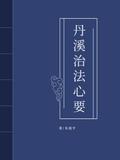 Essentials of Danxi's Treatment
"The Essentials of Danxi's Treatment", originally titled "Zhu Danxi Shu", was edited and compiled by his disciples and private scholars. Corrected and reengraved by Gaobin (Shuyuan) of Ming Dynasty. This book has a total of 8 volumes, covering 154 types of internal, external, women's and children's diseases. The explanation of the cause, syndrome and treatment is concise, the text is subtle and profound, and many cases are not yet understood by previous sages. It can be regarded as a masterpiece
—Reads8.4Score—Shelves
Essentials of Danxi's Treatment
"The Essentials of Danxi's Treatment", originally titled "Zhu Danxi Shu", was edited and compiled by his disciples and private scholars. Corrected and reengraved by Gaobin (Shuyuan) of Ming Dynasty. This book has a total of 8 volumes, covering 154 types of internal, external, women's and children's diseases. The explanation of the cause, syndrome and treatment is concise, the text is subtle and profound, and many cases are not yet understood by previous sages. It can be regarded as a masterpiece
—Reads8.4Score—Shelves
-
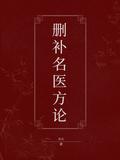 Delete and Supplement Prescriptions of Famous Doctors
"Abridged and Supplemented Famous Medical Prescriptions", a medical prescription work. Eight volumes. This book is Volume 26-33 of "Yizong Jinjian" (there is also a separate version). The book contains a total of nearly 200 commonly used clinical prescriptions before the Qing Dynasty. In addition to recording the name, indications and prescriptions of the prescriptions, they are also accompanied by annotations of the prescriptions and explanations of the prescriptions by doctors of the past dyna
—Reads8.7Score—Shelves
Delete and Supplement Prescriptions of Famous Doctors
"Abridged and Supplemented Famous Medical Prescriptions", a medical prescription work. Eight volumes. This book is Volume 26-33 of "Yizong Jinjian" (there is also a separate version). The book contains a total of nearly 200 commonly used clinical prescriptions before the Qing Dynasty. In addition to recording the name, indications and prescriptions of the prescriptions, they are also accompanied by annotations of the prescriptions and explanations of the prescriptions by doctors of the past dyna
—Reads8.7Score—Shelves
-
 Essence of Ye Tianshi's Medical Records
Ancient Chinese medicine books are a shining pearl in the treasure house of Chinese medicine. They have high guiding significance and practical value, and have made significant contributions and far-reaching influences on the development of medicine in later generations.
—Reads9.4Score—Shelves
Essence of Ye Tianshi's Medical Records
Ancient Chinese medicine books are a shining pearl in the treasure house of Chinese medicine. They have high guiding significance and practical value, and have made significant contributions and far-reaching influences on the development of medicine in later generations.
—Reads9.4Score—Shelves
-
 Surgical Essence
Ancient Chinese medicine books are a shining pearl in the treasure house of Chinese medicine. They have high guiding significance and practical value, and have made significant contributions and far-reaching influences on the development of medicine in later generations.
—Reads9.3Score—Shelves
Surgical Essence
Ancient Chinese medicine books are a shining pearl in the treasure house of Chinese medicine. They have high guiding significance and practical value, and have made significant contributions and far-reaching influences on the development of medicine in later generations.
—Reads9.3Score—Shelves
-
 Mirror of Life
Chinese traditional cultural thoughts have a long history and are highly original, original and literary. The early ideological forms were very distinctive, with extensive and profound contents such as religious theology, Chinese medicine classics, ancient military art, Confucianism, Taoism, Buddhism and hundreds of schools of thought, Feng Shui metaphysics, Twenty-Four Histories, customs and geography, etc. This series of "Original Books on Classic Chinese Studies and Essence Culture" retains t
—Reads8.5Score—Shelves
Mirror of Life
Chinese traditional cultural thoughts have a long history and are highly original, original and literary. The early ideological forms were very distinctive, with extensive and profound contents such as religious theology, Chinese medicine classics, ancient military art, Confucianism, Taoism, Buddhism and hundreds of schools of thought, Feng Shui metaphysics, Twenty-Four Histories, customs and geography, etc. This series of "Original Books on Classic Chinese Studies and Essence Culture" retains t
—Reads8.5Score—Shelves
-
 Zhuangzi
's name is Zhuang Zhou. His birth year is unknown. He was a Mongolian native of the Song Dynasty. He once served as an official in the Lacquer Garden of Mongolia and lived in the early Warring States Period. At that time, the Zhou Dynasty had existed in name only, the society was in turmoil, and the people were living in dire straits. Zhuangzi was in the midst of dark politics, and he had infinite sympathy for the suffering people. "Zhuangzi" is an extremely important work embodying Taoi
—Reads8.0Score—Shelves
Zhuangzi
Zhuangzi's name is Zhuang Zhou. His birth year is unknown. He was a Mongolian native of the Song Dynasty. He once served as an official in the Lacquer Garden of Mongolia and lived in the early Warring States Period. At that time, the Zhou Dynasty had existed in name only, the society was in turmoil, and the people were living in dire straits. Zhuangzi was in the midst of dark politics, and he had infinite sympathy for the suffering people. "Zhuangzi" is an extremely important work embodying Taoi
—Reads8.0Score—Shelves
-
 Dong Guo Ji
This work "Dong Guo Ji" was written by Sun Renru
—Reads7.8Score—Shelves
Dong Guo Ji
This work "Dong Guo Ji" was written by Sun Renru
—Reads7.8Score—Shelves
-
 Chronicles of the Later Zhou Dynasty (Free Public Edition Book)
It mainly records the history of the Later Zhou Dynasty during the Five Dynasties and Ten Kingdoms period, including the reforms and military actions during the establishment of the Later Zhou Dynasty by Guo Wei and the reign of Chai Rong. Chai Rong's reforms played an important role in promoting the economic and military development of the Later Zhou Dynasty. The development of the Later Zhou Dynasty laid the foundation for the unification of the Northern Song Dynasty. This part of the content
—Reads8.7Score—Shelves
Chronicles of the Later Zhou Dynasty (Free Public Edition Book)
It mainly records the history of the Later Zhou Dynasty during the Five Dynasties and Ten Kingdoms period, including the reforms and military actions during the establishment of the Later Zhou Dynasty by Guo Wei and the reign of Chai Rong. Chai Rong's reforms played an important role in promoting the economic and military development of the Later Zhou Dynasty. The development of the Later Zhou Dynasty laid the foundation for the unification of the Northern Song Dynasty. This part of the content
—Reads8.7Score—Shelves
-
 Additional Book of Ten Medicine Gods
The "Updated Book of Ten Medicines" contains 10 empirical prescriptions for treating fatigue and vomiting of blood.
—Reads8.4Score—Shelves
Additional Book of Ten Medicine Gods
The "Updated Book of Ten Medicines" contains 10 empirical prescriptions for treating fatigue and vomiting of blood.
—Reads8.4Score—Shelves
-
 Catalpa Medicinal Solution
This work "Jade Catalpa Medicinal Solution" is written by Huang Yuanyu
—Reads9.2Score—Shelves
Catalpa Medicinal Solution
This work "Jade Catalpa Medicinal Solution" is written by Huang Yuanyu
—Reads9.2Score—Shelves
-
 Book of Ten Medicines
According to the original biography of foreign historians in the Ming Dynasty, Ge Qiansun, named Kejiu, was from Changzhou. When his father Ying Lei took his name as a doctor, he wrote two volumes of "Medicine Masters' Meeting". His grandson was tall and strong, with extraordinary physical strength and good at medicine. "Ancient and Modern Medical Traditions" says: Ge Kejiu was famous as Qiansun and the son of Zhen's father. He was very practical in medicine and had a kind heart. He would seek t
—Reads8.6Score—Shelves
Book of Ten Medicines
According to the original biography of foreign historians in the Ming Dynasty, Ge Qiansun, named Kejiu, was from Changzhou. When his father Ying Lei took his name as a doctor, he wrote two volumes of "Medicine Masters' Meeting". His grandson was tall and strong, with extraordinary physical strength and good at medicine. "Ancient and Modern Medical Traditions" says: Ge Kejiu was famous as Qiansun and the son of Zhen's father. He was very practical in medicine and had a kind heart. He would seek t
—Reads8.6Score—Shelves
-
 Dispensing of Medicine
"Essential Medicine Dividing Prescriptions" is an ancient book with a total of ten volumes. Written by Shen Jin'ao of the Qing Dynasty. Published in 1773. This book is an integral part of "Shen's Book of Honoring Students". The author classifies the medicines according to ten types: Xuan, Tong, Tonic, Diarrhea, Light, Heavy, Slippery, Astringent, Dry and Damp. A total of 420 types of medicines are selected, and the nature and taste, seven emotions, indications, meridians and contraindications of
—Reads8.6Score—Shelves
Dispensing of Medicine
"Essential Medicine Dividing Prescriptions" is an ancient book with a total of ten volumes. Written by Shen Jin'ao of the Qing Dynasty. Published in 1773. This book is an integral part of "Shen's Book of Honoring Students". The author classifies the medicines according to ten types: Xuan, Tong, Tonic, Diarrhea, Light, Heavy, Slippery, Astringent, Dry and Damp. A total of 420 types of medicines are selected, and the nature and taste, seven emotions, indications, meridians and contraindications of
—Reads8.6Score—Shelves