Fanqie library
Browse
- Titles
- 966
Every Fanqie book we index, searchable by title, author or tag.
-
 Materia Medica Mengquan (Free Public Edition Book)
An introductory book that introduces the properties, taste, and efficacy of medicines in the form of verses.
—Reads8.7Score—Shelves
Materia Medica Mengquan (Free Public Edition Book)
An introductory book that introduces the properties, taste, and efficacy of medicines in the form of verses.
—Reads8.7Score—Shelves
-
 Beyond the Great Wall: the North and the Ming Border Defense: 1368-1644
This book is the representative work of the famous sinologist Dou Deshi. Based on detailed historical materials, the work tells the history of the Ming Dynasty's border defense, and conducts an in-depth analysis of the Ming Dynasty's political system, local management, and military thought from the perspective of war history. This book divides the history of northern border defense of the Ming Dynasty into 14 periods, discusses how the emperors, officials and generals of the Ming Dynasty thought
—Reads8.7Score—Shelves
Beyond the Great Wall: the North and the Ming Border Defense: 1368-1644
This book is the representative work of the famous sinologist Dou Deshi. Based on detailed historical materials, the work tells the history of the Ming Dynasty's border defense, and conducts an in-depth analysis of the Ming Dynasty's political system, local management, and military thought from the perspective of war history. This book divides the history of northern border defense of the Ming Dynasty into 14 periods, discusses how the emperors, officials and generals of the Ming Dynasty thought
—Reads8.7Score—Shelves
-
 I Went to the World's Most Amazing Banquet: Chang'an Youth Tour
Popular young writer and translator Koiwai's first chronicle of historical figures! It uses a story with a strong cinematic feel and uses dozens of historical figures to connect the most colorful history of the Tang Dynasty: emperors, beloved concubines, princes, famous ministers, cruel officials, heroes, traitors, heroes, poets... The Tang Dynasty went from the highlight moment to the crisis to the smoke of gunfire, and the ups and downs of the fate of the stars of the Tang Dynasty from the cou
—Reads8.5Score—Shelves
I Went to the World's Most Amazing Banquet: Chang'an Youth Tour
Popular young writer and translator Koiwai's first chronicle of historical figures! It uses a story with a strong cinematic feel and uses dozens of historical figures to connect the most colorful history of the Tang Dynasty: emperors, beloved concubines, princes, famous ministers, cruel officials, heroes, traitors, heroes, poets... The Tang Dynasty went from the highlight moment to the crisis to the smoke of gunfire, and the ups and downs of the fate of the stars of the Tang Dynasty from the cou
—Reads8.5Score—Shelves
-
 King Zhuang of Chu
King Chuzhuang (? - 591 BC), also known as King Jingzhuang. The unearthed Chu bamboo slips of the Warring States Period are written as King Zang, Mi's surname, Xiong's surname, Minglu (one is Lu, Lu. In the pre-Qin period, men were not given surnames, so they should be called Xionglv instead of Milv).
—Reads7.8Score—Shelves
King Zhuang of Chu
King Chuzhuang (? - 591 BC), also known as King Jingzhuang. The unearthed Chu bamboo slips of the Warring States Period are written as King Zang, Mi's surname, Xiong's surname, Minglu (one is Lu, Lu. In the pre-Qin period, men were not given surnames, so they should be called Xionglv instead of Milv).
—Reads7.8Score—Shelves
-
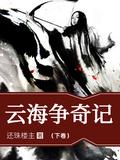 The Story of a Sea of Clouds (Volume 2)
"The Legend of Yunhai Zhengqi" is a martial arts novel written by Huanzhu Louzhu, and is one of his most complete masterpieces. This book is a side story of "The Immortal of Shushan", which tells the story of the second grandson of the Yu family in Yongkang County, Jinhua Prefecture, Zhejiang Province. The head of the family is named Yu Shunmin.
—Reads—Score—Shelves
The Story of a Sea of Clouds (Volume 2)
"The Legend of Yunhai Zhengqi" is a martial arts novel written by Huanzhu Louzhu, and is one of his most complete masterpieces. This book is a side story of "The Immortal of Shushan", which tells the story of the second grandson of the Yu family in Yongkang County, Jinhua Prefecture, Zhejiang Province. The head of the family is named Yu Shunmin.
—Reads—Score—Shelves
-
 Si Xuan Fu
The lyrical poems created by Zhang Heng of the Eastern Han Dynasty express his dissatisfaction with real politics and his desire to avoid harm through his imagination of traveling to heaven.
—Reads8.6Score—Shelves
Si Xuan Fu
The lyrical poems created by Zhang Heng of the Eastern Han Dynasty express his dissatisfaction with real politics and his desire to avoid harm through his imagination of traveling to heaven.
—Reads8.6Score—Shelves
-
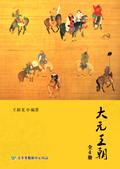 The Yuan Dynasty (All 4 Volumes)
With a rigorous scholarly attitude, this book interprets the history of the Yuan Dynasty in detail, bringing historical figures such as Genghis Khan, Kublai Khan, Emperor Shun of the Yuan Dynasty, and Yelu Chucai to life in front of today's people; it also narrates the Mongolian Army's Western Expedition, Qiu Chuji and Genghis Khan, and various historical events in the history of the Mongolian and Yuan Dynasties. It has an important enlightening role for today's people to correctly understand th
—Reads9.2Score—Shelves
The Yuan Dynasty (All 4 Volumes)
With a rigorous scholarly attitude, this book interprets the history of the Yuan Dynasty in detail, bringing historical figures such as Genghis Khan, Kublai Khan, Emperor Shun of the Yuan Dynasty, and Yelu Chucai to life in front of today's people; it also narrates the Mongolian Army's Western Expedition, Qiu Chuji and Genghis Khan, and various historical events in the history of the Mongolian and Yuan Dynasties. It has an important enlightening role for today's people to correctly understand th
—Reads9.2Score—Shelves
-
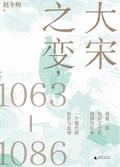 Changes in the Song Dynasty, 1063-1086
No dynasty has ever been as controversial as the Song Dynasty. Some people say it was poor and weak, while others say it was a glorious civilization. Professor Zhao Dongmei of Peking University believes that in the twenty-four years from the accession of Yingzong to the throne in 1063 to the death of Sima Guang at the beginning of Zhezong in 1086, the politics of the Song Dynasty turned from prosperity to decline, which can be called the "Change of the Song Dynasty". This book uses the second ha
—Reads8.8Score—Shelves
Changes in the Song Dynasty, 1063-1086
No dynasty has ever been as controversial as the Song Dynasty. Some people say it was poor and weak, while others say it was a glorious civilization. Professor Zhao Dongmei of Peking University believes that in the twenty-four years from the accession of Yingzong to the throne in 1063 to the death of Sima Guang at the beginning of Zhezong in 1086, the politics of the Song Dynasty turned from prosperity to decline, which can be called the "Change of the Song Dynasty". This book uses the second ha
—Reads8.8Score—Shelves
-
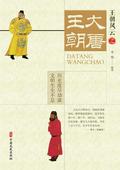 Tang Dynasty (Dynasty Storm)
The Tang Dynasty flourished in the Sui Dynasty, and lasted for 291 years from its establishment in 618 to its demise in 907, which was as long as the Han Dynasty that emerged from the Qin Dynasty. The Tang Dynasty was one of the most powerful dynasties in China's feudal society. From Taizong's "Reign of Zhenguan" to Tang Xuanzong's "Kaiyuan Prosperity", the glory of the Tang Dynasty was pushed to its peak. The Tang Dynasty was also a "kingdom of poetry", with talented people singing and singing
—Reads8.9Score—Shelves
Tang Dynasty (Dynasty Storm)
The Tang Dynasty flourished in the Sui Dynasty, and lasted for 291 years from its establishment in 618 to its demise in 907, which was as long as the Han Dynasty that emerged from the Qin Dynasty. The Tang Dynasty was one of the most powerful dynasties in China's feudal society. From Taizong's "Reign of Zhenguan" to Tang Xuanzong's "Kaiyuan Prosperity", the glory of the Tang Dynasty was pushed to its peak. The Tang Dynasty was also a "kingdom of poetry", with talented people singing and singing
—Reads8.9Score—Shelves
-
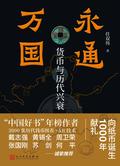 Forever Connecting All Countries: Currency and the Rise and Fall of Ancient Times
"Forever Connecting All Nations: Currency and the Rise and Fall of Ancient Dynasties" is a new and updated version of the 2018 Chinese book "The History of China in Currency". The book is divided into three parts. The first is monetary history (money history). Based on the original book, the monetary history content is doubled (100,000 words) to systematically and completely discuss the historical evolution of currency development. It presents another aspect of history from the side and reveals
—Reads8.4Score—Shelves
Forever Connecting All Countries: Currency and the Rise and Fall of Ancient Times
"Forever Connecting All Nations: Currency and the Rise and Fall of Ancient Dynasties" is a new and updated version of the 2018 Chinese book "The History of China in Currency". The book is divided into three parts. The first is monetary history (money history). Based on the original book, the monetary history content is doubled (100,000 words) to systematically and completely discuss the historical evolution of currency development. It presents another aspect of history from the side and reveals
—Reads8.4Score—Shelves
-
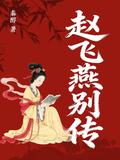 Farewell Biography of Zhao Feiyan
"Farewell to Zhao Feiyan" is a legendary novel written by Qin Chun, a scholar in the Song Dynasty. It is based on the palace story of Zhao Feiyan and his sister Zhao Hede in the Han Dynasty. In the form of a notebook novel, this article narrates the complete experience of the Zhao sisters from the time they entered the palace and were favored to the tragic ending. It focuses on describing the emotional bond between the two, the treacherous means of competing for favor in the harem, and the final
—Reads7.6Score—Shelves
Farewell Biography of Zhao Feiyan
"Farewell to Zhao Feiyan" is a legendary novel written by Qin Chun, a scholar in the Song Dynasty. It is based on the palace story of Zhao Feiyan and his sister Zhao Hede in the Han Dynasty. In the form of a notebook novel, this article narrates the complete experience of the Zhao sisters from the time they entered the palace and were favored to the tragic ending. It focuses on describing the emotional bond between the two, the treacherous means of competing for favor in the harem, and the final
—Reads7.6Score—Shelves
-
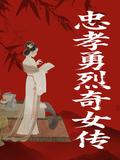 Biography of a Loyal, Filial, Brave and Strange Woman
"The Legend of the Loyal, Filial, Brave and Strange Women" is a chapter-style novel with the ancient Chinese legendary heroine Hua Mulan as the core character. The work expands and interprets the traditional story of Mulan joining the army on behalf of her father, integrating historical romance, gods, monsters, and ethical education into one, creating an image of a female hero who combines loyalty, filial piety, courage, and fidelity. The novel takes Mulan's family origins as the starting point
—Reads8.0Score—Shelves
Biography of a Loyal, Filial, Brave and Strange Woman
"The Legend of the Loyal, Filial, Brave and Strange Women" is a chapter-style novel with the ancient Chinese legendary heroine Hua Mulan as the core character. The work expands and interprets the traditional story of Mulan joining the army on behalf of her father, integrating historical romance, gods, monsters, and ethical education into one, creating an image of a female hero who combines loyalty, filial piety, courage, and fidelity. The novel takes Mulan's family origins as the starting point
—Reads8.0Score—Shelves
-
 The Bloody Sixteen Kingdoms
Following the Three Kingdoms and the Tang Dynasty, this was the most chaotic era in Chinese history; With frequent wars and loss of lives, this is the bloodiest era in Chinese history; Hegemony in the world, the winner is king, this is the most exciting era in Chinese history. 16 Dynasties, more than 100 kings, more than 300 generals and counselors, more than 400 wars... In one breath, I will guide you through the most confusing situation of the Five Hus and Sixteen Kingdoms!
—Reads8.1Score—Shelves
The Bloody Sixteen Kingdoms
Following the Three Kingdoms and the Tang Dynasty, this was the most chaotic era in Chinese history; With frequent wars and loss of lives, this is the bloodiest era in Chinese history; Hegemony in the world, the winner is king, this is the most exciting era in Chinese history. 16 Dynasties, more than 100 kings, more than 300 generals and counselors, more than 400 wars... In one breath, I will guide you through the most confusing situation of the Five Hus and Sixteen Kingdoms!
—Reads8.1Score—Shelves
-
 Liberate Xiangyang
The contents of this book include: pre-war planning, setting off of the army, fighting at Yangshan, meeting swords and guns again, winning the Central Plains, spreading fireworks, and liberating Xiangyang. It records the war process from 1945 to 1949 after the victory of the Anti-Japanese War.
—Reads9.4Score—Shelves
Liberate Xiangyang
The contents of this book include: pre-war planning, setting off of the army, fighting at Yangshan, meeting swords and guns again, winning the Central Plains, spreading fireworks, and liberating Xiangyang. It records the war process from 1945 to 1949 after the victory of the Anti-Japanese War.
—Reads9.4Score—Shelves
-
 Liberate Luoyang
The content of this book includes: the struggle between the dragon and the tiger, the battle in western Henan, the battle in Luoyang, the breach of the west gate in the daytime, the heavy artillery bombardment, the capture of the provincial government, the capture of the "turtle" in Sui Qi, and the liberation of Luoyang. It records the war process from 1945 to 1949 after the victory of the Anti-Japanese War.
—Reads9.4Score—Shelves
Liberate Luoyang
The content of this book includes: the struggle between the dragon and the tiger, the battle in western Henan, the battle in Luoyang, the breach of the west gate in the daytime, the heavy artillery bombardment, the capture of the provincial government, the capture of the "turtle" in Sui Qi, and the liberation of Luoyang. It records the war process from 1945 to 1949 after the victory of the Anti-Japanese War.
—Reads9.4Score—Shelves
-
 The Amazing Chinese Civilization—hello, First and Last Name!
The "Amazing Chinese Civilization" series of books is targeted at children aged 6 to 10. In the form of picture books, it comprehensively displays the manifestations and achievements of Chinese civilization in all aspects. It uses easy-to-understand language and pictures of great artistic beauty to show the best of Chinese culture. This book mainly talks about the origin of names and tells children the mysterious code of clan blood relations.
—Reads8.6Score—Shelves
The Amazing Chinese Civilization—hello, First and Last Name!
The "Amazing Chinese Civilization" series of books is targeted at children aged 6 to 10. In the form of picture books, it comprehensively displays the manifestations and achievements of Chinese civilization in all aspects. It uses easy-to-understand language and pictures of great artistic beauty to show the best of Chinese culture. This book mainly talks about the origin of names and tells children the mysterious code of clan blood relations.
—Reads8.6Score—Shelves
-
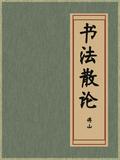 Essays on Calligraphy (Free Public Edition Book)
The calligraphy notes of Fu Shan, a calligrapher in the late Ming and early Qing dynasties, advocated "it is better to be clumsy than skillful", reflecting his unique aesthetics.
—Reads8.7Score—Shelves
Essays on Calligraphy (Free Public Edition Book)
The calligraphy notes of Fu Shan, a calligrapher in the late Ming and early Qing dynasties, advocated "it is better to be clumsy than skillful", reflecting his unique aesthetics.
—Reads8.7Score—Shelves
-
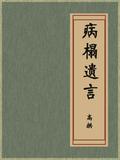 Last Words on the Sickbed (Free Public Edition Book)
This book is divided into three parts, titled "Notes on Fate", "Causes of Contradictions", and "Poisonous Plots". "Gu Ming Ji Shi" records that when Mu Zong was dying, he ordered Gao Gong, Zhang Juzheng, and Feng Baofu to take charge of Biyou. "Cause of Contradiction" records the whole reason why Zhang Juzheng had a grudge against Gao Gong, cultivated private parties, and rejected Gao Gong. "The Poisonous Plot" is written in the first year of Wanli. Zhang Juzheng used the case of the king's mini
—Reads8.5Score—Shelves
Last Words on the Sickbed (Free Public Edition Book)
This book is divided into three parts, titled "Notes on Fate", "Causes of Contradictions", and "Poisonous Plots". "Gu Ming Ji Shi" records that when Mu Zong was dying, he ordered Gao Gong, Zhang Juzheng, and Feng Baofu to take charge of Biyou. "Cause of Contradiction" records the whole reason why Zhang Juzheng had a grudge against Gao Gong, cultivated private parties, and rejected Gao Gong. "The Poisonous Plot" is written in the first year of Wanli. Zhang Juzheng used the case of the king's mini
—Reads8.5Score—Shelves
-
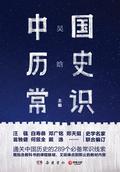 Common Sense of Chinese History (2021 Edition)
Wu Han organized a group of experts and scholars from 1963 to 1965, such as well-known historians Wang Zhuan, Bai Shouyi, Deng Guangming, Zheng Tianting, Weng Dujian, Hu Houxuan, Yin Faru, He Ziquan, Dai Yi, etc. Together they compiled and compiled this "Common Sense of Chinese History". "Everyone compiled a small book" is an important prerequisite to ensure the high quality of this book. As a popular historical reading, this book has a lively form, with each topic being both independent and int
—Reads8.1Score—Shelves
Common Sense of Chinese History (2021 Edition)
Wu Han organized a group of experts and scholars from 1963 to 1965, such as well-known historians Wang Zhuan, Bai Shouyi, Deng Guangming, Zheng Tianting, Weng Dujian, Hu Houxuan, Yin Faru, He Ziquan, Dai Yi, etc. Together they compiled and compiled this "Common Sense of Chinese History". "Everyone compiled a small book" is an important prerequisite to ensure the high quality of this book. As a popular historical reading, this book has a lively form, with each topic being both independent and int
—Reads8.1Score—Shelves
-
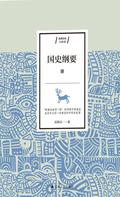 Outline of National History
"Outline of National History" was originally the lecture notes of Mr. Lei Haizong's lectures on the general history of China at Tsinghua University and Southwest Associated University in the 1930s. It describes the historical changes in China from prehistoric times to modern times (1912) from many aspects such as politics, military, economy, culture, etc. It provides a concise yet detailed analysis of important historical events during this period, and systematically and clearly sorts out the hi
—Reads9.2Score—Shelves
Outline of National History
"Outline of National History" was originally the lecture notes of Mr. Lei Haizong's lectures on the general history of China at Tsinghua University and Southwest Associated University in the 1930s. It describes the historical changes in China from prehistoric times to modern times (1912) from many aspects such as politics, military, economy, culture, etc. It provides a concise yet detailed analysis of important historical events during this period, and systematically and clearly sorts out the hi
—Reads9.2Score—Shelves
-
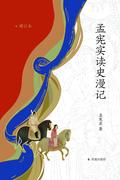 Meng Xianshi's Reading of History (Updated Edition)
Meng Xianshi is a professor at Renmin University of China and vice president of the School of Chinese Studies at Renmin University of China. He has expertise in the fields of Sui and Tang history and Dunhuang and Turpan studies. He has appeared on CCTV's "Hundred Schools Forum" to lecture on history many times. He emphasized the unity of academic and popularization, told history in the most popular way from the perspective of a professional historian, and took conveying "historical consciousness
—Reads8.3Score—Shelves
Meng Xianshi's Reading of History (Updated Edition)
Meng Xianshi is a professor at Renmin University of China and vice president of the School of Chinese Studies at Renmin University of China. He has expertise in the fields of Sui and Tang history and Dunhuang and Turpan studies. He has appeared on CCTV's "Hundred Schools Forum" to lecture on history many times. He emphasized the unity of academic and popularization, told history in the most popular way from the perspective of a professional historian, and took conveying "historical consciousness
—Reads8.3Score—Shelves
-
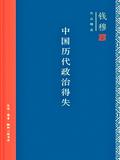 Political Gains and Losses in China's Past Dynasties
The second book is a collection of the author's special speeches. It provides an abstract overview and comparison of various political systems such as government organizations, officials' powers, examination supervision, financial taxation, and military service obligations in the Han, Tang, Song, Ming, and Qing dynasties of China. It describes the evolution due to the revolution and points out the pros and cons. It not only summarizes the essence of Chinese history and politics from a high posit
—Reads8.4Score—Shelves
Political Gains and Losses in China's Past Dynasties
The second book is a collection of the author's special speeches. It provides an abstract overview and comparison of various political systems such as government organizations, officials' powers, examination supervision, financial taxation, and military service obligations in the Han, Tang, Song, Ming, and Qing dynasties of China. It describes the evolution due to the revolution and points out the pros and cons. It not only summarizes the essence of Chinese history and politics from a high posit
—Reads8.4Score—Shelves
-
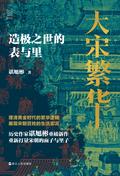 The Prosperity of the Song Dynasty: the Appearance and the Interior of the World of Excellence (Longitude and Latitude Series)
Where did the population boom of the Song Dynasty come from? Where did the huge wealth of the imperial court go? Clarify the prosperous logic of the golden age and show the real life of people in the Song Dynasty. Historical writer Chen Xubin's new work re-examines the face and dignity of the Song Dynasty. This book is divided into three parts. The first part analyzes the reasons for the increase in the total social wealth of the Song Dynasty; the second part describes the ways the Song Dynasty
—Reads9.2Score—Shelves
The Prosperity of the Song Dynasty: the Appearance and the Interior of the World of Excellence (Longitude and Latitude Series)
Where did the population boom of the Song Dynasty come from? Where did the huge wealth of the imperial court go? Clarify the prosperous logic of the golden age and show the real life of people in the Song Dynasty. Historical writer Chen Xubin's new work re-examines the face and dignity of the Song Dynasty. This book is divided into three parts. The first part analyzes the reasons for the increase in the total social wealth of the Song Dynasty; the second part describes the ways the Song Dynasty
—Reads9.2Score—Shelves
-
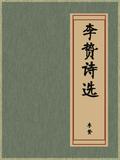 Selected Poems of Li Zhi
Li Zhi (1527-1602), Han nationality, was born in Quanzhou, Fujian. An official, thinker, and writer of the Ming Dynasty, he was a master of the Taizhou School. Li Zhi's first surname was Lin, and his given name was Zaizhi. Later, he changed his surname to Li, his given name was Zhi, his courtesy name was Hongfu, his nickname was Zhuowu, and his nicknames were Wenling Jushi, Baiquan Jushi, etc. During the Li Gongcheng period, he was a doctor of Imperial College, and during Wanli period he was the
—Reads8.5Score—Shelves
Selected Poems of Li Zhi
Li Zhi (1527-1602), Han nationality, was born in Quanzhou, Fujian. An official, thinker, and writer of the Ming Dynasty, he was a master of the Taizhou School. Li Zhi's first surname was Lin, and his given name was Zaizhi. Later, he changed his surname to Li, his given name was Zhi, his courtesy name was Hongfu, his nickname was Zhuowu, and his nicknames were Wenling Jushi, Baiquan Jushi, etc. During the Li Gongcheng period, he was a doctor of Imperial College, and during Wanli period he was the
—Reads8.5Score—Shelves
-
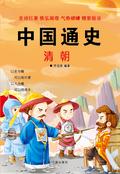 Qing Dynasty
This work "Qing Dynasty" was created by the author Wang Mingzhe.
—Reads8.3Score—Shelves
Qing Dynasty
This work "Qing Dynasty" was created by the author Wang Mingzhe.
—Reads8.3Score—Shelves
-
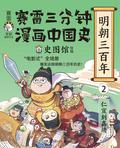 Sai Lei's Three-Minute Comic History of China Three Hundred Years of the Ming Dynasty 2
The second volume of Sai Lei's full-color comic "History of the Ming Dynasty" is now on the market. The history of the Ming Dynasty is so interesting! "Super Cute Sai Lei", which is watched by 10,000,000 people, and the "History Library", a professional history popularization platform loved by millions of readers, are jointly created to reproduce the three hundred years of Ming Dynasty history in a full-color comic movie style with all scenes. The new series of "Sailei's Three-Minute Cartoon His
—Reads8.7Score—Shelves
Sai Lei's Three-Minute Comic History of China Three Hundred Years of the Ming Dynasty 2
The second volume of Sai Lei's full-color comic "History of the Ming Dynasty" is now on the market. The history of the Ming Dynasty is so interesting! "Super Cute Sai Lei", which is watched by 10,000,000 people, and the "History Library", a professional history popularization platform loved by millions of readers, are jointly created to reproduce the three hundred years of Ming Dynasty history in a full-color comic movie style with all scenes. The new series of "Sailei's Three-Minute Cartoon His
—Reads8.7Score—Shelves
-
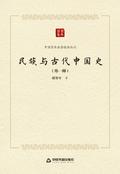 Ethnicity and Ancient Chinese History
The two parts of this book, "Nation and the History of Ancient China" and "Differentiation of Ancient Teachings on Life and Ming", are both written by Fu Sinian. "Nation and Ancient Chinese History" is a research collection on the history of ancient pre-Qin China. It contains five representative works in total, including "The Theory of East and West of Yixia", "Jiang Yuan", "Zhou Dongfeng and the Survivors of Yin", "Zhou Dongfeng and the Survivors of Yin", "On the So-called Five Nobles", which s
—Reads8.7Score—Shelves
Ethnicity and Ancient Chinese History
The two parts of this book, "Nation and the History of Ancient China" and "Differentiation of Ancient Teachings on Life and Ming", are both written by Fu Sinian. "Nation and Ancient Chinese History" is a research collection on the history of ancient pre-Qin China. It contains five representative works in total, including "The Theory of East and West of Yixia", "Jiang Yuan", "Zhou Dongfeng and the Survivors of Yin", "Zhou Dongfeng and the Survivors of Yin", "On the So-called Five Nobles", which s
—Reads8.7Score—Shelves
-
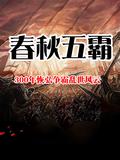 The Five Hegemons of the Spring and Autumn Period: 300 Years of Magnificent Struggle for Hegemony in Troubled Times
During the Spring and Autumn Period, the kingship declined and etiquette and justice were abolished; the Zhou Dynasty declined and the princes flourished. During this period, five eye-catching leaders of the princes - Qi Huan, Song Xiang, Qin Mu, Jin Wen, and Chu Zhuang - successively stepped onto the turbulent historical stage. Known in history as the "Five Hegemons of the Spring and Autumn Period". Duke Huan of Qi took the lead in raising the banner of "respecting the king and repelling the ba
—Reads—Score—Shelves
The Five Hegemons of the Spring and Autumn Period: 300 Years of Magnificent Struggle for Hegemony in Troubled Times
During the Spring and Autumn Period, the kingship declined and etiquette and justice were abolished; the Zhou Dynasty declined and the princes flourished. During this period, five eye-catching leaders of the princes - Qi Huan, Song Xiang, Qin Mu, Jin Wen, and Chu Zhuang - successively stepped onto the turbulent historical stage. Known in history as the "Five Hegemons of the Spring and Autumn Period". Duke Huan of Qi took the lead in raising the banner of "respecting the king and repelling the ba
—Reads—Score—Shelves
-
 Sima Fa
The military writings of the Pre-Qin Dynasty are the oldest existing military thoughts in our country. They preserve some very classical combat principles of the early Spring and Autumn Period and have a strong aristocratic flavor. According to "Historical Records: Biography of Sima Rangju": "King Wei of Qi sent his officials to discuss the ancient Sima's art of war, and attached Rangju to it, so it was called Sima Rangju's art of war." The Sima mentioned here Ranju was a native of the Qi State
—Reads8.5Score—Shelves
Sima Fa
The military writings of the Pre-Qin Dynasty are the oldest existing military thoughts in our country. They preserve some very classical combat principles of the early Spring and Autumn Period and have a strong aristocratic flavor. According to "Historical Records: Biography of Sima Rangju": "King Wei of Qi sent his officials to discuss the ancient Sima's art of war, and attached Rangju to it, so it was called Sima Rangju's art of war." The Sima mentioned here Ranju was a native of the Qi State
—Reads8.5Score—Shelves
-
 Chinese Institutional History
This book is China's first true general history work, and it is written in vernacular, so it became famous in the early years of the Republic of China. The famous historian Mr. Gu Jiegang said that this book "opened a new era for the writing of general history." The content in the book starts from ancient myths and ends in the 11th year of the Republic of China (1922). It is divided into five stages: ancient times, medieval times, modern times, modern times, and modern times, spanning more than
—Reads—Score—Shelves
Chinese Institutional History
This book is China's first true general history work, and it is written in vernacular, so it became famous in the early years of the Republic of China. The famous historian Mr. Gu Jiegang said that this book "opened a new era for the writing of general history." The content in the book starts from ancient myths and ends in the 11th year of the Republic of China (1922). It is divided into five stages: ancient times, medieval times, modern times, modern times, and modern times, spanning more than
—Reads—Score—Shelves
-
 Works of Shi Jingqian (12 Volumes in Total)
This collection of Shi Jingqian's works includes the following 12 works: "In Search of Modern China" takes the end of the 16th century as the starting point of the narrative and shows the changes in China's society, politics, economy, ideology and culture. "China Aspects" contains Shi Jingqian's most representative papers, reflecting his efforts to think about China as accurately, fairly and thoroughly as possible. "Matteo Ricci's Memory Palace" Shi Jingqian cleverly built a complete picture of
—Reads9.3Score—Shelves
Works of Shi Jingqian (12 Volumes in Total)
This collection of Shi Jingqian's works includes the following 12 works: "In Search of Modern China" takes the end of the 16th century as the starting point of the narrative and shows the changes in China's society, politics, economy, ideology and culture. "China Aspects" contains Shi Jingqian's most representative papers, reflecting his efforts to think about China as accurately, fairly and thoroughly as possible. "Matteo Ricci's Memory Palace" Shi Jingqian cleverly built a complete picture of
—Reads9.3Score—Shelves
-
 The Power Game of the Ming Dynasty: Fan Shuzhi Details the Figures of the Ming Dynasty
This book is a popular work on Ming history written specifically for the public readers by Mr. Fan Shuzhi, a master of Ming history. This book focuses on people and deals with people. It tells the experiences, joys and sorrows of various characters such as emperors, powerful ministers, sycophants, eunuchs, gentlemen, villains, etc. Under the autocratic politics of the Ming Dynasty. The book describes emperors with great status, such as Zhu Yuanzhang and Zhu Di; ministers with great power, such a
—Reads8.4Score—Shelves
The Power Game of the Ming Dynasty: Fan Shuzhi Details the Figures of the Ming Dynasty
This book is a popular work on Ming history written specifically for the public readers by Mr. Fan Shuzhi, a master of Ming history. This book focuses on people and deals with people. It tells the experiences, joys and sorrows of various characters such as emperors, powerful ministers, sycophants, eunuchs, gentlemen, villains, etc. Under the autocratic politics of the Ming Dynasty. The book describes emperors with great status, such as Zhu Yuanzhang and Zhu Di; ministers with great power, such a
—Reads8.4Score—Shelves
-
 Life-Saving Book (Free Public Edition Book)
The book of war. The author felt that in the late Ming Dynasty, there were continuous wars and the city defenses were derelict and weak, so he wrote this book in the 35th year of Wanli (1607), hoping that the soldiers could use it to defend the city and protect the people from military harm. The content is mainly focused on city defense, with more than 30 items including city defense matters, matters in case of change, and prevention matters. Including defensive tactics, management of residents'
—Reads8.5Score—Shelves
Life-Saving Book (Free Public Edition Book)
The book of war. The author felt that in the late Ming Dynasty, there were continuous wars and the city defenses were derelict and weak, so he wrote this book in the 35th year of Wanli (1607), hoping that the soldiers could use it to defend the city and protect the people from military harm. The content is mainly focused on city defense, with more than 30 items including city defense matters, matters in case of change, and prevention matters. Including defensive tactics, management of residents'
—Reads8.5Score—Shelves
-
 Plum Blossom Poems (Free Public Edition Book)
The prophetic poems of Shao Yong, a Neo-Confucian scholar in the Northern Song Dynasty, used symbolic techniques to allude to historical changes. They were full of metaphysical color and were interpreted differently by later generations.
—Reads8.5Score—Shelves
Plum Blossom Poems (Free Public Edition Book)
The prophetic poems of Shao Yong, a Neo-Confucian scholar in the Northern Song Dynasty, used symbolic techniques to allude to historical changes. They were full of metaphysical color and were interpreted differently by later generations.
—Reads8.5Score—Shelves
-
 Scholars Go to the People: Changes and Social Transformation in Song and Yuan Dynasties
This book is an innovative work in the field of Song and Yuan history research. The author takes the "Song and Yuan changes" as a perspective and looks at the fate of the scholar elites during the Song and Yuan Dynasties, showing that they had to face the "thousand-man race" and the difficult situation of official career promotion after being named to the gold list. In this context, many scholars who passed the imperial examinations experienced major changes in their mentality and career orienta
—Reads8.6Score—Shelves
Scholars Go to the People: Changes and Social Transformation in Song and Yuan Dynasties
This book is an innovative work in the field of Song and Yuan history research. The author takes the "Song and Yuan changes" as a perspective and looks at the fate of the scholar elites during the Song and Yuan Dynasties, showing that they had to face the "thousand-man race" and the difficult situation of official career promotion after being named to the gold list. In this context, many scholars who passed the imperial examinations experienced major changes in their mentality and career orienta
—Reads8.6Score—Shelves
-
 General History of China (Collected Works of Lu Simian)
"General History of China" is the main result of Mr. Lu Simian's early exploration of modern Chinese history. It was written from the outbreak of the Opium War in 1848 to the end of the Anti-Japanese War. The book is divided into five parts, including lecture notes on modern Chinese history, prehistory of modern China, an overview of China's history in the past century, a supplement to the cultural history of modern China, and the Russo-Japanese War. Modern times are a period in which the Chines
—Reads8.9Score—Shelves
General History of China (Collected Works of Lu Simian)
"General History of China" is the main result of Mr. Lu Simian's early exploration of modern Chinese history. It was written from the outbreak of the Opium War in 1848 to the end of the Anti-Japanese War. The book is divided into five parts, including lecture notes on modern Chinese history, prehistory of modern China, an overview of China's history in the past century, a supplement to the cultural history of modern China, and the Russo-Japanese War. Modern times are a period in which the Chines
—Reads8.9Score—Shelves
-
 Continued Zizhi Tongjian
The "Continuation of Zi Zhi Tong Jian" compiled by Bi Yuan of the Qing Dynasty is also a sequel to "Zi Zhi Tong Jian". Through the continued compilation by the above-mentioned schools, a complete set of "Tongjian" series of historical books has been formed in the vast historical series of our country. The content of this book is equally focused on the historical events of the Song, Liao, Jin, and Yuan dynasties, and it has overcome the disadvantage of the past history books being more detailed i
—Reads8.4Score—Shelves
Continued Zizhi Tongjian
The "Continuation of Zi Zhi Tong Jian" compiled by Bi Yuan of the Qing Dynasty is also a sequel to "Zi Zhi Tong Jian". Through the continued compilation by the above-mentioned schools, a complete set of "Tongjian" series of historical books has been formed in the vast historical series of our country. The content of this book is equally focused on the historical events of the Song, Liao, Jin, and Yuan dynasties, and it has overcome the disadvantage of the past history books being more detailed i
—Reads8.4Score—Shelves
-
 Cambridge History of China (11 Volumes)
The "Cambridge History of China" series consists of 16 volumes. Each volume is edited by well-known foreign scholars. Each chapter in the volume is also written by well-researched experts. It pays attention to absorbing the research results of scholars from various countries, reflecting the level and trends of foreign Chinese history research. 11 Volumes have been published. Including: "Cambridge History of China's Qin and Han Dynasties (221 BC to AD 220)" "Cambridge History of China's Sui and T
—Reads9.1Score—Shelves
Cambridge History of China (11 Volumes)
The "Cambridge History of China" series consists of 16 volumes. Each volume is edited by well-known foreign scholars. Each chapter in the volume is also written by well-researched experts. It pays attention to absorbing the research results of scholars from various countries, reflecting the level and trends of foreign Chinese history research. 11 Volumes have been published. Including: "Cambridge History of China's Qin and Han Dynasties (221 BC to AD 220)" "Cambridge History of China's Sui and T
—Reads9.1Score—Shelves
-
 General History of China
The original book is "General History of China by Lu", which is divided into the cultural history in the upper part and the political history in the lower part. This book only takes down the political history part. It aims to briefly describe the rise and fall of our nation-state over thousands of years in the order of historical development, so that readers can form a clear and smooth knowledge context. This book covers the evolution of Chinese history and major historical events from ancient C
—Reads8.9Score—Shelves
General History of China
The original book is "General History of China by Lu", which is divided into the cultural history in the upper part and the political history in the lower part. This book only takes down the political history part. It aims to briefly describe the rise and fall of our nation-state over thousands of years in the order of historical development, so that readers can form a clear and smooth knowledge context. This book covers the evolution of Chinese history and major historical events from ancient C
—Reads8.9Score—Shelves
-
 The Secret History of the Empress of the Ming Dynasty
The harem is a woman's world, a mysterious place. In the official history, you can only read a few words about it, because no emperor wants his private life to be talked about, so they forbid people in the world to talk about the harem. But the more so, the more intriguing it becomes. The unofficial histories of the past dynasties all describe the secrets of the harem, and interpret them to the best of their abilities. The lines are filled with the atmosphere of luxury, ambiguity, and killing. H
—Reads—Score—Shelves
The Secret History of the Empress of the Ming Dynasty
The harem is a woman's world, a mysterious place. In the official history, you can only read a few words about it, because no emperor wants his private life to be talked about, so they forbid people in the world to talk about the harem. But the more so, the more intriguing it becomes. The unofficial histories of the past dynasties all describe the secrets of the harem, and interpret them to the best of their abilities. The lines are filled with the atmosphere of luxury, ambiguity, and killing. H
—Reads—Score—Shelves
-
 The Secret History of the Qing Harem
In the harem of the Qing Dynasty, there were no gunshots, no bloodshed but people died, no cries but there were cries, no graves but ghosts. The harem of the Qing Dynasty is an "exciting point" that can always arouse the sensitive nerves of future generations. This is the mystery of history, and even more so, the mystery of human nature! Being unfamiliar with history and human nature is not enough to solve this mystery!
—Reads—Score—Shelves
The Secret History of the Qing Harem
In the harem of the Qing Dynasty, there were no gunshots, no bloodshed but people died, no cries but there were cries, no graves but ghosts. The harem of the Qing Dynasty is an "exciting point" that can always arouse the sensitive nerves of future generations. This is the mystery of history, and even more so, the mystery of human nature! Being unfamiliar with history and human nature is not enough to solve this mystery!
—Reads—Score—Shelves
-
 Unofficial History of the Great Qing Dynasty
It sounds ridiculous but it may be a true historical story! ! ! Anecdotes about what happened in the Thirteen Dynasties of the Qing Dynasty! ! ! The Qing Dynasty was the second unified regime established by ethnic minorities in Chinese history and the last feudal imperial state in China. It had a profound impact on Chinese history. In 1616, Nurhaci, the leader of Jianzhou Jurchen tribe, established Houjin. In 1636, Huang Taiji changed the name of the country to Qing. In 1644, the peasant general
—Reads8.7Score—Shelves
Unofficial History of the Great Qing Dynasty
It sounds ridiculous but it may be a true historical story! ! ! Anecdotes about what happened in the Thirteen Dynasties of the Qing Dynasty! ! ! The Qing Dynasty was the second unified regime established by ethnic minorities in Chinese history and the last feudal imperial state in China. It had a profound impact on Chinese history. In 1616, Nurhaci, the leader of Jianzhou Jurchen tribe, established Houjin. In 1636, Huang Taiji changed the name of the country to Qing. In 1644, the peasant general
—Reads8.7Score—Shelves
-
 Qing Dynasty Talks About Historians
This is a history of the Qing Dynasty with soul, content, and powerful information. At this moment in the author's writings, the characters trapped in the depths of history are no longer stiff and stereotyped names, but witnesses of the times whose souls exude interest. This book injects fresh and interesting souls into historical figures, making the truth of history come to life on the page! The serious and serious historical figures in the textbooks all show their true colors here! It can fill
—Reads8.8Score—Shelves
Qing Dynasty Talks About Historians
This is a history of the Qing Dynasty with soul, content, and powerful information. At this moment in the author's writings, the characters trapped in the depths of history are no longer stiff and stereotyped names, but witnesses of the times whose souls exude interest. This book injects fresh and interesting souls into historical figures, making the truth of history come to life on the page! The serious and serious historical figures in the textbooks all show their true colors here! It can fill
—Reads8.8Score—Shelves
-
 The Qing Dynasty (Four Volumes)
The Forbidden City in Beijing is famous for its dazzling palace-style buildings and more than 900,000 precious cultural relics. Ten emperors of the Qing Dynasty spent their reigns here. The Qing Dynasty in 268 years left people with confusing scenes and lingering melancholy. By the time of the Qing Dynasty, China's feudal society had become well-established, just like an old man staggering into the last part of his journey after a long period of time. This is a dazzling era: wars of changing dyn
—Reads9.4Score—Shelves
The Qing Dynasty (Four Volumes)
The Forbidden City in Beijing is famous for its dazzling palace-style buildings and more than 900,000 precious cultural relics. Ten emperors of the Qing Dynasty spent their reigns here. The Qing Dynasty in 268 years left people with confusing scenes and lingering melancholy. By the time of the Qing Dynasty, China's feudal society had become well-established, just like an old man staggering into the last part of his journey after a long period of time. This is a dazzling era: wars of changing dyn
—Reads9.4Score—Shelves
-
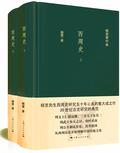 History of the Western Zhou Dynasty (Two Volumes)
The Western Zhou Dynasty refers to the period of about 280 years from the end of the 11th century BC when King Wu of Zhou conquered the Shang Dynasty, founded the Zhou Dynasty, and established its capital in Hao, until King Zhou You was killed in 771 BC and King Ping moved the capital to Luoyi. The Western Zhou Dynasty was a dynasty established after the Xia and Shang generations. The political culture of the Western Zhou Dynasty developed brilliantly on the basis of the two generations, and had
—Reads8.9Score—Shelves
History of the Western Zhou Dynasty (Two Volumes)
The Western Zhou Dynasty refers to the period of about 280 years from the end of the 11th century BC when King Wu of Zhou conquered the Shang Dynasty, founded the Zhou Dynasty, and established its capital in Hao, until King Zhou You was killed in 771 BC and King Ping moved the capital to Luoyi. The Western Zhou Dynasty was a dynasty established after the Xia and Shang generations. The political culture of the Western Zhou Dynasty developed brilliantly on the basis of the two generations, and had
—Reads8.9Score—Shelves
-
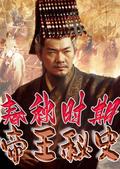 The Secret History of the Emperors of China for Five Thousand Years·the Secret History of the Emperors of the Spring and Autumn Period
This book includes King Ping of Zhou who moved east to Luoyi, King Heng of Zhou who lost all his majesty, King Hui of Zhou who acted for money, King Hui of Zhou whose greed led to riots, and Ji Yan, the dynasty monarch of the Eastern Zhou Dynasty.
—Reads8.0Score—Shelves
The Secret History of the Emperors of China for Five Thousand Years·the Secret History of the Emperors of the Spring and Autumn Period
This book includes King Ping of Zhou who moved east to Luoyi, King Heng of Zhou who lost all his majesty, King Hui of Zhou who acted for money, King Hui of Zhou whose greed led to riots, and Ji Yan, the dynasty monarch of the Eastern Zhou Dynasty.
—Reads8.0Score—Shelves
-
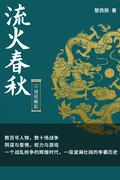 Flowing Fire Spring and Autumn 1: the Rise of the Princes
The Chinese version of "Game of Thrones" fully reproduces the history of a generation of heroes striving for world hegemony. Hundreds of characters, dozens of wars; conspiracy and love, power and games. A glorious era of war and strife, a magnificent history of struggle for hegemony. The Spring and Autumn Period and the Warring States Period are an important chapter in Chinese history. It kicked off with King Zhou Ping's eastward migration, reproduced the rise of Qi and Chu and the struggle for
—Reads8.0Score—Shelves
Flowing Fire Spring and Autumn 1: the Rise of the Princes
The Chinese version of "Game of Thrones" fully reproduces the history of a generation of heroes striving for world hegemony. Hundreds of characters, dozens of wars; conspiracy and love, power and games. A glorious era of war and strife, a magnificent history of struggle for hegemony. The Spring and Autumn Period and the Warring States Period are an important chapter in Chinese history. It kicked off with King Zhou Ping's eastward migration, reproduced the rise of Qi and Chu and the struggle for
—Reads8.0Score—Shelves
-
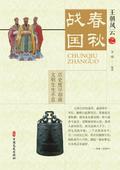 Spring and Autumn Period and Warring States Period (Dynasty Storm)
This book tells the 550-year history of China from King Zhou Ping's eastward migration in 770 BC to Qin Shihuang's unification of the world in 221 BC. During the Spring and Autumn Period and the Warring States Period, the power of the Zhou royal family weakened, and the princes continued to conquer each other year after year, and all the heroes came together to form the "Five Hegemons of the Spring and Autumn Period" and the "Seven Heroes of the Warring States Period". The Spring and Autumn Peri
—Reads9.3Score—Shelves
Spring and Autumn Period and Warring States Period (Dynasty Storm)
This book tells the 550-year history of China from King Zhou Ping's eastward migration in 770 BC to Qin Shihuang's unification of the world in 221 BC. During the Spring and Autumn Period and the Warring States Period, the power of the Zhou royal family weakened, and the princes continued to conquer each other year after year, and all the heroes came together to form the "Five Hegemons of the Spring and Autumn Period" and the "Seven Heroes of the Warring States Period". The Spring and Autumn Peri
—Reads9.3Score—Shelves
-
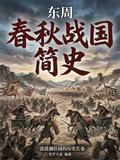 Eastern Zhou Dynasty: a Brief History of the Spring and Autumn Period and the Warring States Period
This book is compiled by Mr. Gu Jiegang, a great historian, and combs the grand history of more than 100 years of Eastern Zhou Dynasty in an easy-to-understand way. Starting from the move of King Ping of Zhou Dynasty to the East, it describes in detail the political pattern of the ups and downs of the Spring and Autumn hegemons and the competition between the seven heroes of the Warring States period. The author uses the idea of "discrimination of ancient history" to tell the story while gui
—Reads8.3Score—Shelves
Eastern Zhou Dynasty: a Brief History of the Spring and Autumn Period and the Warring States Period
This book is compiled by Mr. Gu Jiegang, a great historian, and combs the grand history of more than 100 years of Eastern Zhou Dynasty in an easy-to-understand way. Starting from the move of King Ping of Zhou Dynasty to the East, it describes in detail the political pattern of the ups and downs of the Spring and Autumn hegemons and the competition between the seven heroes of the Warring States period. The author uses the idea of "discrimination of ancient history" to tell the story while gui
—Reads8.3Score—Shelves
-
 Liu Juanzi's Ghost Recipe (Free Public Edition Book)
This book is a collection of surgical prescriptions from the Southern and Northern Dynasties, focusing on the treatment of sores and carbuncles. It is an important classic of surgical medicine in ancient China.
—Reads8.6Score—Shelves
Liu Juanzi's Ghost Recipe (Free Public Edition Book)
This book is a collection of surgical prescriptions from the Southern and Northern Dynasties, focusing on the treatment of sores and carbuncles. It is an important classic of surgical medicine in ancient China.
—Reads8.6Score—Shelves