Fanqie library
Browse
- Titles
- 830
Every Fanqie book we index, searchable by title, author or tag.
-
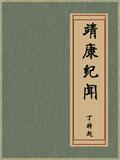 Chronicles of Jingkang (Free Public Edition Book)
Also known as "The Record of Lonely Minister Crying Blood". Miscellaneous History. The incident started from the beginning of November of the first year of Jingkang (1126), when the Wu Jin people invaded the capital, and ended on the first day of May of the following year when King Kang ascended the throne in Nanjing. The author happened to be in Bianjing at that time, deploring the loss of the capital and the relocation of the two emperors. He wrote this book to arouse the hearts of loyal minis
2Reads8.7Score—Shelves
Chronicles of Jingkang (Free Public Edition Book)
Also known as "The Record of Lonely Minister Crying Blood". Miscellaneous History. The incident started from the beginning of November of the first year of Jingkang (1126), when the Wu Jin people invaded the capital, and ended on the first day of May of the following year when King Kang ascended the throne in Nanjing. The author happened to be in Bianjing at that time, deploring the loss of the capital and the relocation of the two emperors. He wrote this book to arouse the hearts of loyal minis
2Reads8.7Score—Shelves
-
 One Book to Understand the Classic: Dream of Red Mansions
Speaking of "Dream of Red Mansions", anyone who is literate knows that it is one of China's four major classical literary masterpieces, and almost all people engaged in literary creation and research have not read "Dream of Red Mansions". I remember a great writer once said something like this, "Those who have not read "A Dream of Red Mansions" cannot write novels well." This may seem a little bit, but it is a high degree of affirmation of the artistic value of "A Dream of Red Mansions". "One Bo
2Reads8.5Score—Shelves
One Book to Understand the Classic: Dream of Red Mansions
Speaking of "Dream of Red Mansions", anyone who is literate knows that it is one of China's four major classical literary masterpieces, and almost all people engaged in literary creation and research have not read "Dream of Red Mansions". I remember a great writer once said something like this, "Those who have not read "A Dream of Red Mansions" cannot write novels well." This may seem a little bit, but it is a high degree of affirmation of the artistic value of "A Dream of Red Mansions". "One Bo
2Reads8.5Score—Shelves
-
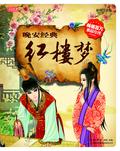 Good Night Classic Dream of Red Mansions
This book is a classic literary masterpiece for children. It has been adapted while retaining the taste of the original text. The text and content are more suitable for readers' reading habits and interests, and it is easier for them to understand the cultural treasures of the motherland. The book is based on the four major families of Jia, Shi, Wang, and Xue, and takes the love tragedy of Jia Baoyu and Lin Daiyu as the main line. It focuses on describing the process of Jia Jiarong and Ning's tw
2Reads8.6Score—Shelves
Good Night Classic Dream of Red Mansions
This book is a classic literary masterpiece for children. It has been adapted while retaining the taste of the original text. The text and content are more suitable for readers' reading habits and interests, and it is easier for them to understand the cultural treasures of the motherland. The book is based on the four major families of Jia, Shi, Wang, and Xue, and takes the love tragedy of Jia Baoyu and Lin Daiyu as the main line. It focuses on describing the process of Jia Jiarong and Ning's tw
2Reads8.6Score—Shelves
-
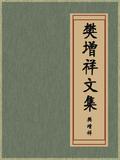 Collected Works of Fan Zengxiang
Fan Zengxiang (1846-1931) was an official and writer in the Qing Dynasty. His original name was Fan Jia, also known as Fan Zeng, also known as Jiafu, alias Fanshan, nicknamed Yunmen, and later nicknamed Tianqin Laoren. He was a native of Zitong Lane, Xizheng Street, Liujiaoting Street, Enshi City, Hubei Province. A Jinshi of Guangxu, he served successively as the magistrate of Weinan, the chief envoy of Shaanxi, and the governor of Liangjiang. When the Revolution of 1911 broke out, he took refug
2Reads8.1Score—Shelves
Collected Works of Fan Zengxiang
Fan Zengxiang (1846-1931) was an official and writer in the Qing Dynasty. His original name was Fan Jia, also known as Fan Zeng, also known as Jiafu, alias Fanshan, nicknamed Yunmen, and later nicknamed Tianqin Laoren. He was a native of Zitong Lane, Xizheng Street, Liujiaoting Street, Enshi City, Hubei Province. A Jinshi of Guangxu, he served successively as the magistrate of Weinan, the chief envoy of Shaanxi, and the governor of Liangjiang. When the Revolution of 1911 broke out, he took refug
2Reads8.1Score—Shelves
-
 Chronicles of the Imperial Peace of Taiwan (Free Public Edition Book)
In the fifty-third year of Qianlong's reign in the Qing Dynasty (1788), it was compiled under the order of Emperor Gaozong. At the end of the 51st year of Qianlong's reign, the massive Lin Shuangwen Uprising broke out in Changhua, Taiwan and other places. This was also an unprecedented armed anti-Qing struggle in the history of the Tiandihui, which greatly shocked the ruling class of the Qing Dynasty. The limit of this book is: from the beginning of the Lin Shuangwen Uprising in Taiwan, reported
2Reads8.5Score—Shelves
Chronicles of the Imperial Peace of Taiwan (Free Public Edition Book)
In the fifty-third year of Qianlong's reign in the Qing Dynasty (1788), it was compiled under the order of Emperor Gaozong. At the end of the 51st year of Qianlong's reign, the massive Lin Shuangwen Uprising broke out in Changhua, Taiwan and other places. This was also an unprecedented armed anti-Qing struggle in the history of the Tiandihui, which greatly shocked the ruling class of the Qing Dynasty. The limit of this book is: from the beginning of the Lin Shuangwen Uprising in Taiwan, reported
2Reads8.5Score—Shelves
-
 Pei Ziyulin (Free Public Edition Book)
It is a collection of aspirational novels written in the style of Shishuoxinyu, which mainly records the words, deeds, and anecdotes of characters in the Han, Wei and Jin dynasties. The book covers many well-known figures, showing their personalities, talents and demeanor through vivid and interesting stories, reflecting the social scene, cultural atmosphere and the spiritual world of scholars at that time, and has certain reference value for later generations of literary creation and historical
2Reads8.3Score—Shelves
Pei Ziyulin (Free Public Edition Book)
It is a collection of aspirational novels written in the style of Shishuoxinyu, which mainly records the words, deeds, and anecdotes of characters in the Han, Wei and Jin dynasties. The book covers many well-known figures, showing their personalities, talents and demeanor through vivid and interesting stories, reflecting the social scene, cultural atmosphere and the spiritual world of scholars at that time, and has certain reference value for later generations of literary creation and historical
2Reads8.3Score—Shelves
-
 Collected Works of Zheng Min
Zheng Min (? - 710) Tang poet. The courtesy name is Wenjing, a native of Cang County (belonging to Cangzhou), Hebei Province. He died in the first year of Jingyun, Emperor Ruizong of Tang Dynasty. He was promoted to Jinshi at the age of seventeen. During the reign of Empress Wu, Zhang Yi's brother recommended him as a censor in the palace. After Zhang Yi stepped down, he was demoted to the position of chief minister of Xuanzhou. During the reign of Emperor Zhongzong of the Tang Dynasty, he serve
2Reads8.5Score—Shelves
Collected Works of Zheng Min
Zheng Min (? - 710) Tang poet. The courtesy name is Wenjing, a native of Cang County (belonging to Cangzhou), Hebei Province. He died in the first year of Jingyun, Emperor Ruizong of Tang Dynasty. He was promoted to Jinshi at the age of seventeen. During the reign of Empress Wu, Zhang Yi's brother recommended him as a censor in the palace. After Zhang Yi stepped down, he was demoted to the position of chief minister of Xuanzhou. During the reign of Emperor Zhongzong of the Tang Dynasty, he serve
2Reads8.5Score—Shelves
-
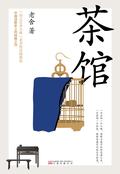 Teahouse
"Teahouse" is Lao She's representative drama collection, which includes his famous dramas "Teahouse" and "Longxugou", as well as many classic short stories by Mr. Lao She. "Teahouse" is a classic in the history of Chinese drama. It was created in 1956. Through a teahouse called Yutai, the play shows the social changes in the three eras of the Reform Movement of 1898, the warlord war and the eve of the founding of New China for nearly half a century, as well as all the living beings in this socie
1Reads8.9Score—Shelves
Teahouse
"Teahouse" is Lao She's representative drama collection, which includes his famous dramas "Teahouse" and "Longxugou", as well as many classic short stories by Mr. Lao She. "Teahouse" is a classic in the history of Chinese drama. It was created in 1956. Through a teahouse called Yutai, the play shows the social changes in the three eras of the Reform Movement of 1898, the warlord war and the eve of the founding of New China for nearly half a century, as well as all the living beings in this socie
1Reads8.9Score—Shelves
-
 Teahouse
"Teahouse" is a play written by the modern writer Lao She in 1956. It was published in the first issue of "Harvest" magazine, edited by Ba Jin in early July 1957. A single volume was published by China Drama Publishing House in June 1958. The play shows the social changes of nearly half a century in three eras: the Reform Movement of 1898, the warlord war, and the eve of the founding of New China. A teahouse called Yutai reveals the darkness, corruption, bizarreness, and all the living beings in
1Reads9.1Score—Shelves
Teahouse
"Teahouse" is a play written by the modern writer Lao She in 1956. It was published in the first issue of "Harvest" magazine, edited by Ba Jin in early July 1957. A single volume was published by China Drama Publishing House in June 1958. The play shows the social changes of nearly half a century in three eras: the Reform Movement of 1898, the warlord war, and the eve of the founding of New China. A teahouse called Yutai reveals the darkness, corruption, bizarreness, and all the living beings in
1Reads9.1Score—Shelves
-
 Teahouse
"Teahouse" is a three-act play by the famous modern writer Lao She. It features 60 or 70 characters. Through the bleak management of Yutai Teahouse and its eventual decline, it reflects the trend of Chinese society in more than half a century since the Reform Movement of 1898. It is a classic work of Chinese drama creation.
1Reads8.8Score—Shelves
Teahouse
"Teahouse" is a three-act play by the famous modern writer Lao She. It features 60 or 70 characters. Through the bleak management of Yutai Teahouse and its eventual decline, it reflects the trend of Chinese society in more than half a century since the Reform Movement of 1898. It is a classic work of Chinese drama creation.
1Reads8.8Score—Shelves
-
 Four Great Classics: Water Margin
This book selects chapters and chapters of "Water Margin" with positive and healthy ideological content and vivid and interesting character stories. It is rewritten in modern Chinese, with brief comments, and adapted into modern vernacular.
1Reads8.7Score—Shelves
Four Great Classics: Water Margin
This book selects chapters and chapters of "Water Margin" with positive and healthy ideological content and vivid and interesting character stories. It is rewritten in modern Chinese, with brief comments, and adapted into modern vernacular.
1Reads8.7Score—Shelves
-
 Favorite Chinese Studies Series: Water Margin
"My Favorite Chinese Studies Series: Water Margin"
1Reads8.7Score—Shelves
Favorite Chinese Studies Series: Water Margin
"My Favorite Chinese Studies Series: Water Margin"
1Reads8.7Score—Shelves
-
 The Complete Collection of Embroidered Portraits Injected into the Water Margin
For this book, we selected recognized authoritative and popular versions, and then referred to works published in different periods to identify and proofread them to make them more accurate. At the same time, we have also added popular embroidery works from the Qing Dynasty and provided appropriate annotations to make it easier for readers to read, understand and appreciate, and fully appreciate the artistic appeal of classic works.
1Reads8.1Score—Shelves
The Complete Collection of Embroidered Portraits Injected into the Water Margin
For this book, we selected recognized authoritative and popular versions, and then referred to works published in different periods to identify and proofread them to make them more accurate. At the same time, we have also added popular embroidery works from the Qing Dynasty and provided appropriate annotations to make it easier for readers to read, understand and appreciate, and fully appreciate the artistic appeal of classic works.
1Reads8.1Score—Shelves
-
 Picking up Flowers in the Morning and Dusk (A Blue-Covered Light Classic of Modern Literature)
The history of modern Chinese literature is full of stars, which jointly promoted the reform and development of modern Chinese literature and made irreplaceable contributions to the development of Chinese literature. "Modern Literature: Blue Classics" selects ten classic works by Lu Xun, Lao She, Lu Yin, Xiao Hong, Xu Dishan, Lin Huiyin and others, including "The Scream", "New Story", "Under the Red Flag" and "Ninety-nine Degrees of Middle". The authors are extremely famous in the history of mod
1Reads8.7Score—Shelves
Picking up Flowers in the Morning and Dusk (A Blue-Covered Light Classic of Modern Literature)
The history of modern Chinese literature is full of stars, which jointly promoted the reform and development of modern Chinese literature and made irreplaceable contributions to the development of Chinese literature. "Modern Literature: Blue Classics" selects ten classic works by Lu Xun, Lao She, Lu Yin, Xiao Hong, Xu Dishan, Lin Huiyin and others, including "The Scream", "New Story", "Under the Red Flag" and "Ninety-nine Degrees of Middle". The authors are extremely famous in the history of mod
1Reads8.7Score—Shelves
-
 Water Margin
The newly revised series of books is based on the original series and based on the requirements of the latest Chinese textbooks compiled by the ministry and early market feedback, the varieties are selected, added or deleted. "Water Margin" is China's first novel describing a peasant uprising. The plot of "Water Margin" revolves around the clue of "revolt between the government and the people", showing the whole process of a group of "heroes" who could not bear the oppression of tyranny, rising
1Reads8.4Score—Shelves
Water Margin
The newly revised series of books is based on the original series and based on the requirements of the latest Chinese textbooks compiled by the ministry and early market feedback, the varieties are selected, added or deleted. "Water Margin" is China's first novel describing a peasant uprising. The plot of "Water Margin" revolves around the clue of "revolt between the government and the people", showing the whole process of a group of "heroes" who could not bear the oppression of tyranny, rising
1Reads8.4Score—Shelves
-
 Collection of Lao She's Works·luotuo Xiangzi
This book mainly selects and compiles some representative short stories, essays and poems by Lao She. It mainly includes works such as "Hot Buns", "Appreciation of Baotu Spring", "How to Allow What People", "Weeping for Mr. Wang Lixi", "A Sketch of Bald Pines in Jinglu".
1Reads8.6Score—Shelves
Collection of Lao She's Works·luotuo Xiangzi
This book mainly selects and compiles some representative short stories, essays and poems by Lao She. It mainly includes works such as "Hot Buns", "Appreciation of Baotu Spring", "How to Allow What People", "Weeping for Mr. Wang Lixi", "A Sketch of Bald Pines in Jinglu".
1Reads8.6Score—Shelves
-
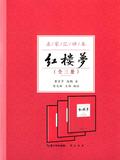 A Dream of Red Mansions: Commentary by Famous Masters (3 Volumes in Total)
The Four Great Classics play an important role in the history of Chinese literature and culture and are essential books for personal reading and family collection. Ancient and modern famous writers, especially those who have studied the Four Great Classics since the Qing Dynasty, have emerged in large numbers, such as Zhi Yanzhai, Li Zhuowu, Mao Zonggang, Chen Xilian, Hu Shi, Lu Xun, Cai Yuanpei, Chen Yinke, etc. All of them have made wonderful comments. This series of books has carefully select
1Reads7.9Score—Shelves
A Dream of Red Mansions: Commentary by Famous Masters (3 Volumes in Total)
The Four Great Classics play an important role in the history of Chinese literature and culture and are essential books for personal reading and family collection. Ancient and modern famous writers, especially those who have studied the Four Great Classics since the Qing Dynasty, have emerged in large numbers, such as Zhi Yanzhai, Li Zhuowu, Mao Zonggang, Chen Xilian, Hu Shi, Lu Xun, Cai Yuanpei, Chen Yinke, etc. All of them have made wonderful comments. This series of books has carefully select
1Reads7.9Score—Shelves
-
 Romance of the Three Kingdoms
The full name is "The Popular Romance of the Three Kingdoms", which is the first chapter-length novel in the history of Chinese novels. The novel is based on historical stories from the Yellow Turban Rebellion to the reunification of the Western Jin Dynasty from 184 to 280 AD. It uses a large-scale structure and a combination of fiction and reality to focus on the various political, military, and diplomatic struggles among the ruling groups of Wei, Shu, and Wu. While vividly revealing the intrig
1Reads9.2Score—Shelves
Romance of the Three Kingdoms
The full name is "The Popular Romance of the Three Kingdoms", which is the first chapter-length novel in the history of Chinese novels. The novel is based on historical stories from the Yellow Turban Rebellion to the reunification of the Western Jin Dynasty from 184 to 280 AD. It uses a large-scale structure and a combination of fiction and reality to focus on the various political, military, and diplomatic struggles among the ruling groups of Wei, Shu, and Wu. While vividly revealing the intrig
1Reads9.2Score—Shelves
-
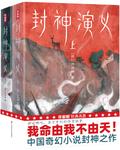 Writer's List: the Romance of the Gods
This book is carefully edited and arranged based on the edition published by Sixuetang in the early Qing Dynasty, and contains 100 chapters. This is a masterpiece of myth and fantasy that tells the story of the unprecedented war between humans, immortals and demons more than 3,000 years ago. Jiang Ziya has amazing powers and can predict the future, but he keeps a low profile and lives in seclusion in the mountains. When he was eighty years old, he was invited to come out and intervene in the Sha
1Reads8.8Score—Shelves
Writer's List: the Romance of the Gods
This book is carefully edited and arranged based on the edition published by Sixuetang in the early Qing Dynasty, and contains 100 chapters. This is a masterpiece of myth and fantasy that tells the story of the unprecedented war between humans, immortals and demons more than 3,000 years ago. Jiang Ziya has amazing powers and can predict the future, but he keeps a low profile and lives in seclusion in the mountains. When he was eighty years old, he was invited to come out and intervene in the Sha
1Reads8.8Score—Shelves
-
 Fengshenyanyi
"The Romance of the Gods" is commonly known as the "Fengshen Bang", also known as "The Complete Biography of the Shang and Zhou Dynasties", "The Outer History of King Wu's Conquest of Zhou", and "The Legend of the Gods". It is also an ancient Chinese novel about gods and demons. It was written by Xu Zhonglin (some say Chen Zhonglin) in the Ming Dynasty, and was probably written during the Longqing and Wanli years. The book has one hundred chapters in total. The prototype of "The Romance of the G
1Reads8.6Score—Shelves
Fengshenyanyi
"The Romance of the Gods" is commonly known as the "Fengshen Bang", also known as "The Complete Biography of the Shang and Zhou Dynasties", "The Outer History of King Wu's Conquest of Zhou", and "The Legend of the Gods". It is also an ancient Chinese novel about gods and demons. It was written by Xu Zhonglin (some say Chen Zhonglin) in the Ming Dynasty, and was probably written during the Longqing and Wanli years. The book has one hundred chapters in total. The prototype of "The Romance of the G
1Reads8.6Score—Shelves
-
 Collected Works of Tang Shunmin
Tang Shunmin, a dramatist in the late Yuan and early Ming dynasties, was named Juzhuang. His name, date of birth and death, and life story are unknown. He was a native of Xiangshan (now Zhejiang). It is not his ambition to supplement the county officials. Later, he fell into despair. So funny, I have been friends with Jia Zhongming for a long time. When Emperor Wen was in Yan's residence, he was very favored and favored frequently during Yongle period. He composed a large number of Yuefu, sets,
1Reads8.6Score—Shelves
Collected Works of Tang Shunmin
Tang Shunmin, a dramatist in the late Yuan and early Ming dynasties, was named Juzhuang. His name, date of birth and death, and life story are unknown. He was a native of Xiangshan (now Zhejiang). It is not his ambition to supplement the county officials. Later, he fell into despair. So funny, I have been friends with Jia Zhongming for a long time. When Emperor Wen was in Yan's residence, he was very favored and favored frequently during Yongle period. He composed a large number of Yuefu, sets,
1Reads8.6Score—Shelves
-
 Yulihun
[A poignant, sentimental love story, and a semi-autobiographical novel by Xu Zhenya] [The famous work of Xu Zhenya, the Mandarin Duck and Butterfly School of the Republic of China, is also the foundation work of the Mandarin Duck and Butterfly School, and is regarded as the "ancestor of the Mandarin Duck and Butterfly School novels"] Since its publication in 1912, it has become very popular that year and has been reprinted thirty-two times. It has been adapted into a play and made into a movie.
1Reads8.5Score—Shelves
Yulihun
[A poignant, sentimental love story, and a semi-autobiographical novel by Xu Zhenya] [The famous work of Xu Zhenya, the Mandarin Duck and Butterfly School of the Republic of China, is also the foundation work of the Mandarin Duck and Butterfly School, and is regarded as the "ancestor of the Mandarin Duck and Butterfly School novels"] Since its publication in 1912, it has become very popular that year and has been reprinted thirty-two times. It has been adapted into a play and made into a movie.
1Reads8.5Score—Shelves
-
 Three Heroes of the Qing Dynasty (Free Public Edition Book)
"Three Heroes of the Qing Dynasty" is a work compiled by Xu Zheshen. The book is based on the anecdotal and secret history of the Zeng Zuo and Peng San clan in the Qing Dynasty, and also uses the cycle of Dao, Xian, Tongguang and the four dynasties to control chaos as the weft. What his book has already recorded, he has not tired of adding details. Readers can regard it as a novel, or as anecdotes from the pre-Qing Dynasty.
1Reads8.7Score—Shelves
Three Heroes of the Qing Dynasty (Free Public Edition Book)
"Three Heroes of the Qing Dynasty" is a work compiled by Xu Zheshen. The book is based on the anecdotal and secret history of the Zeng Zuo and Peng San clan in the Qing Dynasty, and also uses the cycle of Dao, Xian, Tongguang and the four dynasties to control chaos as the weft. What his book has already recorded, he has not tired of adding details. Readers can regard it as a novel, or as anecdotes from the pre-Qing Dynasty.
1Reads8.7Score—Shelves
-
 Hua Ren You Ci and Music (Free Public Edition Book)
The heat is like steam, and I suddenly think of ice on my bare feet. It makes people feel cold. Guest conditions are as good as autumn. Suddenly read "Huayou Ci". Makes people feel hot. With this copy of the collar in the chest, it was when Yuanming begged for food, Zhenqing borrowed rice, and Du Ling did not arrive at Peng Yamen.
1Reads8.2Score—Shelves
Hua Ren You Ci and Music (Free Public Edition Book)
The heat is like steam, and I suddenly think of ice on my bare feet. It makes people feel cold. Guest conditions are as good as autumn. Suddenly read "Huayou Ci". Makes people feel hot. With this copy of the collar in the chest, it was when Yuanming begged for food, Zhenqing borrowed rice, and Du Ling did not arrive at Peng Yamen.
1Reads8.2Score—Shelves
-
 The Fourth Prime Minister Gao Hui Lichuntang
Wang Shifu's Zaju of the Yuan Dynasty describes the scene of four prime ministers gathering at Lichun Hall to drink and write poems, showing the elegant gathering life of literati and officials.
1Reads8.2Score—Shelves
The Fourth Prime Minister Gao Hui Lichuntang
Wang Shifu's Zaju of the Yuan Dynasty describes the scene of four prime ministers gathering at Lichun Hall to drink and write poems, showing the elegant gathering life of literati and officials.
1Reads8.2Score—Shelves
-
 Peach Blossom Romance
"Peach Blossom Romance" has six volumes and 12 chapters. The title of the catalog is "New Peach Blossom Romance Novels". The author and the year of the work are unknown. It is speculated that this book was banned during the Daoguang period and was probably written before the middle of the Qing Dynasty. Although this book has twelve chapters, it does not have many words, but the plot progresses with great ups and downs, sometimes like a wind coming out of nowhere, sometimes like a visitor from ou
—Reads7.6Score—Shelves
Peach Blossom Romance
"Peach Blossom Romance" has six volumes and 12 chapters. The title of the catalog is "New Peach Blossom Romance Novels". The author and the year of the work are unknown. It is speculated that this book was banned during the Daoguang period and was probably written before the middle of the Qing Dynasty. Although this book has twelve chapters, it does not have many words, but the plot progresses with great ups and downs, sometimes like a wind coming out of nowhere, sometimes like a visitor from ou
—Reads7.6Score—Shelves
-
 Lao She's Works·teahouse
This book mainly selects and compiles some representative short stories, essays and poems by Lao She. It mainly includes works such as "Hot Buns", "Appreciation of Baotu Spring", "How to Allow What People", "Weeping for Mr. Wang Lixi", "A Sketch of Bald Pines in Jinglu".
—Reads8.5Score—Shelves
Lao She's Works·teahouse
This book mainly selects and compiles some representative short stories, essays and poems by Lao She. It mainly includes works such as "Hot Buns", "Appreciation of Baotu Spring", "How to Allow What People", "Weeping for Mr. Wang Lixi", "A Sketch of Bald Pines in Jinglu".
—Reads8.5Score—Shelves
-
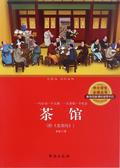 Teahouse
"Teahouse" is the title of a Chinese drama, one of Mr. Lao She's masterpieces. The story in the play all takes place in a teahouse in Beijing. People come and go in the teahouse, and various characters and religions gather together. A big teahouse is like a small society. Mr. Lao She captured the characteristics of this scene and highly condensed fifty-seven primary and secondary characters in a teahouse spanning half a century, showing the life scenes in three eras after the failure of the Refo
—Reads8.7Score—Shelves
Teahouse
"Teahouse" is the title of a Chinese drama, one of Mr. Lao She's masterpieces. The story in the play all takes place in a teahouse in Beijing. People come and go in the teahouse, and various characters and religions gather together. A big teahouse is like a small society. Mr. Lao She captured the characteristics of this scene and highly condensed fifty-seven primary and secondary characters in a teahouse spanning half a century, showing the life scenes in three eras after the failure of the Refo
—Reads8.7Score—Shelves
-
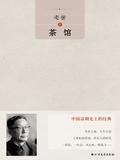 Teahouse
"Teahouse" is a play written by the modern writer Lao She in 1956. The play shows the social changes of nearly half a century in three eras: the Reform Movement of 1898, the warlord war, and the eve of the founding of New China. Through a teahouse called Yutai, it reveals the darkness, corruption, grotesqueness and bizarreness of Chinese society in the past half century, as well as all the living beings in this society. There are nearly 50 characters in the script. In addition to teahouse owners
—Reads9.0Score—Shelves
Teahouse
"Teahouse" is a play written by the modern writer Lao She in 1956. The play shows the social changes of nearly half a century in three eras: the Reform Movement of 1898, the warlord war, and the eve of the founding of New China. Through a teahouse called Yutai, it reveals the darkness, corruption, grotesqueness and bizarreness of Chinese society in the past half century, as well as all the living beings in this society. There are nearly 50 characters in the script. In addition to teahouse owners
—Reads9.0Score—Shelves
-
 Teahouse
"Teahouse" shows the social changes of nearly half a century in three periods: the Reform Movement of 1898, the warlord war, and the eve of the founding of New China. Through a teahouse, it reveals the darkness, corruption, weirdness, and all living beings in Chinese society in the past half century. There are nearly 50 characters appearing, all with distinct personalities. The dismal management of "Yutai Teahouse" by owner Wang Lifa reflects the trend of Chinese society from the side.
—Reads9.0Score—Shelves
Teahouse
"Teahouse" shows the social changes of nearly half a century in three periods: the Reform Movement of 1898, the warlord war, and the eve of the founding of New China. Through a teahouse, it reveals the darkness, corruption, weirdness, and all living beings in Chinese society in the past half century. There are nearly 50 characters appearing, all with distinct personalities. The dismal management of "Yutai Teahouse" by owner Wang Lifa reflects the trend of Chinese society from the side.
—Reads9.0Score—Shelves
-
 Collected Works of Ji Kang
Ji Kang (224-263, one version says 223-262), courtesy name Shuye, Han nationality, was born in Zhi County, Qiao County, Wei State (today's west of Suzhou City, Anhui Province) during the Three Kingdoms period. Famous thinker, musician and writer. In the last years of his life, he jointly advocated a new trend of metaphysics with Ruan Ji and other famous people in the bamboo forest, advocating "transgressing the teachings of fame and letting nature" and "evaluating the noble and the humble while
—Reads8.6Score—Shelves
Collected Works of Ji Kang
Ji Kang (224-263, one version says 223-262), courtesy name Shuye, Han nationality, was born in Zhi County, Qiao County, Wei State (today's west of Suzhou City, Anhui Province) during the Three Kingdoms period. Famous thinker, musician and writer. In the last years of his life, he jointly advocated a new trend of metaphysics with Ruan Ji and other famous people in the bamboo forest, advocating "transgressing the teachings of fame and letting nature" and "evaluating the noble and the humble while
—Reads8.6Score—Shelves
-
 The Scholars
 [Qing Dynasty] Wu Jingzi
—Reads8.6Score—Shelves
The Scholars
The Scholars [Qing Dynasty] Wu Jingzi
—Reads8.6Score—Shelves
-
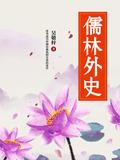 The Scholars
The book's fifty-six chapters use realism to describe the different performances of various people's "fame and wealth". On the one hand, it truly reveals the process and reasons for the corruption of human nature, thereby deeply criticizing and ridiculing the corruption of officials at that time, the shortcomings of imperial examinations, and the hypocrisy of ethics; on the other hand, it passionately praises the protection of human nature by a few characters in a way that insists on themselves,
—Reads8.5Score—Shelves
The Scholars
The book's fifty-six chapters use realism to describe the different performances of various people's "fame and wealth". On the one hand, it truly reveals the process and reasons for the corruption of human nature, thereby deeply criticizing and ridiculing the corruption of officials at that time, the shortcomings of imperial examinations, and the hypocrisy of ethics; on the other hand, it passionately praises the protection of human nature by a few characters in a way that insists on themselves,
—Reads8.5Score—Shelves
-
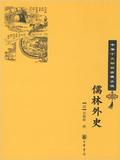 The Scholars
"The Scholars" is a novel written by Wu Jingzi in the Qing Dynasty. It is a model of ancient satirical literature in my country. The book has a total of fifty-six chapters, about 400,000 words, and describes nearly two hundred characters. The novel is set in the Ming Dynasty, and actually reflects the fame and life of scholars under the imperial examination system during the Kangxi and Qianlong periods. Wu Jingzi's successful portrayal of the portrait of feudal literati living in the last days o
—Reads8.5Score—Shelves
The Scholars
"The Scholars" is a novel written by Wu Jingzi in the Qing Dynasty. It is a model of ancient satirical literature in my country. The book has a total of fifty-six chapters, about 400,000 words, and describes nearly two hundred characters. The novel is set in the Ming Dynasty, and actually reflects the fame and life of scholars under the imperial examination system during the Kangxi and Qianlong periods. Wu Jingzi's successful portrayal of the portrait of feudal literati living in the last days o
—Reads8.5Score—Shelves
-
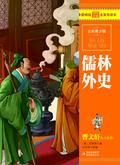 The Scholars
Among the famous works of Chinese classical literature, everyone knows the famous ones: "A Dream of Red Mansions", "Journey to the West", "Water Margin" and "The Romance of the Three Kingdoms", but they know less about "Three Words and Two Pai", "Strange Stories from a Chinese Studio" and "The Scholars". Especially for "The Scholars", many children are not familiar with it. In fact, its ideological connotation and artistic value are no less than those of famous works.
—Reads8.5Score—Shelves
The Scholars
Among the famous works of Chinese classical literature, everyone knows the famous ones: "A Dream of Red Mansions", "Journey to the West", "Water Margin" and "The Romance of the Three Kingdoms", but they know less about "Three Words and Two Pai", "Strange Stories from a Chinese Studio" and "The Scholars". Especially for "The Scholars", many children are not familiar with it. In fact, its ideological connotation and artistic value are no less than those of famous works.
—Reads8.5Score—Shelves
-
 The Scholars
"The Scholars" is a novel with intellectuals as the main description object, and it is also a typical satirical novel. "The Scholars" describes some images of Confucian scholars who were deeply poisoned by the eight-part imperial examination system, reflecting the corruption of the secular atmosphere at that time.
—Reads8.6Score—Shelves
The Scholars
"The Scholars" is a novel with intellectuals as the main description object, and it is also a typical satirical novel. "The Scholars" describes some images of Confucian scholars who were deeply poisoned by the eight-part imperial examination system, reflecting the corruption of the secular atmosphere at that time.
—Reads8.6Score—Shelves
-
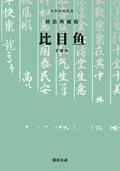 Flounder
"Flounder" is a legendary play created by the Qing Dynasty dramatist Li Yu. It is included in his first legendary collection "Li Weng Ten Songs" written in 1651. The play uses the flounder as a symbol and tells a love story full of sorrow and separation.
—Reads8.7Score—Shelves
Flounder
"Flounder" is a legendary play created by the Qing Dynasty dramatist Li Yu. It is included in his first legendary collection "Li Weng Ten Songs" written in 1651. The play uses the flounder as a symbol and tells a love story full of sorrow and separation.
—Reads8.7Score—Shelves
-
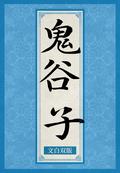 Guiguzi (Text and White Version)
"The Comprehensive Complete Works of Guiguzi's Vernacular Verses" is based on the Warring States strategist's classic "Guiguzi" (which is said to have been written by Wang Xu of Guiguzi, and is mostly believed to be supplemented by his disciples). It adopts a sentence-by-sentence comparison between the original text and the vernacular text, with detailed annotations, chapter introductions and key points analysis to lower the threshold for reading. The original book is the core work of the strate
—Reads8.0Score—Shelves
Guiguzi (Text and White Version)
"The Comprehensive Complete Works of Guiguzi's Vernacular Verses" is based on the Warring States strategist's classic "Guiguzi" (which is said to have been written by Wang Xu of Guiguzi, and is mostly believed to be supplemented by his disciples). It adopts a sentence-by-sentence comparison between the original text and the vernacular text, with detailed annotations, chapter introductions and key points analysis to lower the threshold for reading. The original book is the core work of the strate
—Reads8.0Score—Shelves
-
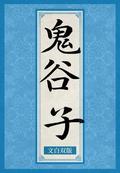 Guiguzi (Complete Works Compared with Wenbai)
This book is a traditional Chinese academic classic compiled by Wang Xu, which systematically sorts out and summarizes the knowledge system and academic achievements in this field. The content of the book is rigorous and scientific, and the logical structure is clear and reasonable. It not only retains the essence of ancient academic thought, but also displays the wisdom and innovation achievements of the ancients in related fields. This book not only has important documentary value for the stud
—Reads8.5Score—Shelves
Guiguzi (Complete Works Compared with Wenbai)
This book is a traditional Chinese academic classic compiled by Wang Xu, which systematically sorts out and summarizes the knowledge system and academic achievements in this field. The content of the book is rigorous and scientific, and the logical structure is clear and reasonable. It not only retains the essence of ancient academic thought, but also displays the wisdom and innovation achievements of the ancients in related fields. This book not only has important documentary value for the stud
—Reads8.5Score—Shelves
-
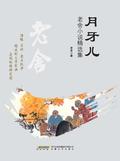 Crescent Moon: Selected Novels by Lao She
This book selects Lao She's most representative short and medium stories, such as "Crescent Moon", "In This Lifetime", "The Soul-Breaking Gun", "The Man Who Never Lies", etc. "Crescent Moon" describes the tragic life experiences of two generations of prostitutes, mother and daughter, and profoundly reflects the living conditions of China's urban poor in the first half of the 20th century. The tragedy of a small family and a small person reflects the vicissitudes and pathos of a period of history
—Reads9.3Score—Shelves
Crescent Moon: Selected Novels by Lao She
This book selects Lao She's most representative short and medium stories, such as "Crescent Moon", "In This Lifetime", "The Soul-Breaking Gun", "The Man Who Never Lies", etc. "Crescent Moon" describes the tragic life experiences of two generations of prostitutes, mother and daughter, and profoundly reflects the living conditions of China's urban poor in the first half of the 20th century. The tragedy of a small family and a small person reflects the vicissitudes and pathos of a period of history
—Reads9.3Score—Shelves
-
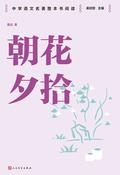 Gathering Flowers in the Morning and Evening (Read the Entire Book of Middle School Chinese Classics)
"Morning Blossoms Plucked at Dusk" is one of Mr. Lu Xun's most important collections of works, including 10 essays such as "From Baicao Garden to Sanwei Bookstore" and "Mr. Fujino". It enjoys a high reputation in the history of Chinese literature and is loved by generations of readers, especially young readers. The new version to be published this time is one of the series of "Full Book Reading of Classics for Middle School Students". It is based on the publishing purpose of "making a set of cla
—Reads9.3Score—Shelves
Gathering Flowers in the Morning and Evening (Read the Entire Book of Middle School Chinese Classics)
"Morning Blossoms Plucked at Dusk" is one of Mr. Lu Xun's most important collections of works, including 10 essays such as "From Baicao Garden to Sanwei Bookstore" and "Mr. Fujino". It enjoys a high reputation in the history of Chinese literature and is loved by generations of readers, especially young readers. The new version to be published this time is one of the series of "Full Book Reading of Classics for Middle School Students". It is based on the publishing purpose of "making a set of cla
—Reads9.3Score—Shelves
-
 On the Chinese Nation and Nationalism
All ethnic groups are equal. This is the basic principle of Marxism-Leninism in dealing with ethnic issues. This principle is applicable to dealing with current ethnic issues as well as historical ethnic issues. In the long historical period of class society, the relationship between ethnic groups was unequal. This fact is full of world history and Chinese history. Until now, in the discussion of ethnic history, some people still raise the issue of the nationality of ethnic groups in Chinese his
—Reads8.5Score—Shelves
On the Chinese Nation and Nationalism
All ethnic groups are equal. This is the basic principle of Marxism-Leninism in dealing with ethnic issues. This principle is applicable to dealing with current ethnic issues as well as historical ethnic issues. In the long historical period of class society, the relationship between ethnic groups was unequal. This fact is full of world history and Chinese history. Until now, in the discussion of ethnic history, some people still raise the issue of the nationality of ethnic groups in Chinese his
—Reads8.5Score—Shelves
-
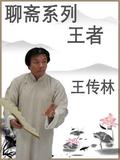 King
It describes a story about a mountain king (ghost) punishing corrupt officials when his money was stolen when a state minister escorted him back to Beijing.
—Reads8.6Score—Shelves
King
It describes a story about a mountain king (ghost) punishing corrupt officials when his money was stolen when a state minister escorted him back to Beijing.
—Reads8.6Score—Shelves
-
 Four Generations Living Under One Roof
The misery of the fall of home, the sorrow of separated relatives, the perseverance of rebirth from the ashes, the anger of rebuilding the country... Mr. Lao She condensed the gray memory of the entire Chinese nation into the tragic experience and humiliation of more than a dozen residents of a large courtyard with words full of responsibility and compassion. How did a big family with four generations under one roof survive the difficulties in a war-torn era? What will be the fate of each genera
—Reads8.3Score—Shelves
Four Generations Living Under One Roof
The misery of the fall of home, the sorrow of separated relatives, the perseverance of rebirth from the ashes, the anger of rebuilding the country... Mr. Lao She condensed the gray memory of the entire Chinese nation into the tragic experience and humiliation of more than a dozen residents of a large courtyard with words full of responsibility and compassion. How did a big family with four generations under one roof survive the difficulties in a war-torn era? What will be the fate of each genera
—Reads8.3Score—Shelves
-
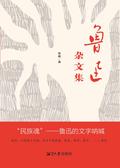 Lu Xun's Essays
This book collects Mr. Lu Xun's essays written in different eras and in different styles, including 12 essays in "Grave", 10 essays in "Huagai Collection", 5 essays in "Jijiji", 6 essays in "Sanxian Collection", 6 essays in "Zhunfengyuetan", 11 essays in "Collection of Nanqiangbei Diao" and "Essays of Qiejieting". 9 Articles, 5 "Lace Literature", 12 "Qiejieting Essays Collection Two", a total of 76 essays, roughly arranged in the order of publication time, fully displaying Mr. Lu Xun's creative
—Reads9.3Score—Shelves
Lu Xun's Essays
This book collects Mr. Lu Xun's essays written in different eras and in different styles, including 12 essays in "Grave", 10 essays in "Huagai Collection", 5 essays in "Jijiji", 6 essays in "Sanxian Collection", 6 essays in "Zhunfengyuetan", 11 essays in "Collection of Nanqiangbei Diao" and "Essays of Qiejieting". 9 Articles, 5 "Lace Literature", 12 "Qiejieting Essays Collection Two", a total of 76 essays, roughly arranged in the order of publication time, fully displaying Mr. Lu Xun's creative
—Reads9.3Score—Shelves
-
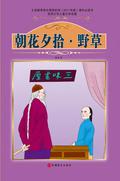 Picking up Flowers in the Morning and Weeds at Dusk
This book was written in 1926, with a total of 10 chapters. The first 5 chapters were written in Beijing and the last 5 chapters were written in Xiamen. Initially, it was published in the semi-monthly magazine "Wangyuan" under the general title of "Revisiting Old Events". In 1927, Lu Xun re-edited the book in Guangzhou, wrote a "Small Introduction" and "Postscript", and renamed it "Morning Blossoms Plucked at Dusk". This book is an important artistic document for understanding and studying Lu Xu
—Reads9.2Score—Shelves
Picking up Flowers in the Morning and Weeds at Dusk
This book was written in 1926, with a total of 10 chapters. The first 5 chapters were written in Beijing and the last 5 chapters were written in Xiamen. Initially, it was published in the semi-monthly magazine "Wangyuan" under the general title of "Revisiting Old Events". In 1927, Lu Xun re-edited the book in Guangzhou, wrote a "Small Introduction" and "Postscript", and renamed it "Morning Blossoms Plucked at Dusk". This book is an important artistic document for understanding and studying Lu Xu
—Reads9.2Score—Shelves
-
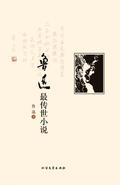 Lu Xun's Most Handed Down Novel
This book collects Lu Xun's most influential and well-known novels, including "Blessing", "At the Restaurant", "Soap", "Sorrow", etc. It expresses the author's profound insights and expressions of farmers and intellectuals living under the weight of feudal forces. The artistic techniques are mature and the characters are full-bodied, making it a classic of modern Chinese novels.
—Reads9.1Score—Shelves
Lu Xun's Most Handed Down Novel
This book collects Lu Xun's most influential and well-known novels, including "Blessing", "At the Restaurant", "Soap", "Sorrow", etc. It expresses the author's profound insights and expressions of farmers and intellectuals living under the weight of feudal forces. The artistic techniques are mature and the characters are full-bodied, making it a classic of modern Chinese novels.
—Reads9.1Score—Shelves
-
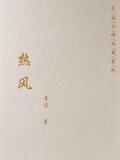 Hot Air
"Hot Wind" contains forty-one essays written by the author from 1918 to 1924. First published by Beijing Beixin Book Company in November 1925. A total of ten editions were printed during the author's lifetime.
—Reads9.3Score—Shelves
Hot Air
"Hot Wind" contains forty-one essays written by the author from 1918 to 1924. First published by Beijing Beixin Book Company in November 1925. A total of ten editions were printed during the author's lifetime.
—Reads9.3Score—Shelves
-
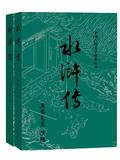 Water Margin (Original Work)
The original text of Water Margin is broadcast and you can enjoy the immortal charm of the classic work!
—Reads8.1Score—Shelves
Water Margin (Original Work)
The original text of Water Margin is broadcast and you can enjoy the immortal charm of the classic work!
—Reads8.1Score—Shelves
-
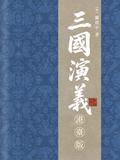 Romance of the Three Kingdoms (Hong Kong and Taiwan Version)
"Romance of the Three Kingdoms" Hong Kong and Taiwan Traditional Chinese Edition. This book is a long chapter-length historical romance novel that was artistically processed by Luo Guanzhong, a novelist in the late Yuan and early Ming dynasties, based on Chen Shou's "Three Kingdoms" and Pei Songzhi's annotations as well as folk tales of the Three Kingdoms. Together with "Journey to the West", "Water Margin" and "Dream of Red Mansions", it is also known as the four classic Chinese classics. "The
—Reads9.5Score—Shelves
Romance of the Three Kingdoms (Hong Kong and Taiwan Version)
"Romance of the Three Kingdoms" Hong Kong and Taiwan Traditional Chinese Edition. This book is a long chapter-length historical romance novel that was artistically processed by Luo Guanzhong, a novelist in the late Yuan and early Ming dynasties, based on Chen Shou's "Three Kingdoms" and Pei Songzhi's annotations as well as folk tales of the Three Kingdoms. Together with "Journey to the West", "Water Margin" and "Dream of Red Mansions", it is also known as the four classic Chinese classics. "The
—Reads9.5Score—Shelves