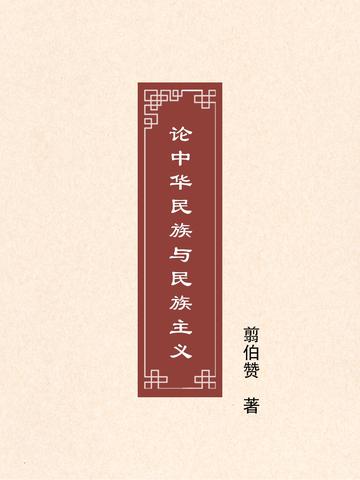
On the Chinese Nation and Nationalism
论中华民族与民族主义
- Status
- Completed
- Length
- 2k Words
- Genre
- Historical
- Updated
- 2y ago
- Source
- Fanqie
Synopsis
50Chapters
7Reads
8.5Score
241Reads · all time
More by this author
In booklists 3




Useful Knowledge
Looking for books similar to "Cleaning the House: Clean Like This and You Won't Get Sick".
63Books55.5kViews16hUpdated




The AI-Writing Army Is Coming: Do Ordinary Writers Still Have a Chance?
Recently, a huge wave of AI writers has flooded Fanfan. It's hard to tell whether these AI-written stories are real, and their quality is all over the place. Ordinary writers keep losing their share of the remaining traffic in this flood. What are we supposed to do?
1.4kBooks3.8MViews1dUpdated





Which Books Made You Feel Like Your Values Had Been Set Straight? (●'◡'●)
20Books7.9kViews1moUpdated