Fanqie library
Browse
- Titles
- 1.6k
Every Fanqie book we index, searchable by title, author or tag.
-
 Ancient and Modern Medical Records
"Ancient and Modern Medical Records", 10 volumes, was compiled by Yu Zhen, a famous medical doctor in the Qing Dynasty. The book collects more than 60 medical records and more than 1,060 cases from famous doctors from past dynasties, compiled according to disease and syndrome categories. It is also accompanied by more than 530 precise remarks by the author. The selected medical records cover 156 types of diseases and syndromes in various clinical departments. At the back of the book are the "Six
—Reads8.6Score—Shelves
Ancient and Modern Medical Records
"Ancient and Modern Medical Records", 10 volumes, was compiled by Yu Zhen, a famous medical doctor in the Qing Dynasty. The book collects more than 60 medical records and more than 1,060 cases from famous doctors from past dynasties, compiled according to disease and syndrome categories. It is also accompanied by more than 530 precise remarks by the author. The selected medical records cover 156 types of diseases and syndromes in various clinical departments. At the back of the book are the "Six
—Reads8.6Score—Shelves
-
 Bone Setting Techniques
Bone-setting manipulation is one of the orthopedic and traumatology treatment methods, that is, bone-setting manipulation. Refers to the method used by the doctor to restore fractures, dislocations and soft tissue injuries using the movements of the doctor's hands. See Volume 1 of "Injury Department Collection".
—Reads8.4Score—Shelves
Bone Setting Techniques
Bone-setting manipulation is one of the orthopedic and traumatology treatment methods, that is, bone-setting manipulation. Refers to the method used by the doctor to restore fractures, dislocations and soft tissue injuries using the movements of the doctor's hands. See Volume 1 of "Injury Department Collection".
—Reads8.4Score—Shelves
-
 Reading Medical Essays
The author of "Reading Medical Essays" is Zhou Xuehai. This book was written by Zhou Xuehai of the Qing Dynasty. The six-volume book is composed of the author's notes from reading and clinical practice. The content includes basic theories of traditional Chinese medicine, pulse method, luck, prescriptions, and clinical differentiation and treatment of various miscellaneous syndromes. This book is the author's experience in studying ancient medical books. The discussion is incisive and enlightenin
—Reads9.2Score—Shelves
Reading Medical Essays
The author of "Reading Medical Essays" is Zhou Xuehai. This book was written by Zhou Xuehai of the Qing Dynasty. The six-volume book is composed of the author's notes from reading and clinical practice. The content includes basic theories of traditional Chinese medicine, pulse method, luck, prescriptions, and clinical differentiation and treatment of various miscellaneous syndromes. This book is the author's experience in studying ancient medical books. The discussion is incisive and enlightenin
—Reads9.2Score—Shelves
-
 Secret Recipe for Elixir
Written by Chengzi, a Qing teacher, and edited by Fang Chengpei. Volume Two. Chengzi, a native of Pudong, was fond of immortality and often traveled around, diagnosing diseases and selling medicine. In the process of practicing medicine, he compiled the prescriptions and compiled them into this book, which is about 19,000 words. Published in the fifty-seventh year of Kangxi (1718). The volume contains a general introduction to elixirs, ten examples of elixirs, and twenty-five prescriptions such
—Reads8.7Score—Shelves
Secret Recipe for Elixir
Written by Chengzi, a Qing teacher, and edited by Fang Chengpei. Volume Two. Chengzi, a native of Pudong, was fond of immortality and often traveled around, diagnosing diseases and selling medicine. In the process of practicing medicine, he compiled the prescriptions and compiled them into this book, which is about 19,000 words. Published in the fifty-seventh year of Kangxi (1718). The volume contains a general introduction to elixirs, ten examples of elixirs, and twenty-five prescriptions such
—Reads8.7Score—Shelves
-
 Examples of House Law
The origin of geography is ancient. Poems about Gong Liu Qianbin, focusing on observing its flowing springs and traveling to Xiyuan, and writings about Zhou Gong's camp in Luo. The first was to predict the east of the Jian River and the west of the Xian River. It can be seen that when the sages of the three dynasties built their capitals and built towns, they all had to distinguish the trends of mountains and rivers, examine the meeting of yin and yang, and seek to integrate the shape and energy
—Reads8.8Score—Shelves
Examples of House Law
The origin of geography is ancient. Poems about Gong Liu Qianbin, focusing on observing its flowing springs and traveling to Xiyuan, and writings about Zhou Gong's camp in Luo. The first was to predict the east of the Jian River and the west of the Xian River. It can be seen that when the sages of the three dynasties built their capitals and built towns, they all had to distinguish the trends of mountains and rivers, examine the meeting of yin and yang, and seek to integrate the shape and energy
—Reads8.8Score—Shelves
-
 A Complete Collection of Qimen Dunjia Secrets
Chinese traditional cultural thoughts have a long history and are highly original, original and literary. The early ideological forms were very distinctive, with extensive and profound contents such as religious theology, Chinese medicine classics, ancient military art, Confucianism, Taoism, Buddhism and hundreds of schools of thought, Feng Shui metaphysics, Twenty-Four Histories, customs and geography, etc. This series of "Original Books on Classic Chinese Studies and Essence Culture" retains t
—Reads8.7Score—Shelves
A Complete Collection of Qimen Dunjia Secrets
Chinese traditional cultural thoughts have a long history and are highly original, original and literary. The early ideological forms were very distinctive, with extensive and profound contents such as religious theology, Chinese medicine classics, ancient military art, Confucianism, Taoism, Buddhism and hundreds of schools of thought, Feng Shui metaphysics, Twenty-Four Histories, customs and geography, etc. This series of "Original Books on Classic Chinese Studies and Essence Culture" retains t
—Reads8.7Score—Shelves
-
 Qingtong Baojian (A Must-Read Classic on Numerology)
"Qiong Tong Bao Jian" is one of the "Four Books of Numerology" in China, and is as famous as "Three Ming Tonghui", "Didi Tianmui" and "Zi Ping Zhen Interpretation". It is said to be a secret book kept by Jianghu people. However, due to many errors in copying by Jianghu people over the hundreds of years, this book was compiled and summarized by Yu Chuntai in the Qing Dynasty, who compiled and summarized the old Jianghu books "Lanjiangwang". During the Republic of China, it was added with Xu Lewu'
—Reads9.4Score—Shelves
Qingtong Baojian (A Must-Read Classic on Numerology)
"Qiong Tong Bao Jian" is one of the "Four Books of Numerology" in China, and is as famous as "Three Ming Tonghui", "Didi Tianmui" and "Zi Ping Zhen Interpretation". It is said to be a secret book kept by Jianghu people. However, due to many errors in copying by Jianghu people over the hundreds of years, this book was compiled and summarized by Yu Chuntai in the Qing Dynasty, who compiled and summarized the old Jianghu books "Lanjiangwang". During the Republic of China, it was added with Xu Lewu'
—Reads9.4Score—Shelves
-
 Ziwei Dou Shu
 is known as "China's No. 1 Divine Art" and ranks first among the "Five Great Divine Arts". Its precision and accuracy in fortune-telling are highly praised. "Zi Wei Dou Shu" is a kind of horoscope in traditional Chinese numerology, also known as "Zi Wei Shu". It is rooted in the theory of yin and yang and the five elements, is linked to the hexagrams and lines of the "Book of Changes", absorbs the theory of hexagrams in the "Book of Changes", and integrates Taoist principles. It us
—Reads8.7Score—Shelves
Ziwei Dou Shu
Ziwei Dou Shu is known as "China's No. 1 Divine Art" and ranks first among the "Five Great Divine Arts". Its precision and accuracy in fortune-telling are highly praised. "Zi Wei Dou Shu" is a kind of horoscope in traditional Chinese numerology, also known as "Zi Wei Shu". It is rooted in the theory of yin and yang and the five elements, is linked to the hexagrams and lines of the "Book of Changes", absorbs the theory of hexagrams in the "Book of Changes", and integrates Taoist principles. It us
—Reads8.7Score—Shelves
-
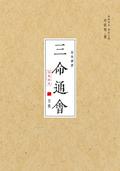 Three Lives Conference (Complete Collection)
"Sanming Tonghui (Complete Works)" is a masterpiece of numerology written by Wan Minying, a Jinshi in the Ming Dynasty, and is known as the masterpiece of eight-character numerology. This book has a complete system, summarizing the development essence of the eight-character fortune-telling technique for more than 200 years, abandoning cumbersome and nonsense theories, and bringing the theory of prediction to its theoretical peak. The book consists of twelve volumes. The first nine volumes detail
—Reads9.4Score—Shelves
Three Lives Conference (Complete Collection)
"Sanming Tonghui (Complete Works)" is a masterpiece of numerology written by Wan Minying, a Jinshi in the Ming Dynasty, and is known as the masterpiece of eight-character numerology. This book has a complete system, summarizing the development essence of the eight-character fortune-telling technique for more than 200 years, abandoning cumbersome and nonsense theories, and bringing the theory of prediction to its theoretical peak. The book consists of twelve volumes. The first nine volumes detail
—Reads9.4Score—Shelves
-
 Taiqing Regulating Qi Meridian
Chinese traditional cultural thoughts have a long history and are highly original, original and literary. The early ideological forms were very distinctive, with extensive and profound contents such as religious theology, Chinese medicine classics, ancient military art, Confucianism, Taoism, Buddhism and hundreds of schools of thought, Feng Shui metaphysics, Twenty-Four Histories, customs and geography, etc. This series of "Original Books on Classic Chinese Studies and Essence Culture" retains t
—Reads8.7Score—Shelves
Taiqing Regulating Qi Meridian
Chinese traditional cultural thoughts have a long history and are highly original, original and literary. The early ideological forms were very distinctive, with extensive and profound contents such as religious theology, Chinese medicine classics, ancient military art, Confucianism, Taoism, Buddhism and hundreds of schools of thought, Feng Shui metaphysics, Twenty-Four Histories, customs and geography, etc. This series of "Original Books on Classic Chinese Studies and Essence Culture" retains t
—Reads8.7Score—Shelves
-
 Longmen Mentality
This work "Longmen Heart Method" is written by Wang Changyue
—Reads9.3Score—Shelves
Longmen Mentality
This work "Longmen Heart Method" is written by Wang Changyue
—Reads9.3Score—Shelves
-
 A Thousand Gold Prescriptions
This work "A Thousand Gold Prescriptions" is written by Sun Simiao
—Reads8.8Score—Shelves
A Thousand Gold Prescriptions
This work "A Thousand Gold Prescriptions" is written by Sun Simiao
—Reads8.8Score—Shelves
-
 Legend of Immortal Heart
This work "The Legend of Immortal Heart" was written by Min Yide
—Reads8.9Score—Shelves
Legend of Immortal Heart
This work "The Legend of Immortal Heart" was written by Min Yide
—Reads8.9Score—Shelves
-
 Yunji Seven Lot
"Yunji Qizhu" is a large-scale Taoist book that selects and compiles the contents of "Treasures of the Heavenly Palace of the Song Dynasty". In the third year of Tianxi in the Northern Song Dynasty (AD 1019), Zhang Junfang, who was then Zuo Lang, compiled "Treasures of the Heavenly Palace of the Song Dynasty" and selected more than 10,000 essential items that he thought were essential. Between the third and seventh years of Tiansheng (1025-1029), he compiled this book and presented it to Emperor
—Reads9.3Score—Shelves
Yunji Seven Lot
"Yunji Qizhu" is a large-scale Taoist book that selects and compiles the contents of "Treasures of the Heavenly Palace of the Song Dynasty". In the third year of Tianxi in the Northern Song Dynasty (AD 1019), Zhang Junfang, who was then Zuo Lang, compiled "Treasures of the Heavenly Palace of the Song Dynasty" and selected more than 10,000 essential items that he thought were essential. Between the third and seventh years of Tiansheng (1025-1029), he compiled this book and presented it to Emperor
—Reads9.3Score—Shelves
-
 Huangji Jingshi's Heart Is Easily Weakened
"Huangji Jing Shi Shi Xin Yi Wei" eight volumes (edited by the governor of Jiangsu), written by Yang Xiangchun of the Ming Dynasty.
—Reads8.6Score—Shelves
Huangji Jingshi's Heart Is Easily Weakened
"Huangji Jing Shi Shi Xin Yi Wei" eight volumes (edited by the governor of Jiangsu), written by Yang Xiangchun of the Ming Dynasty.
—Reads8.6Score—Shelves
-
 Taiwan Education Monument
Chinese traditional cultural thoughts have a long history and are highly original, original and literary. The early ideological forms were very distinctive, with extensive and profound contents such as religious theology, Chinese medicine classics, ancient military art, Confucianism, Taoism, Buddhism and hundreds of schools of thought, Feng Shui metaphysics, Twenty-Four Histories, customs and geography, etc. This series of "Original Books on Classic Chinese Studies and Essence Culture" retains t
—Reads8.0Score—Shelves
Taiwan Education Monument
Chinese traditional cultural thoughts have a long history and are highly original, original and literary. The early ideological forms were very distinctive, with extensive and profound contents such as religious theology, Chinese medicine classics, ancient military art, Confucianism, Taoism, Buddhism and hundreds of schools of thought, Feng Shui metaphysics, Twenty-Four Histories, customs and geography, etc. This series of "Original Books on Classic Chinese Studies and Essence Culture" retains t
—Reads8.0Score—Shelves
-
 Pulse Is Correct
"Pulse Que", a work on pulse science. One roll. Written by Huang Yunxi of the Qing Dynasty. Published about 1746. Huang discussed the 26 pulses and their main diseases in the form of verses. The song formula has its own characteristics in the way it is compiled, such as introducing the floating and sinking pulses, that is, using the floating and sinking rhymes to compile the song formula for that pulse. The main diseases of each pulse are mainly recorded in the "Nei Jing", and are supplemented b
—Reads8.5Score—Shelves
Pulse Is Correct
"Pulse Que", a work on pulse science. One roll. Written by Huang Yunxi of the Qing Dynasty. Published about 1746. Huang discussed the 26 pulses and their main diseases in the form of verses. The song formula has its own characteristics in the way it is compiled, such as introducing the floating and sinking pulses, that is, using the floating and sinking rhymes to compile the song formula for that pulse. The main diseases of each pulse are mainly recorded in the "Nei Jing", and are supplemented b
—Reads8.5Score—Shelves
-
 The Ultimate Theory of Alchemy
The ultimate theory of alchemy. It is not signed as the author, but it is suspected to be from the Southern Song Dynasty. One roll. Original source: "Orthodox Taoist Canon" Method Class of Dongzhen Department.
—Reads8.7Score—Shelves
The Ultimate Theory of Alchemy
The ultimate theory of alchemy. It is not signed as the author, but it is suspected to be from the Southern Song Dynasty. One roll. Original source: "Orthodox Taoist Canon" Method Class of Dongzhen Department.
—Reads8.7Score—Shelves
-
 Official Academic Standards
Chinese traditional cultural thoughts have a long history and are highly original, original and literary. The early ideological forms were very distinctive, with extensive and profound contents such as religious theology, Chinese medicine classics, ancient military art, Confucianism, Taoism, Buddhism and hundreds of schools of thought, Feng Shui metaphysics, Twenty-Four Histories, customs and geography, etc. This series of "Original Books on Classic Chinese Studies and Essence Culture" retains t
—Reads8.1Score—Shelves
Official Academic Standards
Chinese traditional cultural thoughts have a long history and are highly original, original and literary. The early ideological forms were very distinctive, with extensive and profound contents such as religious theology, Chinese medicine classics, ancient military art, Confucianism, Taoism, Buddhism and hundreds of schools of thought, Feng Shui metaphysics, Twenty-Four Histories, customs and geography, etc. This series of "Original Books on Classic Chinese Studies and Essence Culture" retains t
—Reads8.1Score—Shelves
-
 Scenery of the Imperial Capital
"Scenery of the Imperial Capital" is a humanistic and geographical work describing the scenery of Beijing and its suburbs published in the eighth year of Chongzhen in the Ming Dynasty (1635). The authors are Liu Tong and Yu Yizheng, and Zhou Sun is responsible for editing. It is one of the most detailed records of Beijing's landscapes and gardens, temples, bridges, springs, and folk customs in the late Ming Dynasty. The book has a clear structure and is divided into volumes according to regions
—Reads8.5Score—Shelves
Scenery of the Imperial Capital
"Scenery of the Imperial Capital" is a humanistic and geographical work describing the scenery of Beijing and its suburbs published in the eighth year of Chongzhen in the Ming Dynasty (1635). The authors are Liu Tong and Yu Yizheng, and Zhou Sun is responsible for editing. It is one of the most detailed records of Beijing's landscapes and gardens, temples, bridges, springs, and folk customs in the late Ming Dynasty. The book has a clear structure and is divided into volumes according to regions
—Reads8.5Score—Shelves
-
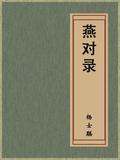 Yan Dui Lu (Free Public Edition Book)
Li Dongyang, courtesy name Binzhi and nickname Xiya, was born in Chaling, Huguang. In the eighth year of Tianshun, he became a Jinshi. Select common people and teach them as editors and editors. He moved to serve as a bachelor's lecturer and served as a lecturer in the East Palace. Xiaozong became a court official and became a bachelor of Wenyuan Pavilion, where he was pre-engineered. Later, he was ordered by Gu to assist Wu Zong. It is reported in Volume 181 of the History of the Ming Dynasty.
—Reads8.7Score—Shelves
Yan Dui Lu (Free Public Edition Book)
Li Dongyang, courtesy name Binzhi and nickname Xiya, was born in Chaling, Huguang. In the eighth year of Tianshun, he became a Jinshi. Select common people and teach them as editors and editors. He moved to serve as a bachelor's lecturer and served as a lecturer in the East Palace. Xiaozong became a court official and became a bachelor of Wenyuan Pavilion, where he was pre-engineered. Later, he was ordered by Gu to assist Wu Zong. It is reported in Volume 181 of the History of the Ming Dynasty.
—Reads8.7Score—Shelves
-
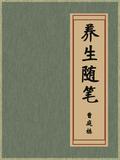 Health Essay
Improper diet will damage the spleen and stomach, and pointed out that "the spleen and stomach are the foundation of the day after tomorrow, and it is more important to regulate the spleen and stomach in the elderly. Moderate eating and regulating the spleen and stomach will help the normal digestion and transfer of food and subtle substances to ensure the nutrition of all parts of the human body and lead to health and longevity."
—Reads8.2Score—Shelves
Health Essay
Improper diet will damage the spleen and stomach, and pointed out that "the spleen and stomach are the foundation of the day after tomorrow, and it is more important to regulate the spleen and stomach in the elderly. Moderate eating and regulating the spleen and stomach will help the normal digestion and transfer of food and subtle substances to ensure the nutrition of all parts of the human body and lead to health and longevity."
—Reads8.2Score—Shelves
-
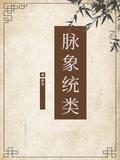 Pulse System Type
Chinese medical classics are a shining pearl in the treasure house of Chinese medicine. They have high guiding significance and practical value, and have made significant contributions and far-reaching influences on the development of medicine in later generations.
—Reads8.5Score—Shelves
Pulse System Type
Chinese medical classics are a shining pearl in the treasure house of Chinese medicine. They have high guiding significance and practical value, and have made significant contributions and far-reaching influences on the development of medicine in later generations.
—Reads8.5Score—Shelves
-
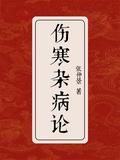 Treatise on Febrile Diseases and Miscellaneous Diseases
"Treatise on Febrile and Miscellaneous Diseases" is an immortal classic in the history of traditional Chinese medicine. It is said to have been written by Zhang Zhongjing, a medical scientist in the Eastern Han Dynasty, who is known as the "ancestor of prescription books". The book systematically summarizes the etiology, pathogenesis, diagnosis and treatment of exogenous febrile diseases and internal injuries and miscellaneous diseases, establishes the "Six Meridians Syndrome Differentiation" sy
—Reads8.2Score—Shelves
Treatise on Febrile Diseases and Miscellaneous Diseases
"Treatise on Febrile and Miscellaneous Diseases" is an immortal classic in the history of traditional Chinese medicine. It is said to have been written by Zhang Zhongjing, a medical scientist in the Eastern Han Dynasty, who is known as the "ancestor of prescription books". The book systematically summarizes the etiology, pathogenesis, diagnosis and treatment of exogenous febrile diseases and internal injuries and miscellaneous diseases, establishes the "Six Meridians Syndrome Differentiation" sy
—Reads8.2Score—Shelves
-
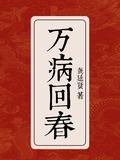 Rejuvenation from All Illnesses
This medical masterpiece compiled by Gong Tingxian, the imperial physician of the Ming Dynasty, can be called a shining pearl in the history of traditional Chinese medicine. The book consists of eight volumes with vast and profound content, covering everything from basic theory to clinical subjects. The book not only systematically explains the core theories of yin and yang and the five elements, viscera and meridians, and pulse diagnosis, but also contains the properties, tastes, and effects of
—Reads8.3Score—Shelves
Rejuvenation from All Illnesses
This medical masterpiece compiled by Gong Tingxian, the imperial physician of the Ming Dynasty, can be called a shining pearl in the history of traditional Chinese medicine. The book consists of eight volumes with vast and profound content, covering everything from basic theory to clinical subjects. The book not only systematically explains the core theories of yin and yang and the five elements, viscera and meridians, and pulse diagnosis, but also contains the properties, tastes, and effects of
—Reads8.3Score—Shelves
-
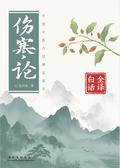 Treatise on Febrile Diseases (Full Vernacular Translation)
"Treatise on Febrile Diseases" is one of the four classics of traditional Chinese medicine. It is the ancestor of all prescriptions and the standard of medicine. The entire text of this published version is in vernacular, which can be fully understood even with no basic knowledge. The book systematically integrates TCM theory, treatment principles, prescription medication and drug application, and deeply explains the dialectical diagnosis and treatment methods of various exogenous diseases and v
—Reads9.5Score—Shelves
Treatise on Febrile Diseases (Full Vernacular Translation)
"Treatise on Febrile Diseases" is one of the four classics of traditional Chinese medicine. It is the ancestor of all prescriptions and the standard of medicine. The entire text of this published version is in vernacular, which can be fully understood even with no basic knowledge. The book systematically integrates TCM theory, treatment principles, prescription medication and drug application, and deeply explains the dialectical diagnosis and treatment methods of various exogenous diseases and v
—Reads9.5Score—Shelves
-
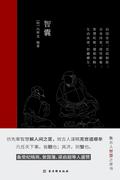 Think Tank
The book "Wisdom Tank" contains a total of more than a thousand stories about characters who coexisted wisdom and talent in the past dynasties from the pre-Qin Dynasty to the Ming Dynasty, divided into ten parts with a total of 28 sub-categories. The book includes the strategies of politicians in governing the country, the military strategies of military strategists, the household management methods of ordinary people, and the foresight of women and children. It shows the intelligence and wit of
—Reads8.6Score—Shelves
Think Tank
The book "Wisdom Tank" contains a total of more than a thousand stories about characters who coexisted wisdom and talent in the past dynasties from the pre-Qin Dynasty to the Ming Dynasty, divided into ten parts with a total of 28 sub-categories. The book includes the strategies of politicians in governing the country, the military strategies of military strategists, the household management methods of ordinary people, and the foresight of women and children. It shows the intelligence and wit of
—Reads8.6Score—Shelves
-
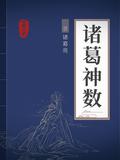 Zhuge Shen Shu
This work "Zhuge Divine Number" is written by Zhuge Liang
—Reads9.3Score—Shelves
Zhuge Shen Shu
This work "Zhuge Divine Number" is written by Zhuge Liang
—Reads9.3Score—Shelves
-
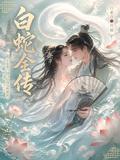 The Complete Story of White Snake
The classic masterpiece "The Complete Biography of White Snake" by the owner of Menghua Pavilion in the Republic of China, the most complete original blueprint of the legend of White Snake! The book has 64 chapters, divided into prequels and postquels, and contains the White Snake's eternal romance, which is more original and full of details than the film and television series. It is said in the past that Bai Suzhen, the White Snake of Qingcheng Mountain, achieved Taoism through thousands of yea
—Reads8.6Score—Shelves
The Complete Story of White Snake
The classic masterpiece "The Complete Biography of White Snake" by the owner of Menghua Pavilion in the Republic of China, the most complete original blueprint of the legend of White Snake! The book has 64 chapters, divided into prequels and postquels, and contains the White Snake's eternal romance, which is more original and full of details than the film and television series. It is said in the past that Bai Suzhen, the White Snake of Qingcheng Mountain, achieved Taoism through thousands of yea
—Reads8.6Score—Shelves
-
 Diamond Sutra·heart Sutra·forty-Two Chapter Sutra·sixth Patriarch Altar Sutra
The "Diamond Sutra" and the "Heart Sutra" are condensed versions of the Prajna Sutra. "Dependent Origination and Emptiness" is also its core idea, but both of them further talk about "emptiness" from the two perspectives of "external sweep" and "internal destruction of attachment". The idea of "external sweep" in the "Diamond Sutra" is concentrated in "All conditioned phenomena are like bubbles in dreams, like dew and lightning, and should be viewed in this way." In this sentence, when it comes
—Reads9.5Score—Shelves
Diamond Sutra·heart Sutra·forty-Two Chapter Sutra·sixth Patriarch Altar Sutra
The "Diamond Sutra" and the "Heart Sutra" are condensed versions of the Prajna Sutra. "Dependent Origination and Emptiness" is also its core idea, but both of them further talk about "emptiness" from the two perspectives of "external sweep" and "internal destruction of attachment". The idea of "external sweep" in the "Diamond Sutra" is concentrated in "All conditioned phenomena are like bubbles in dreams, like dew and lightning, and should be viewed in this way." In this sentence, when it comes
—Reads9.5Score—Shelves
-
 Zhengyi Cultivation Strategy
This book is a public book and is not subject to copyright restrictions. Chinese civilization has a long history and its traditional culture is as bright as stars. These classic works condense the wisdom of doing things for thousands of years and bring together the essence of human thought. They are specially processed and organized to facilitate readers' reading and communication.
—Reads8.2Score—Shelves
Zhengyi Cultivation Strategy
This book is a public book and is not subject to copyright restrictions. Chinese civilization has a long history and its traditional culture is as bright as stars. These classic works condense the wisdom of doing things for thousands of years and bring together the essence of human thought. They are specially processed and organized to facilitate readers' reading and communication.
—Reads8.2Score—Shelves
-
 Essays on the Essence of Cultivation
Sutra Name: Miscellaneous Treatises on the Essence of Cultivation. Written by Sima Chengzhen of the Tang Dynasty. One roll. Original source: "Orthodox Taoist Canon" Dongzhenbu Zhongjie. Join the school
—Reads8.4Score—Shelves
Essays on the Essence of Cultivation
Sutra Name: Miscellaneous Treatises on the Essence of Cultivation. Written by Sima Chengzhen of the Tang Dynasty. One roll. Original source: "Orthodox Taoist Canon" Dongzhenbu Zhongjie. Join the school
—Reads8.4Score—Shelves
-
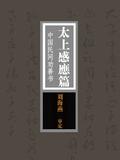 Inspiration from the Supreme Being: Chinese Folk Letters of Encouragement
"Tai Shang Induction Chapter" is a very important article and is known as "the best book in ancient and modern times". This book originated from "Baopuzi" and was later carried forward by sages such as Li Changling and Zheng Qingzhi in the Song Dynasty. It has been circulated in the world and has far-reaching influence. From the imperial court to the private sector, there were many publishers and publishers, reaching its peak in the Ming and Qing Dynasties. It is designed to encourage good deeds
—Reads9.3Score—Shelves
Inspiration from the Supreme Being: Chinese Folk Letters of Encouragement
"Tai Shang Induction Chapter" is a very important article and is known as "the best book in ancient and modern times". This book originated from "Baopuzi" and was later carried forward by sages such as Li Changling and Zheng Qingzhi in the Song Dynasty. It has been circulated in the world and has far-reaching influence. From the imperial court to the private sector, there were many publishers and publishers, reaching its peak in the Ming and Qing Dynasties. It is designed to encourage good deeds
—Reads9.3Score—Shelves
-
 Rongkujian
"Rongkujian" is a classic strategy book. It was written by Changle Lao, the prime minister of the Five Dynasties. Feng Dao, the prime minister of the Five Dynasties, served in the Tang, Jin, Han and Zhou dynasties throughout his life, serving as minister to the Six Emperors, so he called himself "Changle Lao". "Rongkujian" only provides people with a unique perspective to examine villains. As for how to define villains, how to guard against villains, and ultimately defeat villains.
—Reads9.3Score—Shelves
Rongkujian
"Rongkujian" is a classic strategy book. It was written by Changle Lao, the prime minister of the Five Dynasties. Feng Dao, the prime minister of the Five Dynasties, served in the Tang, Jin, Han and Zhou dynasties throughout his life, serving as minister to the Six Emperors, so he called himself "Changle Lao". "Rongkujian" only provides people with a unique perspective to examine villains. As for how to define villains, how to guard against villains, and ultimately defeat villains.
—Reads9.3Score—Shelves
-
 Yingyao Fu
This work "Yingyao Fu" is written by an unknown author
—Reads9.2Score—Shelves
Yingyao Fu
This work "Yingyao Fu" is written by an unknown author
—Reads9.2Score—Shelves
-
 Xingyiquan Ancient Boxing Manual (Free Public Edition Book)
It records the boxing records of the ancient boxing techniques of Xingyi Quan, including the boxing theory, movements, practice methods, martial arts skills, etc. Of Xingyi Quan. It is an important carrier of the inheritance of Xingyi Quan and is of great value to the study of the origin, development and traditional martial arts culture of Xingyi Quan. It provides practitioners with a classic basis for learning and researching Xingyi Quan.
—Reads8.5Score—Shelves
Xingyiquan Ancient Boxing Manual (Free Public Edition Book)
It records the boxing records of the ancient boxing techniques of Xingyi Quan, including the boxing theory, movements, practice methods, martial arts skills, etc. Of Xingyi Quan. It is an important carrier of the inheritance of Xingyi Quan and is of great value to the study of the origin, development and traditional martial arts culture of Xingyi Quan. It provides practitioners with a classic basis for learning and researching Xingyi Quan.
—Reads8.5Score—Shelves
-
 Changsha Fang Gekuo
"Changsha Fanggekuo" was written by Chen Xiuyuan, a famous physician in the Qing Dynasty. It summarizes and organizes the prescriptions in Zhang Zhongjing's "Treatise on Febrile Diseases" in verse. It is an enlightenment book on prescriptions. This book consists of three parts: Chen's original text, annotations and explanations: the annotations mainly explain characters and words with different meanings in ancient and modern times to help readers understand the original text; the explanatory par
—Reads8.6Score—Shelves
Changsha Fang Gekuo
"Changsha Fanggekuo" was written by Chen Xiuyuan, a famous physician in the Qing Dynasty. It summarizes and organizes the prescriptions in Zhang Zhongjing's "Treatise on Febrile Diseases" in verse. It is an enlightenment book on prescriptions. This book consists of three parts: Chen's original text, annotations and explanations: the annotations mainly explain characters and words with different meanings in ancient and modern times to help readers understand the original text; the explanatory par
—Reads8.6Score—Shelves
-
 Meridians
"Mai Jing", written by Wang Shuhe of the Western Jin Dynasty. The book has 10 volumes and a total of 97 articles. This book is the earliest extant pulse theory monograph in my country. It collects a large amount of information on pulse theory before the Han Dynasty, describes the characteristics and changes of each pulse in detail, lists the four seasons of internal organs, various miscellaneous diseases, and pulse syndromes of women and children. It organically combines pulse, syndrome, and tre
—Reads9.3Score—Shelves
Meridians
"Mai Jing", written by Wang Shuhe of the Western Jin Dynasty. The book has 10 volumes and a total of 97 articles. This book is the earliest extant pulse theory monograph in my country. It collects a large amount of information on pulse theory before the Han Dynasty, describes the characteristics and changes of each pulse in detail, lists the four seasons of internal organs, various miscellaneous diseases, and pulse syndromes of women and children. It organically combines pulse, syndrome, and tre
—Reads9.3Score—Shelves
-
 Shuijingzhu
"Shui Jing Zhu" written by Li Daoyuan in the Northern Wei Dynasty is not only the pinnacle of ancient Chinese geography, but also an encyclopedic masterpiece that integrates history, mythology, folklore, and literature. The book consists of forty volumes and more than 300,000 words. It uses waterways as its veins and connects the magnificent pictures of 1,252 rivers, sublimating boring waterway descriptions into vitality-filled mountain and river pictures. The book contains both the majestic ima
—Reads8.7Score—Shelves
Shuijingzhu
"Shui Jing Zhu" written by Li Daoyuan in the Northern Wei Dynasty is not only the pinnacle of ancient Chinese geography, but also an encyclopedic masterpiece that integrates history, mythology, folklore, and literature. The book consists of forty volumes and more than 300,000 words. It uses waterways as its veins and connects the magnificent pictures of 1,252 rivers, sublimating boring waterway descriptions into vitality-filled mountain and river pictures. The book contains both the majestic ima
—Reads8.7Score—Shelves
-
 Eye Tips
"Secrets of Ophthalmology" was written by Sun Simiao, the king of medicine. The whole book is concisely written in only two volumes, with a total word count of only more than 10,000, making it the largest medical book in ancient times. It was painstakingly studied and compiled by contemporary doctors for more than a year before it was published and published so that it could be circulated in the apricot forest and not be lost. The original version of "Ophthalmology Secrets" is extremely rare. Th
—Reads8.7Score—Shelves
Eye Tips
"Secrets of Ophthalmology" was written by Sun Simiao, the king of medicine. The whole book is concisely written in only two volumes, with a total word count of only more than 10,000, making it the largest medical book in ancient times. It was painstakingly studied and compiled by contemporary doctors for more than a year before it was published and published so that it could be circulated in the apricot forest and not be lost. The original version of "Ophthalmology Secrets" is extremely rare. Th
—Reads8.7Score—Shelves
-
 Bian Que's Heart Letter
"Bian Que Xin Shu" was written in the 16th year of Shaoxing in the Southern Song Dynasty (1146). It was passed down by Bian Que, compiled by Dou Cai in the Northern Song Dynasty, and discussed by Hu Nian'an in the Qing Dynasty. This book is divided into three volumes. The main content introduces moxibustion. The first volume discusses the treatment principles such as meridians and moxibustion methods (Huangdi moxibustion, Bian Que moxibustion and Dou Cai moxibustion); the middle and second volum
—Reads9.5Score—Shelves
Bian Que's Heart Letter
"Bian Que Xin Shu" was written in the 16th year of Shaoxing in the Southern Song Dynasty (1146). It was passed down by Bian Que, compiled by Dou Cai in the Northern Song Dynasty, and discussed by Hu Nian'an in the Qing Dynasty. This book is divided into three volumes. The main content introduces moxibustion. The first volume discusses the treatment principles such as meridians and moxibustion methods (Huangdi moxibustion, Bian Que moxibustion and Dou Cai moxibustion); the middle and second volum
—Reads9.5Score—Shelves
-
 Records of Swords and Swords in Ancient and Modern Times
A monograph introducing swords from ancient Chinese records, written by Tao Hongjing of the Southern Dynasties. Tao Hongjing (456-536), whose courtesy name was Tongming, was from Moling, Danyang (now Nanjing). He once participated in the smelting of swords. This book is the author's experience in studying sword smelting. The book records the number of swords and swords made in various dynasties from Xia Yu to Emperor Wu of Liang. It also gives a detailed description of the name, size, casting pr
—Reads9.0Score—Shelves
Records of Swords and Swords in Ancient and Modern Times
A monograph introducing swords from ancient Chinese records, written by Tao Hongjing of the Southern Dynasties. Tao Hongjing (456-536), whose courtesy name was Tongming, was from Moling, Danyang (now Nanjing). He once participated in the smelting of swords. This book is the author's experience in studying sword smelting. The book records the number of swords and swords made in various dynasties from Xia Yu to Emperor Wu of Liang. It also gives a detailed description of the name, size, casting pr
—Reads9.0Score—Shelves
-
 Fetal Breath Meridian
"Fetal Breathing Sutra" is a masterpiece among ancient Chinese Qigong literature. The word "fetal breath" means that the fetus is the holy fetus, which is the knot of the true god; the breath is the true breath, which is caused by the cessation of internal and external breathing (the true breath has no breath).
—Reads8.6Score—Shelves
Fetal Breath Meridian
"Fetal Breathing Sutra" is a masterpiece among ancient Chinese Qigong literature. The word "fetal breath" means that the fetus is the holy fetus, which is the knot of the true god; the breath is the true breath, which is caused by the cessation of internal and external breathing (the true breath has no breath).
—Reads8.6Score—Shelves
-
 Medicinal Properties
This work "Ode to the Properties of Medicine" is written by an unknown author
—Reads9.4Score—Shelves
Medicinal Properties
This work "Ode to the Properties of Medicine" is written by an unknown author
—Reads9.4Score—Shelves
-
 Introduction to Nine Streams
"Introduction to Nine Streams" examines the origins of various schools of thought, and is one of the "Shaoshi Shanfang Bi Cong". There is a 1923 Shanghai Saoye Shanfang lithograph.
—Reads7.6Score—Shelves
Introduction to Nine Streams
"Introduction to Nine Streams" examines the origins of various schools of thought, and is one of the "Shaoshi Shanfang Bi Cong". There is a 1923 Shanghai Saoye Shanfang lithograph.
—Reads7.6Score—Shelves
-
 A Study of Tang Yun
Five volumes. Written by Rong Shu in the Qing Dynasty. Ji Rongshu, whose courtesy name was Chisou and nicknamed Zhuya, was from Xianxian County, Zhili Province (now Xianxian County, Hebei Province). In the fifty-second year of Kangxi (1713), he was promoted to the prefect of Yao'an Prefecture. Tongyin rhythm, especially ancient rhyme. He is also the author of "New Odes of Yutai" and "Du Lvshu". Sun Hui's "Tang Yun" has been lost for a long time. In the third year of Yongxi reign of the Northern
—Reads7.8Score—Shelves
A Study of Tang Yun
Five volumes. Written by Rong Shu in the Qing Dynasty. Ji Rongshu, whose courtesy name was Chisou and nicknamed Zhuya, was from Xianxian County, Zhili Province (now Xianxian County, Hebei Province). In the fifty-second year of Kangxi (1713), he was promoted to the prefect of Yao'an Prefecture. Tongyin rhythm, especially ancient rhyme. He is also the author of "New Odes of Yutai" and "Du Lvshu". Sun Hui's "Tang Yun" has been lost for a long time. In the third year of Yongxi reign of the Northern
—Reads7.8Score—Shelves
-
 Selections from the Collection of Chongxiang
This book (a volume with 144 pages and 400 words) is not divided into volumes and was written by Dong Yingju. Yingju, courtesy name Chongxiang, was born in Min County, Fujian Province. He was a Jinshi in the Wuxu period (26th year of Wanli Dynasty) in the Ming Dynasty. During his tenure as an official, he returned to Li twice: one in the early 1940s of Wanli to return home; the other in the early years of Chouzhen's reign, he resigned from his post and lived idle. The former period coincides wit
—Reads—Score—Shelves
Selections from the Collection of Chongxiang
This book (a volume with 144 pages and 400 words) is not divided into volumes and was written by Dong Yingju. Yingju, courtesy name Chongxiang, was born in Min County, Fujian Province. He was a Jinshi in the Wuxu period (26th year of Wanli Dynasty) in the Ming Dynasty. During his tenure as an official, he returned to Li twice: one in the early 1940s of Wanli to return home; the other in the early years of Chouzhen's reign, he resigned from his post and lived idle. The former period coincides wit
—Reads—Score—Shelves
-
 Poetry About Xie Yi
Written by Ming Jiben (1485-1563). Ji Ben, whose courtesy name was Mingde and whose name was Pengshan, was from Kuaiji (now Shaoxing, Zhejiang). In the twelfth year of Zhengde (1517), he became a Jinshi, was promoted to an official in Jianning, recruited as a censor, and moved to the prefecture of Changsha. He studied under Wang Shouren and was able to pass on his knowledge. He studied the classics and biographies throughout his life and wrote "Four Common Questions of the Book of Changes" and "
—Reads—Score—Shelves
Poetry About Xie Yi
Written by Ming Jiben (1485-1563). Ji Ben, whose courtesy name was Mingde and whose name was Pengshan, was from Kuaiji (now Shaoxing, Zhejiang). In the twelfth year of Zhengde (1517), he became a Jinshi, was promoted to an official in Jianning, recruited as a censor, and moved to the prefecture of Changsha. He studied under Wang Shouren and was able to pass on his knowledge. He studied the classics and biographies throughout his life and wrote "Four Common Questions of the Book of Changes" and "
—Reads—Score—Shelves
-
 Official Academic Standards
This work "Standards for Official Scholarship" is written by Zhang Fan
—Reads—Score—Shelves
Official Academic Standards
This work "Standards for Official Scholarship" is written by Zhang Fan
—Reads—Score—Shelves
-
 Song and Yuan Academic Cases
"Song and Yuan Academic Cases", a total of 100 volumes, was first compiled by Huang Zongxi in the late Ming and early Qing dynasties. In the fifteenth year of Kangxi (1676), Huang Zongxi completed the "Confucianism Cases of the Ming Dynasty" and subsequently revised the book. It only became 17 volumes with a preface. His son Huang Baijia continued it and wrote another 8 volumes. Later, in the 10th year of Qianlong's reign, his disciples Quan Zuwang, Yang Kaiyuan, Gu Juan and others completed it.
—Reads8.4Score—Shelves
Song and Yuan Academic Cases
"Song and Yuan Academic Cases", a total of 100 volumes, was first compiled by Huang Zongxi in the late Ming and early Qing dynasties. In the fifteenth year of Kangxi (1676), Huang Zongxi completed the "Confucianism Cases of the Ming Dynasty" and subsequently revised the book. It only became 17 volumes with a preface. His son Huang Baijia continued it and wrote another 8 volumes. Later, in the 10th year of Qianlong's reign, his disciples Quan Zuwang, Yang Kaiyuan, Gu Juan and others completed it.
—Reads8.4Score—Shelves