Fanqie library
Browse
- Titles
- 1.7k
Every Fanqie book we index, searchable by title, author or tag.
-
 The Secret Recipe for Golden Sores
Ancient Chinese medical works are a shining pearl in the treasure house of Chinese medicine. They have high guiding significance and practical value, and have made significant contributions and far-reaching influences on the development of medicine in later generations.
—Reads8.4Score—Shelves
The Secret Recipe for Golden Sores
Ancient Chinese medical works are a shining pearl in the treasure house of Chinese medicine. They have high guiding significance and practical value, and have made significant contributions and far-reaching influences on the development of medicine in later generations.
—Reads8.4Score—Shelves
-
 Lingmen Teaches Tongren Finger Acupoints
Ancient Chinese medicine books are a shining pearl in the treasure house of Chinese medicine. They have high guiding significance and practical value, and have made significant contributions and far-reaching influences on the development of medicine in later generations.
—Reads8.5Score—Shelves
Lingmen Teaches Tongren Finger Acupoints
Ancient Chinese medicine books are a shining pearl in the treasure house of Chinese medicine. They have high guiding significance and practical value, and have made significant contributions and far-reaching influences on the development of medicine in later generations.
—Reads8.5Score—Shelves
-
 Essentials of Boxing
—Reads8.4Score—Shelves
Essentials of Boxing
Essentials of Boxing
—Reads8.4Score—Shelves
-
 Martial Arts General Essentials
"Wu Jing Zong Yao" is a military work compiled by officials in the Northern Song Dynasty. The authors were Zeng Gongliang and Ding Du, who were civil servants during the reign of Emperor Renzong of the Song Dynasty. The two took five years to compile it on the orders of the emperor. This book is China's first large-scale official comprehensive military work and is very important for the study of military thought before the Song Dynasty. A large part of it introduces the manufacturing of weapons,
—Reads9.2Score—Shelves
Martial Arts General Essentials
"Wu Jing Zong Yao" is a military work compiled by officials in the Northern Song Dynasty. The authors were Zeng Gongliang and Ding Du, who were civil servants during the reign of Emperor Renzong of the Song Dynasty. The two took five years to compile it on the orders of the emperor. This book is China's first large-scale official comprehensive military work and is very important for the study of military thought before the Song Dynasty. A large part of it introduces the manufacturing of weapons,
—Reads9.2Score—Shelves
-
 Great Selection of Lantai
The ancient book "Lantai Miao Xuan" has been criticized by many numerology scholars. Most of these scholars admire "Drip Tianmui". This is a big misunderstanding.
—Reads8.4Score—Shelves
Great Selection of Lantai
The ancient book "Lantai Miao Xuan" has been criticized by many numerology scholars. Most of these scholars admire "Drip Tianmui". This is a big misunderstanding.
—Reads8.4Score—Shelves
-
 Convenient First Aid
Ancient Chinese medical works are a shining pearl in the treasure house of Chinese medicine. They have high guiding significance and practical value, and have made significant contributions and far-reaching influences on the development of medicine in later generations.
—Reads8.5Score—Shelves
Convenient First Aid
Ancient Chinese medical works are a shining pearl in the treasure house of Chinese medicine. They have high guiding significance and practical value, and have made significant contributions and far-reaching influences on the development of medicine in later generations.
—Reads8.5Score—Shelves
-
 Tianzun Shang Shang Said the Zhenyuan Tongxian Dao Sutra
Author unknown. One roll. Original source: "Orthodox Taoist Canon" Dongzhenbu text genre.
—Reads8.3Score—Shelves
Tianzun Shang Shang Said the Zhenyuan Tongxian Dao Sutra
Author unknown. One roll. Original source: "Orthodox Taoist Canon" Dongzhenbu text genre.
—Reads8.3Score—Shelves
-
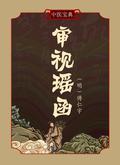 Traditional Chinese Medicine Collection: Examining Yao Han
"Inspection of Yao Han" is a treasure book of ophthalmology compiled by Fu Renyu, a master of ophthalmology in the Ming Dynasty, who has devoted his life to ophthalmology. It is regarded as "the first mirror of Oriental ophthalmology". The whole book is based on the "Five Wheels and Eight Profiles", condensing the internal organs and meridians into a square-inch pupil, observing the rising liver fire at the point where the red pulse runs through the eye, and discerning the profit and loss of kid
—Reads8.1Score—Shelves
Traditional Chinese Medicine Collection: Examining Yao Han
"Inspection of Yao Han" is a treasure book of ophthalmology compiled by Fu Renyu, a master of ophthalmology in the Ming Dynasty, who has devoted his life to ophthalmology. It is regarded as "the first mirror of Oriental ophthalmology". The whole book is based on the "Five Wheels and Eight Profiles", condensing the internal organs and meridians into a square-inch pupil, observing the rising liver fire at the point where the red pulse runs through the eye, and discerning the profit and loss of kid
—Reads8.1Score—Shelves
-
 Wangjiaying Zhi
Chinese traditional cultural thoughts have a long history and are highly original, original and literary. The early ideological forms were very distinctive, with extensive and profound contents such as religious theology, Chinese medicine classics, ancient military art, Confucianism, Taoism, Buddhism and hundreds of schools of thought, Feng Shui metaphysics, Twenty-Four Histories, customs and geography, etc. This series of "Original Books on Classic Chinese Studies and Essence Culture" retains t
—Reads—Score—Shelves
Wangjiaying Zhi
Chinese traditional cultural thoughts have a long history and are highly original, original and literary. The early ideological forms were very distinctive, with extensive and profound contents such as religious theology, Chinese medicine classics, ancient military art, Confucianism, Taoism, Buddhism and hundreds of schools of thought, Feng Shui metaphysics, Twenty-Four Histories, customs and geography, etc. This series of "Original Books on Classic Chinese Studies and Essence Culture" retains t
—Reads—Score—Shelves
-
 Imperial Officer's Motto
Imperial Admonitions for Officials, one volume, written by Zhu Zhanji, Emperor Xuanzong of the Ming Dynasty. Zhu Zhanji, the fifth emperor of the Ming Dynasty, reigned for ten years and was named Xuande. His deeds are detailed in the history. There are thirty-five chapters in the Official Proverbs, with the sacred edicts and catalog listed in the front, and the Imperial Records of Guanghan Palace in the back. The edict said: "Every official at home and abroad will write an article to expose all
—Reads—Score—Shelves
Imperial Officer's Motto
Imperial Admonitions for Officials, one volume, written by Zhu Zhanji, Emperor Xuanzong of the Ming Dynasty. Zhu Zhanji, the fifth emperor of the Ming Dynasty, reigned for ten years and was named Xuande. His deeds are detailed in the history. There are thirty-five chapters in the Official Proverbs, with the sacred edicts and catalog listed in the front, and the Imperial Records of Guanghan Palace in the back. The edict said: "Every official at home and abroad will write an article to expose all
—Reads—Score—Shelves
-
 The Supreme Sanyuan Zhenzhai Linglu
The supreme three-yuan town house spirit urn. The author is unknown, and it was probably written at the end of the Northern and Southern Dynasties or the Sui and Tang Dynasties. The Jade Emperor pretended to confer the Seven Truths of Jin and Ming. One roll. Original source: "Orthodox Taoist Canon" Talisman Category of Dongshen Department.
—Reads8.2Score—Shelves
The Supreme Sanyuan Zhenzhai Linglu
The supreme three-yuan town house spirit urn. The author is unknown, and it was probably written at the end of the Northern and Southern Dynasties or the Sui and Tang Dynasties. The Jade Emperor pretended to confer the Seven Truths of Jin and Ming. One roll. Original source: "Orthodox Taoist Canon" Talisman Category of Dongshen Department.
—Reads8.2Score—Shelves
-
 Fire Dragon Artifact Formation
The Fire Dragon Artifact Formation is also known as the Fire Dragon God Book and the Most Victorious God Machine. Most of the firearms recorded in this book were advanced firearms that were not included in the "Martial Arts" and were rarely spread in the world at that time. It discusses the relevant principles and methods of fire attack, reflecting the military thinking after a large number of firearms were equipped with the army.
—Reads8.4Score—Shelves
Fire Dragon Artifact Formation
The Fire Dragon Artifact Formation is also known as the Fire Dragon God Book and the Most Victorious God Machine. Most of the firearms recorded in this book were advanced firearms that were not included in the "Martial Arts" and were rarely spread in the world at that time. It discusses the relevant principles and methods of fire attack, reflecting the military thinking after a large number of firearms were equipped with the army.
—Reads8.4Score—Shelves
-
 Fasting Basket
Sutra name: "Fasting Basket". "The Fasting Basket" is a fantasy novel written by an unknown author. One roll. Original source: "Orthodox Taoist Canon" Dongxuan Department of Precepts. The content of this book is fascinating and well-written, making it worth reading.
—Reads8.2Score—Shelves
Fasting Basket
Sutra name: "Fasting Basket". "The Fasting Basket" is a fantasy novel written by an unknown author. One roll. Original source: "Orthodox Taoist Canon" Dongxuan Department of Precepts. The content of this book is fascinating and well-written, making it worth reading.
—Reads8.2Score—Shelves
-
 Lu Ban Jing
"Lu Ban Jing" is an ancient classic that has attracted much attention with its rich content and far-reaching influence. The book not only elaborates on the French architectural style of ancient buildings and the classic forms of furniture design, but also incorporates metaphysics such as Feng Shui and Taoism. It is an important "labor protection law" between civil craftsmen and employers. The book is divided into multiple volumes, covering many aspects such as logging and material preparation, g
—Reads8.4Score—Shelves
Lu Ban Jing
"Lu Ban Jing" is an ancient classic that has attracted much attention with its rich content and far-reaching influence. The book not only elaborates on the French architectural style of ancient buildings and the classic forms of furniture design, but also incorporates metaphysics such as Feng Shui and Taoism. It is an important "labor protection law" between civil craftsmen and employers. The book is divided into multiple volumes, covering many aspects such as logging and material preparation, g
—Reads8.4Score—Shelves
-
 Directly Pointing to the Jade Key Method
Works on Phonology. The Ming Dynasty was written in a vacuum. This book is attached to "Pianyun Guanzhu Collection" and compiled into "Four Kinds of Yun Shu" compiled by Shi Zhongzhong, which is published in Zhengde Zhongzhong of Ming Dynasty. This book supplements Liu Jian's thirteen methods and establishes a total of twenty methods: 1. Sound harmony, 2. Classification, 3. Cutting, 4. Interaction of light and heavy, 5. Zhenzhu, 6. Correct pronunciation based on cutting, 7. Interaction of essenc
—Reads7.7Score—Shelves
Directly Pointing to the Jade Key Method
Works on Phonology. The Ming Dynasty was written in a vacuum. This book is attached to "Pianyun Guanzhu Collection" and compiled into "Four Kinds of Yun Shu" compiled by Shi Zhongzhong, which is published in Zhengde Zhongzhong of Ming Dynasty. This book supplements Liu Jian's thirteen methods and establishes a total of twenty methods: 1. Sound harmony, 2. Classification, 3. Cutting, 4. Interaction of light and heavy, 5. Zhenzhu, 6. Correct pronunciation based on cutting, 7. Interaction of essenc
—Reads7.7Score—Shelves
-
 Romance of the Five Dynasties
"The Romance of the Five Dynasties" is one of Cai Dongfan's "Popular Romance of the Past Dynasties" series. It vividly reproduces the turbulent history of the Five Dynasties and Ten Kingdoms in the form of a chapter novel. The book has 60 chapters in total, starting from Zhu Wen's usurpation of the Tang Dynasty and the establishment of the Liang Dynasty to the rise of Kuangyin in the later Zhou Dynasty, running through the changes of the Liang, Tang, Jin, Han, and Five dynasties, as well as the
—Reads8.6Score—Shelves
Romance of the Five Dynasties
"The Romance of the Five Dynasties" is one of Cai Dongfan's "Popular Romance of the Past Dynasties" series. It vividly reproduces the turbulent history of the Five Dynasties and Ten Kingdoms in the form of a chapter novel. The book has 60 chapters in total, starting from Zhu Wen's usurpation of the Tang Dynasty and the establishment of the Liang Dynasty to the rise of Kuangyin in the later Zhou Dynasty, running through the changes of the Liang, Tang, Jin, Han, and Five dynasties, as well as the
—Reads8.6Score—Shelves
-
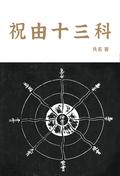 I Wish You Thirteen Subjects
"Zhu" means to explain respectfully, "Yu" refers to the cause of the disease, and "Zhu You" is a method of treating diseases by using spells and banning. It resolves and alleviates diseases through methods such as medicine, mantras, spells, and psychological counseling. Zhuyou therapy originated very early in China. It was already very common in the pre-Qin period and has been popular among the people for thousands of years. It was included in the 13th Department of Imperial Hospital in the Yuan
—Reads8.6Score—Shelves
I Wish You Thirteen Subjects
"Zhu" means to explain respectfully, "Yu" refers to the cause of the disease, and "Zhu You" is a method of treating diseases by using spells and banning. It resolves and alleviates diseases through methods such as medicine, mantras, spells, and psychological counseling. Zhuyou therapy originated very early in China. It was already very common in the pre-Qin period and has been popular among the people for thousands of years. It was included in the 13th Department of Imperial Hospital in the Yuan
—Reads8.6Score—Shelves
-
 Guangdong Travel Experience
This work "Guangdong Travel Experience" is written by Qu Gongmei
—Reads—Score—Shelves
Guangdong Travel Experience
This work "Guangdong Travel Experience" is written by Qu Gongmei
—Reads—Score—Shelves
-
 Simple Apartment
"Yu Jian" is a notebook-style work written by the Southern Song Dynasty scholar Shen Zuozhe (alias Mingyuan, nickname Yushan, Huzhou native). The whole book is named "Abstracting Bamboo Slips" - the author said that "I live in the mountains, have no conversations with others, have memories, and often include slips and slips." It is not a history book in the strict sense, nor is it a gorgeous prose, but rather like a series of indifferent essays: experiences, thoughts, research, and anecdotes are
—Reads—Score—Shelves
Simple Apartment
"Yu Jian" is a notebook-style work written by the Southern Song Dynasty scholar Shen Zuozhe (alias Mingyuan, nickname Yushan, Huzhou native). The whole book is named "Abstracting Bamboo Slips" - the author said that "I live in the mountains, have no conversations with others, have memories, and often include slips and slips." It is not a history book in the strict sense, nor is it a gorgeous prose, but rather like a series of indifferent essays: experiences, thoughts, research, and anecdotes are
—Reads—Score—Shelves
-
 Collected Works of Liu Ji
Liu Ji (July 1, 1311 - May 16, 1375), courtesy name Bowen and posthumous title Wencheng, was an outstanding military strategist, politician, writer and thinker in the late Yuan and early Ming dynasties, the founding father of the Ming Dynasty, Han nationality, and a native of Nantian, Wencheng, Zhejiang (originally Qingtian), so people called him Liu Qingtian at that time. In the third year of Hongwu in the Ming Dynasty (1370), he was granted the title of Uncle Chengyi, and people also called hi
—Reads8.6Score—Shelves
Collected Works of Liu Ji
Liu Ji (July 1, 1311 - May 16, 1375), courtesy name Bowen and posthumous title Wencheng, was an outstanding military strategist, politician, writer and thinker in the late Yuan and early Ming dynasties, the founding father of the Ming Dynasty, Han nationality, and a native of Nantian, Wencheng, Zhejiang (originally Qingtian), so people called him Liu Qingtian at that time. In the third year of Hongwu in the Ming Dynasty (1370), he was granted the title of Uncle Chengyi, and people also called hi
—Reads8.6Score—Shelves
-
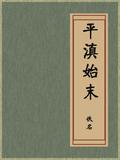 The Beginning and End of the Peace of Yunnan (Free Public Edition Book)
Focusing on the historical events related to the pacification of Yunnan, it records in detail the background, reasons, process and results of the pacification of Yunnan. It may involve specific circumstances of military operations, such as the location of the battle, the deployment of troops on both sides, and the use of tactics, as well as the far-reaching impact of the war on the politics, economy, and society of Yunnan. It is important information for studying the local history of Yunnan and
—Reads8.7Score—Shelves
The Beginning and End of the Peace of Yunnan (Free Public Edition Book)
Focusing on the historical events related to the pacification of Yunnan, it records in detail the background, reasons, process and results of the pacification of Yunnan. It may involve specific circumstances of military operations, such as the location of the battle, the deployment of troops on both sides, and the use of tactics, as well as the far-reaching impact of the war on the politics, economy, and society of Yunnan. It is important information for studying the local history of Yunnan and
—Reads8.7Score—Shelves
-
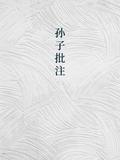 Sun Tzu's Comments
Introduction: Sun Tzu said: Soldiers are important matters of the country, the place of life and death, and the way of survival. They must be observed. Therefore, the scriptures are based on five things, which are calibrated and calculated, and their emotions are investigated: one day is Tao, two days is Heaven, three days is Earth, four days is Generals, and five days is Dharma. A symbol of traditional culture and the pinnacle of human thought. A treasure of China's classical military cultural
—Reads8.0Score—Shelves
Sun Tzu's Comments
Introduction: Sun Tzu said: Soldiers are important matters of the country, the place of life and death, and the way of survival. They must be observed. Therefore, the scriptures are based on five things, which are calibrated and calculated, and their emotions are investigated: one day is Tao, two days is Heaven, three days is Earth, four days is Generals, and five days is Dharma. A symbol of traditional culture and the pinnacle of human thought. A treasure of China's classical military cultural
—Reads8.0Score—Shelves
-
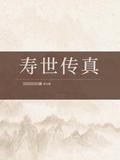 Longevity Fax
"Shushi Fax" is a book written by Xu Wenbi. Qigong health books. 8 Volumes. Written by Xu Wenbi in the Qing Dynasty. The author advocates that Qigong guidance should be paid equal attention to comprehensive adjustment and control, and proposes that for cultivation, it is better to practice internal and external Qigong, treasure essence, treasure Qi, and treasure spirit. It is also necessary to know avoidances and injuries, and pay attention to the regulation of the four seasons and diet. In term
—Reads8.6Score—Shelves
Longevity Fax
"Shushi Fax" is a book written by Xu Wenbi. Qigong health books. 8 Volumes. Written by Xu Wenbi in the Qing Dynasty. The author advocates that Qigong guidance should be paid equal attention to comprehensive adjustment and control, and proposes that for cultivation, it is better to practice internal and external Qigong, treasure essence, treasure Qi, and treasure spirit. It is also necessary to know avoidances and injuries, and pay attention to the regulation of the four seasons and diet. In term
—Reads8.6Score—Shelves
-
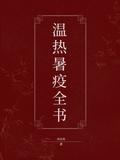 The Complete Book of Warm Heat and Heat Epidemic
"The Complete Book of Warm Heat and Summer Epidemics", a book on febrile diseases. Four volumes. Written by Zhou Yangjun of the Qing Dynasty in 1679. This book discusses febrile diseases, febrile diseases, summer diseases, and epidemic diseases in order. It selects relevant original texts such as "Treatise on Febrile Diseases" and "Treatise on Febrile Diseases" and annotates them. It refers to the academic insights, characteristics and achievements of various febrile disease experts and combines
—Reads8.4Score—Shelves
The Complete Book of Warm Heat and Heat Epidemic
"The Complete Book of Warm Heat and Summer Epidemics", a book on febrile diseases. Four volumes. Written by Zhou Yangjun of the Qing Dynasty in 1679. This book discusses febrile diseases, febrile diseases, summer diseases, and epidemic diseases in order. It selects relevant original texts such as "Treatise on Febrile Diseases" and "Treatise on Febrile Diseases" and annotates them. It refers to the academic insights, characteristics and achievements of various febrile disease experts and combines
—Reads8.4Score—Shelves
-
 Qian Jin Food Treatment
Important monographs on dietary therapy in ancient my country. It was written by Sun Simiao (581-682), a medical scientist of the Tang Dynasty. "Qianjin Food Treatment" is the 26th volume of the original book "Qianjin Prescriptions for Emergency".
—Reads9.2Score—Shelves
Qian Jin Food Treatment
Important monographs on dietary therapy in ancient my country. It was written by Sun Simiao (581-682), a medical scientist of the Tang Dynasty. "Qianjin Food Treatment" is the 26th volume of the original book "Qianjin Prescriptions for Emergency".
—Reads9.2Score—Shelves
-
 Wu Jutong Medical Case
"Wu Jutong Medical Records", Medical Records Monograph, 4 volumes. Wu Tang (Ju Tong) of the Qing Dynasty wrote it in the third year of Jiaqing (1798). This book contains a total of 457 medical records. Volume 1 is a special chapter on febrile diseases and typhoid fever, listing 10 types of diseases and recording 143 cases; Volumes 2-3 are miscellaneous diseases, listing 35 types of diseases and recording 235 cases; Volume 4 is a treatment test for women and children, listing 12 types of diseases
—Reads8.6Score—Shelves
Wu Jutong Medical Case
"Wu Jutong Medical Records", Medical Records Monograph, 4 volumes. Wu Tang (Ju Tong) of the Qing Dynasty wrote it in the third year of Jiaqing (1798). This book contains a total of 457 medical records. Volume 1 is a special chapter on febrile diseases and typhoid fever, listing 10 types of diseases and recording 143 cases; Volumes 2-3 are miscellaneous diseases, listing 35 types of diseases and recording 235 cases; Volume 4 is a treatment test for women and children, listing 12 types of diseases
—Reads8.6Score—Shelves
-
 Secret Cream Dan Pill Powder Recipe
Chinese traditional cultural thoughts have a long history and are highly original, original and literary. The early ideological forms were very distinctive, with extensive and profound contents such as religious theology, Chinese medicine classics, ancient military art, Confucianism, Taoism, Buddhism and hundreds of schools of thought, Feng Shui metaphysics, Twenty-Four Histories, customs and geography, etc. This series of "Original Books on Classic Chinese Studies and Essence Culture" retains t
—Reads8.7Score—Shelves
Secret Cream Dan Pill Powder Recipe
Chinese traditional cultural thoughts have a long history and are highly original, original and literary. The early ideological forms were very distinctive, with extensive and profound contents such as religious theology, Chinese medicine classics, ancient military art, Confucianism, Taoism, Buddhism and hundreds of schools of thought, Feng Shui metaphysics, Twenty-Four Histories, customs and geography, etc. This series of "Original Books on Classic Chinese Studies and Essence Culture" retains t
—Reads8.7Score—Shelves
-
 Meridians
"Mai Jing" was written by Wang Shuhe of the Jin Dynasty and was written between 210 and 259 AD. It is the earliest existing monograph on the pulse theory of traditional Chinese medicine in China. Wang Shuhe, named Xi, "had a calm nature, and was especially good at writing. He was well versed in classic prescriptions, was meticulous in diagnosis, and had an insight into the way of self-cultivation (Song Dynasty Lin Yi and others submitted Zha Ziyu)." Using various pulse studies documents he searc
—Reads8.7Score—Shelves
Meridians
"Mai Jing" was written by Wang Shuhe of the Jin Dynasty and was written between 210 and 259 AD. It is the earliest existing monograph on the pulse theory of traditional Chinese medicine in China. Wang Shuhe, named Xi, "had a calm nature, and was especially good at writing. He was well versed in classic prescriptions, was meticulous in diagnosis, and had an insight into the way of self-cultivation (Song Dynasty Lin Yi and others submitted Zha Ziyu)." Using various pulse studies documents he searc
—Reads8.7Score—Shelves
-
 The Complete Collection of Xu Ling's Fetal Medical Books
The "Complete Collection of Xu Lingtai's Medical Books" compiled this time contains a total of seven kinds of Xu Lingtai's medical works. As an outstanding medical scientist, Xu Lingtai's works are not only rich in content, but also unique and highly practical. Therefore, he enjoys a high reputation in the medical community and is highly praised by doctors. This complete collection fully demonstrates Xu Lingtai's profound medical attainments and unique medical thoughts. His works not only cover
—Reads9.3Score—Shelves
The Complete Collection of Xu Ling's Fetal Medical Books
The "Complete Collection of Xu Lingtai's Medical Books" compiled this time contains a total of seven kinds of Xu Lingtai's medical works. As an outstanding medical scientist, Xu Lingtai's works are not only rich in content, but also unique and highly practical. Therefore, he enjoys a high reputation in the medical community and is highly praised by doctors. This complete collection fully demonstrates Xu Lingtai's profound medical attainments and unique medical thoughts. His works not only cover
—Reads9.3Score—Shelves
-
 The Sketchbook
"Bencao Illu Jing", an ancient Chinese medicinal book. It is referred to as "Throat Classic", also known as "Illustrated Classic of Materia Medica". Compiled by Su Song (1020-1101) of Song Dynasty and others. , A total of 20 volumes. Table of Contents Volume 1.
—Reads8.6Score—Shelves
The Sketchbook
"Bencao Illu Jing", an ancient Chinese medicinal book. It is referred to as "Throat Classic", also known as "Illustrated Classic of Materia Medica". Compiled by Su Song (1020-1101) of Song Dynasty and others. , A total of 20 volumes. Table of Contents Volume 1.
—Reads8.6Score—Shelves
-
 Ancient and Modern Medicine
"Ancient and Modern Medical Reviews" is a comprehensive medical book. Sixteen volumes (original eight volumes). It was compiled by Gong Xin of the Ming Dynasty, continued by Gong Tingxian, and revised by Wang Kentang. The year of writing is unknown. The book begins with four chapters on pulse formula, pathogenesis, medicinal properties, and luck, which serve as the theoretical basis for clinical syndromes; the following sections discuss diseases of the internal organs, women, children, ears, nos
—Reads9.2Score—Shelves
Ancient and Modern Medicine
"Ancient and Modern Medical Reviews" is a comprehensive medical book. Sixteen volumes (original eight volumes). It was compiled by Gong Xin of the Ming Dynasty, continued by Gong Tingxian, and revised by Wang Kentang. The year of writing is unknown. The book begins with four chapters on pulse formula, pathogenesis, medicinal properties, and luck, which serve as the theoretical basis for clinical syndromes; the following sections discuss diseases of the internal organs, women, children, ears, nos
—Reads9.2Score—Shelves
-
 Interpretation of the Tao De Zhen Jing by Emperor Huizong of the Song Dynasty
Ten volumes of "The Interpretation of the Daode Zhenjing by Emperor Huizong of the Song Dynasty", annotated by Zhao Ji, Emperor Huizong of the Northern Song Dynasty, and interpreted by Zhang An. As a Taoist classic, "Laozi" (also known as "The Tao Te Ching") has always been valued by rulers because of its mastery of the art of governing the country. Many emperors have annotated it. Today, the four emperors who have annotated it include Xuanzong of the Tang Dynasty, Huizong of the Song Dynasty, T
—Reads8.3Score—Shelves
Interpretation of the Tao De Zhen Jing by Emperor Huizong of the Song Dynasty
Ten volumes of "The Interpretation of the Daode Zhenjing by Emperor Huizong of the Song Dynasty", annotated by Zhao Ji, Emperor Huizong of the Northern Song Dynasty, and interpreted by Zhang An. As a Taoist classic, "Laozi" (also known as "The Tao Te Ching") has always been valued by rulers because of its mastery of the art of governing the country. Many emperors have annotated it. Today, the four emperors who have annotated it include Xuanzong of the Tang Dynasty, Huizong of the Song Dynasty, T
—Reads8.3Score—Shelves
-
 The Four Classics of the Yellow Emperor
This work "The Four Classics of the Yellow Emperor" was written by Laozi
—Reads8.1Score—Shelves
The Four Classics of the Yellow Emperor
This work "The Four Classics of the Yellow Emperor" was written by Laozi
—Reads8.1Score—Shelves
-
 Word Test Secrets
A special book that explains the method of measuring characters based on ancient theories such as Yin and Yang, Five Elements, Six Gods, and Bagua. This book lists ten methods of character testing, six methods of Xin Yi, six categories of character testing methods, two-sentence pattern method, prose method, and Zhili character testing method. There is also a chapter on Zazhan Fu, which also contains some content on character testing in Fu Chinese Ci.
—Reads8.8Score—Shelves
Word Test Secrets
A special book that explains the method of measuring characters based on ancient theories such as Yin and Yang, Five Elements, Six Gods, and Bagua. This book lists ten methods of character testing, six methods of Xin Yi, six categories of character testing methods, two-sentence pattern method, prose method, and Zhili character testing method. There is also a chapter on Zazhan Fu, which also contains some content on character testing in Fu Chinese Ci.
—Reads8.8Score—Shelves
-
 Addition and Deletion Divination--Old Man Yehe
This book is an introductory textbook among the six-line classics, and it is also a masterpiece. This book, together with the "Zhengzong of Divination", "The Complete Book of Bu Cu", "Duanyi Tianji", "The Complete Collection of Duanyi", "Huozhulin", "Yiyin", "Yimao", "Yi Thumb" and "Yilin Supplement", are collectively known as the classic masterpieces among the six-lineage classics that have been passed down through the ages.
—Reads9.4Score—Shelves
Addition and Deletion Divination--Old Man Yehe
This book is an introductory textbook among the six-line classics, and it is also a masterpiece. This book, together with the "Zhengzong of Divination", "The Complete Book of Bu Cu", "Duanyi Tianji", "The Complete Collection of Duanyi", "Huozhulin", "Yiyin", "Yimao", "Yi Thumb" and "Yilin Supplement", are collectively known as the classic masterpieces among the six-lineage classics that have been passed down through the ages.
—Reads9.4Score—Shelves
-
 Shangqing Taishang Yuanshi Yaoguang Golden Tiger and Phoenix Articles Baojing
The Supreme Emperor of the Qing Dynasty and the First Emperor of the Yuan Dynasty shine the golden tiger and phoenix articles on the precious scripture. The author is unknown, probably from the Northern and Southern Periods. One roll. Original source: the first part of "Orthodox Taoist Canon".
—Reads8.2Score—Shelves
Shangqing Taishang Yuanshi Yaoguang Golden Tiger and Phoenix Articles Baojing
The Supreme Emperor of the Qing Dynasty and the First Emperor of the Yuan Dynasty shine the golden tiger and phoenix articles on the precious scripture. The author is unknown, probably from the Northern and Southern Periods. One roll. Original source: the first part of "Orthodox Taoist Canon".
—Reads8.2Score—Shelves
-
 Yi Xue Xiang Number Theory
This work "Yi Xue Xiang Number Theory" is written by Huang Zongyi.
—Reads9.2Score—Shelves
Yi Xue Xiang Number Theory
This work "Yi Xue Xiang Number Theory" is written by Huang Zongyi.
—Reads9.2Score—Shelves
-
 Authentic Numerology
"Authentic Numerology" is written by Zhang Shenfeng.
—Reads8.5Score—Shelves
Authentic Numerology
"Authentic Numerology" is written by Zhang Shenfeng.
—Reads8.5Score—Shelves
-
 Record of Current Results (Free Public Edition Book)
Buddhist inspiration records of the Qing Dynasty record real cases of retribution for good and evil, and have the function of persuading people to do good and educating them.
—Reads8.6Score—Shelves
Record of Current Results (Free Public Edition Book)
Buddhist inspiration records of the Qing Dynasty record real cases of retribution for good and evil, and have the function of persuading people to do good and educating them.
—Reads8.6Score—Shelves
-
 Imperial Pharmacy Prescription
This work "Yuyuan Prescription" is written by Xu Guozhen
—Reads9.4Score—Shelves
Imperial Pharmacy Prescription
This work "Yuyuan Prescription" is written by Xu Guozhen
—Reads9.4Score—Shelves
-
 Medical Law Tact
Ancient Chinese medicine books, ancient books on health preservation, contain the infinite wisdom of the ancients
—Reads8.6Score—Shelves
Medical Law Tact
Ancient Chinese medicine books, ancient books on health preservation, contain the infinite wisdom of the ancients
—Reads8.6Score—Shelves
-
 Jade Key Method
Jade key method
—Reads8.6Score—Shelves
Jade Key Method
Jade key method
—Reads8.6Score—Shelves
-
 The Spirit Sword Guides Ziwu
Ling Jianzi guides Ziwu Ji. The original title is described by Xu Fangyang. One roll. Original source: "Orthodox Taoist Canon" Dongxuanbu Zhongjie.
—Reads8.0Score—Shelves
The Spirit Sword Guides Ziwu
Ling Jianzi guides Ziwu Ji. The original title is described by Xu Fangyang. One roll. Original source: "Orthodox Taoist Canon" Dongxuanbu Zhongjie.
—Reads8.0Score—Shelves
-
 Resurrection Collection
The four volumes of "Huishengji" were compiled by Chen Jie, a physician in the Qing Dynasty, and published in the 54th year of Qianlong's reign (1789). The Chen family was from Beikou, Gubeikou (now Miyun County, Beijing) in the Qing Dynasty, and was known as Lotte Sou. Husheng loves medical prescriptions and has rich clinical experience. He has compiled hundreds of medical prescriptions into four categories: internal medicine, external medicine, women's medicine, and pediatrics. The medical pre
—Reads8.9Score—Shelves
Resurrection Collection
The four volumes of "Huishengji" were compiled by Chen Jie, a physician in the Qing Dynasty, and published in the 54th year of Qianlong's reign (1789). The Chen family was from Beikou, Gubeikou (now Miyun County, Beijing) in the Qing Dynasty, and was known as Lotte Sou. Husheng loves medical prescriptions and has rich clinical experience. He has compiled hundreds of medical prescriptions into four categories: internal medicine, external medicine, women's medicine, and pediatrics. The medical pre
—Reads8.9Score—Shelves
-
 Mr. Youzhen Takes Yuan Qi Jue
Chinese classical religious classics are shining classics and outstanding works in the treasure house of Chinese traditional culture. They are expressed in various forms and reflect the glorious picture of Chinese classical literary works.
—Reads8.4Score—Shelves
Mr. Youzhen Takes Yuan Qi Jue
Chinese classical religious classics are shining classics and outstanding works in the treasure house of Chinese traditional culture. They are expressed in various forms and reflect the glorious picture of Chinese classical literary works.
—Reads8.4Score—Shelves
-
 Acupuncture Guide
Ancient Chinese medicine books are a shining pearl in the treasure house of Chinese medicine. They have high guiding significance and practical value, and have made significant contributions and far-reaching influences on the development of medicine in later generations.
—Reads9.1Score—Shelves
Acupuncture Guide
Ancient Chinese medicine books are a shining pearl in the treasure house of Chinese medicine. They have high guiding significance and practical value, and have made significant contributions and far-reaching influences on the development of medicine in later generations.
—Reads9.1Score—Shelves
-
 Collected Works of Zhang Hua
Zhang Hua (232-300), whose courtesy name was Maoxian. A native of Fanyang Fangcheng (now Gu'an, Hebei Province). Politician, writer, and bibliophile during the Western Jin Dynasty. The sixteenth generation grandson of Zhang Liang, a Marquis of the Western Han Dynasty, and the fourteenth generation ancestor of Zhang Jiuling, the famous prime minister of the Tang Dynasty. Zhang Hua specializes in poetry and poetry, and his words are gorgeous. Compiled China's first natural history book "Natural Hi
—Reads8.6Score—Shelves
Collected Works of Zhang Hua
Zhang Hua (232-300), whose courtesy name was Maoxian. A native of Fanyang Fangcheng (now Gu'an, Hebei Province). Politician, writer, and bibliophile during the Western Jin Dynasty. The sixteenth generation grandson of Zhang Liang, a Marquis of the Western Han Dynasty, and the fourteenth generation ancestor of Zhang Jiuling, the famous prime minister of the Tang Dynasty. Zhang Hua specializes in poetry and poetry, and his words are gorgeous. Compiled China's first natural history book "Natural Hi
—Reads8.6Score—Shelves
-
 Collected Works of Zhang Yan
Zhang Yan (1248-1320), also known as Shuxia, also known as Yutian, and in his later years, he was known as Lexiaoweng. His ancestral home is Fengxiang, Shaanxi. The sixth generation ancestor Zhang Jun was a famous general in the Song Dynasty. His father, Zhang Shu, was an important member of the "Xihu Yin Society". He had a wonderful understanding of music and rhythm, and had close friendship with famous poets. Zhang Yan was a descendant of Xungui. He lived in Lin'an for the first half of his li
—Reads8.6Score—Shelves
Collected Works of Zhang Yan
Zhang Yan (1248-1320), also known as Shuxia, also known as Yutian, and in his later years, he was known as Lexiaoweng. His ancestral home is Fengxiang, Shaanxi. The sixth generation ancestor Zhang Jun was a famous general in the Song Dynasty. His father, Zhang Shu, was an important member of the "Xihu Yin Society". He had a wonderful understanding of music and rhythm, and had close friendship with famous poets. Zhang Yan was a descendant of Xungui. He lived in Lin'an for the first half of his li
—Reads8.6Score—Shelves
-
 A Compilation of Jesuit Ideological Documents in the Late Ming and Early Qing Dynasties
This work "A Compilation of Jesuit Ideological Documents in the Late Ming and Early Qing Dynasties" is written by an anonymous
—Reads8.0Score—Shelves
A Compilation of Jesuit Ideological Documents in the Late Ming and Early Qing Dynasties
This work "A Compilation of Jesuit Ideological Documents in the Late Ming and Early Qing Dynasties" is written by an anonymous
—Reads8.0Score—Shelves
-
 Daoguang's Expedition to the Yangtze River
[Important works on the history of the Opium War by Qing Dynasty thinker Wei Yuan] The author of this book is one of the people in modern China who opened his eyes to the world, and proposed the idea of "learning from the skills of the barbarians to control the barbarians." This book describes the course of the Opium War, praises the resistance faction for resisting the invasion, and exposes the ignorance and corruption of the capitulation faction. An important work on the history of the Opium W
—Reads7.8Score—Shelves
Daoguang's Expedition to the Yangtze River
[Important works on the history of the Opium War by Qing Dynasty thinker Wei Yuan] The author of this book is one of the people in modern China who opened his eyes to the world, and proposed the idea of "learning from the skills of the barbarians to control the barbarians." This book describes the course of the Opium War, praises the resistance faction for resisting the invasion, and exposes the ignorance and corruption of the capitulation faction. An important work on the history of the Opium W
—Reads7.8Score—Shelves