Fanqie library
Browse
- Titles
- 1.3k
Every Fanqie book we index, searchable by title, author or tag.
-
 The Analects of Confucius
 is one of the classic works of the Confucian school, compiled by Confucius's disciples and his disciples. There are twenty chapters in total, and they were written around the Spring and Autumn Period and the Warring States Period. It is mainly in the style of quotations and dialogues, recording the words and deeds of Confucius and his disciples, and embodies Confucius' political opinions, ethical thoughts, moral concepts and educational principles.
—Reads9.0Score—Shelves
The Analects of Confucius
The Analects of Confucius is one of the classic works of the Confucian school, compiled by Confucius's disciples and his disciples. There are twenty chapters in total, and they were written around the Spring and Autumn Period and the Warring States Period. It is mainly in the style of quotations and dialogues, recording the words and deeds of Confucius and his disciples, and embodies Confucius' political opinions, ethical thoughts, moral concepts and educational principles.
—Reads9.0Score—Shelves
-
 Ministry Edition | High School Students Must Learn Classical Chinese
Recited by a professional anchor, with pure and standard pronunciation, and exquisite soundtrack; a high school textbook compiled by the Ministry of Synchrony, which contains 35 must-learn classical Chinese articles, previews before class, and reviews after class, making it a good helper for studying classical Chinese.
—Reads8.0Score—Shelves
Ministry Edition | High School Students Must Learn Classical Chinese
Recited by a professional anchor, with pure and standard pronunciation, and exquisite soundtrack; a high school textbook compiled by the Ministry of Synchrony, which contains 35 must-learn classical Chinese articles, previews before class, and reviews after class, making it a good helper for studying classical Chinese.
—Reads8.0Score—Shelves
-
 Book of Liang
"Liang Shu" records the history of the fifty-six years from the founding of the Liang Dynasty by Emperor Wu Xiao Yan to the fall of Liang Jing Emperor Xiao Fangzhi. It was written diligently by two generations, Yao Cha and his son Yao Silian. Although Yao Cha and Yao Silian were historians, they both had profound literary literacy. In terms of historical writing, their writing was concise and plain, and they avoided the pursuit of gorgeous and exaggerated rhetoric. They inherited the writing sty
—Reads9.4Score—Shelves
Book of Liang
"Liang Shu" records the history of the fifty-six years from the founding of the Liang Dynasty by Emperor Wu Xiao Yan to the fall of Liang Jing Emperor Xiao Fangzhi. It was written diligently by two generations, Yao Cha and his son Yao Silian. Although Yao Cha and Yao Silian were historians, they both had profound literary literacy. In terms of historical writing, their writing was concise and plain, and they avoided the pursuit of gorgeous and exaggerated rhetoric. They inherited the writing sty
—Reads9.4Score—Shelves
-
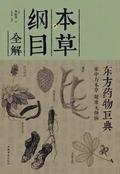 Comprehensive Explanation of "Compendium of Materia Medica"
This book provides a detailed interpretation of the "Compendium of Materia Medica", which mainly includes the use of medicines for the six internal organs and five internal organs to nourish and relieve odor, medicinal formulas for specimens with deficient and excess internal organs, and examples of medication for the four seasons. Based on the principle of taking the essence of the ancients and making it practical for modern people, this book cuts out the complex and simplifies it, carefully se
—Reads9.4Score—Shelves
Comprehensive Explanation of "Compendium of Materia Medica"
This book provides a detailed interpretation of the "Compendium of Materia Medica", which mainly includes the use of medicines for the six internal organs and five internal organs to nourish and relieve odor, medicinal formulas for specimens with deficient and excess internal organs, and examples of medication for the four seasons. Based on the principle of taking the essence of the ancients and making it practical for modern people, this book cuts out the complex and simplifies it, carefully se
—Reads9.4Score—Shelves
-
 Linhu Pulology
"Binghu Pulseology" was written in 1564 by Li Shizhen in the Ming Dynasty. The whole book is 1 volume. The 27 types of pulse conditions are discussed in detail in the form of verses: floating, sinking, slow, counting, slippery, astringent, empty, solid, long, short, heavy, weak, tight, slow, stringy, leathery, firm, wet, weak, loose, thin, volted, dynamic, quick, knotted, and generational. This book's inductive analysis of 27 pulse conditions is meticulous, concise and highly praised by later ge
—Reads9.4Score—Shelves
Linhu Pulology
"Binghu Pulseology" was written in 1564 by Li Shizhen in the Ming Dynasty. The whole book is 1 volume. The 27 types of pulse conditions are discussed in detail in the form of verses: floating, sinking, slow, counting, slippery, astringent, empty, solid, long, short, heavy, weak, tight, slow, stringy, leathery, firm, wet, weak, loose, thin, volted, dynamic, quick, knotted, and generational. This book's inductive analysis of 27 pulse conditions is meticulous, concise and highly praised by later ge
—Reads9.4Score—Shelves
-
 Records of Zeng Gong (Free Public Edition Book)
Minister's Diary. In June of the eighth year of Yuanyou (1093), he served in the Privy Council. He became prime minister in October of the third year of Yuanfu (1100). He resigned from the prime minister in June of the first year of Chongning (1102). He served in the government for 9 years. In the Song Dynasty system, the emperor had a calendar and actual records, and the ministers had diary records to record daily actions and memorials. This compilation was the diary record recorded by Zeng Bu.
—Reads8.6Score—Shelves
Records of Zeng Gong (Free Public Edition Book)
Minister's Diary. In June of the eighth year of Yuanyou (1093), he served in the Privy Council. He became prime minister in October of the third year of Yuanfu (1100). He resigned from the prime minister in June of the first year of Chongning (1102). He served in the government for 9 years. In the Song Dynasty system, the emperor had a calendar and actual records, and the ministers had diary records to record daily actions and memorials. This compilation was the diary record recorded by Zeng Bu.
—Reads8.6Score—Shelves
-
 Tao Te Ching
More than 2,000 years ago, the Zhou royal family declined, the princes rose up together, and the lower ones suppressed the upper ones. The sky was full of wars and wars were frequent. In this era when "the world is declining and people's hearts are not as old as they used to be", Lao Tzu was extremely disappointed when he saw the decline of social morality, so he took a green ox west out of Hangu Pass and lived in seclusion without knowing where he ended up. When he came out of quarantine, he le
—Reads9.3Score—Shelves
Tao Te Ching
More than 2,000 years ago, the Zhou royal family declined, the princes rose up together, and the lower ones suppressed the upper ones. The sky was full of wars and wars were frequent. In this era when "the world is declining and people's hearts are not as old as they used to be", Lao Tzu was extremely disappointed when he saw the decline of social morality, so he took a green ox west out of Hangu Pass and lived in seclusion without knowing where he ended up. When he came out of quarantine, he le
—Reads9.3Score—Shelves
-
 Three Lives Conference
Twelve volumes. Originally there was no name of the author, only the title "Written by Yuwu Shanren" in the first volume. "History of the Ming Dynasty·Yiwenzhi" contains twelve volumes of Wanmin Yu's "San Ming Huitong", which is consistent with the number of volumes in this volume, but "Tonghui" is used as "Huitong". Today's examination of the "Xingxue Dacheng" monograph on the Five Elements was written by Wan Minying. This book's monograph on Xu Ziping's horoscope should also be written by Wan
—Reads9.3Score—Shelves
Three Lives Conference
Twelve volumes. Originally there was no name of the author, only the title "Written by Yuwu Shanren" in the first volume. "History of the Ming Dynasty·Yiwenzhi" contains twelve volumes of Wanmin Yu's "San Ming Huitong", which is consistent with the number of volumes in this volume, but "Tonghui" is used as "Huitong". Today's examination of the "Xingxue Dacheng" monograph on the Five Elements was written by Wan Minying. This book's monograph on Xu Ziping's horoscope should also be written by Wan
—Reads9.3Score—Shelves
-
 South China Sutra
"Zhuangzi", also known as "Nanhua Sutra", is a Taoist scripture written by Zhuangzi and his followers in the middle of the Warring States Period. After the Han Dynasty, it was revered as "Nanhua Sutra" and Zhuangzi was named the True Master of Nanhua. His book, "Laozi" and "Book of Changes" are collectively called the "Three Mysteries".
—Reads9.3Score—Shelves
South China Sutra
"Zhuangzi", also known as "Nanhua Sutra", is a Taoist scripture written by Zhuangzi and his followers in the middle of the Warring States Period. After the Han Dynasty, it was revered as "Nanhua Sutra" and Zhuangzi was named the True Master of Nanhua. His book, "Laozi" and "Book of Changes" are collectively called the "Three Mysteries".
—Reads9.3Score—Shelves
-
 Zizhi Tongjian (Classic Edition)
"Zizhi Tongjian" is a chronological general history compiled by Sima Guang on the orders of Song Yingzong and Song Shenzong. Sima Guang himself served as the editor-in-chief, and with the assistance of Liu Xun, Liu Shu and Fan Zuyu, it took 19 years to compile it. Emperor Shenzong of the Song Dynasty believed that this book was "qualified for governing Taoism in view of the past events", so he gave it the name "Zi Zhi Tong Jian". The book is divided into 294 volumes and has more than three milli
—Reads9.5Score—Shelves
Zizhi Tongjian (Classic Edition)
"Zizhi Tongjian" is a chronological general history compiled by Sima Guang on the orders of Song Yingzong and Song Shenzong. Sima Guang himself served as the editor-in-chief, and with the assistance of Liu Xun, Liu Shu and Fan Zuyu, it took 19 years to compile it. Emperor Shenzong of the Song Dynasty believed that this book was "qualified for governing Taoism in view of the past events", so he gave it the name "Zi Zhi Tong Jian". The book is divided into 294 volumes and has more than three milli
—Reads9.5Score—Shelves
-
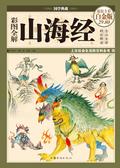 Complete Explanation of the Classic of Mountains and Seas with Color Pictures
"The Classic of Mountains and Seas" was written from the Warring States Period to the early Han Dynasty, and together with the "Book of Changes" and the "Huangdi Neijing" are known as the three great ancient books. The book has a total of eighteen volumes, recording more than 40 kingdoms, 550 mountains, 300 waterways, more than 100 historical figures, and more than 400 mythical and strange beasts. It is only more than 31,000 words, but it contains geography, history, mythology, religion, ethnici
—Reads9.5Score—Shelves
Complete Explanation of the Classic of Mountains and Seas with Color Pictures
"The Classic of Mountains and Seas" was written from the Warring States Period to the early Han Dynasty, and together with the "Book of Changes" and the "Huangdi Neijing" are known as the three great ancient books. The book has a total of eighteen volumes, recording more than 40 kingdoms, 550 mountains, 300 waterways, more than 100 historical figures, and more than 400 mythical and strange beasts. It is only more than 31,000 words, but it contains geography, history, mythology, religion, ethnici
—Reads9.5Score—Shelves
-
 A Complete Guide to the Zhenguan Politicians (Collection Reading Edition)
"Zhenguan Politicians" is a political historical document. The book mainly records the discussions and questions and answers on governance and other issues between Emperor Taizong of the Tang Dynasty and forty-five ministers including Wei Zheng and Fang Xuanling during the Zhenguan period. The content involves politics, economy, military, cultural education, moral cultivation and other aspects. It carefully outlines the political panorama of the rulers' decision-making, law enforcement and admin
—Reads9.2Score—Shelves
A Complete Guide to the Zhenguan Politicians (Collection Reading Edition)
"Zhenguan Politicians" is a political historical document. The book mainly records the discussions and questions and answers on governance and other issues between Emperor Taizong of the Tang Dynasty and forty-five ministers including Wei Zheng and Fang Xuanling during the Zhenguan period. The content involves politics, economy, military, cultural education, moral cultivation and other aspects. It carefully outlines the political panorama of the rulers' decision-making, law enforcement and admin
—Reads9.2Score—Shelves
-
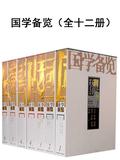 A Bibliography of Chinese Studies (Twelve Volumes)
The content involves classics, history, Zi, collections, and Mongolian studies. Among them, the Classics section includes Daxue, Zhongyong, Chunqiu Zuozhuan, etc.; The History section includes Shan Hai Jing, Zhuan Zi Zhuan, Luoyang Jialan Ji, etc.; The Zi section includes Laozi, Zhuangzi, Sun Tzu, Art of War, etc.; The Collection section includes Chu Ci, Guwen Guanzhi, Liuyi Shihua, etc.; The Mongolian study includes Three Character Classic, Hundred Family Surnames, Rhythm Enlightenment...
—Reads9.4Score—Shelves
A Bibliography of Chinese Studies (Twelve Volumes)
The content involves classics, history, Zi, collections, and Mongolian studies. Among them, the Classics section includes Daxue, Zhongyong, Chunqiu Zuozhuan, etc.; The History section includes Shan Hai Jing, Zhuan Zi Zhuan, Luoyang Jialan Ji, etc.; The Zi section includes Laozi, Zhuangzi, Sun Tzu, Art of War, etc.; The Collection section includes Chu Ci, Guwen Guanzhi, Liuyi Shihua, etc.; The Mongolian study includes Three Character Classic, Hundred Family Surnames, Rhythm Enlightenment...
—Reads9.4Score—Shelves
-
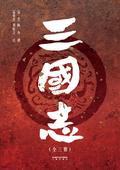 Romance of the Three Kingdoms (Guomai Classic)
"Three Kingdoms" is a historical masterpiece written by the famous Chinese historian Chen Shou. It records the history of the three kingdoms of Wei, Shu and Wu from the first year of Huangchu (220) of Emperor Wen of Wei to the first year of Taikang (280) of Emperor Wu of Jin. The book has a total of 65 volumes, including 30 volumes of "Book of Wei", 15 volumes of "Book of Shu", and 20 volumes of "Book of Wu". It is a biographical history book and is called the "First Four Histories" together wit
—Reads9.4Score—Shelves
Romance of the Three Kingdoms (Guomai Classic)
"Three Kingdoms" is a historical masterpiece written by the famous Chinese historian Chen Shou. It records the history of the three kingdoms of Wei, Shu and Wu from the first year of Huangchu (220) of Emperor Wen of Wei to the first year of Taikang (280) of Emperor Wu of Jin. The book has a total of 65 volumes, including 30 volumes of "Book of Wei", 15 volumes of "Book of Shu", and 20 volumes of "Book of Wu". It is a biographical history book and is called the "First Four Histories" together wit
—Reads9.4Score—Shelves
-
 Dong Zhen Porn Book
Dong Zhen pornographic book. The author is unknown, probably from the Northern and Southern Dynasties. It is a method of practicing in the Taoist room of the early Tianshi. One roll. Original source: the first part of "Orthodox Taoist Canon".
—Reads8.5Score—Shelves
Dong Zhen Porn Book
Dong Zhen pornographic book. The author is unknown, probably from the Northern and Southern Dynasties. It is a method of practicing in the Taoist room of the early Tianshi. One roll. Original source: the first part of "Orthodox Taoist Canon".
—Reads8.5Score—Shelves
-
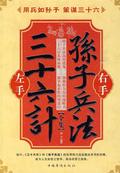 Thirty-Six Stratagems on the Left Hand and Sun Tzu's Art of War on the Right (Complete Collection)
There is a popular Chinese motto: "Use troops like Sun Tzu, with thirty-six strategies." "Thirty-six Stratagems" is a comprehensive collection of outstanding military thoughts and rich struggle experience in ancient my country. It is one of the long-standing cultural heritage of the Chinese nation; "Sun Tzu's Art of War" is also known as "Sun Wu's Art of War" and "Wu Sun's Art of War". It is one of the three major military books in the world (the other two are Clausewitz's "On War" and Miyamoto
—Reads9.4Score—Shelves
Thirty-Six Stratagems on the Left Hand and Sun Tzu's Art of War on the Right (Complete Collection)
There is a popular Chinese motto: "Use troops like Sun Tzu, with thirty-six strategies." "Thirty-six Stratagems" is a comprehensive collection of outstanding military thoughts and rich struggle experience in ancient my country. It is one of the long-standing cultural heritage of the Chinese nation; "Sun Tzu's Art of War" is also known as "Sun Wu's Art of War" and "Wu Sun's Art of War". It is one of the three major military books in the world (the other two are Clausewitz's "On War" and Miyamoto
—Reads9.4Score—Shelves
-
 Yellow Emperor's Internal Classic
The Huangdi Neijing lays the foundation for understanding human physiology, pathology, diagnosis and treatment. It is a medical work with great influence in China and is known as the ancestor of medicine.
—Reads9.5Score—Shelves
Yellow Emperor's Internal Classic
The Huangdi Neijing lays the foundation for understanding human physiology, pathology, diagnosis and treatment. It is a medical work with great influence in China and is known as the ancestor of medicine.
—Reads9.5Score—Shelves
-
 Inner Alchemy
There are two books on Qigong inner alchemy. This book has been handed down from generation to generation: one is collected in "Tao Zang Tai Xuan Bu" and is called "Mr. Chen's Inner Alchemy Jue"; the other is collected in "Ten Books of Cultivation" Volume 17 in "Tao Zang Tai Xuan Bu" and is called "Secrets of the Nine Transformations of the Golden Elixir". The former is interpreted in separate sentences, while the latter is interpreted after each poem. The sentences are slightly different and ea
—Reads9.4Score—Shelves
Inner Alchemy
There are two books on Qigong inner alchemy. This book has been handed down from generation to generation: one is collected in "Tao Zang Tai Xuan Bu" and is called "Mr. Chen's Inner Alchemy Jue"; the other is collected in "Ten Books of Cultivation" Volume 17 in "Tao Zang Tai Xuan Bu" and is called "Secrets of the Nine Transformations of the Golden Elixir". The former is interpreted in separate sentences, while the latter is interpreted after each poem. The sentences are slightly different and ea
—Reads9.4Score—Shelves
-
 Dafa in the Purple Book of the Supreme Divine Sky Jade Pure King
The Great God, Jade Qingzhen Wang Zi, writes the Dafa. The author is unknown, probably around the end of the Northern Song Dynasty and the beginning of the Southern Song Dynasty. It is a Taoist book of the Shenxiao sect. Twelve volumes. Original source: the first part of "Zhengtong Tao Zang".
—Reads8.7Score—Shelves
Dafa in the Purple Book of the Supreme Divine Sky Jade Pure King
The Great God, Jade Qingzhen Wang Zi, writes the Dafa. The author is unknown, probably around the end of the Northern Song Dynasty and the beginning of the Southern Song Dynasty. It is a Taoist book of the Shenxiao sect. Twelve volumes. Original source: the first part of "Zhengtong Tao Zang".
—Reads8.7Score—Shelves
-
 Taixuan Book
. No author. Three volumes. Original source: Taixuan Department of "Orthodox Taoist Canon". Collated version: "Tao Zang Ji Yao", included in the fifth volume of the upgraded collection.
—Reads8.7Score—Shelves
Taixuan Book
Taixuan Book. No author. Three volumes. Original source: Taixuan Department of "Orthodox Taoist Canon". Collated version: "Tao Zang Ji Yao", included in the fifth volume of the upgraded collection.
—Reads8.7Score—Shelves
-
 Three Secrets of Hugging a Letter
Hold one letter and three secrets. Compiled by Jin Yueyan of Yuan Dynasty and biography of Huang Gongwang. One roll. Original source: "Orthodox Taoist Canon" Dongxuanbu Zhongjie.
—Reads8.5Score—Shelves
Three Secrets of Hugging a Letter
Hold one letter and three secrets. Compiled by Jin Yueyan of Yuan Dynasty and biography of Huang Gongwang. One roll. Original source: "Orthodox Taoist Canon" Dongxuanbu Zhongjie.
—Reads8.5Score—Shelves
-
 Supreme Cultivation Chapter
The Supreme Cultivation Mystery Chapter. There is no author on this volume, so it is suspected to be from the Song and Yuan dynasties. Original source: Taixuan Department of "Orthodox Taoist Canon".
—Reads8.5Score—Shelves
Supreme Cultivation Chapter
The Supreme Cultivation Mystery Chapter. There is no author on this volume, so it is suspected to be from the Song and Yuan dynasties. Original source: Taixuan Department of "Orthodox Taoist Canon".
—Reads8.5Score—Shelves
-
 The Divine Scriptures of the Supreme Being
The author is unknown, probably from the Eastern Jin Dynasty. It is one of the ancient "Lingbao Sutra". One roll. Original source: "Orthodox Taoist Canon" Dongzhenbu text genre.
—Reads8.6Score—Shelves
The Divine Scriptures of the Supreme Being
The author is unknown, probably from the Eastern Jin Dynasty. It is one of the ancient "Lingbao Sutra". One roll. Original source: "Orthodox Taoist Canon" Dongzhenbu text genre.
—Reads8.6Score—Shelves
-
 Deng Zhen Hidden Secret
"Deng Zhen Yin Jue" was written by Liang Tao Hongjing. It is compiled from the true secrets and health-preserving techniques of various schools in the Taoist books of previous generations. It is composed of three volumes in total. The first volume discusses the true talisman, treasure seals and the nine palaces in the head; the middle volume describes thirty-seven things on the way of worship, nourishment, use and daily life, six things on the way of killing evil spirits and preventing ghosts, n
—Reads8.7Score—Shelves
Deng Zhen Hidden Secret
"Deng Zhen Yin Jue" was written by Liang Tao Hongjing. It is compiled from the true secrets and health-preserving techniques of various schools in the Taoist books of previous generations. It is composed of three volumes in total. The first volume discusses the true talisman, treasure seals and the nine palaces in the head; the middle volume describes thirty-seven things on the way of worship, nourishment, use and daily life, six things on the way of killing evil spirits and preventing ghosts, n
—Reads8.7Score—Shelves
-
 Shangqing Practice Sutras
Qing practice sutras. The author is unknown, but it dates from the Jinnan and Northern Periods or the Sui and Tang Dynasties. The text is roughly the same as the "Shangqing Sutra of Essential Matters of Self-cultivation". One roll. Original source: "Orthodox Taoist Canon" Dongxuan Department Jade Jue Class.
—Reads8.7Score—Shelves
Shangqing Practice Sutras
Qing practice sutras. The author is unknown, but it dates from the Jinnan and Northern Periods or the Sui and Tang Dynasties. The text is roughly the same as the "Shangqing Sutra of Essential Matters of Self-cultivation". One roll. Original source: "Orthodox Taoist Canon" Dongxuan Department Jade Jue Class.
—Reads8.7Score—Shelves
-
 Shangqing Danjing Dao Jingyindi Eight Skills Sutra
Shangqing Danjing Road Jingyindi Eighth Street Sutra. The author is unknown, probably from the Eastern Jin Dynasty. It is an important classic of the early Shangqing sect. Volume Two. Original source: the first part of "Orthodox Taoist Canon".
—Reads8.6Score—Shelves
Shangqing Danjing Dao Jingyindi Eight Skills Sutra
Shangqing Danjing Road Jingyindi Eighth Street Sutra. The author is unknown, probably from the Eastern Jin Dynasty. It is an important classic of the early Shangqing sect. Volume Two. Original source: the first part of "Orthodox Taoist Canon".
—Reads8.6Score—Shelves
-
 The Supreme Pure Heaven's Heart and Dharma
Name of the sutra: The Supreme Pure Heaven's Heart and Righteous Dharma. Compiled by Deng Yougong in the Southern Song Dynasty. Seven volumes. Original source: "Orthodox Collection" Dongxuan Department Method Category.
—Reads9.3Score—Shelves
The Supreme Pure Heaven's Heart and Dharma
Name of the sutra: The Supreme Pure Heaven's Heart and Righteous Dharma. Compiled by Deng Yougong in the Southern Song Dynasty. Seven volumes. Original source: "Orthodox Collection" Dongxuan Department Method Category.
—Reads9.3Score—Shelves
-
 Five Elements of Righteousness
Contains the purpose of his writings. But not as good as this book. Duke Zheng of Wei didn't even hear it. Tang and Song Dynasty Arts and Literature Chronicles. Nor is it recorded. How could you have escaped to him earlier? Discussed in the book. It's all about yin and yang and the five elements. However, there are still some comments from Han Confucians. However, his articles are ancient. It cannot be done by those under the Futang Dynasty. And the evidence it supports. There are often lost boo
—Reads9.2Score—Shelves
Five Elements of Righteousness
Contains the purpose of his writings. But not as good as this book. Duke Zheng of Wei didn't even hear it. Tang and Song Dynasty Arts and Literature Chronicles. Nor is it recorded. How could you have escaped to him earlier? Discussed in the book. It's all about yin and yang and the five elements. However, there are still some comments from Han Confucians. However, his articles are ancient. It cannot be done by those under the Futang Dynasty. And the evidence it supports. There are often lost boo
—Reads9.2Score—Shelves
-
 Top Grade Danfa Festival
This work "High-grade Alchemy Festival" was written by Min Yide
—Reads8.1Score—Shelves
Top Grade Danfa Festival
This work "High-grade Alchemy Festival" was written by Min Yide
—Reads8.1Score—Shelves
-
 Taishang Laojun Vipassana Sutra
Taishang Laojun's Vipassana Sutra. The author is unknown, but it was probably written in the late Southern Dynasty or during the Sui and Tang Dynasties. One roll. Original source: "Orthodox Taoist Canon" Dynasty of God.
—Reads9.3Score—Shelves
Taishang Laojun Vipassana Sutra
Taishang Laojun's Vipassana Sutra. The author is unknown, but it was probably written in the late Southern Dynasty or during the Sui and Tang Dynasties. One roll. Original source: "Orthodox Taoist Canon" Dynasty of God.
—Reads9.3Score—Shelves
-
 Yunzhuan's Wonderful Sutra for Saving People
"The Wonderful Sutra of Saving People in Yunzhuan" is also known as "The Sutra of Saving People in Nei". Every word is written in natural seal script. It is quite rare to write the full text of "The Book of Saviors" in talisman and seal script, and a reference to the original document in Chinese characters is added under the seal script.
—Reads9.2Score—Shelves
Yunzhuan's Wonderful Sutra for Saving People
"The Wonderful Sutra of Saving People in Yunzhuan" is also known as "The Sutra of Saving People in Nei". Every word is written in natural seal script. It is quite rare to write the full text of "The Book of Saviors" in talisman and seal script, and a reference to the original document in Chinese characters is added under the seal script.
—Reads9.2Score—Shelves
-
 Taixuan Nine Suns Picture of the Upper Qing Dynasty
Taixuan Nine Suns Picture from the Shangqing Dynasty. Written by Jinhou Shanyuan. One roll. Original source: "Orthodox Taoist Canon" Dongzhenbu Lingtu Category.
—Reads8.6Score—Shelves
Taixuan Nine Suns Picture of the Upper Qing Dynasty
Taixuan Nine Suns Picture from the Shangqing Dynasty. Written by Jinhou Shanyuan. One roll. Original source: "Orthodox Taoist Canon" Dongzhenbu Lingtu Category.
—Reads8.6Score—Shelves
-
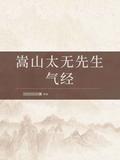 Mr. Songshan Taiwu's Qi Jing
Songshan Taiwu's Qi Meridian. Also known as "Mr. Taiwu's Qi Jing". No author. Volume Two. Original source: Method Class of Dongshen Department of "Orthodox Taoist Canon".
—Reads9.4Score—Shelves
Mr. Songshan Taiwu's Qi Jing
Songshan Taiwu's Qi Meridian. Also known as "Mr. Taiwu's Qi Jing". No author. Volume Two. Original source: Method Class of Dongshen Department of "Orthodox Taoist Canon".
—Reads9.4Score—Shelves
-
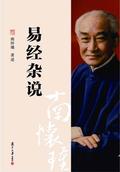 Miscellaneous Comments on the Book of Changes
This book is a lecture on the "Book of Changes". Among them, the first part mainly introduces the general knowledge of "I Ching" and some issues related to it. The latter part focuses on explaining the sixty-four hexagrams (beginning with "Qian hexagram" and ending with "Weiji hexagram"), with the explanation of "Qian hexagram" being the most detailed. The content includes: hexagram names, hexagram words, line words, as well as "Hao Ci", "Xiang Ci", "Xiang Ci", "Classic Chinese", etc. That expla
—Reads9.5Score—Shelves
Miscellaneous Comments on the Book of Changes
This book is a lecture on the "Book of Changes". Among them, the first part mainly introduces the general knowledge of "I Ching" and some issues related to it. The latter part focuses on explaining the sixty-four hexagrams (beginning with "Qian hexagram" and ending with "Weiji hexagram"), with the explanation of "Qian hexagram" being the most detailed. The content includes: hexagram names, hexagram words, line words, as well as "Hao Ci", "Xiang Ci", "Xiang Ci", "Classic Chinese", etc. That expla
—Reads9.5Score—Shelves
-
 Zhouyi
"The Book of Changes" is an ancient Chinese philosophy book, also known as "The Book of Changes", or "Yi" for short. "The Book of Changes" is the source of natural philosophy and ethical practice in traditional Chinese thought and culture. It has had a huge impact on Chinese culture. It is the crystallization of five thousand years of Chinese wisdom and culture. It is known as "the first of the scriptures and the source of the great road". In ancient times, it was the study of emperors and a req
—Reads9.1Score—Shelves
Zhouyi
"The Book of Changes" is an ancient Chinese philosophy book, also known as "The Book of Changes", or "Yi" for short. "The Book of Changes" is the source of natural philosophy and ethical practice in traditional Chinese thought and culture. It has had a huge impact on Chinese culture. It is the crystallization of five thousand years of Chinese wisdom and culture. It is known as "the first of the scriptures and the source of the great road". In ancient times, it was the study of emperors and a req
—Reads9.1Score—Shelves
-
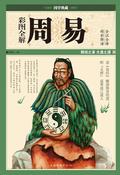 Chinese Classics Collection: Complete Interpretation of Zhouyi with Color Pictures (Super Value Full Color Platinum Edition)
The Book of Changes, also known as the Book of Changes, was formed around the early years of the Western Zhou Dynasty. It was originally a reference book occupied by Zhen. This classic produced during the axial period of human civilization has the power to transcend time and space just like other cultural classics. The thinking method embodying profound philosophical principles made "The Book of Changes" originate and influence the entire Chinese culture. The Six Classics of traditional Chinese
—Reads9.4Score—Shelves
Chinese Classics Collection: Complete Interpretation of Zhouyi with Color Pictures (Super Value Full Color Platinum Edition)
The Book of Changes, also known as the Book of Changes, was formed around the early years of the Western Zhou Dynasty. It was originally a reference book occupied by Zhen. This classic produced during the axial period of human civilization has the power to transcend time and space just like other cultural classics. The thinking method embodying profound philosophical principles made "The Book of Changes" originate and influence the entire Chinese culture. The Six Classics of traditional Chinese
—Reads9.4Score—Shelves
-
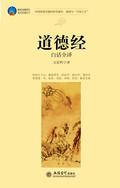 Tao Te Ching (Full Vernacular Translation)
"The Complete Vernacular Translation of Tao Te Ching" can help you improve your social skills and workplace wisdom, and can help you improve your business methods and management methods. If you follow Lao Tzu's teachings in your conduct, I believe you will feel enriched, relaxed, open-minded, and in harmony with nature, heaven and earth.
—Reads9.6Score—Shelves
Tao Te Ching (Full Vernacular Translation)
"The Complete Vernacular Translation of Tao Te Ching" can help you improve your social skills and workplace wisdom, and can help you improve your business methods and management methods. If you follow Lao Tzu's teachings in your conduct, I believe you will feel enriched, relaxed, open-minded, and in harmony with nature, heaven and earth.
—Reads9.6Score—Shelves
-
 The Theory of Preserving Spirit and Consolidating Qi
The theory of preserving spirit and consolidating qi. One volume, without authorship, is suspected to be from the Southern Song Dynasty. Original source: "Orthodox Taoist Canon" Dongxuan Department of Arts.
—Reads8.6Score—Shelves
The Theory of Preserving Spirit and Consolidating Qi
The theory of preserving spirit and consolidating qi. One volume, without authorship, is suspected to be from the Southern Song Dynasty. Original source: "Orthodox Taoist Canon" Dongxuan Department of Arts.
—Reads8.6Score—Shelves
-
 Yi Xun Tongbian
Original title: Linchuan Taoist Lei Siqi Xue. Three volumes. Original source: "Orthodox Taoist Canon" Taixuan Department. Collated version: Wenyuange Sikuquanshu Jingbuyi Lei (referred to as Siku version)
—Reads8.5Score—Shelves
Yi Xun Tongbian
Original title: Linchuan Taoist Lei Siqi Xue. Three volumes. Original source: "Orthodox Taoist Canon" Taixuan Department. Collated version: Wenyuange Sikuquanshu Jingbuyi Lei (referred to as Siku version)
—Reads8.5Score—Shelves
-
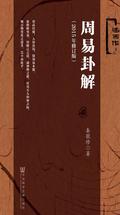 Explanation of Zhouyi Hexagrams
"The Book of Changes" is the theoretical source of natural philosophy and humanistic practice in traditional Chinese thought and culture. It is the crystallization of the thoughts and wisdom of the ancient Han nation and is known as the "source of the great road." The content is extremely rich and has had a profound impact on China's politics, economy, culture and other fields for thousands of years.
—Reads9.2Score—Shelves
Explanation of Zhouyi Hexagrams
"The Book of Changes" is the theoretical source of natural philosophy and humanistic practice in traditional Chinese thought and culture. It is the crystallization of the thoughts and wisdom of the ancient Han nation and is known as the "source of the great road." The content is extremely rich and has had a profound impact on China's politics, economy, culture and other fields for thousands of years.
—Reads9.2Score—Shelves
-
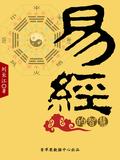 The Wisdom of the I Ching
Heaven is in good health, and a gentleman strives to constantly strive for self-improvement. The terrain is kun, and a gentleman carries things with kindness. You should be healthy and strong, and do your duty without giving in. It is better to be humble and kind in life, and your virtue will be recognized by the world. When it is time to stop, it will stop; when it is time to go, it will go. Movement and stillness are not lost in time, he is just a saint! He can be both strong and soft, flexibl
—Reads9.5Score—Shelves
The Wisdom of the I Ching
Heaven is in good health, and a gentleman strives to constantly strive for self-improvement. The terrain is kun, and a gentleman carries things with kindness. You should be healthy and strong, and do your duty without giving in. It is better to be humble and kind in life, and your virtue will be recognized by the world. When it is time to stop, it will stop; when it is time to go, it will go. Movement and stillness are not lost in time, he is just a saint! He can be both strong and soft, flexibl
—Reads9.5Score—Shelves
-
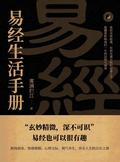 "Book of Changes" Life Manual
This book arranges the original sixty-four hexagrams of the "Book of Changes" according to new themes. Each chapter is divided into four parts: the original text of the "Book of Changes", its language translation, the stories and patterns in the line words, and the modern thinking interpretation of the lines. Among them, the stories and patterns in Yao Ci are the focus of the book, covering many areas of life such as workplace entrepreneurship, emotions and marriage, psychological communication,
—Reads9.4Score—Shelves
"Book of Changes" Life Manual
This book arranges the original sixty-four hexagrams of the "Book of Changes" according to new themes. Each chapter is divided into four parts: the original text of the "Book of Changes", its language translation, the stories and patterns in the line words, and the modern thinking interpretation of the lines. Among them, the stories and patterns in Yao Ci are the focus of the book, covering many areas of life such as workplace entrepreneurship, emotions and marriage, psychological communication,
—Reads9.4Score—Shelves
-
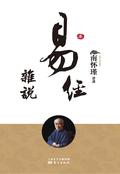 Miscellaneous Comments on the Book of Changes
Where did this dragon come from? We must first understand that Chinese culture is the culture of dragons. Since the time of the Yellow Emperor, the political system has been divided into officials, with dragon as the official name, such as Dragon Master and Dragon Emperor, both represented by dragon. The dragon is the greatest symbol of Chinese culture and has been our flag for thousands of years. Chinese culture always uses the dragon as a symbol for those great, auspicious and worshipful pheno
—Reads9.5Score—Shelves
Miscellaneous Comments on the Book of Changes
Where did this dragon come from? We must first understand that Chinese culture is the culture of dragons. Since the time of the Yellow Emperor, the political system has been divided into officials, with dragon as the official name, such as Dragon Master and Dragon Emperor, both represented by dragon. The dragon is the greatest symbol of Chinese culture and has been our flag for thousands of years. Chinese culture always uses the dragon as a symbol for those great, auspicious and worshipful pheno
—Reads9.5Score—Shelves
-
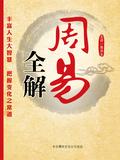 Complete Explanation of Zhouyi
"Complete Interpretation of Zhouyi" takes the study of "Zhouyi" as the starting point, and explains in detail the nature of "Zhouyi", "Zhouyi" and Chinese culture, "Zhouyi" content and style, "Zhouyi" way of thinking, "Zhouyi" natural philosophy view, and summarizes the content of 64 hexagrams into self-cultivation. The nine major aspects of sex, the way to be a king, the way to be a minister, nurturing and employing talents, the early stage of starting a business, hard times, litigation and war
—Reads8.6Score—Shelves
Complete Explanation of Zhouyi
"Complete Interpretation of Zhouyi" takes the study of "Zhouyi" as the starting point, and explains in detail the nature of "Zhouyi", "Zhouyi" and Chinese culture, "Zhouyi" content and style, "Zhouyi" way of thinking, "Zhouyi" natural philosophy view, and summarizes the content of 64 hexagrams into self-cultivation. The nine major aspects of sex, the way to be a king, the way to be a minister, nurturing and employing talents, the early stage of starting a business, hard times, litigation and war
—Reads8.6Score—Shelves
-
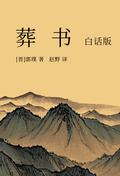 Burial Book (Vernacular Version)
The full text of "The Book of Burial" is less than 20,000 words, but it systematically discusses Feng Shui and its importance, and also introduces the specific methods of matching the earth. The Feng Shui theories of later generations are basically based on this book, so this book is regarded as the sect of Feng Shui culture. This book is based on the Sikuquanshu of Wenyuange Edition, and "" contains the annotations of the original text by predecessors. Because the original text is difficult to
—Reads9.4Score—Shelves
Burial Book (Vernacular Version)
The full text of "The Book of Burial" is less than 20,000 words, but it systematically discusses Feng Shui and its importance, and also introduces the specific methods of matching the earth. The Feng Shui theories of later generations are basically based on this book, so this book is regarded as the sect of Feng Shui culture. This book is based on the Sikuquanshu of Wenyuange Edition, and "" contains the annotations of the original text by predecessors. Because the original text is difficult to
—Reads9.4Score—Shelves
-
 Wen Shi Zhen Jing
"Wenshi Zhenjing" is a scripture written by Wenshi Zhenren, which shows the vast and boundless mysterious world of "Tao" to the world from a unique perspective. The so-called "Wenshi" can be understood as the beginning of civilization. Because he accepted Laozi's teachings, he developed wisdom, cultivated the Tao, and achieved achievements, which is the highest state of human civilization. This sutra is divided into nine chapters, expounding the laws of the universe and nature, focusing on culti
—Reads9.4Score—Shelves
Wen Shi Zhen Jing
"Wenshi Zhenjing" is a scripture written by Wenshi Zhenren, which shows the vast and boundless mysterious world of "Tao" to the world from a unique perspective. The so-called "Wenshi" can be understood as the beginning of civilization. Because he accepted Laozi's teachings, he developed wisdom, cultivated the Tao, and achieved achievements, which is the highest state of human civilization. This sutra is divided into nine chapters, expounding the laws of the universe and nature, focusing on culti
—Reads9.4Score—Shelves
-
 The Secret Practice Method in Purple Garden
Sutra name: The secret practice method in Ziting. The author is unknown, probably from the Northern and Southern Dynasties. Original source: Method Class of Dongshen Department of "Orthodox Taoist Canon".
—Reads8.6Score—Shelves
The Secret Practice Method in Purple Garden
Sutra name: The secret practice method in Ziting. The author is unknown, probably from the Northern and Southern Dynasties. Original source: Method Class of Dongshen Department of "Orthodox Taoist Canon".
—Reads8.6Score—Shelves
-
 Twenty-Four Articles on the Art of War
"Twenty-four Chapters on the Art of War" is one of the important military works of the Shu Han Dynasty. There were originally twenty-four chapters, but the Eight Obligations, Seven Precepts, Six Fears, and Five Fears have been lost. It is said to have been written by Zhuge Liang, the famous prime minister of the Shu Han Dynasty during the Three Kingdoms period, in his later years. It records Zhuge Liang's decades of experience in marching, fighting, and governing the country. During the Battle o
—Reads9.2Score—Shelves
Twenty-Four Articles on the Art of War
"Twenty-four Chapters on the Art of War" is one of the important military works of the Shu Han Dynasty. There were originally twenty-four chapters, but the Eight Obligations, Seven Precepts, Six Fears, and Five Fears have been lost. It is said to have been written by Zhuge Liang, the famous prime minister of the Shu Han Dynasty during the Three Kingdoms period, in his later years. It records Zhuge Liang's decades of experience in marching, fighting, and governing the country. During the Battle o
—Reads9.2Score—Shelves
-
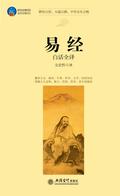 Full Translation of I Ching in Vernacular
Full Vernacular Translation of the Book of Changes In view of this, we have selected ancient versions and other versions, carefully revised and reviewed them, and gathered the strengths of all experts to compile this "Complete Vernacular Translation of the Book of Changes" in the form of contrasting text and vernacular. The detailed explanation of the sixty-four hexagrams of the "Book of Changes" is the main body of the book. It is divided into two chapters according to the Sutra 1 and 2. Each h
—Reads9.5Score—Shelves
Full Translation of I Ching in Vernacular
Full Vernacular Translation of the Book of Changes In view of this, we have selected ancient versions and other versions, carefully revised and reviewed them, and gathered the strengths of all experts to compile this "Complete Vernacular Translation of the Book of Changes" in the form of contrasting text and vernacular. The detailed explanation of the sixty-four hexagrams of the "Book of Changes" is the main body of the book. It is divided into two chapters according to the Sutra 1 and 2. Each h
—Reads9.5Score—Shelves
-
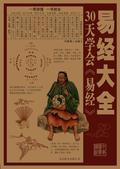 Complete Book of Changes: Learn the Book of Changes in 30 Days
The Book of Changes contains rich wisdom and is known as the ancestor of Chinese culture and the source of Chinese civilization. It has had a profound impact on many fields such as Confucianism, Taoism, traditional Chinese medicine, administration, military policy, literature and art, and folk customs. From ancient times to the present, many people have obtained the wisdom and methods for success by studying the "Book of Changes". Because the "Book of Changes" has its own unique symbol system,
—Reads9.5Score—Shelves
Complete Book of Changes: Learn the Book of Changes in 30 Days
The Book of Changes contains rich wisdom and is known as the ancestor of Chinese culture and the source of Chinese civilization. It has had a profound impact on many fields such as Confucianism, Taoism, traditional Chinese medicine, administration, military policy, literature and art, and folk customs. From ancient times to the present, many people have obtained the wisdom and methods for success by studying the "Book of Changes". Because the "Book of Changes" has its own unique symbol system,
—Reads9.5Score—Shelves