Fanqie library
Browse
- Titles
- 951
Every Fanqie book we index, searchable by title, author or tag.
-
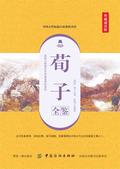 Xunzi Quanjian (Collection Reading Edition)
"Xunzi" brings together the essence of Xunzi's thoughts throughout his life. It is a masterpiece of ancient Chinese thought and an extremely precious material for studying pre-Qin culture. This book is a recited version of "Xunzi". It carefully selects wonderful chapters, combines the original text, annotations, translations, and audio. It strives to present the essence of "Xunzi" in a new audio format to help readers better understand this classic.
198Reads9.3Score—Shelves
Xunzi Quanjian (Collection Reading Edition)
"Xunzi" brings together the essence of Xunzi's thoughts throughout his life. It is a masterpiece of ancient Chinese thought and an extremely precious material for studying pre-Qin culture. This book is a recited version of "Xunzi". It carefully selects wonderful chapters, combines the original text, annotations, translations, and audio. It strives to present the essence of "Xunzi" in a new audio format to help readers better understand this classic.
198Reads9.3Score—Shelves
-
 Cefu Yuangui
One of the four major books of the Northern Song Dynasty, a history book. In the second year of Jingde (1005), Emperor Zhenzong of the Song Dynasty Zhao Heng ordered eighteen people including Wang Qinruo, Yang Yi, and Sun Shi to compile the deeds of emperors and ministers of past dynasties. Caixuquan interpreted the classics, history, "Guoyu", "Guanzi", "Mencius", "Han Feizi", "Huainanzi", "Yanzi Chunqiu", "Lvshi Chunqiu", "Hanshi Waizhuan" and other dynasties books, "Xiuwen Palace Yulan", and c
195Reads9.3Score—Shelves
Cefu Yuangui
One of the four major books of the Northern Song Dynasty, a history book. In the second year of Jingde (1005), Emperor Zhenzong of the Song Dynasty Zhao Heng ordered eighteen people including Wang Qinruo, Yang Yi, and Sun Shi to compile the deeds of emperors and ministers of past dynasties. Caixuquan interpreted the classics, history, "Guoyu", "Guanzi", "Mencius", "Han Feizi", "Huainanzi", "Yanzi Chunqiu", "Lvshi Chunqiu", "Hanshi Waizhuan" and other dynasties books, "Xiuwen Palace Yulan", and c
195Reads9.3Score—Shelves
-
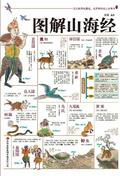 Illustration of Classic of Mountains and Seas
"Illustrated Classic of Mountains and Seas" is an ancient book that integrates geography, local objects, and folk customs. The book has a total of 31,000 words, recording about 40 states, 550 mountains, 300 waterways, and more than 100 historical figures. The content of "The Classic of Mountains and Seas" involves mythology, religion, history, ethnicity, astronomy, geography, animals, plants, medicine and other subjects. "The Classic of Mountains and Seas Illustrated" provides a systematic and c
165Reads8.5Score—Shelves
Illustration of Classic of Mountains and Seas
"Illustrated Classic of Mountains and Seas" is an ancient book that integrates geography, local objects, and folk customs. The book has a total of 31,000 words, recording about 40 states, 550 mountains, 300 waterways, and more than 100 historical figures. The content of "The Classic of Mountains and Seas" involves mythology, religion, history, ethnicity, astronomy, geography, animals, plants, medicine and other subjects. "The Classic of Mountains and Seas Illustrated" provides a systematic and c
165Reads8.5Score—Shelves
-
 Taishang Induction Chapter
"Tai Shang Ying Pian" is one of the Taoist books of persuasion to do good, referred to as "Tai Shang Ying Pian", written by Li Changling. "History of the Song Dynasty·Yiwenzhi" contains "one volume of Li Changling's "Induction Chapter"", and the Taiqing Department of "Orthodox Dao Zang" has thirty volumes of "The Induction Chapter", titled "Biography of Li Changling, Zheng Qing's Praise." The ideas in this article can be traced back to books such as "Chisongzi Zhangli" written by Tianshi Dao. "T
156Reads9.2Score—Shelves
Taishang Induction Chapter
"Tai Shang Ying Pian" is one of the Taoist books of persuasion to do good, referred to as "Tai Shang Ying Pian", written by Li Changling. "History of the Song Dynasty·Yiwenzhi" contains "one volume of Li Changling's "Induction Chapter"", and the Taiqing Department of "Orthodox Dao Zang" has thirty volumes of "The Induction Chapter", titled "Biography of Li Changling, Zheng Qing's Praise." The ideas in this article can be traced back to books such as "Chisongzi Zhangli" written by Tianshi Dao. "T
156Reads9.2Score—Shelves
-
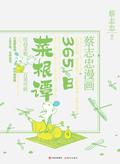 365 Day Cai Gen Tan·cai Zhizhong Comics
"Cai Zhizhong Comics: 365 Days of Cai Gen Tan" is one of the famous cartoonist and best-selling author Cai Zhizhong's comic series of Chinese classics. The author of this book, Cai Zhizhong, interprets "Cai Gen Tan" in the form of comics. In the book, the author uses interesting characters and philosophical words to summarize and refine the thoughts of "Cai Gen Tan" and show readers the essence of "Cai Gen Tan". At the same time, Cai Zhizhong also integrated his own understanding of "Cai Gen Tan
153Reads8.5Score—Shelves
365 Day Cai Gen Tan·cai Zhizhong Comics
"Cai Zhizhong Comics: 365 Days of Cai Gen Tan" is one of the famous cartoonist and best-selling author Cai Zhizhong's comic series of Chinese classics. The author of this book, Cai Zhizhong, interprets "Cai Gen Tan" in the form of comics. In the book, the author uses interesting characters and philosophical words to summarize and refine the thoughts of "Cai Gen Tan" and show readers the essence of "Cai Gen Tan". At the same time, Cai Zhizhong also integrated his own understanding of "Cai Gen Tan
153Reads8.5Score—Shelves
-
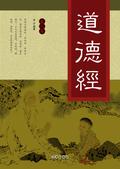 Tao Te Ching (Volume 2)
"Tao Te Ching" is the most authoritative classic work of the Taoist school. It is rich in text and meaning, covering many disciplines such as philosophy, ethics, politics, military science, etc. Its content is profound, profound, profound, encompasses hundreds of schools of thought, and embraces all things. It is respected by future generations as a secret book for governing the country, governing the family, studying, and cultivating oneself. Also known as "The Tao Te Ching", "Laozi", "Five Tho
143Reads9.4Score—Shelves
Tao Te Ching (Volume 2)
"Tao Te Ching" is the most authoritative classic work of the Taoist school. It is rich in text and meaning, covering many disciplines such as philosophy, ethics, politics, military science, etc. Its content is profound, profound, profound, encompasses hundreds of schools of thought, and embraces all things. It is respected by future generations as a secret book for governing the country, governing the family, studying, and cultivating oneself. Also known as "The Tao Te Ching", "Laozi", "Five Tho
143Reads9.4Score—Shelves
-
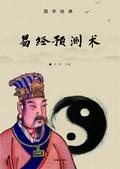 I Ching Prediction Technique
This book includes a brief introduction to Ji Chang's life, the explanation and background of the "Book of Changes", the summary and use of the "Book of Changes", the charm and status of the "Book of Changes", the ideological connotation of the "Book of Changes", the great wisdom in the "Book of Changes", etc.
128Reads8.6Score—Shelves
I Ching Prediction Technique
This book includes a brief introduction to Ji Chang's life, the explanation and background of the "Book of Changes", the summary and use of the "Book of Changes", the charm and status of the "Book of Changes", the ideological connotation of the "Book of Changes", the great wisdom in the "Book of Changes", etc.
128Reads8.6Score—Shelves
-
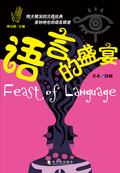 A Feast of Languages
For the majority of readers who love Chinese studies, "The Feast of Language" is actually a treasure house of language and a good teacher and helpful friend. The excellent traditional culture of the Chinese nation has lasted for thousands of years. It has forged and condensed the great spirit of the Chinese nation and is an endless source of strength. Educational chapters such as "Three Character Classic" and "Hundred Family Surnames"; Chinese classical classics such as classics and history coll
122Reads8.5Score—Shelves
A Feast of Languages
For the majority of readers who love Chinese studies, "The Feast of Language" is actually a treasure house of language and a good teacher and helpful friend. The excellent traditional culture of the Chinese nation has lasted for thousands of years. It has forged and condensed the great spirit of the Chinese nation and is an endless source of strength. Educational chapters such as "Three Character Classic" and "Hundred Family Surnames"; Chinese classical classics such as classics and history coll
122Reads8.5Score—Shelves
-
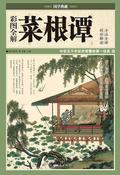 Complete Explanation of Cai Gen Tan with Color Pictures
"Colorful Illustrations of Cai Gen Tan" was written during the Wanli period of the Ming Dynasty, which has a history of nearly 400 years. The author Hong Yingming, whose courtesy name is Zicheng, is also known as the First Taoist. He was keen on career success in his early years. In his later years, he retired to the mountains and forests to devote himself to reading and writing. Finally, he put his life experience, reading experience and life insights into the tip of his pen and poured ink into
121Reads9.1Score—Shelves
Complete Explanation of Cai Gen Tan with Color Pictures
"Colorful Illustrations of Cai Gen Tan" was written during the Wanli period of the Ming Dynasty, which has a history of nearly 400 years. The author Hong Yingming, whose courtesy name is Zicheng, is also known as the First Taoist. He was keen on career success in his early years. In his later years, he retired to the mountains and forests to devote himself to reading and writing. Finally, he put his life experience, reading experience and life insights into the tip of his pen and poured ink into
121Reads9.1Score—Shelves
-
 Classic of Mountains and Seas
The collection of features of "The Classic of Mountains and Seas" determines the diversity, complexity, compatibility, and practicality of this book. Therefore, many commentators today call it an encyclopedia of ancient China. It is like a mine of knowledge, storing valuable knowledge in history, geography, literature, medicine, religion, folk customs, painting art, myths and legends, anecdotes, miscellany and other aspects. We should avoid generalizing and qualitative thinking, and develop this
115Reads9.1Score—Shelves
Classic of Mountains and Seas
The collection of features of "The Classic of Mountains and Seas" determines the diversity, complexity, compatibility, and practicality of this book. Therefore, many commentators today call it an encyclopedia of ancient China. It is like a mine of knowledge, storing valuable knowledge in history, geography, literature, medicine, religion, folk customs, painting art, myths and legends, anecdotes, miscellany and other aspects. We should avoid generalizing and qualitative thinking, and develop this
115Reads9.1Score—Shelves
-
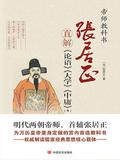 Zhang Juzhengzheng Explains "The Analects", "Great Learning" and "The Doctrine of the Mean"
Reading the "Four Books" first, and then reading the classics and history, is a compulsory outline for emperors throughout the ages. "The Direct Interpretation of the Four Books" is a palace reading book tailor-made for Emperor Wanli by Zhang Juzheng, the imperial advisor of the two dynasties of the Ming Dynasty and the first assistant (prime minister) of Wanli, and the lecturer of the Hanlin Academy. Emperor Wanli was only ten years old when he came to the throne, and his speeches were written
105Reads9.2Score—Shelves
Zhang Juzhengzheng Explains "The Analects", "Great Learning" and "The Doctrine of the Mean"
Reading the "Four Books" first, and then reading the classics and history, is a compulsory outline for emperors throughout the ages. "The Direct Interpretation of the Four Books" is a palace reading book tailor-made for Emperor Wanli by Zhang Juzheng, the imperial advisor of the two dynasties of the Ming Dynasty and the first assistant (prime minister) of Wanli, and the lecturer of the Hanlin Academy. Emperor Wanli was only ten years old when he came to the throne, and his speeches were written
105Reads9.2Score—Shelves
-
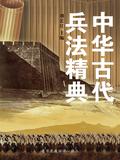 Classics of Ancient Chinese Art of War
This book deeply explores the essence of ancient Chinese military science and selects the most representative classics, including "The Art of War", "Three Strategies", "Six Tao", "Thirty-Six Strategies", "One Hundred Battles" and "Wu Zi's Art of War". These works not only demonstrate the ancient military strategists' profound understanding of the nature of war, but also provide rich strategic and tactical guidance. Through a comprehensive analysis of terrain, army status, monarchy governance, ge
104Reads9.5Score—Shelves
Classics of Ancient Chinese Art of War
This book deeply explores the essence of ancient Chinese military science and selects the most representative classics, including "The Art of War", "Three Strategies", "Six Tao", "Thirty-Six Strategies", "One Hundred Battles" and "Wu Zi's Art of War". These works not only demonstrate the ancient military strategists' profound understanding of the nature of war, but also provide rich strategic and tactical guidance. Through a comprehensive analysis of terrain, army status, monarchy governance, ge
104Reads9.5Score—Shelves
-
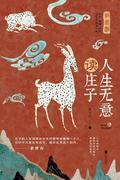 No Intention of Reading Zhuangzi in Life
"Life has no intention of reading Zhuangzi" is a new interpretation and commentary of Zhuangzi's articles by the young writer Chen Keshu. Zhuangzi's articles are full of imagination and fantasy, with ingenious writing and romantic artistic style. They are models of articles by pre-Qin scholars and have an unshakable position in the history of Chinese classical literature, philosophy, and artistic thought. This book is based on Zhuangzi's most famous "Zhuangzi Neipian", including "Xiaoyaoyou", "E
101Reads8.4Score—Shelves
No Intention of Reading Zhuangzi in Life
"Life has no intention of reading Zhuangzi" is a new interpretation and commentary of Zhuangzi's articles by the young writer Chen Keshu. Zhuangzi's articles are full of imagination and fantasy, with ingenious writing and romantic artistic style. They are models of articles by pre-Qin scholars and have an unshakable position in the history of Chinese classical literature, philosophy, and artistic thought. This book is based on Zhuangzi's most famous "Zhuangzi Neipian", including "Xiaoyaoyou", "E
101Reads8.4Score—Shelves
-
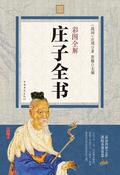 Complete Explanation of Zhuangzi's Complete Book with Color Pictures
"Zhuangzi" is divided into three parts: internal chapters, external chapters, and miscellaneous chapters. It originally had fifty-two chapters, of which thirty-three are now extant, and more than 200 small and large fables. Among them, there are seven inner chapters, which are the core of Zhuangzi's thoughts; fifteen outer chapters; and eleven miscellaneous chapters. This book is all-encompassing, with detailed discussions on the avenues of the universe, the relationship between man and nature,
100Reads9.2Score—Shelves
Complete Explanation of Zhuangzi's Complete Book with Color Pictures
"Zhuangzi" is divided into three parts: internal chapters, external chapters, and miscellaneous chapters. It originally had fifty-two chapters, of which thirty-three are now extant, and more than 200 small and large fables. Among them, there are seven inner chapters, which are the core of Zhuangzi's thoughts; fifteen outer chapters; and eleven miscellaneous chapters. This book is all-encompassing, with detailed discussions on the avenues of the universe, the relationship between man and nature,
100Reads9.2Score—Shelves
-
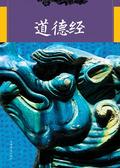 Tao Te Ching: Pure Beauty Collector's Edition
This book contains Laozi's "Tao Te Ching", which is also carefully annotated and translated into vernacular to help people better grasp the profound meaning of the article. On the other hand, this book also quotes a large number of historical and real-life stories to explain each specific sentence in the Tao Te Ching, allowing people to experience the greatness of Tao. The style of the book is scientific and reasonable, and it is highly readable. It is a must-read masterpiece for modern people.
97Reads9.4Score—Shelves
Tao Te Ching: Pure Beauty Collector's Edition
This book contains Laozi's "Tao Te Ching", which is also carefully annotated and translated into vernacular to help people better grasp the profound meaning of the article. On the other hand, this book also quotes a large number of historical and real-life stories to explain each specific sentence in the Tao Te Ching, allowing people to experience the greatness of Tao. The style of the book is scientific and reasonable, and it is highly readable. It is a must-read masterpiece for modern people.
97Reads9.4Score—Shelves
-
 A Complete Guide to the Warring States Period (Collector's Edition)
"Warring States Policy" is a compilation of national historical masterpieces. It was edited and compiled into a book by Liu Xiang in the late Western Han Dynasty. The book is divided into twelve strategies, thirty-three volumes, and about 120,000 words. It mainly describes the political propositions and diplomatic strategies proposed by politicians during the Warring States Period for the countries they supported. It shows the historical characteristics and social features of the Warring States
95Reads8.7Score—Shelves
A Complete Guide to the Warring States Period (Collector's Edition)
"Warring States Policy" is a compilation of national historical masterpieces. It was edited and compiled into a book by Liu Xiang in the late Western Han Dynasty. The book is divided into twelve strategies, thirty-three volumes, and about 120,000 words. It mainly describes the political propositions and diplomatic strategies proposed by politicians during the Warring States Period for the countries they supported. It shows the historical characteristics and social features of the Warring States
95Reads8.7Score—Shelves
-
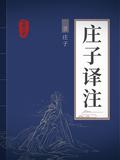 Zhuangzi's Translation and Annotation
A translation and annotation of the pre-Qin philosophical work "Zhuangzi". Zhuangzi, named Zhou, was a famous thinker, philosopher and writer in the pre-Qin Dynasty, and the main representative of the Taoist school. Later generations will call him "Laozi and Zhuangzi" together. Zhuangzi first proposed the "idea of inner sage and outer king" which had a profound influence on Confucianism. Famous chapters in "Zhuangzi", such as "Xiaoyaoyou", "Qiwulun", etc., Are popular and widely circulated.
93Reads8.8Score—Shelves
Zhuangzi's Translation and Annotation
A translation and annotation of the pre-Qin philosophical work "Zhuangzi". Zhuangzi, named Zhou, was a famous thinker, philosopher and writer in the pre-Qin Dynasty, and the main representative of the Taoist school. Later generations will call him "Laozi and Zhuangzi" together. Zhuangzi first proposed the "idea of inner sage and outer king" which had a profound influence on Confucianism. Famous chapters in "Zhuangzi", such as "Xiaoyaoyou", "Qiwulun", etc., Are popular and widely circulated.
93Reads8.8Score—Shelves
-
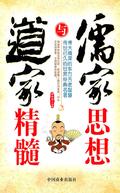 The Essence of Confucianism and Taoism
A brief reading can reveal the essence of the book, while an intensive reading can lead to spiritual enlightenment. Confucianism and Taoism are the accumulation of ancient culture and wisdom. The essence of its thoughts is inexhaustible and has been passed down by people for thousands of years. These wisdoms and experiences have been polished and tested by history and exude dazzling brilliance. Confucianism originated from scribes, and Taoism originated from hermits. Confucianism emphasizes "cul
93Reads8.8Score—Shelves
The Essence of Confucianism and Taoism
A brief reading can reveal the essence of the book, while an intensive reading can lead to spiritual enlightenment. Confucianism and Taoism are the accumulation of ancient culture and wisdom. The essence of its thoughts is inexhaustible and has been passed down by people for thousands of years. These wisdoms and experiences have been polished and tested by history and exude dazzling brilliance. Confucianism originated from scribes, and Taoism originated from hermits. Confucianism emphasizes "cul
93Reads8.8Score—Shelves
-
 Biography of Immortals
"The Immortals" is China's earliest and relatively systematic work describing the deeds of ancient Han immortals. It records the names, life experiences and deeds of seventy-one immortals from Chisongzi (the master of Shennong Shiyu) to Xuansu (the immortal in the Western Han Dynasty), covering a wide epoch. The style of the biography is imitated in "Biography of Women", with biographies of immortals at the beginning, four words of praise at the end of each chapter, and general praise at the end
90Reads9.0Score—Shelves
Biography of Immortals
"The Immortals" is China's earliest and relatively systematic work describing the deeds of ancient Han immortals. It records the names, life experiences and deeds of seventy-one immortals from Chisongzi (the master of Shennong Shiyu) to Xuansu (the immortal in the Western Han Dynasty), covering a wide epoch. The style of the biography is imitated in "Biography of Women", with biographies of immortals at the beginning, four words of praise at the end of each chapter, and general praise at the end
90Reads9.0Score—Shelves
-
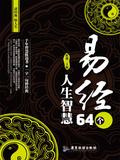 64 Pieces of Life Wisdom from "The Book of Changes"
The "Book of Changes" is the first of the group of classics. Management is implemented based on the principles revealed in the "Book of Changes", that is, the Yi Jing management. The main theme of this book is called "The 64 Life Wisdoms of the "Book of Changes"", which shows that the "Book of Changes" is not so mysterious, it is scientific, and it is around us. Our daily life, work and career, health and happiness are all affected by these 64 philosophies. With what scientific attitude we take
87Reads8.1Score—Shelves
64 Pieces of Life Wisdom from "The Book of Changes"
The "Book of Changes" is the first of the group of classics. Management is implemented based on the principles revealed in the "Book of Changes", that is, the Yi Jing management. The main theme of this book is called "The 64 Life Wisdoms of the "Book of Changes"", which shows that the "Book of Changes" is not so mysterious, it is scientific, and it is around us. Our daily life, work and career, health and happiness are all affected by these 64 philosophies. With what scientific attitude we take
87Reads8.1Score—Shelves
-
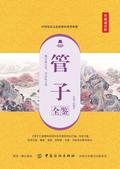 Guanzi Quanjian (Collection Reading Edition)
"Guanzi Quanjian (Collected Reading Edition)" is a compilation recording the remarks and deeds of the Qi politician and reformer Guan Zhong and Guan Zhong's school during the Spring and Autumn Period. It is a collection of essays that draws on the strengths of many scholars. The content of the book is complex, including the views of Legalists, Confucians, Taoists, Yin-Yangists, famous strategists, military strategists, and peasants. It contains rich content in politics, economy, military, educat
83Reads9.2Score—Shelves
Guanzi Quanjian (Collection Reading Edition)
"Guanzi Quanjian (Collected Reading Edition)" is a compilation recording the remarks and deeds of the Qi politician and reformer Guan Zhong and Guan Zhong's school during the Spring and Autumn Period. It is a collection of essays that draws on the strengths of many scholars. The content of the book is complex, including the views of Legalists, Confucians, Taoists, Yin-Yangists, famous strategists, military strategists, and peasants. It contains rich content in politics, economy, military, educat
83Reads9.2Score—Shelves
-
 Lingshu Jing
"Lingshu Jing" discusses the internal organs, meridians, causes, pathogenesis, disease syndromes, diagnosis methods, etc. "Lingshu Jing" also focuses on the meridians and acupoints, needles, acupuncture methods and treatment principles.
82Reads9.3Score—Shelves
Lingshu Jing
"Lingshu Jing" discusses the internal organs, meridians, causes, pathogenesis, disease syndromes, diagnosis methods, etc. "Lingshu Jing" also focuses on the meridians and acupoints, needles, acupuncture methods and treatment principles.
82Reads9.3Score—Shelves
-
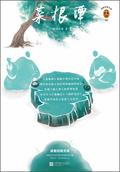 Cai Gen Tan
Open the reader's version of "Cai Gen Tan" and master the management wisdom of capable people! A brand new annotated volume, specially including the paintings of Qing Dynasty masters Bada Shanren and Hongren! "Cai Gen Tan" adheres to Taoist culture and takes Tao as the basis, blends the golden mean, the thought of inaction and the thought of transcendence, and combines the author's own experience to form a set of rules for transcending the world. This book is based on the engraved edition of "Ca
81Reads9.2Score—Shelves
Cai Gen Tan
Open the reader's version of "Cai Gen Tan" and master the management wisdom of capable people! A brand new annotated volume, specially including the paintings of Qing Dynasty masters Bada Shanren and Hongren! "Cai Gen Tan" adheres to Taoist culture and takes Tao as the basis, blends the golden mean, the thought of inaction and the thought of transcendence, and combines the author's own experience to form a set of rules for transcending the world. This book is based on the engraved edition of "Ca
81Reads9.2Score—Shelves
-
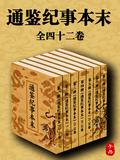 The Complete Version of Tongjian Chronicles (Forty-Two Volumes in Total)
"Tongjian Chronicles" is my country's first chronicle-style historical work, which pioneered the compilation method of "taking events as the outline". On the basis of retaining the original historical materials of "Zizhi Tongjian", it also clarified the events and made the cause and effect clear, making up for the shortcomings of previous chronicles and biographies. The author Yuan Shu once served as the Shaoqing of Dali Temple and the Minister of Industry. He is knowledgeable and especially goo
78Reads8.5Score—Shelves
The Complete Version of Tongjian Chronicles (Forty-Two Volumes in Total)
"Tongjian Chronicles" is my country's first chronicle-style historical work, which pioneered the compilation method of "taking events as the outline". On the basis of retaining the original historical materials of "Zizhi Tongjian", it also clarified the events and made the cause and effect clear, making up for the shortcomings of previous chronicles and biographies. The author Yuan Shu once served as the Shaoqing of Dali Temple and the Minister of Industry. He is knowledgeable and especially goo
78Reads8.5Score—Shelves
-
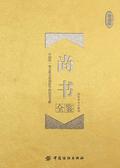 Shangshu Quanjian (Collection Reading Edition)
"Shangshu", also known as "Book" and "Shu Jing", is a collection of documents in multiple genres and has long been considered the earliest existing history book in China. During the Warring States period, it was generally called "Book", and in the Han Dynasty it was renamed "Shang Shu", which is the "book of ancient times". Because it is one of the Five Classics of Confucianism, it is also called the Book of Books. It is mainly a political order issued by the king when he appoints officials or r
77Reads9.2Score—Shelves
Shangshu Quanjian (Collection Reading Edition)
"Shangshu", also known as "Book" and "Shu Jing", is a collection of documents in multiple genres and has long been considered the earliest existing history book in China. During the Warring States period, it was generally called "Book", and in the Han Dynasty it was renamed "Shang Shu", which is the "book of ancient times". Because it is one of the Five Classics of Confucianism, it is also called the Book of Books. It is mainly a political order issued by the king when he appoints officials or r
77Reads9.2Score—Shelves
-
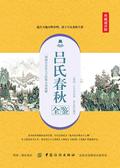 Lu's Spring and Autumn Annals (Collection Reading Edition)
"Lu's Spring and Autumn Annals" is an important pre-Qin classic and one of the representative works of the Za family. The book is divided into three parts: the Twelve Chronicles, the Eight Readings, and the Six Treatises, with a total of 160 articles. Its content integrates the thoughts of Confucianism, Taoism, Mohism, Legalism, Military, Agriculture, Zongheng, Yin and Yang and other schools of thought. It is an extremely precious material for studying pre-Qin culture. "Lu's Spring and Autumn An
76Reads8.9Score—Shelves
Lu's Spring and Autumn Annals (Collection Reading Edition)
"Lu's Spring and Autumn Annals" is an important pre-Qin classic and one of the representative works of the Za family. The book is divided into three parts: the Twelve Chronicles, the Eight Readings, and the Six Treatises, with a total of 160 articles. Its content integrates the thoughts of Confucianism, Taoism, Mohism, Legalism, Military, Agriculture, Zongheng, Yin and Yang and other schools of thought. It is an extremely precious material for studying pre-Qin culture. "Lu's Spring and Autumn An
76Reads8.9Score—Shelves
-
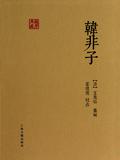 Han Feizi
"Han Feizi" is a representative work of the Legalist theory in the pre-Qin period of my country. It plays a very important position in the history of the development of Chinese philosophy and ancient prose. "Han Feizi" has a total of fifty-five chapters. The style is severe and sharp, and it preserves a wealth of fables. He advocated the centralization of monarchical power, proposed heavy rewards and punishments, and emphasized agricultural warfare. He opposed the Confucian and Mohist "French Ki
76Reads9.2Score—Shelves
Han Feizi
"Han Feizi" is a representative work of the Legalist theory in the pre-Qin period of my country. It plays a very important position in the history of the development of Chinese philosophy and ancient prose. "Han Feizi" has a total of fifty-five chapters. The style is severe and sharp, and it preserves a wealth of fables. He advocated the centralization of monarchical power, proposed heavy rewards and punishments, and emphasized agricultural warfare. He opposed the Confucian and Mohist "French Ki
76Reads9.2Score—Shelves
-
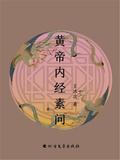 The Yellow Emperor's Internal Canon
Chinese traditional cultural thoughts have a long history and are highly original, original and literary. The early ideological forms were very distinctive, with extensive and profound contents such as religious theology, Chinese medicine classics, ancient military art, Confucianism, Taoism, Buddhism and hundreds of schools of thought, Feng Shui metaphysics, Twenty-Four Histories, customs and geography, etc. This series of "Original Books on Classic Chinese Studies and Essence Culture" retains t
74Reads9.4Score—Shelves
The Yellow Emperor's Internal Canon
Chinese traditional cultural thoughts have a long history and are highly original, original and literary. The early ideological forms were very distinctive, with extensive and profound contents such as religious theology, Chinese medicine classics, ancient military art, Confucianism, Taoism, Buddhism and hundreds of schools of thought, Feng Shui metaphysics, Twenty-Four Histories, customs and geography, etc. This series of "Original Books on Classic Chinese Studies and Essence Culture" retains t
74Reads9.4Score—Shelves
-
 Vajra Prajnaparamita Sutra - Kumarajiva
Vajra Prajnaparamita Sutra, translated by Kumarajiva (Later Qin Dynasty), printed in the late Tang Dynasty and Five Dynasties, a precious ancient book in Chinese, stored in the National Library. The Vajra Prajnaparamita Sutra is an important classic of Mahayana Buddhism. The full name is "vajra cchedikā prajñā pāramitā" (Sanskrit interpretation: reach the other shore with the wisdom that can break the Vajra), or "Diamond Sutra" for short. The Vajra Prajnaparamita Sutra translated by Kumarajiva i
71Reads9.5Score—Shelves
Vajra Prajnaparamita Sutra - Kumarajiva
Vajra Prajnaparamita Sutra, translated by Kumarajiva (Later Qin Dynasty), printed in the late Tang Dynasty and Five Dynasties, a precious ancient book in Chinese, stored in the National Library. The Vajra Prajnaparamita Sutra is an important classic of Mahayana Buddhism. The full name is "vajra cchedikā prajñā pāramitā" (Sanskrit interpretation: reach the other shore with the wisdom that can break the Vajra), or "Diamond Sutra" for short. The Vajra Prajnaparamita Sutra translated by Kumarajiva i
71Reads9.5Score—Shelves
-
 Songs of Chu (Guomai Classic)
The Songs of Chu are the source of Chinese American literature and the first poetry collection with an author in China. It is also the classic that has the most profound influence on Chinese literature. Directly influenced the spiritual temperament and literary creation of later famous figures such as Sima Qian, Jia Yi, Li Bai, and Du Fu. The emergence of "Chu Ci" filled the gap in the poetry world more than 300 years after the publication of "The Book of Songs". Lu Xun's evaluation of Chu Ci's
70Reads9.0Score—Shelves
Songs of Chu (Guomai Classic)
The Songs of Chu are the source of Chinese American literature and the first poetry collection with an author in China. It is also the classic that has the most profound influence on Chinese literature. Directly influenced the spiritual temperament and literary creation of later famous figures such as Sima Qian, Jia Yi, Li Bai, and Du Fu. The emergence of "Chu Ci" filled the gap in the poetry world more than 300 years after the publication of "The Book of Songs". Lu Xun's evaluation of Chu Ci's
70Reads9.0Score—Shelves
-
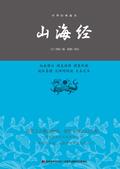 The Classic of Mountains and Seas (Hardcover)
"The Classic of Mountains and Seas" is an ancient Chinese pre-Qin book and a treasure of Chinese culture. It is considered a mythological geography book; it is also a legendary work about the evolution of species and geographical changes in ancient China. Involving history, geography, ethnicity, religion, mythology, biology, medicine, water conservancy, minerals and other aspects. In the modern society with rampant materialism and hustle and bustle of the city, for modern people who are accustom
69Reads8.5Score—Shelves
The Classic of Mountains and Seas (Hardcover)
"The Classic of Mountains and Seas" is an ancient Chinese pre-Qin book and a treasure of Chinese culture. It is considered a mythological geography book; it is also a legendary work about the evolution of species and geographical changes in ancient China. Involving history, geography, ethnicity, religion, mythology, biology, medicine, water conservancy, minerals and other aspects. In the modern society with rampant materialism and hustle and bustle of the city, for modern people who are accustom
69Reads8.5Score—Shelves
-
 Shen Nong's Herbal Classic
"Shen Nong's Materia Medica", also known as "Ben Cao Jing" or "Ben Jing", was written under the name "Shen Nong" and was actually written in the Han Dynasty. It is one of the four classic works of traditional Chinese medicine and the earliest known work on traditional Chinese medicine. "Shen Nong's Materia Medica" is divided into three volumes and contains 365 kinds of medicines. It is divided into upper, middle and lower grades according to the three-grade classification method. The text is sim
68Reads9.3Score—Shelves
Shen Nong's Herbal Classic
"Shen Nong's Materia Medica", also known as "Ben Cao Jing" or "Ben Jing", was written under the name "Shen Nong" and was actually written in the Han Dynasty. It is one of the four classic works of traditional Chinese medicine and the earliest known work on traditional Chinese medicine. "Shen Nong's Materia Medica" is divided into three volumes and contains 365 kinds of medicines. It is divided into upper, middle and lower grades according to the three-grade classification method. The text is sim
68Reads9.3Score—Shelves
-
 The Ten Books on Cultivation and Enlightenment
"Ten Books on Cultivation" is compiled from the Taoist Alchemy Sutra. It collects dozens of works from the late Tang, Five Dynasties, Song and Yuan Dynasties, most of which are monographs on inner alchemy. The book collects dozens of alchemy and health-preserving works from the Sui, Tang and Song dynasties, describing all aspects of the theories and practices of alchemy, health-preservation, and guidance before the Yuan Dynasty. It is extremely rich in content and is a major collection of Taoist
68Reads9.2Score—Shelves
The Ten Books on Cultivation and Enlightenment
"Ten Books on Cultivation" is compiled from the Taoist Alchemy Sutra. It collects dozens of works from the late Tang, Five Dynasties, Song and Yuan Dynasties, most of which are monographs on inner alchemy. The book collects dozens of alchemy and health-preserving works from the Sui, Tang and Song dynasties, describing all aspects of the theories and practices of alchemy, health-preservation, and guidance before the Yuan Dynasty. It is extremely rich in content and is a major collection of Taoist
68Reads9.2Score—Shelves
-
 Literature Review
"Tongkao of Literature" is an important work written by Ma Duanlin, a famous scholar during the Song and Yuan Dynasties. The content of the book dates from ancient times and ended during the Jiading period of Ningzong of the Southern Song Dynasty. The book has a total of 348 volumes, divided into 24 categories, namely: land tax, coins, household registration, service, levy, market purchase, land tribute, state use, election, school, official, suburban community, ancestral temple, royal rites, mu
67Reads9.0Score—Shelves
Literature Review
"Tongkao of Literature" is an important work written by Ma Duanlin, a famous scholar during the Song and Yuan Dynasties. The content of the book dates from ancient times and ended during the Jiading period of Ningzong of the Southern Song Dynasty. The book has a total of 348 volumes, divided into 24 categories, namely: land tax, coins, household registration, service, levy, market purchase, land tribute, state use, election, school, official, suburban community, ancestral temple, royal rites, mu
67Reads9.0Score—Shelves
-
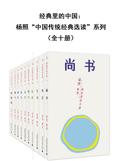 China in the Classics (Ten Volumes)
The "China in the Classics" series is Yang Zhao's selected reading and introduction to traditional Chinese cultural classics ("The Book of Songs", "The Analects", "Mencius", "Laozi", "Mozi", "Zhuangzi", "Warring States Policy", "Zuo Zhuan", "Xunzi" and "Shangshu"), combining "historical reading" and "literary reading". Through a word-for-word interpretation of some chapters of these ten classics, the classics are restored to the specific historical situation and historical context, showing the w
67Reads9.2Score—Shelves
China in the Classics (Ten Volumes)
The "China in the Classics" series is Yang Zhao's selected reading and introduction to traditional Chinese cultural classics ("The Book of Songs", "The Analects", "Mencius", "Laozi", "Mozi", "Zhuangzi", "Warring States Policy", "Zuo Zhuan", "Xunzi" and "Shangshu"), combining "historical reading" and "literary reading". Through a word-for-word interpretation of some chapters of these ten classics, the classics are restored to the specific historical situation and historical context, showing the w
67Reads9.2Score—Shelves
-
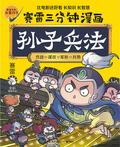 Sai Lei's Three-Minute Cartoon Sun Tzu's Art of War
"Super Cute Sai Lei" watched by 10 million people, the whole scene hilariously analyzes the essence of Sun Tzu's Art of War! Better than the movie! Let readers gain knowledge and wisdom! Sun Tzu's Art of War, known as the "Holy Book of Military Science", occupies an extremely important position in the military field of China and even the world, and is widely used in politics, economy, military, culture, philosophy and other fields. Studying Sun Tzu's Art of War is not just about learning how to
66Reads9.2Score—Shelves
Sai Lei's Three-Minute Cartoon Sun Tzu's Art of War
"Super Cute Sai Lei" watched by 10 million people, the whole scene hilariously analyzes the essence of Sun Tzu's Art of War! Better than the movie! Let readers gain knowledge and wisdom! Sun Tzu's Art of War, known as the "Holy Book of Military Science", occupies an extremely important position in the military field of China and even the world, and is widely used in politics, economy, military, culture, philosophy and other fields. Studying Sun Tzu's Art of War is not just about learning how to
66Reads9.2Score—Shelves
-
 Full Translation of Mengxi's Written Talks
"Mengxi Bi Tan" includes three parts: "Bi Tan", "Supplementary Bi Tan" and "Continuation Bi Tan". The twenty-six volumes of "Bi Tan" are divided into seventeen categories, namely stories, dialectics, music, imagery, personnel, official affairs, wit, art, calligraphy and painting, skills, utensils, magic, strange things, fallacies, ridicule, magazines, and medical discussions. The three volumes of "Bubi Tan" include eleven of the above contents. "Continuation of Bi Tan" is a volume, without disti
64Reads8.6Score—Shelves
Full Translation of Mengxi's Written Talks
"Mengxi Bi Tan" includes three parts: "Bi Tan", "Supplementary Bi Tan" and "Continuation Bi Tan". The twenty-six volumes of "Bi Tan" are divided into seventeen categories, namely stories, dialectics, music, imagery, personnel, official affairs, wit, art, calligraphy and painting, skills, utensils, magic, strange things, fallacies, ridicule, magazines, and medical discussions. The three volumes of "Bubi Tan" include eleven of the above contents. "Continuation of Bi Tan" is a volume, without disti
64Reads8.6Score—Shelves
-
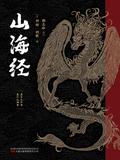 Classic of Mountains and Seas
"The Classic of Mountains and Seas" has a total of 18 volumes, including 5 volumes of "The Classic of Mountains", 8 volumes of "The Classic of Seas", 4 volumes of "The Classic of Great Wilderness", and 1 volume of "The Classic of Seas". Among them, 14 volumes are from the Warring States Period, and 4 volumes are from the early Western Han Dynasty. The content is mainly geographical knowledge in folklore, including mountains and rivers, geography, ethnic groups, products, medicines, sacrifices, w
62Reads8.6Score—Shelves
Classic of Mountains and Seas
"The Classic of Mountains and Seas" has a total of 18 volumes, including 5 volumes of "The Classic of Mountains", 8 volumes of "The Classic of Seas", 4 volumes of "The Classic of Great Wilderness", and 1 volume of "The Classic of Seas". Among them, 14 volumes are from the Warring States Period, and 4 volumes are from the early Western Han Dynasty. The content is mainly geographical knowledge in folklore, including mountains and rivers, geography, ethnic groups, products, medicines, sacrifices, w
62Reads8.6Score—Shelves
-
 Tao Te Ching (Volume 1)
The Tao Te Ching, also known as the "Tao Te Ching", "Laozi", "Five Thousand Words" and "Laozi's Five Thousand Essays", is a work written by the pre-Qin scholars in ancient China before they split up. It was admired by all the scholars at that time. It is said to have been written by Laozi (Li Er) in the Spring and Autumn Period. It is an important source of Taoist philosophical thought. The Tao Te Ching is divided into two parts. The original text is the first part "De Jing" and the second part
60Reads9.0Score—Shelves
Tao Te Ching (Volume 1)
The Tao Te Ching, also known as the "Tao Te Ching", "Laozi", "Five Thousand Words" and "Laozi's Five Thousand Essays", is a work written by the pre-Qin scholars in ancient China before they split up. It was admired by all the scholars at that time. It is said to have been written by Laozi (Li Er) in the Spring and Autumn Period. It is an important source of Taoist philosophical thought. The Tao Te Ching is divided into two parts. The original text is the first part "De Jing" and the second part
60Reads9.0Score—Shelves
-
 Tongxuan Zhenjing
"Tongxuan Zhenjing", formerly known as "Wenzi", was written by Wenzi (named Jiran) during the Spring and Autumn Period and the Warring States Period. It is one of the "Four Sons" of Taoism. In the Tang Dynasty, Xuanzong issued an edict to confer Wenzi the title of Tongxuan Zhenren, hence his name. "Tongxuan Zhenjing" connects the previous and the following, and is a transitional bridge for the development of Laozi's Taoism to Huang-Lao's Taoism. The book uses a question-and-answer format to expl
60Reads8.7Score—Shelves
Tongxuan Zhenjing
"Tongxuan Zhenjing", formerly known as "Wenzi", was written by Wenzi (named Jiran) during the Spring and Autumn Period and the Warring States Period. It is one of the "Four Sons" of Taoism. In the Tang Dynasty, Xuanzong issued an edict to confer Wenzi the title of Tongxuan Zhenren, hence his name. "Tongxuan Zhenjing" connects the previous and the following, and is a transitional bridge for the development of Laozi's Taoism to Huang-Lao's Taoism. The book uses a question-and-answer format to expl
60Reads8.7Score—Shelves
-
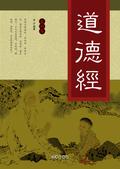 Tao Te Ching (Volume 4)
"Tao Te Ching" is the most authoritative classic work of the Taoist school. It is rich in text and meaning, covering many disciplines such as philosophy, ethics, politics, military science, etc. Its content is profound, profound, profound, encompasses hundreds of schools of thought, and embraces all things. It is respected by future generations as a secret book for governing the country, governing the family, studying, and cultivating oneself. Content Introduction "Tao Te Ching", also known as "
59Reads9.2Score—Shelves
Tao Te Ching (Volume 4)
"Tao Te Ching" is the most authoritative classic work of the Taoist school. It is rich in text and meaning, covering many disciplines such as philosophy, ethics, politics, military science, etc. Its content is profound, profound, profound, encompasses hundreds of schools of thought, and embraces all things. It is respected by future generations as a secret book for governing the country, governing the family, studying, and cultivating oneself. Content Introduction "Tao Te Ching", also known as "
59Reads9.2Score—Shelves
-
 Huang Tingjing
This work "Huang Ting Jing" was written by Wei Huacun. The Huangting Jing refers to the Jade Classic of the Inner Scenery of the Supreme Huangting and the Jade Classic of the Exterior Scenery of the Supreme Huangting. It was produced around the Wei and Jin Dynasties and included in the Dongxuan section of the Zhengtong Taoist Canon. Its main purpose is to subdue Qi and nourish Jing Shen. It is advocated that if you stick to your spirit, your body will last forever.
59Reads8.5Score—Shelves
Huang Tingjing
This work "Huang Ting Jing" was written by Wei Huacun. The Huangting Jing refers to the Jade Classic of the Inner Scenery of the Supreme Huangting and the Jade Classic of the Exterior Scenery of the Supreme Huangting. It was produced around the Wei and Jin Dynasties and included in the Dongxuan section of the Zhengtong Taoist Canon. Its main purpose is to subdue Qi and nourish Jing Shen. It is advocated that if you stick to your spirit, your body will last forever.
59Reads8.5Score—Shelves
-
 Requirements for Survival
I heard that pine trees are as strong as a thousand years old, but snow is not as strong as a moment. If you plant pine trees in rotting soil, they will be besieged by beetles without waiting for the moon; if you hide snow in the Yinshan Mountains, they will not fade away even if it lasts for many years. If it goes against its nature, it will be strong and brittle; if it goes with its nature, it will be accelerated and delayed. If things are the same, how can human principles be different? Howev
58Reads8.5Score—Shelves
Requirements for Survival
I heard that pine trees are as strong as a thousand years old, but snow is not as strong as a moment. If you plant pine trees in rotting soil, they will be besieged by beetles without waiting for the moon; if you hide snow in the Yinshan Mountains, they will not fade away even if it lasts for many years. If it goes against its nature, it will be strong and brittle; if it goes with its nature, it will be accelerated and delayed. If things are the same, how can human principles be different? Howev
58Reads8.5Score—Shelves
-
 Plain Calligraphy
"Su Shu" occupies an extremely important position in ancient Chinese works on self-cultivation and governance, wisdom in life, and life strategy. This book, which has only six chapters, 132 sentences, and 1,360 words in its original text, is similar to a "quotation style" book. It has been regarded by hermit masters and counselors throughout the ages as a strategy secret book that has not been passed down through the ages and a perfect guide for achieving great things. It has been widely circula
51Reads8.6Score—Shelves
Plain Calligraphy
"Su Shu" occupies an extremely important position in ancient Chinese works on self-cultivation and governance, wisdom in life, and life strategy. This book, which has only six chapters, 132 sentences, and 1,360 words in its original text, is similar to a "quotation style" book. It has been regarded by hermit masters and counselors throughout the ages as a strategy secret book that has not been passed down through the ages and a perfect guide for achieving great things. It has been widely circula
51Reads8.6Score—Shelves
-
 Laozi's Official Poem on the River
This work "Laozi He Shang Gong Zhang Ju" was written by He Shang Gong.
50Reads8.5Score—Shelves
Laozi's Official Poem on the River
This work "Laozi He Shang Gong Zhang Ju" was written by He Shang Gong.
50Reads8.5Score—Shelves
-
 The Tao Te Ching Can Be Read Like This
Lao Tzu said, "The best good is like water." If you understand what is true and good, you can only act to benefit others and yourself; Lao Tzu said, "Knowing how to stop is not dangerous." If you know how to stop everything in moderation, you will not encounter danger; Lao Tzu said, "He who conquers himself is strong." A truly strong person is one who can constantly defeat himself: … The Tao Te Ching is known as the "King of All Classics", with its exquisite words and essence, containing great w
50Reads8.7Score—Shelves
The Tao Te Ching Can Be Read Like This
Lao Tzu said, "The best good is like water." If you understand what is true and good, you can only act to benefit others and yourself; Lao Tzu said, "Knowing how to stop is not dangerous." If you know how to stop everything in moderation, you will not encounter danger; Lao Tzu said, "He who conquers himself is strong." A truly strong person is one who can constantly defeat himself: … The Tao Te Ching is known as the "King of All Classics", with its exquisite words and essence, containing great w
50Reads8.7Score—Shelves
-
 Collection and Interpretation of Yellow Emperor's Yin Fu Sutra
Three volumes. Written by Yuan Shuzhen of Song Dynasty. The original title of the book is "Explanation of Yuan Shuzhen, Chief Secretary of Changsha County in Chao Sanlang's Travel to Tan". "Yellow Emperor Yin Fu Jing Ji Jie", referred to as "Yin Fu Jing Jie Jie", also known as "Yin Fu Jing Shu". There were two annotated versions of Yin Fu Jing in the Tang Dynasty, which were passed down through the generations. That is, the 300-character version by Li Quan of the Tang Dynasty and the 400-charact
49Reads9.2Score—Shelves
Collection and Interpretation of Yellow Emperor's Yin Fu Sutra
Three volumes. Written by Yuan Shuzhen of Song Dynasty. The original title of the book is "Explanation of Yuan Shuzhen, Chief Secretary of Changsha County in Chao Sanlang's Travel to Tan". "Yellow Emperor Yin Fu Jing Ji Jie", referred to as "Yin Fu Jing Jie Jie", also known as "Yin Fu Jing Shu". There were two annotated versions of Yin Fu Jing in the Tang Dynasty, which were passed down through the generations. That is, the 300-character version by Li Quan of the Tang Dynasty and the 400-charact
49Reads9.2Score—Shelves
-
 The Essentials of the Golden Chamber
"Jingui Yaolue Prescriptions", referred to as "Jingui Yaolue", was written by Zhang Ji (Zhang Zhongjing) of the Eastern Han Dynasty. It was written around the beginning of the third century. It was originally the miscellaneous disease part of "Treatise on Febrile and Miscellaneous Diseases" and was once lost. The book consists of 3 volumes and 25 articles in total, covering 64 types of diseases and 262 prescriptions. The principle of treating the disease before it is diagnosed to prevent its spr
48Reads9.3Score—Shelves
The Essentials of the Golden Chamber
"Jingui Yaolue Prescriptions", referred to as "Jingui Yaolue", was written by Zhang Ji (Zhang Zhongjing) of the Eastern Han Dynasty. It was written around the beginning of the third century. It was originally the miscellaneous disease part of "Treatise on Febrile and Miscellaneous Diseases" and was once lost. The book consists of 3 volumes and 25 articles in total, covering 64 types of diseases and 262 prescriptions. The principle of treating the disease before it is diagnosed to prevent its spr
48Reads9.3Score—Shelves
-
 Moderate
"The Doctrine of the Mean" is a moral philosophy monograph in ancient China that discusses the realm of life cultivation. It originally belonged to Chapter 31 of the "Book of Rites" and is one of the Confucian classics. It is said to have been written by Zisi during the Warring States Period. Its content affirms that "moderate" is the highest standard of moral behavior, regards "sincerity" as the ontology of the world, and believes that "perfect sincerity" reaches the highest realm of life. It a
48Reads9.3Score—Shelves
Moderate
"The Doctrine of the Mean" is a moral philosophy monograph in ancient China that discusses the realm of life cultivation. It originally belonged to Chapter 31 of the "Book of Rites" and is one of the Confucian classics. It is said to have been written by Zisi during the Warring States Period. Its content affirms that "moderate" is the highest standard of moral behavior, regards "sincerity" as the ontology of the world, and believes that "perfect sincerity" reaches the highest realm of life. It a
48Reads9.3Score—Shelves
-
 Legend of Immortals
"The Legend of Immortals" is a collection of ancient Chinese supernatural novels written by Ge Hong, a Taoist scholar in the Eastern Jin Dynasty, with a total of ten volumes. The book contains the deeds of 92 immortals in ancient Chinese legends. Many of them are not Taoist priests but were "invited" by Ge Hong into the biography. Legends of Immortals are famous for their rich imagination and vivid narratives. Ge Hong (283-363), whose courtesy name was Zhichuan and whose nickname was Baopuzi, wa
45Reads9.4Score—Shelves
Legend of Immortals
"The Legend of Immortals" is a collection of ancient Chinese supernatural novels written by Ge Hong, a Taoist scholar in the Eastern Jin Dynasty, with a total of ten volumes. The book contains the deeds of 92 immortals in ancient Chinese legends. Many of them are not Taoist priests but were "invited" by Ge Hong into the biography. Legends of Immortals are famous for their rich imagination and vivid narratives. Ge Hong (283-363), whose courtesy name was Zhichuan and whose nickname was Baopuzi, wa
45Reads9.4Score—Shelves