Fanqie library
Browse
- Titles
- 1.2k
Every Fanqie book we index, searchable by title, author or tag.
-
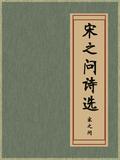 Selected Poems of Song Zhiwen
Song Zhiwen (about 656 - about 712), whose courtesy name was Yanqing and whose given name was Shaolian, was a Han nationality from Fenzhou (now Fenyang City, Shanxi Province). He was a poet in the early Tang Dynasty. He and Shen Quanqi were also called "Shen Song". In the second year of Shangyuan (675), Emperor Gaozong of the Tang Dynasty, he passed the imperial examination. Wu Zetian was the one who held the real power at that time. Song Zhiwen, who was rich in talent and learning, was deeply a
—Reads8.5Score—Shelves
Selected Poems of Song Zhiwen
Song Zhiwen (about 656 - about 712), whose courtesy name was Yanqing and whose given name was Shaolian, was a Han nationality from Fenzhou (now Fenyang City, Shanxi Province). He was a poet in the early Tang Dynasty. He and Shen Quanqi were also called "Shen Song". In the second year of Shangyuan (675), Emperor Gaozong of the Tang Dynasty, he passed the imperial examination. Wu Zetian was the one who held the real power at that time. Song Zhiwen, who was rich in talent and learning, was deeply a
—Reads8.5Score—Shelves
-
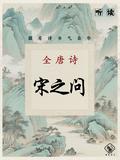 Song Zhiwen [Complete Tang Poems]
The collection of poems comes from "Complete Poems of the Tang Dynasty" compiled by Peng Dingqiu, Yang Zhongna, Shen Sanzeng, Pan Conglu, Xu Shuben, Che Dingjin, Wang Yi, Zha Sichen, Yu Mei and others under the imperial decree during the Kangxi period of the Qing Dynasty and published by Cao Yinju. The collection of poems not only comprehensively reflects the prosperity of Tang poetry, but is also an important reference for studying the history, culture and education of the Tang Dynasty.
—Reads8.2Score—Shelves
Song Zhiwen [Complete Tang Poems]
The collection of poems comes from "Complete Poems of the Tang Dynasty" compiled by Peng Dingqiu, Yang Zhongna, Shen Sanzeng, Pan Conglu, Xu Shuben, Che Dingjin, Wang Yi, Zha Sichen, Yu Mei and others under the imperial decree during the Kangxi period of the Qing Dynasty and published by Cao Yinju. The collection of poems not only comprehensively reflects the prosperity of Tang poetry, but is also an important reference for studying the history, culture and education of the Tang Dynasty.
—Reads8.2Score—Shelves
-
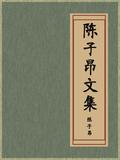 Collected Works of Chen Ziang
Chen Zi'ang (AD 661-AD 702), courtesy name Boyu, was born in Shehong, Zizhou (now Shehong City, Sichuan Province). He was a writer and poet in the Tang Dynasty and one of the innovative figures in poetry and literature in the early Tang Dynasty. Because he served as You Shiyi, later generations called him Chen Shiyi. There are more than 100 poems by Chen Zi'ang in existence. His poems are magnificent, profound in meaning, vigorous and powerful. Among them, the most representative ones include a
—Reads8.7Score—Shelves
Collected Works of Chen Ziang
Chen Zi'ang (AD 661-AD 702), courtesy name Boyu, was born in Shehong, Zizhou (now Shehong City, Sichuan Province). He was a writer and poet in the Tang Dynasty and one of the innovative figures in poetry and literature in the early Tang Dynasty. Because he served as You Shiyi, later generations called him Chen Shiyi. There are more than 100 poems by Chen Zi'ang in existence. His poems are magnificent, profound in meaning, vigorous and powerful. Among them, the most representative ones include a
—Reads8.7Score—Shelves
-
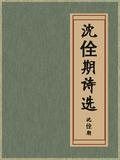 Selected Poems of Shen Quanqi
Shen Quanqi (about 656 - about 715), courtesy name Yunqing, was born in Neihuang, Xiangzhou (now Huang County, Anyang City), and his ancestral home was Wuxing (now Huzhou, Zhejiang). Poet of Tang Dynasty. It is as famous as Song Zhiwen and is called "Shen Song". He is good at writing, especially seven-character works. Promoted to the rank of Jinshi. In Chang'an, Lei moved to Tongshi Shiren, took the preparatory course "Three Teachings Zhu Ying", and transferred to Shizhong. Sit down and deal wit
—Reads8.7Score—Shelves
Selected Poems of Shen Quanqi
Shen Quanqi (about 656 - about 715), courtesy name Yunqing, was born in Neihuang, Xiangzhou (now Huang County, Anyang City), and his ancestral home was Wuxing (now Huzhou, Zhejiang). Poet of Tang Dynasty. It is as famous as Song Zhiwen and is called "Shen Song". He is good at writing, especially seven-character works. Promoted to the rank of Jinshi. In Chang'an, Lei moved to Tongshi Shiren, took the preparatory course "Three Teachings Zhu Ying", and transferred to Shizhong. Sit down and deal wit
—Reads8.7Score—Shelves
-
 Collected Works of Song Zhiwen
Song Zhiwen (about 656 - about 712), whose courtesy name was Yanqing and whose given name was Shaolian, was a Han nationality from Fenzhou (now Fenyang City, Shanxi Province). He was a poet in the early Tang Dynasty. He and Shen Quanqi were also called "Shen Song". In the second year of Shangyuan (675), Emperor Gaozong of the Tang Dynasty, he passed the imperial examination. Wu Zetian was the one who held the real power at that time. Song Zhiwen, who was rich in talent and learning, was deeply a
—Reads8.5Score—Shelves
Collected Works of Song Zhiwen
Song Zhiwen (about 656 - about 712), whose courtesy name was Yanqing and whose given name was Shaolian, was a Han nationality from Fenzhou (now Fenyang City, Shanxi Province). He was a poet in the early Tang Dynasty. He and Shen Quanqi were also called "Shen Song". In the second year of Shangyuan (675), Emperor Gaozong of the Tang Dynasty, he passed the imperial examination. Wu Zetian was the one who held the real power at that time. Song Zhiwen, who was rich in talent and learning, was deeply a
—Reads8.5Score—Shelves
-
 Jingzhiju Qinqu
Chinese traditional cultural thoughts have a long history and are highly original, original and literary. The early ideological forms were very distinctive, with extensive and profound contents such as religious theology, Chinese medicine classics, ancient military art, Confucianism, Taoism, Buddhism and hundreds of schools of thought, Feng Shui metaphysics, Twenty-Four Histories, customs and geography, etc. This series of "Original Books on Classic Chinese Studies and Essence Culture" retains t
—Reads8.2Score—Shelves
Jingzhiju Qinqu
Chinese traditional cultural thoughts have a long history and are highly original, original and literary. The early ideological forms were very distinctive, with extensive and profound contents such as religious theology, Chinese medicine classics, ancient military art, Confucianism, Taoism, Buddhism and hundreds of schools of thought, Feng Shui metaphysics, Twenty-Four Histories, customs and geography, etc. This series of "Original Books on Classic Chinese Studies and Essence Culture" retains t
—Reads8.2Score—Shelves
-
 Jingzhiju Piano Fun (Free Public Edition Book)
The works in the other collection of Ci, "Quietly Living in Qinqu" mainly describe the love between men and women, and are records of the author's love life in his youth. Mao Guangsheng said in "Xiao Sanwu Pavilion Ci Hua": "It is said that Zhu Yuan's "Feng Huai Two Hundred Rhymes" was written by his wife and sister. In fact, the volume of "Jingzhi Ju Qinqu" is also a footnote to "Feng Huai"..." However, judging from the common stories about promiscuous women in the poems by the author, it seems
—Reads8.6Score—Shelves
Jingzhiju Piano Fun (Free Public Edition Book)
The works in the other collection of Ci, "Quietly Living in Qinqu" mainly describe the love between men and women, and are records of the author's love life in his youth. Mao Guangsheng said in "Xiao Sanwu Pavilion Ci Hua": "It is said that Zhu Yuan's "Feng Huai Two Hundred Rhymes" was written by his wife and sister. In fact, the volume of "Jingzhi Ju Qinqu" is also a footnote to "Feng Huai"..." However, judging from the common stories about promiscuous women in the poems by the author, it seems
—Reads8.6Score—Shelves
-
 Dudayuling
"Du Dayuling" is a poem written by Song Zhiwen, a poet of the Tang Dynasty, when he was demoted to Dayuling. This poem expresses the author's dissatisfaction with being relegated to a remote place and his hope that one day he will be pardoned and return to Beijing. The whole poem has sincere feelings, blended scenes, rigorous composition, harmonious rhyme, precise symmetry, and gorgeous words. What is particularly outstanding is that the poet skillfully combines the description of the scene with
—Reads7.5Score—Shelves
Dudayuling
"Du Dayuling" is a poem written by Song Zhiwen, a poet of the Tang Dynasty, when he was demoted to Dayuling. This poem expresses the author's dissatisfaction with being relegated to a remote place and his hope that one day he will be pardoned and return to Beijing. The whole poem has sincere feelings, blended scenes, rigorous composition, harmonious rhyme, precise symmetry, and gorgeous words. What is particularly outstanding is that the poet skillfully combines the description of the scene with
—Reads7.5Score—Shelves
-
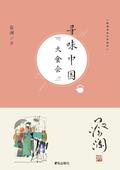 Exploring China: Big Food Festival
This is a book that makes greedy people scream when you look at it. This is a set of books that your heart longs for when you read it. In the book, Chua Lam embarks on a global gastronomic journey with the purpose of exploring food. Traveling, playing, and eating along the way, not only record the food and beautiful scenery, but also record the various aspects of life and appreciate the fireworks of the world. That taste is the taste of delicacies; that taste is the taste of beautiful scenery; t
—Reads9.4Score—Shelves
Exploring China: Big Food Festival
This is a book that makes greedy people scream when you look at it. This is a set of books that your heart longs for when you read it. In the book, Chua Lam embarks on a global gastronomic journey with the purpose of exploring food. Traveling, playing, and eating along the way, not only record the food and beautiful scenery, but also record the various aspects of life and appreciate the fireworks of the world. That taste is the taste of delicacies; that taste is the taste of beautiful scenery; t
—Reads9.4Score—Shelves
-
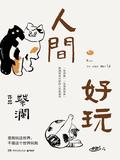 The World Is Fun
Cai Lam is humorous and elegant. He tells what he sees and hears in vivid and vivid words and shares his insights with readers. He said: "Writing for the joy of writing is the real beginning. In addition to the merit of writing, it must also be truthful and frank enough." The essays are so touching and interesting that you can feel the philosophy of life seeping out bit by bit from the words. This book "The Fun in the World" is Mr. Cai's latest collection of essays. The article contains the "sec
—Reads9.4Score—Shelves
The World Is Fun
Cai Lam is humorous and elegant. He tells what he sees and hears in vivid and vivid words and shares his insights with readers. He said: "Writing for the joy of writing is the real beginning. In addition to the merit of writing, it must also be truthful and frank enough." The essays are so touching and interesting that you can feel the philosophy of life seeping out bit by bit from the words. This book "The Fun in the World" is Mr. Cai's latest collection of essays. The article contains the "sec
—Reads9.4Score—Shelves
-
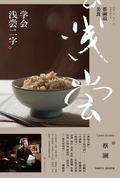 Cai Lam Talks About Food: Learn to Taste It Briefly
Mr. Cai Lam said: Dishes that you can't eat enough are the best. The beans are so small, eat them one by one, cherish the taste of each bean, and cherish all the details in life. Shrimp must be eaten neither hot nor cold, and is at its best when served warm. The temperature of fish and rice should be the same as the human body temperature. Overheating and undercooling are both unacceptable. The level requirements are gradually increased, from cheap to expensive. In principle, you should eat from
—Reads9.4Score—Shelves
Cai Lam Talks About Food: Learn to Taste It Briefly
Mr. Cai Lam said: Dishes that you can't eat enough are the best. The beans are so small, eat them one by one, cherish the taste of each bean, and cherish all the details in life. Shrimp must be eaten neither hot nor cold, and is at its best when served warm. The temperature of fish and rice should be the same as the human body temperature. Overheating and undercooling are both unacceptable. The level requirements are gradually increased, from cheap to expensive. In principle, you should eat from
—Reads9.4Score—Shelves
-
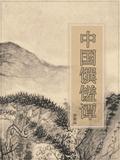 Chinese Delicacies
This book is a collection of essays on food culture by essayist and opera theorist Qi Rushan. From the must-have dishes for traditional Chinese official banquets to various miscellaneous foods on the street, the differences between Chinese and Western sweets and pasta, and the cooking methods of Chinese food, Mr. Qi Rushan conducted detailed research on Chinese food culture, explained the essence of all aspects of Chinese food, and provided detailed information for subsequent researchers.
—Reads8.3Score—Shelves
Chinese Delicacies
This book is a collection of essays on food culture by essayist and opera theorist Qi Rushan. From the must-have dishes for traditional Chinese official banquets to various miscellaneous foods on the street, the differences between Chinese and Western sweets and pasta, and the cooking methods of Chinese food, Mr. Qi Rushan conducted detailed research on Chinese food culture, explained the essence of all aspects of Chinese food, and provided detailed information for subsequent researchers.
—Reads8.3Score—Shelves
-
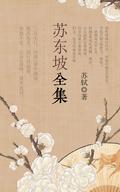 The Complete Works of Su Dongpo
Su Shi was a literary leader in the mid-Northern Song Dynasty and achieved high achievements in poetry, lyrics, prose, calligraphy, and painting. His writings are bold and unbridled; his poems have broad themes, are fresh and bold, are good at using exaggerated metaphors, and have a unique style. Together with Huang Tingjian, they are called "Su Huang"; Su Shi was also good at calligraphy and was one of the "Four Masters of the Song Dynasty"; he was good at painting, especially good at ink bambo
—Reads9.4Score—Shelves
The Complete Works of Su Dongpo
Su Shi was a literary leader in the mid-Northern Song Dynasty and achieved high achievements in poetry, lyrics, prose, calligraphy, and painting. His writings are bold and unbridled; his poems have broad themes, are fresh and bold, are good at using exaggerated metaphors, and have a unique style. Together with Huang Tingjian, they are called "Su Huang"; Su Shi was also good at calligraphy and was one of the "Four Masters of the Song Dynasty"; he was good at painting, especially good at ink bambo
—Reads9.4Score—Shelves
-
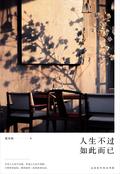 Life Is Nothing but This
Life is just a journey that comes and goes. Life is about joy and sorrow, and life is about bitterness and sweetness. The most important thing for us is not to care about truth and falsehood, gains and losses, fame and fortune, noble and humble, rich and poor, but how to live happily and discover the poetry of life. Liang Shiqiu paid attention to magnanimity throughout his life, keeping his joy, anger, and fear in his face, letting his emotions follow the customs, not following etiquette, being
—Reads9.4Score—Shelves
Life Is Nothing but This
Life is just a journey that comes and goes. Life is about joy and sorrow, and life is about bitterness and sweetness. The most important thing for us is not to care about truth and falsehood, gains and losses, fame and fortune, noble and humble, rich and poor, but how to live happily and discover the poetry of life. Liang Shiqiu paid attention to magnanimity throughout his life, keeping his joy, anger, and fear in his face, letting his emotions follow the customs, not following etiquette, being
—Reads9.4Score—Shelves
-
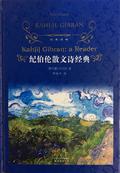 Kahlil Gibran's Prose Poetry Classics (Classic Translation)
"Kahlil Gibran's Prose Poems" selects 14 of Gibran's prose poems, namely "The Prophet", "The Garden of the Prophet", "Sand and Foam", "Love and Thoughts", "Music Short Chapters", "Tears and Laughter", "Madman", "Storms", "Pioneers", "Treasures", "Son of Man Jesus", "The God of the Earth", "The Wanderer", and "The Lost Essays". These classic poems represent Gibran's highest literary achievements. Gibran can be called the most outstanding Lebanese writer with world-renowned reputation. He is one o
—Reads8.6Score—Shelves
Kahlil Gibran's Prose Poetry Classics (Classic Translation)
"Kahlil Gibran's Prose Poems" selects 14 of Gibran's prose poems, namely "The Prophet", "The Garden of the Prophet", "Sand and Foam", "Love and Thoughts", "Music Short Chapters", "Tears and Laughter", "Madman", "Storms", "Pioneers", "Treasures", "Son of Man Jesus", "The God of the Earth", "The Wanderer", and "The Lost Essays". These classic poems represent Gibran's highest literary achievements. Gibran can be called the most outstanding Lebanese writer with world-renowned reputation. He is one o
—Reads8.6Score—Shelves
-
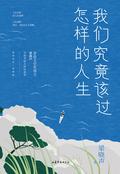 What Kind of Life Should We Live?
This book is a collection of critical essays about life thinking. It is selected from the essays of Mr. Liang Xiaosheng, the winner of the 10th Mao Dun Literature Award. It contains 28 essays in total. From resisting the filth and impetuosity of the times to the various aspects of life in the floating world, from why we are deeply afraid of "ordinary life" to why we are so tired, the book is immersed in the author's reflections and feelings on real life and the floating world, and accumulates ma
—Reads9.4Score—Shelves
What Kind of Life Should We Live?
This book is a collection of critical essays about life thinking. It is selected from the essays of Mr. Liang Xiaosheng, the winner of the 10th Mao Dun Literature Award. It contains 28 essays in total. From resisting the filth and impetuosity of the times to the various aspects of life in the floating world, from why we are deeply afraid of "ordinary life" to why we are so tired, the book is immersed in the author's reflections and feelings on real life and the floating world, and accumulates ma
—Reads9.4Score—Shelves
-
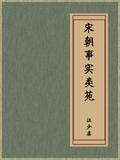 Song Dynasty Facts Garden (Free Public Edition Book)
Also known as "Facts Leiyuan" and "Song Dynasty Leiyao". Class book. Shaoyu, courtesy name Yuzhong, was born in Changshan, Quzhou (now part of Zhejiang). He was a Jinshi in Zhenghe, transferred to the Tiantai Academy, and served successively as the prefect of Jian, Rao and Jizhou. This is because there are many records of the Northern Song Dynasty's court and civil affairs scattered in various records. However, they are scattered and inconsistent, making it difficult to examine them. So I collec
—Reads8.5Score—Shelves
Song Dynasty Facts Garden (Free Public Edition Book)
Also known as "Facts Leiyuan" and "Song Dynasty Leiyao". Class book. Shaoyu, courtesy name Yuzhong, was born in Changshan, Quzhou (now part of Zhejiang). He was a Jinshi in Zhenghe, transferred to the Tiantai Academy, and served successively as the prefect of Jian, Rao and Jizhou. This is because there are many records of the Northern Song Dynasty's court and civil affairs scattered in various records. However, they are scattered and inconsistent, making it difficult to examine them. So I collec
—Reads8.5Score—Shelves
-
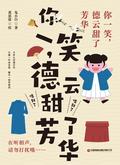 When You Smile, Deyun Sweetens His Youth
Deyun Girls are a group of girls who love traditional folk arts and listen to Deyun Club cross talk. They have passions and hardships; they have pursuits and troughs. In some stages of life, it was cross talk that accompanied them through the difficult years, it was cross talk that accompanied them through the ups and downs of life, and it was cross talk that witnessed their successes and failures. They are inspired by cross talk, and they are happy because of cross talk. They are willing to be
—Reads9.4Score—Shelves
When You Smile, Deyun Sweetens His Youth
Deyun Girls are a group of girls who love traditional folk arts and listen to Deyun Club cross talk. They have passions and hardships; they have pursuits and troughs. In some stages of life, it was cross talk that accompanied them through the difficult years, it was cross talk that accompanied them through the ups and downs of life, and it was cross talk that witnessed their successes and failures. They are inspired by cross talk, and they are happy because of cross talk. They are willing to be
—Reads9.4Score—Shelves
-
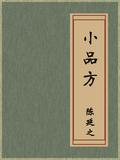 Sketch Recipe (Free Public Edition Book)
Originally called "Jingfang Xiaopin", it is a medical prescription work. Written by Chen Yanzhi. It was written between the first year of Xiaojian and the first year of Yonghui (454-473) in Song Dynasty in the Southern and Northern Dynasties. The title of the book "Jingfang" comes from "Hanshu·Yiwenzhi", and the meaning of "Xiaopin" is taken from the Buddhist classic "Xiaopin Prajna" (also translated as "Xiaopin Jing"). The original book has been lost for a long time and has not been published i
—Reads8.7Score—Shelves
Sketch Recipe (Free Public Edition Book)
Originally called "Jingfang Xiaopin", it is a medical prescription work. Written by Chen Yanzhi. It was written between the first year of Xiaojian and the first year of Yonghui (454-473) in Song Dynasty in the Southern and Northern Dynasties. The title of the book "Jingfang" comes from "Hanshu·Yiwenzhi", and the meaning of "Xiaopin" is taken from the Buddhist classic "Xiaopin Prajna" (also translated as "Xiaopin Jing"). The original book has been lost for a long time and has not been published i
—Reads8.7Score—Shelves
-
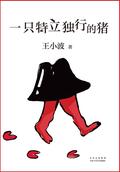 A Maverick Pig
This book is Wang Xiaobo's representative work of essays. Wang Xiaobo thought and was happy throughout his life. He completed his reflection and writing on freedom and rationality in his unique and ironic style. The book dissects topics such as science and superstition, novel creation, intellectuals, etc., Showing an intellectual labyrinth, allowing readers to learn from him how to think independently and freely, and truly appreciate the dignity and freedom that an independent individual should
—Reads9.4Score—Shelves
A Maverick Pig
This book is Wang Xiaobo's representative work of essays. Wang Xiaobo thought and was happy throughout his life. He completed his reflection and writing on freedom and rationality in his unique and ironic style. The book dissects topics such as science and superstition, novel creation, intellectuals, etc., Showing an intellectual labyrinth, allowing readers to learn from him how to think independently and freely, and truly appreciate the dignity and freedom that an independent individual should
—Reads9.4Score—Shelves
-
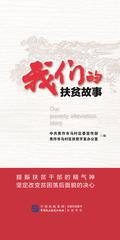 Our Poverty Alleviation Story
The Macun District Poverty Alleviation and Development Office is the working department of the Macun District People's Government. During the poverty alleviation period, focusing on work responsibilities, he took the lead in the district's poverty alleviation work, was responsible for the registration of poor people and targeted poverty alleviation, coordinated and ensured the implementation of industry policies, contacted and docked village assistance, organized and implemented poverty alleviat
—Reads7.8Score—Shelves
Our Poverty Alleviation Story
The Macun District Poverty Alleviation and Development Office is the working department of the Macun District People's Government. During the poverty alleviation period, focusing on work responsibilities, he took the lead in the district's poverty alleviation work, was responsible for the registration of poor people and targeted poverty alleviation, coordinated and ensured the implementation of industry policies, contacted and docked village assistance, organized and implemented poverty alleviat
—Reads7.8Score—Shelves
-
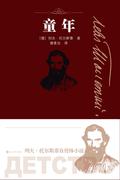 Childhood (Leo Tolstoy's Autobiographical Novel)
Tolstoy's autobiographical trilogy "Childhood", "Boyhood" and "Youth" comprehensively display the writer's growth and spiritual process. The basic content revolves around how he grew up under the influence of the surrounding environment, and basically reproduces how he grew from a young master in an aristocratic family to an adult who opposed the aristocratic lifestyle. "Childhood" is the first of an autobiographical trilogy and Tolstoy's debut novel.
—Reads9.1Score—Shelves
Childhood (Leo Tolstoy's Autobiographical Novel)
Tolstoy's autobiographical trilogy "Childhood", "Boyhood" and "Youth" comprehensively display the writer's growth and spiritual process. The basic content revolves around how he grew up under the influence of the surrounding environment, and basically reproduces how he grew from a young master in an aristocratic family to an adult who opposed the aristocratic lifestyle. "Childhood" is the first of an autobiographical trilogy and Tolstoy's debut novel.
—Reads9.1Score—Shelves
-
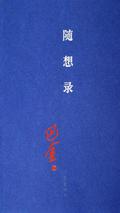 Capriccio
"Random Thoughts" is Ba Jin's life's work. In his later years, he finally wrote "Random Thoughts", which had a huge impact on contemporary China, in order to fulfill the historical responsibility of an intellectual and reach the peak of literature and thought. This book is a great book. This is Ba Jin's creation with all his life experience. This book contains 150 articles written by Mr. Ba Jin after the end of the Cultural Revolution, divided into five volumes: "Random Thoughts", "Exploration C
—Reads9.4Score—Shelves
Capriccio
"Random Thoughts" is Ba Jin's life's work. In his later years, he finally wrote "Random Thoughts", which had a huge impact on contemporary China, in order to fulfill the historical responsibility of an intellectual and reach the peak of literature and thought. This book is a great book. This is Ba Jin's creation with all his life experience. This book contains 150 articles written by Mr. Ba Jin after the end of the Cultural Revolution, divided into five volumes: "Random Thoughts", "Exploration C
—Reads9.4Score—Shelves
-
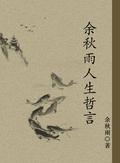 Yu Qiuyu's Life Philosophy
This book is a selection from all the works of Mr. Yu Qiuyu. The book is divided into sixteen chapters, which are about the taste of life, personal dignity, etc. All revolve around the theme of "life". Yu Qiuyu added a lot of new content to this book, which is the first time he has published it since he "closed the pen". His writing style and ideological accumulation are obviously different from his previous works. The entire selection of quotations strives to reflect the unique "Yu Qiuyu charac
—Reads8.6Score—Shelves
Yu Qiuyu's Life Philosophy
This book is a selection from all the works of Mr. Yu Qiuyu. The book is divided into sixteen chapters, which are about the taste of life, personal dignity, etc. All revolve around the theme of "life". Yu Qiuyu added a lot of new content to this book, which is the first time he has published it since he "closed the pen". His writing style and ideological accumulation are obviously different from his previous works. The entire selection of quotations strives to reflect the unique "Yu Qiuyu charac
—Reads8.6Score—Shelves
-
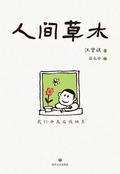 Human Vegetation
"Human Grass" is the most representative title of Wang Zengqi's prose. This book contains a total of 31 essays by Wang Zengqi about the interest in life, about 85,000 words. The book is selected by Professor Liang Yongan and is divided into two parts: the first part, "Plants and Trees in the World," contains 15 of Mr. Wang's masterpieces about vegetation and delicacies; the second part, "My World," contains Mr. Wang's self-reported recollections and 16 essays about his hobbies. Wang Zengqi has b
—Reads9.4Score—Shelves
Human Vegetation
"Human Grass" is the most representative title of Wang Zengqi's prose. This book contains a total of 31 essays by Wang Zengqi about the interest in life, about 85,000 words. The book is selected by Professor Liang Yongan and is divided into two parts: the first part, "Plants and Trees in the World," contains 15 of Mr. Wang's masterpieces about vegetation and delicacies; the second part, "My World," contains Mr. Wang's self-reported recollections and 16 essays about his hobbies. Wang Zengqi has b
—Reads9.4Score—Shelves
-
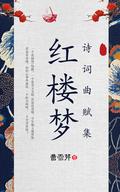 The Complete Collection of Poems, Lyrics, and Verses of Dream of Red Mansions
Reciting a poem will make you fall in love with a thousand-year-old classic; singing a poem will make your lips and teeth fill with fragrance, and it will also make your breath linger in your heart. Sometimes delicate and ethereal, sometimes majestic, he uses his singing to take us through the long river of history, to touch the dazzling classics of the ancients, and to strengthen the heart of today's people to inherit culture. ——Media evaluation of CCTV's classic chanting column group "Classics
—Reads9.5Score—Shelves
The Complete Collection of Poems, Lyrics, and Verses of Dream of Red Mansions
Reciting a poem will make you fall in love with a thousand-year-old classic; singing a poem will make your lips and teeth fill with fragrance, and it will also make your breath linger in your heart. Sometimes delicate and ethereal, sometimes majestic, he uses his singing to take us through the long river of history, to touch the dazzling classics of the ancients, and to strengthen the heart of today's people to inherit culture. ——Media evaluation of CCTV's classic chanting column group "Classics
—Reads9.5Score—Shelves
-
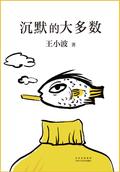 The Silent Majority (2021 Edition)
The three collections of essays "A Maverick Pig", "The Silent Majority" and "My Spiritual Home" are the three steps to get closer to Wang Xiaobo. "The Silent Majority" is the "choice from above" - love wisdom, love freedom, and oppose stupidity! This collection contains 40 insightful, wonderfully discussed and profoundly thought-provoking articles, which present his inquiries into society, history, and culture, and can also answer current confusions, representing the spiritual core behind Wang
—Reads9.4Score—Shelves
The Silent Majority (2021 Edition)
The three collections of essays "A Maverick Pig", "The Silent Majority" and "My Spiritual Home" are the three steps to get closer to Wang Xiaobo. "The Silent Majority" is the "choice from above" - love wisdom, love freedom, and oppose stupidity! This collection contains 40 insightful, wonderfully discussed and profoundly thought-provoking articles, which present his inquiries into society, history, and culture, and can also answer current confusions, representing the spiritual core behind Wang
—Reads9.4Score—Shelves
-
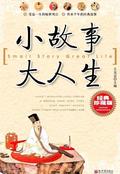 Little Stories, Big Life (Classic Collector's Edition)
"Small Stories, Big Life" can be called a classic introduction to ancient notebook novels. Notebook novels generally refer to all works such as legends, legends, miscellaneous records, trivia, biographies, and essays written in classical Chinese. The content is extensive and complex, and the writing style is concise and simple. Note novels have a unique position in the history of Chinese literature. It has the characteristics of both "notes" and "novel", and is a form of novel creation with a pr
—Reads9.6Score—Shelves
Little Stories, Big Life (Classic Collector's Edition)
"Small Stories, Big Life" can be called a classic introduction to ancient notebook novels. Notebook novels generally refer to all works such as legends, legends, miscellaneous records, trivia, biographies, and essays written in classical Chinese. The content is extensive and complex, and the writing style is concise and simple. Note novels have a unique position in the history of Chinese literature. It has the characteristics of both "notes" and "novel", and is a form of novel creation with a pr
—Reads9.6Score—Shelves
-
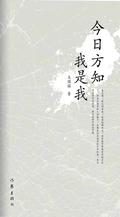 Today I Know That I Am Who I Am
This book is a collection of essays and historical essays created by Mr. Wang Guomeng in recent years. The articles included in the collection are exquisite in length, have their own emphasis, and are self-contained. The author conducted an in-depth analysis from the aspects of improving national quality and improving the spirit of the Chinese people. It can be said that it expresses one's own soul and expresses one's emotions. It is extremely philosophical and expresses the literary ideals and
—Reads9.3Score—Shelves
Today I Know That I Am Who I Am
This book is a collection of essays and historical essays created by Mr. Wang Guomeng in recent years. The articles included in the collection are exquisite in length, have their own emphasis, and are self-contained. The author conducted an in-depth analysis from the aspects of improving national quality and improving the spirit of the Chinese people. It can be said that it expresses one's own soul and expresses one's emotions. It is extremely philosophical and expresses the literary ideals and
—Reads9.3Score—Shelves
-
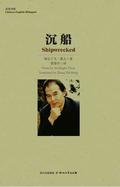 Shipwreck
On the map of "long poem" writing in China since the 1990s, Aldingfu Yiren's long poem writing has the value and significance of apocalypse. But it seems that many professional researchers are interested in him and his For many years, long poem writing has lacked the necessary understanding.
—Reads8.5Score—Shelves
Shipwreck
On the map of "long poem" writing in China since the 1990s, Aldingfu Yiren's long poem writing has the value and significance of apocalypse. But it seems that many professional researchers are interested in him and his For many years, long poem writing has lacked the necessary understanding.
—Reads8.5Score—Shelves
-
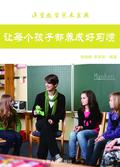 Classroom Teaching Art Collection: Let Every Child Develop Good Habits
"Classroom Teaching Art Collection: Let Every Child Develop Good Habits" is written by Zhang Xiaofeng and Li Yingli. This book organically combines educational and teaching theory with educational and teaching practice, systematically studies the laws and practices of classroom teaching, and studies various practical issues in the teaching process. Respecting individuality, cultivating good habits, and following nature, "adaptive education" awakens students' inner drive for growth.
—Reads7.5Score—Shelves
Classroom Teaching Art Collection: Let Every Child Develop Good Habits
"Classroom Teaching Art Collection: Let Every Child Develop Good Habits" is written by Zhang Xiaofeng and Li Yingli. This book organically combines educational and teaching theory with educational and teaching practice, systematically studies the laws and practices of classroom teaching, and studies various practical issues in the teaching process. Respecting individuality, cultivating good habits, and following nature, "adaptive education" awakens students' inner drive for growth.
—Reads7.5Score—Shelves
-
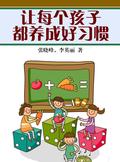 Let Every Child Develop Good Habits
The contents of this book include: Integrity is the passport of life, tolerance is the blooming snow lotus, raising the sail of confidence for life, dressing up the holy soul with humility, loving life, enjoying happiness, being grateful, making life wonderful, love is a need of human beings, having a broad love, etc.
—Reads7.6Score—Shelves
Let Every Child Develop Good Habits
The contents of this book include: Integrity is the passport of life, tolerance is the blooming snow lotus, raising the sail of confidence for life, dressing up the holy soul with humility, loving life, enjoying happiness, being grateful, making life wonderful, love is a need of human beings, having a broad love, etc.
—Reads7.6Score—Shelves
-
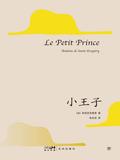 The Little Prince (Chuangmei Library)
"The Little Prince (Chuangmei Library)" is a masterpiece handed down by the legendary French writer Saint-Exupéry. The little prince on a distant planet quarreled with the beautiful and proud rose and ran away angrily. While roaming the planets, the little prince met an arrogant king, a drunkard, a profit-seeking businessman, and a dogmatic geographer. Finally, he came to the earth and tried to find a cure for loneliness and pain. At this time, he met a strange fox, and something wonderful and a
—Reads8.5Score—Shelves
The Little Prince (Chuangmei Library)
"The Little Prince (Chuangmei Library)" is a masterpiece handed down by the legendary French writer Saint-Exupéry. The little prince on a distant planet quarreled with the beautiful and proud rose and ran away angrily. While roaming the planets, the little prince met an arrogant king, a drunkard, a profit-seeking businessman, and a dogmatic geographer. Finally, he came to the earth and tried to find a cure for loneliness and pain. At this time, he met a strange fox, and something wonderful and a
—Reads8.5Score—Shelves
-
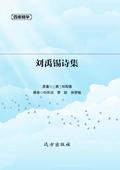 Liu Yuxi's Poetry Collection
This book mainly includes: Intensive reading chapters and extensive reading chapters, specifically including: First Smell the Autumn Wind, Nostalgia for the Past in Xisai Mountain, Rewarding Lotte at the First Banquet in Yangzhou, Repaying Willows from Lianzhou to Hengyang and Farewell to Liuzhou, Five Poems on a Journey to Huaiyin (Part 4), Introduction to the Autumn Wind, etc.
—Reads8.5Score—Shelves
Liu Yuxi's Poetry Collection
This book mainly includes: Intensive reading chapters and extensive reading chapters, specifically including: First Smell the Autumn Wind, Nostalgia for the Past in Xisai Mountain, Rewarding Lotte at the First Banquet in Yangzhou, Repaying Willows from Lianzhou to Hengyang and Farewell to Liuzhou, Five Poems on a Journey to Huaiyin (Part 4), Introduction to the Autumn Wind, etc.
—Reads8.5Score—Shelves
-
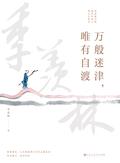 There Are so Many Mazes, the Only Way to Overcome Them Is by Yourself
When people are alive, they will encounter various difficulties, which are like a maze lying in front of them. People who truly understand have already seen through the truth of life - every hardship is a gift of life, and you cannot rely on others in vain. This is a classic collection of essays by Ji Xianlin, which embodies Ji Xianlin's philosophy of life - life needs to be overcome by oneself. In the long journey of life, joys and sorrows are life, and ups and downs are life; cats and dogs are
—Reads9.4Score—Shelves
There Are so Many Mazes, the Only Way to Overcome Them Is by Yourself
When people are alive, they will encounter various difficulties, which are like a maze lying in front of them. People who truly understand have already seen through the truth of life - every hardship is a gift of life, and you cannot rely on others in vain. This is a classic collection of essays by Ji Xianlin, which embodies Ji Xianlin's philosophy of life - life needs to be overcome by oneself. In the long journey of life, joys and sorrows are life, and ups and downs are life; cats and dogs are
—Reads9.4Score—Shelves
-
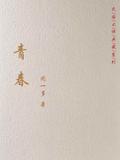 Youth
Wen Yiduo's original name is Wen Jiahua, also known as Duo, Yiduo, Yiduo, with the courtesy names Yousan and Youshan. A great modern Chinese patriot, poet, scholar, democratic fighter, and representative poet of the Crescent Party.
—Reads8.8Score—Shelves
Youth
Wen Yiduo's original name is Wen Jiahua, also known as Duo, Yiduo, Yiduo, with the courtesy names Yousan and Youshan. A great modern Chinese patriot, poet, scholar, democratic fighter, and representative poet of the Crescent Party.
—Reads8.8Score—Shelves
-
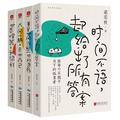 Selected Prose by Liang Shiqiu (All 4 Volumes)
A collection of interesting essays by Liang Shiqiu, a life writer of a generation! It shows Liang Shiqiu's spiritual world and life wisdom! Han Han's writing model, Zhou Guoping's literary idol, Yu Guangzhong, Lin Qingxuan, Bing Xin, Ji Xianlin, etc. Are highly recommended!
—Reads9.3Score—Shelves
Selected Prose by Liang Shiqiu (All 4 Volumes)
A collection of interesting essays by Liang Shiqiu, a life writer of a generation! It shows Liang Shiqiu's spiritual world and life wisdom! Han Han's writing model, Zhou Guoping's literary idol, Yu Guangzhong, Lin Qingxuan, Bing Xin, Ji Xianlin, etc. Are highly recommended!
—Reads9.3Score—Shelves
-
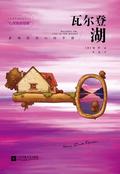 Walden Pond: Kiss Your Inner Peace
In his two-year daily life, Thoreau recorded how he cultivated land next to his cabin, planted in spring and harvested in autumn, and was self-sufficient; he recorded his admiration for nature, communion with heaven and earth, dialogue with lakes, forests and birds, observing animals and plants in the forest, playing the flute on the boat, fishing by the lake, and leaving his own observations and thoughts in the cabin; he recorded how he pursued spiritual life and how to calm his mind bit by bit
—Reads8.5Score—Shelves
Walden Pond: Kiss Your Inner Peace
In his two-year daily life, Thoreau recorded how he cultivated land next to his cabin, planted in spring and harvested in autumn, and was self-sufficient; he recorded his admiration for nature, communion with heaven and earth, dialogue with lakes, forests and birds, observing animals and plants in the forest, playing the flute on the boat, fishing by the lake, and leaving his own observations and thoughts in the cabin; he recorded how he pursued spiritual life and how to calm his mind bit by bit
—Reads8.5Score—Shelves
-
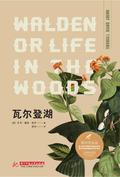 Walden Pond: Illustrated Museum Edition
This book is not only a famous collection of nature essays, but also an important natural history observation note. It records in detail what Thoreau saw, heard and thought during his seclusion at Walden Pond. In this simple attempt to live a self-sufficient life by opening up wasteland and cultivating land, Thoreau's heart is intertwined with desire and disappointment, recognition and doubt, determination and confusion, which reflects his attitude of challenging personal and even human boundari
—Reads8.2Score—Shelves
Walden Pond: Illustrated Museum Edition
This book is not only a famous collection of nature essays, but also an important natural history observation note. It records in detail what Thoreau saw, heard and thought during his seclusion at Walden Pond. In this simple attempt to live a self-sufficient life by opening up wasteland and cultivating land, Thoreau's heart is intertwined with desire and disappointment, recognition and doubt, determination and confusion, which reflects his attitude of challenging personal and even human boundari
—Reads8.2Score—Shelves
-
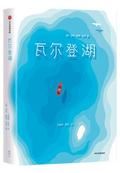 Author's List: Walden
When he was 28 years old, Thoreau borrowed an ax and walked into the forest beside Walden Pond alone, built a cabin, cultivated wasteland, wrote and read, and lived alone for two years, two months and two days. After that, it took seven years and seven drafts to write the autobiographical essay "Walden" based on what he saw, heard and thought during this period of living alone. While showing the beauty of all things in nature, this book also shows a lifestyle that is extremely simple in material
—Reads8.4Score—Shelves
Author's List: Walden
When he was 28 years old, Thoreau borrowed an ax and walked into the forest beside Walden Pond alone, built a cabin, cultivated wasteland, wrote and read, and lived alone for two years, two months and two days. After that, it took seven years and seven drafts to write the autobiographical essay "Walden" based on what he saw, heard and thought during this period of living alone. While showing the beauty of all things in nature, this book also shows a lifestyle that is extremely simple in material
—Reads8.4Score—Shelves
-
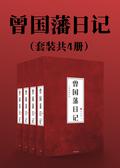 Zeng Guofan's Diary (Set of 4 Volumes)
"Zeng Guofan's Diary" is a collection of personal diaries written by Zeng Guofan, a famous official in the Qing Dynasty. The time span is from the 21st year of Daoguang in the Qing Dynasty (1841) to the 11th year of Tongzhi (1872), which lasts for more than 30 years. This diary not only records Zeng Guofan's daily work, study and life in detail, but also shows his growth trajectory and mental journey from his prime to old age.
—Reads8.5Score—Shelves
Zeng Guofan's Diary (Set of 4 Volumes)
"Zeng Guofan's Diary" is a collection of personal diaries written by Zeng Guofan, a famous official in the Qing Dynasty. The time span is from the 21st year of Daoguang in the Qing Dynasty (1841) to the 11th year of Tongzhi (1872), which lasts for more than 30 years. This diary not only records Zeng Guofan's daily work, study and life in detail, but also shows his growth trajectory and mental journey from his prime to old age.
—Reads8.5Score—Shelves
-
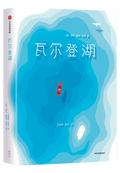 Author's List: Walden
When he was 28 years old, Thoreau borrowed an ax and walked into the forest beside Walden Pond alone, built a cabin, cultivated wasteland, wrote and read, and lived alone for two years, two months and two days. After that, it took seven years and seven drafts to write the autobiographical essay "Walden" based on what he saw, heard and thought during this period of living alone. While showing the beauty of all things in nature, this book also shows a lifestyle that is extremely simple in material
—Reads8.1Score—Shelves
Author's List: Walden
When he was 28 years old, Thoreau borrowed an ax and walked into the forest beside Walden Pond alone, built a cabin, cultivated wasteland, wrote and read, and lived alone for two years, two months and two days. After that, it took seven years and seven drafts to write the autobiographical essay "Walden" based on what he saw, heard and thought during this period of living alone. While showing the beauty of all things in nature, this book also shows a lifestyle that is extremely simple in material
—Reads8.1Score—Shelves
-
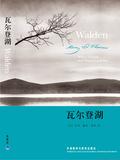 Walden
"Walden" is the representative work of American writer Thoreau. It is a diary of the author's mood when he lived alone in the forest, including deep reflections on himself and nature. The work is beautifully written and the language is timeless and wise. It is a classic that has been passed down by people throughout the ages. In the spring of 1845, Thoreau came to the shores of Walden Pond, not far from his hometown of Concord, and spent more than two years living in seclusion, farming and eatin
—Reads8.3Score—Shelves
Walden
"Walden" is the representative work of American writer Thoreau. It is a diary of the author's mood when he lived alone in the forest, including deep reflections on himself and nature. The work is beautifully written and the language is timeless and wise. It is a classic that has been passed down by people throughout the ages. In the spring of 1845, Thoreau came to the shores of Walden Pond, not far from his hometown of Concord, and spent more than two years living in seclusion, farming and eatin
—Reads8.3Score—Shelves
-
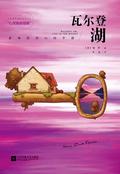 Walden Pond: Kiss Your Inner Peace
In his two-year daily life, Thoreau recorded how he cultivated land next to his cabin, planted in spring and harvested in autumn, and was self-sufficient; he recorded his admiration for nature, communion with heaven and earth, dialogue with lakes, forests and birds, observing animals and plants in the forest, playing the flute on the boat, fishing by the lake, and leaving his own observations and thoughts in the cabin; he recorded how he pursued spiritual life and how to calm his mind bit by bit
—Reads8.6Score—Shelves
Walden Pond: Kiss Your Inner Peace
In his two-year daily life, Thoreau recorded how he cultivated land next to his cabin, planted in spring and harvested in autumn, and was self-sufficient; he recorded his admiration for nature, communion with heaven and earth, dialogue with lakes, forests and birds, observing animals and plants in the forest, playing the flute on the boat, fishing by the lake, and leaving his own observations and thoughts in the cabin; he recorded how he pursued spiritual life and how to calm his mind bit by bit
—Reads8.6Score—Shelves
-
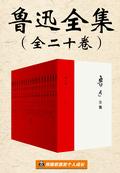 The Complete Works of Lu Xun (20 Volumes in Total)
The only unedited and original text of Lu Xun, the most popular and easy-to-read version of Lu Xun on the market! In October 1936, Mr. Lu Xun passed away in Shanghai. Mr. Lu Xun's Memorial Committee compiled and printed the first edition of "The Complete Works of Lu Xun" after Lu Xun's death in order to "expand the influence of Lu Xun's spirit, awaken the soul of the country, and strive for light." "The Complete Works" is edited and edited by the Lu Xun Memorial Committee chaired by Cai Yuanpei.
—Reads8.1Score—Shelves
The Complete Works of Lu Xun (20 Volumes in Total)
The only unedited and original text of Lu Xun, the most popular and easy-to-read version of Lu Xun on the market! In October 1936, Mr. Lu Xun passed away in Shanghai. Mr. Lu Xun's Memorial Committee compiled and printed the first edition of "The Complete Works of Lu Xun" after Lu Xun's death in order to "expand the influence of Lu Xun's spirit, awaken the soul of the country, and strive for light." "The Complete Works" is edited and edited by the Lu Xun Memorial Committee chaired by Cai Yuanpei.
—Reads8.1Score—Shelves
-
 Complete Works of Lu Xun
The work of Lu Xun, one of the world's top ten literary giants, is the foundation of Chinese new literature and the outstanding beginning of the modernization of Chinese novels.
—Reads8.3Score—Shelves
Complete Works of Lu Xun
The work of Lu Xun, one of the world's top ten literary giants, is the foundation of Chinese new literature and the outstanding beginning of the modernization of Chinese novels.
—Reads8.3Score—Shelves
-
 No One's Love Is Brought by the Strong Wind
The author uses humorous writing to tell ordinary and heart-warming stories about relatives and friends, the love, friendship and family affection of ordinary people in different eras, and the joys and sorrows, joys and sorrows, and the ups and downs of ordinary people. In the author's writing, mother, grandfather, grandmother, uncles, aunts, other relatives and friends, and even the "fool" Aliang, seem to be standing in front of you, telling their stories quietly, allowing you to see the shinin
—Reads8.1Score—Shelves
No One's Love Is Brought by the Strong Wind
The author uses humorous writing to tell ordinary and heart-warming stories about relatives and friends, the love, friendship and family affection of ordinary people in different eras, and the joys and sorrows, joys and sorrows, and the ups and downs of ordinary people. In the author's writing, mother, grandfather, grandmother, uncles, aunts, other relatives and friends, and even the "fool" Aliang, seem to be standing in front of you, telling their stories quietly, allowing you to see the shinin
—Reads8.1Score—Shelves
-
 You Are the World, a Love Letter Written to Me
Li Hui has a sister who is 14 years younger than him. She is innocent, cute and childlike, and often makes "astonishing remarks".
—Reads8.1Score—Shelves
You Are the World, a Love Letter Written to Me
Li Hui has a sister who is 14 years younger than him. She is innocent, cute and childlike, and often makes "astonishing remarks".
—Reads8.1Score—Shelves
-
 Selected Poems of Cheng Hao
Cheng Hao (1032-1085), a philosopher, educator and founder of Neo-Confucianism in the Northern Song Dynasty. His courtesy name is Bochun, and scholars call him Mr. Mingdao. A native of Luoyang (now part of Henan). In the Shenzong Dynasty, Prince Zhongyun was appointed to supervise the censor Li Xing. Oppose Wang Anshi's New Deal. He put forward the propositions that "Heaven is the principle" and "the mind alone is heaven, and when it is exhausted, it is knowledge", and believed that "the benevol
—Reads8.5Score—Shelves
Selected Poems of Cheng Hao
Cheng Hao (1032-1085), a philosopher, educator and founder of Neo-Confucianism in the Northern Song Dynasty. His courtesy name is Bochun, and scholars call him Mr. Mingdao. A native of Luoyang (now part of Henan). In the Shenzong Dynasty, Prince Zhongyun was appointed to supervise the censor Li Xing. Oppose Wang Anshi's New Deal. He put forward the propositions that "Heaven is the principle" and "the mind alone is heaven, and when it is exhausted, it is knowledge", and believed that "the benevol
—Reads8.5Score—Shelves
-
 Collected Works of Zhang Shi
Zhang Shi (September 15, 1133 - March 22, 1180) was named Jingfu, later changed to Qinfu to avoid taboos, also named Lezhai, and given the name Nanxuan. Scholars called him Mr. Nanxuan, and his posthumous title was Xuan. Later generations also called him Zhang Xuangong. A native of Mianzhu, Hanzhou (now Mianzhu City, Sichuan) in the Southern Song Dynasty, he was the son of Zhang Jun, the right prime minister. Scholar and educator in the early Southern Song Dynasty. Lizong of the Southern Song Dy
—Reads8.7Score—Shelves
Collected Works of Zhang Shi
Zhang Shi (September 15, 1133 - March 22, 1180) was named Jingfu, later changed to Qinfu to avoid taboos, also named Lezhai, and given the name Nanxuan. Scholars called him Mr. Nanxuan, and his posthumous title was Xuan. Later generations also called him Zhang Xuangong. A native of Mianzhu, Hanzhou (now Mianzhu City, Sichuan) in the Southern Song Dynasty, he was the son of Zhang Jun, the right prime minister. Scholar and educator in the early Southern Song Dynasty. Lizong of the Southern Song Dy
—Reads8.7Score—Shelves