Fanqie library
Browse
- Titles
- 851
Every Fanqie book we index, searchable by title, author or tag.
-
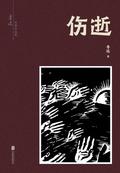 Sad and Dead
"Sorrow" written in 1925 is Mr. Lu Xun's only novel that reflects the love between young men and women. The author places the love story of a pair of young people in the dark feudal background that is still strong after the "May Fourth Movement" ebbs. Through their tragic fate, they imply that people should combine individual liberation with social liberation, and lead young people to seek a "new way of life", which has profound historical significance.
—Reads9.5Score—Shelves
Sad and Dead
"Sorrow" written in 1925 is Mr. Lu Xun's only novel that reflects the love between young men and women. The author places the love story of a pair of young people in the dark feudal background that is still strong after the "May Fourth Movement" ebbs. Through their tragic fate, they imply that people should combine individual liberation with social liberation, and lead young people to seek a "new way of life", which has profound historical significance.
—Reads9.5Score—Shelves
-
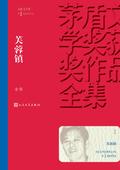 Furong Town (Complete Collection of Mao Dun Literature Award-Winning Works) (2019 Edition)
"Furong Town" is a novel written by Gu Hua in 1981. The author has included and condensed the people and things in the southern villages that he has been familiar with for more than 20 years into the book. It combines political situation with pictures of customs and people, uses the fate of the characters to play out the changes in rural life, and strives to write about the color and mood of life in the southern villages. The novel describes the social customs in southern China's rural areas fro
—Reads9.5Score—Shelves
Furong Town (Complete Collection of Mao Dun Literature Award-Winning Works) (2019 Edition)
"Furong Town" is a novel written by Gu Hua in 1981. The author has included and condensed the people and things in the southern villages that he has been familiar with for more than 20 years into the book. It combines political situation with pictures of customs and people, uses the fate of the characters to play out the changes in rural life, and strives to write about the color and mood of life in the southern villages. The novel describes the social customs in southern China's rural areas fro
—Reads9.5Score—Shelves
-
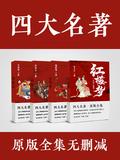 Four Great Classics: Original Complete Works Without Deletions
Collect them all at once and read them all! The most complete, authentic and classic feast of the four major masterpieces. "Four Great Masterpieces: The Original Complete Works Unabridged" covers four insurmountable peaks in the history of Chinese literature! Tired of the abridged and emasculated version? Eager to experience the full shock of the original work? We meet your ultimate expectations: [The most complete collection]: Four masterpieces, "Three Kingdoms", "Water Margin", "Journey to the
—Reads9.4Score—Shelves
Four Great Classics: Original Complete Works Without Deletions
Collect them all at once and read them all! The most complete, authentic and classic feast of the four major masterpieces. "Four Great Masterpieces: The Original Complete Works Unabridged" covers four insurmountable peaks in the history of Chinese literature! Tired of the abridged and emasculated version? Eager to experience the full shock of the original work? We meet your ultimate expectations: [The most complete collection]: Four masterpieces, "Three Kingdoms", "Water Margin", "Journey to the
—Reads9.4Score—Shelves
-
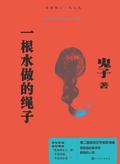 A Rope Made of Water
"A Rope Made of Water" is the first novel by Guizi, one of the famous "Three Musketeers of Guangxi". This is a love novel that turns decay into magic, just like the author said in the postscript that stir-frying pebbles with wine. What kind of rope is made of water? This can only be explained through the love and fate of the characters. The writer Guizi is a wizard who tells stories. His stories are always unique. His writing style is full of compassion and his details are touching. He knows whe
—Reads9.5Score—Shelves
A Rope Made of Water
"A Rope Made of Water" is the first novel by Guizi, one of the famous "Three Musketeers of Guangxi". This is a love novel that turns decay into magic, just like the author said in the postscript that stir-frying pebbles with wine. What kind of rope is made of water? This can only be explained through the love and fate of the characters. The writer Guizi is a wizard who tells stories. His stories are always unique. His writing style is full of compassion and his details are touching. He knows whe
—Reads9.5Score—Shelves
-
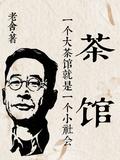 Teahouse: a Big Teahouse Is a Small Society
"Teahouse" is a three-act drama created in 1957 by Mr. Lao She, a master of modern Chinese literature and people's artist. It is known as a landmark classic in the history of Chinese drama and enjoys the reputation of "a miracle on the Oriental stage". With its grand historical vision, exquisite characterization, profound thematic implications and strong Beijing flavor, this work has become the pinnacle representative of Chinese realist drama. It is still frequently performed today, shocking gen
—Reads8.7Score—Shelves
Teahouse: a Big Teahouse Is a Small Society
"Teahouse" is a three-act drama created in 1957 by Mr. Lao She, a master of modern Chinese literature and people's artist. It is known as a landmark classic in the history of Chinese drama and enjoys the reputation of "a miracle on the Oriental stage". With its grand historical vision, exquisite characterization, profound thematic implications and strong Beijing flavor, this work has become the pinnacle representative of Chinese realist drama. It is still frequently performed today, shocking gen
—Reads8.7Score—Shelves
-
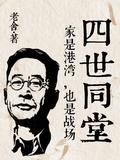 Four Generations Living Under One Roof: Home Is Both a Harbor and a Battlefield
"Four Generations Under One Roof" is a million-word masterpiece written by Mr. Lao She, a leading figure in modern Chinese literature. It can be called an immortal monument to Chinese Anti-Japanese War literature. The novel was written in the 1940s and consists of the trilogy "Confusion", "Stealing Life" and "Famine", which fully demonstrates the suffering, struggle, awakening and tenacity of the Chinese nation during the eight-year war of resistance against Japan. The novel takes the Xiaoyangqu
—Reads8.8Score—Shelves
Four Generations Living Under One Roof: Home Is Both a Harbor and a Battlefield
"Four Generations Under One Roof" is a million-word masterpiece written by Mr. Lao She, a leading figure in modern Chinese literature. It can be called an immortal monument to Chinese Anti-Japanese War literature. The novel was written in the 1940s and consists of the trilogy "Confusion", "Stealing Life" and "Famine", which fully demonstrates the suffering, struggle, awakening and tenacity of the Chinese nation during the eight-year war of resistance against Japan. The novel takes the Xiaoyangqu
—Reads8.8Score—Shelves
-
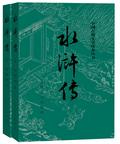 Water Margin (Chinese Classical Literature Reader Series)
"Water Margin" is my country's first chapter-length novel with the theme of peasant uprising. It is a towering monument in the history of Chinese literature and a dazzling pearl in the treasure house of world literature. For hundreds of years, it has been deeply loved by the people of our country and has been translated into many languages, becoming one of the most widely circulated ancient novels in our country. "Water Margin" concretely and vividly describes the entire process of the occurrenc
—Reads9.6Score—Shelves
Water Margin (Chinese Classical Literature Reader Series)
"Water Margin" is my country's first chapter-length novel with the theme of peasant uprising. It is a towering monument in the history of Chinese literature and a dazzling pearl in the treasure house of world literature. For hundreds of years, it has been deeply loved by the people of our country and has been translated into many languages, becoming one of the most widely circulated ancient novels in our country. "Water Margin" concretely and vividly describes the entire process of the occurrenc
—Reads9.6Score—Shelves
-
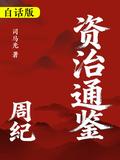 Zizhi Tongjian·zhou Ji (Vernacular Version)
"Zizhi Tongjian" is a grand chronicle of general history in ancient China. It was edited by Sima Guang of the Northern Song Dynasty and recorded a total of 1,362 years of history from the Warring States Period to the Five Dynasties. This book independently organizes the "Zhou Ji" part and completely translates it into modern vernacular, striving to be easy to understand and close to contemporary readers. This translation covers a total of five volumes of "Zhou Ji", from the 23rd year of King Wei
—Reads8.6Score—Shelves
Zizhi Tongjian·zhou Ji (Vernacular Version)
"Zizhi Tongjian" is a grand chronicle of general history in ancient China. It was edited by Sima Guang of the Northern Song Dynasty and recorded a total of 1,362 years of history from the Warring States Period to the Five Dynasties. This book independently organizes the "Zhou Ji" part and completely translates it into modern vernacular, striving to be easy to understand and close to contemporary readers. This translation covers a total of five volumes of "Zhou Ji", from the 23rd year of King Wei
—Reads8.6Score—Shelves
-
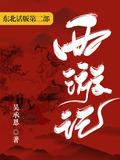 "Journey to the West" Northeastern Dialect Version (Part 2)
The last book mentioned that Tang Monk accepted three "Hu Chao" disciples, crossed the Liusha River, and saw that the Buddhist scripture collection team had gathered together, but the road ahead was called a "hole"! Let's continue talking about this second part! The four masters and apprentices continued to walk westward, and there was a lot of excitement along the way: Stealing ginseng fruit in Wuzhuang Temple, beating the White Bone Demon three times, encountering a yellow robe in Baoxiang Kin
—Reads8.6Score—Shelves
"Journey to the West" Northeastern Dialect Version (Part 2)
The last book mentioned that Tang Monk accepted three "Hu Chao" disciples, crossed the Liusha River, and saw that the Buddhist scripture collection team had gathered together, but the road ahead was called a "hole"! Let's continue talking about this second part! The four masters and apprentices continued to walk westward, and there was a lot of excitement along the way: Stealing ginseng fruit in Wuzhuang Temple, beating the White Bone Demon three times, encountering a yellow robe in Baoxiang Kin
—Reads8.6Score—Shelves
-
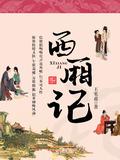 Romance of the West Chamber in Vernacular
[Vernacular version of an affectionate and tactful love story] The story tells the story of Zhang Sheng, a scholar during the Zhenyuan period of the Tang Dynasty, who met Yingying, the daughter of the late Cui Xiangguo, at Pujiu Temple and fell in love. Sun Feihu, the guard of Shiheqiao, surrounded the Pujiu Temple and forced Yingying to be his wife. Mrs. Cui made a wish in public: Anyone who retreated from the rebels would make a wish with Yingying. Zhang Shengchi sent a letter to his good frie
—Reads9.4Score—Shelves
Romance of the West Chamber in Vernacular
[Vernacular version of an affectionate and tactful love story] The story tells the story of Zhang Sheng, a scholar during the Zhenyuan period of the Tang Dynasty, who met Yingying, the daughter of the late Cui Xiangguo, at Pujiu Temple and fell in love. Sun Feihu, the guard of Shiheqiao, surrounded the Pujiu Temple and forced Yingying to be his wife. Mrs. Cui made a wish in public: Anyone who retreated from the rebels would make a wish with Yingying. Zhang Shengchi sent a letter to his good frie
—Reads9.4Score—Shelves
-
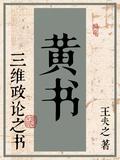 Yellow Book: a Book of Three-Dimensional Political Commentary
At the end of the Ming Dynasty and the beginning of the Qing Dynasty, the world collapsed. The great Confucian prince Fuzhi hid in the mountains of western Hunan and wrote the "Yellow Book" with blood and tears. This is not an ordinary classic, but a "rebellion manual" that has been banned by the Qing government for three hundred years. Every word is like a knife, piercing the Achilles' heel of all dynasties! There are eight chapters in the book, from "Original Stage" to "Post-Prologue". Wang Eu
—Reads8.6Score—Shelves
Yellow Book: a Book of Three-Dimensional Political Commentary
At the end of the Ming Dynasty and the beginning of the Qing Dynasty, the world collapsed. The great Confucian prince Fuzhi hid in the mountains of western Hunan and wrote the "Yellow Book" with blood and tears. This is not an ordinary classic, but a "rebellion manual" that has been banned by the Qing government for three hundred years. Every word is like a knife, piercing the Achilles' heel of all dynasties! There are eight chapters in the book, from "Original Stage" to "Post-Prologue". Wang Eu
—Reads8.6Score—Shelves
-
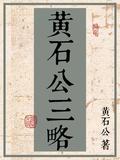 Huangshi Gong Sanlue
According to legend, it was passed down by Huang Shigong, a hermit in the late Qin Dynasty, that Zhang Liang assisted Liu Bang with his wisdom to establish the world, and was praised as "the essence of military strategy and the secret key of emperors' power". The whole book only has more than 4,800 words, but it contains infinite wisdom. It is divided into three volumes: "Upper Strategy", "Middle Strategy" and "Lower Strategy". It progresses layer by layer and points directly to the core princip
—Reads8.5Score—Shelves
Huangshi Gong Sanlue
According to legend, it was passed down by Huang Shigong, a hermit in the late Qin Dynasty, that Zhang Liang assisted Liu Bang with his wisdom to establish the world, and was praised as "the essence of military strategy and the secret key of emperors' power". The whole book only has more than 4,800 words, but it contains infinite wisdom. It is divided into three volumes: "Upper Strategy", "Middle Strategy" and "Lower Strategy". It progresses layer by layer and points directly to the core princip
—Reads8.5Score—Shelves
-
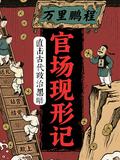 A Direct Look at the Political Darkness of Ancient Times: the Officialdom Revealed
"The Appearance of Officialdom" is the pioneer and representative work of condemnation novels in the late Qing Dynasty, written by the modern litterateur Li Boyuan. The book was written in 1988. With sharp writing and realistic techniques, this book profoundly exposes and criticizes the corruption, darkness and ugliness of the officialdom of the late Qing Dynasty. The structure of the book is composed of a series of relatively independent but interrelated stories. It lacks a consistent central c
—Reads8.7Score—Shelves
A Direct Look at the Political Darkness of Ancient Times: the Officialdom Revealed
"The Appearance of Officialdom" is the pioneer and representative work of condemnation novels in the late Qing Dynasty, written by the modern litterateur Li Boyuan. The book was written in 1988. With sharp writing and realistic techniques, this book profoundly exposes and criticizes the corruption, darkness and ugliness of the officialdom of the late Qing Dynasty. The structure of the book is composed of a series of relatively independent but interrelated stories. It lacks a consistent central c
—Reads8.7Score—Shelves
-
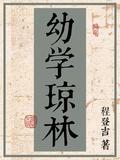 Kindergarten Qionglin
"Young Learning Qionglin" is a very influential classic of elementary school in ancient China, compiled by Ming Dynasty scholar Cheng Dengji. The book consists of four volumes. It systematically introduces knowledge in parallel prose on astronomy, geography, age, court, human relations, food and clothing, utensils, literary affairs, military duties, skills, religion, animals, plants and other aspects. It can be called an all-encompassing small encyclopedia of traditional culture. This book has e
—Reads8.6Score—Shelves
Kindergarten Qionglin
"Young Learning Qionglin" is a very influential classic of elementary school in ancient China, compiled by Ming Dynasty scholar Cheng Dengji. The book consists of four volumes. It systematically introduces knowledge in parallel prose on astronomy, geography, age, court, human relations, food and clothing, utensils, literary affairs, military duties, skills, religion, animals, plants and other aspects. It can be called an all-encompassing small encyclopedia of traditional culture. This book has e
—Reads8.6Score—Shelves
-
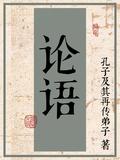 The Analects of Confucius
This is not an old book of sages, but a book of life that belongs to everyone. The exchanges between Confucius and his disciples have spanned thousands of years and are still enlightening - about how to study, how to behave, how to govern, and how to be a human being. This book contains twenty full texts of "The Analects of Confucius". From the original intention of learning to "learn from time to time" to the golden rule of "do not do to others what you do not want others to do to you"; from th
—Reads8.6Score—Shelves
The Analects of Confucius
This is not an old book of sages, but a book of life that belongs to everyone. The exchanges between Confucius and his disciples have spanned thousands of years and are still enlightening - about how to study, how to behave, how to govern, and how to be a human being. This book contains twenty full texts of "The Analects of Confucius". From the original intention of learning to "learn from time to time" to the golden rule of "do not do to others what you do not want others to do to you"; from th
—Reads8.6Score—Shelves
-
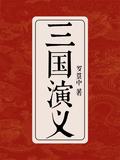 Romance of the Three Kingdoms (Original Text)
By reading this pinnacle work of Chinese classical literature, you will travel back in time to the end of the Eastern Han Dynasty, when wars were raging, and witness a legendary era in which heroes and warriors stood together and fought with each other. Luo Guanzhong depicts the thrilling political game and military showdown between the three kingdoms of Wei, Shu, and Wu with majestic brushstrokes - Zhuge Liang's ingenious straw boat borrowing arrows, Guan Yu's loyal and courageous riding alone
—Reads9.6Score—Shelves
Romance of the Three Kingdoms (Original Text)
By reading this pinnacle work of Chinese classical literature, you will travel back in time to the end of the Eastern Han Dynasty, when wars were raging, and witness a legendary era in which heroes and warriors stood together and fought with each other. Luo Guanzhong depicts the thrilling political game and military showdown between the three kingdoms of Wei, Shu, and Wu with majestic brushstrokes - Zhuge Liang's ingenious straw boat borrowing arrows, Guan Yu's loyal and courageous riding alone
—Reads9.6Score—Shelves
-
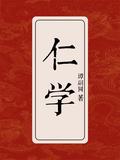 Benevolence
Tan Sitong's "The Study of Renxue" is not only a philosophical work, but also an ideological bomb thrown into late Qing society. On the eve of the collapse of the old order, he used the courage to "break through the snare" to break the boundaries between Confucianism, Buddhism, Taoism and Western learning, put forward the principle of "benevolence and communication as the first meaning", and called for communication between China and foreign countries, communication between superiors and subordi
—Reads8.5Score—Shelves
Benevolence
Tan Sitong's "The Study of Renxue" is not only a philosophical work, but also an ideological bomb thrown into late Qing society. On the eve of the collapse of the old order, he used the courage to "break through the snare" to break the boundaries between Confucianism, Buddhism, Taoism and Western learning, put forward the principle of "benevolence and communication as the first meaning", and called for communication between China and foreign countries, communication between superiors and subordi
—Reads8.5Score—Shelves
-
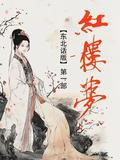 "A Dream of Red Mansions" Northeastern Dialect Version (Part 1)
When Lin Daiyu calls Baoyu "old iron", when Wang Xifeng becomes a "rascal", when the Twelve Hairpins of Jinling talk about the taste of big dirt... A world-famous book is just "bald"! The first part of the Northeastern dialect version of "Dream of Red Mansions" uses the most down-to-earth Northeastern flavor to hilariously restore the rich, romantic, and warm Rongning mansion described by Cao Gong. From the psychic jade turning into a "silly thing", to Grandma Liu going to the city to "beat the
—Reads8.6Score—Shelves
"A Dream of Red Mansions" Northeastern Dialect Version (Part 1)
When Lin Daiyu calls Baoyu "old iron", when Wang Xifeng becomes a "rascal", when the Twelve Hairpins of Jinling talk about the taste of big dirt... A world-famous book is just "bald"! The first part of the Northeastern dialect version of "Dream of Red Mansions" uses the most down-to-earth Northeastern flavor to hilariously restore the rich, romantic, and warm Rongning mansion described by Cao Gong. From the psychic jade turning into a "silly thing", to Grandma Liu going to the city to "beat the
—Reads8.6Score—Shelves
-
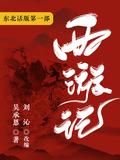 "Journey to the West" Northeastern Dialect Version (Part 1)
Chaos in the world is like a pot of muddy porridge? Pangu cracked open the jar with an ax? A monkey jumped out from the cracks in the rocks of Huaguo Mountain and ran all over the mountain. Can Gaga practice? The Jade Emperor put his head in the sky and slapped his thigh: "Oh my God, this little monkey is going to shake things up!" ——That's right! This is the "Journey to the West" that is both familiar to you and fresh to you! The smell of big dirt is so strong! All the gods and monsters are tal
—Reads9.6Score—Shelves
"Journey to the West" Northeastern Dialect Version (Part 1)
Chaos in the world is like a pot of muddy porridge? Pangu cracked open the jar with an ax? A monkey jumped out from the cracks in the rocks of Huaguo Mountain and ran all over the mountain. Can Gaga practice? The Jade Emperor put his head in the sky and slapped his thigh: "Oh my God, this little monkey is going to shake things up!" ——That's right! This is the "Journey to the West" that is both familiar to you and fresh to you! The smell of big dirt is so strong! All the gods and monsters are tal
—Reads9.6Score—Shelves
-
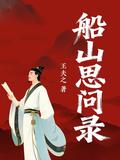 Chuanshan Thoughts and Questions
In the intertwined blood and fire of the Ming and Qing dynasties, an arrogant thinker used his pen as a sword to write the "Chuanshan Thoughts and Questions" that shocked the past and the present. Wang Fuzhi, the most profound philosophical master in the late Ming and early Qing dynasties, not only witnessed the collapse of a dynasty, but also single-handedly reconstructed the spiritual core of Confucianism. "Chuanshan Thoughts and Questions" is the crystallization of his thoughts in his later y
—Reads8.6Score—Shelves
Chuanshan Thoughts and Questions
In the intertwined blood and fire of the Ming and Qing dynasties, an arrogant thinker used his pen as a sword to write the "Chuanshan Thoughts and Questions" that shocked the past and the present. Wang Fuzhi, the most profound philosophical master in the late Ming and early Qing dynasties, not only witnessed the collapse of a dynasty, but also single-handedly reconstructed the spiritual core of Confucianism. "Chuanshan Thoughts and Questions" is the crystallization of his thoughts in his later y
—Reads8.6Score—Shelves
-
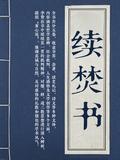 Continue to Burn Books
"Continued Burning Books" is one of the important works by Li Zhi, a famous thinker and writer in the Ming Dynasty. It is a sequel to "Book Burning". The book is divided into five volumes, including answers to questions, miscellaneous works, historical reading notes, poems and other literary styles, covering many aspects such as philosophical speculation, social criticism, life insights and literary creation. Li Zhi continued his consistent critical spirit in the book, conducted an in-depth anal
—Reads8.5Score—Shelves
Continue to Burn Books
"Continued Burning Books" is one of the important works by Li Zhi, a famous thinker and writer in the Ming Dynasty. It is a sequel to "Book Burning". The book is divided into five volumes, including answers to questions, miscellaneous works, historical reading notes, poems and other literary styles, covering many aspects such as philosophical speculation, social criticism, life insights and literary creation. Li Zhi continued his consistent critical spirit in the book, conducted an in-depth anal
—Reads8.5Score—Shelves
-
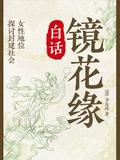 Flowers in the Vernacular Mirror: Exploring the Status of Women in Feudal Society
"Flowers in the Mirror", a masterpiece by Qing Dynasty literati Li Ruzhen, is a novel that combines myth, fantasy and social criticism. Through its unique narrative structure, this work unfolds a series of bizarre stories, profoundly revealing the various contradictions in society at that time. The first half of the novel uses the overseas travels of Tang Ao and Duo Jiugong as clues to lead everyone to visit the daughter country, the gentleman country, the wuchang country and other strange count
—Reads9.6Score—Shelves
Flowers in the Vernacular Mirror: Exploring the Status of Women in Feudal Society
"Flowers in the Mirror", a masterpiece by Qing Dynasty literati Li Ruzhen, is a novel that combines myth, fantasy and social criticism. Through its unique narrative structure, this work unfolds a series of bizarre stories, profoundly revealing the various contradictions in society at that time. The first half of the novel uses the overseas travels of Tang Ao and Duo Jiugong as clues to lead everyone to visit the daughter country, the gentleman country, the wuchang country and other strange count
—Reads9.6Score—Shelves
-
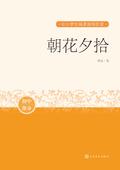 Picking up Flowers in the Morning and Evening (Reading Guide Catalog for Primary and Secondary School Students)
"Morning Blossoms Plucked at Dusk" is one of Mr. Lu Xun's most important prose collections and enjoys a high reputation in the history of modern Chinese prose. It contains more than ten essays such as "From Baicao Garden to Sanwei Bookstore" and "Mr. Fujino", and 12 works such as "Five Rampant Meeting" and "Mr. Fujino". They describe the author's childhood life and study process in his youth, express his nostalgia for his former relatives, friends and teachers, and mock the reactionary and conse
—Reads9.5Score—Shelves
Picking up Flowers in the Morning and Evening (Reading Guide Catalog for Primary and Secondary School Students)
"Morning Blossoms Plucked at Dusk" is one of Mr. Lu Xun's most important prose collections and enjoys a high reputation in the history of modern Chinese prose. It contains more than ten essays such as "From Baicao Garden to Sanwei Bookstore" and "Mr. Fujino", and 12 works such as "Five Rampant Meeting" and "Mr. Fujino". They describe the author's childhood life and study process in his youth, express his nostalgia for his former relatives, friends and teachers, and mock the reactionary and conse
—Reads9.5Score—Shelves
-
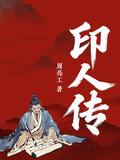 Biography of Indians
"The Biography of Seal Engravers", written by Zhou Lianggong, a beginner in the late Ming and Qing dynasties, is the first book in ancient China to systematically describe the life and art of a seal engraver. The book consists of three volumes. It collects biographies of more than a hundred seal makers from Wen Peng and He Zhen to the early Qing Dynasty. It also records their seal styles, social deeds, and artistic criticism. It is an important document for studying the history of seal cutting,
—Reads8.7Score—Shelves
Biography of Indians
"The Biography of Seal Engravers", written by Zhou Lianggong, a beginner in the late Ming and Qing dynasties, is the first book in ancient China to systematically describe the life and art of a seal engraver. The book consists of three volumes. It collects biographies of more than a hundred seal makers from Wen Peng and He Zhen to the early Qing Dynasty. It also records their seal styles, social deeds, and artistic criticism. It is an important document for studying the history of seal cutting,
—Reads8.7Score—Shelves
-
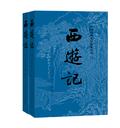 Journey to the West (Two Volumes)
"Journey to the West" mainly describes the story of Sun Wukong protecting Monk Tang from going to the West to obtain Buddhist scriptures and going through eighty-one hardships. Tang Monk's study of Buddhist scriptures is a real thing in history. About 1,300 years ago, in the first year of Zhenguan (627) of Emperor Taizong of the Tang Dynasty, Xuanzang, a 25-year-old young monk, left Chang'an, the capital, and went to Tianzhu (India) to study alone. After setting off from Chang'an, he passed thr
—Reads9.6Score—Shelves
Journey to the West (Two Volumes)
"Journey to the West" mainly describes the story of Sun Wukong protecting Monk Tang from going to the West to obtain Buddhist scriptures and going through eighty-one hardships. Tang Monk's study of Buddhist scriptures is a real thing in history. About 1,300 years ago, in the first year of Zhenguan (627) of Emperor Taizong of the Tang Dynasty, Xuanzang, a 25-year-old young monk, left Chang'an, the capital, and went to Tianzhu (India) to study alone. After setting off from Chang'an, he passed thr
—Reads9.6Score—Shelves
-
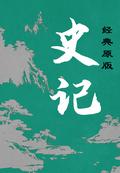 Historical Records (Classic Original Version)
This biographical general history is "the swan song of historians". It records more than 3,000 years of history from the ancient Yellow Emperor to the Taichu reign of Emperor Wu of the Han Dynasty. It is divided into five parts: epochs and aristocratic families. It is based on the purpose of "studying the relationship between heaven and man and understanding the changes in ancient and modern times." The characters are vividly depicted, the narrative is concise, and it has high historical and lit
—Reads9.1Score—Shelves
Historical Records (Classic Original Version)
This biographical general history is "the swan song of historians". It records more than 3,000 years of history from the ancient Yellow Emperor to the Taichu reign of Emperor Wu of the Han Dynasty. It is divided into five parts: epochs and aristocratic families. It is based on the purpose of "studying the relationship between heaven and man and understanding the changes in ancient and modern times." The characters are vividly depicted, the narrative is concise, and it has high historical and lit
—Reads9.1Score—Shelves
-
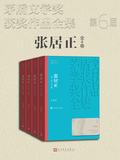 Zhang Juzheng: All 4 Volumes (Complete Collection of Mao Dun Literature Award-Winning Works) (2019 Edition)
Zhang Juzheng was a politician with extraordinary personality and a legendary figure who carried out reforms rigorously during the Wanli period of the Ming Dynasty and became famous in the annals of history. After he ascended to the position of chief minister, he managed the government for ten years: rectifying officialdom and refreshing the decadent trend; rectifying education to recruit talents who could help the world; reforming taxes and sorting out finances. He saved the ruins of the Zhu Mi
—Reads9.5Score—Shelves
Zhang Juzheng: All 4 Volumes (Complete Collection of Mao Dun Literature Award-Winning Works) (2019 Edition)
Zhang Juzheng was a politician with extraordinary personality and a legendary figure who carried out reforms rigorously during the Wanli period of the Ming Dynasty and became famous in the annals of history. After he ascended to the position of chief minister, he managed the government for ten years: rectifying officialdom and refreshing the decadent trend; rectifying education to recruit talents who could help the world; reforming taxes and sorting out finances. He saved the ruins of the Zhu Mi
—Reads9.5Score—Shelves
-
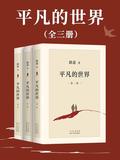 Ordinary World (All Three Volumes)
The crown jewel of the Mao Dun Literature Award, the immortal classic that has inspired hundreds of millions of readers, has been selected into the reading guide catalog for primary and secondary school students. This is a realistic novel and a fictionalized family history. The author highly condenses the historical change process of rural northwest China, and the work achieves a high degree of unity of ideology and artistry. In particular, the protagonist's spirit of hard struggle in the face o
—Reads9.6Score—Shelves
Ordinary World (All Three Volumes)
The crown jewel of the Mao Dun Literature Award, the immortal classic that has inspired hundreds of millions of readers, has been selected into the reading guide catalog for primary and secondary school students. This is a realistic novel and a fictionalized family history. The author highly condenses the historical change process of rural northwest China, and the work achieves a high degree of unity of ideology and artistry. In particular, the protagonist's spirit of hard struggle in the face o
—Reads9.6Score—Shelves
-
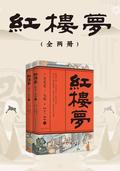 Dream of Red Mansions: All 2 Volumes
"A Dream of Red Mansions", also known as "The Story of the Stone" and "The Golden Marriage", is a chapter-style Chinese classical novel with global influence. It is a world-recognized novel about world affairs. It is also an encyclopedia of Chinese feudal society and a master of traditional culture. The novel takes the rise and fall of the four major families of Jia, Shi, Wang, and Xue as the background, and uses the family affairs of the Jia family and the leisure time in the boudoir as the con
—Reads9.5Score—Shelves
Dream of Red Mansions: All 2 Volumes
"A Dream of Red Mansions", also known as "The Story of the Stone" and "The Golden Marriage", is a chapter-style Chinese classical novel with global influence. It is a world-recognized novel about world affairs. It is also an encyclopedia of Chinese feudal society and a master of traditional culture. The novel takes the rise and fall of the four major families of Jia, Shi, Wang, and Xue as the background, and uses the family affairs of the Jia family and the leisure time in the boudoir as the con
—Reads9.5Score—Shelves
-
 Camel Xiangzi
"Camel Xiangzi" is set in old Peiping and describes the tragic experience of a rickshaw driver nicknamed "Camel" Xiangzi. It reflects the pain of the working people living at the bottom of the city and exposes the evils of the old society. This work centers on the main character Xiangzi, with two clues intersecting around Xiangzi's actions. One is Xiangzi's "pull a cart and buy his own cart". It tells how he worked hard and struggled to be a free driver, but in the end his hope was shattered and
—Reads9.4Score—Shelves
Camel Xiangzi
"Camel Xiangzi" is set in old Peiping and describes the tragic experience of a rickshaw driver nicknamed "Camel" Xiangzi. It reflects the pain of the working people living at the bottom of the city and exposes the evils of the old society. This work centers on the main character Xiangzi, with two clues intersecting around Xiangzi's actions. One is Xiangzi's "pull a cart and buy his own cart". It tells how he worked hard and struggled to be a free driver, but in the end his hope was shattered and
—Reads9.4Score—Shelves
-
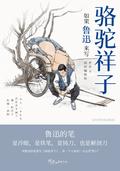 If Lu Xun Were to Write "Camel Xiangzi"
This is a story about a person being turned into an "animal" bit by bit. Xiangzi, an ordinary rickshaw puller in Peiping, was once young, strong, taciturn, and had a simple desire to "earn his breath." He lives frugally, hoping to buy a car of his own, where he can drive freely and live a clean life. He relied on the muscles and bones in his legs to feed himself, and relied on the hope in his heart to keep him going. However, a series of blows - soldiers robbed cars, tiger girls forced marriages
—Reads9.4Score—Shelves
If Lu Xun Were to Write "Camel Xiangzi"
This is a story about a person being turned into an "animal" bit by bit. Xiangzi, an ordinary rickshaw puller in Peiping, was once young, strong, taciturn, and had a simple desire to "earn his breath." He lives frugally, hoping to buy a car of his own, where he can drive freely and live a clean life. He relied on the muscles and bones in his legs to feed himself, and relied on the hope in his heart to keep him going. However, a series of blows - soldiers robbed cars, tiger girls forced marriages
—Reads9.4Score—Shelves
-
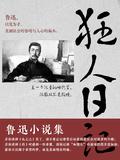 Diary of a Madman: a Collection of Novels by Lu Xun
If you want to wake up, you must first face the truth of "cannibalism". "Diary of a Madman" was the first thunder in the history of Chinese new literature. From then on, Lu Xun wrote like a knife, cutting into people's hearts and minds, revealing the bleakness of the world. The chapters included in the book are like a mirror, which reflects not only a person's soul, but also the ills of an era. Lu Xun used his pen as a scalpel to scrape bones and cure poison; between the lines, he wrote full of
—Reads9.4Score—Shelves
Diary of a Madman: a Collection of Novels by Lu Xun
If you want to wake up, you must first face the truth of "cannibalism". "Diary of a Madman" was the first thunder in the history of Chinese new literature. From then on, Lu Xun wrote like a knife, cutting into people's hearts and minds, revealing the bleakness of the world. The chapters included in the book are like a mirror, which reflects not only a person's soul, but also the ills of an era. Lu Xun used his pen as a scalpel to scrape bones and cure poison; between the lines, he wrote full of
—Reads9.4Score—Shelves
-
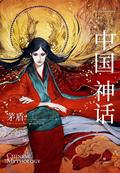 Chinese Mythology
A hundred years ago, Chinese mythology was scattered in pieces and unsystematic. Mr. Mao Dun made a bold exploration, In the vast sea of ancient books, the entire mythology has been sorted out. The research on Chinese mythology has just taken a real step! Mao Dun never believed that Chinese mythology was isolated; He compared it with Nordic and Greek mythology, We have researched the cosmology and mythological history that truly belong to China! This "Chinese Mythology" is the crystallization of
—Reads9.0Score—Shelves
Chinese Mythology
A hundred years ago, Chinese mythology was scattered in pieces and unsystematic. Mr. Mao Dun made a bold exploration, In the vast sea of ancient books, the entire mythology has been sorted out. The research on Chinese mythology has just taken a real step! Mao Dun never believed that Chinese mythology was isolated; He compared it with Nordic and Greek mythology, We have researched the cosmology and mythological history that truly belong to China! This "Chinese Mythology" is the crystallization of
—Reads9.0Score—Shelves
-
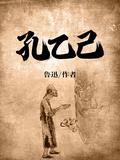 Kong Yiji
"Kong Yiji" is a short story written by Lu Xun in 1919 and included in the novel collection "The Scream". The story is set in the Xianheng Hotel, and tells the tragic fate of the down-and-out scholar Kong Yiji through the perspective of a bystander "I" (the boy). Kong Yiji was a victim of the imperial examination system. He talked a lot about "what's wrong", wore tattered gowns, and considered himself a "scholar". However, he was reduced to the margins of society because he was unable to obtain
—Reads9.3Score—Shelves
Kong Yiji
"Kong Yiji" is a short story written by Lu Xun in 1919 and included in the novel collection "The Scream". The story is set in the Xianheng Hotel, and tells the tragic fate of the down-and-out scholar Kong Yiji through the perspective of a bystander "I" (the boy). Kong Yiji was a victim of the imperial examination system. He talked a lot about "what's wrong", wore tattered gowns, and considered himself a "scholar". However, he was reduced to the margins of society because he was unable to obtain
—Reads9.3Score—Shelves
-
 One Sentence Is Worth Ten Thousand Sentences
"One Sentence is Worth Ten Thousand Sentences" is the masterpiece of the famous writer Liu Zhenyun. It is also Liu Zhenyun's most mature and generous work to date. It won the 8th Mao Dun Literature Award in 2011. The novel is divided into two parts. The first half, "Out of Yanjin", is about the past: Yang Baishun, the second son of the tofu seller Lao Yang, had a difficult time. He changed his name three times in his life: In order to find a living, he was converted by the Catholic priest Lao Je
—Reads9.6Score—Shelves
One Sentence Is Worth Ten Thousand Sentences
"One Sentence is Worth Ten Thousand Sentences" is the masterpiece of the famous writer Liu Zhenyun. It is also Liu Zhenyun's most mature and generous work to date. It won the 8th Mao Dun Literature Award in 2011. The novel is divided into two parts. The first half, "Out of Yanjin", is about the past: Yang Baishun, the second son of the tofu seller Lao Yang, had a difficult time. He changed his name three times in his life: In order to find a living, he was converted by the Catholic priest Lao Je
—Reads9.6Score—Shelves
-
 Four Great Classics
The four famous works include: "Journey to the West", "A Dream of Red Mansions", "Water Margin" and "The Romance of the Three Kingdoms". "Journey to the West" was compiled by Wu Cheng'en, a novelist of the Ming Dynasty, based on the popular stories of Tang Monk's Buddhist scriptures and related scripts and dramas. This masterpiece of novels about gods and demons begins with the birth of Sun Wukong and causes havoc in the Heavenly Palace. It is based on the story of Tang Monk and his disciples wh
—Reads9.6Score—Shelves
Four Great Classics
The four famous works include: "Journey to the West", "A Dream of Red Mansions", "Water Margin" and "The Romance of the Three Kingdoms". "Journey to the West" was compiled by Wu Cheng'en, a novelist of the Ming Dynasty, based on the popular stories of Tang Monk's Buddhist scriptures and related scripts and dramas. This masterpiece of novels about gods and demons begins with the birth of Sun Wukong and causes havoc in the Heavenly Palace. It is based on the story of Tang Monk and his disciples wh
—Reads9.6Score—Shelves
-
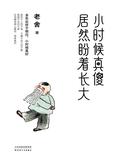 I Was so Stupid When I Was a Kid, Expecting to Grow Up
When I was a child, the watch painted on my hand did not move, but it took away our best time. Only when I grow up do I realize that the world of adults is never simple. But life is made up of all kinds of trivial things, which together make up our colorful life. Don't chase what you can't catch up with, don't let go of what doesn't belong to you, don't keep what you can't keep, life can't be so complicated, simplicity is better. This book is divided into 5 chapters, which respectively select Mr
—Reads9.4Score—Shelves
I Was so Stupid When I Was a Kid, Expecting to Grow Up
When I was a child, the watch painted on my hand did not move, but it took away our best time. Only when I grow up do I realize that the world of adults is never simple. But life is made up of all kinds of trivial things, which together make up our colorful life. Don't chase what you can't catch up with, don't let go of what doesn't belong to you, don't keep what you can't keep, life can't be so complicated, simplicity is better. This book is divided into 5 chapters, which respectively select Mr
—Reads9.4Score—Shelves
-
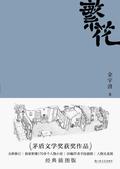 Flowers (Original TV Series Starring Hu Ge, Ma Yili, Tang Yan and Xin Zhilei)
The winning work of the 9th Mao Dun Literature Award is a masterpiece by the famous writer Jin Yucheng, which is known as "a museum of human feelings and the world." The TV series of the same name directed by Wong Kar-Wai and starring Hu Ge, Ma Yili, Tang Yan, and Xin Zhilei is currently in theaters. "Flowers" is a regional novel, and the characters' walks can be found to correspond to the "tangible" map. It is also a memory novel. The old dreams of teenagers in the 1960s radiate widely, and the
—Reads9.1Score—Shelves
Flowers (Original TV Series Starring Hu Ge, Ma Yili, Tang Yan and Xin Zhilei)
The winning work of the 9th Mao Dun Literature Award is a masterpiece by the famous writer Jin Yucheng, which is known as "a museum of human feelings and the world." The TV series of the same name directed by Wong Kar-Wai and starring Hu Ge, Ma Yili, Tang Yan, and Xin Zhilei is currently in theaters. "Flowers" is a regional novel, and the characters' walks can be found to correspond to the "tangible" map. It is also a memory novel. The old dreams of teenagers in the 1960s radiate widely, and the
—Reads9.1Score—Shelves
-
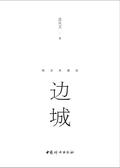 Border Town
"Border Town" is Shen Congwen's novel. It is one of all his works that expresses the beauty of human nature. It is also an excellent novel expressing local feelings in the history of Chinese literature. The novel is set in Chadong, a border town in the 1930s at the junction of Sichuan and Hunan. It takes the love tragedy of daughter Cuicui and her lover Nuosu as the main line. It depicts the simple worldly customs of the border town in western Hunan with beautiful writing style that combines lyr
—Reads9.5Score—Shelves
Border Town
"Border Town" is Shen Congwen's novel. It is one of all his works that expresses the beauty of human nature. It is also an excellent novel expressing local feelings in the history of Chinese literature. The novel is set in Chadong, a border town in the 1930s at the junction of Sichuan and Hunan. It takes the love tragedy of daughter Cuicui and her lover Nuosu as the main line. It depicts the simple worldly customs of the border town in western Hunan with beautiful writing style that combines lyr
—Reads9.5Score—Shelves
-
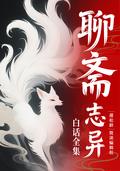 Strange Stories from a Chinese Studio (Complete Works in Vernacular)
"Strange Stories from a Chinese Studio" is the pinnacle of ancient Chinese fantasy novels and is known as a treasure of Qing Dynasty literature. Written with passion by Pu Songling, this collection of short stories in classical Chinese demonstrates his extraordinary imagination and sharp social insights. This version is written in easy-to-understand vernacular, so even readers with zero basic knowledge can easily appreciate the wonderful world. "Strange Stories from a Chinese Studio" contains ne
—Reads9.6Score—Shelves
Strange Stories from a Chinese Studio (Complete Works in Vernacular)
"Strange Stories from a Chinese Studio" is the pinnacle of ancient Chinese fantasy novels and is known as a treasure of Qing Dynasty literature. Written with passion by Pu Songling, this collection of short stories in classical Chinese demonstrates his extraordinary imagination and sharp social insights. This version is written in easy-to-understand vernacular, so even readers with zero basic knowledge can easily appreciate the wonderful world. "Strange Stories from a Chinese Studio" contains ne
—Reads9.6Score—Shelves
-
 West Lake Stories
A lake of mist and rain, sixteen eternal legends! Here are Ge Hong, who cultivated immortality, and Bai Juyi and Su Dongpo, who managed floods for the people; There are Yue Fei and Yu Qian who are loyal and loyal for thousands of years, and there is Jigong who is crazy and saves the world; There is Su Xiaoxiao, who is of peerless elegance, and White Snake, who is infatuated with Broken Bridge; There is the promise of reincarnation on the Sansheng Stone, and there is the seclusion of Gushan Mei's
—Reads8.7Score—Shelves
West Lake Stories
A lake of mist and rain, sixteen eternal legends! Here are Ge Hong, who cultivated immortality, and Bai Juyi and Su Dongpo, who managed floods for the people; There are Yue Fei and Yu Qian who are loyal and loyal for thousands of years, and there is Jigong who is crazy and saves the world; There is Su Xiaoxiao, who is of peerless elegance, and White Snake, who is infatuated with Broken Bridge; There is the promise of reincarnation on the Sansheng Stone, and there is the seclusion of Gushan Mei's
—Reads8.7Score—Shelves
-
 Protagonist (Two Volumes)
"The Protagonist" is a touching book of destiny. The author uses solid and delicate writing to vividly describe the ups and downs, ups and downs, ups and downs of the famous Qin Opera singer Qin E's life in the past half century, and its complex relationship with the ups and downs of Qin Opera and big history. During this period, the fate of all kinds of people in the era of transformation is endless, vividly displayed on the page, which is both thought-provoking and saddening. The rich and comp
—Reads9.6Score—Shelves
Protagonist (Two Volumes)
"The Protagonist" is a touching book of destiny. The author uses solid and delicate writing to vividly describe the ups and downs, ups and downs, ups and downs of the famous Qin Opera singer Qin E's life in the past half century, and its complex relationship with the ups and downs of Qin Opera and big history. During this period, the fate of all kinds of people in the era of transformation is endless, vividly displayed on the page, which is both thought-provoking and saddening. The rich and comp
—Reads9.6Score—Shelves
-
 A Dream of Red Mansions (Original Version)
"A Dream of Red Mansions" is the first of the four classic Chinese classics. It was written by the Qing Dynasty writer Cao Xueqin. The last forty chapters are generally believed to be continued by Gao E. This chapter-style novel is based on the rise and fall of the four major families of Jia, Shi, Wang, and Xue, with the love and marriage tragedies of Jia Baoyu, Lin Daiyu, and Xue Baochai as the main line. It describes the life of China's feudal society in the first half of the 18th century from
—Reads9.7Score—Shelves
A Dream of Red Mansions (Original Version)
"A Dream of Red Mansions" is the first of the four classic Chinese classics. It was written by the Qing Dynasty writer Cao Xueqin. The last forty chapters are generally believed to be continued by Gao E. This chapter-style novel is based on the rise and fall of the four major families of Jia, Shi, Wang, and Xue, with the love and marriage tragedies of Jia Baoyu, Lin Daiyu, and Xue Baochai as the main line. It describes the life of China's feudal society in the first half of the 18th century from
—Reads9.7Score—Shelves
-
 A Dream of Red Mansions (Vernacular Version)
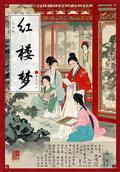
"Dream of Red Mansions" is known as the first of the four famous works of Chinese classical literature, and is also called "the encyclopedia of feudal society" and "the pinnacle work in the history of literature." The version published this time is written in vernacular, which can be easily understood by readers with no basic knowledge. Through the rise and fall of the Jia family, the book describes the complex interpersonal relationships, social customs, and economic systems within the feudal f
—Reads9.6Score—Shelves
A Dream of Red Mansions (Vernacular Version)
"Dream of Red Mansions" is known as the first of the four famous works of Chinese classical literature, and is also called "the encyclopedia of feudal society" and "the pinnacle work in the history of literature." The version published this time is written in vernacular, which can be easily understood by readers with no basic knowledge. Through the rise and fall of the Jia family, the book describes the complex interpersonal relationships, social customs, and economic systems within the feudal f
—Reads9.6Score—Shelves
-
 Water Margin: Hao Lan Leads Hundreds of CV Performers, Suitable for Students and All People
"Water Margin", one of China's four famous novels, is a chapter-length novel with the Songjiang Uprising in the late Northern Song Dynasty as the main story background and a heroic legend in genre. The book artistically reflects the entire process of the Songjiang Uprising in Chinese history from its occurrence, development, and failure by describing the heroes of Liangshan who resisted oppression, the growth of Liangshan, and their recruitment by the Song Dynasty.
—Reads8.5Score—Shelves
Water Margin: Hao Lan Leads Hundreds of CV Performers, Suitable for Students and All People
"Water Margin", one of China's four famous novels, is a chapter-length novel with the Songjiang Uprising in the late Northern Song Dynasty as the main story background and a heroic legend in genre. The book artistically reflects the entire process of the Songjiang Uprising in Chinese history from its occurrence, development, and failure by describing the heroes of Liangshan who resisted oppression, the growth of Liangshan, and their recruitment by the Song Dynasty.
—Reads8.5Score—Shelves
-
 Water Margin
The book artistically reflects the entire process of the Songjiang Uprising in Chinese history from its occurrence, development, and failure by describing the heroes of Liangshan who resisted oppression, the growth of Liangshan, and their surrender to the imperial court. After surrendering to the imperial court, they suppressed the political forces of Tian Hu, Wang Qing, and Fang La who resisted the Song Dynasty government, and finally led to tragic failure. The book artistically reflects the en
—Reads9.3Score—Shelves
Water Margin
The book artistically reflects the entire process of the Songjiang Uprising in Chinese history from its occurrence, development, and failure by describing the heroes of Liangshan who resisted oppression, the growth of Liangshan, and their surrender to the imperial court. After surrendering to the imperial court, they suppressed the political forces of Tian Hu, Wang Qing, and Fang La who resisted the Song Dynasty government, and finally led to tragic failure. The book artistically reflects the en
—Reads9.3Score—Shelves
-
 Romance of the Three Kingdoms: 3 Volumes (Collection of Chinese Classical Novels: Illustrated Edition)
The classic novel "The Romance of the Three Kingdoms" begins with the Yellow Turban Rebellion of Emperor Ling of the Han Dynasty and ends with the reunification of the Three Kingdoms in the Western Jin Dynasty. It describes the major historical events and the activities of historical figures for more than ninety years, shows the historical picture of the rise and fall of the Three Kingdoms, vividly reproduces this tumultuous historical era, and vividly reveals the intrigues and struggles for pow
—Reads9.5Score—Shelves
Romance of the Three Kingdoms: 3 Volumes (Collection of Chinese Classical Novels: Illustrated Edition)
The classic novel "The Romance of the Three Kingdoms" begins with the Yellow Turban Rebellion of Emperor Ling of the Han Dynasty and ends with the reunification of the Three Kingdoms in the Western Jin Dynasty. It describes the major historical events and the activities of historical figures for more than ninety years, shows the historical picture of the rise and fall of the Three Kingdoms, vividly reproduces this tumultuous historical era, and vividly reveals the intrigues and struggles for pow
—Reads9.5Score—Shelves
-
 Journey to the West
"Journey to the West" is one of the four classic Chinese classics. It is the first romantic novel about gods and demons in ancient China written by the Ming Dynasty novelist Wu Cheng'en. It mainly describes the story of Sun Wukong, Zhu Bajie, Sha Monk, and Bai Longma who protected Monk Tang on his journey to the west to obtain scriptures during the Zhenguan period. They encountered eighty-one difficulties along the way. ("The Records of the Western Regions of the Tang Dynasty" and "The Biography
—Reads9.5Score—Shelves
Journey to the West
"Journey to the West" is one of the four classic Chinese classics. It is the first romantic novel about gods and demons in ancient China written by the Ming Dynasty novelist Wu Cheng'en. It mainly describes the story of Sun Wukong, Zhu Bajie, Sha Monk, and Bai Longma who protected Monk Tang on his journey to the west to obtain scriptures during the Zhenguan period. They encountered eighty-one difficulties along the way. ("The Records of the Western Regions of the Tang Dynasty" and "The Biography
—Reads9.5Score—Shelves
-
 Journey to the West
The whole book mainly describes the story of Sun Wukong after he was born and caused havoc in the Heavenly Palace. He met Tang Monk, Zhu Bajie and Sha Monk. He traveled west to obtain Buddhist scriptures and conquered demons along the way. After going through eighty-one hardships, he finally reached the Western Heaven and met the Tathagata Buddha, and finally the Five Sages came true.
—Reads9.6Score—Shelves
Journey to the West
The whole book mainly describes the story of Sun Wukong after he was born and caused havoc in the Heavenly Palace. He met Tang Monk, Zhu Bajie and Sha Monk. He traveled west to obtain Buddhist scriptures and conquered demons along the way. After going through eighty-one hardships, he finally reached the Western Heaven and met the Tathagata Buddha, and finally the Five Sages came true.
—Reads9.6Score—Shelves
-
 Continuation of Dream of Red Mansions
"Continuation of Dream of Red Mansions" is a continuation of Dream of Red Mansions written by Qin Zichen in the Qing Dynasty. The book has a total of thirty volumes and about 300,000 words. The work follows the 120th chapter of the original work "A Dream of Red Mansions" by Cao Xueqin. It begins with Lin Daiyu's soul returning to the illusion of Taixu. It narrates the story of Jia Baoyu and Liu Xianglian practicing Taoism, traveling through Taixu and the underworld, and finally reunited with Dai
—Reads8.7Score—Shelves
Continuation of Dream of Red Mansions
"Continuation of Dream of Red Mansions" is a continuation of Dream of Red Mansions written by Qin Zichen in the Qing Dynasty. The book has a total of thirty volumes and about 300,000 words. The work follows the 120th chapter of the original work "A Dream of Red Mansions" by Cao Xueqin. It begins with Lin Daiyu's soul returning to the illusion of Taixu. It narrates the story of Jia Baoyu and Liu Xianglian practicing Taoism, traveling through Taixu and the underworld, and finally reunited with Dai
—Reads8.7Score—Shelves