Fanqie library
Browse
- Titles
- 19
Every Fanqie book we index, searchable by title, author or tag.
-
 Camus's Masterpieces (All Four Volumes)
Nobel Prize-winning master Camus's debut novel + classic masterpiece! Camus's observation of the absurd world and thoughts on the meaning of life originated from his debut novel "The Happy Death", and are in-depth and complete in "The Stranger", "The Plague" and "The Myth of Sisyphus"! This time I thoroughly understood Camus! "The Outsider" Meursault, a clerk in the company, was accused of murder in court, but was eventually sentenced to death because he "did not cry when his mother was buried."
1.8kReads9.4Score651Shelves
Camus's Masterpieces (All Four Volumes)
Nobel Prize-winning master Camus's debut novel + classic masterpiece! Camus's observation of the absurd world and thoughts on the meaning of life originated from his debut novel "The Happy Death", and are in-depth and complete in "The Stranger", "The Plague" and "The Myth of Sisyphus"! This time I thoroughly understood Camus! "The Outsider" Meursault, a clerk in the company, was accused of murder in court, but was eventually sentenced to death because he "did not cry when his mother was buried."
1.8kReads9.4Score651Shelves
-
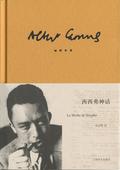 **
"The Myth of Sisyphus" is one of the masterpieces of Camus, the French existentialist master. It is Camus's most in-depth and concentrated investigation and most thorough and clear explanation of the philosophy of absurdity. Sisyphus, a Greek mythological figure who pushes rocks up mountains and performs never-ending hard labor, is undoubtedly the most vivid symbol of the absurdity of human existence; but at the same time, he is also a great example for human beings to not despair or be depresse
537Reads5.8Score171Shelves
**
"The Myth of Sisyphus" is one of the masterpieces of Camus, the French existentialist master. It is Camus's most in-depth and concentrated investigation and most thorough and clear explanation of the philosophy of absurdity. Sisyphus, a Greek mythological figure who pushes rocks up mountains and performs never-ending hard labor, is undoubtedly the most vivid symbol of the absurdity of human existence; but at the same time, he is also a great example for human beings to not despair or be depresse
537Reads5.8Score171Shelves
-
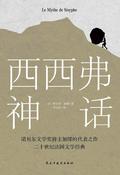 The Myth of Sisyphus
"The Myth of Sisyphus" brings together four articles - "The Myth of Sisyphus", "Absurd Reasoning", "Absurd Man" and "Absurd Creation", which show the author's most in-depth investigation and most thorough explanation of the philosophy of absurdity. In this collection of essays, the author discusses a series of important philosophical propositions such as death and resistance, happiness and tragedy, existence and salvation, and the absurdity and absurdity of life. Among them, the ancient mythical
203Reads9.5Score—Shelves
The Myth of Sisyphus
"The Myth of Sisyphus" brings together four articles - "The Myth of Sisyphus", "Absurd Reasoning", "Absurd Man" and "Absurd Creation", which show the author's most in-depth investigation and most thorough explanation of the philosophy of absurdity. In this collection of essays, the author discusses a series of important philosophical propositions such as death and resistance, happiness and tragedy, existence and salvation, and the absurdity and absurdity of life. Among them, the ancient mythical
203Reads9.5Score—Shelves
-
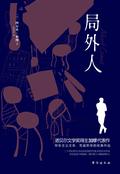 Outsider
"The Outsider" creates a shocking image of an absurd man. The protagonist Meursault is a company employee who is indifferent to everything. In his eyes, all the duties and virtues that formed the moral code of those around him were but a disappointing burden, and he ignored them; even the death of his mother did not cause him much pain. His heart was very empty, and he was at a loss as if he had lost his soul. He had no desire or pursuit, so much so that he blindly shot at Arabs on the beach and
173Reads8.8Score—Shelves
Outsider
"The Outsider" creates a shocking image of an absurd man. The protagonist Meursault is a company employee who is indifferent to everything. In his eyes, all the duties and virtues that formed the moral code of those around him were but a disappointing burden, and he ignored them; even the death of his mother did not cause him much pain. His heart was very empty, and he was at a loss as if he had lost his soul. He had no desire or pursuit, so much so that he blindly shot at Arabs on the beach and
173Reads8.8Score—Shelves
-
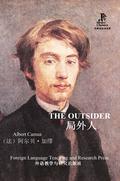 Outsiders (Foreign Language Research Press Bilingual Library)
As a representative work of existential literature, "The Outsider" vividly embodies the concept of "absurdity" in existential philosophy: due to the separation of man and the world, the world is absurd and meaningless to people, and people are powerless against the absurd world, so they have no hope and are indifferent to everything. The book is divided into two parts. The first part begins with the death of Meursault's mother and ends with him killing the Arabs on the beach. It is a story narra
14Reads8.3Score—Shelves
Outsiders (Foreign Language Research Press Bilingual Library)
As a representative work of existential literature, "The Outsider" vividly embodies the concept of "absurdity" in existential philosophy: due to the separation of man and the world, the world is absurd and meaningless to people, and people are powerless against the absurd world, so they have no hope and are indifferent to everything. The book is divided into two parts. The first part begins with the death of Meursault's mother and ends with him killing the Arabs on the beach. It is a story narra
14Reads8.3Score—Shelves
-
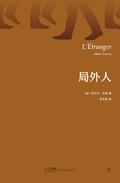 Outsider (Chuangmei Library)
"The Stranger" is Camus' famous work, a masterpiece of existential literature, and a representative work of absurd novels. The novel tells the story of an ordinary young clerk who lives numbly in aimless inertia all day long. One day he goes to the beach for vacation, gets involved in a conflict and commits a murder. Because "he did not shed tears at his mother's funeral", he is sentenced to death by the court in the name of "the French people". The novel elaborates on an important proposition o
1Reads8.4Score—Shelves
Outsider (Chuangmei Library)
"The Stranger" is Camus' famous work, a masterpiece of existential literature, and a representative work of absurd novels. The novel tells the story of an ordinary young clerk who lives numbly in aimless inertia all day long. One day he goes to the beach for vacation, gets involved in a conflict and commits a murder. Because "he did not shed tears at his mother's funeral", he is sentenced to death by the court in the name of "the French people". The novel elaborates on an important proposition o
1Reads8.4Score—Shelves
-
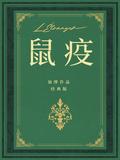 Plague (Classic Edition)
This existentialist classic takes the outbreak of plague in Oran as the background and tells the story of the efforts of doctor Rieux, journalist Rambert and others to fight the plague. The plague is not only a physical disease, but also a symbol of absurd fate and the test of human nature. The novel explores the meaning of existence and the human spirit of resistance through people's choices in disasters - persistence and escape, despair and resistance. The text is calm and restrained, but it h
—Reads8.9Score—Shelves
Plague (Classic Edition)
This existentialist classic takes the outbreak of plague in Oran as the background and tells the story of the efforts of doctor Rieux, journalist Rambert and others to fight the plague. The plague is not only a physical disease, but also a symbol of absurd fate and the test of human nature. The novel explores the meaning of existence and the human spirit of resistance through people's choices in disasters - persistence and escape, despair and resistance. The text is calm and restrained, but it h
—Reads8.9Score—Shelves
-
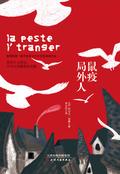 Plague · Outsider
This book collects the two most famous novels of the literary master Camus, "The Plague" and "The Stranger". "The Plague" is one of Camus's most important masterpieces. It describes the story of a large number of people represented by the protagonist Dr. Rieux who struggled to fight against the plague after an outbreak of plague in a city called Oran in North Africa. "The Stranger" is Camus' famous work. It can be called one of the most epoch-making novels in the Western literary world in the 20
—Reads8.6Score—Shelves
Plague · Outsider
This book collects the two most famous novels of the literary master Camus, "The Plague" and "The Stranger". "The Plague" is one of Camus's most important masterpieces. It describes the story of a large number of people represented by the protagonist Dr. Rieux who struggled to fight against the plague after an outbreak of plague in a city called Oran in North Africa. "The Stranger" is Camus' famous work. It can be called one of the most epoch-making novels in the Western literary world in the 20
—Reads8.6Score—Shelves
-
 Caligula (The Complete Works of Camus)
"Caligula" includes two parts: Camus's dramatic works and Camus's theory of drama. Camus's drama works include five works: "Caligula", "The Misunderstanding", "Martial Law", "The Just" and "The Rebellion of Asturias". "Caligula" is Camus's very violent impact on the issue of human existence.
—Reads9.0Score—Shelves
Caligula (The Complete Works of Camus)
"Caligula" includes two parts: Camus's dramatic works and Camus's theory of drama. Camus's drama works include five works: "Caligula", "The Misunderstanding", "Martial Law", "The Just" and "The Rebellion of Asturias". "Caligula" is Camus's very violent impact on the issue of human existence.
—Reads9.0Score—Shelves
-
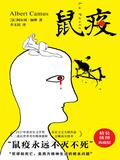 Plague
"SARS" in 2002, "COVID-19" in 2020... Whenever a disaster strikes, "Plague" will always be an explosive hit. Because people can always marvel at Camus's amazing foresight when reading "The Plague". Whether it is the social fragmentation caused by everyone's self-protection, the chaos and anxiety caused by rumors, the consideration and impact of strict control on humanity, or the alarming regression of globalization caused by the need for security exceeding the need for development, they are all
—Reads8.8Score—Shelves
Plague
"SARS" in 2002, "COVID-19" in 2020... Whenever a disaster strikes, "Plague" will always be an explosive hit. Because people can always marvel at Camus's amazing foresight when reading "The Plague". Whether it is the social fragmentation caused by everyone's self-protection, the chaos and anxiety caused by rumors, the consideration and impact of strict control on humanity, or the alarming regression of globalization caused by the need for security exceeding the need for development, they are all
—Reads8.8Score—Shelves
-
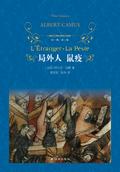 The Outsider Plague (Classic Translation)
"The Stranger" is a novella written by French writer Albert Camus. By creating the image of Morsot, an "outsider" who behaves shockingly and speaks deviantly, it fully reveals the absurdity of the world and the opposition between man and society. "The Plague" is an important work by Camus. By describing the story of a large number of people represented by the protagonist Dr. Rieux struggling to fight after the plague broke out in a city called Oran in North Africa, it vividly demonstrates the sp
—Reads9.1Score—Shelves
The Outsider Plague (Classic Translation)
"The Stranger" is a novella written by French writer Albert Camus. By creating the image of Morsot, an "outsider" who behaves shockingly and speaks deviantly, it fully reveals the absurdity of the world and the opposition between man and society. "The Plague" is an important work by Camus. By describing the story of a large number of people represented by the protagonist Dr. Rieux struggling to fight after the plague broke out in a city called Oran in North Africa, it vividly demonstrates the sp
—Reads9.1Score—Shelves
-
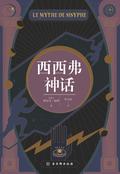 The Myth of Sisyphus
"The Myth of Sisyphus" is a collection of philosophical essays by Camus. The book is divided into three parts and conducts in-depth philosophical discussions on absurdity, suicide and other philosophical issues. In addition, the book includes a comprehensive chronology of Camus's life and creation, a special preface by Camus to the American edition, and a special supplement of "Hope and Absurdity in the Works of Franz Kafka" from 1943. The whole book expresses that after facing the absurdity of
—Reads9.3Score—Shelves
The Myth of Sisyphus
"The Myth of Sisyphus" is a collection of philosophical essays by Camus. The book is divided into three parts and conducts in-depth philosophical discussions on absurdity, suicide and other philosophical issues. In addition, the book includes a comprehensive chronology of Camus's life and creation, a special preface by Camus to the American edition, and a special supplement of "Hope and Absurdity in the Works of Franz Kafka" from 1943. The whole book expresses that after facing the absurdity of
—Reads9.3Score—Shelves
-
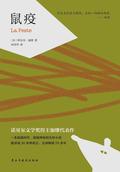 Plague
"The Plague" takes place in Oran, a small city in North Africa. It is an ordinary and peaceful city. However, the arrival of the plague broke this calm. One night in April, Dr. Rieux was walking out of the clinic when he stumbled over a dead rat. He didn't pay much attention at first. A few days later, tens of thousands of rats died en masse, and the drains were filled with dead rats. A wave of panic swept through the city. Immediately afterwards, Rieux discovered the first patient, who had symp
—Reads9.5Score—Shelves
Plague
"The Plague" takes place in Oran, a small city in North Africa. It is an ordinary and peaceful city. However, the arrival of the plague broke this calm. One night in April, Dr. Rieux was walking out of the clinic when he stumbled over a dead rat. He didn't pay much attention at first. A few days later, tens of thousands of rats died en masse, and the drains were filled with dead rats. A wave of panic swept through the city. Immediately afterwards, Rieux discovered the first patient, who had symp
—Reads9.5Score—Shelves
-
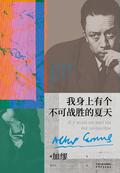 There Is an Invincible Summer in Me (Gomai Classic)
[Selected 14 essays, with gorgeous and beautiful language, embracing the passion of life while facing absurdity. "There is an Invincible Summer in Me" is a collection of essays by Camus. The creation spans nearly 20 years (1935-1953), and is Camus' literary experimental field from youth to ideological maturity. This book selects 14 of Camus's essays. In these chapters, Camus uses the living scenes of the slums of Algiers as anatomical samples, juxtaposing death and poverty with the sun and the
—Reads9.5Score—Shelves
There Is an Invincible Summer in Me (Gomai Classic)
[Selected 14 essays, with gorgeous and beautiful language, embracing the passion of life while facing absurdity. "There is an Invincible Summer in Me" is a collection of essays by Camus. The creation spans nearly 20 years (1935-1953), and is Camus' literary experimental field from youth to ideological maturity. This book selects 14 of Camus's essays. In these chapters, Camus uses the living scenes of the slums of Algiers as anatomical samples, juxtaposing death and poverty with the sun and the
—Reads9.5Score—Shelves
-
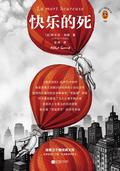 Happy Death
Mersault, a clerk in the company, does boring work day after day and leads an unchanging life. He is lonely, nihilistic, and has no interest in the entire world. After orchestrating a murder, he gained vast wealth and was able to escape his eight-hour day job, becoming rich and free. Start traveling and traveling around... Can you be happy with money? Can you be happy if you have time? Can you be happy with a lover and love? How can we truly feel self-satisfaction and happiness? Mersault continu
—Reads9.3Score—Shelves
Happy Death
Mersault, a clerk in the company, does boring work day after day and leads an unchanging life. He is lonely, nihilistic, and has no interest in the entire world. After orchestrating a murder, he gained vast wealth and was able to escape his eight-hour day job, becoming rich and free. Start traveling and traveling around... Can you be happy with money? Can you be happy if you have time? Can you be happy with a lover and love? How can we truly feel self-satisfaction and happiness? Mersault continu
—Reads9.3Score—Shelves
-
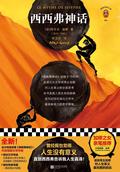 The Myth of Sisyphus
Recommended version personally written by Camus's daughter! I used to feel that life was meaningless, until Sisyphus told me the true meaning of life! Nobel Prize winner Camus's masterpiece, a book of life written for "workers"! Sisyphus in Greek mythology kept pushing the boulder to the top of the mountain, and the boulder rolled back down again. This became a symbol of human life in an essay by Camus. However, according to Camus's explanation, the struggle of pushing the stone up the mountain
—Reads9.4Score—Shelves
The Myth of Sisyphus
Recommended version personally written by Camus's daughter! I used to feel that life was meaningless, until Sisyphus told me the true meaning of life! Nobel Prize winner Camus's masterpiece, a book of life written for "workers"! Sisyphus in Greek mythology kept pushing the boulder to the top of the mountain, and the boulder rolled back down again. This became a symbol of human life in an essay by Camus. However, according to Camus's explanation, the struggle of pushing the stone up the mountain
—Reads9.4Score—Shelves
-
 Collection of Nobel Prize in Literature Works (Set of 5 Volumes in Total)
This set includes five Nobel Prize-winning works: "The most beautiful thing in the world is pure joy", "All maverick people mean strength", "Why people live", "The meaning of life" and "The food of the world". "The Best Beauty in the World Is Pure Joy" is a collection of essays about the philosophy of life. It is the most essential nutrient condensed from his rich life journey, and it is the most dazzling brilliance in life. The book "All Mavericks Mean Power" covers Camus's important works thro
—Reads9.4Score—Shelves
Collection of Nobel Prize in Literature Works (Set of 5 Volumes in Total)
This set includes five Nobel Prize-winning works: "The most beautiful thing in the world is pure joy", "All maverick people mean strength", "Why people live", "The meaning of life" and "The food of the world". "The Best Beauty in the World Is Pure Joy" is a collection of essays about the philosophy of life. It is the most essential nutrient condensed from his rich life journey, and it is the most dazzling brilliance in life. The book "All Mavericks Mean Power" covers Camus's important works thro
—Reads9.4Score—Shelves
-
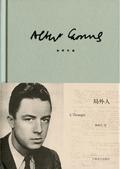 Outsider
"The Stranger" is one of Camus' famous and representative novels. It can be called one of the most epoch-making and famous novels in the entire Western literary world in the 20th century. "The Outsider" has thus become one of the most classic characters and one of the most important keywords in Western literature and philosophy.
—Reads9.4Score—Shelves
Outsider
"The Stranger" is one of Camus' famous and representative novels. It can be called one of the most epoch-making and famous novels in the entire Western literary world in the 20th century. "The Outsider" has thus become one of the most classic characters and one of the most important keywords in Western literature and philosophy.
—Reads9.4Score—Shelves
-
 Outsider
"The Stranger" is one of the masterpieces of Nobel Prize winner Albert Camus. The book tells the story of a young man who is indifferent to the outside world and has no pursuit of life. He accidentally got involved in a conflict while on vacation at the beach, committed murder, and had to go to court. He was eventually sentenced to death for not shedding tears at his mother's funeral. The whole book uses a first-person narrative technique to strongly contrast the protagonist's inner activities w
—Reads9.5Score—Shelves
Outsider
"The Stranger" is one of the masterpieces of Nobel Prize winner Albert Camus. The book tells the story of a young man who is indifferent to the outside world and has no pursuit of life. He accidentally got involved in a conflict while on vacation at the beach, committed murder, and had to go to court. He was eventually sentenced to death for not shedding tears at his mother's funeral. The whole book uses a first-person narrative technique to strongly contrast the protagonist's inner activities w
—Reads9.5Score—Shelves