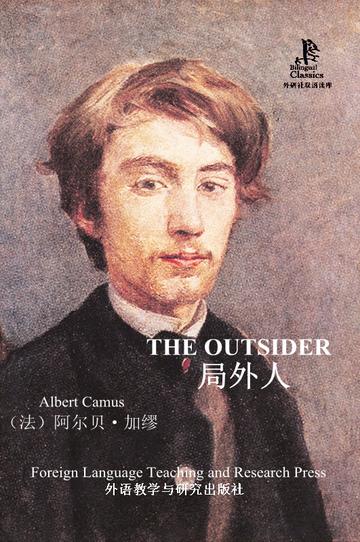
As a representative work of existential literature, "The Outsider" vividly embodies the concept of "absurdity" in existential philosophy: due to the separation of man and the world, the world is absurd and meaningless to people, and people are powerless against the absurd world, so they have no hope and are indifferent to everything. The book is divided into two parts. The first part begins with the death of Meursault's mother and ends with him killing the Arabs on the beach. It is a story narrated in chronological order. In the second part, the prison cell replaces the sea, and social consciousness replaces Meursault's spontaneous consciousness. In an objectively recorded "zero degree style", the book describes in broad strokes the various absurd things that the protagonist Meursault has experienced in an absurd world, as well as his own absurd experience. Camus sympathetically praised Meursault for his proud attitude of contempt for religion and death. Although this kind of resistance is negative, it profoundly reflects the uneasiness and despair about the world that spread in Western society after the outbreak of World War II, so it has certain practical significance.
Reader comments
The writing style of this book is very unique, the writing is concise and powerful. It tells a tall tale in a calm way that reminded me of the unexplainable things in my own life. The protagonist's attitude also resonated with me, and sometimes we really can't understand the rules of this world. This book made me think more deeply about existentialism, and I recommend it to friends who like philosophy.
The writing style of this book is very unique, the writing is concise and powerful. It tells a tall tale in a calm way that reminded me of the unexplainable things in my own life. The protagonist's attitude also resonated with me, and sometimes we really can't understand the rules of this world. This book made me think more deeply about existentialism, and I recommend it to friends who like philosophy.