Are There Any Articles Written by Real Taoist Priests?
- Views
- 2M
- Books
- 149
- Recommendations
- 159
- Updated
- 2d ago
If you want to watch something like "Live broadcast fortune telling, you will encounter a suitcase with broken corpses at the beginning!" Book. I want to read articles written by real Taoist priests, or popular science articles. (Why do you need to cover the whole cover⛄)
In this list
141 books · page 3 of 3
-
105
人
 World******
completed
—Reads5.8Score—Shelves
World******
completed
—Reads5.8Score—Shelves
Reader note
Traditional cultural wisdom: a guide to self-cultivation and morality. In our long history of culture, Confucianism, Taoism, Buddhism, Wang Yangming's philosophy of mind, and Zhang Defen's works, as well as the concept of pursuing the path to immortality, all contain endless wisdom and point us in the direction of self-cultivation and morality and how to behave in the world. 1. Confucianism: advocates "benevolence, righteousness, etiquette, wisdom, and faith." "Filial piety is the first of all virtues", filial piety is the respect and support for parents and elders; friendship and mutual help between brothers and sisters; loyalty to the emperor, patriotism, respect for one's job and love for one's career reflect loyalty; "A person cannot stand without trust", trust is the criterion for living in life; etiquette regulates our behavior and respects teachers and ethics; righteousness allows us to adhere to justice and maintain chastity; integrity requires us to be spotless and upright; shame enables us to distinguish right from wrong and keep the bottom line of being a human being. Everything starts from oneself, guided by Confucianism, and constantly improves oneself. 2. Taoism: It advocates conforming to nature, following the fundamental law "Tao" of all things in the universe, governing by doing nothing, and not imposing interference. It is virtue to uphold a simple and pure nature, have noble moral character, and not fight for benefits. A pure heart, not disturbed by worldly complexities and desires, is pure; keep quiet and peaceful, gain insight into all things in tranquility, and practice physical and mental tranquility; let go of yourself, not be bound by prejudices and inherent concepts, accept the so-called emptiness of the world with an open and tolerant heart; understand the state of "nothing" In the world, let go of the attachment to tangible materials and fame and wealth, and return to the true nature of nothingness; to deal with the world with a gentle and humble attitude, like water, which seems to be weak but contains powerful power, that is, softness; to pursue harmony, to live in harmony with nature and others, and to live in peace without creating conflicts and disputes. 3. Buddhism: To be compassionate, to feel the suffering of all living beings, to give care and help is compassion; to pity the suffering of all living beings, and to help them escape from the sea of suffering is compassion; to rejoice in the happiness and happiness of all living beings, and to be free from jealousy, hatred, and hatred; to give up greed, anger, ignorance, pride, and suspicion, and to let go of the pursuit of worldly desires and obsessions is renunciation; to observe the precepts, Regulate your own behavior and refrain from doing things that harm sentient beings and violate morality; practice meditation, focus on your heart, and not be disturbed by the outside world, so as to gain wisdom and concentration, that is, concentration; open up wisdom, gain insight into the essence of things, and get rid of troubles and confusion as wisdom; understand the true meaning of "emptiness" and understand that everything in the world is illusion, and not being attached to appearances is emptiness. We should not be attached to form on the outside, and we should not be attached to emptiness on the inside. We should have nothing to live in, and our mind should be born. The past cannot be grasped, the present cannot be grasped, and the future cannot be grasped. 4. Wang Yangming's Theory of Mind: Emphasizes that "the heart is reason", the heart is the ontology of all things in the universe, and all moral norms and truths originate from the heart. Conscience is our innate moral judgment and intuitive ability. It can distinguish right from wrong, good and evil, and is the fundamental criterion for being a human being. Through constant self-reflection and practice, we can remove the cover of selfish desires and extend our inner conscience to all things, that is, conscience. Knowledge and action are integrated. Once you have correct cognition, you must put it into action, deepen your cognition in action, and avoid empty talk. This is the unity of knowledge and action. Make your thoughts sincere, do not deceive yourself, be pure in heart, and be sincere; care for the people, actively participate in society, and benefit the people with practical actions; explore the principles of nature in specific things, and improve yourself through understanding and practice of things; establish lofty aspirations, clarify life goals, and make unremitting efforts to realize your ideals. 5. Zhang Defen's works: In "Meeting the Unknown Self", he advocates inner tranquility and far-reaching, abandoning impetuous and troubled silence; constant self-reflection, insight into inner thoughts; understanding the true meaning of life, and understanding the wisdom of life; letting go of unnecessary burdens and liberating the shackles of the soul; loving kindness and kindness in the heart, the love that warms all things in the world; harmonizing the body and mind, accepting the harmony of the complete self; awakening inner awareness, insight into the truth of life, and exploring everything from the heart. "Meet Your Dreams Come True" encourages us to have beautiful dreams and illuminate the way forward; to set firm aspirations and anchor the goals we strive for; to work diligently and accumulate the capital for success; to be brave enough to innovate and break through the limitations of thinking; to persevere and persevere without fear of hardships and obstacles; to be good at seizing opportunities and keenly discerning the goodness of opportunities; to plan actions rationally, promote the integration of dreams in an orderly manner, and realize dreams starting from the present. "Live a New Self" inspires us to bravely challenge ourselves and break through the boundaries of comfort; actively embrace change and welcome new possible changes; continue to learn and grow to improve our own quality; decisively let go of the past and say goodbye to old patterns; maintain an optimistic attitude and laugh at the ups and downs of life; pay attention to physical and mental health and consolidate the foundation of life; stick to your true self and show your unique style. Everything starts with change. 6. Pursuing the path to immortality: pay attention to quietness to cultivate one's self, stay away from the hustle and bustle of the world, and clarify the heart; be kind-hearted, have compassion and love in the heart, and build good relationships; understand the principles of heaven, have insight into all phenomena in the world, and have a clear mind and nature; be humble in life, neither arrogant nor impetuous nor discouraged, and be open-minded; and Live in harmony, be one with all things, and conform to nature; be patient and restrained, tolerate things that are difficult to tolerate, and cultivate an open-minded mind; be willing to let go, put aside fame and wealth, and get rid of the fetters; practice diligently, improve your own skills, and practice the path of seeking the Tao from the moment. These precious cultural treasures guide us on the road of life to continuously improve ourselves, cultivate moral character, face various challenges in life with a positive and healthy attitude and behavior, realize the value of life, and gain inner peace and happiness. I hope everyone can draw strength from it and let the wisdom of traditional culture shine in our lives. We also welcome sharing this wisdom with more people in need.
-
106
太
 Taishang Laojun's Taoist Heart Is True
Stay Still SometimesEastern Fantasy223k Wordscompleted
1.3kReads6.7Score326Shelves
Taishang Laojun's Taoist Heart Is True
Stay Still SometimesEastern Fantasy223k Wordscompleted
1.3kReads6.7Score326Shelves
Reader note
Traditional cultural wisdom: a guide to self-cultivation and morality. In our long history of culture, Confucianism, Taoism, Buddhism, Wang Yangming's philosophy of mind, and Zhang Defen's works, as well as the concept of pursuing the path to immortality, all contain endless wisdom and point us in the direction of self-cultivation and morality and how to behave in the world. 1. Confucianism: advocates "benevolence, righteousness, etiquette, wisdom, and faith." "Filial piety is the first of all virtues", filial piety is the respect and support for parents and elders; friendship and mutual help between brothers and sisters; loyalty to the emperor, patriotism, respect for one's job and love for one's career reflect loyalty; "A person cannot stand without trust", trust is the criterion for living in life; etiquette regulates our behavior and respects teachers and ethics; righteousness allows us to adhere to justice and maintain chastity; integrity requires us to be spotless and upright; shame enables us to distinguish right from wrong and keep the bottom line of being a human being. Everything starts from oneself, guided by Confucianism, and constantly improves oneself. 2. Taoism: It advocates conforming to nature, following the fundamental law "Tao" of all things in the universe, governing by doing nothing, and not imposing interference. It is virtue to uphold a simple and pure nature, have noble moral character, and not fight for benefits. A pure heart, not disturbed by worldly complexities and desires, is pure; keep quiet and peaceful, gain insight into all things in tranquility, and practice physical and mental tranquility; let go of yourself, not be bound by prejudices and inherent concepts, accept the so-called emptiness of the world with an open and tolerant heart; understand the state of "nothing" In the world, let go of the attachment to tangible materials and fame and wealth, and return to the true nature of nothingness; to deal with the world with a gentle and humble attitude, like water, which seems to be weak but contains powerful power, that is, softness; to pursue harmony, to live in harmony with nature and others, and to live in peace without creating conflicts and disputes. 3. Buddhism: To be compassionate, to feel the suffering of all living beings, to give care and help is compassion; to pity the suffering of all living beings, and to help them escape from the sea of suffering is compassion; to rejoice in the happiness and happiness of all living beings, and to be free from jealousy, hatred, and hatred; to give up greed, anger, ignorance, pride, and suspicion, and to let go of the pursuit of worldly desires and obsessions is renunciation; to observe the precepts, Regulate your own behavior and refrain from doing things that harm sentient beings and violate morality; practice meditation, focus on your heart, and not be disturbed by the outside world, so as to gain wisdom and concentration, that is, concentration; open up wisdom, gain insight into the essence of things, and get rid of troubles and confusion as wisdom; understand the true meaning of "emptiness" and understand that everything in the world is illusion, and not being attached to appearances is emptiness. We should not be attached to form on the outside, and we should not be attached to emptiness on the inside. We should have nothing to live in, and our mind should be born. The past cannot be grasped, the present cannot be grasped, and the future cannot be grasped. 4. Wang Yangming's Theory of Mind: Emphasizes that "the heart is reason", the heart is the ontology of all things in the universe, and all moral norms and truths originate from the heart. Conscience is our innate moral judgment and intuitive ability. It can distinguish right from wrong, good and evil, and is the fundamental criterion for being a human being. Through constant self-reflection and practice, we can remove the cover of selfish desires and extend our inner conscience to all things, that is, conscience. Knowledge and action are integrated. Once you have correct cognition, you must put it into action, deepen your cognition in action, and avoid empty talk. This is the unity of knowledge and action. Make your thoughts sincere, do not deceive yourself, be pure in heart, and be sincere; care for the people, actively participate in society, and benefit the people with practical actions; explore the principles of nature in specific things, and improve yourself through understanding and practice of things; establish lofty aspirations, clarify life goals, and make unremitting efforts to realize your ideals. 5. Zhang Defen's works: In "Meeting the Unknown Self", he advocates inner tranquility and far-reaching, abandoning impetuous and troubled silence; constant self-reflection, insight into inner thoughts; understanding the true meaning of life, and understanding the wisdom of life; letting go of unnecessary burdens and liberating the shackles of the soul; loving kindness and kindness in the heart, the love that warms all things in the world; harmonizing the body and mind, accepting the harmony of the complete self; awakening inner awareness, insight into the truth of life, and exploring everything from the heart. "Meet Your Dreams Come True" encourages us to have beautiful dreams and illuminate the way forward; to set firm aspirations and anchor the goals we strive for; to work diligently and accumulate the capital for success; to be brave enough to innovate and break through the limitations of thinking; to persevere and persevere without fear of hardships and obstacles; to be good at seizing opportunities and keenly discerning the goodness of opportunities; to plan actions rationally, promote the integration of dreams in an orderly manner, and realize dreams starting from the present. "Live a New Self" inspires us to bravely challenge ourselves and break through the boundaries of comfort; actively embrace change and welcome new possible changes; continue to learn and grow to improve our own quality; decisively let go of the past and say goodbye to old patterns; maintain an optimistic attitude and laugh at the ups and downs of life; pay attention to physical and mental health and consolidate the foundation of life; stick to your true self and show your unique style. Everything starts with change. 6. Pursuing the path to immortality: pay attention to quietness to cultivate one's self, stay away from the hustle and bustle of the world, and clarify the heart; be kind-hearted, have compassion and love in the heart, and build good relationships; understand the principles of heaven, have insight into all phenomena in the world, and have a clear mind and nature; be humble in life, neither arrogant nor impetuous nor discouraged, and be open-minded; and Live in harmony, be one with all things, and conform to nature; be patient and restrained, tolerate things that are difficult to tolerate, and cultivate an open-minded mind; be willing to let go, put aside fame and wealth, and get rid of the fetters; practice diligently, improve your own skills, and practice the path of seeking the Tao from the moment. These precious cultural treasures guide us on the road of life to continuously improve ourselves, cultivate moral character, face various challenges in life with a positive and healthy attitude and behavior, realize the value of life, and gain inner peace and happiness. I hope everyone can draw strength from it and let the wisdom of traditional culture shine in our lives. We also welcome sharing this wisdom with more people in need.
-
107
清
 Qing Jing Sutra
Anonymouscompleted
—Reads9.4Score—Shelves
Qing Jing Sutra
Anonymouscompleted
—Reads9.4Score—Shelves
Reader note
Traditional cultural wisdom: a guide to self-cultivation and morality. In our long history of culture, Confucianism, Taoism, Buddhism, Wang Yangming's philosophy of mind, and Zhang Defen's works, as well as the concept of pursuing the path to immortality, all contain endless wisdom and point us in the direction of self-cultivation and morality and how to behave in the world. 1. Confucianism: advocates "benevolence, righteousness, etiquette, wisdom, and faith." "Filial piety is the first of all virtues", filial piety is the respect and support for parents and elders; friendship and mutual help between brothers and sisters; loyalty to the emperor, patriotism, respect for one's job and love for one's career reflect loyalty; "A person cannot stand without trust", trust is the criterion for living in life; etiquette regulates our behavior and respects teachers and ethics; righteousness allows us to adhere to justice and maintain chastity; integrity requires us to be spotless and upright; shame enables us to distinguish right from wrong and keep the bottom line of being a human being. Everything starts from oneself, guided by Confucianism, and constantly improves oneself. 2. Taoism: It advocates conforming to nature, following the fundamental law "Tao" of all things in the universe, governing by doing nothing, and not imposing interference. It is virtue to uphold a simple and pure nature, have noble moral character, and not fight for benefits. A pure heart, not disturbed by worldly complexities and desires, is pure; keep quiet and peaceful, gain insight into all things in tranquility, and practice physical and mental tranquility; let go of yourself, not be bound by prejudices and inherent concepts, accept the so-called emptiness of the world with an open and tolerant heart; understand the state of "nothing" In the world, let go of the attachment to tangible materials and fame and wealth, and return to the true nature of nothingness; to deal with the world with a gentle and humble attitude, like water, which seems to be weak but contains powerful power, that is, softness; to pursue harmony, to live in harmony with nature and others, and to live in peace without creating conflicts and disputes. 3. Buddhism: To be compassionate, to feel the suffering of all living beings, to give care and help is compassion; to pity the suffering of all living beings, and to help them escape from the sea of suffering is compassion; to rejoice in the happiness and happiness of all living beings, and to be free from jealousy, hatred, and hatred; to give up greed, anger, ignorance, pride, and suspicion, and to let go of the pursuit of worldly desires and obsessions is renunciation; to observe the precepts, Regulate your own behavior and refrain from doing things that harm sentient beings and violate morality; practice meditation, focus on your heart, and not be disturbed by the outside world, so as to gain wisdom and concentration, that is, concentration; open up wisdom, gain insight into the essence of things, and get rid of troubles and confusion as wisdom; understand the true meaning of "emptiness" and understand that everything in the world is illusion, and not being attached to appearances is emptiness. We should not be attached to form on the outside, and we should not be attached to emptiness on the inside. We should have nothing to live in, and our mind should be born. The past cannot be grasped, the present cannot be grasped, and the future cannot be grasped. 4. Wang Yangming's Theory of Mind: Emphasizes that "the heart is reason", the heart is the ontology of all things in the universe, and all moral norms and truths originate from the heart. Conscience is our innate moral judgment and intuitive ability. It can distinguish right from wrong, good and evil, and is the fundamental criterion for being a human being. Through constant self-reflection and practice, we can remove the cover of selfish desires and extend our inner conscience to all things, that is, conscience. Knowledge and action are integrated. Once you have correct cognition, you must put it into action, deepen your cognition in action, and avoid empty talk. This is the unity of knowledge and action. Make your thoughts sincere, do not deceive yourself, be pure in heart, and be sincere; care for the people, actively participate in society, and benefit the people with practical actions; explore the principles of nature in specific things, and improve yourself through understanding and practice of things; establish lofty aspirations, clarify life goals, and make unremitting efforts to realize your ideals. 5. Zhang Defen's works: In "Meeting the Unknown Self", he advocates inner tranquility and far-reaching, abandoning impetuous and troubled silence; constant self-reflection, insight into inner thoughts; understanding the true meaning of life, and understanding the wisdom of life; letting go of unnecessary burdens and liberating the shackles of the soul; loving kindness and kindness in the heart, the love that warms all things in the world; harmonizing the body and mind, accepting the harmony of the complete self; awakening inner awareness, insight into the truth of life, and exploring everything from the heart. "Meet Your Dreams Come True" encourages us to have beautiful dreams and illuminate the way forward; to set firm aspirations and anchor the goals we strive for; to work diligently and accumulate the capital for success; to be brave enough to innovate and break through the limitations of thinking; to persevere and persevere without fear of hardships and obstacles; to be good at seizing opportunities and keenly discerning the goodness of opportunities; to plan actions rationally, promote the integration of dreams in an orderly manner, and realize dreams starting from the present. "Live a New Self" inspires us to bravely challenge ourselves and break through the boundaries of comfort; actively embrace change and welcome new possible changes; continue to learn and grow to improve our own quality; decisively let go of the past and say goodbye to old patterns; maintain an optimistic attitude and laugh at the ups and downs of life; pay attention to physical and mental health and consolidate the foundation of life; stick to your true self and show your unique style. Everything starts with change. 6. Pursuing the path to immortality: pay attention to quietness to cultivate one's self, stay away from the hustle and bustle of the world, and clarify the heart; be kind-hearted, have compassion and love in the heart, and build good relationships; understand the principles of heaven, have insight into all phenomena in the world, and have a clear mind and nature; be humble in life, neither arrogant nor impetuous nor discouraged, and be open-minded; and Live in harmony, be one with all things, and conform to nature; be patient and restrained, tolerate things that are difficult to tolerate, and cultivate an open-minded mind; be willing to let go, put aside fame and wealth, and get rid of the fetters; practice diligently, improve your own skills, and practice the path of seeking the Tao from the moment. These precious cultural treasures guide us on the road of life to continuously improve ourselves, cultivate moral character, face various challenges in life with a positive and healthy attitude and behavior, realize the value of life, and gain inner peace and happiness. I hope everyone can draw strength from it and let the wisdom of traditional culture shine in our lives. We also welcome sharing this wisdom with more people in need.
-
108
论
 The Analects of Confucius (Chinese Studies Collection)
Confucius; Si Lucompleted
—Reads9.5Score—Shelves
The Analects of Confucius (Chinese Studies Collection)
Confucius; Si Lucompleted
—Reads9.5Score—Shelves
Reader note
Traditional cultural wisdom: a guide to self-cultivation and morality. In our long history of culture, Confucianism, Taoism, Buddhism, Wang Yangming's philosophy of mind, and Zhang Defen's works, as well as the concept of pursuing the path to immortality, all contain endless wisdom and point us in the direction of self-cultivation and morality and how to behave in the world. 1. Confucianism: advocates "benevolence, righteousness, etiquette, wisdom, and faith." "Filial piety is the first of all virtues", filial piety is the respect and support for parents and elders; friendship and mutual help between brothers and sisters; loyalty to the emperor, patriotism, respect for one's job and love for one's career reflect loyalty; "A person cannot stand without trust", trust is the criterion for living in life; etiquette regulates our behavior and respects teachers and ethics; righteousness allows us to adhere to justice and maintain chastity; integrity requires us to be spotless and upright; shame enables us to distinguish right from wrong and keep the bottom line of being a human being. Everything starts from oneself, guided by Confucianism, and constantly improves oneself. 2. Taoism: It advocates conforming to nature, following the fundamental law "Tao" of all things in the universe, governing by doing nothing, and not imposing interference. It is virtue to uphold a simple and pure nature, have noble moral character, and not fight for benefits. A pure heart, not disturbed by worldly complexities and desires, is pure; keep quiet and peaceful, gain insight into all things in tranquility, and practice physical and mental tranquility; let go of yourself, not be bound by prejudices and inherent concepts, accept the so-called emptiness of the world with an open and tolerant heart; understand the state of "nothing" In the world, let go of the attachment to tangible materials and fame and wealth, and return to the true nature of nothingness; to deal with the world with a gentle and humble attitude, like water, which seems to be weak but contains powerful power, that is, softness; to pursue harmony, to live in harmony with nature and others, and to live in peace without creating conflicts and disputes. 3. Buddhism: To be compassionate, to feel the suffering of all living beings, to give care and help is compassion; to pity the suffering of all living beings, and to help them escape from the sea of suffering is compassion; to rejoice in the happiness and happiness of all living beings, and to be free from jealousy, hatred, and hatred; to give up greed, anger, ignorance, pride, and suspicion, and to let go of the pursuit of worldly desires and obsessions is renunciation; to observe the precepts, Regulate your own behavior and refrain from doing things that harm sentient beings and violate morality; practice meditation, focus on your heart, and not be disturbed by the outside world, so as to gain wisdom and concentration, that is, concentration; open up wisdom, gain insight into the essence of things, and get rid of troubles and confusion as wisdom; understand the true meaning of "emptiness" and understand that everything in the world is illusion, and not being attached to appearances is emptiness. We should not be attached to form on the outside, and we should not be attached to emptiness on the inside. We should have nothing to live in, and our mind should be born. The past cannot be grasped, the present cannot be grasped, and the future cannot be grasped. 4. Wang Yangming's Theory of Mind: Emphasizes that "the heart is reason", the heart is the ontology of all things in the universe, and all moral norms and truths originate from the heart. Conscience is our innate moral judgment and intuitive ability. It can distinguish right from wrong, good and evil, and is the fundamental criterion for being a human being. Through constant self-reflection and practice, we can remove the cover of selfish desires and extend our inner conscience to all things, that is, conscience. Knowledge and action are integrated. Once you have correct cognition, you must put it into action, deepen your cognition in action, and avoid empty talk. This is the unity of knowledge and action. Make your thoughts sincere, do not deceive yourself, be pure in heart, and be sincere; care for the people, actively participate in society, and benefit the people with practical actions; explore the principles of nature in specific things, and improve yourself through understanding and practice of things; establish lofty aspirations, clarify life goals, and make unremitting efforts to realize your ideals. 5. Zhang Defen's works: In "Meeting the Unknown Self", he advocates inner tranquility and far-reaching, abandoning impetuous and troubled silence; constant self-reflection, insight into inner thoughts; understanding the true meaning of life, and understanding the wisdom of life; letting go of unnecessary burdens and liberating the shackles of the soul; loving kindness and kindness in the heart, the love that warms all things in the world; harmonizing the body and mind, accepting the harmony of the complete self; awakening inner awareness, insight into the truth of life, and exploring everything from the heart. "Meet Your Dreams Come True" encourages us to have beautiful dreams and illuminate the way forward; to set firm aspirations and anchor the goals we strive for; to work diligently and accumulate the capital for success; to be brave enough to innovate and break through the limitations of thinking; to persevere and persevere without fear of hardships and obstacles; to be good at seizing opportunities and keenly discerning the goodness of opportunities; to plan actions rationally, promote the integration of dreams in an orderly manner, and realize dreams starting from the present. "Live a New Self" inspires us to bravely challenge ourselves and break through the boundaries of comfort; actively embrace change and welcome new possible changes; continue to learn and grow to improve our own quality; decisively let go of the past and say goodbye to old patterns; maintain an optimistic attitude and laugh at the ups and downs of life; pay attention to physical and mental health and consolidate the foundation of life; stick to your true self and show your unique style. Everything starts with change. 6. Pursuing the path to immortality: pay attention to quietness to cultivate one's self, stay away from the hustle and bustle of the world, and clarify the heart; be kind-hearted, have compassion and love in the heart, and build good relationships; understand the principles of heaven, have insight into all phenomena in the world, and have a clear mind and nature; be humble in life, neither arrogant nor impetuous nor discouraged, and be open-minded; and Live in harmony, be one with all things, and conform to nature; be patient and restrained, tolerate things that are difficult to tolerate, and cultivate an open-minded mind; be willing to let go, put aside fame and wealth, and get rid of the fetters; practice diligently, improve your own skills, and practice the path of seeking the Tao from the moment. These precious cultural treasures guide us on the road of life to continuously improve ourselves, cultivate moral character, face various challenges in life with a positive and healthy attitude and behavior, realize the value of life, and gain inner peace and happiness. I hope everyone can draw strength from it and let the wisdom of traditional culture shine in our lives. We also welcome sharing this wisdom with more people in need.
-
113
活
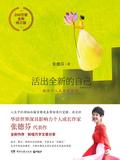 Live *****
completed
—Reads5.8Score—Shelves
Live *****
completed
—Reads5.8Score—Shelves
Reader note
Traditional cultural wisdom: a guide to self-cultivation and morality. In our long history of culture, Confucianism, Taoism, Buddhism, Wang Yangming's philosophy of mind, and Zhang Defen's works, as well as the concept of pursuing the path to immortality, all contain endless wisdom and point us in the direction of self-cultivation and morality and how to behave in the world. 1. Confucianism: advocates "benevolence, righteousness, etiquette, wisdom, and faith." "Filial piety is the first of all virtues", filial piety is the respect and support for parents and elders; friendship and mutual help between brothers and sisters; loyalty to the emperor, patriotism, respect for one's job and love for one's career reflect loyalty; "A person cannot stand without trust", trust is the criterion for living in life; etiquette regulates our behavior and respects teachers and ethics; righteousness allows us to adhere to justice and maintain chastity; integrity requires us to be spotless and upright; shame enables us to distinguish right from wrong and keep the bottom line of being a human being. Everything starts from oneself, guided by Confucianism, and constantly improves oneself. 2. Taoism: It advocates conforming to nature, following the fundamental law "Tao" of all things in the universe, governing by doing nothing, and not imposing interference. It is virtue to uphold a simple and pure nature, have noble moral character, and not fight for benefits. A pure heart, not disturbed by worldly complexities and desires, is pure; keep quiet and peaceful, gain insight into all things in tranquility, and practice physical and mental tranquility; let go of yourself, not be bound by prejudices and inherent concepts, accept the so-called emptiness of the world with an open and tolerant heart; understand the state of "nothing" In the world, let go of the attachment to tangible materials and fame and wealth, and return to the true nature of nothingness; to deal with the world with a gentle and humble attitude, like water, which seems to be weak but contains powerful power, that is, softness; to pursue harmony, to live in harmony with nature and others, and to live in peace without creating conflicts and disputes. 3. Buddhism: To be compassionate, to feel the suffering of all living beings, to give care and help is compassion; to pity the suffering of all living beings, and to help them escape from the sea of suffering is compassion; to rejoice in the happiness and happiness of all living beings, and to be free from jealousy, hatred, and hatred; to give up greed, anger, ignorance, pride, and suspicion, and to let go of the pursuit of worldly desires and obsessions is renunciation; to observe the precepts, Regulate your own behavior and refrain from doing things that harm sentient beings and violate morality; practice meditation, focus on your heart, and not be disturbed by the outside world, so as to gain wisdom and concentration, that is, concentration; open up wisdom, gain insight into the essence of things, and get rid of troubles and confusion as wisdom; understand the true meaning of "emptiness" and understand that everything in the world is illusion, and not being attached to appearances is emptiness. We should not be attached to form on the outside, and we should not be attached to emptiness on the inside. We should have nothing to live in, and our mind should be born. The past cannot be grasped, the present cannot be grasped, and the future cannot be grasped. 4. Wang Yangming's Theory of Mind: Emphasizes that "the heart is reason", the heart is the ontology of all things in the universe, and all moral norms and truths originate from the heart. Conscience is our innate moral judgment and intuitive ability. It can distinguish right from wrong, good and evil, and is the fundamental criterion for being a human being. Through constant self-reflection and practice, we can remove the cover of selfish desires and extend our inner conscience to all things, that is, conscience. Knowledge and action are integrated. Once you have correct cognition, you must put it into action, deepen your cognition in action, and avoid empty talk. This is the unity of knowledge and action. Make your thoughts sincere, do not deceive yourself, be pure in heart, and be sincere; care for the people, actively participate in society, and benefit the people with practical actions; explore the principles of nature in specific things, and improve yourself through understanding and practice of things; establish lofty aspirations, clarify life goals, and make unremitting efforts to realize your ideals. 5. Zhang Defen's works: In "Meeting the Unknown Self", he advocates inner tranquility and far-reaching, abandoning impetuous and troubled silence; constant self-reflection, insight into inner thoughts; understanding the true meaning of life, and understanding the wisdom of life; letting go of unnecessary burdens and liberating the shackles of the soul; loving kindness and kindness in the heart, the love that warms all things in the world; harmonizing the body and mind, accepting the harmony of the complete self; awakening inner awareness, insight into the truth of life, and exploring everything from the heart. "Meet Your Dreams Come True" encourages us to have beautiful dreams and illuminate the way forward; to set firm aspirations and anchor the goals we strive for; to work diligently and accumulate the capital for success; to be brave enough to innovate and break through the limitations of thinking; to persevere and persevere without fear of hardships and obstacles; to be good at seizing opportunities and keenly discerning the goodness of opportunities; to plan actions rationally, promote the integration of dreams in an orderly manner, and realize dreams starting from the present. "Live a New Self" inspires us to bravely challenge ourselves and break through the boundaries of comfort; actively embrace change and welcome new possible changes; continue to learn and grow to improve our own quality; decisively let go of the past and say goodbye to old patterns; maintain an optimistic attitude and laugh at the ups and downs of life; pay attention to physical and mental health and consolidate the foundation of life; stick to your true self and show your unique style. Everything starts with change. 6. Pursuing the path to immortality: pay attention to quietness to cultivate one's self, stay away from the hustle and bustle of the world, and clarify the heart; be kind-hearted, have compassion and love in the heart, and build good relationships; understand the principles of heaven, have insight into all phenomena in the world, and have a clear mind and nature; be humble in life, neither arrogant nor impetuous nor discouraged, and be open-minded; and Live in harmony, be one with all things, and conform to nature; be patient and restrained, tolerate things that are difficult to tolerate, and cultivate an open-minded mind; be willing to let go, put aside fame and wealth, and get rid of the fetters; practice diligently, improve your own skills, and practice the path of seeking the Tao from the moment. These precious cultural treasures guide us on the road of life to continuously improve ourselves, cultivate moral character, face various challenges in life with a positive and healthy attitude and behavior, realize the value of life, and gain inner peace and happiness. I hope everyone can draw strength from it and let the wisdom of traditional culture shine in our lives. We also welcome sharing this wisdom with more people in need.
-
114
遇
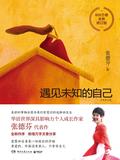 Meet************
completed
—Reads5.8Score—Shelves
Meet************
completed
—Reads5.8Score—Shelves
Reader note
Traditional cultural wisdom: a guide to self-cultivation and morality. In our long history of culture, Confucianism, Taoism, Buddhism, Wang Yangming's philosophy of mind, and Zhang Defen's works, as well as the concept of pursuing the path to immortality, all contain endless wisdom and point us in the direction of self-cultivation and morality and how to behave in the world. 1. Confucianism: advocates "benevolence, righteousness, etiquette, wisdom, and faith." "Filial piety is the first of all virtues", filial piety is the respect and support for parents and elders; friendship and mutual help between brothers and sisters; loyalty to the emperor, patriotism, respect for one's job and love for one's career reflect loyalty; "A person cannot stand without trust", trust is the criterion for living in life; etiquette regulates our behavior and respects teachers and ethics; righteousness allows us to adhere to justice and maintain chastity; integrity requires us to be spotless and upright; shame enables us to distinguish right from wrong and keep the bottom line of being a human being. Everything starts from oneself, guided by Confucianism, and constantly improves oneself. 2. Taoism: It advocates conforming to nature, following the fundamental law "Tao" of all things in the universe, governing by doing nothing, and not imposing interference. It is virtue to uphold a simple and pure nature, have noble moral character, and not fight for benefits. A pure heart, not disturbed by worldly complexities and desires, is pure; keep quiet and peaceful, gain insight into all things in tranquility, and practice physical and mental tranquility; let go of yourself, not be bound by prejudices and inherent concepts, accept the so-called emptiness of the world with an open and tolerant heart; understand the state of "nothing" In the world, let go of the attachment to tangible materials and fame and wealth, and return to the true nature of nothingness; to deal with the world with a gentle and humble attitude, like water, which seems to be weak but contains powerful power, that is, softness; to pursue harmony, to live in harmony with nature and others, and to live in peace without creating conflicts and disputes. 3. Buddhism: To be compassionate, to feel the suffering of all living beings, to give care and help is compassion; to pity the suffering of all living beings, and to help them escape from the sea of suffering is compassion; to rejoice in the happiness and happiness of all living beings, and to be free from jealousy, hatred, and hatred; to give up greed, anger, ignorance, pride, and suspicion, and to let go of the pursuit of worldly desires and obsessions is renunciation; to observe the precepts, Regulate your own behavior and refrain from doing things that harm sentient beings and violate morality; practice meditation, focus on your heart, and not be disturbed by the outside world, so as to gain wisdom and concentration, that is, concentration; open up wisdom, gain insight into the essence of things, and get rid of troubles and confusion as wisdom; understand the true meaning of "emptiness" and understand that everything in the world is illusion, and not being attached to appearances is emptiness. We should not be attached to form on the outside, and we should not be attached to emptiness on the inside. We should have nothing to live in, and our mind should be born. The past cannot be grasped, the present cannot be grasped, and the future cannot be grasped. 4. Wang Yangming's Theory of Mind: Emphasizes that "the heart is reason", the heart is the ontology of all things in the universe, and all moral norms and truths originate from the heart. Conscience is our innate moral judgment and intuitive ability. It can distinguish right from wrong, good and evil, and is the fundamental criterion for being a human being. Through constant self-reflection and practice, we can remove the cover of selfish desires and extend our inner conscience to all things, that is, conscience. Knowledge and action are integrated. Once you have correct cognition, you must put it into action, deepen your cognition in action, and avoid empty talk. This is the unity of knowledge and action. Make your thoughts sincere, do not deceive yourself, be pure in heart, and be sincere; care for the people, actively participate in society, and benefit the people with practical actions; explore the principles of nature in specific things, and improve yourself through understanding and practice of things; establish lofty aspirations, clarify life goals, and make unremitting efforts to realize your ideals. 5. Zhang Defen's works: In "Meeting the Unknown Self", he advocates inner tranquility and far-reaching, abandoning impetuous and troubled silence; constant self-reflection, insight into inner thoughts; understanding the true meaning of life, and understanding the wisdom of life; letting go of unnecessary burdens and liberating the shackles of the soul; loving kindness and kindness in the heart, the love that warms all things in the world; harmonizing the body and mind, accepting the harmony of the complete self; awakening inner awareness, insight into the truth of life, and exploring everything from the heart. "Meet Your Dreams Come True" encourages us to have beautiful dreams and illuminate the way forward; to set firm aspirations and anchor the goals we strive for; to work diligently and accumulate the capital for success; to be brave enough to innovate and break through the limitations of thinking; to persevere and persevere without fear of hardships and obstacles; to be good at seizing opportunities and keenly discerning the goodness of opportunities; to plan actions rationally, promote the integration of dreams in an orderly manner, and realize dreams starting from the present. "Live a New Self" inspires us to bravely challenge ourselves and break through the boundaries of comfort; actively embrace change and welcome new possible changes; continue to learn and grow to improve our own quality; decisively let go of the past and say goodbye to old patterns; maintain an optimistic attitude and laugh at the ups and downs of life; pay attention to physical and mental health and consolidate the foundation of life; stick to your true self and show your unique style. Everything starts with change. 6. Pursuing the path to immortality: pay attention to quietness to cultivate one's self, stay away from the hustle and bustle of the world, and clarify the heart; be kind-hearted, have compassion and love in the heart, and build good relationships; understand the principles of heaven, have insight into all phenomena in the world, and have a clear mind and nature; be humble in life, neither arrogant nor impetuous nor discouraged, and be open-minded; and Live in harmony, be one with all things, and conform to nature; be patient and restrained, tolerate things that are difficult to tolerate, and cultivate an open-minded mind; be willing to let go, put aside fame and wealth, and get rid of the fetters; practice diligently, improve your own skills, and practice the path of seeking the Tao from the moment. These precious cultural treasures guide us on the road of life to continuously improve ourselves, cultivate moral character, face various challenges in life with a positive and healthy attitude and behavior, realize the value of life, and gain inner peace and happiness. I hope everyone can draw strength from it and let the wisdom of traditional culture shine in our lives. We also welcome sharing this wisdom with more people in need.
-
115
了
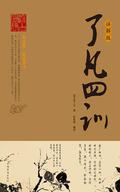 The Four Trainings of Liaofan: Detailed Explanation
(Ming Dynasty) Written by Yuan Liaofan; Compiled by Chen Meijincompleted
—Reads9.6Score—Shelves
The Four Trainings of Liaofan: Detailed Explanation
(Ming Dynasty) Written by Yuan Liaofan; Compiled by Chen Meijincompleted
—Reads9.6Score—Shelves
Reader note
Traditional cultural wisdom: a guide to self-cultivation and morality. In our long history of culture, Confucianism, Taoism, Buddhism, Wang Yangming's philosophy of mind, and Zhang Defen's works, as well as the concept of pursuing the path to immortality, all contain endless wisdom and point us in the direction of self-cultivation and morality and how to behave in the world. 1. Confucianism: advocates "benevolence, righteousness, etiquette, wisdom, and faith." "Filial piety is the first of all virtues", filial piety is the respect and support for parents and elders; friendship and mutual help between brothers and sisters; loyalty to the emperor, patriotism, respect for one's job and love for one's career reflect loyalty; "A person cannot stand without trust", trust is the criterion for living in life; etiquette regulates our behavior and respects teachers and ethics; righteousness allows us to adhere to justice and maintain chastity; integrity requires us to be spotless and upright; shame enables us to distinguish right from wrong and keep the bottom line of being a human being. Everything starts from oneself, guided by Confucianism, and constantly improves oneself. 2. Taoism: It advocates conforming to nature, following the fundamental law "Tao" of all things in the universe, governing by doing nothing, and not imposing interference. It is virtue to uphold a simple and pure nature, have noble moral character, and not fight for benefits. A pure heart, not disturbed by worldly complexities and desires, is pure; keep quiet and peaceful, gain insight into all things in tranquility, and practice physical and mental tranquility; let go of yourself, not be bound by prejudices and inherent concepts, accept the so-called emptiness of the world with an open and tolerant heart; understand the state of "nothing" In the world, let go of the attachment to tangible materials and fame and wealth, and return to the true nature of nothingness; to deal with the world with a gentle and humble attitude, like water, which seems to be weak but contains powerful power, that is, softness; to pursue harmony, to live in harmony with nature and others, and to live in peace without creating conflicts and disputes. 3. Buddhism: To be compassionate, to feel the suffering of all living beings, to give care and help is compassion; to pity the suffering of all living beings, and to help them escape from the sea of suffering is compassion; to rejoice in the happiness and happiness of all living beings, and to be free from jealousy, hatred, and hatred; to give up greed, anger, ignorance, pride, and suspicion, and to let go of the pursuit of worldly desires and obsessions is renunciation; to observe the precepts, Regulate your own behavior and refrain from doing things that harm sentient beings and violate morality; practice meditation, focus on your heart, and not be disturbed by the outside world, so as to gain wisdom and concentration, that is, concentration; open up wisdom, gain insight into the essence of things, and get rid of troubles and confusion as wisdom; understand the true meaning of "emptiness" and understand that everything in the world is illusion, and not being attached to appearances is emptiness. We should not be attached to form on the outside, and we should not be attached to emptiness on the inside. We should have nothing to live in, and our mind should be born. The past cannot be grasped, the present cannot be grasped, and the future cannot be grasped. 4. Wang Yangming's Theory of Mind: Emphasizes that "the heart is reason", the heart is the ontology of all things in the universe, and all moral norms and truths originate from the heart. Conscience is our innate moral judgment and intuitive ability. It can distinguish right from wrong, good and evil, and is the fundamental criterion for being a human being. Through constant self-reflection and practice, we can remove the cover of selfish desires and extend our inner conscience to all things, that is, conscience. Knowledge and action are integrated. Once you have correct cognition, you must put it into action, deepen your cognition in action, and avoid empty talk. This is the unity of knowledge and action. Make your thoughts sincere, do not deceive yourself, be pure in heart, and be sincere; care for the people, actively participate in society, and benefit the people with practical actions; explore the principles of nature in specific things, and improve yourself through understanding and practice of things; establish lofty aspirations, clarify life goals, and make unremitting efforts to realize your ideals. 5. Zhang Defen's works: In "Meeting the Unknown Self", he advocates inner tranquility and far-reaching, abandoning impetuous and troubled silence; constant self-reflection, insight into inner thoughts; understanding the true meaning of life, and understanding the wisdom of life; letting go of unnecessary burdens and liberating the shackles of the soul; loving kindness and kindness in the heart, the love that warms all things in the world; harmonizing the body and mind, accepting the harmony of the complete self; awakening inner awareness, insight into the truth of life, and exploring everything from the heart. "Meet Your Dreams Come True" encourages us to have beautiful dreams and illuminate the way forward; to set firm aspirations and anchor the goals we strive for; to work diligently and accumulate the capital for success; to be brave enough to innovate and break through the limitations of thinking; to persevere and persevere without fear of hardships and obstacles; to be good at seizing opportunities and keenly discerning the goodness of opportunities; to plan actions rationally, promote the integration of dreams in an orderly manner, and realize dreams starting from the present. "Live a New Self" inspires us to bravely challenge ourselves and break through the boundaries of comfort; actively embrace change and welcome new possible changes; continue to learn and grow to improve our own quality; decisively let go of the past and say goodbye to old patterns; maintain an optimistic attitude and laugh at the ups and downs of life; pay attention to physical and mental health and consolidate the foundation of life; stick to your true self and show your unique style. Everything starts with change. 6. Pursuing the path to immortality: pay attention to quietness to cultivate one's self, stay away from the hustle and bustle of the world, and clarify the heart; be kind-hearted, have compassion and love in the heart, and build good relationships; understand the principles of heaven, have insight into all phenomena in the world, and have a clear mind and nature; be humble in life, neither arrogant nor impetuous nor discouraged, and be open-minded; and Live in harmony, be one with all things, and conform to nature; be patient and restrained, tolerate things that are difficult to tolerate, and cultivate an open-minded mind; be willing to let go, put aside fame and wealth, and get rid of the fetters; practice diligently, improve your own skills, and practice the path of seeking the Tao from the moment. These precious cultural treasures guide us on the road of life to continuously improve ourselves, cultivate moral character, face various challenges in life with a positive and healthy attitude and behavior, realize the value of life, and gain inner peace and happiness. I hope everyone can draw strength from it and let the wisdom of traditional culture shine in our lives. We also welcome sharing this wisdom with more people in need.
-
116
道
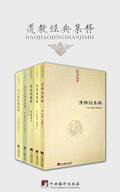 Taoism**********
completed
—Reads5.8Score—Shelves
Taoism**********
completed
—Reads5.8Score—Shelves
Reader note
Traditional cultural wisdom: a guide to self-cultivation and morality. In our long history of culture, Confucianism, Taoism, Buddhism, Wang Yangming's philosophy of mind, and Zhang Defen's works, as well as the concept of pursuing the path to immortality, all contain endless wisdom and point us in the direction of self-cultivation and morality and how to behave in the world. 1. Confucianism: advocates "benevolence, righteousness, etiquette, wisdom, and faith." "Filial piety is the first of all virtues", filial piety is the respect and support for parents and elders; friendship and mutual help between brothers and sisters; loyalty to the emperor, patriotism, respect for one's job and love for one's career reflect loyalty; "A person cannot stand without trust", trust is the criterion for living in life; etiquette regulates our behavior and respects teachers and ethics; righteousness allows us to adhere to justice and maintain chastity; integrity requires us to be spotless and upright; shame enables us to distinguish right from wrong and keep the bottom line of being a human being. Everything starts from oneself, guided by Confucianism, and constantly improves oneself. 2. Taoism: It advocates conforming to nature, following the fundamental law "Tao" of all things in the universe, governing by doing nothing, and not imposing interference. It is virtue to uphold a simple and pure nature, have noble moral character, and not fight for benefits. A pure heart, not disturbed by worldly complexities and desires, is pure; keep quiet and peaceful, gain insight into all things in tranquility, and practice physical and mental tranquility; let go of yourself, not be bound by prejudices and inherent concepts, accept the so-called emptiness of the world with an open and tolerant heart; understand the state of "nothing" In the world, let go of the attachment to tangible materials and fame and wealth, and return to the true nature of nothingness; to deal with the world with a gentle and humble attitude, like water, which seems to be weak but contains powerful power, that is, softness; to pursue harmony, to live in harmony with nature and others, and to live in peace without creating conflicts and disputes. 3. Buddhism: To be compassionate, to feel the suffering of all living beings, to give care and help is compassion; to pity the suffering of all living beings, and to help them escape from the sea of suffering is compassion; to rejoice in the happiness and happiness of all living beings, and to be free from jealousy, hatred, and hatred; to give up greed, anger, ignorance, pride, and suspicion, and to let go of the pursuit of worldly desires and obsessions is renunciation; to observe the precepts, Regulate your own behavior and refrain from doing things that harm sentient beings and violate morality; practice meditation, focus on your heart, and not be disturbed by the outside world, so as to gain wisdom and concentration, that is, concentration; open up wisdom, gain insight into the essence of things, and get rid of troubles and confusion as wisdom; understand the true meaning of "emptiness" and understand that everything in the world is illusion, and not being attached to appearances is emptiness. We should not be attached to form on the outside, and we should not be attached to emptiness on the inside. We should have nothing to live in, and our mind should be born. The past cannot be grasped, the present cannot be grasped, and the future cannot be grasped. 4. Wang Yangming's Theory of Mind: Emphasizes that "the heart is reason", the heart is the ontology of all things in the universe, and all moral norms and truths originate from the heart. Conscience is our innate moral judgment and intuitive ability. It can distinguish right from wrong, good and evil, and is the fundamental criterion for being a human being. Through constant self-reflection and practice, we can remove the cover of selfish desires and extend our inner conscience to all things, that is, conscience. Knowledge and action are integrated. Once you have correct cognition, you must put it into action, deepen your cognition in action, and avoid empty talk. This is the unity of knowledge and action. Make your thoughts sincere, do not deceive yourself, be pure in heart, and be sincere; care for the people, actively participate in society, and benefit the people with practical actions; explore the principles of nature in specific things, and improve yourself through understanding and practice of things; establish lofty aspirations, clarify life goals, and make unremitting efforts to realize your ideals. 5. Zhang Defen's works: In "Meeting the Unknown Self", he advocates inner tranquility and far-reaching, abandoning impetuous and troubled silence; constant self-reflection, insight into inner thoughts; understanding the true meaning of life, and understanding the wisdom of life; letting go of unnecessary burdens and liberating the shackles of the soul; loving kindness and kindness in the heart, the love that warms all things in the world; harmonizing the body and mind, accepting the harmony of the complete self; awakening inner awareness, insight into the truth of life, and exploring everything from the heart. "Meet Your Dreams Come True" encourages us to have beautiful dreams and illuminate the way forward; to set firm aspirations and anchor the goals we strive for; to work diligently and accumulate the capital for success; to be brave enough to innovate and break through the limitations of thinking; to persevere and persevere without fear of hardships and obstacles; to be good at seizing opportunities and keenly discerning the goodness of opportunities; to plan actions rationally, promote the integration of dreams in an orderly manner, and realize dreams starting from the present. "Live a New Self" inspires us to bravely challenge ourselves and break through the boundaries of comfort; actively embrace change and welcome new possible changes; continue to learn and grow to improve our own quality; decisively let go of the past and say goodbye to old patterns; maintain an optimistic attitude and laugh at the ups and downs of life; pay attention to physical and mental health and consolidate the foundation of life; stick to your true self and show your unique style. Everything starts with change. 6. Pursuing the path to immortality: pay attention to quietness to cultivate one's self, stay away from the hustle and bustle of the world, and clarify the heart; be kind-hearted, have compassion and love in the heart, and build good relationships; understand the principles of heaven, have insight into all phenomena in the world, and have a clear mind and nature; be humble in life, neither arrogant nor impetuous nor discouraged, and be open-minded; and Live in harmony, be one with all things, and conform to nature; be patient and restrained, tolerate things that are difficult to tolerate, and cultivate an open-minded mind; be willing to let go, put aside fame and wealth, and get rid of the fetters; practice diligently, improve your own skills, and practice the path of seeking the Tao from the moment. These precious cultural treasures guide us on the road of life to continuously improve ourselves, cultivate moral character, face various challenges in life with a positive and healthy attitude and behavior, realize the value of life, and gain inner peace and happiness. I hope everyone can draw strength from it and let the wisdom of traditional culture shine in our lives. We also welcome sharing this wisdom with more people in need.
-
117
中
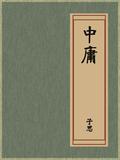 Moderate
Zisicompleted
—Reads9.5Score—Shelves
Moderate
Zisicompleted
—Reads9.5Score—Shelves
Reader note
Traditional cultural wisdom: a guide to self-cultivation and morality. In our long history of culture, Confucianism, Taoism, Buddhism, Wang Yangming's philosophy of mind, and Zhang Defen's works, as well as the concept of pursuing the path to immortality, all contain endless wisdom and point us in the direction of self-cultivation and morality and how to behave in the world. 1. Confucianism: advocates "benevolence, righteousness, etiquette, wisdom, and faith." "Filial piety is the first of all virtues", filial piety is the respect and support for parents and elders; friendship and mutual help between brothers and sisters; loyalty to the emperor, patriotism, respect for one's job and love for one's career reflect loyalty; "A person cannot stand without trust", trust is the criterion for living in life; etiquette regulates our behavior and respects teachers and ethics; righteousness allows us to adhere to justice and maintain chastity; integrity requires us to be spotless and upright; shame enables us to distinguish right from wrong and keep the bottom line of being a human being. Everything starts from oneself, guided by Confucianism, and constantly improves oneself. 2. Taoism: It advocates conforming to nature, following the fundamental law "Tao" of all things in the universe, governing by doing nothing, and not imposing interference. It is virtue to uphold a simple and pure nature, have noble moral character, and not fight for benefits. A pure heart, not disturbed by worldly complexities and desires, is pure; keep quiet and peaceful, gain insight into all things in tranquility, and practice physical and mental tranquility; let go of yourself, not be bound by prejudices and inherent concepts, accept the so-called emptiness of the world with an open and tolerant heart; understand the state of "nothing" In the world, let go of the attachment to tangible materials and fame and wealth, and return to the true nature of nothingness; to deal with the world with a gentle and humble attitude, like water, which seems to be weak but contains powerful power, that is, softness; to pursue harmony, to live in harmony with nature and others, and to live in peace without creating conflicts and disputes. 3. Buddhism: To be compassionate, to feel the suffering of all living beings, to give care and help is compassion; to pity the suffering of all living beings, and to help them escape from the sea of suffering is compassion; to rejoice in the happiness and happiness of all living beings, and to be free from jealousy, hatred, and hatred; to give up greed, anger, ignorance, pride, and suspicion, and to let go of the pursuit of worldly desires and obsessions is renunciation; to observe the precepts, Regulate your own behavior and refrain from doing things that harm sentient beings and violate morality; practice meditation, focus on your heart, and not be disturbed by the outside world, so as to gain wisdom and concentration, that is, concentration; open up wisdom, gain insight into the essence of things, and get rid of troubles and confusion as wisdom; understand the true meaning of "emptiness" and understand that everything in the world is illusion, and not being attached to appearances is emptiness. We should not be attached to form on the outside, and we should not be attached to emptiness on the inside. We should have nothing to live in, and our mind should be born. The past cannot be grasped, the present cannot be grasped, and the future cannot be grasped. 4. Wang Yangming's Theory of Mind: Emphasizes that "the heart is reason", the heart is the ontology of all things in the universe, and all moral norms and truths originate from the heart. Conscience is our innate moral judgment and intuitive ability. It can distinguish right from wrong, good and evil, and is the fundamental criterion for being a human being. Through constant self-reflection and practice, we can remove the cover of selfish desires and extend our inner conscience to all things, that is, conscience. Knowledge and action are integrated. Once you have correct cognition, you must put it into action, deepen your cognition in action, and avoid empty talk. This is the unity of knowledge and action. Make your thoughts sincere, do not deceive yourself, be pure in heart, and be sincere; care for the people, actively participate in society, and benefit the people with practical actions; explore the principles of nature in specific things, and improve yourself through understanding and practice of things; establish lofty aspirations, clarify life goals, and make unremitting efforts to realize your ideals. 5. Zhang Defen's works: In "Meeting the Unknown Self", he advocates inner tranquility and far-reaching, abandoning impetuous and troubled silence; constant self-reflection, insight into inner thoughts; understanding the true meaning of life, and understanding the wisdom of life; letting go of unnecessary burdens and liberating the shackles of the soul; loving kindness and kindness in the heart, the love that warms all things in the world; harmonizing the body and mind, accepting the harmony of the complete self; awakening inner awareness, insight into the truth of life, and exploring everything from the heart. "Meet Your Dreams Come True" encourages us to have beautiful dreams and illuminate the way forward; to set firm aspirations and anchor the goals we strive for; to work diligently and accumulate the capital for success; to be brave enough to innovate and break through the limitations of thinking; to persevere and persevere without fear of hardships and obstacles; to be good at seizing opportunities and keenly discerning the goodness of opportunities; to plan actions rationally, promote the integration of dreams in an orderly manner, and realize dreams starting from the present. "Live a New Self" inspires us to bravely challenge ourselves and break through the boundaries of comfort; actively embrace change and welcome new possible changes; continue to learn and grow to improve our own quality; decisively let go of the past and say goodbye to old patterns; maintain an optimistic attitude and laugh at the ups and downs of life; pay attention to physical and mental health and consolidate the foundation of life; stick to your true self and show your unique style. Everything starts with change. 6. Pursuing the path to immortality: pay attention to quietness to cultivate one's self, stay away from the hustle and bustle of the world, and clarify the heart; be kind-hearted, have compassion and love in the heart, and build good relationships; understand the principles of heaven, have insight into all phenomena in the world, and have a clear mind and nature; be humble in life, neither arrogant nor impetuous nor discouraged, and be open-minded; and Live in harmony, be one with all things, and conform to nature; be patient and restrained, tolerate things that are difficult to tolerate, and cultivate an open-minded mind; be willing to let go, put aside fame and wealth, and get rid of the fetters; practice diligently, improve your own skills, and practice the path of seeking the Tao from the moment. These precious cultural treasures guide us on the road of life to continuously improve ourselves, cultivate moral character, face various challenges in life with a positive and healthy attitude and behavior, realize the value of life, and gain inner peace and happiness. I hope everyone can draw strength from it and let the wisdom of traditional culture shine in our lives. We also welcome sharing this wisdom with more people in need.
-
118
太
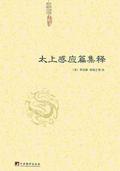 Too Much *****
completed
—Reads5.8Score—Shelves
Too Much *****
completed
—Reads5.8Score—Shelves
Reader note
Traditional cultural wisdom: a guide to self-cultivation and morality. In our long history of culture, Confucianism, Taoism, Buddhism, Wang Yangming's philosophy of mind, and Zhang Defen's works, as well as the concept of pursuing the path to immortality, all contain endless wisdom and point us in the direction of self-cultivation and morality and how to behave in the world. 1. Confucianism: advocates "benevolence, righteousness, etiquette, wisdom, and faith." "Filial piety is the first of all virtues", filial piety is the respect and support for parents and elders; friendship and mutual help between brothers and sisters; loyalty to the emperor, patriotism, respect for one's job and love for one's career reflect loyalty; "A person cannot stand without trust", trust is the criterion for living in life; etiquette regulates our behavior and respects teachers and ethics; righteousness allows us to adhere to justice and maintain chastity; integrity requires us to be spotless and upright; shame enables us to distinguish right from wrong and keep the bottom line of being a human being. Everything starts from oneself, guided by Confucianism, and constantly improves oneself. 2. Taoism: It advocates conforming to nature, following the fundamental law "Tao" of all things in the universe, governing by doing nothing, and not imposing interference. It is virtue to uphold a simple and pure nature, have noble moral character, and not fight for benefits. A pure heart, not disturbed by worldly complexities and desires, is pure; keep quiet and peaceful, gain insight into all things in tranquility, and practice physical and mental tranquility; let go of yourself, not be bound by prejudices and inherent concepts, accept the so-called emptiness of the world with an open and tolerant heart; understand the state of "nothing" In the world, let go of the attachment to tangible materials and fame and wealth, and return to the true nature of nothingness; to deal with the world with a gentle and humble attitude, like water, which seems to be weak but contains powerful power, that is, softness; to pursue harmony, to live in harmony with nature and others, and to live in peace without creating conflicts and disputes. 3. Buddhism: To be compassionate, to feel the suffering of all living beings, to give care and help is compassion; to pity the suffering of all living beings, and to help them escape from the sea of suffering is compassion; to rejoice in the happiness and happiness of all living beings, and to be free from jealousy, hatred, and hatred; to give up greed, anger, ignorance, pride, and suspicion, and to let go of the pursuit of worldly desires and obsessions is renunciation; to observe the precepts, Regulate your own behavior and refrain from doing things that harm sentient beings and violate morality; practice meditation, focus on your heart, and not be disturbed by the outside world, so as to gain wisdom and concentration, that is, concentration; open up wisdom, gain insight into the essence of things, and get rid of troubles and confusion as wisdom; understand the true meaning of "emptiness" and understand that everything in the world is illusion, and not being attached to appearances is emptiness. We should not be attached to form on the outside, and we should not be attached to emptiness on the inside. We should have nothing to live in, and our mind should be born. The past cannot be grasped, the present cannot be grasped, and the future cannot be grasped. 4. Wang Yangming's Theory of Mind: Emphasizes that "the heart is reason", the heart is the ontology of all things in the universe, and all moral norms and truths originate from the heart. Conscience is our innate moral judgment and intuitive ability. It can distinguish right from wrong, good and evil, and is the fundamental criterion for being a human being. Through constant self-reflection and practice, we can remove the cover of selfish desires and extend our inner conscience to all things, that is, conscience. Knowledge and action are integrated. Once you have correct cognition, you must put it into action, deepen your cognition in action, and avoid empty talk. This is the unity of knowledge and action. Make your thoughts sincere, do not deceive yourself, be pure in heart, and be sincere; care for the people, actively participate in society, and benefit the people with practical actions; explore the principles of nature in specific things, and improve yourself through understanding and practice of things; establish lofty aspirations, clarify life goals, and make unremitting efforts to realize your ideals. 5. Zhang Defen's works: In "Meeting the Unknown Self", he advocates inner tranquility and far-reaching, abandoning impetuous and troubled silence; constant self-reflection, insight into inner thoughts; understanding the true meaning of life, and understanding the wisdom of life; letting go of unnecessary burdens and liberating the shackles of the soul; loving kindness and kindness in the heart, the love that warms all things in the world; harmonizing the body and mind, accepting the harmony of the complete self; awakening inner awareness, insight into the truth of life, and exploring everything from the heart. "Meet Your Dreams Come True" encourages us to have beautiful dreams and illuminate the way forward; to set firm aspirations and anchor the goals we strive for; to work diligently and accumulate the capital for success; to be brave enough to innovate and break through the limitations of thinking; to persevere and persevere without fear of hardships and obstacles; to be good at seizing opportunities and keenly discerning the goodness of opportunities; to plan actions rationally, promote the integration of dreams in an orderly manner, and realize dreams starting from the present. "Live a New Self" inspires us to bravely challenge ourselves and break through the boundaries of comfort; actively embrace change and welcome new possible changes; continue to learn and grow to improve our own quality; decisively let go of the past and say goodbye to old patterns; maintain an optimistic attitude and laugh at the ups and downs of life; pay attention to physical and mental health and consolidate the foundation of life; stick to your true self and show your unique style. Everything starts with change. 6. Pursuing the path to immortality: pay attention to quietness to cultivate one's self, stay away from the hustle and bustle of the world, and clarify the heart; be kind-hearted, have compassion and love in the heart, and build good relationships; understand the principles of heaven, have insight into all phenomena in the world, and have a clear mind and nature; be humble in life, neither arrogant nor impetuous nor discouraged, and be open-minded; and Live in harmony, be one with all things, and conform to nature; be patient and restrained, tolerate things that are difficult to tolerate, and cultivate an open-minded mind; be willing to let go, put aside fame and wealth, and get rid of the fetters; practice diligently, improve your own skills, and practice the path of seeking the Tao from the moment. These precious cultural treasures guide us on the road of life to continuously improve ourselves, cultivate moral character, face various challenges in life with a positive and healthy attitude and behavior, realize the value of life, and gain inner peace and happiness. I hope everyone can draw strength from it and let the wisdom of traditional culture shine in our lives. We also welcome sharing this wisdom with more people in need.
-
119
知
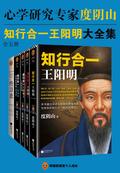 The Unity of Knowledge and Action by Wang Yangming (Five Volumes)
Duyin Mountaincompleted
—Reads9.5Score—Shelves
The Unity of Knowledge and Action by Wang Yangming (Five Volumes)
Duyin Mountaincompleted
—Reads9.5Score—Shelves
Reader note
Traditional cultural wisdom: a guide to self-cultivation and morality. In our long history of culture, Confucianism, Taoism, Buddhism, Wang Yangming's philosophy of mind, and Zhang Defen's works, as well as the concept of pursuing the path to immortality, all contain endless wisdom and point us in the direction of self-cultivation and morality and how to behave in the world. 1. Confucianism: advocates "benevolence, righteousness, etiquette, wisdom, and faith." "Filial piety is the first of all virtues", filial piety is the respect and support for parents and elders; friendship and mutual help between brothers and sisters; loyalty to the emperor, patriotism, respect for one's job and love for one's career reflect loyalty; "A person cannot stand without trust", trust is the criterion for living in life; etiquette regulates our behavior and respects teachers and ethics; righteousness allows us to adhere to justice and maintain chastity; integrity requires us to be spotless and upright; shame enables us to distinguish right from wrong and keep the bottom line of being a human being. Everything starts from oneself, guided by Confucianism, and constantly improves oneself. 2. Taoism: It advocates conforming to nature, following the fundamental law "Tao" of all things in the universe, governing by doing nothing, and not imposing interference. It is virtue to uphold a simple and pure nature, have noble moral character, and not fight for benefits. A pure heart, not disturbed by worldly complexities and desires, is pure; keep quiet and peaceful, gain insight into all things in tranquility, and practice physical and mental tranquility; let go of yourself, not be bound by prejudices and inherent concepts, accept the so-called emptiness of the world with an open and tolerant heart; understand the state of "nothing" In the world, let go of the attachment to tangible materials and fame and wealth, and return to the true nature of nothingness; to deal with the world with a gentle and humble attitude, like water, which seems to be weak but contains powerful power, that is, softness; to pursue harmony, to live in harmony with nature and others, and to live in peace without creating conflicts and disputes. 3. Buddhism: To be compassionate, to feel the suffering of all living beings, to give care and help is compassion; to pity the suffering of all living beings, and to help them escape from the sea of suffering is compassion; to rejoice in the happiness and happiness of all living beings, and to be free from jealousy, hatred, and hatred; to give up greed, anger, ignorance, pride, and suspicion, and to let go of the pursuit of worldly desires and obsessions is renunciation; to observe the precepts, Regulate your own behavior and refrain from doing things that harm sentient beings and violate morality; practice meditation, focus on your heart, and not be disturbed by the outside world, so as to gain wisdom and concentration, that is, concentration; open up wisdom, gain insight into the essence of things, and get rid of troubles and confusion as wisdom; understand the true meaning of "emptiness" and understand that everything in the world is illusion, and not being attached to appearances is emptiness. We should not be attached to form on the outside, and we should not be attached to emptiness on the inside. We should have nothing to live in, and our mind should be born. The past cannot be grasped, the present cannot be grasped, and the future cannot be grasped. 4. Wang Yangming's Theory of Mind: Emphasizes that "the heart is reason", the heart is the ontology of all things in the universe, and all moral norms and truths originate from the heart. Conscience is our innate moral judgment and intuitive ability. It can distinguish right from wrong, good and evil, and is the fundamental criterion for being a human being. Through constant self-reflection and practice, we can remove the cover of selfish desires and extend our inner conscience to all things, that is, conscience. Knowledge and action are integrated. Once you have correct cognition, you must put it into action, deepen your cognition in action, and avoid empty talk. This is the unity of knowledge and action. Make your thoughts sincere, do not deceive yourself, be pure in heart, and be sincere; care for the people, actively participate in society, and benefit the people with practical actions; explore the principles of nature in specific things, and improve yourself through understanding and practice of things; establish lofty aspirations, clarify life goals, and make unremitting efforts to realize your ideals. 5. Zhang Defen's works: In "Meeting the Unknown Self", he advocates inner tranquility and far-reaching, abandoning impetuous and troubled silence; constant self-reflection, insight into inner thoughts; understanding the true meaning of life, and understanding the wisdom of life; letting go of unnecessary burdens and liberating the shackles of the soul; loving kindness and kindness in the heart, the love that warms all things in the world; harmonizing the body and mind, accepting the harmony of the complete self; awakening inner awareness, insight into the truth of life, and exploring everything from the heart. "Meet Your Dreams Come True" encourages us to have beautiful dreams and illuminate the way forward; to set firm aspirations and anchor the goals we strive for; to work diligently and accumulate the capital for success; to be brave enough to innovate and break through the limitations of thinking; to persevere and persevere without fear of hardships and obstacles; to be good at seizing opportunities and keenly discerning the goodness of opportunities; to plan actions rationally, promote the integration of dreams in an orderly manner, and realize dreams starting from the present. "Live a New Self" inspires us to bravely challenge ourselves and break through the boundaries of comfort; actively embrace change and welcome new possible changes; continue to learn and grow to improve our own quality; decisively let go of the past and say goodbye to old patterns; maintain an optimistic attitude and laugh at the ups and downs of life; pay attention to physical and mental health and consolidate the foundation of life; stick to your true self and show your unique style. Everything starts with change. 6. Pursuing the path to immortality: pay attention to quietness to cultivate one's self, stay away from the hustle and bustle of the world, and clarify the heart; be kind-hearted, have compassion and love in the heart, and build good relationships; understand the principles of heaven, have insight into all phenomena in the world, and have a clear mind and nature; be humble in life, neither arrogant nor impetuous nor discouraged, and be open-minded; and Live in harmony, be one with all things, and conform to nature; be patient and restrained, tolerate things that are difficult to tolerate, and cultivate an open-minded mind; be willing to let go, put aside fame and wealth, and get rid of the fetters; practice diligently, improve your own skills, and practice the path of seeking the Tao from the moment. These precious cultural treasures guide us on the road of life to continuously improve ourselves, cultivate moral character, face various challenges in life with a positive and healthy attitude and behavior, realize the value of life, and gain inner peace and happiness. I hope everyone can draw strength from it and let the wisdom of traditional culture shine in our lives. We also welcome sharing this wisdom with more people in need.
-
120
道
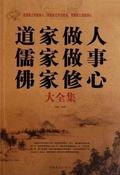 Taoist Life, Confucian Work, Buddhist Mind Cultivation Collection
Qinpucompleted
—Reads9.5Score—Shelves
Taoist Life, Confucian Work, Buddhist Mind Cultivation Collection
Qinpucompleted
—Reads9.5Score—Shelves
Reader note
Traditional cultural wisdom: a guide to self-cultivation and morality. In our long history of culture, Confucianism, Taoism, Buddhism, Wang Yangming's philosophy of mind, and Zhang Defen's works, as well as the concept of pursuing the path to immortality, all contain endless wisdom and point us in the direction of self-cultivation and morality and how to behave in the world. 1. Confucianism: advocates "benevolence, righteousness, etiquette, wisdom, and faith." "Filial piety is the first of all virtues", filial piety is the respect and support for parents and elders; friendship and mutual help between brothers and sisters; loyalty to the emperor, patriotism, respect for one's job and love for one's career reflect loyalty; "A person cannot stand without trust", trust is the criterion for living in life; etiquette regulates our behavior and respects teachers and ethics; righteousness allows us to adhere to justice and maintain chastity; integrity requires us to be spotless and upright; shame enables us to distinguish right from wrong and keep the bottom line of being a human being. Everything starts from oneself, guided by Confucianism, and constantly improves oneself. 2. Taoism: It advocates conforming to nature, following the fundamental law "Tao" of all things in the universe, governing by doing nothing, and not imposing interference. It is virtue to uphold a simple and pure nature, have noble moral character, and not fight for benefits. A pure heart, not disturbed by worldly complexities and desires, is pure; keep quiet and peaceful, gain insight into all things in tranquility, and practice physical and mental tranquility; let go of yourself, not be bound by prejudices and inherent concepts, accept the so-called emptiness of the world with an open and tolerant heart; understand the state of "nothing" In the world, let go of the attachment to tangible materials and fame and wealth, and return to the true nature of nothingness; to deal with the world with a gentle and humble attitude, like water, which seems to be weak but contains powerful power, that is, softness; to pursue harmony, to live in harmony with nature and others, and to live in peace without creating conflicts and disputes. 3. Buddhism: To be compassionate, to feel the suffering of all living beings, to give care and help is compassion; to pity the suffering of all living beings, and to help them escape from the sea of suffering is compassion; to rejoice in the happiness and happiness of all living beings, and to be free from jealousy, hatred, and hatred; to give up greed, anger, ignorance, pride, and suspicion, and to let go of the pursuit of worldly desires and obsessions is renunciation; to observe the precepts, Regulate your own behavior and refrain from doing things that harm sentient beings and violate morality; practice meditation, focus on your heart, and not be disturbed by the outside world, so as to gain wisdom and concentration, that is, concentration; open up wisdom, gain insight into the essence of things, and get rid of troubles and confusion as wisdom; understand the true meaning of "emptiness" and understand that everything in the world is illusion, and not being attached to appearances is emptiness. We should not be attached to form on the outside, and we should not be attached to emptiness on the inside. We should have nothing to live in, and our mind should be born. The past cannot be grasped, the present cannot be grasped, and the future cannot be grasped. 4. Wang Yangming's Theory of Mind: Emphasizes that "the heart is reason", the heart is the ontology of all things in the universe, and all moral norms and truths originate from the heart. Conscience is our innate moral judgment and intuitive ability. It can distinguish right from wrong, good and evil, and is the fundamental criterion for being a human being. Through constant self-reflection and practice, we can remove the cover of selfish desires and extend our inner conscience to all things, that is, conscience. Knowledge and action are integrated. Once you have correct cognition, you must put it into action, deepen your cognition in action, and avoid empty talk. This is the unity of knowledge and action. Make your thoughts sincere, do not deceive yourself, be pure in heart, and be sincere; care for the people, actively participate in society, and benefit the people with practical actions; explore the principles of nature in specific things, and improve yourself through understanding and practice of things; establish lofty aspirations, clarify life goals, and make unremitting efforts to realize your ideals. 5. Zhang Defen's works: In "Meeting the Unknown Self", he advocates inner tranquility and far-reaching, abandoning impetuous and troubled silence; constant self-reflection, insight into inner thoughts; understanding the true meaning of life, and understanding the wisdom of life; letting go of unnecessary burdens and liberating the shackles of the soul; loving kindness and kindness in the heart, the love that warms all things in the world; harmonizing the body and mind, accepting the harmony of the complete self; awakening inner awareness, insight into the truth of life, and exploring everything from the heart. "Meet Your Dreams Come True" encourages us to have beautiful dreams and illuminate the way forward; to set firm aspirations and anchor the goals we strive for; to work diligently and accumulate the capital for success; to be brave enough to innovate and break through the limitations of thinking; to persevere and persevere without fear of hardships and obstacles; to be good at seizing opportunities and keenly discerning the goodness of opportunities; to plan actions rationally, promote the integration of dreams in an orderly manner, and realize dreams starting from the present. "Live a New Self" inspires us to bravely challenge ourselves and break through the boundaries of comfort; actively embrace change and welcome new possible changes; continue to learn and grow to improve our own quality; decisively let go of the past and say goodbye to old patterns; maintain an optimistic attitude and laugh at the ups and downs of life; pay attention to physical and mental health and consolidate the foundation of life; stick to your true self and show your unique style. Everything starts with change. 6. Pursuing the path to immortality: pay attention to quietness to cultivate one's self, stay away from the hustle and bustle of the world, and clarify the heart; be kind-hearted, have compassion and love in the heart, and build good relationships; understand the principles of heaven, have insight into all phenomena in the world, and have a clear mind and nature; be humble in life, neither arrogant nor impetuous nor discouraged, and be open-minded; and Live in harmony, be one with all things, and conform to nature; be patient and restrained, tolerate things that are difficult to tolerate, and cultivate an open-minded mind; be willing to let go, put aside fame and wealth, and get rid of the fetters; practice diligently, improve your own skills, and practice the path of seeking the Tao from the moment. These precious cultural treasures guide us on the road of life to continuously improve ourselves, cultivate moral character, face various challenges in life with a positive and healthy attitude and behavior, realize the value of life, and gain inner peace and happiness. I hope everyone can draw strength from it and let the wisdom of traditional culture shine in our lives. We also welcome sharing this wisdom with more people in need.
-
121
修
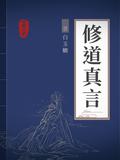 Mantra of Cultivation
Written by Bai Yuchancompleted
—Reads9.4Score—Shelves
Mantra of Cultivation
Written by Bai Yuchancompleted
—Reads9.4Score—Shelves
Reader note
Traditional cultural wisdom: a guide to self-cultivation and morality. In our long history of culture, Confucianism, Taoism, Buddhism, Wang Yangming's philosophy of mind, and Zhang Defen's works, as well as the concept of pursuing the path to immortality, all contain endless wisdom and point us in the direction of self-cultivation and morality and how to behave in the world. 1. Confucianism: advocates "benevolence, righteousness, etiquette, wisdom, and faith." "Filial piety is the first of all virtues", filial piety is the respect and support for parents and elders; friendship and mutual help between brothers and sisters; loyalty to the emperor, patriotism, respect for one's job and love for one's career reflect loyalty; "A person cannot stand without trust", trust is the criterion for living in life; etiquette regulates our behavior and respects teachers and ethics; righteousness allows us to adhere to justice and maintain chastity; integrity requires us to be spotless and upright; shame enables us to distinguish right from wrong and keep the bottom line of being a human being. Everything starts from oneself, guided by Confucianism, and constantly improves oneself. 2. Taoism: It advocates conforming to nature, following the fundamental law "Tao" of all things in the universe, governing by doing nothing, and not imposing interference. It is virtue to uphold a simple and pure nature, have noble moral character, and not fight for benefits. A pure heart, not disturbed by worldly complexities and desires, is pure; keep quiet and peaceful, gain insight into all things in tranquility, and practice physical and mental tranquility; let go of yourself, not be bound by prejudices and inherent concepts, accept the so-called emptiness of the world with an open and tolerant heart; understand the state of "nothing" In the world, let go of the attachment to tangible materials and fame and wealth, and return to the true nature of nothingness; to deal with the world with a gentle and humble attitude, like water, which seems to be weak but contains powerful power, that is, softness; to pursue harmony, to live in harmony with nature and others, and to live in peace without creating conflicts and disputes. 3. Buddhism: To be compassionate, to feel the suffering of all living beings, to give care and help is compassion; to pity the suffering of all living beings, and to help them escape from the sea of suffering is compassion; to rejoice in the happiness and happiness of all living beings, and to be free from jealousy, hatred, and hatred; to give up greed, anger, ignorance, pride, and suspicion, and to let go of the pursuit of worldly desires and obsessions is renunciation; to observe the precepts, Regulate your own behavior and refrain from doing things that harm sentient beings and violate morality; practice meditation, focus on your heart, and not be disturbed by the outside world, so as to gain wisdom and concentration, that is, concentration; open up wisdom, gain insight into the essence of things, and get rid of troubles and confusion as wisdom; understand the true meaning of "emptiness" and understand that everything in the world is illusion, and not being attached to appearances is emptiness. We should not be attached to form on the outside, and we should not be attached to emptiness on the inside. We should have nothing to live in, and our mind should be born. The past cannot be grasped, the present cannot be grasped, and the future cannot be grasped. 4. Wang Yangming's Theory of Mind: Emphasizes that "the heart is reason", the heart is the ontology of all things in the universe, and all moral norms and truths originate from the heart. Conscience is our innate moral judgment and intuitive ability. It can distinguish right from wrong, good and evil, and is the fundamental criterion for being a human being. Through constant self-reflection and practice, we can remove the cover of selfish desires and extend our inner conscience to all things, that is, conscience. Knowledge and action are integrated. Once you have correct cognition, you must put it into action, deepen your cognition in action, and avoid empty talk. This is the unity of knowledge and action. Make your thoughts sincere, do not deceive yourself, be pure in heart, and be sincere; care for the people, actively participate in society, and benefit the people with practical actions; explore the principles of nature in specific things, and improve yourself through understanding and practice of things; establish lofty aspirations, clarify life goals, and make unremitting efforts to realize your ideals. 5. Zhang Defen's works: In "Meeting the Unknown Self", he advocates inner tranquility and far-reaching, abandoning impetuous and troubled silence; constant self-reflection, insight into inner thoughts; understanding the true meaning of life, and understanding the wisdom of life; letting go of unnecessary burdens and liberating the shackles of the soul; loving kindness and kindness in the heart, the love that warms all things in the world; harmonizing the body and mind, accepting the harmony of the complete self; awakening inner awareness, insight into the truth of life, and exploring everything from the heart. "Meet Your Dreams Come True" encourages us to have beautiful dreams and illuminate the way forward; to set firm aspirations and anchor the goals we strive for; to work diligently and accumulate the capital for success; to be brave enough to innovate and break through the limitations of thinking; to persevere and persevere without fear of hardships and obstacles; to be good at seizing opportunities and keenly discerning the goodness of opportunities; to plan actions rationally, promote the integration of dreams in an orderly manner, and realize dreams starting from the present. "Live a New Self" inspires us to bravely challenge ourselves and break through the boundaries of comfort; actively embrace change and welcome new possible changes; continue to learn and grow to improve our own quality; decisively let go of the past and say goodbye to old patterns; maintain an optimistic attitude and laugh at the ups and downs of life; pay attention to physical and mental health and consolidate the foundation of life; stick to your true self and show your unique style. Everything starts with change. 6. Pursuing the path to immortality: pay attention to quietness to cultivate one's self, stay away from the hustle and bustle of the world, and clarify the heart; be kind-hearted, have compassion and love in the heart, and build good relationships; understand the principles of heaven, have insight into all phenomena in the world, and have a clear mind and nature; be humble in life, neither arrogant nor impetuous nor discouraged, and be open-minded; and Live in harmony, be one with all things, and conform to nature; be patient and restrained, tolerate things that are difficult to tolerate, and cultivate an open-minded mind; be willing to let go, put aside fame and wealth, and get rid of the fetters; practice diligently, improve your own skills, and practice the path of seeking the Tao from the moment. These precious cultural treasures guide us on the road of life to continuously improve ourselves, cultivate moral character, face various challenges in life with a positive and healthy attitude and behavior, realize the value of life, and gain inner peace and happiness. I hope everyone can draw strength from it and let the wisdom of traditional culture shine in our lives. We also welcome sharing this wisdom with more people in need.
-
122
道
 Tao Te Ching (Chunmei Collector's Edition)
(Spring and Autumn Period) Lao Tzucompleted
—Reads9.4Score—Shelves
Tao Te Ching (Chunmei Collector's Edition)
(Spring and Autumn Period) Lao Tzucompleted
—Reads9.4Score—Shelves
Reader note
Traditional cultural wisdom: a guide to self-cultivation and morality. In our long history of culture, Confucianism, Taoism, Buddhism, Wang Yangming's philosophy of mind, and Zhang Defen's works, as well as the concept of pursuing the path to immortality, all contain endless wisdom and point us in the direction of self-cultivation and morality and how to behave in the world. 1. Confucianism: advocates "benevolence, righteousness, etiquette, wisdom, and faith." "Filial piety is the first of all virtues", filial piety is the respect and support for parents and elders; friendship and mutual help between brothers and sisters; loyalty to the emperor, patriotism, respect for one's job and love for one's career reflect loyalty; "A person cannot stand without trust", trust is the criterion for living in life; etiquette regulates our behavior and respects teachers and ethics; righteousness allows us to adhere to justice and maintain chastity; integrity requires us to be spotless and upright; shame enables us to distinguish right from wrong and keep the bottom line of being a human being. Everything starts from oneself, guided by Confucianism, and constantly improves oneself. 2. Taoism: It advocates conforming to nature, following the fundamental law "Tao" of all things in the universe, governing by doing nothing, and not imposing interference. It is virtue to uphold a simple and pure nature, have noble moral character, and not fight for benefits. A pure heart, not disturbed by worldly complexities and desires, is pure; keep quiet and peaceful, gain insight into all things in tranquility, and practice physical and mental tranquility; let go of yourself, not be bound by prejudices and inherent concepts, accept the so-called emptiness of the world with an open and tolerant heart; understand the state of "nothing" In the world, let go of the attachment to tangible materials and fame and wealth, and return to the true nature of nothingness; to deal with the world with a gentle and humble attitude, like water, which seems to be weak but contains powerful power, that is, softness; to pursue harmony, to live in harmony with nature and others, and to live in peace without creating conflicts and disputes. 3. Buddhism: To be compassionate, to feel the suffering of all living beings, to give care and help is compassion; to pity the suffering of all living beings, and to help them escape from the sea of suffering is compassion; to rejoice in the happiness and happiness of all living beings, and to be free from jealousy, hatred, and hatred; to give up greed, anger, ignorance, pride, and suspicion, and to let go of the pursuit of worldly desires and obsessions is renunciation; to observe the precepts, Regulate your own behavior and refrain from doing things that harm sentient beings and violate morality; practice meditation, focus on your heart, and not be disturbed by the outside world, so as to gain wisdom and concentration, that is, concentration; open up wisdom, gain insight into the essence of things, and get rid of troubles and confusion as wisdom; understand the true meaning of "emptiness" and understand that everything in the world is illusion, and not being attached to appearances is emptiness. We should not be attached to form on the outside, and we should not be attached to emptiness on the inside. We should have nothing to live in, and our mind should be born. The past cannot be grasped, the present cannot be grasped, and the future cannot be grasped. 4. Wang Yangming's Theory of Mind: Emphasizes that "the heart is reason", the heart is the ontology of all things in the universe, and all moral norms and truths originate from the heart. Conscience is our innate moral judgment and intuitive ability. It can distinguish right from wrong, good and evil, and is the fundamental criterion for being a human being. Through constant self-reflection and practice, we can remove the cover of selfish desires and extend our inner conscience to all things, that is, conscience. Knowledge and action are integrated. Once you have correct cognition, you must put it into action, deepen your cognition in action, and avoid empty talk. This is the unity of knowledge and action. Make your thoughts sincere, do not deceive yourself, be pure in heart, and be sincere; care for the people, actively participate in society, and benefit the people with practical actions; explore the principles of nature in specific things, and improve yourself through understanding and practice of things; establish lofty aspirations, clarify life goals, and make unremitting efforts to realize your ideals. 5. Zhang Defen's works: In "Meeting the Unknown Self", he advocates inner tranquility and far-reaching, abandoning impetuous and troubled silence; constant self-reflection, insight into inner thoughts; understanding the true meaning of life, and understanding the wisdom of life; letting go of unnecessary burdens and liberating the shackles of the soul; loving kindness and kindness in the heart, the love that warms all things in the world; harmonizing the body and mind, accepting the harmony of the complete self; awakening inner awareness, insight into the truth of life, and exploring everything from the heart. "Meet Your Dreams Come True" encourages us to have beautiful dreams and illuminate the way forward; to set firm aspirations and anchor the goals we strive for; to work diligently and accumulate the capital for success; to be brave enough to innovate and break through the limitations of thinking; to persevere and persevere without fear of hardships and obstacles; to be good at seizing opportunities and keenly discerning the goodness of opportunities; to plan actions rationally, promote the integration of dreams in an orderly manner, and realize dreams starting from the present. "Live a New Self" inspires us to bravely challenge ourselves and break through the boundaries of comfort; actively embrace change and welcome new possible changes; continue to learn and grow to improve our own quality; decisively let go of the past and say goodbye to old patterns; maintain an optimistic attitude and laugh at the ups and downs of life; pay attention to physical and mental health and consolidate the foundation of life; stick to your true self and show your unique style. Everything starts with change. 6. Pursuing the path to immortality: pay attention to quietness to cultivate one's self, stay away from the hustle and bustle of the world, and clarify the heart; be kind-hearted, have compassion and love in the heart, and build good relationships; understand the principles of heaven, have insight into all phenomena in the world, and have a clear mind and nature; be humble in life, neither arrogant nor impetuous nor discouraged, and be open-minded; and Live in harmony, be one with all things, and conform to nature; be patient and restrained, tolerate things that are difficult to tolerate, and cultivate an open-minded mind; be willing to let go, put aside fame and wealth, and get rid of the fetters; practice diligently, improve your own skills, and practice the path of seeking the Tao from the moment. These precious cultural treasures guide us on the road of life to continuously improve ourselves, cultivate moral character, face various challenges in life with a positive and healthy attitude and behavior, realize the value of life, and gain inner peace and happiness. I hope everyone can draw strength from it and let the wisdom of traditional culture shine in our lives. We also welcome sharing this wisdom with more people in need.
-
123
王
 Complete Works of Wang Yangming
(Ming Dynasty) Written by Wang Shouren, Edited by Wu Guang, Qian Ming, Dong Ping, Yao Yanfucompleted
—Reads9.3Score—Shelves
Complete Works of Wang Yangming
(Ming Dynasty) Written by Wang Shouren, Edited by Wu Guang, Qian Ming, Dong Ping, Yao Yanfucompleted
—Reads9.3Score—Shelves
Reader note
Traditional cultural wisdom: a guide to self-cultivation and morality. In our long history of culture, Confucianism, Taoism, Buddhism, Wang Yangming's philosophy of mind, and Zhang Defen's works, as well as the concept of pursuing the path to immortality, all contain endless wisdom and point us in the direction of self-cultivation and morality and how to behave in the world. 1. Confucianism: advocates "benevolence, righteousness, etiquette, wisdom, and faith." "Filial piety is the first of all virtues", filial piety is the respect and support for parents and elders; friendship and mutual help between brothers and sisters; loyalty to the emperor, patriotism, respect for one's job and love for one's career reflect loyalty; "A person cannot stand without trust", trust is the criterion for living in life; etiquette regulates our behavior and respects teachers and ethics; righteousness allows us to adhere to justice and maintain chastity; integrity requires us to be spotless and upright; shame enables us to distinguish right from wrong and keep the bottom line of being a human being. Everything starts from oneself, guided by Confucianism, and constantly improves oneself. 2. Taoism: It advocates conforming to nature, following the fundamental law "Tao" of all things in the universe, governing by doing nothing, and not imposing interference. It is virtue to uphold a simple and pure nature, have noble moral character, and not fight for benefits. A pure heart, not disturbed by worldly complexities and desires, is pure; keep quiet and peaceful, gain insight into all things in tranquility, and practice physical and mental tranquility; let go of yourself, not be bound by prejudices and inherent concepts, accept the so-called emptiness of the world with an open and tolerant heart; understand the state of "nothing" In the world, let go of the attachment to tangible materials and fame and wealth, and return to the true nature of nothingness; to deal with the world with a gentle and humble attitude, like water, which seems to be weak but contains powerful power, that is, softness; to pursue harmony, to live in harmony with nature and others, and to live in peace without creating conflicts and disputes. 3. Buddhism: To be compassionate, to feel the suffering of all living beings, to give care and help is compassion; to pity the suffering of all living beings, and to help them escape from the sea of suffering is compassion; to rejoice in the happiness and happiness of all living beings, and to be free from jealousy, hatred, and hatred; to give up greed, anger, ignorance, pride, and suspicion, and to let go of the pursuit of worldly desires and obsessions is renunciation; to observe the precepts, Regulate your own behavior and refrain from doing things that harm sentient beings and violate morality; practice meditation, focus on your heart, and not be disturbed by the outside world, so as to gain wisdom and concentration, that is, concentration; open up wisdom, gain insight into the essence of things, and get rid of troubles and confusion as wisdom; understand the true meaning of "emptiness" and understand that everything in the world is illusion, and not being attached to appearances is emptiness. We should not be attached to form on the outside, and we should not be attached to emptiness on the inside. We should have nothing to live in, and our mind should be born. The past cannot be grasped, the present cannot be grasped, and the future cannot be grasped. 4. Wang Yangming's Theory of Mind: Emphasizes that "the heart is reason", the heart is the ontology of all things in the universe, and all moral norms and truths originate from the heart. Conscience is our innate moral judgment and intuitive ability. It can distinguish right from wrong, good and evil, and is the fundamental criterion for being a human being. Through constant self-reflection and practice, we can remove the cover of selfish desires and extend our inner conscience to all things, that is, conscience. Knowledge and action are integrated. Once you have correct cognition, you must put it into action, deepen your cognition in action, and avoid empty talk. This is the unity of knowledge and action. Make your thoughts sincere, do not deceive yourself, be pure in heart, and be sincere; care for the people, actively participate in society, and benefit the people with practical actions; explore the principles of nature in specific things, and improve yourself through understanding and practice of things; establish lofty aspirations, clarify life goals, and make unremitting efforts to realize your ideals. 5. Zhang Defen's works: In "Meeting the Unknown Self", he advocates inner tranquility and far-reaching, abandoning impetuous and troubled silence; constant self-reflection, insight into inner thoughts; understanding the true meaning of life, and understanding the wisdom of life; letting go of unnecessary burdens and liberating the shackles of the soul; loving kindness and kindness in the heart, the love that warms all things in the world; harmonizing the body and mind, accepting the harmony of the complete self; awakening inner awareness, insight into the truth of life, and exploring everything from the heart. "Meet Your Dreams Come True" encourages us to have beautiful dreams and illuminate the way forward; to set firm aspirations and anchor the goals we strive for; to work diligently and accumulate the capital for success; to be brave enough to innovate and break through the limitations of thinking; to persevere and persevere without fear of hardships and obstacles; to be good at seizing opportunities and keenly discerning the goodness of opportunities; to plan actions rationally, promote the integration of dreams in an orderly manner, and realize dreams starting from the present. "Live a New Self" inspires us to bravely challenge ourselves and break through the boundaries of comfort; actively embrace change and welcome new possible changes; continue to learn and grow to improve our own quality; decisively let go of the past and say goodbye to old patterns; maintain an optimistic attitude and laugh at the ups and downs of life; pay attention to physical and mental health and consolidate the foundation of life; stick to your true self and show your unique style. Everything starts with change. 6. Pursuing the path to immortality: pay attention to quietness to cultivate one's self, stay away from the hustle and bustle of the world, and clarify the heart; be kind-hearted, have compassion and love in the heart, and build good relationships; understand the principles of heaven, have insight into all phenomena in the world, and have a clear mind and nature; be humble in life, neither arrogant nor impetuous nor discouraged, and be open-minded; and Live in harmony, be one with all things, and conform to nature; be patient and restrained, tolerate things that are difficult to tolerate, and cultivate an open-minded mind; be willing to let go, put aside fame and wealth, and get rid of the fetters; practice diligently, improve your own skills, and practice the path of seeking the Tao from the moment. These precious cultural treasures guide us on the road of life to continuously improve ourselves, cultivate moral character, face various challenges in life with a positive and healthy attitude and behavior, realize the value of life, and gain inner peace and happiness. I hope everyone can draw strength from it and let the wisdom of traditional culture shine in our lives. We also welcome sharing this wisdom with more people in need.
-
124
遇
 Meet*******
completed
—Reads5.8Score—Shelves
Meet*******
completed
—Reads5.8Score—Shelves
Reader note
Traditional cultural wisdom: a guide to self-cultivation and morality. In our long history of culture, Confucianism, Taoism, Buddhism, Wang Yangming's philosophy of mind, and Zhang Defen's works, as well as the concept of pursuing the path to immortality, all contain endless wisdom and point us in the direction of self-cultivation and morality and how to behave in the world. 1. Confucianism: advocates "benevolence, righteousness, etiquette, wisdom, and faith." "Filial piety is the first of all virtues", filial piety is the respect and support for parents and elders; friendship and mutual help between brothers and sisters; loyalty to the emperor, patriotism, respect for one's job and love for one's career reflect loyalty; "A person cannot stand without trust", trust is the criterion for living in life; etiquette regulates our behavior and respects teachers and ethics; righteousness allows us to adhere to justice and maintain chastity; integrity requires us to be spotless and upright; shame enables us to distinguish right from wrong and keep the bottom line of being a human being. Everything starts from oneself, guided by Confucianism, and constantly improves oneself. 2. Taoism: It advocates conforming to nature, following the fundamental law "Tao" of all things in the universe, governing by doing nothing, and not imposing interference. It is virtue to uphold a simple and pure nature, have noble moral character, and not fight for benefits. A pure heart, not disturbed by worldly complexities and desires, is pure; keep quiet and peaceful, gain insight into all things in tranquility, and practice physical and mental tranquility; let go of yourself, not be bound by prejudices and inherent concepts, accept the so-called emptiness of the world with an open and tolerant heart; understand the state of "nothing" In the world, let go of the attachment to tangible materials and fame and wealth, and return to the true nature of nothingness; to deal with the world with a gentle and humble attitude, like water, which seems to be weak but contains powerful power, that is, softness; to pursue harmony, to live in harmony with nature and others, and to live in peace without creating conflicts and disputes. 3. Buddhism: To be compassionate, to feel the suffering of all living beings, to give care and help is compassion; to pity the suffering of all living beings, and to help them escape from the sea of suffering is compassion; to rejoice in the happiness and happiness of all living beings, and to be free from jealousy, hatred, and hatred; to give up greed, anger, ignorance, pride, and suspicion, and to let go of the pursuit of worldly desires and obsessions is renunciation; to observe the precepts, Regulate your own behavior and refrain from doing things that harm sentient beings and violate morality; practice meditation, focus on your heart, and not be disturbed by the outside world, so as to gain wisdom and concentration, that is, concentration; open up wisdom, gain insight into the essence of things, and get rid of troubles and confusion as wisdom; understand the true meaning of "emptiness" and understand that everything in the world is illusion, and not being attached to appearances is emptiness. We should not be attached to form on the outside, and we should not be attached to emptiness on the inside. We should have nothing to live in, and our mind should be born. The past cannot be grasped, the present cannot be grasped, and the future cannot be grasped. 4. Wang Yangming's Theory of Mind: Emphasizes that "the heart is reason", the heart is the ontology of all things in the universe, and all moral norms and truths originate from the heart. Conscience is our innate moral judgment and intuitive ability. It can distinguish right from wrong, good and evil, and is the fundamental criterion for being a human being. Through constant self-reflection and practice, we can remove the cover of selfish desires and extend our inner conscience to all things, that is, conscience. Knowledge and action are integrated. Once you have correct cognition, you must put it into action, deepen your cognition in action, and avoid empty talk. This is the unity of knowledge and action. Make your thoughts sincere, do not deceive yourself, be pure in heart, and be sincere; care for the people, actively participate in society, and benefit the people with practical actions; explore the principles of nature in specific things, and improve yourself through understanding and practice of things; establish lofty aspirations, clarify life goals, and make unremitting efforts to realize your ideals. 5. Zhang Defen's works: In "Meeting the Unknown Self", he advocates inner tranquility and far-reaching, abandoning impetuous and troubled silence; constant self-reflection, insight into inner thoughts; understanding the true meaning of life, and understanding the wisdom of life; letting go of unnecessary burdens and liberating the shackles of the soul; loving kindness and kindness in the heart, the love that warms all things in the world; harmonizing the body and mind, accepting the harmony of the complete self; awakening inner awareness, insight into the truth of life, and exploring everything from the heart. "Meet Your Dreams Come True" encourages us to have beautiful dreams and illuminate the way forward; to set firm aspirations and anchor the goals we strive for; to work diligently and accumulate the capital for success; to be brave enough to innovate and break through the limitations of thinking; to persevere and persevere without fear of hardships and obstacles; to be good at seizing opportunities and keenly discerning the goodness of opportunities; to plan actions rationally, promote the integration of dreams in an orderly manner, and realize dreams starting from the present. "Live a New Self" inspires us to bravely challenge ourselves and break through the boundaries of comfort; actively embrace change and welcome new possible changes; continue to learn and grow to improve our own quality; decisively let go of the past and say goodbye to old patterns; maintain an optimistic attitude and laugh at the ups and downs of life; pay attention to physical and mental health and consolidate the foundation of life; stick to your true self and show your unique style. Everything starts with change. 6. Pursuing the path to immortality: pay attention to quietness to cultivate one's self, stay away from the hustle and bustle of the world, and clarify the heart; be kind-hearted, have compassion and love in the heart, and build good relationships; understand the principles of heaven, have insight into all phenomena in the world, and have a clear mind and nature; be humble in life, neither arrogant nor impetuous nor discouraged, and be open-minded; and Live in harmony, be one with all things, and conform to nature; be patient and restrained, tolerate things that are difficult to tolerate, and cultivate an open-minded mind; be willing to let go, put aside fame and wealth, and get rid of the fetters; practice diligently, improve your own skills, and practice the path of seeking the Tao from the moment. These precious cultural treasures guide us on the road of life to continuously improve ourselves, cultivate moral character, face various challenges in life with a positive and healthy attitude and behavior, realize the value of life, and gain inner peace and happiness. I hope everyone can draw strength from it and let the wisdom of traditional culture shine in our lives. We also welcome sharing this wisdom with more people in need.
-
125
最
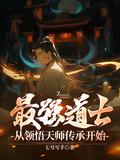 The Strongest**********
ongoing
—Reads5.8Score—Shelves
The Strongest**********
ongoing
—Reads5.8Score—Shelves
Reader note
🌿The male protagonist travels to a world where humans and ghosts are mixed and becomes a little Taoist priest. Every day he either teases chickens or herds cows. However, after knowing that the old Celestial Master died, the male protagonist inherits the Taoist temple. The demons on the mountain saw the angel die and occupied the Taoist temple. Until the male protagonist awakened to the Celestial Master system, he was completely scared out of his mind [fear] 💗The male protagonist is an armored warrior. He traveled back to the Republic of China and became a green-faced, fanged zombie faced by yellow-robed Taoist priests. The male protagonist transformed into an armored warrior and held a peach wood sword to fight against zombies.
-
126
黄
 Is It Reasonable for the Yellow-Robed Taoist Priest to Transform into the Emperor's Man?
Positive Energy Sprite140k Wordsongoing
44Reads—Score—Shelves
Is It Reasonable for the Yellow-Robed Taoist Priest to Transform into the Emperor's Man?
Positive Energy Sprite140k Wordsongoing
44Reads—Score—Shelves
Reader note
🌿The male protagonist travels to a world where humans and ghosts are mixed and becomes a little Taoist priest. Every day he either teases chickens or herds cows. However, after knowing that the old Celestial Master died, the male protagonist inherits the Taoist temple. The demons on the mountain saw the angel die and occupied the Taoist temple. Until the male protagonist awakened to the Celestial Master system, he was completely scared out of his mind [fear] 💗The male protagonist is an armored warrior. He traveled back to the Republic of China and became a green-faced, fanged zombie faced by yellow-robed Taoist priests. The male protagonist transformed into an armored warrior and held a peach wood sword to fight against zombies.
-
127
破
 The Haunted House Live Room of the Bankrupt Master
Sulfon YuanMystery356k Wordscompleted
110Reads—Score—Shelves
The Haunted House Live Room of the Bankrupt Master
Sulfon YuanMystery356k Wordscompleted
110Reads—Score—Shelves
Reader note
Read this book, it contains scholarly articles, Taoist experiences, true and false, false and true
-
128
环
 Notes from a Strange Visit Around the World
Nightmare in the Dark Nightongoing
—Reads—Score—Shelves
Notes from a Strange Visit Around the World
Nightmare in the Dark Nightongoing
—Reads—Score—Shelves
Reader note
The style of pseudo-documentary is a supernatural novel that Dare started to write, and some of it seems to be supernatural events from abroad.
-
129
龙
 The Legend of Dragon and Tiger
FengmanlouMystery281k Wordsongoing
47Reads5.8Score—Shelves
The Legend of Dragon and Tiger
FengmanlouMystery281k Wordsongoing
47Reads5.8Score—Shelves
Reader note
There are three generations of teachers and Taoists in the world. A true Taoist priest depends on whether he is certified or not [makes a face]
-
130
关
 Kanto Female Gentleman
Sun Xian'erMystery407k Wordscompleted
491Reads—Score—Shelves
Kanto Female Gentleman
Sun Xian'erMystery407k Wordscompleted
491Reads—Score—Shelves
Reader note
Completed "Mr. Female from Guandong"🔥Single female protagonist without CP | Northeastern folk custom suspense and supernatural. Chinese horror|Feng Shui metaphysics|Exploring ancient tombs|Game of wits|Character growth. Not cultivating immortality, not making any plans, the rhythm is steady, and the foreshadowing is refreshing.
-
131
阴
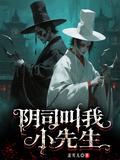 Yin Division*****
ongoing
—Reads5.8Score—Shelves
Yin Division*****
ongoing
—Reads5.8Score—Shelves
Reader note
Have you ever read that kind of unique suspenseful supernatural novel? This is a very special work that I have come across recently. It not only retains the traditional suspenseful and supernatural atmosphere, but also brings a completely different reading experience in some dimensions, making people want to savor the subtle differences. I sincerely recommend it, and everyone is welcome to come and share your opinions!
-
132
风
 The Art of Feng Shui, a Super Physiognomist
BingsiUrban348k Wordscompleted
281Reads—Score—Shelves
The Art of Feng Shui, a Super Physiognomist
BingsiUrban348k Wordscompleted
281Reads—Score—Shelves
Reader note
Written by a Feng Shui practitioner, come and read it.
-
133
道
 Daoying**
completed
—Reads5.8Score—Shelves
Daoying**
completed
—Reads5.8Score—Shelves
Reader note
Look at this
-
134
恐
 Horror Folklore [Fake Master Shocks Hundreds of Demons]
The Lantern Is ImpermanentMystery1.0M Wordsongoing
553Reads5.8Score—Shelves
Horror Folklore [Fake Master Shocks Hundreds of Demons]
The Lantern Is ImpermanentMystery1.0M Wordsongoing
553Reads5.8Score—Shelves
Reader note
👺"Horror Folklore [Fake Master Shocks Hundreds of Demons]" unlimited streaming + horror folklore + light comedy + survival + unit drama + intensive entertainment! Not stuck! Worth a look! The story is very independent! Almost finished👹🍏
-
135
哽
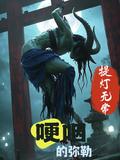 Choking Maitreya
The Lantern Is Impermanentcompleted
—Reads—Score—Shelves
Choking Maitreya
The Lantern Is Impermanentcompleted
—Reads—Score—Shelves
Reader note
Different types of Taoist priests deal with supernatural events in life!
-
136
柜
 Woman in Closet
The Lantern Is Impermanentcompleted
—Reads8.5Score—Shelves
Woman in Closet
The Lantern Is Impermanentcompleted
—Reads8.5Score—Shelves
Reader note
Different types of Taoist priests deal with supernatural events in life!
-
137
今
 If I Don't Destroy You Today, My Heart Will Be Ruined
Incompetent Mastercompleted
—Reads—Score—Shelves
If I Don't Destroy You Today, My Heart Will Be Ruined
Incompetent Mastercompleted
—Reads—Score—Shelves
Reader note
Look at this
-
138
女
 Girlfriend************
ongoing
—Reads5.8Score—Shelves
Girlfriend************
ongoing
—Reads5.8Score—Shelves
Reader note
The love story of college student Yuan Jia is thrilling and exciting. His girlfriend is a fox demon and her target is his pure yang body! This discovery forced him to get in touch with folk Taoism and join a Taoist organization. The emergence of the "Sou Shen Ji" system became a turning point. Creation points can help him solve various problems, from studying to slaying monsters. But in this world of low martial arts, every slaying of monsters is a battle of wits, a light and supernatural plot that counters routines. Let's see how he counterattacks!
-
139
一
 Once He Traveled Through Time, He Would Marry the Disabled Prince and Become the Favorite of the Group.
Chen JiuAncient Romance230k Wordscompleted
208Reads5.8Score—Shelves
Once He Traveled Through Time, He Would Marry the Disabled Prince and Become the Favorite of the Group.
Chen JiuAncient Romance230k Wordscompleted
208Reads5.8Score—Shelves
Reader note
Highly recommended, the first urban Feng Shui master.
-
140
与
 Living with the Boss, I Am so Strong That I Can Fly
Chen Jiucompleted
328Reads5.8Score—Shelves
Living with the Boss, I Am so Strong That I Can Fly
Chen Jiucompleted
328Reads5.8Score—Shelves
Reader note
Highly recommended, the first urban Feng Shui master.
-
141
快
 Quickly Travel Through the Second Personality
Chen Jiucompleted
97Reads5.8Score—Shelves
Quickly Travel Through the Second Personality
Chen Jiucompleted
97Reads5.8Score—Shelves
Reader note
Highly recommended, the first urban Feng Shui master.
-
142
我
 My Wife Doesn't Believe in Evil
Mr. Qi LingMystery205k Wordsongoing
186Reads5.8Score—Shelves
My Wife Doesn't Believe in Evil
Mr. Qi LingMystery205k Wordsongoing
186Reads5.8Score—Shelves
Reader note
The scary plot is interspersed with funny moments, so you won't feel depressed while reading it.
-
143
圣
 Queen of Saints: Dragon Prisoner
Mr. Qi Lingcompleted
—Reads6.9Score—Shelves
Queen of Saints: Dragon Prisoner
Mr. Qi Lingcompleted
—Reads6.9Score—Shelves
Reader note
The scary plot is interspersed with funny moments, so you won't feel depressed while reading it.
-
144
第
 On the 49Th Day, the Whole Network Watched Me Kill the Immortal.
Mr. Qi Lingcompleted
—Reads—Score—Shelves
On the 49Th Day, the Whole Network Watched Me Kill the Immortal.
Mr. Qi Lingcompleted
—Reads—Score—Shelves
Reader note
The scary plot is interspersed with funny moments, so you won't feel depressed while reading it.
-
145
北
 Beipiao Xiuxiu
White-Browed Eagle That Loves Cow PeasUrban589k Wordscompleted
45Reads5.8Score—Shelves
Beipiao Xiuxiu
White-Browed Eagle That Loves Cow PeasUrban589k Wordscompleted
45Reads5.8Score—Shelves
Reader note
Yuan Tiangang only said good things after reading it.
-
146
袁
 Yuan Tiangang Plotted Against Huang Chao
White-Browed Eagle That Loves Cow Peascompleted
—Reads8.5Score—Shelves
Yuan Tiangang Plotted Against Huang Chao
White-Browed Eagle That Loves Cow Peascompleted
—Reads8.5Score—Shelves
Reader note
Yuan Tiangang only said good things after reading it.
-
147
梅
 May Bothers with Litigation
White-Browed Eagle That Loves Cow Peascompleted
—Reads8.6Score—Shelves
May Bothers with Litigation
White-Browed Eagle That Loves Cow Peascompleted
—Reads8.6Score—Shelves
Reader note
Yuan Tiangang only said good things after reading it.
-
148
雪
 Syracuse**
ongoing
—Reads5.8Score—Shelves
Syracuse**
ongoing
—Reads5.8Score—Shelves
Reader note
A collection of short supernatural stories and ghost stories! There is also an alien story in it! Lots of Taoist zombies! Drought demon ghost story! Interesting story!
-
149
民
 Civil Law***
ongoing
—Reads5.8Score—Shelves
Civil Law***
ongoing
—Reads5.8Score—Shelves
Reader note
You'll know this once you see it