Recommended Introductory Books on Psychology
- Views
- 6.5M
- Books
- 284
- Recommendations
- 82
- Updated
- 29d ago
I want to read a book like "The Genius is on the Left and the Madman on the Right". Don't be super expository! ! !
In this list
263 books · page 4 of 6
-
158
冷
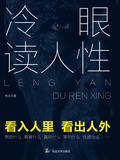 Reading Human Nature with Cold Eyes
Han Leicompleted
—Reads9.4Score—Shelves
Reading Human Nature with Cold Eyes
Han Leicompleted
—Reads9.4Score—Shelves
Reader note
Who knows the value of these books₍•ʚ•₎•ʚ•₎•ʚ•₎
-
159
怪
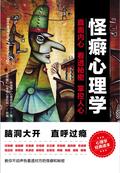 Quirk Psychology
Ye Hongyucompleted
—Reads9.1Score—Shelves
Quirk Psychology
Ye Hongyucompleted
—Reads9.1Score—Shelves
Reader note
🍀The first book: It is dedicated to explaining various psychological problems in the form of comics🌟It is specifically aimed at the public groups in contemporary society, learning psychology and understanding psychology [get it] 🍀The second book: This book is a collection of stories that reveal weird behaviors from a psychological perspective, including 10 real typical cases🌟 🍀The third book: Breaking the stereotype of looking at things, if you want to improve your emotional intelligence, ease your mood, enhance your confidence, and reduce anxiety... Come and read psychology🌻
-
160
跟
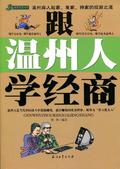 Learn Business from Wenzhou People
SEGcompleted
—Reads9.1Score—Shelves
Learn Business from Wenzhou People
SEGcompleted
—Reads9.1Score—Shelves
-
161
妻
 After His Wife Left, 150 Million Demolition Funds Arrived in His Account
Valley of the Kingscompleted
109.7kReads9.8Score—Shelves
After His Wife Left, 150 Million Demolition Funds Arrived in His Account
Valley of the Kingscompleted
109.7kReads9.8Score—Shelves
Reader note
Highly recommend good books
-
162
再
 On the Day of Their Remarriage, My Ex-Wife Almost Turned over the Table
Valley of the Kingscompleted
285.7kReads9.8Score—Shelves
On the Day of Their Remarriage, My Ex-Wife Almost Turned over the Table
Valley of the Kingscompleted
285.7kReads9.8Score—Shelves
Reader note
Highly recommend good books
-
163
女
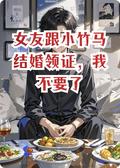 Girlfriend and Little Bamboo Horse Receive the Certificate
Valley of the Kingscompleted
114.3kReads9.8Score—Shelves
Girlfriend and Little Bamboo Horse Receive the Certificate
Valley of the Kingscompleted
114.3kReads9.8Score—Shelves
Reader note
Highly recommend good books
-
164
青
 Qingmei Hates Me, but She Caught Me Kissing Me
Valley of the Kingscompleted
54.8kReads9.8Score—Shelves
Qingmei Hates Me, but She Caught Me Kissing Me
Valley of the Kingscompleted
54.8kReads9.8Score—Shelves
Reader note
Highly recommend good books
-
165
校
 I Touched the School Belle's Fox Tail
Valley of the Kingscompleted
27.7kReads9.8Score—Shelves
I Touched the School Belle's Fox Tail
Valley of the Kingscompleted
27.7kReads9.8Score—Shelves
Reader note
Highly recommend good books
-
166
归
 The Wife Who Returned Is Actually the Princess of the Beijing Circle
Valley of the Kingscompleted
177.8kReads9.8Score—Shelves
The Wife Who Returned Is Actually the Princess of the Beijing Circle
Valley of the Kingscompleted
177.8kReads9.8Score—Shelves
Reader note
Highly recommend good books
-
167
世
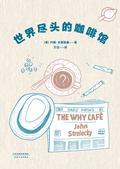 Cafe at the End of the World
(U. S. A.) Written by John Strylecki; Translated by Wan Jiecompleted
—Reads9.5Score—Shelves
Cafe at the End of the World
(U. S. A.) Written by John Strylecki; Translated by Wan Jiecompleted
—Reads9.5Score—Shelves
Reader note
💙Check it out if you are interested
-
168
成
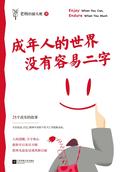 There Is No Such Thing as Easy in the Adult World
Lao Yang's Owlcompleted
—Reads9.5Score—Shelves
There Is No Such Thing as Easy in the Adult World
Lao Yang's Owlcompleted
—Reads9.5Score—Shelves
Reader note
💙Check it out if you are interested
-
170
犯
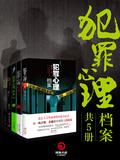 Criminal Psychology Files (5 Volumes in Total)
Gangxueyincompleted
—Reads9.5Score—Shelves
Criminal Psychology Files (5 Volumes in Total)
Gangxueyincompleted
—Reads9.5Score—Shelves
Reader note
💙Check it out if you are interested
-
171
玄
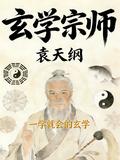 Yuan Tiangang, Master of Metaphysics
I'm Rich, I'm PrettyHistorical499k Wordsongoing
4.7kReads8.4Score692Shelves
Yuan Tiangang, Master of Metaphysics
I'm Rich, I'm PrettyHistorical499k Wordsongoing
4.7kReads8.4Score692Shelves
Reader note
Oh la la la
-
172
十
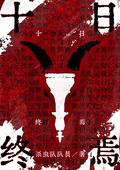 十日终焉
Pesticide Team MemberMystery3.2M Wordscompleted
2.4MReads9.9Score387.5kShelves
十日终焉
Pesticide Team MemberMystery3.2M Wordscompleted
2.4MReads9.9Score387.5kShelves
Reader note
"The End of Ten Days" brings you practical psychology practice: High-energy Psychology Award! Crazy criticism of beautiful women using brain science to beat NPCs! Brothers and sisters! If you think that unlimited streaming only has physical cheats, then "The End of Ten Days" will directly introduce you to the king of hard-core psychology - all the members are crazy about playing mind tricks online, and the twelve zodiac bosses are recorded with mind-reading skills! This book is simply a psychology textbook for high-powered readers. Come and watch how the ceiling of human IQ is overcome by using brain science to defeat the game of death! 1. Behavioral psychology breaks down the rules of death. The male protagonist Qi Xia was thrown into the end of the "ten-day cycle" at the beginning, but he directly transformed into a humanoid lie detector! Analyze the loopholes in NPC's speech through micro-expressions, and use Skinner's operant conditioning to tame the irritable tiger BOSS: "The more fierce you roar, the more you look like a guilty elementary school student." Zodiac trap? He backhandedly used the anchoring effect to tamper with the player's perception, leading the NPC into a ditch and making the other party think "I dug this hole myself"... 2. The peak showdown between group PUA and anti-manipulation, the highlight of the famous scene - "The Human-Sheep Interview"! Qi Xia uses cognitive dissonance theory to drive NPCs crazy: first exposing the player's survival instinct, then using moral paradox to induce guilt, and finally using the suspension bridge effect to transform fear into trust. The villain Xiao Ran tried to use gaslighting to brainwash his teammates? Qi Xia sneered and taught reverse emotional blackmail on the spot: "You, a CPU player, look very much like my PUA predecessor." 3. The traumatic psychology behind the aesthetics of crazy criticism. The villain settings of all the members hide psychological crits! The yandere loli Yunyao's Stockholm syndrome, the scientist Yan Zhichun's dissociative amnesia, the cold-faced royal sister Jiang Ruoxue's emotional isolation... Each character is a walking DSM-5 (Diagnostic Manual of Mental Disorders). Qi Xia's obsession with finding his missing wife Yu Nian'an is a textbook case of cognitive reconstruction - when memory is tampered with by reincarnation, love becomes the only spiritual coordinate. 4. The author secretly buried psychological easter eggs - the "Liar" level in the death game is essentially a perverted and upgraded version of Miguel's moral dilemma experiment - the time loop dilemma coincides with the flashback mechanism of post-traumatic stress disorder (PTSD) - the weaknesses of the twelve zodiac animals of the NPC actually correspond to Jungian personality archetype theory (the furious tiger = shadow self, the cunning rat = anima...) Tweet: If you love the criminal psychology of "Silence of the Lambs", "Lie to" me"'s micro-expression analysis, plus the imagination of "The Psychometrician" - close your eyes and enter the pit! After all, who can resist a group of crazy academics who use Rorschach inkblot tests to decode the BOSS and use Freudian defense mechanisms to make NPCs autistic? PS: After reading this, I immediately want to change my reading list to "Social Psychology" and "The Crowd"... (Qi Xia: Reading is useless, why not come to the End for actual combat?)
-
173
官
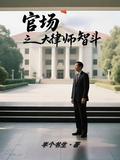 The Battle of Wits Among Barristers in Officialdom
Half ScholarUrban1.2M Wordscompleted
741Reads5.8Score106Shelves
The Battle of Wits Among Barristers in Officialdom
Half ScholarUrban1.2M Wordscompleted
741Reads5.8Score106Shelves
Reader note
Explosions, rape, murder, mystery of unsolved cases, thrills and excitement, insight into human nature,!
-
174
一
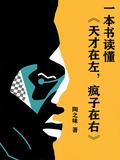 A Book to Understand "Genius Is on the Left, Madman Is on the Right"
Tao Zhiweicompleted
—Reads8.1Score—Shelves
A Book to Understand "Genius Is on the Left, Madman Is on the Right"
Tao Zhiweicompleted
—Reads8.1Score—Shelves
Reader note
Although the past has been miserable, is the future promising?
-
176
变
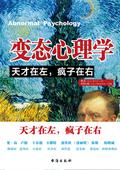 Abnormal Psychology: Genius on the Left, Madman on the Right
Sui Yan Capital Mindcompleted
—Reads8.6Score—Shelves
Abnormal Psychology: Genius on the Left, Madman on the Right
Sui Yan Capital Mindcompleted
—Reads8.6Score—Shelves
Reader note
Although the past has been miserable, is the future promising?
-
177
天
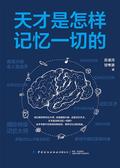 How Geniuses Remember Everything
Su Zehe, Gan Kaoyuancompleted
—Reads9.2Score—Shelves
How Geniuses Remember Everything
Su Zehe, Gan Kaoyuancompleted
—Reads9.2Score—Shelves
Reader note
Although the past has been miserable, is the future promising?
-
178
天
 Genius on the Left, Madman on the Right
Changan 1995completed
—Reads8.6Score—Shelves
Genius on the Left, Madman on the Right
Changan 1995completed
—Reads8.6Score—Shelves
Reader note
Although the past has been miserable, is the future promising?
-
179
《
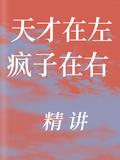 "Genius on the Left, Madman on the Right" Essay
Xuangucompleted
—Reads8.6Score—Shelves
"Genius on the Left, Madman on the Right" Essay
Xuangucompleted
—Reads8.6Score—Shelves
Reader note
Although the past has been miserable, is the future promising?
-
180
从
Begin Physical Sanctification from Health-Preserving Exercises Work in Order to ResignEastern Fantasy1.2M Wordsongoing 294.5kReads7.5Score30.1kShelves
Reader note
Although the past has been miserable, is the future promising?
-
182
F
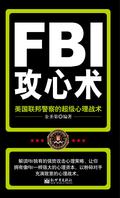 FBI Mind Attack: the Super Psychological Tactics of the US Federal Police
Jin Shengrongcompleted
624Reads9.1Score—Shelves
FBI Mind Attack: the Super Psychological Tactics of the US Federal Police
Jin Shengrongcompleted
624Reads9.1Score—Shelves
Reader note
After reading this, I hope you can have one thousandth of Xia Bao's
-
183
怪
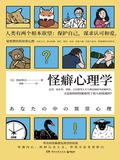 Quirk Psychology
(Japan) Okada Takashicompleted
89Reads9.3Score—Shelves
Quirk Psychology
(Japan) Okada Takashicompleted
89Reads9.3Score—Shelves
Reader note
After reading this, I hope you can have one thousandth of Xia Bao's
-
184
原
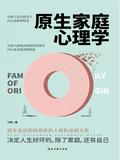 Native Family Psychology
Wang Bocompleted
220Reads9.1Score—Shelves
Native Family Psychology
Wang Bocompleted
220Reads9.1Score—Shelves
Reader note
After reading this, I hope you can have one thousandth of Xia Bao's
-
186
大
 The Crazy World of the Great Repression Era
Jiang Feng Lin Yueongoing
—Reads—Score—Shelves
The Crazy World of the Great Repression Era
Jiang Feng Lin Yueongoing
—Reads—Score—Shelves
Reader note
I highly recommend this book. The overall style is very similar to The Genius on the Left and the Madman on the Right. The protagonist is a psychological counselor, and the stories in it are full of all kinds of weird stories, which are a bit curious.
-
187
清
 清静经
Anonymouscompleted
—Reads9.4Score—Shelves
清静经
Anonymouscompleted
—Reads9.4Score—Shelves
Reader note
Traditional cultural wisdom: a guide to self-cultivation and morality. In our long history of culture, Confucianism, Taoism, Buddhism, Wang Yangming's philosophy of mind, and Zhang Defen's works, as well as the concept of pursuing the path to immortality, all contain endless wisdom and point us in the direction of self-cultivation and morality and how to behave in the world. 1. Confucianism: advocates "benevolence, righteousness, etiquette, wisdom, and trustworthiness." "Filial piety is the first of all virtues", filial piety is the respect and support for parents and elders; friendship and mutual help between brothers and sisters; loyalty to the emperor, patriotism, respect for one's job and love for one's career reflect loyalty; "A person cannot stand without trust", trust is the criterion for living in life; etiquette regulates our behavior and respects teachers and ethics; righteousness allows us to adhere to justice and maintain chastity; integrity requires us to be spotless and upright; shame enables us to distinguish right from wrong and keep the bottom line of being a human being. Everything starts from oneself, guided by Confucianism, and constantly improves oneself. 2. Taoism: It advocates conforming to nature, following the fundamental law "Tao" of all things in the universe, governing by doing nothing, and not imposing interference. It is virtue to uphold a simple and pure nature, have noble moral character, and not fight for benefits. A pure heart, not disturbed by worldly complexities and desires, is pure; keep quiet and peaceful, gain insight into all things in tranquility, and practice physical and mental tranquility; let go of yourself, not be bound by prejudices and inherent concepts, accept the so-called emptiness of the world with an open and tolerant heart; understand the state of "nothing" In the world, let go of the attachment to tangible materials and fame and wealth, and return to the true nature of nothingness; to deal with the world with a gentle and humble attitude, like water, which seems to be weak but contains powerful power, that is, softness; to pursue harmony, to live in harmony with nature and others, and to live in peace without creating conflicts and disputes. 3. Buddhism: To be compassionate, to feel the suffering of all living beings, to give care and help is compassion; to pity the suffering of all living beings, and to help them escape from the sea of suffering is compassion; to rejoice in the happiness and happiness of all living beings, and to be free from jealousy, hatred, and hatred; to give up greed, anger, ignorance, pride, and suspicion, and to let go of the pursuit of worldly desires and obsessions is renunciation; to observe the precepts, Regulate your own behavior and refrain from doing things that harm sentient beings and violate morality; practice meditation, focus on your heart, and not be disturbed by the outside world, so as to gain wisdom and concentration, that is, concentration; open up wisdom, gain insight into the essence of things, and get rid of troubles and confusion as wisdom; understand the true meaning of "emptiness" and understand that everything in the world is illusion, and not being attached to appearances is emptiness. We should not be attached to form on the outside, and we should not be attached to emptiness on the inside. We should have nothing to live in, and our mind should be born. The past cannot be grasped, the present cannot be grasped, and the future cannot be grasped. 4. Wang Yangming's Theory of Mind: Emphasizes that "the heart is reason", the heart is the ontology of all things in the universe, and all moral norms and truths originate from the heart. Conscience is our innate moral judgment and intuitive ability. It can distinguish right from wrong, good and evil, and is the fundamental criterion for being a human being. Through constant self-reflection and practice, we can remove the cover of selfish desires and extend our inner conscience to all things, that is, conscience. Knowledge and action are integrated. Once you have correct cognition, you must put it into action, deepen your cognition in action, and avoid empty talk. This is the unity of knowledge and action. Make your thoughts sincere, do not deceive yourself, be pure in heart, and be sincere; care for the people, actively participate in society, and benefit the people with practical actions; explore the principles of nature in specific things, and improve yourself through understanding and practice of things; establish lofty aspirations, clarify life goals, and make unremitting efforts to realize your ideals. 5. Zhang Defen's works: In "Meeting the Unknown Self", he advocates inner tranquility and far-reaching, abandoning impetuous and troubled silence; constant self-reflection, insight into inner thoughts; understanding the true meaning of life, and understanding the wisdom of life; letting go of unnecessary burdens and liberating the shackles of the soul; loving kindness and kindness in the heart, the love that warms all things in the world; harmonizing the body and mind, accepting the harmony of the complete self; awakening inner awareness, insight into the truth of life, and exploring everything from the heart. "Meet Your Dreams Come True" encourages us to have beautiful dreams and illuminate the way forward; to set firm aspirations and anchor the goals we strive for; to work diligently and accumulate the capital for success; to be brave enough to innovate and break through the limitations of thinking; to persevere and persevere without fear of hardships and obstacles; to be good at seizing opportunities and keenly discerning the goodness of opportunities; to plan actions rationally, promote the integration of dreams in an orderly manner, and realize dreams starting from the present. "Live a New Self" inspires us to bravely challenge ourselves and break through the boundaries of comfort; actively embrace change and welcome new possible changes; continue to learn and grow to improve our own quality; decisively let go of the past and say goodbye to old patterns; maintain an optimistic attitude and laugh at the ups and downs of life; pay attention to physical and mental health and consolidate the foundation of life; stick to your true self and show your unique style. Everything starts with change. 6. Pursuing the path to immortality: pay attention to quietness to cultivate one's self, stay away from the hustle and bustle of the world, and clarify the heart; be kind-hearted, have compassion and love in the heart, and build good relationships; understand the principles of heaven, have insight into all phenomena in the world, and have a clear mind and nature; be humble in life, neither arrogant nor impetuous nor discouraged, and be open-minded; and Live in harmony, be one with all things, and conform to nature; be patient and restrained, tolerate things that are difficult to tolerate, and cultivate an open-minded mind; be willing to let go, put aside fame and wealth, and get rid of the fetters; practice diligently, improve your own skills, and practice the path of seeking the Tao from the moment. These precious cultural treasures guide us on the road of life to continuously improve ourselves, cultivate moral character, face various challenges in life with a positive and healthy attitude and behavior, realize the value of life, and gain inner peace and happiness. I hope everyone can draw strength from it and let the wisdom of traditional culture shine in our lives. We also welcome sharing this wisdom with more people in need. [Like][Love]
-
188
论
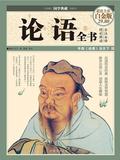 论语全书 (国学典藏)
Confucius; Si Lucompleted
—Reads9.5Score—Shelves
论语全书 (国学典藏)
Confucius; Si Lucompleted
—Reads9.5Score—Shelves
Reader note
Traditional cultural wisdom: a guide to self-cultivation and morality. In our long history of culture, Confucianism, Taoism, Buddhism, Wang Yangming's philosophy of mind, and Zhang Defen's works, as well as the concept of pursuing the path to immortality, all contain endless wisdom and point us in the direction of self-cultivation and morality and how to behave in the world. 1. Confucianism: advocates "benevolence, righteousness, etiquette, wisdom, and trustworthiness." "Filial piety is the first of all virtues", filial piety is the respect and support for parents and elders; friendship and mutual help between brothers and sisters; loyalty to the emperor, patriotism, respect for one's job and love for one's career reflect loyalty; "A person cannot stand without trust", trust is the criterion for living in life; etiquette regulates our behavior and respects teachers and ethics; righteousness allows us to adhere to justice and maintain chastity; integrity requires us to be spotless and upright; shame enables us to distinguish right from wrong and keep the bottom line of being a human being. Everything starts from oneself, guided by Confucianism, and constantly improves oneself. 2. Taoism: It advocates conforming to nature, following the fundamental law "Tao" of all things in the universe, governing by doing nothing, and not imposing interference. It is virtue to uphold a simple and pure nature, have noble moral character, and not fight for benefits. A pure heart, not disturbed by worldly complexities and desires, is pure; keep quiet and peaceful, gain insight into all things in tranquility, and practice physical and mental tranquility; let go of yourself, not be bound by prejudices and inherent concepts, accept the so-called emptiness of the world with an open and tolerant heart; understand the state of "nothing" In the world, let go of the attachment to tangible materials and fame and wealth, and return to the true nature of nothingness; to deal with the world with a gentle and humble attitude, like water, which seems to be weak but contains powerful power, that is, softness; to pursue harmony, to live in harmony with nature and others, and to live in peace without creating conflicts and disputes. 3. Buddhism: To be compassionate, to feel the suffering of all living beings, to give care and help is compassion; to pity the suffering of all living beings, and to help them escape from the sea of suffering is compassion; to rejoice in the happiness and happiness of all living beings, and to be free from jealousy, hatred, and hatred; to give up greed, anger, ignorance, pride, and suspicion, and to let go of the pursuit of worldly desires and obsessions is renunciation; to observe the precepts, Regulate your own behavior and refrain from doing things that harm sentient beings and violate morality; practice meditation, focus on your heart, and not be disturbed by the outside world, so as to gain wisdom and concentration, that is, concentration; open up wisdom, gain insight into the essence of things, and get rid of troubles and confusion as wisdom; understand the true meaning of "emptiness" and understand that everything in the world is illusion, and not being attached to appearances is emptiness. We should not be attached to form on the outside, and we should not be attached to emptiness on the inside. We should have nothing to live in, and our mind should be born. The past cannot be grasped, the present cannot be grasped, and the future cannot be grasped. 4. Wang Yangming's Theory of Mind: Emphasizes that "the heart is reason", the heart is the ontology of all things in the universe, and all moral norms and truths originate from the heart. Conscience is our innate moral judgment and intuitive ability. It can distinguish right from wrong, good and evil, and is the fundamental criterion for being a human being. Through constant self-reflection and practice, we can remove the cover of selfish desires and extend our inner conscience to all things, that is, conscience. Knowledge and action are integrated. Once you have correct cognition, you must put it into action, deepen your cognition in action, and avoid empty talk. This is the unity of knowledge and action. Make your thoughts sincere, do not deceive yourself, be pure in heart, and be sincere; care for the people, actively participate in society, and benefit the people with practical actions; explore the principles of nature in specific things, and improve yourself through understanding and practice of things; establish lofty aspirations, clarify life goals, and make unremitting efforts to realize your ideals. 5. Zhang Defen's works: In "Meeting the Unknown Self", he advocates inner tranquility and far-reaching, abandoning impetuous and troubled silence; constant self-reflection, insight into inner thoughts; understanding the true meaning of life, and understanding the wisdom of life; letting go of unnecessary burdens and liberating the shackles of the soul; loving kindness and kindness in the heart, the love that warms all things in the world; harmonizing the body and mind, accepting the harmony of the complete self; awakening inner awareness, insight into the truth of life, and exploring everything from the heart. "Meet Your Dreams Come True" encourages us to have beautiful dreams and illuminate the way forward; to set firm aspirations and anchor the goals we strive for; to work diligently and accumulate the capital for success; to be brave enough to innovate and break through the limitations of thinking; to persevere and persevere without fear of hardships and obstacles; to be good at seizing opportunities and keenly discerning the goodness of opportunities; to plan actions rationally, promote the integration of dreams in an orderly manner, and realize dreams starting from the present. "Live a New Self" inspires us to bravely challenge ourselves and break through the boundaries of comfort; actively embrace change and welcome new possible changes; continue to learn and grow to improve our own quality; decisively let go of the past and say goodbye to old patterns; maintain an optimistic attitude and laugh at the ups and downs of life; pay attention to physical and mental health and consolidate the foundation of life; stick to your true self and show your unique style. Everything starts with change. 6. Pursuing the path to immortality: pay attention to quietness to cultivate one's self, stay away from the hustle and bustle of the world, and clarify the heart; be kind-hearted, have compassion and love in the heart, and build good relationships; understand the principles of heaven, have insight into all phenomena in the world, and have a clear mind and nature; be humble in life, neither arrogant nor impetuous nor discouraged, and be open-minded; and Live in harmony, be one with all things, and conform to nature; be patient and restrained, tolerate things that are difficult to tolerate, and cultivate an open-minded mind; be willing to let go, put aside fame and wealth, and get rid of the fetters; practice diligently, improve your own skills, and practice the path of seeking the Tao from the moment. These precious cultural treasures guide us on the road of life to continuously improve ourselves, cultivate moral character, face various challenges in life with a positive and healthy attitude and behavior, realize the value of life, and gain inner peace and happiness. I hope everyone can draw strength from it and let the wisdom of traditional culture shine in our lives. We also welcome sharing this wisdom with more people in need. [Like][Love]
-
189
太
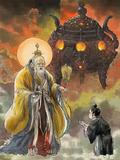 太上老君道心启真
Stay Still SometimesEastern Fantasy223k Wordscompleted
1.3kReads6.7Score326Shelves
太上老君道心启真
Stay Still SometimesEastern Fantasy223k Wordscompleted
1.3kReads6.7Score326Shelves
Reader note
Traditional cultural wisdom: a guide to self-cultivation and morality. In our long history of culture, Confucianism, Taoism, Buddhism, Wang Yangming's philosophy of mind, and Zhang Defen's works, as well as the concept of pursuing the path to immortality, all contain endless wisdom and point us in the direction of self-cultivation and morality and how to behave in the world. 1. Confucianism: advocates "benevolence, righteousness, etiquette, wisdom, and trustworthiness." "Filial piety is the first of all virtues", filial piety is the respect and support for parents and elders; friendship and mutual help between brothers and sisters; loyalty to the emperor, patriotism, respect for one's job and love for one's career reflect loyalty; "A person cannot stand without trust", trust is the criterion for living in life; etiquette regulates our behavior and respects teachers and ethics; righteousness allows us to adhere to justice and maintain chastity; integrity requires us to be spotless and upright; shame enables us to distinguish right from wrong and keep the bottom line of being a human being. Everything starts from oneself, guided by Confucianism, and constantly improves oneself. 2. Taoism: It advocates conforming to nature, following the fundamental law "Tao" of all things in the universe, governing by doing nothing, and not imposing interference. It is virtue to uphold a simple and pure nature, have noble moral character, and not fight for benefits. A pure heart, not disturbed by worldly complexities and desires, is pure; keep quiet and peaceful, gain insight into all things in tranquility, and practice physical and mental tranquility; let go of yourself, not be bound by prejudices and inherent concepts, accept the so-called emptiness of the world with an open and tolerant heart; understand the state of "nothing" In the world, let go of the attachment to tangible materials and fame and wealth, and return to the true nature of nothingness; to deal with the world with a gentle and humble attitude, like water, which seems to be weak but contains powerful power, that is, softness; to pursue harmony, to live in harmony with nature and others, and to live in peace without creating conflicts and disputes. 3. Buddhism: To be compassionate, to feel the suffering of all living beings, to give care and help is compassion; to pity the suffering of all living beings, and to help them escape from the sea of suffering is compassion; to rejoice in the happiness and happiness of all living beings, and to be free from jealousy, hatred, and hatred; to give up greed, anger, ignorance, pride, and suspicion, and to let go of the pursuit of worldly desires and obsessions is renunciation; to observe the precepts, Regulate your own behavior and refrain from doing things that harm sentient beings and violate morality; practice meditation, focus on your heart, and not be disturbed by the outside world, so as to gain wisdom and concentration, that is, concentration; open up wisdom, gain insight into the essence of things, and get rid of troubles and confusion as wisdom; understand the true meaning of "emptiness" and understand that everything in the world is illusion, and not being attached to appearances is emptiness. We should not be attached to form on the outside, and we should not be attached to emptiness on the inside. We should have nothing to live in, and our mind should be born. The past cannot be grasped, the present cannot be grasped, and the future cannot be grasped. 4. Wang Yangming's Theory of Mind: Emphasizes that "the heart is reason", the heart is the ontology of all things in the universe, and all moral norms and truths originate from the heart. Conscience is our innate moral judgment and intuitive ability. It can distinguish right from wrong, good and evil, and is the fundamental criterion for being a human being. Through constant self-reflection and practice, we can remove the cover of selfish desires and extend our inner conscience to all things, that is, conscience. Knowledge and action are integrated. Once you have correct cognition, you must put it into action, deepen your cognition in action, and avoid empty talk. This is the unity of knowledge and action. Make your thoughts sincere, do not deceive yourself, be pure in heart, and be sincere; care for the people, actively participate in society, and benefit the people with practical actions; explore the principles of nature in specific things, and improve yourself through understanding and practice of things; establish lofty aspirations, clarify life goals, and make unremitting efforts to realize your ideals. 5. Zhang Defen's works: In "Meeting the Unknown Self", he advocates inner tranquility and far-reaching, abandoning impetuous and troubled silence; constant self-reflection, insight into inner thoughts; understanding the true meaning of life, and understanding the wisdom of life; letting go of unnecessary burdens and liberating the shackles of the soul; loving kindness and kindness in the heart, the love that warms all things in the world; harmonizing the body and mind, accepting the harmony of the complete self; awakening inner awareness, insight into the truth of life, and exploring everything from the heart. "Meet Your Dreams Come True" encourages us to have beautiful dreams and illuminate the way forward; to set firm aspirations and anchor the goals we strive for; to work diligently and accumulate the capital for success; to be brave enough to innovate and break through the limitations of thinking; to persevere and persevere without fear of hardships and obstacles; to be good at seizing opportunities and keenly discerning the goodness of opportunities; to plan actions rationally, promote the integration of dreams in an orderly manner, and realize dreams starting from the present. "Live a New Self" inspires us to bravely challenge ourselves and break through the boundaries of comfort; actively embrace change and welcome new possible changes; continue to learn and grow to improve our own quality; decisively let go of the past and say goodbye to old patterns; maintain an optimistic attitude and laugh at the ups and downs of life; pay attention to physical and mental health and consolidate the foundation of life; stick to your true self and show your unique style. Everything starts with change. 6. Pursuing the path to immortality: pay attention to quietness to cultivate one's self, stay away from the hustle and bustle of the world, and clarify the heart; be kind-hearted, have compassion and love in the heart, and build good relationships; understand the principles of heaven, have insight into all phenomena in the world, and have a clear mind and nature; be humble in life, neither arrogant nor impetuous nor discouraged, and be open-minded; and Live in harmony, be one with all things, and conform to nature; be patient and restrained, tolerate things that are difficult to tolerate, and cultivate an open-minded mind; be willing to let go, put aside fame and wealth, and get rid of the fetters; practice diligently, improve your own skills, and practice the path of seeking the Tao from the moment. These precious cultural treasures guide us on the road of life to continuously improve ourselves, cultivate moral character, face various challenges in life with a positive and healthy attitude and behavior, realize the value of life, and gain inner peace and happiness. I hope everyone can draw strength from it and let the wisdom of traditional culture shine in our lives. We also welcome sharing this wisdom with more people in need. [Like][Love]
-
190
太
 太上*****
completed
—Reads5.8Score—Shelves
太上*****
completed
—Reads5.8Score—Shelves
Reader note
Traditional cultural wisdom: a guide to self-cultivation and morality. In our long history of culture, Confucianism, Taoism, Buddhism, Wang Yangming's philosophy of mind, and Zhang Defen's works, as well as the concept of pursuing the path to immortality, all contain endless wisdom and point us in the direction of self-cultivation and morality and how to behave in the world. 1. Confucianism: advocates "benevolence, righteousness, etiquette, wisdom, and trustworthiness." "Filial piety is the first of all virtues", filial piety is the respect and support for parents and elders; friendship and mutual help between brothers and sisters; loyalty to the emperor, patriotism, respect for one's job and love for one's career reflect loyalty; "A person cannot stand without trust", trust is the criterion for living in life; etiquette regulates our behavior and respects teachers and ethics; righteousness allows us to adhere to justice and maintain chastity; integrity requires us to be spotless and upright; shame enables us to distinguish right from wrong and keep the bottom line of being a human being. Everything starts from oneself, guided by Confucianism, and constantly improves oneself. 2. Taoism: It advocates conforming to nature, following the fundamental law "Tao" of all things in the universe, governing by doing nothing, and not imposing interference. It is virtue to uphold a simple and pure nature, have noble moral character, and not fight for benefits. A pure heart, not disturbed by worldly complexities and desires, is pure; keep quiet and peaceful, gain insight into all things in tranquility, and practice physical and mental tranquility; let go of yourself, not be bound by prejudices and inherent concepts, accept the so-called emptiness of the world with an open and tolerant heart; understand the state of "nothing" In the world, let go of the attachment to tangible materials and fame and wealth, and return to the true nature of nothingness; to deal with the world with a gentle and humble attitude, like water, which seems to be weak but contains powerful power, that is, softness; to pursue harmony, to live in harmony with nature and others, and to live in peace without creating conflicts and disputes. 3. Buddhism: To be compassionate, to feel the suffering of all living beings, to give care and help is compassion; to pity the suffering of all living beings, and to help them escape from the sea of suffering is compassion; to rejoice in the happiness and happiness of all living beings, and to be free from jealousy, hatred, and hatred; to give up greed, anger, ignorance, pride, and suspicion, and to let go of the pursuit of worldly desires and obsessions is renunciation; to observe the precepts, Regulate your own behavior and refrain from doing things that harm sentient beings and violate morality; practice meditation, focus on your heart, and not be disturbed by the outside world, so as to gain wisdom and concentration, that is, concentration; open up wisdom, gain insight into the essence of things, and get rid of troubles and confusion as wisdom; understand the true meaning of "emptiness" and understand that everything in the world is illusion, and not being attached to appearances is emptiness. We should not be attached to form on the outside, and we should not be attached to emptiness on the inside. We should have nothing to live in, and our mind should be born. The past cannot be grasped, the present cannot be grasped, and the future cannot be grasped. 4. Wang Yangming's Theory of Mind: Emphasizes that "the heart is reason", the heart is the ontology of all things in the universe, and all moral norms and truths originate from the heart. Conscience is our innate moral judgment and intuitive ability. It can distinguish right from wrong, good and evil, and is the fundamental criterion for being a human being. Through constant self-reflection and practice, we can remove the cover of selfish desires and extend our inner conscience to all things, that is, conscience. Knowledge and action are integrated. Once you have correct cognition, you must put it into action, deepen your cognition in action, and avoid empty talk. This is the unity of knowledge and action. Make your thoughts sincere, do not deceive yourself, be pure in heart, and be sincere; care for the people, actively participate in society, and benefit the people with practical actions; explore the principles of nature in specific things, and improve yourself through understanding and practice of things; establish lofty aspirations, clarify life goals, and make unremitting efforts to realize your ideals. 5. Zhang Defen's works: In "Meeting the Unknown Self", he advocates inner tranquility and far-reaching, abandoning impetuous and troubled silence; constant self-reflection, insight into inner thoughts; understanding the true meaning of life, and understanding the wisdom of life; letting go of unnecessary burdens and liberating the shackles of the soul; loving kindness and kindness in the heart, the love that warms all things in the world; harmonizing the body and mind, accepting the harmony of the complete self; awakening inner awareness, insight into the truth of life, and exploring everything from the heart. "Meet Your Dreams Come True" encourages us to have beautiful dreams and illuminate the way forward; to set firm aspirations and anchor the goals we strive for; to work diligently and accumulate the capital for success; to be brave enough to innovate and break through the limitations of thinking; to persevere and persevere without fear of hardships and obstacles; to be good at seizing opportunities and keenly discerning the goodness of opportunities; to plan actions rationally, promote the integration of dreams in an orderly manner, and realize dreams starting from the present. "Live a New Self" inspires us to bravely challenge ourselves and break through the boundaries of comfort; actively embrace change and welcome new possible changes; continue to learn and grow to improve our own quality; decisively let go of the past and say goodbye to old patterns; maintain an optimistic attitude and laugh at the ups and downs of life; pay attention to physical and mental health and consolidate the foundation of life; stick to your true self and show your unique style. Everything starts with change. 6. Pursuing the path to immortality: pay attention to quietness to cultivate one's self, stay away from the hustle and bustle of the world, and clarify the heart; be kind-hearted, have compassion and love in the heart, and build good relationships; understand the principles of heaven, have insight into all phenomena in the world, and have a clear mind and nature; be humble in life, neither arrogant nor impetuous nor discouraged, and be open-minded; and Live in harmony, be one with all things, and conform to nature; be patient and restrained, tolerate things that are difficult to tolerate, and cultivate an open-minded mind; be willing to let go, put aside fame and wealth, and get rid of the fetters; practice diligently, improve your own skills, and practice the path of seeking the Tao from the moment. These precious cultural treasures guide us on the road of life to continuously improve ourselves, cultivate moral character, face various challenges in life with a positive and healthy attitude and behavior, realize the value of life, and gain inner peace and happiness. I hope everyone can draw strength from it and let the wisdom of traditional culture shine in our lives. We also welcome sharing this wisdom with more people in need. [Like][Love]
-
191
修
 修道真言
Written by Bai Yuchancompleted
—Reads9.4Score—Shelves
修道真言
Written by Bai Yuchancompleted
—Reads9.4Score—Shelves
Reader note
Traditional cultural wisdom: a guide to self-cultivation and morality. In our long history of culture, Confucianism, Taoism, Buddhism, Wang Yangming's philosophy of mind, and Zhang Defen's works, as well as the concept of pursuing the path to immortality, all contain endless wisdom and point us in the direction of self-cultivation and morality and how to behave in the world. 1. Confucianism: advocates "benevolence, righteousness, etiquette, wisdom, and trustworthiness." "Filial piety is the first of all virtues", filial piety is the respect and support for parents and elders; friendship and mutual help between brothers and sisters; loyalty to the emperor, patriotism, respect for one's job and love for one's career reflect loyalty; "A person cannot stand without trust", trust is the criterion for living in life; etiquette regulates our behavior and respects teachers and ethics; righteousness allows us to adhere to justice and maintain chastity; integrity requires us to be spotless and upright; shame enables us to distinguish right from wrong and keep the bottom line of being a human being. Everything starts from oneself, guided by Confucianism, and constantly improves oneself. 2. Taoism: It advocates conforming to nature, following the fundamental law "Tao" of all things in the universe, governing by doing nothing, and not imposing interference. It is virtue to uphold a simple and pure nature, have noble moral character, and not fight for benefits. A pure heart, not disturbed by worldly complexities and desires, is pure; keep quiet and peaceful, gain insight into all things in tranquility, and practice physical and mental tranquility; let go of yourself, not be bound by prejudices and inherent concepts, accept the so-called emptiness of the world with an open and tolerant heart; understand the state of "nothing" In the world, let go of the attachment to tangible materials and fame and wealth, and return to the true nature of nothingness; to deal with the world with a gentle and humble attitude, like water, which seems to be weak but contains powerful power, that is, softness; to pursue harmony, to live in harmony with nature and others, and to live in peace without creating conflicts and disputes. 3. Buddhism: To be compassionate, to feel the suffering of all living beings, to give care and help is compassion; to pity the suffering of all living beings, and to help them escape from the sea of suffering is compassion; to rejoice in the happiness and happiness of all living beings, and to be free from jealousy, hatred, and hatred; to give up greed, anger, ignorance, pride, and suspicion, and to let go of the pursuit of worldly desires and obsessions is renunciation; to observe the precepts, Regulate your own behavior and refrain from doing things that harm sentient beings and violate morality; practice meditation, focus on your heart, and not be disturbed by the outside world, so as to gain wisdom and concentration, that is, concentration; open up wisdom, gain insight into the essence of things, and get rid of troubles and confusion as wisdom; understand the true meaning of "emptiness" and understand that everything in the world is illusion, and not being attached to appearances is emptiness. We should not be attached to form on the outside, and we should not be attached to emptiness on the inside. We should have nothing to live in, and our mind should be born. The past cannot be grasped, the present cannot be grasped, and the future cannot be grasped. 4. Wang Yangming's Theory of Mind: Emphasizes that "the heart is reason", the heart is the ontology of all things in the universe, and all moral norms and truths originate from the heart. Conscience is our innate moral judgment and intuitive ability. It can distinguish right from wrong, good and evil, and is the fundamental criterion for being a human being. Through constant self-reflection and practice, we can remove the cover of selfish desires and extend our inner conscience to all things, that is, conscience. Knowledge and action are integrated. Once you have correct cognition, you must put it into action, deepen your cognition in action, and avoid empty talk. This is the unity of knowledge and action. Make your thoughts sincere, do not deceive yourself, be pure in heart, and be sincere; care for the people, actively participate in society, and benefit the people with practical actions; explore the principles of nature in specific things, and improve yourself through understanding and practice of things; establish lofty aspirations, clarify life goals, and make unremitting efforts to realize your ideals. 5. Zhang Defen's works: In "Meeting the Unknown Self", he advocates inner tranquility and far-reaching, abandoning impetuous and troubled silence; constant self-reflection, insight into inner thoughts; understanding the true meaning of life, and understanding the wisdom of life; letting go of unnecessary burdens and liberating the shackles of the soul; loving kindness and kindness in the heart, the love that warms all things in the world; harmonizing the body and mind, accepting the harmony of the complete self; awakening inner awareness, insight into the truth of life, and exploring everything from the heart. "Meet Your Dreams Come True" encourages us to have beautiful dreams and illuminate the way forward; to set firm aspirations and anchor the goals we strive for; to work diligently and accumulate the capital for success; to be brave enough to innovate and break through the limitations of thinking; to persevere and persevere without fear of hardships and obstacles; to be good at seizing opportunities and keenly discerning the goodness of opportunities; to plan actions rationally, promote the integration of dreams in an orderly manner, and realize dreams starting from the present. "Live a New Self" inspires us to bravely challenge ourselves and break through the boundaries of comfort; actively embrace change and welcome new possible changes; continue to learn and grow to improve our own quality; decisively let go of the past and say goodbye to old patterns; maintain an optimistic attitude and laugh at the ups and downs of life; pay attention to physical and mental health and consolidate the foundation of life; stick to your true self and show your unique style. Everything starts with change. 6. Pursuing the path to immortality: pay attention to quietness to cultivate one's self, stay away from the hustle and bustle of the world, and clarify the heart; be kind-hearted, have compassion and love in the heart, and build good relationships; understand the principles of heaven, have insight into all phenomena in the world, and have a clear mind and nature; be humble in life, neither arrogant nor impetuous nor discouraged, and be open-minded; and Live in harmony, be one with all things, and conform to nature; be patient and restrained, tolerate things that are difficult to tolerate, and cultivate an open-minded mind; be willing to let go, put aside fame and wealth, and get rid of the fetters; practice diligently, improve your own skills, and practice the path of seeking the Tao from the moment. These precious cultural treasures guide us on the road of life to continuously improve ourselves, cultivate moral character, face various challenges in life with a positive and healthy attitude and behavior, realize the value of life, and gain inner peace and happiness. I hope everyone can draw strength from it and let the wisdom of traditional culture shine in our lives. We also welcome sharing this wisdom with more people in need. [Like][Love]
-
192
人
 World******
completed
—Reads5.8Score—Shelves
World******
completed
—Reads5.8Score—Shelves
Reader note
Traditional cultural wisdom: a guide to self-cultivation and morality. In our long history of culture, Confucianism, Taoism, Buddhism, Wang Yangming's philosophy of mind, and Zhang Defen's works, as well as the concept of pursuing the path to immortality, all contain endless wisdom and point us in the direction of self-cultivation and morality and how to behave in the world. 1. Confucianism: advocates "benevolence, righteousness, etiquette, wisdom, and trustworthiness." "Filial piety is the first of all virtues", filial piety is the respect and support for parents and elders; friendship and mutual help between brothers and sisters; loyalty to the emperor, patriotism, respect for one's job and love for one's career reflect loyalty; "A person cannot stand without trust", trust is the criterion for living in life; etiquette regulates our behavior and respects teachers and ethics; righteousness allows us to adhere to justice and maintain chastity; integrity requires us to be spotless and upright; shame enables us to distinguish right from wrong and keep the bottom line of being a human being. Everything starts from oneself, guided by Confucianism, and constantly improves oneself. 2. Taoism: It advocates conforming to nature, following the fundamental law "Tao" of all things in the universe, governing by doing nothing, and not imposing interference. It is virtue to uphold a simple and pure nature, have noble moral character, and not fight for benefits. A pure heart, not disturbed by worldly complexities and desires, is pure; keep quiet and peaceful, gain insight into all things in tranquility, and practice physical and mental tranquility; let go of yourself, not be bound by prejudices and inherent concepts, accept the so-called emptiness of the world with an open and tolerant heart; understand the state of "nothing" In the world, let go of the attachment to tangible materials and fame and wealth, and return to the true nature of nothingness; to deal with the world with a gentle and humble attitude, like water, which seems to be weak but contains powerful power, that is, softness; to pursue harmony, to live in harmony with nature and others, and to live in peace without creating conflicts and disputes. 3. Buddhism: To be compassionate, to feel the suffering of all living beings, to give care and help is compassion; to pity the suffering of all living beings, and to help them escape from the sea of suffering is compassion; to rejoice in the happiness and happiness of all living beings, and to be free from jealousy, hatred, and hatred; to give up greed, anger, ignorance, pride, and suspicion, and to let go of the pursuit of worldly desires and obsessions is renunciation; to observe the precepts, Regulate your own behavior and refrain from doing things that harm sentient beings and violate morality; practice meditation, focus on your heart, and not be disturbed by the outside world, so as to gain wisdom and concentration, that is, concentration; open up wisdom, gain insight into the essence of things, and get rid of troubles and confusion as wisdom; understand the true meaning of "emptiness" and understand that everything in the world is illusion, and not being attached to appearances is emptiness. We should not be attached to form on the outside, and we should not be attached to emptiness on the inside. We should have nothing to live in, and our mind should be born. The past cannot be grasped, the present cannot be grasped, and the future cannot be grasped. 4. Wang Yangming's Theory of Mind: Emphasizes that "the heart is reason", the heart is the ontology of all things in the universe, and all moral norms and truths originate from the heart. Conscience is our innate moral judgment and intuitive ability. It can distinguish right from wrong, good and evil, and is the fundamental criterion for being a human being. Through constant self-reflection and practice, we can remove the cover of selfish desires and extend our inner conscience to all things, that is, conscience. Knowledge and action are integrated. Once you have correct cognition, you must put it into action, deepen your cognition in action, and avoid empty talk. This is the unity of knowledge and action. Make your thoughts sincere, do not deceive yourself, be pure in heart, and be sincere; care for the people, actively participate in society, and benefit the people with practical actions; explore the principles of nature in specific things, and improve yourself through understanding and practice of things; establish lofty aspirations, clarify life goals, and make unremitting efforts to realize your ideals. 5. Zhang Defen's works: In "Meeting the Unknown Self", he advocates inner tranquility and far-reaching, abandoning impetuous and troubled silence; constant self-reflection, insight into inner thoughts; understanding the true meaning of life, and understanding the wisdom of life; letting go of unnecessary burdens and liberating the shackles of the soul; loving kindness and kindness in the heart, the love that warms all things in the world; harmonizing the body and mind, accepting the harmony of the complete self; awakening inner awareness, insight into the truth of life, and exploring everything from the heart. "Meet Your Dreams Come True" encourages us to have beautiful dreams and illuminate the way forward; to set firm aspirations and anchor the goals we strive for; to work diligently and accumulate the capital for success; to be brave enough to innovate and break through the limitations of thinking; to persevere and persevere without fear of hardships and obstacles; to be good at seizing opportunities and keenly discerning the goodness of opportunities; to plan actions rationally, promote the integration of dreams in an orderly manner, and realize dreams starting from the present. "Live a New Self" inspires us to bravely challenge ourselves and break through the boundaries of comfort; actively embrace change and welcome new possible changes; continue to learn and grow to improve our own quality; decisively let go of the past and say goodbye to old patterns; maintain an optimistic attitude and laugh at the ups and downs of life; pay attention to physical and mental health and consolidate the foundation of life; stick to your true self and show your unique style. Everything starts with change. 6. Pursuing the path to immortality: pay attention to quietness to cultivate one's self, stay away from the hustle and bustle of the world, and clarify the heart; be kind-hearted, have compassion and love in the heart, and build good relationships; understand the principles of heaven, have insight into all phenomena in the world, and have a clear mind and nature; be humble in life, neither arrogant nor impetuous nor discouraged, and be open-minded; and Live in harmony, be one with all things, and conform to nature; be patient and restrained, tolerate things that are difficult to tolerate, and cultivate an open-minded mind; be willing to let go, put aside fame and wealth, and get rid of the fetters; practice diligently, improve your own skills, and practice the path of seeking the Tao from the moment. These precious cultural treasures guide us on the road of life to continuously improve ourselves, cultivate moral character, face various challenges in life with a positive and healthy attitude and behavior, realize the value of life, and gain inner peace and happiness. I hope everyone can draw strength from it and let the wisdom of traditional culture shine in our lives. We also welcome sharing this wisdom with more people in need. [Like][Love]
-
193
遇
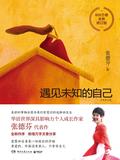 遇见************
completed
—Reads5.8Score—Shelves
遇见************
completed
—Reads5.8Score—Shelves
Reader note
Traditional cultural wisdom: a guide to self-cultivation and morality. In our long history of culture, Confucianism, Taoism, Buddhism, Wang Yangming's philosophy of mind, and Zhang Defen's works, as well as the concept of pursuing the path to immortality, all contain endless wisdom and point us in the direction of self-cultivation and morality and how to behave in the world. 1. Confucianism: advocates "benevolence, righteousness, etiquette, wisdom, and trustworthiness." "Filial piety is the first of all virtues", filial piety is the respect and support for parents and elders; friendship and mutual help between brothers and sisters; loyalty to the emperor, patriotism, respect for one's job and love for one's career reflect loyalty; "A person cannot stand without trust", trust is the criterion for living in life; etiquette regulates our behavior and respects teachers and ethics; righteousness allows us to adhere to justice and maintain chastity; integrity requires us to be spotless and upright; shame enables us to distinguish right from wrong and keep the bottom line of being a human being. Everything starts from oneself, guided by Confucianism, and constantly improves oneself. 2. Taoism: It advocates conforming to nature, following the fundamental law "Tao" of all things in the universe, governing by doing nothing, and not imposing interference. It is virtue to uphold a simple and pure nature, have noble moral character, and not fight for benefits. A pure heart, not disturbed by worldly complexities and desires, is pure; keep quiet and peaceful, gain insight into all things in tranquility, and practice physical and mental tranquility; let go of yourself, not be bound by prejudices and inherent concepts, accept the so-called emptiness of the world with an open and tolerant heart; understand the state of "nothing" In the world, let go of the attachment to tangible materials and fame and wealth, and return to the true nature of nothingness; to deal with the world with a gentle and humble attitude, like water, which seems to be weak but contains powerful power, that is, softness; to pursue harmony, to live in harmony with nature and others, and to live in peace without creating conflicts and disputes. 3. Buddhism: To be compassionate, to feel the suffering of all living beings, to give care and help is compassion; to pity the suffering of all living beings, and to help them escape from the sea of suffering is compassion; to rejoice in the happiness and happiness of all living beings, and to be free from jealousy, hatred, and hatred; to give up greed, anger, ignorance, pride, and suspicion, and to let go of the pursuit of worldly desires and obsessions is renunciation; to observe the precepts, Regulate your own behavior and refrain from doing things that harm sentient beings and violate morality; practice meditation, focus on your heart, and not be disturbed by the outside world, so as to gain wisdom and concentration, that is, concentration; open up wisdom, gain insight into the essence of things, and get rid of troubles and confusion as wisdom; understand the true meaning of "emptiness" and understand that everything in the world is illusion, and not being attached to appearances is emptiness. We should not be attached to form on the outside, and we should not be attached to emptiness on the inside. We should have nothing to live in, and our mind should be born. The past cannot be grasped, the present cannot be grasped, and the future cannot be grasped. 4. Wang Yangming's Theory of Mind: Emphasizes that "the heart is reason", the heart is the ontology of all things in the universe, and all moral norms and truths originate from the heart. Conscience is our innate moral judgment and intuitive ability. It can distinguish right from wrong, good and evil, and is the fundamental criterion for being a human being. Through constant self-reflection and practice, we can remove the cover of selfish desires and extend our inner conscience to all things, that is, conscience. Knowledge and action are integrated. Once you have correct cognition, you must put it into action, deepen your cognition in action, and avoid empty talk. This is the unity of knowledge and action. Make your thoughts sincere, do not deceive yourself, be pure in heart, and be sincere; care for the people, actively participate in society, and benefit the people with practical actions; explore the principles of nature in specific things, and improve yourself through understanding and practice of things; establish lofty aspirations, clarify life goals, and make unremitting efforts to realize your ideals. 5. Zhang Defen's works: In "Meeting the Unknown Self", he advocates inner tranquility and far-reaching, abandoning impetuous and troubled silence; constant self-reflection, insight into inner thoughts; understanding the true meaning of life, and understanding the wisdom of life; letting go of unnecessary burdens and liberating the shackles of the soul; loving kindness and kindness in the heart, the love that warms all things in the world; harmonizing the body and mind, accepting the harmony of the complete self; awakening inner awareness, insight into the truth of life, and exploring everything from the heart. "Meet Your Dreams Come True" encourages us to have beautiful dreams and illuminate the way forward; to set firm aspirations and anchor the goals we strive for; to work diligently and accumulate the capital for success; to be brave enough to innovate and break through the limitations of thinking; to persevere and persevere without fear of hardships and obstacles; to be good at seizing opportunities and keenly discerning the goodness of opportunities; to plan actions rationally, promote the integration of dreams in an orderly manner, and realize dreams starting from the present. "Live a New Self" inspires us to bravely challenge ourselves and break through the boundaries of comfort; actively embrace change and welcome new possible changes; continue to learn and grow to improve our own quality; decisively let go of the past and say goodbye to old patterns; maintain an optimistic attitude and laugh at the ups and downs of life; pay attention to physical and mental health and consolidate the foundation of life; stick to your true self and show your unique style. Everything starts with change. 6. Pursuing the path to immortality: pay attention to quietness to cultivate one's self, stay away from the hustle and bustle of the world, and clarify the heart; be kind-hearted, have compassion and love in the heart, and build good relationships; understand the principles of heaven, have insight into all phenomena in the world, and have a clear mind and nature; be humble in life, neither arrogant nor impetuous nor discouraged, and be open-minded; and Live in harmony, be one with all things, and conform to nature; be patient and restrained, tolerate things that are difficult to tolerate, and cultivate an open-minded mind; be willing to let go, put aside fame and wealth, and get rid of the fetters; practice diligently, improve your own skills, and practice the path of seeking the Tao from the moment. These precious cultural treasures guide us on the road of life to continuously improve ourselves, cultivate moral character, face various challenges in life with a positive and healthy attitude and behavior, realize the value of life, and gain inner peace and happiness. I hope everyone can draw strength from it and let the wisdom of traditional culture shine in our lives. We also welcome sharing this wisdom with more people in need. [Like][Love]
-
196
活
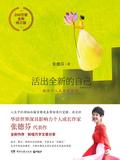 活出*****
completed
—Reads5.8Score—Shelves
活出*****
completed
—Reads5.8Score—Shelves
Reader note
Traditional cultural wisdom: a guide to self-cultivation and morality. In our long history of culture, Confucianism, Taoism, Buddhism, Wang Yangming's philosophy of mind, and Zhang Defen's works, as well as the concept of pursuing the path to immortality, all contain endless wisdom and point us in the direction of self-cultivation and morality and how to behave in the world. 1. Confucianism: advocates "benevolence, righteousness, etiquette, wisdom, and trustworthiness." "Filial piety is the first of all virtues", filial piety is the respect and support for parents and elders; friendship and mutual help between brothers and sisters; loyalty to the emperor, patriotism, respect for one's job and love for one's career reflect loyalty; "A person cannot stand without trust", trust is the criterion for living in life; etiquette regulates our behavior and respects teachers and ethics; righteousness allows us to adhere to justice and maintain chastity; integrity requires us to be spotless and upright; shame enables us to distinguish right from wrong and keep the bottom line of being a human being. Everything starts from oneself, guided by Confucianism, and constantly improves oneself. 2. Taoism: It advocates conforming to nature, following the fundamental law "Tao" of all things in the universe, governing by doing nothing, and not imposing interference. It is virtue to uphold a simple and pure nature, have noble moral character, and not fight for benefits. A pure heart, not disturbed by worldly complexities and desires, is pure; keep quiet and peaceful, gain insight into all things in tranquility, and practice physical and mental tranquility; let go of yourself, not be bound by prejudices and inherent concepts, accept the so-called emptiness of the world with an open and tolerant heart; understand the state of "nothing" In the world, let go of the attachment to tangible materials and fame and wealth, and return to the true nature of nothingness; to deal with the world with a gentle and humble attitude, like water, which seems to be weak but contains powerful power, that is, softness; to pursue harmony, to live in harmony with nature and others, and to live in peace without creating conflicts and disputes. 3. Buddhism: To be compassionate, to feel the suffering of all living beings, to give care and help is compassion; to pity the suffering of all living beings, and to help them escape from the sea of suffering is compassion; to rejoice in the happiness and happiness of all living beings, and to be free from jealousy, hatred, and hatred; to give up greed, anger, ignorance, pride, and suspicion, and to let go of the pursuit of worldly desires and obsessions is renunciation; to observe the precepts, Regulate your own behavior and refrain from doing things that harm sentient beings and violate morality; practice meditation, focus on your heart, and not be disturbed by the outside world, so as to gain wisdom and concentration, that is, concentration; open up wisdom, gain insight into the essence of things, and get rid of troubles and confusion as wisdom; understand the true meaning of "emptiness" and understand that everything in the world is illusion, and not being attached to appearances is emptiness. We should not be attached to form on the outside, and we should not be attached to emptiness on the inside. We should have nothing to live in, and our mind should be born. The past cannot be grasped, the present cannot be grasped, and the future cannot be grasped. 4. Wang Yangming's Theory of Mind: Emphasizes that "the heart is reason", the heart is the ontology of all things in the universe, and all moral norms and truths originate from the heart. Conscience is our innate moral judgment and intuitive ability. It can distinguish right from wrong, good and evil, and is the fundamental criterion for being a human being. Through constant self-reflection and practice, we can remove the cover of selfish desires and extend our inner conscience to all things, that is, conscience. Knowledge and action are integrated. Once you have correct cognition, you must put it into action, deepen your cognition in action, and avoid empty talk. This is the unity of knowledge and action. Make your thoughts sincere, do not deceive yourself, be pure in heart, and be sincere; care for the people, actively participate in society, and benefit the people with practical actions; explore the principles of nature in specific things, and improve yourself through understanding and practice of things; establish lofty aspirations, clarify life goals, and make unremitting efforts to realize your ideals. 5. Zhang Defen's works: In "Meeting the Unknown Self", he advocates inner tranquility and far-reaching, abandoning impetuous and troubled silence; constant self-reflection, insight into inner thoughts; understanding the true meaning of life, and understanding the wisdom of life; letting go of unnecessary burdens and liberating the shackles of the soul; loving kindness and kindness in the heart, the love that warms all things in the world; harmonizing the body and mind, accepting the harmony of the complete self; awakening inner awareness, insight into the truth of life, and exploring everything from the heart. "Meet Your Dreams Come True" encourages us to have beautiful dreams and illuminate the way forward; to set firm aspirations and anchor the goals we strive for; to work diligently and accumulate the capital for success; to be brave enough to innovate and break through the limitations of thinking; to persevere and persevere without fear of hardships and obstacles; to be good at seizing opportunities and keenly discerning the goodness of opportunities; to plan actions rationally, promote the integration of dreams in an orderly manner, and realize dreams starting from the present. "Live a New Self" inspires us to bravely challenge ourselves and break through the boundaries of comfort; actively embrace change and welcome new possible changes; continue to learn and grow to improve our own quality; decisively let go of the past and say goodbye to old patterns; maintain an optimistic attitude and laugh at the ups and downs of life; pay attention to physical and mental health and consolidate the foundation of life; stick to your true self and show your unique style. Everything starts with change. 6. Pursuing the path to immortality: pay attention to quietness to cultivate one's self, stay away from the hustle and bustle of the world, and clarify the heart; be kind-hearted, have compassion and love in the heart, and build good relationships; understand the principles of heaven, have insight into all phenomena in the world, and have a clear mind and nature; be humble in life, neither arrogant nor impetuous nor discouraged, and be open-minded; and Live in harmony, be one with all things, and conform to nature; be patient and restrained, tolerate things that are difficult to tolerate, and cultivate an open-minded mind; be willing to let go, put aside fame and wealth, and get rid of the fetters; practice diligently, improve your own skills, and practice the path of seeking the Tao from the moment. These precious cultural treasures guide us on the road of life to continuously improve ourselves, cultivate moral character, face various challenges in life with a positive and healthy attitude and behavior, realize the value of life, and gain inner peace and happiness. I hope everyone can draw strength from it and let the wisdom of traditional culture shine in our lives. We also welcome sharing this wisdom with more people in need. [Like][Love]
-
197
了
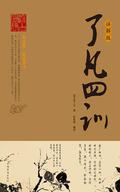 The Four Trainings of Liaofan: Detailed Explanation
(Ming Dynasty) Written by Yuan Liaofan; Compiled by Chen Meijincompleted
—Reads9.6Score—Shelves
The Four Trainings of Liaofan: Detailed Explanation
(Ming Dynasty) Written by Yuan Liaofan; Compiled by Chen Meijincompleted
—Reads9.6Score—Shelves
Reader note
Traditional cultural wisdom: a guide to self-cultivation and morality. In our long history of culture, Confucianism, Taoism, Buddhism, Wang Yangming's philosophy of mind, and Zhang Defen's works, as well as the concept of pursuing the path to immortality, all contain endless wisdom and point us in the direction of self-cultivation and morality and how to behave in the world. 1. Confucianism: advocates "benevolence, righteousness, etiquette, wisdom, and trustworthiness." "Filial piety is the first of all virtues", filial piety is the respect and support for parents and elders; friendship and mutual help between brothers and sisters; loyalty to the emperor, patriotism, respect for one's job and love for one's career reflect loyalty; "A person cannot stand without trust", trust is the criterion for living in life; etiquette regulates our behavior and respects teachers and ethics; righteousness allows us to adhere to justice and maintain chastity; integrity requires us to be spotless and upright; shame enables us to distinguish right from wrong and keep the bottom line of being a human being. Everything starts from oneself, guided by Confucianism, and constantly improves oneself. 2. Taoism: It advocates conforming to nature, following the fundamental law "Tao" of all things in the universe, governing by doing nothing, and not imposing interference. It is virtue to uphold a simple and pure nature, have noble moral character, and not fight for benefits. A pure heart, not disturbed by worldly complexities and desires, is pure; keep quiet and peaceful, gain insight into all things in tranquility, and practice physical and mental tranquility; let go of yourself, not be bound by prejudices and inherent concepts, accept the so-called emptiness of the world with an open and tolerant heart; understand the state of "nothing" In the world, let go of the attachment to tangible materials and fame and wealth, and return to the true nature of nothingness; to deal with the world with a gentle and humble attitude, like water, which seems to be weak but contains powerful power, that is, softness; to pursue harmony, to live in harmony with nature and others, and to live in peace without creating conflicts and disputes. 3. Buddhism: To be compassionate, to feel the suffering of all living beings, to give care and help is compassion; to pity the suffering of all living beings, and to help them escape from the sea of suffering is compassion; to rejoice in the happiness and happiness of all living beings, and to be free from jealousy, hatred, and hatred; to give up greed, anger, ignorance, pride, and suspicion, and to let go of the pursuit of worldly desires and obsessions is renunciation; to observe the precepts, Regulate your own behavior and refrain from doing things that harm sentient beings and violate morality; practice meditation, focus on your heart, and not be disturbed by the outside world, so as to gain wisdom and concentration, that is, concentration; open up wisdom, gain insight into the essence of things, and get rid of troubles and confusion as wisdom; understand the true meaning of "emptiness" and understand that everything in the world is illusion, and not being attached to appearances is emptiness. We should not be attached to form on the outside, and we should not be attached to emptiness on the inside. We should have nothing to live in, and our mind should be born. The past cannot be grasped, the present cannot be grasped, and the future cannot be grasped. 4. Wang Yangming's Theory of Mind: Emphasizes that "the heart is reason", the heart is the ontology of all things in the universe, and all moral norms and truths originate from the heart. Conscience is our innate moral judgment and intuitive ability. It can distinguish right from wrong, good and evil, and is the fundamental criterion for being a human being. Through constant self-reflection and practice, we can remove the cover of selfish desires and extend our inner conscience to all things, that is, conscience. Knowledge and action are integrated. Once you have correct cognition, you must put it into action, deepen your cognition in action, and avoid empty talk. This is the unity of knowledge and action. Make your thoughts sincere, do not deceive yourself, be pure in heart, and be sincere; care for the people, actively participate in society, and benefit the people with practical actions; explore the principles of nature in specific things, and improve yourself through understanding and practice of things; establish lofty aspirations, clarify life goals, and make unremitting efforts to realize your ideals. 5. Zhang Defen's works: In "Meeting the Unknown Self", he advocates inner tranquility and far-reaching, abandoning impetuous and troubled silence; constant self-reflection, insight into inner thoughts; understanding the true meaning of life, and understanding the wisdom of life; letting go of unnecessary burdens and liberating the shackles of the soul; loving kindness and kindness in the heart, the love that warms all things in the world; harmonizing the body and mind, accepting the harmony of the complete self; awakening inner awareness, insight into the truth of life, and exploring everything from the heart. "Meet Your Dreams Come True" encourages us to have beautiful dreams and illuminate the way forward; to set firm aspirations and anchor the goals we strive for; to work diligently and accumulate the capital for success; to be brave enough to innovate and break through the limitations of thinking; to persevere and persevere without fear of hardships and obstacles; to be good at seizing opportunities and keenly discerning the goodness of opportunities; to plan actions rationally, promote the integration of dreams in an orderly manner, and realize dreams starting from the present. "Live a New Self" inspires us to bravely challenge ourselves and break through the boundaries of comfort; actively embrace change and welcome new possible changes; continue to learn and grow to improve our own quality; decisively let go of the past and say goodbye to old patterns; maintain an optimistic attitude and laugh at the ups and downs of life; pay attention to physical and mental health and consolidate the foundation of life; stick to your true self and show your unique style. Everything starts with change. 6. Pursuing the path to immortality: pay attention to quietness to cultivate one's self, stay away from the hustle and bustle of the world, and clarify the heart; be kind-hearted, have compassion and love in the heart, and build good relationships; understand the principles of heaven, have insight into all phenomena in the world, and have a clear mind and nature; be humble in life, neither arrogant nor impetuous nor discouraged, and be open-minded; and Live in harmony, be one with all things, and conform to nature; be patient and restrained, tolerate things that are difficult to tolerate, and cultivate an open-minded mind; be willing to let go, put aside fame and wealth, and get rid of the fetters; practice diligently, improve your own skills, and practice the path of seeking the Tao from the moment. These precious cultural treasures guide us on the road of life to continuously improve ourselves, cultivate moral character, face various challenges in life with a positive and healthy attitude and behavior, realize the value of life, and gain inner peace and happiness. I hope everyone can draw strength from it and let the wisdom of traditional culture shine in our lives. We also welcome sharing this wisdom with more people in need. [Like][Love]
-
198
道
 道教**********
completed
—Reads5.8Score—Shelves
道教**********
completed
—Reads5.8Score—Shelves
Reader note
Traditional cultural wisdom: a guide to self-cultivation and morality. In our long history of culture, Confucianism, Taoism, Buddhism, Wang Yangming's philosophy of mind, and Zhang Defen's works, as well as the concept of pursuing the path to immortality, all contain endless wisdom and point us in the direction of self-cultivation and morality and how to behave in the world. 1. Confucianism: advocates "benevolence, righteousness, etiquette, wisdom, and trustworthiness." "Filial piety is the first of all virtues", filial piety is the respect and support for parents and elders; friendship and mutual help between brothers and sisters; loyalty to the emperor, patriotism, respect for one's job and love for one's career reflect loyalty; "A person cannot stand without trust", trust is the criterion for living in life; etiquette regulates our behavior and respects teachers and ethics; righteousness allows us to adhere to justice and maintain chastity; integrity requires us to be spotless and upright; shame enables us to distinguish right from wrong and keep the bottom line of being a human being. Everything starts from oneself, guided by Confucianism, and constantly improves oneself. 2. Taoism: It advocates conforming to nature, following the fundamental law "Tao" of all things in the universe, governing by doing nothing, and not imposing interference. It is virtue to uphold a simple and pure nature, have noble moral character, and not fight for benefits. A pure heart, not disturbed by worldly complexities and desires, is pure; keep quiet and peaceful, gain insight into all things in tranquility, and practice physical and mental tranquility; let go of yourself, not be bound by prejudices and inherent concepts, accept the so-called emptiness of the world with an open and tolerant heart; understand the state of "nothing" In the world, let go of the attachment to tangible materials and fame and wealth, and return to the true nature of nothingness; to deal with the world with a gentle and humble attitude, like water, which seems to be weak but contains powerful power, that is, softness; to pursue harmony, to live in harmony with nature and others, and to live in peace without creating conflicts and disputes. 3. Buddhism: To be compassionate, to feel the suffering of all living beings, to give care and help is compassion; to pity the suffering of all living beings, and to help them escape from the sea of suffering is compassion; to rejoice in the happiness and happiness of all living beings, and to be free from jealousy, hatred, and hatred; to give up greed, anger, ignorance, pride, and suspicion, and to let go of the pursuit of worldly desires and obsessions is renunciation; to observe the precepts, Regulate your own behavior and refrain from doing things that harm sentient beings and violate morality; practice meditation, focus on your heart, and not be disturbed by the outside world, so as to gain wisdom and concentration, that is, concentration; open up wisdom, gain insight into the essence of things, and get rid of troubles and confusion as wisdom; understand the true meaning of "emptiness" and understand that everything in the world is illusion, and not being attached to appearances is emptiness. We should not be attached to form on the outside, and we should not be attached to emptiness on the inside. We should have nothing to live in, and our mind should be born. The past cannot be grasped, the present cannot be grasped, and the future cannot be grasped. 4. Wang Yangming's Theory of Mind: Emphasizes that "the heart is reason", the heart is the ontology of all things in the universe, and all moral norms and truths originate from the heart. Conscience is our innate moral judgment and intuitive ability. It can distinguish right from wrong, good and evil, and is the fundamental criterion for being a human being. Through constant self-reflection and practice, we can remove the cover of selfish desires and extend our inner conscience to all things, that is, conscience. Knowledge and action are integrated. Once you have correct cognition, you must put it into action, deepen your cognition in action, and avoid empty talk. This is the unity of knowledge and action. Make your thoughts sincere, do not deceive yourself, be pure in heart, and be sincere; care for the people, actively participate in society, and benefit the people with practical actions; explore the principles of nature in specific things, and improve yourself through understanding and practice of things; establish lofty aspirations, clarify life goals, and make unremitting efforts to realize your ideals. 5. Zhang Defen's works: In "Meeting the Unknown Self", he advocates inner tranquility and far-reaching, abandoning impetuous and troubled silence; constant self-reflection, insight into inner thoughts; understanding the true meaning of life, and understanding the wisdom of life; letting go of unnecessary burdens and liberating the shackles of the soul; loving kindness and kindness in the heart, the love that warms all things in the world; harmonizing the body and mind, accepting the harmony of the complete self; awakening inner awareness, insight into the truth of life, and exploring everything from the heart. "Meet Your Dreams Come True" encourages us to have beautiful dreams and illuminate the way forward; to set firm aspirations and anchor the goals we strive for; to work diligently and accumulate the capital for success; to be brave enough to innovate and break through the limitations of thinking; to persevere and persevere without fear of hardships and obstacles; to be good at seizing opportunities and keenly discerning the goodness of opportunities; to plan actions rationally, promote the integration of dreams in an orderly manner, and realize dreams starting from the present. "Live a New Self" inspires us to bravely challenge ourselves and break through the boundaries of comfort; actively embrace change and welcome new possible changes; continue to learn and grow to improve our own quality; decisively let go of the past and say goodbye to old patterns; maintain an optimistic attitude and laugh at the ups and downs of life; pay attention to physical and mental health and consolidate the foundation of life; stick to your true self and show your unique style. Everything starts with change. 6. Pursuing the path to immortality: pay attention to quietness to cultivate one's self, stay away from the hustle and bustle of the world, and clarify the heart; be kind-hearted, have compassion and love in the heart, and build good relationships; understand the principles of heaven, have insight into all phenomena in the world, and have a clear mind and nature; be humble in life, neither arrogant nor impetuous nor discouraged, and be open-minded; and Live in harmony, be one with all things, and conform to nature; be patient and restrained, tolerate things that are difficult to tolerate, and cultivate an open-minded mind; be willing to let go, put aside fame and wealth, and get rid of the fetters; practice diligently, improve your own skills, and practice the path of seeking the Tao from the moment. These precious cultural treasures guide us on the road of life to continuously improve ourselves, cultivate moral character, face various challenges in life with a positive and healthy attitude and behavior, realize the value of life, and gain inner peace and happiness. I hope everyone can draw strength from it and let the wisdom of traditional culture shine in our lives. We also welcome sharing this wisdom with more people in need. [Like][Love]
-
199
中
 Moderate
Zisicompleted
—Reads9.5Score—Shelves
Moderate
Zisicompleted
—Reads9.5Score—Shelves
Reader note
Traditional cultural wisdom: a guide to self-cultivation and morality. In our long history of culture, Confucianism, Taoism, Buddhism, Wang Yangming's philosophy of mind, and Zhang Defen's works, as well as the concept of pursuing the path to immortality, all contain endless wisdom and point us in the direction of self-cultivation and morality and how to behave in the world. 1. Confucianism: advocates "benevolence, righteousness, etiquette, wisdom, and trustworthiness." "Filial piety is the first of all virtues", filial piety is the respect and support for parents and elders; friendship and mutual help between brothers and sisters; loyalty to the emperor, patriotism, respect for one's job and love for one's career reflect loyalty; "A person cannot stand without trust", trust is the criterion for living in life; etiquette regulates our behavior and respects teachers and ethics; righteousness allows us to adhere to justice and maintain chastity; integrity requires us to be spotless and upright; shame enables us to distinguish right from wrong and keep the bottom line of being a human being. Everything starts from oneself, guided by Confucianism, and constantly improves oneself. 2. Taoism: It advocates conforming to nature, following the fundamental law "Tao" of all things in the universe, governing by doing nothing, and not imposing interference. It is virtue to uphold a simple and pure nature, have noble moral character, and not fight for benefits. A pure heart, not disturbed by worldly complexities and desires, is pure; keep quiet and peaceful, gain insight into all things in tranquility, and practice physical and mental tranquility; let go of yourself, not be bound by prejudices and inherent concepts, accept the so-called emptiness of the world with an open and tolerant heart; understand the state of "nothing" In the world, let go of the attachment to tangible materials and fame and wealth, and return to the true nature of nothingness; to deal with the world with a gentle and humble attitude, like water, which seems to be weak but contains powerful power, that is, softness; to pursue harmony, to live in harmony with nature and others, and to live in peace without creating conflicts and disputes. 3. Buddhism: To be compassionate, to feel the suffering of all living beings, to give care and help is compassion; to pity the suffering of all living beings, and to help them escape from the sea of suffering is compassion; to rejoice in the happiness and happiness of all living beings, and to be free from jealousy, hatred, and hatred; to give up greed, anger, ignorance, pride, and suspicion, and to let go of the pursuit of worldly desires and obsessions is renunciation; to observe the precepts, Regulate your own behavior and refrain from doing things that harm sentient beings and violate morality; practice meditation, focus on your heart, and not be disturbed by the outside world, so as to gain wisdom and concentration, that is, concentration; open up wisdom, gain insight into the essence of things, and get rid of troubles and confusion as wisdom; understand the true meaning of "emptiness" and understand that everything in the world is illusion, and not being attached to appearances is emptiness. We should not be attached to form on the outside, and we should not be attached to emptiness on the inside. We should have nothing to live in, and our mind should be born. The past cannot be grasped, the present cannot be grasped, and the future cannot be grasped. 4. Wang Yangming's Theory of Mind: Emphasizes that "the heart is reason", the heart is the ontology of all things in the universe, and all moral norms and truths originate from the heart. Conscience is our innate moral judgment and intuitive ability. It can distinguish right from wrong, good and evil, and is the fundamental criterion for being a human being. Through constant self-reflection and practice, we can remove the cover of selfish desires and extend our inner conscience to all things, that is, conscience. Knowledge and action are integrated. Once you have correct cognition, you must put it into action, deepen your cognition in action, and avoid empty talk. This is the unity of knowledge and action. Make your thoughts sincere, do not deceive yourself, be pure in heart, and be sincere; care for the people, actively participate in society, and benefit the people with practical actions; explore the principles of nature in specific things, and improve yourself through understanding and practice of things; establish lofty aspirations, clarify life goals, and make unremitting efforts to realize your ideals. 5. Zhang Defen's works: In "Meeting the Unknown Self", he advocates inner tranquility and far-reaching, abandoning impetuous and troubled silence; constant self-reflection, insight into inner thoughts; understanding the true meaning of life, and understanding the wisdom of life; letting go of unnecessary burdens and liberating the shackles of the soul; loving kindness and kindness in the heart, the love that warms all things in the world; harmonizing the body and mind, accepting the harmony of the complete self; awakening inner awareness, insight into the truth of life, and exploring everything from the heart. "Meet Your Dreams Come True" encourages us to have beautiful dreams and illuminate the way forward; to set firm aspirations and anchor the goals we strive for; to work diligently and accumulate the capital for success; to be brave enough to innovate and break through the limitations of thinking; to persevere and persevere without fear of hardships and obstacles; to be good at seizing opportunities and keenly discerning the goodness of opportunities; to plan actions rationally, promote the integration of dreams in an orderly manner, and realize dreams starting from the present. "Live a New Self" inspires us to bravely challenge ourselves and break through the boundaries of comfort; actively embrace change and welcome new possible changes; continue to learn and grow to improve our own quality; decisively let go of the past and say goodbye to old patterns; maintain an optimistic attitude and laugh at the ups and downs of life; pay attention to physical and mental health and consolidate the foundation of life; stick to your true self and show your unique style. Everything starts with change. 6. Pursuing the path to immortality: pay attention to quietness to cultivate one's self, stay away from the hustle and bustle of the world, and clarify the heart; be kind-hearted, have compassion and love in the heart, and build good relationships; understand the principles of heaven, have insight into all phenomena in the world, and have a clear mind and nature; be humble in life, neither arrogant nor impetuous nor discouraged, and be open-minded; and Live in harmony, be one with all things, and conform to nature; be patient and restrained, tolerate things that are difficult to tolerate, and cultivate an open-minded mind; be willing to let go, put aside fame and wealth, and get rid of the fetters; practice diligently, improve your own skills, and practice the path of seeking the Tao from the moment. These precious cultural treasures guide us on the road of life to continuously improve ourselves, cultivate moral character, face various challenges in life with a positive and healthy attitude and behavior, realize the value of life, and gain inner peace and happiness. I hope everyone can draw strength from it and let the wisdom of traditional culture shine in our lives. We also welcome sharing this wisdom with more people in need. [Like][Love]
-
200
知
 知行合一王阳明(全五册)
Duyin Mountaincompleted
—Reads9.5Score—Shelves
知行合一王阳明(全五册)
Duyin Mountaincompleted
—Reads9.5Score—Shelves
Reader note
Traditional cultural wisdom: a guide to self-cultivation and morality. In our long history of culture, Confucianism, Taoism, Buddhism, Wang Yangming's philosophy of mind, and Zhang Defen's works, as well as the concept of pursuing the path to immortality, all contain endless wisdom and point us in the direction of self-cultivation and morality and how to behave in the world. 1. Confucianism: advocates "benevolence, righteousness, etiquette, wisdom, and trustworthiness." "Filial piety is the first of all virtues", filial piety is the respect and support for parents and elders; friendship and mutual help between brothers and sisters; loyalty to the emperor, patriotism, respect for one's job and love for one's career reflect loyalty; "A person cannot stand without trust", trust is the criterion for living in life; etiquette regulates our behavior and respects teachers and ethics; righteousness allows us to adhere to justice and maintain chastity; integrity requires us to be spotless and upright; shame enables us to distinguish right from wrong and keep the bottom line of being a human being. Everything starts from oneself, guided by Confucianism, and constantly improves oneself. 2. Taoism: It advocates conforming to nature, following the fundamental law "Tao" of all things in the universe, governing by doing nothing, and not imposing interference. It is virtue to uphold a simple and pure nature, have noble moral character, and not fight for benefits. A pure heart, not disturbed by worldly complexities and desires, is pure; keep quiet and peaceful, gain insight into all things in tranquility, and practice physical and mental tranquility; let go of yourself, not be bound by prejudices and inherent concepts, accept the so-called emptiness of the world with an open and tolerant heart; understand the state of "nothing" In the world, let go of the attachment to tangible materials and fame and wealth, and return to the true nature of nothingness; to deal with the world with a gentle and humble attitude, like water, which seems to be weak but contains powerful power, that is, softness; to pursue harmony, to live in harmony with nature and others, and to live in peace without creating conflicts and disputes. 3. Buddhism: To be compassionate, to feel the suffering of all living beings, to give care and help is compassion; to pity the suffering of all living beings, and to help them escape from the sea of suffering is compassion; to rejoice in the happiness and happiness of all living beings, and to be free from jealousy, hatred, and hatred; to give up greed, anger, ignorance, pride, and suspicion, and to let go of the pursuit of worldly desires and obsessions is renunciation; to observe the precepts, Regulate your own behavior and refrain from doing things that harm sentient beings and violate morality; practice meditation, focus on your heart, and not be disturbed by the outside world, so as to gain wisdom and concentration, that is, concentration; open up wisdom, gain insight into the essence of things, and get rid of troubles and confusion as wisdom; understand the true meaning of "emptiness" and understand that everything in the world is illusion, and not being attached to appearances is emptiness. We should not be attached to form on the outside, and we should not be attached to emptiness on the inside. We should have nothing to live in, and our mind should be born. The past cannot be grasped, the present cannot be grasped, and the future cannot be grasped. 4. Wang Yangming's Theory of Mind: Emphasizes that "the heart is reason", the heart is the ontology of all things in the universe, and all moral norms and truths originate from the heart. Conscience is our innate moral judgment and intuitive ability. It can distinguish right from wrong, good and evil, and is the fundamental criterion for being a human being. Through constant self-reflection and practice, we can remove the cover of selfish desires and extend our inner conscience to all things, that is, conscience. Knowledge and action are integrated. Once you have correct cognition, you must put it into action, deepen your cognition in action, and avoid empty talk. This is the unity of knowledge and action. Make your thoughts sincere, do not deceive yourself, be pure in heart, and be sincere; care for the people, actively participate in society, and benefit the people with practical actions; explore the principles of nature in specific things, and improve yourself through understanding and practice of things; establish lofty aspirations, clarify life goals, and make unremitting efforts to realize your ideals. 5. Zhang Defen's works: In "Meeting the Unknown Self", he advocates inner tranquility and far-reaching, abandoning impetuous and troubled silence; constant self-reflection, insight into inner thoughts; understanding the true meaning of life, and understanding the wisdom of life; letting go of unnecessary burdens and liberating the shackles of the soul; loving kindness and kindness in the heart, the love that warms all things in the world; harmonizing the body and mind, accepting the harmony of the complete self; awakening inner awareness, insight into the truth of life, and exploring everything from the heart. "Meet Your Dreams Come True" encourages us to have beautiful dreams and illuminate the way forward; to set firm aspirations and anchor the goals we strive for; to work diligently and accumulate the capital for success; to be brave enough to innovate and break through the limitations of thinking; to persevere and persevere without fear of hardships and obstacles; to be good at seizing opportunities and keenly discerning the goodness of opportunities; to plan actions rationally, promote the integration of dreams in an orderly manner, and realize dreams starting from the present. "Live a New Self" inspires us to bravely challenge ourselves and break through the boundaries of comfort; actively embrace change and welcome new possible changes; continue to learn and grow to improve our own quality; decisively let go of the past and say goodbye to old patterns; maintain an optimistic attitude and laugh at the ups and downs of life; pay attention to physical and mental health and consolidate the foundation of life; stick to your true self and show your unique style. Everything starts with change. 6. Pursuing the path to immortality: pay attention to quietness to cultivate one's self, stay away from the hustle and bustle of the world, and clarify the heart; be kind-hearted, have compassion and love in the heart, and build good relationships; understand the principles of heaven, have insight into all phenomena in the world, and have a clear mind and nature; be humble in life, neither arrogant nor impetuous nor discouraged, and be open-minded; and Live in harmony, be one with all things, and conform to nature; be patient and restrained, tolerate things that are difficult to tolerate, and cultivate an open-minded mind; be willing to let go, put aside fame and wealth, and get rid of the fetters; practice diligently, improve your own skills, and practice the path of seeking the Tao from the moment. These precious cultural treasures guide us on the road of life to continuously improve ourselves, cultivate moral character, face various challenges in life with a positive and healthy attitude and behavior, realize the value of life, and gain inner peace and happiness. I hope everyone can draw strength from it and let the wisdom of traditional culture shine in our lives. We also welcome sharing this wisdom with more people in need. [Like][Love]
-
201
道
 Taoist Life, Confucian Work, Buddhist Mind Cultivation Collection
Qinpucompleted
—Reads9.5Score—Shelves
Taoist Life, Confucian Work, Buddhist Mind Cultivation Collection
Qinpucompleted
—Reads9.5Score—Shelves
Reader note
Traditional cultural wisdom: a guide to self-cultivation and morality. In our long history of culture, Confucianism, Taoism, Buddhism, Wang Yangming's philosophy of mind, and Zhang Defen's works, as well as the concept of pursuing the path to immortality, all contain endless wisdom and point us in the direction of self-cultivation and morality and how to behave in the world. 1. Confucianism: advocates "benevolence, righteousness, etiquette, wisdom, and trustworthiness." "Filial piety is the first of all virtues", filial piety is the respect and support for parents and elders; friendship and mutual help between brothers and sisters; loyalty to the emperor, patriotism, respect for one's job and love for one's career reflect loyalty; "A person cannot stand without trust", trust is the criterion for living in life; etiquette regulates our behavior and respects teachers and ethics; righteousness allows us to adhere to justice and maintain chastity; integrity requires us to be spotless and upright; shame enables us to distinguish right from wrong and keep the bottom line of being a human being. Everything starts from oneself, guided by Confucianism, and constantly improves oneself. 2. Taoism: It advocates conforming to nature, following the fundamental law "Tao" of all things in the universe, governing by doing nothing, and not imposing interference. It is virtue to uphold a simple and pure nature, have noble moral character, and not fight for benefits. A pure heart, not disturbed by worldly complexities and desires, is pure; keep quiet and peaceful, gain insight into all things in tranquility, and practice physical and mental tranquility; let go of yourself, not be bound by prejudices and inherent concepts, accept the so-called emptiness of the world with an open and tolerant heart; understand the state of "nothing" In the world, let go of the attachment to tangible materials and fame and wealth, and return to the true nature of nothingness; to deal with the world with a gentle and humble attitude, like water, which seems to be weak but contains powerful power, that is, softness; to pursue harmony, to live in harmony with nature and others, and to live in peace without creating conflicts and disputes. 3. Buddhism: To be compassionate, to feel the suffering of all living beings, to give care and help is compassion; to pity the suffering of all living beings, and to help them escape from the sea of suffering is compassion; to rejoice in the happiness and happiness of all living beings, and to be free from jealousy, hatred, and hatred; to give up greed, anger, ignorance, pride, and suspicion, and to let go of the pursuit of worldly desires and obsessions is renunciation; to observe the precepts, Regulate your own behavior and refrain from doing things that harm sentient beings and violate morality; practice meditation, focus on your heart, and not be disturbed by the outside world, so as to gain wisdom and concentration, that is, concentration; open up wisdom, gain insight into the essence of things, and get rid of troubles and confusion as wisdom; understand the true meaning of "emptiness" and understand that everything in the world is illusion, and not being attached to appearances is emptiness. We should not be attached to form on the outside, and we should not be attached to emptiness on the inside. We should have nothing to live in, and our mind should be born. The past cannot be grasped, the present cannot be grasped, and the future cannot be grasped. 4. Wang Yangming's Theory of Mind: Emphasizes that "the heart is reason", the heart is the ontology of all things in the universe, and all moral norms and truths originate from the heart. Conscience is our innate moral judgment and intuitive ability. It can distinguish right from wrong, good and evil, and is the fundamental criterion for being a human being. Through constant self-reflection and practice, we can remove the cover of selfish desires and extend our inner conscience to all things, that is, conscience. Knowledge and action are integrated. Once you have correct cognition, you must put it into action, deepen your cognition in action, and avoid empty talk. This is the unity of knowledge and action. Make your thoughts sincere, do not deceive yourself, be pure in heart, and be sincere; care for the people, actively participate in society, and benefit the people with practical actions; explore the principles of nature in specific things, and improve yourself through understanding and practice of things; establish lofty aspirations, clarify life goals, and make unremitting efforts to realize your ideals. 5. Zhang Defen's works: In "Meeting the Unknown Self", he advocates inner tranquility and far-reaching, abandoning impetuous and troubled silence; constant self-reflection, insight into inner thoughts; understanding the true meaning of life, and understanding the wisdom of life; letting go of unnecessary burdens and liberating the shackles of the soul; loving kindness and kindness in the heart, the love that warms all things in the world; harmonizing the body and mind, accepting the harmony of the complete self; awakening inner awareness, insight into the truth of life, and exploring everything from the heart. "Meet Your Dreams Come True" encourages us to have beautiful dreams and illuminate the way forward; to set firm aspirations and anchor the goals we strive for; to work diligently and accumulate the capital for success; to be brave enough to innovate and break through the limitations of thinking; to persevere and persevere without fear of hardships and obstacles; to be good at seizing opportunities and keenly discerning the goodness of opportunities; to plan actions rationally, promote the integration of dreams in an orderly manner, and realize dreams starting from the present. "Live a New Self" inspires us to bravely challenge ourselves and break through the boundaries of comfort; actively embrace change and welcome new possible changes; continue to learn and grow to improve our own quality; decisively let go of the past and say goodbye to old patterns; maintain an optimistic attitude and laugh at the ups and downs of life; pay attention to physical and mental health and consolidate the foundation of life; stick to your true self and show your unique style. Everything starts with change. 6. Pursuing the path to immortality: pay attention to quietness to cultivate one's self, stay away from the hustle and bustle of the world, and clarify the heart; be kind-hearted, have compassion and love in the heart, and build good relationships; understand the principles of heaven, have insight into all phenomena in the world, and have a clear mind and nature; be humble in life, neither arrogant nor impetuous nor discouraged, and be open-minded; and Live in harmony, be one with all things, and conform to nature; be patient and restrained, tolerate things that are difficult to tolerate, and cultivate an open-minded mind; be willing to let go, put aside fame and wealth, and get rid of the fetters; practice diligently, improve your own skills, and practice the path of seeking the Tao from the moment. These precious cultural treasures guide us on the road of life to continuously improve ourselves, cultivate moral character, face various challenges in life with a positive and healthy attitude and behavior, realize the value of life, and gain inner peace and happiness. I hope everyone can draw strength from it and let the wisdom of traditional culture shine in our lives. We also welcome sharing this wisdom with more people in need. [Like][Love]
-
202
道
 道德经(纯美典藏版)
(Spring and Autumn Period) Lao Tzucompleted
—Reads9.4Score—Shelves
道德经(纯美典藏版)
(Spring and Autumn Period) Lao Tzucompleted
—Reads9.4Score—Shelves
Reader note
Traditional cultural wisdom: a guide to self-cultivation and morality. In our long history of culture, Confucianism, Taoism, Buddhism, Wang Yangming's philosophy of mind, and Zhang Defen's works, as well as the concept of pursuing the path to immortality, all contain endless wisdom and point us in the direction of self-cultivation and morality and how to behave in the world. 1. Confucianism: advocates "benevolence, righteousness, etiquette, wisdom, and trustworthiness." "Filial piety is the first of all virtues", filial piety is the respect and support for parents and elders; friendship and mutual help between brothers and sisters; loyalty to the emperor, patriotism, respect for one's job and love for one's career reflect loyalty; "A person cannot stand without trust", trust is the criterion for living in life; etiquette regulates our behavior and respects teachers and ethics; righteousness allows us to adhere to justice and maintain chastity; integrity requires us to be spotless and upright; shame enables us to distinguish right from wrong and keep the bottom line of being a human being. Everything starts from oneself, guided by Confucianism, and constantly improves oneself. 2. Taoism: It advocates conforming to nature, following the fundamental law "Tao" of all things in the universe, governing by doing nothing, and not imposing interference. It is virtue to uphold a simple and pure nature, have noble moral character, and not fight for benefits. A pure heart, not disturbed by worldly complexities and desires, is pure; keep quiet and peaceful, gain insight into all things in tranquility, and practice physical and mental tranquility; let go of yourself, not be bound by prejudices and inherent concepts, accept the so-called emptiness of the world with an open and tolerant heart; understand the state of "nothing" In the world, let go of the attachment to tangible materials and fame and wealth, and return to the true nature of nothingness; to deal with the world with a gentle and humble attitude, like water, which seems to be weak but contains powerful power, that is, softness; to pursue harmony, to live in harmony with nature and others, and to live in peace without creating conflicts and disputes. 3. Buddhism: To be compassionate, to feel the suffering of all living beings, to give care and help is compassion; to pity the suffering of all living beings, and to help them escape from the sea of suffering is compassion; to rejoice in the happiness and happiness of all living beings, and to be free from jealousy, hatred, and hatred; to give up greed, anger, ignorance, pride, and suspicion, and to let go of the pursuit of worldly desires and obsessions is renunciation; to observe the precepts, Regulate your own behavior and refrain from doing things that harm sentient beings and violate morality; practice meditation, focus on your heart, and not be disturbed by the outside world, so as to gain wisdom and concentration, that is, concentration; open up wisdom, gain insight into the essence of things, and get rid of troubles and confusion as wisdom; understand the true meaning of "emptiness" and understand that everything in the world is illusion, and not being attached to appearances is emptiness. We should not be attached to form on the outside, and we should not be attached to emptiness on the inside. We should have nothing to live in, and our mind should be born. The past cannot be grasped, the present cannot be grasped, and the future cannot be grasped. 4. Wang Yangming's Theory of Mind: Emphasizes that "the heart is reason", the heart is the ontology of all things in the universe, and all moral norms and truths originate from the heart. Conscience is our innate moral judgment and intuitive ability. It can distinguish right from wrong, good and evil, and is the fundamental criterion for being a human being. Through constant self-reflection and practice, we can remove the cover of selfish desires and extend our inner conscience to all things, that is, conscience. Knowledge and action are integrated. Once you have correct cognition, you must put it into action, deepen your cognition in action, and avoid empty talk. This is the unity of knowledge and action. Make your thoughts sincere, do not deceive yourself, be pure in heart, and be sincere; care for the people, actively participate in society, and benefit the people with practical actions; explore the principles of nature in specific things, and improve yourself through understanding and practice of things; establish lofty aspirations, clarify life goals, and make unremitting efforts to realize your ideals. 5. Zhang Defen's works: In "Meeting the Unknown Self", he advocates inner tranquility and far-reaching, abandoning impetuous and troubled silence; constant self-reflection, insight into inner thoughts; understanding the true meaning of life, and understanding the wisdom of life; letting go of unnecessary burdens and liberating the shackles of the soul; loving kindness and kindness in the heart, the love that warms all things in the world; harmonizing the body and mind, accepting the harmony of the complete self; awakening inner awareness, insight into the truth of life, and exploring everything from the heart. "Meet Your Dreams Come True" encourages us to have beautiful dreams and illuminate the way forward; to set firm aspirations and anchor the goals we strive for; to work diligently and accumulate the capital for success; to be brave enough to innovate and break through the limitations of thinking; to persevere and persevere without fear of hardships and obstacles; to be good at seizing opportunities and keenly discerning the goodness of opportunities; to plan actions rationally, promote the integration of dreams in an orderly manner, and realize dreams starting from the present. "Live a New Self" inspires us to bravely challenge ourselves and break through the boundaries of comfort; actively embrace change and welcome new possible changes; continue to learn and grow to improve our own quality; decisively let go of the past and say goodbye to old patterns; maintain an optimistic attitude and laugh at the ups and downs of life; pay attention to physical and mental health and consolidate the foundation of life; stick to your true self and show your unique style. Everything starts with change. 6. Pursuing the path to immortality: pay attention to quietness to cultivate one's self, stay away from the hustle and bustle of the world, and clarify the heart; be kind-hearted, have compassion and love in the heart, and build good relationships; understand the principles of heaven, have insight into all phenomena in the world, and have a clear mind and nature; be humble in life, neither arrogant nor impetuous nor discouraged, and be open-minded; and Live in harmony, be one with all things, and conform to nature; be patient and restrained, tolerate things that are difficult to tolerate, and cultivate an open-minded mind; be willing to let go, put aside fame and wealth, and get rid of the fetters; practice diligently, improve your own skills, and practice the path of seeking the Tao from the moment. These precious cultural treasures guide us on the road of life to continuously improve ourselves, cultivate moral character, face various challenges in life with a positive and healthy attitude and behavior, realize the value of life, and gain inner peace and happiness. I hope everyone can draw strength from it and let the wisdom of traditional culture shine in our lives. We also welcome sharing this wisdom with more people in need. [Like][Love]
-
203
王
 王阳明全集
(Ming Dynasty) Written by Wang Shouren, Edited by Wu Guang, Qian Ming, Dong Ping, Yao Yanfucompleted
—Reads9.3Score—Shelves
王阳明全集
(Ming Dynasty) Written by Wang Shouren, Edited by Wu Guang, Qian Ming, Dong Ping, Yao Yanfucompleted
—Reads9.3Score—Shelves
Reader note
Traditional cultural wisdom: a guide to self-cultivation and morality. In our long history of culture, Confucianism, Taoism, Buddhism, Wang Yangming's philosophy of mind, and Zhang Defen's works, as well as the concept of pursuing the path to immortality, all contain endless wisdom and point us in the direction of self-cultivation and morality and how to behave in the world. 1. Confucianism: advocates "benevolence, righteousness, etiquette, wisdom, and trustworthiness." "Filial piety is the first of all virtues", filial piety is the respect and support for parents and elders; friendship and mutual help between brothers and sisters; loyalty to the emperor, patriotism, respect for one's job and love for one's career reflect loyalty; "A person cannot stand without trust", trust is the criterion for living in life; etiquette regulates our behavior and respects teachers and ethics; righteousness allows us to adhere to justice and maintain chastity; integrity requires us to be spotless and upright; shame enables us to distinguish right from wrong and keep the bottom line of being a human being. Everything starts from oneself, guided by Confucianism, and constantly improves oneself. 2. Taoism: It advocates conforming to nature, following the fundamental law "Tao" of all things in the universe, governing by doing nothing, and not imposing interference. It is virtue to uphold a simple and pure nature, have noble moral character, and not fight for benefits. A pure heart, not disturbed by worldly complexities and desires, is pure; keep quiet and peaceful, gain insight into all things in tranquility, and practice physical and mental tranquility; let go of yourself, not be bound by prejudices and inherent concepts, accept the so-called emptiness of the world with an open and tolerant heart; understand the state of "nothing" In the world, let go of the attachment to tangible materials and fame and wealth, and return to the true nature of nothingness; to deal with the world with a gentle and humble attitude, like water, which seems to be weak but contains powerful power, that is, softness; to pursue harmony, to live in harmony with nature and others, and to live in peace without creating conflicts and disputes. 3. Buddhism: To be compassionate, to feel the suffering of all living beings, to give care and help is compassion; to pity the suffering of all living beings, and to help them escape from the sea of suffering is compassion; to rejoice in the happiness and happiness of all living beings, and to be free from jealousy, hatred, and hatred; to give up greed, anger, ignorance, pride, and suspicion, and to let go of the pursuit of worldly desires and obsessions is renunciation; to observe the precepts, Regulate your own behavior and refrain from doing things that harm sentient beings and violate morality; practice meditation, focus on your heart, and not be disturbed by the outside world, so as to gain wisdom and concentration, that is, concentration; open up wisdom, gain insight into the essence of things, and get rid of troubles and confusion as wisdom; understand the true meaning of "emptiness" and understand that everything in the world is illusion, and not being attached to appearances is emptiness. We should not be attached to form on the outside, and we should not be attached to emptiness on the inside. We should have nothing to live in, and our mind should be born. The past cannot be grasped, the present cannot be grasped, and the future cannot be grasped. 4. Wang Yangming's Theory of Mind: Emphasizes that "the heart is reason", the heart is the ontology of all things in the universe, and all moral norms and truths originate from the heart. Conscience is our innate moral judgment and intuitive ability. It can distinguish right from wrong, good and evil, and is the fundamental criterion for being a human being. Through constant self-reflection and practice, we can remove the cover of selfish desires and extend our inner conscience to all things, that is, conscience. Knowledge and action are integrated. Once you have correct cognition, you must put it into action, deepen your cognition in action, and avoid empty talk. This is the unity of knowledge and action. Make your thoughts sincere, do not deceive yourself, be pure in heart, and be sincere; care for the people, actively participate in society, and benefit the people with practical actions; explore the principles of nature in specific things, and improve yourself through understanding and practice of things; establish lofty aspirations, clarify life goals, and make unremitting efforts to realize your ideals. 5. Zhang Defen's works: In "Meeting the Unknown Self", he advocates inner tranquility and far-reaching, abandoning impetuous and troubled silence; constant self-reflection, insight into inner thoughts; understanding the true meaning of life, and understanding the wisdom of life; letting go of unnecessary burdens and liberating the shackles of the soul; loving kindness and kindness in the heart, the love that warms all things in the world; harmonizing the body and mind, accepting the harmony of the complete self; awakening inner awareness, insight into the truth of life, and exploring everything from the heart. "Meet Your Dreams Come True" encourages us to have beautiful dreams and illuminate the way forward; to set firm aspirations and anchor the goals we strive for; to work diligently and accumulate the capital for success; to be brave enough to innovate and break through the limitations of thinking; to persevere and persevere without fear of hardships and obstacles; to be good at seizing opportunities and keenly discerning the goodness of opportunities; to plan actions rationally, promote the integration of dreams in an orderly manner, and realize dreams starting from the present. "Live a New Self" inspires us to bravely challenge ourselves and break through the boundaries of comfort; actively embrace change and welcome new possible changes; continue to learn and grow to improve our own quality; decisively let go of the past and say goodbye to old patterns; maintain an optimistic attitude and laugh at the ups and downs of life; pay attention to physical and mental health and consolidate the foundation of life; stick to your true self and show your unique style. Everything starts with change. 6. Pursuing the path to immortality: pay attention to quietness to cultivate one's self, stay away from the hustle and bustle of the world, and clarify the heart; be kind-hearted, have compassion and love in the heart, and build good relationships; understand the principles of heaven, have insight into all phenomena in the world, and have a clear mind and nature; be humble in life, neither arrogant nor impetuous nor discouraged, and be open-minded; and Live in harmony, be one with all things, and conform to nature; be patient and restrained, tolerate things that are difficult to tolerate, and cultivate an open-minded mind; be willing to let go, put aside fame and wealth, and get rid of the fetters; practice diligently, improve your own skills, and practice the path of seeking the Tao from the moment. These precious cultural treasures guide us on the road of life to continuously improve ourselves, cultivate moral character, face various challenges in life with a positive and healthy attitude and behavior, realize the value of life, and gain inner peace and happiness. I hope everyone can draw strength from it and let the wisdom of traditional culture shine in our lives. We also welcome sharing this wisdom with more people in need. [Like][Love]
-
204
遇
 遇见*******
completed
—Reads5.8Score—Shelves
遇见*******
completed
—Reads5.8Score—Shelves
Reader note
Traditional cultural wisdom: a guide to self-cultivation and morality. In our long history of culture, Confucianism, Taoism, Buddhism, Wang Yangming's philosophy of mind, and Zhang Defen's works, as well as the concept of pursuing the path to immortality, all contain endless wisdom and point us in the direction of self-cultivation and morality and how to behave in the world. 1. Confucianism: advocates "benevolence, righteousness, etiquette, wisdom, and trustworthiness." "Filial piety is the first of all virtues", filial piety is the respect and support for parents and elders; friendship and mutual help between brothers and sisters; loyalty to the emperor, patriotism, respect for one's job and love for one's career reflect loyalty; "A person cannot stand without trust", trust is the criterion for living in life; etiquette regulates our behavior and respects teachers and ethics; righteousness allows us to adhere to justice and maintain chastity; integrity requires us to be spotless and upright; shame enables us to distinguish right from wrong and keep the bottom line of being a human being. Everything starts from oneself, guided by Confucianism, and constantly improves oneself. 2. Taoism: It advocates conforming to nature, following the fundamental law "Tao" of all things in the universe, governing by doing nothing, and not imposing interference. It is virtue to uphold a simple and pure nature, have noble moral character, and not fight for benefits. A pure heart, not disturbed by worldly complexities and desires, is pure; keep quiet and peaceful, gain insight into all things in tranquility, and practice physical and mental tranquility; let go of yourself, not be bound by prejudices and inherent concepts, accept the so-called emptiness of the world with an open and tolerant heart; understand the state of "nothing" In the world, let go of the attachment to tangible materials and fame and wealth, and return to the true nature of nothingness; to deal with the world with a gentle and humble attitude, like water, which seems to be weak but contains powerful power, that is, softness; to pursue harmony, to live in harmony with nature and others, and to live in peace without creating conflicts and disputes. 3. Buddhism: To be compassionate, to feel the suffering of all living beings, to give care and help is compassion; to pity the suffering of all living beings, and to help them escape from the sea of suffering is compassion; to rejoice in the happiness and happiness of all living beings, and to be free from jealousy, hatred, and hatred; to give up greed, anger, ignorance, pride, and suspicion, and to let go of the pursuit of worldly desires and obsessions is renunciation; to observe the precepts, Regulate your own behavior and refrain from doing things that harm sentient beings and violate morality; practice meditation, focus on your heart, and not be disturbed by the outside world, so as to gain wisdom and concentration, that is, concentration; open up wisdom, gain insight into the essence of things, and get rid of troubles and confusion as wisdom; understand the true meaning of "emptiness" and understand that everything in the world is illusion, and not being attached to appearances is emptiness. We should not be attached to form on the outside, and we should not be attached to emptiness on the inside. We should have nothing to live in, and our mind should be born. The past cannot be grasped, the present cannot be grasped, and the future cannot be grasped. 4. Wang Yangming's Theory of Mind: Emphasizes that "the heart is reason", the heart is the ontology of all things in the universe, and all moral norms and truths originate from the heart. Conscience is our innate moral judgment and intuitive ability. It can distinguish right from wrong, good and evil, and is the fundamental criterion for being a human being. Through constant self-reflection and practice, we can remove the cover of selfish desires and extend our inner conscience to all things, that is, conscience. Knowledge and action are integrated. Once you have correct cognition, you must put it into action, deepen your cognition in action, and avoid empty talk. This is the unity of knowledge and action. Make your thoughts sincere, do not deceive yourself, be pure in heart, and be sincere; care for the people, actively participate in society, and benefit the people with practical actions; explore the principles of nature in specific things, and improve yourself through understanding and practice of things; establish lofty aspirations, clarify life goals, and make unremitting efforts to realize your ideals. 5. Zhang Defen's works: In "Meeting the Unknown Self", he advocates inner tranquility and far-reaching, abandoning impetuous and troubled silence; constant self-reflection, insight into inner thoughts; understanding the true meaning of life, and understanding the wisdom of life; letting go of unnecessary burdens and liberating the shackles of the soul; loving kindness and kindness in the heart, the love that warms all things in the world; harmonizing the body and mind, accepting the harmony of the complete self; awakening inner awareness, insight into the truth of life, and exploring everything from the heart. "Meet Your Dreams Come True" encourages us to have beautiful dreams and illuminate the way forward; to set firm aspirations and anchor the goals we strive for; to work diligently and accumulate the capital for success; to be brave enough to innovate and break through the limitations of thinking; to persevere and persevere without fear of hardships and obstacles; to be good at seizing opportunities and keenly discerning the goodness of opportunities; to plan actions rationally, promote the integration of dreams in an orderly manner, and realize dreams starting from the present. "Live a New Self" inspires us to bravely challenge ourselves and break through the boundaries of comfort; actively embrace change and welcome new possible changes; continue to learn and grow to improve our own quality; decisively let go of the past and say goodbye to old patterns; maintain an optimistic attitude and laugh at the ups and downs of life; pay attention to physical and mental health and consolidate the foundation of life; stick to your true self and show your unique style. Everything starts with change. 6. Pursuing the path to immortality: pay attention to quietness to cultivate one's self, stay away from the hustle and bustle of the world, and clarify the heart; be kind-hearted, have compassion and love in the heart, and build good relationships; understand the principles of heaven, have insight into all phenomena in the world, and have a clear mind and nature; be humble in life, neither arrogant nor impetuous nor discouraged, and be open-minded; and Live in harmony, be one with all things, and conform to nature; be patient and restrained, tolerate things that are difficult to tolerate, and cultivate an open-minded mind; be willing to let go, put aside fame and wealth, and get rid of the fetters; practice diligently, improve your own skills, and practice the path of seeking the Tao from the moment. These precious cultural treasures guide us on the road of life to continuously improve ourselves, cultivate moral character, face various challenges in life with a positive and healthy attitude and behavior, realize the value of life, and gain inner peace and happiness. I hope everyone can draw strength from it and let the wisdom of traditional culture shine in our lives. We also welcome sharing this wisdom with more people in need. [Like][Love]
-
206
红
 A Dream of Red Mansions (Original Version)
Cao Xueqincompleted
—Reads9.6Score—Shelves
A Dream of Red Mansions (Original Version)
Cao Xueqincompleted
—Reads9.6Score—Shelves
Reader note
These stories are like the warm sun that melts the ice of the heart, cultivation is nourished by empathy, and good luck becomes the gentle echo of the soul🌹
-
207
武
 Wu Zetian's Four Mysterious Cases
Anonymouscompleted
—Reads9.5Score—Shelves
Wu Zetian's Four Mysterious Cases
Anonymouscompleted
—Reads9.5Score—Shelves
Reader note
These stories are like the warm sun that melts the ice of the heart, cultivation is nourished by empathy, and good luck becomes the gentle echo of the soul🌹
-
209
耳
 Ear Food Record
Lejuncompleted
—Reads8.3Score—Shelves
Ear Food Record
Lejuncompleted
—Reads8.3Score—Shelves
Reader note
These stories are like the warm sun that melts the ice of the heart, cultivation is nourished by empathy, and good luck becomes the gentle echo of the soul🌹
-
210
瓦
 Romance of Wagangzhai
Liang Langchuan[qing]completed
—Reads9.5Score—Shelves
Romance of Wagangzhai
Liang Langchuan[qing]completed
—Reads9.5Score—Shelves
Reader note
These stories are like the warm sun that melts the ice of the heart, cultivation is nourished by empathy, and good luck becomes the gentle echo of the soul🌹
-
213
我
 What's Wrong with Me, an Autistic Person Who Can Dissect Hundreds of Millions of Corpses?
Bug BabyMystery548k Wordscompleted
155.3kReads9.5Score35.2kShelves
What's Wrong with Me, an Autistic Person Who Can Dissect Hundreds of Millions of Corpses?
Bug BabyMystery548k Wordscompleted
155.3kReads9.5Score35.2kShelves
Reader note
The female protagonist is autistic and works as a forensic doctor, and the male protagonist is a police officer
-
214
骂
 The Art of Swearing
Li Guowencompleted
—Reads8.8Score—Shelves
The Art of Swearing
Li Guowencompleted
—Reads8.8Score—Shelves
Reader note
FBL is still too comprehensive
-
215
F
 Complete Collection of FBI Mind Reading Skills
Huang Qingxiangcompleted
—Reads9.2Score—Shelves
Complete Collection of FBI Mind Reading Skills
Huang Qingxiangcompleted
—Reads9.2Score—Shelves
Reader note
FBL is still too comprehensive
-
216
F
 The FBI Teaches You Lie Detection, People Reading, and Intelligence Techniques in a Complete Collection
Full Mooncompleted
—Reads9.1Score—Shelves
The FBI Teaches You Lie Detection, People Reading, and Intelligence Techniques in a Complete Collection
Full Mooncompleted
—Reads9.1Score—Shelves
Reader note
FBL is still too comprehensive
-
217
F
 FBI Aura Training Technique
Jin Shengrongcompleted
—Reads8.6Score—Shelves
FBI Aura Training Technique
Jin Shengrongcompleted
—Reads8.6Score—Shelves
Reader note
FBL is still too comprehensive