Modern Martial Arts Practitioners, Ming Jin, Dark Jin, Hua Jin, Grandmaster
- Views
- 17.1M
- Books
- 525
- Recommendations
- 261
- Updated
- 8d ago
In this list
516 books · page 4 of 11
-
152
国
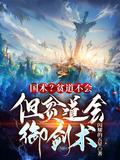 Chinese Martial Arts? I Don't Know How to Do It, but I Know How to Handle a Sword
Shining Five StarsUrban165k Wordsongoing
58Reads6.0Score—Shelves
Chinese Martial Arts? I Don't Know How to Do It, but I Know How to Handle a Sword
Shining Five StarsUrban165k Wordsongoing
58Reads6.0Score—Shelves
Reader note
🍀The protagonist, modern martial arts practitioner 🍁Li Changsheng, was reborn. After rebirth, he still had this name, but his body was not destined to this name. This body was suffering from cancer and he would not die soon. Unexpectedly, the plug-in was credited to his account, and he followed the system's instructions to promote traditional martial arts. From then on, he embarked on the road of live broadcasting about immortality. At first, they were practicing health-preserving skills in a serious way to fight against diseases. Gradually, they started to practice Chinese martial arts for the purpose of promoting Chinese martial arts. However, everyone realized that something was wrong. [This is just a pretense, returning to the national martial arts, don't you know that the national martial arts are all fake? He was easily knocked down by free fighting and Sanda. ] [Holy shit! Are you fucking a god or demon? I'm still a child. ][Awkward laughter] [Please prepare yourself, Mr. Li. I am a police officer from the xx Municipal Bureau. Based on your situation, we need to register you. ][Laughing][laughing]
-
153
我
 My Countless Professional Lives
Passing by Here to Pick up a CowUrban226k Wordsongoing
5Reads6.3Score—Shelves
My Countless Professional Lives
Passing by Here to Pick up a CowUrban226k Wordsongoing
5Reads6.3Score—Shelves
Reader note
Not bad, not bad
-
154
*
 **
FeiyuyuUrban1.2M Wordscompleted
28.9kReads5.8Score2.5kShelves
**
FeiyuyuUrban1.2M Wordscompleted
28.9kReads5.8Score2.5kShelves
-
155
高
 How Come You Have Become a Grandmaster Before You Graduate from High School?
Ye LingduUrban3.6M Wordscompleted
62.2kReads8.7Score6.6kShelves
How Come You Have Become a Grandmaster Before You Graduate from High School?
Ye LingduUrban3.6M Wordscompleted
62.2kReads8.7Score6.6kShelves
-
157
邪
 The Evil Doctor Comes Down the Mountain: Even the King of Hell Will Be Scared When He Sees It
Yin Xing YueyingUrban1.0M Wordsongoing
8.8kReads7.5Score1.3kShelves
The Evil Doctor Comes Down the Mountain: Even the King of Hell Will Be Scared When He Sees It
Yin Xing YueyingUrban1.0M Wordsongoing
8.8kReads7.5Score1.3kShelves
-
158
*
 **
The Wind Has a ShadowUrban3.1M Wordscompleted
17.5kReads5.8Score2.3kShelves
**
The Wind Has a ShadowUrban3.1M Wordscompleted
17.5kReads5.8Score2.3kShelves
-
159
都
 Urban God of War: Who Says Warriors Can't Defeat Immortal Cultivators?
The Wind Has a ShadowUrban1.1M Wordscompleted
121Reads—Score—Shelves
Urban God of War: Who Says Warriors Can't Defeat Immortal Cultivators?
The Wind Has a ShadowUrban1.1M Wordscompleted
121Reads—Score—Shelves
-
160
神
 Miracle Doctor and Immortality: My Fiancée Wants to Break Off the Engagement
The Wind Has a ShadowUrban596k Wordscompleted
2.6kReads8.4Score278Shelves
Miracle Doctor and Immortality: My Fiancée Wants to Break Off the Engagement
The Wind Has a ShadowUrban596k Wordscompleted
2.6kReads8.4Score278Shelves
-
161
异
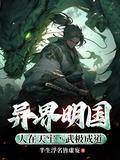 The Ming Dynasty in Another World: People Are in the Heavenly Prison, and Wuji Becomes a Taoist
Half of My Life, My Reputation Is All False.Eastern Fantasy1.7M Wordsongoing
18.6kReads7.9Score1.8kShelves
The Ming Dynasty in Another World: People Are in the Heavenly Prison, and Wuji Becomes a Taoist
Half of My Life, My Reputation Is All False.Eastern Fantasy1.7M Wordsongoing
18.6kReads7.9Score1.8kShelves
-
162
修
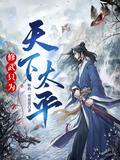 Cultivate Martial Arts Just for the Sake of Peace in the World
Your Smiling BrotherUrban224k Wordscompleted
—Reads5.8Score—Shelves
Cultivate Martial Arts Just for the Sake of Peace in the World
Your Smiling BrotherUrban224k Wordscompleted
—Reads5.8Score—Shelves
Reader note
Ding~~ Don't miss it if you pass by, good books are coming! ! ①In the city, appreciating treasures and slapping people in the face. Once I become the Emperor of Heaven, there will be no disputes in the world. It is really hateful that Fang Xiuwu soon became involved in the war. If this is the case, then I will only practice martial arts for the sake of peace in the world! [Learned] ②Miracle doctor, slap in the face, city. At the age of twenty, he went down the mountain to practice medicine and save people, and by the way, he had some experience in the rolling world. By chance, he met the eldest daughter of the Zheng family. With the help of the Zheng family and his own efforts, he embarked on a journey against the heavens...✨ ③Xianxia, fantasy. There are thousands of races, countless sects and factions, and a continent where warriors are kings and hierarchies are respected. A prosperous age: countless inheritances emerge, several evildoers arise together, wait and see how he stirs up the storm! [Learned] Welcome to read, thank you for your support!
-
163
都
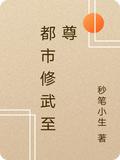 Urban Martial Arts Supreme
MiaobixiaoshengUrban100k Wordscompleted
2Reads—Score—Shelves
Urban Martial Arts Supreme
MiaobixiaoshengUrban100k Wordscompleted
2Reads—Score—Shelves
Reader note
Ding~~ Don't miss it if you pass by, good books are coming! ! ①In the city, appreciating treasures and slapping people in the face. Once I become the Emperor of Heaven, there will be no disputes in the world. It is really hateful that Fang Xiuwu soon became involved in the war. If this is the case, then I will only practice martial arts for the sake of peace in the world! [Learned] ②Miracle doctor, slap in the face, city. At the age of twenty, he went down the mountain to practice medicine and save people, and by the way, he had some experience in the rolling world. By chance, he met the eldest daughter of the Zheng family. With the help of the Zheng family and his own efforts, he embarked on a journey against the heavens...✨ ③Xianxia, fantasy. There are thousands of races, countless sects and factions, and a continent where warriors are kings and hierarchies are respected. A prosperous age: countless inheritances emerge, several evildoers arise together, wait and see how he stirs up the storm! [Learned] Welcome to read, thank you for your support!
-
164
山
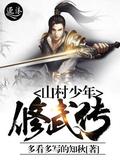 A Biography of a Mountain Village Boy Practicing Martial Arts
Read More and Write More to Know the AutumnEastern Fantasy192k Wordsongoing
3Reads—Score—Shelves
A Biography of a Mountain Village Boy Practicing Martial Arts
Read More and Write More to Know the AutumnEastern Fantasy192k Wordsongoing
3Reads—Score—Shelves
Reader note
Ding~~ Don't miss it if you pass by, good books are coming! ! ①In the city, appreciating treasures and slapping people in the face. Once I become the Emperor of Heaven, there will be no disputes in the world. It is really hateful that Fang Xiuwu soon became involved in the war. If this is the case, then I will only practice martial arts for the sake of peace in the world! [Learned] ②Miracle doctor, slap in the face, city. At the age of twenty, he went down the mountain to practice medicine and save people, and by the way, he had some experience in the rolling world. By chance, he met the eldest daughter of the Zheng family. With the help of the Zheng family and his own efforts, he embarked on a journey against the heavens...✨ ③Xianxia, fantasy. There are thousands of races, countless sects and factions, and a continent where warriors are kings and hierarchies are respected. A prosperous age: countless inheritances emerge, several evildoers arise together, wait and see how he stirs up the storm! [Learned] Welcome to read, thank you for your support!
-
165
末
 The End of the World: the Entire Company Denies the Existence of the 18Th Floor
Jiufeng MountainSci-Fi & Apocalypse783k Wordscompleted
3kReads8.8Score356Shelves
The End of the World: the Entire Company Denies the Existence of the 18Th Floor
Jiufeng MountainSci-Fi & Apocalypse783k Wordscompleted
3kReads8.8Score356Shelves
Reader note
The theme of martial arts in the apocalypse, the protagonist breaks through from Ming Jin, and the fighting is real and exciting. The plot has many twists and turns, the human nature is deeply portrayed, and the writing is solid and enjoyable to read.
-
166
*
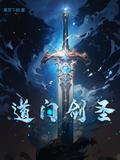 **
Under the StarsUrban1.0M Wordscompleted
527Reads5.8Score—Shelves
**
Under the StarsUrban1.0M Wordscompleted
527Reads5.8Score—Shelves
Reader note
The prehistoric realm, the modern realm
-
167
杀
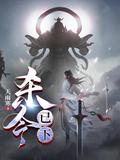 The Killing Order Has Been Issued
It's Cold and RainyEastern Fantasy1.6M Wordsongoing
13.7kReads7.1Score1.1kShelves
The Killing Order Has Been Issued
It's Cold and RainyEastern Fantasy1.6M Wordsongoing
13.7kReads7.1Score1.1kShelves
-
168
太
 Taishang Laojun's Taoist Heart Is True
Stay Still SometimesEastern Fantasy223k Wordscompleted
1.3kReads6.7Score338Shelves
Taishang Laojun's Taoist Heart Is True
Stay Still SometimesEastern Fantasy223k Wordscompleted
1.3kReads6.7Score338Shelves
Reader note
Understanding the "Book of Changes" will help you avoid detours in life. In the long history of Chinese culture, the "Book of Changes" is undoubtedly the brightest pearl, known as "the first of the scriptures and the source of the great road." It carries the wisdom of the Chinese nation for thousands of years. After years of baptism, it still exudes charming charm and profoundly affects our way of thinking, philosophy of life and understanding of the world. The "Book of Changes" was originally a book used for divination, helping ancient people predict the future and seek good fortune and avoid misfortune. But with the passage of time, its connotation has been continuously enriched and deepened, and it has gradually transformed from a simple book of divination into a profound philosophical masterpiece. The Book of Changes believes that everything in the universe is composed of the interaction of the two basic forces of yin and yang. The balance and coordination of yin and yang are the basis for the stable development of things. This concept of yin and yang runs throughout the "Book of Changes" and is reflected in the symbol system of the Bagua and the Sixty-Four Hexagrams. The Bagua, namely Qian, Kun, Zhen, Xun, Kan, Li, Gen, and Dui, respectively symbolize the eight natural phenomena of heaven, earth, thunder, wind, water, fire, mountain, and lake. These eight hexagrams are combined with each other to form sixty-four hexagrams. Each hexagram contains six lines. Through different arrangements and combinations, it shows the changes and development laws of all things in the universe. The hexagrams and lines in the "Book of Changes" are explanations and explanations of these hexagrams and lines. They reveal various situations in life and ways to deal with them in concise and profound language, and contain rich philosophy and wisdom of life. The wisdom of the "Book of Changes" is not only at the abstract philosophical level, but also closely related to our daily lives, providing us with valuable life guidance: - Stay humble: Among the sixty-four hexagrams of the "Book of Changes", only the six lines of the "Qian" hexagram are auspicious. "A humble gentleman is humble enough to shepherd himself" reminds us that we must maintain a humble attitude in dealing with others and not be proud or complacent, so that we can continue to make progress and win the respect and support of others. - Adapt to changes: "If you are poor, you will change, if you change, you will be successful, and if you are flexible, you will last." The world is constantly changing. When we encounter difficulties, we should not be stubborn and conservative, but should learn to be flexible and adapt to the development trend of the times, so that we can seize opportunities and achieve breakthroughs in changes. - Be prepared for danger in times of peace: "A gentleman is safe but never forgets danger, survives without forgetting death, and governs without forgetting chaos." It tells us that in a comfortable environment, we must always be vigilant, foresee potential dangers, and prepare in advance so that we can nip them in the bud and avoid disasters. - Constant self-improvement: "Heaven moves vigorously, and a gentleman keeps improving himself." The celestial bodies move vigorously and never stop. Gentlemen should also imitate the way of heaven, work hard, constantly improve themselves, and move forward courageously on the road of life. In modern society, the wisdom of the "Book of Changes" still has strong vitality and guiding significance. Whether it is in terms of personal self-cultivation, career development, business management and decision-making, or in the governance of the country, the harmonious development of society, etc., We can draw rich nutrition and inspiration from the "Book of Changes". "The Book of Changes" is a treasure book containing endless wisdom. It spans time and space, connects ancient and modern times, and reveals to us the mysteries of the universe and the true meaning of life. Let us enter the world of "I Ching", appreciate the light of wisdom in it, and use it to guide our lives to make life smoother and more complete. Wisdom spanning thousands of years: The philosophy of life in "The Analects" In the long history of Chinese civilization, "The Analects" is undoubtedly a classic work with far-reaching influence and shining with the light of wisdom. It was born in the Spring and Autumn Period and the Warring States Period. It was compiled by Confucius's disciples and his re-disciples. It records the words and deeds of Confucius and his disciples. It embodies the political opinions, ethical thoughts, moral concepts and educational principles of the Confucian school, and has a profound impact on later generations. Ren: The Glory of Core Values "Ren" is the core idea of "The Analects" and the core value of Confucianism. "Fan Chi asked Ren. Confucius said: 'Love.'" These two simple words contain endless profound meanings. It advocates that people should be kind, care for others, and respect life. In life, "benevolence" manifests itself in understanding, tolerance and help for others. When we see others in trouble, we can lend a helping hand; when we have differences with others, we can put ourselves in their shoes. This is the embodiment of "benevolence". "Do not do to others what you do not want others to do to you." This familiar saying conveys the idea of "benevolence" in an easy-to-understand way. Don't impose things on others that you don't want to encounter. This is a basic moral principle and the cornerstone of building harmonious interpersonal relationships. Ritual: the cornerstone of social order "Ritual" occupies an important position in "The Analects". It is the norm of social order and the code of people's behavior. "The purpose of etiquette is harmony. The way of the ancient kings is beautiful. Small and large things are useful." The implementation of etiquette aims to pursue social harmony and stability. From a personal level, observing etiquette is a manifestation of self-cultivation. In interpersonal interactions, words and deeds that conform to etiquette standards can show a person's good qualities and family education. For example, polite language when talking to others, appropriate dress when participating in social activities, etc. From a social perspective, etiquette is an important guarantee for maintaining social order. In ancient times, various etiquette systems regulated people's behavior and enabled all classes of society to get along in an orderly manner. In modern society, although the form of etiquette has changed, it is still an important factor in maintaining social harmony, such as observing public order and respecting the privacy of others. Learning: The Ladder of Continuous Progress The discussion of learning in The Analects of Confucius guides us to a path of continuous progress. "Isn't it true to say that you should always practice when you learn?" It emphasizes that learning requires constant review and practice, so as to gain happiness and growth from it. Learning is not only the acquisition of knowledge, but also a process of self-improvement. "Reviewing the past and learning the new can serve as a teacher." It tells us that in the process of reviewing old knowledge, we can have new insights and discoveries, which not only helps consolidate knowledge, but also cultivates our innovative thinking. At the same time, Confucius also advocated the learning attitude of "being sensitive and eager to learn, and not ashamed to ask questions". Regardless of status, as long as we have knowledge and strengths, it is worth learning. This humble and studious spirit is an indispensable quality in our pursuit of knowledge. Self-cultivation: the only way to become a gentleman. Self-cultivation is a very important content in "The Analects". It is the key to a person's growth and development. "I examine myself three times every day: Have I been unfaithful in my plans? Have I not believed in my friends? Have I not been accustomed to teaching?" Through daily self-reflection, we examine our own behavior and attitudes in dealing with others, studying, etc., And discover problems in time and correct them. Only by constantly cultivating one's moral character can one improve one's moral character and self-cultivation and become a true gentleman. "A gentleman is magnanimous and magnanimous, while a villain has long-term worries." A gentleman has a broad heart and is upright, while a villain is often worried and careless. We must follow the example of gentlemen, constantly cultivate our hearts, be open-minded, and not be troubled by trivial matters. In modern society, the wisdom in "The Analects" still has strong vitality and guiding significance. When we encounter problems in interpersonal relationships in life, we might as well think from the perspective of "benevolence" and "propriety", treat others with benevolence, and use etiquette and norms to restrain our behavior. In study and work, we should be guided by the learning attitude and self-cultivation methods advocated in The Analects of Confucius, and constantly improve our abilities and qualities. "The Analects of Confucius" is like a treasure house of wisdom, containing endless treasures waiting for us to explore. Let us open this classic, listen to the teachings of the sages, absorb the power of wisdom, and let the wisdom in "The Analects" shine more brilliantly in our lives. Exploring the "Tao Te Ching": the code to unlock the wisdom of life. Among the vast cultural classics of China, the "Tao Te Ching" is like a dazzling pearl. Although it is only more than 5,000 words, it contains profound and boundless wisdom. It spans more than 2,000 years and still exudes charming charm, profoundly influencing generations of people. The "Tao Te Ching" was written by Laozi, the founder of the Taoist school. It is divided into two parts, the "Tao Jing" and the "De Jing". Its core revolves around "Tao" and "De". "Tao" is the source and essential law of all things in the universe. It is an existence that transcends human cognition and verbal description. "Tao can be Tao, but it is not Tao; it can be named, but it is not named." It is the fundamental law of the operation of the universe, and everything in the world is born from it and develops according to it. "Morality" is the embodiment of "Tao" in human society and specific things. It is the moral character and behavioral norms displayed by people following the principles of "Tao". The wisdom in the Tao Te Ching has profound implications in all aspects of life. In terms of dealing with people, it advocates "the best is like water". Water nourishes all things but does not compete with all things. It is in a low position that no one likes. This kind of character is close to "Tao". We should do the same as human beings, with the qualities of tolerance, humility, and altruism. In life, when you have conflicts with others, if you can be as tolerant as water and not be tit-for-tat, many conflicts can be easily resolved; when helping others, do not expect anything in return and uphold a pure altruistic heart, which can not only bring warmth to others, but also make yourself richer inside. When facing a complicated world, the "Tao Te Ching" reminds us to "be less selfish and have few desires" and "be content with what we have." In modern society, people are often driven by endless desires and blindly pursue material, fame and fortune, but in the process they lose themselves and fall into anxiety and pain. "There is no greater disaster than dissatisfaction, and no greater fault than desire." Lao Tzu pointed out the harm of desire thousands of years ago. We should learn to restrain our desires and cherish what we have now, so that we can gain true inner peace and satisfaction. When we no longer blindly compare and are no longer burdened by material things, we can discover the simple and pure beauty in life. Its dialectical thinking is even more amazing. "Existence and non-existence arise from each other, difficulty and ease complement each other, long and short complement each other, high and low lean towards each other, sounds harmonize with each other, and front and back follow each other." Everything in the world is interdependent and transforms into each other. There is no absolute good or bad, gain or loss. In the journey of life, we will experience good times and bad times. When we are in good times, we should not be complacent, because there may be crises hidden in the good times; when we encounter adversity, we do not need to be discouraged. Adversity is often the beginning of growth and turning point. Just like a blessing in disguise, only by looking at the ups and downs of life with a peaceful mind can you remain calm in a changing world. The wisdom in the Tao Te Ching also provides the direction for our personal cultivation, emphasizing "reaching the extreme of emptiness and maintaining tranquility." In this noisy and impetuous era, people's hearts are filled with all kinds of information and desires, and it is difficult to remain calm. And Lao Tzu tells us that only by returning to a state of tranquility and abandoning distracting thoughts and impetuosity can we gain insight into the nature of things and gain true wisdom. Through meditation, reading, solitude, etc., We can cultivate our hearts so that we can stay calm and make correct judgments and choices when facing various challenges in life. "The Tao Te Ching" is a treasure book containing endless wisdom. It reveals to us the true meaning of the universe, life, and society in concise and profound language. Whether it is personal cultivation, conduct in life, or when facing confusions and challenges in life, we can draw strength and wisdom from the Tao Te Ching. Let us open this classic and have a dialogue with Lao Tzu that spans time and space. Under the wisdom guidance of the Tao Te Ching, we can start a more intelligent and calm life journey. [Praise]
-
172
遇
 Meet************
completed
—Reads5.8Score—Shelves
Meet************
completed
—Reads5.8Score—Shelves
Reader note
Understanding the "Book of Changes" will help you avoid detours in life. In the long history of Chinese culture, the "Book of Changes" is undoubtedly the brightest pearl, known as "the first of the scriptures and the source of the great road." It carries the wisdom of the Chinese nation for thousands of years. After years of baptism, it still exudes charming charm and profoundly affects our way of thinking, philosophy of life and understanding of the world. The "Book of Changes" was originally a book used for divination, helping ancient people predict the future and seek good fortune and avoid misfortune. But with the passage of time, its connotation has been continuously enriched and deepened, and it has gradually transformed from a simple book of divination into a profound philosophical masterpiece. The Book of Changes believes that everything in the universe is composed of the interaction of the two basic forces of yin and yang. The balance and coordination of yin and yang are the basis for the stable development of things. This concept of yin and yang runs throughout the "Book of Changes" and is reflected in the symbol system of the Bagua and the Sixty-Four Hexagrams. The Bagua, namely Qian, Kun, Zhen, Xun, Kan, Li, Gen, and Dui, respectively symbolize the eight natural phenomena of heaven, earth, thunder, wind, water, fire, mountain, and lake. These eight hexagrams are combined with each other to form sixty-four hexagrams. Each hexagram contains six lines. Through different arrangements and combinations, it shows the changes and development laws of all things in the universe. The hexagrams and lines in the "Book of Changes" are explanations and explanations of these hexagrams and lines. They reveal various situations in life and ways to deal with them in concise and profound language, and contain rich philosophy and wisdom of life. The wisdom of the "Book of Changes" is not only at the abstract philosophical level, but also closely related to our daily lives, providing us with valuable life guidance: - Stay humble: Among the sixty-four hexagrams of the "Book of Changes", only the six lines of the "Qian" hexagram are auspicious. "A humble gentleman is humble enough to shepherd himself" reminds us that we must maintain a humble attitude in dealing with others and not be proud or complacent, so that we can continue to make progress and win the respect and support of others. - Adapt to changes: "If you are poor, you will change, if you change, you will be successful, and if you are flexible, you will last." The world is constantly changing. When we encounter difficulties, we should not be stubborn and conservative, but should learn to be flexible and adapt to the development trend of the times, so that we can seize opportunities and achieve breakthroughs in changes. - Be prepared for danger in times of peace: "A gentleman is safe but never forgets danger, survives without forgetting death, and governs without forgetting chaos." It tells us that in a comfortable environment, we must always be vigilant, foresee potential dangers, and prepare in advance so that we can nip them in the bud and avoid disasters. - Constant self-improvement: "Heaven moves vigorously, and a gentleman keeps improving himself." The celestial bodies move vigorously and never stop. Gentlemen should also imitate the way of heaven, work hard, constantly improve themselves, and move forward courageously on the road of life. In modern society, the wisdom of the "Book of Changes" still has strong vitality and guiding significance. Whether it is in terms of personal self-cultivation, career development, business management and decision-making, or in the governance of the country, the harmonious development of society, etc., We can draw rich nutrition and inspiration from the "Book of Changes". "The Book of Changes" is a treasure book containing endless wisdom. It spans time and space, connects ancient and modern times, and reveals to us the mysteries of the universe and the true meaning of life. Let us enter the world of "I Ching", appreciate the light of wisdom in it, and use it to guide our lives to make life smoother and more complete. Wisdom spanning thousands of years: The philosophy of life in "The Analects" In the long history of Chinese civilization, "The Analects" is undoubtedly a classic work with far-reaching influence and shining with the light of wisdom. It was born in the Spring and Autumn Period and the Warring States Period. It was compiled by Confucius's disciples and his re-disciples. It records the words and deeds of Confucius and his disciples. It embodies the political opinions, ethical thoughts, moral concepts and educational principles of the Confucian school, and has a profound impact on later generations. Ren: The Glory of Core Values "Ren" is the core idea of "The Analects" and the core value of Confucianism. "Fan Chi asked Ren. Confucius said: 'Love.'" These two simple words contain endless profound meanings. It advocates that people should be kind, care for others, and respect life. In life, "benevolence" manifests itself in understanding, tolerance and help for others. When we see others in trouble, we can lend a helping hand; when we have differences with others, we can put ourselves in their shoes. This is the embodiment of "benevolence". "Do not do to others what you do not want others to do to you." This familiar saying conveys the idea of "benevolence" in an easy-to-understand way. Don't impose things on others that you don't want to encounter. This is a basic moral principle and the cornerstone of building harmonious interpersonal relationships. Ritual: the cornerstone of social order "Ritual" occupies an important position in "The Analects". It is the norm of social order and the code of people's behavior. "The purpose of etiquette is harmony. The way of the ancient kings is beautiful. Small and large things are useful." The implementation of etiquette aims to pursue social harmony and stability. From a personal level, observing etiquette is a manifestation of self-cultivation. In interpersonal interactions, words and deeds that conform to etiquette standards can show a person's good qualities and family education. For example, polite language when talking to others, appropriate dress when participating in social activities, etc. From a social perspective, etiquette is an important guarantee for maintaining social order. In ancient times, various etiquette systems regulated people's behavior and enabled all classes of society to get along in an orderly manner. In modern society, although the form of etiquette has changed, it is still an important factor in maintaining social harmony, such as observing public order and respecting the privacy of others. Learning: The Ladder of Continuous Progress The discussion of learning in The Analects of Confucius guides us to a path of continuous progress. "Isn't it true to say that you should always practice when you learn?" It emphasizes that learning requires constant review and practice, so as to gain happiness and growth from it. Learning is not only the acquisition of knowledge, but also a process of self-improvement. "Reviewing the past and learning the new can serve as a teacher." It tells us that in the process of reviewing old knowledge, we can have new insights and discoveries, which not only helps consolidate knowledge, but also cultivates our innovative thinking. At the same time, Confucius also advocated the learning attitude of "being sensitive and eager to learn, and not ashamed to ask questions". Regardless of status, as long as we have knowledge and strengths, it is worth learning. This humble and studious spirit is an indispensable quality in our pursuit of knowledge. Self-cultivation: the only way to become a gentleman. Self-cultivation is a very important content in "The Analects". It is the key to a person's growth and development. "I examine myself three times every day: Have I been unfaithful in my plans? Have I not believed in my friends? Have I not been accustomed to teaching?" Through daily self-reflection, we examine our own behavior and attitudes in dealing with others, studying, etc., And discover problems in time and correct them. Only by constantly cultivating one's moral character can one improve one's moral character and self-cultivation and become a true gentleman. "A gentleman is magnanimous and magnanimous, while a villain has long-term worries." A gentleman has a broad heart and is upright, while a villain is often worried and careless. We must follow the example of gentlemen, constantly cultivate our hearts, be open-minded, and not be troubled by trivial matters. In modern society, the wisdom in "The Analects" still has strong vitality and guiding significance. When we encounter problems in interpersonal relationships in life, we might as well think from the perspective of "benevolence" and "propriety", treat others with benevolence, and use etiquette and norms to restrain our behavior. In study and work, we should be guided by the learning attitude and self-cultivation methods advocated in The Analects of Confucius, and constantly improve our abilities and qualities. "The Analects of Confucius" is like a treasure house of wisdom, containing endless treasures waiting for us to explore. Let us open this classic, listen to the teachings of the sages, absorb the power of wisdom, and let the wisdom in "The Analects" shine more brilliantly in our lives. Exploring the "Tao Te Ching": the code to unlock the wisdom of life. Among the vast cultural classics of China, the "Tao Te Ching" is like a dazzling pearl. Although it is only more than 5,000 words, it contains profound and boundless wisdom. It spans more than 2,000 years and still exudes charming charm, profoundly influencing generations of people. The "Tao Te Ching" was written by Laozi, the founder of the Taoist school. It is divided into two parts, the "Tao Jing" and the "De Jing". Its core revolves around "Tao" and "De". "Tao" is the source and essential law of all things in the universe. It is an existence that transcends human cognition and verbal description. "Tao can be Tao, but it is not Tao; it can be named, but it is not named." It is the fundamental law of the operation of the universe, and everything in the world is born from it and develops according to it. "Morality" is the embodiment of "Tao" in human society and specific things. It is the moral character and behavioral norms displayed by people following the principles of "Tao". The wisdom in the Tao Te Ching has profound implications in all aspects of life. In terms of dealing with people, it advocates "the best is like water". Water nourishes all things but does not compete with all things. It is in a low position that no one likes. This kind of character is close to "Tao". We should do the same as human beings, with the qualities of tolerance, humility, and altruism. In life, when you have conflicts with others, if you can be as tolerant as water and not be tit-for-tat, many conflicts can be easily resolved; when helping others, do not expect anything in return and uphold a pure altruistic heart, which can not only bring warmth to others, but also make yourself richer inside. When facing a complicated world, the "Tao Te Ching" reminds us to "be less selfish and have few desires" and "be content with what we have." In modern society, people are often driven by endless desires and blindly pursue material, fame and fortune, but in the process they lose themselves and fall into anxiety and pain. "There is no greater disaster than dissatisfaction, and no greater fault than desire." Lao Tzu pointed out the harm of desire thousands of years ago. We should learn to restrain our desires and cherish what we have now, so that we can gain true inner peace and satisfaction. When we no longer blindly compare and are no longer burdened by material things, we can discover the simple and pure beauty in life. Its dialectical thinking is even more amazing. "Existence and non-existence arise from each other, difficulty and ease complement each other, long and short complement each other, high and low lean towards each other, sounds harmonize with each other, and front and back follow each other." Everything in the world is interdependent and transforms into each other. There is no absolute good or bad, gain or loss. In the journey of life, we will experience good times and bad times. When we are in good times, we should not be complacent, because there may be crises hidden in the good times; when we encounter adversity, we do not need to be discouraged. Adversity is often the beginning of growth and turning point. Just like a blessing in disguise, only by looking at the ups and downs of life with a peaceful mind can you remain calm in a changing world. The wisdom in the Tao Te Ching also provides the direction for our personal cultivation, emphasizing "reaching the extreme of emptiness and maintaining tranquility." In this noisy and impetuous era, people's hearts are filled with all kinds of information and desires, and it is difficult to remain calm. And Lao Tzu tells us that only by returning to a state of tranquility and abandoning distracting thoughts and impetuosity can we gain insight into the nature of things and gain true wisdom. Through meditation, reading, solitude, etc., We can cultivate our hearts so that we can stay calm and make correct judgments and choices when facing various challenges in life. "The Tao Te Ching" is a treasure book containing endless wisdom. It reveals to us the true meaning of the universe, life, and society in concise and profound language. Whether it is personal cultivation, conduct in life, or when facing confusions and challenges in life, we can draw strength and wisdom from the Tao Te Ching. Let us open this classic and have a dialogue with Lao Tzu that spans time and space. Under the wisdom guidance of the Tao Te Ching, we can start a more intelligent and calm life journey. [Praise]
-
173
修
 Mantra of Cultivation
Written by Bai Yuchancompleted
—Reads9.4Score—Shelves
Mantra of Cultivation
Written by Bai Yuchancompleted
—Reads9.4Score—Shelves
Reader note
Understanding the "Book of Changes" will help you avoid detours in life. In the long history of Chinese culture, the "Book of Changes" is undoubtedly the brightest pearl, known as "the first of the scriptures and the source of the great road." It carries the wisdom of the Chinese nation for thousands of years. After years of baptism, it still exudes charming charm and profoundly affects our way of thinking, philosophy of life and understanding of the world. The "Book of Changes" was originally a book used for divination, helping ancient people predict the future and seek good fortune and avoid misfortune. But with the passage of time, its connotation has been continuously enriched and deepened, and it has gradually transformed from a simple book of divination into a profound philosophical masterpiece. The Book of Changes believes that everything in the universe is composed of the interaction of the two basic forces of yin and yang. The balance and coordination of yin and yang are the basis for the stable development of things. This concept of yin and yang runs throughout the "Book of Changes" and is reflected in the symbol system of the Bagua and the Sixty-Four Hexagrams. The Bagua, namely Qian, Kun, Zhen, Xun, Kan, Li, Gen, and Dui, respectively symbolize the eight natural phenomena of heaven, earth, thunder, wind, water, fire, mountain, and lake. These eight hexagrams are combined with each other to form sixty-four hexagrams. Each hexagram contains six lines. Through different arrangements and combinations, it shows the changes and development laws of all things in the universe. The hexagrams and lines in the "Book of Changes" are explanations and explanations of these hexagrams and lines. They reveal various situations in life and ways to deal with them in concise and profound language, and contain rich philosophy and wisdom of life. The wisdom of the "Book of Changes" is not only at the abstract philosophical level, but also closely related to our daily lives, providing us with valuable life guidance: - Stay humble: Among the sixty-four hexagrams of the "Book of Changes", only the six lines of the "Qian" hexagram are auspicious. "A humble gentleman is humble enough to shepherd himself" reminds us that we must maintain a humble attitude in dealing with others and not be proud or complacent, so that we can continue to make progress and win the respect and support of others. - Adapt to changes: "If you are poor, you will change, if you change, you will be successful, and if you are flexible, you will last." The world is constantly changing. When we encounter difficulties, we should not be stubborn and conservative, but should learn to be flexible and adapt to the development trend of the times, so that we can seize opportunities and achieve breakthroughs in changes. - Be prepared for danger in times of peace: "A gentleman is safe but never forgets danger, survives without forgetting death, and governs without forgetting chaos." It tells us that in a comfortable environment, we must always be vigilant, foresee potential dangers, and prepare in advance so that we can nip them in the bud and avoid disasters. - Constant self-improvement: "Heaven moves vigorously, and a gentleman keeps improving himself." The celestial bodies move vigorously and never stop. Gentlemen should also imitate the way of heaven, work hard, constantly improve themselves, and move forward courageously on the road of life. In modern society, the wisdom of the "Book of Changes" still has strong vitality and guiding significance. Whether it is in terms of personal self-cultivation, career development, business management and decision-making, or in the governance of the country, the harmonious development of society, etc., We can draw rich nutrition and inspiration from the "Book of Changes". "The Book of Changes" is a treasure book containing endless wisdom. It spans time and space, connects ancient and modern times, and reveals to us the mysteries of the universe and the true meaning of life. Let us enter the world of "I Ching", appreciate the light of wisdom in it, and use it to guide our lives to make life smoother and more complete. Wisdom spanning thousands of years: The philosophy of life in "The Analects" In the long history of Chinese civilization, "The Analects" is undoubtedly a classic work with far-reaching influence and shining with the light of wisdom. It was born in the Spring and Autumn Period and the Warring States Period. It was compiled by Confucius's disciples and his re-disciples. It records the words and deeds of Confucius and his disciples. It embodies the political opinions, ethical thoughts, moral concepts and educational principles of the Confucian school, and has a profound impact on later generations. Ren: The Glory of Core Values "Ren" is the core idea of "The Analects" and the core value of Confucianism. "Fan Chi asked Ren. Confucius said: 'Love.'" These two simple words contain endless profound meanings. It advocates that people should be kind, care for others, and respect life. In life, "benevolence" manifests itself in understanding, tolerance and help for others. When we see others in trouble, we can lend a helping hand; when we have differences with others, we can put ourselves in their shoes. This is the embodiment of "benevolence". "Do not do to others what you do not want others to do to you." This familiar saying conveys the idea of "benevolence" in an easy-to-understand way. Don't impose things on others that you don't want to encounter. This is a basic moral principle and the cornerstone of building harmonious interpersonal relationships. Ritual: the cornerstone of social order "Ritual" occupies an important position in "The Analects". It is the norm of social order and the code of people's behavior. "The purpose of etiquette is harmony. The way of the ancient kings is beautiful. Small and large things are useful." The implementation of etiquette aims to pursue social harmony and stability. From a personal level, observing etiquette is a manifestation of self-cultivation. In interpersonal interactions, words and deeds that conform to etiquette standards can show a person's good qualities and family education. For example, polite language when talking to others, appropriate dress when participating in social activities, etc. From a social perspective, etiquette is an important guarantee for maintaining social order. In ancient times, various etiquette systems regulated people's behavior and enabled all classes of society to get along in an orderly manner. In modern society, although the form of etiquette has changed, it is still an important factor in maintaining social harmony, such as observing public order and respecting the privacy of others. Learning: The Ladder of Continuous Progress The discussion of learning in The Analects of Confucius guides us to a path of continuous progress. "Isn't it true to say that you should always practice when you learn?" It emphasizes that learning requires constant review and practice, so as to gain happiness and growth from it. Learning is not only the acquisition of knowledge, but also a process of self-improvement. "Reviewing the past and learning the new can serve as a teacher." It tells us that in the process of reviewing old knowledge, we can have new insights and discoveries, which not only helps consolidate knowledge, but also cultivates our innovative thinking. At the same time, Confucius also advocated the learning attitude of "being sensitive and eager to learn, and not ashamed to ask questions". Regardless of status, as long as we have knowledge and strengths, it is worth learning. This humble and studious spirit is an indispensable quality in our pursuit of knowledge. Self-cultivation: the only way to become a gentleman. Self-cultivation is a very important content in "The Analects". It is the key to a person's growth and development. "I examine myself three times every day: Have I been unfaithful in my plans? Have I not believed in my friends? Have I not been accustomed to teaching?" Through daily self-reflection, we examine our own behavior and attitudes in dealing with others, studying, etc., And discover problems in time and correct them. Only by constantly cultivating one's moral character can one improve one's moral character and self-cultivation and become a true gentleman. "A gentleman is magnanimous and magnanimous, while a villain has long-term worries." A gentleman has a broad heart and is upright, while a villain is often worried and careless. We must follow the example of gentlemen, constantly cultivate our hearts, be open-minded, and not be troubled by trivial matters. In modern society, the wisdom in "The Analects" still has strong vitality and guiding significance. When we encounter problems in interpersonal relationships in life, we might as well think from the perspective of "benevolence" and "propriety", treat others with benevolence, and use etiquette and norms to restrain our behavior. In study and work, we should be guided by the learning attitude and self-cultivation methods advocated in The Analects of Confucius, and constantly improve our abilities and qualities. "The Analects of Confucius" is like a treasure house of wisdom, containing endless treasures waiting for us to explore. Let us open this classic, listen to the teachings of the sages, absorb the power of wisdom, and let the wisdom in "The Analects" shine more brilliantly in our lives. Exploring the "Tao Te Ching": the code to unlock the wisdom of life. Among the vast cultural classics of China, the "Tao Te Ching" is like a dazzling pearl. Although it is only more than 5,000 words, it contains profound and boundless wisdom. It spans more than 2,000 years and still exudes charming charm, profoundly influencing generations of people. The "Tao Te Ching" was written by Laozi, the founder of the Taoist school. It is divided into two parts, the "Tao Jing" and the "De Jing". Its core revolves around "Tao" and "De". "Tao" is the source and essential law of all things in the universe. It is an existence that transcends human cognition and verbal description. "Tao can be Tao, but it is not Tao; it can be named, but it is not named." It is the fundamental law of the operation of the universe, and everything in the world is born from it and develops according to it. "Morality" is the embodiment of "Tao" in human society and specific things. It is the moral character and behavioral norms displayed by people following the principles of "Tao". The wisdom in the Tao Te Ching has profound implications in all aspects of life. In terms of dealing with people, it advocates "the best is like water". Water nourishes all things but does not compete with all things. It is in a low position that no one likes. This kind of character is close to "Tao". We should do the same as human beings, with the qualities of tolerance, humility, and altruism. In life, when you have conflicts with others, if you can be as tolerant as water and not be tit-for-tat, many conflicts can be easily resolved; when helping others, do not expect anything in return and uphold a pure altruistic heart, which can not only bring warmth to others, but also make yourself richer inside. When facing a complicated world, the "Tao Te Ching" reminds us to "be less selfish and have few desires" and "be content with what we have." In modern society, people are often driven by endless desires and blindly pursue material, fame and fortune, but in the process they lose themselves and fall into anxiety and pain. "There is no greater disaster than dissatisfaction, and no greater fault than desire." Lao Tzu pointed out the harm of desire thousands of years ago. We should learn to restrain our desires and cherish what we have now, so that we can gain true inner peace and satisfaction. When we no longer blindly compare and are no longer burdened by material things, we can discover the simple and pure beauty in life. Its dialectical thinking is even more amazing. "Existence and non-existence arise from each other, difficulty and ease complement each other, long and short complement each other, high and low lean towards each other, sounds harmonize with each other, and front and back follow each other." Everything in the world is interdependent and transforms into each other. There is no absolute good or bad, gain or loss. In the journey of life, we will experience good times and bad times. When we are in good times, we should not be complacent, because there may be crises hidden in the good times; when we encounter adversity, we do not need to be discouraged. Adversity is often the beginning of growth and turning point. Just like a blessing in disguise, only by looking at the ups and downs of life with a peaceful mind can you remain calm in a changing world. The wisdom in the Tao Te Ching also provides the direction for our personal cultivation, emphasizing "reaching the extreme of emptiness and maintaining tranquility." In this noisy and impetuous era, people's hearts are filled with all kinds of information and desires, and it is difficult to remain calm. And Lao Tzu tells us that only by returning to a state of tranquility and abandoning distracting thoughts and impetuosity can we gain insight into the nature of things and gain true wisdom. Through meditation, reading, solitude, etc., We can cultivate our hearts so that we can stay calm and make correct judgments and choices when facing various challenges in life. "The Tao Te Ching" is a treasure book containing endless wisdom. It reveals to us the true meaning of the universe, life, and society in concise and profound language. Whether it is personal cultivation, conduct in life, or when facing confusions and challenges in life, we can draw strength and wisdom from the Tao Te Ching. Let us open this classic and have a dialogue with Lao Tzu that spans time and space. Under the wisdom guidance of the Tao Te Ching, we can start a more intelligent and calm life journey. [Praise]
-
174
醒
 Wake Up****
completed
—Reads5.8Score—Shelves
Wake Up****
completed
—Reads5.8Score—Shelves
Reader note
Understanding the "Book of Changes" will help you avoid detours in life. In the long history of Chinese culture, the "Book of Changes" is undoubtedly the brightest pearl, known as "the first of the scriptures and the source of the great road." It carries the wisdom of the Chinese nation for thousands of years. After years of baptism, it still exudes charming charm and profoundly affects our way of thinking, philosophy of life and understanding of the world. The "Book of Changes" was originally a book used for divination, helping ancient people predict the future and seek good fortune and avoid misfortune. But with the passage of time, its connotation has been continuously enriched and deepened, and it has gradually transformed from a simple book of divination into a profound philosophical masterpiece. The Book of Changes believes that everything in the universe is composed of the interaction of the two basic forces of yin and yang. The balance and coordination of yin and yang are the basis for the stable development of things. This concept of yin and yang runs throughout the "Book of Changes" and is reflected in the symbol system of the Bagua and the Sixty-Four Hexagrams. The Bagua, namely Qian, Kun, Zhen, Xun, Kan, Li, Gen, and Dui, respectively symbolize the eight natural phenomena of heaven, earth, thunder, wind, water, fire, mountain, and lake. These eight hexagrams are combined with each other to form sixty-four hexagrams. Each hexagram contains six lines. Through different arrangements and combinations, it shows the changes and development laws of all things in the universe. The hexagrams and lines in the "Book of Changes" are explanations and explanations of these hexagrams and lines. They reveal various situations in life and ways to deal with them in concise and profound language, and contain rich philosophy and wisdom of life. The wisdom of the "Book of Changes" is not only at the abstract philosophical level, but also closely related to our daily lives, providing us with valuable life guidance: - Stay humble: Among the sixty-four hexagrams of the "Book of Changes", only the six lines of the "Qian" hexagram are auspicious. "A humble gentleman is humble enough to shepherd himself" reminds us that we must maintain a humble attitude in dealing with others and not be proud or complacent, so that we can continue to make progress and win the respect and support of others. - Adapt to changes: "If you are poor, you will change, if you change, you will be successful, and if you are flexible, you will last." The world is constantly changing. When we encounter difficulties, we should not be stubborn and conservative, but should learn to be flexible and adapt to the development trend of the times, so that we can seize opportunities and achieve breakthroughs in changes. - Be prepared for danger in times of peace: "A gentleman is safe but never forgets danger, survives without forgetting death, and governs without forgetting chaos." It tells us that in a comfortable environment, we must always be vigilant, foresee potential dangers, and prepare in advance so that we can nip them in the bud and avoid disasters. - Constant self-improvement: "Heaven moves vigorously, and a gentleman keeps improving himself." The celestial bodies move vigorously and never stop. Gentlemen should also imitate the way of heaven, work hard, constantly improve themselves, and move forward courageously on the road of life. In modern society, the wisdom of the "Book of Changes" still has strong vitality and guiding significance. Whether it is in terms of personal self-cultivation, career development, business management and decision-making, or in the governance of the country, the harmonious development of society, etc., We can draw rich nutrition and inspiration from the "Book of Changes". "The Book of Changes" is a treasure book containing endless wisdom. It spans time and space, connects ancient and modern times, and reveals to us the mysteries of the universe and the true meaning of life. Let us enter the world of "I Ching", appreciate the light of wisdom in it, and use it to guide our lives to make life smoother and more complete. Wisdom spanning thousands of years: The philosophy of life in "The Analects" In the long history of Chinese civilization, "The Analects" is undoubtedly a classic work with far-reaching influence and shining with the light of wisdom. It was born in the Spring and Autumn Period and the Warring States Period. It was compiled by Confucius's disciples and his re-disciples. It records the words and deeds of Confucius and his disciples. It embodies the political opinions, ethical thoughts, moral concepts and educational principles of the Confucian school, and has a profound impact on later generations. Ren: The Glory of Core Values "Ren" is the core idea of "The Analects" and the core value of Confucianism. "Fan Chi asked Ren. Confucius said: 'Love.'" These two simple words contain endless profound meanings. It advocates that people should be kind, care for others, and respect life. In life, "benevolence" manifests itself in understanding, tolerance and help for others. When we see others in trouble, we can lend a helping hand; when we have differences with others, we can put ourselves in their shoes. This is the embodiment of "benevolence". "Do not do to others what you do not want others to do to you." This familiar saying conveys the idea of "benevolence" in an easy-to-understand way. Don't impose things on others that you don't want to encounter. This is a basic moral principle and the cornerstone of building harmonious interpersonal relationships. Ritual: the cornerstone of social order "Ritual" occupies an important position in "The Analects". It is the norm of social order and the code of people's behavior. "The purpose of etiquette is harmony. The way of the ancient kings is beautiful. Small and large things are useful." The implementation of etiquette aims to pursue social harmony and stability. From a personal level, observing etiquette is a manifestation of self-cultivation. In interpersonal interactions, words and deeds that conform to etiquette standards can show a person's good qualities and family education. For example, polite language when talking to others, appropriate dress when participating in social activities, etc. From a social perspective, etiquette is an important guarantee for maintaining social order. In ancient times, various etiquette systems regulated people's behavior and enabled all classes of society to get along in an orderly manner. In modern society, although the form of etiquette has changed, it is still an important factor in maintaining social harmony, such as observing public order and respecting the privacy of others. Learning: The Ladder of Continuous Progress The discussion of learning in The Analects of Confucius guides us to a path of continuous progress. "Isn't it true to say that you should always practice when you learn?" It emphasizes that learning requires constant review and practice, so as to gain happiness and growth from it. Learning is not only the acquisition of knowledge, but also a process of self-improvement. "Reviewing the past and learning the new can serve as a teacher." It tells us that in the process of reviewing old knowledge, we can have new insights and discoveries, which not only helps consolidate knowledge, but also cultivates our innovative thinking. At the same time, Confucius also advocated the learning attitude of "being sensitive and eager to learn, and not ashamed to ask questions". Regardless of status, as long as we have knowledge and strengths, it is worth learning. This humble and studious spirit is an indispensable quality in our pursuit of knowledge. Self-cultivation: the only way to become a gentleman. Self-cultivation is a very important content in "The Analects". It is the key to a person's growth and development. "I examine myself three times every day: Have I been unfaithful in my plans? Have I not believed in my friends? Have I not been accustomed to teaching?" Through daily self-reflection, we examine our own behavior and attitudes in dealing with others, studying, etc., And discover problems in time and correct them. Only by constantly cultivating one's moral character can one improve one's moral character and self-cultivation and become a true gentleman. "A gentleman is magnanimous and magnanimous, while a villain has long-term worries." A gentleman has a broad heart and is upright, while a villain is often worried and careless. We must follow the example of gentlemen, constantly cultivate our hearts, be open-minded, and not be troubled by trivial matters. In modern society, the wisdom in "The Analects" still has strong vitality and guiding significance. When we encounter problems in interpersonal relationships in life, we might as well think from the perspective of "benevolence" and "propriety", treat others with benevolence, and use etiquette and norms to restrain our behavior. In study and work, we should be guided by the learning attitude and self-cultivation methods advocated in The Analects of Confucius, and constantly improve our abilities and qualities. "The Analects of Confucius" is like a treasure house of wisdom, containing endless treasures waiting for us to explore. Let us open this classic, listen to the teachings of the sages, absorb the power of wisdom, and let the wisdom in "The Analects" shine more brilliantly in our lives. Exploring the "Tao Te Ching": the code to unlock the wisdom of life. Among the vast cultural classics of China, the "Tao Te Ching" is like a dazzling pearl. Although it is only more than 5,000 words, it contains profound and boundless wisdom. It spans more than 2,000 years and still exudes charming charm, profoundly influencing generations of people. The "Tao Te Ching" was written by Laozi, the founder of the Taoist school. It is divided into two parts, the "Tao Jing" and the "De Jing". Its core revolves around "Tao" and "De". "Tao" is the source and essential law of all things in the universe. It is an existence that transcends human cognition and verbal description. "Tao can be Tao, but it is not Tao; it can be named, but it is not named." It is the fundamental law of the operation of the universe, and everything in the world is born from it and develops according to it. "Morality" is the embodiment of "Tao" in human society and specific things. It is the moral character and behavioral norms displayed by people following the principles of "Tao". The wisdom in the Tao Te Ching has profound implications in all aspects of life. In terms of dealing with people, it advocates "the best is like water". Water nourishes all things but does not compete with all things. It is in a low position that no one likes. This kind of character is close to "Tao". We should do the same as human beings, with the qualities of tolerance, humility, and altruism. In life, when you have conflicts with others, if you can be as tolerant as water and not be tit-for-tat, many conflicts can be easily resolved; when helping others, do not expect anything in return and uphold a pure altruistic heart, which can not only bring warmth to others, but also make yourself richer inside. When facing a complicated world, the "Tao Te Ching" reminds us to "be less selfish and have few desires" and "be content with what we have." In modern society, people are often driven by endless desires and blindly pursue material, fame and fortune, but in the process they lose themselves and fall into anxiety and pain. "There is no greater disaster than dissatisfaction, and no greater fault than desire." Lao Tzu pointed out the harm of desire thousands of years ago. We should learn to restrain our desires and cherish what we have now, so that we can gain true inner peace and satisfaction. When we no longer blindly compare and are no longer burdened by material things, we can discover the simple and pure beauty in life. Its dialectical thinking is even more amazing. "Existence and non-existence arise from each other, difficulty and ease complement each other, long and short complement each other, high and low lean towards each other, sounds harmonize with each other, and front and back follow each other." Everything in the world is interdependent and transforms into each other. There is no absolute good or bad, gain or loss. In the journey of life, we will experience good times and bad times. When we are in good times, we should not be complacent, because there may be crises hidden in the good times; when we encounter adversity, we do not need to be discouraged. Adversity is often the beginning of growth and turning point. Just like a blessing in disguise, only by looking at the ups and downs of life with a peaceful mind can you remain calm in a changing world. The wisdom in the Tao Te Ching also provides the direction for our personal cultivation, emphasizing "reaching the extreme of emptiness and maintaining tranquility." In this noisy and impetuous era, people's hearts are filled with all kinds of information and desires, and it is difficult to remain calm. And Lao Tzu tells us that only by returning to a state of tranquility and abandoning distracting thoughts and impetuosity can we gain insight into the nature of things and gain true wisdom. Through meditation, reading, solitude, etc., We can cultivate our hearts so that we can stay calm and make correct judgments and choices when facing various challenges in life. "The Tao Te Ching" is a treasure book containing endless wisdom. It reveals to us the true meaning of the universe, life, and society in concise and profound language. Whether it is personal cultivation, conduct in life, or when facing confusions and challenges in life, we can draw strength and wisdom from the Tao Te Ching. Let us open this classic and have a dialogue with Lao Tzu that spans time and space. Under the wisdom guidance of the Tao Te Ching, we can start a more intelligent and calm life journey. [Praise]
-
176
活
 Live *****
completed
—Reads5.8Score—Shelves
Live *****
completed
—Reads5.8Score—Shelves
Reader note
Understanding the "Book of Changes" will help you avoid detours in life. In the long history of Chinese culture, the "Book of Changes" is undoubtedly the brightest pearl, known as "the first of the scriptures and the source of the great road." It carries the wisdom of the Chinese nation for thousands of years. After years of baptism, it still exudes charming charm and profoundly affects our way of thinking, philosophy of life and understanding of the world. The "Book of Changes" was originally a book used for divination, helping ancient people predict the future and seek good fortune and avoid misfortune. But with the passage of time, its connotation has been continuously enriched and deepened, and it has gradually transformed from a simple book of divination into a profound philosophical masterpiece. The Book of Changes believes that everything in the universe is composed of the interaction of the two basic forces of yin and yang. The balance and coordination of yin and yang are the basis for the stable development of things. This concept of yin and yang runs throughout the "Book of Changes" and is reflected in the symbol system of the Bagua and the Sixty-Four Hexagrams. The Bagua, namely Qian, Kun, Zhen, Xun, Kan, Li, Gen, and Dui, respectively symbolize the eight natural phenomena of heaven, earth, thunder, wind, water, fire, mountain, and lake. These eight hexagrams are combined with each other to form sixty-four hexagrams. Each hexagram contains six lines. Through different arrangements and combinations, it shows the changes and development laws of all things in the universe. The hexagrams and lines in the "Book of Changes" are explanations and explanations of these hexagrams and lines. They reveal various situations in life and ways to deal with them in concise and profound language, and contain rich philosophy and wisdom of life. The wisdom of the "Book of Changes" is not only at the abstract philosophical level, but also closely related to our daily lives, providing us with valuable life guidance: - Stay humble: Among the sixty-four hexagrams of the "Book of Changes", only the six lines of the "Qian" hexagram are auspicious. "A humble gentleman is humble enough to shepherd himself" reminds us that we must maintain a humble attitude in dealing with others and not be proud or complacent, so that we can continue to make progress and win the respect and support of others. - Adapt to changes: "If you are poor, you will change, if you change, you will be successful, and if you are flexible, you will last." The world is constantly changing. When we encounter difficulties, we should not be stubborn and conservative, but should learn to be flexible and adapt to the development trend of the times, so that we can seize opportunities and achieve breakthroughs in changes. - Be prepared for danger in times of peace: "A gentleman is safe but never forgets danger, survives without forgetting death, and governs without forgetting chaos." It tells us that in a comfortable environment, we must always be vigilant, foresee potential dangers, and prepare in advance so that we can nip them in the bud and avoid disasters. - Constant self-improvement: "Heaven moves vigorously, and a gentleman keeps improving himself." The celestial bodies move vigorously and never stop. Gentlemen should also imitate the way of heaven, work hard, constantly improve themselves, and move forward courageously on the road of life. In modern society, the wisdom of the "Book of Changes" still has strong vitality and guiding significance. Whether it is in terms of personal self-cultivation, career development, business management and decision-making, or in the governance of the country, the harmonious development of society, etc., We can draw rich nutrition and inspiration from the "Book of Changes". "The Book of Changes" is a treasure book containing endless wisdom. It spans time and space, connects ancient and modern times, and reveals to us the mysteries of the universe and the true meaning of life. Let us enter the world of "I Ching", appreciate the light of wisdom in it, and use it to guide our lives to make life smoother and more complete. Wisdom spanning thousands of years: The philosophy of life in "The Analects" In the long history of Chinese civilization, "The Analects" is undoubtedly a classic work with far-reaching influence and shining with the light of wisdom. It was born in the Spring and Autumn Period and the Warring States Period. It was compiled by Confucius's disciples and his re-disciples. It records the words and deeds of Confucius and his disciples. It embodies the political opinions, ethical thoughts, moral concepts and educational principles of the Confucian school, and has a profound impact on later generations. Ren: The Glory of Core Values "Ren" is the core idea of "The Analects" and the core value of Confucianism. "Fan Chi asked Ren. Confucius said: 'Love.'" These two simple words contain endless profound meanings. It advocates that people should be kind, care for others, and respect life. In life, "benevolence" manifests itself in understanding, tolerance and help for others. When we see others in trouble, we can lend a helping hand; when we have differences with others, we can put ourselves in their shoes. This is the embodiment of "benevolence". "Do not do to others what you do not want others to do to you." This familiar saying conveys the idea of "benevolence" in an easy-to-understand way. Don't impose things on others that you don't want to encounter. This is a basic moral principle and the cornerstone of building harmonious interpersonal relationships. Ritual: the cornerstone of social order "Ritual" occupies an important position in "The Analects". It is the norm of social order and the code of people's behavior. "The purpose of etiquette is harmony. The way of the ancient kings is beautiful. Small and large things are useful." The implementation of etiquette aims to pursue social harmony and stability. From a personal level, observing etiquette is a manifestation of self-cultivation. In interpersonal interactions, words and deeds that conform to etiquette standards can show a person's good qualities and family education. For example, polite language when talking to others, appropriate dress when participating in social activities, etc. From a social perspective, etiquette is an important guarantee for maintaining social order. In ancient times, various etiquette systems regulated people's behavior and enabled all classes of society to get along in an orderly manner. In modern society, although the form of etiquette has changed, it is still an important factor in maintaining social harmony, such as observing public order and respecting the privacy of others. Learning: The Ladder of Continuous Progress The discussion of learning in The Analects of Confucius guides us to a path of continuous progress. "Isn't it true to say that you should always practice when you learn?" It emphasizes that learning requires constant review and practice, so as to gain happiness and growth from it. Learning is not only the acquisition of knowledge, but also a process of self-improvement. "Reviewing the past and learning the new can serve as a teacher." It tells us that in the process of reviewing old knowledge, we can have new insights and discoveries, which not only helps consolidate knowledge, but also cultivates our innovative thinking. At the same time, Confucius also advocated the learning attitude of "being sensitive and eager to learn, and not ashamed to ask questions". Regardless of status, as long as we have knowledge and strengths, it is worth learning. This humble and studious spirit is an indispensable quality in our pursuit of knowledge. Self-cultivation: the only way to become a gentleman. Self-cultivation is a very important content in "The Analects". It is the key to a person's growth and development. "I examine myself three times every day: Have I been unfaithful in my plans? Have I not believed in my friends? Have I not been accustomed to teaching?" Through daily self-reflection, we examine our own behavior and attitudes in dealing with others, studying, etc., And discover problems in time and correct them. Only by constantly cultivating one's moral character can one improve one's moral character and self-cultivation and become a true gentleman. "A gentleman is magnanimous and magnanimous, while a villain has long-term worries." A gentleman has a broad heart and is upright, while a villain is often worried and careless. We must follow the example of gentlemen, constantly cultivate our hearts, be open-minded, and not be troubled by trivial matters. In modern society, the wisdom in "The Analects" still has strong vitality and guiding significance. When we encounter problems in interpersonal relationships in life, we might as well think from the perspective of "benevolence" and "propriety", treat others with benevolence, and use etiquette and norms to restrain our behavior. In study and work, we should be guided by the learning attitude and self-cultivation methods advocated in The Analects of Confucius, and constantly improve our abilities and qualities. "The Analects of Confucius" is like a treasure house of wisdom, containing endless treasures waiting for us to explore. Let us open this classic, listen to the teachings of the sages, absorb the power of wisdom, and let the wisdom in "The Analects" shine more brilliantly in our lives. Exploring the "Tao Te Ching": the code to unlock the wisdom of life. Among the vast cultural classics of China, the "Tao Te Ching" is like a dazzling pearl. Although it is only more than 5,000 words, it contains profound and boundless wisdom. It spans more than 2,000 years and still exudes charming charm, profoundly influencing generations of people. The "Tao Te Ching" was written by Laozi, the founder of the Taoist school. It is divided into two parts, the "Tao Jing" and the "De Jing". Its core revolves around "Tao" and "De". "Tao" is the source and essential law of all things in the universe. It is an existence that transcends human cognition and verbal description. "Tao can be Tao, but it is not Tao; it can be named, but it is not named." It is the fundamental law of the operation of the universe, and everything in the world is born from it and develops according to it. "Morality" is the embodiment of "Tao" in human society and specific things. It is the moral character and behavioral norms displayed by people following the principles of "Tao". The wisdom in the Tao Te Ching has profound implications in all aspects of life. In terms of dealing with people, it advocates "the best is like water". Water nourishes all things but does not compete with all things. It is in a low position that no one likes. This kind of character is close to "Tao". We should do the same as human beings, with the qualities of tolerance, humility, and altruism. In life, when you have conflicts with others, if you can be as tolerant as water and not be tit-for-tat, many conflicts can be easily resolved; when helping others, do not expect anything in return and uphold a pure altruistic heart, which can not only bring warmth to others, but also make yourself richer inside. When facing a complicated world, the "Tao Te Ching" reminds us to "be less selfish and have few desires" and "be content with what we have." In modern society, people are often driven by endless desires and blindly pursue material, fame and fortune, but in the process they lose themselves and fall into anxiety and pain. "There is no greater disaster than dissatisfaction, and no greater fault than desire." Lao Tzu pointed out the harm of desire thousands of years ago. We should learn to restrain our desires and cherish what we have now, so that we can gain true inner peace and satisfaction. When we no longer blindly compare and are no longer burdened by material things, we can discover the simple and pure beauty in life. Its dialectical thinking is even more amazing. "Existence and non-existence arise from each other, difficulty and ease complement each other, long and short complement each other, high and low lean towards each other, sounds harmonize with each other, and front and back follow each other." Everything in the world is interdependent and transforms into each other. There is no absolute good or bad, gain or loss. In the journey of life, we will experience good times and bad times. When we are in good times, we should not be complacent, because there may be crises hidden in the good times; when we encounter adversity, we do not need to be discouraged. Adversity is often the beginning of growth and turning point. Just like a blessing in disguise, only by looking at the ups and downs of life with a peaceful mind can you remain calm in a changing world. The wisdom in the Tao Te Ching also provides the direction for our personal cultivation, emphasizing "reaching the extreme of emptiness and maintaining tranquility." In this noisy and impetuous era, people's hearts are filled with all kinds of information and desires, and it is difficult to remain calm. And Lao Tzu tells us that only by returning to a state of tranquility and abandoning distracting thoughts and impetuosity can we gain insight into the nature of things and gain true wisdom. Through meditation, reading, solitude, etc., We can cultivate our hearts so that we can stay calm and make correct judgments and choices when facing various challenges in life. "The Tao Te Ching" is a treasure book containing endless wisdom. It reveals to us the true meaning of the universe, life, and society in concise and profound language. Whether it is personal cultivation, conduct in life, or when facing confusions and challenges in life, we can draw strength and wisdom from the Tao Te Ching. Let us open this classic and have a dialogue with Lao Tzu that spans time and space. Under the wisdom guidance of the Tao Te Ching, we can start a more intelligent and calm life journey. [Praise]
-
177
了
 The Four Trainings of Liaofan: Detailed Explanation
(Ming Dynasty) Written by Yuan Liaofan; Compiled by Chen Meijincompleted
—Reads9.6Score—Shelves
The Four Trainings of Liaofan: Detailed Explanation
(Ming Dynasty) Written by Yuan Liaofan; Compiled by Chen Meijincompleted
—Reads9.6Score—Shelves
Reader note
Understanding the "Book of Changes" will help you avoid detours in life. In the long history of Chinese culture, the "Book of Changes" is undoubtedly the brightest pearl, known as "the first of the scriptures and the source of the great road." It carries the wisdom of the Chinese nation for thousands of years. After years of baptism, it still exudes charming charm and profoundly affects our way of thinking, philosophy of life and understanding of the world. The "Book of Changes" was originally a book used for divination, helping ancient people predict the future and seek good fortune and avoid misfortune. But with the passage of time, its connotation has been continuously enriched and deepened, and it has gradually transformed from a simple book of divination into a profound philosophical masterpiece. The Book of Changes believes that everything in the universe is composed of the interaction of the two basic forces of yin and yang. The balance and coordination of yin and yang are the basis for the stable development of things. This concept of yin and yang runs throughout the "Book of Changes" and is reflected in the symbol system of the Bagua and the Sixty-Four Hexagrams. The Bagua, namely Qian, Kun, Zhen, Xun, Kan, Li, Gen, and Dui, respectively symbolize the eight natural phenomena of heaven, earth, thunder, wind, water, fire, mountain, and lake. These eight hexagrams are combined with each other to form sixty-four hexagrams. Each hexagram contains six lines. Through different arrangements and combinations, it shows the changes and development laws of all things in the universe. The hexagrams and lines in the "Book of Changes" are explanations and explanations of these hexagrams and lines. They reveal various situations in life and ways to deal with them in concise and profound language, and contain rich philosophy and wisdom of life. The wisdom of the "Book of Changes" is not only at the abstract philosophical level, but also closely related to our daily lives, providing us with valuable life guidance: - Stay humble: Among the sixty-four hexagrams of the "Book of Changes", only the six lines of the "Qian" hexagram are auspicious. "A humble gentleman is humble enough to shepherd himself" reminds us that we must maintain a humble attitude in dealing with others and not be proud or complacent, so that we can continue to make progress and win the respect and support of others. - Adapt to changes: "If you are poor, you will change, if you change, you will be successful, and if you are flexible, you will last." The world is constantly changing. When we encounter difficulties, we should not be stubborn and conservative, but should learn to be flexible and adapt to the development trend of the times, so that we can seize opportunities and achieve breakthroughs in changes. - Be prepared for danger in times of peace: "A gentleman is safe but never forgets danger, survives without forgetting death, and governs without forgetting chaos." It tells us that in a comfortable environment, we must always be vigilant, foresee potential dangers, and prepare in advance so that we can nip them in the bud and avoid disasters. - Constant self-improvement: "Heaven moves vigorously, and a gentleman keeps improving himself." The celestial bodies move vigorously and never stop. Gentlemen should also imitate the way of heaven, work hard, constantly improve themselves, and move forward courageously on the road of life. In modern society, the wisdom of the "Book of Changes" still has strong vitality and guiding significance. Whether it is in terms of personal self-cultivation, career development, business management and decision-making, or in the governance of the country, the harmonious development of society, etc., We can draw rich nutrition and inspiration from the "Book of Changes". "The Book of Changes" is a treasure book containing endless wisdom. It spans time and space, connects ancient and modern times, and reveals to us the mysteries of the universe and the true meaning of life. Let us enter the world of "I Ching", appreciate the light of wisdom in it, and use it to guide our lives to make life smoother and more complete. Wisdom spanning thousands of years: The philosophy of life in "The Analects" In the long history of Chinese civilization, "The Analects" is undoubtedly a classic work with far-reaching influence and shining with the light of wisdom. It was born in the Spring and Autumn Period and the Warring States Period. It was compiled by Confucius's disciples and his re-disciples. It records the words and deeds of Confucius and his disciples. It embodies the political opinions, ethical thoughts, moral concepts and educational principles of the Confucian school, and has a profound impact on later generations. Ren: The Glory of Core Values "Ren" is the core idea of "The Analects" and the core value of Confucianism. "Fan Chi asked Ren. Confucius said: 'Love.'" These two simple words contain endless profound meanings. It advocates that people should be kind, care for others, and respect life. In life, "benevolence" manifests itself in understanding, tolerance and help for others. When we see others in trouble, we can lend a helping hand; when we have differences with others, we can put ourselves in their shoes. This is the embodiment of "benevolence". "Do not do to others what you do not want others to do to you." This familiar saying conveys the idea of "benevolence" in an easy-to-understand way. Don't impose things on others that you don't want to encounter. This is a basic moral principle and the cornerstone of building harmonious interpersonal relationships. Ritual: the cornerstone of social order "Ritual" occupies an important position in "The Analects". It is the norm of social order and the code of people's behavior. "The purpose of etiquette is harmony. The way of the ancient kings is beautiful. Small and large things are useful." The implementation of etiquette aims to pursue social harmony and stability. From a personal level, observing etiquette is a manifestation of self-cultivation. In interpersonal interactions, words and deeds that conform to etiquette standards can show a person's good qualities and family education. For example, polite language when talking to others, appropriate dress when participating in social activities, etc. From a social perspective, etiquette is an important guarantee for maintaining social order. In ancient times, various etiquette systems regulated people's behavior and enabled all classes of society to get along in an orderly manner. In modern society, although the form of etiquette has changed, it is still an important factor in maintaining social harmony, such as observing public order and respecting the privacy of others. Learning: The Ladder of Continuous Progress The discussion of learning in The Analects of Confucius guides us to a path of continuous progress. "Isn't it true to say that you should always practice when you learn?" It emphasizes that learning requires constant review and practice, so as to gain happiness and growth from it. Learning is not only the acquisition of knowledge, but also a process of self-improvement. "Reviewing the past and learning the new can serve as a teacher." It tells us that in the process of reviewing old knowledge, we can have new insights and discoveries, which not only helps consolidate knowledge, but also cultivates our innovative thinking. At the same time, Confucius also advocated the learning attitude of "being sensitive and eager to learn, and not ashamed to ask questions". Regardless of status, as long as we have knowledge and strengths, it is worth learning. This humble and studious spirit is an indispensable quality in our pursuit of knowledge. Self-cultivation: the only way to become a gentleman. Self-cultivation is a very important content in "The Analects". It is the key to a person's growth and development. "I examine myself three times every day: Have I been unfaithful in my plans? Have I not believed in my friends? Have I not been accustomed to teaching?" Through daily self-reflection, we examine our own behavior and attitudes in dealing with others, studying, etc., And discover problems in time and correct them. Only by constantly cultivating one's moral character can one improve one's moral character and self-cultivation and become a true gentleman. "A gentleman is magnanimous and magnanimous, while a villain has long-term worries." A gentleman has a broad heart and is upright, while a villain is often worried and careless. We must follow the example of gentlemen, constantly cultivate our hearts, be open-minded, and not be troubled by trivial matters. In modern society, the wisdom in "The Analects" still has strong vitality and guiding significance. When we encounter problems in interpersonal relationships in life, we might as well think from the perspective of "benevolence" and "propriety", treat others with benevolence, and use etiquette and norms to restrain our behavior. In study and work, we should be guided by the learning attitude and self-cultivation methods advocated in The Analects of Confucius, and constantly improve our abilities and qualities. "The Analects of Confucius" is like a treasure house of wisdom, containing endless treasures waiting for us to explore. Let us open this classic, listen to the teachings of the sages, absorb the power of wisdom, and let the wisdom in "The Analects" shine more brilliantly in our lives. Exploring the "Tao Te Ching": the code to unlock the wisdom of life. Among the vast cultural classics of China, the "Tao Te Ching" is like a dazzling pearl. Although it is only more than 5,000 words, it contains profound and boundless wisdom. It spans more than 2,000 years and still exudes charming charm, profoundly influencing generations of people. The "Tao Te Ching" was written by Laozi, the founder of the Taoist school. It is divided into two parts, the "Tao Jing" and the "De Jing". Its core revolves around "Tao" and "De". "Tao" is the source and essential law of all things in the universe. It is an existence that transcends human cognition and verbal description. "Tao can be Tao, but it is not Tao; it can be named, but it is not named." It is the fundamental law of the operation of the universe, and everything in the world is born from it and develops according to it. "Morality" is the embodiment of "Tao" in human society and specific things. It is the moral character and behavioral norms displayed by people following the principles of "Tao". The wisdom in the Tao Te Ching has profound implications in all aspects of life. In terms of dealing with people, it advocates "the best is like water". Water nourishes all things but does not compete with all things. It is in a low position that no one likes. This kind of character is close to "Tao". We should do the same as human beings, with the qualities of tolerance, humility, and altruism. In life, when you have conflicts with others, if you can be as tolerant as water and not be tit-for-tat, many conflicts can be easily resolved; when helping others, do not expect anything in return and uphold a pure altruistic heart, which can not only bring warmth to others, but also make yourself richer inside. When facing a complicated world, the "Tao Te Ching" reminds us to "be less selfish and have few desires" and "be content with what we have." In modern society, people are often driven by endless desires and blindly pursue material, fame and fortune, but in the process they lose themselves and fall into anxiety and pain. "There is no greater disaster than dissatisfaction, and no greater fault than desire." Lao Tzu pointed out the harm of desire thousands of years ago. We should learn to restrain our desires and cherish what we have now, so that we can gain true inner peace and satisfaction. When we no longer blindly compare and are no longer burdened by material things, we can discover the simple and pure beauty in life. Its dialectical thinking is even more amazing. "Existence and non-existence arise from each other, difficulty and ease complement each other, long and short complement each other, high and low lean towards each other, sounds harmonize with each other, and front and back follow each other." Everything in the world is interdependent and transforms into each other. There is no absolute good or bad, gain or loss. In the journey of life, we will experience good times and bad times. When we are in good times, we should not be complacent, because there may be crises hidden in the good times; when we encounter adversity, we do not need to be discouraged. Adversity is often the beginning of growth and turning point. Just like a blessing in disguise, only by looking at the ups and downs of life with a peaceful mind can you remain calm in a changing world. The wisdom in the Tao Te Ching also provides the direction for our personal cultivation, emphasizing "reaching the extreme of emptiness and maintaining tranquility." In this noisy and impetuous era, people's hearts are filled with all kinds of information and desires, and it is difficult to remain calm. And Lao Tzu tells us that only by returning to a state of tranquility and abandoning distracting thoughts and impetuosity can we gain insight into the nature of things and gain true wisdom. Through meditation, reading, solitude, etc., We can cultivate our hearts so that we can stay calm and make correct judgments and choices when facing various challenges in life. "The Tao Te Ching" is a treasure book containing endless wisdom. It reveals to us the true meaning of the universe, life, and society in concise and profound language. Whether it is personal cultivation, conduct in life, or when facing confusions and challenges in life, we can draw strength and wisdom from the Tao Te Ching. Let us open this classic and have a dialogue with Lao Tzu that spans time and space. Under the wisdom guidance of the Tao Te Ching, we can start a more intelligent and calm life journey. [Praise]
-
178
知
 The Unity of Knowledge and Action by Wang Yangming (Five Volumes)
Duyin Mountaincompleted
—Reads9.5Score—Shelves
The Unity of Knowledge and Action by Wang Yangming (Five Volumes)
Duyin Mountaincompleted
—Reads9.5Score—Shelves
Reader note
Understanding the "Book of Changes" will help you avoid detours in life. In the long history of Chinese culture, the "Book of Changes" is undoubtedly the brightest pearl, known as "the first of the scriptures and the source of the great road." It carries the wisdom of the Chinese nation for thousands of years. After years of baptism, it still exudes charming charm and profoundly affects our way of thinking, philosophy of life and understanding of the world. The "Book of Changes" was originally a book used for divination, helping ancient people predict the future and seek good fortune and avoid misfortune. But with the passage of time, its connotation has been continuously enriched and deepened, and it has gradually transformed from a simple book of divination into a profound philosophical masterpiece. The Book of Changes believes that everything in the universe is composed of the interaction of the two basic forces of yin and yang. The balance and coordination of yin and yang are the basis for the stable development of things. This concept of yin and yang runs throughout the "Book of Changes" and is reflected in the symbol system of the Bagua and the Sixty-Four Hexagrams. The Bagua, namely Qian, Kun, Zhen, Xun, Kan, Li, Gen, and Dui, respectively symbolize the eight natural phenomena of heaven, earth, thunder, wind, water, fire, mountain, and lake. These eight hexagrams are combined with each other to form sixty-four hexagrams. Each hexagram contains six lines. Through different arrangements and combinations, it shows the changes and development laws of all things in the universe. The hexagrams and lines in the "Book of Changes" are explanations and explanations of these hexagrams and lines. They reveal various situations in life and ways to deal with them in concise and profound language, and contain rich philosophy and wisdom of life. The wisdom of the "Book of Changes" is not only at the abstract philosophical level, but also closely related to our daily lives, providing us with valuable life guidance: - Stay humble: Among the sixty-four hexagrams of the "Book of Changes", only the six lines of the "Qian" hexagram are auspicious. "A humble gentleman is humble enough to shepherd himself" reminds us that we must maintain a humble attitude in dealing with others and not be proud or complacent, so that we can continue to make progress and win the respect and support of others. - Adapt to changes: "If you are poor, you will change, if you change, you will be successful, and if you are flexible, you will last." The world is constantly changing. When we encounter difficulties, we should not be stubborn and conservative, but should learn to be flexible and adapt to the development trend of the times, so that we can seize opportunities and achieve breakthroughs in changes. - Be prepared for danger in times of peace: "A gentleman is safe but never forgets danger, survives without forgetting death, and governs without forgetting chaos." It tells us that in a comfortable environment, we must always be vigilant, foresee potential dangers, and prepare in advance so that we can nip them in the bud and avoid disasters. - Constant self-improvement: "Heaven moves vigorously, and a gentleman keeps improving himself." The celestial bodies move vigorously and never stop. Gentlemen should also imitate the way of heaven, work hard, constantly improve themselves, and move forward courageously on the road of life. In modern society, the wisdom of the "Book of Changes" still has strong vitality and guiding significance. Whether it is in terms of personal self-cultivation, career development, business management and decision-making, or in the governance of the country, the harmonious development of society, etc., We can draw rich nutrition and inspiration from the "Book of Changes". "The Book of Changes" is a treasure book containing endless wisdom. It spans time and space, connects ancient and modern times, and reveals to us the mysteries of the universe and the true meaning of life. Let us enter the world of "I Ching", appreciate the light of wisdom in it, and use it to guide our lives to make life smoother and more complete. Wisdom spanning thousands of years: The philosophy of life in "The Analects" In the long history of Chinese civilization, "The Analects" is undoubtedly a classic work with far-reaching influence and shining with the light of wisdom. It was born in the Spring and Autumn Period and the Warring States Period. It was compiled by Confucius's disciples and his re-disciples. It records the words and deeds of Confucius and his disciples. It embodies the political opinions, ethical thoughts, moral concepts and educational principles of the Confucian school, and has a profound impact on later generations. Ren: The Glory of Core Values "Ren" is the core idea of "The Analects" and the core value of Confucianism. "Fan Chi asked Ren. Confucius said: 'Love.'" These two simple words contain endless profound meanings. It advocates that people should be kind, care for others, and respect life. In life, "benevolence" manifests itself in understanding, tolerance and help for others. When we see others in trouble, we can lend a helping hand; when we have differences with others, we can put ourselves in their shoes. This is the embodiment of "benevolence". "Do not do to others what you do not want others to do to you." This familiar saying conveys the idea of "benevolence" in an easy-to-understand way. Don't impose things on others that you don't want to encounter. This is a basic moral principle and the cornerstone of building harmonious interpersonal relationships. Ritual: the cornerstone of social order "Ritual" occupies an important position in "The Analects". It is the norm of social order and the code of people's behavior. "The purpose of etiquette is harmony. The way of the ancient kings is beautiful. Small and large things are useful." The implementation of etiquette aims to pursue social harmony and stability. From a personal level, observing etiquette is a manifestation of self-cultivation. In interpersonal interactions, words and deeds that conform to etiquette standards can show a person's good qualities and family education. For example, polite language when talking to others, appropriate dress when participating in social activities, etc. From a social perspective, etiquette is an important guarantee for maintaining social order. In ancient times, various etiquette systems regulated people's behavior and enabled all classes of society to get along in an orderly manner. In modern society, although the form of etiquette has changed, it is still an important factor in maintaining social harmony, such as observing public order and respecting the privacy of others. Learning: The Ladder of Continuous Progress The discussion of learning in The Analects of Confucius guides us to a path of continuous progress. "Isn't it true to say that you should always practice when you learn?" It emphasizes that learning requires constant review and practice, so as to gain happiness and growth from it. Learning is not only the acquisition of knowledge, but also a process of self-improvement. "Reviewing the past and learning the new can serve as a teacher." It tells us that in the process of reviewing old knowledge, we can have new insights and discoveries, which not only helps consolidate knowledge, but also cultivates our innovative thinking. At the same time, Confucius also advocated the learning attitude of "being sensitive and eager to learn, and not ashamed to ask questions". Regardless of status, as long as we have knowledge and strengths, it is worth learning. This humble and studious spirit is an indispensable quality in our pursuit of knowledge. Self-cultivation: the only way to become a gentleman. Self-cultivation is a very important content in "The Analects". It is the key to a person's growth and development. "I examine myself three times every day: Have I been unfaithful in my plans? Have I not believed in my friends? Have I not been accustomed to teaching?" Through daily self-reflection, we examine our own behavior and attitudes in dealing with others, studying, etc., And discover problems in time and correct them. Only by constantly cultivating one's moral character can one improve one's moral character and self-cultivation and become a true gentleman. "A gentleman is magnanimous and magnanimous, while a villain has long-term worries." A gentleman has a broad heart and is upright, while a villain is often worried and careless. We must follow the example of gentlemen, constantly cultivate our hearts, be open-minded, and not be troubled by trivial matters. In modern society, the wisdom in "The Analects" still has strong vitality and guiding significance. When we encounter problems in interpersonal relationships in life, we might as well think from the perspective of "benevolence" and "propriety", treat others with benevolence, and use etiquette and norms to restrain our behavior. In study and work, we should be guided by the learning attitude and self-cultivation methods advocated in The Analects of Confucius, and constantly improve our abilities and qualities. "The Analects of Confucius" is like a treasure house of wisdom, containing endless treasures waiting for us to explore. Let us open this classic, listen to the teachings of the sages, absorb the power of wisdom, and let the wisdom in "The Analects" shine more brilliantly in our lives. Exploring the "Tao Te Ching": the code to unlock the wisdom of life. Among the vast cultural classics of China, the "Tao Te Ching" is like a dazzling pearl. Although it is only more than 5,000 words, it contains profound and boundless wisdom. It spans more than 2,000 years and still exudes charming charm, profoundly influencing generations of people. The "Tao Te Ching" was written by Laozi, the founder of the Taoist school. It is divided into two parts, the "Tao Jing" and the "De Jing". Its core revolves around "Tao" and "De". "Tao" is the source and essential law of all things in the universe. It is an existence that transcends human cognition and verbal description. "Tao can be Tao, but it is not Tao; it can be named, but it is not named." It is the fundamental law of the operation of the universe, and everything in the world is born from it and develops according to it. "Morality" is the embodiment of "Tao" in human society and specific things. It is the moral character and behavioral norms displayed by people following the principles of "Tao". The wisdom in the Tao Te Ching has profound implications in all aspects of life. In terms of dealing with people, it advocates "the best is like water". Water nourishes all things but does not compete with all things. It is in a low position that no one likes. This kind of character is close to "Tao". We should do the same as human beings, with the qualities of tolerance, humility, and altruism. In life, when you have conflicts with others, if you can be as tolerant as water and not be tit-for-tat, many conflicts can be easily resolved; when helping others, do not expect anything in return and uphold a pure altruistic heart, which can not only bring warmth to others, but also make yourself richer inside. When facing a complicated world, the "Tao Te Ching" reminds us to "be less selfish and have few desires" and "be content with what we have." In modern society, people are often driven by endless desires and blindly pursue material, fame and fortune, but in the process they lose themselves and fall into anxiety and pain. "There is no greater disaster than dissatisfaction, and no greater fault than desire." Lao Tzu pointed out the harm of desire thousands of years ago. We should learn to restrain our desires and cherish what we have now, so that we can gain true inner peace and satisfaction. When we no longer blindly compare and are no longer burdened by material things, we can discover the simple and pure beauty in life. Its dialectical thinking is even more amazing. "Existence and non-existence arise from each other, difficulty and ease complement each other, long and short complement each other, high and low lean towards each other, sounds harmonize with each other, and front and back follow each other." Everything in the world is interdependent and transforms into each other. There is no absolute good or bad, gain or loss. In the journey of life, we will experience good times and bad times. When we are in good times, we should not be complacent, because there may be crises hidden in the good times; when we encounter adversity, we do not need to be discouraged. Adversity is often the beginning of growth and turning point. Just like a blessing in disguise, only by looking at the ups and downs of life with a peaceful mind can you remain calm in a changing world. The wisdom in the Tao Te Ching also provides the direction for our personal cultivation, emphasizing "reaching the extreme of emptiness and maintaining tranquility." In this noisy and impetuous era, people's hearts are filled with all kinds of information and desires, and it is difficult to remain calm. And Lao Tzu tells us that only by returning to a state of tranquility and abandoning distracting thoughts and impetuosity can we gain insight into the nature of things and gain true wisdom. Through meditation, reading, solitude, etc., We can cultivate our hearts so that we can stay calm and make correct judgments and choices when facing various challenges in life. "The Tao Te Ching" is a treasure book containing endless wisdom. It reveals to us the true meaning of the universe, life, and society in concise and profound language. Whether it is personal cultivation, conduct in life, or when facing confusions and challenges in life, we can draw strength and wisdom from the Tao Te Ching. Let us open this classic and have a dialogue with Lao Tzu that spans time and space. Under the wisdom guidance of the Tao Te Ching, we can start a more intelligent and calm life journey. [Praise]
-
179
道
 Taoist Life, Confucian Work, Buddhist Mind Cultivation Collection
Qinpucompleted
—Reads9.5Score—Shelves
Taoist Life, Confucian Work, Buddhist Mind Cultivation Collection
Qinpucompleted
—Reads9.5Score—Shelves
Reader note
Understanding the "Book of Changes" will help you avoid detours in life. In the long history of Chinese culture, the "Book of Changes" is undoubtedly the brightest pearl, known as "the first of the scriptures and the source of the great road." It carries the wisdom of the Chinese nation for thousands of years. After years of baptism, it still exudes charming charm and profoundly affects our way of thinking, philosophy of life and understanding of the world. The "Book of Changes" was originally a book used for divination, helping ancient people predict the future and seek good fortune and avoid misfortune. But with the passage of time, its connotation has been continuously enriched and deepened, and it has gradually transformed from a simple book of divination into a profound philosophical masterpiece. The Book of Changes believes that everything in the universe is composed of the interaction of the two basic forces of yin and yang. The balance and coordination of yin and yang are the basis for the stable development of things. This concept of yin and yang runs throughout the "Book of Changes" and is reflected in the symbol system of the Bagua and the Sixty-Four Hexagrams. The Bagua, namely Qian, Kun, Zhen, Xun, Kan, Li, Gen, and Dui, respectively symbolize the eight natural phenomena of heaven, earth, thunder, wind, water, fire, mountain, and lake. These eight hexagrams are combined with each other to form sixty-four hexagrams. Each hexagram contains six lines. Through different arrangements and combinations, it shows the changes and development laws of all things in the universe. The hexagrams and lines in the "Book of Changes" are explanations and explanations of these hexagrams and lines. They reveal various situations in life and ways to deal with them in concise and profound language, and contain rich philosophy and wisdom of life. The wisdom of the "Book of Changes" is not only at the abstract philosophical level, but also closely related to our daily lives, providing us with valuable life guidance: - Stay humble: Among the sixty-four hexagrams of the "Book of Changes", only the six lines of the "Qian" hexagram are auspicious. "A humble gentleman is humble enough to shepherd himself" reminds us that we must maintain a humble attitude in dealing with others and not be proud or complacent, so that we can continue to make progress and win the respect and support of others. - Adapt to changes: "If you are poor, you will change, if you change, you will be successful, and if you are flexible, you will last." The world is constantly changing. When we encounter difficulties, we should not be stubborn and conservative, but should learn to be flexible and adapt to the development trend of the times, so that we can seize opportunities and achieve breakthroughs in changes. - Be prepared for danger in times of peace: "A gentleman is safe but never forgets danger, survives without forgetting death, and governs without forgetting chaos." It tells us that in a comfortable environment, we must always be vigilant, foresee potential dangers, and prepare in advance so that we can nip them in the bud and avoid disasters. - Constant self-improvement: "Heaven moves vigorously, and a gentleman keeps improving himself." The celestial bodies move vigorously and never stop. Gentlemen should also imitate the way of heaven, work hard, constantly improve themselves, and move forward courageously on the road of life. In modern society, the wisdom of the "Book of Changes" still has strong vitality and guiding significance. Whether it is in terms of personal self-cultivation, career development, business management and decision-making, or in the governance of the country, the harmonious development of society, etc., We can draw rich nutrition and inspiration from the "Book of Changes". "The Book of Changes" is a treasure book containing endless wisdom. It spans time and space, connects ancient and modern times, and reveals to us the mysteries of the universe and the true meaning of life. Let us enter the world of "I Ching", appreciate the light of wisdom in it, and use it to guide our lives to make life smoother and more complete. Wisdom spanning thousands of years: The philosophy of life in "The Analects" In the long history of Chinese civilization, "The Analects" is undoubtedly a classic work with far-reaching influence and shining with the light of wisdom. It was born in the Spring and Autumn Period and the Warring States Period. It was compiled by Confucius's disciples and his re-disciples. It records the words and deeds of Confucius and his disciples. It embodies the political opinions, ethical thoughts, moral concepts and educational principles of the Confucian school, and has a profound impact on later generations. Ren: The Glory of Core Values "Ren" is the core idea of "The Analects" and the core value of Confucianism. "Fan Chi asked Ren. Confucius said: 'Love.'" These two simple words contain endless profound meanings. It advocates that people should be kind, care for others, and respect life. In life, "benevolence" manifests itself in understanding, tolerance and help for others. When we see others in trouble, we can lend a helping hand; when we have differences with others, we can put ourselves in their shoes. This is the embodiment of "benevolence". "Do not do to others what you do not want others to do to you." This familiar saying conveys the idea of "benevolence" in an easy-to-understand way. Don't impose things on others that you don't want to encounter. This is a basic moral principle and the cornerstone of building harmonious interpersonal relationships. Ritual: the cornerstone of social order "Ritual" occupies an important position in "The Analects". It is the norm of social order and the code of people's behavior. "The purpose of etiquette is harmony. The way of the ancient kings is beautiful. Small and large things are useful." The implementation of etiquette aims to pursue social harmony and stability. From a personal level, observing etiquette is a manifestation of self-cultivation. In interpersonal interactions, words and deeds that conform to etiquette standards can show a person's good qualities and family education. For example, polite language when talking to others, appropriate dress when participating in social activities, etc. From a social perspective, etiquette is an important guarantee for maintaining social order. In ancient times, various etiquette systems regulated people's behavior and enabled all classes of society to get along in an orderly manner. In modern society, although the form of etiquette has changed, it is still an important factor in maintaining social harmony, such as observing public order and respecting the privacy of others. Learning: The Ladder of Continuous Progress The discussion of learning in The Analects of Confucius guides us to a path of continuous progress. "Isn't it true to say that you should always practice when you learn?" It emphasizes that learning requires constant review and practice, so as to gain happiness and growth from it. Learning is not only the acquisition of knowledge, but also a process of self-improvement. "Reviewing the past and learning the new can serve as a teacher." It tells us that in the process of reviewing old knowledge, we can have new insights and discoveries, which not only helps consolidate knowledge, but also cultivates our innovative thinking. At the same time, Confucius also advocated the learning attitude of "being sensitive and eager to learn, and not ashamed to ask questions". Regardless of status, as long as we have knowledge and strengths, it is worth learning. This humble and studious spirit is an indispensable quality in our pursuit of knowledge. Self-cultivation: the only way to become a gentleman. Self-cultivation is a very important content in "The Analects". It is the key to a person's growth and development. "I examine myself three times every day: Have I been unfaithful in my plans? Have I not believed in my friends? Have I not been accustomed to teaching?" Through daily self-reflection, we examine our own behavior and attitudes in dealing with others, studying, etc., And discover problems in time and correct them. Only by constantly cultivating one's moral character can one improve one's moral character and self-cultivation and become a true gentleman. "A gentleman is magnanimous and magnanimous, while a villain has long-term worries." A gentleman has a broad heart and is upright, while a villain is often worried and careless. We must follow the example of gentlemen, constantly cultivate our hearts, be open-minded, and not be troubled by trivial matters. In modern society, the wisdom in "The Analects" still has strong vitality and guiding significance. When we encounter problems in interpersonal relationships in life, we might as well think from the perspective of "benevolence" and "propriety", treat others with benevolence, and use etiquette and norms to restrain our behavior. In study and work, we should be guided by the learning attitude and self-cultivation methods advocated in The Analects of Confucius, and constantly improve our abilities and qualities. "The Analects of Confucius" is like a treasure house of wisdom, containing endless treasures waiting for us to explore. Let us open this classic, listen to the teachings of the sages, absorb the power of wisdom, and let the wisdom in "The Analects" shine more brilliantly in our lives. Exploring the "Tao Te Ching": the code to unlock the wisdom of life. Among the vast cultural classics of China, the "Tao Te Ching" is like a dazzling pearl. Although it is only more than 5,000 words, it contains profound and boundless wisdom. It spans more than 2,000 years and still exudes charming charm, profoundly influencing generations of people. The "Tao Te Ching" was written by Laozi, the founder of the Taoist school. It is divided into two parts, the "Tao Jing" and the "De Jing". Its core revolves around "Tao" and "De". "Tao" is the source and essential law of all things in the universe. It is an existence that transcends human cognition and verbal description. "Tao can be Tao, but it is not Tao; it can be named, but it is not named." It is the fundamental law of the operation of the universe, and everything in the world is born from it and develops according to it. "Morality" is the embodiment of "Tao" in human society and specific things. It is the moral character and behavioral norms displayed by people following the principles of "Tao". The wisdom in the Tao Te Ching has profound implications in all aspects of life. In terms of dealing with people, it advocates "the best is like water". Water nourishes all things but does not compete with all things. It is in a low position that no one likes. This kind of character is close to "Tao". We should do the same as human beings, with the qualities of tolerance, humility, and altruism. In life, when you have conflicts with others, if you can be as tolerant as water and not be tit-for-tat, many conflicts can be easily resolved; when helping others, do not expect anything in return and uphold a pure altruistic heart, which can not only bring warmth to others, but also make yourself richer inside. When facing a complicated world, the "Tao Te Ching" reminds us to "be less selfish and have few desires" and "be content with what we have." In modern society, people are often driven by endless desires and blindly pursue material, fame and fortune, but in the process they lose themselves and fall into anxiety and pain. "There is no greater disaster than dissatisfaction, and no greater fault than desire." Lao Tzu pointed out the harm of desire thousands of years ago. We should learn to restrain our desires and cherish what we have now, so that we can gain true inner peace and satisfaction. When we no longer blindly compare and are no longer burdened by material things, we can discover the simple and pure beauty in life. Its dialectical thinking is even more amazing. "Existence and non-existence arise from each other, difficulty and ease complement each other, long and short complement each other, high and low lean towards each other, sounds harmonize with each other, and front and back follow each other." Everything in the world is interdependent and transforms into each other. There is no absolute good or bad, gain or loss. In the journey of life, we will experience good times and bad times. When we are in good times, we should not be complacent, because there may be crises hidden in the good times; when we encounter adversity, we do not need to be discouraged. Adversity is often the beginning of growth and turning point. Just like a blessing in disguise, only by looking at the ups and downs of life with a peaceful mind can you remain calm in a changing world. The wisdom in the Tao Te Ching also provides the direction for our personal cultivation, emphasizing "reaching the extreme of emptiness and maintaining tranquility." In this noisy and impetuous era, people's hearts are filled with all kinds of information and desires, and it is difficult to remain calm. And Lao Tzu tells us that only by returning to a state of tranquility and abandoning distracting thoughts and impetuosity can we gain insight into the nature of things and gain true wisdom. Through meditation, reading, solitude, etc., We can cultivate our hearts so that we can stay calm and make correct judgments and choices when facing various challenges in life. "The Tao Te Ching" is a treasure book containing endless wisdom. It reveals to us the true meaning of the universe, life, and society in concise and profound language. Whether it is personal cultivation, conduct in life, or when facing confusions and challenges in life, we can draw strength and wisdom from the Tao Te Ching. Let us open this classic and have a dialogue with Lao Tzu that spans time and space. Under the wisdom guidance of the Tao Te Ching, we can start a more intelligent and calm life journey. [Praise]
-
180
王
 Complete Works of Wang Yangming
(Ming Dynasty) Written by Wang Shouren, Edited by Wu Guang, Qian Ming, Dong Ping, Yao Yanfucompleted
—Reads9.3Score—Shelves
Complete Works of Wang Yangming
(Ming Dynasty) Written by Wang Shouren, Edited by Wu Guang, Qian Ming, Dong Ping, Yao Yanfucompleted
—Reads9.3Score—Shelves
Reader note
Understanding the "Book of Changes" will help you avoid detours in life. In the long history of Chinese culture, the "Book of Changes" is undoubtedly the brightest pearl, known as "the first of the scriptures and the source of the great road." It carries the wisdom of the Chinese nation for thousands of years. After years of baptism, it still exudes charming charm and profoundly affects our way of thinking, philosophy of life and understanding of the world. The "Book of Changes" was originally a book used for divination, helping ancient people predict the future and seek good fortune and avoid misfortune. But with the passage of time, its connotation has been continuously enriched and deepened, and it has gradually transformed from a simple book of divination into a profound philosophical masterpiece. The Book of Changes believes that everything in the universe is composed of the interaction of the two basic forces of yin and yang. The balance and coordination of yin and yang are the basis for the stable development of things. This concept of yin and yang runs throughout the "Book of Changes" and is reflected in the symbol system of the Bagua and the Sixty-Four Hexagrams. The Bagua, namely Qian, Kun, Zhen, Xun, Kan, Li, Gen, and Dui, respectively symbolize the eight natural phenomena of heaven, earth, thunder, wind, water, fire, mountain, and lake. These eight hexagrams are combined with each other to form sixty-four hexagrams. Each hexagram contains six lines. Through different arrangements and combinations, it shows the changes and development laws of all things in the universe. The hexagrams and lines in the "Book of Changes" are explanations and explanations of these hexagrams and lines. They reveal various situations in life and ways to deal with them in concise and profound language, and contain rich philosophy and wisdom of life. The wisdom of the "Book of Changes" is not only at the abstract philosophical level, but also closely related to our daily lives, providing us with valuable life guidance: - Stay humble: Among the sixty-four hexagrams of the "Book of Changes", only the six lines of the "Qian" hexagram are auspicious. "A humble gentleman is humble enough to shepherd himself" reminds us that we must maintain a humble attitude in dealing with others and not be proud or complacent, so that we can continue to make progress and win the respect and support of others. - Adapt to changes: "If you are poor, you will change, if you change, you will be successful, and if you are flexible, you will last." The world is constantly changing. When we encounter difficulties, we should not be stubborn and conservative, but should learn to be flexible and adapt to the development trend of the times, so that we can seize opportunities and achieve breakthroughs in changes. - Be prepared for danger in times of peace: "A gentleman is safe but never forgets danger, survives without forgetting death, and governs without forgetting chaos." It tells us that in a comfortable environment, we must always be vigilant, foresee potential dangers, and prepare in advance so that we can nip them in the bud and avoid disasters. - Constant self-improvement: "Heaven moves vigorously, and a gentleman keeps improving himself." The celestial bodies move vigorously and never stop. Gentlemen should also imitate the way of heaven, work hard, constantly improve themselves, and move forward courageously on the road of life. In modern society, the wisdom of the "Book of Changes" still has strong vitality and guiding significance. Whether it is in terms of personal self-cultivation, career development, business management and decision-making, or in the governance of the country, the harmonious development of society, etc., We can draw rich nutrition and inspiration from the "Book of Changes". "The Book of Changes" is a treasure book containing endless wisdom. It spans time and space, connects ancient and modern times, and reveals to us the mysteries of the universe and the true meaning of life. Let us enter the world of "I Ching", appreciate the light of wisdom in it, and use it to guide our lives to make life smoother and more complete. Wisdom spanning thousands of years: The philosophy of life in "The Analects" In the long history of Chinese civilization, "The Analects" is undoubtedly a classic work with far-reaching influence and shining with the light of wisdom. It was born in the Spring and Autumn Period and the Warring States Period. It was compiled by Confucius's disciples and his re-disciples. It records the words and deeds of Confucius and his disciples. It embodies the political opinions, ethical thoughts, moral concepts and educational principles of the Confucian school, and has a profound impact on later generations. Ren: The Glory of Core Values "Ren" is the core idea of "The Analects" and the core value of Confucianism. "Fan Chi asked Ren. Confucius said: 'Love.'" These two simple words contain endless profound meanings. It advocates that people should be kind, care for others, and respect life. In life, "benevolence" manifests itself in understanding, tolerance and help for others. When we see others in trouble, we can lend a helping hand; when we have differences with others, we can put ourselves in their shoes. This is the embodiment of "benevolence". "Do not do to others what you do not want others to do to you." This familiar saying conveys the idea of "benevolence" in an easy-to-understand way. Don't impose things on others that you don't want to encounter. This is a basic moral principle and the cornerstone of building harmonious interpersonal relationships. Ritual: the cornerstone of social order "Ritual" occupies an important position in "The Analects". It is the norm of social order and the code of people's behavior. "The purpose of etiquette is harmony. The way of the ancient kings is beautiful. Small and large things are useful." The implementation of etiquette aims to pursue social harmony and stability. From a personal level, observing etiquette is a manifestation of self-cultivation. In interpersonal interactions, words and deeds that conform to etiquette standards can show a person's good qualities and family education. For example, polite language when talking to others, appropriate dress when participating in social activities, etc. From a social perspective, etiquette is an important guarantee for maintaining social order. In ancient times, various etiquette systems regulated people's behavior and enabled all classes of society to get along in an orderly manner. In modern society, although the form of etiquette has changed, it is still an important factor in maintaining social harmony, such as observing public order and respecting the privacy of others. Learning: The Ladder of Continuous Progress The discussion of learning in The Analects of Confucius guides us to a path of continuous progress. "Isn't it true to say that you should always practice when you learn?" It emphasizes that learning requires constant review and practice, so as to gain happiness and growth from it. Learning is not only the acquisition of knowledge, but also a process of self-improvement. "Reviewing the past and learning the new can serve as a teacher." It tells us that in the process of reviewing old knowledge, we can have new insights and discoveries, which not only helps consolidate knowledge, but also cultivates our innovative thinking. At the same time, Confucius also advocated the learning attitude of "being sensitive and eager to learn, and not ashamed to ask questions". Regardless of status, as long as we have knowledge and strengths, it is worth learning. This humble and studious spirit is an indispensable quality in our pursuit of knowledge. Self-cultivation: the only way to become a gentleman. Self-cultivation is a very important content in "The Analects". It is the key to a person's growth and development. "I examine myself three times every day: Have I been unfaithful in my plans? Have I not believed in my friends? Have I not been accustomed to teaching?" Through daily self-reflection, we examine our own behavior and attitudes in dealing with others, studying, etc., And discover problems in time and correct them. Only by constantly cultivating one's moral character can one improve one's moral character and self-cultivation and become a true gentleman. "A gentleman is magnanimous and magnanimous, while a villain has long-term worries." A gentleman has a broad heart and is upright, while a villain is often worried and careless. We must follow the example of gentlemen, constantly cultivate our hearts, be open-minded, and not be troubled by trivial matters. In modern society, the wisdom in "The Analects" still has strong vitality and guiding significance. When we encounter problems in interpersonal relationships in life, we might as well think from the perspective of "benevolence" and "propriety", treat others with benevolence, and use etiquette and norms to restrain our behavior. In study and work, we should be guided by the learning attitude and self-cultivation methods advocated in The Analects of Confucius, and constantly improve our abilities and qualities. "The Analects of Confucius" is like a treasure house of wisdom, containing endless treasures waiting for us to explore. Let us open this classic, listen to the teachings of the sages, absorb the power of wisdom, and let the wisdom in "The Analects" shine more brilliantly in our lives. Exploring the "Tao Te Ching": the code to unlock the wisdom of life. Among the vast cultural classics of China, the "Tao Te Ching" is like a dazzling pearl. Although it is only more than 5,000 words, it contains profound and boundless wisdom. It spans more than 2,000 years and still exudes charming charm, profoundly influencing generations of people. The "Tao Te Ching" was written by Laozi, the founder of the Taoist school. It is divided into two parts, the "Tao Jing" and the "De Jing". Its core revolves around "Tao" and "De". "Tao" is the source and essential law of all things in the universe. It is an existence that transcends human cognition and verbal description. "Tao can be Tao, but it is not Tao; it can be named, but it is not named." It is the fundamental law of the operation of the universe, and everything in the world is born from it and develops according to it. "Morality" is the embodiment of "Tao" in human society and specific things. It is the moral character and behavioral norms displayed by people following the principles of "Tao". The wisdom in the Tao Te Ching has profound implications in all aspects of life. In terms of dealing with people, it advocates "the best is like water". Water nourishes all things but does not compete with all things. It is in a low position that no one likes. This kind of character is close to "Tao". We should do the same as human beings, with the qualities of tolerance, humility, and altruism. In life, when you have conflicts with others, if you can be as tolerant as water and not be tit-for-tat, many conflicts can be easily resolved; when helping others, do not expect anything in return and uphold a pure altruistic heart, which can not only bring warmth to others, but also make yourself richer inside. When facing a complicated world, the "Tao Te Ching" reminds us to "be less selfish and have few desires" and "be content with what we have." In modern society, people are often driven by endless desires and blindly pursue material, fame and fortune, but in the process they lose themselves and fall into anxiety and pain. "There is no greater disaster than dissatisfaction, and no greater fault than desire." Lao Tzu pointed out the harm of desire thousands of years ago. We should learn to restrain our desires and cherish what we have now, so that we can gain true inner peace and satisfaction. When we no longer blindly compare and are no longer burdened by material things, we can discover the simple and pure beauty in life. Its dialectical thinking is even more amazing. "Existence and non-existence arise from each other, difficulty and ease complement each other, long and short complement each other, high and low lean towards each other, sounds harmonize with each other, and front and back follow each other." Everything in the world is interdependent and transforms into each other. There is no absolute good or bad, gain or loss. In the journey of life, we will experience good times and bad times. When we are in good times, we should not be complacent, because there may be crises hidden in the good times; when we encounter adversity, we do not need to be discouraged. Adversity is often the beginning of growth and turning point. Just like a blessing in disguise, only by looking at the ups and downs of life with a peaceful mind can you remain calm in a changing world. The wisdom in the Tao Te Ching also provides the direction for our personal cultivation, emphasizing "reaching the extreme of emptiness and maintaining tranquility." In this noisy and impetuous era, people's hearts are filled with all kinds of information and desires, and it is difficult to remain calm. And Lao Tzu tells us that only by returning to a state of tranquility and abandoning distracting thoughts and impetuosity can we gain insight into the nature of things and gain true wisdom. Through meditation, reading, solitude, etc., We can cultivate our hearts so that we can stay calm and make correct judgments and choices when facing various challenges in life. "The Tao Te Ching" is a treasure book containing endless wisdom. It reveals to us the true meaning of the universe, life, and society in concise and profound language. Whether it is personal cultivation, conduct in life, or when facing confusions and challenges in life, we can draw strength and wisdom from the Tao Te Ching. Let us open this classic and have a dialogue with Lao Tzu that spans time and space. Under the wisdom guidance of the Tao Te Ching, we can start a more intelligent and calm life journey. [Praise]
-
181
当
 The Moment************
completed
—Reads5.8Score—Shelves
The Moment************
completed
—Reads5.8Score—Shelves
Reader note
Understanding the "Book of Changes" will help you avoid detours in life. In the long history of Chinese culture, the "Book of Changes" is undoubtedly the brightest pearl, known as "the first of the scriptures and the source of the great road." It carries the wisdom of the Chinese nation for thousands of years. After years of baptism, it still exudes charming charm and profoundly affects our way of thinking, philosophy of life and understanding of the world. The "Book of Changes" was originally a book used for divination, helping ancient people predict the future and seek good fortune and avoid misfortune. But with the passage of time, its connotation has been continuously enriched and deepened, and it has gradually transformed from a simple book of divination into a profound philosophical masterpiece. The Book of Changes believes that everything in the universe is composed of the interaction of the two basic forces of yin and yang. The balance and coordination of yin and yang are the basis for the stable development of things. This concept of yin and yang runs throughout the "Book of Changes" and is reflected in the symbol system of the Bagua and the Sixty-Four Hexagrams. The Bagua, namely Qian, Kun, Zhen, Xun, Kan, Li, Gen, and Dui, respectively symbolize the eight natural phenomena of heaven, earth, thunder, wind, water, fire, mountain, and lake. These eight hexagrams are combined with each other to form sixty-four hexagrams. Each hexagram contains six lines. Through different arrangements and combinations, it shows the changes and development laws of all things in the universe. The hexagrams and lines in the "Book of Changes" are explanations and explanations of these hexagrams and lines. They reveal various situations in life and ways to deal with them in concise and profound language, and contain rich philosophy and wisdom of life. The wisdom of the "Book of Changes" is not only at the abstract philosophical level, but also closely related to our daily lives, providing us with valuable life guidance: - Stay humble: Among the sixty-four hexagrams of the "Book of Changes", only the six lines of the "Qian" hexagram are auspicious. "A humble gentleman is humble enough to shepherd himself" reminds us that we must maintain a humble attitude in dealing with others and not be proud or complacent, so that we can continue to make progress and win the respect and support of others. - Adapt to changes: "If you are poor, you will change, if you change, you will be successful, and if you are flexible, you will last." The world is constantly changing. When we encounter difficulties, we should not be stubborn and conservative, but should learn to be flexible and adapt to the development trend of the times, so that we can seize opportunities and achieve breakthroughs in changes. - Be prepared for danger in times of peace: "A gentleman is safe but never forgets danger, survives without forgetting death, and governs without forgetting chaos." It tells us that in a comfortable environment, we must always be vigilant, foresee potential dangers, and prepare in advance so that we can nip them in the bud and avoid disasters. - Constant self-improvement: "Heaven moves vigorously, and a gentleman keeps improving himself." The celestial bodies move vigorously and never stop. Gentlemen should also imitate the way of heaven, work hard, constantly improve themselves, and move forward courageously on the road of life. In modern society, the wisdom of the "Book of Changes" still has strong vitality and guiding significance. Whether it is in terms of personal self-cultivation, career development, business management and decision-making, or in the governance of the country, the harmonious development of society, etc., We can draw rich nutrition and inspiration from the "Book of Changes". "The Book of Changes" is a treasure book containing endless wisdom. It spans time and space, connects ancient and modern times, and reveals to us the mysteries of the universe and the true meaning of life. Let us enter the world of "I Ching", appreciate the light of wisdom in it, and use it to guide our lives to make life smoother and more complete. Wisdom spanning thousands of years: The philosophy of life in "The Analects" In the long history of Chinese civilization, "The Analects" is undoubtedly a classic work with far-reaching influence and shining with the light of wisdom. It was born in the Spring and Autumn Period and the Warring States Period. It was compiled by Confucius's disciples and his re-disciples. It records the words and deeds of Confucius and his disciples. It embodies the political opinions, ethical thoughts, moral concepts and educational principles of the Confucian school, and has a profound impact on later generations. Ren: The Glory of Core Values "Ren" is the core idea of "The Analects" and the core value of Confucianism. "Fan Chi asked Ren. Confucius said: 'Love.'" These two simple words contain endless profound meanings. It advocates that people should be kind, care for others, and respect life. In life, "benevolence" manifests itself in understanding, tolerance and help for others. When we see others in trouble, we can lend a helping hand; when we have differences with others, we can put ourselves in their shoes. This is the embodiment of "benevolence". "Do not do to others what you do not want others to do to you." This familiar saying conveys the idea of "benevolence" in an easy-to-understand way. Don't impose things on others that you don't want to encounter. This is a basic moral principle and the cornerstone of building harmonious interpersonal relationships. Ritual: the cornerstone of social order "Ritual" occupies an important position in "The Analects". It is the norm of social order and the code of people's behavior. "The purpose of etiquette is harmony. The way of the ancient kings is beautiful. Small and large things are useful." The implementation of etiquette aims to pursue social harmony and stability. From a personal level, observing etiquette is a manifestation of self-cultivation. In interpersonal interactions, words and deeds that conform to etiquette standards can show a person's good qualities and family education. For example, polite language when talking to others, appropriate dress when participating in social activities, etc. From a social perspective, etiquette is an important guarantee for maintaining social order. In ancient times, various etiquette systems regulated people's behavior and enabled all classes of society to get along in an orderly manner. In modern society, although the form of etiquette has changed, it is still an important factor in maintaining social harmony, such as observing public order and respecting the privacy of others. Learning: The Ladder of Continuous Progress The discussion of learning in The Analects of Confucius guides us to a path of continuous progress. "Isn't it true to say that you should always practice when you learn?" It emphasizes that learning requires constant review and practice, so as to gain happiness and growth from it. Learning is not only the acquisition of knowledge, but also a process of self-improvement. "Reviewing the past and learning the new can serve as a teacher." It tells us that in the process of reviewing old knowledge, we can have new insights and discoveries, which not only helps consolidate knowledge, but also cultivates our innovative thinking. At the same time, Confucius also advocated the learning attitude of "being sensitive and eager to learn, and not ashamed to ask questions". Regardless of status, as long as we have knowledge and strengths, it is worth learning. This humble and studious spirit is an indispensable quality in our pursuit of knowledge. Self-cultivation: the only way to become a gentleman. Self-cultivation is a very important content in "The Analects". It is the key to a person's growth and development. "I examine myself three times every day: Have I been unfaithful in my plans? Have I not believed in my friends? Have I not been accustomed to teaching?" Through daily self-reflection, we examine our own behavior and attitudes in dealing with others, studying, etc., And discover problems in time and correct them. Only by constantly cultivating one's moral character can one improve one's moral character and self-cultivation and become a true gentleman. "A gentleman is magnanimous and magnanimous, while a villain has long-term worries." A gentleman has a broad heart and is upright, while a villain is often worried and careless. We must follow the example of gentlemen, constantly cultivate our hearts, be open-minded, and not be troubled by trivial matters. In modern society, the wisdom in "The Analects" still has strong vitality and guiding significance. When we encounter problems in interpersonal relationships in life, we might as well think from the perspective of "benevolence" and "propriety", treat others with benevolence, and use etiquette and norms to restrain our behavior. In study and work, we should be guided by the learning attitude and self-cultivation methods advocated in The Analects of Confucius, and constantly improve our abilities and qualities. "The Analects of Confucius" is like a treasure house of wisdom, containing endless treasures waiting for us to explore. Let us open this classic, listen to the teachings of the sages, absorb the power of wisdom, and let the wisdom in "The Analects" shine more brilliantly in our lives. Exploring the "Tao Te Ching": the code to unlock the wisdom of life. Among the vast cultural classics of China, the "Tao Te Ching" is like a dazzling pearl. Although it is only more than 5,000 words, it contains profound and boundless wisdom. It spans more than 2,000 years and still exudes charming charm, profoundly influencing generations of people. The "Tao Te Ching" was written by Laozi, the founder of the Taoist school. It is divided into two parts, the "Tao Jing" and the "De Jing". Its core revolves around "Tao" and "De". "Tao" is the source and essential law of all things in the universe. It is an existence that transcends human cognition and verbal description. "Tao can be Tao, but it is not Tao; it can be named, but it is not named." It is the fundamental law of the operation of the universe, and everything in the world is born from it and develops according to it. "Morality" is the embodiment of "Tao" in human society and specific things. It is the moral character and behavioral norms displayed by people following the principles of "Tao". The wisdom in the Tao Te Ching has profound implications in all aspects of life. In terms of dealing with people, it advocates "the best is like water". Water nourishes all things but does not compete with all things. It is in a low position that no one likes. This kind of character is close to "Tao". We should do the same as human beings, with the qualities of tolerance, humility, and altruism. In life, when you have conflicts with others, if you can be as tolerant as water and not be tit-for-tat, many conflicts can be easily resolved; when helping others, do not expect anything in return and uphold a pure altruistic heart, which can not only bring warmth to others, but also make yourself richer inside. When facing a complicated world, the "Tao Te Ching" reminds us to "be less selfish and have few desires" and "be content with what we have." In modern society, people are often driven by endless desires and blindly pursue material, fame and fortune, but in the process they lose themselves and fall into anxiety and pain. "There is no greater disaster than dissatisfaction, and no greater fault than desire." Lao Tzu pointed out the harm of desire thousands of years ago. We should learn to restrain our desires and cherish what we have now, so that we can gain true inner peace and satisfaction. When we no longer blindly compare and are no longer burdened by material things, we can discover the simple and pure beauty in life. Its dialectical thinking is even more amazing. "Existence and non-existence arise from each other, difficulty and ease complement each other, long and short complement each other, high and low lean towards each other, sounds harmonize with each other, and front and back follow each other." Everything in the world is interdependent and transforms into each other. There is no absolute good or bad, gain or loss. In the journey of life, we will experience good times and bad times. When we are in good times, we should not be complacent, because there may be crises hidden in the good times; when we encounter adversity, we do not need to be discouraged. Adversity is often the beginning of growth and turning point. Just like a blessing in disguise, only by looking at the ups and downs of life with a peaceful mind can you remain calm in a changing world. The wisdom in the Tao Te Ching also provides the direction for our personal cultivation, emphasizing "reaching the extreme of emptiness and maintaining tranquility." In this noisy and impetuous era, people's hearts are filled with all kinds of information and desires, and it is difficult to remain calm. And Lao Tzu tells us that only by returning to a state of tranquility and abandoning distracting thoughts and impetuosity can we gain insight into the nature of things and gain true wisdom. Through meditation, reading, solitude, etc., We can cultivate our hearts so that we can stay calm and make correct judgments and choices when facing various challenges in life. "The Tao Te Ching" is a treasure book containing endless wisdom. It reveals to us the true meaning of the universe, life, and society in concise and profound language. Whether it is personal cultivation, conduct in life, or when facing confusions and challenges in life, we can draw strength and wisdom from the Tao Te Ching. Let us open this classic and have a dialogue with Lao Tzu that spans time and space. Under the wisdom guidance of the Tao Te Ching, we can start a more intelligent and calm life journey. [Praise]
-
182
遇
 Meet*******
completed
—Reads5.8Score—Shelves
Meet*******
completed
—Reads5.8Score—Shelves
Reader note
Understanding the "Book of Changes" will help you avoid detours in life. In the long history of Chinese culture, the "Book of Changes" is undoubtedly the brightest pearl, known as "the first of the scriptures and the source of the great road." It carries the wisdom of the Chinese nation for thousands of years. After years of baptism, it still exudes charming charm and profoundly affects our way of thinking, philosophy of life and understanding of the world. The "Book of Changes" was originally a book used for divination, helping ancient people predict the future and seek good fortune and avoid misfortune. But with the passage of time, its connotation has been continuously enriched and deepened, and it has gradually transformed from a simple book of divination into a profound philosophical masterpiece. The Book of Changes believes that everything in the universe is composed of the interaction of the two basic forces of yin and yang. The balance and coordination of yin and yang are the basis for the stable development of things. This concept of yin and yang runs throughout the "Book of Changes" and is reflected in the symbol system of the Bagua and the Sixty-Four Hexagrams. The Bagua, namely Qian, Kun, Zhen, Xun, Kan, Li, Gen, and Dui, respectively symbolize the eight natural phenomena of heaven, earth, thunder, wind, water, fire, mountain, and lake. These eight hexagrams are combined with each other to form sixty-four hexagrams. Each hexagram contains six lines. Through different arrangements and combinations, it shows the changes and development laws of all things in the universe. The hexagrams and lines in the "Book of Changes" are explanations and explanations of these hexagrams and lines. They reveal various situations in life and ways to deal with them in concise and profound language, and contain rich philosophy and wisdom of life. The wisdom of the "Book of Changes" is not only at the abstract philosophical level, but also closely related to our daily lives, providing us with valuable life guidance: - Stay humble: Among the sixty-four hexagrams of the "Book of Changes", only the six lines of the "Qian" hexagram are auspicious. "A humble gentleman is humble enough to shepherd himself" reminds us that we must maintain a humble attitude in dealing with others and not be proud or complacent, so that we can continue to make progress and win the respect and support of others. - Adapt to changes: "If you are poor, you will change, if you change, you will be successful, and if you are flexible, you will last." The world is constantly changing. When we encounter difficulties, we should not be stubborn and conservative, but should learn to be flexible and adapt to the development trend of the times, so that we can seize opportunities and achieve breakthroughs in changes. - Be prepared for danger in times of peace: "A gentleman is safe but never forgets danger, survives without forgetting death, and governs without forgetting chaos." It tells us that in a comfortable environment, we must always be vigilant, foresee potential dangers, and prepare in advance so that we can nip them in the bud and avoid disasters. - Constant self-improvement: "Heaven moves vigorously, and a gentleman keeps improving himself." The celestial bodies move vigorously and never stop. Gentlemen should also imitate the way of heaven, work hard, constantly improve themselves, and move forward courageously on the road of life. In modern society, the wisdom of the "Book of Changes" still has strong vitality and guiding significance. Whether it is in terms of personal self-cultivation, career development, business management and decision-making, or in the governance of the country, the harmonious development of society, etc., We can draw rich nutrition and inspiration from the "Book of Changes". "The Book of Changes" is a treasure book containing endless wisdom. It spans time and space, connects ancient and modern times, and reveals to us the mysteries of the universe and the true meaning of life. Let us enter the world of "I Ching", appreciate the light of wisdom in it, and use it to guide our lives to make life smoother and more complete. Wisdom spanning thousands of years: The philosophy of life in "The Analects" In the long history of Chinese civilization, "The Analects" is undoubtedly a classic work with far-reaching influence and shining with the light of wisdom. It was born in the Spring and Autumn Period and the Warring States Period. It was compiled by Confucius's disciples and his re-disciples. It records the words and deeds of Confucius and his disciples. It embodies the political opinions, ethical thoughts, moral concepts and educational principles of the Confucian school, and has a profound impact on later generations. Ren: The Glory of Core Values "Ren" is the core idea of "The Analects" and the core value of Confucianism. "Fan Chi asked Ren. Confucius said: 'Love.'" These two simple words contain endless profound meanings. It advocates that people should be kind, care for others, and respect life. In life, "benevolence" manifests itself in understanding, tolerance and help for others. When we see others in trouble, we can lend a helping hand; when we have differences with others, we can put ourselves in their shoes. This is the embodiment of "benevolence". "Do not do to others what you do not want others to do to you." This familiar saying conveys the idea of "benevolence" in an easy-to-understand way. Don't impose things on others that you don't want to encounter. This is a basic moral principle and the cornerstone of building harmonious interpersonal relationships. Ritual: the cornerstone of social order "Ritual" occupies an important position in "The Analects". It is the norm of social order and the code of people's behavior. "The purpose of etiquette is harmony. The way of the ancient kings is beautiful. Small and large things are useful." The implementation of etiquette aims to pursue social harmony and stability. From a personal level, observing etiquette is a manifestation of self-cultivation. In interpersonal interactions, words and deeds that conform to etiquette standards can show a person's good qualities and family education. For example, polite language when talking to others, appropriate dress when participating in social activities, etc. From a social perspective, etiquette is an important guarantee for maintaining social order. In ancient times, various etiquette systems regulated people's behavior and enabled all classes of society to get along in an orderly manner. In modern society, although the form of etiquette has changed, it is still an important factor in maintaining social harmony, such as observing public order and respecting the privacy of others. Learning: The Ladder of Continuous Progress The discussion of learning in The Analects of Confucius guides us to a path of continuous progress. "Isn't it true to say that you should always practice when you learn?" It emphasizes that learning requires constant review and practice, so as to gain happiness and growth from it. Learning is not only the acquisition of knowledge, but also a process of self-improvement. "Reviewing the past and learning the new can serve as a teacher." It tells us that in the process of reviewing old knowledge, we can have new insights and discoveries, which not only helps consolidate knowledge, but also cultivates our innovative thinking. At the same time, Confucius also advocated the learning attitude of "being sensitive and eager to learn, and not ashamed to ask questions". Regardless of status, as long as we have knowledge and strengths, it is worth learning. This humble and studious spirit is an indispensable quality in our pursuit of knowledge. Self-cultivation: the only way to become a gentleman. Self-cultivation is a very important content in "The Analects". It is the key to a person's growth and development. "I examine myself three times every day: Have I been unfaithful in my plans? Have I not believed in my friends? Have I not been accustomed to teaching?" Through daily self-reflection, we examine our own behavior and attitudes in dealing with others, studying, etc., And discover problems in time and correct them. Only by constantly cultivating one's moral character can one improve one's moral character and self-cultivation and become a true gentleman. "A gentleman is magnanimous and magnanimous, while a villain has long-term worries." A gentleman has a broad heart and is upright, while a villain is often worried and careless. We must follow the example of gentlemen, constantly cultivate our hearts, be open-minded, and not be troubled by trivial matters. In modern society, the wisdom in "The Analects" still has strong vitality and guiding significance. When we encounter problems in interpersonal relationships in life, we might as well think from the perspective of "benevolence" and "propriety", treat others with benevolence, and use etiquette and norms to restrain our behavior. In study and work, we should be guided by the learning attitude and self-cultivation methods advocated in The Analects of Confucius, and constantly improve our abilities and qualities. "The Analects of Confucius" is like a treasure house of wisdom, containing endless treasures waiting for us to explore. Let us open this classic, listen to the teachings of the sages, absorb the power of wisdom, and let the wisdom in "The Analects" shine more brilliantly in our lives. Exploring the "Tao Te Ching": the code to unlock the wisdom of life. Among the vast cultural classics of China, the "Tao Te Ching" is like a dazzling pearl. Although it is only more than 5,000 words, it contains profound and boundless wisdom. It spans more than 2,000 years and still exudes charming charm, profoundly influencing generations of people. The "Tao Te Ching" was written by Laozi, the founder of the Taoist school. It is divided into two parts, the "Tao Jing" and the "De Jing". Its core revolves around "Tao" and "De". "Tao" is the source and essential law of all things in the universe. It is an existence that transcends human cognition and verbal description. "Tao can be Tao, but it is not Tao; it can be named, but it is not named." It is the fundamental law of the operation of the universe, and everything in the world is born from it and develops according to it. "Morality" is the embodiment of "Tao" in human society and specific things. It is the moral character and behavioral norms displayed by people following the principles of "Tao". The wisdom in the Tao Te Ching has profound implications in all aspects of life. In terms of dealing with people, it advocates "the best is like water". Water nourishes all things but does not compete with all things. It is in a low position that no one likes. This kind of character is close to "Tao". We should do the same as human beings, with the qualities of tolerance, humility, and altruism. In life, when you have conflicts with others, if you can be as tolerant as water and not be tit-for-tat, many conflicts can be easily resolved; when helping others, do not expect anything in return and uphold a pure altruistic heart, which can not only bring warmth to others, but also make yourself richer inside. When facing a complicated world, the "Tao Te Ching" reminds us to "be less selfish and have few desires" and "be content with what we have." In modern society, people are often driven by endless desires and blindly pursue material, fame and fortune, but in the process they lose themselves and fall into anxiety and pain. "There is no greater disaster than dissatisfaction, and no greater fault than desire." Lao Tzu pointed out the harm of desire thousands of years ago. We should learn to restrain our desires and cherish what we have now, so that we can gain true inner peace and satisfaction. When we no longer blindly compare and are no longer burdened by material things, we can discover the simple and pure beauty in life. Its dialectical thinking is even more amazing. "Existence and non-existence arise from each other, difficulty and ease complement each other, long and short complement each other, high and low lean towards each other, sounds harmonize with each other, and front and back follow each other." Everything in the world is interdependent and transforms into each other. There is no absolute good or bad, gain or loss. In the journey of life, we will experience good times and bad times. When we are in good times, we should not be complacent, because there may be crises hidden in the good times; when we encounter adversity, we do not need to be discouraged. Adversity is often the beginning of growth and turning point. Just like a blessing in disguise, only by looking at the ups and downs of life with a peaceful mind can you remain calm in a changing world. The wisdom in the Tao Te Ching also provides the direction for our personal cultivation, emphasizing "reaching the extreme of emptiness and maintaining tranquility." In this noisy and impetuous era, people's hearts are filled with all kinds of information and desires, and it is difficult to remain calm. And Lao Tzu tells us that only by returning to a state of tranquility and abandoning distracting thoughts and impetuosity can we gain insight into the nature of things and gain true wisdom. Through meditation, reading, solitude, etc., We can cultivate our hearts so that we can stay calm and make correct judgments and choices when facing various challenges in life. "The Tao Te Ching" is a treasure book containing endless wisdom. It reveals to us the true meaning of the universe, life, and society in concise and profound language. Whether it is personal cultivation, conduct in life, or when facing confusions and challenges in life, we can draw strength and wisdom from the Tao Te Ching. Let us open this classic and have a dialogue with Lao Tzu that spans time and space. Under the wisdom guidance of the Tao Te Ching, we can start a more intelligent and calm life journey. [Praise]
-
183
论
 The Analects of Confucius (Chinese Studies Collection)
Confucius; Si Lucompleted
—Reads9.5Score—Shelves
The Analects of Confucius (Chinese Studies Collection)
Confucius; Si Lucompleted
—Reads9.5Score—Shelves
Reader note
Understanding the "Book of Changes" will help you avoid detours in life. In the long history of Chinese culture, the "Book of Changes" is undoubtedly the brightest pearl, known as "the first of the scriptures and the source of the great road." It carries the wisdom of the Chinese nation for thousands of years. After years of baptism, it still exudes charming charm and profoundly affects our way of thinking, philosophy of life and understanding of the world. The "Book of Changes" was originally a book used for divination, helping ancient people predict the future and seek good fortune and avoid misfortune. But with the passage of time, its connotation has been continuously enriched and deepened, and it has gradually transformed from a simple book of divination into a profound philosophical masterpiece. The Book of Changes believes that everything in the universe is composed of the interaction of the two basic forces of yin and yang. The balance and coordination of yin and yang are the basis for the stable development of things. This concept of yin and yang runs throughout the "Book of Changes" and is reflected in the symbol system of the Bagua and the Sixty-Four Hexagrams. The Bagua, namely Qian, Kun, Zhen, Xun, Kan, Li, Gen, and Dui, respectively symbolize the eight natural phenomena of heaven, earth, thunder, wind, water, fire, mountain, and lake. These eight hexagrams are combined with each other to form sixty-four hexagrams. Each hexagram contains six lines. Through different arrangements and combinations, it shows the changes and development laws of all things in the universe. The hexagrams and lines in the "Book of Changes" are explanations and explanations of these hexagrams and lines. They reveal various situations in life and ways to deal with them in concise and profound language, and contain rich philosophy and wisdom of life. The wisdom of the "Book of Changes" is not only at the abstract philosophical level, but also closely related to our daily lives, providing us with valuable life guidance: - Stay humble: Among the sixty-four hexagrams of the "Book of Changes", only the six lines of the "Qian" hexagram are auspicious. "A humble gentleman is humble enough to shepherd himself" reminds us that we must maintain a humble attitude in dealing with others and not be proud or complacent, so that we can continue to make progress and win the respect and support of others. - Adapt to changes: "If you are poor, you will change, if you change, you will be successful, and if you are flexible, you will last." The world is constantly changing. When we encounter difficulties, we should not be stubborn and conservative, but should learn to be flexible and adapt to the development trend of the times, so that we can seize opportunities and achieve breakthroughs in changes. - Be prepared for danger in times of peace: "A gentleman is safe but never forgets danger, survives without forgetting death, and governs without forgetting chaos." It tells us that in a comfortable environment, we must always be vigilant, foresee potential dangers, and prepare in advance so that we can nip them in the bud and avoid disasters. - Constant self-improvement: "Heaven moves vigorously, and a gentleman keeps improving himself." The celestial bodies move vigorously and never stop. Gentlemen should also imitate the way of heaven, work hard, constantly improve themselves, and move forward courageously on the road of life. In modern society, the wisdom of the "Book of Changes" still has strong vitality and guiding significance. Whether it is in terms of personal self-cultivation, career development, business management and decision-making, or in the governance of the country, the harmonious development of society, etc., We can draw rich nutrition and inspiration from the "Book of Changes". "The Book of Changes" is a treasure book containing endless wisdom. It spans time and space, connects ancient and modern times, and reveals to us the mysteries of the universe and the true meaning of life. Let us enter the world of "I Ching", appreciate the light of wisdom in it, and use it to guide our lives to make life smoother and more complete. Wisdom spanning thousands of years: The philosophy of life in "The Analects" In the long history of Chinese civilization, "The Analects" is undoubtedly a classic work with far-reaching influence and shining with the light of wisdom. It was born in the Spring and Autumn Period and the Warring States Period. It was compiled by Confucius's disciples and his re-disciples. It records the words and deeds of Confucius and his disciples. It embodies the political opinions, ethical thoughts, moral concepts and educational principles of the Confucian school, and has a profound impact on later generations. Ren: The Glory of Core Values "Ren" is the core idea of "The Analects" and the core value of Confucianism. "Fan Chi asked Ren. Confucius said: 'Love.'" These two simple words contain endless profound meanings. It advocates that people should be kind, care for others, and respect life. In life, "benevolence" manifests itself in understanding, tolerance and help for others. When we see others in trouble, we can lend a helping hand; when we have differences with others, we can put ourselves in their shoes. This is the embodiment of "benevolence". "Do not do to others what you do not want others to do to you." This familiar saying conveys the idea of "benevolence" in an easy-to-understand way. Don't impose things on others that you don't want to encounter. This is a basic moral principle and the cornerstone of building harmonious interpersonal relationships. Ritual: the cornerstone of social order "Ritual" occupies an important position in "The Analects". It is the norm of social order and the code of people's behavior. "The purpose of etiquette is harmony. The way of the ancient kings is beautiful. Small and large things are useful." The implementation of etiquette aims to pursue social harmony and stability. From a personal level, observing etiquette is a manifestation of self-cultivation. In interpersonal interactions, words and deeds that conform to etiquette standards can show a person's good qualities and family education. For example, polite language when talking to others, appropriate dress when participating in social activities, etc. From a social perspective, etiquette is an important guarantee for maintaining social order. In ancient times, various etiquette systems regulated people's behavior and enabled all classes of society to get along in an orderly manner. In modern society, although the form of etiquette has changed, it is still an important factor in maintaining social harmony, such as observing public order and respecting the privacy of others. Learning: The Ladder of Continuous Progress The discussion of learning in The Analects of Confucius guides us to a path of continuous progress. "Isn't it true to say that you should always practice when you learn?" It emphasizes that learning requires constant review and practice, so as to gain happiness and growth from it. Learning is not only the acquisition of knowledge, but also a process of self-improvement. "Reviewing the past and learning the new can serve as a teacher." It tells us that in the process of reviewing old knowledge, we can have new insights and discoveries, which not only helps consolidate knowledge, but also cultivates our innovative thinking. At the same time, Confucius also advocated the learning attitude of "being sensitive and eager to learn, and not ashamed to ask questions". Regardless of status, as long as we have knowledge and strengths, it is worth learning. This humble and studious spirit is an indispensable quality in our pursuit of knowledge. Self-cultivation: the only way to become a gentleman. Self-cultivation is a very important content in "The Analects". It is the key to a person's growth and development. "I examine myself three times every day: Have I been unfaithful in my plans? Have I not believed in my friends? Have I not been accustomed to teaching?" Through daily self-reflection, we examine our own behavior and attitudes in dealing with others, studying, etc., And discover problems in time and correct them. Only by constantly cultivating one's moral character can one improve one's moral character and self-cultivation and become a true gentleman. "A gentleman is magnanimous and magnanimous, while a villain has long-term worries." A gentleman has a broad heart and is upright, while a villain is often worried and careless. We must follow the example of gentlemen, constantly cultivate our hearts, be open-minded, and not be troubled by trivial matters. In modern society, the wisdom in "The Analects" still has strong vitality and guiding significance. When we encounter problems in interpersonal relationships in life, we might as well think from the perspective of "benevolence" and "propriety", treat others with benevolence, and use etiquette and norms to restrain our behavior. In study and work, we should be guided by the learning attitude and self-cultivation methods advocated in The Analects of Confucius, and constantly improve our abilities and qualities. "The Analects of Confucius" is like a treasure house of wisdom, containing endless treasures waiting for us to explore. Let us open this classic, listen to the teachings of the sages, absorb the power of wisdom, and let the wisdom in "The Analects" shine more brilliantly in our lives. Exploring the "Tao Te Ching": the code to unlock the wisdom of life. Among the vast cultural classics of China, the "Tao Te Ching" is like a dazzling pearl. Although it is only more than 5,000 words, it contains profound and boundless wisdom. It spans more than 2,000 years and still exudes charming charm, profoundly influencing generations of people. The "Tao Te Ching" was written by Laozi, the founder of the Taoist school. It is divided into two parts, the "Tao Jing" and the "De Jing". Its core revolves around "Tao" and "De". "Tao" is the source and essential law of all things in the universe. It is an existence that transcends human cognition and verbal description. "Tao can be Tao, but it is not Tao; it can be named, but it is not named." It is the fundamental law of the operation of the universe, and everything in the world is born from it and develops according to it. "Morality" is the embodiment of "Tao" in human society and specific things. It is the moral character and behavioral norms displayed by people following the principles of "Tao". The wisdom in the Tao Te Ching has profound implications in all aspects of life. In terms of dealing with people, it advocates "the best is like water". Water nourishes all things but does not compete with all things. It is in a low position that no one likes. This kind of character is close to "Tao". We should do the same as human beings, with the qualities of tolerance, humility, and altruism. In life, when you have conflicts with others, if you can be as tolerant as water and not be tit-for-tat, many conflicts can be easily resolved; when helping others, do not expect anything in return and uphold a pure altruistic heart, which can not only bring warmth to others, but also make yourself richer inside. When facing a complicated world, the "Tao Te Ching" reminds us to "be less selfish and have few desires" and "be content with what we have." In modern society, people are often driven by endless desires and blindly pursue material, fame and fortune, but in the process they lose themselves and fall into anxiety and pain. "There is no greater disaster than dissatisfaction, and no greater fault than desire." Lao Tzu pointed out the harm of desire thousands of years ago. We should learn to restrain our desires and cherish what we have now, so that we can gain true inner peace and satisfaction. When we no longer blindly compare and are no longer burdened by material things, we can discover the simple and pure beauty in life. Its dialectical thinking is even more amazing. "Existence and non-existence arise from each other, difficulty and ease complement each other, long and short complement each other, high and low lean towards each other, sounds harmonize with each other, and front and back follow each other." Everything in the world is interdependent and transforms into each other. There is no absolute good or bad, gain or loss. In the journey of life, we will experience good times and bad times. When we are in good times, we should not be complacent, because there may be crises hidden in the good times; when we encounter adversity, we do not need to be discouraged. Adversity is often the beginning of growth and turning point. Just like a blessing in disguise, only by looking at the ups and downs of life with a peaceful mind can you remain calm in a changing world. The wisdom in the Tao Te Ching also provides the direction for our personal cultivation, emphasizing "reaching the extreme of emptiness and maintaining tranquility." In this noisy and impetuous era, people's hearts are filled with all kinds of information and desires, and it is difficult to remain calm. And Lao Tzu tells us that only by returning to a state of tranquility and abandoning distracting thoughts and impetuosity can we gain insight into the nature of things and gain true wisdom. Through meditation, reading, solitude, etc., We can cultivate our hearts so that we can stay calm and make correct judgments and choices when facing various challenges in life. "The Tao Te Ching" is a treasure book containing endless wisdom. It reveals to us the true meaning of the universe, life, and society in concise and profound language. Whether it is personal cultivation, conduct in life, or when facing confusions and challenges in life, we can draw strength and wisdom from the Tao Te Ching. Let us open this classic and have a dialogue with Lao Tzu that spans time and space. Under the wisdom guidance of the Tao Te Ching, we can start a more intelligent and calm life journey. [Praise]
-
184
清
 清静经
Anonymouscompleted
—Reads9.4Score—Shelves
清静经
Anonymouscompleted
—Reads9.4Score—Shelves
Reader note
Understanding the "Book of Changes" will help you avoid detours in life. In the long history of Chinese culture, the "Book of Changes" is undoubtedly the brightest pearl, known as "the first of the scriptures and the source of the great road." It carries the wisdom of the Chinese nation for thousands of years. After years of baptism, it still exudes charming charm and profoundly affects our way of thinking, philosophy of life and understanding of the world. The "Book of Changes" was originally a book used for divination, helping ancient people predict the future and seek good fortune and avoid misfortune. But with the passage of time, its connotation has been continuously enriched and deepened, and it has gradually transformed from a simple book of divination into a profound philosophical masterpiece. The Book of Changes believes that everything in the universe is composed of the interaction of the two basic forces of yin and yang. The balance and coordination of yin and yang are the basis for the stable development of things. This concept of yin and yang runs throughout the "Book of Changes" and is reflected in the symbol system of the Bagua and the Sixty-Four Hexagrams. The Bagua, namely Qian, Kun, Zhen, Xun, Kan, Li, Gen, and Dui, respectively symbolize the eight natural phenomena of heaven, earth, thunder, wind, water, fire, mountain, and lake. These eight hexagrams are combined with each other to form sixty-four hexagrams. Each hexagram contains six lines. Through different arrangements and combinations, it shows the changes and development laws of all things in the universe. The hexagrams and lines in the "Book of Changes" are explanations and explanations of these hexagrams and lines. They reveal various situations in life and ways to deal with them in concise and profound language, and contain rich philosophy and wisdom of life. The wisdom of the "Book of Changes" is not only at the abstract philosophical level, but also closely related to our daily lives, providing us with valuable life guidance: - Stay humble: Among the sixty-four hexagrams of the "Book of Changes", only the six lines of the "Qian" hexagram are auspicious. "A humble gentleman is humble enough to shepherd himself" reminds us that we must maintain a humble attitude in dealing with others and not be proud or complacent, so that we can continue to make progress and win the respect and support of others. - Adapt to changes: "If you are poor, you will change, if you change, you will be successful, and if you are flexible, you will last." The world is constantly changing. When we encounter difficulties, we should not be stubborn and conservative, but should learn to be flexible and adapt to the development trend of the times, so that we can seize opportunities and achieve breakthroughs in changes. - Be prepared for danger in times of peace: "A gentleman is safe but never forgets danger, survives without forgetting death, and governs without forgetting chaos." It tells us that in a comfortable environment, we must always be vigilant, foresee potential dangers, and prepare in advance so that we can nip them in the bud and avoid disasters. - Constant self-improvement: "Heaven moves vigorously, and a gentleman keeps improving himself." The celestial bodies move vigorously and never stop. Gentlemen should also imitate the way of heaven, work hard, constantly improve themselves, and move forward courageously on the road of life. In modern society, the wisdom of the "Book of Changes" still has strong vitality and guiding significance. Whether it is in terms of personal self-cultivation, career development, business management and decision-making, or in the governance of the country, the harmonious development of society, etc., We can draw rich nutrition and inspiration from the "Book of Changes". "The Book of Changes" is a treasure book containing endless wisdom. It spans time and space, connects ancient and modern times, and reveals to us the mysteries of the universe and the true meaning of life. Let us enter the world of "I Ching", appreciate the light of wisdom in it, and use it to guide our lives to make life smoother and more complete. Wisdom spanning thousands of years: The philosophy of life in "The Analects" In the long history of Chinese civilization, "The Analects" is undoubtedly a classic work with far-reaching influence and shining with the light of wisdom. It was born in the Spring and Autumn Period and the Warring States Period. It was compiled by Confucius's disciples and his re-disciples. It records the words and deeds of Confucius and his disciples. It embodies the political opinions, ethical thoughts, moral concepts and educational principles of the Confucian school, and has a profound impact on later generations. Ren: The Glory of Core Values "Ren" is the core idea of "The Analects" and the core value of Confucianism. "Fan Chi asked Ren. Confucius said: 'Love.'" These two simple words contain endless profound meanings. It advocates that people should be kind, care for others, and respect life. In life, "benevolence" manifests itself in understanding, tolerance and help for others. When we see others in trouble, we can lend a helping hand; when we have differences with others, we can put ourselves in their shoes. This is the embodiment of "benevolence". "Do not do to others what you do not want others to do to you." This familiar saying conveys the idea of "benevolence" in an easy-to-understand way. Don't impose things on others that you don't want to encounter. This is a basic moral principle and the cornerstone of building harmonious interpersonal relationships. Ritual: the cornerstone of social order "Ritual" occupies an important position in "The Analects". It is the norm of social order and the code of people's behavior. "The purpose of etiquette is harmony. The way of the ancient kings is beautiful. Small and large things are useful." The implementation of etiquette aims to pursue social harmony and stability. From a personal level, observing etiquette is a manifestation of self-cultivation. In interpersonal interactions, words and deeds that conform to etiquette standards can show a person's good qualities and family education. For example, polite language when talking to others, appropriate dress when participating in social activities, etc. From a social perspective, etiquette is an important guarantee for maintaining social order. In ancient times, various etiquette systems regulated people's behavior and enabled all classes of society to get along in an orderly manner. In modern society, although the form of etiquette has changed, it is still an important factor in maintaining social harmony, such as observing public order and respecting the privacy of others. Learning: The Ladder of Continuous Progress The discussion of learning in The Analects of Confucius guides us to a path of continuous progress. "Isn't it true to say that you should always practice when you learn?" It emphasizes that learning requires constant review and practice, so as to gain happiness and growth from it. Learning is not only the acquisition of knowledge, but also a process of self-improvement. "Reviewing the past and learning the new can serve as a teacher." It tells us that in the process of reviewing old knowledge, we can have new insights and discoveries, which not only helps consolidate knowledge, but also cultivates our innovative thinking. At the same time, Confucius also advocated the learning attitude of "being sensitive and eager to learn, and not ashamed to ask questions". Regardless of status, as long as we have knowledge and strengths, it is worth learning. This humble and studious spirit is an indispensable quality in our pursuit of knowledge. Self-cultivation: the only way to become a gentleman. Self-cultivation is a very important content in "The Analects". It is the key to a person's growth and development. "I examine myself three times every day: Have I been unfaithful in my plans? Have I not believed in my friends? Have I not been accustomed to teaching?" Through daily self-reflection, we examine our own behavior and attitudes in dealing with others, studying, etc., And discover problems in time and correct them. Only by constantly cultivating one's moral character can one improve one's moral character and self-cultivation and become a true gentleman. "A gentleman is magnanimous and magnanimous, while a villain has long-term worries." A gentleman has a broad heart and is upright, while a villain is often worried and careless. We must follow the example of gentlemen, constantly cultivate our hearts, be open-minded, and not be troubled by trivial matters. In modern society, the wisdom in "The Analects" still has strong vitality and guiding significance. When we encounter problems in interpersonal relationships in life, we might as well think from the perspective of "benevolence" and "propriety", treat others with benevolence, and use etiquette and norms to restrain our behavior. In study and work, we should be guided by the learning attitude and self-cultivation methods advocated in The Analects of Confucius, and constantly improve our abilities and qualities. "The Analects of Confucius" is like a treasure house of wisdom, containing endless treasures waiting for us to explore. Let us open this classic, listen to the teachings of the sages, absorb the power of wisdom, and let the wisdom in "The Analects" shine more brilliantly in our lives. Exploring the "Tao Te Ching": the code to unlock the wisdom of life. Among the vast cultural classics of China, the "Tao Te Ching" is like a dazzling pearl. Although it is only more than 5,000 words, it contains profound and boundless wisdom. It spans more than 2,000 years and still exudes charming charm, profoundly influencing generations of people. The "Tao Te Ching" was written by Laozi, the founder of the Taoist school. It is divided into two parts, the "Tao Jing" and the "De Jing". Its core revolves around "Tao" and "De". "Tao" is the source and essential law of all things in the universe. It is an existence that transcends human cognition and verbal description. "Tao can be Tao, but it is not Tao; it can be named, but it is not named." It is the fundamental law of the operation of the universe, and everything in the world is born from it and develops according to it. "Morality" is the embodiment of "Tao" in human society and specific things. It is the moral character and behavioral norms displayed by people following the principles of "Tao". The wisdom in the Tao Te Ching has profound implications in all aspects of life. In terms of dealing with people, it advocates "the best is like water". Water nourishes all things but does not compete with all things. It is in a low position that no one likes. This kind of character is close to "Tao". We should do the same as human beings, with the qualities of tolerance, humility, and altruism. In life, when you have conflicts with others, if you can be as tolerant as water and not be tit-for-tat, many conflicts can be easily resolved; when helping others, do not expect anything in return and uphold a pure altruistic heart, which can not only bring warmth to others, but also make yourself richer inside. When facing a complicated world, the "Tao Te Ching" reminds us to "be less selfish and have few desires" and "be content with what we have." In modern society, people are often driven by endless desires and blindly pursue material, fame and fortune, but in the process they lose themselves and fall into anxiety and pain. "There is no greater disaster than dissatisfaction, and no greater fault than desire." Lao Tzu pointed out the harm of desire thousands of years ago. We should learn to restrain our desires and cherish what we have now, so that we can gain true inner peace and satisfaction. When we no longer blindly compare and are no longer burdened by material things, we can discover the simple and pure beauty in life. Its dialectical thinking is even more amazing. "Existence and non-existence arise from each other, difficulty and ease complement each other, long and short complement each other, high and low lean towards each other, sounds harmonize with each other, and front and back follow each other." Everything in the world is interdependent and transforms into each other. There is no absolute good or bad, gain or loss. In the journey of life, we will experience good times and bad times. When we are in good times, we should not be complacent, because there may be crises hidden in the good times; when we encounter adversity, we do not need to be discouraged. Adversity is often the beginning of growth and turning point. Just like a blessing in disguise, only by looking at the ups and downs of life with a peaceful mind can you remain calm in a changing world. The wisdom in the Tao Te Ching also provides the direction for our personal cultivation, emphasizing "reaching the extreme of emptiness and maintaining tranquility." In this noisy and impetuous era, people's hearts are filled with all kinds of information and desires, and it is difficult to remain calm. And Lao Tzu tells us that only by returning to a state of tranquility and abandoning distracting thoughts and impetuosity can we gain insight into the nature of things and gain true wisdom. Through meditation, reading, solitude, etc., We can cultivate our hearts so that we can stay calm and make correct judgments and choices when facing various challenges in life. "The Tao Te Ching" is a treasure book containing endless wisdom. It reveals to us the true meaning of the universe, life, and society in concise and profound language. Whether it is personal cultivation, conduct in life, or when facing confusions and challenges in life, we can draw strength and wisdom from the Tao Te Ching. Let us open this classic and have a dialogue with Lao Tzu that spans time and space. Under the wisdom guidance of the Tao Te Ching, we can start a more intelligent and calm life journey. [Praise]
-
185
道
 Tao Te Ching (Full Vernacular Translation)
Literature, History and Philosophycompleted
—Reads9.6Score—Shelves
Tao Te Ching (Full Vernacular Translation)
Literature, History and Philosophycompleted
—Reads9.6Score—Shelves
Reader note
Understanding the "Book of Changes" will help you avoid detours in life. In the long history of Chinese culture, the "Book of Changes" is undoubtedly the brightest pearl, known as "the first of the scriptures and the source of the great road." It carries the wisdom of the Chinese nation for thousands of years. After years of baptism, it still exudes charming charm and profoundly affects our way of thinking, philosophy of life and understanding of the world. The "Book of Changes" was originally a book used for divination, helping ancient people predict the future and seek good fortune and avoid misfortune. But with the passage of time, its connotation has been continuously enriched and deepened, and it has gradually transformed from a simple book of divination into a profound philosophical masterpiece. The Book of Changes believes that everything in the universe is composed of the interaction of the two basic forces of yin and yang. The balance and coordination of yin and yang are the basis for the stable development of things. This concept of yin and yang runs throughout the "Book of Changes" and is reflected in the symbol system of the Bagua and the Sixty-Four Hexagrams. The Bagua, namely Qian, Kun, Zhen, Xun, Kan, Li, Gen, and Dui, respectively symbolize the eight natural phenomena of heaven, earth, thunder, wind, water, fire, mountain, and lake. These eight hexagrams are combined with each other to form sixty-four hexagrams. Each hexagram contains six lines. Through different arrangements and combinations, it shows the changes and development laws of all things in the universe. The hexagrams and lines in the "Book of Changes" are explanations and explanations of these hexagrams and lines. They reveal various situations in life and ways to deal with them in concise and profound language, and contain rich philosophy and wisdom of life. The wisdom of the "Book of Changes" is not only at the abstract philosophical level, but also closely related to our daily lives, providing us with valuable life guidance: - Stay humble: Among the sixty-four hexagrams of the "Book of Changes", only the six lines of the "Qian" hexagram are auspicious. "A humble gentleman is humble enough to shepherd himself" reminds us that we must maintain a humble attitude in dealing with others and not be proud or complacent, so that we can continue to make progress and win the respect and support of others. - Adapt to changes: "If you are poor, you will change, if you change, you will be successful, and if you are flexible, you will last." The world is constantly changing. When we encounter difficulties, we should not be stubborn and conservative, but should learn to be flexible and adapt to the development trend of the times, so that we can seize opportunities and achieve breakthroughs in changes. - Be prepared for danger in times of peace: "A gentleman is safe but never forgets danger, survives without forgetting death, and governs without forgetting chaos." It tells us that in a comfortable environment, we must always be vigilant, foresee potential dangers, and prepare in advance so that we can nip them in the bud and avoid disasters. - Constant self-improvement: "Heaven moves vigorously, and a gentleman keeps improving himself." The celestial bodies move vigorously and never stop. Gentlemen should also imitate the way of heaven, work hard, constantly improve themselves, and move forward courageously on the road of life. In modern society, the wisdom of the "Book of Changes" still has strong vitality and guiding significance. Whether it is in terms of personal self-cultivation, career development, business management and decision-making, or in the governance of the country, the harmonious development of society, etc., We can draw rich nutrition and inspiration from the "Book of Changes". "The Book of Changes" is a treasure book containing endless wisdom. It spans time and space, connects ancient and modern times, and reveals to us the mysteries of the universe and the true meaning of life. Let us enter the world of "I Ching", appreciate the light of wisdom in it, and use it to guide our lives to make life smoother and more complete. Wisdom spanning thousands of years: The philosophy of life in "The Analects" In the long history of Chinese civilization, "The Analects" is undoubtedly a classic work with far-reaching influence and shining with the light of wisdom. It was born in the Spring and Autumn Period and the Warring States Period. It was compiled by Confucius's disciples and his re-disciples. It records the words and deeds of Confucius and his disciples. It embodies the political opinions, ethical thoughts, moral concepts and educational principles of the Confucian school, and has a profound impact on later generations. Ren: The Glory of Core Values "Ren" is the core idea of "The Analects" and the core value of Confucianism. "Fan Chi asked Ren. Confucius said: 'Love.'" These two simple words contain endless profound meanings. It advocates that people should be kind, care for others, and respect life. In life, "benevolence" manifests itself in understanding, tolerance and help for others. When we see others in trouble, we can lend a helping hand; when we have differences with others, we can put ourselves in their shoes. This is the embodiment of "benevolence". "Do not do to others what you do not want others to do to you." This familiar saying conveys the idea of "benevolence" in an easy-to-understand way. Don't impose things on others that you don't want to encounter. This is a basic moral principle and the cornerstone of building harmonious interpersonal relationships. Ritual: the cornerstone of social order "Ritual" occupies an important position in "The Analects". It is the norm of social order and the code of people's behavior. "The purpose of etiquette is harmony. The way of the ancient kings is beautiful. Small and large things are useful." The implementation of etiquette aims to pursue social harmony and stability. From a personal level, observing etiquette is a manifestation of self-cultivation. In interpersonal interactions, words and deeds that conform to etiquette standards can show a person's good qualities and family education. For example, polite language when talking to others, appropriate dress when participating in social activities, etc. From a social perspective, etiquette is an important guarantee for maintaining social order. In ancient times, various etiquette systems regulated people's behavior and enabled all classes of society to get along in an orderly manner. In modern society, although the form of etiquette has changed, it is still an important factor in maintaining social harmony, such as observing public order and respecting the privacy of others. Learning: The Ladder of Continuous Progress The discussion of learning in The Analects of Confucius guides us to a path of continuous progress. "Isn't it true to say that you should always practice when you learn?" It emphasizes that learning requires constant review and practice, so as to gain happiness and growth from it. Learning is not only the acquisition of knowledge, but also a process of self-improvement. "Reviewing the past and learning the new can serve as a teacher." It tells us that in the process of reviewing old knowledge, we can have new insights and discoveries, which not only helps consolidate knowledge, but also cultivates our innovative thinking. At the same time, Confucius also advocated the learning attitude of "being sensitive and eager to learn, and not ashamed to ask questions". Regardless of status, as long as we have knowledge and strengths, it is worth learning. This humble and studious spirit is an indispensable quality in our pursuit of knowledge. Self-cultivation: the only way to become a gentleman. Self-cultivation is a very important content in "The Analects". It is the key to a person's growth and development. "I examine myself three times every day: Have I been unfaithful in my plans? Have I not believed in my friends? Have I not been accustomed to teaching?" Through daily self-reflection, we examine our own behavior and attitudes in dealing with others, studying, etc., And discover problems in time and correct them. Only by constantly cultivating one's moral character can one improve one's moral character and self-cultivation and become a true gentleman. "A gentleman is magnanimous and magnanimous, while a villain has long-term worries." A gentleman has a broad heart and is upright, while a villain is often worried and careless. We must follow the example of gentlemen, constantly cultivate our hearts, be open-minded, and not be troubled by trivial matters. In modern society, the wisdom in "The Analects" still has strong vitality and guiding significance. When we encounter problems in interpersonal relationships in life, we might as well think from the perspective of "benevolence" and "propriety", treat others with benevolence, and use etiquette and norms to restrain our behavior. In study and work, we should be guided by the learning attitude and self-cultivation methods advocated in The Analects of Confucius, and constantly improve our abilities and qualities. "The Analects of Confucius" is like a treasure house of wisdom, containing endless treasures waiting for us to explore. Let us open this classic, listen to the teachings of the sages, absorb the power of wisdom, and let the wisdom in "The Analects" shine more brilliantly in our lives. Exploring the "Tao Te Ching": the code to unlock the wisdom of life. Among the vast cultural classics of China, the "Tao Te Ching" is like a dazzling pearl. Although it is only more than 5,000 words, it contains profound and boundless wisdom. It spans more than 2,000 years and still exudes charming charm, profoundly influencing generations of people. The "Tao Te Ching" was written by Laozi, the founder of the Taoist school. It is divided into two parts, the "Tao Jing" and the "De Jing". Its core revolves around "Tao" and "De". "Tao" is the source and essential law of all things in the universe. It is an existence that transcends human cognition and verbal description. "Tao can be Tao, but it is not Tao; it can be named, but it is not named." It is the fundamental law of the operation of the universe, and everything in the world is born from it and develops according to it. "Morality" is the embodiment of "Tao" in human society and specific things. It is the moral character and behavioral norms displayed by people following the principles of "Tao". The wisdom in the Tao Te Ching has profound implications in all aspects of life. In terms of dealing with people, it advocates "the best is like water". Water nourishes all things but does not compete with all things. It is in a low position that no one likes. This kind of character is close to "Tao". We should do the same as human beings, with the qualities of tolerance, humility, and altruism. In life, when you have conflicts with others, if you can be as tolerant as water and not be tit-for-tat, many conflicts can be easily resolved; when helping others, do not expect anything in return and uphold a pure altruistic heart, which can not only bring warmth to others, but also make yourself richer inside. When facing a complicated world, the "Tao Te Ching" reminds us to "be less selfish and have few desires" and "be content with what we have." In modern society, people are often driven by endless desires and blindly pursue material, fame and fortune, but in the process they lose themselves and fall into anxiety and pain. "There is no greater disaster than dissatisfaction, and no greater fault than desire." Lao Tzu pointed out the harm of desire thousands of years ago. We should learn to restrain our desires and cherish what we have now, so that we can gain true inner peace and satisfaction. When we no longer blindly compare and are no longer burdened by material things, we can discover the simple and pure beauty in life. Its dialectical thinking is even more amazing. "Existence and non-existence arise from each other, difficulty and ease complement each other, long and short complement each other, high and low lean towards each other, sounds harmonize with each other, and front and back follow each other." Everything in the world is interdependent and transforms into each other. There is no absolute good or bad, gain or loss. In the journey of life, we will experience good times and bad times. When we are in good times, we should not be complacent, because there may be crises hidden in the good times; when we encounter adversity, we do not need to be discouraged. Adversity is often the beginning of growth and turning point. Just like a blessing in disguise, only by looking at the ups and downs of life with a peaceful mind can you remain calm in a changing world. The wisdom in the Tao Te Ching also provides the direction for our personal cultivation, emphasizing "reaching the extreme of emptiness and maintaining tranquility." In this noisy and impetuous era, people's hearts are filled with all kinds of information and desires, and it is difficult to remain calm. And Lao Tzu tells us that only by returning to a state of tranquility and abandoning distracting thoughts and impetuosity can we gain insight into the nature of things and gain true wisdom. Through meditation, reading, solitude, etc., We can cultivate our hearts so that we can stay calm and make correct judgments and choices when facing various challenges in life. "The Tao Te Ching" is a treasure book containing endless wisdom. It reveals to us the true meaning of the universe, life, and society in concise and profound language. Whether it is personal cultivation, conduct in life, or when facing confusions and challenges in life, we can draw strength and wisdom from the Tao Te Ching. Let us open this classic and have a dialogue with Lao Tzu that spans time and space. Under the wisdom guidance of the Tao Te Ching, we can start a more intelligent and calm life journey. [Praise]
-
187
枪
 The Gun Is Like a Dragon Playing with Phoenixes
A Floating ThoughtUrban1.5M Wordscompleted
13.1kReads7.0Score2.1kShelves
The Gun Is Like a Dragon Playing with Phoenixes
A Floating ThoughtUrban1.5M Wordscompleted
13.1kReads7.0Score2.1kShelves
Reader note
This novel is okay. It's a good book with a good plot. It's not brainless. The story is well told. It's worth reading.
-
188
*
 **
Hold the Ink and Ask the Heartongoing
—Reads5.8Score—Shelves
**
Hold the Ink and Ask the Heartongoing
—Reads5.8Score—Shelves
Reader note
The hidden ancient martial arts family, the mysterious woman in red, what? ! The male protagonist turns out to be an immortal cultivator! What kind of sparks will be created when cultivating immortals meets modern ancient martial arts? Only those who have really read it dare to tell the truth. This novel is really good, the subject matter is novel and unique, and the plot is not cliché. The male protagonist's adventure is actually him. Others rely on cultivation to become immortals, while the male protagonist relies on dreaming to achieve immortality. Ancient martial arts and immortality, superpowers and technology are intertwined. So do you think the male protagonist's novel is made up?
-
189
*
 **
ongoing
—Reads5.8Score—Shelves
**
ongoing
—Reads5.8Score—Shelves
Reader note
At the beginning of the life and death arena, Ming, Dark, Hua, Dan, Gang, Shen, dominate the world with their fists!
-
190
盗
 Tomb Robbery: the Bloodline of Canglong Starts at the Beginning, Shocking Qilin!
Mr. CanMystery398k Wordscompleted
11.1kReads7.5Score502Shelves
Tomb Robbery: the Bloodline of Canglong Starts at the Beginning, Shocking Qilin!
Mr. CanMystery398k Wordscompleted
11.1kReads7.5Score502Shelves
Reader note
Chapter 1 A man lives in heaven and earth, how can he work overtime every day! Parallel world. Binhai City, downtown office building. In a company called Dingsheng Technology Co., Ltd. Lin Yuan, whose eyes were covered with red threads, finished producing the last brand promotion advertisement. Picking up a cup of wolfberry brewed on the table, he lay on his back with relief. "Finally the work is over." Plus today, he has been working overtime for a month. Before I graduated from college, when I saw Internet tycoon Ma Jun saying that "996" was a blessing, I often talked about it on the Internet. But now look at myself, for thirty days without a break, I get up earlier than a chicken, go to bed later than a dog, and soaked in wolfberry in advance at a young age. Not even as good as 996! I can only blame myself for being young and ignorant and wrongly blaming Lao Ma. Now that I have been severely beaten by society, I have finally realized what Lao Ma said. It turns out that 996 is a real blessing. My mother also said that she would bring a girlfriend back this year. Girlfriend? Hehe.
-
191
特
 Special Forces: Integrating National Martial Arts to Become the Strongest Kung Fu Soldier
Larkspur3.2M Wordscompleted
7.3kReads7.9Score703Shelves
Special Forces: Integrating National Martial Arts to Become the Strongest Kung Fu Soldier
Larkspur3.2M Wordscompleted
7.3kReads7.9Score703Shelves
Reader note
Chapter 1 A man lives in heaven and earth, how can he work overtime every day! Parallel world. Binhai City, downtown office building. In a company called Dingsheng Technology Co., Ltd. Lin Yuan, whose eyes were covered with red threads, finished producing the last brand promotion advertisement. Picking up a cup of wolfberry brewed on the table, he lay on his back with relief. "Finally the work is over." Plus today, he has been working overtime for a month. Before I graduated from college, when I saw Internet tycoon Ma Jun saying that "996" was a blessing, I often talked about it on the Internet. But now look at myself, for thirty days without a break, I get up earlier than a chicken, go to bed later than a dog, and soaked in wolfberry in advance at a young age. Not even as good as 996! I can only blame myself for being young and ignorant and wrongly blaming Lao Ma. Now that I have been severely beaten by society, I have finally realized what Lao Ma said. It turns out that 996 is a real blessing. My mother also said that she would bring a girlfriend back this year. Girlfriend? Hehe.
-
192
泰
 Top of Mount Tai: the King of Kung Fu
Da Ruo Meng Three ThousandUrban334k Wordsongoing
29Reads—Score—Shelves
Top of Mount Tai: the King of Kung Fu
Da Ruo Meng Three ThousandUrban334k Wordsongoing
29Reads—Score—Shelves
Reader note
The modern martial arts world, Hong Quan, Bai Mei, Wing Chun, Jeet Kune Do, Karate
-
193
自
 Comes with Storage Space to Plunder Resources from Around the World
Dasi LvUrban1.2M Wordscompleted
37.8kReads8.7Score4.3kShelves
Comes with Storage Space to Plunder Resources from Around the World
Dasi LvUrban1.2M Wordscompleted
37.8kReads8.7Score4.3kShelves
Reader note
Modern city, high martial arts, farming, beautiful. All good!
-
194
现
 Taoist Priests in Modern Society
The Sky-Shaking LionUrban1.0M Wordscompleted
22.6kReads8.5Score1.3kShelves
Taoist Priests in Modern Society
The Sky-Shaking LionUrban1.0M Wordscompleted
22.6kReads8.5Score1.3kShelves
Reader note
Modern city, high martial arts, farming, beautiful. All good!
-
195
武
 Wuxia: the System Is Here, I Choose to Add Points Directly
Salted Fish Is About to Take OffEastern Fantasy1.3M Wordscompleted
103.4kReads8.7Score7.6kShelves
Wuxia: the System Is Here, I Choose to Add Points Directly
Salted Fish Is About to Take OffEastern Fantasy1.3M Wordscompleted
103.4kReads8.7Score7.6kShelves
Reader note
Modern city, high martial arts, farming, beautiful. All good!
-
196
1
 In 1973, the Country Changed Because of Him
The Wind in HexiUrban1.7M Wordsongoing
1.8kReads6.8Score151Shelves
In 1973, the Country Changed Because of Him
The Wind in HexiUrban1.7M Wordsongoing
1.8kReads6.8Score151Shelves
Reader note
Children practice martial arts since childhood and become masters.
-
197
*
 **
Clumsy Words 2ongoing
—Reads5.8Score—Shelves
**
Clumsy Words 2ongoing
—Reads5.8Score—Shelves
Reader note
Final evaluation: This text has the potential to be a high-quality fantasy IP, especially in terms of the integration of combat system and world view, far surpassing similar works. If the emotional resonance (such as the memories of sacrificed soldiers during their lives) and the density of details can be slightly improved, it can reach the threshold of 9.5 Points for a masterpiece. It is recommended as the opening chapter of a long series. Later, you can dig deeper into the conspiracy line between the "Pangu Clan" and the "Battle for Luck".
-
198
开
 A Girl Who Committed Suicide Was Rescued on the Bridge at the Beginning, and the System Was Activated.
Mo XingfanUrban2.4M Wordsongoing
22.5kReads7.9Score2kShelves
A Girl Who Committed Suicide Was Rescued on the Bridge at the Beginning, and the System Was Activated.
Mo XingfanUrban2.4M Wordsongoing
22.5kReads7.9Score2kShelves
Reader note
Practicing Martial Arts, the second book, a simple and entertaining book, with only one revision, it has been ordinary for eighteen years. But now, it seems, it seems... His plug-in is here! Lin Yi was stunned for a moment when he saw the transparent attribute panel in front of him.
-
199
武
 I Can Modify the Martial Arts with One Click and I Will Reach Full Level Immediately!
Qingdi in SeptemberUrban559k Wordscompleted
2.1kReads8.2Score132Shelves
I Can Modify the Martial Arts with One Click and I Will Reach Full Level Immediately!
Qingdi in SeptemberUrban559k Wordscompleted
2.1kReads8.2Score132Shelves
Reader note
Practicing Martial Arts, the second book, a simple and entertaining book, with only one revision, it has been ordinary for eighteen years. But now, it seems, it seems... His plug-in is here! Lin Yi was stunned for a moment when he saw the transparent attribute panel in front of him.
-
200
掉
 Fall into the Pit************
ongoing
—Reads5.8Score—Shelves
Fall into the Pit************
ongoing
—Reads5.8Score—Shelves
Reader note
➊🍃🍃Four years ago, when Xiao Yun was still in his senior year of college, he went alone to explore Changbai Mountain in Jilin Province during the winter vacation. 🍃🍃In the end, he was chased by the black blind man and fell into a cave. There was a white skeleton, a space ring💍 and a sword box inside. 🍃🍃 Touched the box involuntarily, and with a "clang" sound, Xiao Yun felt a pain in his palm, and saw two drops of blood flying towards the ring💍 and the box, and then a white light flashed...
-
201
闭
 After Ten Years of Seclusion, You Will Be Invincible When You Emerge from the Mountain
NannanUrban1.8M Wordscompleted
19kReads8.8Score1.3kShelves
After Ten Years of Seclusion, You Will Be Invincible When You Emerge from the Mountain
NannanUrban1.8M Wordscompleted
19kReads8.8Score1.3kShelves
Reader note
➊🍃🍃Four years ago, when Xiao Yun was still in his senior year of college, he went alone to explore Changbai Mountain in Jilin Province during the winter vacation. 🍃🍃In the end, he was chased by the black blind man and fell into a cave. There was a white skeleton, a space ring💍 and a sword box inside. 🍃🍃 Touched the box involuntarily, and with a "clang" sound, Xiao Yun felt a pain in his palm, and saw two drops of blood flying towards the ring💍 and the box, and then a white light flashed...
-
202
直
 The Live Fortune Telling Was so Accurate That It Attracted the Attention of Police All over the Internet
Guian in AugustModern Romance1.8M Wordscompleted
116.6kReads9.3Score23.9kShelves
The Live Fortune Telling Was so Accurate That It Attracted the Attention of Police All over the Internet
Guian in AugustModern Romance1.8M Wordscompleted
116.6kReads9.3Score23.9kShelves
Reader note
➊🍃🍃Four years ago, when Xiao Yun was still in his senior year of college, he went alone to explore Changbai Mountain in Jilin Province during the winter vacation. 🍃🍃In the end, he was chased by the black blind man and fell into a cave. There was a white skeleton, a space ring💍 and a sword box inside. 🍃🍃 Touched the box involuntarily, and with a "clang" sound, Xiao Yun felt a pain in his palm, and saw two drops of blood flying towards the ring💍 and the box, and then a white light flashed...
-
203
史
 The Most Powerful Little God of Wealth in History, I Can Control Souls and Prick Needles
SuoluomiUrban1.3M Wordscompleted
1.6kReads7.9Score189Shelves
The Most Powerful Little God of Wealth in History, I Can Control Souls and Prick Needles
SuoluomiUrban1.3M Wordscompleted
1.6kReads7.9Score189Shelves
Reader note
Cultivation of immortals in the city, gambling on the right path, hugging left and right, catching ghosts and subjugating demons. The younger brother is either a prince or a political figure from various countries. If anyone is dissatisfied, I will challenge him directly!
-
204
本
 I Wanted to Lie Down but the System Asked Me to Be the Savior
Crispy Rolled Cucumber SkinUrban275k Wordscompleted
289Reads—Score—Shelves
I Wanted to Lie Down but the System Asked Me to Be the Savior
Crispy Rolled Cucumber SkinUrban275k Wordscompleted
289Reads—Score—Shelves
Reader note
Here he comes.
-
205
武
 The Hub of Martial Arts
Please Call Me Mengxueongoing
—Reads—Score—Shelves
The Hub of Martial Arts
Please Call Me Mengxueongoing
—Reads—Score—Shelves
Reader note
A new book and an old book. There are fewer of these now. I look around but only those few
-
206
道
 Taoism**********
completed
—Reads5.8Score—Shelves
Taoism**********
completed
—Reads5.8Score—Shelves
Reader note
Confucianism 1. Filial piety: filial piety is the first of all virtues 2. Brotherhood: brother and sister friendship 3. Loyalty: loyalty to the king, patriotism, respect for one's job and one's career 4. Faith: a person cannot stand without faith, and there is no increase or decrease 5. Etiquette: respect for teachers in behavior 6. Righteousness: maintain justice and chastity 7. Integrity: be spotless and upright 8. Shame: distinguish right from wrong, the bottom line of being a human being The only thing to start with is yourself Taoism 1. Tao: Follow nature, follow the fundamental laws of the universe, govern by doing nothing, and do not impose interference. 2. Virtue: Uphold a simple and pure nature, have noble moral character, and do not fight for benefits. 3. Purity: The heart is pure and undisturbed by worldly complexities and desires. 4. Quietness: Stay quiet and peaceful, gain insight into all things in tranquility, and cultivate your body and mind. 5. Emptiness: Empty yourself, not be bound by prejudices and inherent ideas, and accept the world with an open and tolerant heart. 6. Wu: Understand the realm of "nothing", let go of attachment to tangible materials and fame and wealth, and return to the true nature. 7. Soft: Live with a gentle and humble attitude, like water, which may seem weak but contains great power. 8. Harmony: Pursue harmony, live harmoniously with nature and others, and avoid creating conflicts and disputes. Buddhism 1. Compassion: Be compassionate, empathize with the suffering of all living beings, and provide care and help. 2. Compassion: Pity the suffering of all living beings and wish to help them escape from the sea of suffering. 3. Joy: Rejoice in the happiness and happiness of all living beings, without any jealousy or hatred. 4. Equanimity: Give up greed, anger, ignorance, pride and doubt, and let go of the pursuit of worldly desires and obsessions. 5. Precepts: abide by the precepts, regulate your own behavior, and do not do anything that harms sentient beings or violates morality. 6. Concentration: Practice meditation, focus on your heart, and not be disturbed by the outside world, so as to gain wisdom and concentration. 7. Wisdom: Open up wisdom, gain insight into the nature of things, and get rid of troubles and confusion. 8. Emptiness: Understand the true meaning of "emptiness", understand that everything in the world is illusion, and not be attached to appearances. The outside is not attached to form, and the inside is not attached to emptiness. There should be no place to live, but to live in the heart. The past heart cannot be grasped, the present mind cannot be grasped, and the future mind cannot be grasped Wang Yangming's Mind Theory 1. Heart: The heart is the principle, the heart is the essence of everything in the universe, and all moral norms and truths originate from the heart. 2. Conscience: Innate moral judgment and intuitive ability, the ability to distinguish right from wrong, good and evil, are the fundamental principles of life. 3. To conscience: Through constant self-reflection and practice, remove the shadow of selfish desires and extend inner conscience to all things. 4. Integration of knowledge and action: Knowledge and action are integrated. Once you have correct understanding, you must put it into action, deepen your understanding in action, and avoid empty talk. 5. Sincerity: Make your thoughts sincere, do not deceive yourself, and be pure in your heart. 6. Be close to the people: care for the people, actively participate in society, and benefit the people with practical actions. 7. Observing things: exploring the principles of nature on specific things, and improving oneself through understanding and practice of things. 8. Ambition: Establish lofty ambitions, clarify life goals, and make unremitting efforts to realize your ideals. Zhang Defen's "Meeting the Unknown Self": Quietness: inner tranquility and far-reaching, abandoning impetuousness and turmoil Saving: constant self-reflection, insight into inner thoughts Enlightenment: understanding the true meaning of life, understanding the wisdom of life Sacrifice: letting go of unnecessary burdens, freeing the soul from shackles Love: having compassion and kindness in the heart, warming all things in the world Harmony: harmonizing the body and mind, accepting the complete self Awareness: awakening inner awareness, insight into the truth of life The only way to explore from the heart "Meet Yourself Who Makes All Your Desires Come True": Dream: Have beautiful dreams and illuminate the way forward. Ambition: Set firm aspirations and anchor the goal. Diligence: Work diligently and accumulate capital for success. Creation: Have the courage to explore and innovate and break through the limitations of thinking. Perseverance: Persevere and persevere, not afraid of difficulties and obstacles. Good: Good at seizing opportunities and keenly observing opportunities. Combining: Reasonably planning actions and advancing dreams in an orderly manner. The only starting point is the present. "Live a Brand New Self": Courage: Bravely challenge yourself and break through the boundaries of comfort. Change: Actively embrace changes and welcome new possibilities. Learn: Continuously learn and grow, improve your own quality. Determination: Decisively let go of the past and bid farewell to old patterns. Joy: Maintain an optimistic attitude and laugh at the ups and downs of life. Health: Pay attention to physical and mental health and consolidate the foundation of life. Truth: Stick to your true self and show your unique style. The only thing starts with change. "Guide to Enlightenment and Immortality in the World" Pursuing the path to immortality is often closely linked to spiritual purification, moral cultivation, and conformity to nature. From these perspectives, we create the "Guide to Enlightenment and Become an Immortal in the Human World" for you: 1. Quietness: To cultivate oneself in silence, stay away from the hustle and bustle of the world, and clarify the heart. 2. Kindness: Based on good thoughts, with compassion and love in the heart, and widening of good relationships. 3. Enlightenment: Understand the principles of nature, have insight into all phenomena in the world, and understand the mind and nature 4. Modesty: Live modestly, neither arrogant nor arrogant, nor discouraged, and be open-minded. 5. Harmony: Live in harmony, be one with all things, and conform to nature. 6. Tolerance: be forbearing and restrained, tolerate things that are intolerable, and cultivate an open mind. 7. Giving up: be willing to let go, abandon fame and wealth, and get rid of the fetters. 8. Diligence: practice diligently, improve your own skills, and never slacken off. 9. The only way to practice it is from the moment. Share it with more people who need it [Love]
-
207
中
 Moderate
Zisicompleted
—Reads9.5Score—Shelves
Moderate
Zisicompleted
—Reads9.5Score—Shelves
Reader note
Confucianism 1. Filial piety: filial piety is the first of all virtues 2. Brotherhood: brother and sister friendship 3. Loyalty: loyalty to the king, patriotism, respect for one's job and one's career 4. Faith: a person cannot stand without faith, and there is no increase or decrease 5. Etiquette: respect for teachers in behavior 6. Righteousness: maintain justice and chastity 7. Integrity: be spotless and upright 8. Shame: distinguish right from wrong, the bottom line of being a human being The only thing to start with is yourself Taoism 1. Tao: Follow nature, follow the fundamental laws of the universe, govern by doing nothing, and do not impose interference. 2. Virtue: Uphold a simple and pure nature, have noble moral character, and do not fight for benefits. 3. Purity: The heart is pure and undisturbed by worldly complexities and desires. 4. Quietness: Stay quiet and peaceful, gain insight into all things in tranquility, and cultivate your body and mind. 5. Emptiness: Empty yourself, not be bound by prejudices and inherent ideas, and accept the world with an open and tolerant heart. 6. Wu: Understand the realm of "nothing", let go of attachment to tangible materials and fame and wealth, and return to the true nature. 7. Soft: Live with a gentle and humble attitude, like water, which may seem weak but contains great power. 8. Harmony: Pursue harmony, live harmoniously with nature and others, and avoid creating conflicts and disputes. Buddhism 1. Compassion: Be compassionate, empathize with the suffering of all living beings, and provide care and help. 2. Compassion: Pity the suffering of all living beings and wish to help them escape from the sea of suffering. 3. Joy: Rejoice in the happiness and happiness of all living beings, without any jealousy or hatred. 4. Equanimity: Give up greed, anger, ignorance, pride and doubt, and let go of the pursuit of worldly desires and obsessions. 5. Precepts: abide by the precepts, regulate your own behavior, and do not do anything that harms sentient beings or violates morality. 6. Concentration: Practice meditation, focus on your heart, and not be disturbed by the outside world, so as to gain wisdom and concentration. 7. Wisdom: Open up wisdom, gain insight into the nature of things, and get rid of troubles and confusion. 8. Emptiness: Understand the true meaning of "emptiness", understand that everything in the world is illusion, and not be attached to appearances. The outside is not attached to form, and the inside is not attached to emptiness. There should be no place to live, but to live in the heart. The past heart cannot be grasped, the present mind cannot be grasped, and the future mind cannot be grasped Wang Yangming's Mind Theory 1. Heart: The heart is the principle, the heart is the essence of everything in the universe, and all moral norms and truths originate from the heart. 2. Conscience: Innate moral judgment and intuitive ability, the ability to distinguish right from wrong, good and evil, are the fundamental principles of life. 3. To conscience: Through constant self-reflection and practice, remove the shadow of selfish desires and extend inner conscience to all things. 4. Integration of knowledge and action: Knowledge and action are integrated. Once you have correct understanding, you must put it into action, deepen your understanding in action, and avoid empty talk. 5. Sincerity: Make your thoughts sincere, do not deceive yourself, and be pure in your heart. 6. Be close to the people: care for the people, actively participate in society, and benefit the people with practical actions. 7. Observing things: exploring the principles of nature on specific things, and improving oneself through understanding and practice of things. 8. Ambition: Establish lofty ambitions, clarify life goals, and make unremitting efforts to realize your ideals. Zhang Defen's "Meeting the Unknown Self": Quietness: inner tranquility and far-reaching, abandoning impetuousness and turmoil Saving: constant self-reflection, insight into inner thoughts Enlightenment: understanding the true meaning of life, understanding the wisdom of life Sacrifice: letting go of unnecessary burdens, freeing the soul from shackles Love: having compassion and kindness in the heart, warming all things in the world Harmony: harmonizing the body and mind, accepting the complete self Awareness: awakening inner awareness, insight into the truth of life The only way to explore from the heart "Meet Yourself Who Makes All Your Desires Come True": Dream: Have beautiful dreams and illuminate the way forward. Ambition: Set firm aspirations and anchor the goal. Diligence: Work diligently and accumulate capital for success. Creation: Have the courage to explore and innovate and break through the limitations of thinking. Perseverance: Persevere and persevere, not afraid of difficulties and obstacles. Good: Good at seizing opportunities and keenly observing opportunities. Combining: Reasonably planning actions and advancing dreams in an orderly manner. The only starting point is the present. "Live a Brand New Self": Courage: Bravely challenge yourself and break through the boundaries of comfort. Change: Actively embrace changes and welcome new possibilities. Learn: Continuously learn and grow, improve your own quality. Determination: Decisively let go of the past and bid farewell to old patterns. Joy: Maintain an optimistic attitude and laugh at the ups and downs of life. Health: Pay attention to physical and mental health and consolidate the foundation of life. Truth: Stick to your true self and show your unique style. The only thing starts with change. "Guide to Enlightenment and Immortality in the World" Pursuing the path to immortality is often closely linked to spiritual purification, moral cultivation, and conformity to nature. From these perspectives, we create the "Guide to Enlightenment and Become an Immortal in the Human World" for you: 1. Quietness: To cultivate oneself in silence, stay away from the hustle and bustle of the world, and clarify the heart. 2. Kindness: Based on good thoughts, with compassion and love in the heart, and widening of good relationships. 3. Enlightenment: Understand the principles of nature, have insight into all phenomena in the world, and understand the mind and nature 4. Modesty: Live modestly, neither arrogant nor arrogant, nor discouraged, and be open-minded. 5. Harmony: Live in harmony, be one with all things, and conform to nature. 6. Tolerance: be forbearing and restrained, tolerate things that are intolerable, and cultivate an open mind. 7. Giving up: be willing to let go, abandon fame and wealth, and get rid of the fetters. 8. Diligence: practice diligently, improve your own skills, and never slacken off. 9. The only way to practice it is from the moment. Share it with more people who need it [Love]