[Start with small soldiers] + [Slowly develop without waste] + [Change fate for the hero against the will of heaven] + [Slightly Jianghu flavor] + [Add a little humor] In the thirteenth year of Jian'an, Cao Cao defeated Chibi, and his long-cherished wish to unify the north and the south was difficult to realize. Modern man Qin Qi returns after being reborn due to an accident. Let's see how he can turn things around and write regrets. Help Cao Cao fulfill his ultimate dream before he is alive - to unify China. In the process of keeping a low profile, he sacrificed his life to save Cao Cao, replaced the deceased Guo Jia, and became a close adviser. He met the famous doctor Hua Tuo by chance, which paved the way for Cao Cao's future survival. Discussing and fighting with Xun Yu, a top strategist, further reveals the overall strategy. Betting with Jia Xu, the No. 1 Poisoner, he first showed his edge in the game. He showed great prowess in the siege of Hefei, captured Taishi Ci alive, and fought against Gan Ning three times. Legendary stories are unfolding in the troubled times of the Eastern Han Dynasty...
Cao Cao has always been controversial in history and is known as a traitor. So much so that in Peking Opera facial makeup, Cao Cao always appears with a white face, implying that he is an evil and cunning villain.  In recent decades, affected by various factors, Cao Cao's image in the minds of the Chinese people has gradually changed. For example, the Japanese love Cao Cao enthusiastically, and some games, comics or movies produced by Japanese companies praise him as a great hero. After these works entered our country, they subtly changed the concepts of the Chinese people. Yi Zhongtian, professor of the Chinese Department of Xiamen University, commented on the history of the Three Kingdoms in CCTV's "Hundred Forum" and in his book "Appreciation of the Three Kingdoms", he further elevated and respected Cao Cao, which influenced countless people. The "Three Kingdoms" TV series directed by the well-known director Gao Xixi glorified Cao Cao as the first "hero" during the Three Kingdoms period, which also influenced many viewers. The author does not intend to deny Cao Cao's historical contribution; out of the need for political struggle, Cao Cao's methods of intimidating the Han Emperor or killing people and genocide at every turn are not discussed in this article. The following only counts the eight historical facts of Cao Cao and his troops massacred cities. Cao Cao's first massacre occurred in the fourth year of Chuping (i. E. 193 AD). At that time, his father was killed by Tao Qian's subordinates. When he attacked Tao Qian in revenge, he carried out a massacre in many places under Xuzhou's jurisdiction. According to the Records of the Three Kingdoms, Book of Wei, and Records of Emperor Wu, "In the early days, Taizu Song returned to Qiao after he resigned from the official position. During Dong Zhuo's rebellion, he took refuge in Langxie and was harmed by Tao Qian. Therefore, Taizu planned to resume the Eastern Expedition. In the summer, Xun Yu was sent to Cheng Yu then defended Juancheng, conquered Tao Qian again, and captured the territory to the east sea. After returning to Tan, Qian sent Cao Bao and Liu Bei to camp in Tandong, hoping that Taizu would defeat them. The Jin Dynasty inherited the Wei Dynasty. Chen Shou, the author of "Three Kingdoms", as an official of the Jin Dynasty, regarded Cao Wei as the orthodox one. His record of "too many people and too many people killed" is relatively obscure. The "Book of the Later Han·Biography of Tao Qian" written by Fan Ye of the Southern Dynasty Song Dynasty gave a more objective description of this period of history: "Cao Cao attacked Qian and defeated Fu Yang in Pengcheng... He passed through Bacchulu, Juling and Xiaqiu, and slaughtered them all. Hundreds of thousands of men and women were killed, and no chickens or dogs were left. The Surabaya River was not allowed to flow. It was naturally the protector of the five counties and there was no trace of it again." It is understandable that Cao Cao killed Tao Qian in revenge for his father, but what does this have to do with the ordinary people in Xuzhou, and he actually wanted to massacre hundreds of thousands of people? Assuming that there is still a factor of venting anger here, then there is absolutely no way to whitewash the following massacres. In the second year of Xingping (AD 195), Cao Cao defeated Zhang Miao and massacred the city Yongqiu again. Regarding this record, there are also some differences between "Three Kingdoms" and "Book of the Later Han Dynasty". "Three Kingdoms, Book of Wei, Chronicle of Emperor Wu" says that they are "the three tribes of Yimiao". In the "Book of the Later Han: Biography of Lu Bu", it is not so polite - "Cao Cao besieged Lu Bu for several months, slaughtered him (referring to Yongqiu), and destroyed his (Zhang Miao) three tribes." In September of the third year of Jian'an (AD 198), Cao Cao conquered Lu Bu eastward. The subsequent impact of this incident may have been too great, and Chen Shou himself couldn't cover it up even if he wanted to. "Three Kingdoms·Wei Shu·Wudi Ji" records, "In the tenth month of winter, Pengcheng was massacred." In addition, in the Battle of Guandu in the fifth year of Jian'an, Cao Cao killed Yuan Shao and surrendered 70,000 troops; in the ninth year of Jian'an, he attacked Yuan Shang and massacred Ye City; in the twelfth year of Jian'an, he conquered Wuwan and massacred Liucheng. The superiors and the subordinates follow the example, and the ministers will be the same as the masters. Cao Cao's subordinates also like to massacre cities. For example, in the 19th year of Jian'an, Xiahou Yuan massacred Xingguo and Fuhan; in the 24th year of Jian'an, Cao Ren massacred Wancheng. Many people think that Cao Cao's two main opponents, Liu Bei and Sun Quan, are hypocrites and have poor moral character. They are not as wise or powerful as Cao Cao. But in any case, Liu Bei, Sun Quan and their subordinates have never committed such inhumane acts as massacre of cities in history. In addition, due to the long history, many people may not be able to sympathize with Cao Cao's massacre of the city, so it can be compared to several massacre events in modern times, such as the German Nazis massacred nearly 6 million Jews, and the genocidal massacre of Indians by white Americans. Its bad nature is evident.  In ancient times, some emperors, politicians or warlords would kill political opponents from all families or even nine tribes out of political needs, but this was for a very small number of people. Cao Cao's massacre was not only to satisfy political needs, but also an inhumane practice.
🍁🍁🍁In the first book, Liu Xian, who is also a clan member of the Han Dynasty, defected to Liu Bei. After being betrayed, he returned to Cao Cao and tortured Liu Bei. 🍁🍁🍁In the second book, he became a wizard in Guo Jia's mouth. After Guo Jia's death, he was invited back by Cao Cao and started pretending to be crazy. 🍁🍁🍁In the third book, he was in the Three Kingdoms and became Jiang Song. He began to intercept talented people and beauties in advance [laughing and crying]
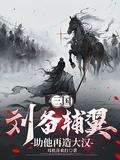 Three Kingdoms: Becoming a Brother of Liu Bei
288Reads8.2Score—Shelves
Three Kingdoms: Becoming a Brother of Liu Bei
288Reads8.2Score—Shelves
 At This Moment, All the Emperors of All Generations Regard Me as Their God!
11Reads5.8Score—Shelves
At This Moment, All the Emperors of All Generations Regard Me as Their God!
11Reads5.8Score—Shelves
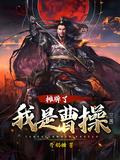 Three Kingdoms: Showdown, I Am Cao Cao
30Reads5.8Score—Shelves
Three Kingdoms: Showdown, I Am Cao Cao
30Reads5.8Score—Shelves
 The Rise of the Wei Dynasty in the Three Kingdoms
4.9kReads8.3Score233Shelves
The Rise of the Wei Dynasty in the Three Kingdoms
4.9kReads8.3Score233Shelves
 Three Kingdoms: a Sign-In Gift Pack Every Day!
16.4kReads8.3Score1.1kShelves
Three Kingdoms: a Sign-In Gift Pack Every Day!
16.4kReads8.3Score1.1kShelves
 I'm Really Not a Master of Cultivating Immortals
502Reads8.2Score—Shelves
I'm Really Not a Master of Cultivating Immortals
502Reads8.2Score—Shelves
 In My Rebirth, I Help Cao Cao Unify China
5Reads—Score—Shelves
In My Rebirth, I Help Cao Cao Unify China
5Reads—Score—Shelves
 I, the Warrior of Xiliang, Dominate the Three Kingdoms
6.9kReads8.9Score518Shelves
I, the Warrior of Xiliang, Dominate the Three Kingdoms
6.9kReads8.9Score518Shelves
 The Phoenix Dances in the Nine Heavens of the Three Kingdoms
3kReads8.4Score258Shelves
The Phoenix Dances in the Nine Heavens of the Three Kingdoms
3kReads8.4Score258Shelves
 Xiliang Iron Cavalry
14Reads5.8Score—Shelves
Xiliang Iron Cavalry
14Reads5.8Score—Shelves
 The Resurgence of Shu Han in the Three Kingdoms
10.7kReads8.7Score913Shelves
The Resurgence of Shu Han in the Three Kingdoms
10.7kReads8.7Score913Shelves
 Three Kingdoms: I Became Liu Bei's Son
4.3kReads8.7Score320Shelves
Three Kingdoms: I Became Liu Bei's Son
4.3kReads8.7Score320Shelves
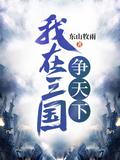 I Am Fighting for the World in the Three Kingdoms
82Reads5.8Score—Shelves
I Am Fighting for the World in the Three Kingdoms
82Reads5.8Score—Shelves
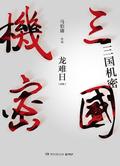 Secrets of the Three Kingdoms (2 Volumes in Total)
1.7kReads9.5Score498Shelves
Secrets of the Three Kingdoms (2 Volumes in Total)
1.7kReads9.5Score498Shelves
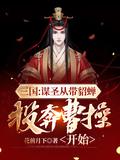 Three Kingdoms: the Quest for a Sage Begins with Taking Diao Chan to Defect to Cao Cao
155Reads5.9Score—Shelves
Three Kingdoms: the Quest for a Sage Begins with Taking Diao Chan to Defect to Cao Cao
155Reads5.9Score—Shelves
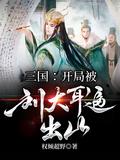 Three Kingdoms: Liu Daer Forced Him Out of the Army at the Beginning
985Reads6.9Score—Shelves
Three Kingdoms: Liu Daer Forced Him Out of the Army at the Beginning
985Reads6.9Score—Shelves
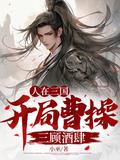 In the Three Kingdoms, Cao Cao Visited the Wine Shop Three Times at the Beginning
252Reads—Score—Shelves
In the Three Kingdoms, Cao Cao Visited the Wine Shop Three Times at the Beginning
252Reads—Score—Shelves
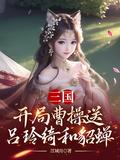 Three Kingdoms: at the Beginning, Cao Cao Sends Lu Lingqi and Diao Chan Away
9.3kReads8.8Score1.2kShelves
Three Kingdoms: at the Beginning, Cao Cao Sends Lu Lingqi and Diao Chan Away
9.3kReads8.8Score1.2kShelves
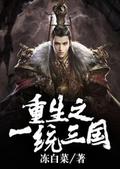 Rebirth to Unify the Three Kingdoms
8.4kReads7.9Score561Shelves
Rebirth to Unify the Three Kingdoms
8.4kReads7.9Score561Shelves
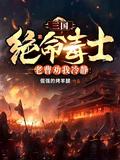 Three Kingdoms: Breaking Bad, Lao Cao Advised Me to Calm Down!
65Reads5.8Score—Shelves
Three Kingdoms: Breaking Bad, Lao Cao Advised Me to Calm Down!
65Reads5.8Score—Shelves
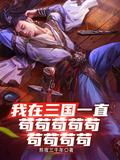 I Have Been Living in the Three Kingdoms Forever
4.1kReads7.4Score347Shelves
I Have Been Living in the Three Kingdoms Forever
4.1kReads7.4Score347Shelves
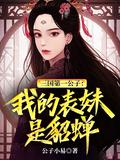 The First Young Master of the Three Kingdoms: My Cousin Is Diao Chan
9.3kReads8.6Score943Shelves
The First Young Master of the Three Kingdoms: My Cousin Is Diao Chan
9.3kReads8.6Score943Shelves
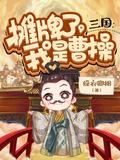 Three Kingdoms: Showdown, I Am Cao Cao
43Reads5.5Score—Shelves
Three Kingdoms: Showdown, I Am Cao Cao
43Reads5.5Score—Shelves
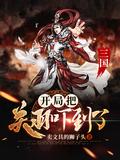 Three Kingdoms: Guan Yu Was Frightened at the Beginning
126Reads5.1Score—Shelves
Three Kingdoms: Guan Yu Was Frightened at the Beginning
126Reads5.1Score—Shelves
 The Rebirth of the Han Dynasty in the Three Kingdoms
2.8kReads8.6Score206Shelves
The Rebirth of the Han Dynasty in the Three Kingdoms
2.8kReads8.6Score206Shelves
 Three Kingdoms: Zhao Yun Saved My Life at the Beginning
2.3kReads8.4Score114Shelves
Three Kingdoms: Zhao Yun Saved My Life at the Beginning
2.3kReads8.4Score114Shelves
 Three Kingdoms: My Husband Is Zhao Yun
427Reads8.1Score—Shelves
Three Kingdoms: My Husband Is Zhao Yun
427Reads8.1Score—Shelves
 Three Kingdoms: the Eighteen Heroes of the Sui and Tang Dynasties at the Beginning
1.9kReads6.3Score110Shelves
Three Kingdoms: the Eighteen Heroes of the Sui and Tang Dynasties at the Beginning
1.9kReads6.3Score110Shelves
 Three Kingdoms: I Am the Leader of the Counselor World
1.8kReads8.5Score105Shelves
Three Kingdoms: I Am the Leader of the Counselor World
1.8kReads8.5Score105Shelves
 Awakening from the Dream of the Three Kingdoms
89Reads5.2Score—Shelves
Awakening from the Dream of the Three Kingdoms
89Reads5.2Score—Shelves
 Rebirth of the Three Kingdoms as Emperor
10.2kReads8.5Score892Shelves
Rebirth of the Three Kingdoms as Emperor
10.2kReads8.5Score892Shelves
 Three Kingdoms: If I Am Ostracized at the Beginning, Then I Will Declare Myself Emperor
9.4kReads8.0Score687Shelves
Three Kingdoms: If I Am Ostracized at the Beginning, Then I Will Declare Myself Emperor
9.4kReads8.0Score687Shelves
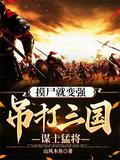 Touching the Corpse Will Make You Stronger, Defeating the Powerful Counselors and Generals of the Three Kingdoms
17.3kReads8.5Score1.9kShelves
Touching the Corpse Will Make You Stronger, Defeating the Powerful Counselors and Generals of the Three Kingdoms
17.3kReads8.5Score1.9kShelves
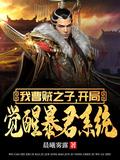 I Am the Tyrant of the Cao Family in Three Kingdoms
4.5kReads8.6Score395Shelves
I Am the Tyrant of the Cao Family in Three Kingdoms
4.5kReads8.6Score395Shelves
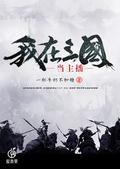 I Am an Anchor in the Three Kingdoms
197Reads7.8Score—Shelves
I Am an Anchor in the Three Kingdoms
197Reads7.8Score—Shelves
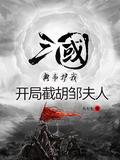 Three Kingdoms: Dian Wei Protects Me, and Intercepts Mrs. Hu Zou at the Beginning
13.3kReads8.7Score981Shelves
Three Kingdoms: Dian Wei Protects Me, and Intercepts Mrs. Hu Zou at the Beginning
13.3kReads8.7Score981Shelves
 The Three Kingdoms: Drunk and Lying on the Ladies' Ladies
4Reads5.8Score—Shelves
The Three Kingdoms: Drunk and Lying on the Ladies' Ladies
4Reads5.8Score—Shelves
 Three Kingdoms: Fusion of Yuwen and Chengdu, No Wasting Rice
107Reads5.8Score—Shelves
Three Kingdoms: Fusion of Yuwen and Chengdu, No Wasting Rice
107Reads5.8Score—Shelves
 Three Kingdoms: All the Beauties and Famous Generals Are in My Hands
17.9kReads8.8Score1.7kShelves
Three Kingdoms: All the Beauties and Famous Generals Are in My Hands
17.9kReads8.8Score1.7kShelves
 In the Beginning of the Three Kingdoms Period, the Three Sages Were Killed by Artillery.
7Reads5.8Score—Shelves
In the Beginning of the Three Kingdoms Period, the Three Sages Were Killed by Artillery.
7Reads5.8Score—Shelves
 Three Kingdoms: There Is Nothing I Can Do If I Give Too Much to My Wife.
13.1kReads8.2Score1.3kShelves
Three Kingdoms: There Is Nothing I Can Do If I Give Too Much to My Wife.
13.1kReads8.2Score1.3kShelves
 I, Cao Mengde, Actually Performed Live Broadcast in Later Generations?
4Reads6.8Score—Shelves
I, Cao Mengde, Actually Performed Live Broadcast in Later Generations?
4Reads6.8Score—Shelves
 Wanjie Bookstore: Starting from the Three Kingdoms
9Reads5.5Score—Shelves
Wanjie Bookstore: Starting from the Three Kingdoms
9Reads5.5Score—Shelves
 Three Kingdoms: the Rebellious Son of the Cao Family Married the Queen at the Beginning
205Reads5.8Score—Shelves
Three Kingdoms: the Rebellious Son of the Cao Family Married the Queen at the Beginning
205Reads5.8Score—Shelves
 I, the Half-Immortal of the Cao Family, Was Exposed by Zhang Xiu!
366Reads8.3Score—Shelves
I, the Half-Immortal of the Cao Family, Was Exposed by Zhang Xiu!
366Reads8.3Score—Shelves
 Three Kingdoms: Marry Lu Bu's Family Members First at the Beginning
30Reads5.8Score—Shelves
Three Kingdoms: Marry Lu Bu's Family Members First at the Beginning
30Reads5.8Score—Shelves
 Three Kingdoms: a Five-Year-Old Naughty Kid, Saving Cao Cao at the Beginning
153Reads8.0Score—Shelves
Three Kingdoms: a Five-Year-Old Naughty Kid, Saving Cao Cao at the Beginning
153Reads8.0Score—Shelves
 Three Kingdoms: Lectures in Prison, I Taught Cao Cao to Be a Traitor
965Reads6.6Score107Shelves
Three Kingdoms: Lectures in Prison, I Taught Cao Cao to Be a Traitor
965Reads6.6Score107Shelves
 I Do Whatever I Want in the Three Kingdoms
—Reads5.8Score—Shelves
I Do Whatever I Want in the Three Kingdoms
—Reads5.8Score—Shelves
 Village Miracle Doctor
52kReads9.4Score8.3kShelves
Village Miracle Doctor
52kReads9.4Score8.3kShelves