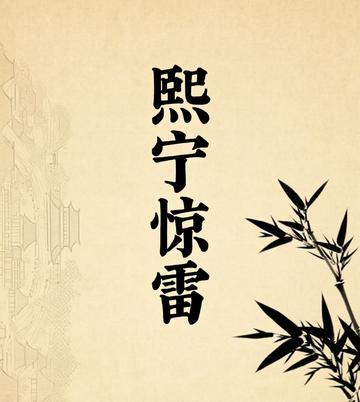
In the spring of the second year of Xining, during the Northern Song dynasty, a memorial titled “A Hundred Years of Peace in Our Dynasty” sent Bianjing into an uproar. Wang Anshi met Emperor Shenzong and lit the flames of reform with six words: “Change customs and establish laws.” He had no idea how deeply the reforms would tear the empire apart.
At the Chuigong Hall, Sima Guang smashed his teacup and denounced the idea: “How can the laws of our ancestors be changed so lightly?” At the markets by Xiangguo Temple, grain merchants whispered about how the Market Exchange Bureau would destroy their livelihoods. In the Hangzhou government offices, Vice Prefect Su Shi wrote, “Could it be that hearing Shao music made me forget the taste of food? For three months now, I’ve eaten without salt.” The ink was barely dry before the poem was entered as evidence of “slandering the new policies.”
From the peasant uprisings in Shaanxi sparked by the Green Sprouts loans to Zheng Xia’s life-risking presentation of the “Map of Refugees”; from the solitary wild goose above Jinling when Wang Anshi resigned as chancellor to Sima Guang’s bedside monologue as he abolished the new laws one by one, this book painstakingly reconstructs a turbulent era. When ten years of reform finally came to an end, neither the reformers who championed the “Three Classics New Meanings” nor the conservatives who defended the “Comprehensive Mirror to Aid in Government” could avoid admitting, before history’s looking glass, that there were no victors, only ordinary people swept along by the tides of their age.
The scholars who sat in silent protest outside Xuande Gate, the farming families destroyed by the baojia system, and the officials tossed about by factional strife all wove their fates into a more truthful portrait of Northern Song life than “Along the River During the Qingming Festival.” Here, every memorial is a clash of blades, every poem a footnote to its age, and history forever struggles onward through the paradox of reform and preserving the status quo.
 The Beggar's Retainer: One Sword to Slay the Leaders of Eight Sects
 My Uncle Tricked Me Into Signing? I Reported His Tax Evasion
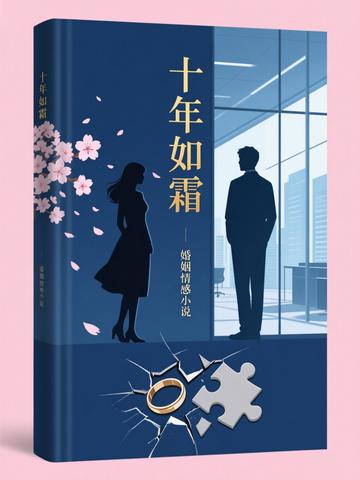 Ten Years Like Frost
 An Intern? One Spoonful of Soup Takes on the Cuisines of Five Nations
 Shanghai Spy Shadow: A Clash of Ciphers
 Operation Resolve: Keep Silent
 The Shadow of Blackwater Village
 The Abandoned Kitchen: I Make Michelin Judges Beg for a Drink