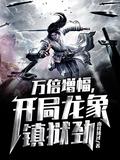
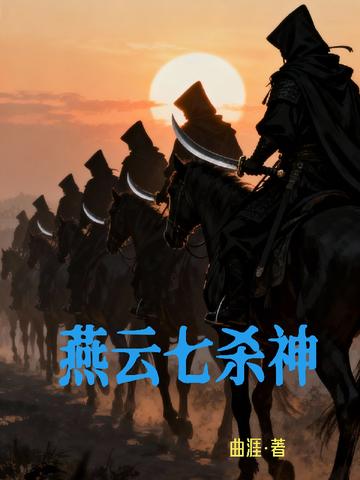
In the autumn of 1939, Japanese troops shattered the tranquility of the Mongolian grasslands, burning, looting, and slaughtering until the land was filled with cries of grief. When the herdsman Bateer Canglang witnessed his kin being massacred, he drew his saber in fury and took the name "Canglang." He rallied the righteous warriors of the grasslands: the sharpshooter Hasar Jinglei, descendant of the Golden Clan Bo'erzhijin Tenggeli, wolf tamer China Shuofeng, Altai, whose iron hooves had crossed the Gobi, and the peerlessly brave Daiqin Hanhai. Joining them was the resourceful and courageous Aruhan, who raised their banner and coordinated their efforts. The seven became known as the "Seven Gods of Death of Yanyun," and their name resounded across the grasslands.
They attacked Japanese supply convoys and destroyed communication lines. Making their home on horseback, they set ambushes using the terrain, strangled invaders with lassos, and carved a path through the enemy with curved blades. Aruhan disguised herself and infiltrated an enemy camp, setting fire to its arms depot; Tenggeli rallied the tribes through his family's influence and captured seven strongholds in succession. In fierce battles, Shuofeng led a pack of wolves in a nighttime raid, Jinglei never missed a shot as he took out commanders, Altai's iron hooves crushed tank treads, Daiqin went bare-chested against a pillbox, and Bateer fought to protect the people amid mountains of corpses and seas of blood.
Later, they encountered the Daqingshan Cavalry Detachment. Impressed by its strict discipline and determination to resist Japan, the Seven Gods of Death resolutely joined its ranks. Bateer and Aruhan charged side by side. The grassland warriors of old became the army's vanguard, winning repeated distinction in battles at Bailingmiao, Heishiya, and elsewhere. With their flesh and blood, they built a Great Wall across the grasslands. The name "Seven Gods of Death of Yanyun" became a nightmare for the Japanese, until the invaders were driven from the land and the sound of the morin khuur rang out once more beneath the vast sky.
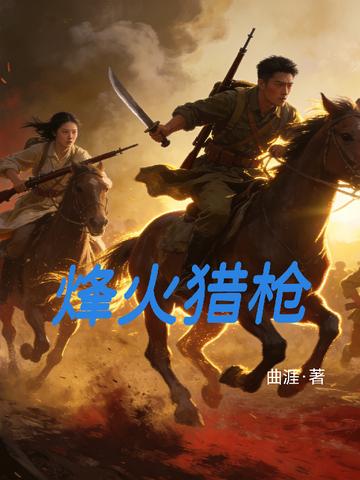 Beacon-Fire Rifle
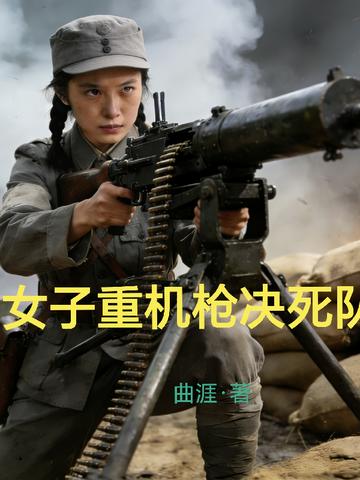 The Women's Heavy Machine Gun Death Squad
 Six Sisters in the Flames of War
 The Wolf Girl's Revenge
 From Mistreated Bride to Immortal Healer
 Mekong River Eagle Hunt: A Kill Shot in the Golden Triangle
 Anti-Japanese Death Squad
 Kill the Japanese Invaders
 The Eighteen Iron-Blooded Riders
 Deadly Anti-Drug Battle