In the long river of history, some people do not choose their own fate. Instead, the great waves of their era force them onto the stage. The Ming dynasty’s Jingtai Emperor, Zhu Qiyu, was just such a ruler, swept along against his will.
He had been a contented prince, and his greatest wish might have been to spend his days in his own residence, admiring flowers, raising fish, and reading, far from the turmoil of court politics. But in the autumn of 1449, a thunderclap from Tumu Fortress shattered his peaceful life. His elder brother, the Zhengtong Emperor Zhu Qizhen, had personally led an expedition and ended up captured by the Oirat! An army of five hundred thousand had been wiped out, Mongol cavalry were bearing down on Beijing, and the Ming Empire was facing the gravest crisis since its founding.
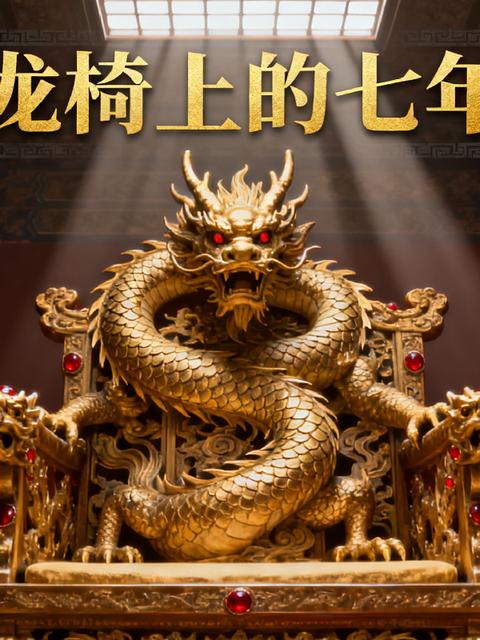
The country could not go a single day without an emperor. At the strong urging of loyal ministers such as Minister of War Yu Qian, with the tacit approval of Empress Dowager Sun, and under the expectant yet complicated gazes of the court, twenty-two-year-old Prince of Cheng Zhu Qiyu was pushed like a duck onto a hot griddle and took the dragon throne he had never dreamed of claiming.
The throne was a symbol of supreme authority, but also a red-hot torture device. Before him stood the ferocious Oirat army and his elder brother, reduced to a “hostage.” Behind him were the terrified people of the capital and a court seething with undercurrents. He walked on eggshells, trembling with fear at every step.
These seven years were a time of turning the tide and defending the realm, but also of suspicion between brothers and conflict within the family. They were years of appointing worthy ministers and striving to govern well, but also of exhaustion and painful struggle between power and family ties.
With a conversational style and a perspective grounded in history, this book will take you back to those thrilling…


 Hongwu Returns: The Thirteenth Year of Chongzhen
 Rebooting the Empire: Starting at Yiling
 The Six Hundred Treaties That Shackled China: The Lives of the Common Folk in Late Qing
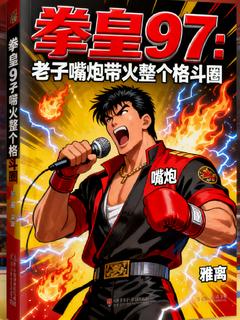 The King of Fighters '97: My Trash Talk Set the Entire Fighting World Ablaze
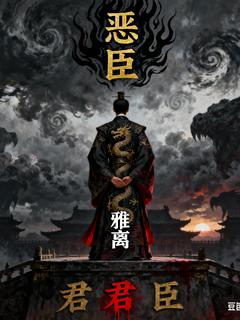 The Evil Minister
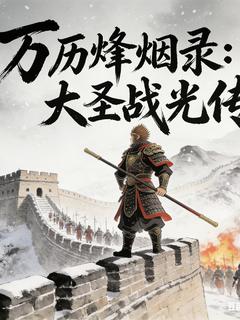 Chronicle of the Wanli Flames: The Great Sage’s Battle for the Light
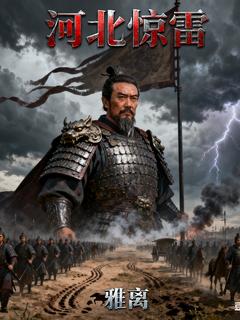 Thunder over Hebei
 A Twisted Tale of the Investiture of the Gods: The Righteous Shang Zhou and the Cheating Western Zhou