Introduction to Wen Guang Breaks the Wilderness: Passing Down the Torch of the Sage's Way
During the Wanli reign of the Ming Dynasty, in a dilapidated courtyard beside a Jiangnan bookshop, the impoverished scholar Wu Shan, courtesy name Mingyuan, studies the ancestral text Records of Wu Ma Shi's Governance and the Teachings of the Sage Confucius. He subsists on cold steamed buns and tea, staying indoors for three months straight. As he lies on the verge of death, the tattered page of the Great Learning in his hand glows gold, and a vision of the Apricot Altar appears in the air. An aged voice echoes: “My Way shall not stand alone...”
When he opens his eyes again, he finds himself in a primeval continent, where gods and demons vie for territory, myriad races remain unenlightened, demon cultivators seize bodies, and demonic seeds spread. The spark of civilization is close to going out. Fortunately, Sage Confucius uses thirty thousand years of cultivation to reverse time and space and send Wu Shan to this world. He leaves him a “Literary Heart,” the spiritual imprint built up through generations of reading the sages' works, and an “Apricot Altar Pendant,” a token bearing the legacy of a sage. He charges Wu Shan: “Establish a school through teaching without discrimination, and bring peace to our Way.”
Thus begins the legendary path of a scholar who cannot even truss a chicken, a path of “using literature to break the wilderness”:
He starts in a fox clan village on the Qingqiu Plains, using the “compassionate heart” from Mencius to heal an abandoned infant and teaching the Three Character Classic with a branch in the sand, building the first “thatched-roof school.” When demon cultivators oppress the villagers, he leads them in chanting the Analects' words “lay down your life to fulfill benevolence,” using the power of literature to cow the Fox King. To bridge the divide between humans and demons, he “explains the seasons through the stars” and “replaces sacrifices with cooperation,” leading the Baiyue people to dig channels and fight floods, and having “a flourishing culture and education” engraved on bronze tripods. Facing doubts from the Daoist schools, the temptations of demonic cultivators, and the “divine authority” imposed by overseas nations, he breaks through with “cultivating literature in harmony with Heaven,” “righteous qi that shatters evil,” and “sharing knowledge,” transforming Confucianism from a “heretical doctrine” into a “spark.”
Ten years of building schools, a hundred years of
 The Age of the Saints' Fall: Embers of a Bewitching Beauty
 The Nine-Eyed Heavenly Doctor
 Chronicles of the Yin-Yang War
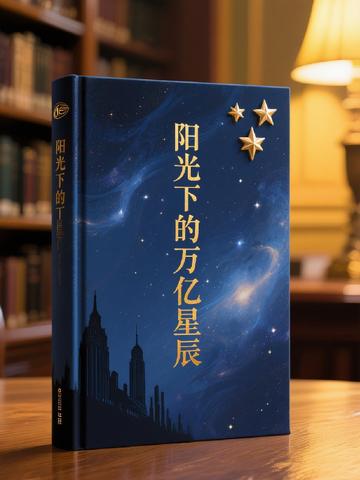 Trillions of Stars Beneath the Sun
 The Nameless Physician
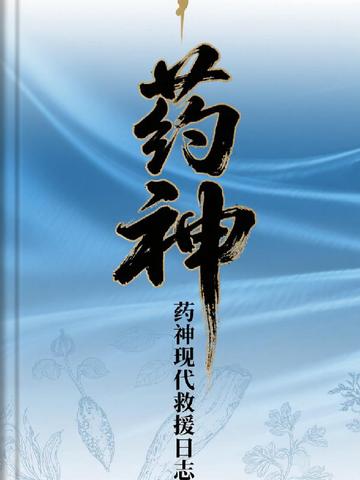 The Medicine God's Modern Rescue Log
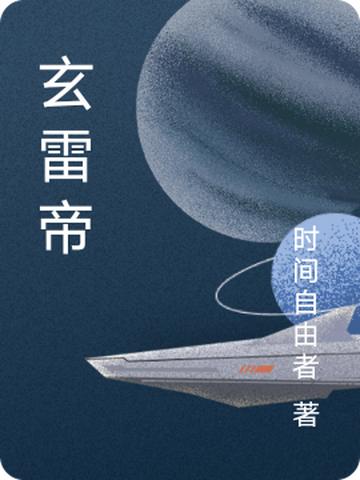 The Mystic Thunder Emperor
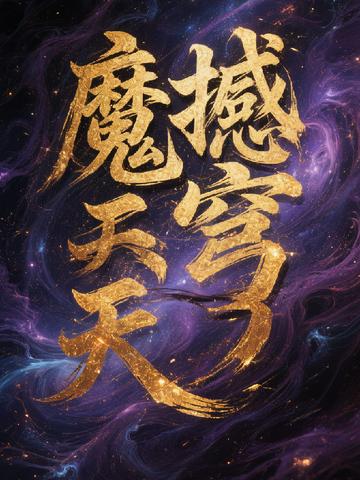 The Demon Shakes the Firmament
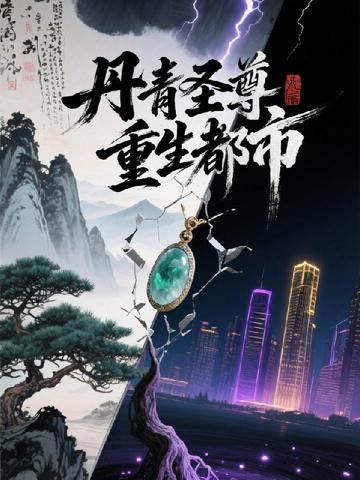 The Reborn Painting Sage in the City
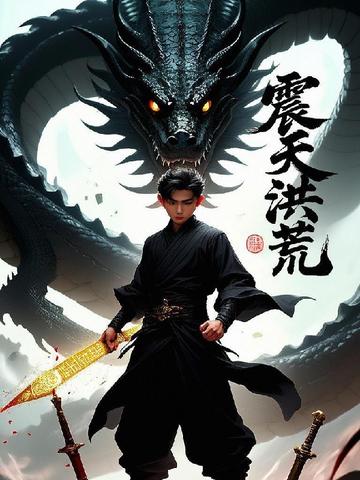 The Shattering of the Primordial World
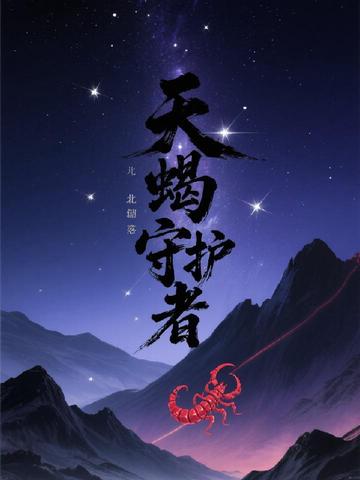 Scorpio's Guardian
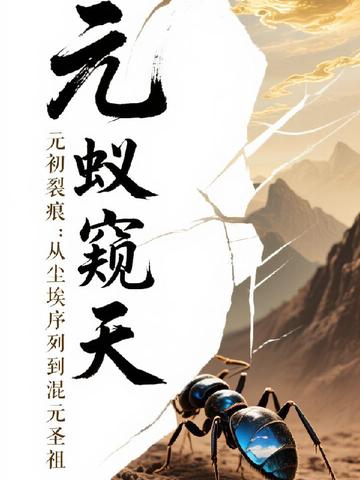 The Primordial Rift: From the Dust Sequence to the Primordial Saint Ancestor