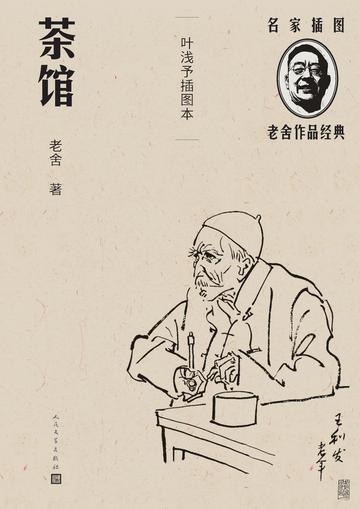
Tea House: Illustrated Edition by Ye Qianyu (A Classic of Famous Illustrations by Lao She)
茶馆:叶浅予插图本(名家插图老舍作品经典)
- Status
- Completed
- Length
- 31k Words
- Updated
- 3y ago
- Source
- Fanqie
Stats
33Reads
8.5Score
6Chapters
2Listens
1kReads · all time
Tags
Synopsis
Reader comments
Readers also read
 Teahouse
 Tea House: Hardcover Collection
 Tea House (Guomai Classic)
 Tea House (Red Classic)
 Collected Works of Lao She: Teahouse
 Tea House (Chinese Reading Recommended Series)
 Tea House (Nanhai Edition)
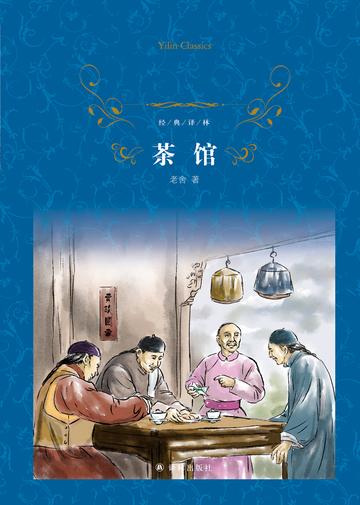 Teahouse (Classic Translation)
 Tea House (Reading Guide Catalog for Primary and Secondary School Students)
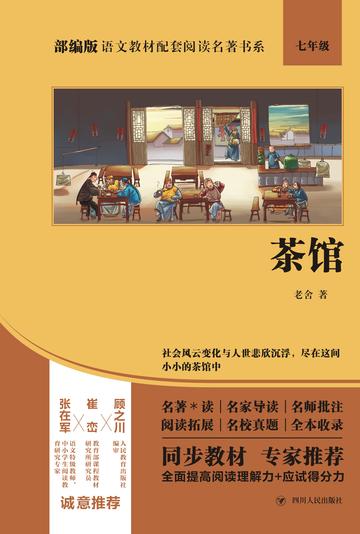 Chinese Textbooks Compiled by the Ministry of Education and Supporting Reading Series of Classics: Teahouse
 The Complete Works of Lao She: Tea House (Hardcover)
 Teahouse_61233197
Chinese Textbooks Compiled by the Ministry of Education and Supporting Reading Series of Classics: Tea House
Teahouse_61233197
Chinese Textbooks Compiled by the Ministry of Education and Supporting Reading Series of Classics: Tea House
 Teahouse
 Lao She's Works·teahouse
 Hundreds of Excellent Chinese Literature over the Past Century—teahouse
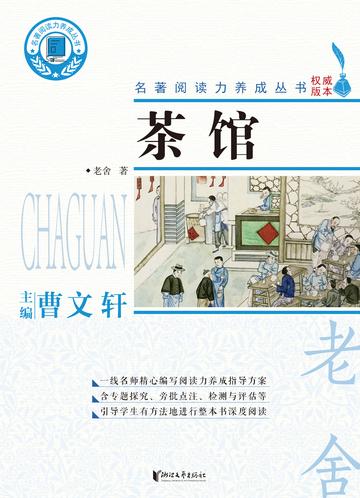 Tea House (Series to Develop Reading Skills of Classics)
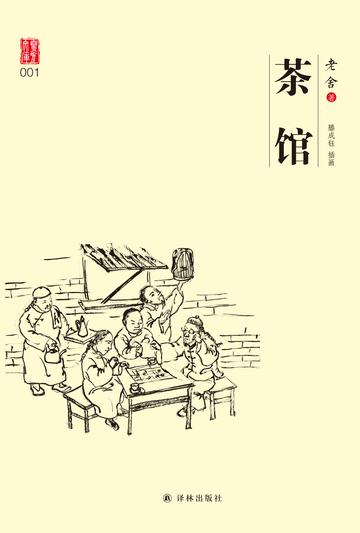 Tea House (Lao She Illustrated Edition Classic Drama)
I have seen the movie version of "Tea House" and the novel version of "Tea House", but this is the first time I have seen the illustrated version. The well-known painter Ye Qianyu drew a number of illustrations around the plot of "Tea House". Through unique brushwork and colors, he vividly displayed the emotions and atmosphere in the drama. Each character has a unique image sketched out by the artist, like a representative of destiny, imprinted in the readers' hearts. The scenes, environments, atmosphere, etc. In the illustrations are all lifelike, just like watching a beautiful movie, making readers feel as if they are actually there.
Ye Qianyu, Chinese painter. The characters in his paintings are exaggerated and vivid, mostly outlined with pens and slightly rendered, concise and clear, showing the artist's keen observation and painting talent. Due to his long-term accumulation in sketching, he formed a unique style of shaping characters. When he turned to Chinese painting, he became very good at it and transformed his family's appearance. He used the heavy color method of Dunhuang painting to express dancing figures, forming his rich and passionate style of dancing figure painting. He studied the dynamic patterns of dancing figures and created figures full of vitality and graceful movement.
"Teahouse" is a masterpiece of Lao She's drama, and it is also a classic play often performed by the Beijing People's Art Theatre. The play was completed in 1957 and premiered by the Beijing People's Art Theater in 1958. It depicts the epitome of modern society and the times through a teahouse. Teahouse owner Wang Lifa's bleak management of his ancestral "Yutai Teahouse", although he was shrewd, tactful and devoted, could not stop the decline in the end, which reflected the trend of Chinese society from the side. The play uses a teahouse as a carrier and reflects the changes and vicissitudes of modern Chinese society through the lives and destiny of teahouse owner Wang Lifa and tea guests. At the same time, the play also profoundly reveals the weaknesses of human nature and the sorrow of the times, making people deeply reflect on the progress and retreat of society. The performance of this play lasts for a long time and has become a classic in the history of Chinese drama. It has also become one of the iconic plays of the Beijing People's Art Theatre. Ye Qianyu's illustrated book allows readers to more intuitively feel the emotions and fate of the characters in the play, deepening their understanding of the play. In short, "Teahouse" is a classic work with profound ideological and artistic qualities. It is a masterpiece worthy of repeated taste and reflection.