Qidian library
Browse
- Titles
- 78
Every book we index, searchable by title, author or tag.
-
 Battle of Western Hubei
Introduction to the Battle of Western Hubei From May 5 to June 10, 1943, the Battle of Western Hubei broke out and lasted for 37 days. The battlefield covered Yichang, Shipai, Yuyangguan and other western Hubei areas. It was a key defensive battle in the upper reaches of the Yangtze River and an outpost of the Battle of Changde. Background: China's Sixth Theater (Chen Cheng/Sun Lianzhong) has 140,000 to 150,000 people against the Japanese 11th Army (Yokoyama Isamu), which has 60,000 to 70,000 pe
0Votes2Recs0Fans
Battle of Western Hubei
Introduction to the Battle of Western Hubei From May 5 to June 10, 1943, the Battle of Western Hubei broke out and lasted for 37 days. The battlefield covered Yichang, Shipai, Yuyangguan and other western Hubei areas. It was a key defensive battle in the upper reaches of the Yangtze River and an outpost of the Battle of Changde. Background: China's Sixth Theater (Chen Cheng/Sun Lianzhong) has 140,000 to 150,000 people against the Japanese 11th Army (Yokoyama Isamu), which has 60,000 to 70,000 pe
0Votes2Recs0Fans
-
 Pilu's Partner
Pilu's partner "Pi Lu" is the nickname of Pi Rixiu and Lu Guimeng, two writers of the late Tang Dynasty. They were named after the two frequently sang poems in Suzhou and co-edited "Songling Collection". They were famous partners in the literary history of the Tang Dynasty. Pi Rixiu was a native of Jingling, Fuzhou, and had served as the governor of Suzhou. Lu Guimeng was a native of Suzhou. The two had close contacts, and their cooperation mainly focused on reciprocal couplets, with themes cov
0Votes0Recs0Fans
Pilu's Partner
Pilu's partner "Pi Lu" is the nickname of Pi Rixiu and Lu Guimeng, two writers of the late Tang Dynasty. They were named after the two frequently sang poems in Suzhou and co-edited "Songling Collection". They were famous partners in the literary history of the Tang Dynasty. Pi Rixiu was a native of Jingling, Fuzhou, and had served as the governor of Suzhou. Lu Guimeng was a native of Suzhou. The two had close contacts, and their cooperation mainly focused on reciprocal couplets, with themes cov
0Votes0Recs0Fans
-
 Peasant Revolt in the Late Sui Dynasty
The peasant uprising in the late Sui Dynasty was a large-scale peasant uprising organized by peasant rebel armies in various places in the late Sui Dynasty to overthrow the rule of the Sui Dynasty. In the last years of the Sui Dynasty, Emperor Yang of the Sui Dynasty carried out extensive construction projects in successive years and continued to use troops. The heavy corvee and military service made the fields barren and the people were in dire straits. People everywhere raised troops to resist
0Votes4Recs0Fans
Peasant Revolt in the Late Sui Dynasty
The peasant uprising in the late Sui Dynasty was a large-scale peasant uprising organized by peasant rebel armies in various places in the late Sui Dynasty to overthrow the rule of the Sui Dynasty. In the last years of the Sui Dynasty, Emperor Yang of the Sui Dynasty carried out extensive construction projects in successive years and continued to use troops. The heavy corvee and military service made the fields barren and the people were in dire straits. People everywhere raised troops to resist
0Votes4Recs0Fans
-
 Battle of Changsha
The Changsha Battle was four large-scale offensive and defensive campaigns conducted by the Chinese army in the Ninth Theater Center with Changsha as the center against the Japanese invaders from September 1939 to August 1944. It was also known as the "Changsha Defense Battle". It was one of the largest and longest-lasting battles in the Anti-Japanese War. Each of the four battles has its key points: In the first battle from September to October 1939, the commander of the Japanese 11th Army, Oka
0Votes2Recs0Fans
Battle of Changsha
The Changsha Battle was four large-scale offensive and defensive campaigns conducted by the Chinese army in the Ninth Theater Center with Changsha as the center against the Japanese invaders from September 1939 to August 1944. It was also known as the "Changsha Defense Battle". It was one of the largest and longest-lasting battles in the Anti-Japanese War. Each of the four battles has its key points: In the first battle from September to October 1939, the commander of the Japanese 11th Army, Oka
0Votes2Recs0Fans
-
 Huangchao Uprising
 (875-884) The largest peasant uprising in the late Tang Dynasty, led by private salt dealer Huang Chao, shook the foundation of Tang rule and accelerated its demise. Background Politically, the eunuchs were monopolizing power, vassal towns were segregated, and the imperial rule was weak; economically, land annexation was serious, taxes were heavy, and years of famines were adding to the famine, making the people miserable; the salt policy was harsh, and the government monopoli
0Votes5Recs0Fans
Huangchao Uprising
Huangchao Uprising (875-884) The largest peasant uprising in the late Tang Dynasty, led by private salt dealer Huang Chao, shook the foundation of Tang rule and accelerated its demise. Background Politically, the eunuchs were monopolizing power, vassal towns were segregated, and the imperial rule was weak; economically, land annexation was serious, taxes were heavy, and years of famines were adding to the famine, making the people miserable; the salt policy was harsh, and the government monopoli
0Votes5Recs0Fans
-
 Yuan Chao's Uprising
 (762-763) was the largest peasant uprising in the middle of the Tang Dynasty. Yuan Chao, a petty official in Taizhou, was whipped because he was dissatisfied with the government's forced tax arrears in the Jianghuai area for eight years and sympathized with the victims. Therefore, he gathered a crowd in Tiantai Mountain to revolt in August 762, named "Baosheng", and tens of thousands of people gathered in ten days. The rebel army quickly captured the ten states east of the Y
0Votes3Recs0Fans
Yuan Chao's Uprising
Yuan Chao's Uprising (762-763) was the largest peasant uprising in the middle of the Tang Dynasty. Yuan Chao, a petty official in Taizhou, was whipped because he was dissatisfied with the government's forced tax arrears in the Jianghuai area for eight years and sympathized with the victims. Therefore, he gathered a crowd in Tiantai Mountain to revolt in August 762, named "Baosheng", and tens of thousands of people gathered in ten days. The rebel army quickly captured the ten states east of the Y
0Votes3Recs0Fans
-
 Peasant Revolt in the Late Ming Dynasty
The Peasant Uprising in the late Ming Dynasty (1627-1647) was one of the largest and most far-reaching peasant wars in Chinese history, which directly led to the demise of the Ming Dynasty. The core of the uprising was the two major forces of Li Zicheng's Dashun Army and Zhang Xianzhong's Great Western Army. It was divided into three stages: Phase One: Local Revolts (1627-1636) Chengcheng Uprising (1627) Battle of Fugu (1630) The second stage: strategic expansion and establishment of political
0Votes8Recs0Fans
Peasant Revolt in the Late Ming Dynasty
The Peasant Uprising in the late Ming Dynasty (1627-1647) was one of the largest and most far-reaching peasant wars in Chinese history, which directly led to the demise of the Ming Dynasty. The core of the uprising was the two major forces of Li Zicheng's Dashun Army and Zhang Xianzhong's Great Western Army. It was divided into three stages: Phase One: Local Revolts (1627-1636) Chengcheng Uprising (1627) Battle of Fugu (1630) The second stage: strategic expansion and establishment of political
0Votes8Recs0Fans
-
 Wang Xianzhi's Uprising
The Wang Xianzhi Uprising (875–878) was the beginning of a large-scale peasant war in the late Tang Dynasty. It followed the Huangchao Uprising, which dealt a heavy blow to the rule of the Tang Dynasty and accelerated its demise. The history of the uprising 1. The uprising broke out (875) Leader: Wang Xianzhi (formerly a private salt dealer, familiar with the sufferings of the people and local situations). The place where the troops were raised: Changyuan (today's Changyuan, Henan Province). He
0Votes1Recs0Fans
Wang Xianzhi's Uprising
The Wang Xianzhi Uprising (875–878) was the beginning of a large-scale peasant war in the late Tang Dynasty. It followed the Huangchao Uprising, which dealt a heavy blow to the rule of the Tang Dynasty and accelerated its demise. The history of the uprising 1. The uprising broke out (875) Leader: Wang Xianzhi (formerly a private salt dealer, familiar with the sufferings of the people and local situations). The place where the troops were raised: Changyuan (today's Changyuan, Henan Province). He
0Votes1Recs0Fans
-
 Jiujiang Anti-Japanese War
The Jiujiang Anti-Japanese War (1938) was a key component of the Wuhan Battle. Jiujiang and surrounding areas such as Pengze, Hukou, and Xingzi are fortresses on the south bank of the Yangtze River, guarding the intersection of Poyang Lake and the Yangtze River. They are the only passage for the Japanese army to attack Wuhan. The participating parties are the Chinese 9th Theater Troops (2nd Corps, 64th Army, etc., Commander-in-chief Zhang Fakui, Li Hanhun) and the Japanese 11th Army (Haota Detac
0Votes1Recs0Fans
Jiujiang Anti-Japanese War
The Jiujiang Anti-Japanese War (1938) was a key component of the Wuhan Battle. Jiujiang and surrounding areas such as Pengze, Hukou, and Xingzi are fortresses on the south bank of the Yangtze River, guarding the intersection of Poyang Lake and the Yangtze River. They are the only passage for the Japanese army to attack Wuhan. The participating parties are the Chinese 9th Theater Troops (2nd Corps, 64th Army, etc., Commander-in-chief Zhang Fakui, Li Hanhun) and the Japanese 11th Army (Haota Detac
0Votes1Recs0Fans
-
 Pang Xun's Uprising
The Pang Xun Uprising, also known as the Guilin garrison uprising, refers to the peasant uprising against the Tang Dynasty launched by garrison troops in Guizhou (zhishi'an, today's Guilin, Guangxi) from July to October 10, the ninth year of Xiantong in the Tang Dynasty. In the fourth year of Xiantong in the Tang Dynasty (863), Tang Yizong sent troops to conquer Nanzhao. He ordered to recruit 2,000 troops in the Xu and Si areas (now Xuzhou, Jiangsu and Sixian, Anhui) and marched to Yongzhou. Amo
0Votes2Recs0Fans
Pang Xun's Uprising
The Pang Xun Uprising, also known as the Guilin garrison uprising, refers to the peasant uprising against the Tang Dynasty launched by garrison troops in Guizhou (zhishi'an, today's Guilin, Guangxi) from July to October 10, the ninth year of Xiantong in the Tang Dynasty. In the fourth year of Xiantong in the Tang Dynasty (863), Tang Yizong sent troops to conquer Nanzhao. He ordered to recruit 2,000 troops in the Xu and Si areas (now Xuzhou, Jiangsu and Sixian, Anhui) and marched to Yongzhou. Amo
0Votes2Recs0Fans
-
 Youyun Sixteen States
The Sixteen Prefectures of Youyun, also known as the Sixteen Prefectures of Yanyun and the Sixteen Prefectures of Youji, are important strategic locations in Chinese history, specifically referring to the sixteen prefectures that Shi Jingtang, the founder of the Later Jin Dynasty, ceded to the Khitan (Liao Kingdom) in 938 AD during the Five Dynasties and Ten Kingdoms period. The scope roughly covers today's Beijing, Tianjin, and northern parts of Hebei and Shanxi. The sixteen prefectures can be
0Votes3Recs0Fans
Youyun Sixteen States
The Sixteen Prefectures of Youyun, also known as the Sixteen Prefectures of Yanyun and the Sixteen Prefectures of Youji, are important strategic locations in Chinese history, specifically referring to the sixteen prefectures that Shi Jingtang, the founder of the Later Jin Dynasty, ceded to the Khitan (Liao Kingdom) in 938 AD during the Five Dynasties and Ten Kingdoms period. The scope roughly covers today's Beijing, Tianjin, and northern parts of Hebei and Shanxi. The sixteen prefectures can be
0Votes3Recs0Fans
-
 Second World War
The Second World War, also known as the World Anti-Fascist War, lasted from 1931 to 1945 in the Asian battlefield (the beginning of the September 18th Incident) and from 1939 to 1945 in the European battlefield (the beginning of the German invasion of Poland). A total of 61 participating countries, about 2 billion people were involved, more than 90 million casualties, and economic losses of more than 5 trillion US dollars. The two parties participating in the war were divided into the Axis Power
0Votes12Recs0Fans
Second World War
The Second World War, also known as the World Anti-Fascist War, lasted from 1931 to 1945 in the Asian battlefield (the beginning of the September 18th Incident) and from 1939 to 1945 in the European battlefield (the beginning of the German invasion of Poland). A total of 61 participating countries, about 2 billion people were involved, more than 90 million casualties, and economic losses of more than 5 trillion US dollars. The two parties participating in the war were divided into the Axis Power
0Votes12Recs0Fans
-
 God of War Meng Gong
Meng Gong (1195-1246), the god of war, also known as Puyu, was an outstanding military commander and national hero in the middle and late Southern Song Dynasty. He was born as a general, and in his early years he followed his father to fight against the Jin Dynasty, showing outstanding military talent. In 1234, Meng Gong led his army to encircle Caizhou with Mongolia and took the lead in breaking the city, causing Jin Aizong to hang himself. The Jin Dynasty was destroyed and the "shame of Jingka
0Votes0Recs0Fans
God of War Meng Gong
Meng Gong (1195-1246), the god of war, also known as Puyu, was an outstanding military commander and national hero in the middle and late Southern Song Dynasty. He was born as a general, and in his early years he followed his father to fight against the Jin Dynasty, showing outstanding military talent. In 1234, Meng Gong led his army to encircle Caizhou with Mongolia and took the lead in breaking the city, causing Jin Aizong to hang himself. The Jin Dynasty was destroyed and the "shame of Jingka
0Votes0Recs0Fans
-
 Lu Yu's Biography
Lu Yu (733-804), also known as Hongjian, was a famous tea expert in the Tang Dynasty. He was known as the "Tea Saint". His life was full of legend, and he grew from an abandoned baby to the founder of tea culture. Lu Yu was born in Jingling, Fuzhou (now Tianmen, Hubei) during the Tang Dynasty. He was abandoned by the West Lake in Jingling when he was young. He was discovered and adopted by Zen Master Zhiji of Longgai Temple. In the monastery, Lu Yu showed a strong interest in reading, but becaus
0Votes16Recs0Fans
Lu Yu's Biography
Lu Yu (733-804), also known as Hongjian, was a famous tea expert in the Tang Dynasty. He was known as the "Tea Saint". His life was full of legend, and he grew from an abandoned baby to the founder of tea culture. Lu Yu was born in Jingling, Fuzhou (now Tianmen, Hubei) during the Tang Dynasty. He was abandoned by the West Lake in Jingling when he was young. He was discovered and adopted by Zen Master Zhiji of Longgai Temple. In the monastery, Lu Yu showed a strong interest in reading, but becaus
0Votes16Recs0Fans
-
 Han Dynasty's Foreign Wars
Han Dynasty's foreign wars Time: 202 BC (the founding of the Han Dynasty by Emperor Gaozu) to 220 AD (the fall of the Han Dynasty) Core opponents: Xiongnu, Western Regions, Qiang people, Korea, South Vietnam, etc. Characteristics of the war: the four-step strategy of "peace-counterattack-garrison-reinforcement" 1. The Hundred Years War between Han and Hungary (200 BC-36 BC) Siege of Baidon (200 BC) The Mayi Conspiracy (133 BC) Wei Qing and Huo Qubing's Northern Expedition (127 BC-119 BC) Battle
0Votes4Recs0Fans
Han Dynasty's Foreign Wars
Han Dynasty's foreign wars Time: 202 BC (the founding of the Han Dynasty by Emperor Gaozu) to 220 AD (the fall of the Han Dynasty) Core opponents: Xiongnu, Western Regions, Qiang people, Korea, South Vietnam, etc. Characteristics of the war: the four-step strategy of "peace-counterattack-garrison-reinforcement" 1. The Hundred Years War between Han and Hungary (200 BC-36 BC) Siege of Baidon (200 BC) The Mayi Conspiracy (133 BC) Wei Qing and Huo Qubing's Northern Expedition (127 BC-119 BC) Battle
0Votes4Recs0Fans
-
 Mongolian Southern Expedition
 (1235-1279) The first stage: Wokuotai attacked the Song Dynasty (1235–1241) 1235: Battle of Mianzhou, Battle of Tangzhou 1236: Battle of Yangpingguan, Battle of Jiangling, Battle of Zhenzhou 1237: Battle of Huangzhou 1238: Battle of Luzhou, Battle of Jingxiang 1239: Battle of Dayazhai 1243: Yu Jie's battle against Shu 1244: Battle of Shouchun The second stage: Meng Ge attacked the Song Dynasty (1253–1259) 1256: Mongolian attack on Sichuan 1257: Newlin's attack on Si
0Votes4Recs0Fans
Mongolian Southern Expedition
Mongolian Southern Expedition (1235-1279) The first stage: Wokuotai attacked the Song Dynasty (1235–1241) 1235: Battle of Mianzhou, Battle of Tangzhou 1236: Battle of Yangpingguan, Battle of Jiangling, Battle of Zhenzhou 1237: Battle of Huangzhou 1238: Battle of Luzhou, Battle of Jingxiang 1239: Battle of Dayazhai 1243: Yu Jie's battle against Shu 1244: Battle of Shouchun The second stage: Meng Ge attacked the Song Dynasty (1253–1259) 1256: Mongolian attack on Sichuan 1257: Newlin's attack on Si
0Votes4Recs0Fans
-
 Thirty-Six Strategies
"Thirty-Six Strategies" is divided into six categories: Victory Strategies, Enemy War Strategies, Attack Strategies, Melee Strategies, Merger Strategies, and Defeat Strategies. Each category has six strategies, totaling thirty-six strategies. 1. Victory plan (strategy when you are at an advantage) 1. Conceal the truth 2. Surround Wei and rescue Zhao 3. Kill with a borrowed knife 4. Waiting for work with ease 5. Take advantage of the situation 6. Make an attack in the east and attack in the west
0Votes73Recs0Fans
Thirty-Six Strategies
"Thirty-Six Strategies" is divided into six categories: Victory Strategies, Enemy War Strategies, Attack Strategies, Melee Strategies, Merger Strategies, and Defeat Strategies. Each category has six strategies, totaling thirty-six strategies. 1. Victory plan (strategy when you are at an advantage) 1. Conceal the truth 2. Surround Wei and rescue Zhao 3. Kill with a borrowed knife 4. Waiting for work with ease 5. Take advantage of the situation 6. Make an attack in the east and attack in the west
0Votes73Recs0Fans
-
 Liao's Foreign War
The Liao Kingdom was a dynasty established by Yelu Abaoji of the Khitan tribe in 907. Its capital was Linhuang Mansion in Beijing. It was destroyed by the Jin Kingdom in 1125 and lasted for 218 years. It flourished during the period of Shengzong of the Liao Dynasty, when it signed the "Chanyuan Alliance", created the Khitan script, implemented official systems in the north and south, and promoted national integration. The Liao Kingdom's foreign wars were concentrated on Goryeo, Xixia and other r
0Votes6Recs0Fans
Liao's Foreign War
The Liao Kingdom was a dynasty established by Yelu Abaoji of the Khitan tribe in 907. Its capital was Linhuang Mansion in Beijing. It was destroyed by the Jin Kingdom in 1125 and lasted for 218 years. It flourished during the period of Shengzong of the Liao Dynasty, when it signed the "Chanyuan Alliance", created the Khitan script, implemented official systems in the north and south, and promoted national integration. The Liao Kingdom's foreign wars were concentrated on Goryeo, Xixia and other r
0Votes6Recs0Fans
-
 Mongolia Destroys Gold
The destruction of the Mongol Empire was an important chapter in the glorious history of the Mongol Empire. Starting from Genghis Khan Temujin, after more than twenty years, the Jin Dynasty was finally destroyed and the north was unified. 1. War background In the last years of the Jin Dynasty, political corruption, economic decline, and people's livelihood were in dire straits, which provided an opportunity for the rise of the Mongol Empire. After Genghis Khan unified the various tribes in Mongo
0Votes5Recs0Fans
Mongolia Destroys Gold
The destruction of the Mongol Empire was an important chapter in the glorious history of the Mongol Empire. Starting from Genghis Khan Temujin, after more than twenty years, the Jin Dynasty was finally destroyed and the north was unified. 1. War background In the last years of the Jin Dynasty, political corruption, economic decline, and people's livelihood were in dire straits, which provided an opportunity for the rise of the Mongol Empire. After Genghis Khan unified the various tribes in Mongo
0Votes5Recs0Fans
-
 The Discredited Emperor Chenghua
: Restoring the Historical Truth Ming Xianzong Zhu Jianshen (1447-1487), the eighth emperor of the Ming Dynasty, was named Chenghua. The "History of the Ming Dynasty" compiled by the Qing Dynasty portrayed him as a fatuous emperor who was addicted to women and favored eunuchs. In fact, it was a deliberate smear campaign - the root cause was that in the third year of Chenghua, he launched the "Chenghua Liting" to carry out a devastating blow to the Jianzhou Jurchen
0Votes5Recs0Fans
The Discredited Emperor Chenghua
The Discredited Emperor Chenghua: Restoring the Historical Truth Ming Xianzong Zhu Jianshen (1447-1487), the eighth emperor of the Ming Dynasty, was named Chenghua. The "History of the Ming Dynasty" compiled by the Qing Dynasty portrayed him as a fatuous emperor who was addicted to women and favored eunuchs. In fact, it was a deliberate smear campaign - the root cause was that in the third year of Chenghua, he launched the "Chenghua Liting" to carry out a devastating blow to the Jianzhou Jurchen
0Votes5Recs0Fans
-
 Ancient Moon
In Luoyue Village in the vast mountains, young Lin Xuan was lonely since he was a child. He was adopted by the old village chief. He wears a jade pendant engraved with the incomplete ancient moon. This is the only link between him and his unknown life experience. The old village chief's motto before his death, "When the ancient moon appears, the world is in chaos, guard the jade pendant and find the way home" has always lingered in his mind. On the night of the full moon, the ancient moon jade p
0Votes11Recs0Fans
Ancient Moon
In Luoyue Village in the vast mountains, young Lin Xuan was lonely since he was a child. He was adopted by the old village chief. He wears a jade pendant engraved with the incomplete ancient moon. This is the only link between him and his unknown life experience. The old village chief's motto before his death, "When the ancient moon appears, the world is in chaos, guard the jade pendant and find the way home" has always lingered in his mind. On the night of the full moon, the ancient moon jade p
0Votes11Recs0Fans
-
 Nine-Headed Bird in the Sky
Nine-headed bird in the sky In ancient times, the spiritual energy of the Chu land gathered together but was invaded by the mysterious and desolate energy. The ancestors believed in gods such as Donghuang Taiyi and Zhu Rong. The Nine-Headed Bird (real name Jiufeng) was born from the fire of Zhurong and the spiritual energy of Yunmengze. It was originally a song, and after going through trials, it gained magical powers for the first time. It shoulders the mission of balancing the mysterious wild
0Votes4Recs0Fans
Nine-Headed Bird in the Sky
Nine-headed bird in the sky In ancient times, the spiritual energy of the Chu land gathered together but was invaded by the mysterious and desolate energy. The ancestors believed in gods such as Donghuang Taiyi and Zhu Rong. The Nine-Headed Bird (real name Jiufeng) was born from the fire of Zhurong and the spiritual energy of Yunmengze. It was originally a song, and after going through trials, it gained magical powers for the first time. It shoulders the mission of balancing the mysterious wild
0Votes4Recs0Fans
-
 The Mecha I Built Is a Boss
[Counter attack + 1v1 + group pet + male and female double strength] Chen Mengmeng, whose life goal is to be a mecha designer, But he was transferred to the mecha combat system. Are you kidding me? ! I got into the exam based on my ability. Why not let me study? Besides, who doesn't know that I, Chen Mengmeng, am a physical loser with extremely low synchronization rate? I am about to go home to farm because of failing the exam at the end of the year. You can only participate in the school-wide m
0Votes1kRecs2.7kFans
The Mecha I Built Is a Boss
[Counter attack + 1v1 + group pet + male and female double strength] Chen Mengmeng, whose life goal is to be a mecha designer, But he was transferred to the mecha combat system. Are you kidding me? ! I got into the exam based on my ability. Why not let me study? Besides, who doesn't know that I, Chen Mengmeng, am a physical loser with extremely low synchronization rate? I am about to go home to farm because of failing the exam at the end of the year. You can only participate in the school-wide m
0Votes1kRecs2.7kFans
-
 The Beginning of the Seven Worlds
The God of creation was born in the universe, stood in the universe, and performed the act of creation. Although the first creation of the world ended in failure, its star already existed in the universe and was protected by a barrier thereafter. As the saying goes, failure is the mother of success! From then on, the vast universe, all the heavens and all the worlds, all originated from the creation of the world. The God Realm, the last world created by the God of Creation, is the most powerful
0Votes294Recs1Fans
The Beginning of the Seven Worlds
The God of creation was born in the universe, stood in the universe, and performed the act of creation. Although the first creation of the world ended in failure, its star already existed in the universe and was protected by a barrier thereafter. As the saying goes, failure is the mother of success! From then on, the vast universe, all the heavens and all the worlds, all originated from the creation of the world. The God Realm, the last world created by the God of Creation, is the most powerful
0Votes294Recs1Fans
-
 New Doorkeeper
He inherited the position of the sect leader in a hurry, and when he comes out a hundred years later, can he lead the small Luoxue Sect to soar into the sky? If you don't have an outline, forget it.
0Votes2Recs0Fans
New Doorkeeper
He inherited the position of the sect leader in a hurry, and when he comes out a hundred years later, can he lead the small Luoxue Sect to soar into the sky? If you don't have an outline, forget it.
0Votes2Recs0Fans
-
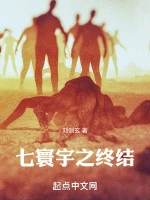 The End of the Seven Worlds
When Jin Fushi's soul traveled back to the past, he accidentally possessed the beautiful teacher... Standing up to a dictator in the apocalypse… Travel across the stars to learn about the divine race... The ultimate evolution of life across the seven dimensions... This is no longer the universe of God, nor will it be the universe of Tao and Fa. Let's look at the seven-dimensional time and space travel and the infinite evolution of life...
0Votes16Recs0Fans
The End of the Seven Worlds
When Jin Fushi's soul traveled back to the past, he accidentally possessed the beautiful teacher... Standing up to a dictator in the apocalypse… Travel across the stars to learn about the divine race... The ultimate evolution of life across the seven dimensions... This is no longer the universe of God, nor will it be the universe of Tao and Fa. Let's look at the seven-dimensional time and space travel and the infinite evolution of life...
0Votes16Recs0Fans
-
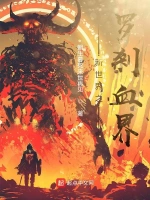 Rakshasa Blood Realm of Seven Worlds
I won't talk nonsense... The virtual world in another world has brought about the end of the world. The planet is shrouded in black mist, the surface resources are depleted, and the undead are causing chaos. How can humans survive? QQ group: 881231019
0Votes102Recs0Fans
Rakshasa Blood Realm of Seven Worlds
I won't talk nonsense... The virtual world in another world has brought about the end of the world. The planet is shrouded in black mist, the surface resources are depleted, and the undead are causing chaos. How can humans survive? QQ group: 881231019
0Votes102Recs0Fans
-
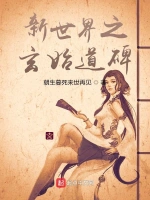 The Xuanshi Dao Monument of the Seven Worlds
"My name is Jiang Hu, coral's Hu..." "Nine thousand eight hundred and ninety-nine reincarnations, this time is the nine thousand nine hundredth, I am me, I am not you." "Tao follows nature, listen to my orders, uh..." "Daughter-in-law, daughter-in-law, come and save me quickly!!!" … Hua Lan'er, Ling Jie, Qiu Yin: "Jiang, you are shameless..." The two concubines, Qin Lingxuan: "I'll wait for you to come back..." Fei Xue and Die Shan: "Goodbye today, see you in the next life!" Yingyan: "Grandson,
0Votes159Recs0Fans
The Xuanshi Dao Monument of the Seven Worlds
"My name is Jiang Hu, coral's Hu..." "Nine thousand eight hundred and ninety-nine reincarnations, this time is the nine thousand nine hundredth, I am me, I am not you." "Tao follows nature, listen to my orders, uh..." "Daughter-in-law, daughter-in-law, come and save me quickly!!!" … Hua Lan'er, Ling Jie, Qiu Yin: "Jiang, you are shameless..." The two concubines, Qin Lingxuan: "I'll wait for you to come back..." Fei Xue and Die Shan: "Goodbye today, see you in the next life!" Yingyan: "Grandson,
0Votes159Recs0Fans