Xuzhou, known as Pengcheng in ancient times, has four unique features: Han tombs, Han figurines, Han painting stones, and Han jade. The food of the Han Dynasty two thousand years ago is the fifth unique feature of Pengcheng that has been buried by the years. Since he was young, folk craftsman Bao Jinzhuan has often encountered the spirit of the palace chef of the Han Dynasty possessing him in the white mist on the stove. The remnant soul of a thousand-year-old chef resides in his body, and the lost ancient recipes are secretly passed down, making him the only successor in the world who can restart the Han Dynasty's food culture.
Bao Jinzhuan is determined to restore the ten extinct Han flavors and complete the cultural context of the Han Dynasty in Pengcheng. The road to restoration is staggering at every step: ancient books are damaged, craftsmanship is faulty, ancient materials are scarce, and the temperature of the fire is a mystery. At the same time, Zhou Wuliang, a profit-seeking prepared vegetable businessman, regarded Chinese food as a traffic business opportunity. He repeatedly ran out of goods, destroyed equipment, secretly replaced raw materials, and set up obstacles at every level, aiming to monopolize the Chinese food and cultural tourism market.
Relying on the blessing of thousands of years of Han cooking skills and self-breakthrough, Bao Jinzhuan solved the ancient mysteries of layered ancient stew, secret fermentation, single-sided roasting, and wine soaking, and completely restored the dual system of palace and folk cuisine of the Han Dynasty. He won the championship with the orthodox Han banquet and officially established Pengcheng Han cuisine as the fifth masterpiece of the Han Dynasty.
Faced with the theft of secret manuscripts in the library and the proliferation of inferior and counterfeit products, Bao Jinzhuan put aside his private thoughts and disclosed the original origins of all ancient crafts. He then went to Southeast Asia to carry out overseas exhibition tours, where he successively resolved multiple crises such as food shortages, difficulties in fermentation and preservation, and the vicious impact of imitation products, and spread the cultural heritage of the Han Dynasty across the sea with live demonstrations of ancient methods.
In the end, the charm of the thousand-year chef spirit was completely released and passed away quietly; Bao Jinzhuan completed his destiny inheritance and transformed from a craftsman who kept his art to a preacher of the food culture of the Han Dynasty at home and abroad. Since then, the thousand-year Chinese flavor has taken root in the country and spread all over the world.
 Stranger!
 China Entertainment: This Top-Notch Character Is Too Stable
 Evil Gourmet: This Person Has a Very High Food Quotient!
 Department of Abnormal Pathology
 Criminal Investigation Notes 2: Buried Corpse in Songhu
 How Can You Become an Immortal If You Don't Have Money?
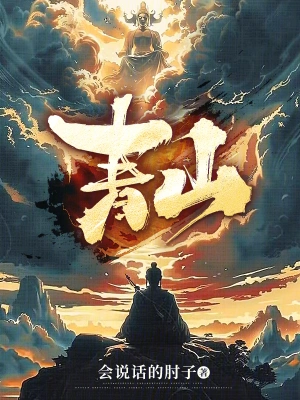 Green Hills
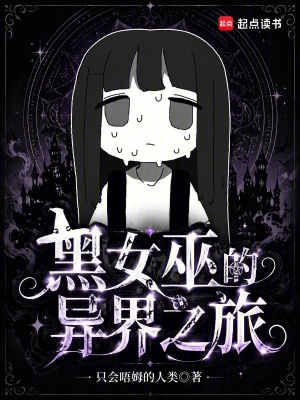 The Black Witch's Journey to Another World
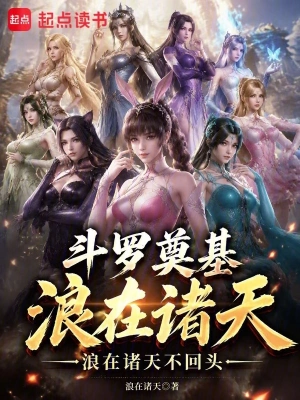 Douluo Laid the Foundation, Waves in the Sky
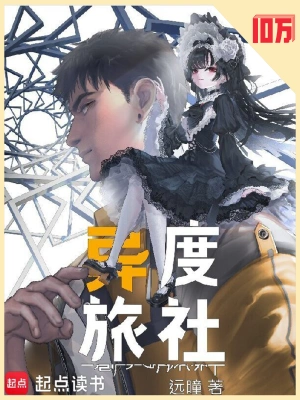 Alien Hotel
 Become a God from Water Monkey
 In the Name of Supernatural Power
 BBQ Prince Consort