Luxuriant Sky
琳琅苍上
- Status
- Ongoing
- Length
- 10k Words
- Genre
- Cultivation
- Audience
- Male
- Subgenre
- Fantasy Cultivation
- Updated
- 2mo ago
- Source
- Qidian
Stats
0Monthly votes
1Recommends
0Fans
7Chapters
Synopsis
Reader comments
Readers also read
 Qingfeng Daojun
 Mortals: as Mortals, the System Is Broken!
 Become a Dragon King from West Lake
 Mortals: Start with the Heavenly Bones
 Criminal Investigation Notes 2: Buried Corpse in Songhu
 How Can You Become an Immortal If You Don't Have Money?
 Green Hills
 Leader
 The Black Witch's Journey to Another World
 Alien Hotel
 Become a God from Water Monkey
 In the Name of Supernatural Power
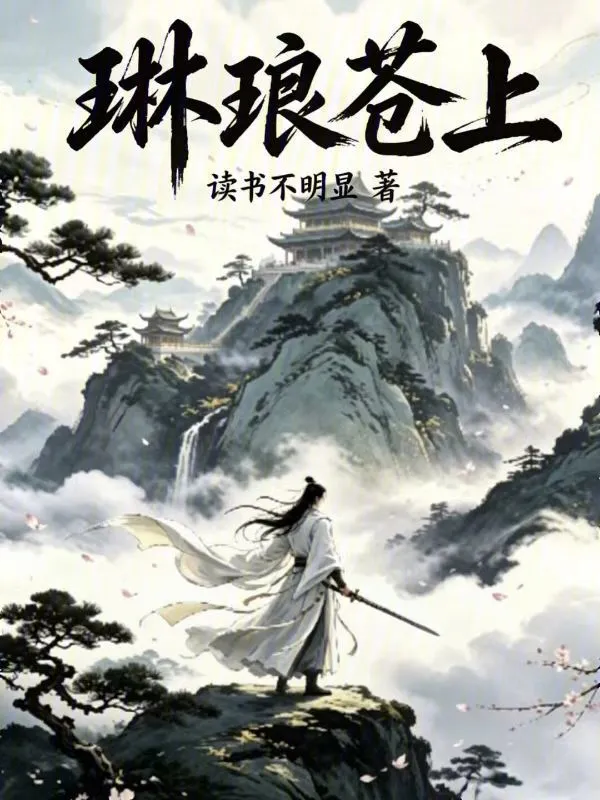
"Linlang Cang Shang" is written in the world of immortals and chivalrous people, which is like freehand brushwork in ink. From the perspective of the protagonist standing on a lonely peak in the sea of clouds, wearing a white suit and wielding a sword, it unfolds a scroll of the oriental world where immortality and chivalry coexist. The story breaks out of the stereotyped framework of cultivating immortals and upgrading, and integrates the artistic conception of mountains and rivers with ancient peaks, clouds, waterfalls and pine peaches into the path of cultivation. The mountains and rivers are no longer a thin background, but a carrier of Taoism, opportunity and mood. The image of the protagonist standing on the top of the Yunwu Mountain with a sword runs through the whole book. On one side, he is searching for the avenue of immortality, and on the other side, he is the fetters of mortal love. He repeatedly makes choices between practicing in the world and guarding his heart in the world, which vividly interprets the most moving saying of Xianxia: "A great chivalrous man has mountains and seas in his heart." The text has a Chinese-style white space, just like the lingering mountain clouds in the picture. The freehand writing style weakens the impetuousness of the fight, focusing on the tempering of the mood, the entanglements between the sects, and the elaboration of the secrets of heaven and earth. Qifeng hides the ancient palace, with falling cherry blossoms accompanied by long swords. Every secret place and every encounter in the book is in line with Chinese classical aesthetics. There is not only the majestic ambition of stepping through the sea of clouds to conquer the sky, but also the delicate and tender feeling of saying goodbye to falling flowers and drinking wine among the pines. The author is not obviously well versed in the romantic core of Eastern immortals. He uses mountains and rivers as metaphors for Taoism and long swords to testify to the heart. This not only satisfies readers' fantasy of cultivating immortality and galloping around the world, but also focuses on the persistence of human nature. After reading it, I felt as if I had climbed to the top with the protagonist, overlooking the mountains and rivers, and understood on the ethereal journey to immortality: the so-called beauty in the sky is never about reaching the top and becoming an immortal, but about keeping the chivalrous spirit and sincerity in your heart.
Good book
"Linlang Cang Shang" is written in the world of immortals and chivalrous people, which is like freehand brushwork in ink. From the perspective of the protagonist standing on a lonely peak in the sea of clouds, wearing a white suit and wielding a sword, it unfolds a scroll of the oriental world where immortality and chivalry coexist. The story breaks out of the stereotyped framework of cultivating immortals and upgrading, and integrates the artistic conception of mountains and rivers with ancient peaks, clouds, waterfalls and pine peaches into the path of cultivation. The mountains and rivers are no longer a thin background, but a carrier of Taoism, opportunity and mood. The image of the protagonist standing on the top of the Yunwu Mountain with a sword runs through the whole book. On one side, he is searching for the avenue of immortality, and on the other side, he is the fetters of mortal love. He repeatedly makes choices between practicing in the world and guarding his heart in the world, which vividly interprets the most moving saying of Xianxia: "A great chivalrous man has mountains and seas in his heart." The text has a Chinese-style white space, just like the lingering mountain clouds in the picture. The freehand writing style weakens the impetuousness of the fight, focusing on the tempering of the mood, the entanglements between the sects, and the elaboration of the secrets of heaven and earth. Qifeng hides the ancient palace, with falling cherry blossoms accompanied by long swords. Every secret place and every encounter in the book is in line with Chinese classical aesthetics. There is not only the majestic ambition of stepping through the sea of clouds to conquer the sky, but also the delicate and tender feeling of saying goodbye to falling flowers and drinking wine among the pines. The author is not obviously well versed in the romantic core of Eastern immortals. He uses mountains and rivers as metaphors for Taoism and long swords to testify to the heart. This not only satisfies readers' fantasy of cultivating immortality and galloping around the world, but also focuses on the persistence of human nature. After reading it, I felt as if I had climbed to the top with the protagonist, overlooking the mountains and rivers, and understood on the ethereal journey to immortality: the so-called beauty in the sky is never about reaching the top and becoming an immortal, but about keeping the chivalrous spirit and sincerity in your heart.