Nine thousand years ago, the ancestors of Jiahu carved crane bones into flutes and sunk them into the bottom of the alkali solution in the deep ruins.
Since then, this original bone flute has been sounding in the darkness for eternity with a constant fundamental frequency of 7.8 Hz, becoming the original anchor point of the earth's time sequence.
Four thousand years ago, the ancestors of Taosi established a ruler to measure the ruler's shadow. They used a 145-centimeter copper ruler to measure the ruler in half, and carved the first calibration lines on the ruler's body. For thousands of years to come, each generation of surveyors followed the old traces and remarked the carvings. The copper grooves were layered and crisscrossed, embedding the temperature of the fingertips of unknown inheritors from different dynasties.
During the 4,700 years of the Yellow Emperor's reign, the Old Street Observation Station in Ancheng was established.
Liang Zhibo took over the duty log and ancestral copper gui left by his father, and continued the mission of measuring work that spanned nine thousand years. Three years ago during the severe heat, my father stepped into the deep ruins cavity and hid underground from then on. He only conveyed a silent "stillness" to the ground with his heartbeat pulse once every hour.
There are no evil spirits or ghosts in this world. The real secret is that time itself is quietly going out of order.
The shadow of the sun shifts by a millimeter on the vernal equinox, a knocking sound is heard in the Grain Rain wall, the figure in the frost mirror retreats in the opposite direction, and the ancient Bailu prelude slowly rises from the bottom of the deep ruins... All bizarre phenomena are not caused by external objects, but are symbolic signs that the barriers of time are getting thinner year by year and the death of time continues to intensify. Every strange blank space is a slice of life and a protective mark left in the time gap by a certain period of ancient civilization and a certain generation of engineers.
From the ink calligraphy of the Han Dynasty and the code words of Si Tiantai in the Tang Dynasty, to the rhythm of the water transport instrument platform in the Song Dynasty, and the folk stargazing records of the Ming and Qing Dynasties; from the Jiahu bone flute and the Liangzhu jade cong to the Taosi Gui ruler and the handwritten logs of labor surveyors in the past dynasties. Countless nameless people are scattered throughout the nine thousand years.
 Start by Opening the Equipment Bar in Uncle Jiu World
 Nuo
Nuo
 Mysterious Recovery: I Have a World Village!
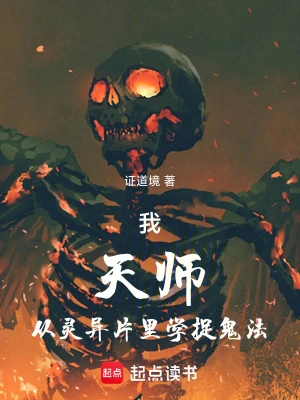 The Ghost-Catching Method in the Supernatural Movie Made Me Become a Heavenly Master
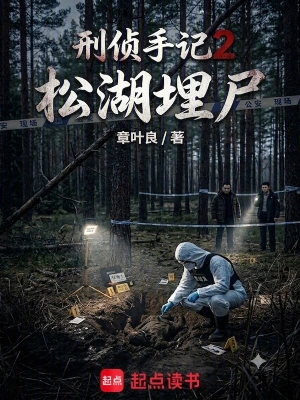 Criminal Investigation Notes 2: Buried Corpse in Songhu
 Night Without Borders
 How Can You Become an Immortal If You Don't Have Money?
 Leader
 The Black Witch's Journey to Another World
 Green Hills
 Xuanjian Immortal Clan
 Become a God from Water Monkey