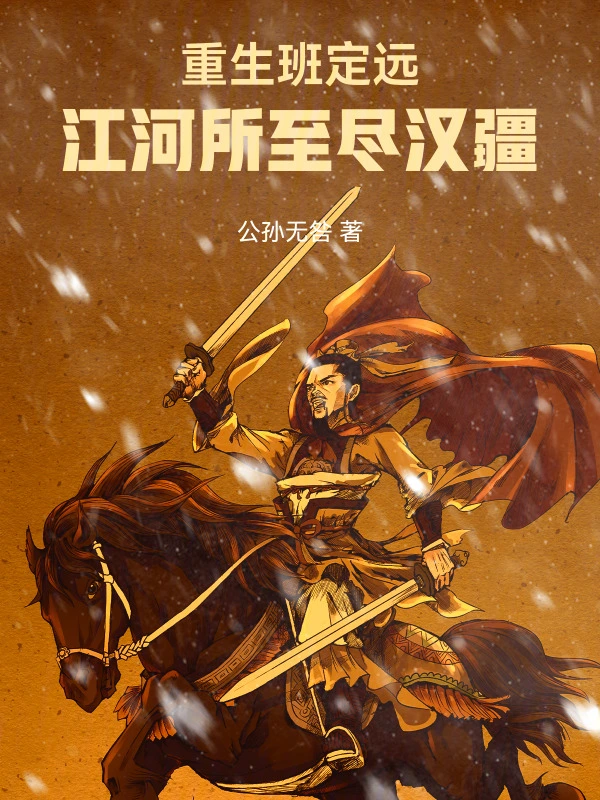
Rebirth of Ban Dingyuan: Wherever the River Reaches, the Territory of Han Dynasty Is Reached
重生班定远:江河所至尽汉疆
- Status
- Completed
- Length
- 139k Words
- Genre
- Historical
- Audience
- Male
- Subgenre
- Qin-Han & Three Kingdoms
- Updated
- 1y ago
- Source
- Qidian
Stats
0Monthly votes
200Recommends
14Fans
69Chapters
Tags
Synopsis
Reader comments
Readers also read
 Talker in the Song Dynasty
 Please Call Me Your Majesty the Tsar
 In the Red Mansion: Escort Daiyu to Beijing at the Beginning
 1914 Begins with the Rejection of the Schlieffen Plan
 Never Walk Alone!
 Jiajing Mingjun
 I Want to Revive the Tang Dynasty!
 Daming: Have I Become Wanli's Portable Grandfather?
 I Am Drawing a Hot-Blooded Episode in the Zhiyu Episode!
 I Am Lord Xinling
 Daming: Emperor Chenghua Is Here to Ascend the Throne First!
 Overturning the Jin Dynasty: a Comeback
 The Glory of the Han Dynasty Began with the Conquest of the Western Regions
 Rebirth of Liu Bei's Ancestor and Defeats Chao Cuo at the Beginning
 Conquering the Jin Dynasty and Overthrowing the Song Dynasty: Xin Qiji Called Me His Big Brother at the Beginning
 A Small Soldier in the Border Army at the End of Han Dynasty
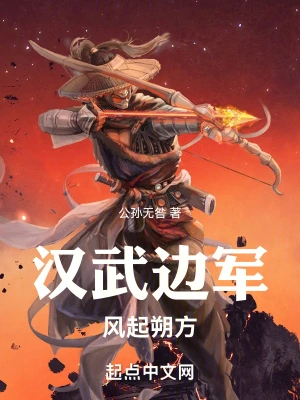 Han Wu's Border Army: the Wind Rises and Shuofang
 Rebuilding the Prosperous Tang Dynasty Begins with Eradicating the Heianshi Rebellion
 The Rise of Poor Families in the Ming Dynasty
Allusions related to Ban Chao
If you don't enter the tiger's den, you won't get the tiger's cubs: It is a metaphor that you can't succeed without taking risks. Born into Yumen Pass: expresses the homesickness of the border guards. Ban Chao's legendary life demonstrated courage, wisdom and loyalty, and is one of the symbols of the pioneering spirit of the Chinese nation.
Ban Chao: I can't go back to this big guy!
Ban Chao is a true legend!
Ban Chao, Ban Dingyuan, a generation of outstanding people!
The author writes a book promotion post or book list to promote it.
Daily titles during the Eastern Han Dynasty
The daily titles during the Eastern Han Dynasty (25-220 AD) reflected the social class, family ethics and cultural customs of the time. The following are common ways of addressing people and their usage scenarios: 1. Honorific titles for others 1. For men "Jun": a common honorific title, such as "Zhang Jun" (for peers or persons of equal status). "Gong": an honorific title for an older or more prestigious person, such as "Liu Gong". "Sir": a respectful title for scholars and teachers (for example, Zheng Xuan, a master of Confucian classics, is called "Mr. Zheng"). "Qing": a term of endearment used by superiors to subordinates or friends. For example, Cao Cao called Xun Yu "Xun Lingjun Qing". 2. For women Madam: an honorific title for the wife of a noble or official (such as "Mrs. Ma"). : The name given to the mistress or the mistress of the family. Lady: This name already existed in the Han Dynasty, but it mostly refers to unmarried women or a general term for women (more common in later generations). 3. To elders/superiors Adult: a respectful title to parents or persons in high positions (such as "Father"). Ming Gong: a respectful title for a person with high authority (such as Sangong and Zhou Mu). 2. Self-proclaimed and modesty 1. Self-proclaimed I/I: Universal self-proclaimed. Servant: a modest title, commonly used by men (such as "I don't dare to be a servant"). (noble), concubine: modest title for women (can be used for married or unmarried). 2. To elders or monarchs Minister: self-proclaimed to the monarch. Villain: The self-effacement of civilians towards officials. 3. Relative titles 1. Parents Sir/Yanjun: Call me father. Mother/loving relative/A(e)mu: Called mother. 2. Brothers and sisters Brother, uncle: eldest brother. Brother, younger brother: younger brother. Sister, female brother: sister. Sister, female brother: younger sister. 3. Husband and wife Husband and husband: the wife calls her husband. Wife, wife: the husband calls his wife. 4. Titles related to social class 1. Officials and civilians Mingfu: the honorific title for the prefect. A single step: a respectful title for colleagues or friends (such as "a single step makes a great difference"). Guizhou, common people: a general term for civilians. 2. Servants and masters Master and householder: The slave calls himself the householder. Slave, maidservant: a slave calls himself (such as "the slave is willing to serve"). 5. Other common titles Lang: a good name for young men (such as "Zhou Lang" refers to Zhou Yu). Qingzi: The name given to the children of nobles (such as "Champion Qingzi" Song Yi). Ancestors: In the Han Dynasty, it refers to those who are highly virtuous and respected among their peers, and does not have the meaning of imperial examinations in later generations. Things to note 1. Avoid taboos: Strictly avoid the taboo of the emperor's name (for example, during Liu Xiu's period, "Xiucai" was renamed "Maocai").
This book is good and interesting, but the title is a bit hard to describe. I suggest the author change the title, otherwise I might be delayed by this title!
Maps of Jincheng, Lingju, and Yunwu
Hehuang Valley
If you don't kill aristocratic families and bleed into rivers, it won't look good.