Library
Browse and search books
3,417 novels found
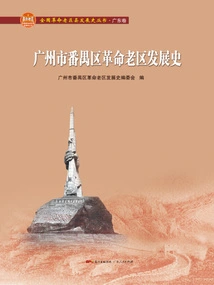
广州市番禺区革命老区发展史
Editorial Board Of "history Of The Development Of The Old Revolutionary Area Of panyu District, Guangzhou"
"The History of the Development of the Old Revolutionary Areas in Panyu District, Guangzhou" is one of the series "The History of the Development of the Old Revolutionary Areas of Guangdong Province". This set of "Series" embodies the history of the people's revolutionary struggle in the local old areas, focuses on highlighting the promotion and publicity of the revolutionary spirit and glorious traditions of the old areas, and promotes the excavation and organization of red cultural resources in the old areas. The book is well-illustrated and easy to understand, integrating the authenticity of history, the accuracy of events and the readability of the content. It has practical and reference value in promoting poverty alleviation and revitalization in old areas. The main contents of "The History of the Development of the Old Revolutionary District in Panyu District, Guangzhou" include: an overview of the old district and the old revolutionary district, as well as an excavation of the historical situation of the old district during the Revolutionary War of Land Reform, the War of Resistance Against Japan, and the War of Liberation. It also describes the construction and development process of the old revolutionary district, with appendices of revolutionary historical documents. The whole book has approximately 200,000 words.
"The History of the Development of the Old Revolutionary Areas in Panyu District, Guangzhou" is one of the series "The History of the Development of the Old Revolutionary Areas of Guangdong Province". This set of "Series" embodies the history of the people's revolutionary struggle in the local old areas, focuses on highlighting the promotion and publicity of the revolutionary spirit and glorious traditions of the old areas, and promotes the excavation and organization of red cultural resources in the old areas. The book is well-illustrated and easy to understand, integrating the authenticity of history, the accuracy of events and the readability of the content. It has practical and reference value in promoting poverty alleviation and revitalization in old areas. The main contents of "The History of the Development of the Old Revolutionary District in Panyu District, Guangzhou" include: an overview of the old district and the old revolutionary district, as well as an excavation of the historical situation of the old district during the Revolutionary War of Land Reform, the War of Resistance Against Japan, and the War of Liberation. It also describes the construction and development process of the old revolutionary district, with appendices of revolutionary historical documents. The whole book has approximately 200,000 words.
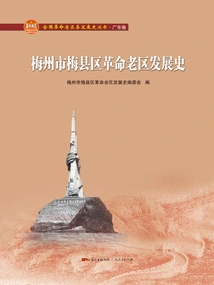
梅州市梅县区革命老区发展史
Editorial Board Of "history Of The Development Of The Old Revolutionary Areas Of Meixian District, Meizhou City"
"The History of the Development of the Old Revolutionary Areas in Meixian District, Meizhou City" is one of the series "The History of the Development of the Old Revolutionary Areas of Guangdong Province". This set of "Series" embodies the history of the people's revolutionary struggle in the local old areas, focuses on highlighting the promotion and publicity of the revolutionary spirit and glorious traditions of the old areas, and promotes the excavation and organization of red cultural resources in the old areas. The book is well-illustrated and easy to understand, integrating the authenticity of history, the accuracy of events and the readability of the content. It has practical and reference value in promoting poverty alleviation and revitalization in old areas. The main contents of "The History of the Development of the Old Revolutionary Areas in Meixian District, Meizhou City" include: an overview of the old areas and the old revolutionary areas, as well as an excavation of the historical situation of the old areas during the Revolutionary War of Land Reform, the War of Resistance Against Japan, and the War of Liberation. It also tells the construction and development process of the old revolutionary areas, with appendices of revolutionary historical documents.
"The History of the Development of the Old Revolutionary Areas in Meixian District, Meizhou City" is one of the series "The History of the Development of the Old Revolutionary Areas of Guangdong Province". This set of "Series" embodies the history of the people's revolutionary struggle in the local old areas, focuses on highlighting the promotion and publicity of the revolutionary spirit and glorious traditions of the old areas, and promotes the excavation and organization of red cultural resources in the old areas. The book is well-illustrated and easy to understand, integrating the authenticity of history, the accuracy of events and the readability of the content. It has practical and reference value in promoting poverty alleviation and revitalization in old areas. The main contents of "The History of the Development of the Old Revolutionary Areas in Meixian District, Meizhou City" include: an overview of the old areas and the old revolutionary areas, as well as an excavation of the historical situation of the old areas during the Revolutionary War of Land Reform, the War of Resistance Against Japan, and the War of Liberation. It also tells the construction and development process of the old revolutionary areas, with appendices of revolutionary historical documents.
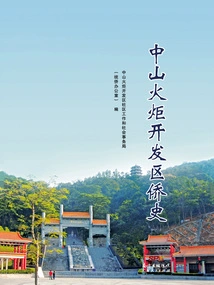
中山火炬开发区侨史
Zhongshan Torch Development Zone Community Work And Social Affairs Bureau
Zhongshan Torch High-tech Industrial Development Zone (formerly known as Dongzhen) is one of the key overseas Chinese hometowns in Zhongshan City. There are 40,000 overseas compatriots living in nearly 40 countries and regions around the world. The vast number of overseas Chinese and compatriots living in Hong Kong and Macao worked hard and used diligence and wisdom to create their own world. After that, they returned to their hometowns to buy properties and build families. They supported the construction of their hometowns and enthusiastically invested in their hometown's cultural, educational, health, welfare and elderly services. This book uses a narrative system of biography, record, and table to excavate, collect, integrate, and sort out various materials. It records the history of overseas Chinese overseas and the development history of the development zone from the establishment of Dongzhen Town to 2016 in a multi-level, multi-angle, and comprehensive manner, as well as the great contributions of overseas Chinese and folks living in Hong Kong and Macao to their hometown. It also tells the touching stories of many representative and influential ancestors and sages from their hometowns and benevolent people.
Zhongshan Torch High-tech Industrial Development Zone (formerly known as Dongzhen) is one of the key overseas Chinese hometowns in Zhongshan City. There are 40,000 overseas compatriots living in nearly 40 countries and regions around the world. The vast number of overseas Chinese and compatriots living in Hong Kong and Macao worked hard and used diligence and wisdom to create their own world. After that, they returned to their hometowns to buy properties and build families. They supported the construction of their hometowns and enthusiastically invested in their hometown's cultural, educational, health, welfare and elderly services. This book uses a narrative system of biography, record, and table to excavate, collect, integrate, and sort out various materials. It records the history of overseas Chinese overseas and the development history of the development zone from the establishment of Dongzhen Town to 2016 in a multi-level, multi-angle, and comprehensive manner, as well as the great contributions of overseas Chinese and folks living in Hong Kong and Macao to their hometown. It also tells the touching stories of many representative and influential ancestors and sages from their hometowns and benevolent people.
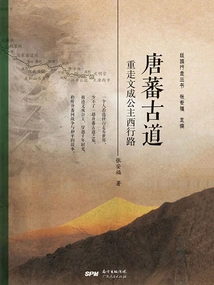
唐蕃古道:重走文成公主西行路
Zhang Anfu
The Tang-Tibet Ancient Road is a road from the interior to the Qinghai-Tibet Plateau, famous both at home and abroad because of Princess Wencheng and her pro-Tubo friends. It is also an important part of the Southwest Silk Road. This book combines cultural relics along the way with history through on-site inspections of the Stone Castle ruins along the Tang-Tibet ancient road, the Riyue Mountain Tang-Tibet dividing monument, the Princess Wencheng Temple in Yushu, the Karuo cultural sites in Tibet, the hometown of Tibetan kings, the Lesser and Lesser Zhao Temple and the Potala Palace in Lhasa, and the tombs of Tibetan kings in the Yalung Valley in Shannan.
The Tang-Tibet Ancient Road is a road from the interior to the Qinghai-Tibet Plateau, famous both at home and abroad because of Princess Wencheng and her pro-Tubo friends. It is also an important part of the Southwest Silk Road. This book combines cultural relics along the way with history through on-site inspections of the Stone Castle ruins along the Tang-Tibet ancient road, the Riyue Mountain Tang-Tibet dividing monument, the Princess Wencheng Temple in Yushu, the Karuo cultural sites in Tibet, the hometown of Tibetan kings, the Lesser and Lesser Zhao Temple and the Potala Palace in Lhasa, and the tombs of Tibetan kings in the Yalung Valley in Shannan.

Hello, Triangle
HistoryHello,三角
Written By Su Jiawei And Painted By He Kaijie
Triangle Town is located in the northeast of Zhongshan City, with beautiful environment, convenient geographical location and rapid economic development. In addition to the traditional arts of lion dance and unicorn dance, the folk customs and food of the Triangle are also unique. The famous delicacies Sha Lan Chicken and Roast Duck are produced here. This book presents a brand new Triangle Town to young readers through lively and vivid text and fresh and refined hand-drawn comics. This book is one of the "Hello, Zhongshan" hand-drawn comic series. This series of books presents the characteristics of various towns and districts in Zhongshan in a novel and lively way, attracting young readers to have a deeper understanding of the history and culture of their hometown. The first version of this series was launched in August 2015. So far, 14 kinds have been published. They have been well received by the market and several have been reprinted. The book has about 30,000 words and more than 100 pictures.
Triangle Town is located in the northeast of Zhongshan City, with beautiful environment, convenient geographical location and rapid economic development. In addition to the traditional arts of lion dance and unicorn dance, the folk customs and food of the Triangle are also unique. The famous delicacies Sha Lan Chicken and Roast Duck are produced here. This book presents a brand new Triangle Town to young readers through lively and vivid text and fresh and refined hand-drawn comics. This book is one of the "Hello, Zhongshan" hand-drawn comic series. This series of books presents the characteristics of various towns and districts in Zhongshan in a novel and lively way, attracting young readers to have a deeper understanding of the history and culture of their hometown. The first version of this series was launched in August 2015. So far, 14 kinds have been published. They have been well received by the market and several have been reprinted. The book has about 30,000 words and more than 100 pictures.
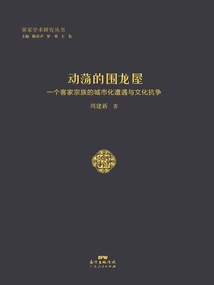
动荡的围龙屋:一个客家宗族的城市化遭遇与文化抗争
Zhou Jianxin
This book mainly tells about the fate of the Weilongwu ancient building, which is the spatial carrier of the ancestral hall and ancestral house of the Hakka people in eastern Guangdong, facing urban demolition, and the Hakka people's reactions, attitudes and actions in this regard. The book integrates ethnology, anthropology, Hakka and other multi-disciplinary theoretical methods, adopts the research path of "process-event analysis" and the analytical framework of "mutual construction in cultural resistance", and focuses on explaining the reasons and processes of the protection of dragon houses and the protection of historical and cultural heritage initiated by the Hakka clan in response to urban demolition. , Characteristics and social and cultural significance, it deeply analyzes issues such as Hakka clan society and modern changes, cultural protection and modernization, explores the psychological activities, behavioral patterns and strategic means behind cultural resistance, and responds to ethnology and anthropology on the research and protection of traditional culture, ethnic culture and identity and other themes. The book is divided into ten chapters and is accompanied by a large amount of survey data and charts. This book was published by China Social Sciences Press in 2006. This reprint includes several new book reviews, totaling about 350,000 words. This book won the first prize of the 12th Jiangxi Province Social Science Outstanding Achievements Award and is the only first prize winner in its discipline.
This book mainly tells about the fate of the Weilongwu ancient building, which is the spatial carrier of the ancestral hall and ancestral house of the Hakka people in eastern Guangdong, facing urban demolition, and the Hakka people's reactions, attitudes and actions in this regard. The book integrates ethnology, anthropology, Hakka and other multi-disciplinary theoretical methods, adopts the research path of "process-event analysis" and the analytical framework of "mutual construction in cultural resistance", and focuses on explaining the reasons and processes of the protection of dragon houses and the protection of historical and cultural heritage initiated by the Hakka clan in response to urban demolition. , Characteristics and social and cultural significance, it deeply analyzes issues such as Hakka clan society and modern changes, cultural protection and modernization, explores the psychological activities, behavioral patterns and strategic means behind cultural resistance, and responds to ethnology and anthropology on the research and protection of traditional culture, ethnic culture and identity and other themes. The book is divided into ten chapters and is accompanied by a large amount of survey data and charts. This book was published by China Social Sciences Press in 2006. This reprint includes several new book reviews, totaling about 350,000 words. This book won the first prize of the 12th Jiangxi Province Social Science Outstanding Achievements Award and is the only first prize winner in its discipline.
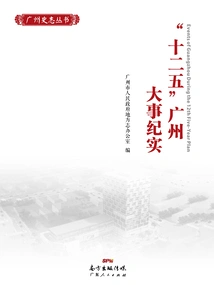
“十二五”广州大事纪实
Guangzhou Municipal People's Government Fangzhi Office
"Records of Major Events in Guangzhou during the Twelfth Five-Year Plan" is one of the "Guangzhou Historical Records Series". This book is divided into five parts: politics, economy, culture, society and ecology. It records the major, important and special events in politics, economy, culture, society, ecology and other aspects of Guangzhou during the "Twelfth Five-Year Plan" period in detail with pictures and texts. It is an authoritative information document that records the economic and social development process of Guangzhou during the "Twelfth Five-Year Plan" period, providing readers with a reference for understanding and researching Guangzhou. The whole book has about 300,000 words.
"Records of Major Events in Guangzhou during the Twelfth Five-Year Plan" is one of the "Guangzhou Historical Records Series". This book is divided into five parts: politics, economy, culture, society and ecology. It records the major, important and special events in politics, economy, culture, society, ecology and other aspects of Guangzhou during the "Twelfth Five-Year Plan" period in detail with pictures and texts. It is an authoritative information document that records the economic and social development process of Guangzhou during the "Twelfth Five-Year Plan" period, providing readers with a reference for understanding and researching Guangzhou. The whole book has about 300,000 words.
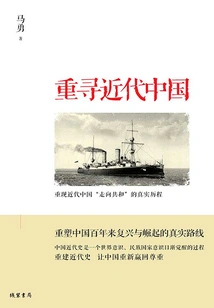
Rediscovering Modern China
History重寻近代中国
Ma Yong
The Chinese political elite used the series of defeats after the Opium War to weave a set of "national narratives" and "historical constructions" that suffered from foreign exploitation and bullying. However, in the context of China's economic rise, the continued strengthening of the "tragic narrative" is isolating China from the world environment. Ma Yong reshapes China's modern history from the perspective of modernization. On the one hand, he re-evaluates the merits and demerits of foreign capital in modern China, and clarifies the path and objective effects of the world's entry into China. On the other hand, he analyzes the difficult process of China's entry into the world under the impact of modernization.
The Chinese political elite used the series of defeats after the Opium War to weave a set of "national narratives" and "historical constructions" that suffered from foreign exploitation and bullying. However, in the context of China's economic rise, the continued strengthening of the "tragic narrative" is isolating China from the world environment. Ma Yong reshapes China's modern history from the perspective of modernization. On the one hand, he re-evaluates the merits and demerits of foreign capital in modern China, and clarifies the path and objective effects of the world's entry into China. On the other hand, he analyzes the difficult process of China's entry into the world under the impact of modernization.
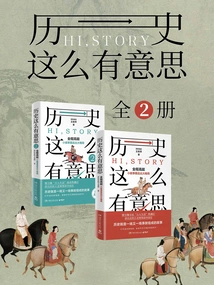
历史这么有意思(全2册)
Teacher Wang Who Talks About History
Use stories to explain history and take a look at the joys, sorrows and sorrows of 5,000 years of Chinese civilization. Characters - Find those who single-handedly shocked future generations. As the protagonists, the reason why we can be moved by history is that we are moved by them first; Plot - Dig out the major historical events behind each character, so as to sort out the coordinates of Chinese civilization and historical trends for thousands of years; Background - There are no accidents in history. The emergence of every character and every event is the inevitable change of the times. Starting from the background, we can deeply feel the inner connection of history. Congratulations, you accidentally cleared Chinese History!
Use stories to explain history and take a look at the joys, sorrows and sorrows of 5,000 years of Chinese civilization. Characters - Find those who single-handedly shocked future generations. As the protagonists, the reason why we can be moved by history is that we are moved by them first; Plot - Dig out the major historical events behind each character, so as to sort out the coordinates of Chinese civilization and historical trends for thousands of years; Background - There are no accidents in history. The emergence of every character and every event is the inevitable change of the times. Starting from the background, we can deeply feel the inner connection of history. Congratulations, you accidentally cleared Chinese History!
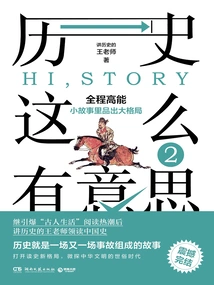
History is so Interesting 2
History历史这么有意思2
Teacher Wang Who Talks About History
Starting from the Tang and Song dynasties in Chinese history, the power of the aristocracy has irreversibly declined. What followed was the continuous strengthening of the monarch's power, the improvement of the political status of civilians, the vigorous development of the commodity economy and cities, and the more secularization of social life, culture and art. Although the Tang and Song dynasties were the end of China's medieval history, they were also the beginning of modern history. A new story begins quietly like this. "The Sui and Tang dynasties are equivalent to the high-spirited youth stage of Chinese civilization, which is full of poetry and looking into the distance." "The Song and Yuan dynasties are equivalent to the middle-aged stage of Chinese civilization, with successful careers, money and power, but family relationships are a bit annoying." "The Ming and Qing dynasties are the twilight years of the feudal dynasty. Although they have the power to cover the sky with one hand at home, they are actually aging." Congratulations, you have accidentally passed the history of China!
Starting from the Tang and Song dynasties in Chinese history, the power of the aristocracy has irreversibly declined. What followed was the continuous strengthening of the monarch's power, the improvement of the political status of civilians, the vigorous development of the commodity economy and cities, and the more secularization of social life, culture and art. Although the Tang and Song dynasties were the end of China's medieval history, they were also the beginning of modern history. A new story begins quietly like this. "The Sui and Tang dynasties are equivalent to the high-spirited youth stage of Chinese civilization, which is full of poetry and looking into the distance." "The Song and Yuan dynasties are equivalent to the middle-aged stage of Chinese civilization, with successful careers, money and power, but family relationships are a bit annoying." "The Ming and Qing dynasties are the twilight years of the feudal dynasty. Although they have the power to cover the sky with one hand at home, they are actually aging." Congratulations, you have accidentally passed the history of China!
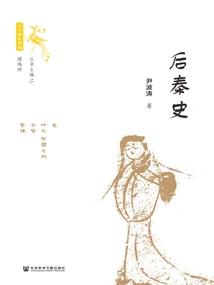
History of Later Qin
History后秦史
Yin Botao
Later Qin was a separatist regime established by the Qiang Yao Chang centered on the Guanzhong area after the Feishui War. From April 384 AD when Yao Chang raised troops in Mamu, Weibei, to August 417 AD when the Eastern Jin army captured Chang'an and Yao Hong surrendered, the Later Qin Dynasty experienced three masters and lasted for 34 years. In its heyday, the Later Qin, the Northern Wei and the Eastern Jin Dynasty were in a powerful position, and they played an important role in the late Sixteen Kingdoms. This book comprehensively describes the history of the post-Qin regime, including four parts: "pre-history", "establishment and prosperity", "decline and destruction" and "regime structure".
Later Qin was a separatist regime established by the Qiang Yao Chang centered on the Guanzhong area after the Feishui War. From April 384 AD when Yao Chang raised troops in Mamu, Weibei, to August 417 AD when the Eastern Jin army captured Chang'an and Yao Hong surrendered, the Later Qin Dynasty experienced three masters and lasted for 34 years. In its heyday, the Later Qin, the Northern Wei and the Eastern Jin Dynasty were in a powerful position, and they played an important role in the late Sixteen Kingdoms. This book comprehensively describes the history of the post-Qin regime, including four parts: "pre-history", "establishment and prosperity", "decline and destruction" and "regime structure".
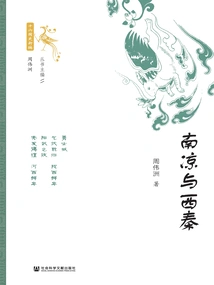
南凉与西秦
Zhou Weizhou
This book mainly describes the history of the two regimes, Southern Liang and Western Qin, established in the northwest during the Sixteen Kingdoms period. Since the two regimes of Southern Liang and Western Qin were established by the Xianbei people in ancient my country, this book first discusses the origin, migration and integration of Tufa and Qifu Xianbei from the perspective of ethnic history. Secondly, it describes the background and process of establishing their regimes, the relationship between the two countries and neighboring regimes, and their history of rise and fall. Finally, some explorations were made into the social and political systems, social forms and ideologies of the two countries. In addition to the trends of Southern Liang, Western Qin and their founders, the Xianbei people, this book also discusses the role of the two regimes in the development of the entire northwest region.
This book mainly describes the history of the two regimes, Southern Liang and Western Qin, established in the northwest during the Sixteen Kingdoms period. Since the two regimes of Southern Liang and Western Qin were established by the Xianbei people in ancient my country, this book first discusses the origin, migration and integration of Tufa and Qifu Xianbei from the perspective of ethnic history. Secondly, it describes the background and process of establishing their regimes, the relationship between the two countries and neighboring regimes, and their history of rise and fall. Finally, some explorations were made into the social and political systems, social forms and ideologies of the two countries. In addition to the trends of Southern Liang, Western Qin and their founders, the Xianbei people, this book also discusses the role of the two regimes in the development of the entire northwest region.
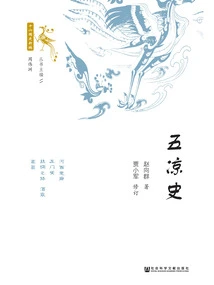
History of Five Liang
History五凉史
Written By Zhao Xiangqun And Revised By Jia Xiaojun
During the Wei, Jin, Southern and Northern Dynasties, five separatist regimes emerged in the Hexi region, namely the Qianliang of the Han Zhang family and the Xiliang of the Li family, the Houliang of the Lu family of the Di people, the Nanliang of the Tufa family of Xianbei, and the Northern Liang of the Juqu family of the Xiongnu. The jurisdiction of the Wuliang regime extends from Gangu and Tianshui in Gansu Province to the east, and to the north and south of the Tianshan Mountains in the west, including the Hexi Corridor and other important hubs of the ancient Silk Road. The history of Wuliang is an important part of the history of ancient ethnic groups, the history of the northwest frontier and the history of the ancient Silk Road. This book is divided into ten special topics, based on handed down documents and unearthed documents, to comprehensively restore the rise and fall of the Wuliang regime and all aspects of social culture.
During the Wei, Jin, Southern and Northern Dynasties, five separatist regimes emerged in the Hexi region, namely the Qianliang of the Han Zhang family and the Xiliang of the Li family, the Houliang of the Lu family of the Di people, the Nanliang of the Tufa family of Xianbei, and the Northern Liang of the Juqu family of the Xiongnu. The jurisdiction of the Wuliang regime extends from Gangu and Tianshui in Gansu Province to the east, and to the north and south of the Tianshan Mountains in the west, including the Hexi Corridor and other important hubs of the ancient Silk Road. The history of Wuliang is an important part of the history of ancient ethnic groups, the history of the northwest frontier and the history of the ancient Silk Road. This book is divided into ten special topics, based on handed down documents and unearthed documents, to comprehensively restore the rise and fall of the Wuliang regime and all aspects of social culture.
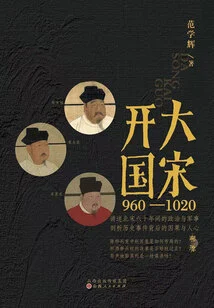
大宋开国(960—1020)
Fan Xuehui
This book is a popular history book. Professor Fan Xuehui used the 60th year of the founding of the Northern Song Dynasty (960-1020) as a time limit to show readers the wonderful fragments and vivid details of the founding history of the Northern Song Dynasty, and analyzed the key points and important links in the historical development of the Song Dynasty. The author combines academic research results with his own research, and uses popular and interesting language to tell you about this period of history. This is not a "copying of historical materials", but a rather in-depth analysis. For example, in the "Chenqiao Mutiny", the author restored the entire process of the incident, especially the relationship between the characters, and analyzed the position and role of each person in the incident. The degree has reached a perfect combination of the popularity of reading and the credibility of historical research.
This book is a popular history book. Professor Fan Xuehui used the 60th year of the founding of the Northern Song Dynasty (960-1020) as a time limit to show readers the wonderful fragments and vivid details of the founding history of the Northern Song Dynasty, and analyzed the key points and important links in the historical development of the Song Dynasty. The author combines academic research results with his own research, and uses popular and interesting language to tell you about this period of history. This is not a "copying of historical materials", but a rather in-depth analysis. For example, in the "Chenqiao Mutiny", the author restored the entire process of the incident, especially the relationship between the characters, and analyzed the position and role of each person in the incident. The degree has reached a perfect combination of the popularity of reading and the credibility of historical research.
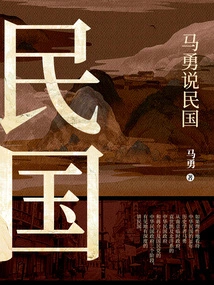
马勇说民国
Ma Yong
"Ma Yong Talks about the Republic of China" is the work of Ma Yong, a famous modern historian. The book contains Mr. Ma Yong's decades of research results, spanning the time from the "Revolution of 1911" to the "Victory of the Anti-Japanese War", and is insightful and in-depth. The chapters in the book are divided into four parts: the first part, National History, focuses on the historical facts studied, including "Where is the starting line of the politics of the Republic of China", "Rumors and Crisis before the May Fourth Movement", etc.; The second part, Hearing, focuses on the re-examination of historical mysteries, including "Who let Kang Youwei escape from Beijing" and "The Eyes of Chief Correspondent in China Mo Lixun" "The Revolution of 1911" in "The Revolution of 1911", etc.; The third collection is mainly character commentary, including "Liang Qichao: An Atypical Exile", "Neither Storm nor Sunny - Liang Shuming's Two Marriages", etc.; The fourth collection is mainly historical commentary and political commentary, including "The Gains and Loss of Emperor Hongxian", "Should the "Twenty-One Countermeasures" be signed", etc.
"Ma Yong Talks about the Republic of China" is the work of Ma Yong, a famous modern historian. The book contains Mr. Ma Yong's decades of research results, spanning the time from the "Revolution of 1911" to the "Victory of the Anti-Japanese War", and is insightful and in-depth. The chapters in the book are divided into four parts: the first part, National History, focuses on the historical facts studied, including "Where is the starting line of the politics of the Republic of China", "Rumors and Crisis before the May Fourth Movement", etc.; The second part, Hearing, focuses on the re-examination of historical mysteries, including "Who let Kang Youwei escape from Beijing" and "The Eyes of Chief Correspondent in China Mo Lixun" "The Revolution of 1911" in "The Revolution of 1911", etc.; The third collection is mainly character commentary, including "Liang Qichao: An Atypical Exile", "Neither Storm nor Sunny - Liang Shuming's Two Marriages", etc.; The fourth collection is mainly historical commentary and political commentary, including "The Gains and Loss of Emperor Hongxian", "Should the "Twenty-One Countermeasures" be signed", etc.
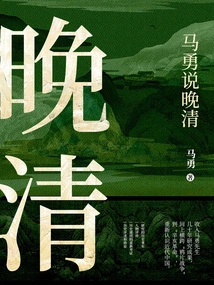
马勇说晚清
Ma Yong
If the preparatory constitution was successfully completed, if the Qing government did not launch a royal cabinet, if Emperor Guangxu lived ten more years... Let Professor Ma Yong help you see through these assumptions! "Ma Yong Talks about the Late Qing Dynasty" is the work of modern historian Ma Yong. The book contains Mr. Ma Yong's decades of research results, spanning the period from the "Opium War" to the "Revolution of 1911", and is insightful and in-depth. The chapters in the book are divided into four parts: the first part, National History, is mainly based on the historical facts studied, including "The Return of Cixi", "Zi Zhengyuan: Chinese Tragedy", etc.; The second part, "Hearing", is mainly about the re-examination of historical mysteries, including "Who Killed Guangxu's Life", "Is Yuan Shikai... "There are secrets that have not been revealed"" and so on; the third collection is mainly about character reviews and biographies, including "Infamy of the Regent", "Li Hongzhang and Ito Hirobumi", etc.; The fourth collection is mainly about historical commentary and political commentary, including "Whose Cheese Has the Constitutional Monarchy Touched", "The Gravedigger of the Qing Dynasty", etc.
If the preparatory constitution was successfully completed, if the Qing government did not launch a royal cabinet, if Emperor Guangxu lived ten more years... Let Professor Ma Yong help you see through these assumptions! "Ma Yong Talks about the Late Qing Dynasty" is the work of modern historian Ma Yong. The book contains Mr. Ma Yong's decades of research results, spanning the period from the "Opium War" to the "Revolution of 1911", and is insightful and in-depth. The chapters in the book are divided into four parts: the first part, National History, is mainly based on the historical facts studied, including "The Return of Cixi", "Zi Zhengyuan: Chinese Tragedy", etc.; The second part, "Hearing", is mainly about the re-examination of historical mysteries, including "Who Killed Guangxu's Life", "Is Yuan Shikai... "There are secrets that have not been revealed"" and so on; the third collection is mainly about character reviews and biographies, including "Infamy of the Regent", "Li Hongzhang and Ito Hirobumi", etc.; The fourth collection is mainly about historical commentary and political commentary, including "Whose Cheese Has the Constitutional Monarchy Touched", "The Gravedigger of the Qing Dynasty", etc.
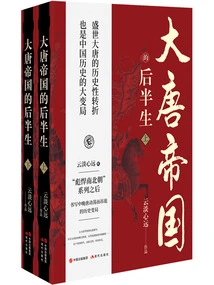
大唐帝国的后半生(全两册)
The Clouds Are Calm And The Heart Is Far Away
This book tells the historical period between the Anshi Rebellion and the demise of the Tang Empire. The middle and late Tang Dynasty, as an important era connecting the past and the future, became a key link in the transformation of the Tang and Song Dynasties. This period experienced important changes such as the southward shift of the economic center of gravity, the decline of the aristocracy, the rise of ordinary people, and the gradual shift in ethnic policies from openness to conservatism. It also formed a large number of important commercial cities such as Yangzhou and Chengdu, which laid a solid foundation for the prosperity of the Song Dynasty. The book is based on a large number of historical classics and starts from Anlu Mountain on the road to rebellion. It details the prosperity of Kaiyuan, the resurgence of Yuanhe, the Anshi Rebellion, and the Mawei Rebellion in the middle and late Tang Dynasties. The political system and cultural phenomenon are presented from multiple angles to this intertwined but colorful era of chaos and chaos, showing its magnificent historical panorama and its profound impact on later generations. It depicts a true and comprehensive historical picture of the middle and late Tang Dynasty, and tells readers about this turbulent, treacherous and changeable history, full of confrontations between power and human nature.
This book tells the historical period between the Anshi Rebellion and the demise of the Tang Empire. The middle and late Tang Dynasty, as an important era connecting the past and the future, became a key link in the transformation of the Tang and Song Dynasties. This period experienced important changes such as the southward shift of the economic center of gravity, the decline of the aristocracy, the rise of ordinary people, and the gradual shift in ethnic policies from openness to conservatism. It also formed a large number of important commercial cities such as Yangzhou and Chengdu, which laid a solid foundation for the prosperity of the Song Dynasty. The book is based on a large number of historical classics and starts from Anlu Mountain on the road to rebellion. It details the prosperity of Kaiyuan, the resurgence of Yuanhe, the Anshi Rebellion, and the Mawei Rebellion in the middle and late Tang Dynasties. The political system and cultural phenomenon are presented from multiple angles to this intertwined but colorful era of chaos and chaos, showing its magnificent historical panorama and its profound impact on later generations. It depicts a true and comprehensive historical picture of the middle and late Tang Dynasty, and tells readers about this turbulent, treacherous and changeable history, full of confrontations between power and human nature.
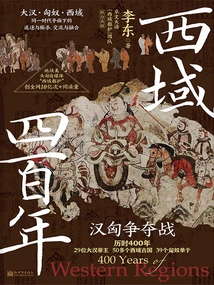
西域四百年:汉匈争夺战
Li Dong
When Zhang Qian returned from his mission, he laid out the sheepskin map on Emperor Wu's desk, which clearly outlined an unknown territory and unknown country, and the ancient country of the Western Regions came into people's sight. Emperor Wu's eyes passed through the city wall of Chang'an and went to the edge of the Gobi desert. This land would eventually be hung with the battle flag with the word "Han", and the four hundred years of history of the Western Regions would begin here. It starts with the story of the Han Empire and the ancient countries in the Western Regions, puts the Han, the Xiongnu, and the Western Regions on the same era, and focuses on the life-and-death game between the Han and the Xiongnu in the Western Regions. The book uses historical facts as the basic framework, and the language style is popular and relaxed, without boring academic theories. It focuses on story-based narratives and clearly shows the history of the love, murder, and integration of the ancient countries in the Western Regions and the Han Dynasty. This is not only the 400 years of the Western Regions, but also the "400 years of the Han Dynasty" and the "400 years of the Huns".
When Zhang Qian returned from his mission, he laid out the sheepskin map on Emperor Wu's desk, which clearly outlined an unknown territory and unknown country, and the ancient country of the Western Regions came into people's sight. Emperor Wu's eyes passed through the city wall of Chang'an and went to the edge of the Gobi desert. This land would eventually be hung with the battle flag with the word "Han", and the four hundred years of history of the Western Regions would begin here. It starts with the story of the Han Empire and the ancient countries in the Western Regions, puts the Han, the Xiongnu, and the Western Regions on the same era, and focuses on the life-and-death game between the Han and the Xiongnu in the Western Regions. The book uses historical facts as the basic framework, and the language style is popular and relaxed, without boring academic theories. It focuses on story-based narratives and clearly shows the history of the love, murder, and integration of the ancient countries in the Western Regions and the Han Dynasty. This is not only the 400 years of the Western Regions, but also the "400 years of the Han Dynasty" and the "400 years of the Huns".
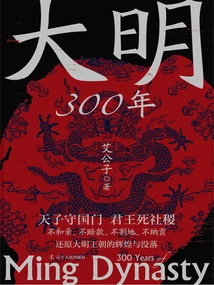
300 Years of Ming Dynasty
History大明300年
Ai Gongzi
The Ming Dynasty was a glorious but decadent dynasty, a bloody and mean dynasty, a dynasty full of wizards and treacherous people. During the nearly 300 years of the Ming Dynasty, the 16 emperors each had their own characteristics. They were either overt or covert, strong or soft, tyrannical or benevolent, diligent or lazy, strange or suspicious... Some had excellent reputations, while others had poor reputations. Among the sixteen emperors, not even two "similar" people could be found. But no matter what, they adhered to two principles at the national level: first, "no marriage, no indemnity, no cession of land, no tribute"; second, "the emperor guards the gate of the country, and the king dies in the country." Looking at the atmosphere of the Ming Dynasty, although it is not as unrestrained as the Tang Dynasty and not as unrestrained as the Song Dynasty, there is a fierce spirit throughout. No matter whether they were literati, warriors, citizens, or talented people, they all exuded the spiritual temperament of this dynasty just like the emperors in the Forbidden City. This is the reason why the Ming Dynasty could be born with Yu Qian, Wang Yangming, Hai Rui, and Zhang Juzheng. It is also the reason why the Ming Dynasty can still have Zhang Huangyan, Shi Kefa, Li Dingguo, and Gu Yanwu after its collapse. This may be what Mencius called "qi".
The Ming Dynasty was a glorious but decadent dynasty, a bloody and mean dynasty, a dynasty full of wizards and treacherous people. During the nearly 300 years of the Ming Dynasty, the 16 emperors each had their own characteristics. They were either overt or covert, strong or soft, tyrannical or benevolent, diligent or lazy, strange or suspicious... Some had excellent reputations, while others had poor reputations. Among the sixteen emperors, not even two "similar" people could be found. But no matter what, they adhered to two principles at the national level: first, "no marriage, no indemnity, no cession of land, no tribute"; second, "the emperor guards the gate of the country, and the king dies in the country." Looking at the atmosphere of the Ming Dynasty, although it is not as unrestrained as the Tang Dynasty and not as unrestrained as the Song Dynasty, there is a fierce spirit throughout. No matter whether they were literati, warriors, citizens, or talented people, they all exuded the spiritual temperament of this dynasty just like the emperors in the Forbidden City. This is the reason why the Ming Dynasty could be born with Yu Qian, Wang Yangming, Hai Rui, and Zhang Juzheng. It is also the reason why the Ming Dynasty can still have Zhang Huangyan, Shi Kefa, Li Dingguo, and Gu Yanwu after its collapse. This may be what Mencius called "qi".
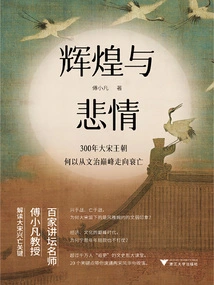
Glory and Tragedy: Why the Song Dynasty Went from the Peak of Civil Rule to Decline in 300 Years
History辉煌与悲情:300年大宋王朝何以从文治巅峰走向衰亡
Fu Xiaofan
If you could go back to ancient times and be a commoner, which dynasty would you go to? A historian once answered: Go to the Song Dynasty. Why is the Song Dynasty the most suitable era for "travelers", and how should it be defined? Is it a paradise for literati, a hell for generals, or a peak era of open and inclusive culture and a booming economy? "Brilliance" and "sadness" are exactly two sides of the Song Dynasty. Its establishment is full of legend, and it is one of the few new regimes in Chinese history that was established without experiencing bloodshed and massacre. It is surrounded by powerful enemies and its culture is so weak that it has to pay indemnities year after year. However, it has remained standing for more than three hundred years. Its economy and culture are highly developed. Not only are there many literary heroes, but also many outstanding figures such as Yue Fei, Xin Qiji, and Wen Tianxiang have emerged. How did a dynasty with such great achievements come to an inevitable decline? Is it inevitable due to the environment of the times, or is it disturbed by human power?
If you could go back to ancient times and be a commoner, which dynasty would you go to? A historian once answered: Go to the Song Dynasty. Why is the Song Dynasty the most suitable era for "travelers", and how should it be defined? Is it a paradise for literati, a hell for generals, or a peak era of open and inclusive culture and a booming economy? "Brilliance" and "sadness" are exactly two sides of the Song Dynasty. Its establishment is full of legend, and it is one of the few new regimes in Chinese history that was established without experiencing bloodshed and massacre. It is surrounded by powerful enemies and its culture is so weak that it has to pay indemnities year after year. However, it has remained standing for more than three hundred years. Its economy and culture are highly developed. Not only are there many literary heroes, but also many outstanding figures such as Yue Fei, Xin Qiji, and Wen Tianxiang have emerged. How did a dynasty with such great achievements come to an inevitable decline? Is it inevitable due to the environment of the times, or is it disturbed by human power?
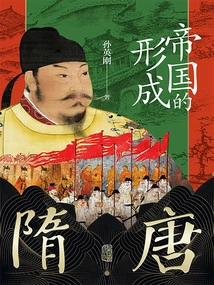
隋唐:帝国的形成
Sun Yinggang
This book begins with Emperor Wen of the Sui Dynasty and ends with Empress Wu taking power. During this period, aristocratic politics was still the main thread of Chinese history. This is especially reflected in the emergence of a large number of princely political groups. For example, Yang Guang, the king of Jin in the Sui Dynasty, seized the throne of Prince Yang Yong; Li Shimin, the king of Qin in the Tang Dynasty, launched the Xuanwumen coup, killed his elder brother and younger brother, and seized the throne; Li Shimin's sons were also eager to try, coveting the highest power. The major families in the ruling class make their own bets, or even bet on both sides, hoping to maintain their political status. Even Wu Zetian, whose surname was foreign, was able to seize the throne and become the only empress in Chinese history. In addition, this book breaks away from the traditional writing method that takes political history as the main line. It selects representative figures among the Guanlong nobles and Shandong heroes, and introduces the formation of the Sui and Tang ruling classes and their national character from various dimensions, such as family networks, religious beliefs, regional characteristics, etc. Each volume is divided into ten chapters, mainly in chronological order, with selected important historical nodes and historical figures discussed and examined. The whole book not only retains the original literature materials, but also adds the author's wonderful explanations, allowing readers to read selectively. The latest research papers are specially noted in the footnotes to assist readers in need of further reading. There is also a "Tell me more" unit at the end of each chapter, which introduces readers to the methods of reading history and the key points of the chapter.
This book begins with Emperor Wen of the Sui Dynasty and ends with Empress Wu taking power. During this period, aristocratic politics was still the main thread of Chinese history. This is especially reflected in the emergence of a large number of princely political groups. For example, Yang Guang, the king of Jin in the Sui Dynasty, seized the throne of Prince Yang Yong; Li Shimin, the king of Qin in the Tang Dynasty, launched the Xuanwumen coup, killed his elder brother and younger brother, and seized the throne; Li Shimin's sons were also eager to try, coveting the highest power. The major families in the ruling class make their own bets, or even bet on both sides, hoping to maintain their political status. Even Wu Zetian, whose surname was foreign, was able to seize the throne and become the only empress in Chinese history. In addition, this book breaks away from the traditional writing method that takes political history as the main line. It selects representative figures among the Guanlong nobles and Shandong heroes, and introduces the formation of the Sui and Tang ruling classes and their national character from various dimensions, such as family networks, religious beliefs, regional characteristics, etc. Each volume is divided into ten chapters, mainly in chronological order, with selected important historical nodes and historical figures discussed and examined. The whole book not only retains the original literature materials, but also adds the author's wonderful explanations, allowing readers to read selectively. The latest research papers are specially noted in the footnotes to assist readers in need of further reading. There is also a "Tell me more" unit at the end of each chapter, which introduces readers to the methods of reading history and the key points of the chapter.
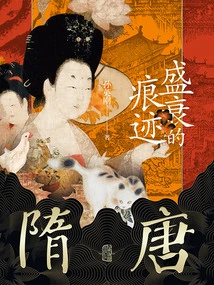
隋唐:盛衰的痕迹
Sun Yinggang
This volume begins with the Queen's accession to the throne and spans from the prosperous Kaiyuan era to the eve of the Anshi Rebellion. "Cosmopolitanism" has been the most commonly used concept by Chinese and foreign scholars for half a century to describe the Tang Dynasty. The characteristics of this kind of cosmopolitanism are robustness and tolerance, and it recreates Chinese civilization with an openness to all rivers, thereby bringing about the brilliance and glory of religion, culture, institutions, and knowledge. In the Tang Dynasty, especially in the prosperous Tang Dynasty and before, the Huayi debate did not occupy the mainstream. Emperor Taizong of the Tang Dynasty believed that both Huayi and Huayi were his own people. This book starts from the time when Empress Wu comes to power, spanning from the end of the prosperous Kaiyuan era to before the Anshi Rebellion. This period is a key turning point in the prosperity and decline of the Tang Dynasty, and it is also the period with the most distinctive characteristics of "cosmopolitanism" in the Sui and Tang Dynasties. Each volume is divided into ten chapters, mainly in chronological order, with selected important historical nodes and historical figures discussed and examined. The whole book not only retains the original literature materials, but also adds the author's wonderful explanations, allowing readers to read selectively. The latest research papers are specially noted in the footnotes to assist readers in need of further reading. There is also a "Tell me more" unit at the end of each chapter, which introduces readers to the methods of reading history and the key points of the chapter.
This volume begins with the Queen's accession to the throne and spans from the prosperous Kaiyuan era to the eve of the Anshi Rebellion. "Cosmopolitanism" has been the most commonly used concept by Chinese and foreign scholars for half a century to describe the Tang Dynasty. The characteristics of this kind of cosmopolitanism are robustness and tolerance, and it recreates Chinese civilization with an openness to all rivers, thereby bringing about the brilliance and glory of religion, culture, institutions, and knowledge. In the Tang Dynasty, especially in the prosperous Tang Dynasty and before, the Huayi debate did not occupy the mainstream. Emperor Taizong of the Tang Dynasty believed that both Huayi and Huayi were his own people. This book starts from the time when Empress Wu comes to power, spanning from the end of the prosperous Kaiyuan era to before the Anshi Rebellion. This period is a key turning point in the prosperity and decline of the Tang Dynasty, and it is also the period with the most distinctive characteristics of "cosmopolitanism" in the Sui and Tang Dynasties. Each volume is divided into ten chapters, mainly in chronological order, with selected important historical nodes and historical figures discussed and examined. The whole book not only retains the original literature materials, but also adds the author's wonderful explanations, allowing readers to read selectively. The latest research papers are specially noted in the footnotes to assist readers in need of further reading. There is also a "Tell me more" unit at the end of each chapter, which introduces readers to the methods of reading history and the key points of the chapter.
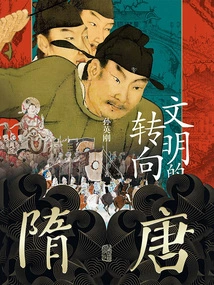
隋唐:文明的转向
Sun Yinggang
This volume fully presents the panoramic view of the Anshi Rebellion and explains in detail the separatist regime of vassal towns in the late Tang Dynasty. The main feature of this period is that the Tang Dynasty's attempt to revitalize the country was intertwined with the separatism of feudal vassal towns, partisanship, and the dictatorship of eunuchs. Each volume is divided into ten chapters, mainly in chronological order, with selected important historical nodes and historical figures discussed and examined. The whole book not only retains the original literature materials, but also adds the author's wonderful explanations, allowing readers to read selectively. The latest research papers are specially noted in the footnotes to assist readers in need of further reading. There is also a "Tell me more" unit at the end of each chapter, which introduces readers to the methods of reading history and the key points of the chapter.
This volume fully presents the panoramic view of the Anshi Rebellion and explains in detail the separatist regime of vassal towns in the late Tang Dynasty. The main feature of this period is that the Tang Dynasty's attempt to revitalize the country was intertwined with the separatism of feudal vassal towns, partisanship, and the dictatorship of eunuchs. Each volume is divided into ten chapters, mainly in chronological order, with selected important historical nodes and historical figures discussed and examined. The whole book not only retains the original literature materials, but also adds the author's wonderful explanations, allowing readers to read selectively. The latest research papers are specially noted in the footnotes to assist readers in need of further reading. There is also a "Tell me more" unit at the end of each chapter, which introduces readers to the methods of reading history and the key points of the chapter.
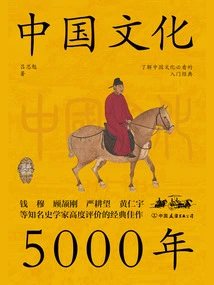
中国文化5000年
Lu Simian
Mr. Lu Simian drew on the canonical system of ancient history books and divided the book into eighteen topics such as marriage, clan system, political system, class, property, official system, and election, covering various aspects such as social economy, political system, and academic culture. The language of this book is fluent and popular, the logic is clear, and the analysis is unique and insightful. It can be called an excellent popular literature and history book.
Mr. Lu Simian drew on the canonical system of ancient history books and divided the book into eighteen topics such as marriage, clan system, political system, class, property, official system, and election, covering various aspects such as social economy, political system, and academic culture. The language of this book is fluent and popular, the logic is clear, and the analysis is unique and insightful. It can be called an excellent popular literature and history book.
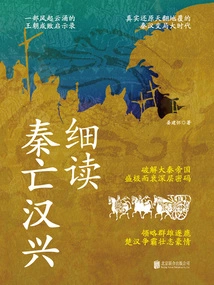
细读秦亡汉兴
Yan Jianhuai
The author of "A Close Study of the Fall of Qin and the Rise of Han" combines key figures from a panoramic perspective to completely restore the stormy era from the later years of Qin Shihuang to the uprising of heroes to overthrow the Qin Dynasty, to the conflict between Chu and Han and the establishment of the Western Han Dynasty by Liu Bang. The author's narrative includes both wonderful macro narrative and unique detailed analysis. Through vivid writing, he provides readers with detailed historical revelations about the replacement of the Qin and Han dynasties.
The author of "A Close Study of the Fall of Qin and the Rise of Han" combines key figures from a panoramic perspective to completely restore the stormy era from the later years of Qin Shihuang to the uprising of heroes to overthrow the Qin Dynasty, to the conflict between Chu and Han and the establishment of the Western Han Dynasty by Liu Bang. The author's narrative includes both wonderful macro narrative and unique detailed analysis. Through vivid writing, he provides readers with detailed historical revelations about the replacement of the Qin and Han dynasties.
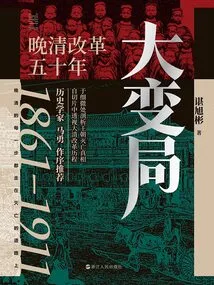
大变局: 晚清改革五十年(俞敏洪、罗振宇推荐)
Chen Xubin
In 1861, Emperor Xianfeng fled to Chengde and died in his summer resort. In order to strengthen its national power and get rid of its weak situation facing the West, under the leadership of Cixi and Yi?, The Qing Dynasty embarked on a path of top-down reform. The road to reform was not smooth sailing. Through events such as the establishment of the Prime Minister's Office, the establishment of the Tongwen Hall, the introduction of the modern customs system, the establishment of the Westernization Military Industry Enterprise, the westward journey of the diplomatic mission, the establishment of the Guangxi Society, the abolition of military examinations, and military training in Kunming Lake, the Qing Dynasty did not become as strong as it desired, but instead moved towards the demise of the empire step by step. In the fifty years from 1861 to 1911, there are many historical figures worthy of attention and study, such as the Queen Mother who lacked political knowledge, Guangxu who was even inferior to Emperor Xian of the Han Dynasty, Prince Gong who was expelled from the political arena and other senior officials of the Qing court who were constantly plotting and fighting; Feng Guifen who deeply believed in reform, Bin Chun who selectively "opened his eyes to see the world", Xu Jishe who was out of the era, and who was involved in teaching cases There are struggling but cowardly bureaucrats such as Zeng Guofan; at the same time, there are Yan Fu who challenges the sanctity of monarchy and Tan Siping, the second-generation official who wants to be Chen She, who are seeking change and improvement; there are also gentry who are the mainstay of the bleak era when the world view and the state view collide, but are trapped in traditional ethics and cannot extricate themselves; and the people at the bottom whose lives are already fragmented and on the verge of collapse.
In 1861, Emperor Xianfeng fled to Chengde and died in his summer resort. In order to strengthen its national power and get rid of its weak situation facing the West, under the leadership of Cixi and Yi?, The Qing Dynasty embarked on a path of top-down reform. The road to reform was not smooth sailing. Through events such as the establishment of the Prime Minister's Office, the establishment of the Tongwen Hall, the introduction of the modern customs system, the establishment of the Westernization Military Industry Enterprise, the westward journey of the diplomatic mission, the establishment of the Guangxi Society, the abolition of military examinations, and military training in Kunming Lake, the Qing Dynasty did not become as strong as it desired, but instead moved towards the demise of the empire step by step. In the fifty years from 1861 to 1911, there are many historical figures worthy of attention and study, such as the Queen Mother who lacked political knowledge, Guangxu who was even inferior to Emperor Xian of the Han Dynasty, Prince Gong who was expelled from the political arena and other senior officials of the Qing court who were constantly plotting and fighting; Feng Guifen who deeply believed in reform, Bin Chun who selectively "opened his eyes to see the world", Xu Jishe who was out of the era, and who was involved in teaching cases There are struggling but cowardly bureaucrats such as Zeng Guofan; at the same time, there are Yan Fu who challenges the sanctity of monarchy and Tan Siping, the second-generation official who wants to be Chen She, who are seeking change and improvement; there are also gentry who are the mainstay of the bleak era when the world view and the state view collide, but are trapped in traditional ethics and cannot extricate themselves; and the people at the bottom whose lives are already fragmented and on the verge of collapse.
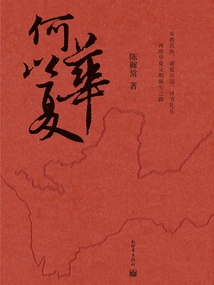
Why Huaxia
History何以华夏
Chen Fuchang
"Why China" combines historical materials from astronomy, biology, geological archaeology, epigraphy, oracle bones, classics and documents, etc., And restores through story-telling text the twists and turns of our ancestors from the beginning of life on earth, through the stage of ancient apes, into the primitive society of eating hair and drinking blood, then entering the clan society of fishing, hunting and animal husbandry, and then developing into a civilized society of poetry, books, rituals and music, vividly reproducing the birth of Chinese civilization. In the long-term conquests, exchanges, migrations and alliances, a Chinese nation based on a common culture gradually formed, which is the predecessor of the Chinese nation. In the long-term practice of production and life, while constantly enriching material materials and improving life, they created simple and splendid ancient civilizations such as writing, coins, calendars, pottery, music, etiquette and customs, and gradually stepped out of the barbaric and ignorant era and entered a civilized society.
"Why China" combines historical materials from astronomy, biology, geological archaeology, epigraphy, oracle bones, classics and documents, etc., And restores through story-telling text the twists and turns of our ancestors from the beginning of life on earth, through the stage of ancient apes, into the primitive society of eating hair and drinking blood, then entering the clan society of fishing, hunting and animal husbandry, and then developing into a civilized society of poetry, books, rituals and music, vividly reproducing the birth of Chinese civilization. In the long-term conquests, exchanges, migrations and alliances, a Chinese nation based on a common culture gradually formed, which is the predecessor of the Chinese nation. In the long-term practice of production and life, while constantly enriching material materials and improving life, they created simple and splendid ancient civilizations such as writing, coins, calendars, pottery, music, etiquette and customs, and gradually stepped out of the barbaric and ignorant era and entered a civilized society.
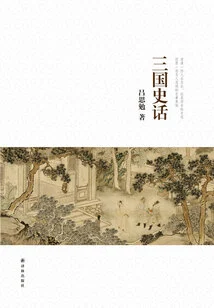
三国史话
Lu Simian
This book is the only popular historical work written by Mr. Lu Simian. From the perspective of literature and history, the author makes a detailed distinction between the characters, events, wars and geographical environment that existed in the history of the Three Kingdoms and were shaped in the literature of the Three Kingdoms. He conducts in-depth analysis of many major historical issues and puts forward many valuable insights.
This book is the only popular historical work written by Mr. Lu Simian. From the perspective of literature and history, the author makes a detailed distinction between the characters, events, wars and geographical environment that existed in the history of the Three Kingdoms and were shaped in the literature of the Three Kingdoms. He conducts in-depth analysis of many major historical issues and puts forward many valuable insights.
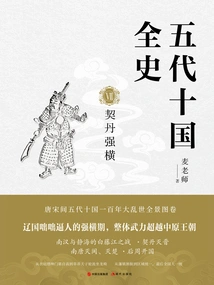
五代十国全史Ⅶ:契丹强横
Teacher Mai
The prosperous Tang Dynasty, with well-dressed gentry, was finally in trouble. "The Complete History of the Five Dynasties and Ten Kingdoms" is a set of eight volumes. It is a popular history work about the late Tang and Five Dynasties. It is based on historical materials and uses rigorous logical analysis and vivid and humorous writing to describe this important historical period with constant disputes and turmoil. It focuses on describing the various major historical events that occurred during the more than 100 years from the Huangchao Uprising at the end of the Tang Dynasty to the Song Dynasty's destruction of the Northern Han Dynasty (875-979), including the Huangchao Uprising, the Liang-Jin struggle for supremacy, the replacement of the Five Dynasties, the rise of the Ten Kingdoms, the unification of the Zhao and Song Dynasties, etc., With a detailed analysis of the beginning and end of the events, and a panoramic depiction of the great chaos of the Five Dynasties and Ten Kingdoms during the Tang and Song Dynasties. There are eight volumes in the set, namely "Huang Chao Uprising", "Ten Thousand Horses Chasing the Deer", "Zhu Wen's Dominance", "The End of the Tang Dynasty", "The Later Liang Empire", "Three Dynasties of the Later Tang Dynasty", "Khitan Tyranny" and "The Age of Three Good Emperors". This book is the seventh volume of "Khitan Tyranny".
The prosperous Tang Dynasty, with well-dressed gentry, was finally in trouble. "The Complete History of the Five Dynasties and Ten Kingdoms" is a set of eight volumes. It is a popular history work about the late Tang and Five Dynasties. It is based on historical materials and uses rigorous logical analysis and vivid and humorous writing to describe this important historical period with constant disputes and turmoil. It focuses on describing the various major historical events that occurred during the more than 100 years from the Huangchao Uprising at the end of the Tang Dynasty to the Song Dynasty's destruction of the Northern Han Dynasty (875-979), including the Huangchao Uprising, the Liang-Jin struggle for supremacy, the replacement of the Five Dynasties, the rise of the Ten Kingdoms, the unification of the Zhao and Song Dynasties, etc., With a detailed analysis of the beginning and end of the events, and a panoramic depiction of the great chaos of the Five Dynasties and Ten Kingdoms during the Tang and Song Dynasties. There are eight volumes in the set, namely "Huang Chao Uprising", "Ten Thousand Horses Chasing the Deer", "Zhu Wen's Dominance", "The End of the Tang Dynasty", "The Later Liang Empire", "Three Dynasties of the Later Tang Dynasty", "Khitan Tyranny" and "The Age of Three Good Emperors". This book is the seventh volume of "Khitan Tyranny".
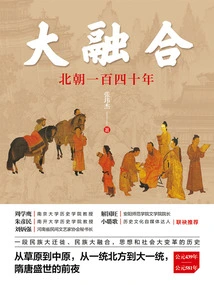
大融合:北朝一百四十年
Zhang Weijie
A brief history of the Northern Dynasties during the Southern and Northern Dynasties. This book mainly tells the history of the Northern Dynasties for about 140 years (439-581), and details the rise of the Northern Wei, its split (Eastern Wei, Western Wei), the demise of the Northern Wei (replaced by the Northern Qi and the Northern Zhou), and the process of Yang Jian's rise to power in the Northern Zhou Dynasty and usurping the Zhou Dynasty to unify the world. This is a history of great ethnic migration, great integration, and great ideological and social changes. It experienced painful turmoil, turning points, and reforms, and brewed the great unification of the Sui and Tang Dynasties. This book is based on historical materials, with magnificent momentum, strong logic, smooth writing and concise narrative. The author pays attention to exploring the stories behind the stories, including cloud-covered war scenes, exciting party struggles, and ups and downs of harem battles. The book not only focuses on explaining historical stories, but also popularizes humanistic knowledge, making the characters and stories complement each other, making the stories more flavorful, the characters fuller, and more readable.
A brief history of the Northern Dynasties during the Southern and Northern Dynasties. This book mainly tells the history of the Northern Dynasties for about 140 years (439-581), and details the rise of the Northern Wei, its split (Eastern Wei, Western Wei), the demise of the Northern Wei (replaced by the Northern Qi and the Northern Zhou), and the process of Yang Jian's rise to power in the Northern Zhou Dynasty and usurping the Zhou Dynasty to unify the world. This is a history of great ethnic migration, great integration, and great ideological and social changes. It experienced painful turmoil, turning points, and reforms, and brewed the great unification of the Sui and Tang Dynasties. This book is based on historical materials, with magnificent momentum, strong logic, smooth writing and concise narrative. The author pays attention to exploring the stories behind the stories, including cloud-covered war scenes, exciting party struggles, and ups and downs of harem battles. The book not only focuses on explaining historical stories, but also popularizes humanistic knowledge, making the characters and stories complement each other, making the stories more flavorful, the characters fuller, and more readable.
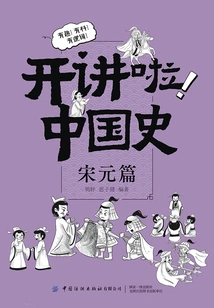
开讲啦!中国史:宋元篇
Compiled By Owl Fat And Others
"Let's talk!" "History of China" is a set of general history books on China with pictures and texts aimed at young readers. This volume It narrates the major historical events of the Song and Yuan Dynasties, with a complete system and rich content. Simple, funny and easy to understand. Historical, informative, and interesting. Explain historical facts and analyze historical causes. Explain in simple terms to train young people's historical and logical thinking; learn Chinese history, learn the wisdom of ancients, broaden their horizons in life, and cultivate the big picture.
"Let's talk!" "History of China" is a set of general history books on China with pictures and texts aimed at young readers. This volume It narrates the major historical events of the Song and Yuan Dynasties, with a complete system and rich content. Simple, funny and easy to understand. Historical, informative, and interesting. Explain historical facts and analyze historical causes. Explain in simple terms to train young people's historical and logical thinking; learn Chinese history, learn the wisdom of ancients, broaden their horizons in life, and cultivate the big picture.
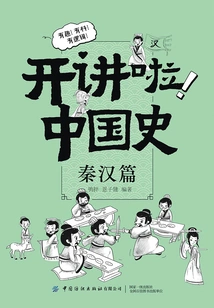
开讲啦!中国史:秦汉篇
Compiled By Owl Fat And Others
"Let's talk!" "History of China" is a set of general history books on China with pictures and texts aimed at young readers. This volume narrates important historical events from the Qin and Han Dynasties to the Wei, Jin, Southern and Northern Dynasties, with a complete system and rich content. Simple, funny and easy to understand. Historical, informative, and interesting. Explain historical facts and analyze historical causes. Explain in simple terms to train young people's historical and logical thinking; learn Chinese history, learn the wisdom of ancients, broaden their horizons in life, and cultivate the big picture.
"Let's talk!" "History of China" is a set of general history books on China with pictures and texts aimed at young readers. This volume narrates important historical events from the Qin and Han Dynasties to the Wei, Jin, Southern and Northern Dynasties, with a complete system and rich content. Simple, funny and easy to understand. Historical, informative, and interesting. Explain historical facts and analyze historical causes. Explain in simple terms to train young people's historical and logical thinking; learn Chinese history, learn the wisdom of ancients, broaden their horizons in life, and cultivate the big picture.
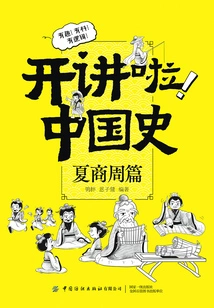
开讲啦!中国史:夏商周篇
Compiled By Owl Fat And Others
"Let's talk!" "History of China" is a set of general history books on China with pictures and texts aimed at young readers. There are 6 books in this set, divided by time: Xia, Shang and Zhou, Qin and Han, Sui and Tang, Song and Yuan, Ming Dynasty and Qing Dynasty. The system is complete and the content is rich. Simple, funny and easy to understand. Historical, informative, and interesting. Explain historical facts and analyze historical causes. Explain in simple terms to train young people's historical and logical thinking; learn Chinese history, learn the wisdom of ancients, broaden their horizons in life, and cultivate the big picture.
"Let's talk!" "History of China" is a set of general history books on China with pictures and texts aimed at young readers. There are 6 books in this set, divided by time: Xia, Shang and Zhou, Qin and Han, Sui and Tang, Song and Yuan, Ming Dynasty and Qing Dynasty. The system is complete and the content is rich. Simple, funny and easy to understand. Historical, informative, and interesting. Explain historical facts and analyze historical causes. Explain in simple terms to train young people's historical and logical thinking; learn Chinese history, learn the wisdom of ancients, broaden their horizons in life, and cultivate the big picture.
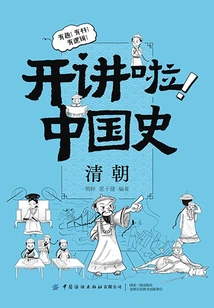
开讲啦!中国史:清朝
Compiled By Owl Fat And Others
"Let's talk!" "History of China" is a set of general history books on China with pictures and texts aimed at young readers. This volume mainly describes the major historical events of the Qing Dynasty, with a complete system and rich content. Simple, funny and easy to understand. Historical, informative, and interesting. Explain historical facts and analyze historical causes. Explain in simple terms to train young people's historical and logical thinking; learn Chinese history, learn the wisdom of ancients, broaden their horizons in life, and cultivate the big picture.
"Let's talk!" "History of China" is a set of general history books on China with pictures and texts aimed at young readers. This volume mainly describes the major historical events of the Qing Dynasty, with a complete system and rich content. Simple, funny and easy to understand. Historical, informative, and interesting. Explain historical facts and analyze historical causes. Explain in simple terms to train young people's historical and logical thinking; learn Chinese history, learn the wisdom of ancients, broaden their horizons in life, and cultivate the big picture.
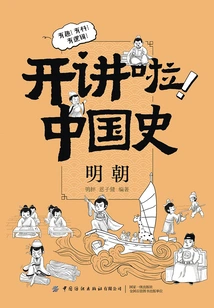
开讲啦!中国史:明朝
Compiled By Owl Fat And Others
"Let's talk!" "History of China" is a set of general history books on China with pictures and texts aimed at young readers. This volume mainly describes the major historical events of the Ming Dynasty, with a complete system and rich content. Simple, funny and easy to understand. Historical, informative, and interesting. Explain historical facts and analyze historical causes. Explain in simple terms to train young people's historical and logical thinking; learn Chinese history, learn the wisdom of ancients, broaden their horizons in life, and cultivate the big picture.
"Let's talk!" "History of China" is a set of general history books on China with pictures and texts aimed at young readers. This volume mainly describes the major historical events of the Ming Dynasty, with a complete system and rich content. Simple, funny and easy to understand. Historical, informative, and interesting. Explain historical facts and analyze historical causes. Explain in simple terms to train young people's historical and logical thinking; learn Chinese history, learn the wisdom of ancients, broaden their horizons in life, and cultivate the big picture.
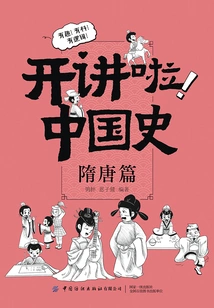
开讲啦!中国史:隋唐篇
Compiled By Owl Fat And Others
"Let's talk!" "History of China" is a set of general history books on China with pictures and texts aimed at young readers. This volume It narrates the major historical events of the Sui and Tang dynasties, with a complete system and rich content. Simple, funny and easy to understand. Historical, informative, and interesting. Explain historical facts and analyze historical causes. Explain in simple terms to train young people's historical and logical thinking; learn Chinese history, learn the wisdom of ancients, broaden their horizons in life, and cultivate the big picture.
"Let's talk!" "History of China" is a set of general history books on China with pictures and texts aimed at young readers. This volume It narrates the major historical events of the Sui and Tang dynasties, with a complete system and rich content. Simple, funny and easy to understand. Historical, informative, and interesting. Explain historical facts and analyze historical causes. Explain in simple terms to train young people's historical and logical thinking; learn Chinese history, learn the wisdom of ancients, broaden their horizons in life, and cultivate the big picture.
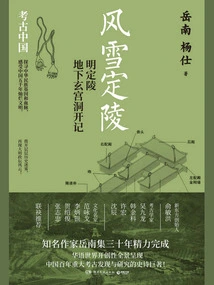
风雪定陵:明定陵地下玄宫洞开记
Yuenan
As a panoramic and multi-faceted archaeological documentary that reflects the excavation process of Dingling Mausoleum, this book not only discloses the detailed process of the opening of the underground palace of Dingling Tomb, the true situation of the coffins of the emperors and empresses, and the treasures buried with them, but also traces the little-known construction of Dingling Tomb from beginning to end and the related ruthless battles between the government and the public, and between emperors, ministers and concubines, revealing the inevitable trend of the Ming Empire's decline and decline. The authors Yue Nan and Yang Shi are good at describing the archaeological excavation process in a literary way, integrating history and new archaeological discoveries. They are different from boring archaeological excavation reports and traditional documentary literature. They are known as "evidence writers". With a rigorous attitude and well-organized writing techniques, this book connects the archaeological excavation process with the historical sea and recreates ancient civilization for readers, making the archaeological process an object of public reading.
As a panoramic and multi-faceted archaeological documentary that reflects the excavation process of Dingling Mausoleum, this book not only discloses the detailed process of the opening of the underground palace of Dingling Tomb, the true situation of the coffins of the emperors and empresses, and the treasures buried with them, but also traces the little-known construction of Dingling Tomb from beginning to end and the related ruthless battles between the government and the public, and between emperors, ministers and concubines, revealing the inevitable trend of the Ming Empire's decline and decline. The authors Yue Nan and Yang Shi are good at describing the archaeological excavation process in a literary way, integrating history and new archaeological discoveries. They are different from boring archaeological excavation reports and traditional documentary literature. They are known as "evidence writers". With a rigorous attitude and well-organized writing techniques, this book connects the archaeological excavation process with the historical sea and recreates ancient civilization for readers, making the archaeological process an object of public reading.
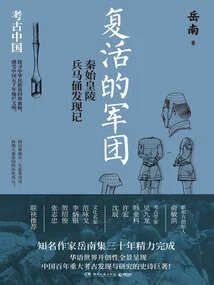
复活的军团:秦始皇陵兵马俑发现记
Yuenan
This book truly reconstructs the detailed process of the discovery and excavation of the Terracotta Warriors and Horses in Qin Shi Huang's Mausoleum, and uses it as a clue to comprehensively explore the merits and demerits of Qin Shi Huang's life, the rise and fall of the Qin Empire, and a series of grievances and problems caused by the unearthing of precious cultural relics. This series is the most painstaking and satisfying work in Yue Nan's creative career. It not only reproduces the grace of the Qin Empire and once again illuminates a glorious and magnificent history, but also explains a majestic and magnificent civilization from the vast background of mankind. His consistent profound insights and open-minded grace throughout the text are shocking and admirable!
This book truly reconstructs the detailed process of the discovery and excavation of the Terracotta Warriors and Horses in Qin Shi Huang's Mausoleum, and uses it as a clue to comprehensively explore the merits and demerits of Qin Shi Huang's life, the rise and fall of the Qin Empire, and a series of grievances and problems caused by the unearthing of precious cultural relics. This series is the most painstaking and satisfying work in Yue Nan's creative career. It not only reproduces the grace of the Qin Empire and once again illuminates a glorious and magnificent history, but also explains a majestic and magnificent civilization from the vast background of mankind. His consistent profound insights and open-minded grace throughout the text are shocking and admirable!
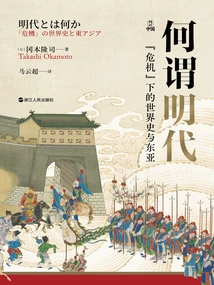
何谓明代:“危机”下的世界史与东亚
I
With the outbreak of the "Crisis of the 14th Century", the Eurasian world system built by the Mongol Empire disintegrated, and the East and the West separated, gradually evolving into a new modern world order that affects today. The Ming Dynasty that overthrew the Mongol rule established a new East Asian system. After the arrival of the "17th Century Crisis" and the end of the Ming Dynasty, this system was inherited by the Qing Dynasty. What was the Ming Dynasty (1368-1644) like, caught between the two major crises of the "late Yuan Dynasty and early Ming Dynasty" and "the late Ming Dynasty and early Qing Dynasty"? Apart from the brutal, bloody, conflicting politics, what else is interesting about this period? What deviations occurred in the ancestral confinement system established by Ming Taizu? What impact did the arrival of the Age of Discovery have on China? This book combines a variety of latest research results to make the seemingly "unchanged" Ming Dynasty become more vivid and "interesting".
With the outbreak of the "Crisis of the 14th Century", the Eurasian world system built by the Mongol Empire disintegrated, and the East and the West separated, gradually evolving into a new modern world order that affects today. The Ming Dynasty that overthrew the Mongol rule established a new East Asian system. After the arrival of the "17th Century Crisis" and the end of the Ming Dynasty, this system was inherited by the Qing Dynasty. What was the Ming Dynasty (1368-1644) like, caught between the two major crises of the "late Yuan Dynasty and early Ming Dynasty" and "the late Ming Dynasty and early Qing Dynasty"? Apart from the brutal, bloody, conflicting politics, what else is interesting about this period? What deviations occurred in the ancestral confinement system established by Ming Taizu? What impact did the arrival of the Age of Discovery have on China? This book combines a variety of latest research results to make the seemingly "unchanged" Ming Dynasty become more vivid and "interesting".
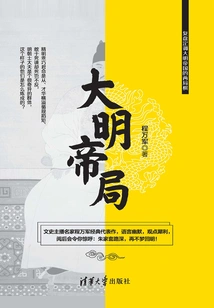
Ming Dynasty
History大明帝局
Cheng Wanjun
Smart and well-behaved, they obey the emperor's orders, are talented and follow the rules, dare to give advice but refuse to rebel even to the death. The scholar-bureaucrats of the Ming Dynasty were a very strange group. How did they become like this? The Ming Dynasty Game attempts to give an in-depth answer by telling the story of the second emperor of the Ming Dynasty who secretly set up two major chess games and his "criminal experience" of two abandoned pieces. These two abandoned sons were the two favorites of Zhu Yuanzhang and his son, and they were two iconic figures that connected the past and the future. One was the last prime minister Hu Weiyong, and the other was the founding assistant Xie Jin. At the same time, they were also representatives of two types of traditional scholar-bureaucrats in China. Reading through this book will not only allow readers to gain a glimpse of the domestication and transformation of scholars in the Hongwu and Yongle dynasties, and understand the inside story of the Ming Dynasty's "masters were respected and their ministers humbled", but also the root causes of reverse elimination politics in which Chinese scholars lost their ambition and individuality after the Ming Dynasty, and were reduced from state ministers to retainers, and the overall dualization (enslavement, rigidity) occurred.
Smart and well-behaved, they obey the emperor's orders, are talented and follow the rules, dare to give advice but refuse to rebel even to the death. The scholar-bureaucrats of the Ming Dynasty were a very strange group. How did they become like this? The Ming Dynasty Game attempts to give an in-depth answer by telling the story of the second emperor of the Ming Dynasty who secretly set up two major chess games and his "criminal experience" of two abandoned pieces. These two abandoned sons were the two favorites of Zhu Yuanzhang and his son, and they were two iconic figures that connected the past and the future. One was the last prime minister Hu Weiyong, and the other was the founding assistant Xie Jin. At the same time, they were also representatives of two types of traditional scholar-bureaucrats in China. Reading through this book will not only allow readers to gain a glimpse of the domestication and transformation of scholars in the Hongwu and Yongle dynasties, and understand the inside story of the Ming Dynasty's "masters were respected and their ministers humbled", but also the root causes of reverse elimination politics in which Chinese scholars lost their ambition and individuality after the Ming Dynasty, and were reduced from state ministers to retainers, and the overall dualization (enslavement, rigidity) occurred.
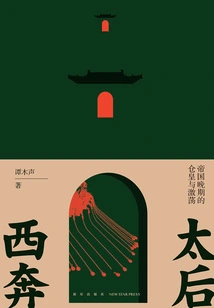
太后西奔:帝国晚期的仓皇与激荡
Tan Musheng
Is the direction of major junctures in history really determined by rational decisions made by rational people? Empress Dowager Cixi west Shou understands the twenty years of the late Qing Dynasty and understands the rush and agitation of society in the late feudal empire. In 1900, during the Gengzi Incident, the Queen Mother of the Qing Dynasty went on a "hunting expedition" to the west. This independent historical event is related to the historical trend of Chinese society. The author enters with a small incision from the perspective of big history, uses new research materials, and uses rich details to show this great turmoil that started from the private grudges of a family and ended in the fate of the country. It intersperses the political entanglements, character relationships, and Manchu-Han conflicts in the last two decades of the late Qing Dynasty. Against the background of the international environment and folk religion, it presents the vividness of history, the vividness of characters, and the tragedy of fate. The empress dowager's journey to the west is closely related. The historical context of the last two decades of the late Qing Dynasty and even modern Chinese society can be clearly seen and explained here.
Is the direction of major junctures in history really determined by rational decisions made by rational people? Empress Dowager Cixi west Shou understands the twenty years of the late Qing Dynasty and understands the rush and agitation of society in the late feudal empire. In 1900, during the Gengzi Incident, the Queen Mother of the Qing Dynasty went on a "hunting expedition" to the west. This independent historical event is related to the historical trend of Chinese society. The author enters with a small incision from the perspective of big history, uses new research materials, and uses rich details to show this great turmoil that started from the private grudges of a family and ended in the fate of the country. It intersperses the political entanglements, character relationships, and Manchu-Han conflicts in the last two decades of the late Qing Dynasty. Against the background of the international environment and folk religion, it presents the vividness of history, the vividness of characters, and the tragedy of fate. The empress dowager's journey to the west is closely related. The historical context of the last two decades of the late Qing Dynasty and even modern Chinese society can be clearly seen and explained here.
Amazing Chinese Industry
History了不起的中国工业
Lucvin
Since the founding of New China, China's industrial landscape has undergone earth-shaking changes. From the poverty-stricken past to the current "infrastructure maniac" and "the largest manufacturing country", it took New China more than 70 years to complete the industrial development path of more than 200 years in Western countries. This is inseparable from the struggle of every worker. Looking back on the seventy-year stormy years, what "Chinese miracles" have we created and what technical problems have we overcome? What respectable devotees are behind these "miracles"? This book reviews the development history of China's industry since modern times in the form of pictures and text, including five directions: electric power, air force, navy, missiles, two bombs and one satellite, and chips. It interprets the century-old history of Chinese industry and pays tribute to the hard-working Chinese industrialists.
Since the founding of New China, China's industrial landscape has undergone earth-shaking changes. From the poverty-stricken past to the current "infrastructure maniac" and "the largest manufacturing country", it took New China more than 70 years to complete the industrial development path of more than 200 years in Western countries. This is inseparable from the struggle of every worker. Looking back on the seventy-year stormy years, what "Chinese miracles" have we created and what technical problems have we overcome? What respectable devotees are behind these "miracles"? This book reviews the development history of China's industry since modern times in the form of pictures and text, including five directions: electric power, air force, navy, missiles, two bombs and one satellite, and chips. It interprets the century-old history of Chinese industry and pays tribute to the hard-working Chinese industrialists.
吴晗讲历史:中国人的生存法制
Wu Han
This book selects historian Wu Han's narrative and commentary chapters on ancient Chinese politics, characters, society, culture, military and other aspects. In this book, Wu Han not only has a wonderful discussion of the monarchy, gentry, and gentry class in ancient China, but also explores the unique social phenomena in ancient Chinese history, as well as the cultural customs and commercial development of ancient my country. In addition, Wu Han also objectively comments on historical figures such as Cao Cao, Zhou Yu, Zhuge Liang, Wu Zetian, and Wen Tianxiang. Regarding history, Wu Han put forward many new views and provided evidence and evidence. This book has rich historical materials, thorough analysis, and vivid and humorous language. Many articles reflect Wu Han's unique understanding of Chinese history. It has high academic value and is beneficial to readers' increasing historical knowledge.
This book selects historian Wu Han's narrative and commentary chapters on ancient Chinese politics, characters, society, culture, military and other aspects. In this book, Wu Han not only has a wonderful discussion of the monarchy, gentry, and gentry class in ancient China, but also explores the unique social phenomena in ancient Chinese history, as well as the cultural customs and commercial development of ancient my country. In addition, Wu Han also objectively comments on historical figures such as Cao Cao, Zhou Yu, Zhuge Liang, Wu Zetian, and Wen Tianxiang. Regarding history, Wu Han put forward many new views and provided evidence and evidence. This book has rich historical materials, thorough analysis, and vivid and humorous language. Many articles reflect Wu Han's unique understanding of Chinese history. It has high academic value and is beneficial to readers' increasing historical knowledge.
跟大师悟历史:细说中国史
Lu Simian Zhang Yinlin Et Al.
Mr. Lu Simian said: "What kind of knowledge is history? What is the use of studying it? Anyone with a little knowledge of knowledge will answer this question without hesitation: 'History is a lesson from the past.'" Indeed, reading history makes people wise. History is a mirror that can be used to refer to the past, understand the present, and see into the future. Based on this, the editor took the order of historical dynasties as the basis and major historical events as the main line. He selected the best articles from famous writers such as Lu Simian, Zhang Yinlin, Fu Sinian, Miao Fenglin, Jin Yufu, Wu Han, etc., And extracted the chapters with high reading value into the book "Understanding History with the Master: A Detailed Description of Chinese History", which authentically, simply and clearly narrates the history of China from Xia and Shang to the late Qing Dynasty. When we read the history told by these masters of Chinese studies, we can not only increase our historical knowledge, but more importantly, improve our judgment. I hope this book will be helpful to readers.
Mr. Lu Simian said: "What kind of knowledge is history? What is the use of studying it? Anyone with a little knowledge of knowledge will answer this question without hesitation: 'History is a lesson from the past.'" Indeed, reading history makes people wise. History is a mirror that can be used to refer to the past, understand the present, and see into the future. Based on this, the editor took the order of historical dynasties as the basis and major historical events as the main line. He selected the best articles from famous writers such as Lu Simian, Zhang Yinlin, Fu Sinian, Miao Fenglin, Jin Yufu, Wu Han, etc., And extracted the chapters with high reading value into the book "Understanding History with the Master: A Detailed Description of Chinese History", which authentically, simply and clearly narrates the history of China from Xia and Shang to the late Qing Dynasty. When we read the history told by these masters of Chinese studies, we can not only increase our historical knowledge, but more importantly, improve our judgment. I hope this book will be helpful to readers.
History Lesson
History历史课
Fu Sinian Zhang Yinlin Chen Yinke Et Al.
As the center of the New Culture Movement and the birthplace of the May 4th Movement, the traditional spirit of patriotism, progress, democracy, and science and the academic style of diligence, rigor, pragmatism, and innovation are endlessly passed down here from generation to generation. Peking University's general education has profoundly influenced a generation of Chinese scholars and laid a solid foundation for their achievements. This book contains the classic lecture notes and works of six gentlemen: Fu Sinian, Zhang Yinlin, Fan Wenlan, Chen Yinke, Wang Tongling, and Meng Sen. From the ancient Shang and Zhou dynasties to the unification of the Qin and Han dynasties, from the changes in the Six Dynasties to the rule of the Sui and Tang Dynasties, from the changes in the Song and Yuan Dynasties to the peak of the Ming and Qing dynasties, it is divided into six parts in historical order, covering some of the period from the pre-Qin to the Qing Dynasty. Important historical events, explore the development of Chinese history from multiple dimensions, and use historical research to demonstrate the inclusive, high-quality, foundation-oriented general education of the masters, as well as the educational views of the masters and scholars based on general education and cultivating liberal scholars, which has positive reference significance for today's Chinese education.
As the center of the New Culture Movement and the birthplace of the May 4th Movement, the traditional spirit of patriotism, progress, democracy, and science and the academic style of diligence, rigor, pragmatism, and innovation are endlessly passed down here from generation to generation. Peking University's general education has profoundly influenced a generation of Chinese scholars and laid a solid foundation for their achievements. This book contains the classic lecture notes and works of six gentlemen: Fu Sinian, Zhang Yinlin, Fan Wenlan, Chen Yinke, Wang Tongling, and Meng Sen. From the ancient Shang and Zhou dynasties to the unification of the Qin and Han dynasties, from the changes in the Six Dynasties to the rule of the Sui and Tang Dynasties, from the changes in the Song and Yuan Dynasties to the peak of the Ming and Qing dynasties, it is divided into six parts in historical order, covering some of the period from the pre-Qin to the Qing Dynasty. Important historical events, explore the development of Chinese history from multiple dimensions, and use historical research to demonstrate the inclusive, high-quality, foundation-oriented general education of the masters, as well as the educational views of the masters and scholars based on general education and cultivating liberal scholars, which has positive reference significance for today's Chinese education.
被统治的艺术:中华帝国晚期的日常政治
(added) Song Yiming
This book uses the coastal guard station of the Ming Dynasty as the background to analyze the interaction between military households and the government under the Ming Dynasty's hereditary military household system. It focuses on describing and summarizing how military households who are obliged to serve in the military seek advantages and avoid disadvantages, and formulate various strategies to optimize their own situation. They neither blatantly defied authority nor obeyed, but operated in the "middle zone" between resistance and obedience in order to minimize the costs and maximize the benefits. This book is divided into three parts, telling the lives of Fujian military households in their hometown, guard station and military camp respectively. A major feature of this book is that it uses a large number of family trees, local chronicles, oral histories and other folk materials to tell many interesting stories that happened in the lives of military households. Real and vivid cases, supplemented by rigorous and detailed examination, constitute this social history book that tells the history of the people themselves.
This book uses the coastal guard station of the Ming Dynasty as the background to analyze the interaction between military households and the government under the Ming Dynasty's hereditary military household system. It focuses on describing and summarizing how military households who are obliged to serve in the military seek advantages and avoid disadvantages, and formulate various strategies to optimize their own situation. They neither blatantly defied authority nor obeyed, but operated in the "middle zone" between resistance and obedience in order to minimize the costs and maximize the benefits. This book is divided into three parts, telling the lives of Fujian military households in their hometown, guard station and military camp respectively. A major feature of this book is that it uses a large number of family trees, local chronicles, oral histories and other folk materials to tell many interesting stories that happened in the lives of military households. Real and vivid cases, supplemented by rigorous and detailed examination, constitute this social history book that tells the history of the people themselves.
枢纽:3000年的中国(增订版)
Cast
New version added! The historian used his masterpiece and added nearly 40,000 words to interpret new technologies such as blockchain and the metaverse, and expand the possibilities of the future! The core of "Pivot: China 3000 Years" is to answer a question: "What is China?" In this book, Shi is problem-oriented, transcends the limitations of specific disciplines, and uses knowledge from various disciplines such as geography, history, philosophy, economics, finance, currency, military, population, society, law, and international politics to provide a unified explanatory framework for China's thousands of years of complex history and its successes and failures over the past century. In the elaboration of ancient history, Shi Zhan broke through the common Central Plains-oriented perspective and also broke through the grassland-oriented perspective. In the process of interaction, interdependence, and mutual shaping of multiple sub-regions such as the Central Plains, grasslands, Western Regions, plateaus, and oceans, he discovered a unified historical process that transcended each sub-region, thus reducing Chinese history to a systematic evolutionary history. Shi Shi restrained his value preferences in any direction and used the clue of China's super-large scale to coherently explain the reasons why China was able to maintain a unified empire and the reasons why China fell into backwardness in modern times. The great history of the Chinese revolution in the 20th century also gained a new meaning. In the process of China's encounter with the West, some internal dynamics of Chinese history were activated. Against this background, China's economic growth and its profound shaping of the world order received in-depth discussions on a new model. On this basis, the author also started a series of very constructive thinking about the future.
New version added! The historian used his masterpiece and added nearly 40,000 words to interpret new technologies such as blockchain and the metaverse, and expand the possibilities of the future! The core of "Pivot: China 3000 Years" is to answer a question: "What is China?" In this book, Shi is problem-oriented, transcends the limitations of specific disciplines, and uses knowledge from various disciplines such as geography, history, philosophy, economics, finance, currency, military, population, society, law, and international politics to provide a unified explanatory framework for China's thousands of years of complex history and its successes and failures over the past century. In the elaboration of ancient history, Shi Zhan broke through the common Central Plains-oriented perspective and also broke through the grassland-oriented perspective. In the process of interaction, interdependence, and mutual shaping of multiple sub-regions such as the Central Plains, grasslands, Western Regions, plateaus, and oceans, he discovered a unified historical process that transcended each sub-region, thus reducing Chinese history to a systematic evolutionary history. Shi Shi restrained his value preferences in any direction and used the clue of China's super-large scale to coherently explain the reasons why China was able to maintain a unified empire and the reasons why China fell into backwardness in modern times. The great history of the Chinese revolution in the 20th century also gained a new meaning. In the process of China's encounter with the West, some internal dynamics of Chinese history were activated. Against this background, China's economic growth and its profound shaping of the world order received in-depth discussions on a new model. On this basis, the author also started a series of very constructive thinking about the future.
从开国斗到亡国:明朝残酷权力斗争全史
Zong Chenghao
The Ming Dynasty was the dynasty with the most intense power struggle in Chinese history. Throughout the entire dynasty, the emperor fought against his cabinet ministers, his cabinet ministers fought against his cabinet ministers, and his cabinet ministers fought against their eunuchs. The struggle was so cruel and varied that it was "breathtaking". The endless internal fighting also exhausted the national power of the Ming Dynasty. Jiajing Grand Ceremony: Emperor's Fight with Cabinet Ministers In 1521, Emperor Wuzong of the Ming Dynasty Zhu Houzhao died suddenly without heirs. His cousin Zhu Houcong succeeded to the throne and was called Emperor Jiajing. After that, Emperor Jiajing and his courtiers argued endlessly about who should be regarded as the patriarchal father. At the height of the conflict, more than 200 ritual-protecting officials, including Cabinet University scholar Mao Ji, collectively knelt outside Zuoshun Gate to offer their support. In exchange, they received orders from Emperor Jiajing to serve as imperial staff, and seventeen of them were beaten to death. After this beating, fewer and fewer ministers dared to oppose Emperor Jiajing, and the imperial power once overwhelmed the cabinet power.
The Ming Dynasty was the dynasty with the most intense power struggle in Chinese history. Throughout the entire dynasty, the emperor fought against his cabinet ministers, his cabinet ministers fought against his cabinet ministers, and his cabinet ministers fought against their eunuchs. The struggle was so cruel and varied that it was "breathtaking". The endless internal fighting also exhausted the national power of the Ming Dynasty. Jiajing Grand Ceremony: Emperor's Fight with Cabinet Ministers In 1521, Emperor Wuzong of the Ming Dynasty Zhu Houzhao died suddenly without heirs. His cousin Zhu Houcong succeeded to the throne and was called Emperor Jiajing. After that, Emperor Jiajing and his courtiers argued endlessly about who should be regarded as the patriarchal father. At the height of the conflict, more than 200 ritual-protecting officials, including Cabinet University scholar Mao Ji, collectively knelt outside Zuoshun Gate to offer their support. In exchange, they received orders from Emperor Jiajing to serve as imperial staff, and seventeen of them were beaten to death. After this beating, fewer and fewer ministers dared to oppose Emperor Jiajing, and the imperial power once overwhelmed the cabinet power.
南宋人在杭州
Yao Shuang Et Al.
This book is one of the "Southern Song Dynasty Series" of the Hangzhou Research Institute, and is a popular reading book on the literature and history of the Southern Song Dynasty. The three books in the first series will focus on the relationship between Hangzhou and the Southern Song Dynasty, explore "Hangzhou as the Southern Song Dynasty" and "the Southern Song Dynasty as Hangzhou", reproduce the historical scenes of the Southern Song Dynasty in Hangzhou, and allow readers to more truly feel the charm of Hangzhou in the Southern Song Dynasty. As the capital of the Southern Song Dynasty, Hangzhou was the gathering place for many romantic figures of the Southern Song Dynasty. The city of Hangzhou also left countless interesting anecdotes about them. This book will detail the deeds of these romantic figures in the Southern Song Dynasty in Hangzhou and lead readers to appreciate their legacy. The characters involved include Yue Fei and Han Shizhong, the famous anti-gold generals, thinkers Zhu Xi, Lu Zuqian, Chen Liang, writers Li Qingzhao, Lu You, Xin Qiji, famous officials Zhang Jun, Wen Tianxiang, Hangzhou native celebrities, etc., Trying to fully present the character map of Hangzhou City in the Southern Song Dynasty.
This book is one of the "Southern Song Dynasty Series" of the Hangzhou Research Institute, and is a popular reading book on the literature and history of the Southern Song Dynasty. The three books in the first series will focus on the relationship between Hangzhou and the Southern Song Dynasty, explore "Hangzhou as the Southern Song Dynasty" and "the Southern Song Dynasty as Hangzhou", reproduce the historical scenes of the Southern Song Dynasty in Hangzhou, and allow readers to more truly feel the charm of Hangzhou in the Southern Song Dynasty. As the capital of the Southern Song Dynasty, Hangzhou was the gathering place for many romantic figures of the Southern Song Dynasty. The city of Hangzhou also left countless interesting anecdotes about them. This book will detail the deeds of these romantic figures in the Southern Song Dynasty in Hangzhou and lead readers to appreciate their legacy. The characters involved include Yue Fei and Han Shizhong, the famous anti-gold generals, thinkers Zhu Xi, Lu Zuqian, Chen Liang, writers Li Qingzhao, Lu You, Xin Qiji, famous officials Zhang Jun, Wen Tianxiang, Hangzhou native celebrities, etc., Trying to fully present the character map of Hangzhou City in the Southern Song Dynasty.