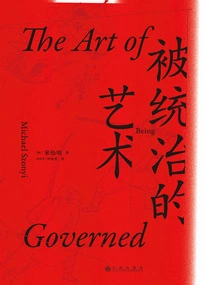
The Art of Being Governed: Everyday Politics in Late Imperial China
About This Novel
This book uses the coastal guard station of the Ming Dynasty as the background to analyze the interaction between military households and the government under the Ming Dynasty's hereditary military household system. It focuses on describing and summarizing how military households who are obliged to serve in the military seek advantages and avoid disadvantages, and formulate various strategies to optimize their own situation. They neither blatantly defied authority nor obeyed, but operated in the "middle zone" between resistance and obedience in order to minimize the costs and maximize the benefits. This book is divided into three parts, telling the lives of Fujian military households in their hometown, guard station and military camp respectively. A major feature of this book is that it uses a large number of family trees, local chronicles, oral histories and other folk materials to tell many interesting stories that happened in the lives of military households. Real and vivid cases, supplemented by rigorous and detailed examination, constitute this social history book that tells the history of the people themselves.
Official Sources
What Readers Think
Rating
Community(0)
Official(1)Scraped 1mo ago
Previously, genealogy was simply considered a bloodline inheritance. After reading, I have a deeper understanding that genealogy is a kind of contract, which requires the moral and economic life principles that the tribesmen have followed for thousands of years, and Chinese culture is deeply rooted in this.
Rating
Community(0)
Official(1)Scraped 1mo ago
Previously, genealogy was simply considered a bloodline inheritance. After reading, I have a deeper understanding that genealogy is a kind of contract, which requires the moral and economic life principles that the tribesmen have followed for thousands of years, and Chinese culture is deeply rooted in this.