Library
Browse and search books
6,953 novels found
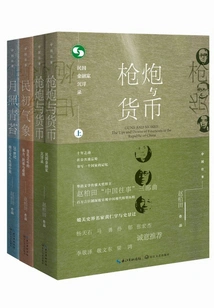
中国往事1905-1949(套装共四册)
Zhao Baitian
"Once Upon a Time in China" is a series of works by Zhao Botian that retells the modern history of China from the perspective of the transformation of modernity. It consists of three volumes and four volumes, namely: "The Weather of the Early Republic of China: Violence, Conspiracy and Love in the Year of Troubles", "The Moon Shines on the Moss: A Short History of the Life of Southern Literati in the 20th Century", and "Guns and Currency: The Rise and Fall of Financiers in the Republic of China". The author has been working hard for ten years to write the memory of a country in public oblivion. The "China Past" series is his positive writing of modern revolution and cultural themes. It tells the stories of outstanding souls in that changing era: revolutionaries, politicians, intellectuals, scholars, businessmen, Jianghu, grassroots and working class. "Weather in the Early Republic of China: Violence, Conspiracy and Love in the Year of Troubles" is the first book in the "China's Past" series. The story of this book is from 1905, when the Qing court started to prepare for the establishment of a constitution, to 1919, when the May 4th Movement broke out. It vividly re-displays and examines many people and events in the adolescent Republic of China against a broad historical background. In the investigation of Duan Fang, Lu Zhengxiang, Gu Weijun, Chen Duxiu, Cai Yuanpei, Zhang Taiyan, Lu Xun, Su Manshu, Liu Shipei, He Zhen and other figures, we are committed to writing about the relationship between individuals and the times, revealing how they adapted to the world, used it, and even rebelled against it. The ones who were especially missed were the standard-bearers and pioneers of the New Culture Movement. Under the noisy and doubtful mood of the early Republic of China, the dense atmosphere and open pattern heralded many possibilities for China in the future. "The Moon Shines on the Moss: A Short History of the Life of Southern Literati in the 20th Century" is a discovery-style account of the southern literati after the May Fourth Movement from the perspective of daily life. With the patience of a historical archaeologist, the author reconstructs and outlines the life, death, love and desire of Jiang Menglin, Shao Xunmei, Chen Brai, Shen Congwen, Su Qing, Mu Shiying, Rou Shi, Yin Fu, Ying Xiuren, Zhang Shouyong, Wu Jingxiong, Xu Xu and others, picking up the "bits and pieces of broken shadows" that the moonlight fell on the moss through the dense leaves. This book is the author's initial work that has focused on the transformation of China's modernity for more than ten years. By rewriting this life for these southern literati, it presents a hard, generous, more material and modern South. "Guns and Money: The Rise and Fall of Financiers in the Republic of China" is a Republic of China version of "The Biography of Money". This book starts from the relationship between politics and business, and combs through the vast sea of modern Chinese financial historical materials and bankers' diaries, letters, and correspondence. Focusing on Zhang Jiayao, Chen Guangfu, Li Ming, Qian Xinzhi, Wu Dingchang and other financial elites from the north and south who were involved in the whirlpool of money politics, it tells the story of industrialists and bankers that began during the Great Revolution and ended in 1949. This is also the story of a generation that failed in its ambition amid the opposition, dependence, conflict, and entanglement between capital and power. After the rapid changes, the world changed secretly, and a new era began: war, the collapse of the old system and the final liberation. The grand historical knowledge and the melancholy and solid narrative aesthetics directly point to the world and people's hearts behind the great era. The story of money more than half a century ago has lessons for China today.
"Once Upon a Time in China" is a series of works by Zhao Botian that retells the modern history of China from the perspective of the transformation of modernity. It consists of three volumes and four volumes, namely: "The Weather of the Early Republic of China: Violence, Conspiracy and Love in the Year of Troubles", "The Moon Shines on the Moss: A Short History of the Life of Southern Literati in the 20th Century", and "Guns and Currency: The Rise and Fall of Financiers in the Republic of China". The author has been working hard for ten years to write the memory of a country in public oblivion. The "China Past" series is his positive writing of modern revolution and cultural themes. It tells the stories of outstanding souls in that changing era: revolutionaries, politicians, intellectuals, scholars, businessmen, Jianghu, grassroots and working class. "Weather in the Early Republic of China: Violence, Conspiracy and Love in the Year of Troubles" is the first book in the "China's Past" series. The story of this book is from 1905, when the Qing court started to prepare for the establishment of a constitution, to 1919, when the May 4th Movement broke out. It vividly re-displays and examines many people and events in the adolescent Republic of China against a broad historical background. In the investigation of Duan Fang, Lu Zhengxiang, Gu Weijun, Chen Duxiu, Cai Yuanpei, Zhang Taiyan, Lu Xun, Su Manshu, Liu Shipei, He Zhen and other figures, we are committed to writing about the relationship between individuals and the times, revealing how they adapted to the world, used it, and even rebelled against it. The ones who were especially missed were the standard-bearers and pioneers of the New Culture Movement. Under the noisy and doubtful mood of the early Republic of China, the dense atmosphere and open pattern heralded many possibilities for China in the future. "The Moon Shines on the Moss: A Short History of the Life of Southern Literati in the 20th Century" is a discovery-style account of the southern literati after the May Fourth Movement from the perspective of daily life. With the patience of a historical archaeologist, the author reconstructs and outlines the life, death, love and desire of Jiang Menglin, Shao Xunmei, Chen Brai, Shen Congwen, Su Qing, Mu Shiying, Rou Shi, Yin Fu, Ying Xiuren, Zhang Shouyong, Wu Jingxiong, Xu Xu and others, picking up the "bits and pieces of broken shadows" that the moonlight fell on the moss through the dense leaves. This book is the author's initial work that has focused on the transformation of China's modernity for more than ten years. By rewriting this life for these southern literati, it presents a hard, generous, more material and modern South. "Guns and Money: The Rise and Fall of Financiers in the Republic of China" is a Republic of China version of "The Biography of Money". This book starts from the relationship between politics and business, and combs through the vast sea of modern Chinese financial historical materials and bankers' diaries, letters, and correspondence. Focusing on Zhang Jiayao, Chen Guangfu, Li Ming, Qian Xinzhi, Wu Dingchang and other financial elites from the north and south who were involved in the whirlpool of money politics, it tells the story of industrialists and bankers that began during the Great Revolution and ended in 1949. This is also the story of a generation that failed in its ambition amid the opposition, dependence, conflict, and entanglement between capital and power. After the rapid changes, the world changed secretly, and a new era began: war, the collapse of the old system and the final liberation. The grand historical knowledge and the melancholy and solid narrative aesthetics directly point to the world and people's hearts behind the great era. The story of money more than half a century ago has lessons for China today.
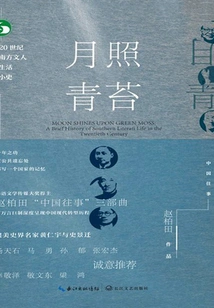
The Moon Shines on the Moss: a Brief History of the Life of Southern Literati in the 20th Century
Literature月照青苔:20世纪南方文人生活小史
Zhao Baitian
"Once Upon a Time in China" is a series of works by Zhao Botian that retells the modern history of China from the perspective of the transformation of modernity. It consists of three volumes and four volumes, namely: "The Moon Shines on the Moss: A Short History of the Life of Southern Literati in the 20th Century", "The Moon Shines on the Moss: A Short History of the Life of Southern Literati in the 20th Century", and "Guns and Money: The Rise and Fall of Financiers in the Republic of China". The author has been working hard for ten years to write the memory of a country in public oblivion. The "China Past" series is his positive writing of modern revolution and cultural themes. It tells the stories of the best souls in that changing era: revolutionaries, politicians, intellectuals, scholars, businessmen, Jianghu, grassroots and working class. "The Moon Shines on the Moss: A Short History of the Life of Southern Literati in the 20th Century" is a discovery-style account of the southern literati after the May Fourth Movement from the perspective of daily life. With the patience of a historical archaeologist, the author reconstructs and outlines the life, death, love and desire of Jiang Menglin, Shao Xunmei, Chen Brai, Shen Congwen, Su Qing, Mu Shiying, Rou Shi, Yin Fu, Ying Xiuren, Zhang Shouyong, Wu Jingxiong, Xu Xu and others, picking up the "bits and pieces of broken shadows" that the moonlight fell on the moss through the dense leaves. This book is the author's initial work that has focused on the transformation of China's modernity for more than ten years. By rewriting this life for these southern literati, it presents a hard, generous, more material and modern South.
"Once Upon a Time in China" is a series of works by Zhao Botian that retells the modern history of China from the perspective of the transformation of modernity. It consists of three volumes and four volumes, namely: "The Moon Shines on the Moss: A Short History of the Life of Southern Literati in the 20th Century", "The Moon Shines on the Moss: A Short History of the Life of Southern Literati in the 20th Century", and "Guns and Money: The Rise and Fall of Financiers in the Republic of China". The author has been working hard for ten years to write the memory of a country in public oblivion. The "China Past" series is his positive writing of modern revolution and cultural themes. It tells the stories of the best souls in that changing era: revolutionaries, politicians, intellectuals, scholars, businessmen, Jianghu, grassroots and working class. "The Moon Shines on the Moss: A Short History of the Life of Southern Literati in the 20th Century" is a discovery-style account of the southern literati after the May Fourth Movement from the perspective of daily life. With the patience of a historical archaeologist, the author reconstructs and outlines the life, death, love and desire of Jiang Menglin, Shao Xunmei, Chen Brai, Shen Congwen, Su Qing, Mu Shiying, Rou Shi, Yin Fu, Ying Xiuren, Zhang Shouyong, Wu Jingxiong, Xu Xu and others, picking up the "bits and pieces of broken shadows" that the moonlight fell on the moss through the dense leaves. This book is the author's initial work that has focused on the transformation of China's modernity for more than ten years. By rewriting this life for these southern literati, it presents a hard, generous, more material and modern South.
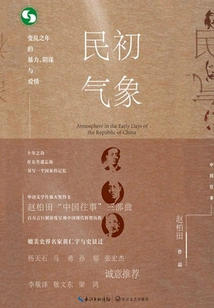
Weather in the Early Republic of China: Violence, Conspiracy and Love in the Year of Troubles
Literature民初气象:变乱之年的暴力、阴谋与爱情
Zhao Baitian
"Once Upon a Time in China" is a series of works by Zhao Botian that retells the modern history of China from the perspective of the transformation of modernity. It consists of three volumes and four volumes, namely: "The Weather of the Early Republic of China: Violence, Conspiracy and Love in the Year of Troubles", "The Moon Shines on the Moss: A Short History of the Life of Southern Literati in the 20th Century", and "Guns and Money: The Rise and Fall of Financiers in the Republic of China". The author has been working hard for ten years to write the memory of a country in public oblivion. The "China Past" series is his positive writing of modern revolution and cultural themes. It tells the stories of the best souls in that changing era: revolutionaries, politicians, intellectuals, scholars, businessmen, Jianghu, grassroots and working class. "Weather in the Early Republic of China: Violence, Conspiracy and Love in the Year of Troubles" is the first book in the "China's Past" series. The story of this book covers the period from 1905, when the Qing court started to prepare for the establishment of a constitution, to 1919, when the May Fourth Movement broke out. It vividly re-displays, examines, interprets and reflects on many personnel and events of the Republic of China in its adolescence against the broad historical background. In the investigation of figures such as Wei Jun, Chen Duxiu, Cai Yuanpei, Zhang Taiyan, Lu Xun, Su Manshu, Liu Shipei, and He Zhen, they devoted themselves to writing about the relationship between individuals and the times, revealing how they adapted to the world, used it, and even rebelled against it. The ones who were especially missed were the standard-bearers and pioneers of the New Culture Movement. Under the noisy and doubtful mood of the early Republic of China, the dense atmosphere and open pattern heralded many possibilities for China in the future.
"Once Upon a Time in China" is a series of works by Zhao Botian that retells the modern history of China from the perspective of the transformation of modernity. It consists of three volumes and four volumes, namely: "The Weather of the Early Republic of China: Violence, Conspiracy and Love in the Year of Troubles", "The Moon Shines on the Moss: A Short History of the Life of Southern Literati in the 20th Century", and "Guns and Money: The Rise and Fall of Financiers in the Republic of China". The author has been working hard for ten years to write the memory of a country in public oblivion. The "China Past" series is his positive writing of modern revolution and cultural themes. It tells the stories of the best souls in that changing era: revolutionaries, politicians, intellectuals, scholars, businessmen, Jianghu, grassroots and working class. "Weather in the Early Republic of China: Violence, Conspiracy and Love in the Year of Troubles" is the first book in the "China's Past" series. The story of this book covers the period from 1905, when the Qing court started to prepare for the establishment of a constitution, to 1919, when the May Fourth Movement broke out. It vividly re-displays, examines, interprets and reflects on many personnel and events of the Republic of China in its adolescence against the broad historical background. In the investigation of figures such as Wei Jun, Chen Duxiu, Cai Yuanpei, Zhang Taiyan, Lu Xun, Su Manshu, Liu Shipei, and He Zhen, they devoted themselves to writing about the relationship between individuals and the times, revealing how they adapted to the world, used it, and even rebelled against it. The ones who were especially missed were the standard-bearers and pioneers of the New Culture Movement. Under the noisy and doubtful mood of the early Republic of China, the dense atmosphere and open pattern heralded many possibilities for China in the future.
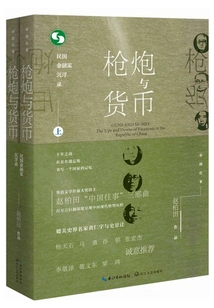
枪炮与货币(全二册)(中国往事系列)
Zhao Baitian
"Once Upon a Time in China" is a series of works by Zhao Botian that retells the modern history of China from the perspective of the transformation of modernity. It consists of three volumes and four volumes, namely: "Guns and Currency (two volumes)" (Once Upon a Time in China Series), "Moss in the Moon: A Short History of the Life of Southern Literati in the 20th Century", and "Guns and Currency: The Rise and Fall of Financiers in the Republic of China". The author has been working hard for ten years to write the memory of a country in public oblivion. The "China Past" series is his positive writing of modern revolution and cultural themes. It tells the stories of the best souls in that changing era: revolutionaries, politicians, intellectuals, scholars, businessmen, Jianghu, grassroots and working class. "Guns and Money: The Rise and Fall of Financiers in the Republic of China" is a Republic of China version of "The Biography of Money". This book starts from the relationship between politics and business, and combs through the vast sea of modern Chinese financial historical materials and bankers' diaries, letters, and correspondence. Focusing on Zhang Jiayao, Chen Guangfu, Li Ming, Qian Xinzhi, Wu Dingchang and other financial elites from the north and south who were involved in the whirlpool of money politics, it tells the story of industrialists and bankers that began during the Great Revolution and ended in 1949. This is also the story of a generation that failed in its ambition amid the opposition, dependence, conflict, and entanglement between capital and power. After the rapid changes, the world changed secretly, and a new era began: war, the collapse of the old system and the final liberation. The grand historical knowledge and the melancholy and solid narrative aesthetics directly point to the world and people's hearts behind the great era. The story of money more than half a century ago has lessons for China today.
"Once Upon a Time in China" is a series of works by Zhao Botian that retells the modern history of China from the perspective of the transformation of modernity. It consists of three volumes and four volumes, namely: "Guns and Currency (two volumes)" (Once Upon a Time in China Series), "Moss in the Moon: A Short History of the Life of Southern Literati in the 20th Century", and "Guns and Currency: The Rise and Fall of Financiers in the Republic of China". The author has been working hard for ten years to write the memory of a country in public oblivion. The "China Past" series is his positive writing of modern revolution and cultural themes. It tells the stories of the best souls in that changing era: revolutionaries, politicians, intellectuals, scholars, businessmen, Jianghu, grassroots and working class. "Guns and Money: The Rise and Fall of Financiers in the Republic of China" is a Republic of China version of "The Biography of Money". This book starts from the relationship between politics and business, and combs through the vast sea of modern Chinese financial historical materials and bankers' diaries, letters, and correspondence. Focusing on Zhang Jiayao, Chen Guangfu, Li Ming, Qian Xinzhi, Wu Dingchang and other financial elites from the north and south who were involved in the whirlpool of money politics, it tells the story of industrialists and bankers that began during the Great Revolution and ended in 1949. This is also the story of a generation that failed in its ambition amid the opposition, dependence, conflict, and entanglement between capital and power. After the rapid changes, the world changed secretly, and a new era began: war, the collapse of the old system and the final liberation. The grand historical knowledge and the melancholy and solid narrative aesthetics directly point to the world and people's hearts behind the great era. The story of money more than half a century ago has lessons for China today.
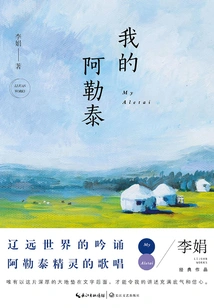
My Altay
Literature我的阿勒泰
Li Juan
"My Altay" is one of Li Juan's famous prose works and representative works. The original ecology records every bit of the author's life in the Altay region of northern Xinjiang, including the memories and insights of people and events. The text in the book is clear and pure, and the texture is pure. It reproduces the scenery and people in northern Xinjiang in an original way, and is full of a simple and refreshing atmosphere. Ten years ago, the author wrote down her life and insights in dense words on scraps of paper collected everywhere, and submitted them to literary journals in Xinjiang. Some senior editors believed that it was impossible for a girl in her twenties to write such fresh and talented works. But Liu Liangcheng, a famous writer in Xinjiang, discovered her and published her first work under the title "Nine Pieces of Snow". Only then did people begin to know that there was a girl from Xinjiang named Li Juan. Since then, her prose has been published in Southern Weekend and Wenhui Po. It is a completely genius work and has caused shock in the literary world. It is hard for people to imagine that a girl who has not received a complete higher education, whose reading scope is mainly limited to Jin Yong and Qiong Yao, and who has been living in the wilderness of northern Xinjiang, can write such fresh, lively, spiritual and vital words. Her works and books have successively won the Best Chinese Prose Award of the Year and been included in the top ten best books of the year. They are likely to become one of the prose classics of this era. Before the release of this new illustrated revised edition, the author personally revised and polished the book's contents and text, wrote a new preface, and divided the book into two parts: "Part 1: In Memory" and "Part 2: In the Corner" to make the content more pure and concentrated. At the same time, the book also includes exquisite photography works by the author's friend, the writer and photographer Kang Jian, who has lived in northern Xinjiang for many years and has deep feelings for Altay, for the readers' enjoyment.
"My Altay" is one of Li Juan's famous prose works and representative works. The original ecology records every bit of the author's life in the Altay region of northern Xinjiang, including the memories and insights of people and events. The text in the book is clear and pure, and the texture is pure. It reproduces the scenery and people in northern Xinjiang in an original way, and is full of a simple and refreshing atmosphere. Ten years ago, the author wrote down her life and insights in dense words on scraps of paper collected everywhere, and submitted them to literary journals in Xinjiang. Some senior editors believed that it was impossible for a girl in her twenties to write such fresh and talented works. But Liu Liangcheng, a famous writer in Xinjiang, discovered her and published her first work under the title "Nine Pieces of Snow". Only then did people begin to know that there was a girl from Xinjiang named Li Juan. Since then, her prose has been published in Southern Weekend and Wenhui Po. It is a completely genius work and has caused shock in the literary world. It is hard for people to imagine that a girl who has not received a complete higher education, whose reading scope is mainly limited to Jin Yong and Qiong Yao, and who has been living in the wilderness of northern Xinjiang, can write such fresh, lively, spiritual and vital words. Her works and books have successively won the Best Chinese Prose Award of the Year and been included in the top ten best books of the year. They are likely to become one of the prose classics of this era. Before the release of this new illustrated revised edition, the author personally revised and polished the book's contents and text, wrote a new preface, and divided the book into two parts: "Part 1: In Memory" and "Part 2: In the Corner" to make the content more pure and concentrated. At the same time, the book also includes exquisite photography works by the author's friend, the writer and photographer Kang Jian, who has lived in northern Xinjiang for many years and has deep feelings for Altay, for the readers' enjoyment.
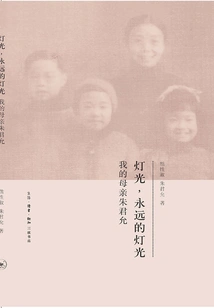
灯光,永远的灯光:我的母亲朱君允
Xiong Xingshu Zhu Junyun
This book is divided into two parts. The first part is a memoir written by Zhu Junyun's daughter Xiong Xingshu, which records the experiences of her mother Zhu Junyun and her family from childhood to adulthood, from the 1930s to the Cultural Revolution. Xiong Xingshu's writing is simple and restrained. She is sad for her mother who suffered an unfortunate fate, and she is also proud of her self-respect and self-reliance. The second part is Zhu Junyun's prose, poetry and translations published in the 1940s. The writing is elegant and affectionate, and also reflects the author's perseverance and patriotic sentiment. The preface of this book is written by Mr. Xiong Xingmei, a famous Chinese economist and the eldest son of Zhu Junyun and Xiong Foxi.
This book is divided into two parts. The first part is a memoir written by Zhu Junyun's daughter Xiong Xingshu, which records the experiences of her mother Zhu Junyun and her family from childhood to adulthood, from the 1930s to the Cultural Revolution. Xiong Xingshu's writing is simple and restrained. She is sad for her mother who suffered an unfortunate fate, and she is also proud of her self-respect and self-reliance. The second part is Zhu Junyun's prose, poetry and translations published in the 1940s. The writing is elegant and affectionate, and also reflects the author's perseverance and patriotic sentiment. The preface of this book is written by Mr. Xiong Xingmei, a famous Chinese economist and the eldest son of Zhu Junyun and Xiong Foxi.
冷海情深:达悟男人与海的故事
Charmaine Ramboan
This book contains twelve beautiful essays, about the intersection between the Tawu people and modern society, the experience and understanding of returning to traditional culture as an educated Tawu man who was "polluted" by Taiwan, his love for the ocean, his thoughts on life, and his national identity... The text of this book is beautiful and moving, and at the same time it opens a window for contemporary readers to see a world far away from the values of modern civilization. On a small island, the people on the island build trees and boats, cast nets to shoot fish, believe in nature, and sing songs... The author is not trying to satisfy people's curiosity. He seriously returns to traditional life. He is also shaken and has doubts. In the process of understanding culture, he thinks more about the value of life, the meaning of survival, power and beauty, and conveys it to contemporary readers. It is very worth reading.
This book contains twelve beautiful essays, about the intersection between the Tawu people and modern society, the experience and understanding of returning to traditional culture as an educated Tawu man who was "polluted" by Taiwan, his love for the ocean, his thoughts on life, and his national identity... The text of this book is beautiful and moving, and at the same time it opens a window for contemporary readers to see a world far away from the values of modern civilization. On a small island, the people on the island build trees and boats, cast nets to shoot fish, believe in nature, and sing songs... The author is not trying to satisfy people's curiosity. He seriously returns to traditional life. He is also shaken and has doubts. In the process of understanding culture, he thinks more about the value of life, the meaning of survival, power and beauty, and conveys it to contemporary readers. It is very worth reading.
Aesthetic Notes
Literature审美笔记
Liu Zaifu
This volume is the tenth volume of "Liu Zaifu's Prose Collection": a collection of literary criticism. It includes more than 60 critical articles written by the author on reading and appreciating famous Chinese and foreign literary figures in recent years, including critical articles about Gao Xingjian, the 2000 Nobel Prize winner in Literature, and Mo Yan, the 2012 Nobel Prize winner in Literature.
This volume is the tenth volume of "Liu Zaifu's Prose Collection": a collection of literary criticism. It includes more than 60 critical articles written by the author on reading and appreciating famous Chinese and foreign literary figures in recent years, including critical articles about Gao Xingjian, the 2000 Nobel Prize winner in Literature, and Mo Yan, the 2012 Nobel Prize winner in Literature.
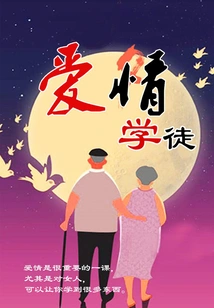
Love Apprentice
Literature爱情学徒
Liu Ye
Love is a very important lesson, especially for women, and it can teach you a lot. In my opinion, there are only three things that a man can love for a woman - body, mind and wealth. No matter how lovely the body is, it can only be enjoyed immediately and cannot be taken away. The only things that can be taken away are ideas and wealth. It's good to have both, but if you can't have both, most women will get hardware. But I won't. It's not that I'm noble, but that human nature is complicated. Except for princes and philosophers, there are few people in this world who do not care about the lost wealth. Even if you are willing at the time, you will not be able to guarantee that you will have no regrets or complaints in the future, and you will not say a few gossips or even bad words. Even if you can remain silent, you will maintain a permanent psychological advantage that was given to you.
Love is a very important lesson, especially for women, and it can teach you a lot. In my opinion, there are only three things that a man can love for a woman - body, mind and wealth. No matter how lovely the body is, it can only be enjoyed immediately and cannot be taken away. The only things that can be taken away are ideas and wealth. It's good to have both, but if you can't have both, most women will get hardware. But I won't. It's not that I'm noble, but that human nature is complicated. Except for princes and philosophers, there are few people in this world who do not care about the lost wealth. Even if you are willing at the time, you will not be able to guarantee that you will have no regrets or complaints in the future, and you will not say a few gossips or even bad words. Even if you can remain silent, you will maintain a permanent psychological advantage that was given to you.
Military Role Model
Literature军旅楷模
Wang Zongren
The series focuses on fulfilling the historical mission of our army in the new century and new stage, cultivating revolutionary soldiers with ideals, morality, culture, and discipline. It adopts a format that young soldiers love to read and read, and collects vivid stories, heroic models, poems and songs that reflect the fine traditions and revolutionary spirit of our army. It is an important reading for young soldiers to learn revolutionary theory and receive the influence of advanced culture. All units must combine ideological and political education, organize soldiers to read and study carefully, and make good use of this series of books.
The series focuses on fulfilling the historical mission of our army in the new century and new stage, cultivating revolutionary soldiers with ideals, morality, culture, and discipline. It adopts a format that young soldiers love to read and read, and collects vivid stories, heroic models, poems and songs that reflect the fine traditions and revolutionary spirit of our army. It is an important reading for young soldiers to learn revolutionary theory and receive the influence of advanced culture. All units must combine ideological and political education, organize soldiers to read and study carefully, and make good use of this series of books.
I Compete with My Third Brother
Literature我与三弟争上
Hu Yuexian
If someone wants to ask me what the theme of your book is, then I will answer you this way - the green years between brothers, a true portrayal of ordinary life. Yes, this book has no extraneous fictions or flashy rhetoric, because the best way to remember a loved one is to read his books, inherit his legacy, and complete his unfinished business. So what is the career you are striving for? To sum up, it is his spiritual value and the ideal sentiment he pursued throughout his life, and these cannot be desecrated, let alone scrawled on words. Based on this principle, I wrote about his life, his study and study, his work and life, his voice and appearance, his ambitions and pride, all of them are written according to the facts, without infinite exaggeration or understatement. But now it seems that there are still many flaws. For example, there seems to be less description of daily life, and the focus is on the reflection of some large lines, which is not vivid enough. On the one hand, this is because he left home very early and we did not spend much time together. On the other hand, the author was unable to do what he was capable of. This is something I should feel guilty about.
If someone wants to ask me what the theme of your book is, then I will answer you this way - the green years between brothers, a true portrayal of ordinary life. Yes, this book has no extraneous fictions or flashy rhetoric, because the best way to remember a loved one is to read his books, inherit his legacy, and complete his unfinished business. So what is the career you are striving for? To sum up, it is his spiritual value and the ideal sentiment he pursued throughout his life, and these cannot be desecrated, let alone scrawled on words. Based on this principle, I wrote about his life, his study and study, his work and life, his voice and appearance, his ambitions and pride, all of them are written according to the facts, without infinite exaggeration or understatement. But now it seems that there are still many flaws. For example, there seems to be less description of daily life, and the focus is on the reflection of some large lines, which is not vivid enough. On the one hand, this is because he left home very early and we did not spend much time together. On the other hand, the author was unable to do what he was capable of. This is something I should feel guilty about.
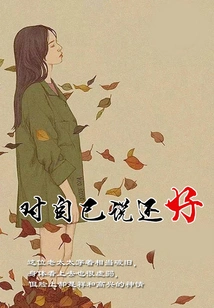
Say to Yourself It's Okay
Literature对自己说还好
Liu Ye
A Chinese female writer visiting the United States met an old lady selling flowers on the streets of New York. The old lady's clothes were quite shabby, and her body looked very weak, but she had a peaceful and happy expression on her face. The female writer picked a flower and said, "You look very optimistic." "Why not? Everything is so beautiful." "You are really open to troubles." The female writer said casually. The old lady's answer surprised the female writer: "When Jesus was crucified on Friday, it was the worst day in the world, but Easter was three days later. So, when I encounter misfortune, I will wait three days and everything will return to normal."
A Chinese female writer visiting the United States met an old lady selling flowers on the streets of New York. The old lady's clothes were quite shabby, and her body looked very weak, but she had a peaceful and happy expression on her face. The female writer picked a flower and said, "You look very optimistic." "Why not? Everything is so beautiful." "You are really open to troubles." The female writer said casually. The old lady's answer surprised the female writer: "When Jesus was crucified on Friday, it was the worst day in the world, but Easter was three days later. So, when I encounter misfortune, I will wait three days and everything will return to normal."
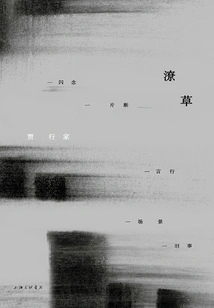
Scrawled
Literature潦草
Jia Xingjia
This is a book of prose notes about life and life. The author, Jia Xingjia, uses gel-like writing style and extremely rare sincerity to record these "a flash of thought, a fragment, a word and an action, a scene, and an old event" stroke by stroke. The threads of "impermanence", "abandonment", "abnormality", "softness", "method of living", "foreign", "dirty", "gloomy", "hatred", "industry", "reminiscing about the past", etc., Show the vastness of life, human heart and human nature, and outline the scrawled lives and our scrawled views of life. As the author said: Due to the insignificance of human beings, "reality" is always surprising.
This is a book of prose notes about life and life. The author, Jia Xingjia, uses gel-like writing style and extremely rare sincerity to record these "a flash of thought, a fragment, a word and an action, a scene, and an old event" stroke by stroke. The threads of "impermanence", "abandonment", "abnormality", "softness", "method of living", "foreign", "dirty", "gloomy", "hatred", "industry", "reminiscing about the past", etc., Show the vastness of life, human heart and human nature, and outline the scrawled lives and our scrawled views of life. As the author said: Due to the insignificance of human beings, "reality" is always surprising.
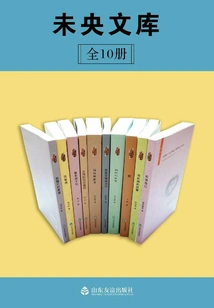
Weiyang Library
Literature未央文库
Song Yongliang
This library selects several essays and poems, all of which are filled with the author's full emotion, based on the background of regional humanities and history, with novel ideas, rich imagination, profound philosophy, and humanistic care. It is a collection of literature that can inspire and think about. ?
This library selects several essays and poems, all of which are filled with the author's full emotion, based on the background of regional humanities and history, with novel ideas, rich imagination, profound philosophy, and humanistic care. It is a collection of literature that can inspire and think about. ?
Be Kind to Yourself
Literature对自己好点
Liu Ye
Life is like the ocean, and life is just like a boat, raising the sail of thinking and traveling through the ocean of life. The white sails greet the strong wind and waves, and what the thoughts collide with is happiness or sadness; positivity or depression...
Life is like the ocean, and life is just like a boat, raising the sail of thinking and traveling through the ocean of life. The white sails greet the strong wind and waves, and what the thoughts collide with is happiness or sadness; positivity or depression...
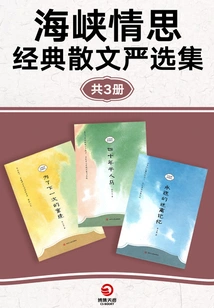
海峡情思:经典散文严选集(共3册)
Lin Wenyi Chen Yizhi Liao Yuhui
This set of books consists of 3 volumes, namely "Forty Years of Centaur", "For the Next Reunion" and "Eternal Blurred Memory". "Forty Years of Centaur": This book collects some of the author's prose works created since 1970. The author's thoughts and feelings may be nostalgia, nostalgia for the past, family love, or praise of nature, examination of life, and perception of life. It reflects the author's 40 years of prose creation from the passionate worship of a young boy, through the transformation of consciousness in creation, and then to self-discipline. The creative trajectory established by the literary style, the writing style is unique, both masculine and as tender as jade, just as Taiwan's contemporary literary critic Zhang Ruifen said: "Mighty and melancholy, masculine but beautiful, combining the feminine body with the rough side, like the centaur in Greek mythology that combines yin and yang." "For the Next Reunion": Yi Zhi is a well-known Taiwanese writer. This book is the author's first collection of self-selected essays published in mainland China. Chen Yizhi's prose is rich in content, and the words are warm and elegant. What he touches in his writing, whether it is the most emotional homesickness, or the understanding of the impermanence of life, or the common emotions of blood and roots, all reveal the experience of the vicissitudes of life over the years. "Eternal Blurred Memory": This book is Liao Yuhui's self-selected collection, including nearly 30 essays written and published by the author over the years. Liao Yuhui is a representative female writer in Taiwanese prose writing. She emerged in the Taiwanese literary world in the 1980s. Her creative themes mostly come from family life, teacher-student interaction and social observation. She conveys fresh and warm emotions, humorous and sarcastic language. Her works are full of warmth, family affection, nostalgia, and the unique tenderness of female writers. She traces another side of society from ordinary events that ordinary people cannot easily see. Her writing style is humorous and simple, and she is very popular among readers.
This set of books consists of 3 volumes, namely "Forty Years of Centaur", "For the Next Reunion" and "Eternal Blurred Memory". "Forty Years of Centaur": This book collects some of the author's prose works created since 1970. The author's thoughts and feelings may be nostalgia, nostalgia for the past, family love, or praise of nature, examination of life, and perception of life. It reflects the author's 40 years of prose creation from the passionate worship of a young boy, through the transformation of consciousness in creation, and then to self-discipline. The creative trajectory established by the literary style, the writing style is unique, both masculine and as tender as jade, just as Taiwan's contemporary literary critic Zhang Ruifen said: "Mighty and melancholy, masculine but beautiful, combining the feminine body with the rough side, like the centaur in Greek mythology that combines yin and yang." "For the Next Reunion": Yi Zhi is a well-known Taiwanese writer. This book is the author's first collection of self-selected essays published in mainland China. Chen Yizhi's prose is rich in content, and the words are warm and elegant. What he touches in his writing, whether it is the most emotional homesickness, or the understanding of the impermanence of life, or the common emotions of blood and roots, all reveal the experience of the vicissitudes of life over the years. "Eternal Blurred Memory": This book is Liao Yuhui's self-selected collection, including nearly 30 essays written and published by the author over the years. Liao Yuhui is a representative female writer in Taiwanese prose writing. She emerged in the Taiwanese literary world in the 1980s. Her creative themes mostly come from family life, teacher-student interaction and social observation. She conveys fresh and warm emotions, humorous and sarcastic language. Her works are full of warmth, family affection, nostalgia, and the unique tenderness of female writers. She traces another side of society from ordinary events that ordinary people cannot easily see. Her writing style is humorous and simple, and she is very popular among readers.
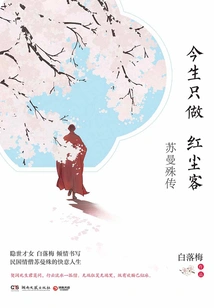
今生只做红尘客
Bai Luomei
The reclusive talented woman Bai Luomei lovingly writes about the happy life of Su Manshu, the love monk of the Republic of China! He became a monk at a young age, read scriptures, meditated and recited the Buddha's name, vowing to live with a green lantern until he grew old, but in the end his heart was in the mortal world. Deep-rooted love, several romantic encounters, several lovesicknesses, but in the end they hurt others and themselves. He is full of passion, runs around and shouts, and wants to do his best for the country and the people. Traveling in the world of mortals for thirty-five years, all sentient beings have no worries. He is Su Manshu, the love monk of the Republic of China. Bai Luomei uses elegant and concise words to describe the pain of wandering in her life and the irreverence of pretending to be crazy and cynical.
The reclusive talented woman Bai Luomei lovingly writes about the happy life of Su Manshu, the love monk of the Republic of China! He became a monk at a young age, read scriptures, meditated and recited the Buddha's name, vowing to live with a green lantern until he grew old, but in the end his heart was in the mortal world. Deep-rooted love, several romantic encounters, several lovesicknesses, but in the end they hurt others and themselves. He is full of passion, runs around and shouts, and wants to do his best for the country and the people. Traveling in the world of mortals for thirty-five years, all sentient beings have no worries. He is Su Manshu, the love monk of the Republic of China. Bai Luomei uses elegant and concise words to describe the pain of wandering in her life and the irreverence of pretending to be crazy and cynical.
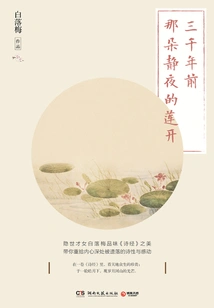
三千年前那朵静夜的莲开
Bai Luomei
The reclusive talented girl Bai Luomei appreciates the beauty of "The Book of Songs" and helps you regain the lost poetry and emotion deep in your heart. In a volume of the Book of Songs, you can see the preciousness of all living things in the world; under a bright moon, you can see the light of time, rivers and mountains. The Book of Songs is not only a collection of poems, but also a classic that has been passed down by the Chinese nation for thousands of years and is the source of Chinese literature. However, because the ancient text is obscure and difficult to understand, it is often "out of reach" for ordinary readers. Bai Luomei selects representative poems from the Book of Songs, appreciates them through delicate and beautiful writing, and approaches the ancient and beautiful world of the Book of Songs with readers, and understands that simple things are actually more clear and graceful, and more shocking.
The reclusive talented girl Bai Luomei appreciates the beauty of "The Book of Songs" and helps you regain the lost poetry and emotion deep in your heart. In a volume of the Book of Songs, you can see the preciousness of all living things in the world; under a bright moon, you can see the light of time, rivers and mountains. The Book of Songs is not only a collection of poems, but also a classic that has been passed down by the Chinese nation for thousands of years and is the source of Chinese literature. However, because the ancient text is obscure and difficult to understand, it is often "out of reach" for ordinary readers. Bai Luomei selects representative poems from the Book of Songs, appreciates them through delicate and beautiful writing, and approaches the ancient and beautiful world of the Book of Songs with readers, and understands that simple things are actually more clear and graceful, and more shocking.
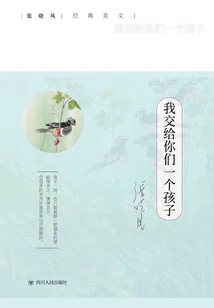
I Give You a Child
Literature我交给你们一个孩子
Zhang Xiaofeng
Many articles in this book have been selected as textbooks and teaching aids in my country. Zhang Xiaofeng's writing always has a gentle tenderness that is unique to women, but the tenderness is always filled with the kind of rationality that seems to know all the secrets of the world. Even ordinary scenes in life can allow her to appreciate life; she enters the past and present with emotion, Looking up at the vastness of the universe, looking for the beauty of leisurely life in the noisy city; there is also a cheerful spirit of majesty and chivalry, coupled with the elegance and pathos of women, delicate tenderness, using intelligence to enhance sensibility, and expanding the personal vision to the greater self. With his discerning eyes that see through life, Zhang Xiaofeng tastes beauty, elegance and tenderness in trivial and ordinary things.
Many articles in this book have been selected as textbooks and teaching aids in my country. Zhang Xiaofeng's writing always has a gentle tenderness that is unique to women, but the tenderness is always filled with the kind of rationality that seems to know all the secrets of the world. Even ordinary scenes in life can allow her to appreciate life; she enters the past and present with emotion, Looking up at the vastness of the universe, looking for the beauty of leisurely life in the noisy city; there is also a cheerful spirit of majesty and chivalry, coupled with the elegance and pathos of women, delicate tenderness, using intelligence to enhance sensibility, and expanding the personal vision to the greater self. With his discerning eyes that see through life, Zhang Xiaofeng tastes beauty, elegance and tenderness in trivial and ordinary things.
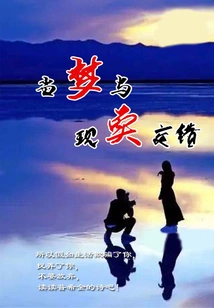
When Dreams and Reality Intersect
Literature当梦与现实交错
Liu Ye
Everyone's life is full of bitterness and sweetness, laughter and tears. When it is sweet, people don't realize it and take it for granted; but when it is bitter, people cry and complain. You see, when faced with torture, some people become depressed, pessimistic, and disheartened. As a result, they will never taste the sweetness of life. And those who bravely push forward despite difficulties, have gone through the twists and turns of life, and tasted the joy of having a band in the midst of suffering! So if life deceives you and plays tricks on you, don't give up and read Pushkin's poems! It will give you strength, help you get rid of pain, and give you hope.
Everyone's life is full of bitterness and sweetness, laughter and tears. When it is sweet, people don't realize it and take it for granted; but when it is bitter, people cry and complain. You see, when faced with torture, some people become depressed, pessimistic, and disheartened. As a result, they will never taste the sweetness of life. And those who bravely push forward despite difficulties, have gone through the twists and turns of life, and tasted the joy of having a band in the midst of suffering! So if life deceives you and plays tricks on you, don't give up and read Pushkin's poems! It will give you strength, help you get rid of pain, and give you hope.
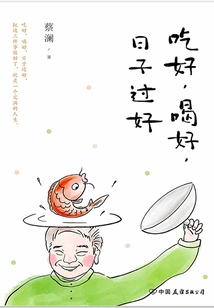
Eat Well, Drink Well, Live Well
Literature吃好,喝好,日子过好
Cai Lam
"Eat well, drink well, live well" selects more than 80 classic essays by Chua Lam. He writes about food so vividly that you feel as if you are actually there, as if a plate of delicacies is placed in front of you. He writes about women, who are beautiful but not vulgar, with various poses and expressions. The beauty and ugliness are vivid on the page, which makes people laugh and leave endless aftertaste. He writes about life in a wayward and free-spirited way, and is transparent and open-minded. He may seem old and dishonest, but he reveals the wisdom of life everywhere. The content of this book covers food, life, love, men and women, and even tea drinking, smoking and exercise. The articles are lively and interesting and contain Zen philosophy. Eat well, drink well, and live well. If you do these three things well, you will have a complete life. I hope you can eat well every day, know how to live, and love life.
"Eat well, drink well, live well" selects more than 80 classic essays by Chua Lam. He writes about food so vividly that you feel as if you are actually there, as if a plate of delicacies is placed in front of you. He writes about women, who are beautiful but not vulgar, with various poses and expressions. The beauty and ugliness are vivid on the page, which makes people laugh and leave endless aftertaste. He writes about life in a wayward and free-spirited way, and is transparent and open-minded. He may seem old and dishonest, but he reveals the wisdom of life everywhere. The content of this book covers food, life, love, men and women, and even tea drinking, smoking and exercise. The articles are lively and interesting and contain Zen philosophy. Eat well, drink well, and live well. If you do these three things well, you will have a complete life. I hope you can eat well every day, know how to live, and love life.
Know How to Love
Literature懂得去爱
Liu Ye
Early the next morning, we walked to the foot of the mountain. At the cable car station, the tour guide asked us whether we should climb the mountain or take the bus. I said we were here to climb the mountain today, and those who took the cable car were not heroes! Everyone agreed. I feel that the air is so fresh and the sun is so bright. When I look up, the mountains are green. I can't wait to climb to the top of the mountain. I seemed to be freed like a caged bird. I suddenly rushed to the front, much faster than the tour guide. Last summer, our family went to Sanqing Mountain.
Early the next morning, we walked to the foot of the mountain. At the cable car station, the tour guide asked us whether we should climb the mountain or take the bus. I said we were here to climb the mountain today, and those who took the cable car were not heroes! Everyone agreed. I feel that the air is so fresh and the sun is so bright. When I look up, the mountains are green. I can't wait to climb to the top of the mountain. I seemed to be freed like a caged bird. I suddenly rushed to the front, much faster than the tour guide. Last summer, our family went to Sanqing Mountain.
Are You Beautiful in the 20th Century?
Literature20世纪你美吗?
Liu Ye
One fine day, I was surfing the Internet alone in the house. Suddenly I felt very bored and really wanted someone to accompany me. After a while, I felt more and more bored, so I turned off the phone and lay on the lifeless bed. Time passed bit by bit, but it seemed to have stopped for me, and my heart also stopped moving. It was replaced by a virus-like loneliness. I felt uncomfortable and boring. After a while, I finally couldn't lie down anymore, so I walked towards the balcony, and suddenly I saw two little bees singing in harmony to collect honey, touching you and me from time to time, how happy and sweet it is! I also envy them so much! Just like cicadas envy the wild geese that can fly freely in the sky, seeing these, I had an unknown feeling, and slowly walked back to continue my lonely journey.
One fine day, I was surfing the Internet alone in the house. Suddenly I felt very bored and really wanted someone to accompany me. After a while, I felt more and more bored, so I turned off the phone and lay on the lifeless bed. Time passed bit by bit, but it seemed to have stopped for me, and my heart also stopped moving. It was replaced by a virus-like loneliness. I felt uncomfortable and boring. After a while, I finally couldn't lie down anymore, so I walked towards the balcony, and suddenly I saw two little bees singing in harmony to collect honey, touching you and me from time to time, how happy and sweet it is! I also envy them so much! Just like cicadas envy the wild geese that can fly freely in the sky, seeing these, I had an unknown feeling, and slowly walked back to continue my lonely journey.
Different Kind of Love
Literature别样的爱
Liu Ye
The dreaming white dove flies over the roof of my deepest love, with a piece of feather floating in the wind... The white floating clouds, which originally seemed to be cold rain, turned out to hide an awakening. The blue clear sky becomes more transparent after being swept by the clouds. My courage is cloudless...
The dreaming white dove flies over the roof of my deepest love, with a piece of feather floating in the wind... The white floating clouds, which originally seemed to be cold rain, turned out to hide an awakening. The blue clear sky becomes more transparent after being swept by the clouds. My courage is cloudless...
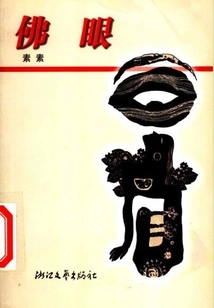
Buddha Eye
Literature佛眼
Susu
This book contains essays such as "Staying Together", "Dancing Alone", "Never Promise", "Adoring the City", "The Embarrassment of Celebrities", "Women's Prose", and "Graceful Jiangnan".
This book contains essays such as "Staying Together", "Dancing Alone", "Never Promise", "Adoring the City", "The Embarrassment of Celebrities", "Women's Prose", and "Graceful Jiangnan".
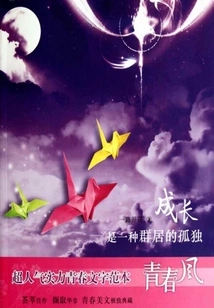
成长是一种群居的孤独
Bloom All The Way
This book is a collection of the author's essays on "Blooming All the Way", which is compiled from inspirational growth articles published by "Blooming All the Way" in well-known domestic publications over the years. Every year, some works are used as reading comprehension test questions in Chinese language test papers for high school and college entrance examinations.
This book is a collection of the author's essays on "Blooming All the Way", which is compiled from inspirational growth articles published by "Blooming All the Way" in well-known domestic publications over the years. Every year, some works are used as reading comprehension test questions in Chinese language test papers for high school and college entrance examinations.
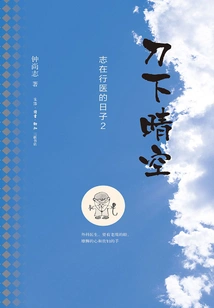
刀下晴空:志在行医的日子(2)
Zhong Shangzhi
There are 100 short essays written by Professor Chung Shang-chi, a famous Hong Kong surgeon, divided into four parts: "A Strict Teacher and a Disciple", "A Brief Explanation of Pathology", "Occasionally Picked Up by a Hanging Pot" and "Chronicles of the Apricot Grove". Among them, there are insights from studying medicine in Ireland in his early years and later practicing medicine and teaching in Hong Kong, as well as experiences and insights from practicing medicine and teaching in Papua New Guinea and other places, as well as explanations of common diseases for the general public and some interesting historical anecdotes in the medical field. It's easy and fun to read, and has extra benefits.
There are 100 short essays written by Professor Chung Shang-chi, a famous Hong Kong surgeon, divided into four parts: "A Strict Teacher and a Disciple", "A Brief Explanation of Pathology", "Occasionally Picked Up by a Hanging Pot" and "Chronicles of the Apricot Grove". Among them, there are insights from studying medicine in Ireland in his early years and later practicing medicine and teaching in Hong Kong, as well as experiences and insights from practicing medicine and teaching in Papua New Guinea and other places, as well as explanations of common diseases for the general public and some interesting historical anecdotes in the medical field. It's easy and fun to read, and has extra benefits.
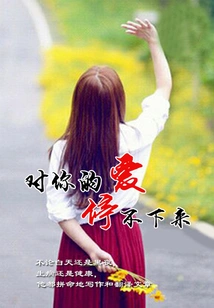
I Can't Stop Loving You
Literature对你的爱停不下来
Liu Ye
I have climbed the beautiful Huashan Mountain and admired the majestic Yangtze River. But I have never seen the Old Summer Palace that was burned to ashes by the fire! This "Beijing Science and Technology Tour" summer camp allowed me to witness the desolation of the Old Summer Palace. As soon as I walked into the Old Summer Palace, I saw desolation everywhere: some pillars were erected there, as if they were telling the various crimes of the British and French allied forces; some pillars were leaning, as if they were in danger of falling down at any time; and some pillars were lying on the ground, as if they were groaning in pain. In the distance, the wind blew the dead leaves, and the leaves swirled and fell to the ground, making people full of sadness.
I have climbed the beautiful Huashan Mountain and admired the majestic Yangtze River. But I have never seen the Old Summer Palace that was burned to ashes by the fire! This "Beijing Science and Technology Tour" summer camp allowed me to witness the desolation of the Old Summer Palace. As soon as I walked into the Old Summer Palace, I saw desolation everywhere: some pillars were erected there, as if they were telling the various crimes of the British and French allied forces; some pillars were leaning, as if they were in danger of falling down at any time; and some pillars were lying on the ground, as if they were groaning in pain. In the distance, the wind blew the dead leaves, and the leaves swirled and fell to the ground, making people full of sadness.
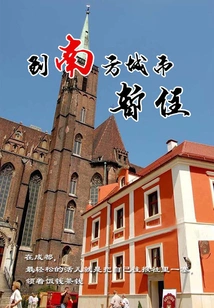
Live Temporarily in a Southern City
Literature到南方城市暂住
Liu Ye
In Chengdu, the easiest job is to work in a newspaper office, get food and tea money, and hang out day and night - the so-called "hang" is a very cultural term - this is how I lived in Chengdu in my early years. It's really hard to watch people in Chengdu fight - you can exchange verbal insults all day long, and then continue the exchange the next day, but don't take action. Not taking action is a metaphor. It does not mean that they are all gentlemen, but it means that they are too lazy to take action as long as conditions permit or it is acceptable for the time being.
In Chengdu, the easiest job is to work in a newspaper office, get food and tea money, and hang out day and night - the so-called "hang" is a very cultural term - this is how I lived in Chengdu in my early years. It's really hard to watch people in Chengdu fight - you can exchange verbal insults all day long, and then continue the exchange the next day, but don't take action. Not taking action is a metaphor. It does not mean that they are all gentlemen, but it means that they are too lazy to take action as long as conditions permit or it is acceptable for the time being.
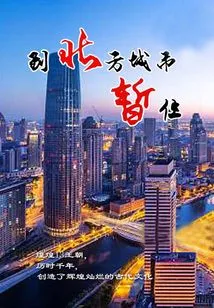
Live Temporarily in a Northern City
Literature到北方城市暂住
Liu Ye
The 13 Huanghuang dynasties lasted for thousands of years and created a splendid ancient culture. Historical relics such as bronzes of the Western Zhou Dynasty, bricks and tiles of the Qin and Han Dynasties, pottery figurines, stone carvings of the Han and Tang Dynasties, and gilt and tricolor paintings of the Tang Dynasty are all rare treasures and symbols of the nation. To go to work on the 72nd floor of Diwang, you have to take the elevator in the lobby to the 40th floor, and then transfer to the elevator on the 72nd floor. When you get out of the elevator on the 40th floor, you will see simple white walls everywhere in front of you. You will suddenly be confused. Is this the inside of Diwang? Of course, this is not only the inside of Diwang, this is also the inside of Shenzhen.
The 13 Huanghuang dynasties lasted for thousands of years and created a splendid ancient culture. Historical relics such as bronzes of the Western Zhou Dynasty, bricks and tiles of the Qin and Han Dynasties, pottery figurines, stone carvings of the Han and Tang Dynasties, and gilt and tricolor paintings of the Tang Dynasty are all rare treasures and symbols of the nation. To go to work on the 72nd floor of Diwang, you have to take the elevator in the lobby to the 40th floor, and then transfer to the elevator on the 72nd floor. When you get out of the elevator on the 40th floor, you will see simple white walls everywhere in front of you. You will suddenly be confused. Is this the inside of Diwang? Of course, this is not only the inside of Diwang, this is also the inside of Shenzhen.
You Have to Walk in This World Kindly
Literature你要亲切地走在人间
Zhu Chengyu
This book is a selection of Zhu Chengyu's essays. Zhu Chengyu's prose is very distinctive: the content is full of philosophical thoughts and touches: he either captures the details of life and sees the big from the small; or he writes about another wonderful life that is completely ignored by us but blooms spontaneously. This book includes Zhu Chengyu's "My Only Wings Are With You", "Falling Leaves Are an Invitation to Winter", "The Moon Falls into the Water Tank" and other selected modern literature readings for middle school students. It strives to comprehensively present the artistic quality of Zhu Chengyu's short prose in several categories.
This book is a selection of Zhu Chengyu's essays. Zhu Chengyu's prose is very distinctive: the content is full of philosophical thoughts and touches: he either captures the details of life and sees the big from the small; or he writes about another wonderful life that is completely ignored by us but blooms spontaneously. This book includes Zhu Chengyu's "My Only Wings Are With You", "Falling Leaves Are an Invitation to Winter", "The Moon Falls into the Water Tank" and other selected modern literature readings for middle school students. It strives to comprehensively present the artistic quality of Zhu Chengyu's short prose in several categories.
Tang Dynasty Station
Literature唐朝的驿站
Xia Jianyong
This book is a self-selected collection of Xia Jianyong's prose, divided into three series: the first series includes Xia Jianyong's historical and cultural prose works, such as "The Station of the Tang Dynasty" and "Several Simulation Questions Done by Bai Juyi", etc. The second series mainly includes a series of rural nostalgia and other daily works. Prose works that are realistic to daily life, such as "Children's Chorus", "Three Kinds of Grass", "Remembering the Cabin", etc. The third volume includes two huge cultural essays, "Heroes' Ode" and "War Ode", striving to fully present the artistic characteristics of Xia Jianyong's prose. Xia Jianyong is an important representative writer of cultural prose and the winner of the Lu Xun Literature Prize. His works are both generous and generous, concise and warm, and have high cultural and artistic qualities. He is undoubtedly one of the important representatives of contemporary prose.
This book is a self-selected collection of Xia Jianyong's prose, divided into three series: the first series includes Xia Jianyong's historical and cultural prose works, such as "The Station of the Tang Dynasty" and "Several Simulation Questions Done by Bai Juyi", etc. The second series mainly includes a series of rural nostalgia and other daily works. Prose works that are realistic to daily life, such as "Children's Chorus", "Three Kinds of Grass", "Remembering the Cabin", etc. The third volume includes two huge cultural essays, "Heroes' Ode" and "War Ode", striving to fully present the artistic characteristics of Xia Jianyong's prose. Xia Jianyong is an important representative writer of cultural prose and the winner of the Lu Xun Literature Prize. His works are both generous and generous, concise and warm, and have high cultural and artistic qualities. He is undoubtedly one of the important representatives of contemporary prose.
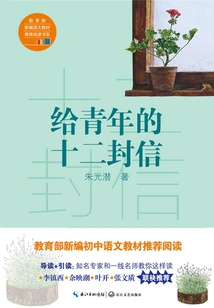
Twelve Letters to Young People
Literature给青年的十二封信
Zhu Guangqian
This book includes "Twelve Letters to Youth" and "Talk about Cultivation". Written during Zhu Guangqian's youth and middle age respectively, "Twelve Letters to Youth" focuses on matters that young people are concerned about or should be concerned about. They talk about reading, entering higher education and course selection, writing, love and reason, self-cultivation, social movements, and love. "Talking about Cultivation" is a summary of the principles of life that the author has summarized ten years later and has been teaching for many years. He has gained more experience in thinking about young people and the sophistication of human nature. It also provides a profound analysis and earnest guidance on the common symptoms of young people. Reading these articles is like talking face to face with a close friend, sincere and cordial, like taking a breath of spring breeze.
This book includes "Twelve Letters to Youth" and "Talk about Cultivation". Written during Zhu Guangqian's youth and middle age respectively, "Twelve Letters to Youth" focuses on matters that young people are concerned about or should be concerned about. They talk about reading, entering higher education and course selection, writing, love and reason, self-cultivation, social movements, and love. "Talking about Cultivation" is a summary of the principles of life that the author has summarized ten years later and has been teaching for many years. He has gained more experience in thinking about young people and the sophistication of human nature. It also provides a profound analysis and earnest guidance on the common symptoms of young people. Reading these articles is like talking face to face with a close friend, sincere and cordial, like taking a breath of spring breeze.
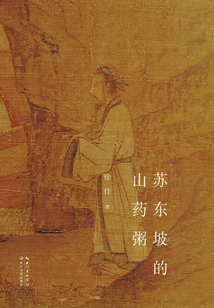
Su Dongpo's Yam Porridge
Literature苏东坡的山药粥
Xu Jia
This book is a collection of Xu Jia's cultural prose works, including "Perch on the Songjiang River", "Eastern Jin Dynasty on Paper", "Biography of Du Shi", "Swords Shooting Heaven and Earth", "Shop Signs in the Song Dynasty", "The Lonely Poet" and other works. These cultural prose may focus on some important historical events. Characters, such as Li Bai, Du Fu, Wang Xizhi, Gou Jian, etc.; Or trace the origins of some important historical archaeological events, such as the excavation process of Ma Tafeiyan and Yue King Gou Jian, returning to the historical scene; or explore some interesting historical phenomena, such as the shops in the capital of the Song Dynasty. The text has a simple and thick style, which is highly artistic and readable.
This book is a collection of Xu Jia's cultural prose works, including "Perch on the Songjiang River", "Eastern Jin Dynasty on Paper", "Biography of Du Shi", "Swords Shooting Heaven and Earth", "Shop Signs in the Song Dynasty", "The Lonely Poet" and other works. These cultural prose may focus on some important historical events. Characters, such as Li Bai, Du Fu, Wang Xizhi, Gou Jian, etc.; Or trace the origins of some important historical archaeological events, such as the excavation process of Ma Tafeiyan and Yue King Gou Jian, returning to the historical scene; or explore some interesting historical phenomena, such as the shops in the capital of the Song Dynasty. The text has a simple and thick style, which is highly artistic and readable.
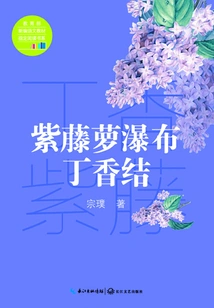
Wisteria Waterfall·lilac Knot
Literature紫藤萝瀑布·丁香结
Zong Pu
"Wisteria Waterfall Lilac Knot" is Zong Pu's classic prose collection, including "Wisteria Waterfall", "Lilac Knot", "Pine Lover" and other famous articles. Zong Pu uses beautiful and gentle language to describe seemingly ordinary life situations and details, recreating the ups and downs of the characters' fate and historical changes, with a soft bookish atmosphere and a cultural texture that is immersed in the bone marrow.
"Wisteria Waterfall Lilac Knot" is Zong Pu's classic prose collection, including "Wisteria Waterfall", "Lilac Knot", "Pine Lover" and other famous articles. Zong Pu uses beautiful and gentle language to describe seemingly ordinary life situations and details, recreating the ups and downs of the characters' fate and historical changes, with a soft bookish atmosphere and a cultural texture that is immersed in the bone marrow.
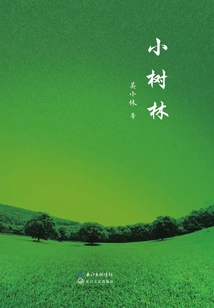
Grove
Literature小树林
Wu Xiaolin
"Little Woods" is a collection of prose works by Wu Xiaolin. The book consists of two parts: "Short Sentences" and "Essays". The "Short Sentences" part is composed of aphoristic short sentences, and the "Essay" part is composed of short and concise articles that record the author's observations and insights about people and the world. The works observe the world and read people, express life insights, and promote positive energy; the style is smooth and the language is concise.
"Little Woods" is a collection of prose works by Wu Xiaolin. The book consists of two parts: "Short Sentences" and "Essays". The "Short Sentences" part is composed of aphoristic short sentences, and the "Essay" part is composed of short and concise articles that record the author's observations and insights about people and the world. The works observe the world and read people, express life insights, and promote positive energy; the style is smooth and the language is concise.
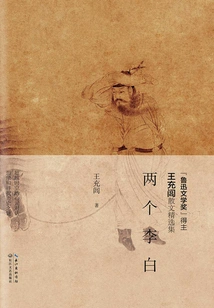
Two Li Bai
Literature两个李白
Wang Chonglu
This book is a self-selected collection of prose by Wang Chonglu, winner of the Lu Xun Literature Prize. It selects representative works of Wang Chonglu's historical and cultural prose, which are mainly divided into four categories: literati, emperors, political figures, and women, such as "Two Li Bais", "Love Can't Awaken", "Under Mawei Slope" "Three Debates", "Li Shishi's True Love", "The Myth of Desire", "The Torture of the Soul" and other chapters. These essays mostly start from the perspective of the fate of the characters, and then reflect the historical, social, economic and other aspects of the situation at that time, and use points to cover the whole. Wang Chonglu's historical and cultural prose is fluent, has high artistic aesthetic value, and forms a simple and profound artistic style. It is a rare literary work in contemporary prose.
This book is a self-selected collection of prose by Wang Chonglu, winner of the Lu Xun Literature Prize. It selects representative works of Wang Chonglu's historical and cultural prose, which are mainly divided into four categories: literati, emperors, political figures, and women, such as "Two Li Bais", "Love Can't Awaken", "Under Mawei Slope" "Three Debates", "Li Shishi's True Love", "The Myth of Desire", "The Torture of the Soul" and other chapters. These essays mostly start from the perspective of the fate of the characters, and then reflect the historical, social, economic and other aspects of the situation at that time, and use points to cover the whole. Wang Chonglu's historical and cultural prose is fluent, has high artistic aesthetic value, and forms a simple and profound artistic style. It is a rare literary work in contemporary prose.
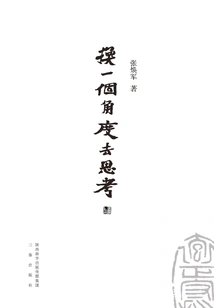
Think from Another Angle
Literature换一个角度去思考
Zhang Huanjun
"Thinking from a Different Angle" is a collection of prose essays. The author Zhang Huanjun recorded his insights on people and things in life over the years and compiled them into a volume. The book contains a total of 47 articles, which include understanding and thinking about life, expressions of affection for the elderly and children, and promotion of positive energy in current society. The author embodies the philosophical thinking of the core values of socialism from a small thing, a detail, and an experience. The writing is simple and close to life.
"Thinking from a Different Angle" is a collection of prose essays. The author Zhang Huanjun recorded his insights on people and things in life over the years and compiled them into a volume. The book contains a total of 47 articles, which include understanding and thinking about life, expressions of affection for the elderly and children, and promotion of positive energy in current society. The author embodies the philosophical thinking of the core values of socialism from a small thing, a detail, and an experience. The writing is simple and close to life.
2015 China Annual Prose
Literature2015年中国年度散文
Selected By Wang Jianbing
The 2015 essays were selected by well-known selectors in the Chinese prose circle and were carefully selected from the works published in newspapers and periodicals across the country that year. The purpose is to review the performance of the essays of the year and to fairly and objectively select the essays of the year that are both ideological and artistic, representative and influential.
The 2015 essays were selected by well-known selectors in the Chinese prose circle and were carefully selected from the works published in newspapers and periodicals across the country that year. The purpose is to review the performance of the essays of the year and to fairly and objectively select the essays of the year that are both ideological and artistic, representative and influential.
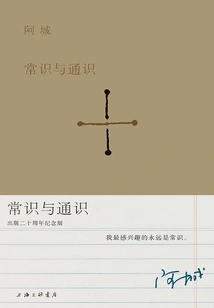
Common Sense and General Knowledge
Literature常识与通识
Acheng
The twelve articles in "Common Sense and General Knowledge" are the columns written by Mr. Acheng for "Harvest". The original title was "Destroying the Scenery" because talking about common sense often destroys the scenery. These articles are written in Los Angeles, Mexico, Shanghai, Taipei... Acheng, who has traveled around the world, tells readers "common sense" - you come from your hometown and you should know the things about your hometown. He took back the abstract knowledge and pondered it in his interesting secular world. His soothing prose style pays homage to "The Story of Humanity", the enlightenment book of life. "Homesickness and Protease", "Love and Chemistry", "Attack and Humanity"... These popular masterpieces are sober, humorous, beautiful and imaginative. Reading them still stimulates the brain. The Republic of China has launched a 20th anniversary commemorative edition, and Tang Nuo's accompanying article "A Qingming World, a Bright Universe" is included in the book.
The twelve articles in "Common Sense and General Knowledge" are the columns written by Mr. Acheng for "Harvest". The original title was "Destroying the Scenery" because talking about common sense often destroys the scenery. These articles are written in Los Angeles, Mexico, Shanghai, Taipei... Acheng, who has traveled around the world, tells readers "common sense" - you come from your hometown and you should know the things about your hometown. He took back the abstract knowledge and pondered it in his interesting secular world. His soothing prose style pays homage to "The Story of Humanity", the enlightenment book of life. "Homesickness and Protease", "Love and Chemistry", "Attack and Humanity"... These popular masterpieces are sober, humorous, beautiful and imaginative. Reading them still stimulates the brain. The Republic of China has launched a 20th anniversary commemorative edition, and Tang Nuo's accompanying article "A Qingming World, a Bright Universe" is included in the book.
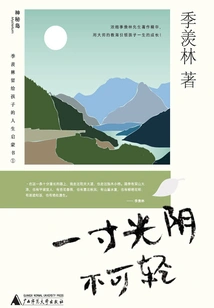
No Inch of Time Should Be Taken Lightly (ji Xianlin's Life Enlightenment Book Left to His Children)
Literature一寸光阴不可轻(季羡林留给孩子的人生启蒙书)
Ji Xianlin
Every era has its own role model. No matter how many spiritual examples we cultivate and set up, Mr. Ji Xianlin, a master of the generation, should never be forgotten and should not fade with the passage of time. For today's children, who is Mr. Ji Xianlin, the master of the generation? What admirable deeds are there that are worth learning from? Through this book, Mr. Ji vividly writes about his life, and children can clearly see his life growth trajectory, struggles and achievements.
Every era has its own role model. No matter how many spiritual examples we cultivate and set up, Mr. Ji Xianlin, a master of the generation, should never be forgotten and should not fade with the passage of time. For today's children, who is Mr. Ji Xianlin, the master of the generation? What admirable deeds are there that are worth learning from? Through this book, Mr. Ji vividly writes about his life, and children can clearly see his life growth trajectory, struggles and achievements.
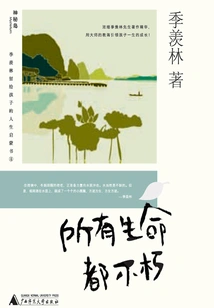
所有生命都不朽(季羡林留给孩子的人生启蒙书)
Ji Xianlin
This volume selects essays by Mr. Ji Xianlin, which tells about Mr. Ji's attitude towards life and the world in his writings. As a person with compassion and kindness to Buddha, his feelings about all things in the world are more delicate and unique than most people. Therefore, he has many articles about small animals and flowers, from which he can feel the beauty of all things in the world and the equality of all living beings.
This volume selects essays by Mr. Ji Xianlin, which tells about Mr. Ji's attitude towards life and the world in his writings. As a person with compassion and kindness to Buddha, his feelings about all things in the world are more delicate and unique than most people. Therefore, he has many articles about small animals and flowers, from which he can feel the beauty of all things in the world and the equality of all living beings.
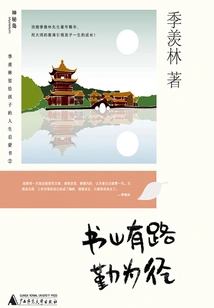
书山有路勤为径(季羡林留给孩子的人生启蒙书)
Ji Xianlin
There are countless celebrities at home and abroad who have praised reading. Mr. Zhang Yuanji has a simple and simple saying: "The best thing in the world is to study." "The best in the world" and "the best" show his understanding of the importance of reading. The special topic of this book tells how Mr. Ji Xianlin treats reading, writing, and learning. His persistence and writing are enough to serve as a role model for today's teenagers.
There are countless celebrities at home and abroad who have praised reading. Mr. Zhang Yuanji has a simple and simple saying: "The best thing in the world is to study." "The best in the world" and "the best" show his understanding of the importance of reading. The special topic of this book tells how Mr. Ji Xianlin treats reading, writing, and learning. His persistence and writing are enough to serve as a role model for today's teenagers.
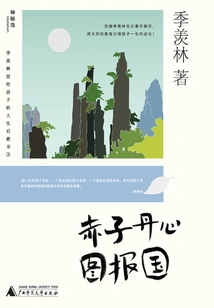
A Pure Heart to Serve the Country (ji Xianlin's Life Enlightenment Book Left to His Children)
Literature赤子丹心图报国(季羡林留给孩子的人生启蒙书)
Ji Xianlin
Patriotism is never without reason. Living in shame under the iron heel of the Japanese invaders as a boy inspired Mr. Ji Xianlin's patriotic feelings throughout his life. This book selects this experience and Ji Lao's articles discussing patriotism, enthusiastically praising the great mountains and rivers of the motherland, and remembering celebrities who represent the spiritual backbone of the Chinese nation, to cultivate the patriotic sentiments of Chinese children.
Patriotism is never without reason. Living in shame under the iron heel of the Japanese invaders as a boy inspired Mr. Ji Xianlin's patriotic feelings throughout his life. This book selects this experience and Ji Lao's articles discussing patriotism, enthusiastically praising the great mountains and rivers of the motherland, and remembering celebrities who represent the spiritual backbone of the Chinese nation, to cultivate the patriotic sentiments of Chinese children.
The General and the Beauty
Literature将军与红颜
Wu Lanbo
This book is a collection of novels and essays. The book is divided into three parts, including the novellas "The General and the Beauty" and "The Earth is My Sister", the short stories "Red Lotus" and "Buffalo", and the essays "Eternal Nostalgia" and "Stories of Traveling in America". These novels and essays tell some trivial life events and stories with relatives in their hometown. The language is simple, the plots are ups and downs, and the characters have distinctive personalities.
This book is a collection of novels and essays. The book is divided into three parts, including the novellas "The General and the Beauty" and "The Earth is My Sister", the short stories "Red Lotus" and "Buffalo", and the essays "Eternal Nostalgia" and "Stories of Traveling in America". These novels and essays tell some trivial life events and stories with relatives in their hometown. The language is simple, the plots are ups and downs, and the characters have distinctive personalities.
On the History of City Fu
Literature都邑赋史论
Wang Shusen
Urban Fu is an important genre with a long history in ancient Chinese fu-style literature, and there has always been no shortage of excellent works. This book is an in-depth study of this literary style, making this classical style once again enter the public's reading horizons.
Urban Fu is an important genre with a long history in ancient Chinese fu-style literature, and there has always been no shortage of excellent works. This book is an in-depth study of this literary style, making this classical style once again enter the public's reading horizons.
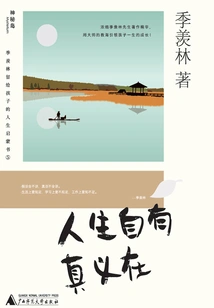
人生自有真义在(季羡林留给孩子的人生启蒙书)
Ji Xianlin
Adolescent children will face life problems and confusions: how to spend their life, the meaning and value of life, fate and fate, life and life, tolerance, success, contentment, friends, reputation, pressure, ethics and morality, etc. Mr. Ji Xianlin combined his more than 90 years of life experience to tell young people his views and understanding of these topics, as well as his insights.
Adolescent children will face life problems and confusions: how to spend their life, the meaning and value of life, fate and fate, life and life, tolerance, success, contentment, friends, reputation, pressure, ethics and morality, etc. Mr. Ji Xianlin combined his more than 90 years of life experience to tell young people his views and understanding of these topics, as well as his insights.
Walking Ears
Literature行走的耳朵
Zhou Yunpeng
"Walking Ears" is a heartfelt text about Zhou Yunpeng's singing, walking and reading. Blind people use their ears to perceive the world, where sounds go, and where their hearts go. During these years, at an unknown moment, Zhou Yunpeng raised the camera in his hand and fixed an image on the sound that interested him. These images occasionally made no sense, but they were places he passed by. In other words, it is the people and scenes that actually exist in the world and pass by him. He sees in His way and writes. It's a bit like the Nobel Prize-winning writer Pamuk describing miniature painting: Blindness is silence... It is the ultimate in one's painting: it is seeing things in the dark.
"Walking Ears" is a heartfelt text about Zhou Yunpeng's singing, walking and reading. Blind people use their ears to perceive the world, where sounds go, and where their hearts go. During these years, at an unknown moment, Zhou Yunpeng raised the camera in his hand and fixed an image on the sound that interested him. These images occasionally made no sense, but they were places he passed by. In other words, it is the people and scenes that actually exist in the world and pass by him. He sees in His way and writes. It's a bit like the Nobel Prize-winning writer Pamuk describing miniature painting: Blindness is silence... It is the ultimate in one's painting: it is seeing things in the dark.
世间的陀螺:写给亲人、故乡和远去的旧时光
Han Haoyue
The well-known writer Han Haoyue's painstaking work has concise and powerful words and restrained emotions. There is a huge emotional power hidden under the silent words. With the courage to bear pain and real writing, he writes a biography of his relatives and hometown; with simple and frank emotions, he tells the fate of a generation and the rural melancholy. The feelings are sincere and reflective. It not only contains the touching life experiences and joys and sorrows of the author and his relatives, but also has a certain reflection and analysis on his relatives and hometown, which leads people to think about the world and life in various ways. As a young man who makes a living from a small city to a big city, it can arouse the resonance of many peers, and can also record the changes of the times and the spiritual growth of this generation. As a wanderer who has been away from his hometown for 20 years, Han Haoyue confronts the love of his life with sincerity, deeply remembers, reflects and asks about his relatives and hometown deep in time. The author went through a series of mental journeys from being an escapee, a critic to a returner in his hometown. Over the course of twenty years, the wanderer's mentality changed from complex to simple. Time has not gilded memories, but has given him the courage to bear pain and the power to express himself. Use rational examination to restrain turbulent emotions, and resolve fierce conflicts with smiles and hugs.
The well-known writer Han Haoyue's painstaking work has concise and powerful words and restrained emotions. There is a huge emotional power hidden under the silent words. With the courage to bear pain and real writing, he writes a biography of his relatives and hometown; with simple and frank emotions, he tells the fate of a generation and the rural melancholy. The feelings are sincere and reflective. It not only contains the touching life experiences and joys and sorrows of the author and his relatives, but also has a certain reflection and analysis on his relatives and hometown, which leads people to think about the world and life in various ways. As a young man who makes a living from a small city to a big city, it can arouse the resonance of many peers, and can also record the changes of the times and the spiritual growth of this generation. As a wanderer who has been away from his hometown for 20 years, Han Haoyue confronts the love of his life with sincerity, deeply remembers, reflects and asks about his relatives and hometown deep in time. The author went through a series of mental journeys from being an escapee, a critic to a returner in his hometown. Over the course of twenty years, the wanderer's mentality changed from complex to simple. Time has not gilded memories, but has given him the courage to bear pain and the power to express himself. Use rational examination to restrain turbulent emotions, and resolve fierce conflicts with smiles and hugs.