Library
Browse and search novels
1,323 novels found
Orchid
Literature兰
Anonymous
Ancient Chinese poetry is the earliest literary genre formed in Chinese literature and the most fully developed.
Ancient Chinese poetry is the earliest literary genre formed in Chinese literature and the most fully developed.
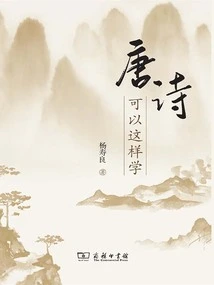
Tang Poetry Can Be Learned in This Way
Literature唐诗可以这样学
Yang Shouliang
"How to Learn Tang Poetry" includes 5 creative Tang poetry lessons. Select 5 Tang poems that must be memorized in the new curriculum standards: "Silent Night Thoughts", "Quatrains" (Two Orioles Singing Green Willows), "Climbing the Stork Tower", "Send Yuan Er Envoy to Anxi", and "Chuzhou West Stream" for in-depth analysis Through reading and appreciation, we have made detailed research and explanations on the version of the poem, doubts about its author, and historical misunderstandings, restoring the truth and original appearance of the poem, and elucidating its meaning and beauty of artistic conception. The book integrates text, culture and literature, with creative discovery and investigative interpretation and research. It is scientific, academic and interesting. It has a positive effect on stimulating young students and adults' interest in Tang poetry, cultivating poetry creation and appreciation abilities, exercising a keen perception of the Chinese mother tongue, enhancing the interest in poetic life, and even integrating connections between disciplines and expanding divergent thinking.
"How to Learn Tang Poetry" includes 5 creative Tang poetry lessons. Select 5 Tang poems that must be memorized in the new curriculum standards: "Silent Night Thoughts", "Quatrains" (Two Orioles Singing Green Willows), "Climbing the Stork Tower", "Send Yuan Er Envoy to Anxi", and "Chuzhou West Stream" for in-depth analysis Through reading and appreciation, we have made detailed research and explanations on the version of the poem, doubts about its author, and historical misunderstandings, restoring the truth and original appearance of the poem, and elucidating its meaning and beauty of artistic conception. The book integrates text, culture and literature, with creative discovery and investigative interpretation and research. It is scientific, academic and interesting. It has a positive effect on stimulating young students and adults' interest in Tang poetry, cultivating poetry creation and appreciation abilities, exercising a keen perception of the Chinese mother tongue, enhancing the interest in poetic life, and even integrating connections between disciplines and expanding divergent thinking.
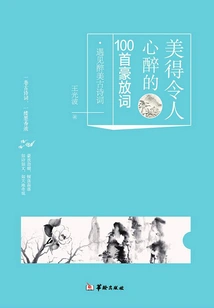
美得令人心醉的100首豪放词
Wang Guangbo
This book selects 100 relatively classic heroic works in the history of Chinese poetry for analysis and interpretation, including original text annotation and appreciation.
This book selects 100 relatively classic heroic works in the history of Chinese poetry for analysis and interpretation, including original text annotation and appreciation.
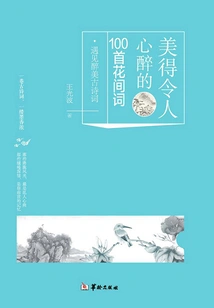
100 Mesmerizingly Beautiful Flower Poems
Literature美得令人心醉的100首花间词
Wang Guangbo
This book selects the classic works of Huajian Ci, uses emotions to connect the lines, sketches with thoughts, uses beautiful writing style, and integrates the subtle and natural nature of the poems and music into the starry poetic imagery, which deeply penetrates the readers' hearts.
This book selects the classic works of Huajian Ci, uses emotions to connect the lines, sketches with thoughts, uses beautiful writing style, and integrates the subtle and natural nature of the poems and music into the starry poetic imagery, which deeply penetrates the readers' hearts.
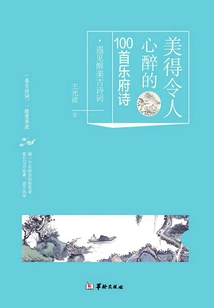
100 Mesmerizingly Beautiful Yuefu Poems
Literature美得令人心醉的100首乐府诗
Wang Guangbo
This book selects 100 Yuefu poems for annotation and appreciation. The appreciation part is not a word-for-word interpretation, but the core of the poets' emotions and experiences. Their poems are used to annotate their lives, and their lives are used to interpret their poems.
This book selects 100 Yuefu poems for annotation and appreciation. The appreciation part is not a word-for-word interpretation, but the core of the poets' emotions and experiences. Their poems are used to annotate their lives, and their lives are used to interpret their poems.
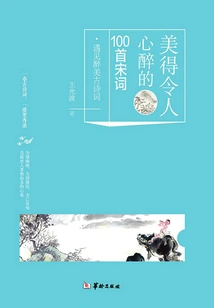
100 Mesmerizingly Beautiful Song Lyrics
Literature美得令人心醉的100首宋词
Wang Guangbo
The appreciation part of "100 Mesmerizingly Beautiful Song Poems" is not a word-for-word interpretation, but goes deep into the core of the poets' emotions and experiences, using their words to annotate their lives, and using their lives to interpret their words.
The appreciation part of "100 Mesmerizingly Beautiful Song Poems" is not a word-for-word interpretation, but goes deep into the core of the poets' emotions and experiences, using their words to annotate their lives, and using their lives to interpret their words.
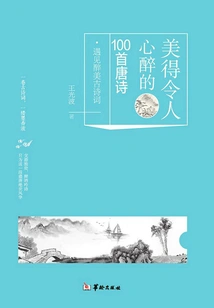
100 Mesmerizingly Beautiful Tang Poems
Literature美得令人心醉的100首唐诗
Wang Guangbo
In the Tang Dynasty, there were excellent poets, excellent poems, and very genuine temperaments. No matter what method is used, it is not enough to show the prosperity of poets and poetry in the Tang Dynasty. As Mr. Jiang Xun said: Tang poetry bloomed with all its strength after dormant throughout the winter. That vigorous vitality is the immortality earned by the talents of poets with different personalities and different circumstances. The appreciation part of Wang Guangbo's "100 Mesmerizingly Beautiful Tang Poems" is not a word-for-word interpretation, but goes deep into the core of the poets' emotions and experiences, using their poems to annotate their lives, and using their lives to interpret their poems.
In the Tang Dynasty, there were excellent poets, excellent poems, and very genuine temperaments. No matter what method is used, it is not enough to show the prosperity of poets and poetry in the Tang Dynasty. As Mr. Jiang Xun said: Tang poetry bloomed with all its strength after dormant throughout the winter. That vigorous vitality is the immortality earned by the talents of poets with different personalities and different circumstances. The appreciation part of Wang Guangbo's "100 Mesmerizingly Beautiful Tang Poems" is not a word-for-word interpretation, but goes deep into the core of the poets' emotions and experiences, using their poems to annotate their lives, and using their lives to interpret their poems.
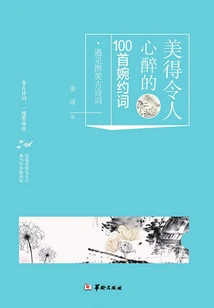
美得令人心醉的100首婉约词
Jiang Bo
This book selects 100 representative works of graceful poems in Chinese history for commentary and appreciation.
This book selects 100 representative works of graceful poems in Chinese history for commentary and appreciation.
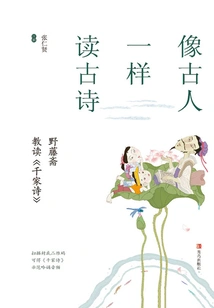
Read Ancient Poems Like the Ancients: Noto Sai Teaches Reading "poetry of Thousands of Families
Literature像古人一样读古诗:野藤斋教读《千家诗》
Comments By Zhang Renxian
"Reading Ancient Poems Like the Ancients - Noto Sai teaches reading "Poems of Thousands of Families"", which uses Mandarin reading pronunciation to recite poems of Thousands of Families. "Poems of a Thousand Families" is very suitable as an introductory book on classical poetry due to its wide circulation and easy-to-understand characteristics. Learning "Qianjia Shi" well can lay the foundation for reciting and even writing old-style poems in the future. "Teaching Readers' Poems of a Thousand Families" not only responds to national policies, but also conforms to the trend of the times. It is in line with the important policy of inheriting and developing China's excellent traditional culture - "creative transformation and innovative development" and has important social value.
"Reading Ancient Poems Like the Ancients - Noto Sai teaches reading "Poems of Thousands of Families"", which uses Mandarin reading pronunciation to recite poems of Thousands of Families. "Poems of a Thousand Families" is very suitable as an introductory book on classical poetry due to its wide circulation and easy-to-understand characteristics. Learning "Qianjia Shi" well can lay the foundation for reciting and even writing old-style poems in the future. "Teaching Readers' Poems of a Thousand Families" not only responds to national policies, but also conforms to the trend of the times. It is in line with the important policy of inheriting and developing China's excellent traditional culture - "creative transformation and innovative development" and has important social value.
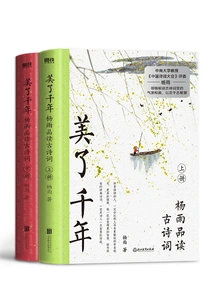
美了千年:杨雨品读古诗词
Yang Yu
Why can we always read the lament about the passing of youth from Li Qingzhao's "Know or not, know or not, it should be green, fat, red and thin"? From Xin Qiji's "Young people don't know the taste of sorrow, they forcefully talk about sorrow in order to write new words", do you think of the ignorant and fearless youth? From Qin Guan's "If the love lasts for a long time, how can it last day and night", we can read the deep-rooted lovesickness? And why can we always read the rich nostalgia of traveling far away from Li Shangyin's "Why should we cut the candles from the west window together, but talk about the rainy night in Bashan"? That's because these first-class poets and first-class poems have spanned thousands of years and told the joys and sorrows of each of us. Professor Yang Yu of Central South University has been deeply involved in Tang and Song poetry for more than 20 years. From more than 50,000 poems, he selected 40 poems. While interpreting the words, sentences, artistic conception, and creative background, he also took us to experience the "beautiful thousands of years" Chinese classical poetry from the perspective of applying the past to the present and combining Chinese and Western styles.
Why can we always read the lament about the passing of youth from Li Qingzhao's "Know or not, know or not, it should be green, fat, red and thin"? From Xin Qiji's "Young people don't know the taste of sorrow, they forcefully talk about sorrow in order to write new words", do you think of the ignorant and fearless youth? From Qin Guan's "If the love lasts for a long time, how can it last day and night", we can read the deep-rooted lovesickness? And why can we always read the rich nostalgia of traveling far away from Li Shangyin's "Why should we cut the candles from the west window together, but talk about the rainy night in Bashan"? That's because these first-class poets and first-class poems have spanned thousands of years and told the joys and sorrows of each of us. Professor Yang Yu of Central South University has been deeply involved in Tang and Song poetry for more than 20 years. From more than 50,000 poems, he selected 40 poems. While interpreting the words, sentences, artistic conception, and creative background, he also took us to experience the "beautiful thousands of years" Chinese classical poetry from the perspective of applying the past to the present and combining Chinese and Western styles.
Qihuai (sixteen Poems)
Literature绮怀(十六首)
Huang Jingren Huang Zhongze
There are countless famous poems by Huang Jingren, but in terms of widespread recitation, none can match the sixteen poems of "Qi Huai". When Huang Jingren was young, he was in love with his cousin, but the story only had a warm beginning and a silent ending. Because of this, there is a vague sentimentality in "Qihuai". This kind of sentimentality, entangled with the irresolvable sweet memories and bitter reality, made the poet fall into despair step by step. These sixteen quatrains are also an excellent example of literary criticism. The poem imitates Li Shangyin's "Untitled" poem, which is beautiful and obscure, with no specific time, no specific scenery, and no specific things. Memories and imagination are intertwined, and emotions are embedded in it. There is no way to distract from sadness. There are also some good lines such as "The stars look like they are not last night, for whom is the wind and dew setting the midnight sun?"
There are countless famous poems by Huang Jingren, but in terms of widespread recitation, none can match the sixteen poems of "Qi Huai". When Huang Jingren was young, he was in love with his cousin, but the story only had a warm beginning and a silent ending. Because of this, there is a vague sentimentality in "Qihuai". This kind of sentimentality, entangled with the irresolvable sweet memories and bitter reality, made the poet fall into despair step by step. These sixteen quatrains are also an excellent example of literary criticism. The poem imitates Li Shangyin's "Untitled" poem, which is beautiful and obscure, with no specific time, no specific scenery, and no specific things. Memories and imagination are intertwined, and emotions are embedded in it. There is no way to distract from sadness. There are also some good lines such as "The stars look like they are not last night, for whom is the wind and dew setting the midnight sun?"
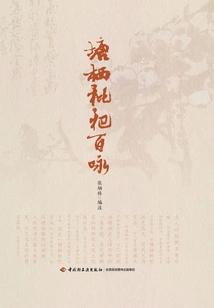
One Hundred Odes of Tangqi Loquats
Literature塘栖枇杷百咏
Editor's Notes By Zhang Binglin
This book is a compilation of poems by famous poets from Han, Tang, Song, Yuan, Ming and Qing dynasties that eulogized Tangqi loquat. The text content consists of poet introduction, poems, poem annotations, etc. It is also equipped with loquat-themed paintings by some famous painters in history. It is accompanied by pictures and texts. It is a collection of ancient poems with the theme of Tangqi loquat, a famous specialty of Tangqi, an ancient town with profound historical and cultural traditions. It has high documentary value and appreciation value.
This book is a compilation of poems by famous poets from Han, Tang, Song, Yuan, Ming and Qing dynasties that eulogized Tangqi loquat. The text content consists of poet introduction, poems, poem annotations, etc. It is also equipped with loquat-themed paintings by some famous painters in history. It is accompanied by pictures and texts. It is a collection of ancient poems with the theme of Tangqi loquat, a famous specialty of Tangqi, an ancient town with profound historical and cultural traditions. It has high documentary value and appreciation value.
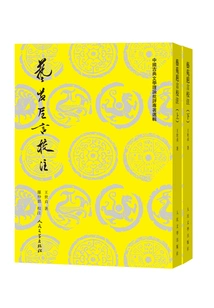
艺苑卮言校注(上下)
(ming Dynasty) Written By Wang Shizhen And Edited By Luo Zhongding
Wang Shizhen's "Yi Yuan Yan" is an important poetic work in the Ming Dynasty, which embodies the poetic aesthetics of the seven sons of the Ming Dynasty and the Tang Dynasty. The new "Annotation" is an update based on the author's old work published in the early 1990s. Compared with the old work, the new "Annotation" first adds annotations to the "Book Theory" and "Painting Theory" parts of the original book that were deleted in the old work, and also supplements the original notes on poetry theory. It is the most complete annotation in the academic world at present.
Wang Shizhen's "Yi Yuan Yan" is an important poetic work in the Ming Dynasty, which embodies the poetic aesthetics of the seven sons of the Ming Dynasty and the Tang Dynasty. The new "Annotation" is an update based on the author's old work published in the early 1990s. Compared with the old work, the new "Annotation" first adds annotations to the "Book Theory" and "Painting Theory" parts of the original book that were deleted in the old work, and also supplements the original notes on poetry theory. It is the most complete annotation in the academic world at present.
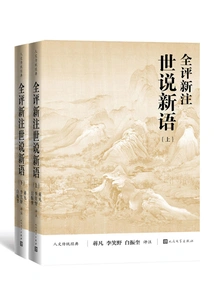
全评新注世说新语(全2册)
Commentary By Jiang Fan, Li Xiaoye, And Bai Zhenkui
"Shishuoxinyu" is a famous book that records the affairs of scholars in the Wei and Jin Dynasties. The characters recorded in it have vivid images, meaningful language, often witty sayings, full of humor, unique wisdom and philosophy, and deep and meaningful life laments. They have been highly sought after and loved by readers of all generations. This book is compiled based on the precious Dong Bian edition of the Song Dynasty that has been circulated to Japan, and is equipped with precise and concise annotations and commentary with a modern perspective. It is very suitable for today's readers to study and read this book.
"Shishuoxinyu" is a famous book that records the affairs of scholars in the Wei and Jin Dynasties. The characters recorded in it have vivid images, meaningful language, often witty sayings, full of humor, unique wisdom and philosophy, and deep and meaningful life laments. They have been highly sought after and loved by readers of all generations. This book is compiled based on the precious Dong Bian edition of the Song Dynasty that has been circulated to Japan, and is equipped with precise and concise annotations and commentary with a modern perspective. It is very suitable for today's readers to study and read this book.
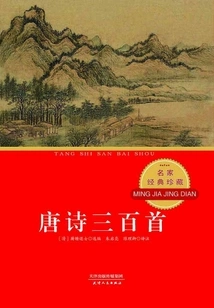
Three Hundred Tang Poems
Literature唐诗三百首
(qing Dynasty) Selections From Retired Scholars From Hengtang, Translated And Annotated By Zhu Qiliang And Chen Liyu
China is a country of poetry, and Tang poetry is the essence of Chinese poetry and a precious cultural heritage of the Chinese nation. "Three Hundred Tang Poems" selects the most popular masterpieces of many poets in the Tang Dynasty. The poems are catchy and have a clear rhythm, which is conducive to children's reading, allowing them to feel the charm of poetry and increase their literary and artistic accomplishments. At the same time, it uses rich themes to show a broad picture of social life in the Tang Dynasty, represents the essence of five thousand years of Chinese civilization, and is a classic work for children to learn classical literature. Every student should read, comprehend, and explore it... To become a Chinese with cultural heritage and knowledge.
China is a country of poetry, and Tang poetry is the essence of Chinese poetry and a precious cultural heritage of the Chinese nation. "Three Hundred Tang Poems" selects the most popular masterpieces of many poets in the Tang Dynasty. The poems are catchy and have a clear rhythm, which is conducive to children's reading, allowing them to feel the charm of poetry and increase their literary and artistic accomplishments. At the same time, it uses rich themes to show a broad picture of social life in the Tang Dynasty, represents the essence of five thousand years of Chinese civilization, and is a classic work for children to learn classical literature. Every student should read, comprehend, and explore it... To become a Chinese with cultural heritage and knowledge.
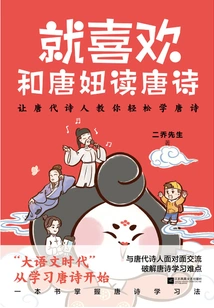
就喜欢和唐妞读唐诗
Mr. Erqiao
Er Qiao's sister asked Er Qiao for help, asking him to teach his little nephew Tang poetry. Er Qiao was in trouble. He had graduated many years ago and had long since forgotten all the Tang poems that he had relied on rote memorization. How could he possibly teach his nephew to learn Tang poems well? At this moment, he thought of "Tang Niu who traveled from the Tang Dynasty"... So Tang Niu took Er Qiao "back" to the Tang Dynasty and started the "Journey of Tang Poetry". They communicated face-to-face with poets of the Tang Dynasty, and not only learned about the historical background and social environment of those poets who wrote poems, but also what they thought and felt when they wrote poems... They were impressed by Li Bai's talent, saddened by Du Fu's experience, infected by Meng Haoran's detached attitude, and also fell into thinking because of Bai Juyi's tangled life choices... Through face-to-face communication with Tang Dynasty poets, we can thoroughly understand Tang poetry through the resonance of sorrow and joy with Tang Dynasty poets. In the end, Tang Niu and Er Qiao successfully completed the "Tang Poetry Journey", and Er Qiao was able to successfully teach his nephew to learn Tang poetry.
Er Qiao's sister asked Er Qiao for help, asking him to teach his little nephew Tang poetry. Er Qiao was in trouble. He had graduated many years ago and had long since forgotten all the Tang poems that he had relied on rote memorization. How could he possibly teach his nephew to learn Tang poems well? At this moment, he thought of "Tang Niu who traveled from the Tang Dynasty"... So Tang Niu took Er Qiao "back" to the Tang Dynasty and started the "Journey of Tang Poetry". They communicated face-to-face with poets of the Tang Dynasty, and not only learned about the historical background and social environment of those poets who wrote poems, but also what they thought and felt when they wrote poems... They were impressed by Li Bai's talent, saddened by Du Fu's experience, infected by Meng Haoran's detached attitude, and also fell into thinking because of Bai Juyi's tangled life choices... Through face-to-face communication with Tang Dynasty poets, we can thoroughly understand Tang poetry through the resonance of sorrow and joy with Tang Dynasty poets. In the end, Tang Niu and Er Qiao successfully completed the "Tang Poetry Journey", and Er Qiao was able to successfully teach his nephew to learn Tang poetry.
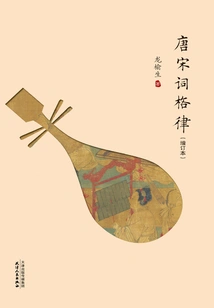
Rhythm of Tang and Song Poetry
Literature唐宋词格律
Long Yusheng
This book is a popular and instrumental work on ci written by Long Yusheng, a master of ci studies. The book is divided into five parts: flat rhyme pattern, oblique rhyme pattern, flat and oblique rhyme conversion pattern, flat and oblique rhyme pattern, and plain and oblique rhyme pattern with wrong leaf pattern. It contains a total of 153 word plates. Under each word plate, the plain rhyme pattern, sentence reading and rhyme position are marked. In addition, it also takes into account the declensions, and uses the classic words of poets of the Tang and Song Dynasties as a reference; in addition, the origin and evolution process of the word card are also explained under each word card, and for some necessary explanations, the emotions that are suitable for expression are pointed out, so that readers can accurately grasp the artistic characteristics of the words, and avoid misunderstandings in the appreciation and creation of the words.
This book is a popular and instrumental work on ci written by Long Yusheng, a master of ci studies. The book is divided into five parts: flat rhyme pattern, oblique rhyme pattern, flat and oblique rhyme conversion pattern, flat and oblique rhyme pattern, and plain and oblique rhyme pattern with wrong leaf pattern. It contains a total of 153 word plates. Under each word plate, the plain rhyme pattern, sentence reading and rhyme position are marked. In addition, it also takes into account the declensions, and uses the classic words of poets of the Tang and Song Dynasties as a reference; in addition, the origin and evolution process of the word card are also explained under each word card, and for some necessary explanations, the emotions that are suitable for expression are pointed out, so that readers can accurately grasp the artistic characteristics of the words, and avoid misunderstandings in the appreciation and creation of the words.
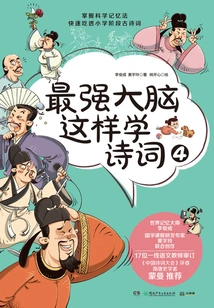
最强大脑这样学诗词4
Happy Peach Painting By Li Juncheng And Huang Yuling
This is a set of poetry magic books for children aged 7-12. The complete set of four volumes covers 112 ancient poems from grades 1 to 6 of primary school. They are graded according to the new version of primary school Chinese textbooks and the difficulty of the poems. The content of each volume includes: listening, reading, taking notes, author introduction, appreciation of famous people, daily life applications, mind maps, and knowledge comics, a total of 8 major content sections. Read along with the audio to feel the rhythm of the poetry, combine the memory images to understand the poetry, follow the appreciation and reading of the poetry by famous writers, learn how to apply it in daily life, and consolidate learning and memory through mind maps. Cute cartoons tell vivid poet stories and historical and cultural knowledge, and activate the multiple intelligences of the left and right brains, allowing children to learn quickly, remember well, understand and apply them thoroughly, and fall in love with ancient poetry. The appendix includes the top ten scientific memory methods and songs with the first prefix of poems. There are methods for learning and children will have confidence.
This is a set of poetry magic books for children aged 7-12. The complete set of four volumes covers 112 ancient poems from grades 1 to 6 of primary school. They are graded according to the new version of primary school Chinese textbooks and the difficulty of the poems. The content of each volume includes: listening, reading, taking notes, author introduction, appreciation of famous people, daily life applications, mind maps, and knowledge comics, a total of 8 major content sections. Read along with the audio to feel the rhythm of the poetry, combine the memory images to understand the poetry, follow the appreciation and reading of the poetry by famous writers, learn how to apply it in daily life, and consolidate learning and memory through mind maps. Cute cartoons tell vivid poet stories and historical and cultural knowledge, and activate the multiple intelligences of the left and right brains, allowing children to learn quickly, remember well, understand and apply them thoroughly, and fall in love with ancient poetry. The appendix includes the top ten scientific memory methods and songs with the first prefix of poems. There are methods for learning and children will have confidence.
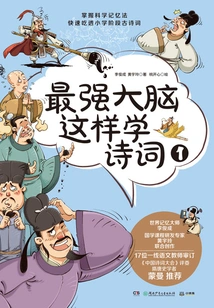
最强大脑这样学诗词1
Happy Peach Painting By Li Juncheng And Huang Yuling
This is a set of poetry magic books for children aged 7-12. The complete set of four volumes covers 112 ancient poems from grades 1 to 6 of primary school. They are graded according to the new version of primary school Chinese textbooks and the difficulty of the poems. The content of each volume includes: listening, reading, taking notes, author introduction, appreciation of famous people, daily life applications, mind maps, and knowledge comics, a total of 8 major content sections. Read along with the audio to feel the rhythm of the poetry, combine the memory images to understand the poetry, follow the appreciation and reading of the poetry by famous writers, learn how to apply it in daily life, and consolidate learning and memory through mind maps. Cute cartoons tell vivid poet stories and historical and cultural knowledge, and activate the multiple intelligences of the left and right brains, allowing children to learn quickly, remember well, understand and apply them thoroughly, and fall in love with ancient poetry. The appendix includes the top ten scientific memory methods and songs with the first prefix of poems. There are methods for learning and children will have confidence.
This is a set of poetry magic books for children aged 7-12. The complete set of four volumes covers 112 ancient poems from grades 1 to 6 of primary school. They are graded according to the new version of primary school Chinese textbooks and the difficulty of the poems. The content of each volume includes: listening, reading, taking notes, author introduction, appreciation of famous people, daily life applications, mind maps, and knowledge comics, a total of 8 major content sections. Read along with the audio to feel the rhythm of the poetry, combine the memory images to understand the poetry, follow the appreciation and reading of the poetry by famous writers, learn how to apply it in daily life, and consolidate learning and memory through mind maps. Cute cartoons tell vivid poet stories and historical and cultural knowledge, and activate the multiple intelligences of the left and right brains, allowing children to learn quickly, remember well, understand and apply them thoroughly, and fall in love with ancient poetry. The appendix includes the top ten scientific memory methods and songs with the first prefix of poems. There are methods for learning and children will have confidence.
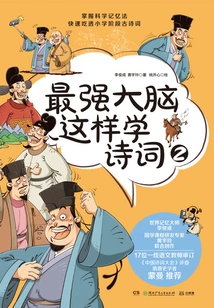
最强大脑这样学诗词2
Happy Peach Painting By Li Juncheng And Huang Yuling
This is a set of poetry magic books for children aged 7-12. The complete set of four volumes covers 112 ancient poems from grades 1 to 6 of primary school. They are graded according to the new version of primary school Chinese textbooks and the difficulty of the poems. The content of each volume includes: listening, reading, taking notes, author introduction, appreciation of famous people, daily life applications, mind maps, and knowledge comics, a total of 8 major content sections. Read along with the audio to feel the rhythm of the poetry, combine the memory images to understand the poetry, follow the appreciation and reading of the poetry by famous writers, learn how to apply it in daily life, and consolidate learning and memory through mind maps. Cute cartoons tell vivid poet stories and historical and cultural knowledge, and activate the multiple intelligences of the left and right brains, allowing children to learn quickly, remember well, understand and apply them thoroughly, and fall in love with ancient poetry. The appendix includes the top ten scientific memory methods and songs with the first prefix of poems. There are methods for learning and children will have confidence.
This is a set of poetry magic books for children aged 7-12. The complete set of four volumes covers 112 ancient poems from grades 1 to 6 of primary school. They are graded according to the new version of primary school Chinese textbooks and the difficulty of the poems. The content of each volume includes: listening, reading, taking notes, author introduction, appreciation of famous people, daily life applications, mind maps, and knowledge comics, a total of 8 major content sections. Read along with the audio to feel the rhythm of the poetry, combine the memory images to understand the poetry, follow the appreciation and reading of the poetry by famous writers, learn how to apply it in daily life, and consolidate learning and memory through mind maps. Cute cartoons tell vivid poet stories and historical and cultural knowledge, and activate the multiple intelligences of the left and right brains, allowing children to learn quickly, remember well, understand and apply them thoroughly, and fall in love with ancient poetry. The appendix includes the top ten scientific memory methods and songs with the first prefix of poems. There are methods for learning and children will have confidence.
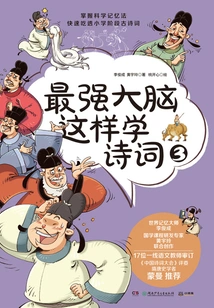
最强大脑这样学诗词3
Happy Peach Painting By Li Juncheng And Huang Yuling
This is a set of poetry magic books for children aged 7-12. The complete set of four volumes covers 112 ancient poems from grades 1 to 6 of primary school. They are graded according to the new version of primary school Chinese textbooks and the difficulty of the poems. The content of each volume includes: listening, reading, taking notes, author introduction, appreciation of famous people, daily life applications, mind maps, and knowledge comics, a total of 8 major content sections. Read along with the audio to feel the rhythm of the poetry, combine the memory images to understand the poetry, follow the appreciation and reading of the poetry by famous writers, learn how to apply it in daily life, and consolidate learning and memory through mind maps. Cute cartoons tell vivid poet stories and historical and cultural knowledge, and activate the multiple intelligences of the left and right brains, allowing children to learn quickly, remember well, understand and apply them thoroughly, and fall in love with ancient poetry. The appendix includes the top ten scientific memory methods and songs with the first prefix of poems. There are methods for learning and children will have confidence.
This is a set of poetry magic books for children aged 7-12. The complete set of four volumes covers 112 ancient poems from grades 1 to 6 of primary school. They are graded according to the new version of primary school Chinese textbooks and the difficulty of the poems. The content of each volume includes: listening, reading, taking notes, author introduction, appreciation of famous people, daily life applications, mind maps, and knowledge comics, a total of 8 major content sections. Read along with the audio to feel the rhythm of the poetry, combine the memory images to understand the poetry, follow the appreciation and reading of the poetry by famous writers, learn how to apply it in daily life, and consolidate learning and memory through mind maps. Cute cartoons tell vivid poet stories and historical and cultural knowledge, and activate the multiple intelligences of the left and right brains, allowing children to learn quickly, remember well, understand and apply them thoroughly, and fall in love with ancient poetry. The appendix includes the top ten scientific memory methods and songs with the first prefix of poems. There are methods for learning and children will have confidence.
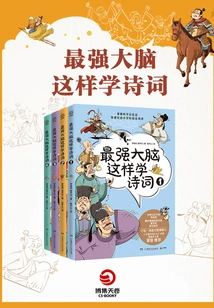
最强大脑这样学诗词(全4册)
Happy Peach Painting By Li Juncheng And Huang Yuling
This is a set of poetry magic books for children aged 7-12. The complete set of four volumes covers 112 ancient poems from grades 1 to 6 of primary school. They are graded according to the new version of primary school Chinese textbooks and the difficulty of the poems. The content of each volume includes: listening, reading, taking notes, author introduction, appreciation of famous people, daily life applications, mind maps, and knowledge comics, a total of 8 major content sections. Read along with the audio to feel the rhythm of the poetry, combine the memory images to understand the poetry, follow the appreciation and reading of the poetry by famous writers, learn how to apply it in daily life, and consolidate learning and memory through mind maps. Cute cartoons tell vivid poet stories and historical and cultural knowledge, and activate the multiple intelligences of the left and right brains, allowing children to learn quickly, remember well, understand and apply them thoroughly, and fall in love with ancient poetry. The appendix includes the top ten scientific memory methods and songs with the first prefix of poems. There are methods for learning and children will have confidence.
This is a set of poetry magic books for children aged 7-12. The complete set of four volumes covers 112 ancient poems from grades 1 to 6 of primary school. They are graded according to the new version of primary school Chinese textbooks and the difficulty of the poems. The content of each volume includes: listening, reading, taking notes, author introduction, appreciation of famous people, daily life applications, mind maps, and knowledge comics, a total of 8 major content sections. Read along with the audio to feel the rhythm of the poetry, combine the memory images to understand the poetry, follow the appreciation and reading of the poetry by famous writers, learn how to apply it in daily life, and consolidate learning and memory through mind maps. Cute cartoons tell vivid poet stories and historical and cultural knowledge, and activate the multiple intelligences of the left and right brains, allowing children to learn quickly, remember well, understand and apply them thoroughly, and fall in love with ancient poetry. The appendix includes the top ten scientific memory methods and songs with the first prefix of poems. There are methods for learning and children will have confidence.
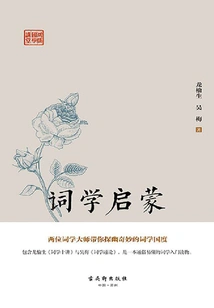
Enlightenment of Ci Studies
Literature词学启蒙
Long Yusheng Wu Mei
This book contains two introductory books on Ci, "Ten Lectures on Ci" and "General Introduction to Ci". Among them, "Ten Lectures on Ci Studies" explains the key selection, rhyme selection, four tones, sentence reading, word formation, composition and other issues of Ci Studies; "General Theory of Ci Studies" mainly talks about the relationship between Ci and music, the practice of Ci, the development history of Ci, as well as the evaluation of ancient famous people and their representative works.
This book contains two introductory books on Ci, "Ten Lectures on Ci" and "General Introduction to Ci". Among them, "Ten Lectures on Ci Studies" explains the key selection, rhyme selection, four tones, sentence reading, word formation, composition and other issues of Ci Studies; "General Theory of Ci Studies" mainly talks about the relationship between Ci and music, the practice of Ci, the development history of Ci, as well as the evaluation of ancient famous people and their representative works.
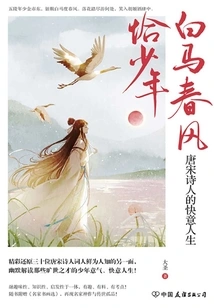
白马春风恰少年:唐宋诗人的快意人生
Great Sage
This book is a collection of essays that tells the stories of Tang and Song poets and popularizes Tang poetry and Song lyrics. Here, you will see that since ancient times, heroes have emerged as young men. A large number of poets, such as Wang Bo, Luo Binwang, Wang Wei, Li Bai, Bai Juyi, Du Mu, Wen Tingyun, Su Shi, Liu Yong, etc., Have been called "prodigies" since childhood. They were ambitious, high-spirited, proud of the spring breeze, famous all over the world, and wrote brilliant chapters of Tang poetry and Song lyrics with ease. Their life is even more joyful and unrestrained, riding horses galloping, calling friends, drinking and drinking, singing poems, drinking and singing, not knowing what night it is. Here, you will also see Wang Bo's intentional murder, Chen Zi'ang's "commercial hype", Wang Wei's capture and fake job, Wang Changling's death in murder, Bai Juyi's "poetry to kill", Jia Dao's car crash, Li Shangyin's criticism, Wen Tingyun's cheating in the examination room, Liu Yong's addiction to brothels, Ouyang Xiu's scandal, Li Qingzhao's addiction to gambling, and Xin Qiji's beautiful ladies in a mansion. What this book wants to present to you is an image of the poet that is slightly different from your previous impression, more vivid, more lively, more interesting, and more three-dimensional. They are so familiar yet so strange.
This book is a collection of essays that tells the stories of Tang and Song poets and popularizes Tang poetry and Song lyrics. Here, you will see that since ancient times, heroes have emerged as young men. A large number of poets, such as Wang Bo, Luo Binwang, Wang Wei, Li Bai, Bai Juyi, Du Mu, Wen Tingyun, Su Shi, Liu Yong, etc., Have been called "prodigies" since childhood. They were ambitious, high-spirited, proud of the spring breeze, famous all over the world, and wrote brilliant chapters of Tang poetry and Song lyrics with ease. Their life is even more joyful and unrestrained, riding horses galloping, calling friends, drinking and drinking, singing poems, drinking and singing, not knowing what night it is. Here, you will also see Wang Bo's intentional murder, Chen Zi'ang's "commercial hype", Wang Wei's capture and fake job, Wang Changling's death in murder, Bai Juyi's "poetry to kill", Jia Dao's car crash, Li Shangyin's criticism, Wen Tingyun's cheating in the examination room, Liu Yong's addiction to brothels, Ouyang Xiu's scandal, Li Qingzhao's addiction to gambling, and Xin Qiji's beautiful ladies in a mansion. What this book wants to present to you is an image of the poet that is slightly different from your previous impression, more vivid, more lively, more interesting, and more three-dimensional. They are so familiar yet so strange.
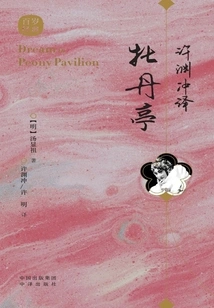
许渊冲译牡丹亭
G
China is a country of poetry. Ancient poetry and drama are treasures in our country's literary treasure house and the cultural essence of our nation. The aesthetic trends and valuable wealth created by Chinese traditional culture over thousands of years of civilization development have great charm that transcends times and crosses national boundaries. Translation master Xu Yuanchong has spent decades selecting traditional literary classics that have had a profound influence on Chinese history from the vast sea of ancient Chinese cultural books, and using superb translation techniques to translate them into English, so that readers at home and abroad can appreciate the beauty and charm of Chinese classical literature even in an English context. The book is published in Chinese-English format. The English part is personally reviewed by native English experts, and rare words in the Chinese part are notated and explained, making it easier to refer to and study. This book is divided into two volumes, the upper and lower volumes, and contains 300 well-known Tang poems. The English parts are all translated by Xu Yuanchong. I hope that through this form of bilingual reading, readers can appreciate the various phenomena of Chinese poetry at its peak.
China is a country of poetry. Ancient poetry and drama are treasures in our country's literary treasure house and the cultural essence of our nation. The aesthetic trends and valuable wealth created by Chinese traditional culture over thousands of years of civilization development have great charm that transcends times and crosses national boundaries. Translation master Xu Yuanchong has spent decades selecting traditional literary classics that have had a profound influence on Chinese history from the vast sea of ancient Chinese cultural books, and using superb translation techniques to translate them into English, so that readers at home and abroad can appreciate the beauty and charm of Chinese classical literature even in an English context. The book is published in Chinese-English format. The English part is personally reviewed by native English experts, and rare words in the Chinese part are notated and explained, making it easier to refer to and study. This book is divided into two volumes, the upper and lower volumes, and contains 300 well-known Tang poems. The English parts are all translated by Xu Yuanchong. I hope that through this form of bilingual reading, readers can appreciate the various phenomena of Chinese poetry at its peak.
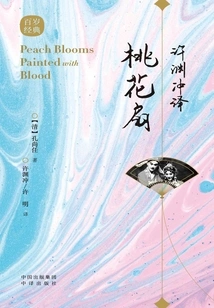
许渊冲译桃花扇
(qing Dynasty) Kong Shangren
China is a country of poetry. Ancient poetry and drama are treasures in our country's literary treasure house and the cultural essence of our nation. The aesthetic trends and valuable wealth created by Chinese traditional culture over thousands of years of civilization development have great charm that transcends times and crosses national boundaries. Translation master Xu Yuanchong has spent decades selecting traditional literary classics that have had a profound influence on Chinese history from the vast sea of ancient Chinese cultural books, and using superb translation techniques to translate them into English, so that readers at home and abroad can appreciate the beauty and charm of Chinese classical literature even in an English context. The book is published in Chinese-English format. The English part is personally reviewed by native English experts, and rare words in the Chinese part are notated and explained, making it easier to refer to and study. This book is divided into two volumes, the upper and lower volumes, and contains 300 well-known Tang poems. The English parts are all translated by Xu Yuanchong. I hope that through this form of bilingual reading, readers can appreciate the various phenomena of Chinese poetry at its peak.
China is a country of poetry. Ancient poetry and drama are treasures in our country's literary treasure house and the cultural essence of our nation. The aesthetic trends and valuable wealth created by Chinese traditional culture over thousands of years of civilization development have great charm that transcends times and crosses national boundaries. Translation master Xu Yuanchong has spent decades selecting traditional literary classics that have had a profound influence on Chinese history from the vast sea of ancient Chinese cultural books, and using superb translation techniques to translate them into English, so that readers at home and abroad can appreciate the beauty and charm of Chinese classical literature even in an English context. The book is published in Chinese-English format. The English part is personally reviewed by native English experts, and rare words in the Chinese part are notated and explained, making it easier to refer to and study. This book is divided into two volumes, the upper and lower volumes, and contains 300 well-known Tang poems. The English parts are all translated by Xu Yuanchong. I hope that through this form of bilingual reading, readers can appreciate the various phenomena of Chinese poetry at its peak.
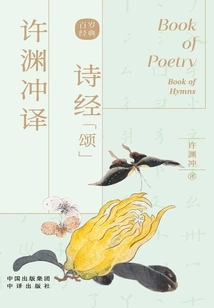
许渊冲译诗经·颂
Xu Yuanchong
China is a country of poetry. Ancient poetry and drama are treasures in our country's literary treasure house and the cultural essence of our nation. The aesthetic trends and valuable wealth created by Chinese traditional culture over thousands of years of civilization development have great charm that transcends times and crosses national boundaries. Translation master Xu Yuanchong has spent decades selecting traditional literary classics that have had a profound influence on Chinese history from the vast sea of ancient Chinese cultural books, and using superb translation techniques to translate them into English, so that readers at home and abroad can appreciate the beauty and charm of Chinese classical literature even in an English context. The book is published in Chinese-English format. The English part is personally reviewed by native English experts, and rare words in the Chinese part are notated and explained, making it easier to refer to and study. This book is divided into two volumes, the upper and lower volumes, and contains 300 well-known Tang poems. The English parts are all translated by Xu Yuanchong. I hope that through this form of bilingual reading, readers can appreciate the various phenomena of Chinese poetry at its peak.
China is a country of poetry. Ancient poetry and drama are treasures in our country's literary treasure house and the cultural essence of our nation. The aesthetic trends and valuable wealth created by Chinese traditional culture over thousands of years of civilization development have great charm that transcends times and crosses national boundaries. Translation master Xu Yuanchong has spent decades selecting traditional literary classics that have had a profound influence on Chinese history from the vast sea of ancient Chinese cultural books, and using superb translation techniques to translate them into English, so that readers at home and abroad can appreciate the beauty and charm of Chinese classical literature even in an English context. The book is published in Chinese-English format. The English part is personally reviewed by native English experts, and rare words in the Chinese part are notated and explained, making it easier to refer to and study. This book is divided into two volumes, the upper and lower volumes, and contains 300 well-known Tang poems. The English parts are all translated by Xu Yuanchong. I hope that through this form of bilingual reading, readers can appreciate the various phenomena of Chinese poetry at its peak.
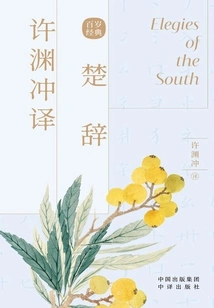
Xu Yuanchong's Translation of Chu Ci
Literature许渊冲译楚辞
Xu Yuanchong
China is a country of poetry. Ancient poetry and drama are treasures in our country's literary treasure house and the cultural essence of our nation. The aesthetic trends and valuable wealth created by Chinese traditional culture over thousands of years of civilization development have great charm that transcends times and crosses national boundaries. Translation master Xu Yuanchong has spent decades selecting traditional literary classics that have had a profound influence on Chinese history from the vast sea of ancient Chinese cultural books, and using superb translation techniques to translate them into English, so that readers at home and abroad can appreciate the beauty and charm of Chinese classical literature even in an English context. The book is published in Chinese-English format. The English part is personally reviewed by native English experts, and rare words in the Chinese part are notated and explained, making it easier to refer to and study. This book is divided into two volumes, the upper and lower volumes, and contains 300 well-known Tang poems. The English parts are all translated by Xu Yuanchong. I hope that through this form of bilingual reading, readers can appreciate the various phenomena of Chinese poetry at its peak.
China is a country of poetry. Ancient poetry and drama are treasures in our country's literary treasure house and the cultural essence of our nation. The aesthetic trends and valuable wealth created by Chinese traditional culture over thousands of years of civilization development have great charm that transcends times and crosses national boundaries. Translation master Xu Yuanchong has spent decades selecting traditional literary classics that have had a profound influence on Chinese history from the vast sea of ancient Chinese cultural books, and using superb translation techniques to translate them into English, so that readers at home and abroad can appreciate the beauty and charm of Chinese classical literature even in an English context. The book is published in Chinese-English format. The English part is personally reviewed by native English experts, and rare words in the Chinese part are notated and explained, making it easier to refer to and study. This book is divided into two volumes, the upper and lower volumes, and contains 300 well-known Tang poems. The English parts are all translated by Xu Yuanchong. I hope that through this form of bilingual reading, readers can appreciate the various phenomena of Chinese poetry at its peak.
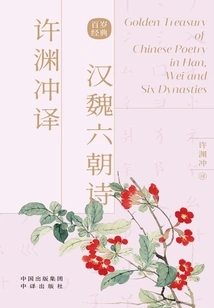
许渊冲译汉魏六朝诗
Xu Yuanchong
China is a country of poetry. Ancient poetry and drama are treasures in our country's literary treasure house and the cultural essence of our nation. The aesthetic trends and valuable wealth created by Chinese traditional culture over thousands of years of civilization development have great charm that transcends times and crosses national boundaries. Translation master Xu Yuanchong has spent decades selecting traditional literary classics that have had a profound influence on Chinese history from the vast sea of ancient Chinese cultural books, and using superb translation techniques to translate them into English, so that readers at home and abroad can appreciate the beauty and charm of Chinese classical literature even in an English context. The book is published in Chinese-English format. The English part is personally reviewed by native English experts, and rare words in the Chinese part are notated and explained, making it easier to refer to and study. This book is divided into two volumes, the upper and lower volumes, and contains 300 well-known Tang poems. The English parts are all translated by Xu Yuanchong. I hope that through this form of bilingual reading, readers can appreciate the various phenomena of Chinese poetry at its peak.
China is a country of poetry. Ancient poetry and drama are treasures in our country's literary treasure house and the cultural essence of our nation. The aesthetic trends and valuable wealth created by Chinese traditional culture over thousands of years of civilization development have great charm that transcends times and crosses national boundaries. Translation master Xu Yuanchong has spent decades selecting traditional literary classics that have had a profound influence on Chinese history from the vast sea of ancient Chinese cultural books, and using superb translation techniques to translate them into English, so that readers at home and abroad can appreciate the beauty and charm of Chinese classical literature even in an English context. The book is published in Chinese-English format. The English part is personally reviewed by native English experts, and rare words in the Chinese part are notated and explained, making it easier to refer to and study. This book is divided into two volumes, the upper and lower volumes, and contains 300 well-known Tang poems. The English parts are all translated by Xu Yuanchong. I hope that through this form of bilingual reading, readers can appreciate the various phenomena of Chinese poetry at its peak.
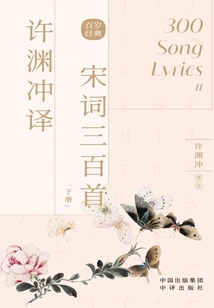
许渊冲译宋词三百首(下册)
Translation And Annotation By Xu Yuanchong
China is a country of poetry. Ancient poetry and drama are treasures in our country's literary treasure house and the cultural essence of our nation. The aesthetic trends and valuable wealth created by Chinese traditional culture over thousands of years of civilization development have great charm that transcends times and crosses national boundaries. Translation master Xu Yuanchong has spent decades selecting traditional literary classics that have had a profound influence on Chinese history from the vast sea of ancient Chinese cultural books, and using superb translation techniques to translate them into English, so that readers at home and abroad can appreciate the beauty and charm of Chinese classical literature even in an English context. The book is published in Chinese-English format. The English part is personally reviewed by native English experts, and rare words in the Chinese part are notated and explained, making it easier to refer to and study. This book is divided into two volumes, the upper and lower volumes, and contains 300 well-known Tang poems. The English parts are all translated by Xu Yuanchong. I hope that through this form of bilingual reading, readers can appreciate the various phenomena of Chinese poetry at its peak.
China is a country of poetry. Ancient poetry and drama are treasures in our country's literary treasure house and the cultural essence of our nation. The aesthetic trends and valuable wealth created by Chinese traditional culture over thousands of years of civilization development have great charm that transcends times and crosses national boundaries. Translation master Xu Yuanchong has spent decades selecting traditional literary classics that have had a profound influence on Chinese history from the vast sea of ancient Chinese cultural books, and using superb translation techniques to translate them into English, so that readers at home and abroad can appreciate the beauty and charm of Chinese classical literature even in an English context. The book is published in Chinese-English format. The English part is personally reviewed by native English experts, and rare words in the Chinese part are notated and explained, making it easier to refer to and study. This book is divided into two volumes, the upper and lower volumes, and contains 300 well-known Tang poems. The English parts are all translated by Xu Yuanchong. I hope that through this form of bilingual reading, readers can appreciate the various phenomena of Chinese poetry at its peak.
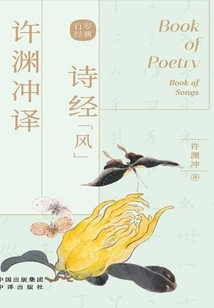
许渊冲译诗经·风
Xu Yuanchong
China is a country of poetry. Ancient poetry and drama are treasures in our country's literary treasure house and the cultural essence of our nation. The aesthetic trends and valuable wealth created by Chinese traditional culture over thousands of years of civilization development have great charm that transcends times and crosses national boundaries. Translation master Xu Yuanchong has spent decades selecting traditional literary classics that have had a profound influence on Chinese history from the vast sea of ancient Chinese cultural books, and using superb translation techniques to translate them into English, so that readers at home and abroad can appreciate the beauty and charm of Chinese classical literature even in an English context. The book is published in Chinese-English format. The English part is personally reviewed by native English experts, and rare words in the Chinese part are notated and explained, making it easier to refer to and study. This book is divided into two volumes, the upper and lower volumes, and contains 300 well-known Tang poems. The English parts are all translated by Xu Yuanchong. I hope that through this form of bilingual reading, readers can appreciate the various phenomena of Chinese poetry at its peak.
China is a country of poetry. Ancient poetry and drama are treasures in our country's literary treasure house and the cultural essence of our nation. The aesthetic trends and valuable wealth created by Chinese traditional culture over thousands of years of civilization development have great charm that transcends times and crosses national boundaries. Translation master Xu Yuanchong has spent decades selecting traditional literary classics that have had a profound influence on Chinese history from the vast sea of ancient Chinese cultural books, and using superb translation techniques to translate them into English, so that readers at home and abroad can appreciate the beauty and charm of Chinese classical literature even in an English context. The book is published in Chinese-English format. The English part is personally reviewed by native English experts, and rare words in the Chinese part are notated and explained, making it easier to refer to and study. This book is divided into two volumes, the upper and lower volumes, and contains 300 well-known Tang poems. The English parts are all translated by Xu Yuanchong. I hope that through this form of bilingual reading, readers can appreciate the various phenomena of Chinese poetry at its peak.
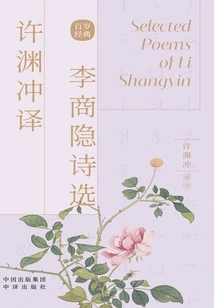
许渊冲译李商隐诗选
Compiled By Xu Yuanchong
China is a country of poetry. Ancient poetry and drama are treasures in our country's literary treasure house and the cultural essence of our nation. The aesthetic trends and valuable wealth created by Chinese traditional culture over thousands of years of civilization development have great charm that transcends times and crosses national boundaries. Translation master Xu Yuanchong has spent decades selecting traditional literary classics that have had a profound influence on Chinese history from the vast sea of ancient Chinese cultural books, and using superb translation techniques to translate them into English, so that readers at home and abroad can appreciate the beauty and charm of Chinese classical literature even in an English context. The book is published in Chinese-English format. The English part is personally reviewed by native English experts, and rare words in the Chinese part are notated and explained, making it easier to refer to and study. This book is divided into two volumes, the upper and lower volumes, and contains 300 well-known Tang poems. The English parts are all translated by Xu Yuanchong. I hope that through this form of bilingual reading, readers can appreciate the various phenomena of Chinese poetry at its peak.
China is a country of poetry. Ancient poetry and drama are treasures in our country's literary treasure house and the cultural essence of our nation. The aesthetic trends and valuable wealth created by Chinese traditional culture over thousands of years of civilization development have great charm that transcends times and crosses national boundaries. Translation master Xu Yuanchong has spent decades selecting traditional literary classics that have had a profound influence on Chinese history from the vast sea of ancient Chinese cultural books, and using superb translation techniques to translate them into English, so that readers at home and abroad can appreciate the beauty and charm of Chinese classical literature even in an English context. The book is published in Chinese-English format. The English part is personally reviewed by native English experts, and rare words in the Chinese part are notated and explained, making it easier to refer to and study. This book is divided into two volumes, the upper and lower volumes, and contains 300 well-known Tang poems. The English parts are all translated by Xu Yuanchong. I hope that through this form of bilingual reading, readers can appreciate the various phenomena of Chinese poetry at its peak.
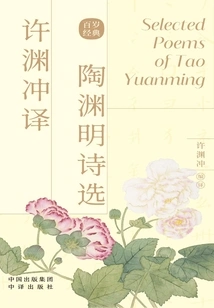
许渊冲译陶渊明诗选
Compiled By Xu Yuanchong
China is a country of poetry. Ancient poetry and drama are treasures in our country's literary treasure house and the cultural essence of our nation. The aesthetic trends and valuable wealth created by Chinese traditional culture over thousands of years of civilization development have great charm that transcends times and crosses national boundaries. Translation master Xu Yuanchong has spent decades selecting traditional literary classics that have had a profound influence on Chinese history from the vast sea of ancient Chinese cultural books, and using superb translation techniques to translate them into English, so that readers at home and abroad can appreciate the beauty and charm of Chinese classical literature even in an English context. The book is published in Chinese-English format. The English part is personally reviewed by native English experts, and rare words in the Chinese part are notated and explained, making it easier to refer to and study. This book is divided into two volumes, the upper and lower volumes, and contains 300 well-known Tang poems. The English parts are all translated by Xu Yuanchong. I hope that through this form of bilingual reading, readers can appreciate the various phenomena of Chinese poetry at its peak.
China is a country of poetry. Ancient poetry and drama are treasures in our country's literary treasure house and the cultural essence of our nation. The aesthetic trends and valuable wealth created by Chinese traditional culture over thousands of years of civilization development have great charm that transcends times and crosses national boundaries. Translation master Xu Yuanchong has spent decades selecting traditional literary classics that have had a profound influence on Chinese history from the vast sea of ancient Chinese cultural books, and using superb translation techniques to translate them into English, so that readers at home and abroad can appreciate the beauty and charm of Chinese classical literature even in an English context. The book is published in Chinese-English format. The English part is personally reviewed by native English experts, and rare words in the Chinese part are notated and explained, making it easier to refer to and study. This book is divided into two volumes, the upper and lower volumes, and contains 300 well-known Tang poems. The English parts are all translated by Xu Yuanchong. I hope that through this form of bilingual reading, readers can appreciate the various phenomena of Chinese poetry at its peak.
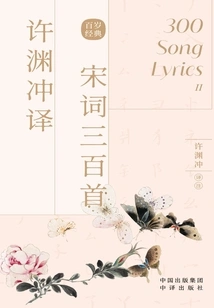
Xu Yuanchong Translated 300 Song Poems
Literature许渊冲译宋词三百首
Translation And Annotation By Xu Yuanchong
China is a country of poetry. Ancient poetry and drama are treasures in our country's literary treasure house and the cultural essence of our nation. The aesthetic trends and valuable wealth created by Chinese traditional culture over thousands of years of civilization development have great charm that transcends times and crosses national boundaries. Translation master Xu Yuanchong has spent decades selecting traditional literary classics that have had a profound influence on Chinese history from the vast sea of ancient Chinese cultural books, and using superb translation techniques to translate them into English, so that readers at home and abroad can appreciate the beauty and charm of Chinese classical literature even in an English context. The book is published in Chinese-English format. The English part is personally reviewed by native English experts, and rare words in the Chinese part are notated and explained, making it easier to refer to and study. This book is divided into two volumes, the upper and lower volumes, and contains 300 well-known Tang poems. The English parts are all translated by Xu Yuanchong. I hope that through this form of bilingual reading, readers can appreciate the various phenomena of Chinese poetry at its peak.
China is a country of poetry. Ancient poetry and drama are treasures in our country's literary treasure house and the cultural essence of our nation. The aesthetic trends and valuable wealth created by Chinese traditional culture over thousands of years of civilization development have great charm that transcends times and crosses national boundaries. Translation master Xu Yuanchong has spent decades selecting traditional literary classics that have had a profound influence on Chinese history from the vast sea of ancient Chinese cultural books, and using superb translation techniques to translate them into English, so that readers at home and abroad can appreciate the beauty and charm of Chinese classical literature even in an English context. The book is published in Chinese-English format. The English part is personally reviewed by native English experts, and rare words in the Chinese part are notated and explained, making it easier to refer to and study. This book is divided into two volumes, the upper and lower volumes, and contains 300 well-known Tang poems. The English parts are all translated by Xu Yuanchong. I hope that through this form of bilingual reading, readers can appreciate the various phenomena of Chinese poetry at its peak.
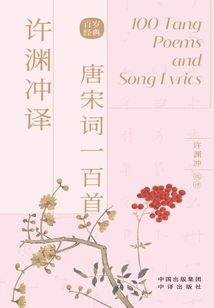
许渊冲译唐宋词一百首
Selected Translation By Xu Yuanchong
China is a country of poetry. Ancient poetry and drama are treasures in our country's literary treasure house and the cultural essence of our nation. The aesthetic trends and valuable wealth created by Chinese traditional culture over thousands of years of civilization development have great charm that transcends times and crosses national boundaries. Translation master Xu Yuanchong has spent decades selecting traditional literary classics that have had a profound influence on Chinese history from the vast sea of ancient Chinese cultural books, and using superb translation techniques to translate them into English, so that readers at home and abroad can appreciate the beauty and charm of Chinese classical literature even in an English context. The book is published in Chinese-English format. The English part is personally reviewed by native English experts, and rare words in the Chinese part are notated and explained, making it easier to refer to and study. This book is divided into two volumes, the upper and lower volumes, and contains 300 well-known Tang poems. The English parts are all translated by Xu Yuanchong. I hope that through this form of bilingual reading, readers can appreciate the various phenomena of Chinese poetry at its peak.
China is a country of poetry. Ancient poetry and drama are treasures in our country's literary treasure house and the cultural essence of our nation. The aesthetic trends and valuable wealth created by Chinese traditional culture over thousands of years of civilization development have great charm that transcends times and crosses national boundaries. Translation master Xu Yuanchong has spent decades selecting traditional literary classics that have had a profound influence on Chinese history from the vast sea of ancient Chinese cultural books, and using superb translation techniques to translate them into English, so that readers at home and abroad can appreciate the beauty and charm of Chinese classical literature even in an English context. The book is published in Chinese-English format. The English part is personally reviewed by native English experts, and rare words in the Chinese part are notated and explained, making it easier to refer to and study. This book is divided into two volumes, the upper and lower volumes, and contains 300 well-known Tang poems. The English parts are all translated by Xu Yuanchong. I hope that through this form of bilingual reading, readers can appreciate the various phenomena of Chinese poetry at its peak.
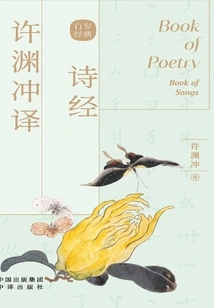
许渊冲译诗经
Xu Yuanchong
China is a country of poetry. Ancient poetry and drama are treasures in our country's literary treasure house and the cultural essence of our nation. The aesthetic trends and valuable wealth created by Chinese traditional culture over thousands of years of civilization development have great charm that transcends times and crosses national boundaries. Translation master Xu Yuanchong has spent decades selecting traditional literary classics that have had a profound influence on Chinese history from the vast sea of ancient Chinese cultural books, and using superb translation techniques to translate them into English, so that readers at home and abroad can appreciate the beauty and charm of Chinese classical literature even in an English context. The book is published in Chinese-English format. The English part is personally reviewed by native English experts, and rare words in the Chinese part are notated and explained, making it easier to refer to and study. This book is divided into two volumes, the upper and lower volumes, and contains 300 well-known Tang poems. The English parts are all translated by Xu Yuanchong. I hope that through this form of bilingual reading, readers can appreciate the various phenomena of Chinese poetry at its peak.
China is a country of poetry. Ancient poetry and drama are treasures in our country's literary treasure house and the cultural essence of our nation. The aesthetic trends and valuable wealth created by Chinese traditional culture over thousands of years of civilization development have great charm that transcends times and crosses national boundaries. Translation master Xu Yuanchong has spent decades selecting traditional literary classics that have had a profound influence on Chinese history from the vast sea of ancient Chinese cultural books, and using superb translation techniques to translate them into English, so that readers at home and abroad can appreciate the beauty and charm of Chinese classical literature even in an English context. The book is published in Chinese-English format. The English part is personally reviewed by native English experts, and rare words in the Chinese part are notated and explained, making it easier to refer to and study. This book is divided into two volumes, the upper and lower volumes, and contains 300 well-known Tang poems. The English parts are all translated by Xu Yuanchong. I hope that through this form of bilingual reading, readers can appreciate the various phenomena of Chinese poetry at its peak.
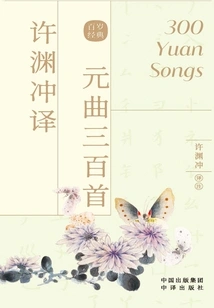
Xu Yuanchong Translated 300 Yuan Songs
Literature许渊冲译元曲三百首
Translation And Annotation By Xu Yuanchong
China is a country of poetry. Ancient poetry and drama are treasures in our country's literary treasure house and the cultural essence of our nation. The aesthetic trends and valuable wealth created by Chinese traditional culture over thousands of years of civilization development have great charm that transcends times and crosses national boundaries. Translation master Xu Yuanchong has spent decades selecting traditional literary classics that have had a profound influence on Chinese history from the vast sea of ancient Chinese cultural books, and using superb translation techniques to translate them into English, so that readers at home and abroad can appreciate the beauty and charm of Chinese classical literature even in an English context. The book is published in Chinese-English format. The English part is personally reviewed by native English experts, and rare words in the Chinese part are notated and explained, making it easier to refer to and study. This book is divided into two volumes, the upper and lower volumes, and contains 300 well-known Tang poems. The English parts are all translated by Xu Yuanchong. I hope that through this form of bilingual reading, readers can appreciate the various phenomena of Chinese poetry at its peak.
China is a country of poetry. Ancient poetry and drama are treasures in our country's literary treasure house and the cultural essence of our nation. The aesthetic trends and valuable wealth created by Chinese traditional culture over thousands of years of civilization development have great charm that transcends times and crosses national boundaries. Translation master Xu Yuanchong has spent decades selecting traditional literary classics that have had a profound influence on Chinese history from the vast sea of ancient Chinese cultural books, and using superb translation techniques to translate them into English, so that readers at home and abroad can appreciate the beauty and charm of Chinese classical literature even in an English context. The book is published in Chinese-English format. The English part is personally reviewed by native English experts, and rare words in the Chinese part are notated and explained, making it easier to refer to and study. This book is divided into two volumes, the upper and lower volumes, and contains 300 well-known Tang poems. The English parts are all translated by Xu Yuanchong. I hope that through this form of bilingual reading, readers can appreciate the various phenomena of Chinese poetry at its peak.
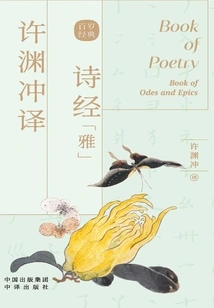
许渊冲译诗经·雅
Xu Yuanchong
China is a country of poetry. Ancient poetry and drama are treasures in our country's literary treasure house and the cultural essence of our nation. The aesthetic trends and valuable wealth created by Chinese traditional culture over thousands of years of civilization development have great charm that transcends times and crosses national boundaries. Translation master Xu Yuanchong has spent decades selecting traditional literary classics that have had a profound influence on Chinese history from the vast sea of ancient Chinese cultural books, and using superb translation techniques to translate them into English, so that readers at home and abroad can appreciate the beauty and charm of Chinese classical literature even in an English context. The book is published in Chinese-English format. The English part is personally reviewed by native English experts, and rare words in the Chinese part are notated and explained, making it easier to refer to and study. This book is divided into two volumes, the upper and lower volumes, and contains 300 well-known Tang poems. The English parts are all translated by Xu Yuanchong. I hope that through this form of bilingual reading, readers can appreciate the various phenomena of Chinese poetry at its peak.
China is a country of poetry. Ancient poetry and drama are treasures in our country's literary treasure house and the cultural essence of our nation. The aesthetic trends and valuable wealth created by Chinese traditional culture over thousands of years of civilization development have great charm that transcends times and crosses national boundaries. Translation master Xu Yuanchong has spent decades selecting traditional literary classics that have had a profound influence on Chinese history from the vast sea of ancient Chinese cultural books, and using superb translation techniques to translate them into English, so that readers at home and abroad can appreciate the beauty and charm of Chinese classical literature even in an English context. The book is published in Chinese-English format. The English part is personally reviewed by native English experts, and rare words in the Chinese part are notated and explained, making it easier to refer to and study. This book is divided into two volumes, the upper and lower volumes, and contains 300 well-known Tang poems. The English parts are all translated by Xu Yuanchong. I hope that through this form of bilingual reading, readers can appreciate the various phenomena of Chinese poetry at its peak.
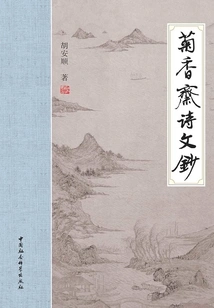
Juxiangzhai Poetry Notes
Literature菊香斋诗文钞
Huanshun
This book includes two parts: ancient poetry couplets and poetry theory. Most of the ancient poems are works that praise objects, express aspirations, express memories, commemorate, and praise history. They deliberately imitate the ancient times, strictly adhere to the rhythm, pay attention to the character, and avoid vulgarity. They praise the good life without forgetting the social responsibility of poetry. They always uphold the poet's feelings of observing the resentment of the masses and the interest of staying upright, seeking change, and pursuing fashion and elegance. They express the author's ideological pursuit of not only loving traditional excellent culture, but also protecting and inheriting traditional excellent culture. The theory of poetry focuses on the introduction and discussion of poetic rhythm. It not only discusses the rhythm of rhymed poetry, but also involves the rhythm of ancient poetry. It proposes the basic sentence patterns and variations of ancient poetry for the first time, summarizes the important characteristics of ancient poetry, and reveals the appearance of ancient poetry in a comprehensive and systematic manner.
This book includes two parts: ancient poetry couplets and poetry theory. Most of the ancient poems are works that praise objects, express aspirations, express memories, commemorate, and praise history. They deliberately imitate the ancient times, strictly adhere to the rhythm, pay attention to the character, and avoid vulgarity. They praise the good life without forgetting the social responsibility of poetry. They always uphold the poet's feelings of observing the resentment of the masses and the interest of staying upright, seeking change, and pursuing fashion and elegance. They express the author's ideological pursuit of not only loving traditional excellent culture, but also protecting and inheriting traditional excellent culture. The theory of poetry focuses on the introduction and discussion of poetic rhythm. It not only discusses the rhythm of rhymed poetry, but also involves the rhythm of ancient poetry. It proposes the basic sentence patterns and variations of ancient poetry for the first time, summarizes the important characteristics of ancient poetry, and reveals the appearance of ancient poetry in a comprehensive and systematic manner.
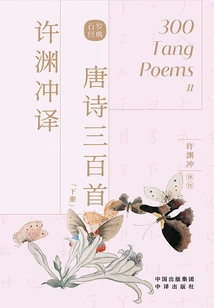
许渊冲译唐诗三百首(下册)
Translation And Annotation By Xu Yuanchong
China is a country of poetry. Ancient poetry and drama are treasures in our country's literary treasure house and the cultural essence of our nation. The aesthetic trends and valuable wealth created by Chinese traditional culture over thousands of years of civilization development have great charm that transcends times and crosses national boundaries. Translation master Xu Yuanchong has spent decades selecting traditional literary classics that have had a profound influence on Chinese history from the vast sea of ancient Chinese cultural books, and using superb translation techniques to translate them into English, so that readers at home and abroad can appreciate the beauty and charm of Chinese classical literature even in an English context. The book is published in Chinese-English format. The English part is personally reviewed by native English experts, and rare words in the Chinese part are notated and explained, making it easier to refer to and study. This book is divided into two volumes, the upper and lower volumes, and contains 300 well-known Tang poems. The English parts are all translated by Xu Yuanchong. I hope that through this form of bilingual reading, readers can appreciate the various phenomena of Chinese poetry at its peak.
China is a country of poetry. Ancient poetry and drama are treasures in our country's literary treasure house and the cultural essence of our nation. The aesthetic trends and valuable wealth created by Chinese traditional culture over thousands of years of civilization development have great charm that transcends times and crosses national boundaries. Translation master Xu Yuanchong has spent decades selecting traditional literary classics that have had a profound influence on Chinese history from the vast sea of ancient Chinese cultural books, and using superb translation techniques to translate them into English, so that readers at home and abroad can appreciate the beauty and charm of Chinese classical literature even in an English context. The book is published in Chinese-English format. The English part is personally reviewed by native English experts, and rare words in the Chinese part are notated and explained, making it easier to refer to and study. This book is divided into two volumes, the upper and lower volumes, and contains 300 well-known Tang poems. The English parts are all translated by Xu Yuanchong. I hope that through this form of bilingual reading, readers can appreciate the various phenomena of Chinese poetry at its peak.
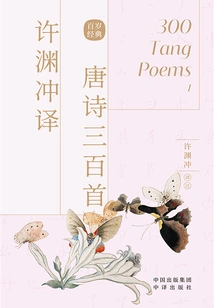
许渊冲译唐诗三百首(全2册)
Translation And Annotation By Xu Yuanchong
China is a country of poetry. Ancient poetry and drama are treasures in our country's literary treasure house and the cultural essence of our nation. The aesthetic trends and valuable wealth created by Chinese traditional culture over thousands of years of civilization development have great charm that transcends times and crosses national boundaries. Translation master Xu Yuanchong has spent decades selecting traditional literary classics that have had a profound influence on Chinese history from the vast sea of ancient Chinese cultural books, and using superb translation techniques to translate them into English, so that readers at home and abroad can appreciate the beauty and charm of Chinese classical literature even in an English context. The book is published in Chinese-English format. The English part is personally reviewed by native English experts, and rare words in the Chinese part are notated and explained, making it easier to refer to and study. This book is divided into two volumes, the upper and lower volumes, and contains 300 well-known Tang poems. The English parts are all translated by Xu Yuanchong. I hope that through this form of bilingual reading, readers can appreciate the various phenomena of Chinese poetry at its peak.
China is a country of poetry. Ancient poetry and drama are treasures in our country's literary treasure house and the cultural essence of our nation. The aesthetic trends and valuable wealth created by Chinese traditional culture over thousands of years of civilization development have great charm that transcends times and crosses national boundaries. Translation master Xu Yuanchong has spent decades selecting traditional literary classics that have had a profound influence on Chinese history from the vast sea of ancient Chinese cultural books, and using superb translation techniques to translate them into English, so that readers at home and abroad can appreciate the beauty and charm of Chinese classical literature even in an English context. The book is published in Chinese-English format. The English part is personally reviewed by native English experts, and rare words in the Chinese part are notated and explained, making it easier to refer to and study. This book is divided into two volumes, the upper and lower volumes, and contains 300 well-known Tang poems. The English parts are all translated by Xu Yuanchong. I hope that through this form of bilingual reading, readers can appreciate the various phenomena of Chinese poetry at its peak.
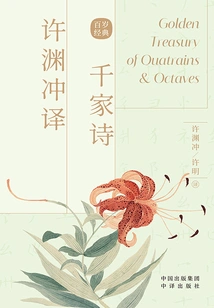
许渊冲译千家诗
Translated By Xu Yuanchong And Xu Ming
Translation master Xu Yuanchong used superb translation techniques to translate an ancient Chinese poetry anthology - "Poems of a Thousand Families" into English. The translation is beautiful in sound, meaning and form, allowing readers to experience the unique charm of traditional Chinese literary classics in a foreign language context. On the occasion of the 100th anniversary of the birth of Mr. Xu, the Chinese Translation Press has republished the book in Chinese-English format. The English part has been personally reviewed by native English experts, and the rare words in the Chinese part have been notated and explained to make it easier for reference and learning.
Translation master Xu Yuanchong used superb translation techniques to translate an ancient Chinese poetry anthology - "Poems of a Thousand Families" into English. The translation is beautiful in sound, meaning and form, allowing readers to experience the unique charm of traditional Chinese literary classics in a foreign language context. On the occasion of the 100th anniversary of the birth of Mr. Xu, the Chinese Translation Press has republished the book in Chinese-English format. The English part has been personally reviewed by native English experts, and the rare words in the Chinese part have been notated and explained to make it easier for reference and learning.
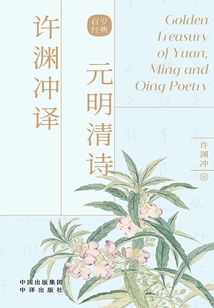
许渊冲译元明清诗
Translated By Xu Yuanchong
The translation by Mr. Xu Yuanchong, a centenarian and master translator, vividly explains the beautiful artistic conception of Chinese classical poetry. This book carefully selects classic poems from the Yuan, Ming and Qing dynasties, with diverse styles and rich themes. Bilingual reading improves English reading ability, is beneficial to English learning, and can give people a refreshing experience, turning the beauty of China into the beauty of the world.
The translation by Mr. Xu Yuanchong, a centenarian and master translator, vividly explains the beautiful artistic conception of Chinese classical poetry. This book carefully selects classic poems from the Yuan, Ming and Qing dynasties, with diverse styles and rich themes. Bilingual reading improves English reading ability, is beneficial to English learning, and can give people a refreshing experience, turning the beauty of China into the beauty of the world.
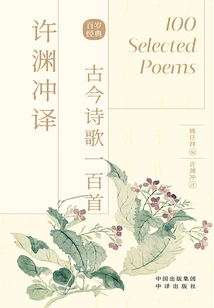
许渊冲译古今诗歌一百首
Compiled By Yao Renxiang And Translated By Xu Yuanchong
Translation master Xu Yuanchong used superb translation techniques to translate 100 poems born in various eras of our country into English, allowing readers to experience the unique charm of traditional Chinese literary classics in a foreign language context. On the occasion of the 100th anniversary of the birth of Mr. Xu, the Chinese Translation Press has republished the book in Chinese-English format. The English part has been personally reviewed by native English experts, and the rare words in the Chinese part have been notated and explained to make it easier for reference and learning.
Translation master Xu Yuanchong used superb translation techniques to translate 100 poems born in various eras of our country into English, allowing readers to experience the unique charm of traditional Chinese literary classics in a foreign language context. On the occasion of the 100th anniversary of the birth of Mr. Xu, the Chinese Translation Press has republished the book in Chinese-English format. The English part has been personally reviewed by native English experts, and the rare words in the Chinese part have been notated and explained to make it easier for reference and learning.
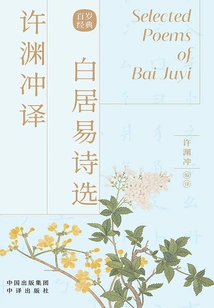
许渊冲译白居易诗选
(tang Dynasty) Bai Juyi
Translation master Xu Yuanchong used superb translation techniques to translate 50 representative works of the famous Tang Dynasty poet Bai Juyi into English, allowing readers to experience the unique charm of traditional Chinese literary classics in a foreign context. On the occasion of the 100th anniversary of the birth of Mr. Xu, the Chinese Translation Press has republished the book in Chinese-English format. The English part has been personally reviewed by native English experts, and the rare words in the Chinese part have been notated and explained to make it easier for reference and learning.
Translation master Xu Yuanchong used superb translation techniques to translate 50 representative works of the famous Tang Dynasty poet Bai Juyi into English, allowing readers to experience the unique charm of traditional Chinese literary classics in a foreign context. On the occasion of the 100th anniversary of the birth of Mr. Xu, the Chinese Translation Press has republished the book in Chinese-English format. The English part has been personally reviewed by native English experts, and the rare words in the Chinese part have been notated and explained to make it easier for reference and learning.
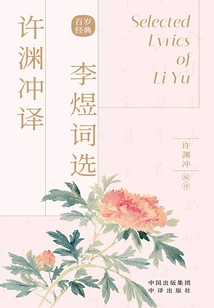
许渊冲译李煜词选
(southern Tang Dynasty) Li Yu
Translation master Xu Yuanchong used superb translation techniques to translate the lyrics of Li Yu, the later master of the Southern Tang Dynasty, and his father Li Jing into English, allowing readers to experience the unique charm of traditional Chinese literary classics in a foreign context. On the occasion of the 100th anniversary of the birth of Mr. Xu, the Chinese Translation Press has republished the book in Chinese-English format. The English part has been personally reviewed by native English experts, and the rare words in the Chinese part have been notated and explained to make it easier for reference and learning.
Translation master Xu Yuanchong used superb translation techniques to translate the lyrics of Li Yu, the later master of the Southern Tang Dynasty, and his father Li Jing into English, allowing readers to experience the unique charm of traditional Chinese literary classics in a foreign context. On the occasion of the 100th anniversary of the birth of Mr. Xu, the Chinese Translation Press has republished the book in Chinese-English format. The English part has been personally reviewed by native English experts, and the rare words in the Chinese part have been notated and explained to make it easier for reference and learning.
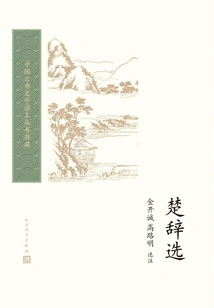
楚辞选(中国古典文学读本丛书典藏)
Selected Notes By Jin Kaicheng And Gao Luming
"Chu Ci" is a collection of works by Chu poet Qu Yuan and his later scholars during the Warring States Period. When he became emperor of the Western Han Dynasty, Liu Xiang compiled ancient books and compiled their works into a book, named "Chu Ci". From then on, "Chu Ci" became the name of a collection. This is the first personal monograph poetry collection in the history of our country. "Chu Ci" and "The Book of Songs" are two major sources of Chinese poetry. Qu Yuan has the largest number of works in "Chu Ci". The most representative works are Qu Yuan's "Li Sao", "Nine Songs", "Tian Wen", Song Yu's "Nine Debates", etc. "Selected Songs of Chu" selects the famous works of Qu Yuan and Song Yu, adds detailed annotations, analyzes paragraphs in detail, explains the levels, and turns the difficult into simple. It is an excellent contemporary annotated version of "Chu Ci" and is very suitable for general readers.
"Chu Ci" is a collection of works by Chu poet Qu Yuan and his later scholars during the Warring States Period. When he became emperor of the Western Han Dynasty, Liu Xiang compiled ancient books and compiled their works into a book, named "Chu Ci". From then on, "Chu Ci" became the name of a collection. This is the first personal monograph poetry collection in the history of our country. "Chu Ci" and "The Book of Songs" are two major sources of Chinese poetry. Qu Yuan has the largest number of works in "Chu Ci". The most representative works are Qu Yuan's "Li Sao", "Nine Songs", "Tian Wen", Song Yu's "Nine Debates", etc. "Selected Songs of Chu" selects the famous works of Qu Yuan and Song Yu, adds detailed annotations, analyzes paragraphs in detail, explains the levels, and turns the difficult into simple. It is an excellent contemporary annotated version of "Chu Ci" and is very suitable for general readers.
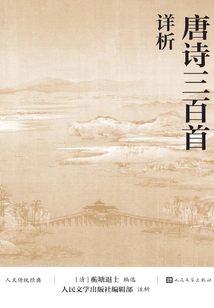
唐诗三百首详析(人文传统经典)
(qing Dynasty) Compilation And Selection By Hengtang Retired Scholars And Analysis By The Editorial Department Of People's Literature Publishing House
Tang poetry has a profound influence on Chinese literature. Literati of all dynasties regarded Tang poetry as a model and regarded Tang people as a model. There are many anthologies of Tang poetry, among which "Three Hundred Tang Poems" is the most widely circulated and influential. It is popular throughout the country, suitable for both young and old, and is appreciated by both refined and popular people. It has become one of the most classic anthologies that has been printed repeatedly. This book is based on "Three Hundred Tang Poems", with detailed annotations and analytical comments on each poem, providing young people with an excellent annotation for appreciating Tang poetry.
Tang poetry has a profound influence on Chinese literature. Literati of all dynasties regarded Tang poetry as a model and regarded Tang people as a model. There are many anthologies of Tang poetry, among which "Three Hundred Tang Poems" is the most widely circulated and influential. It is popular throughout the country, suitable for both young and old, and is appreciated by both refined and popular people. It has become one of the most classic anthologies that has been printed repeatedly. This book is based on "Three Hundred Tang Poems", with detailed annotations and analytical comments on each poem, providing young people with an excellent annotation for appreciating Tang poetry.
Selected Poems by Gao Shicenshen (collection of Chinese Classical Literature Reader Series)
Literature高适岑参诗选(中国古典文学读本丛书典藏)
Selected Notes By Sun Qinshan And Others
Gao Shi (about 704-about 765), courtesy name Dafu and Zhongwu, was of Han nationality and was a native of Bohai County (now Jingxian County, Hebei Province) in the Tang Dynasty. He once served as the minister of the Ministry of punishment, the regular minister of Sanqi, etc., And he was known as Gao Changshi in the world. Cen Shen (about 715-770), a native of Nanyang, was once the governor of Jiazhou (now Leshan, Sichuan), and was known as "Cen Jiazhou" in the world. Gao Shi and Cen Shen are outstanding representatives of the frontier poetry school in the prosperous Tang Dynasty. Gao Shi's poems express his heart directly, vigorous and tragic; Cen Shen's poems are majestic and magnificent, blending scenes. This book is very helpful for a comprehensive understanding of their poetry.
Gao Shi (about 704-about 765), courtesy name Dafu and Zhongwu, was of Han nationality and was a native of Bohai County (now Jingxian County, Hebei Province) in the Tang Dynasty. He once served as the minister of the Ministry of punishment, the regular minister of Sanqi, etc., And he was known as Gao Changshi in the world. Cen Shen (about 715-770), a native of Nanyang, was once the governor of Jiazhou (now Leshan, Sichuan), and was known as "Cen Jiazhou" in the world. Gao Shi and Cen Shen are outstanding representatives of the frontier poetry school in the prosperous Tang Dynasty. Gao Shi's poems express his heart directly, vigorous and tragic; Cen Shen's poems are majestic and magnificent, blending scenes. This book is very helpful for a comprehensive understanding of their poetry.
写着写着几千年
Li Yuanluo
This book is a collection of teacher Li Yuanluo's "Poetry Culture" prose collection. It comprehensively explains 50 important poets and more than 200 poems familiar to the people, from word and sentence images, literary and historical allusions, to the poet's life experience and life mood. It is not limited to the word-for-word interpretation of ancient poems. This book selects poems, lyrics, music and writers from the glorious period of ancient Chinese poetry - the Tang, Song and Yuan Dynasties. It is the essence of the complete context of Mr. Li Yuanluo's poetic culture and prose. The author leads readers to travel with Li Bai and Du Fu, to appreciate the moon in Tang poems, to celebrate Chinese Valentine's Day in Song poems, to see common people and heroes in Yuan operas, and to see the protagonists who love to chant in poems through the ages. What you gain from reading this book is not only a more realistic perception of ancient poetry, but also the connection of various thoughts, history, nature, society, etc. Its prose blends classical poetry with modern life, and combines reading thousands of books with traveling thousands of miles. And the author is good at connecting poets and works, allowing readers to gain cultural nutrients from ancient and modern times, both at home and abroad, in one book.
This book is a collection of teacher Li Yuanluo's "Poetry Culture" prose collection. It comprehensively explains 50 important poets and more than 200 poems familiar to the people, from word and sentence images, literary and historical allusions, to the poet's life experience and life mood. It is not limited to the word-for-word interpretation of ancient poems. This book selects poems, lyrics, music and writers from the glorious period of ancient Chinese poetry - the Tang, Song and Yuan Dynasties. It is the essence of the complete context of Mr. Li Yuanluo's poetic culture and prose. The author leads readers to travel with Li Bai and Du Fu, to appreciate the moon in Tang poems, to celebrate Chinese Valentine's Day in Song poems, to see common people and heroes in Yuan operas, and to see the protagonists who love to chant in poems through the ages. What you gain from reading this book is not only a more realistic perception of ancient poetry, but also the connection of various thoughts, history, nature, society, etc. Its prose blends classical poetry with modern life, and combines reading thousands of books with traveling thousands of miles. And the author is good at connecting poets and works, allowing readers to gain cultural nutrients from ancient and modern times, both at home and abroad, in one book.