Library
Browse and search books
2,075 novels found

Lover (translation 40)
General Fiction情人(译文40)
(french) Duras
Duras is a famous contemporary French novelist, playwright, journalist and film artist. "The Lover" is an autobiographical work. It is based on the life of French colonists in Vietnam. It describes the deep and hopeless love between a poor French girl and a wealthy Chinese young master. The writing touches on some of the most fundamental and secret qualities of human nature, which is thought-provoking. The emotional power that surges from beginning to end in the novel even surpasses the superb writing skills and is extremely contagious.
Duras is a famous contemporary French novelist, playwright, journalist and film artist. "The Lover" is an autobiographical work. It is based on the life of French colonists in Vietnam. It describes the deep and hopeless love between a poor French girl and a wealthy Chinese young master. The writing touches on some of the most fundamental and secret qualities of human nature, which is thought-provoking. The emotional power that surges from beginning to end in the novel even surpasses the superb writing skills and is extremely contagious.
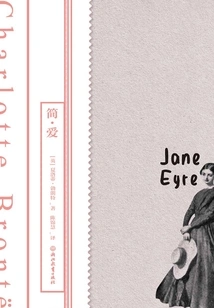
Jane Eyre (sharp Iron Classic)
General Fiction简·爱(磨铁经典)
Charlotte Brontë
Charlotte once said to her sisters: "I am going to create a heroine for you. She will be short and ugly like me, but she will be as interesting as any of your heroines." Jane Eyre was born. In the past two hundred years, "Jane Eyre" has remained popular. The story of Jane Eyre and Rochester is not only a love story, but also a story of a woman's efforts to explore a broader heart. "Jane Eyre" was published in 1847. In order to overcome the obstacles caused by gender prejudice, the author used the pen name Cole Bell when publishing.
Charlotte once said to her sisters: "I am going to create a heroine for you. She will be short and ugly like me, but she will be as interesting as any of your heroines." Jane Eyre was born. In the past two hundred years, "Jane Eyre" has remained popular. The story of Jane Eyre and Rochester is not only a love story, but also a story of a woman's efforts to explore a broader heart. "Jane Eyre" was published in 1847. In order to overcome the obstacles caused by gender prejudice, the author used the pen name Cole Bell when publishing.
S
General Fictions
N
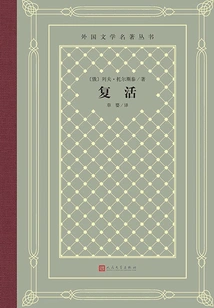
"Resurrection" is Leo Tolstoy's last novel. It is a summary of the writer's life exploration and thoughts. It is known as the peak of the development of Russian critical realism. The novel uses the suffering of Maslova, a maid in a noble family, and the spiritual awakening process of Nekhludoff, a young nobleman who once hurt her. In the process of his running around to rescue Maslova, the novel extensively and deeply criticizes the corruption and gangsterism of courts, prisons, and bureaucracies. Darkly, it exposed the extravagant and licentious life of the feudal ruling class and the cruel, stupid and inhumane nature of the reactionary officials. It tore off the hypocrisy of the government-run church, reflected the bankruptcy of the countryside and the extreme poverty of the farmers, and sketched a social picture of serfdom Russia that was on the verge of collapse.
"Resurrection" is Leo Tolstoy's last novel. It is a summary of the writer's life exploration and thoughts. It is known as the peak of the development of Russian critical realism. The novel uses the suffering of Maslova, a maid in a noble family, and the spiritual awakening process of Nekhludoff, a young nobleman who once hurt her. In the process of his running around to rescue Maslova, the novel extensively and deeply criticizes the corruption and gangsterism of courts, prisons, and bureaucracies. Darkly, it exposed the extravagant and licentious life of the feudal ruling class and the cruel, stupid and inhumane nature of the reactionary officials. It tore off the hypocrisy of the government-run church, reflected the bankruptcy of the countryside and the extreme poverty of the farmers, and sketched a social picture of serfdom Russia that was on the verge of collapse.
X
O
General Fictiono
H
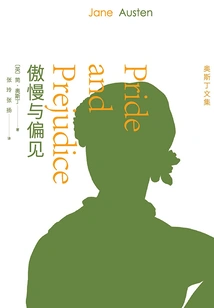
"Pride and Prejudice" is Jane Austen's masterpiece. It uses daily life as the material. It goes against the content and pretentious writing methods of sentimental novels popular in the society at that time. It vividly reflects the conservative and closed-off British rural life and worldly conditions from the end of the 18th century to the beginning of the 19th century. "Pride and Prejudice", a novel of social style, not only attracted a large number of readers at the time, but still gives readers a unique artistic enjoyment today. Although Austen's works have been compared to "two-inch ivory sculptures", she reflected the various social conditions at that time through the daily conversations and interactions between gentlemen and ladies. She used humorous language to satirize the phenomena of profit-seeking and vanity, and used comic scenes to mock people's stupidity, selfishness, snobbery, blind confidence and other despicable and ridiculous weaknesses.
"Pride and Prejudice" is Jane Austen's masterpiece. It uses daily life as the material. It goes against the content and pretentious writing methods of sentimental novels popular in the society at that time. It vividly reflects the conservative and closed-off British rural life and worldly conditions from the end of the 18th century to the beginning of the 19th century. "Pride and Prejudice", a novel of social style, not only attracted a large number of readers at the time, but still gives readers a unique artistic enjoyment today. Although Austen's works have been compared to "two-inch ivory sculptures", she reflected the various social conditions at that time through the daily conversations and interactions between gentlemen and ladies. She used humorous language to satirize the phenomena of profit-seeking and vanity, and used comic scenes to mock people's stupidity, selfishness, snobbery, blind confidence and other despicable and ridiculous weaknesses.
P
General Fictionp
H
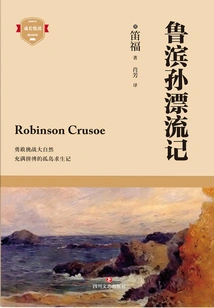
"Robinson Crusoe" tells the story of Robinson living alone on an uninhabited island for 28 years. It is wrong to say that life is not right, survival is the portrayal of Robinson Crusoe. He started from scratch on the island, and through hard work, finally lived a self-sufficient life, but he was very lonely, with only parrots talking to him, and his neighbors were cannibals who occasionally visited. However, he firmly believed that as long as he used wisdom, he could create all the materials needed for survival; he firmly believed that the servant "Friday" he rescued was kind-hearted and worthy of dependence; he firmly believed that he would be rescued... It was this belief and courage that finally made him return to England. Defoe uses vivid and lifelike details to write fictional scenes that make people feel like they are actually there, giving the story a strong sense of reality.
"Robinson Crusoe" tells the story of Robinson living alone on an uninhabited island for 28 years. It is wrong to say that life is not right, survival is the portrayal of Robinson Crusoe. He started from scratch on the island, and through hard work, finally lived a self-sufficient life, but he was very lonely, with only parrots talking to him, and his neighbors were cannibals who occasionally visited. However, he firmly believed that as long as he used wisdom, he could create all the materials needed for survival; he firmly believed that the servant "Friday" he rescued was kind-hearted and worthy of dependence; he firmly believed that he would be rescued... It was this belief and courage that finally made him return to England. Defoe uses vivid and lifelike details to write fictional scenes that make people feel like they are actually there, giving the story a strong sense of reality.

The Daughter of the Sea (classic World Masterpiece)
General Fiction海的女儿(经典世界名著)
J
This book is a selection of Andersen's fairy tales, named after his famous work "The Daughter of the Sea". The name Andersen is like an eternal monument, shining with the most brilliant light. He created countless beautiful fairy tales in his life: the poor and miserable little match girl went to another warm and beautiful world in her heart; the stupid emperor put on new clothes that did not exist at all; the little mermaid made selfless and regretless sacrifices for love; the ugly duckling finally turned into a noble white swan...
This book is a selection of Andersen's fairy tales, named after his famous work "The Daughter of the Sea". The name Andersen is like an eternal monument, shining with the most brilliant light. He created countless beautiful fairy tales in his life: the poor and miserable little match girl went to another warm and beautiful world in her heart; the stupid emperor put on new clothes that did not exist at all; the little mermaid made selfless and regretless sacrifices for love; the ugly duckling finally turned into a noble white swan...

The Sorrows of Young Werther (classic World Masterpiece)
General Fiction少年维特的烦恼(经典世界名著)
I
"The Sorrows of Young Werther", Goethe's masterpiece, tells the story of a love tragedy in which young Werther pursues Lotte, an engaged girl, but is unable to extricate himself due to hopelessness and commits suicide. The book has been a bestseller since its publication in 1774 and has been translated into dozens of languages around the world. The bitter love story shown in the book has shocked the hearts of generations of teenagers. This is the Bible for young people. As soon as it came out, it became popular in Germany and the entire Western Europe. This is the epitome of the youth of an era, a bitter love affair destined to be fruitless! The sensational work of the world's literary giant has swept the hearts of tens of millions of young men and women around the world!
"The Sorrows of Young Werther", Goethe's masterpiece, tells the story of a love tragedy in which young Werther pursues Lotte, an engaged girl, but is unable to extricate himself due to hopelessness and commits suicide. The book has been a bestseller since its publication in 1774 and has been translated into dozens of languages around the world. The bitter love story shown in the book has shocked the hearts of generations of teenagers. This is the Bible for young people. As soon as it came out, it became popular in Germany and the entire Western Europe. This is the epitome of the youth of an era, a bitter love affair destined to be fruitless! The sensational work of the world's literary giant has swept the hearts of tens of millions of young men and women around the world!

莫泊桑中短篇小说精选(经典世界名著)
H
Maupassant was a great French critical realist writer and short story writer at the end of the 19th century, and an outstanding representative of the naturalistic literary school. Together with Chekhov and O. Henry, he was called "the three kings of short stories in the world". With his exquisite artistic skills, flowing natural writing style, and pure language, Maupassant's novels have become models that showcase the charm of French and occupy an irreplaceable position in the history of French and even world literature. His works have been translated into more than a hundred languages and are still popular today.
Maupassant was a great French critical realist writer and short story writer at the end of the 19th century, and an outstanding representative of the naturalistic literary school. Together with Chekhov and O. Henry, he was called "the three kings of short stories in the world". With his exquisite artistic skills, flowing natural writing style, and pure language, Maupassant's novels have become models that showcase the charm of French and occupy an irreplaceable position in the history of French and even world literature. His works have been translated into more than a hundred languages and are still popular today.

Beautiful Friend (classic World Famous Book)
General Fiction漂亮朋友(经典世界名著)
H
"Beautiful Friend" is the masterpiece of the 19th-century French novelist Maupassant. It was born at the most glorious moment in the speculative activities that marked the historical characteristics of the Third Republic. It describes the lewdness, corruption, pursuit of fame and fortune in the French upper class, and paints a vivid picture of a group of hypocritical and cunning people. It can be called a masterpiece born of the major events of this period. "For nearly half a century, the influence of this novel has never ended, whether in France or the world."
"Beautiful Friend" is the masterpiece of the 19th-century French novelist Maupassant. It was born at the most glorious moment in the speculative activities that marked the historical characteristics of the Third Republic. It describes the lewdness, corruption, pursuit of fame and fortune in the French upper class, and paints a vivid picture of a group of hypocritical and cunning people. It can be called a masterpiece born of the major events of this period. "For nearly half a century, the influence of this novel has never ended, whether in France or the world."

The Three Musketeers (part 2) (classic World Masterpiece)
General Fiction三个火枪手(下)(经典世界名著)
I
D'Artagnan, who was born a commoner, went to Paris to join the army, joined King Louis XIII's Musketeer Guards, and became good friends with the other three Musketeers. In order to protect the reputation of Queen Anne of Austria, they fought against Cardinal Richelieu, defeated many obstacles set by Richelieu, went to England, retrieved the queen's diamonds from the Duke of Buckingham, and thwarted Richelieu's plot to sow discord between the king and the queen.
D'Artagnan, who was born a commoner, went to Paris to join the army, joined King Louis XIII's Musketeer Guards, and became good friends with the other three Musketeers. In order to protect the reputation of Queen Anne of Austria, they fought against Cardinal Richelieu, defeated many obstacles set by Richelieu, went to England, retrieved the queen's diamonds from the Duke of Buckingham, and thwarted Richelieu's plot to sow discord between the king and the queen.
Sons and Lovers (classic World Masterpiece)
General Fiction儿子与情人(经典世界名著)
Lawrence
"Sons and Lovers" is the first novel by British writer Laurence. The novel tells a classic love story. The first generation in the book is Walter Morel and Gertrude. Walter was originally full of energy, optimistic, and lovable; but later his temper became bad, he drank alcohol and beat people, and became a walking zombie. The wife, who was disappointed with her husband, pinned her hopes on her son. However, her beloved eldest son William unfortunately died young, and she developed strong feelings for her second son Paul. However, Paul's two girlfriends have different views on love, leaving him at a loss as to what to do. After his mother died, Paul decided to leave his hometown and go to the city. The novel has taken the world literary world by storm, and its charm remains everlasting.
"Sons and Lovers" is the first novel by British writer Laurence. The novel tells a classic love story. The first generation in the book is Walter Morel and Gertrude. Walter was originally full of energy, optimistic, and lovable; but later his temper became bad, he drank alcohol and beat people, and became a walking zombie. The wife, who was disappointed with her husband, pinned her hopes on her son. However, her beloved eldest son William unfortunately died young, and she developed strong feelings for her second son Paul. However, Paul's two girlfriends have different views on love, leaving him at a loss as to what to do. After his mother died, Paul decided to leave his hometown and go to the city. The novel has taken the world literary world by storm, and its charm remains everlasting.

外国名著精选(套装共6册)
(french) Stendhal (british) William Thackeray, Etc.
"Selected Foreign Masterpieces (set of 6 volumes in total)" includes: "The Red and the Black", "Vanity Fair (2 volumes)", "John Christopher (2 volumes)" and "The Grapes of Wrath".
"Selected Foreign Masterpieces (set of 6 volumes in total)" includes: "The Red and the Black", "Vanity Fair (2 volumes)", "John Christopher (2 volumes)" and "The Grapes of Wrath".

Resurrection (wenjing·star System)
General Fiction复活(文景·恒星系)
(russian) Leo Tolstoy
The pinnacle of Tolstoy's artistic achievements, he outlines a broad picture of Russian social life in the 19th century. A classic translation by the famous Russian-Soviet literary translator Li Gang, interpreted by Wang Anyi. A profound interpretation of Tolstoy's outlook on life and art. Face the darkness and light in the heart, and write about the deep confrontation between good and evil in human nature. This year, Maslova was twenty-six years old and stood trial on charges of murder. Nekhlyudov, the aristocratic young master who once fell in love with her, possessed her, and abandoned her, happened to be one of the jurors in this trial. After many years, Nekhludoff felt deeply guilty when he saw Maslova again, whose life had been changed by his temptation. Deep in his heart, the "spiritual man" gradually defeated the "animal man". Due to the negligence of the judge and jury, Maslova, who was supposed to be innocent, was sentenced to exile. Nekhludoff was determined to avenge her and even married her to redeem his sins.
The pinnacle of Tolstoy's artistic achievements, he outlines a broad picture of Russian social life in the 19th century. A classic translation by the famous Russian-Soviet literary translator Li Gang, interpreted by Wang Anyi. A profound interpretation of Tolstoy's outlook on life and art. Face the darkness and light in the heart, and write about the deep confrontation between good and evil in human nature. This year, Maslova was twenty-six years old and stood trial on charges of murder. Nekhlyudov, the aristocratic young master who once fell in love with her, possessed her, and abandoned her, happened to be one of the jurors in this trial. After many years, Nekhludoff felt deeply guilty when he saw Maslova again, whose life had been changed by his temptation. Deep in his heart, the "spiritual man" gradually defeated the "animal man". Due to the negligence of the judge and jury, Maslova, who was supposed to be innocent, was sentenced to exile. Nekhludoff was determined to avenge her and even married her to redeem his sins.

World Classics: Flaubert's Collected Works·english Edition (set of 9 Volumes in Total)
General Fiction世界经典名著:福楼拜作品集·英文版(套装共9册)
(france) Gustave Flaubert
This book is a collection of Flaubert's classic works. It's in English, so English lovers shouldn't miss it. Take "Madame Bovary" as an example. This is a novel written by the French writer Flaubert and first published in 1857. The novel is based on a true story: the poisoning case of a country doctor's wife. The work tells the story of Emma, a peasant girl who received an aristocratic education. It describes a love affair that is very common both in life and in literary works. However, the author's brushwork perceives sensitive areas that others have not touched. He uses delicate brushstrokes to describe the process of the protagonist's emotional degradation. The work criticizes the negative influence of negative romantic literature, sharply criticizes the evil deeds of provincial aristocrats, landowners, loan sharks, and philistines, exposes the decadent social customs of capitalist society and the vulgarity and vulgarity of small citizens, and truly reproduces the cruel reality under the cover of superficial prosperity in the early stages of capitalist development.
This book is a collection of Flaubert's classic works. It's in English, so English lovers shouldn't miss it. Take "Madame Bovary" as an example. This is a novel written by the French writer Flaubert and first published in 1857. The novel is based on a true story: the poisoning case of a country doctor's wife. The work tells the story of Emma, a peasant girl who received an aristocratic education. It describes a love affair that is very common both in life and in literary works. However, the author's brushwork perceives sensitive areas that others have not touched. He uses delicate brushstrokes to describe the process of the protagonist's emotional degradation. The work criticizes the negative influence of negative romantic literature, sharply criticizes the evil deeds of provincial aristocrats, landowners, loan sharks, and philistines, exposes the decadent social customs of capitalist society and the vulgarity and vulgarity of small citizens, and truly reproduces the cruel reality under the cover of superficial prosperity in the early stages of capitalist development.
世界经典名著:约翰·克利斯朵夫全卷(套装共10册)
H
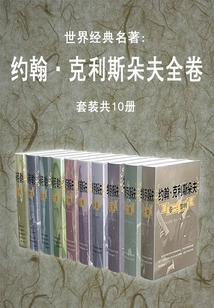
This book is a novel completed by the French writer Romain Rolland in 1912. It tells the story of the protagonist John-Christophe's life of struggle and resistance for music, from the awakening of his musical talent as a child, to his contempt and resistance to the powerful in his youth, to his career pursuit and success as an adult, and finally to the lofty state of spiritual tranquility. It is a novel that reflects a series of contradictions and conflicts in real society through the life experience of the protagonist, and promotes humanitarianism and heroism. Romain Rolland won the 1915 Nobel Prize for Literature for this book.
This book is a novel completed by the French writer Romain Rolland in 1912. It tells the story of the protagonist John-Christophe's life of struggle and resistance for music, from the awakening of his musical talent as a child, to his contempt and resistance to the powerful in his youth, to his career pursuit and success as an adult, and finally to the lofty state of spiritual tranquility. It is a novel that reflects a series of contradictions and conflicts in real society through the life experience of the protagonist, and promotes humanitarianism and heroism. Romain Rolland won the 1915 Nobel Prize for Literature for this book.
G
General FictionG
G
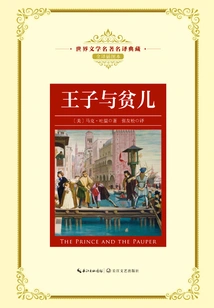
"The Prince and the Pauper" is a masterpiece by the famous American writer Mark Twain. It describes that the prince Edward and the pauper Tom changed places with each other by an unexpected chance. The prince became a pauper and the pauper became a prince.
"The Prince and the Pauper" is a masterpiece by the famous American writer Mark Twain. It describes that the prince Edward and the pauper Tom changed places with each other by an unexpected chance. The prince became a pauper and the pauper became a prince.
J
General Fictionj
G
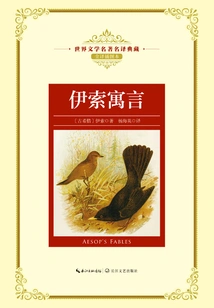
"Aesop's Fables" was born in ancient Greece more than 2,500 years ago. It was originally called "Aesop's Fables" and was introduced to China by missionaries in the late Ming Dynasty. Modern translator Lin Shu was the first to publish it and translated it into "Aesop's Fables", which is still in use today.
"Aesop's Fables" was born in ancient Greece more than 2,500 years ago. It was originally called "Aesop's Fables" and was introduced to China by missionaries in the late Ming Dynasty. Modern translator Lin Shu was the first to publish it and translated it into "Aesop's Fables", which is still in use today.
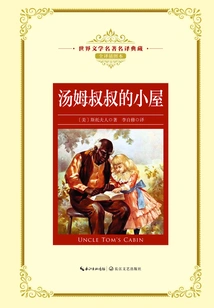
汤姆叔叔的小屋(著名翻译家李自修权威译作)
(us) Mrs. Stowe
"Uncle Tom's Cabin" is an important work by the famous American writer Mrs. Stowe. This novel is not only a classic in the history of world literature, but also has a profound impact on American history and the process of world civilization.
"Uncle Tom's Cabin" is an important work by the famous American writer Mrs. Stowe. This novel is not only a classic in the history of world literature, but also has a profound impact on American history and the process of world civilization.
Q
General Fictionq
H
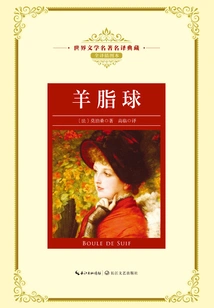
Maupassant is one of the world's leading short story masters. The publication of "Ball de Suif" in 1880 made him famous in one fell swoop. The story has also become a classic in the history of world literature.
Maupassant is one of the world's leading short story masters. The publication of "Ball de Suif" in 1880 made him famous in one fell swoop. The story has also become a classic in the history of world literature.
Don Quixote
General Fiction堂吉诃德
I
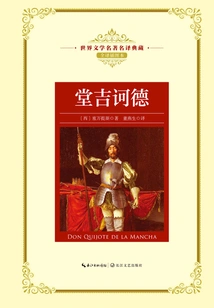
"Don Quixote" is a satirical novel about chivalry and an epoch-making masterpiece during the European Renaissance. The protagonist Don Quixote is addicted to chivalry novels and decides to go out on adventures and become a chivalrous knight.
"Don Quixote" is a satirical novel about chivalry and an epoch-making masterpiece during the European Renaissance. The protagonist Don Quixote is addicted to chivalry novels and decides to go out on adventures and become a chivalrous knight.
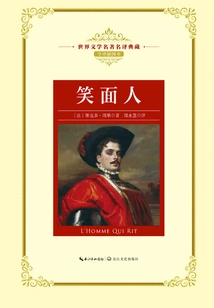
Laughing Man
General Fiction笑面人
G
The story takes place in England at the turn of the seventeenth and eighteenth centuries. Due to the power struggle within the royal family, the aristocratic Guan Bocang was disfigured by child traffickers when he was a child, turned into a "Laughing Man" and abandoned on the coast on a cold winter night.
The story takes place in England at the turn of the seventeenth and eighteenth centuries. Due to the power struggle within the royal family, the aristocratic Guan Bocang was disfigured by child traffickers when he was a child, turned into a "Laughing Man" and abandoned on the coast on a cold winter night.
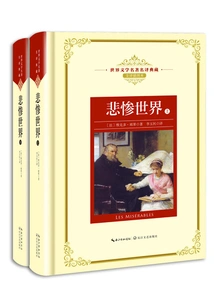
Les Miserables (two Volumes) (authoritative Translation by the Famous Translator Li Yumin)
General Fiction悲惨世界(全二册)(著名翻译家李玉民权威译作)
G
"Les Misérables" mainly tells the story of Jean Valjean, a convict. Jean Valjean, a poor worker who had been in prison for 19 years for stealing a piece of bread, still could not get rid of the label of a hard labor prisoner after he was released from prison.
"Les Misérables" mainly tells the story of Jean Valjean, a convict. Jean Valjean, a poor worker who had been in prison for 19 years for stealing a piece of bread, still could not get rid of the label of a hard labor prisoner after he was released from prison.
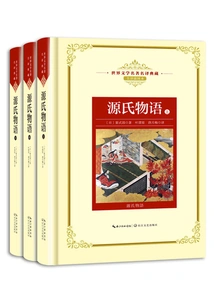
The Tale of Genji (all Three Volumes) (original Work of Classic Film and Television Drama)
General Fiction源氏物语(全三册)(经典影视剧作原著)
I
The pinnacle of Japanese story literature, it comprehensively presents the historical features and court life of Japan's Heian period. "The Tale of Genji" is a masterpiece of Japanese classical literature. It has had a huge impact on the development of Japanese literature. It is the peak of Japanese classical literature and opened the era of "mono-sorrow" in Japan. The novel takes Genji's life experience and love story as the main line, describes the style of Japan's Heian period, reveals the complexity of human nature and cruel court struggles, and reflects the palace life of the Heian period.
The pinnacle of Japanese story literature, it comprehensively presents the historical features and court life of Japan's Heian period. "The Tale of Genji" is a masterpiece of Japanese classical literature. It has had a huge impact on the development of Japanese literature. It is the peak of Japanese classical literature and opened the era of "mono-sorrow" in Japan. The novel takes Genji's life experience and love story as the main line, describes the style of Japan's Heian period, reveals the complexity of human nature and cruel court struggles, and reflects the palace life of the Heian period.
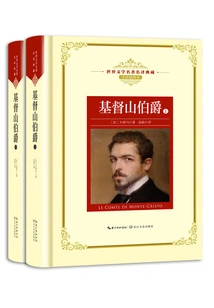
The Count of Monte Cristo (two Volumes in Total) (a Classic Among Alexandre Dumas' Novels)
General Fiction基督山伯爵(共二册)(大仲马小说中的经典之作)
G
In the history of human literature, "The Count of Monte Cristo" can truly be called a great life-changing novel. It has brought hope that cannot be weakened by any setbacks to people who have been insulted and damaged for thousands of years.
In the history of human literature, "The Count of Monte Cristo" can truly be called a great life-changing novel. It has brought hope that cannot be weakened by any setbacks to people who have been insulted and damaged for thousands of years.
Utopia
General Fiction乌托邦
(english) Thomas More
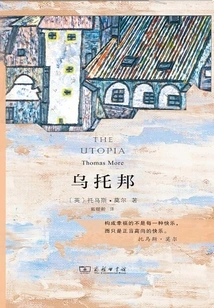
More wrote "Utopia" in 1516. He took a very serious attitude and used Latin that was popular in the academic world at that time. However, the names of people, places and other proper names in the book were all made up. His era was a great era of geographical discovery. New shipping routes, new land, and new people all emerged, opening Europeans' horizons, breaking their prejudices, and liberating their minds. In such an atmosphere, More narrated a Utopia from a navigator. It is indeed difficult to distinguish the true from the false, just like a fairyland that can confuse people. The original book is divided into two parts. The first part talks about an irrational society. People familiar with this period of British history will know at a glance that this refers to the British society in which More was exposed. This part attacks the darkness of British politics and society. However, the author cleverly touches on the story, uses vague words, and uses the insinuation method that complements the false and the true, so that the stubborn and stubborn King of England has no way to accuse the author. The second part describes Utopia, an ideal country, which is in sharp contrast to the content of the first part. All the author's ideas about the perfect society in the future are included in this part.
More wrote "Utopia" in 1516. He took a very serious attitude and used Latin that was popular in the academic world at that time. However, the names of people, places and other proper names in the book were all made up. His era was a great era of geographical discovery. New shipping routes, new land, and new people all emerged, opening Europeans' horizons, breaking their prejudices, and liberating their minds. In such an atmosphere, More narrated a Utopia from a navigator. It is indeed difficult to distinguish the true from the false, just like a fairyland that can confuse people. The original book is divided into two parts. The first part talks about an irrational society. People familiar with this period of British history will know at a glance that this refers to the British society in which More was exposed. This part attacks the darkness of British politics and society. However, the author cleverly touches on the story, uses vague words, and uses the insinuation method that complements the false and the true, so that the stubborn and stubborn King of England has no way to accuse the author. The second part describes Utopia, an ideal country, which is in sharp contrast to the content of the first part. All the author's ideas about the perfect society in the future are included in this part.
O
General Fictiono
H
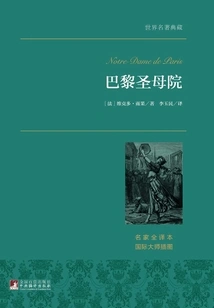
This book artistically reproduces the historical reality of the reign of French King Louis XI more than 400 years ago, how the court and the church colluded to oppress the people, and how the people fought heroically against the two forces. This book is set in France in 1482. It focuses on the relationship between the gypsy girl Esmeralda, the young and handsome guard captain, the sanctimonious archdeacon, and the deformed and ugly bell ringer. It enthusiastically praises the noble humanity of the gypsy girl and the bell ringer, and deeply denounces the hypocrisy and despicability of the guard captain and the archdeacon. The novel embodies Hugo's artistic expression principle of "contrast between beauty and ugliness". Its publication broke the shackles of pseudo-classicism and marked the complete victory of romanticism.
This book artistically reproduces the historical reality of the reign of French King Louis XI more than 400 years ago, how the court and the church colluded to oppress the people, and how the people fought heroically against the two forces. This book is set in France in 1482. It focuses on the relationship between the gypsy girl Esmeralda, the young and handsome guard captain, the sanctimonious archdeacon, and the deformed and ugly bell ringer. It enthusiastically praises the noble humanity of the gypsy girl and the bell ringer, and deeply denounces the hypocrisy and despicability of the guard captain and the archdeacon. The novel embodies Hugo's artistic expression principle of "contrast between beauty and ugliness". Its publication broke the shackles of pseudo-classicism and marked the complete victory of romanticism.
J
General Fictionj
H
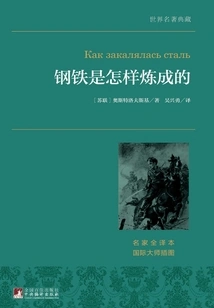
This book is a novel written by the former Soviet writer Nikolai Ostrovsky, written in 1933. By narrating the growth path of Paul Korchagin, the novel tells people that only when a person defeats the enemy and himself in the hardships of the revolution, and only when he connects his pursuit with the interests of the motherland and the people, can he create miracles and grow into a steel warrior.
This book is a novel written by the former Soviet writer Nikolai Ostrovsky, written in 1933. By narrating the growth path of Paul Korchagin, the novel tells people that only when a person defeats the enemy and himself in the hardships of the revolution, and only when he connects his pursuit with the interests of the motherland and the people, can he create miracles and grow into a steel warrior.
Andersen's Fairy Tales
General Fiction安徒生童话
I
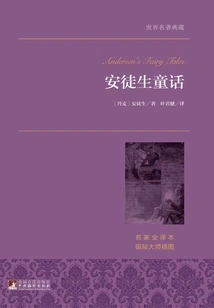
This book selects 25 fairy tales written by Andersen in different periods, including "The Ugly Duckling", "The Steadfast Tin Soldier", "The Little Match Girl", "The Daughter of the Sea", "The Emperor's New Clothes", etc. Andersen's fairy tales are full of poetry and fantasy. Birds, animals, insects, fish, flowers, trees, the whole nature and even the furniture and dolls in the home are given life, injected with thoughts and feelings, lively and fascinating. Bold fantasy transcends the boundaries of time and space, curious thirst for knowledge penetrates the secrets of nature, the ugly duckling turns into an elegant swan, the little mermaid turns into a beautiful girl for love, the nightingale's wonderful song subdues death...
This book selects 25 fairy tales written by Andersen in different periods, including "The Ugly Duckling", "The Steadfast Tin Soldier", "The Little Match Girl", "The Daughter of the Sea", "The Emperor's New Clothes", etc. Andersen's fairy tales are full of poetry and fantasy. Birds, animals, insects, fish, flowers, trees, the whole nature and even the furniture and dolls in the home are given life, injected with thoughts and feelings, lively and fascinating. Bold fantasy transcends the boundaries of time and space, curious thirst for knowledge penetrates the secrets of nature, the ugly duckling turns into an elegant swan, the little mermaid turns into a beautiful girl for love, the nightingale's wonderful song subdues death...
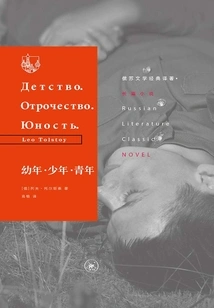
Childhood, Youth, Youth
General Fiction幼年·少年·青年
(russian) Leo Tolstoy
Most of the author Tolstoy's novels reflect the real life of Russian society in the 19th century, describe all kinds of Russian characters, and create many models with distinctive personalities. Reading Tolstoy's novels, we seem to be in the Russian environment at that time, and we can really say that we are immersed in it; we come into contact with characters of various identities and personalities, as if we see them and hear their voices; at the same time, along with their joys and sorrows, joys and sorrows, we naturally have a strong resonance with their experiences. Literary and artistic works mainly move people with emotion. By reading excellent literary and artistic works, you can unknowingly gain beneficial influence, and thus have thoughts about the world and life. Tolstoy's life was mainly concerned with caring for people, sympathizing with the suffering of unfortunate people, and thinking about how to fill the world with sincere love between people, which is to promote the spirit of humanitarianism. It is this great personality that has moved and continues to move the hearts of all upright people around the world. No wonder his works have been translated into the most languages in the world and have always ranked first among classic works in terms of number of prints. The protagonist of this autobiographical novel, Nikolenka, was born in an ordinary aristocratic family in Russia. She lived in a spacious and gorgeous mansion, had groups of servants, had a dedicated tutor, often attended banquets and dances, went hunting in the suburbs, and lived a life full of food. Despite living in a greenhouse, acute social problems are still inevitably exposed, such as Karl, who has a miserable life experience, the serfs who depend on others and are exploited but do not know how to resist, the hypocrisy of university professors, the indulgence of university life, the favoritism of government officials, the corruption of the conscription system, etc.
Most of the author Tolstoy's novels reflect the real life of Russian society in the 19th century, describe all kinds of Russian characters, and create many models with distinctive personalities. Reading Tolstoy's novels, we seem to be in the Russian environment at that time, and we can really say that we are immersed in it; we come into contact with characters of various identities and personalities, as if we see them and hear their voices; at the same time, along with their joys and sorrows, joys and sorrows, we naturally have a strong resonance with their experiences. Literary and artistic works mainly move people with emotion. By reading excellent literary and artistic works, you can unknowingly gain beneficial influence, and thus have thoughts about the world and life. Tolstoy's life was mainly concerned with caring for people, sympathizing with the suffering of unfortunate people, and thinking about how to fill the world with sincere love between people, which is to promote the spirit of humanitarianism. It is this great personality that has moved and continues to move the hearts of all upright people around the world. No wonder his works have been translated into the most languages in the world and have always ranked first among classic works in terms of number of prints. The protagonist of this autobiographical novel, Nikolenka, was born in an ordinary aristocratic family in Russia. She lived in a spacious and gorgeous mansion, had groups of servants, had a dedicated tutor, often attended banquets and dances, went hunting in the suburbs, and lived a life full of food. Despite living in a greenhouse, acute social problems are still inevitably exposed, such as Karl, who has a miserable life experience, the serfs who depend on others and are exploited but do not know how to resist, the hypocrisy of university professors, the indulgence of university life, the favoritism of government officials, the corruption of the conscription system, etc.

Hunter's Diary
General Fiction猎人日记
Turgenev
"Diary of a Hunter" is Turgenev's famous work, and it was also the work that put him in prison. The book tells twenty-four stories using a hunter's hunting as a clue. These stories seem independent and unrelated, but they all have a strong local Russian flavor, and they directly touch on the poor life of the people at the bottom of Russia, fully exposing the cruelty of serfdom. Turgenev used a unique writing technique to depict Russia's honest folk customs and changing natural scenes vividly, like a rich and colorful oil painting: the grass shines like the light of green jade; "Diary of a Hunter" is the first work in the history of Russian literature to expose serfdom in such a detailed and naked way, which is why it is a world-famous work.
"Diary of a Hunter" is Turgenev's famous work, and it was also the work that put him in prison. The book tells twenty-four stories using a hunter's hunting as a clue. These stories seem independent and unrelated, but they all have a strong local Russian flavor, and they directly touch on the poor life of the people at the bottom of Russia, fully exposing the cruelty of serfdom. Turgenev used a unique writing technique to depict Russia's honest folk customs and changing natural scenes vividly, like a rich and colorful oil painting: the grass shines like the light of green jade; "Diary of a Hunter" is the first work in the history of Russian literature to expose serfdom in such a detailed and naked way, which is why it is a world-famous work.

Father and Son
General Fiction父与子
Turgenev
"Fathers and Sons" is a novel written by Turgenev in 1861. In this work, Turgenev describes the conflict in values, social ideals and life paths between the weak people in the 1850s who had good intentions but did nothing and the new, powerful, "nihilistic" young revolutionary generation. The novel combines the facts, pictures, and characters' inner thoughts into real, concise, and natural behavioral descriptions and dialogues, and creates a series of vivid characters such as Bazarov, the "first awe-inspiring figure" in Russian literature. It fully displays the model paradigm of the evolution of the times, and the confusion and confusion at the transition between the new and the old era...
"Fathers and Sons" is a novel written by Turgenev in 1861. In this work, Turgenev describes the conflict in values, social ideals and life paths between the weak people in the 1850s who had good intentions but did nothing and the new, powerful, "nihilistic" young revolutionary generation. The novel combines the facts, pictures, and characters' inner thoughts into real, concise, and natural behavioral descriptions and dialogues, and creates a series of vivid characters such as Bazarov, the "first awe-inspiring figure" in Russian literature. It fully displays the model paradigm of the evolution of the times, and the confusion and confusion at the transition between the new and the old era...
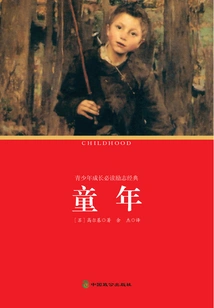
Childhood
General Fiction童年
(soviet Union) Maxim Gorky
When Alyosha was three years old, his father died of cholera, and his mother took him to live with his maternal grandfather. In this family, fathers and sons, brothers, and husbands and wives often quarrel and fight over property and even over trivial matters. My grandfather was moody and had a bad temper. He beat my grandmother fiercely and beat Alyosha unconscious. My grandmother was very kind to Alyosha, telling him legends, fairy tales and folk stories, and she endured all the pressures of life without complaining. The mother was forced to remarry and died of tuberculosis a few years later. After his grandfather went bankrupt, Alyosha was forced to live in the world and began to make a living independently. This book truly describes Alyosha's miserable childhood, and profoundly outlines a true and vivid picture of the vulgarity, selfishness, emptiness and boredom of the Russian petty bourgeoisie in the 19th century. At the same time, it also shows the integrity, simplicity, and diligence of the lower class working people. The image of the grandmother created in the book is one of the glorious and poetic images in Russian literature. This book is the first of Gorky's autobiographical trilogy, and it is also a work written by Gorky with great devotion and charm.
When Alyosha was three years old, his father died of cholera, and his mother took him to live with his maternal grandfather. In this family, fathers and sons, brothers, and husbands and wives often quarrel and fight over property and even over trivial matters. My grandfather was moody and had a bad temper. He beat my grandmother fiercely and beat Alyosha unconscious. My grandmother was very kind to Alyosha, telling him legends, fairy tales and folk stories, and she endured all the pressures of life without complaining. The mother was forced to remarry and died of tuberculosis a few years later. After his grandfather went bankrupt, Alyosha was forced to live in the world and began to make a living independently. This book truly describes Alyosha's miserable childhood, and profoundly outlines a true and vivid picture of the vulgarity, selfishness, emptiness and boredom of the Russian petty bourgeoisie in the 19th century. At the same time, it also shows the integrity, simplicity, and diligence of the lower class working people. The image of the grandmother created in the book is one of the glorious and poetic images in Russian literature. This book is the first of Gorky's autobiographical trilogy, and it is also a work written by Gorky with great devotion and charm.
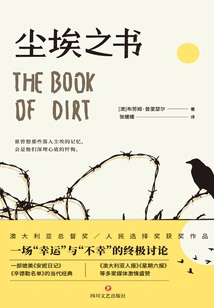
Book of Dust
General Fiction尘埃之书
(australia) Braum Prisel
This is a story about survivors, the ultimate debate between "lucky" and "unlucky". "My" maternal grandparents were Jews who survived concentration camps during World War II. Grandfather Jakub was a young doctor of law who was captured in Theresienstadt shortly after the war began. Because of his profound knowledge and the help of his former colleagues, he began to participate in organizing books and materials, and became a "privileged" person. Not only was the ration sufficient, but he could also help his relatives. Grandma Daza and her sister were of mixed Jewish descent. The two weak girls lived in Theresienstadt, relying on the food their mother occasionally mailed from outside and the help of their grandparents. But this "peace" did not last long - they were soon sent to Auschwitz, a place full of poison gas and crematoriums. Starvation, torture, death, all kinds of dirty things were performed in Auschwitz, like a carnival before the Holocaust. Because supplies were insufficient, the hungry Jakub ate his mother's supplies and his mother's hope of survival... After the war, the surviving maternal grandparents immigrated to Australia. These past events were also buried in the dust until they passed away. By chance, a report mentioned my grandfather and the "Museum of Extinct Races", and this period of history was reopened and rewritten... Perhaps, those who survived the war were not only lucky, but also endured humiliation and even found it difficult to talk about it.
This is a story about survivors, the ultimate debate between "lucky" and "unlucky". "My" maternal grandparents were Jews who survived concentration camps during World War II. Grandfather Jakub was a young doctor of law who was captured in Theresienstadt shortly after the war began. Because of his profound knowledge and the help of his former colleagues, he began to participate in organizing books and materials, and became a "privileged" person. Not only was the ration sufficient, but he could also help his relatives. Grandma Daza and her sister were of mixed Jewish descent. The two weak girls lived in Theresienstadt, relying on the food their mother occasionally mailed from outside and the help of their grandparents. But this "peace" did not last long - they were soon sent to Auschwitz, a place full of poison gas and crematoriums. Starvation, torture, death, all kinds of dirty things were performed in Auschwitz, like a carnival before the Holocaust. Because supplies were insufficient, the hungry Jakub ate his mother's supplies and his mother's hope of survival... After the war, the surviving maternal grandparents immigrated to Australia. These past events were also buried in the dust until they passed away. By chance, a report mentioned my grandfather and the "Museum of Extinct Races", and this period of history was reopened and rewritten... Perhaps, those who survived the war were not only lucky, but also endured humiliation and even found it difficult to talk about it.
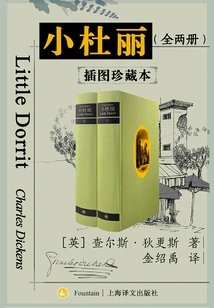
小杜丽(全两册)(插图珍藏本)
H
A dark family history full of revenge and deceit, repression and sadness, a dense forest intertwined with countless plots; a classic translation that has been out of print for many years, and precious original illustrations to reproduce Dickens's great classic. "The Little Society," published in 1857, is one of Dickens's greatest late works. The novel is set in Marshall West Gaol, a famous debtor's prison in London during the Victorian period. It tells the bitter and bumpy growth process of the "prison daughter" Little Dolly, and reveals the dark family history of Clennan, the hero, full of revenge and deceit, oppression and sadness. The story and characters are so complex that critics call it a "dense forest intertwined with countless plots". Reading it is like peeling off a cocoon, making readers sigh and find it difficult to put down the book. The book's broad depiction of British society in the Victorian era, its profound exposure of the greedy nature and filthy souls of capitalists hidden under the cloak of hypocrisy, and its ruthless mockery of the corrupt officialdom embody the characteristics of Dickens' later works: his ideological content tends to be more profound and rich, and his ability to control characters and plots tends to be more mature.
A dark family history full of revenge and deceit, repression and sadness, a dense forest intertwined with countless plots; a classic translation that has been out of print for many years, and precious original illustrations to reproduce Dickens's great classic. "The Little Society," published in 1857, is one of Dickens's greatest late works. The novel is set in Marshall West Gaol, a famous debtor's prison in London during the Victorian period. It tells the bitter and bumpy growth process of the "prison daughter" Little Dolly, and reveals the dark family history of Clennan, the hero, full of revenge and deceit, oppression and sadness. The story and characters are so complex that critics call it a "dense forest intertwined with countless plots". Reading it is like peeling off a cocoon, making readers sigh and find it difficult to put down the book. The book's broad depiction of British society in the Victorian era, its profound exposure of the greedy nature and filthy souls of capitalists hidden under the cloak of hypocrisy, and its ruthless mockery of the corrupt officialdom embody the characteristics of Dickens' later works: his ideological content tends to be more profound and rich, and his ability to control characters and plots tends to be more mature.
Q
General Fictionq
H
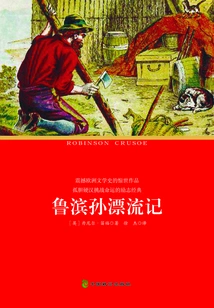
"Robinson Crusoe" describes the story of the protagonist who encountered a shipwreck at sea and drifted to an deserted island alone. In order to survive on the island, he had to abandon his previous living habits and live a return to nature. The book is beautifully written and vividly expresses the social ethos of advocating adventure and encouraging individual struggle. The novel has been translated into many languages and circulated around the world, and is favored by readers.
"Robinson Crusoe" describes the story of the protagonist who encountered a shipwreck at sea and drifted to an deserted island alone. In order to survive on the island, he had to abandon his previous living habits and live a return to nature. The book is beautifully written and vividly expresses the social ethos of advocating adventure and encouraging individual struggle. The novel has been translated into many languages and circulated around the world, and is favored by readers.
Jane Eyre (english-chinese Bilingual)
General Fiction简·爱(英汉双语)
Charlotte Brontë
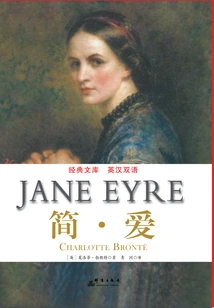
It truly reproduces the bumpy experiences and brave pursuit of the little character Jane Eyre for thirty years, delicately describes the heroine's difficult living conditions and complex psychological activities, opposes the suppression and destruction of human nature, and praises women's independent, self-respecting and self-reliant spirit. It is a realistic work. The work also fully expresses the author's subjective ideals and expresses his passionate personal feelings. It has extremely rich imagination in plot construction, character portrayal, psychological revelation and scenery description.
It truly reproduces the bumpy experiences and brave pursuit of the little character Jane Eyre for thirty years, delicately describes the heroine's difficult living conditions and complex psychological activities, opposes the suppression and destruction of human nature, and praises women's independent, self-respecting and self-reliant spirit. It is a realistic work. The work also fully expresses the author's subjective ideals and expresses his passionate personal feelings. It has extremely rich imagination in plot construction, character portrayal, psychological revelation and scenery description.
Jane Eyre
General Fiction简爱
Charlotte Brontë
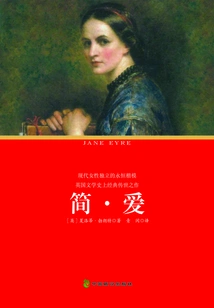
"Jane Eyre (English-Chinese Bilingual Famous Classic Collection Edition)" written by Charlotte Bronte truly reproduces the bumpy experiences and brave pursuit of the little character Jane Eyre for thirty years, delicately describes the heroine's difficult living conditions and complex psychological activities, opposes the suppression and destruction of human nature, and praises women's independence, self-respect and self-improvement. It is a realistic work. The work also fully expresses the author's subjective ideals and expresses his passionate personal feelings. It has extremely rich imagination in plot construction, character portrayal, psychological revelation and scenery description.
"Jane Eyre (English-Chinese Bilingual Famous Classic Collection Edition)" written by Charlotte Bronte truly reproduces the bumpy experiences and brave pursuit of the little character Jane Eyre for thirty years, delicately describes the heroine's difficult living conditions and complex psychological activities, opposes the suppression and destruction of human nature, and praises women's independence, self-respect and self-improvement. It is a realistic work. The work also fully expresses the author's subjective ideals and expresses his passionate personal feelings. It has extremely rich imagination in plot construction, character portrayal, psychological revelation and scenery description.
M
General Fictionm
I
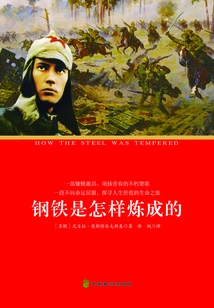
"How the Steel Was Tempered" is an excellent novel. The book vividly describes the growth experience of Paul Korchagin, and uses it to explain a truth to people. If you want to defeat a powerful enemy, you must go through arduous struggles and challenge yourself. Only by combining your own personal interests with the collective interests of the country and the people can miracles happen and your heart become truly strong. The book's language is vivid, full of rich flavor of life, conveying soul-stirring spiritual power and profound philosophy of life.
"How the Steel Was Tempered" is an excellent novel. The book vividly describes the growth experience of Paul Korchagin, and uses it to explain a truth to people. If you want to defeat a powerful enemy, you must go through arduous struggles and challenge yourself. Only by combining your own personal interests with the collective interests of the country and the people can miracles happen and your heart become truly strong. The book's language is vivid, full of rich flavor of life, conveying soul-stirring spiritual power and profound philosophy of life.
O
General Fictiono
I
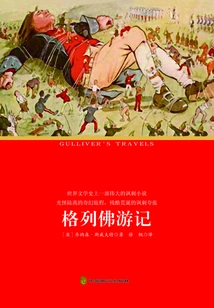
"Gulliver's Travels" is the representative work of British writer Swift. It is a satirical novel in the style of travel notes, which expresses the author's thoughts in a relatively perfect artistic form. This book is written in the form of Captain Gulliver's autobiography. It mainly describes Captain Gulliver's strange experiences in Lilliput, Adult, Flying Island and Houyhnhnm. Through the form of a novel, it comprehensively satirizes and criticizes British social life in the first half of the 18th century, with distinctive democratic ideological characteristics.
"Gulliver's Travels" is the representative work of British writer Swift. It is a satirical novel in the style of travel notes, which expresses the author's thoughts in a relatively perfect artistic form. This book is written in the form of Captain Gulliver's autobiography. It mainly describes Captain Gulliver's strange experiences in Lilliput, Adult, Flying Island and Houyhnhnm. Through the form of a novel, it comprehensively satirizes and criticizes British social life in the first half of the 18th century, with distinctive democratic ideological characteristics.
Y
Alice in Wonderland
General Fiction爱丽丝漫游奇境
(uk) Lewis Carroll
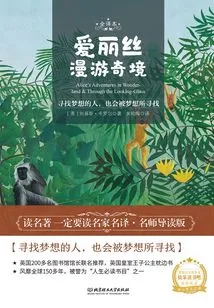
The book "Alice's Adventures in Wonderland" tells the fantasy adventure story of an innocent and lively little girl, Alice, and includes two parts: "Alice's Adventures in Wonderland" and "Alice's Adventures Through the Looking Glass". These two stories are full of wild imagination. The strong and optimistic Alice always maintains her innocence and true heart in every adventure. In the face of those absurd and bizarre people and things, she was always able to stay awake, adhere to her inner value judgment, not be influenced by others, not follow the crowd, maintain her own dignity, and keep the kindness in her heart. She also taught people not to lose themselves in this complex and ever-changing world, and to maintain their dignity and original intention. This book adds new sections such as famous teacher guidance, famous reading, five-dimensional integration, golden sentences, simulated test points, notes, etc. To help young readers better understand the content of the story, so that young readers can gain spiritual food from reading while improving their reading ability and mastering core test points.
The book "Alice's Adventures in Wonderland" tells the fantasy adventure story of an innocent and lively little girl, Alice, and includes two parts: "Alice's Adventures in Wonderland" and "Alice's Adventures Through the Looking Glass". These two stories are full of wild imagination. The strong and optimistic Alice always maintains her innocence and true heart in every adventure. In the face of those absurd and bizarre people and things, she was always able to stay awake, adhere to her inner value judgment, not be influenced by others, not follow the crowd, maintain her own dignity, and keep the kindness in her heart. She also taught people not to lose themselves in this complex and ever-changing world, and to maintain their dignity and original intention. This book adds new sections such as famous teacher guidance, famous reading, five-dimensional integration, golden sentences, simulated test points, notes, etc. To help young readers better understand the content of the story, so that young readers can gain spiritual food from reading while improving their reading ability and mastering core test points.

Little Prince
General Fiction小王子
Saint-exupéry
"The Little Prince" tells the story of a little prince from an alien planet who ran away from his planet because of a conflict with his rose. In the story, the little prince is an innocent and friendly child. One day, a rose grew on his planet. He kept watering the rose with all his heart. Because of the little prince's careful care, the rose became very proud. The little prince couldn't stand the pride of the rose, so he sadly left his planet and began to travel in the universe. He went to six asteroids and met domineering kings, vain people, drunkards, businessmen, lamplighters, and geographers. In the eyes of the little prince, these people were all strange people. He didn't understand why these people were busy and what they were pursuing. Later, the little prince came to the earth, and met a snake, a small flower with only three petals, a rose garden, a fox, a switchman, a businessman selling thirst-quenching pills, and a pilot... This is a story full of symbolic meaning. This book is full of calm reflections on life. After the author retired from the Air Force, he engaged in various professions and even had a few brushes with death, which made him see life more thoroughly. In the story, he satirized the vanity, superficiality and profit-driven adult world, and warned teenagers to always maintain a pure heart and find the true meaning of life.
"The Little Prince" tells the story of a little prince from an alien planet who ran away from his planet because of a conflict with his rose. In the story, the little prince is an innocent and friendly child. One day, a rose grew on his planet. He kept watering the rose with all his heart. Because of the little prince's careful care, the rose became very proud. The little prince couldn't stand the pride of the rose, so he sadly left his planet and began to travel in the universe. He went to six asteroids and met domineering kings, vain people, drunkards, businessmen, lamplighters, and geographers. In the eyes of the little prince, these people were all strange people. He didn't understand why these people were busy and what they were pursuing. Later, the little prince came to the earth, and met a snake, a small flower with only three petals, a rose garden, a fox, a switchman, a businessman selling thirst-quenching pills, and a pilot... This is a story full of symbolic meaning. This book is full of calm reflections on life. After the author retired from the Air Force, he engaged in various professions and even had a few brushes with death, which made him see life more thoroughly. In the story, he satirized the vanity, superficiality and profit-driven adult world, and warned teenagers to always maintain a pure heart and find the true meaning of life.
Pride and Prejudice
General Fiction傲慢与偏见
(uk) Austin
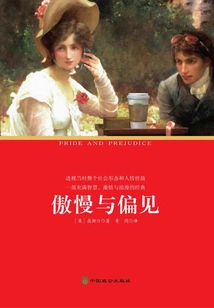
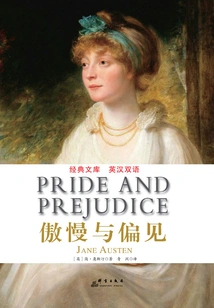
"Pride and Prejudice" is a novel describing love and marriage. The novel revolves around the theme of how Mrs. Bennett married off her five daughters. Darcy is rich and proud, representing arrogance; Elizabeth is smart and willful, representing prejudice. Finally, true love finally breaks this pride and prejudice, and "Pride and Prejudice" ends in the wedding ceremony.
"Pride and Prejudice" is a novel describing love and marriage. The novel revolves around the theme of how Mrs. Bennett married off her five daughters. Darcy is rich and proud, representing arrogance; Elizabeth is smart and willful, representing prejudice. Finally, true love finally breaks this pride and prejudice, and "Pride and Prejudice" ends in the wedding ceremony.
O
O
General Fictiono
P
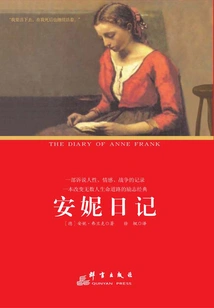
Anne Frank, a German Jewish girl, died in the Bergen-Belsen concentration camp at the age of 15. "Annie's Diary" is a record of Anne's life and emotions when she was hiding in a secret room two years before her death. "Annie's Diary" records a growing girl's emotions and experiences such as war and racial persecution, self-growth and positioning, and seeking freedom, showing amazing courage and perseverance. It will arouse shock and resonance in your heart, and let you face the troubles of growing up.
Anne Frank, a German Jewish girl, died in the Bergen-Belsen concentration camp at the age of 15. "Annie's Diary" is a record of Anne's life and emotions when she was hiding in a secret room two years before her death. "Annie's Diary" records a growing girl's emotions and experiences such as war and racial persecution, self-growth and positioning, and seeking freedom, showing amazing courage and perseverance. It will arouse shock and resonance in your heart, and let you face the troubles of growing up.
The Moon and Sixpence
General Fiction月亮与六便士
Y
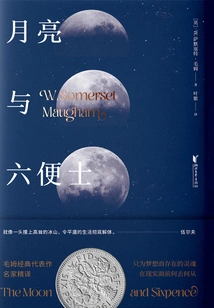
"The Moon and Sixpence" is Maugham's masterpiece novel. This is not a mediocre popular novel, and the plot developed in the conflict with traditional moral concepts is not a flat moral education story. The story line of the novel is not complicated: Strickland, a middle-aged stockbroker, gave up his job and family, went to Paris to learn painting, and finally hid on an isolated island to paint for the rest of his life. After his death, he became famous and became a successful painter recognized by the world. This novel is not just a simple choice between "Moon" and "Sixpence". It is not a biography of the painter Gauguin. It just uses this character prototype to tell about the choices that almost everyone may encounter in life. Stripping away the main line, Maugham, as the narrator of the story, "I" intersperses those "digressions" in the middle of the story, those argumentative texts that explore ultimate issues such as whether spirit is greater than matter, whether personal pursuit is superior to social morality, etc. In fact, they are the essence of the entire book.
"The Moon and Sixpence" is Maugham's masterpiece novel. This is not a mediocre popular novel, and the plot developed in the conflict with traditional moral concepts is not a flat moral education story. The story line of the novel is not complicated: Strickland, a middle-aged stockbroker, gave up his job and family, went to Paris to learn painting, and finally hid on an isolated island to paint for the rest of his life. After his death, he became famous and became a successful painter recognized by the world. This novel is not just a simple choice between "Moon" and "Sixpence". It is not a biography of the painter Gauguin. It just uses this character prototype to tell about the choices that almost everyone may encounter in life. Stripping away the main line, Maugham, as the narrator of the story, "I" intersperses those "digressions" in the middle of the story, those argumentative texts that explore ultimate issues such as whether spirit is greater than matter, whether personal pursuit is superior to social morality, etc. In fact, they are the essence of the entire book.
In the World
General Fiction在人间
I
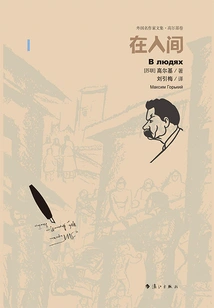
"In the World" is a long autobiographical novel written by Soviet writer Maxim Gorky. It is the second part of his autobiographical trilogy. The novel describes the life of the protagonist Alyosha from 1871 to 1884. During this period, he made a living by picking wild fruits with his grandmother and selling them. He worked as a draftsman's apprentice, as a dishwasher on a ship, and as an apprentice in an icon workshop. On the road of life, he went through many ups and downs and dealt with all kinds of people at the bottom of society, but he read a lot of books whenever he had the opportunity. Life experience and a lot of reading expanded Alyosha's horizons. He was determined to "be a strong person and not give in to the environment." "In the World" is Gorky's mellow writing style about his life as a boy. He used his personal life experiences to reflect some typical characteristics of Russian social life and the customs and sentiments of the society at that time.
"In the World" is a long autobiographical novel written by Soviet writer Maxim Gorky. It is the second part of his autobiographical trilogy. The novel describes the life of the protagonist Alyosha from 1871 to 1884. During this period, he made a living by picking wild fruits with his grandmother and selling them. He worked as a draftsman's apprentice, as a dishwasher on a ship, and as an apprentice in an icon workshop. On the road of life, he went through many ups and downs and dealt with all kinds of people at the bottom of society, but he read a lot of books whenever he had the opportunity. Life experience and a lot of reading expanded Alyosha's horizons. He was determined to "be a strong person and not give in to the environment." "In the World" is Gorky's mellow writing style about his life as a boy. He used his personal life experiences to reflect some typical characteristics of Russian social life and the customs and sentiments of the society at that time.
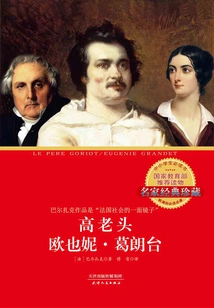
Goriot Eugenie Grandet
General Fiction高老头 欧也妮·葛朗台
H
This book collects two novels by Balzac. "Petro Goriot" tells the story of a young man named Rastinac who came to Paris to study law alone and met the orphan Vinedolina. Later, he got into the upper class society with the help of his cousin's wife and got acquainted with two noble ladies, namely Goriot's two daughters. It describes their conflicts of interests and people. "Eugénie Grandet" tells the story of the banker De Grasan and the Crouch brothers (notary public and priest) in Saumur City who are interested in Grandet's million-dollar fortune, a wealthy businessman in the city. The two families started a fierce struggle to compete for Grandet's only daughter, Eugenie Grandet, and thus inherit his family property. Old Grandet regarded wealth as his life and used his daughter as bait to grab money. Eugenie has lived a closed life since she was a child. The arrival of her cousin Charlie from Paris ignited the flame of her love. For this reason, she suffered all kinds of torture and suffered all her life.
This book collects two novels by Balzac. "Petro Goriot" tells the story of a young man named Rastinac who came to Paris to study law alone and met the orphan Vinedolina. Later, he got into the upper class society with the help of his cousin's wife and got acquainted with two noble ladies, namely Goriot's two daughters. It describes their conflicts of interests and people. "Eugénie Grandet" tells the story of the banker De Grasan and the Crouch brothers (notary public and priest) in Saumur City who are interested in Grandet's million-dollar fortune, a wealthy businessman in the city. The two families started a fierce struggle to compete for Grandet's only daughter, Eugenie Grandet, and thus inherit his family property. Old Grandet regarded wealth as his life and used his daughter as bait to grab money. Eugenie has lived a closed life since she was a child. The arrival of her cousin Charlie from Paris ignited the flame of her love. For this reason, she suffered all kinds of torture and suffered all her life.